How Mario Schneider Captures Intimacy on New York’s Streets
Welcome to this edition of [book spotlight]. Today, we uncover the layers of 'New York Short Stories,' by Mario Schneider (published by Kehrer Verlag). We'd love to read your comments below about these insights and ideas behind the artist's work.
Mario Schneider photographs New York by disappearing into it.
He does not chase landmarks or famous places, but watches people until they forget he is there. In this interview, Schneider explains how his background as a filmmaker and his life in East Germany shaped the way he moves through the city and waits for moments to unfold. He talks about patience, staying in one situation, and why being invisible matters more than being fast.
For Schneider, street photography is not about speed, but about presence.
He describes becoming a ghost the moment he leaves the house, blending into the flow of the street until people act naturally again. Drawing from years of documentary filmmaking and long days walking New York from morning to night, he shares how he learns to predict moments before they happen. He also explains why the last frame is often stronger than the first, and why respect for strangers matters more than any legal right. At its core, this interview shows how quiet attention can turn everyday encounters into lasting photographs.
The Book
New York Short Stories is a street photography book by Mario Schneider that focuses on quiet, intimate moments in public space. Shot during several extended stays in New York, the book moves away from spectacle and landmarks and centers on human connection, gestures, and fleeting encounters. Mixing color and black and white photographs, Schneider shows a slower, more personal New York, shaped by patience, presence, and careful observation. Rather than documenting the city itself, the book is a portrait of the people who pass through it and the brief moments where something real appears. (Kehrer Verlag, Amazon)

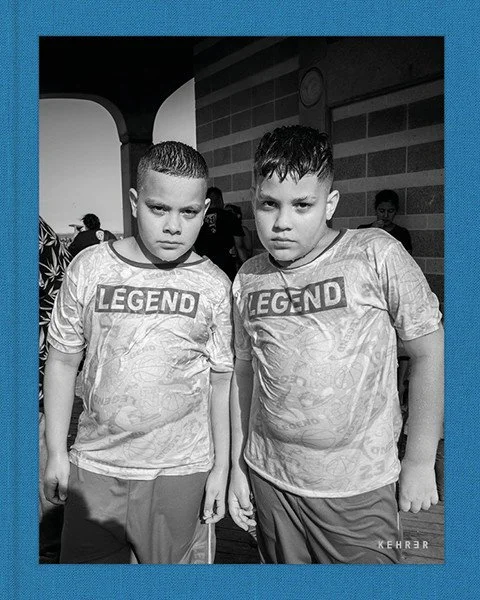
Project Start: You grew up in East Germany, where New York was just a dream, like seeing the Rings of Saturn. What made you finally pick up your camera and start this project during your later visits to the city?
Curiosity mixed with a touch of nostalgia and the joy of immersing myself in a city. I grew up under socialist conditions in the GDR. As a child, I was allowed to watch TV for one hour a day, and our antenna was pointed towards the West. When I came home from school, I sat down next to my grandfather in the smoky living room. It was the television of the imperialist enemy, and I loved it.
I especially loved the American films and series, Columbo, The Streets of San Francisco, Matlock, Hart to Hart, and Magnum. I loved the skyscrapers in the cities, the golden elevators, and revolving doors. I loved the actors who walked from the kitchen to the living room with the spiral cords of the telephones hanging behind them, in conversation with Jack or Kate. I loved the Cadillacs and Chryslers parked in front of the skyscrapers.
It was an attitude to life that seemed infinitely far away to me, and yet it was close to me. When I landed in New York thirty years later, I felt like I was coming home. Ten years later, I started taking photographs. However, there is one matter I must clarify: I didn't photograph New York, I photographed New Yorkers.
Filmmaker Eyes: Your main work is making documentary films and composing music. How does your background in filmmaking change the way you take street photographs in New York?
European cinema has had a major influence on me. Fellini, Bergman, Tarkovsky, Varda, Malle, or Kieślowski have shaped my photographic view of the world. People and humanity are at the heart of my work. I try to tell stories in my photographs, and these are mostly character-driven, like in my favourite movies.
When I work on my documentaries, I spend a lot of time with my protagonists. From research and filming to editing and completing the film, I spend between two and three years with my protagonists. Often, the team and I become part of the family, because it is important to me that people forget about the camera and that the team becomes invisible. It is a very lengthy process.
When I go out on the street as a photographer, I become a ghost as soon as I leave the house. Strictly speaking, I remain a documentary filmmaker even when I'm out on the streets. Being able to tell a story in a thousandth of a second is very exciting and challenging in a different way.
Can you walk us through what that actually means for how you move through the streets?
It means, I try not to draw attention to myself. But It probably has to do with the big city and the individual itself. In New York, nobody cares what you look like, how rich or poor you are, and certainly not whether you are doing well. In that respect, I become a ghost among all the others in New York. The difference is that I try to find the human in a ghost world with my camera. And it's wonderful when it works. A place becomes more livable and lovable.
Camera Choice: You used Leica Q cameras to shoot from morning until night. Why did you choose this camera for street photography, and how did it help you capture those quick moments?
I'm not the kind of photographer who has to buy a new camera every year. I also rarely talk about camera technology. It bores me.
Many photographers talk about cameras that suit them. For me, it's the Leica Q. I had the Q2 first. My new Q3 already looks like it's thirty years old. It's really well used. I carry it with me almost every day, because every day holds surprises for us.
What I really love about this camera is its robustness. I feel safe with it. There are rarely situations that I don't feel up to because I don't have to think about the camera at all. It has become like a part of my own body. I know exactly what it can do, and it can do a lot.
What was particularly important to me was the fast autofocus. I always set all other settings, such as ISO, aperture, and exposure time, manually. Only the autofocus is a truly automatic aid.
Working Method: The press materials say you photographed like a visually starving man from dawn to dusk. Can you explain your daily routine and how you approached strangers on the street?
Starving man is quite accurate. My friend, the New York photographer Sergio Purtell, used this description for me as a street photographer. That's actually how I feel when I arrive at a place where I want to make pictures. A term like curiosity is far too small for what drives me then.
I switch on the camera when I leave the room in the hotel. Even in the lift, I would get nervous and could hardly wait to get outside. Then I would feel like I was on a ski lift, eagerly anticipating my first descent on a freshly groomed slope. And indeed, it felt as if the city was ready for me, as if it were waiting for me. New York is the city where I always feel welcome.
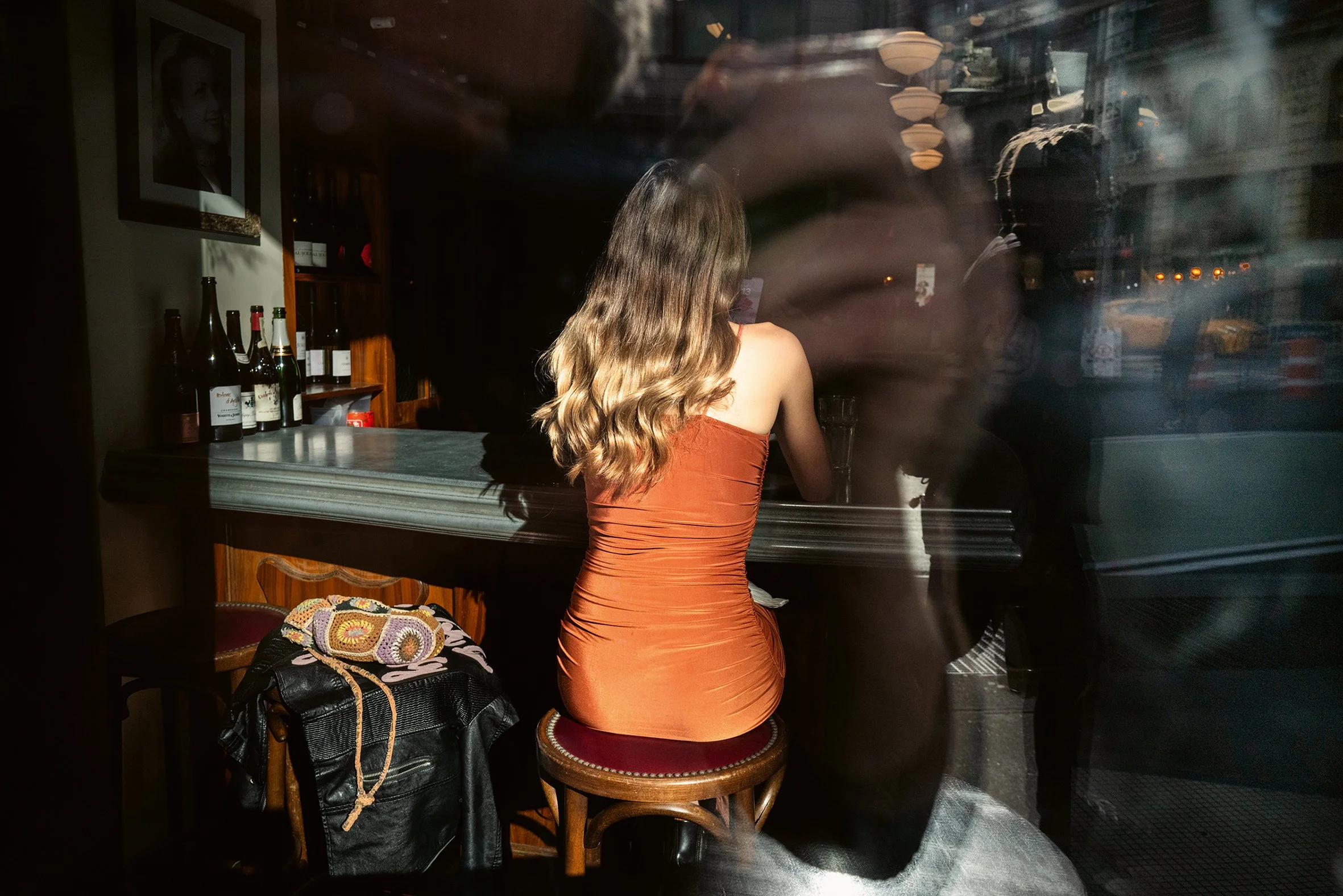
On good days, I must admit, I rarely have bad days. I move very confidently through the chaos of New York. It's as if reality is running in slow motion and I can put myself in situations that are just beginning. Then I instinctively know what will happen in the next moment. I feel completely absorbed by the city and part of it. And yet I am an outsider, alone and on my own.
I don't usually ask people before I take their photo. That's because people on the street are genuine and themselves until they spot us photographers. They then change, and it usually takes a long time for them to return to their normal selves. Over the last few years, I have developed my own method for finding out whether it was okay that I photographed them. I simply take photos for a while and, at a certain point, I do it so conspicuously that they notice me. Then a nod of agreement or a smile is often enough. I often strike up a conversation with them.
You mentioned this method where you photograph until people notice you, then look for a nod or smile. How often do people react negatively, and what do you do when that happens?
I very rarely get negative reactions in New York. Maybe one in fifty. I took a really great photo of a man walking towards me on 5th Avenue. A really great passing-by portrait. My wife saw it and said, “That has to go in the book, it could be your cover.” But this man just shouted at me, “Don't use it!” Legally, I would be on the safe side in the state of New York and could use it, as it was taken on the street. But I don't do it if someone doesn't want me to. So no one will see the photo.
Colour and Black and White: The book mixes colour photos with black and white images. How do you decide which moments should be in colour and which should be black and white?
On the streets, I always take photographs in colour. During editing, I then decide whether the photograph will remain in colour or be converted to black and white. In most cases, the decision is easy for me. A colour photo must need colour; there must be a compelling reason, like the colours enhance an atmosphere that strengthens the scene. I am mostly interested in interpersonal relationships or people in their essence. If colour helps to deepen an image of a person or a situation, it is welcome because it is necessary. Colour schemes for their own sake bore me, such as a man in a green shirt next to a green advertising sign.
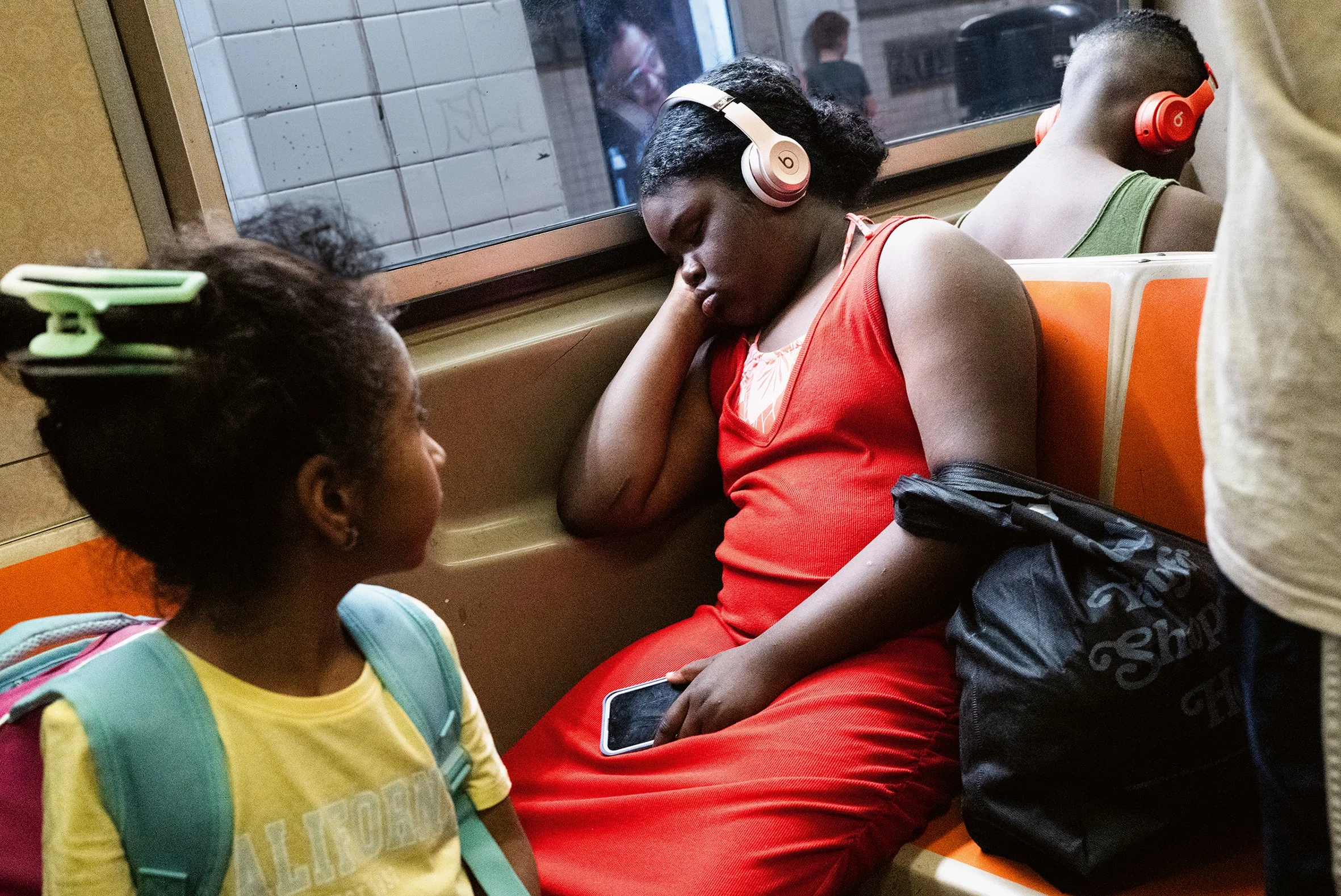
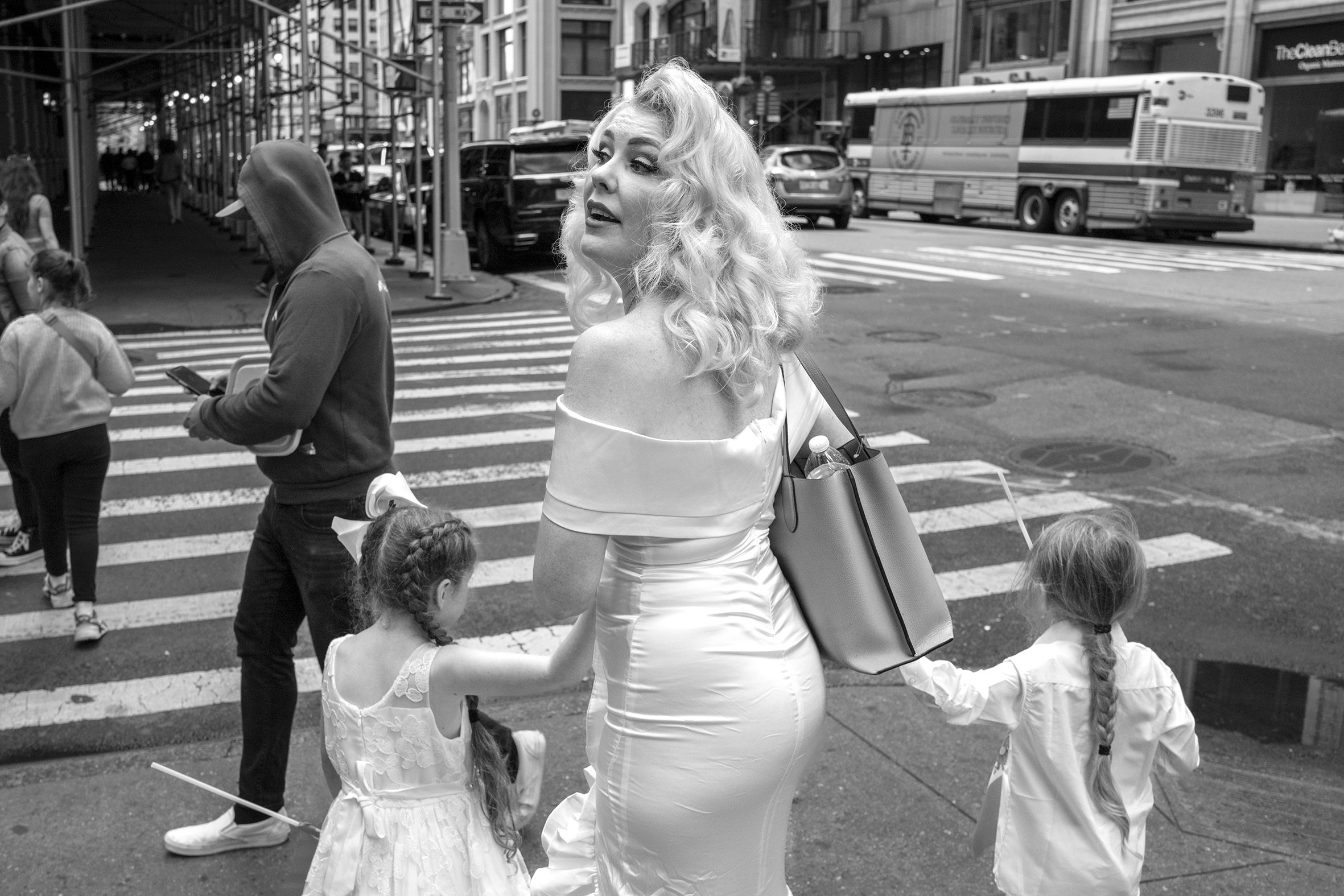
East German View: You described your photos as an East German view of New York, even though the Berlin Wall fell over 30 years ago. What does this East German perspective bring to your street photography?
That's hard to say. I think that every photographer's background shapes their view of the world. Send 50 photographers to Times Square and you'll end up with 50 different perspectives, and you'll be surprised by what one sees and another doesn't.
But I don't know what my photography has to do with the East German perspective. I was shaped there, in a country that no longer exists, in a form of society that no longer exists. You could say I come from the past to see the future. Interpersonal relationships played a major role in the GDR. People helped each other; they didn't usually envy each other or try to be better than the other. Because there was nothing to gain in the East and because the rigid state made people conspiratorial, they stuck together. Maybe I'm still looking for this cohesion between people today because it touches me and reminds me of a time that no longer exists.
Quiet City: Most New York photo books show a loud, busy city, but yours shows a quieter, more personal side. How do you find and photograph these calm, intimate moments in such a noisy place?
I am always looking for the light, and I don't mean the light that comes from the sun or an artificial source; I am looking for the light that comes from people. And then it doesn't matter whether I'm standing at a crowded intersection or in the subway. The light finds its way to me. Sometimes it seems magical to me, as if only I can see something that others miss. I love to see two people kissing, not because I'm voyeuristic, no, because I'm happy for the happiness of others; it warms my heart.
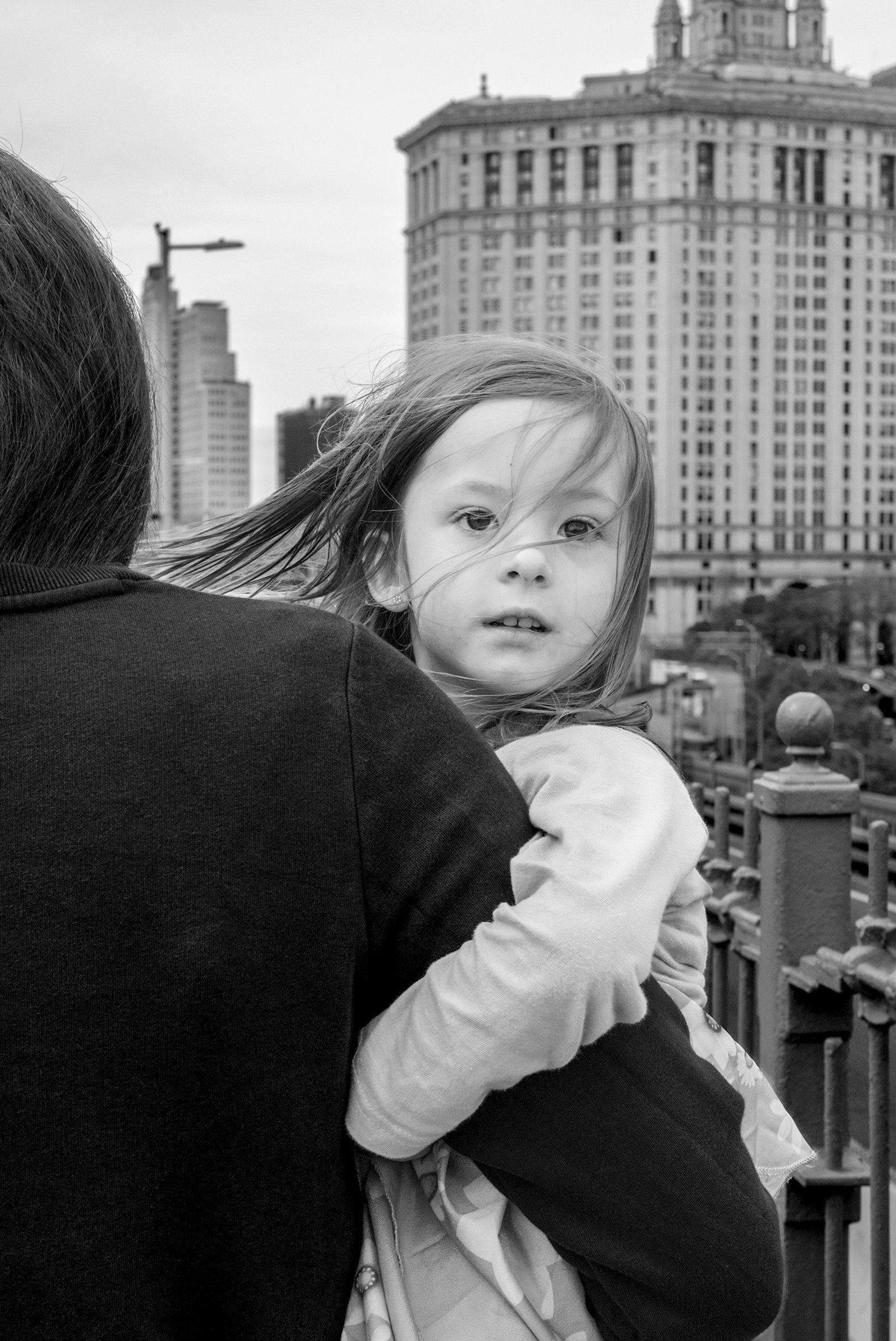
What does that light look like to you when you see it?
Light can mean many things to me, but mostly it is emotions that shine. Between two people, or in grief, in tenderness, perhaps in a kiss, anger, or fear. Somehow, it all has a glow for me, a radiance. But that is only superficial. Light illuminates a scene for me when something deeply human happens in it. Then the scene radiates an energy that I can clearly feel.
People Connection: Your work focuses on human connection and emotions rather than famous landmarks. What techniques do you use to capture genuine feelings in people's faces and body language?
My movements have become so instinctive that I don't have to think about anything anymore. I get into the river, and it carries me along. Magnum photographer Richard Kalvar once told me that he would “work” on a scene until it was over. That sounds simple, and it is. Twenty years ago, I photographed differently than I do today. I was too quick to be satisfied and would leave certain situations as soon as I thought I had a good photo. Today, when I encounter an exciting situation, I stay. I accompany the scene until it resolves itself. And often the best photo isn't the first one you take, but the last.
Fleeting Seconds: The book talks about capturing moments that last only a fraction of a second. How do you train yourself to see and react fast enough to catch these brief moments before they disappear?
In street photography, it's not enough to be fast. If you're fast, you're always too late. You have to know what's going to happen. You have to learn how life works by observing it every day. And eventually, you'll know what's going to happen five seconds before it happens. And then you'll have all the time in the world to take your photo.
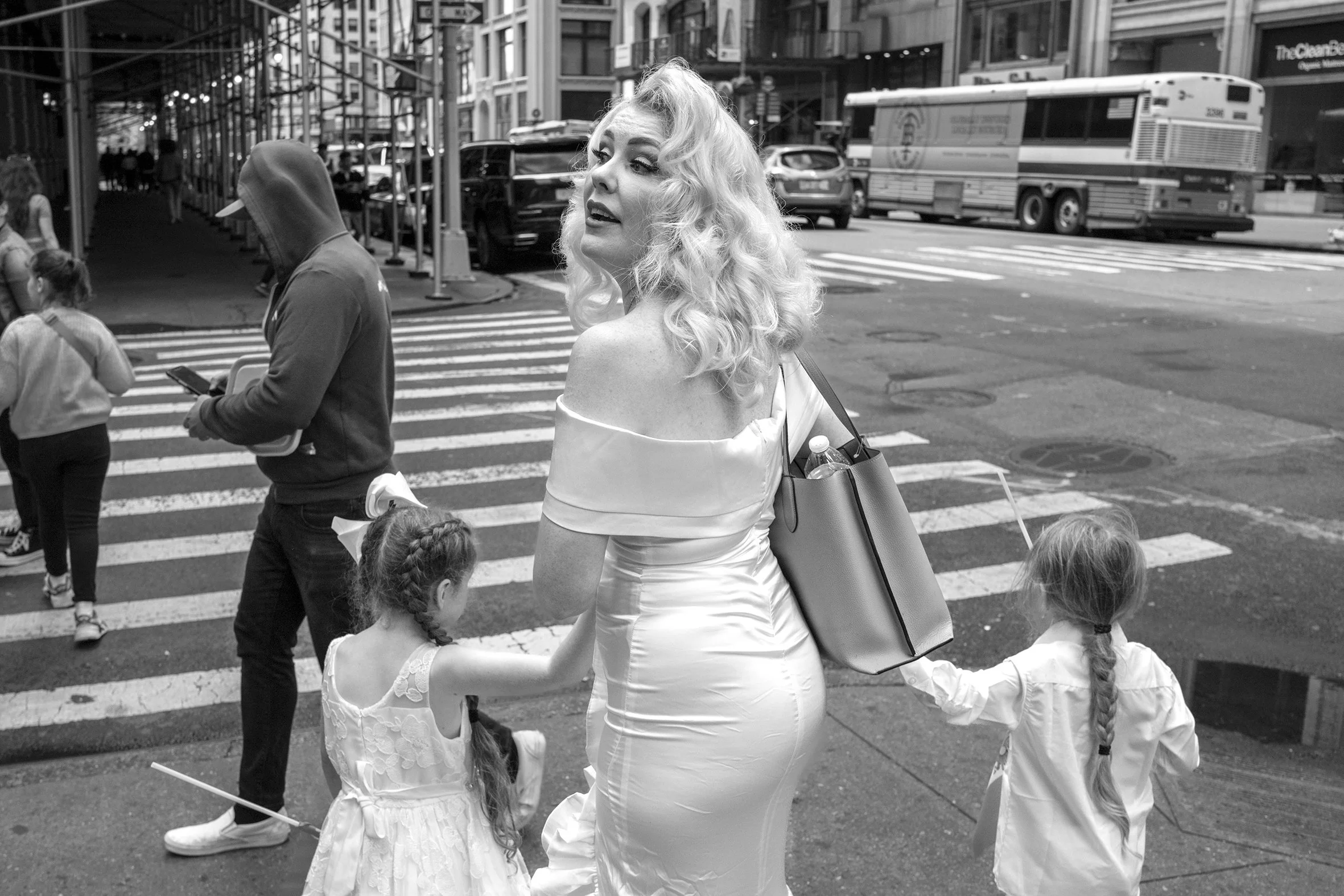
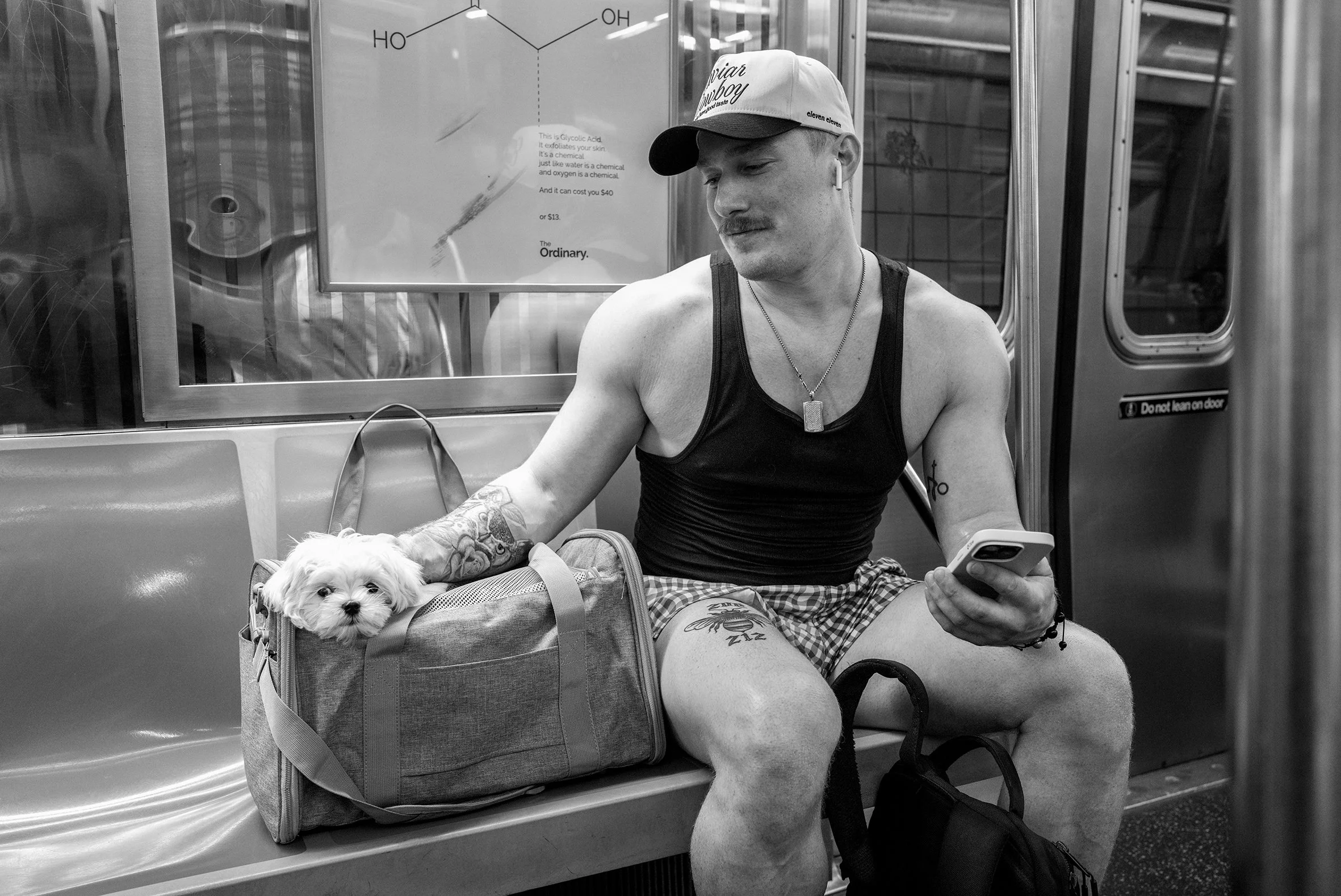
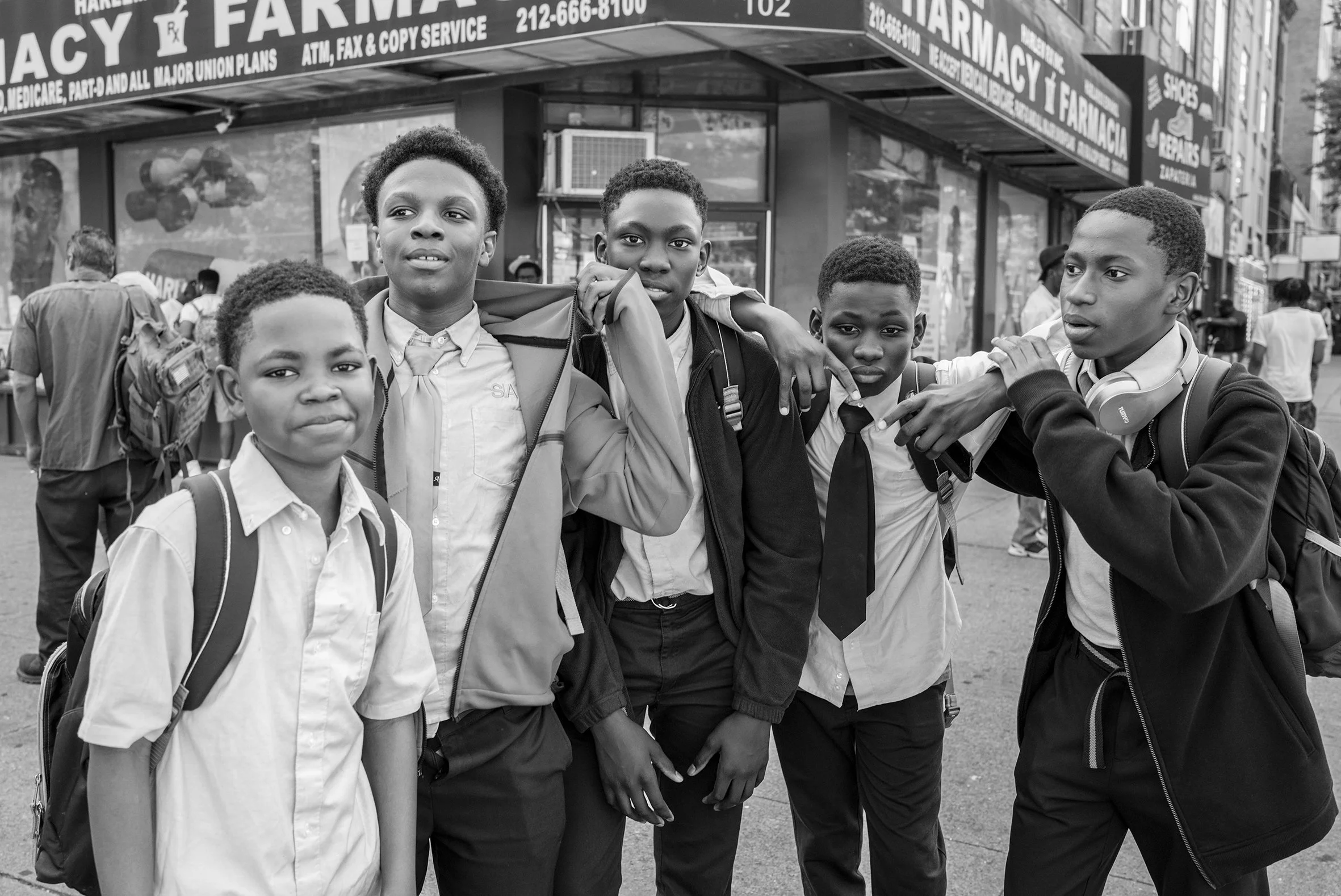
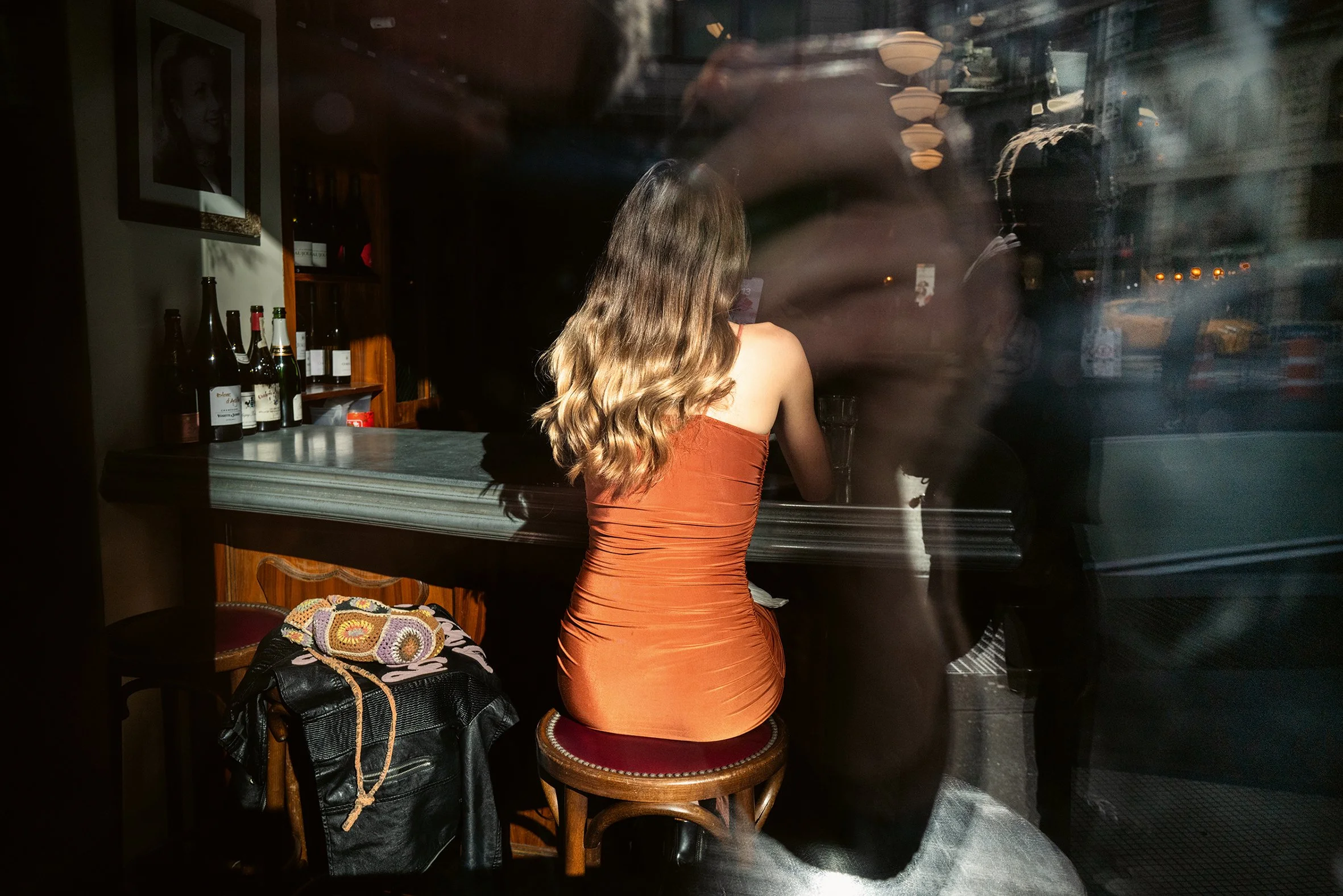
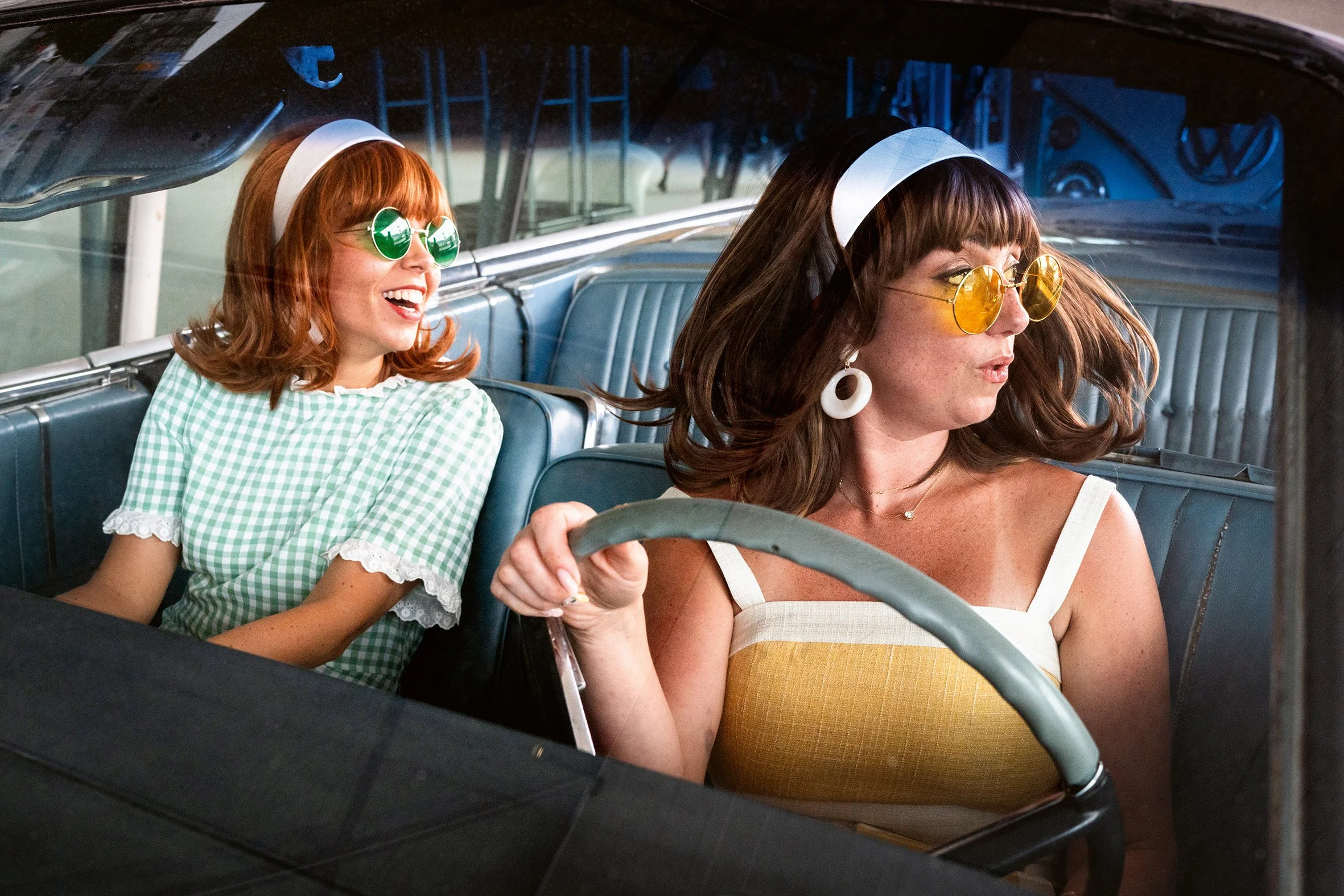
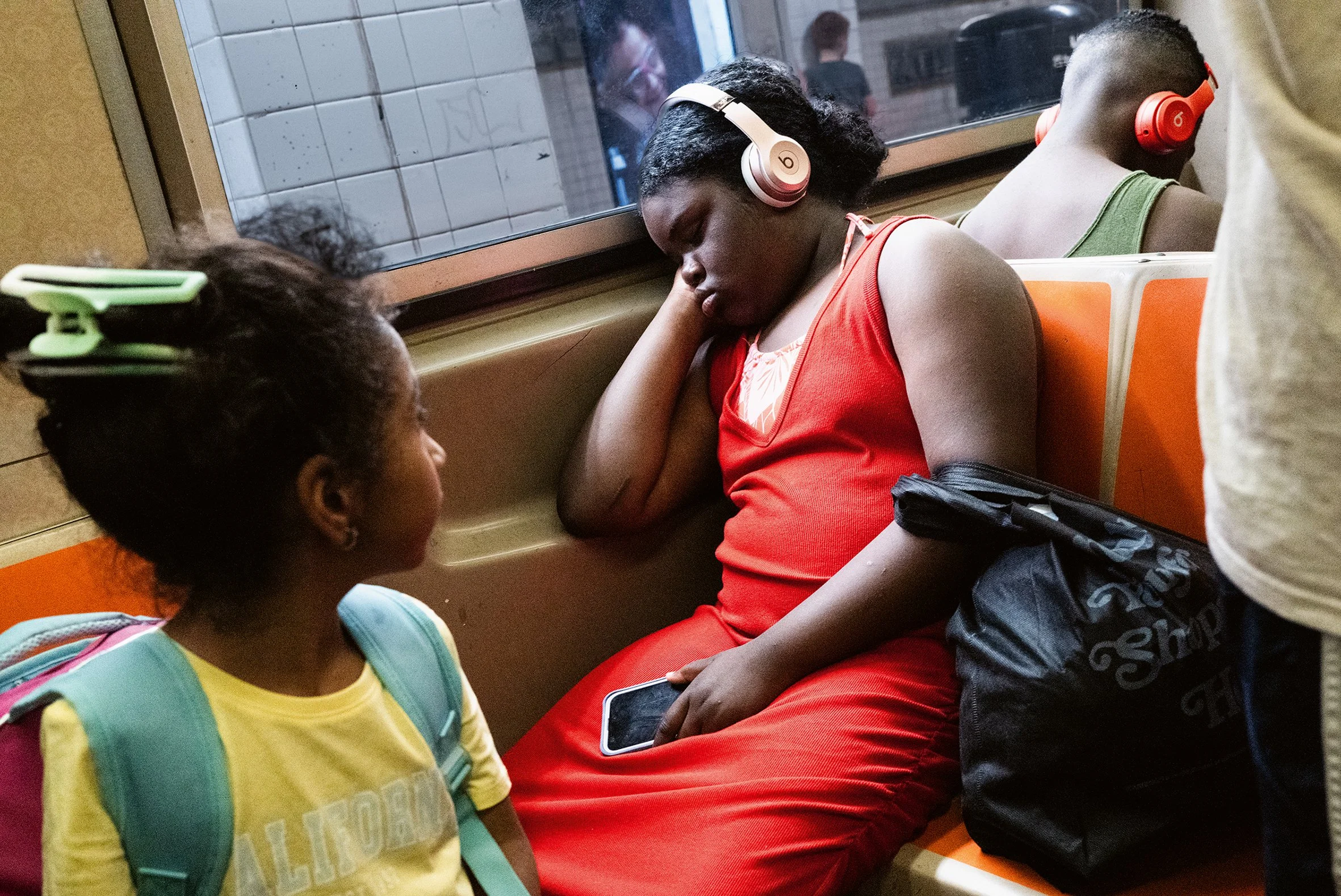
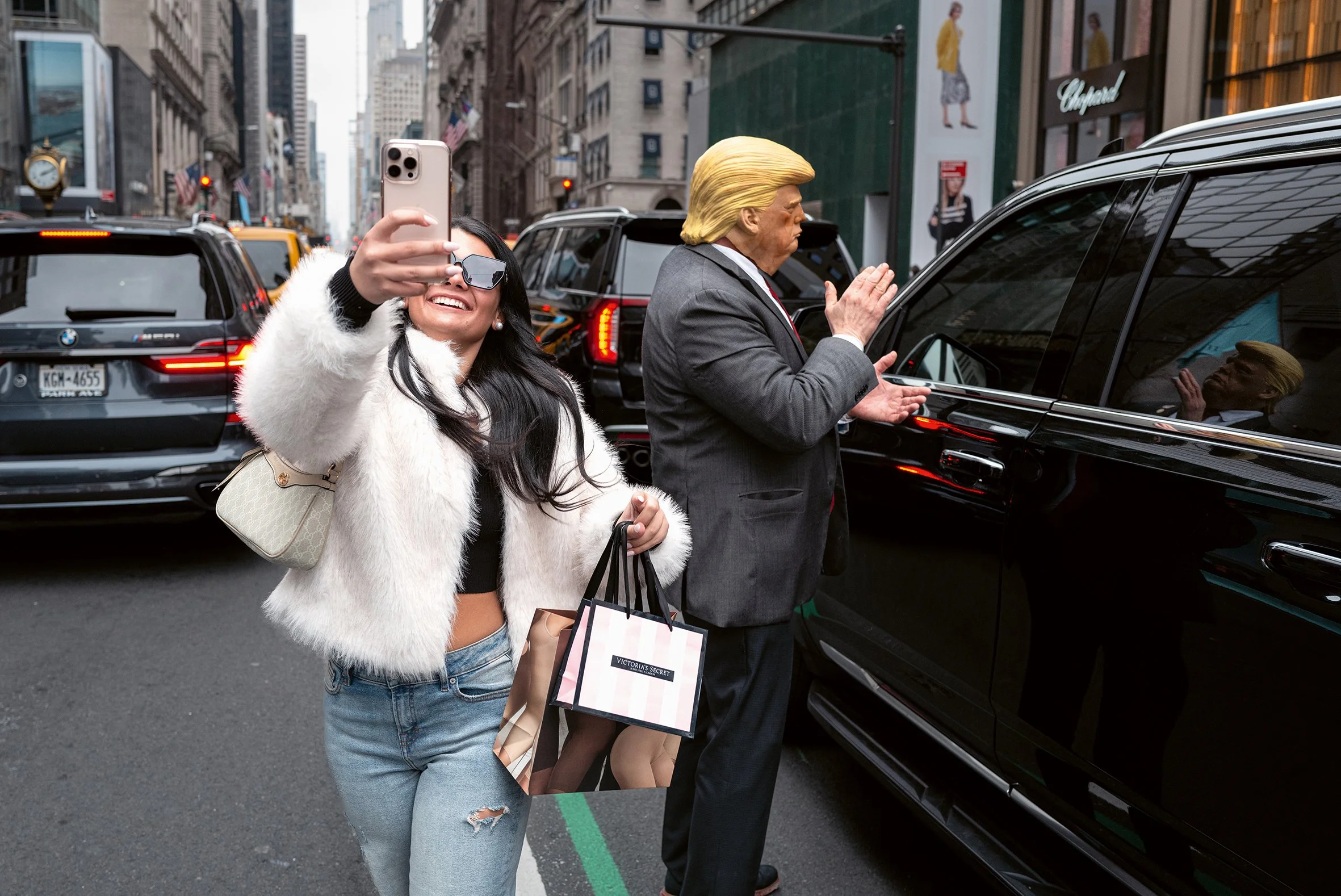
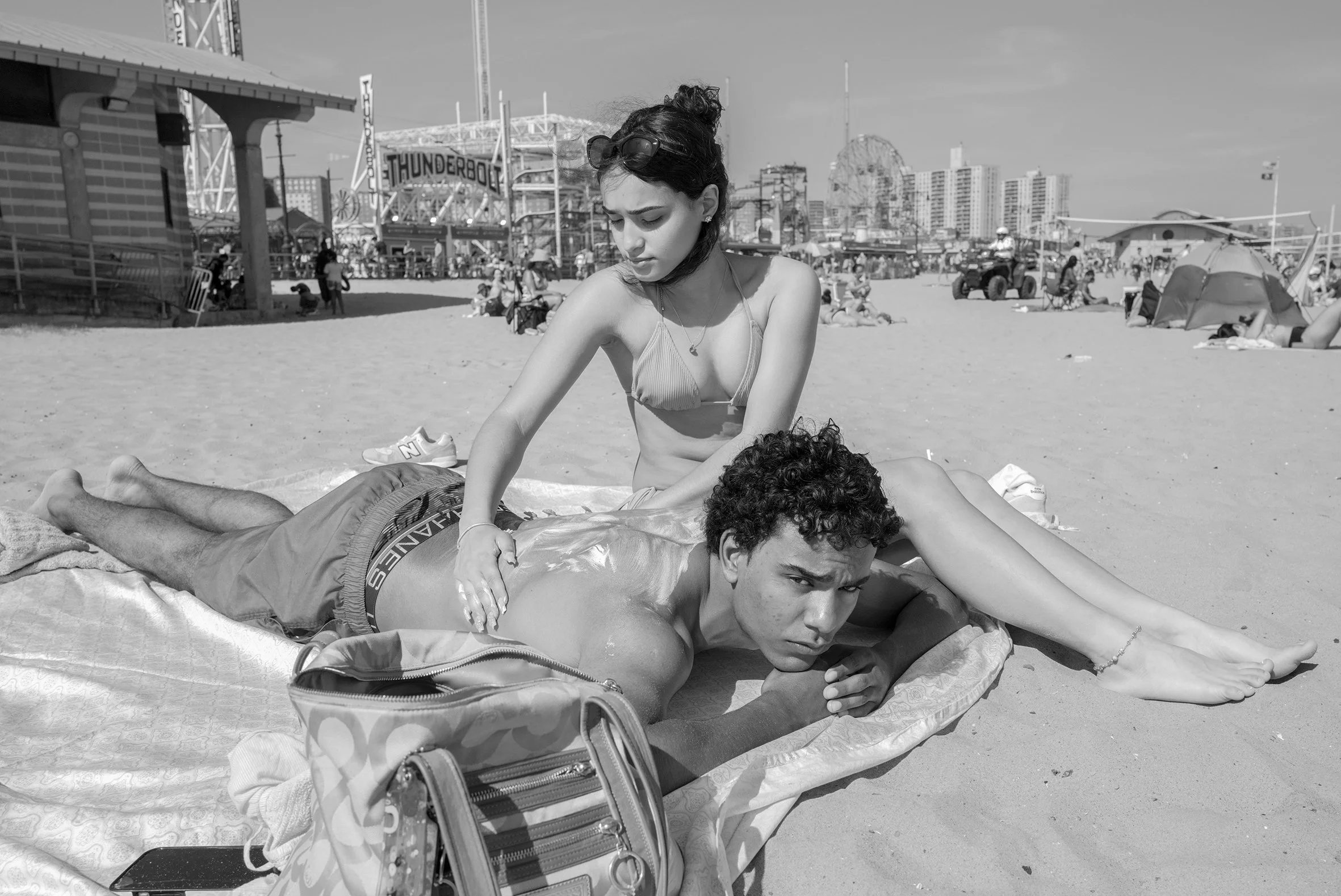
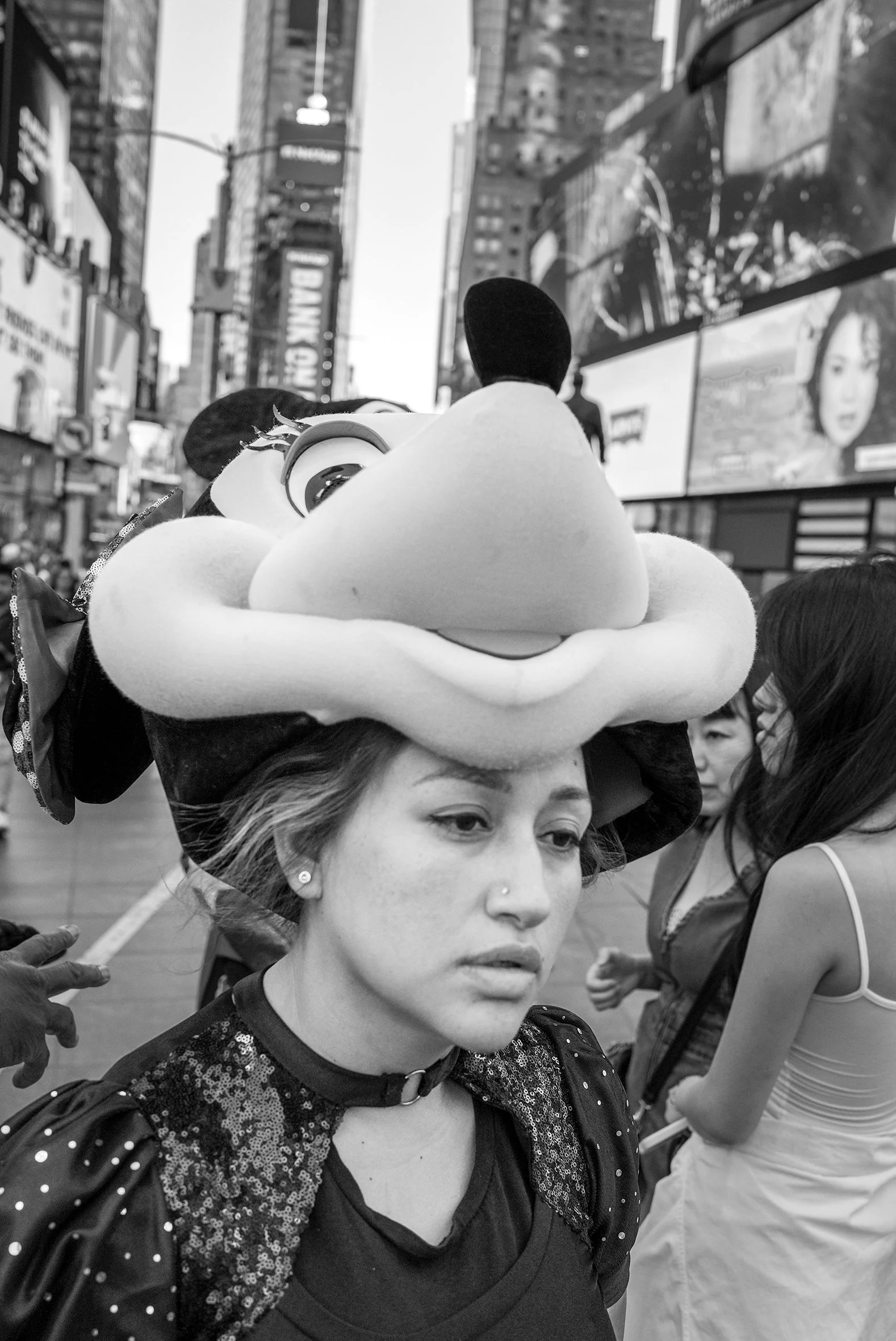

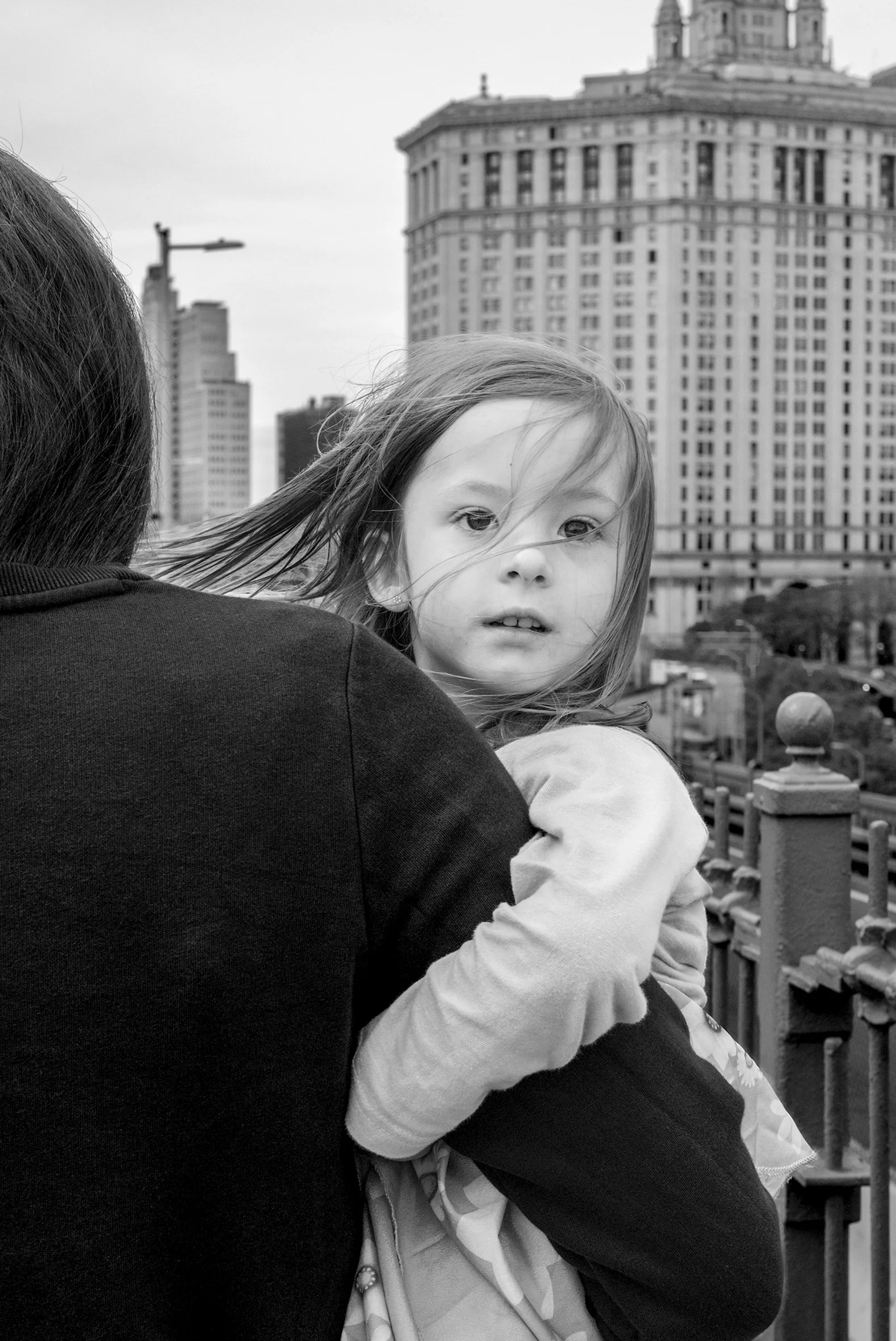
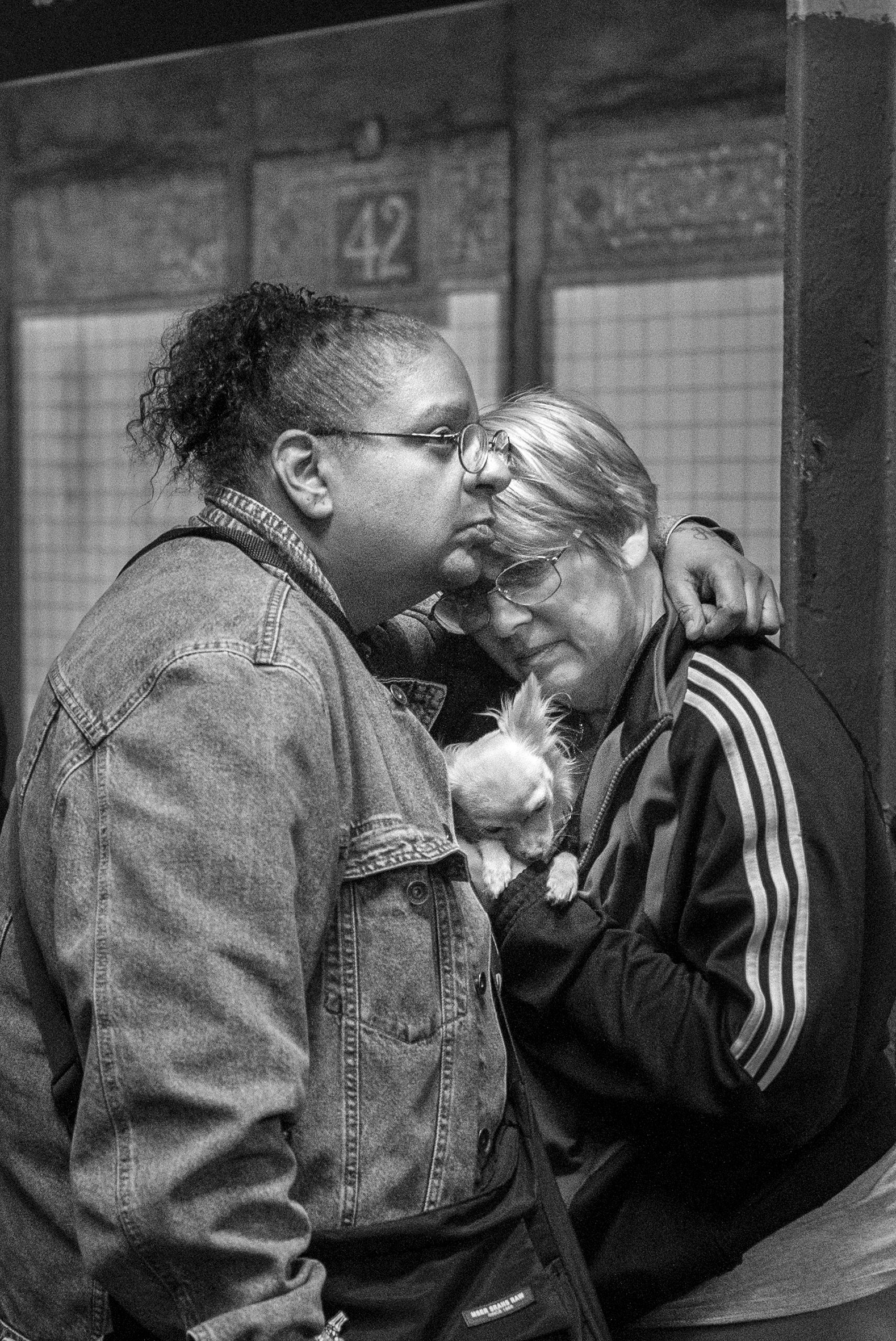
To discover more about this intriguing body of work and how you can acquire your own copy, you can find and purchase the book here. (Kehrer Verlag, Amazon)
More photography books?
We'd love to read your comments below, sharing your thoughts and insights on the artist's work. Looking forward to welcoming you back for our next [book spotlight]. See you then!
The street is boring until you learn what to notice. Most of the time, nothing special is happening. Photography Book Spotlight