Photographing the Last Days of Life: What Sibylle Fendt Discovered About Trust, Presence, and Death as Part of Life
Welcome to this edition of [book spotlight]. Today, we uncover the layers of 'Before the time comes,' by Sibylle Fendt (published by Kehrer Verlag). We'd love to read your comments below about these insights and ideas behind the artist's work.
Death is part of life and Sibylle Fendt photographs it.
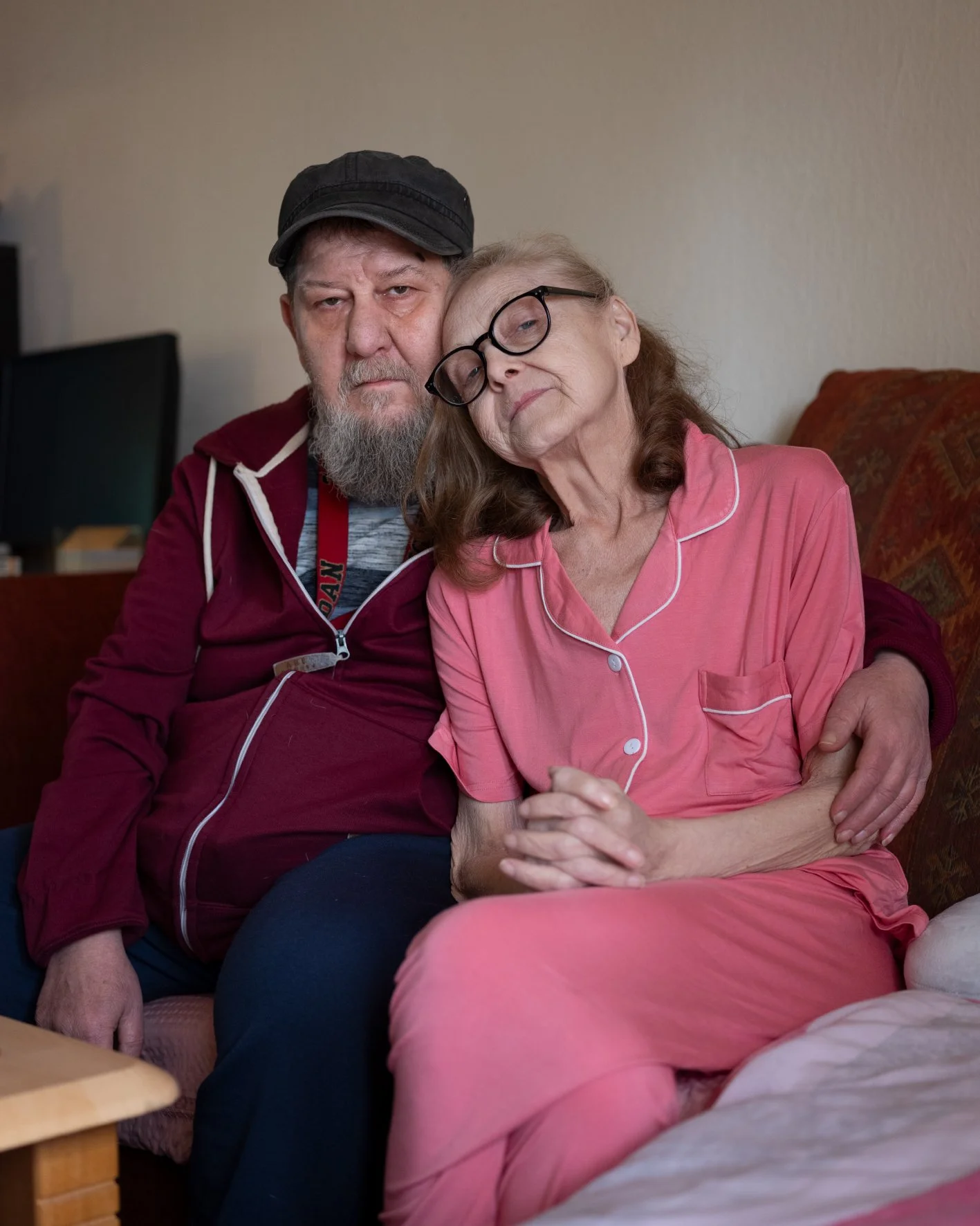
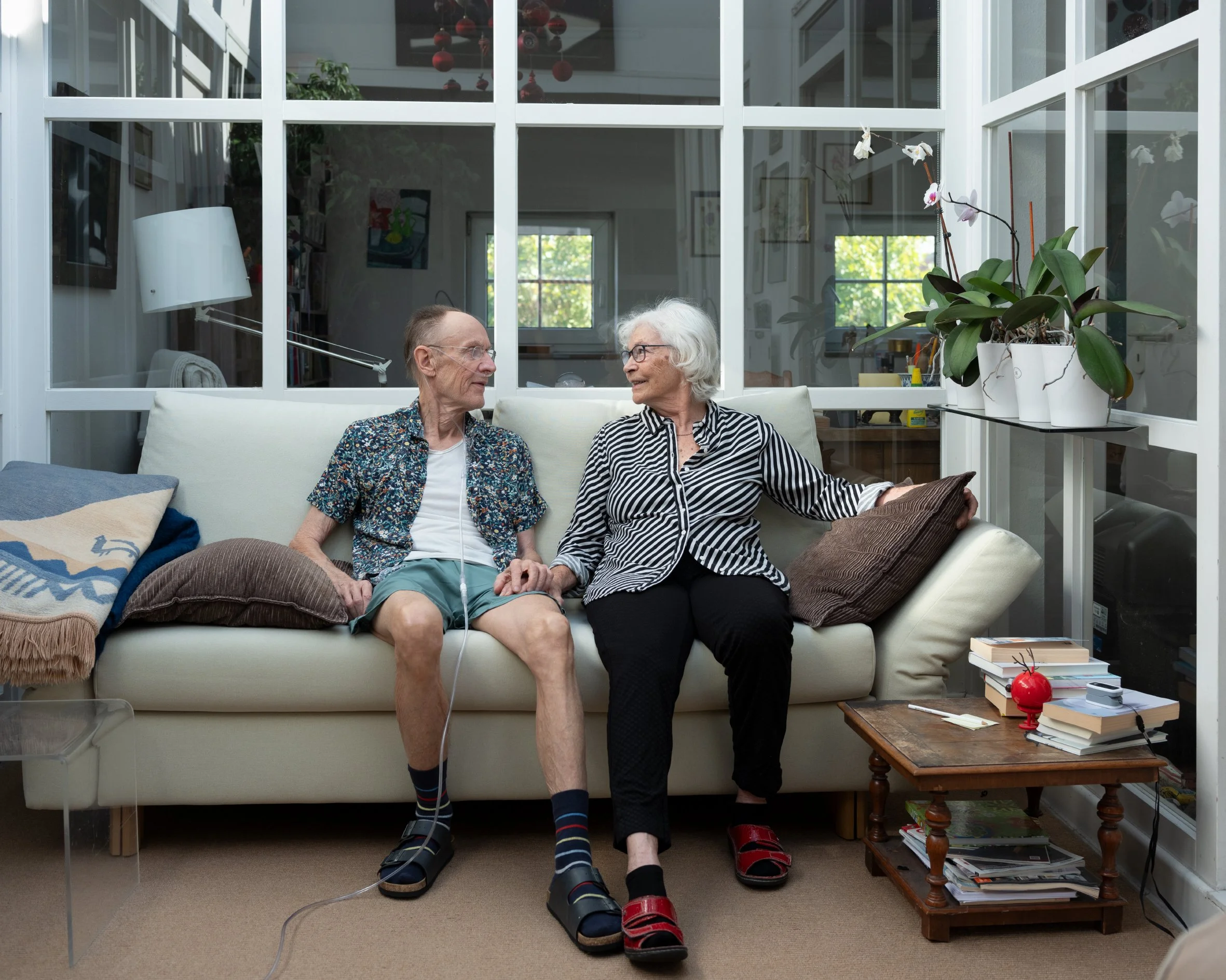
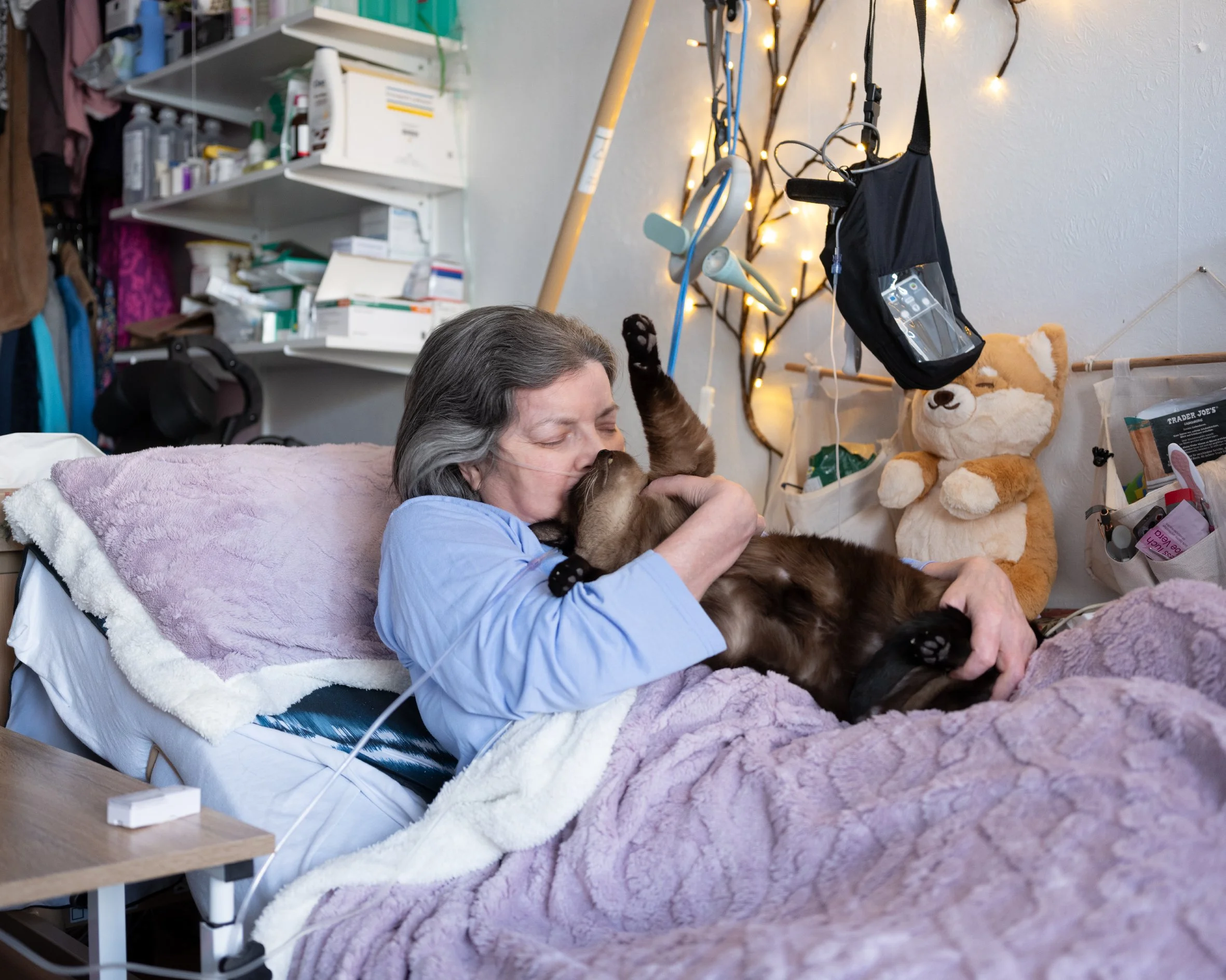
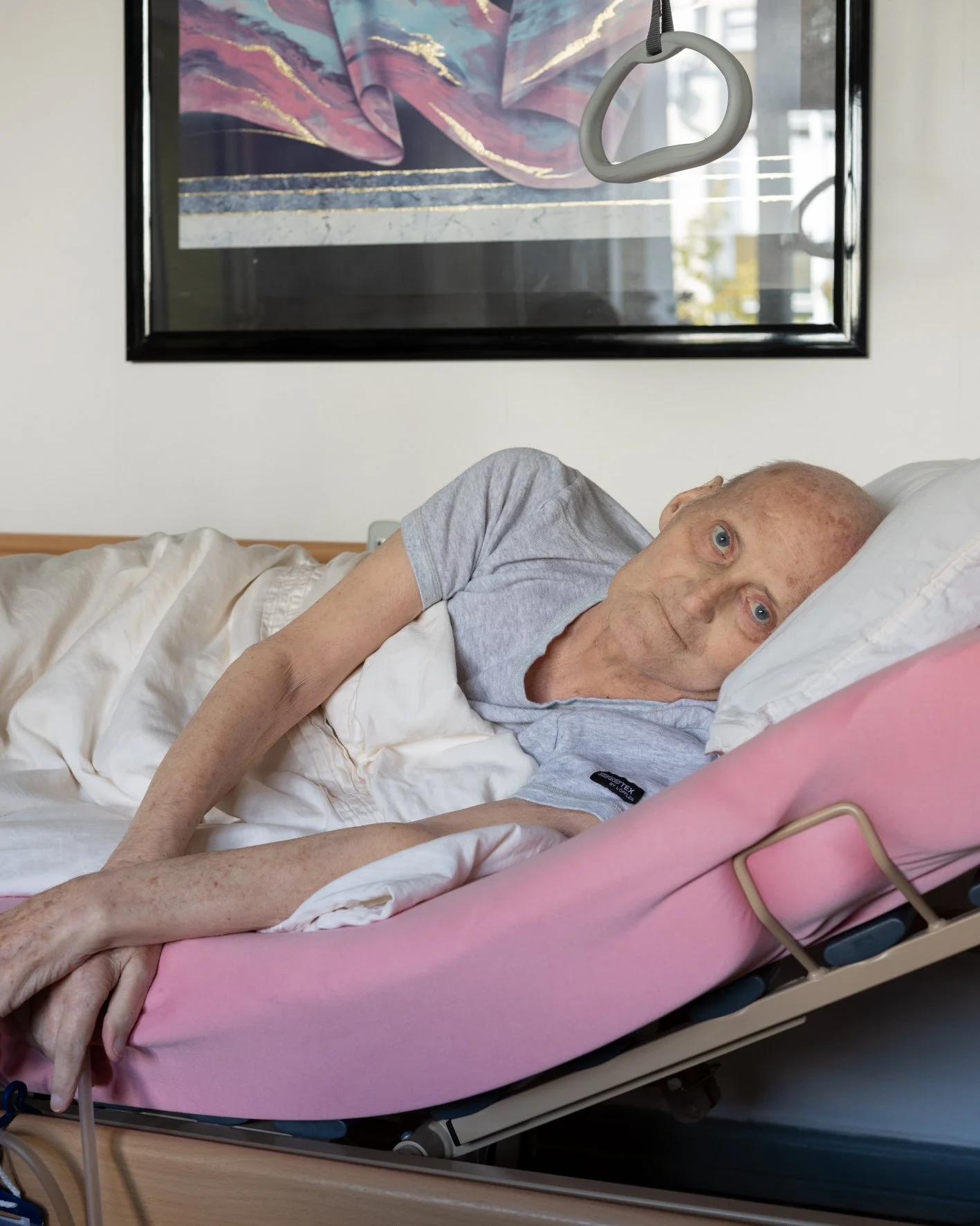
She does this by spending time with people who are dying at home, together with their families, or completely alone. The work deals with real situations where time is short and trust is fragile. Nothing is staged, and nothing is taken for granted. This interview looks at what photography can do in such moments, and what it must not do.
Before the Time Comes started after Fendt accompanied her own husband during his final days at home. After that, she began visiting other families who had made the same decision. In the conversation, she speaks about how access was given, how closeness developed, and when she chose not to take a photograph. She also reflects on grief, intuition, and the weight of being present when life is ending. The interview shows how photography can exist alongside death without turning it into something distant or dramatic.
The Book
Before the Time Comes by Sibylle Fendt, published by Kehrer Verlag, is a photographic work about people spending their final days at home, surrounded by family and familiar spaces. Made between 2024 and 2025, the book brings together photographs and spoken words from those who are dying and those who accompany them. The work avoids dramatization and focuses instead on everyday moments, care, waiting, and closeness. The final section turns inward, documenting Fendt’s own experience of losing her husband at home, connecting the project directly to her personal life. (Kehrer Verlag, Amazon)

Project beginning: What made you decide to photograph people in their final days at home, and how did you find people willing to share such private moments?
In May 2024, my husband passed away at home after a long illness. Despite our indescribable grief, we (my children and I) were grateful that he was at home, that we had simply found a way to accompany him and say goodbye. The experience of accompanying someone so close to death was shocking and incomprehensible, and at the same time deeply human and natural.
I felt the need to share this experience, perhaps also to process it and find other people who are also dying or accompanying someone who is dying.
A few years earlier, I had met a palliative care doctor who cares for the dying at home. I contacted him, and he helped me find my protagonists.
Building trust: How did you approach families during such a sensitive time to gain their trust, and how long did you spend with each person before making photographs?
As I said, I made my contacts through Dr. Schindler. Our encounters were all incredibly special. Because we knew without saying much what was happening. How special these last days of life are, that dying is part of life, that we have the strength to walk the path. I acted very intuitively. Sometimes I took photos after a very short time, sometimes we talked for a long time. Sometimes I was only there once, and sometimes I accompanied the patients and their families for months.
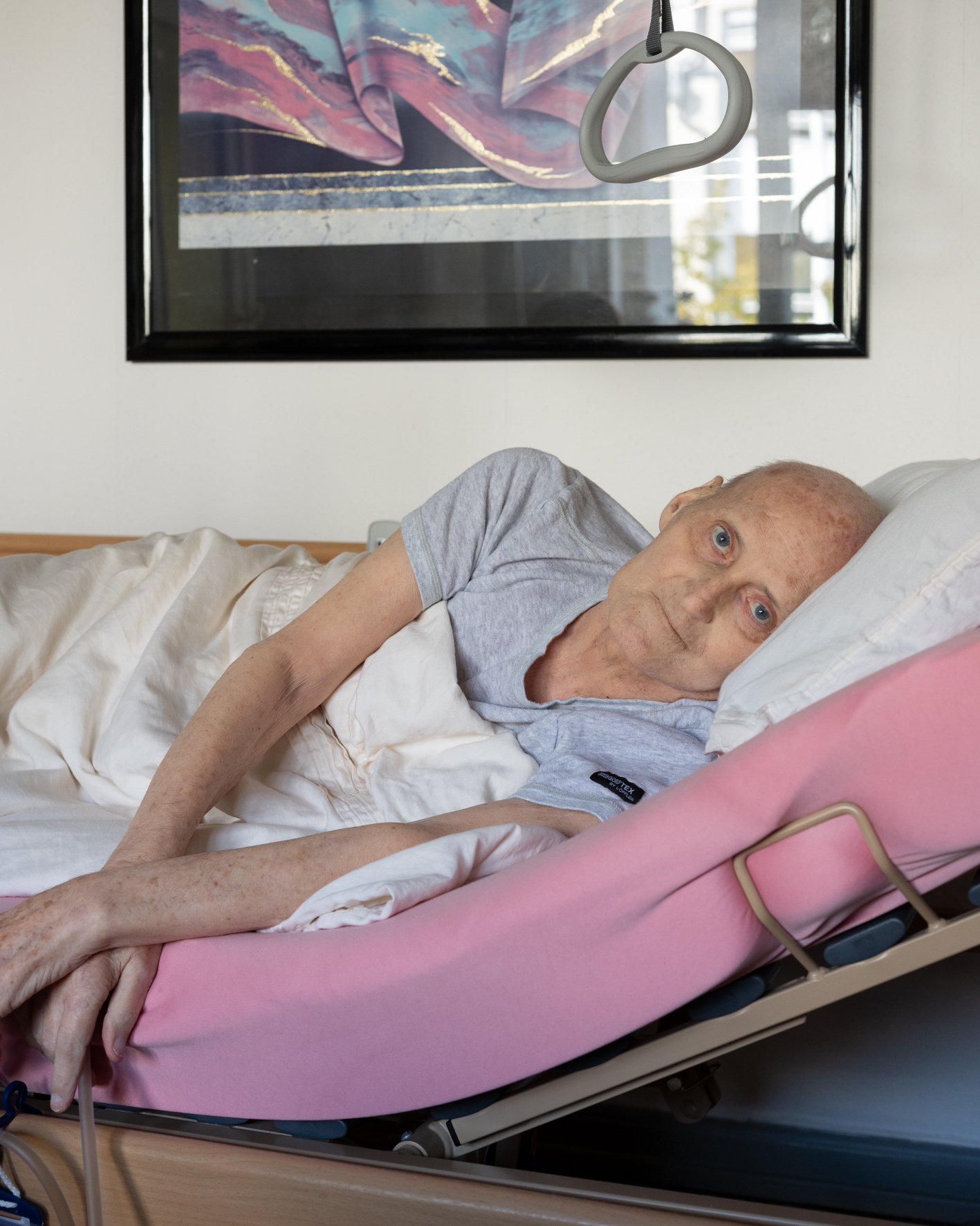
Technical choices: You use medium-format analogue film for this work - why did you choose this slower process for such emotional and time-sensitive moments?
I actually photographed this project with a digital medium format camera. I could have done the work in analogue, as I didn't take many pictures at each appointment. But it would have simply overwhelmed me in that situation. I had so many appointments in such a short time, and I always want to give the subjects their pictures back as quickly as possible, so developing film and going to the lab would have been too much for me with this project. But since the situations on location were so extreme anyway, no one would have noticed what I was using to take the pictures. The impression that an analogue camera normally makes on models was really negligible here.
Distance and closeness: How did you decide when to step back and when to move closer with your camera while photographing someone's last days?
It all happened incredibly intuitively. I said in another interview that it had never been so easy for me to find the right images. They were just there. It was incredible.
Emotional protection: How did you protect yourself emotionally while making these photographs, especially after losing your own husband during this project?
On the contrary. The project was also a way of coping with grief. I also talked to all the caretakers about my experience. That brought us very close together; we encouraged each other that we were doing a good job. We cried and laughed together.
Natural light: The photographs feel very natural and quiet - did you only use available light in people's homes, and how did lighting affect your decisions about when to photograph?
I didn't have much influence there. All the pictures were taken from a tripod. That made it possible to use long exposures. Sometimes I asked if we could turn off the room lighting so that I could work with only the light from the window. But sometimes the warm room lighting was very beautiful.
What not to show: Were there moments you chose not to photograph because they felt too private, and how did you decide what was right to include?
I am very polite and reserved as a photographer. I didn't want to capture any horror moments. That wasn't my intention. I wanted to capture the moments of togetherness, of “becoming aware of the situation.”
Book design: The book uses shortened pages and creates a rhythm between images and text - how does this design help tell the story differently than showing full-page images?
I wanted to incorporate the conversations I had with the protagonists into the book. They were to appear like pictures in the book.
I was present at two very special moments. Once during Mr. Schiller's final hours and once when Mrs. Händle said goodbye to her late husband. These moments were so intense that I wanted to give them a different narrative level. That's how the shortened pages came about.
Learning from loss: What did photographing these families teach you about saying goodbye that you want other photographers or readers to understand?
It would be wonderful if my book helped us to realise that dying is part of life. That people are constantly passing away everywhere and their loved ones are going through a tough time. That accompanying the sick and dying is a significant, important, and formative experience that is worth allowing into your life.
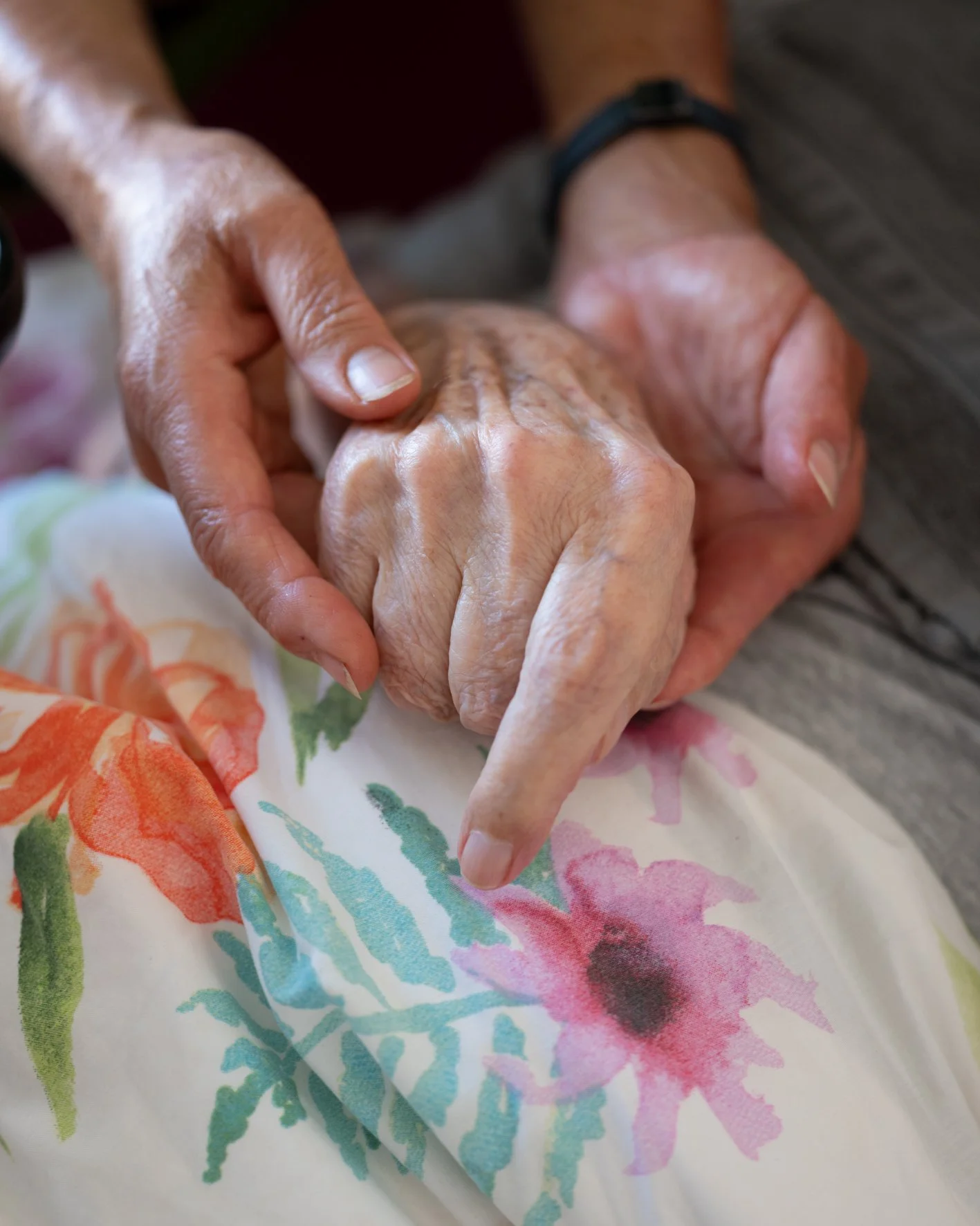
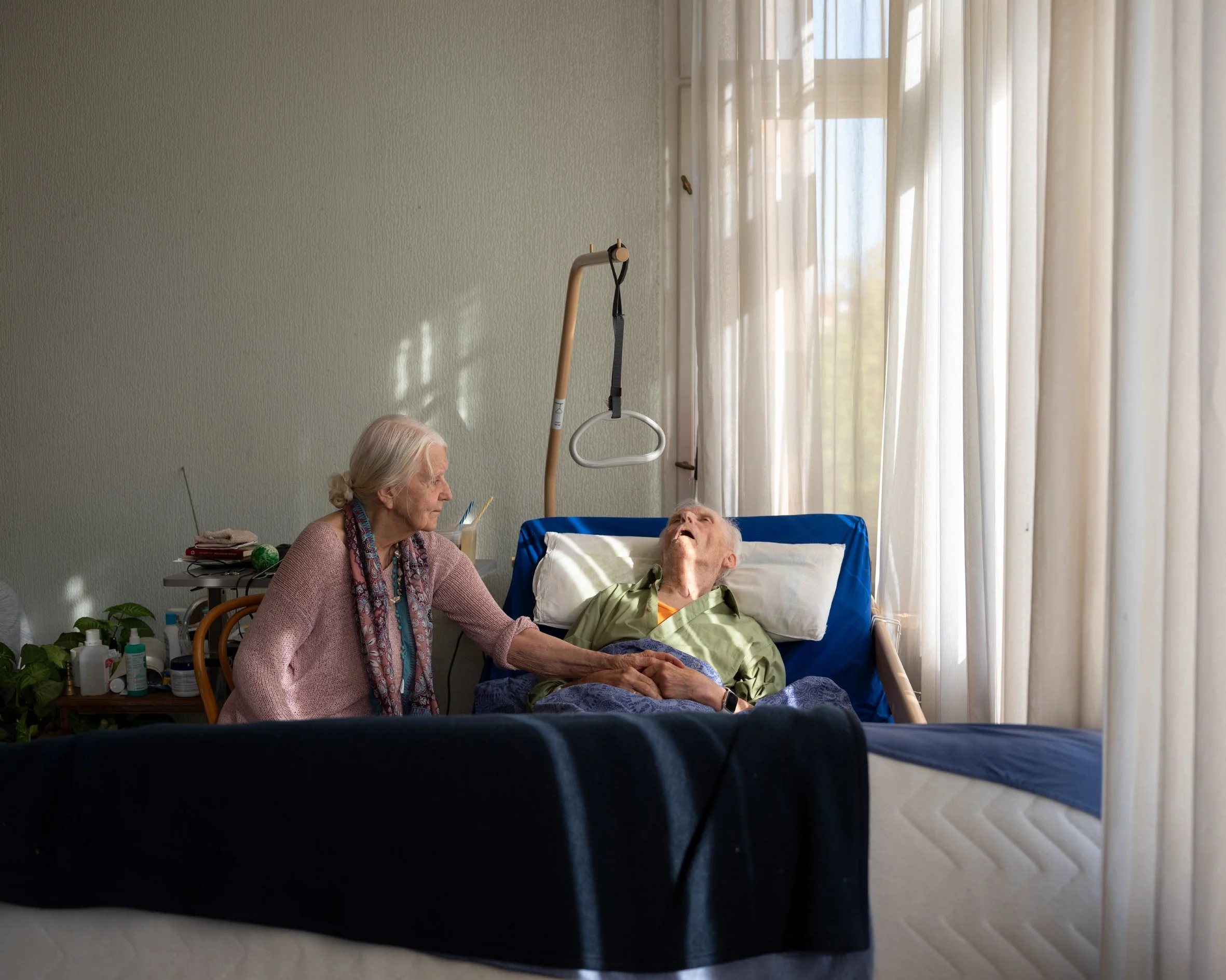
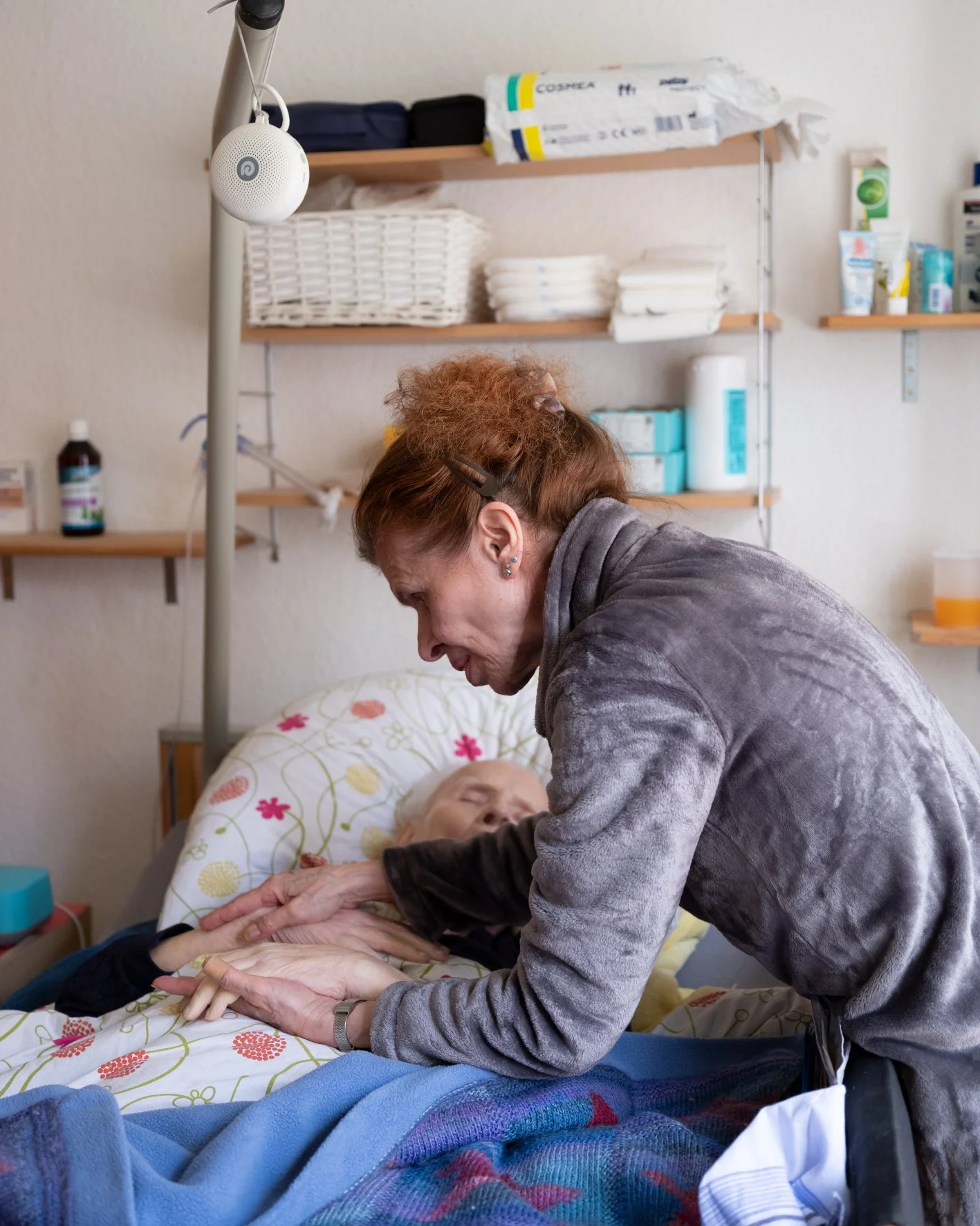
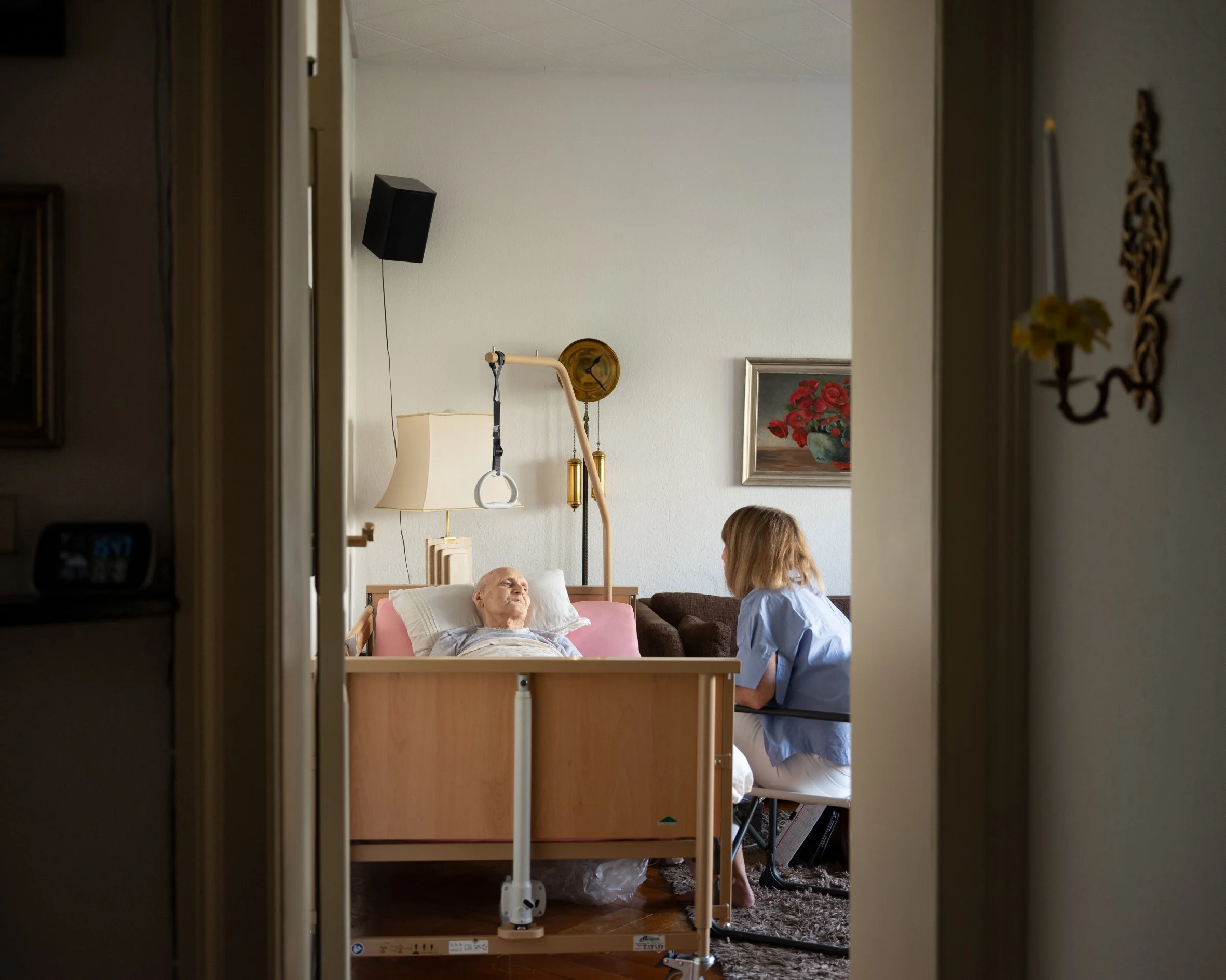
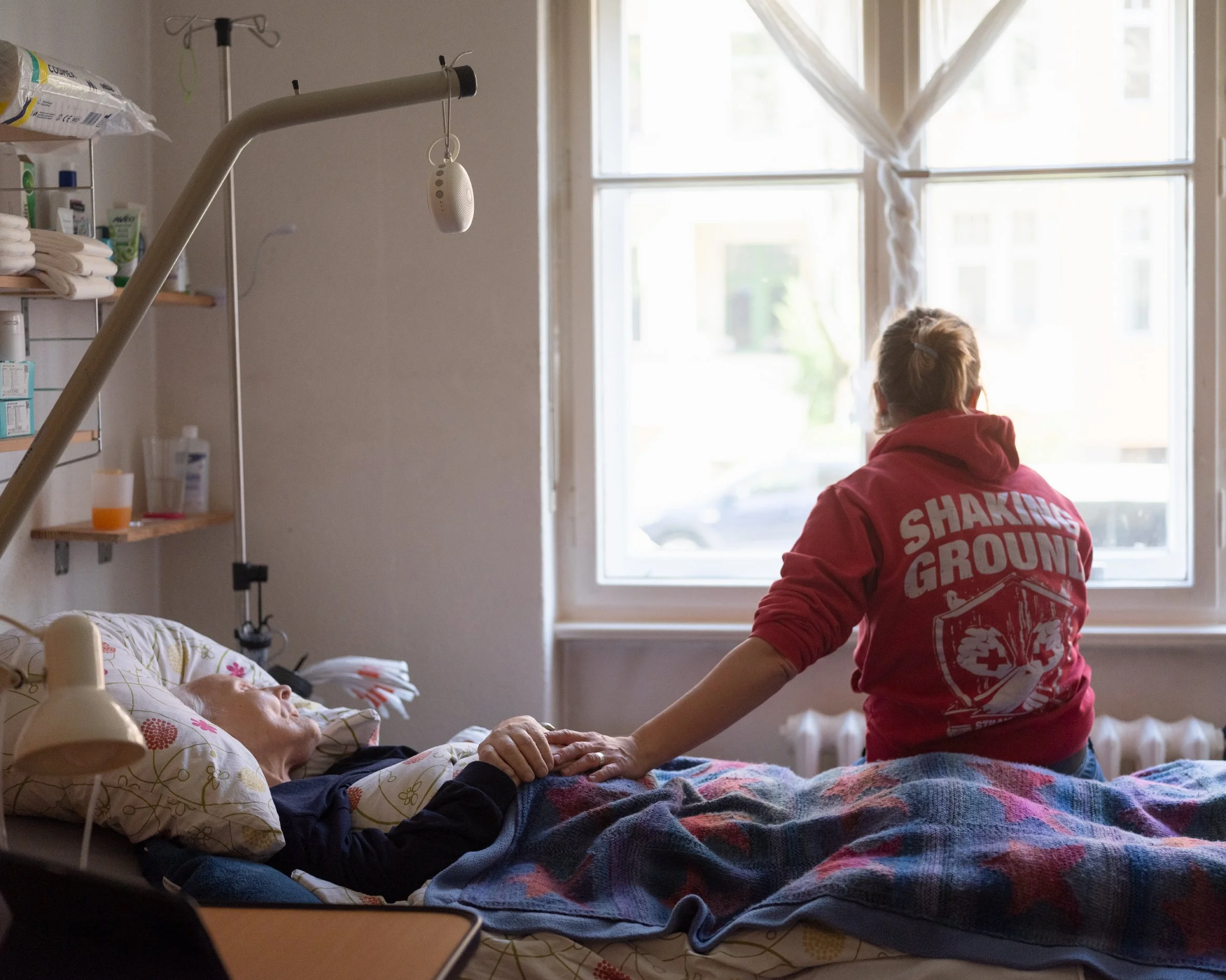
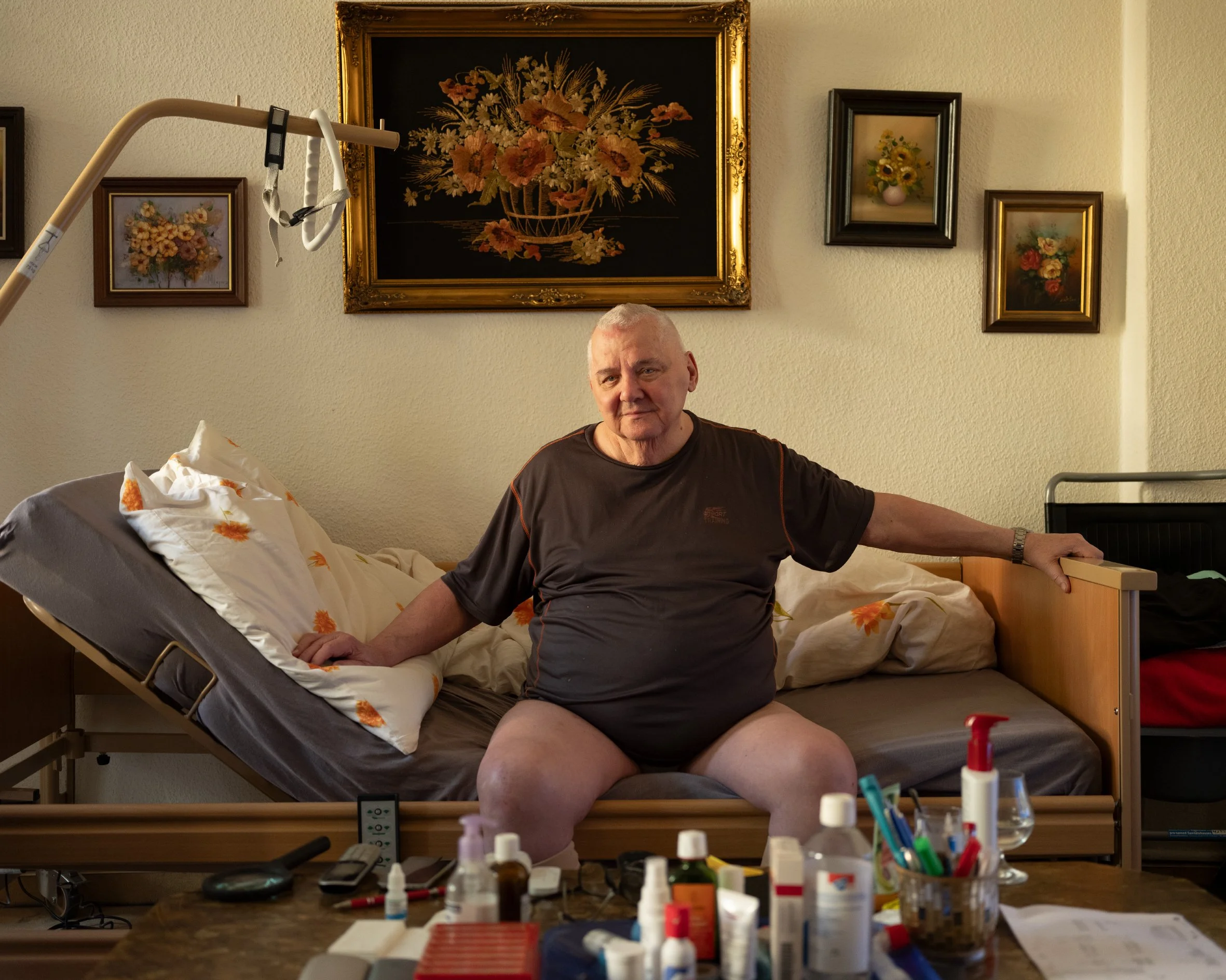
To discover more about this intriguing body of work and how you can acquire your own copy, you can find and purchase the book here. (Kehrer Verlag, Amazon)
More photography books?
We'd love to read your comments below, sharing your thoughts and insights on the artist's work. Looking forward to welcoming you back for our next [book spotlight]. See you then!
Color entered Janelle Lynch’s photographs through painting. In Another Way of Looking at Love, she photographed plants and trees on her property in the Catskills. Photography Book Spotlight