How Jeffrey Marqusee Turned Walt Whitman’s Poetry Into a Visual Conversation Across Time
Welcome to this edition of [book spotlight]. Today, we uncover the layers of 'Photographic Poetry - Leaves of Grass,' by Jeffrey Marqusee (self-publishing). We'd love to read your comments below about these insights and ideas behind the artist's work.
Can a photograph carry the emotional weight of a poem?
That’s the question Jeffrey Marqusee asked when he began pairing his photography with the poetry of Walt Whitman. Whitman was deeply influenced by photography, and Marqusee uses this connection to build something new: a book that links visual and written emotion. The result is Photographic Poetry – Leaves of Grass, a personal project that turns 47 of Whitman’s poems into photographic experiences.
Marqusee didn’t start with a plan. He started with a feeling.
He noticed that two of his beach photographs matched the rhythm and emotion of a poem he had read many times. That poem was As Consequent, Etc. and it began a years-long journey into Whitman’s world: his words, his life, and his love of photography. Over time, Marqusee read hundreds of Whitman’s poems and searched for ways to respond visually, one poem at a time. This interview explores how he did it and what you can learn from that process, whether you’re a photographer, poet, or someone who just loves both.
The Book
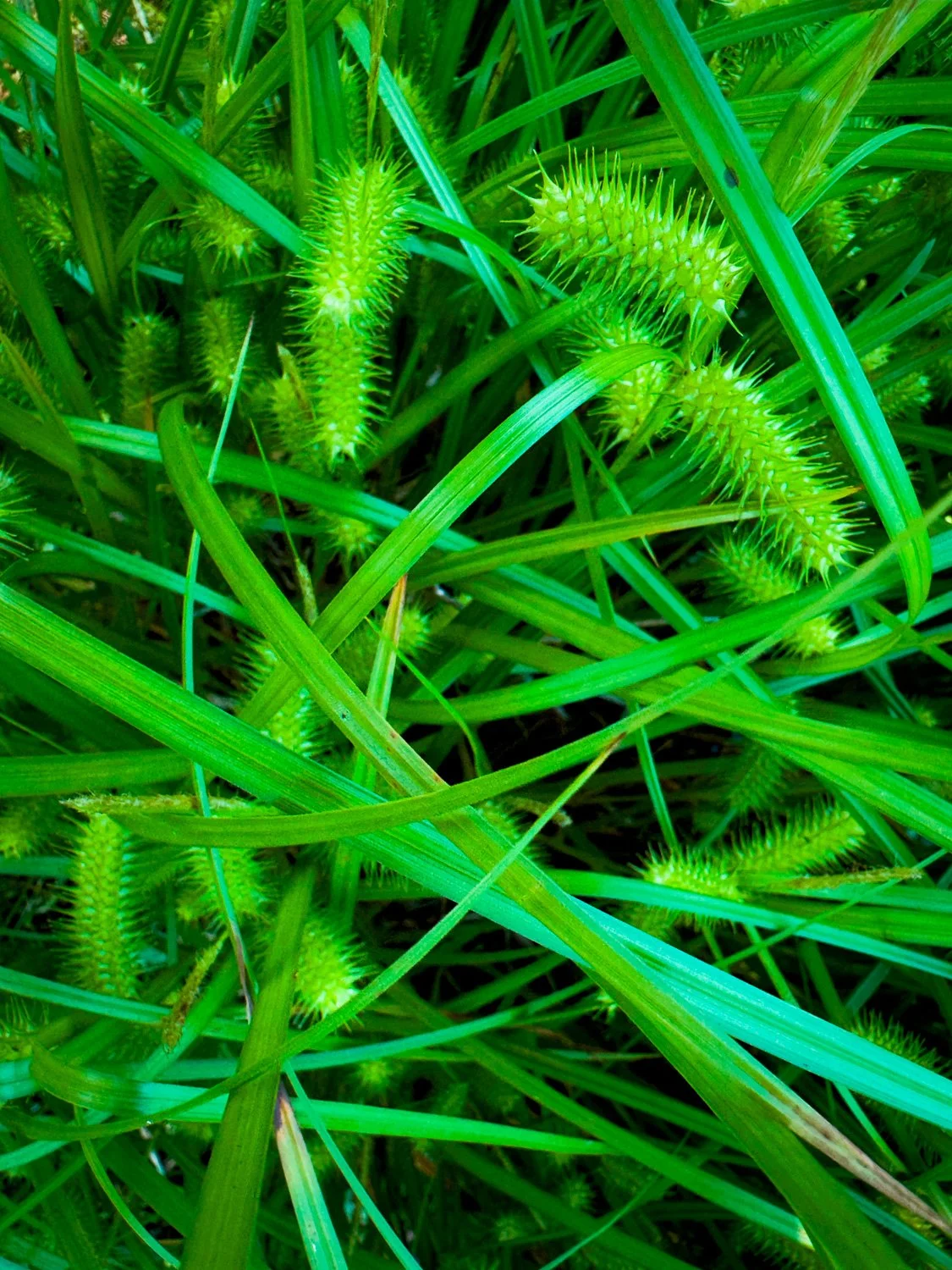
Photographic Poetry – Leaves of Grass is a visual and literary project by Jeffrey Marqusee that pairs 47 original photographs with selected poems from Walt Whitman’s Leaves of Grass. The book explores the emotional and philosophical connections between Whitman’s writing and the photographic image. Whitman, who lived in 19th-century New York and was deeply interested in the new art of photography, saw it as a model for his poetry, direct, democratic, and full of life’s details.
Inspired by this connection, Marqusee spent years reading Whitman’s work, learning about his life, and creating photographs that reflect the mood, rhythm, and meaning of specific poems. The result is not an illustration of Whitman’s poetry but a conversation between two mediums, across time. The book begins with an essay on Whitman’s world and his fascination with photography, offering historical and creative context for the images that follow. (Blurb.com)
Overview of the project: What inspired you to create a visual dialogue between your photographs and Walt Whitman’s Leaves of Grass?
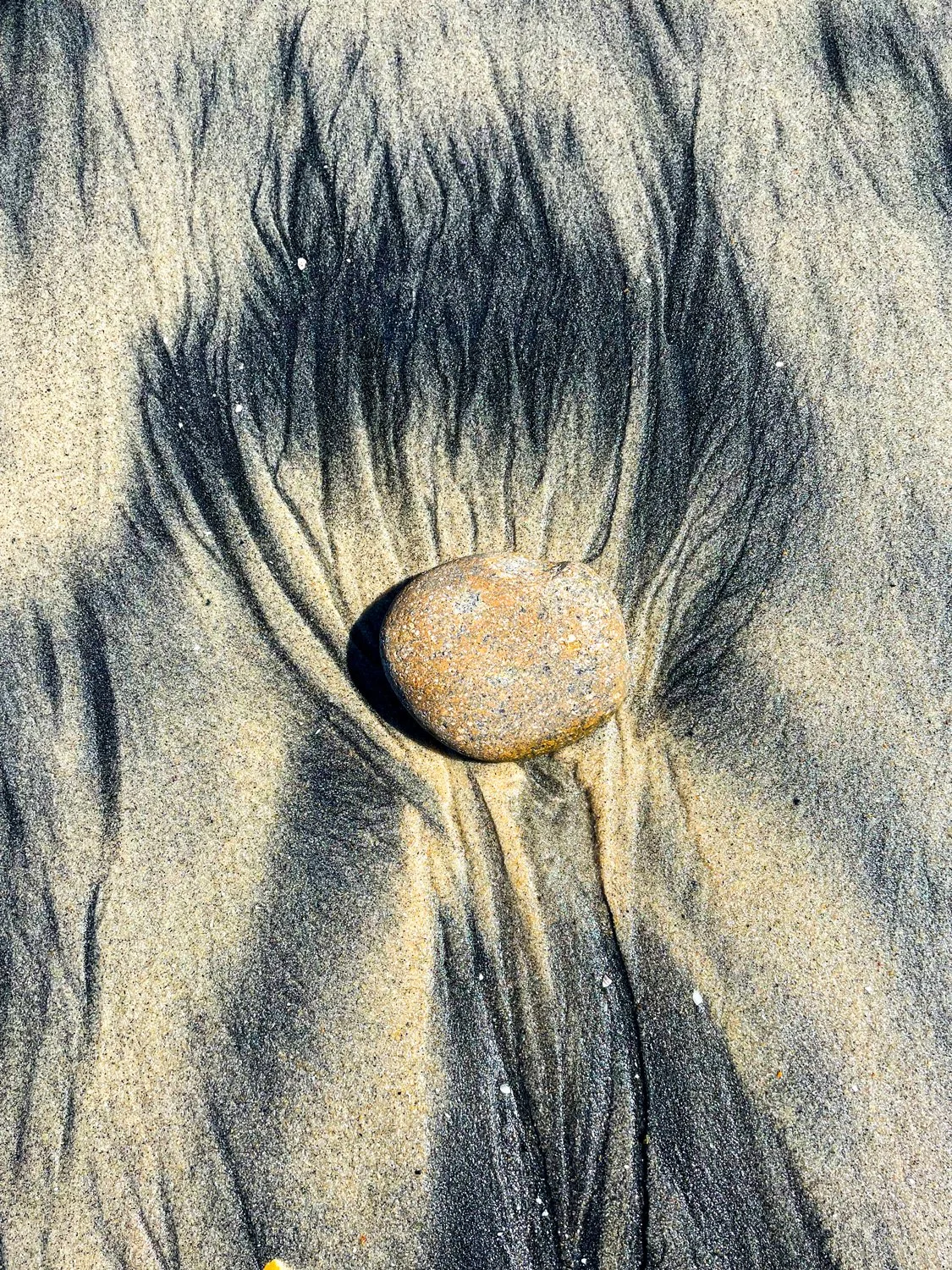
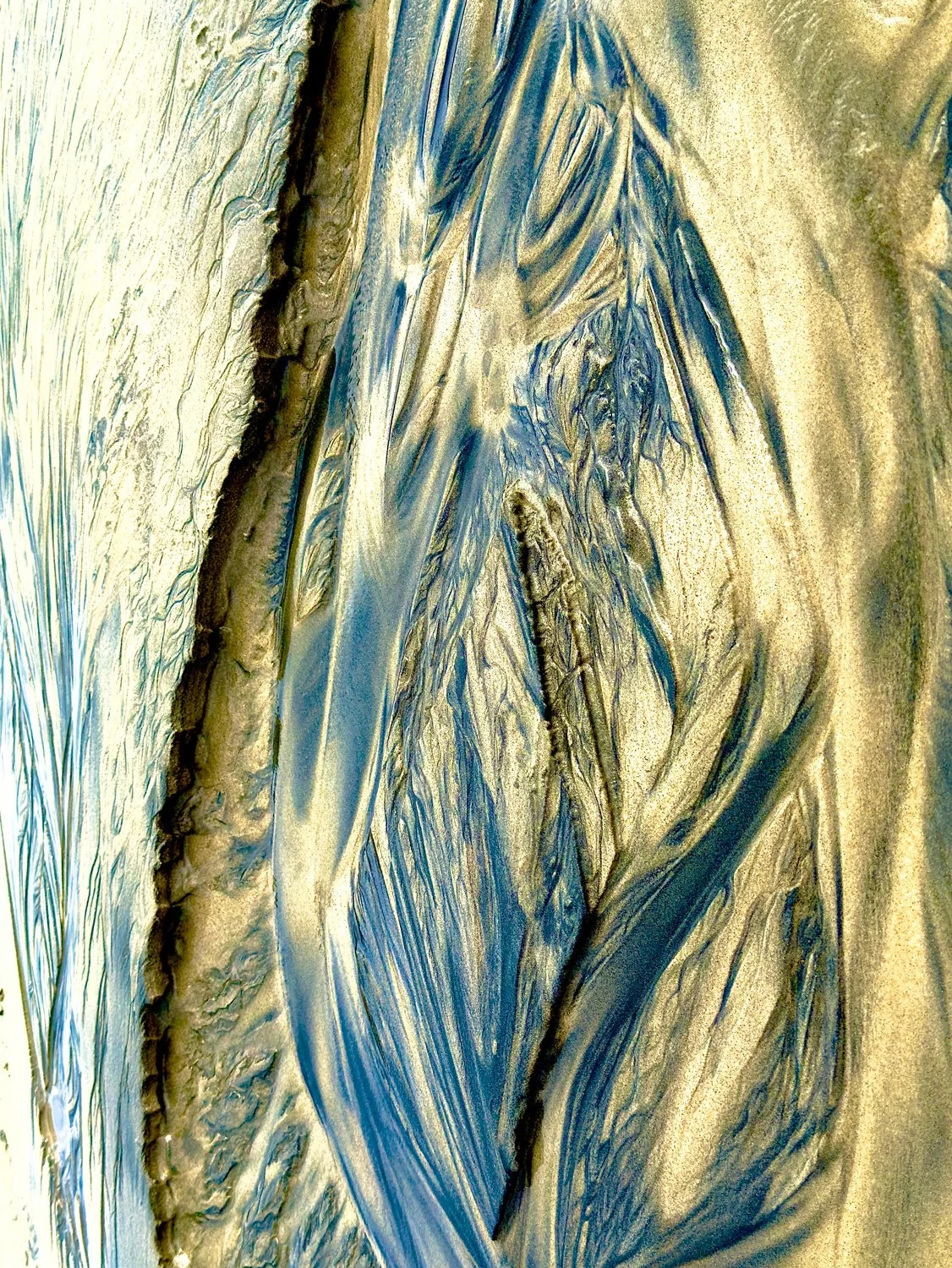
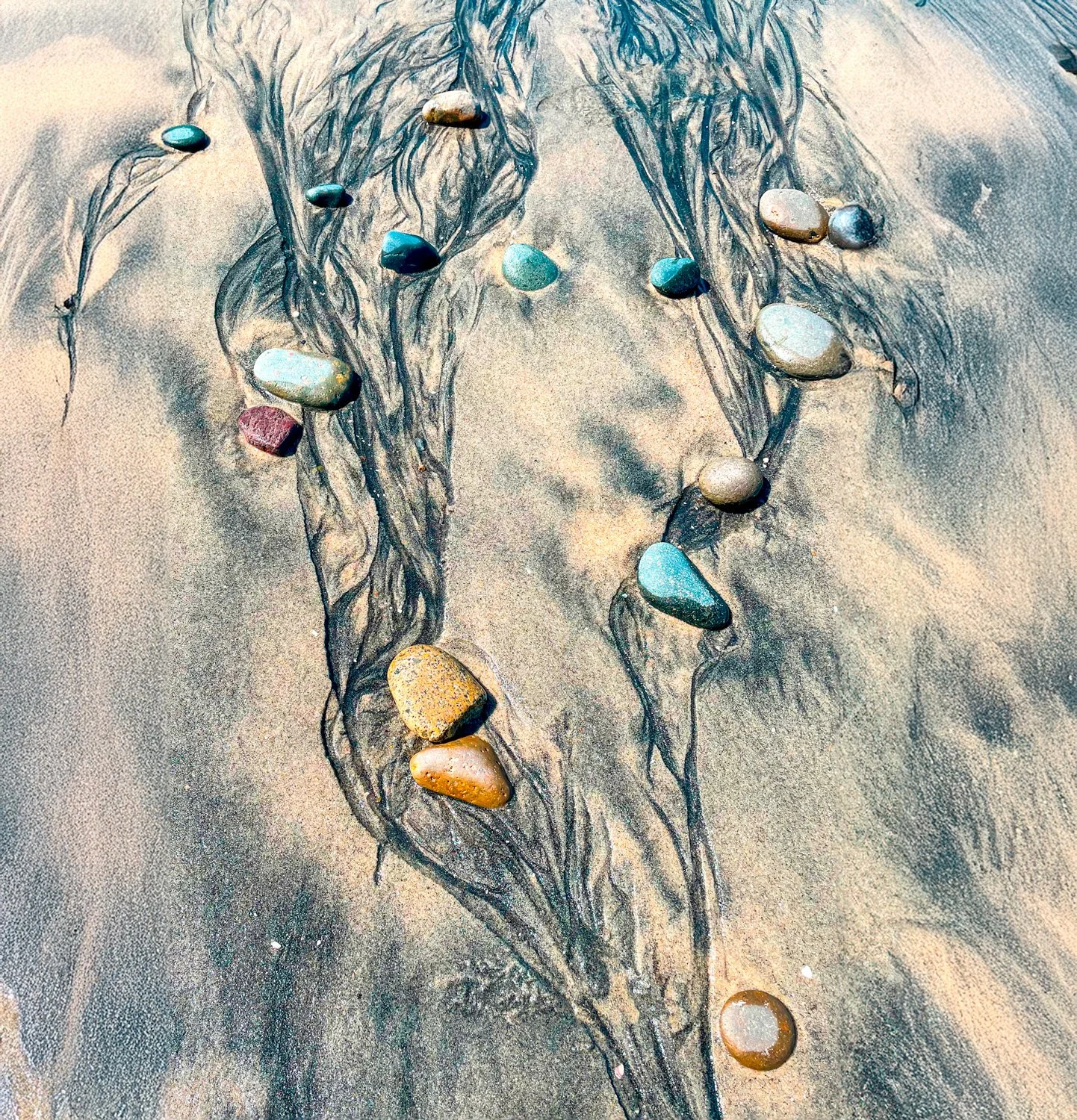
It started when I found a strong connection between two photos I had taken and a specific Whitman poem I knew well. I have a wood engraving hanging in my home with a portrait of Whitman along with the text from his poem As Consequent Etc. I read it often. I took two photos on the beach that showed erosion patterns from a small stream and a rock. When I took them, I was not consciously thinking about Whitman. But when I printed them, I immediately felt the connection to the opening lines of the poem,
As consequent of summer rains,
Or wayward rivulets in autumn flowing,
Or subterranean sea-rills making for the sea,
Songs of continued tears I sing.
It started the project of connecting poems from Leaves of Grass with photos I take and researching Whitman’s life and his passion for photography.
Connecting photography and poetry: Whitman saw photography as a model for his poetry. How did you approach translating his literary style into photographic language?
Photography was invented in France in 1839 when Whitman was 20 years old. In New York, where Whitman lived, the interest in photography quickly exploded. The first photography gallery was opened in New York the same year. By 1853, there were more photography studios in Manhattan alone than in all of England, and more on Broadway than in London. As a journalist, Whitman reviewed photography exhibits often and was friends with most of the major 19th-century American photographers. He saw in photography its democratising effect on the visual arts and adopted its style.
Whitman sought to mimic photography’s immediacy, accuracy, and straightforwardness. Early photographs surprised people with the clutter in the images, which captured every detail with equal emphasis. For Whitman, these details were critical given his belief in the connections between man and all of nature. Late in life, he told his confidant, Horace Traubel, that photography had the " ... knack of catching life on the run, in a flash, as it shifted, moved, evolved..." Whitman's poetic style captured these same characteristics to meet his goal of reinventing poetry.
Understanding these characteristics of Whitman’s poetry led me to connect individual poems to specific photographs. If one reads his poetry with a recognition of how he used photography as a model, the translation of his literary style into photography happens naturally.
Creative process: Can you walk us through your process of pairing specific poems with your photographs? Did the image or the poem usually come first?
I became obsessed with Whitman’s poetry and his life. I spent time reading his poetry over and over again and selected a subset of his poems with imagery that both moved me and could connect visually to photographs I had or could take. Leaves of Grass has almost 400 poems, so I had to be very selective.
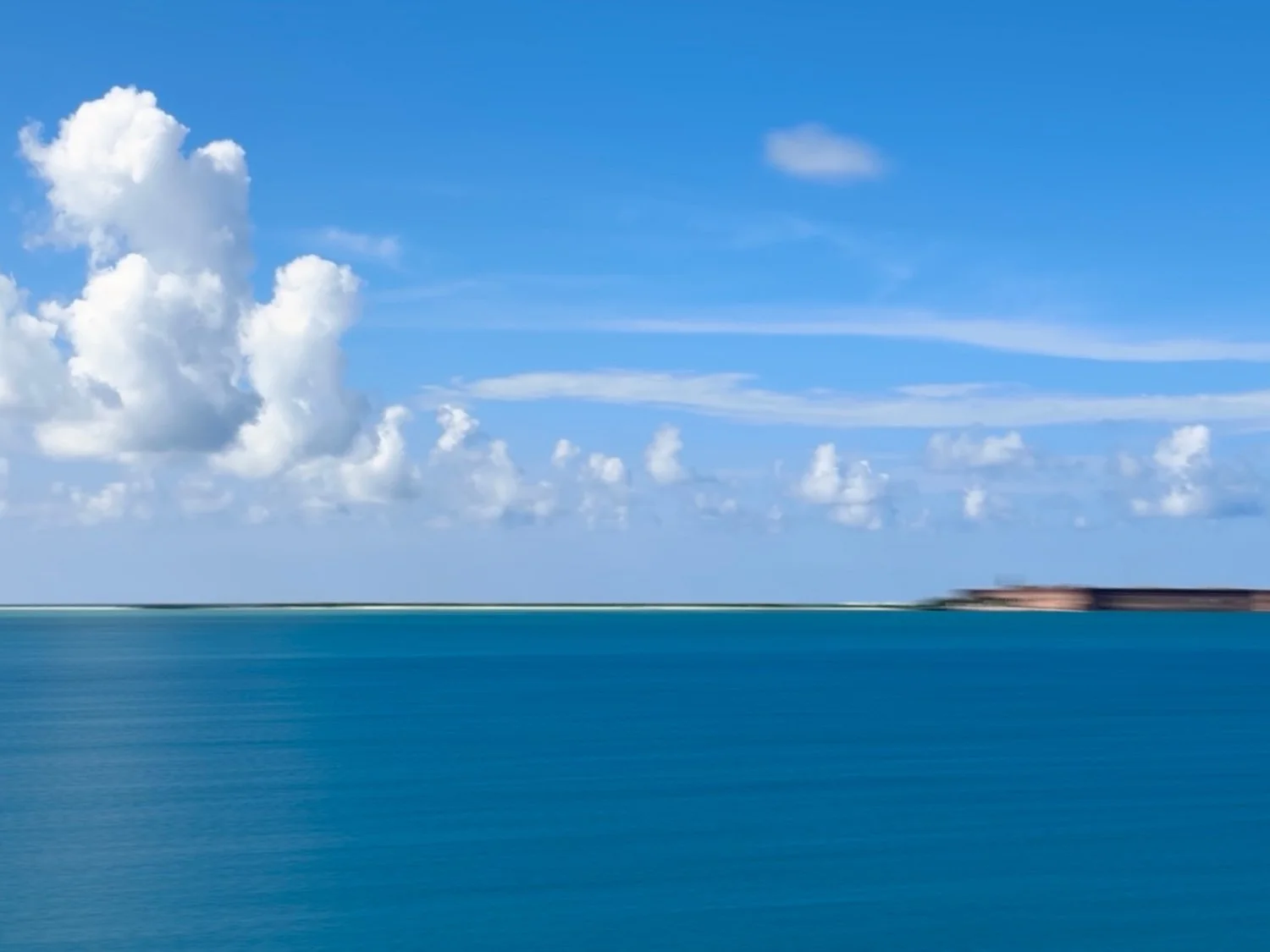
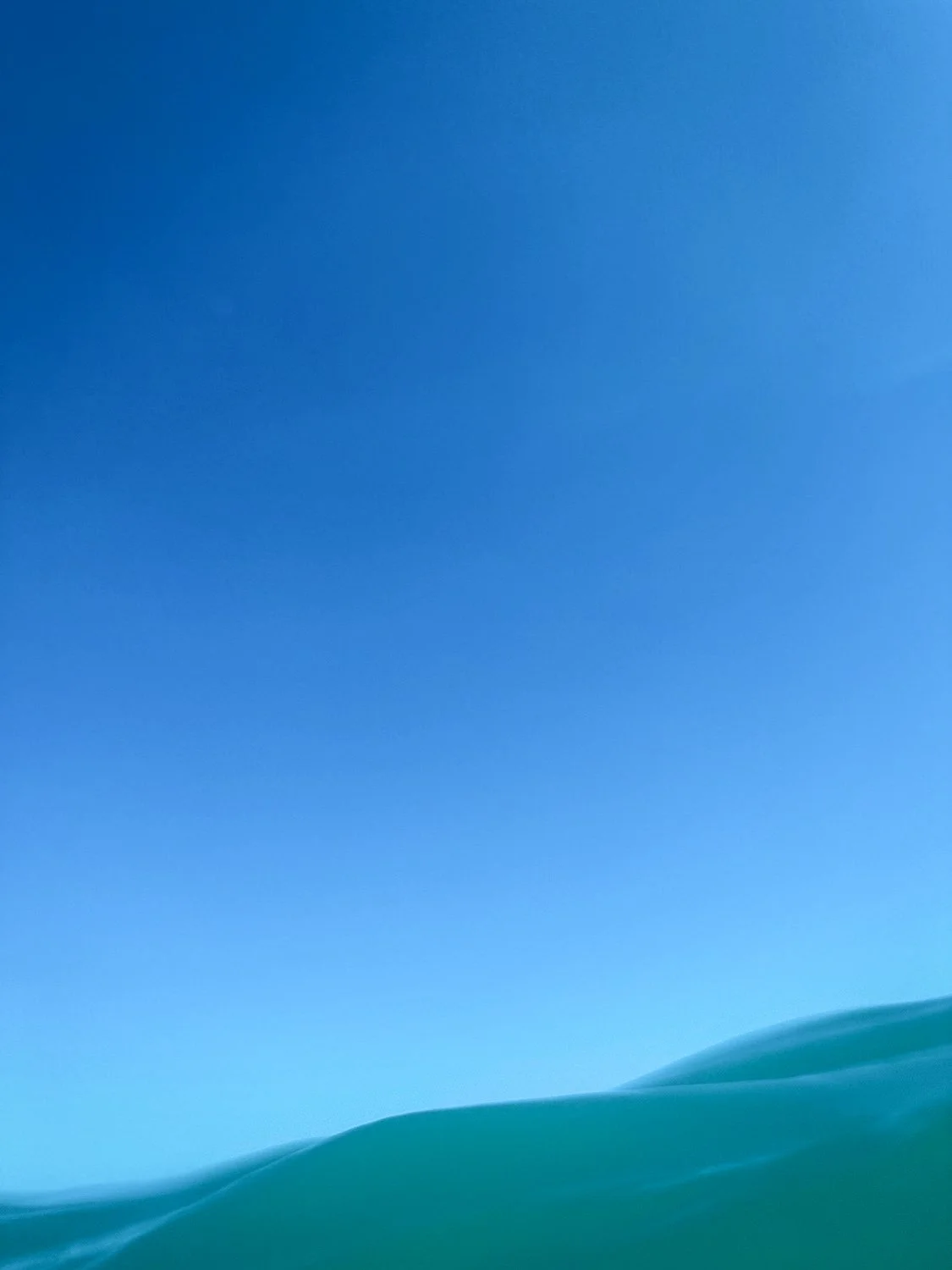
I first looked through photographs I had taken for connections to any of the poems I had selected. The photograph used for the cover and first poem, Song of Myself, already existed and jumped out at me. It is a photo of a natural formation of stones, seaweed, and erosion on a beach that I realised looked like a portrait of Whitman. Whitman’s love and reverence of nature and his belief that all is connected, as expressed in the poem’s line, “For every atom belonging to me belongs to you,” made it an obvious choice. For other poems, I consciously sought out opportunities that could connect with a poem. Whitman’s poem, Out of the Rolling Ocean, the Crowd, is an example. I wanted a simple image of a rolling ocean in which one can imagine one’s love magically appearing. I took this photo using a waterproof case for my camera so I could be right at the water-air interface.
Emotional connection: You mention that your photographs aim to reflect the emotional content of Whitman’s work. How did you find visual ways to express such abstract feelings?
Whitman’s poetry is about emotions and experiences. As Whitman often discussed, he used the new art of photography as a model for his poetry. His poetry paints pictures with words, and I consciously selected poems of Whitman whose imagery spoke to me. So, I took my direction from the poetry itself and combined it with my own feelings about specific photographs I have taken.
The last lines of his poem, Tears, illustrate why the companion photograph was chosen:
But away at night as you fly, none looking – O then the unloosened
ocean,
Of tears! tears ! tears !
The photograph of a flock of birds flying at sunset over a beach is both beautiful and sad. To me, it feels like the emotional release one experiences when tears are allowed to flow freely.
Influence of Whitman’s world: How did learning about Whitman’s life influence your own way of seeing and photographing?
As I learned about his life and world, I saw more and more parallels with our world today. The battle over slavery in his time and justice today for African Americans are directly linked. The hatred and violence towards foreign immigrants in his time sound like today’s world, with the only change being today it’s about Latin Americans and Muslims, while in Whitman’s day it was the Irish and Germans. Whitman’s radical egalitarianism and faith in democracy is as important today as in his time. These allowed me to see the connections between my photographs and his poetry.
Because of the current state of America, I reflect often on Whitman’s poem Long, Too Long America and the accompanying photograph, which was taken at the demonstration in Washington DC in 2017 after Trump’s first election. The poem reads:
Long, too long America,
Traveling roads all even and peaceful you learned from joys and
prosperity only,
But now, ah now, to learn from crises of anguish, advancing
grappling with direst fate and recoiling not,
And now conceive and show to the world what your children
en-masse really are,
(For who except myself has yet conceived what your children
en-masse really are ?)
Whitman wrote this poem in the last few months of the Civil War. The poem warns the nation of complacency and having a naïve belief in America’s exceptionalism. Whitman believed that for a long time Americans only knew peace, joy, and prosperity, and wondered what we would learn from the Civil War. Yet in the immediate years after the Civil War, Whitman was horrified by the gross materialism and political corruption he saw in post-war America. He warned that, "The depravity of the business classes of our country is not less than has been supposed, but infinitely greater.”
We are now facing a level of racism and anti-immigrant hostility not seen since Whitman’s time. Corruption at the highest level of America grows daily and is viewed as unstoppable. We took for granted our democracy and failed to see the rise of Trump’s authoritarianism. The huge demonstration in 2017 and the simple cry for what “Dignity Means” gave me hope. Today I look at this photograph and read Whitman’s poem to find hope again.
Advice for photographers working with literature: What advice would you give photographers who want to create work inspired by literary or historical figures? How can they find a balance between respect for the original and their own creative vision?
Focus on specific elements or segments of an individual artist’s work. In the case of poetry, I don’t think you can use a photograph to creatively show the power and content of an entire book of poems or even one long poem that may have dozens or more sections. Whitman’s famous poem, Song of Myself, has 52 sections and is roughly 1300 lines. I focused on the first and last section and linked them to individual photos. Trying to capture a large work with a single photo is impossible and can reduce the artist’s work to a slogan.
Respect for the original comes from demonstrating your love and understanding of the work. You want to show that your photos have been inspired by the artist’s work and are not a copy of it. For my work, I tried to achieve this by both reading Whitman’s poems repeatedly and studying his life and the world he lived in. All artists are a product of their time and it’s important to read their work in the context of the world they lived in.
Balancing interpretation and freedom: Since both poetry and photography leave space for personal interpretation, how did you decide when to guide the viewer and when to let them make their own emotional connections?
I do not worry about or want to guide viewers. I hope the work stimulates their mind and gives them pleasure. They should feel free to interpret poetry and photography as they wish. What Whitman said about poetry is equally true of photography:
" ... teachers or critics are always asking "What does it mean?" Symphony of fine musicians, or sunset, or sea-waves rolling up the beach - what do they mean? Undoubtedly in the most subtle-elusive sense they mean something - as love does, and religion does, and the best poem; - but who shall fathom and define those meanings? ... At its best, poetic lore is like what may be heard of conversation in the dusk, from speakers far or hid, of which we get only a few broken murmurs. "
Advice on translating emotions visually: What’s one piece of advice you would offer to photographers trying to capture complex emotions through images, especially when working without a literal story?
Trust your instincts and do not over-analyze your decisions. There are no right choices, there are only honest ones that reflect your own personal vision and feelings.
Final reflections: Looking back at the finished book, is there a particular pairing of poem and photograph that feels most personally meaningful to you and why?
The pair that means the most to me is the poem To You and the accompanying photograph. Neither the poem nor the photo is my favourite, but together they work to amplify each other, to create something new.
To You is the shortest and simplest poem Whitman ever wrote:
Stranger, if you passing meet me and desire to speak to me, why
should you not speak to me ?
And why should I not speak to you ?
He asks a simple question about communication between individuals and about the barriers that keep us isolated. He asks this directly of the reader, the “Stranger.” The poem encourages all of us to break down the invisible barriers and create a broader community.
The photograph shows an individual walking down a street in Toronto, in front of a mural where five individuals stare out at the viewer of the photograph. It amplifies the message of the poem. Creating communication between two strangers is just the start, for it will quickly expand to others.
To discover more about this intriguing body of work and how you can acquire your own copy, you can find and purchase the book here. (Blurb.com)
More photography books?
We'd love to read your comments below, sharing your thoughts and insights on the artist's work. Looking forward to welcoming you back for our next [book spotlight]. See you then!
Gosbert Gottmann wanted war photographs that resisted easy reading. In Freiheit Freedom Воля, he works with images connected to the war in Ukraine and changes them through abstraction, distortion and deformation. Photography Book Spotlight