How Hanno Ketterer Turned 1,000 War Letters Into a Powerful New Photographic Story About Love and Survival
Welcome to this edition of [book spotlight]. Today, we uncover the layers of 'Love Letters from the War,' by Hanno Ketterer (published by Kehrer Verlag). We'd love to read your comments below about these insights and ideas behind the artist's work.
It starts the moment Hanno opened his grandmother’s box.
Inside, he found almost one thousand letters his grandfather wrote during the war.
Reading them, he understood this was not only a family story but something many people today can connect with. The letters showed fear, hope, and two people trying to stay human in a difficult time. This interview looks at how he turned those letters into a book and what we can learn from it.
It tells the story of how he made the images.
Hanno used old family photographs, historical material, and new technology to rebuild moments that no longer exist. He mixed real documents with created pictures to help readers feel what the couple went through during the war, supported by the material found in the box. This combination makes the book personal but also something that speaks to a wider audience today.
The Book
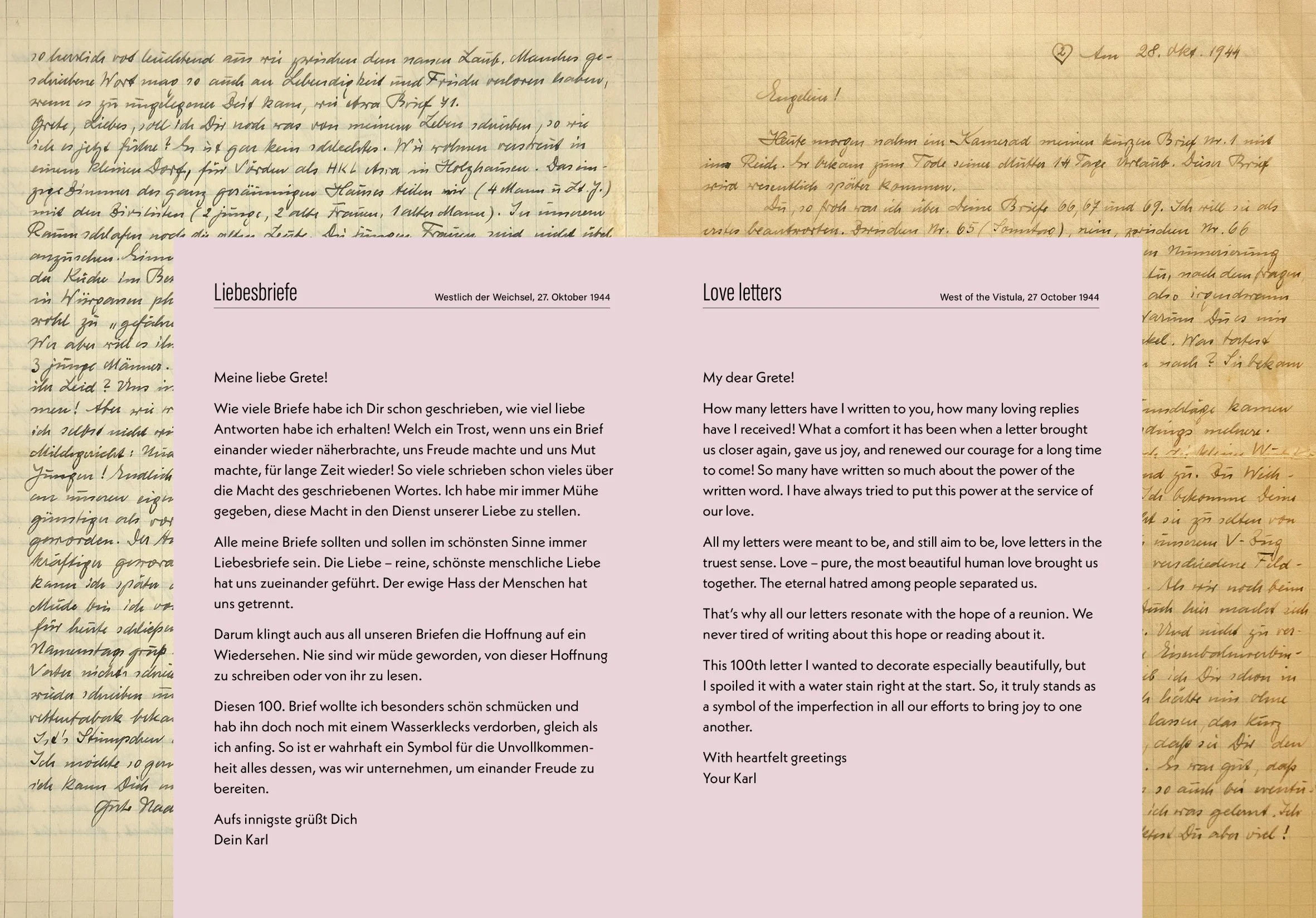
Love Letters from the War is a documentary photobook that follows a real exchange of letters between a young couple separated by the Second World War. The book brings together personal writing, family memories, and a visual reconstruction of a time marked by distance, fear, and hope. Instead of focusing on battles or politics, it looks at two people trying to stay connected while the world around them falls apart.
The photographs and documents are paired with a modern visual approach that rebuilds moments from the past and makes the story feel close and human. The result is a book that is both intimate and universal, showing how love can survive even in the hardest moments and how personal history can become a powerful way to understand the present. (Kehrer Verlag, Amazon)
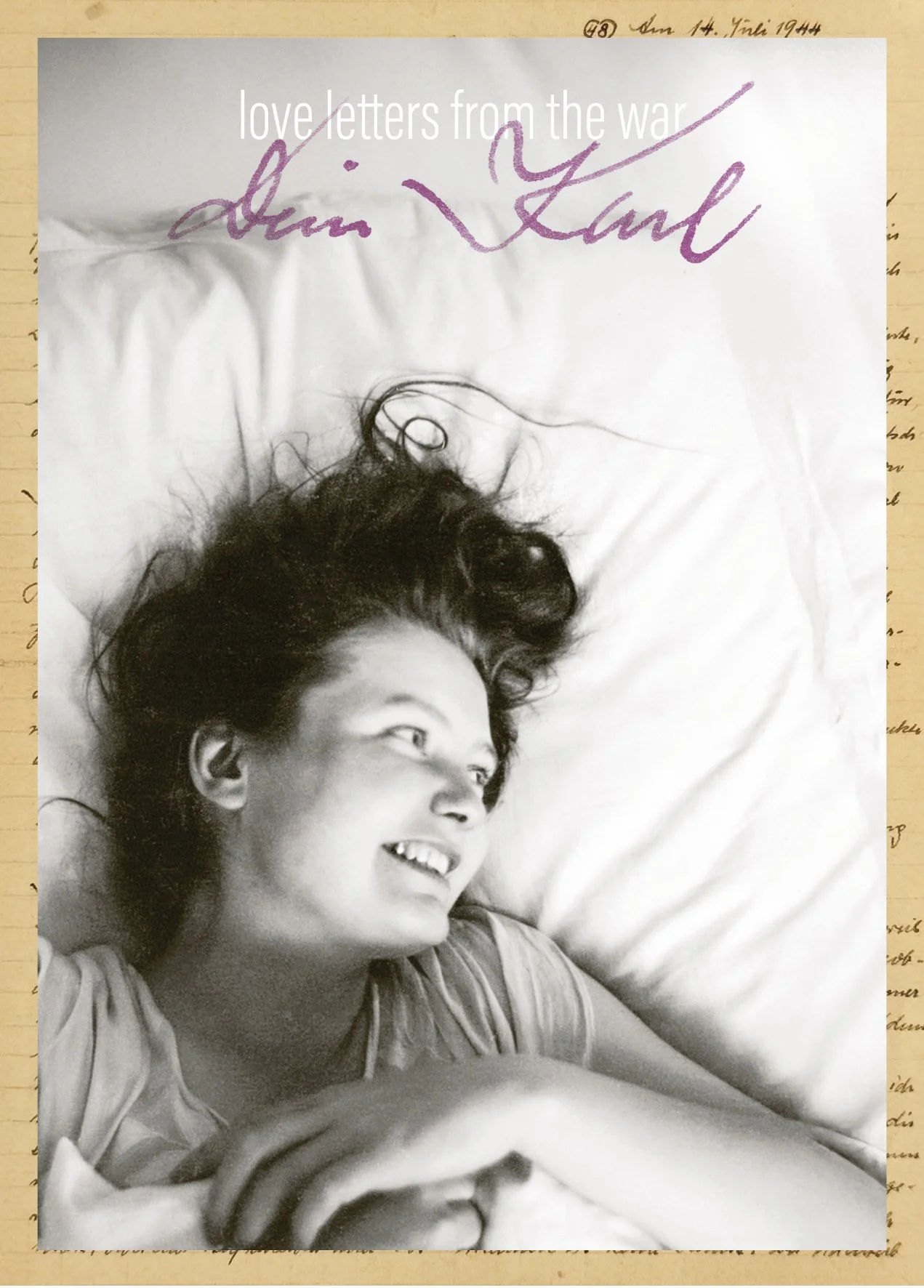
Project Start: What made you decide to turn your grandfather Karl's WWII letters into a photo project mixing real and AI images?
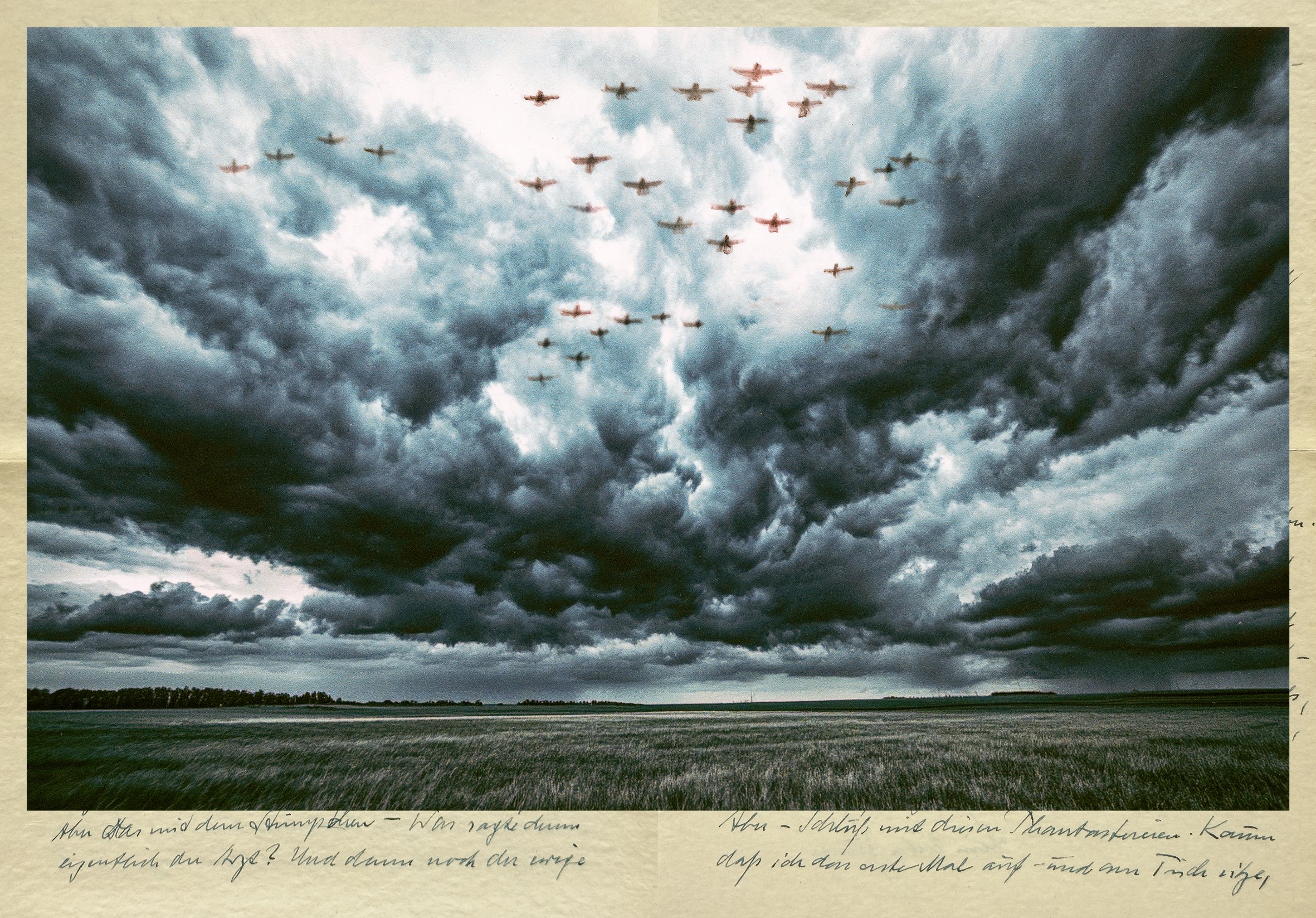
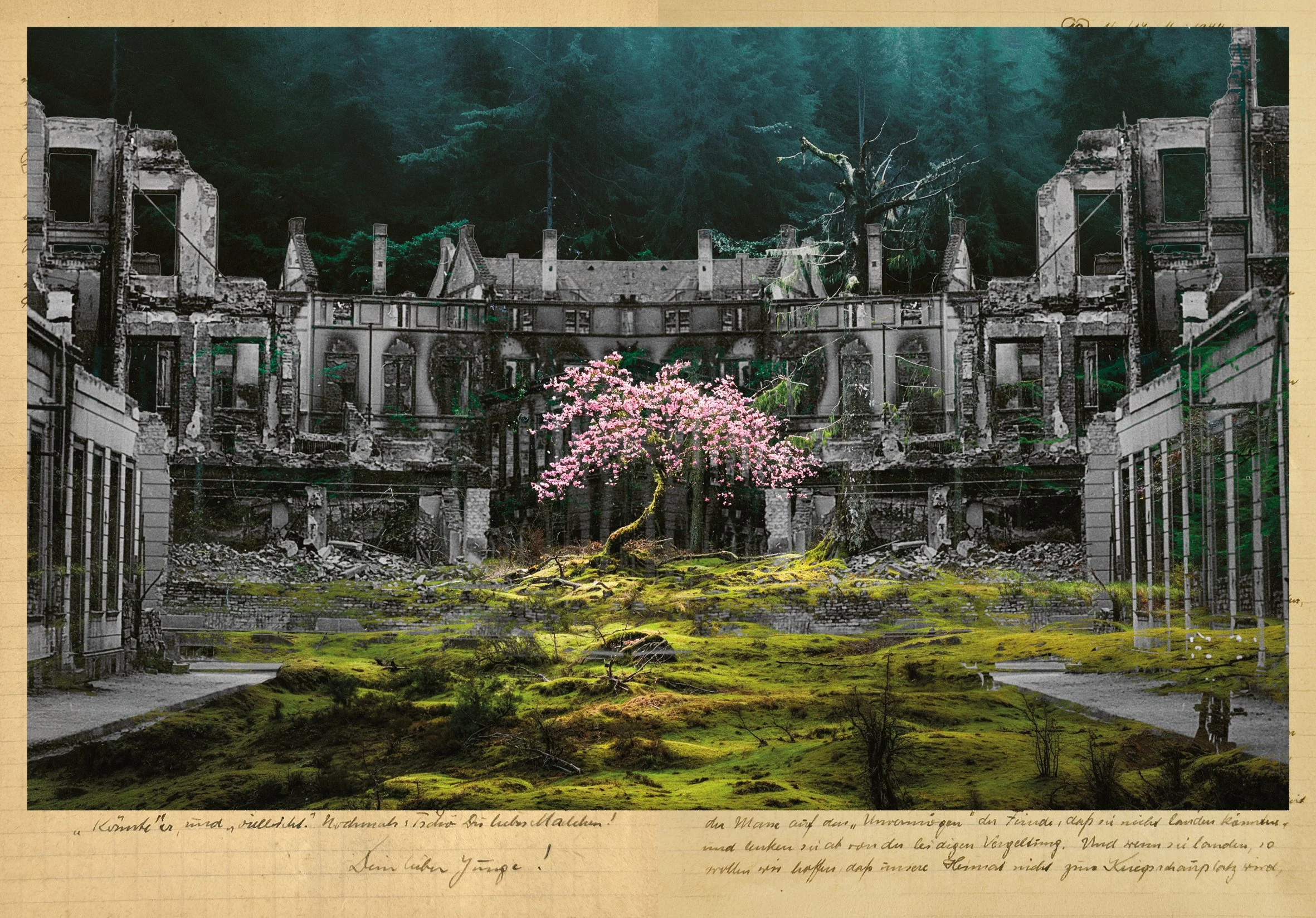
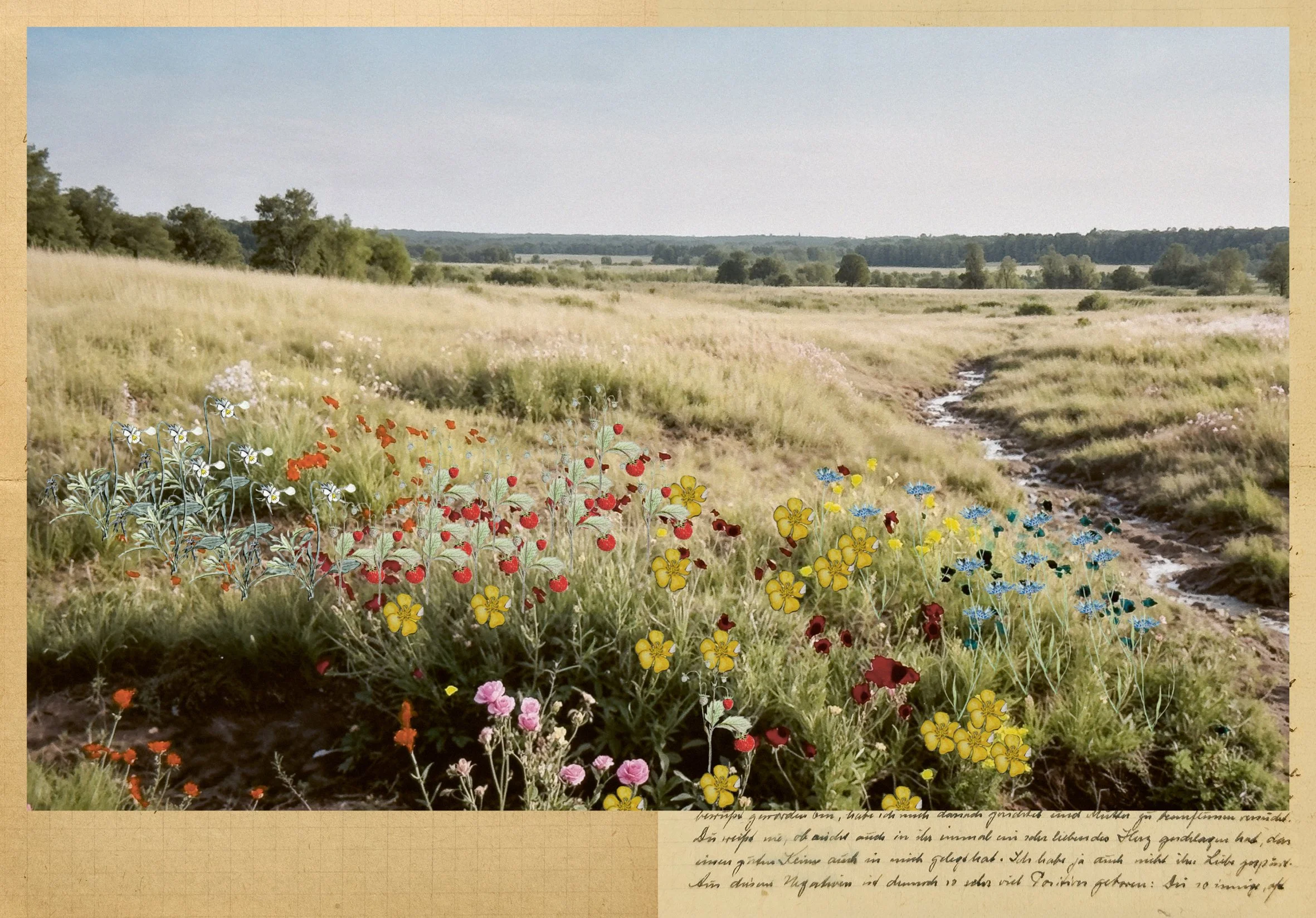
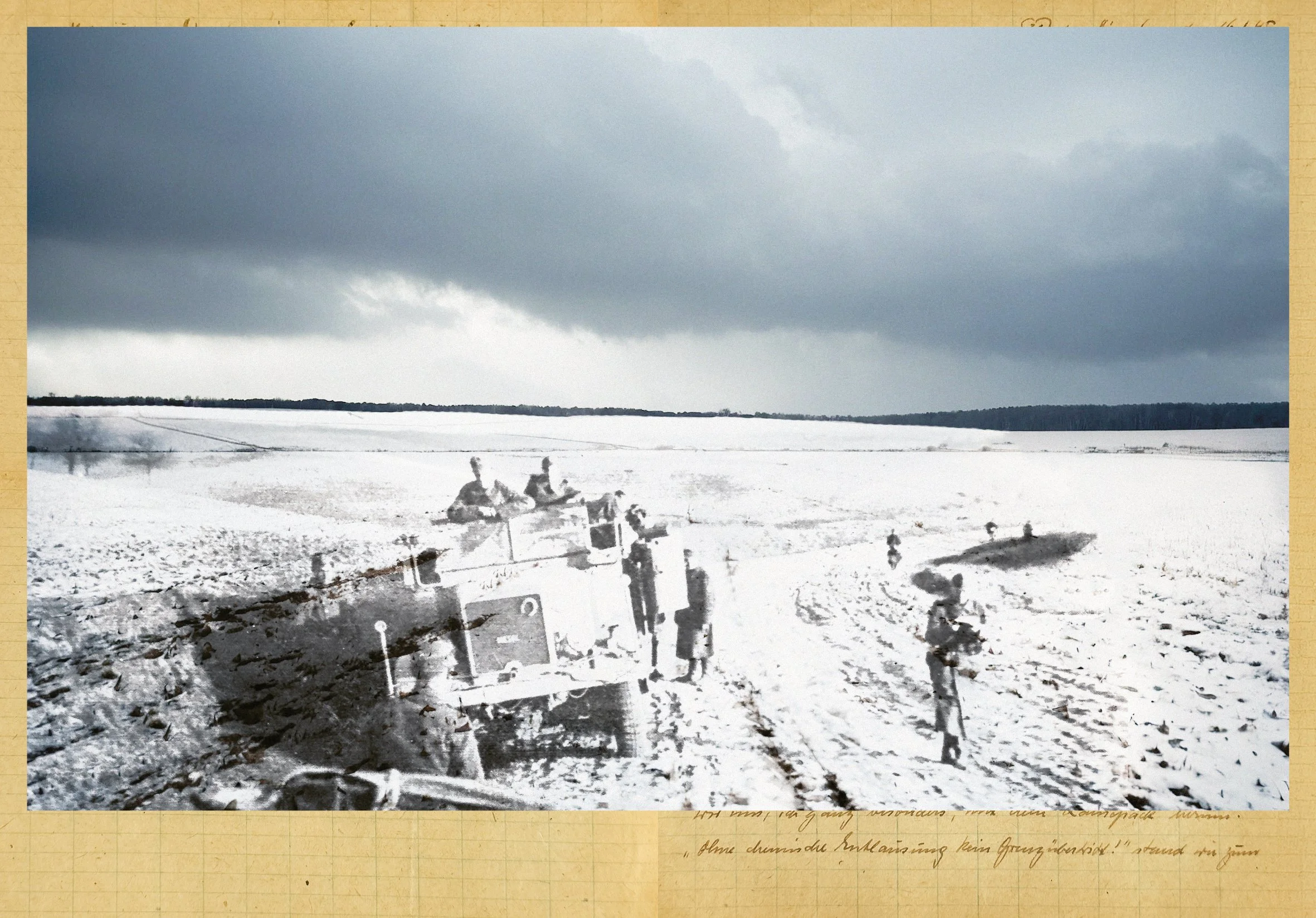
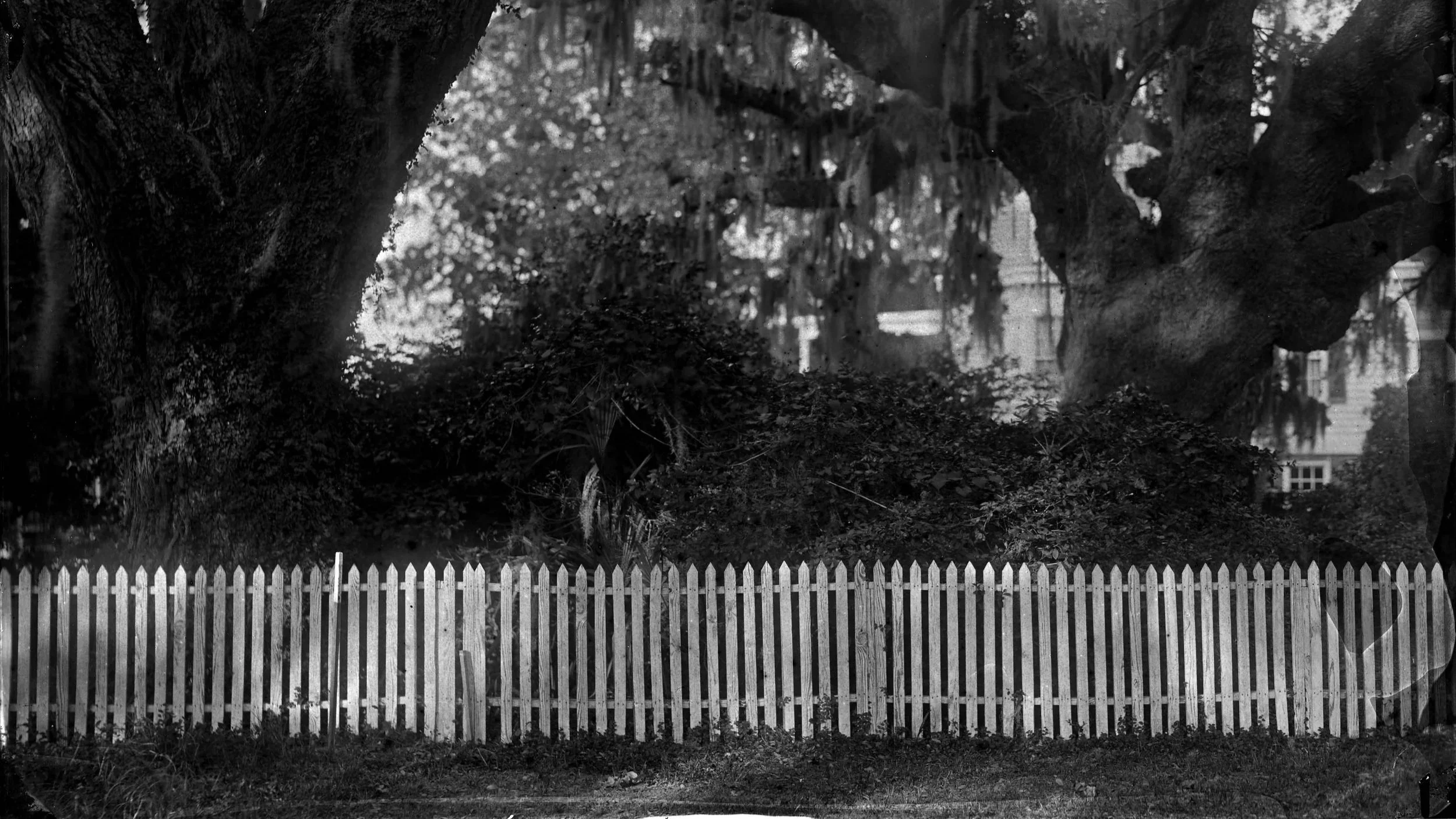
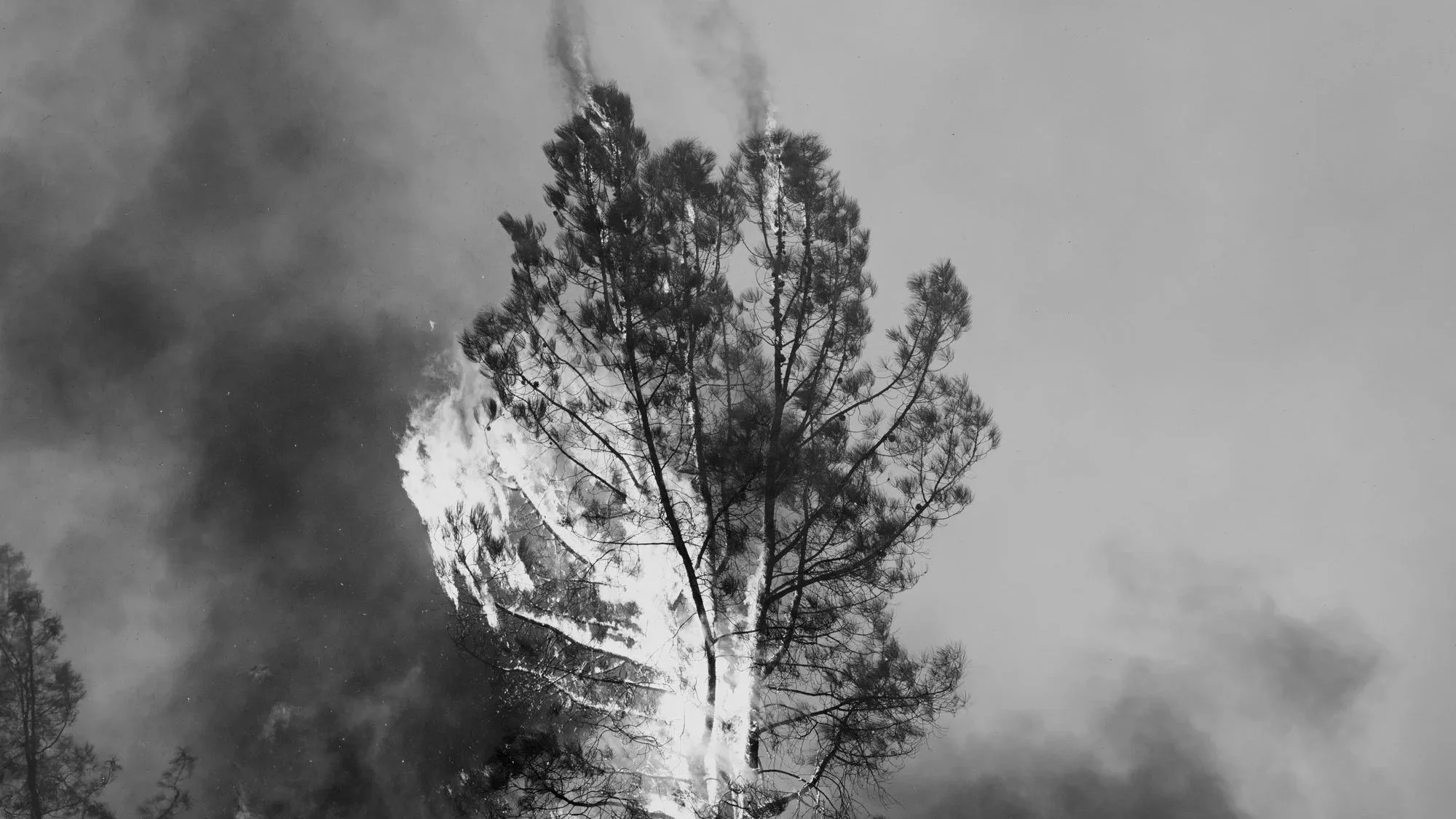
In Love Letters from the War, I use AI as a tool of imagination - as a means to give form to moments that were never photographed, yet vividly described in the letters written by my grandfather during the final years of the Second World War. After generating these images, I continue to transform them: painting into the physical prints, altering them by hand, layering textures and traces until they feel lived, human, and tangible. My im-ages are not meant to document but to remind, to encourage a way of seeing that turns pain into tenderness, silence into presence, and memory into connection. I want my work to be an invitation: to look for the light and to bring beauty into the world.
Technical Mix: How do you use your photography training to control the AI when creating scenes that never existed?
Controlling the AI remains a challenge. To me, it feels like working with a brilliant, but often drunken assistant. The most simple things take a lot of effort to get right. However, using my photography training helps to deter- mine the light, camera position, composition, even the type of film. Most of the time, the result is unsatisfactory, and it takes many interventions to create the image I want.
What's the most frustrating thing it consistently gets wrong, and have those mistakes ever accidentally led to something beautiful you kept?
Well, that’s the problem with drunken assistants, you never quite know why they behave the way they do. With experience, practice, and a lot of patience, you eventually get there. Still, some things remain a mystery: for example, when I ask the AI to create a table with six chairs, it consistently gives me four or eight. Why this happens, I have no idea. But sometimes, these missteps lead to something unexpected, a strange balance, a dreamlike imperfection that I decide to keep. That is not unlike working with a camera; there, too, I sometimes get images that don’t turn out as I planned, yet they surprise me in a way I find worth keeping.
Archive Work: What was it like working with 80-year-old letters and photos - did you face any problems with old materials?
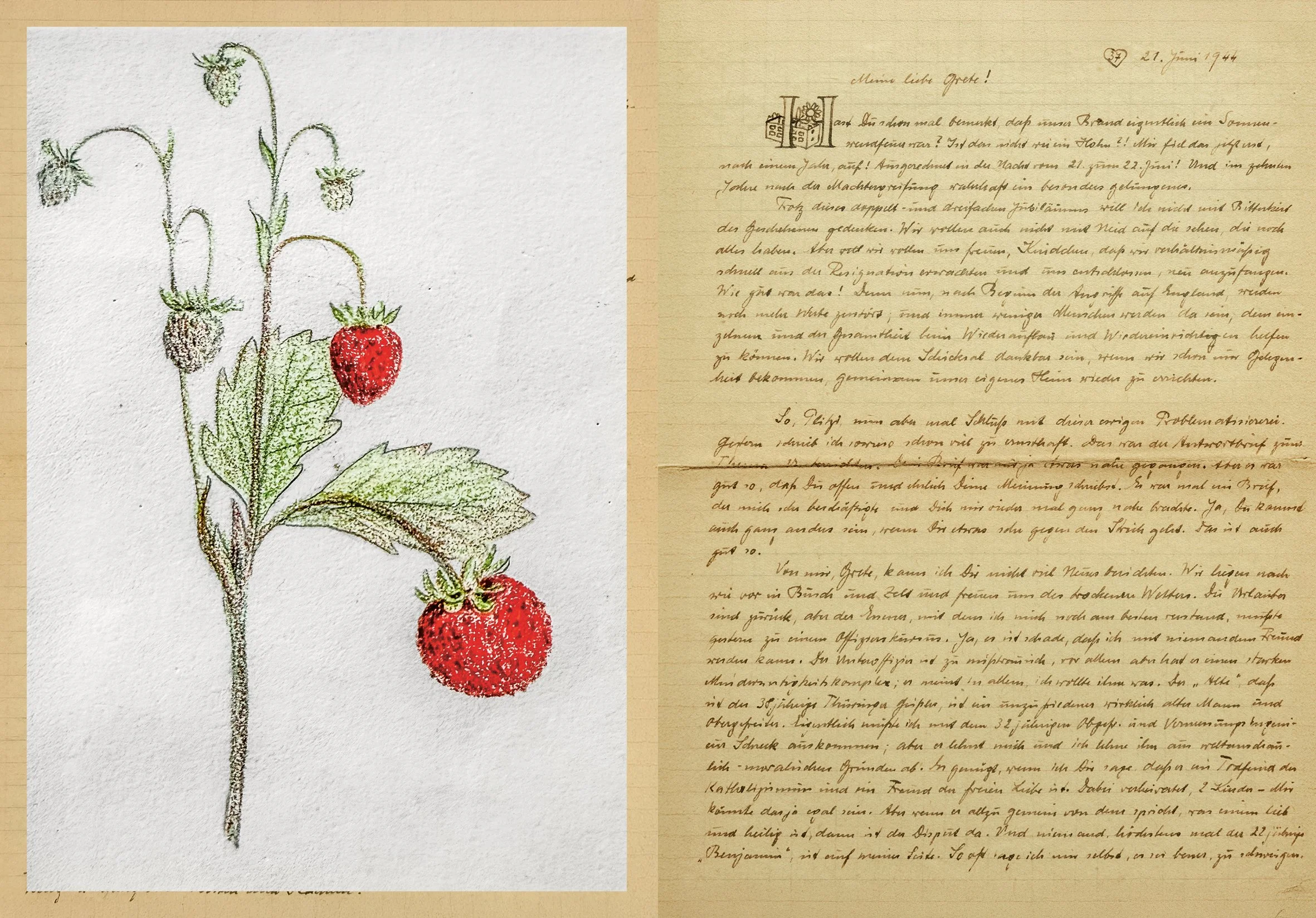
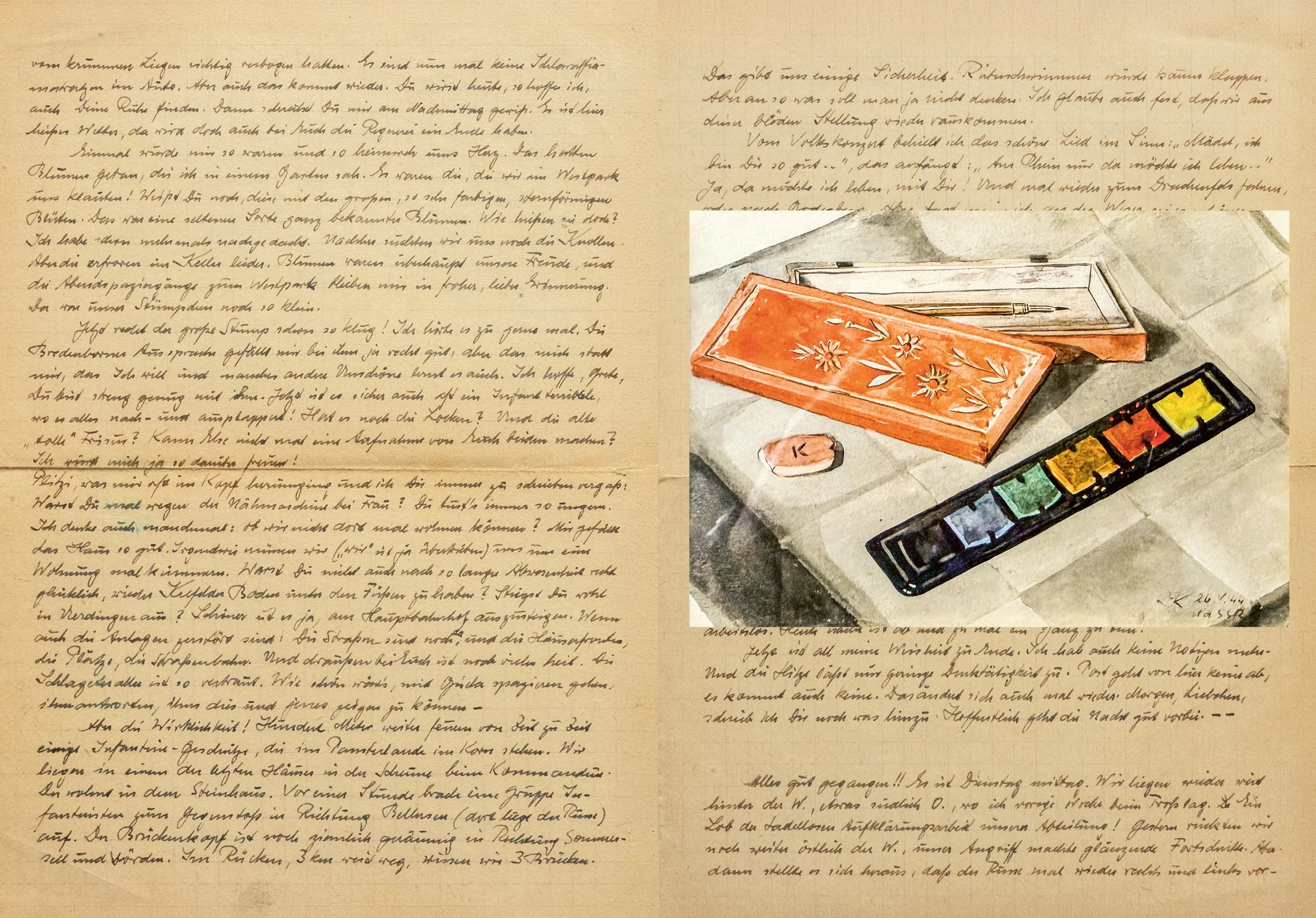
I received the box from my mother, who found it when my grandmother passed away. When I opened the box, I found almost a thousand pages of handwritten letters from my grandfather. It took months to read and sort the letters. It was a bit like putting together a puzzle, slowly showing a full picture of the events. And there are letters missing. Some parts of the puzzle remain unsolved.
Do you find yourself imagining what those missing letters might have said? How do you resist - or do you - the temptation to fill those gaps with AI?
My grandfather was a bit of a nerd. He not only dated all his letters but also numbered them. That allows me to track exactly which letters are missing. The archive is relatively complete, and there is so much material that it is quite easy to follow the story even with some letters gone. For the very last months, from April 1945 until he returned home, there is only a small note left. On that note he wrote down dates and a few words: “15.4: major offensive; 1.5: Through enemy columns, heath, swamp, ice, tanks on two sides…” Very few words, but the story remains clear. Sometimes what is not said tells as much as what is written.
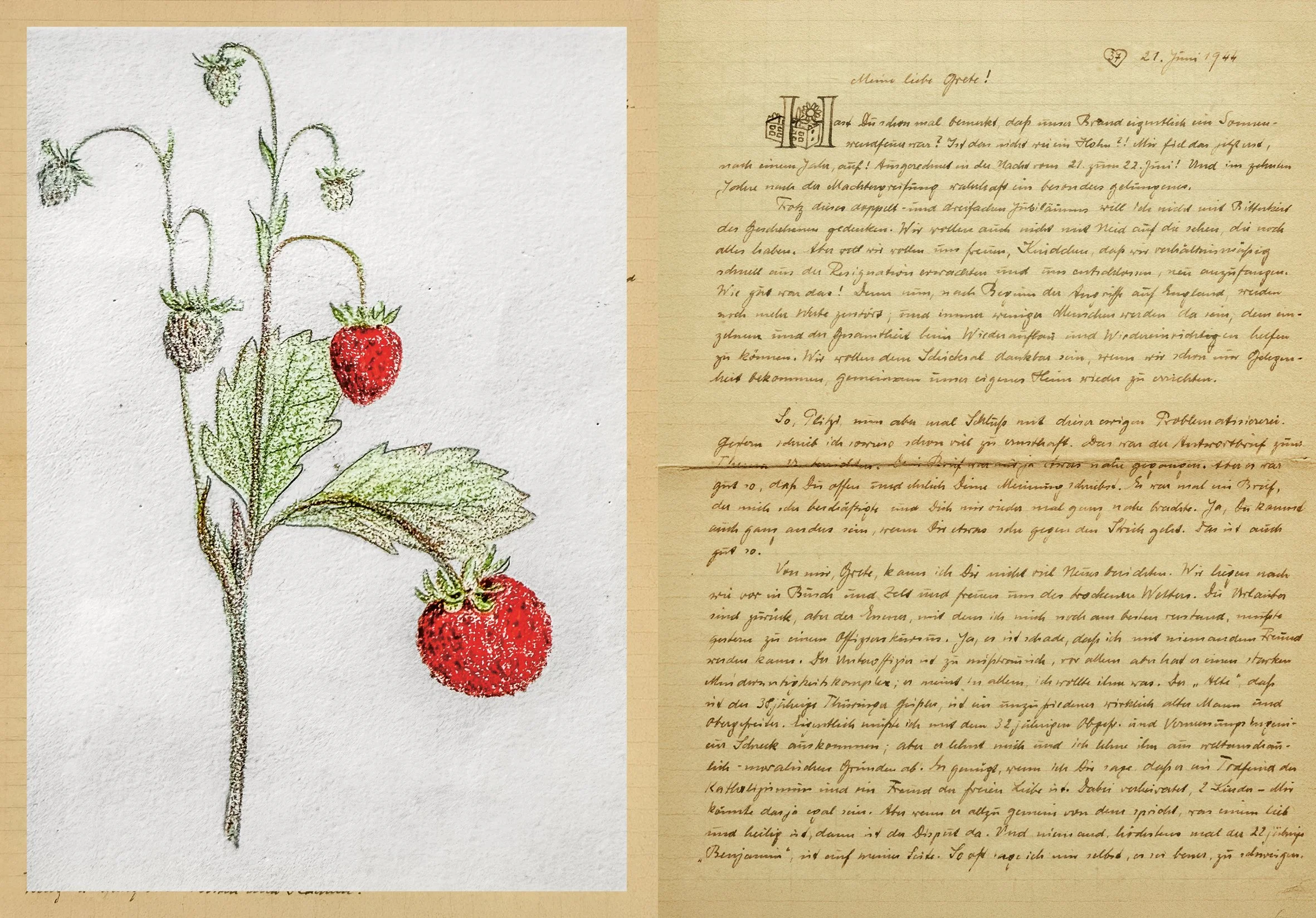
AI Ethics: Why did you choose to use AI images instead of only real photos to tell a true story about your family?
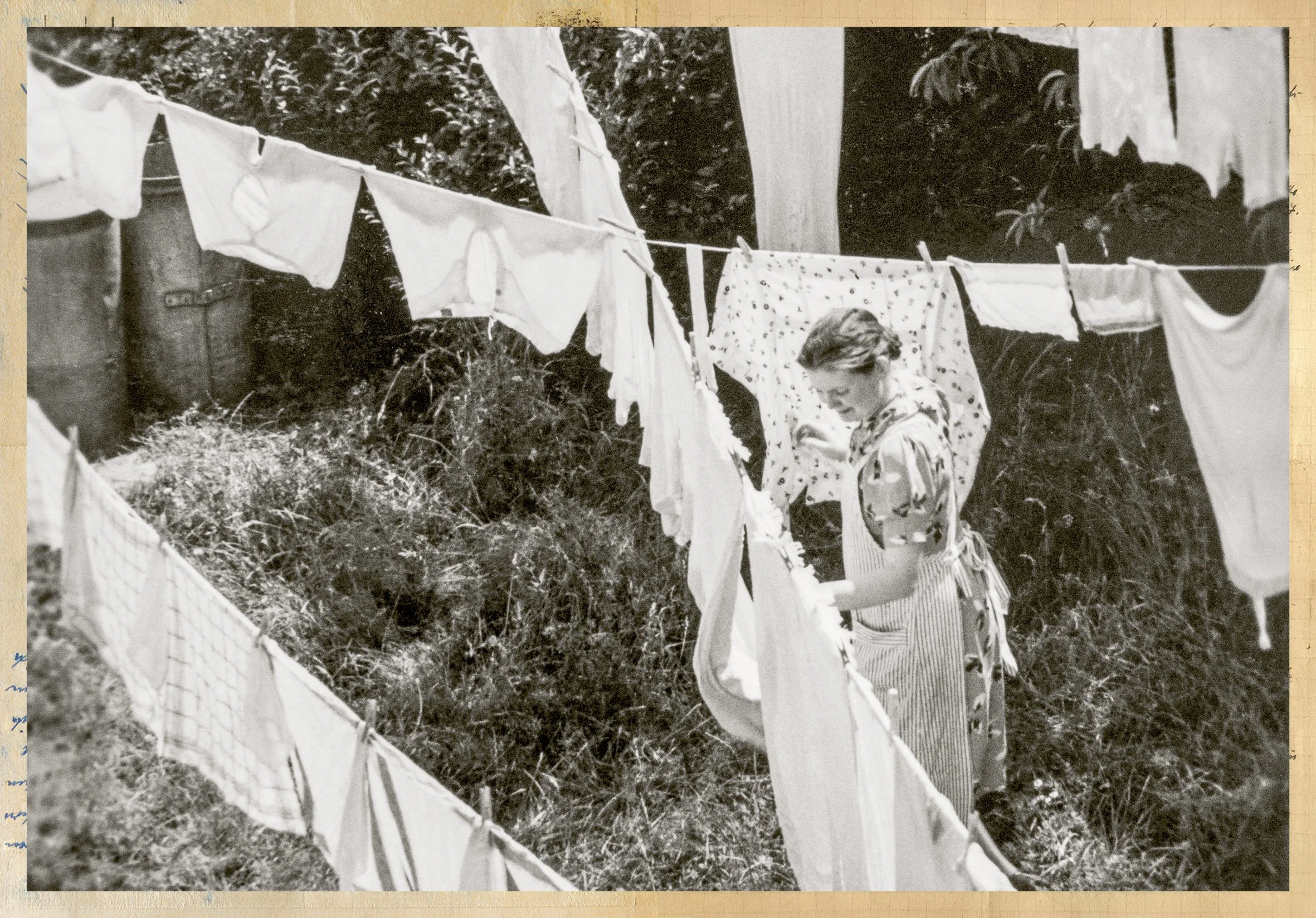
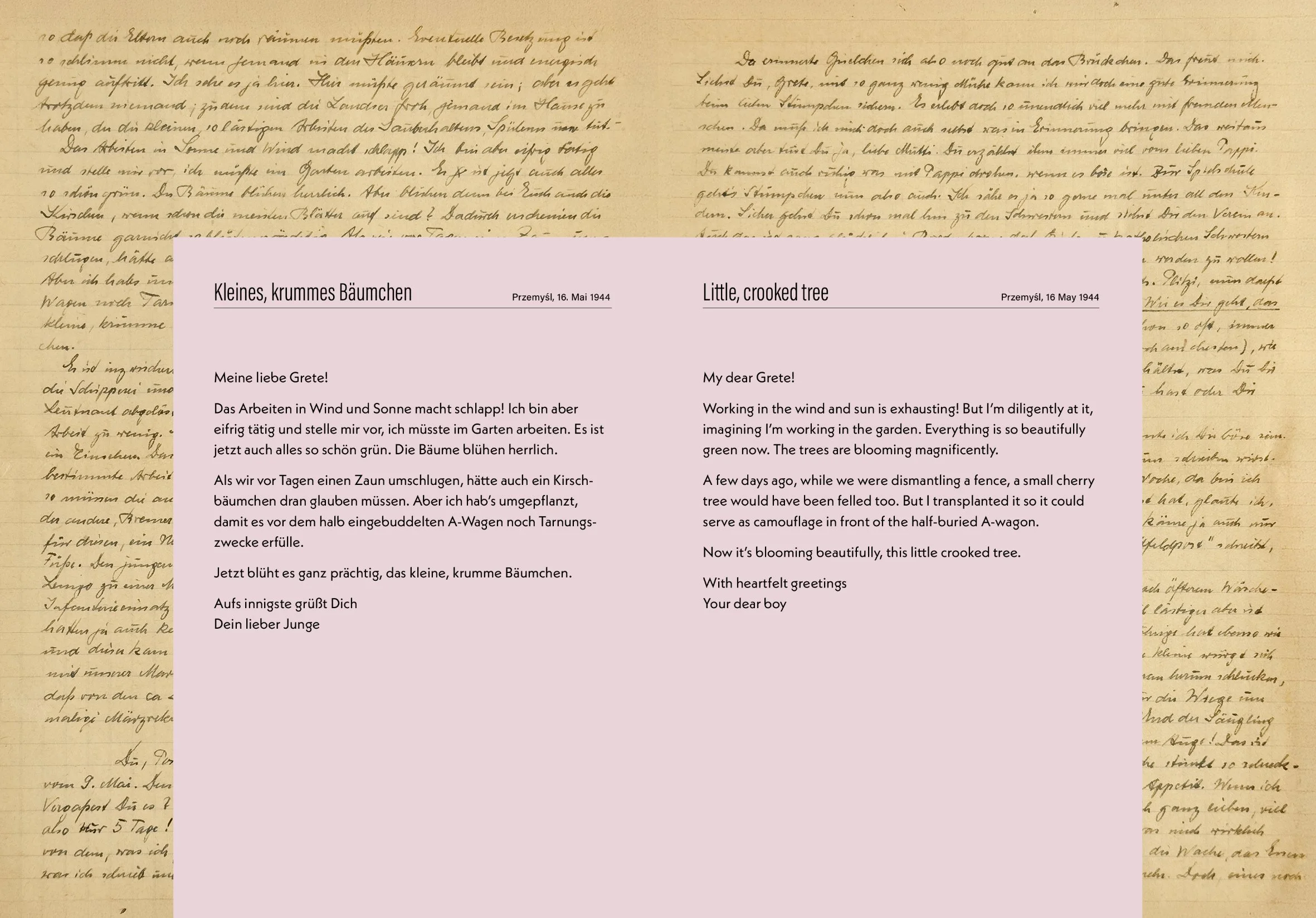
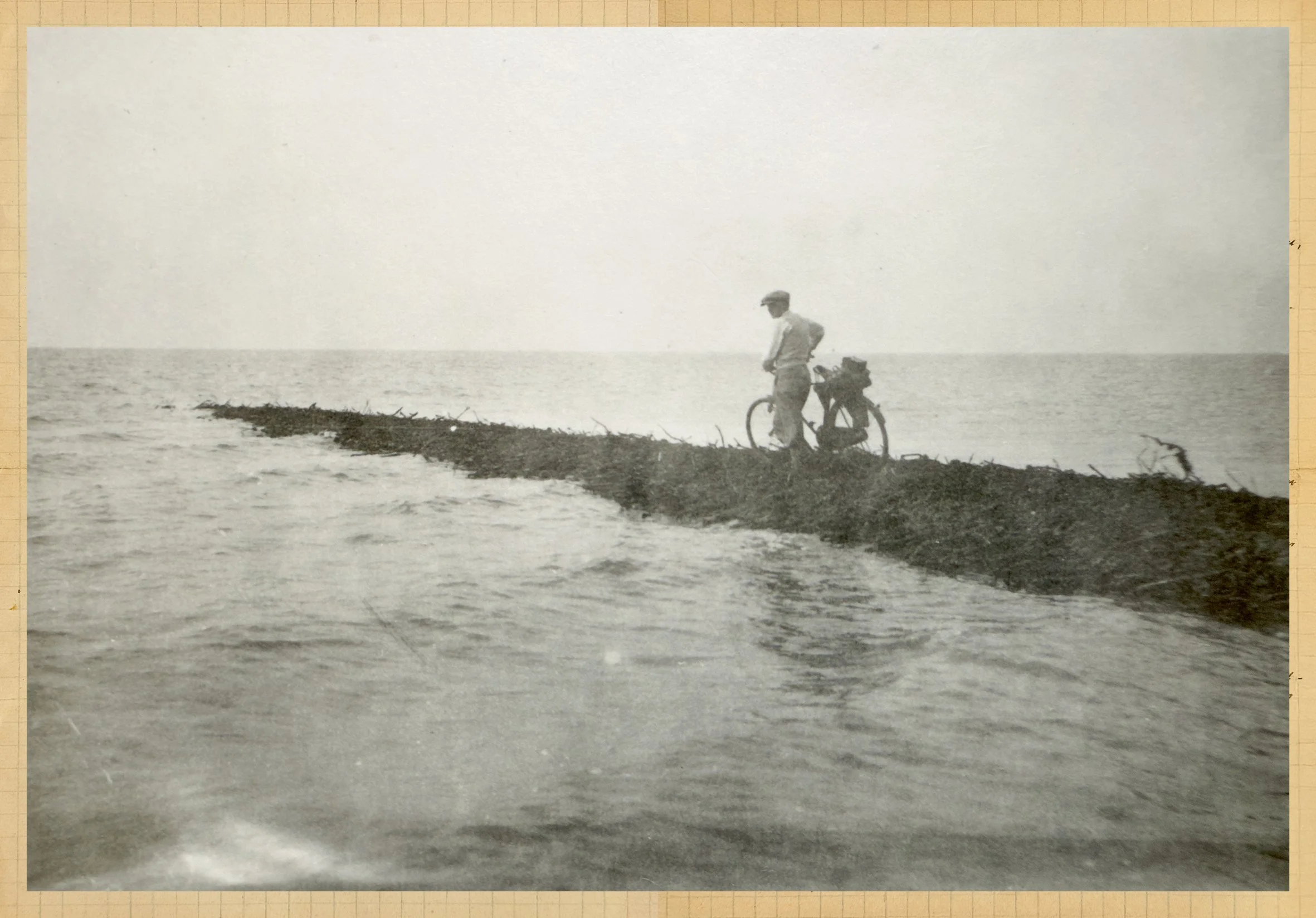
It was very important to me that readers always know what they are looking at - what is historical reality and what is artistic interpretation. The book’s design makes this distinction unmistakable: letters on pink, my reflections on yellow, original photos in black and white, and colour images for artistic interpretation. At the end of the book, a clear explanation ensures readers never confuse fact with imagination. This structure keeps the work transparent and honest, honouring Karl’s words while creating space for reflection.
Emotional Balance: How do you photograph hope and love when the story happens during such a dark time in history?
There are moments in life when the world around us seems to collapse, when shadows settle in and the foundations of who we are begin to tremble. But even in times of darkness, we are free to choose how we respond. This is a story about the courage to hold on to love, dignity, and truth when everything around us falls apart.
The book offers an intimate glimpse into the inner world of one man, whose small gestures - writing daily letters, reflecting on beauty - became acts of quiet resistance.
My work is grounded in the belief that love and beauty can guide us through even the darkest of days.
Documentary vs Art: Your first book showed real consulting life - how is mixing truth with imagination different in this war project?
The stories I tell determine the way I work. I do not follow a single method or aesthetic; each story asks for its own visual language and its own tools. I choose my approach according to what best serves the emotion and meaning I want to convey, whether that means working photographically, combining archives with new imagery, or using technology to reimagine what has been lost.
Technical Process: Can you explain step-by-step how you create one AI image from a letter description?
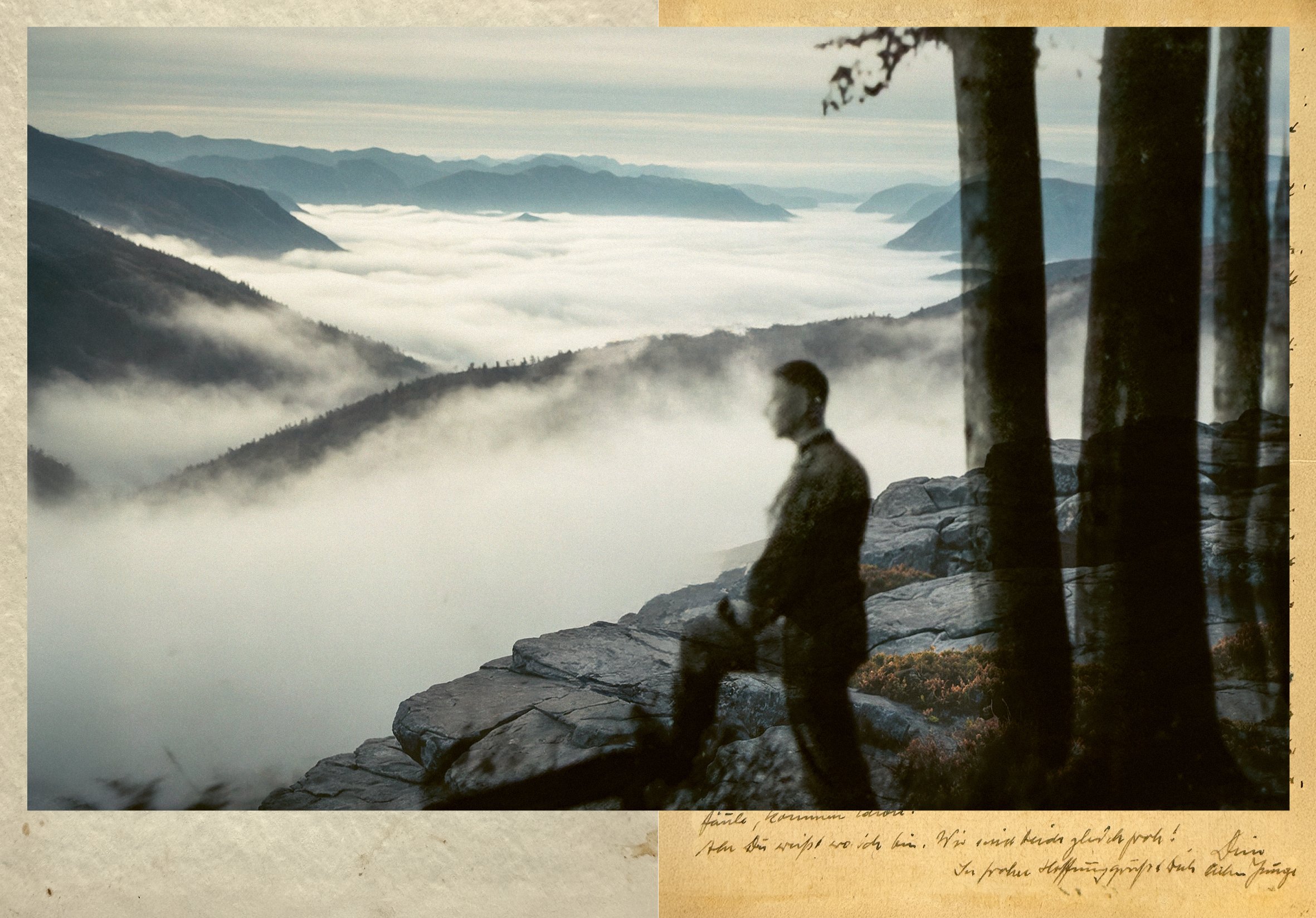
When I read these letters, images appeared in my head, dreamlike rather than documentary. Those visions guide my prompts, combined with direct quotes and photographic parameters. I use multiple platforms, merge and refine results, and overlay them with my grandfather’s historical photos. Once the digital image feels mature, I continue working physically on the print: painting, scratching, layering. Through this process, the image becomes tangible, human, real. It is more art than documentation.
You said you paint and scratch directly onto the physical prints after the AI work. That sounds incredibly tactile for such a digital process. Can you show me one of these worked-over prints? What does that physical intervention add that the AI alone couldn't give you?
I use AI as a tool of imagination to give visual form to moments that were never photographed, yet vividly described in the letters written by my grandfather. After generating these images, I continue to work by hand, painting into the physical prints, layering textures, and leaving traces until they feel tangible and human.
For example, Karl once wrote: “How unreal all these days have been.” In the image inspired by that letter, I wanted the people walking to feel almost like ghosts, so I painted them black on the print, making them seem half present and half vanished.
In another letter from July 1944 he wrote: “I entered one of their homes. The fire was still glowing, all the drawers were open, pots, milk, and chairs lay about, the clock on the wall, all the holy images, it felt as if the residents had just gone out for a short trip. And soon, everything would be blown up and burned.” When working on that image, I began scratching directly into the surface. It felt as if I were making things disappear.
Yes, it is a very tactile and physical step in my process. It is the moment when the image stops being digital and becomes something alive, fragile, and human.
Photography Advice: What tips would you give photographers who want to mix family archives with new technology in their work?
I tried to work slowly and with respect for what came before me. Technology can open doors, but I felt that the real task was to listen; to the materials, to history, and to my own emotions. I tried to let technology serve the story, not the other way around.
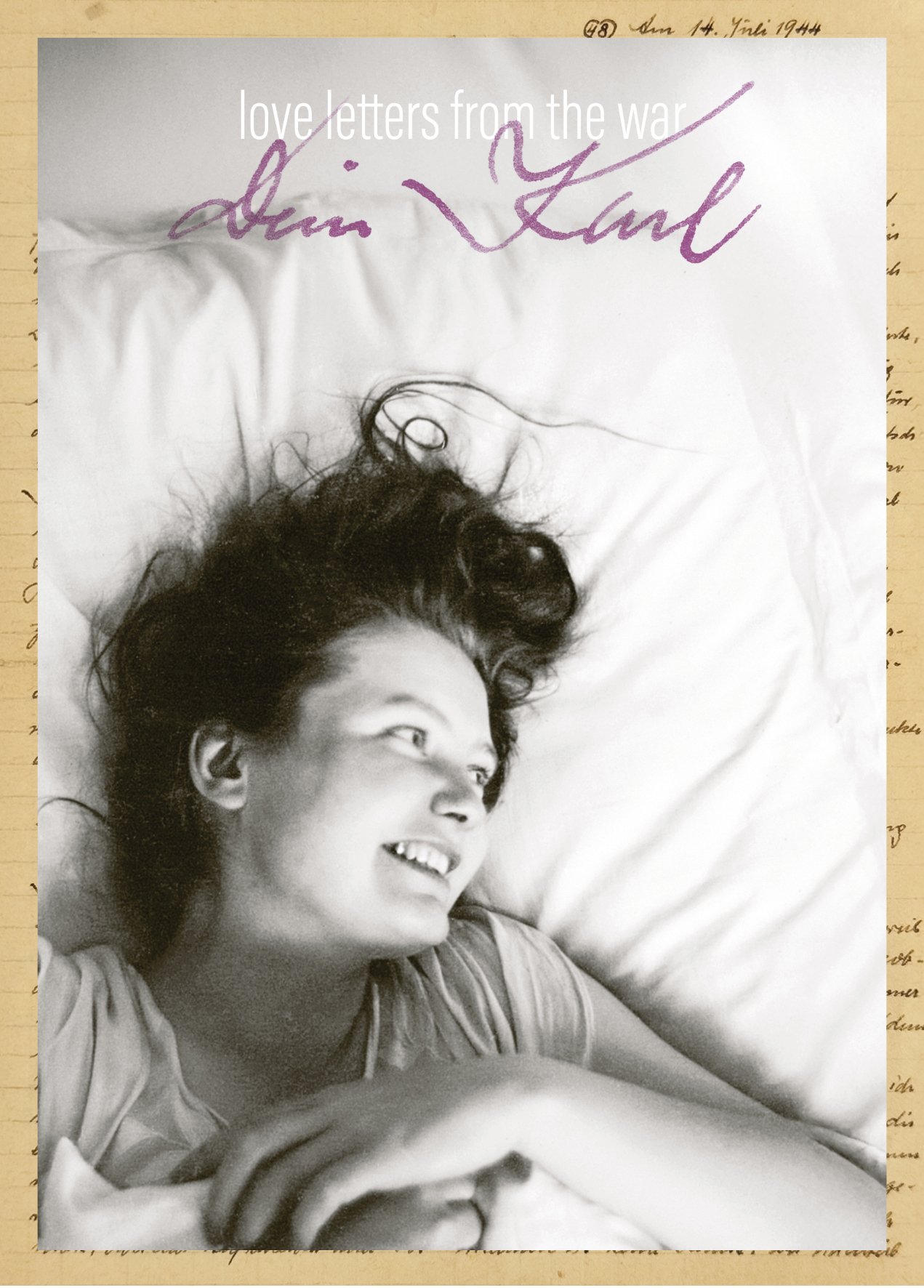
To discover more about this intriguing body of work and how you can acquire your own copy, you can find and purchase the book here. (Kehrer Verlag, Amazon)
More photography books?
We'd love to read your comments below, sharing your thoughts and insights on the artist's work. Looking forward to welcoming you back for our next [book spotlight]. See you then!
The street is boring until you learn what to notice. Most of the time, nothing special is happening. Photography Book Spotlight