Welcome to this edition of [book spotlight]. Today, we uncover the layers of 'Monochrome on the 200th Anniversary of Photography Volume I,' by Christopher Lee (self-publishing). We'd love to read your comments below about these insights and ideas behind the artist's work.
What happens when a photographer trusts chaos more than control?
Christopher Lee builds his work on moments that appear without warning. His new book shows how instinct, speed, and chance can shape powerful black and white images. It is a project created by someone who has spent years shooting at night, reacting in real time, and accepting that not everything can be planned.
So what does a life built on chance look like behind the camera?
It starts with childhood memories of black and white, continues with early lessons from a family friend, and grows into a practice that mixes instinct with curiosity. Christopher shares how blurry frames, fast street moments, and unexpected scenes became the heart of his book and his way of seeing. His stories show how a single second can change an entire photograph. By the end of this introduction, you will know what his book promises and why his approach may change how you look at unplanned moments.
The Book
Monochrome is a collection of black and white photographs by Christopher Lee that focuses on raw and unpredictable street and night scenes. The book explores how instinct, randomness, and fast reactions can create moments that no planned photo could ever capture. It shows life in its most honest and spontaneous form, full of movement, blur, shadow, and surprise. Lee offers a look at the city shaped by chance and the quiet power of unplanned moments. (Amazon)
You say black and white photography affects how your mind works. What do you mean by that? Does it change how you see things?
My mother spent a lot of time showing old black and white photos of our family members from the 30s, 40s, and 50s, they all seamed so old and ancient to me. I was 5 years old in 1972, most people including our family, only had black and white television sets. Around then we bought a color TV. Even though we now had a color set, most of the TV shows were reruns and still in black and white. In my young mind, I believed that the olden times were in reality black and white, and that one day the world just suddenly became color!
Obviously I grew out of that reality my young mind had created, but still always draw to the monochrome world. As I literally was born and lived in the wild west, the Black Hills of South Dakota, I spent a lot of time at the library, viewing old west stereoscopes and later attracted like a magnet to the noir film aesthetic, depression era photography of Dorothea Lange and counter culture photo of photographers such as Danny Lyon, one of my favorites.
You mentioned Danny Lyon as one of your favorites. What do you like about his photos?
I believe what is most appealing to me about Danny Lyon's work is not just raw outlaw nature of his photography, but also his method of entering into the daily lifestyle of his subjects. I've never had the chance to embed myself into the life of a rock band or biker gang for long periods of time, to catch those amost insignificant but poignant scenes. I can't help but admire all the photographer's of the past, getting those great shots from times now long gone by, never to be seen again.
Why did you include some blurry photos in your book? What do out-of-focus pictures show that sharp ones don't?
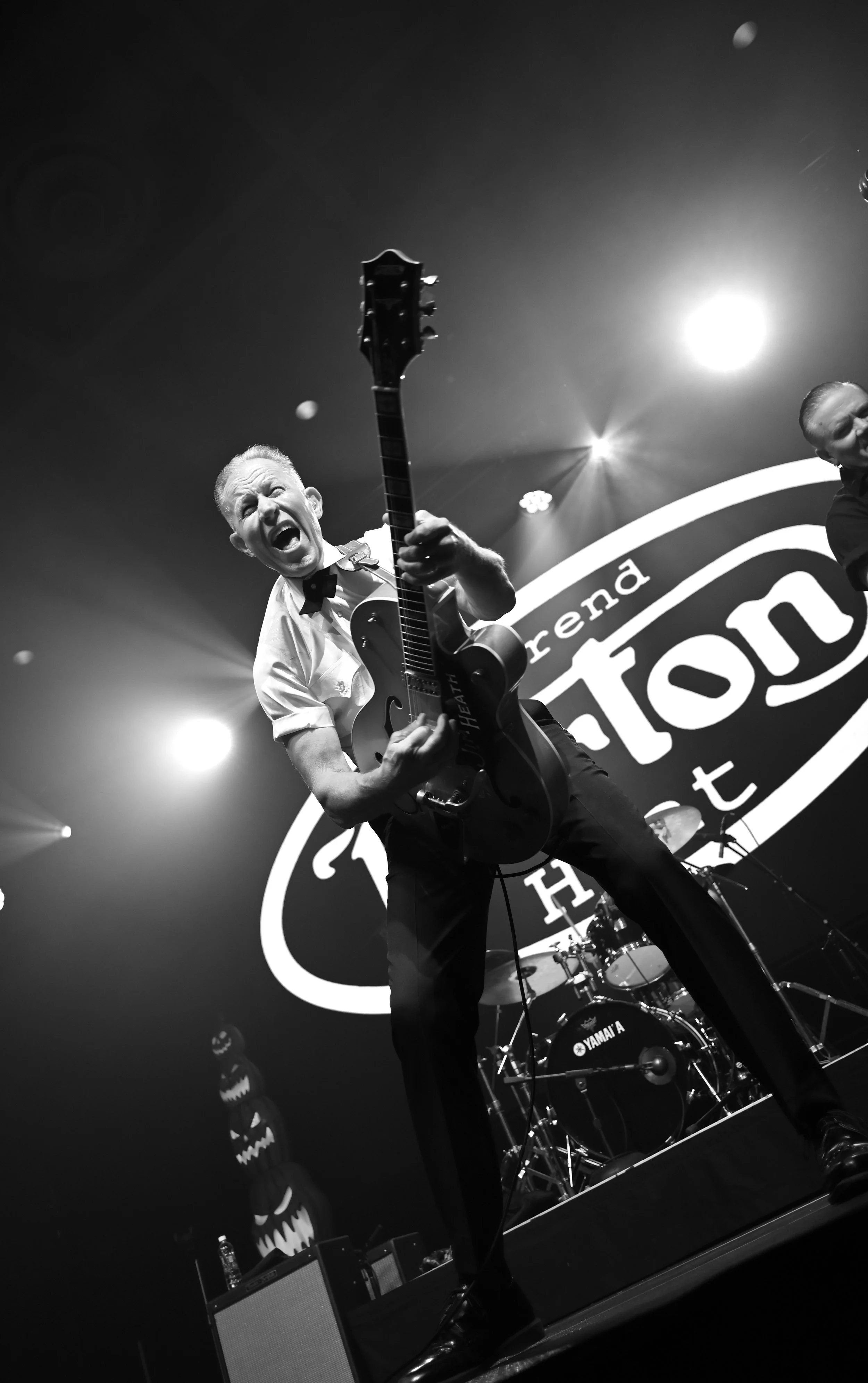
My favorite time to shoot is at night. The street at night is full of surprises and at times, danger. It can be challenging, and sometimes a person or scene appears and disappears in a split second. When someone startles me, by riding up on me from behind on a bike, or a unique person is walking in the crosswalk as I'm stopped in my car at a traffic light, I often shoot from the hip in these situations, so most of the time the photos are not perfect, but I got it!
Back in the film days shots like this would have disappointed me, but in the digital age I have learned to embrace these types of photos as they imply movement and action, and I realized that many of them are more artistic and representative of the hustle and bustle of the city. The motion blur of life.
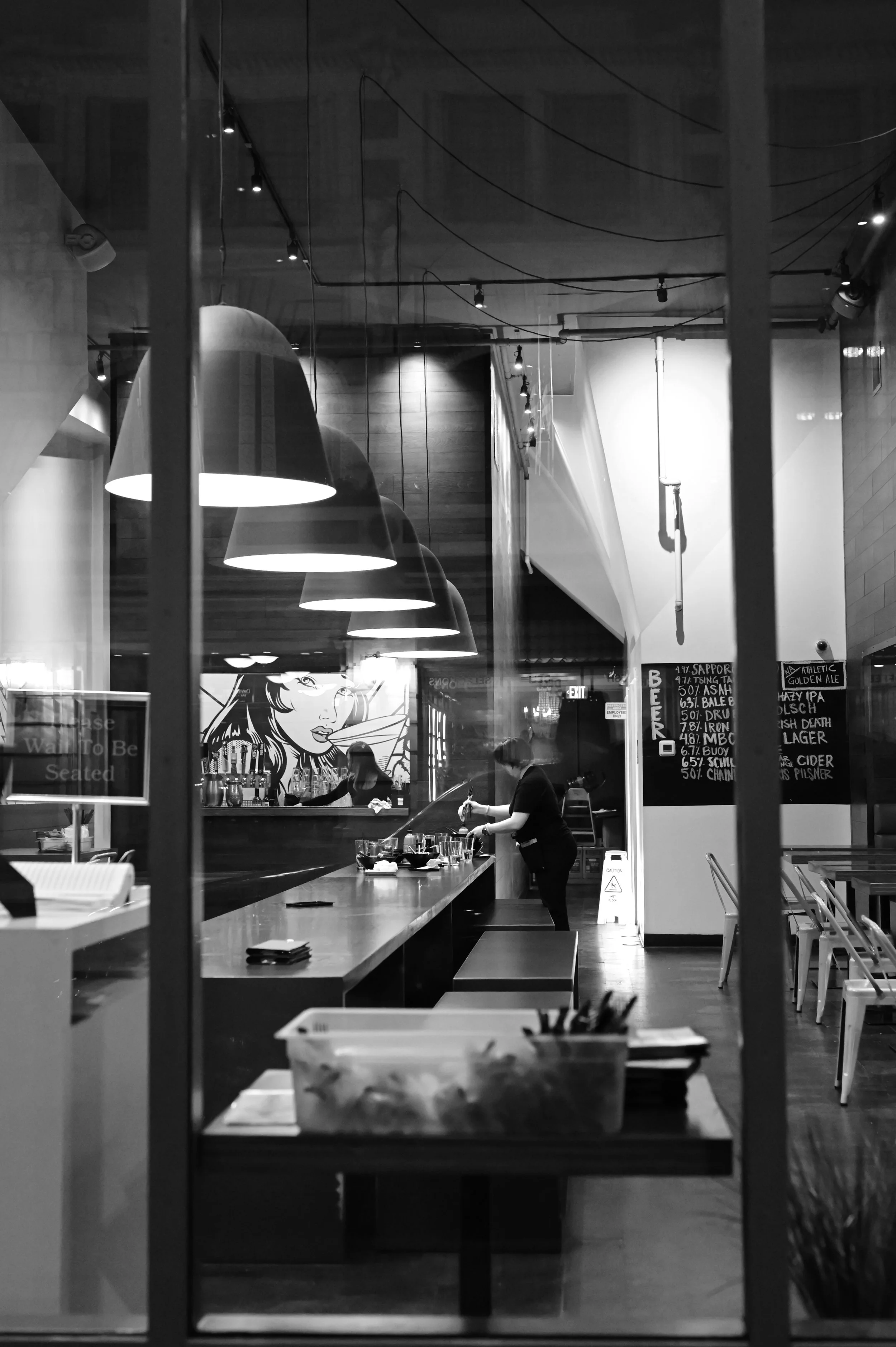
So shooting from the hip at night means you can't control everything. Does that make the photos feel more real to you?
Yes there is definitely a lack of control shooting from the hip at night, and it usually doesn't work well for black and white photography. the large majority of shots like this are definitely unusable, even in color. Why waste my time taking shots like this? Because once in a while I get a unique surreal shot, like a motorcycle rider coming out nowhere, speeding by in a 25 mph zone, doing 60+ mph with no hands on the handle bars of his bike, at 2am.
Uncle Tom taught you about shooting motorcycles and cars when you were 11. What's the most important thing he told you that you still use today?
Tom Nuesca, uncle Tom.
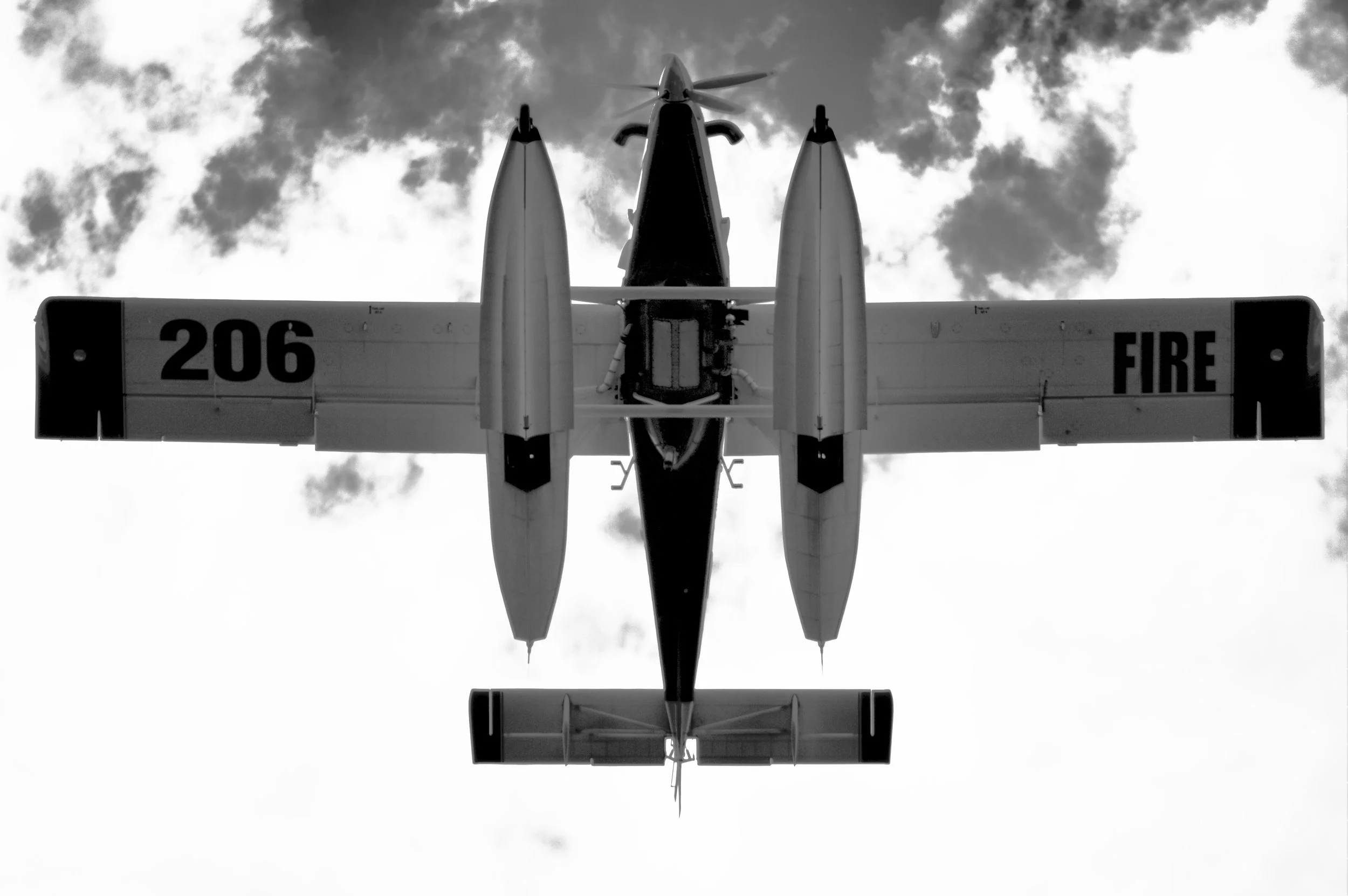
In my short time with Tom, I think the most important thing I learned was "Angle". To be honest, besides just being inspired in general, that is the really about the only thing I do remember him teaching me. He sat me down and we examined many of his photos. One particular photo I remember clearly was of a motocross rider airborne. He made sure I noted the foreground, background, perspective and angle from which the photo was taken. Not straight on, not from a distance, but low down and close, looking upward toward the sky, as if he had been laying in the dirt when he took the photo. Angle is always the first thing I think of. I am a big fan of Dutch angle, shooting from the hip usually will give this result naturally, but I also will purposely angle my camera or even add Dutch angle in post, I wish perspective was that easy.
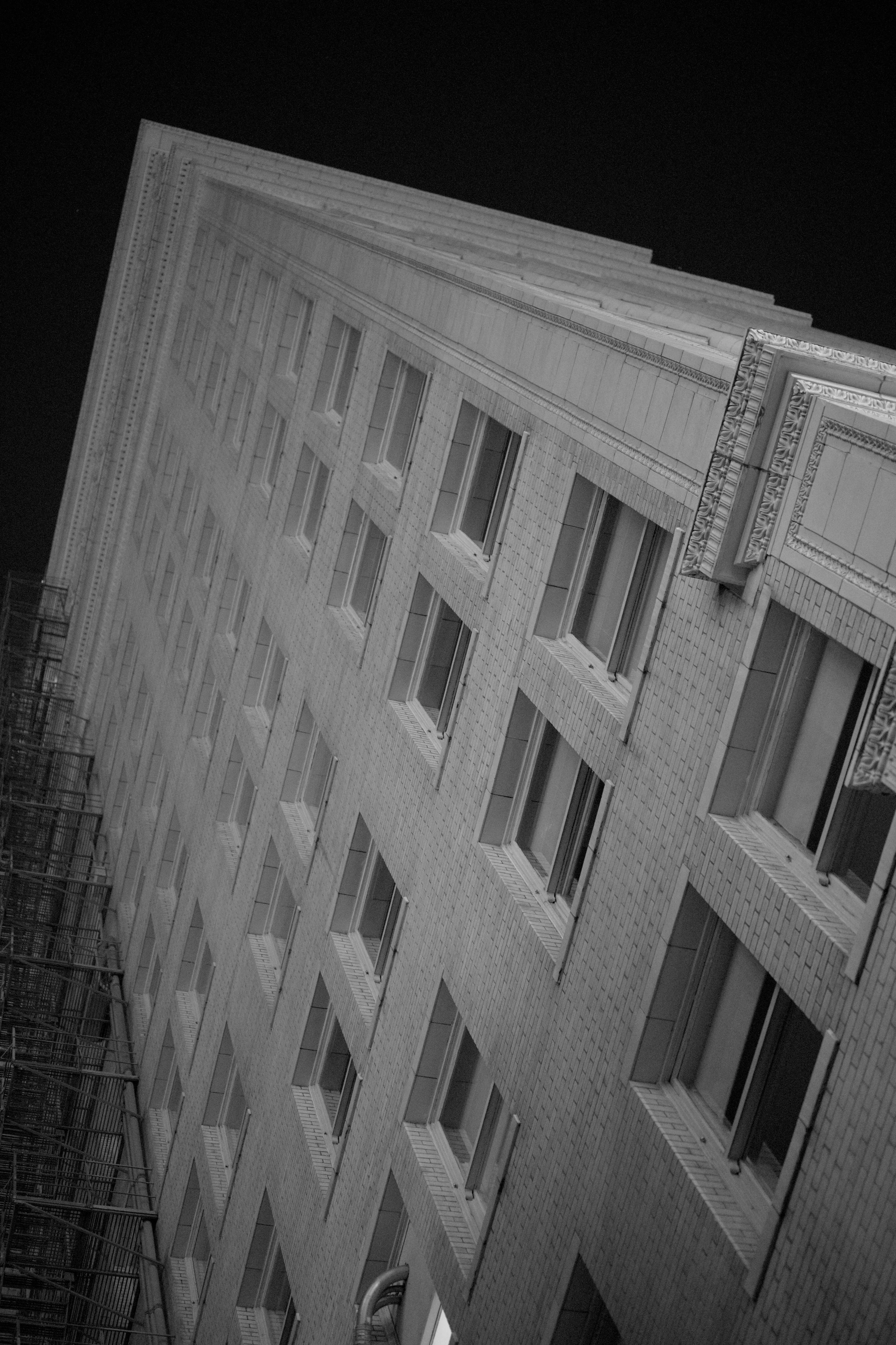
Your photos seem pretty random and cover lots of different subjects. How do you decide which pictures are good enough to include?
I live in a rural area, 40 miles from the city. The subject mater here is far a few between, although I did publish several from my rural area.
Since there's no text with the photos, people make up their own stories about them. Has anyone told you what they saw in a photo that surprised you?
I do not share my photos widely and hold most if them close to home, for many years I haven't really shown my work and only recently started posting some photos online. One recent reaction to my photography wasn't really a surprise, but was from someone who was actually the subject of my photo. I was invited to the Spokane Festival of Speed by one of the racers, to come photograph him and his car. That day his car almost immediately broke down and while they were working on it, I decided to wonder the pits and get some shots of the other racers and cars. I came upon one car that really brought back memories of my childhood, a famous Formula 5000 Indy car from the early 70s. The gentleman who owned it was preparing to race and his grown daughter was his pit chief. I got some good shots and later when I viewed them realized one of the shots was quite good, and showed his daughter preparing him to risk his life in that extremely fast and dangerous race car. Months later I contacted him for permission to publish and sent the photo along with the release form. He was very happy with the photo and called immediately. We had a phone conversation in which he expressed how the photo represents the bond between him and his daughter, which was exactly how I felt about the photo and why I wanted to publish it.
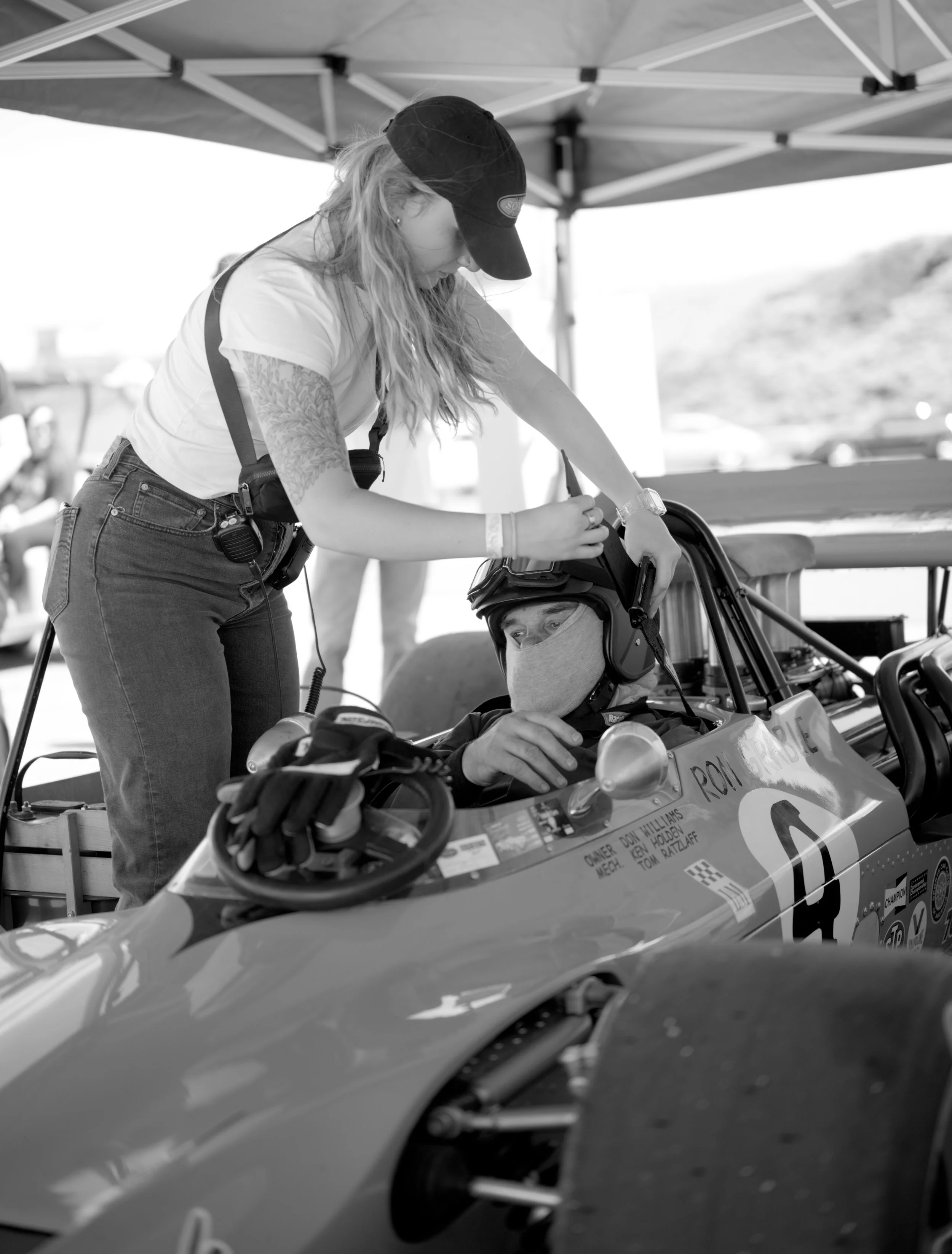
When you saw the father and daughter at the race, did you know right away it was a special moment? Or only later when you looked at the photo?
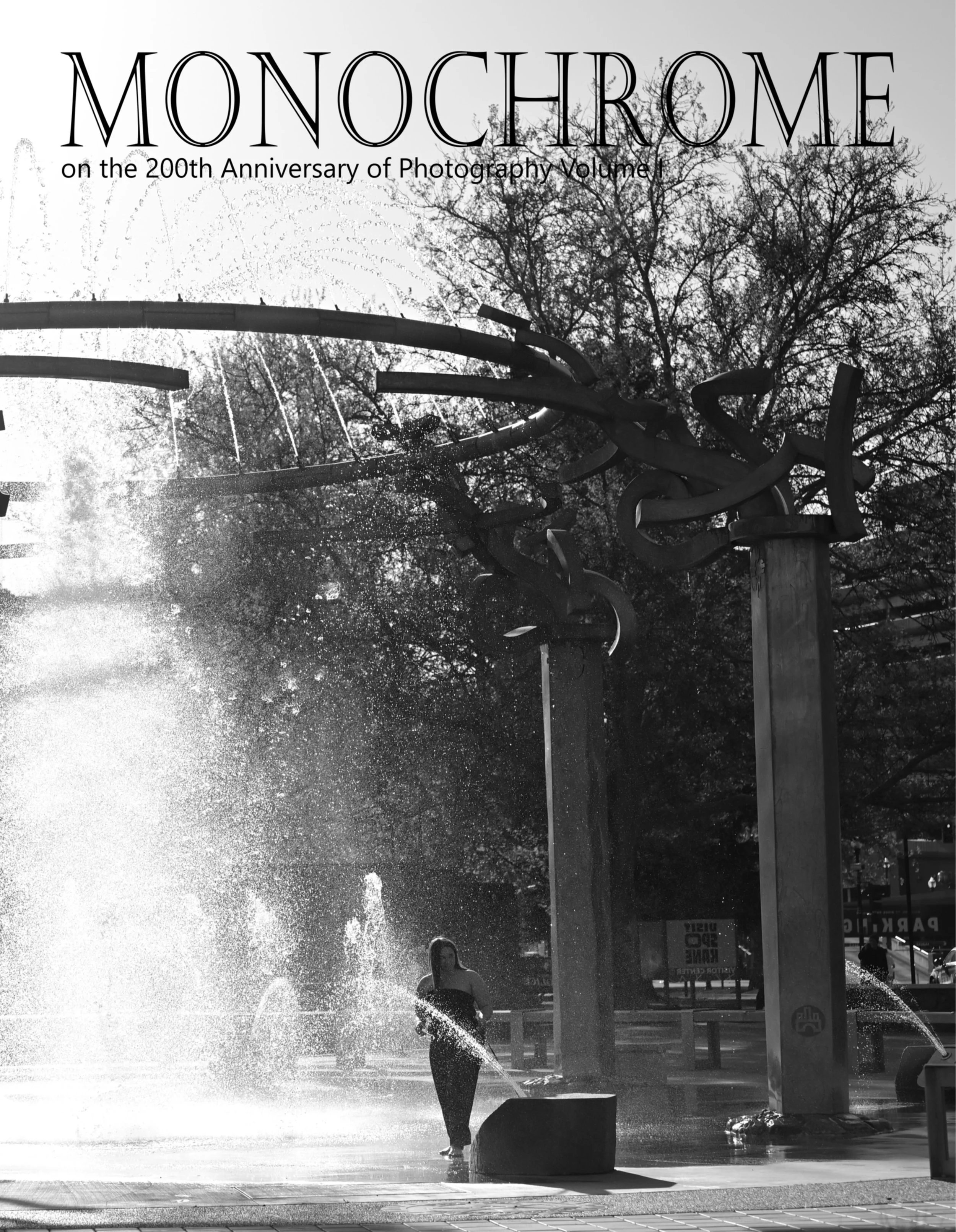
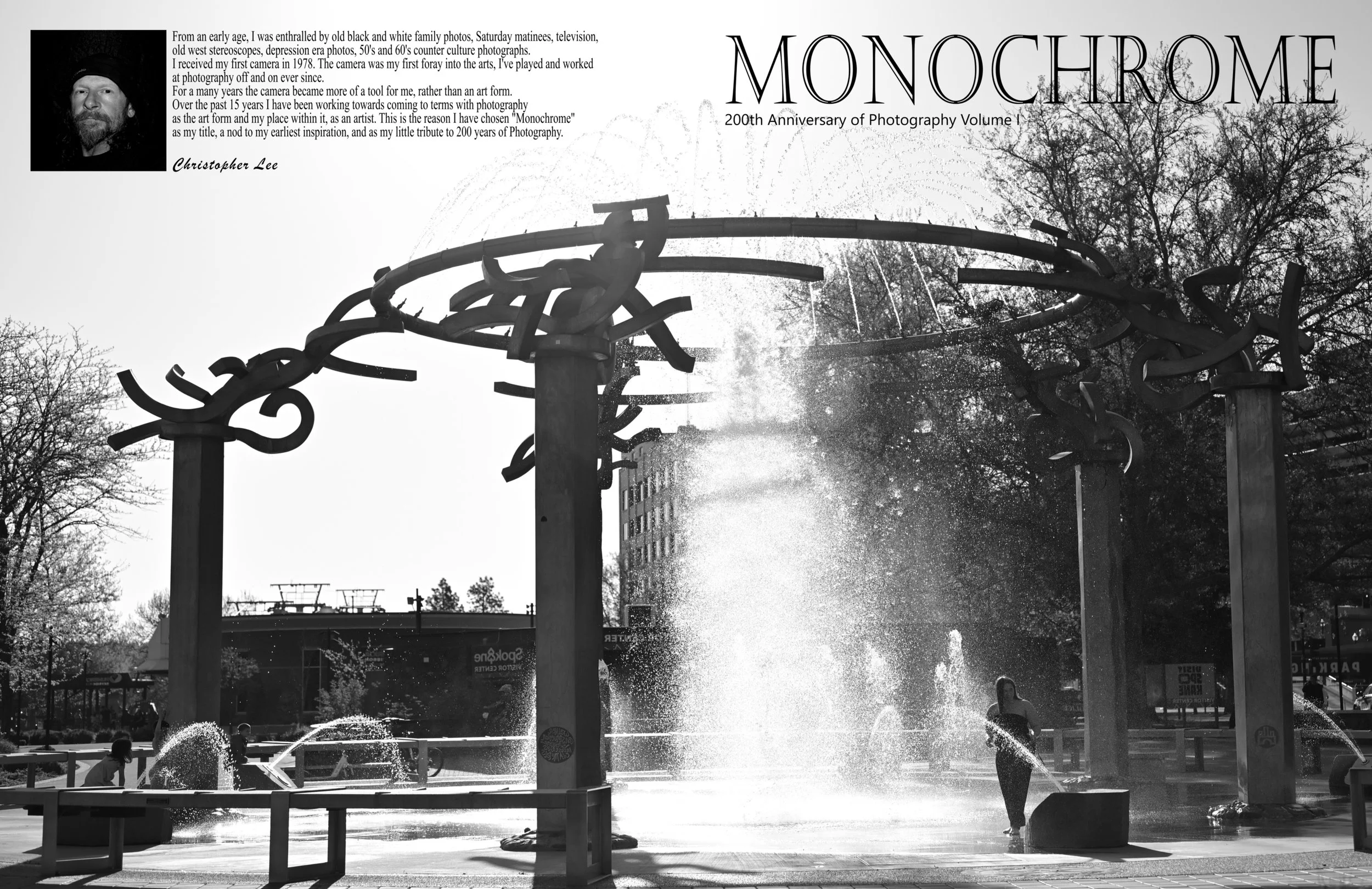
I did not know I was capturing a special moment at the time. I had a feeling I was getting some fairly decent shots. Only later when I learned of the relationship between father and daughter did I start viewing that photo in a different light. That's one of my favorite things about photography, all the chance and happenstance that you don't really notice at the taking of the photos. Much like my cover photo, I was just trying to capture the water of the fountain, hanging in mid air, when the girl walked into frame. It's just an ordinary shot, but upon seeing the print, quickly became one of my favorites photos.
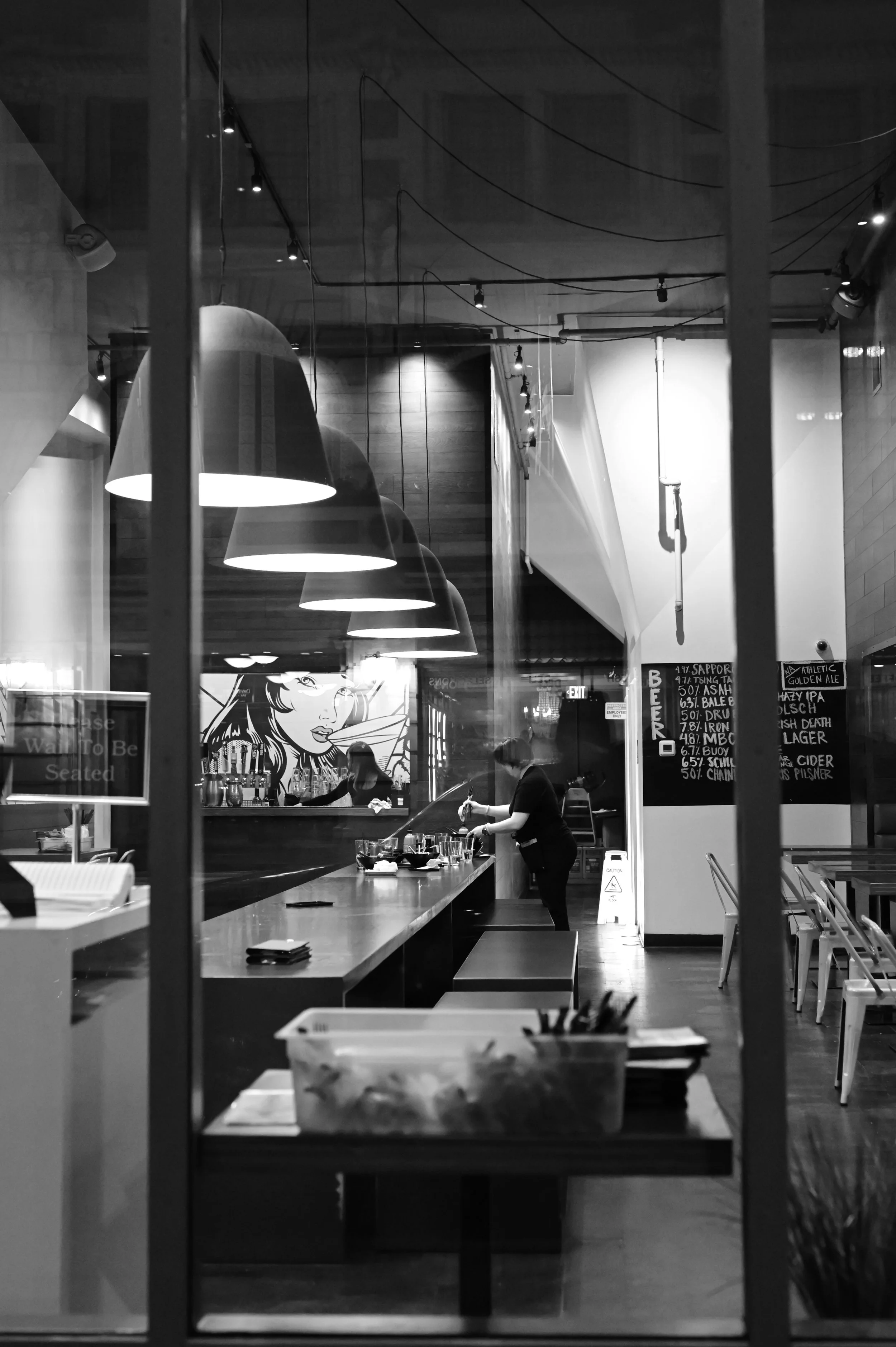
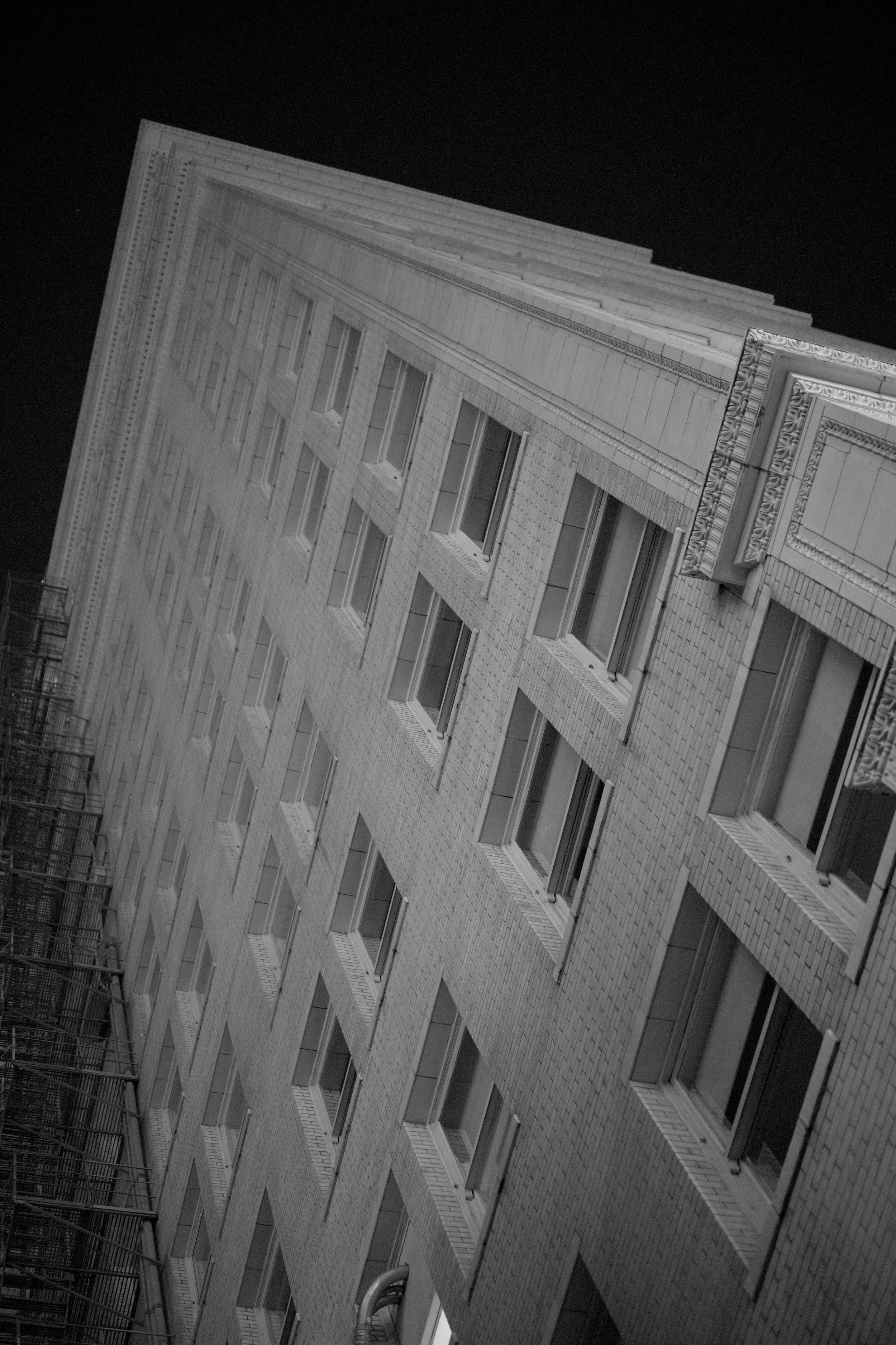
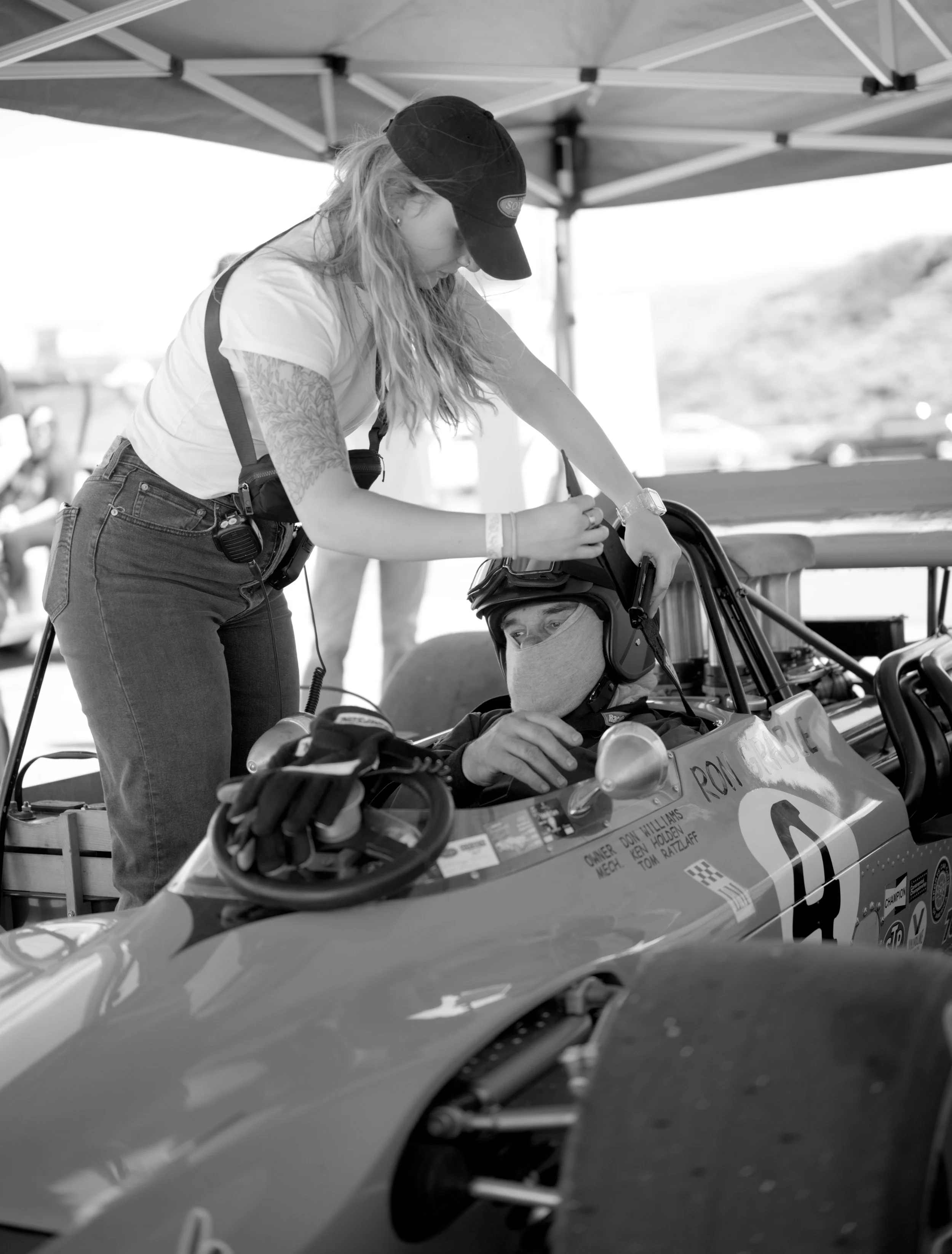
To discover more about this intriguing body of work and how you can acquire your own copy, you can find and purchase the book here. (Amazon)
More photography books?
We'd love to read your comments below, sharing your thoughts and insights on the artist's work. Looking forward to welcoming you back for our next [book spotlight]. See you then!
Catherine DeLattre’s photographs begin with something worth stopping for. Driving through Wayne County, Pennsylvania, she notices isolated houses, trees, and open fields. Photography Book Spotlight