Welcome to this edition of [book spotlight]. Today, we uncover the layers of 'Silent Snow: Hokkaido,' by Elizabeth Sanjuan (published by Daylight Books). We'd love to read your comments below about these insights and ideas behind the artist's work.
Elizabeth Sanjuan spent years photographing what barely changes.
She returned again and again to winter landscapes in Hokkaido, Japan. The place is covered in snow for months, with little color and little movement. Her book Silent Snow comes from staying with this quiet world over time.
This interview looks closely at stillness, restraint, and subtle color in photography.
Sanjuan photographed in extreme cold, often below minus thirty degrees. She worked in conditions where most photographers would give up or look away. Instead of drama, she focused on patience, repetition, and careful seeing. Silent Snow shows how meaning can grow from staying with one place long enough.
The Book
Silent Snow is a photography book by Elizabeth Sanjuan, published by Daylight Books. The work is based on repeated winter journeys to Hokkaido, Japan, over a period of several years. Sanjuan focuses on snow as a constant presence, shaping the land, the light, and the experience of being there.
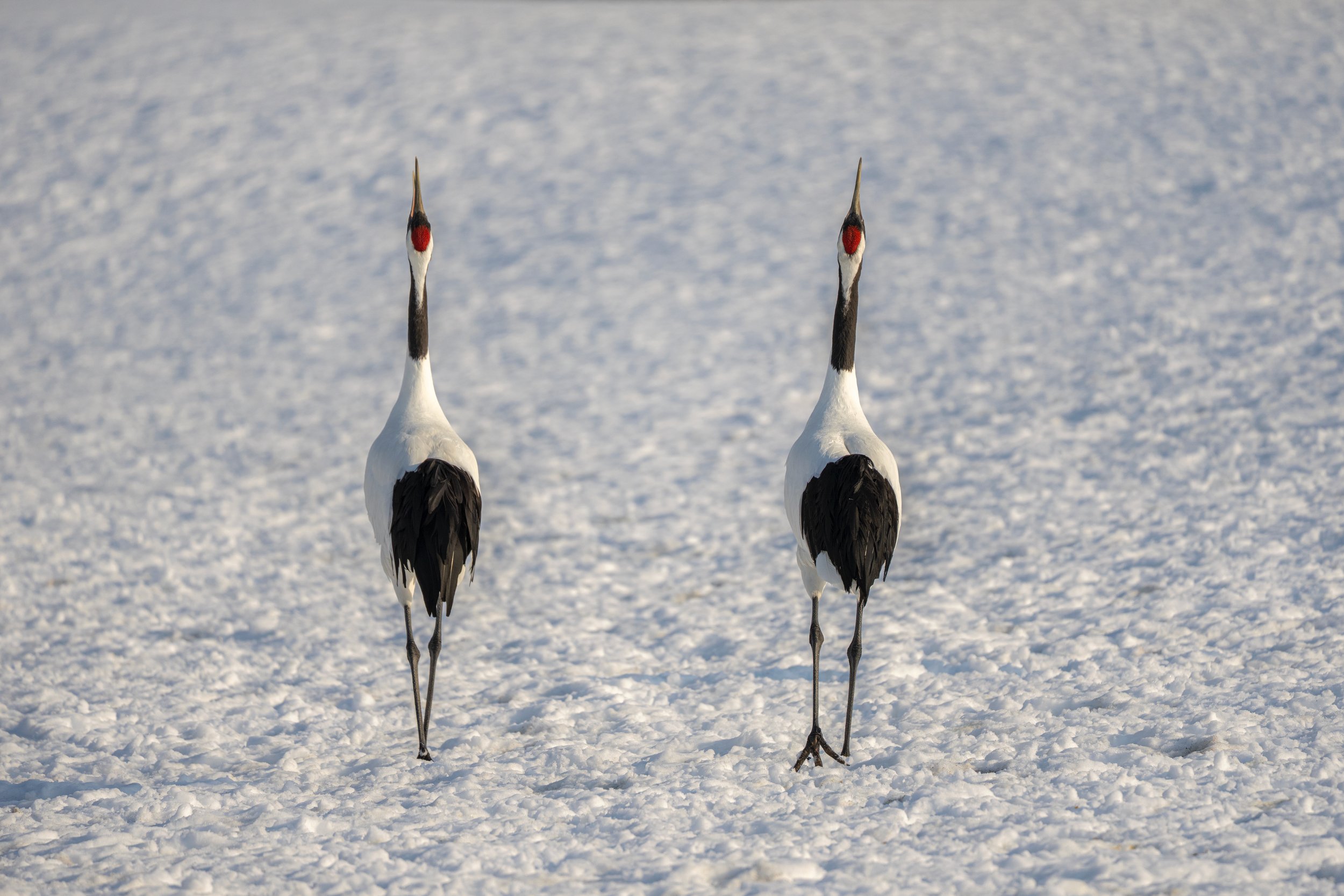
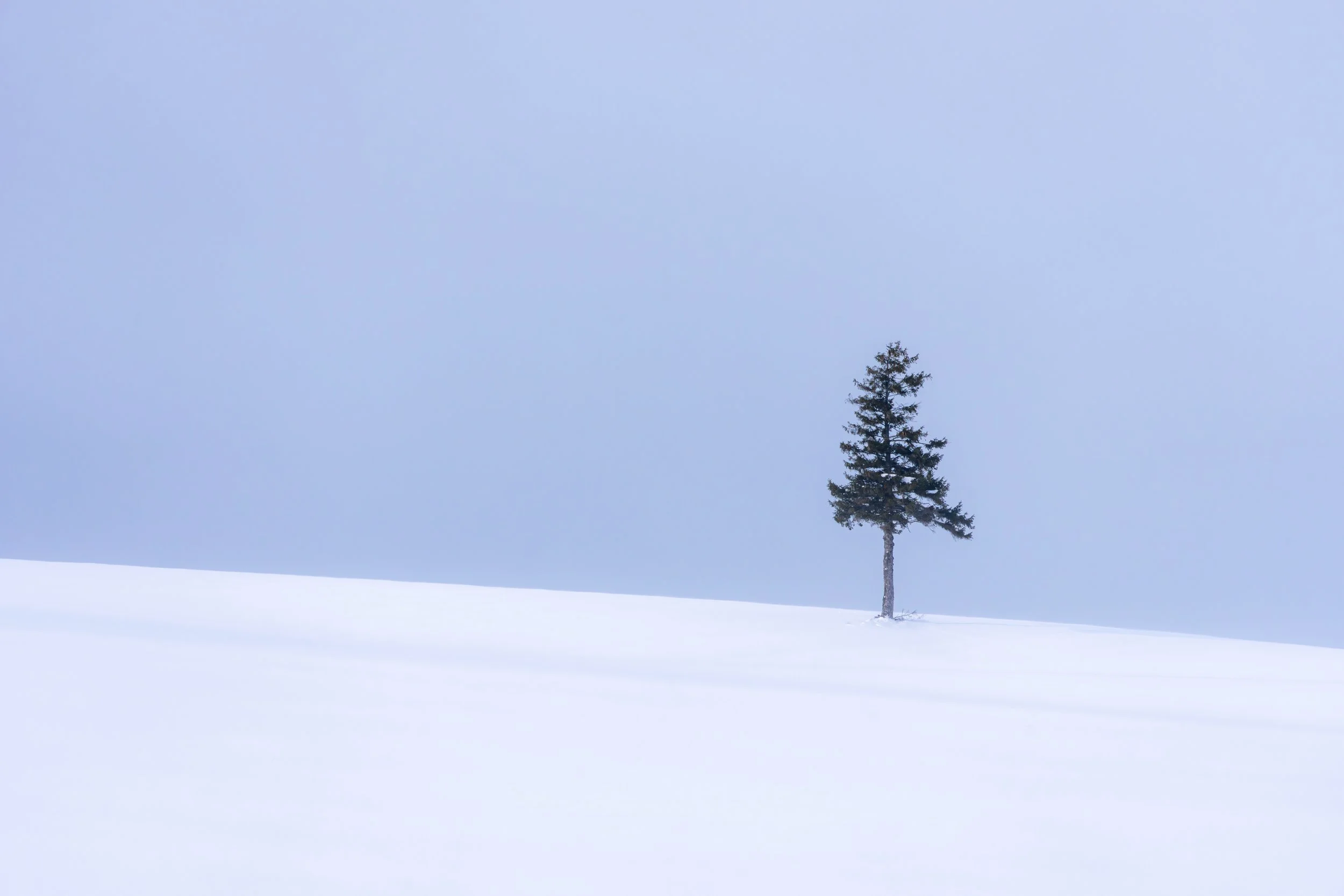
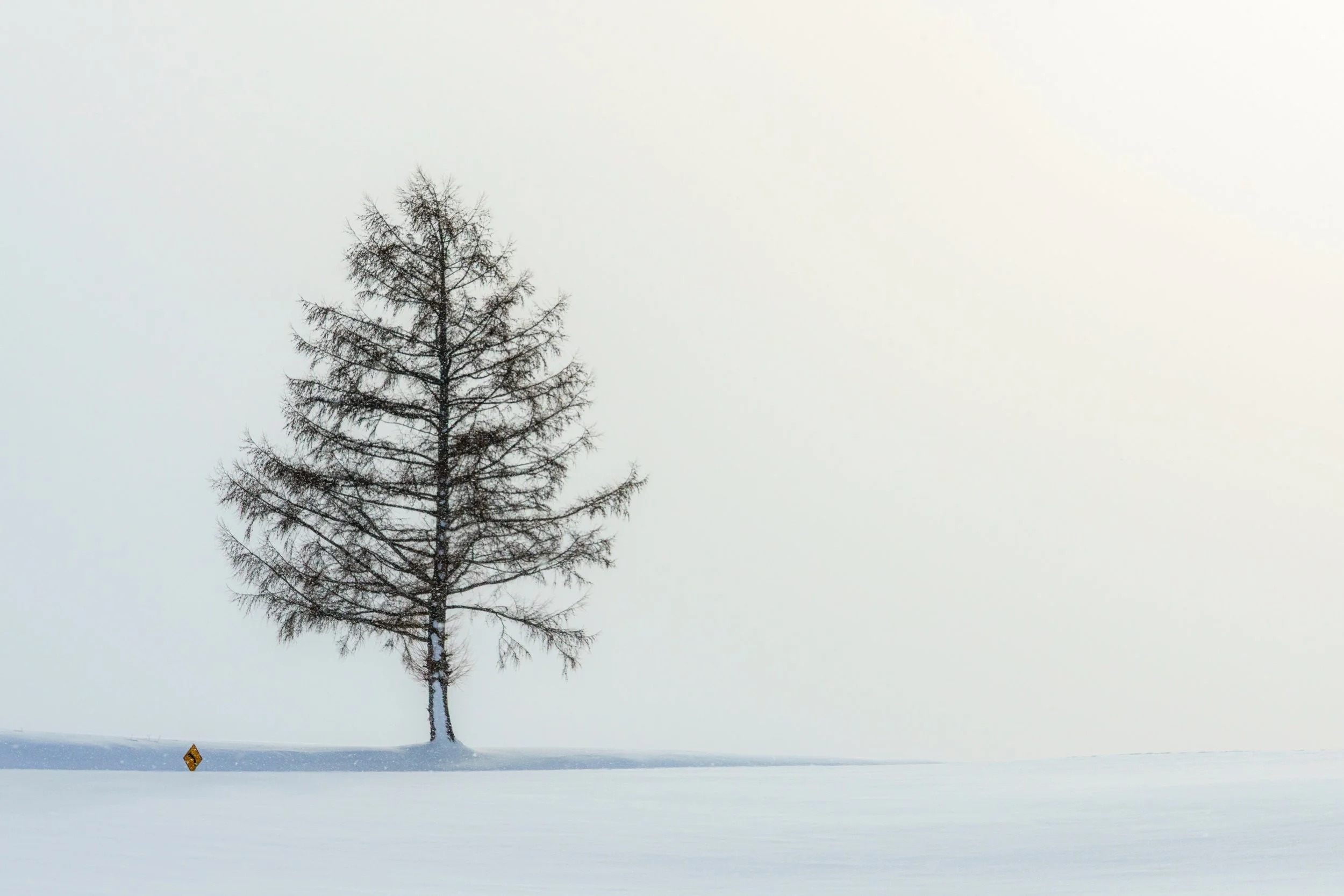
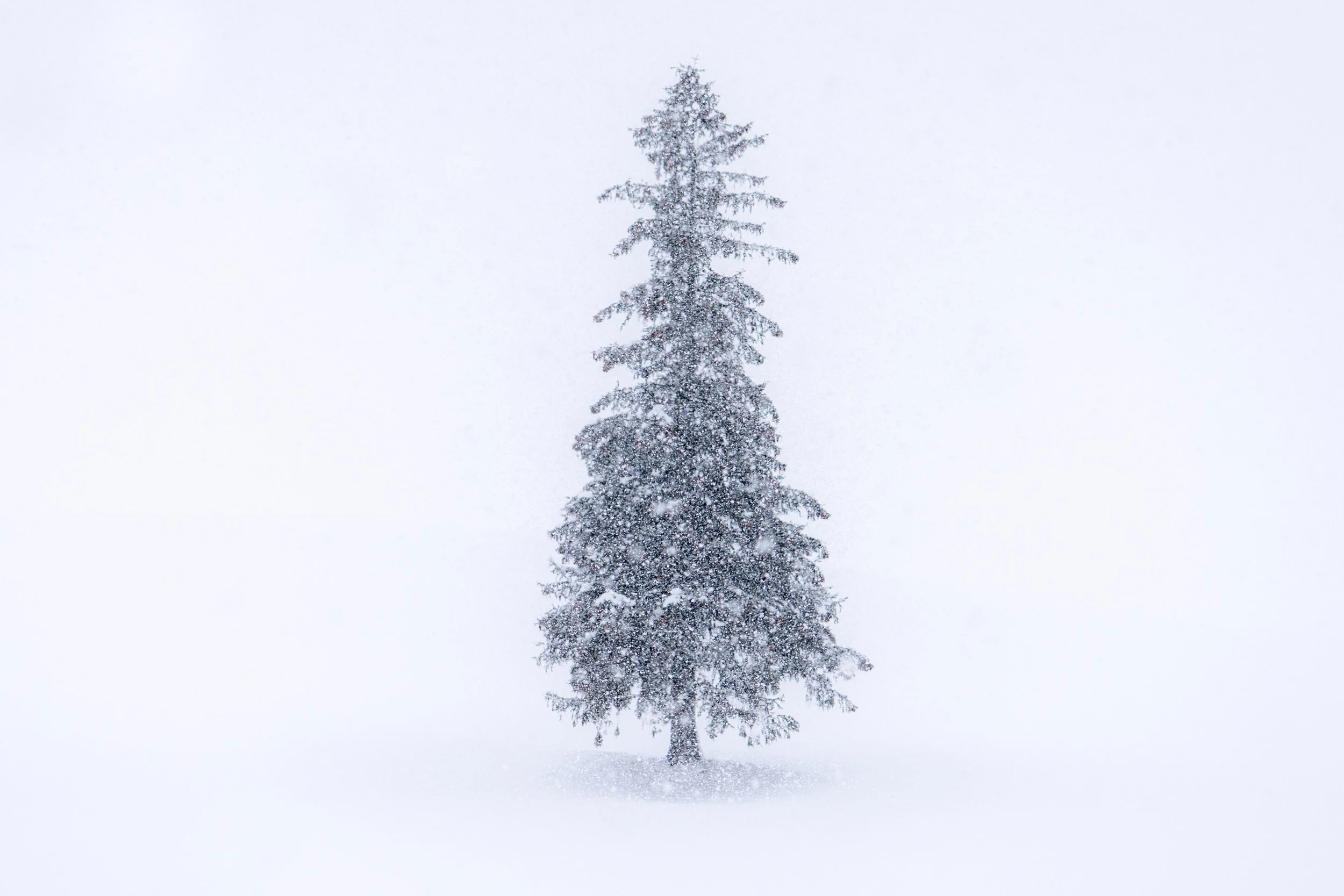
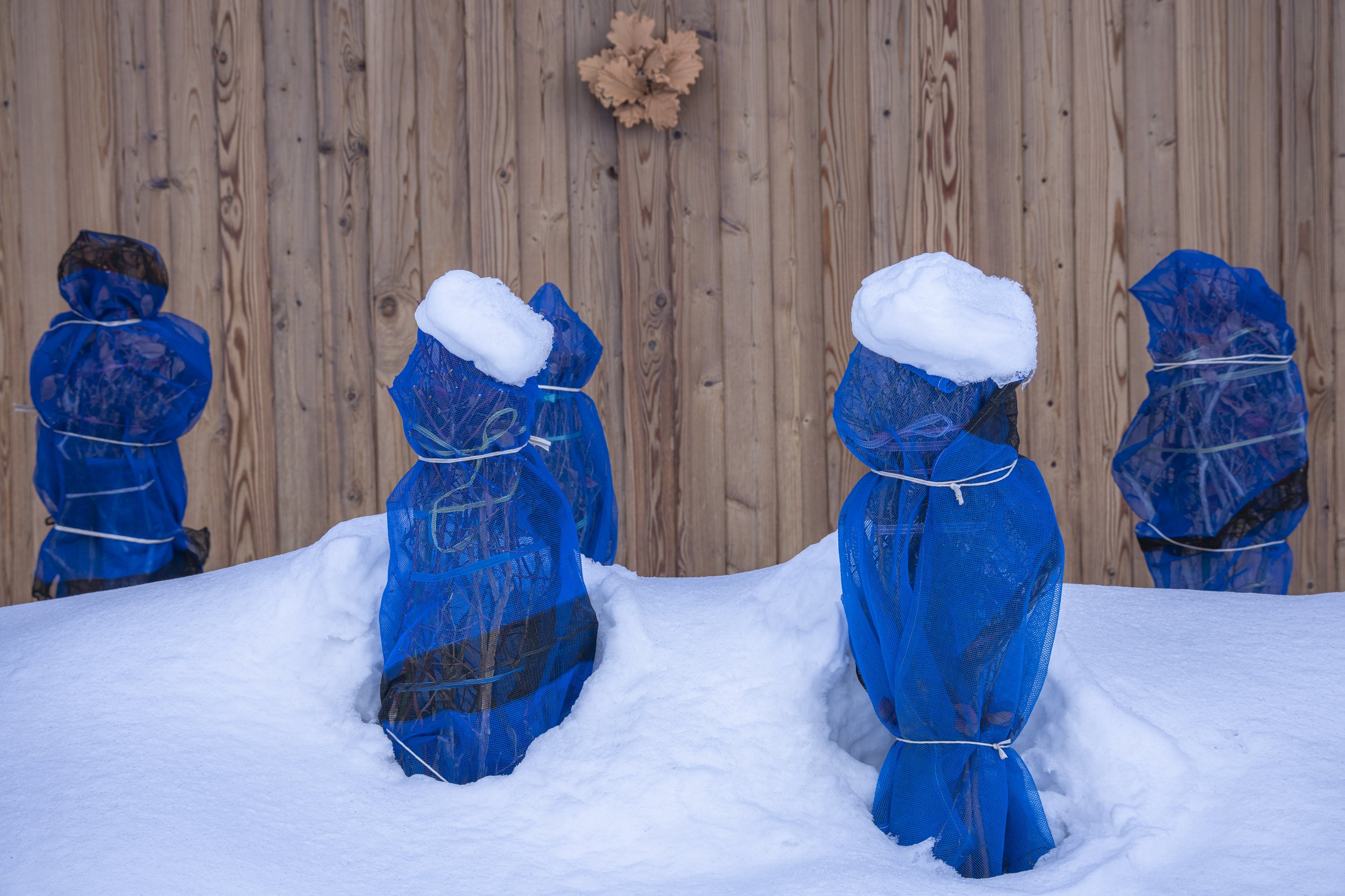
The photographs are made in long winter conditions, where color is reduced and movement is minimal. Instead of dramatic scenes, the book centers on subtle changes, quiet forms, and small variations in tone. Trees, fields, greenhouses, and distant hills appear again and again, slowly revealing their differences over time.
Rather than documenting a place in a descriptive way, Silent Snow reflects a sustained relationship with landscape. The book is about patience, restraint, and staying with one subject long enough for meaning to emerge. (Daylight Books, Amazon)

Project Beginning: You visited Hokkaido three times over 7 years. What drew you to, keep returning to photograph this winter landscape?
I have returned to Hokkaido four times spending three weeks each visit. I was immediately drawn to the quietude, the stillness and the peacefulness, that enveloped me as I travelled about the island in search of images. I also love the reverence the Japanese have for nature. I was amazed that many Japanese wrap their trees and plant matter in burlap to protect them from the harsh winter. They take such wonderful care.
White-on-White Challenge: Hokkaido's snow creates an almost completely white world. How did you make interesting photos when everything looks the same?
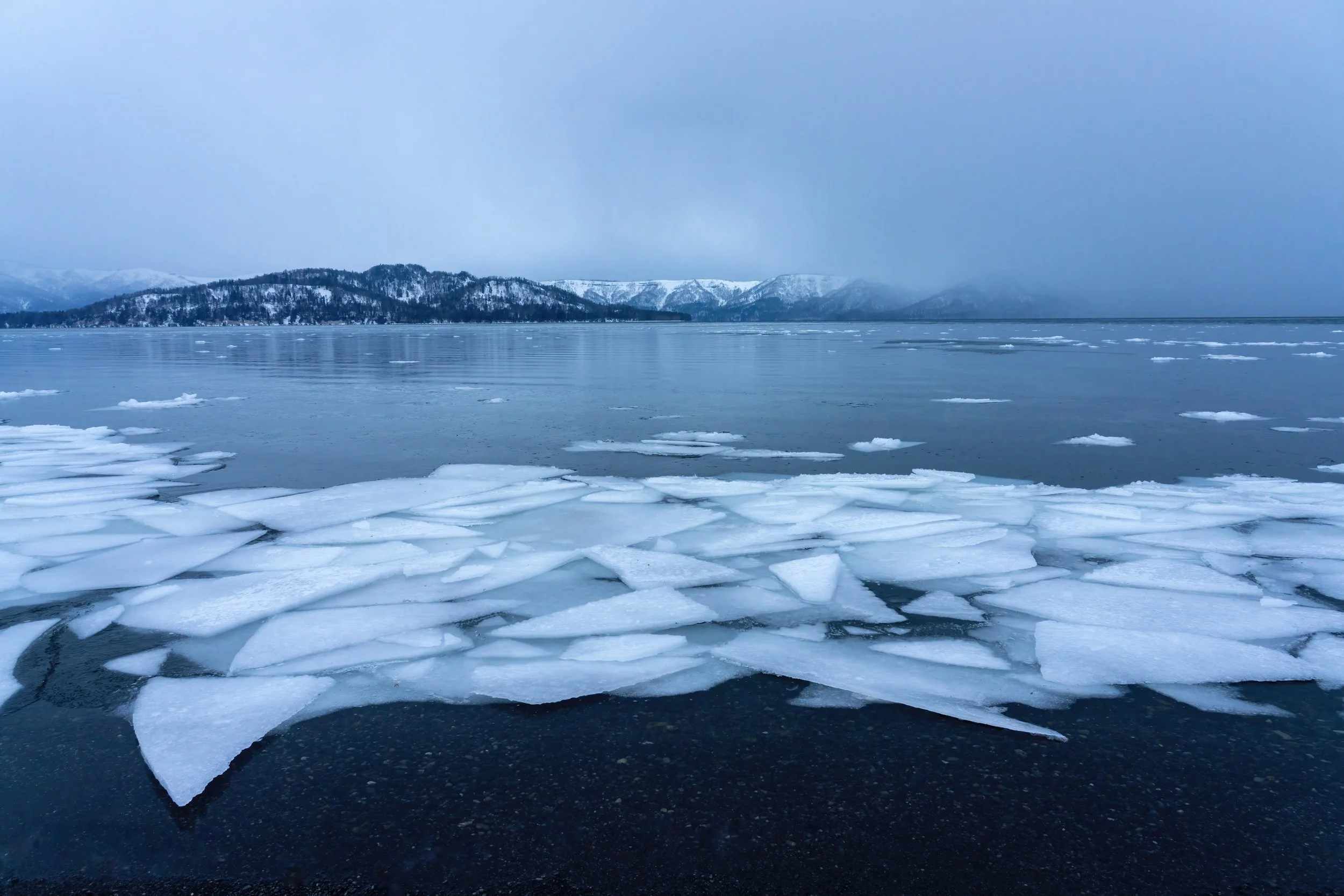
The environment is certainly a challenge, but if you really look, there is almost always something to see. It could be the clouds of a beautiful storm forming, the gesture of the trees, or the patterns of ice forming along the shoreline. Even photographing in the midst of torrential snow storms provides me with special imagery.
Winter Camera Problems: Temperatures in Hokkaido can reach -20°C. What practical problems did this cause for your camera and how did you solve them?
I think I can start with the layers of clothing that one has to put on to handle the elements of Hokkaido in the winter. Sometimes it takes three or four layers of clothing to prepare for the day. Then there are the crampons to put on your boots so as to not fall on the ice getting around. Putting them on is often a struggle, but they can save you from dangerous (and embarassing!) falls. Happily my occasional falls have never broken a bone or camera gear! The biggest problem about the cold is battery life. You can count on your battery lasting about half as long as normal. Snowfall and moisture are also an issue, I always carry rain covers for my gear. Then you have the opposite problem of being out in the freezing cold and returning to a very warm vehicle or hotel. You need to remember that your gear will absorb moisture and fog up as you move from cold to hot or hot to cold. As for general comfort, remember that the Japanese love warm hotel rooms. As a child of good old Florida air conditioning, I always called ahead to make sure the heating was turned off before arriving at my hotel room.
Finding Calm: Your book description mentions "quietude" and "muted snowscape". How do you photograph silence and peacefulness?
I love this question! For me it is being present, it is being away from the chaos and this may sound quirky, but it is the desire to be mindful and embrace the stillness of winter. It is finding those moments as I travel that make it so special.
Single Tree Lessons: You wrote about "the lessons of the single tree". What does photographing one lonely tree in snow teach us about photography?
There is so much to learn from trees. The book “The Hidden Life of Trees” by Peter Wohlleben is a favorite of mine. Trees traditionally do better in groves or stands (strength in community), so it is those solitary trees that really win my heart over. Their strength to go at it alone in such harsh conditions is truly remarkable. They deserve to be photographed and revered. I apply those same principles to my photography, doing it alone, taking on difficult conditions, yet thriving if you are willing "have a go."
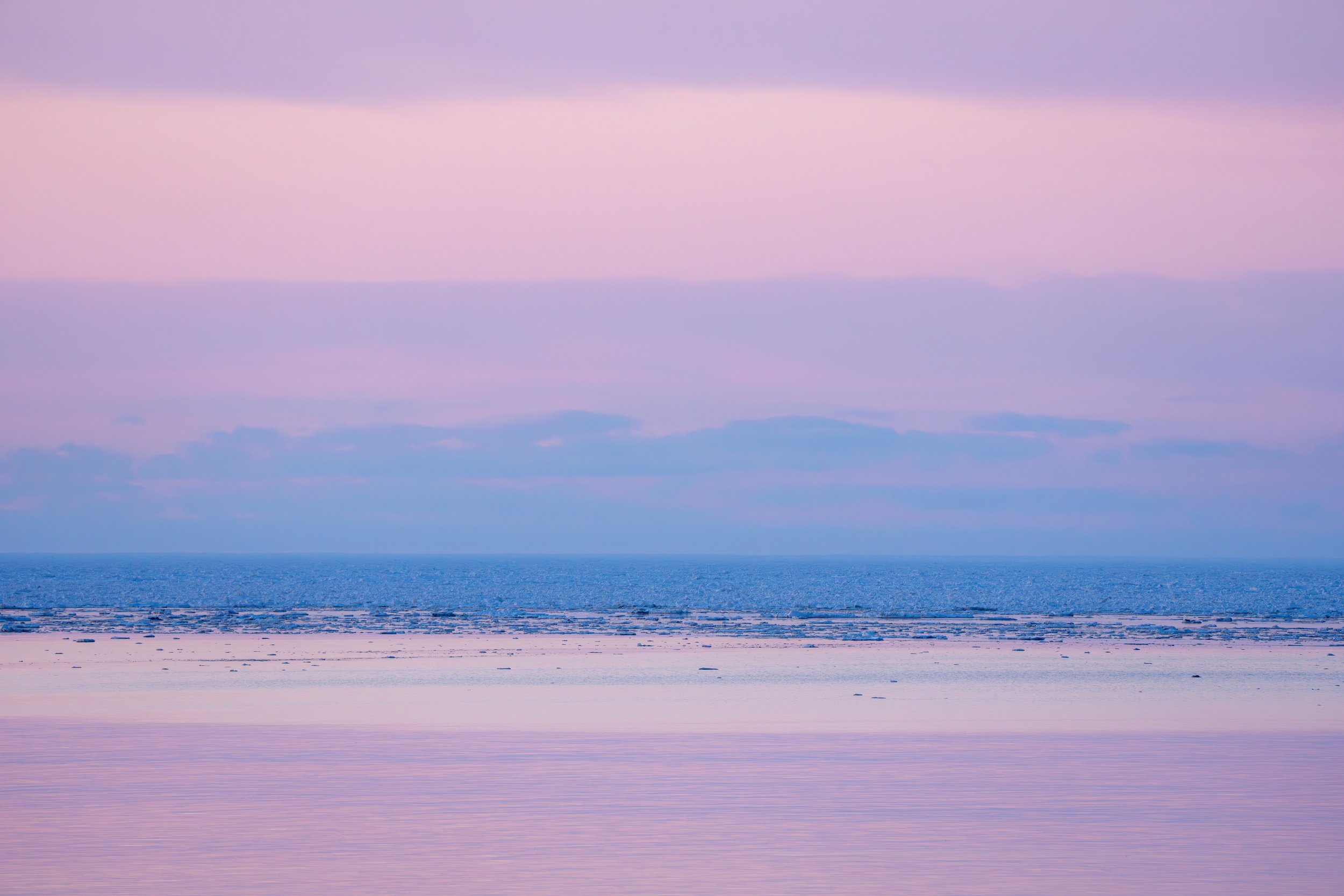
Blues and Grays: The book talks about "watery blues and gentle grays". How do you work with such quiet colors to create strong images?
After so many years of seeing the same landscape and color palette, I think it becomes second nature for the eyes and the brain to recognize the subtle strength of this type of imagery. This color palette does not give you the awe factor of a fabulous sunrise of sunset, but it does hopefully give you pause to look deeper and feel. I love the subtleness of the muted scene, and that is why I photograph in color without converting to black and white. I want the viewer to take the time to sense the subtle hints of color in an otherwise gray landscape. I takes a little time to look and feel a scene like this. Sometimes an image full of brilliant color inhibits deeper contemplation.
Can you give an example of one image from the book where those subtle colors really matter?
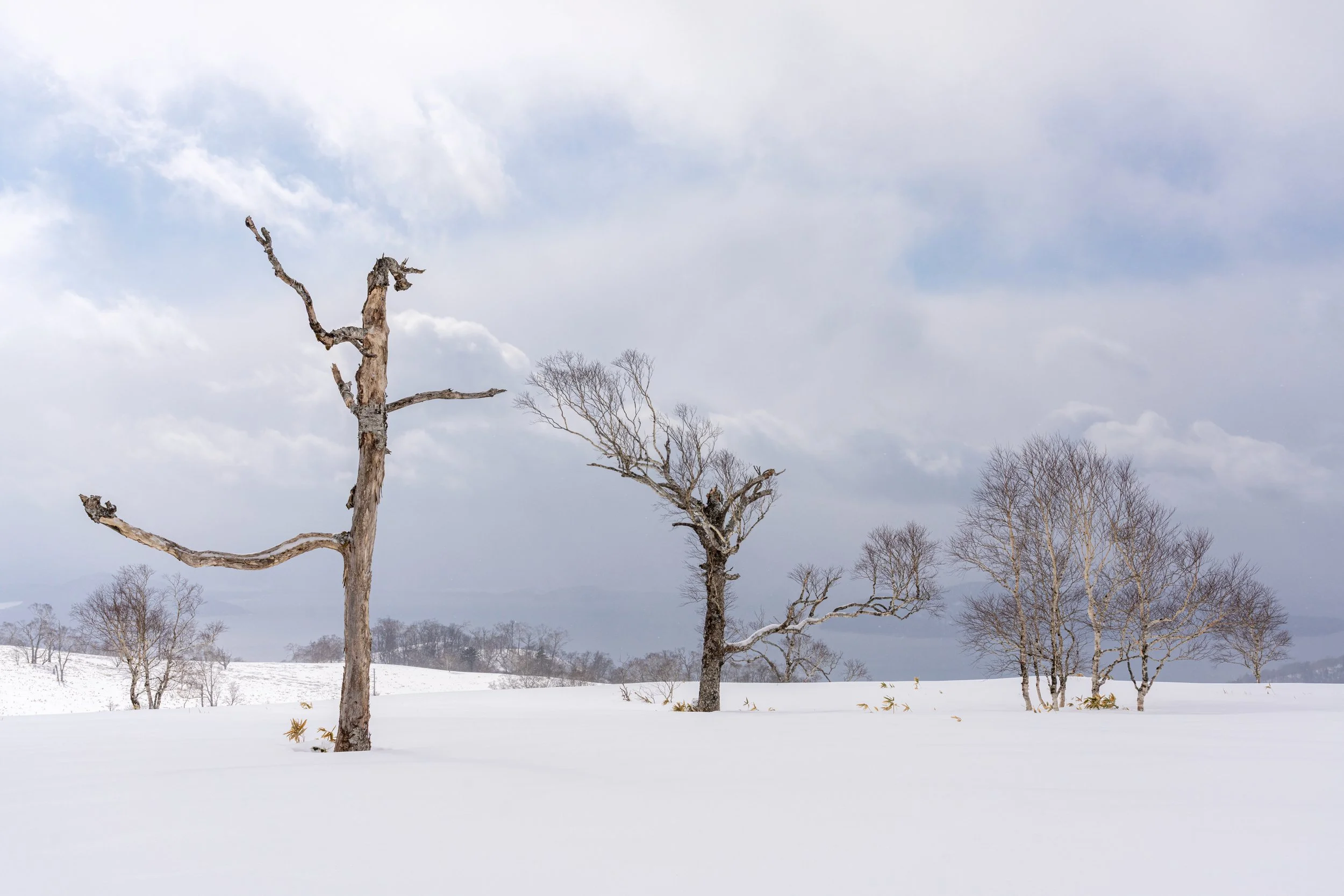
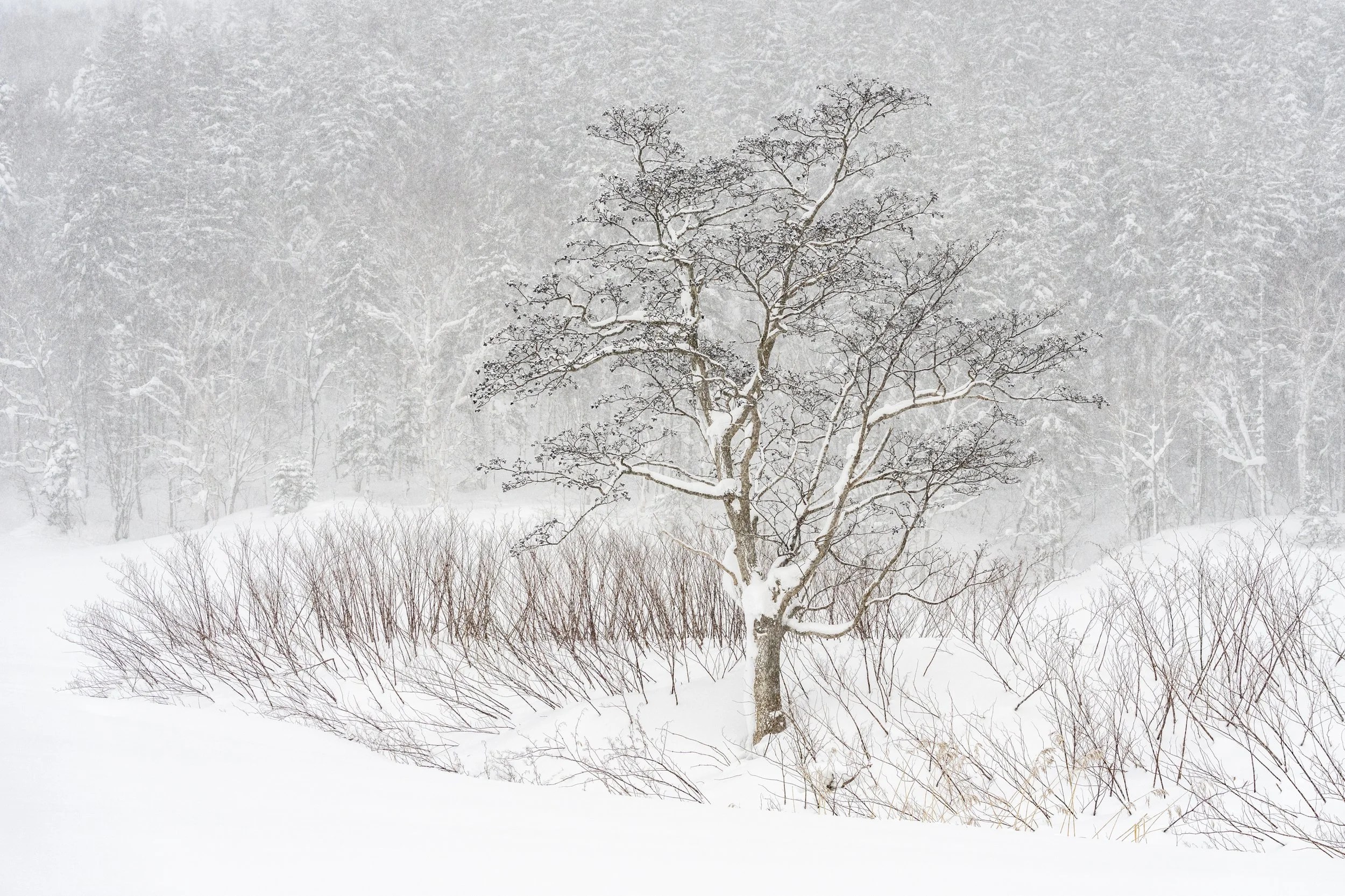
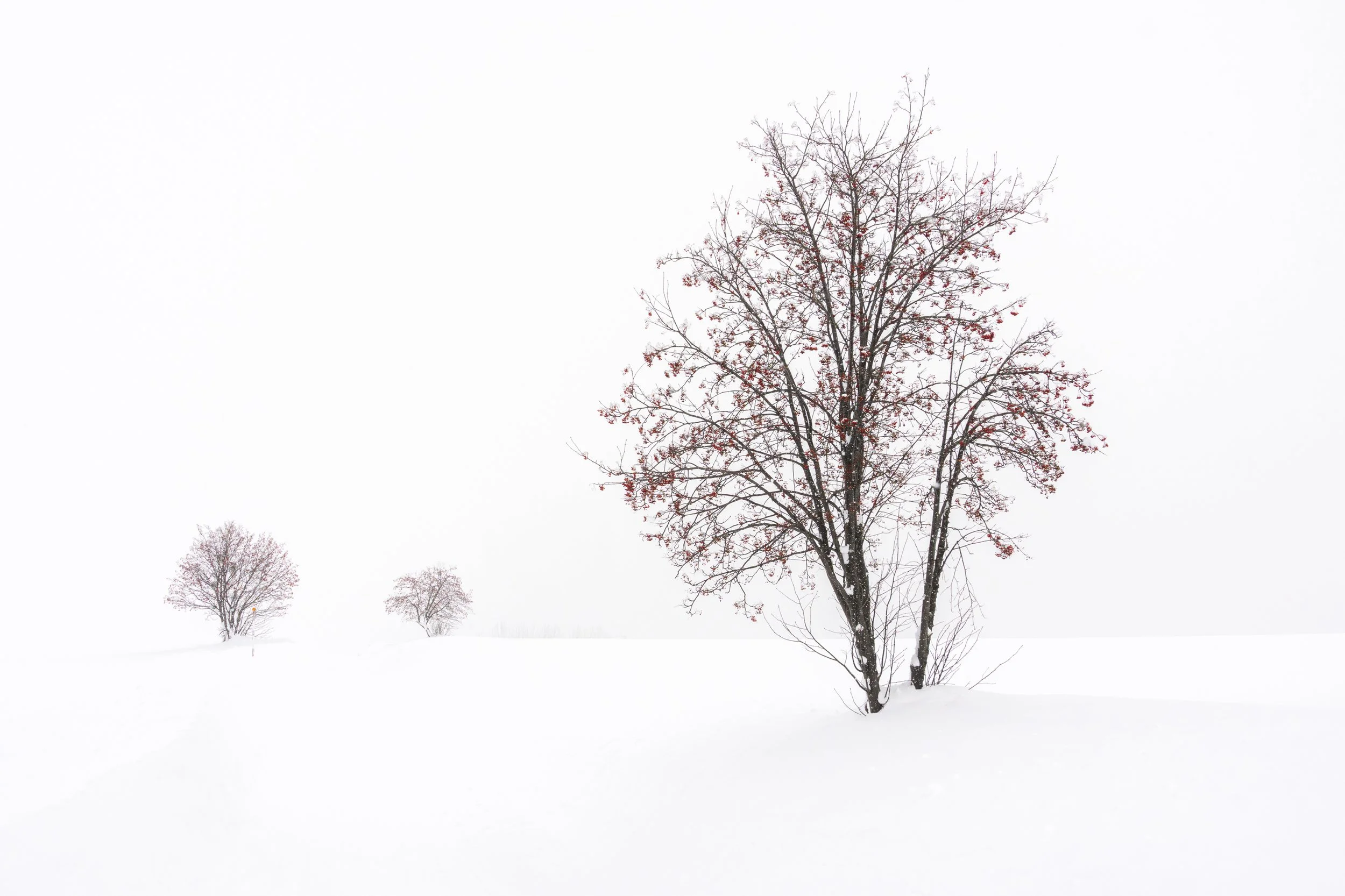
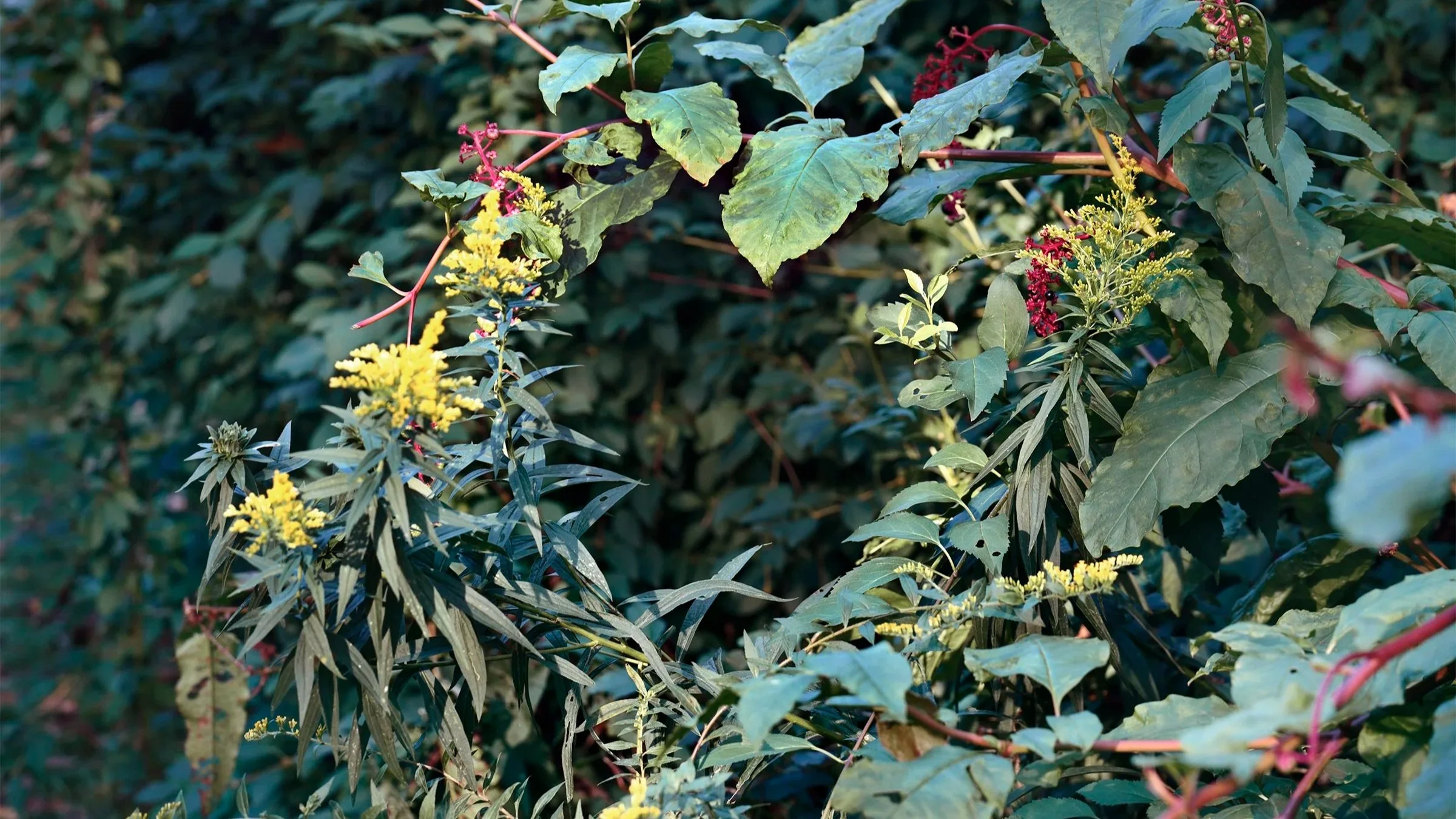
I am not sure these are very subtle in terms of color, but for me these images would not work in black and white. The red berries are everything in this image. The one below the red berries, “Windswept” it is the faint colors of brown is what gives the viewer the ability to differentiate between the trees in the background, the brush, and the tree. If the image was in black and white, the foliage would blend into each other, there would be no separation.
Timing and Light: Winter days are short in Hokkaido. What time of day gives the best light for snow photography?
Yes, the days are short, but most days we are out long before sunrise with the hopes of some special light. The light and weather vary literally hour-by-hour and you never know what is to come, so I make it a point to be out and about for as much of the day as possible. There is no perfect time for photography in Hokkaido, great photos can appear at any time or place. The only solution is to be dressed and outside as long as you can.
Environmental Message: You're known for protecting nature. How does this project show why we need to care for winter landscapes?
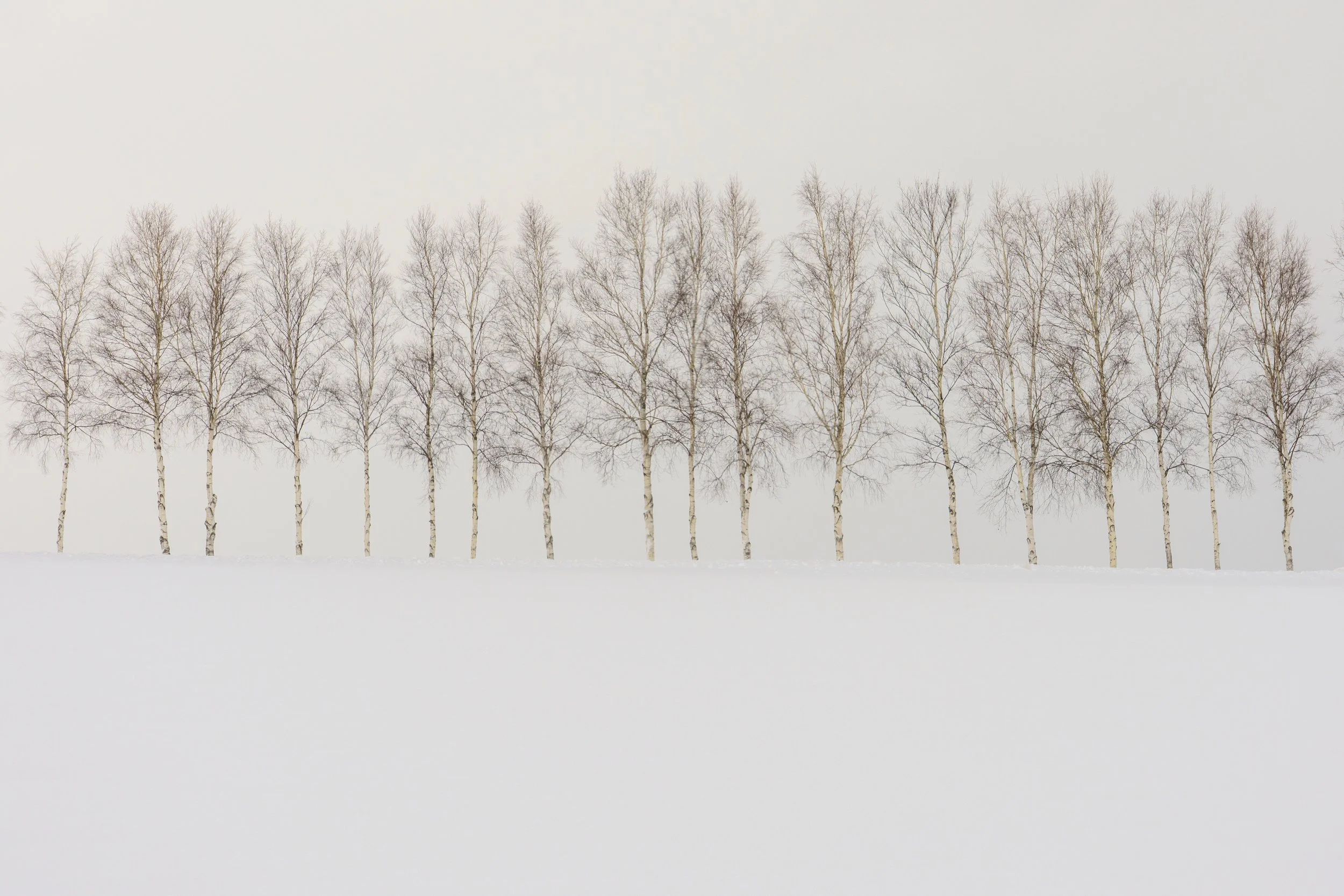
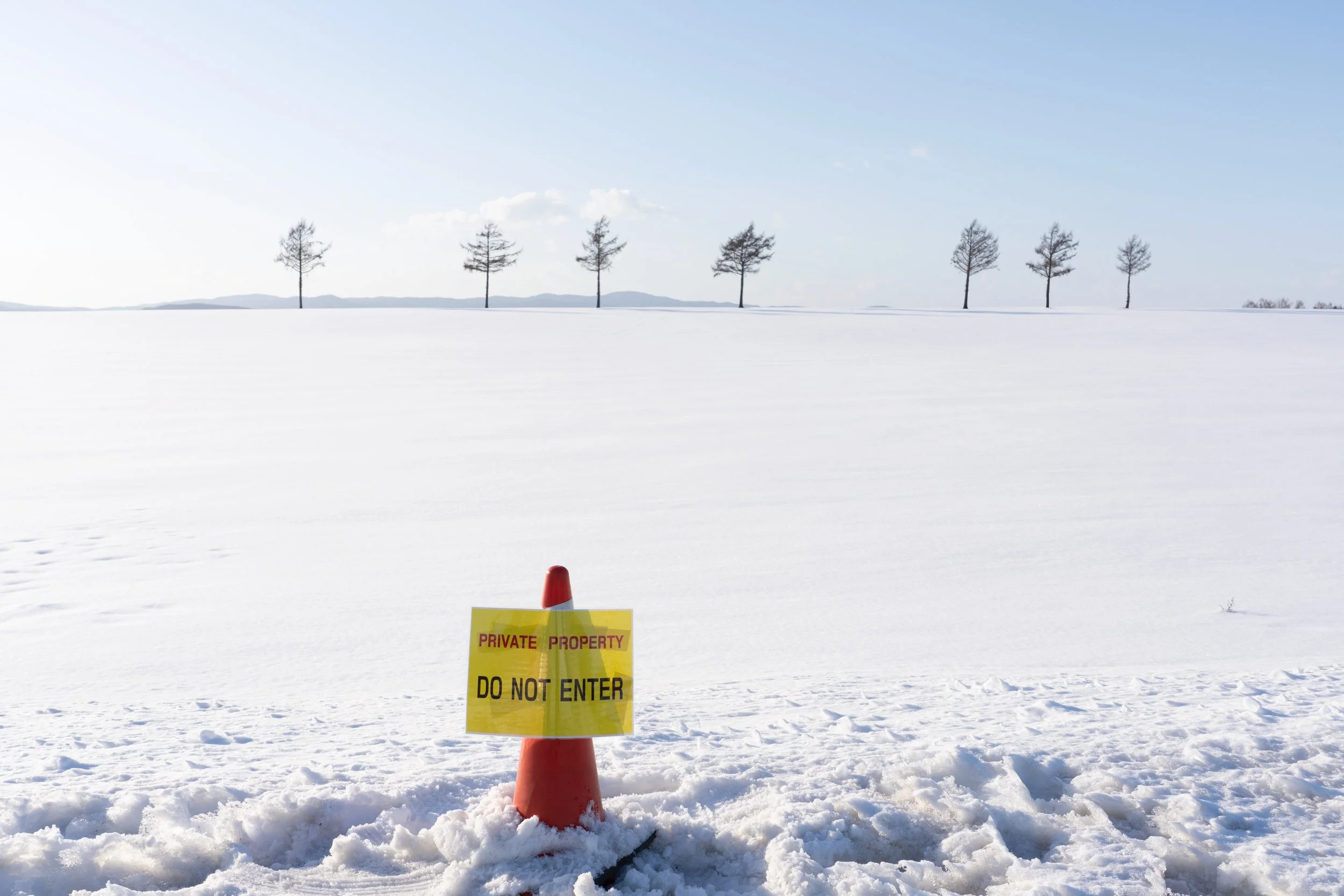
I have always championed the environment, and I have a deep respect for Mother Earth and the gifts bestowed upon us. I am mindful, and always try to leave as little impact on the environment I am photographing. Unfortunately, Hokkaido has become a playground for influencers and people wanting to take selfies in the snow. Farmers have grown frustrated after years of repeated trespassing. They have tried, politely, to caution visitors about the harm to the crops and plant life buried under the snow, but the throngs of tourists seem not to care. In desperation, some landowners have resorted to actually chopping down beautiful stands of birch trees in order to remove the temptation to trespass. My heart sank when I learned that a one local farmer became so frustrated at the number of tour buses arriving daily at his farm that he chopped down a beautiful stand of two dozen birch trees. How sad to see only the remnants of what once was a glorious grove of trees. I deliberately did not include the location of this former stand in my book in hopes of doing just a small part to give peace to this farmer and his land.
That story about the farmer cutting down two dozen birch trees because of tourists is heartbreaking. When did you discover this happened, and how did it change the way you approach your own photography there?
If recall correctly, I found out about the cutting down of the trees sometime late last year, prior to the book being published and that is when I decided not to include the specific locations in the book.
From Many to One: You photographed for 7 years. How did you choose which 40 images to include in the book?
It was difficult to choose, but I listen to Coco Chanel who said “simplicity is the keynote of all true elegance and I think this applies to this book.
To discover more about this intriguing body of work and how you can acquire your own copy, you can find and purchase the book here. (Daylight Books, Amazon)
More photography books?
We'd love to read your comments below, sharing your thoughts and insights on the artist's work. Looking forward to welcoming you back for our next [book spotlight]. See you then!

Catherine DeLattre’s photographs begin with something worth stopping for. Driving through Wayne County, Pennsylvania, she notices isolated houses, trees, and open fields. Photography Book Spotlight