Tokyo From 1,500 Feet: How Yoichi Yoshinaga Finds Human Stories in the City’s Railways and Rooftops
Welcome to this edition of [book spotlight]. Today, we uncover the layers of 'Tokyo Whirl,' by Yoichi Yoshinaga (published by Fugensha, sold by by shashasha). We'd love to read your comments below about these insights and ideas behind the artist's work.
Tokyo looks different when you stop walking and start flying.
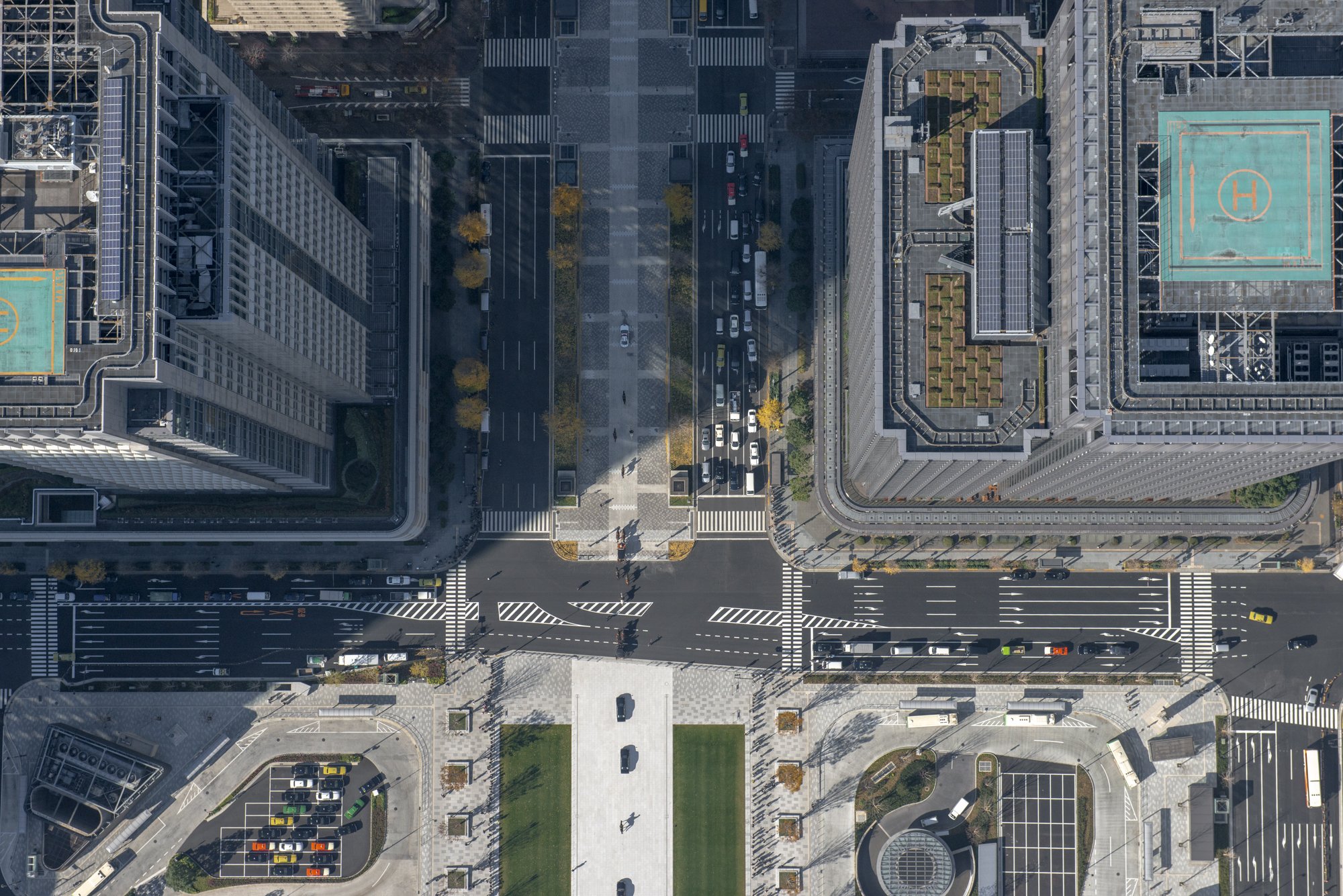
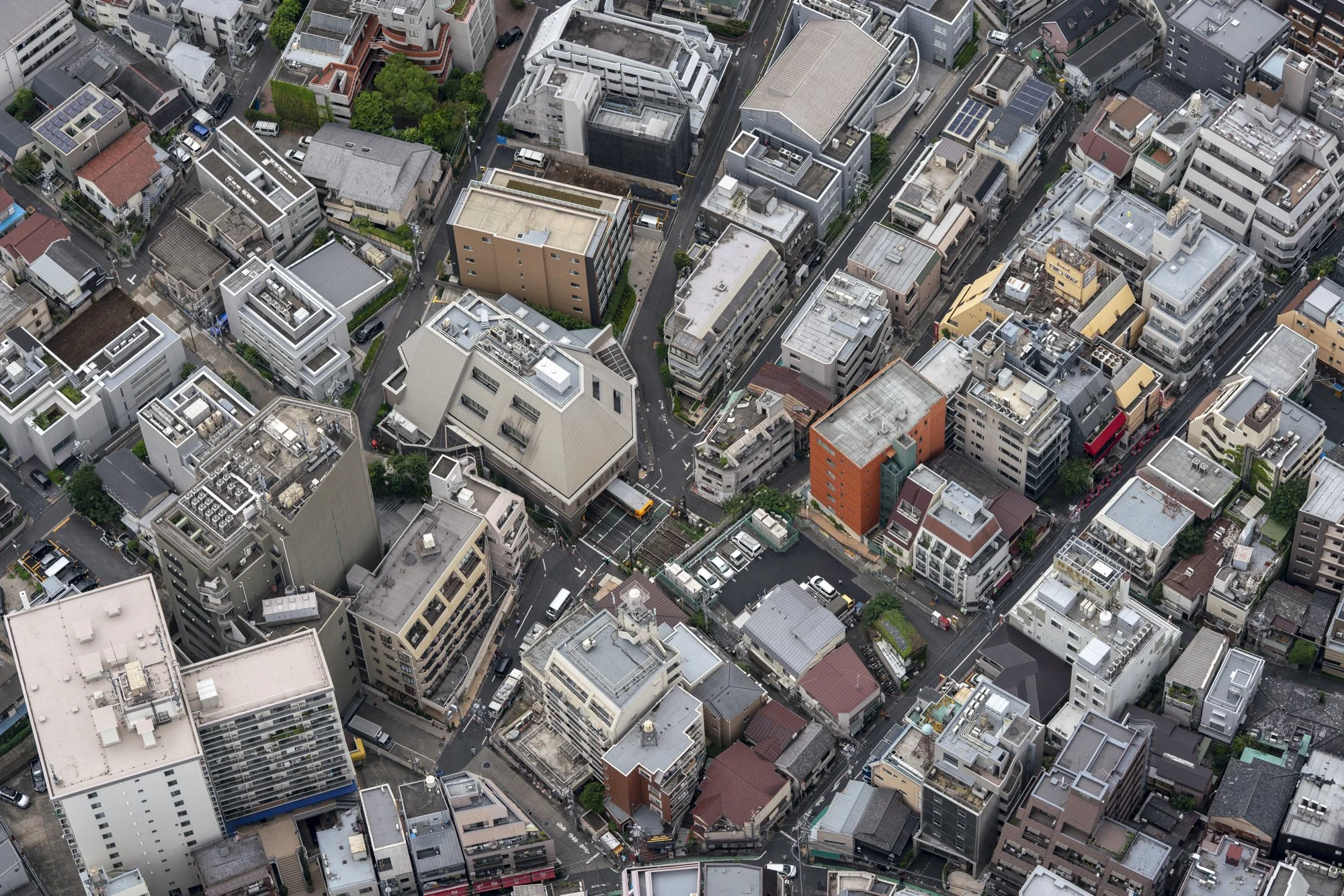
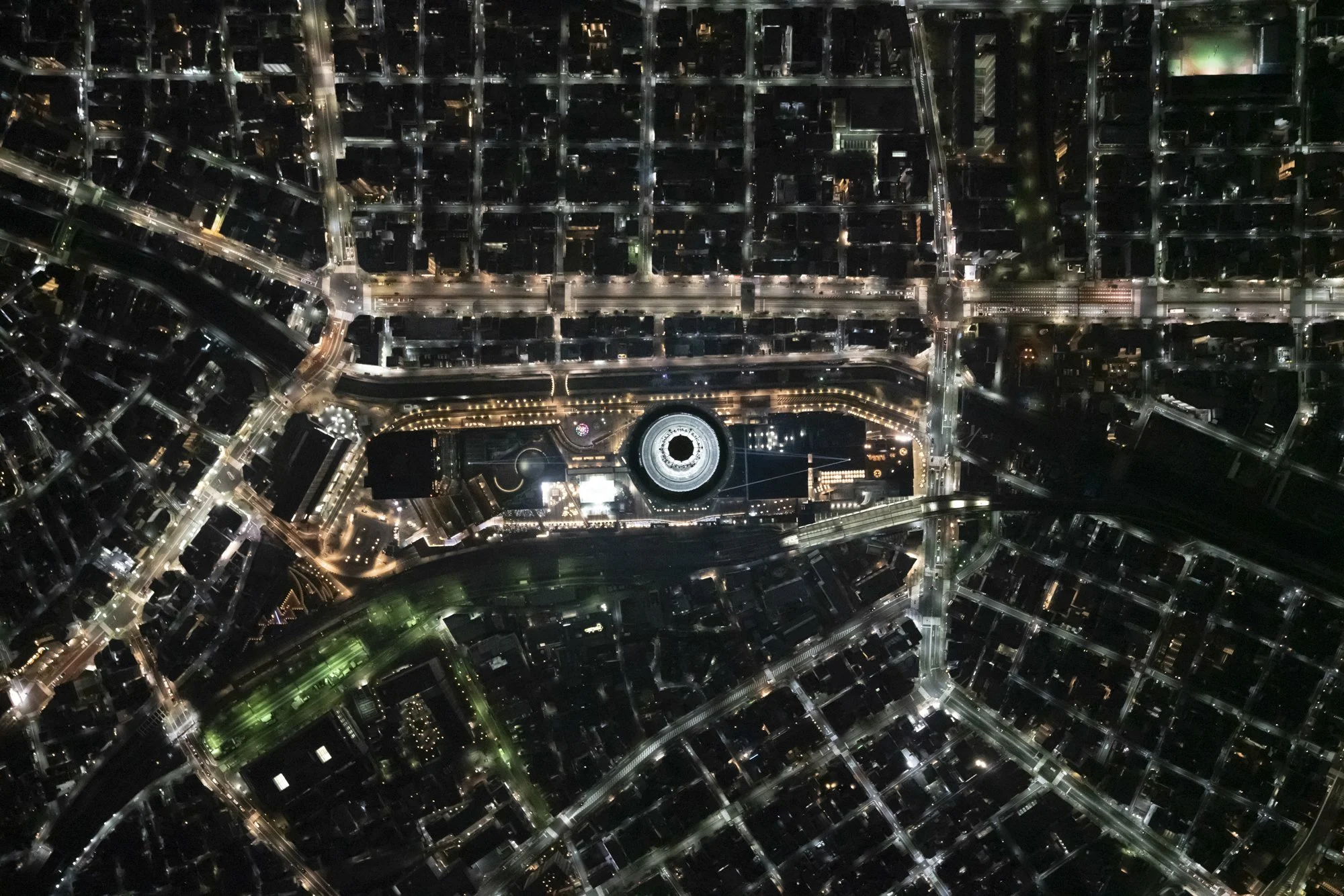
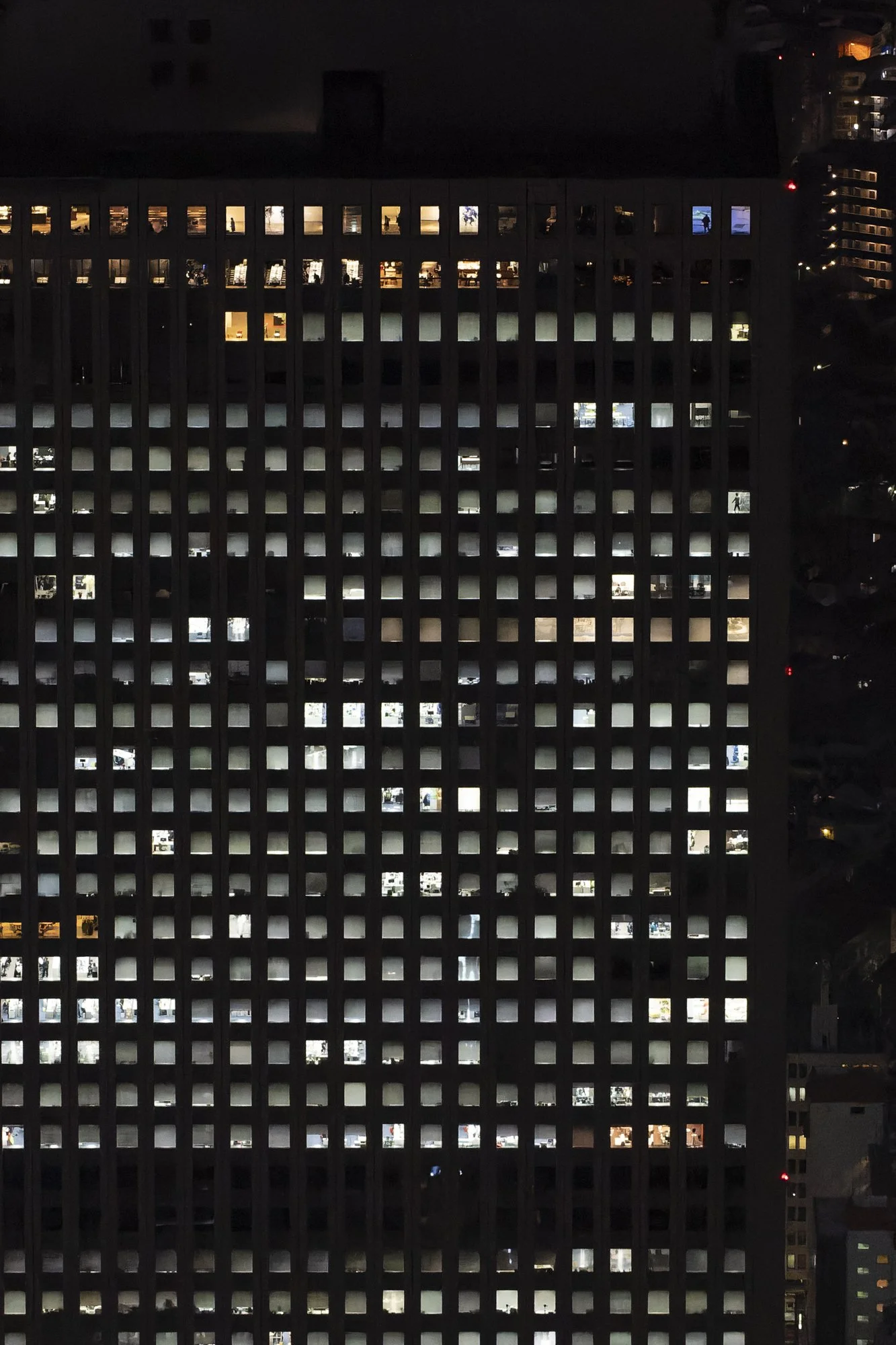
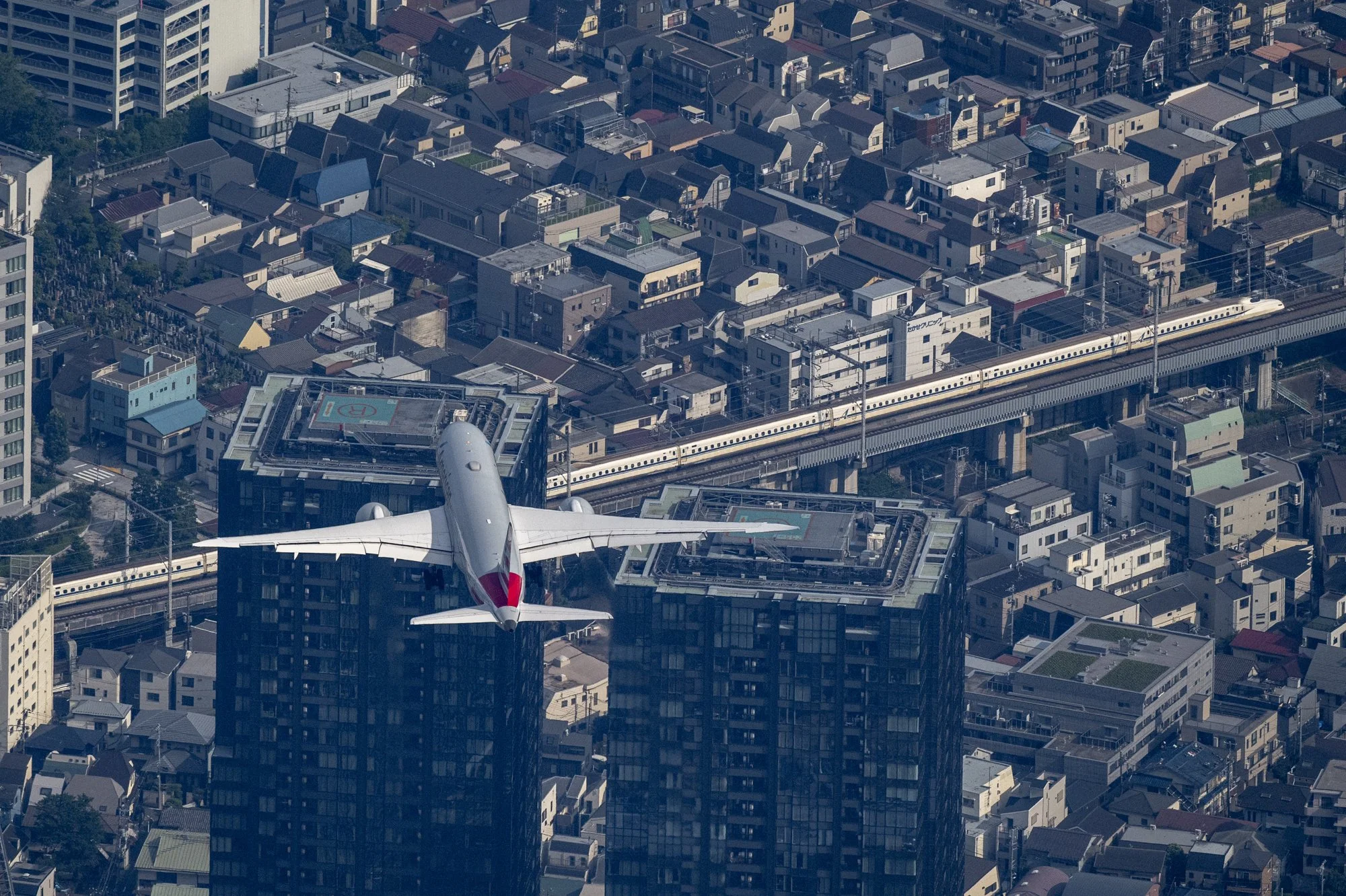
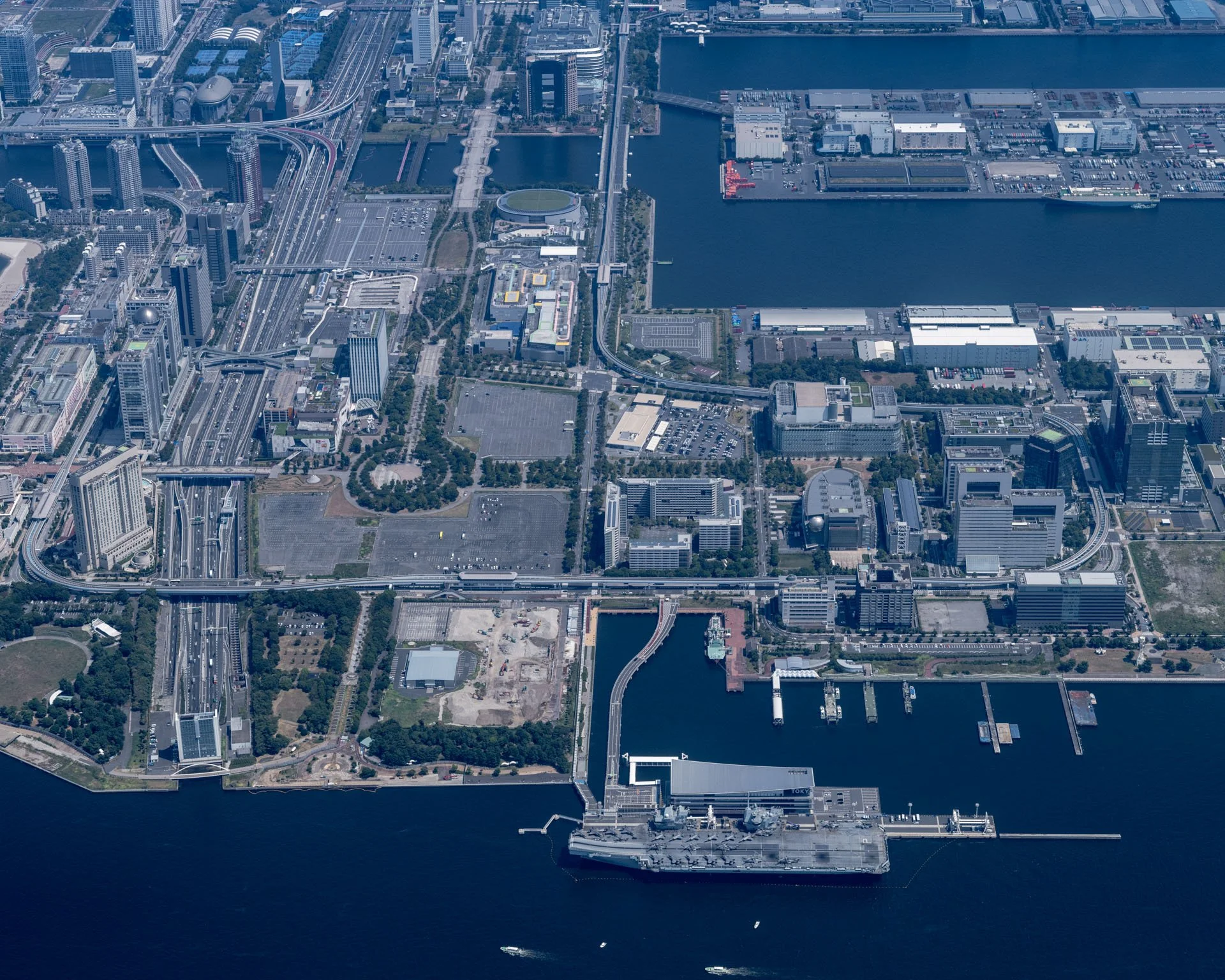
Yoichi Yoshinaga photographs the city from small planes and helicopters, high above the streets. For more than 15 years, Yoichi has been flying over Tokyo, watching trains, buildings, and people move through the city. What Yoichi records is not spectacle, but everyday life seen from a distance most people never experience.
Tokyo Whirl is not about aerial views, but about human presence.
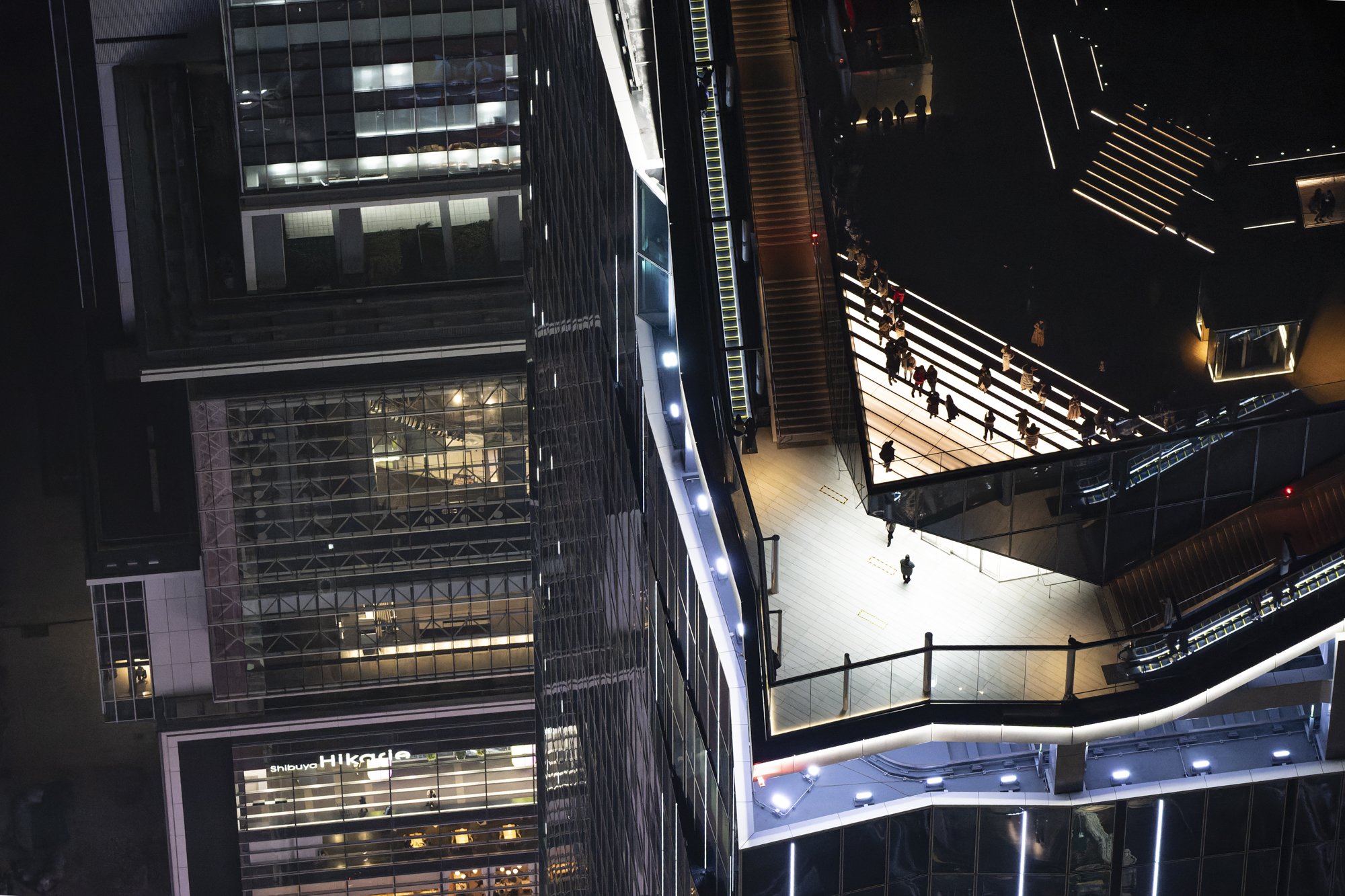
From 1,500 feet above ground, Yoshinaga looks for small moments that feel alive. Railways, stations, houses, and streets begin to connect into patterns of daily life. Growing up in Shibuya, Yoichi has also watched the city transform through constant redevelopment. In this interview, Yoshinaga explains how flying above Tokyo helped deepen an understanding of a city once thought to be familiar.
The Book
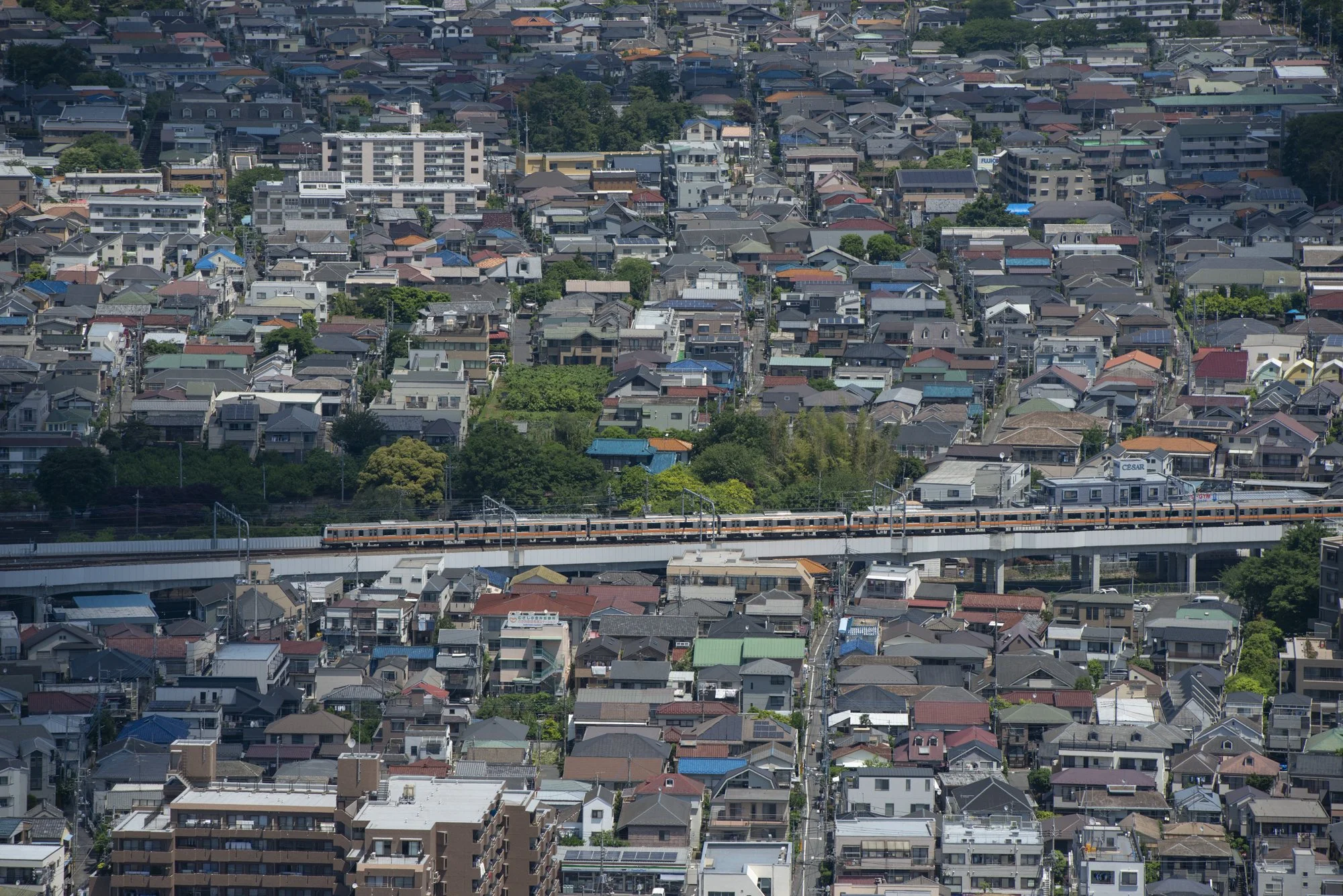
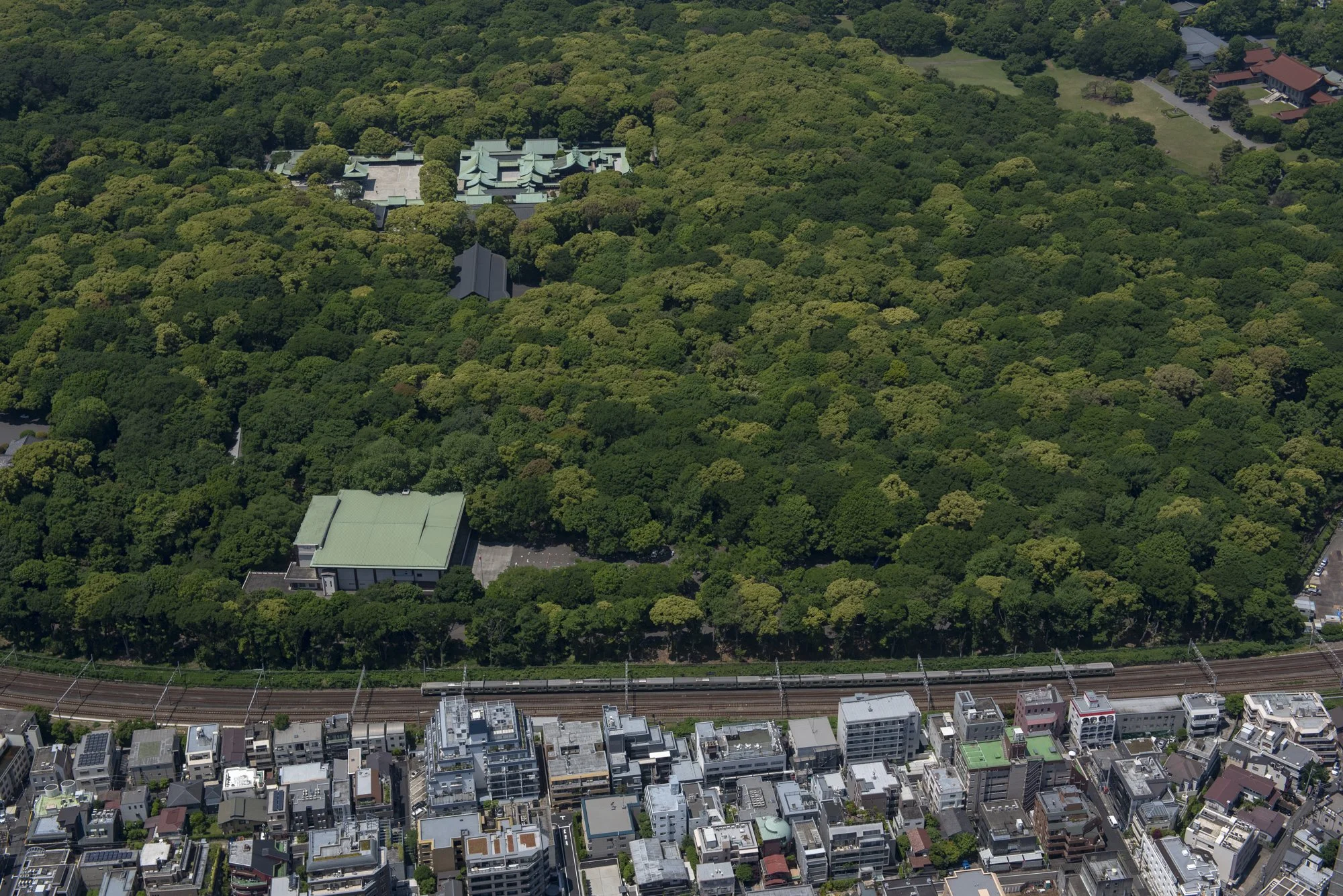
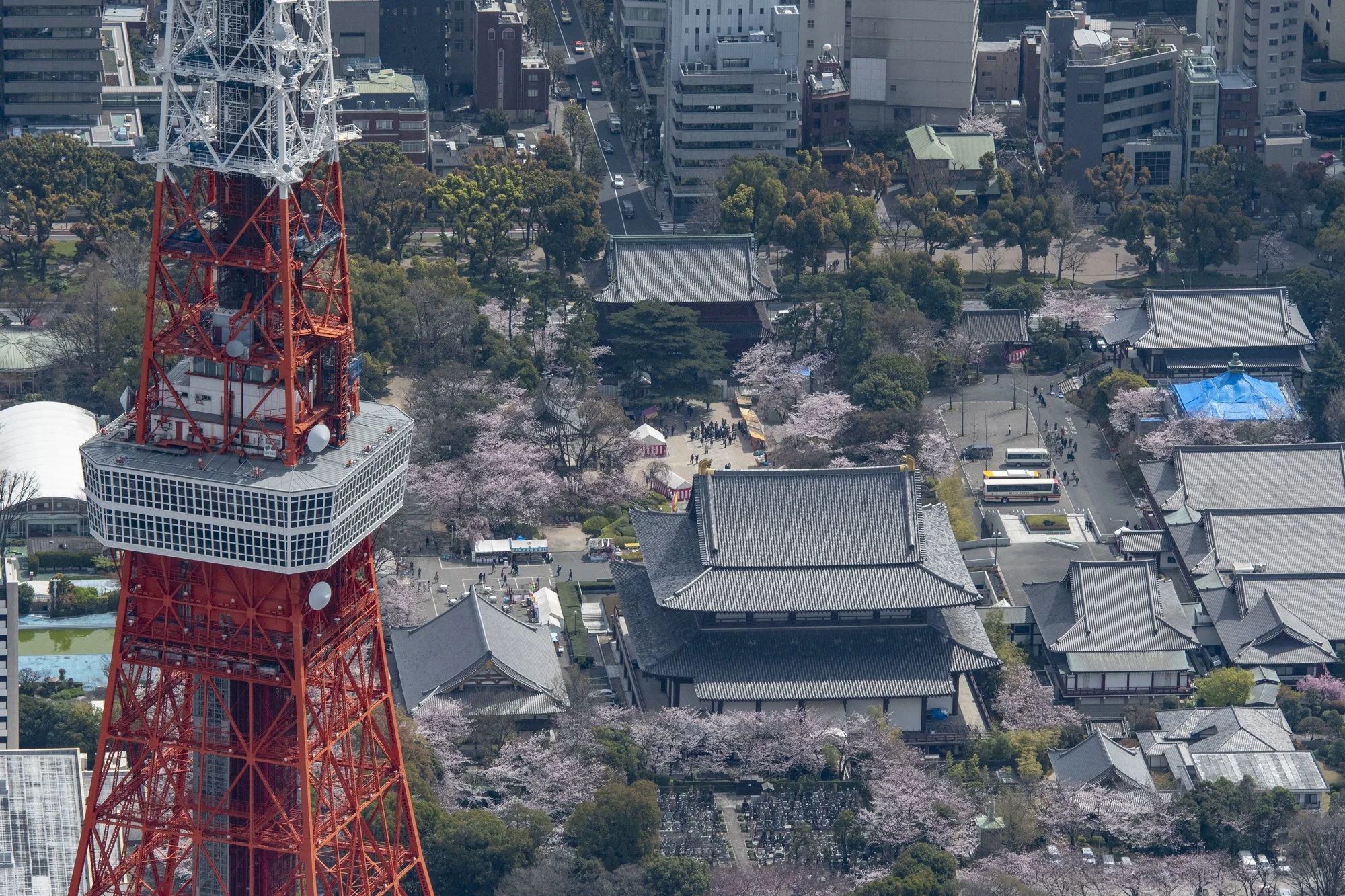
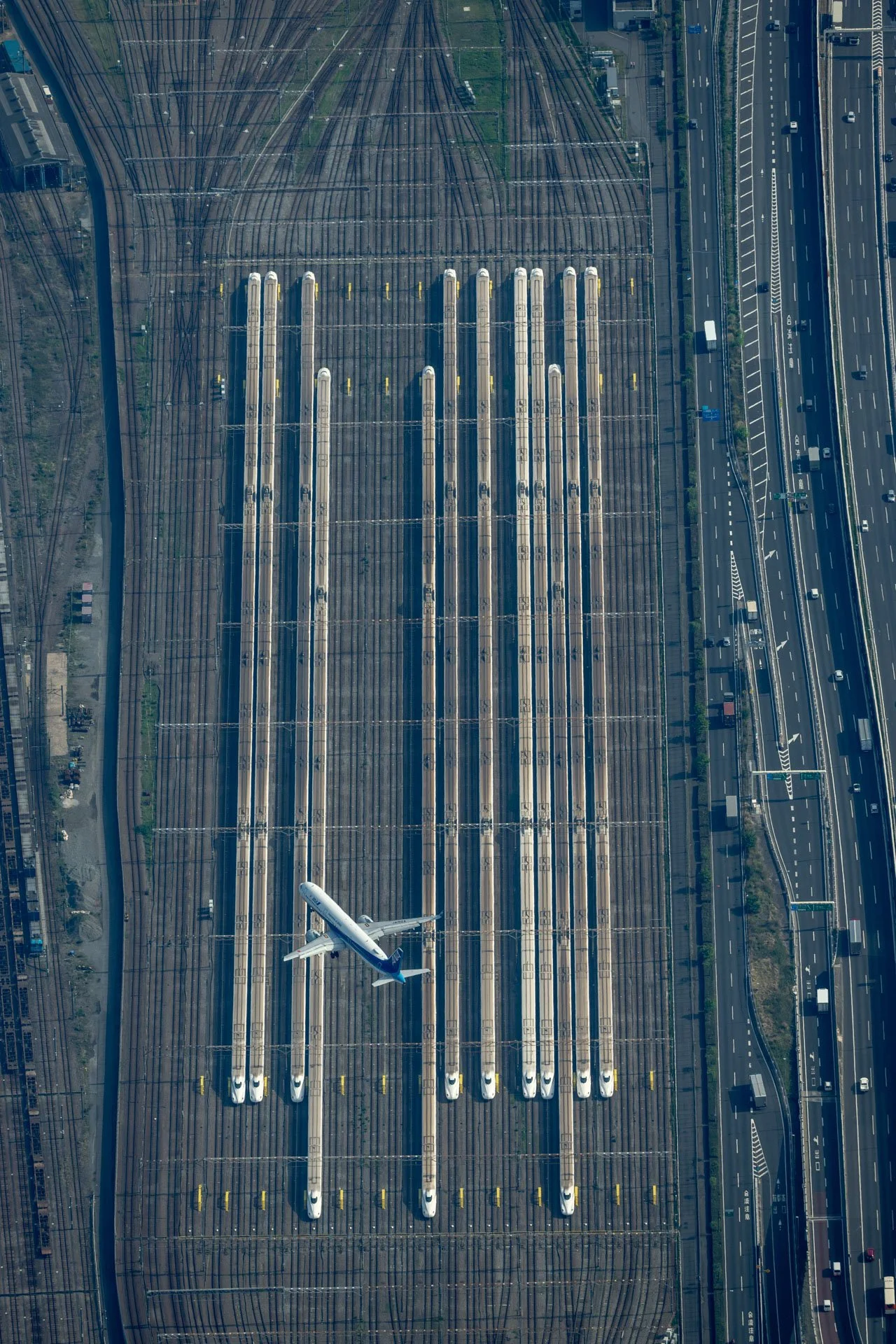
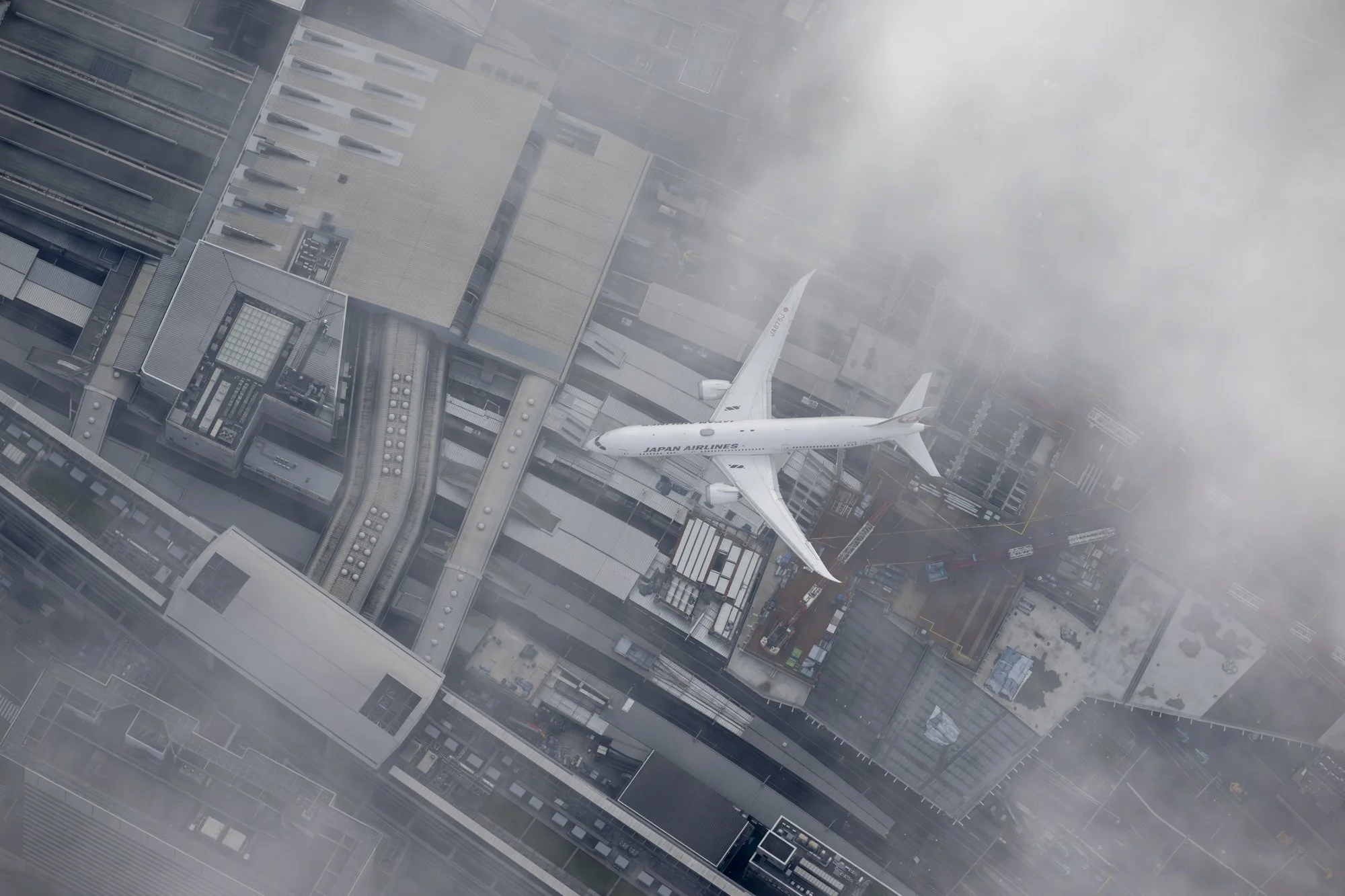
Tokyo Whirl is a photography book by Yoichi Yoshinaga that brings together 15 years of aerial work over Tokyo. Shot from small planes and helicopters, the photographs focus on railways, streets, buildings, and the quiet presence of people within the city. Rather than showing Tokyo as a spectacle, the book reveals how everyday life, infrastructure, and constant change are closely connected when seen from above. (Fugensha ,shashasha, Amazon)
Project Start: What made you want to photograph Tokyo from the sky after growing up in the city at ground level?
I've longed to fly through the sky since childhood. When I was in high school, I saw the work of a pioneering photographer who was serialising aerial railway photographs in a railway magazine, and it struck me deeply. I thought, "Is this kind of photographic world possible?" and "I want to challenge myself with aerial railway photography." That's when I embraced the dream of flying and capturing images from above.
Fifteen Year Journey: You selected photos from 15 years of aerial work for this book. How did your way of seeing Tokyo from above change during this time?
Fifteen years ago, I gazed vaguely at the city from the sky and shot the railway. I was photographing railways from the air but struggled with how to capture them properly.
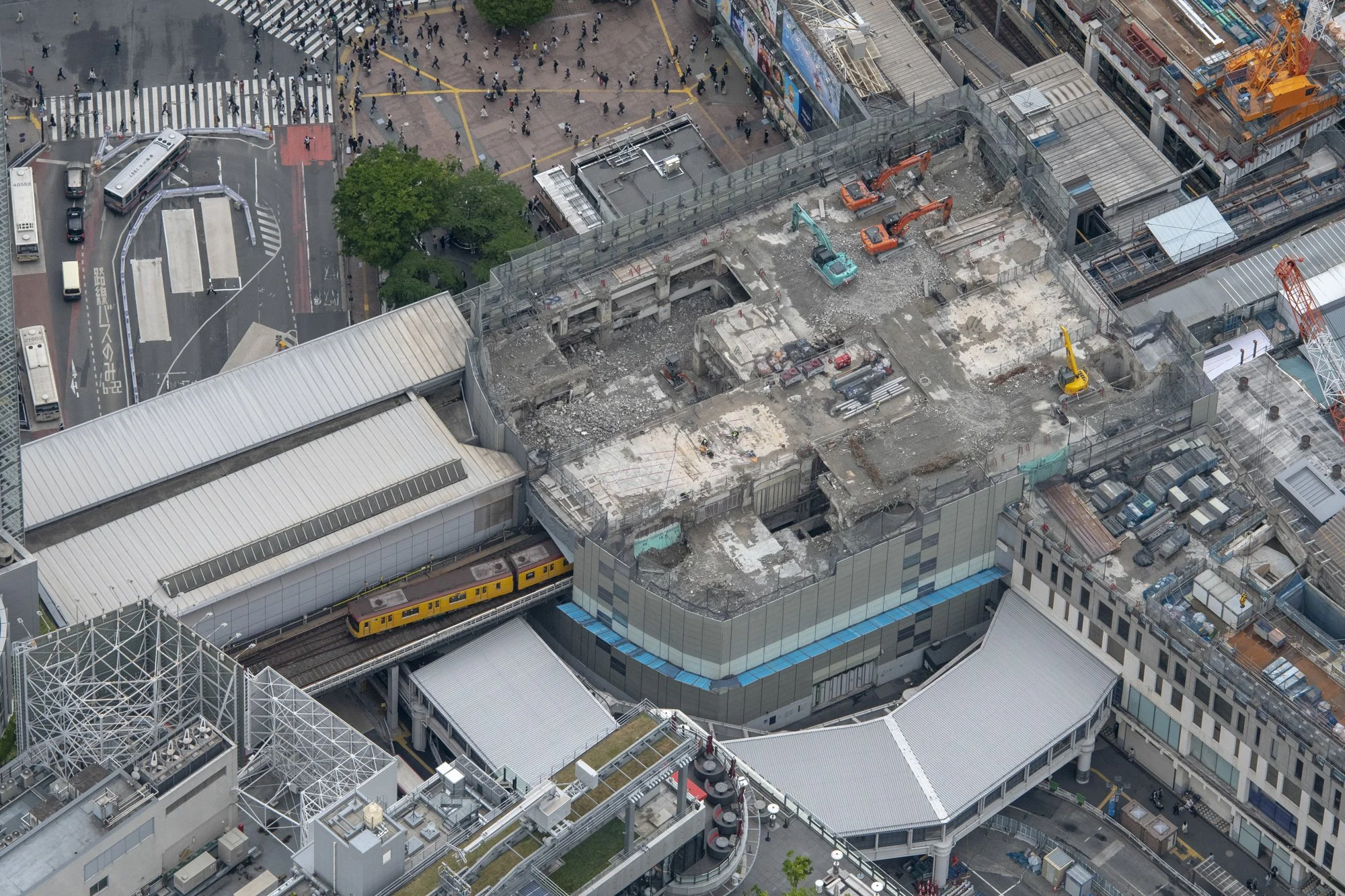
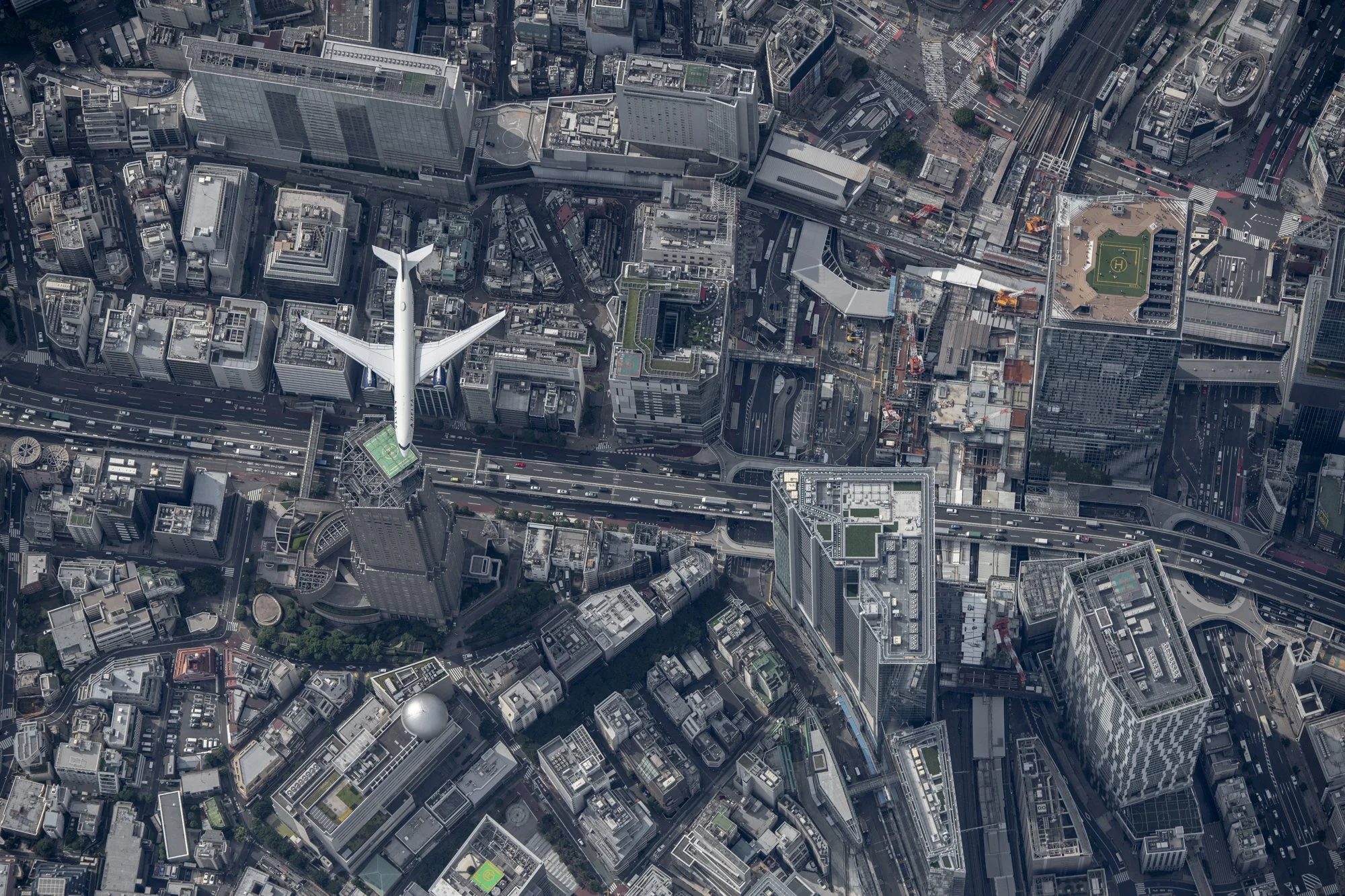
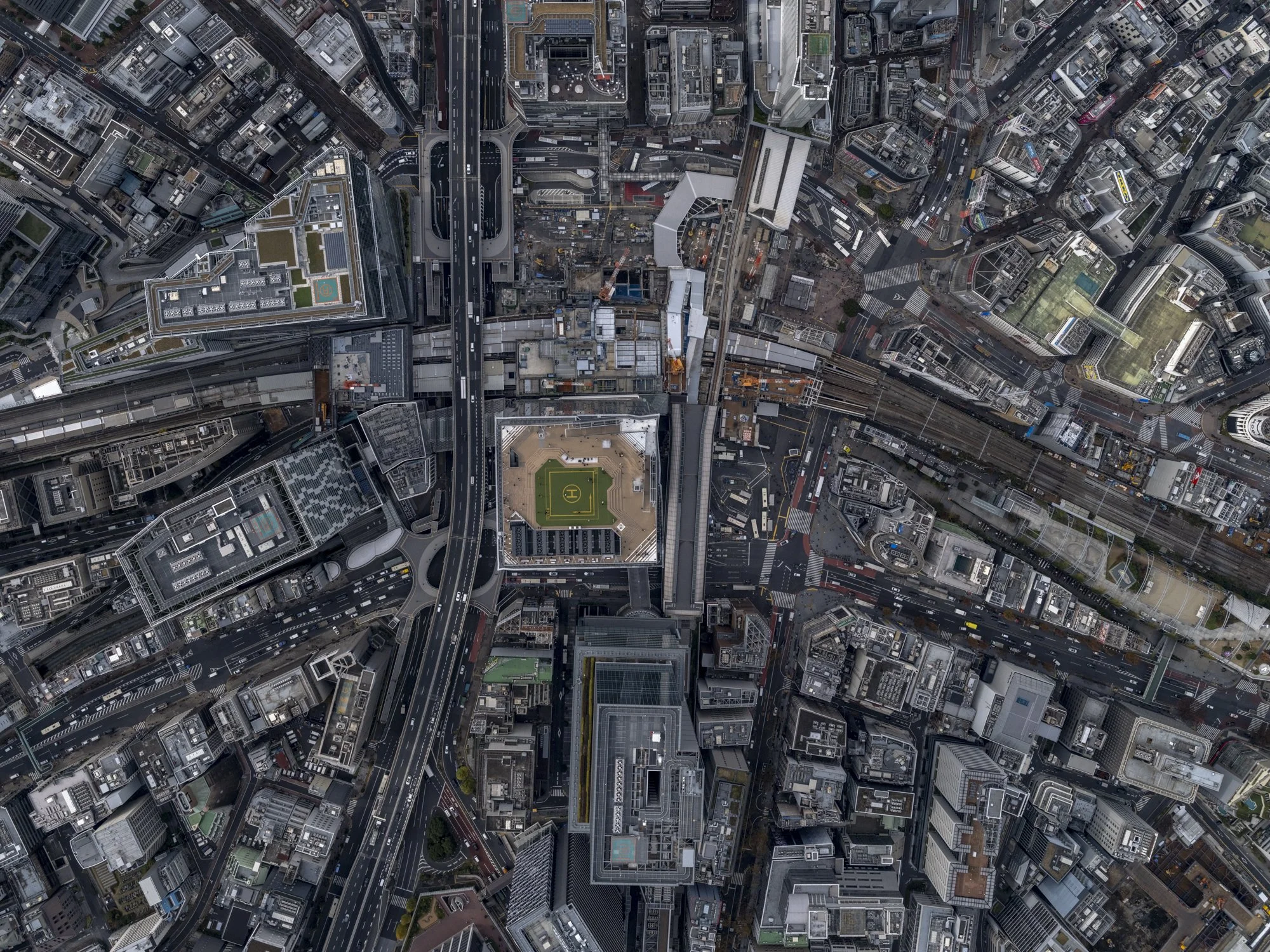
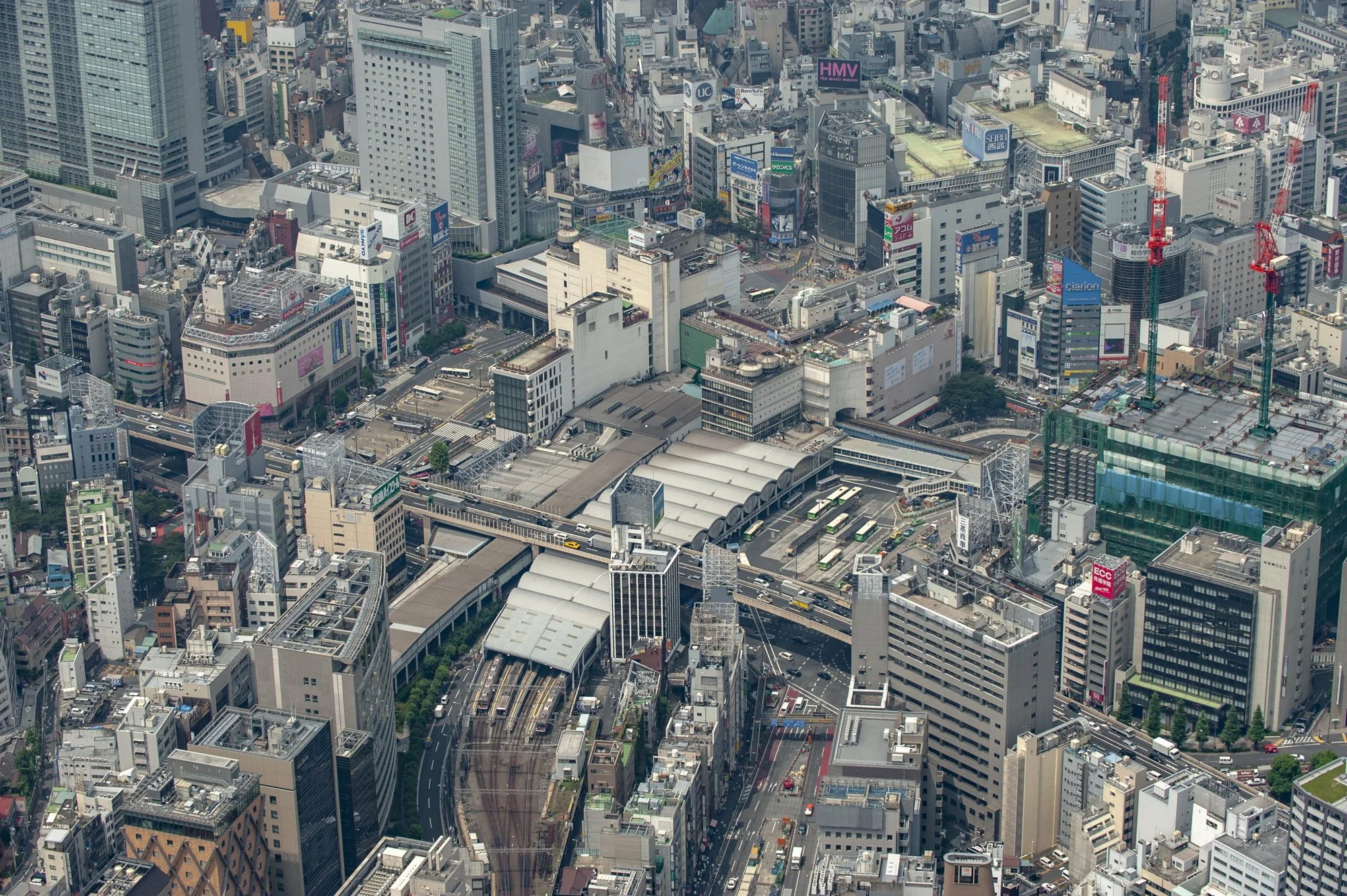
Then one day, I witnessed through aerial photography the massive redevelopment of Shibuya, where I was born and raised, seeing its dramatic transformation firsthand. I realised that the city continues to change like cells undergoing metabolism, while some areas remain unchanged. That's what Tokyo is.
I began to think that railways, the city, and people are closely intertwined, creating "everyday life."
Helicopter Shooting: What camera settings and techniques work best when shooting from a moving helicopter over Tokyo?
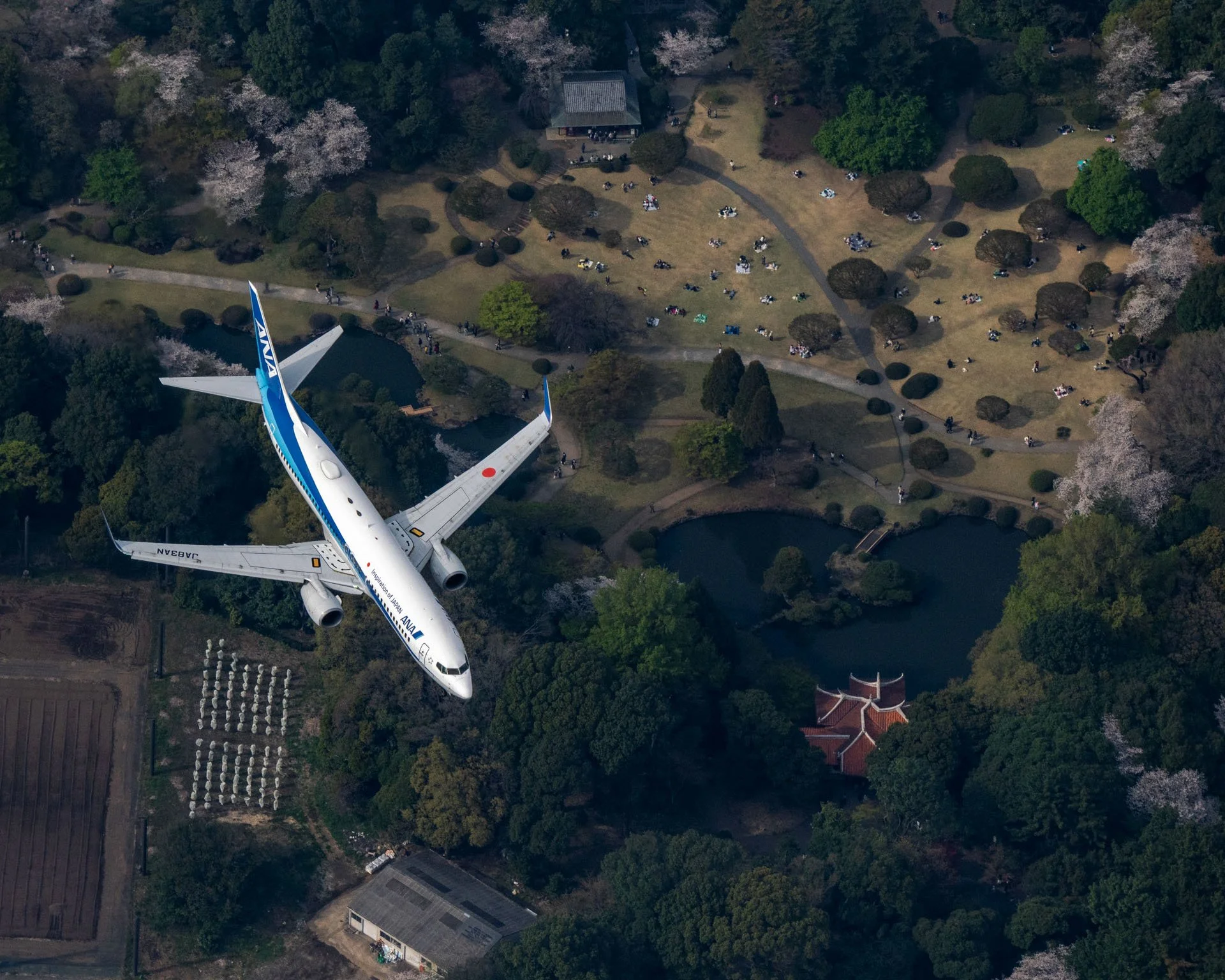
First, while I do use helicopters, the aircraft I fly most often is a small plane, the Cessna C172. Since airplanes cannot hover, the shooting window is just an instant.
I use a digital camera, a standard high-end model that I also use on the ground. Camera settings are simple: fast shutter speed, holding the lens firmly to avoid blur. There's no vibration reduction system inside the aircraft, and tripods cannot be used.
I shoot with the window open. Since dropping equipment would cause a major accident, I remove accessories like lens hoods and filters.
Split-Second Timing: How do you coordinate with pilots to capture trains and people at exact moments while flying?
Before takeoff, I discuss the shooting angle, altitude, and coverage area with the pilot. During flight, we visually check the subject's details together.
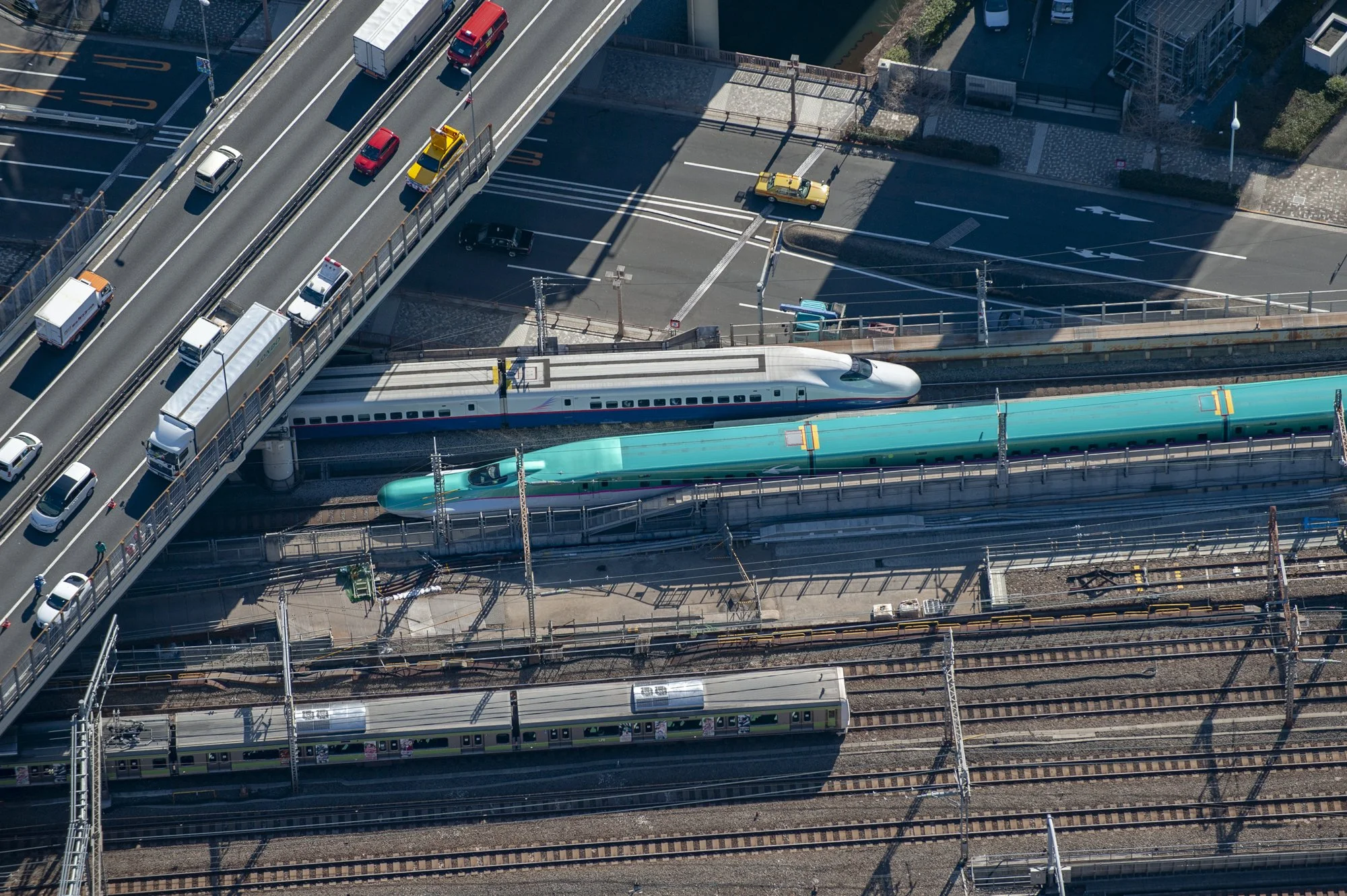
For example: "10 o'clock direction, a green Shinkansen is coming this way." "That Shinkansen?" "Yes. The Shinkansen's speed is slow, so just keep going at this pace." "Roger." "Shooting now. Hold steady with the aircraft direction. Shooting. OK."
This is what we call "genba awase" in Japanese work, adjusting things on-site as we go. Therefore, since it's a two-person team effort with the pilot, compatibility between us matters.
Finding Stories: You mention finding small stories like Bruegel paintings in your photos. How do you spot these moments from high above?
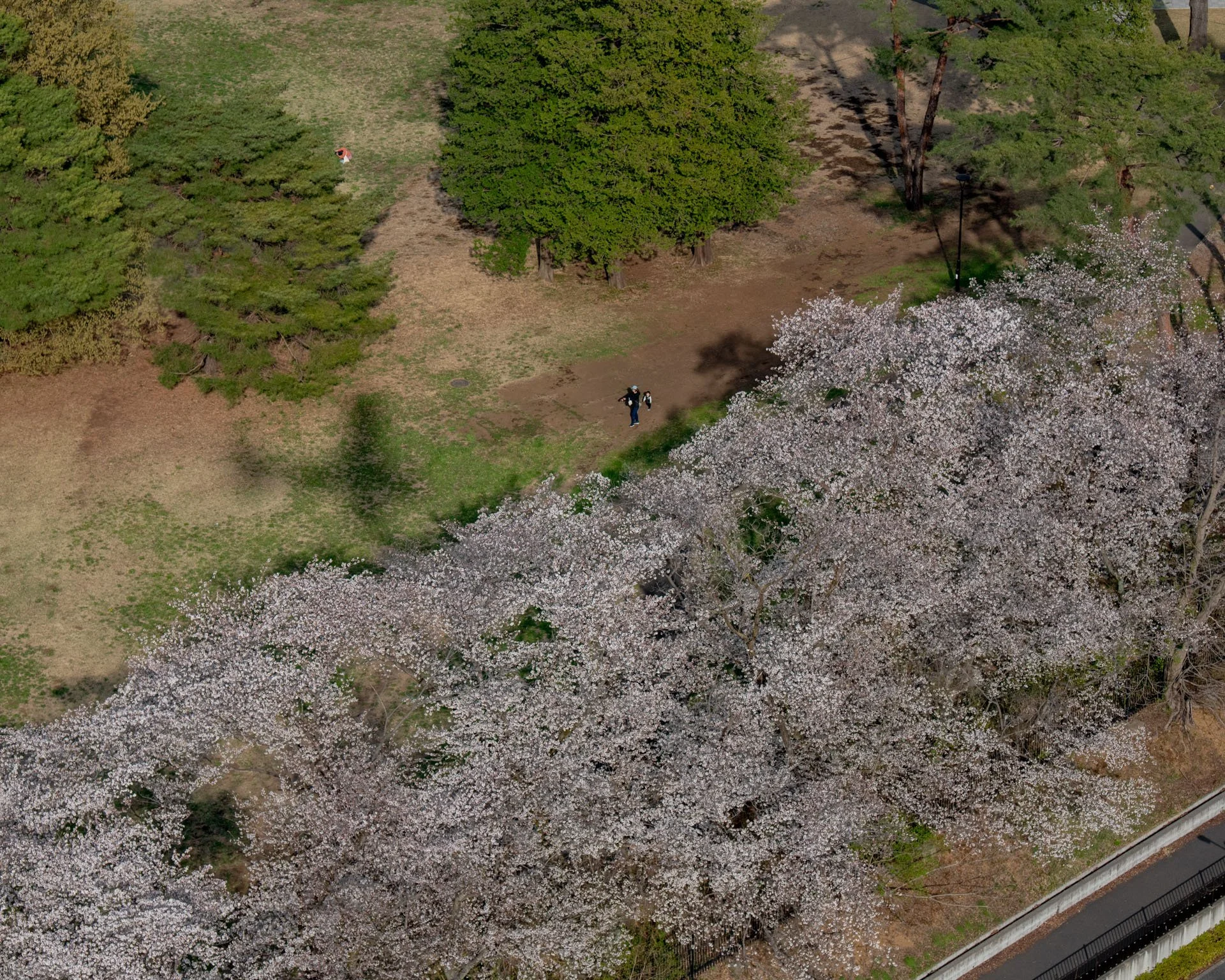
I fly at an altitude of around 1,500 feet, which gives me a bird's-eye view. It's a height where human life appears vividly. This allows me to clearly see what's happening on the ground. While flying, I observe the scenes below and let my imagination run wild.
"What kind of family lives in this house?" "What are the backgrounds, lifestyles, and life paths of the people using this station or train?"
I shoot when I intuitively feel, "Ah, something feels right," but there's no fixed standard. Images and stories I envision, books I've read, experiences, knowledge, all of these are blended into the foundation within me. I shoot the moment these elements align while high above.
Western vs Eastern Tokyo: The book includes both quiet western areas and busy central Tokyo. What different photo challenges does each area give you?
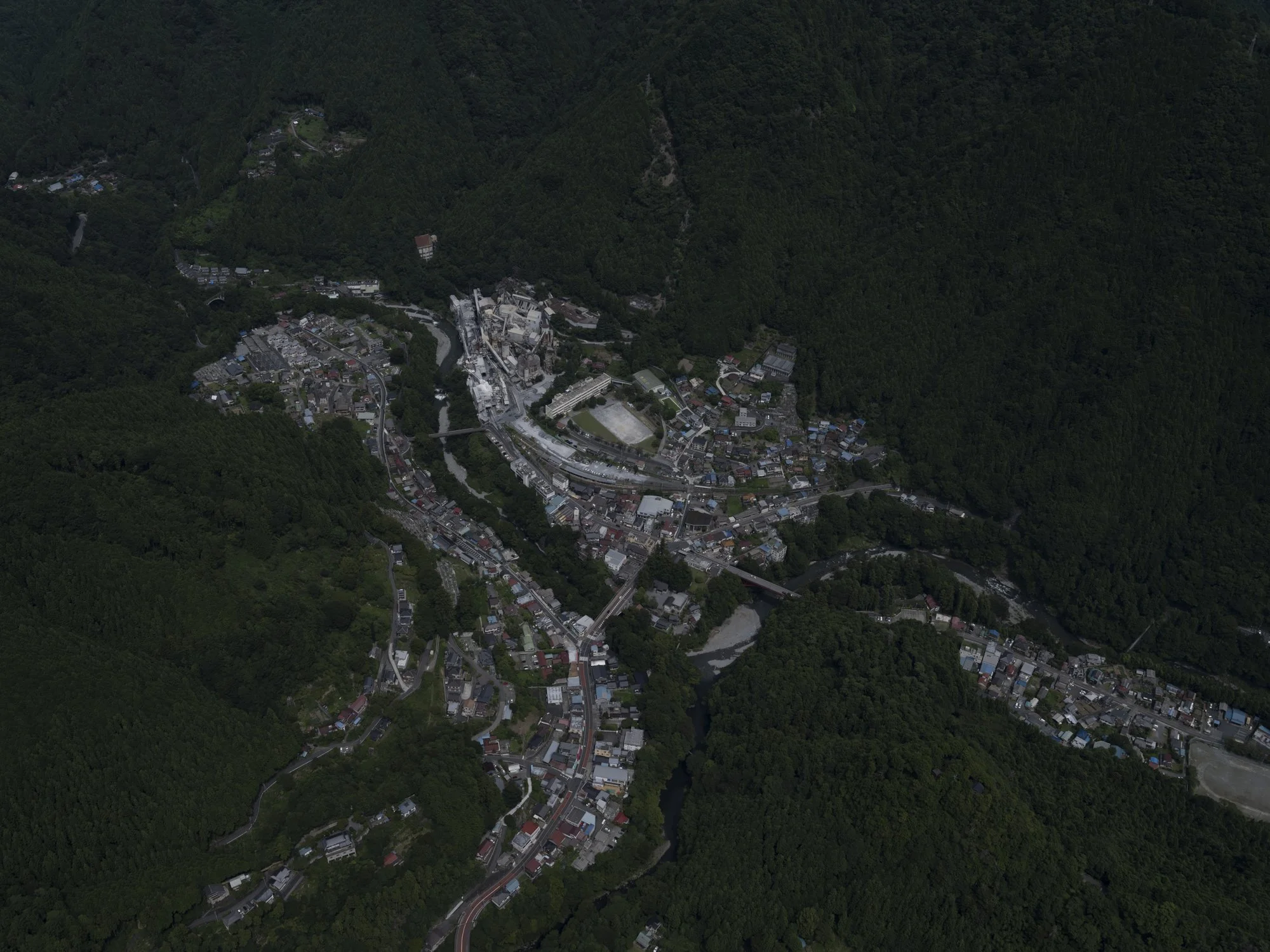
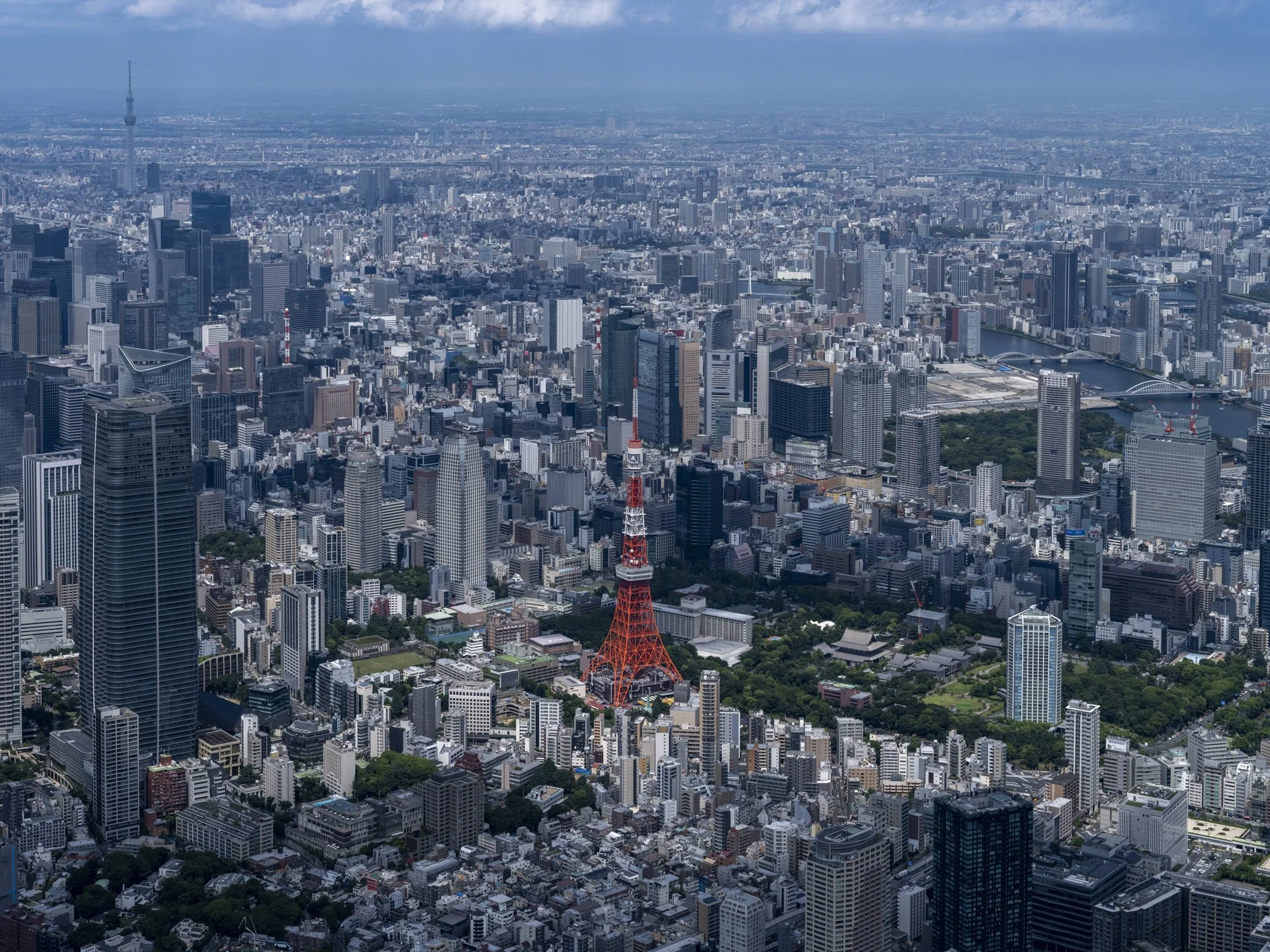
This is a bit of a tricky question. West Tokyo and East Tokyo aren't clearly divided. I think this is unique to how Japanese cities developed; there's a gradient from the capital area in the east to the residential zones and forested areas in the west. That's why I don't take aerial photos from distinctly different perspectives for each area.
Also, when it comes to different photo challenges, even technically speaking, there's no clear difference between west and east. The west simply doesn't have tall buildings like the east does. To put it simply: "This is also the face of Tokyo."
Infrastructure Beauty: As a train enthusiast, how do you show Tokyo's railway system as both beautiful and complex from the air?
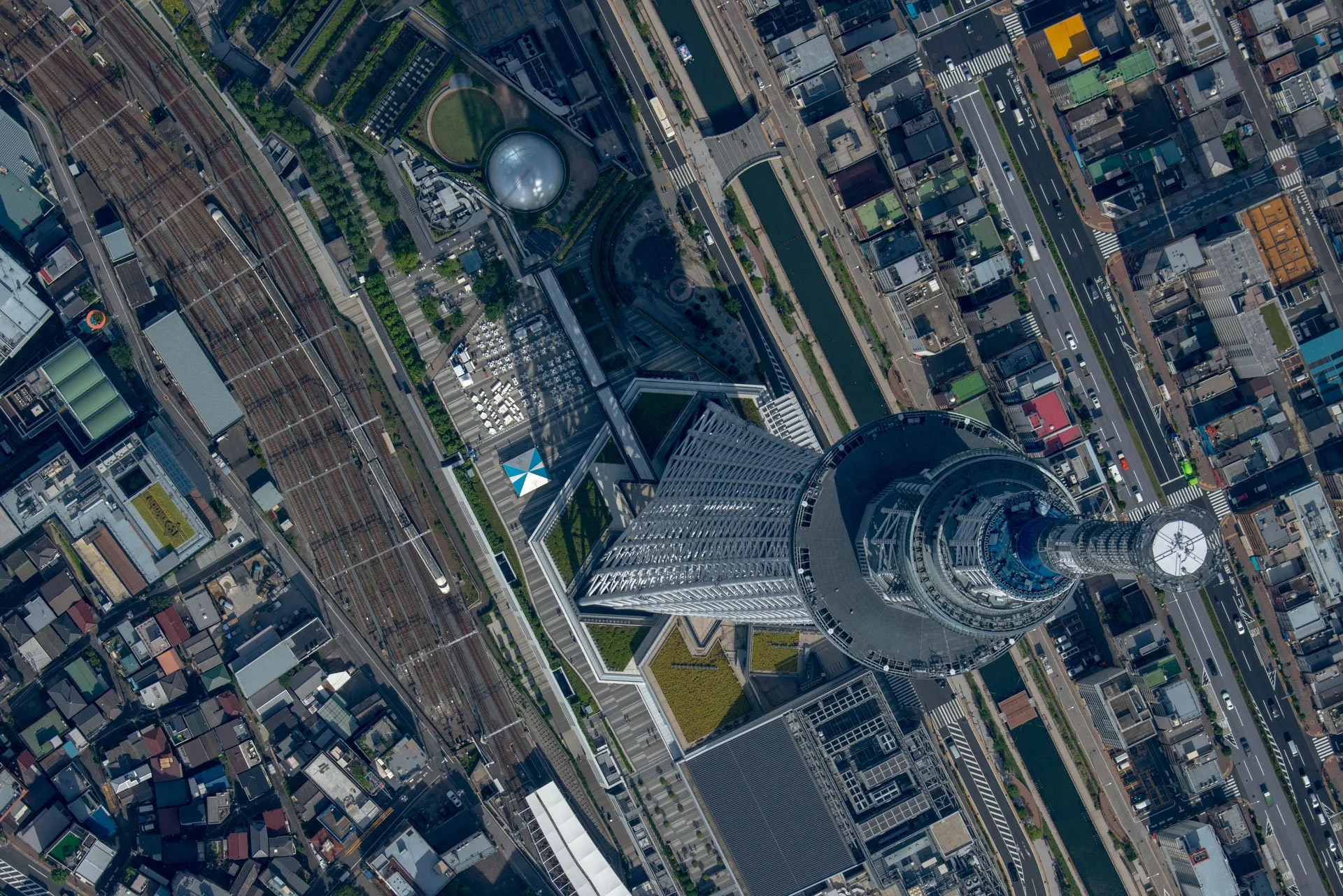
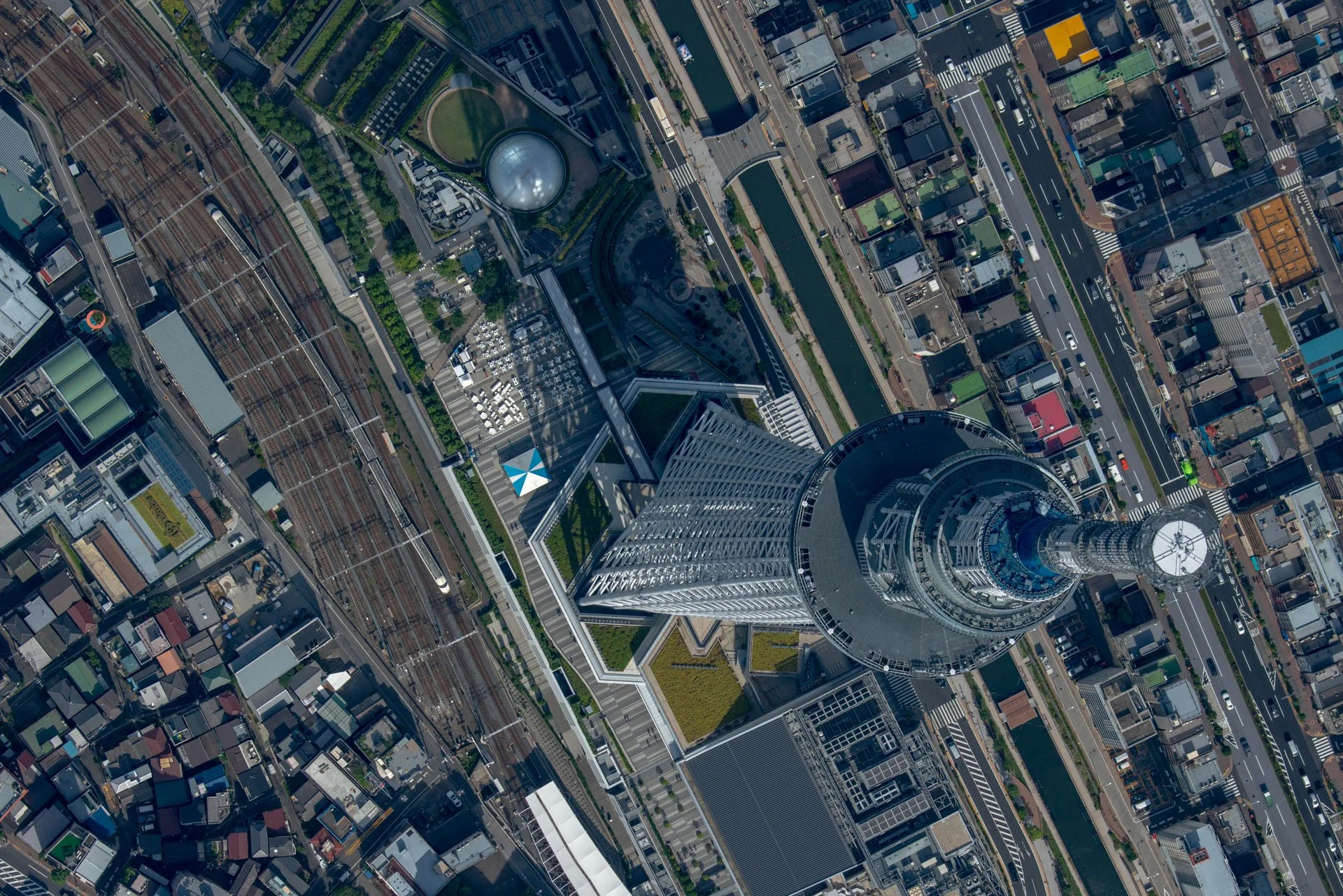
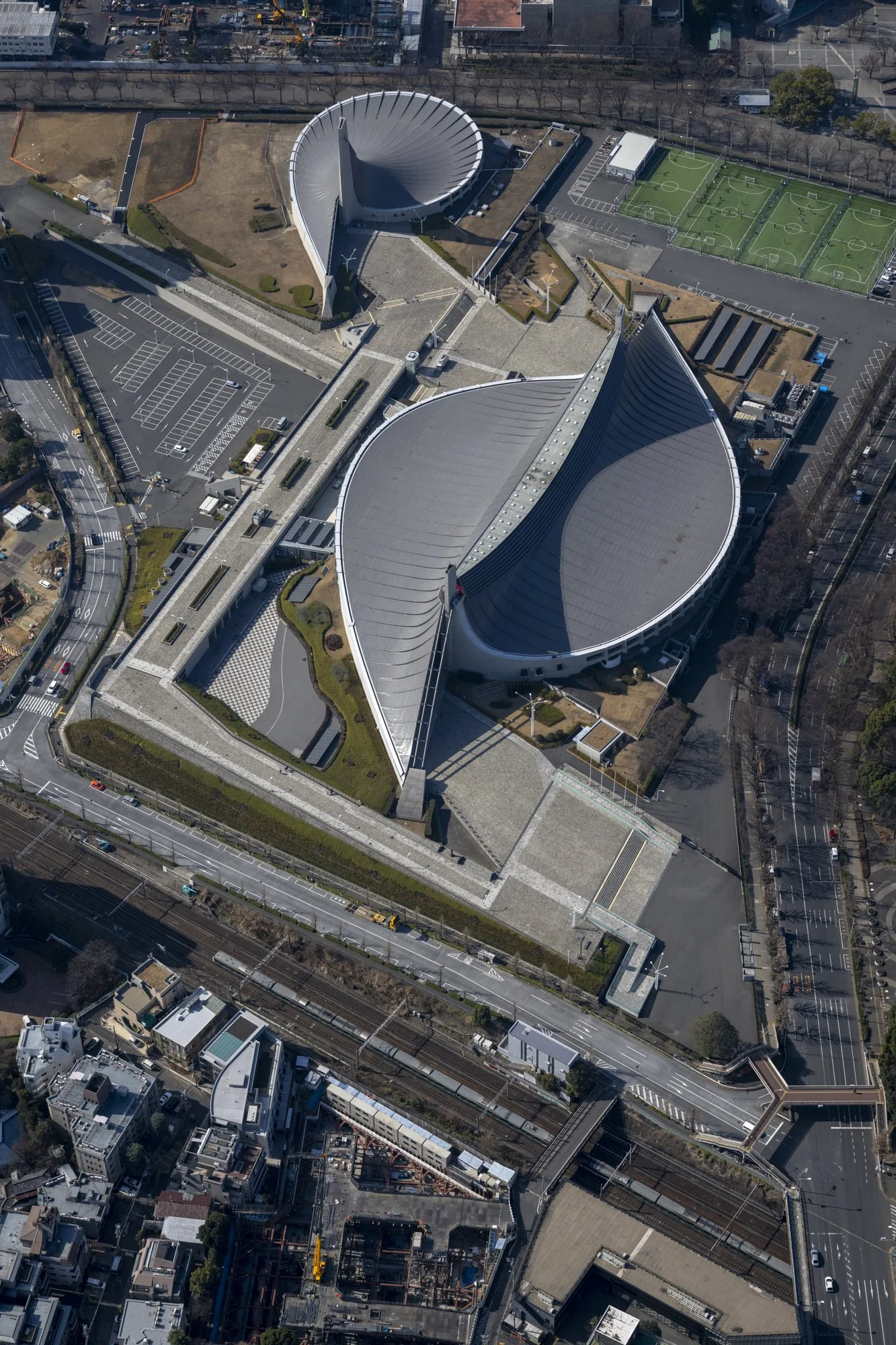
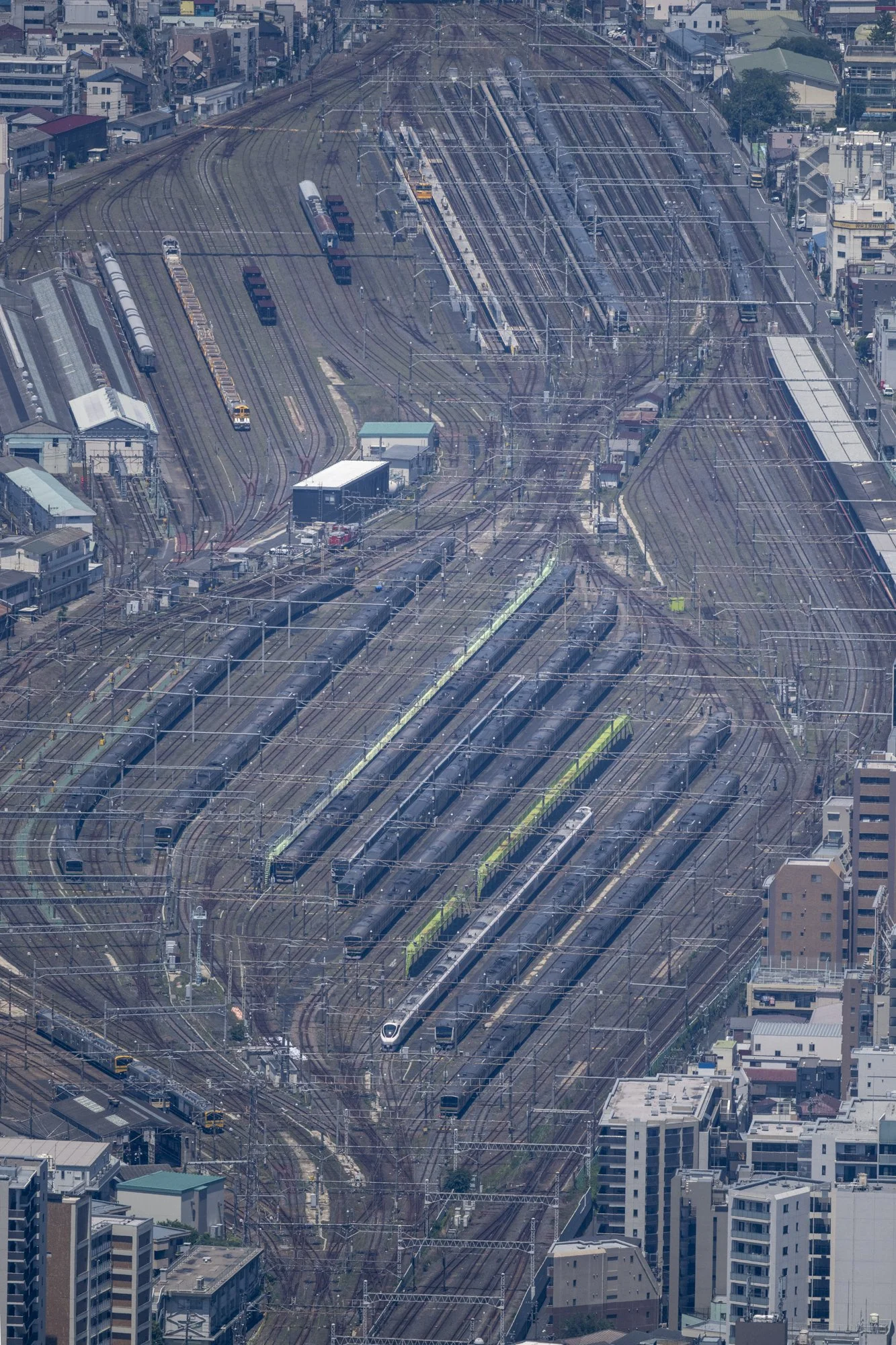
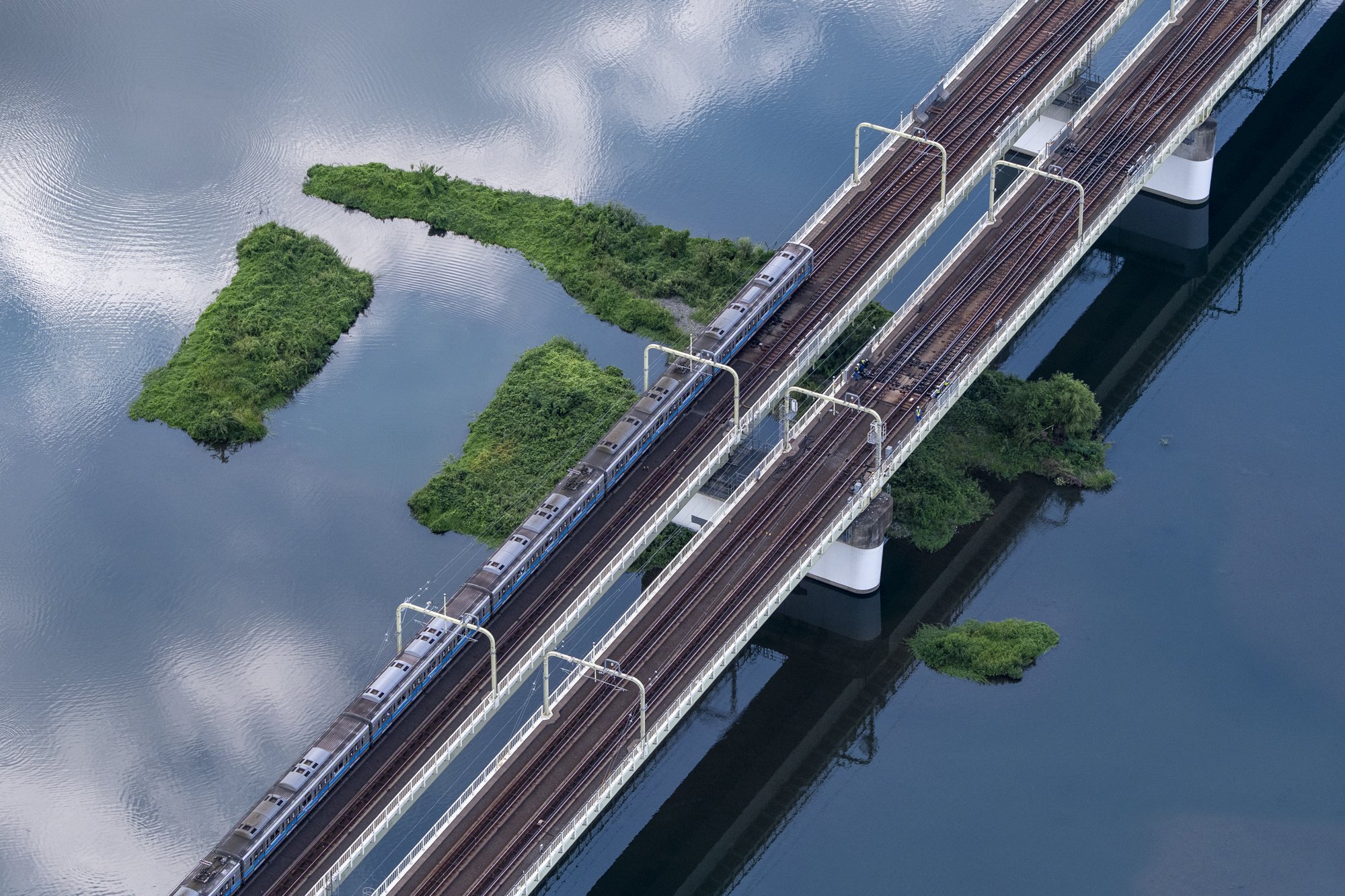
From a railway enthusiast's perspective, I intuitively understand the angles that make railways more beautiful and appealing to fans, the positioning of tracks, junctions, and vehicle details. I consciously ensure the front of trains remains visible, and I shoot at angles between 20° and 45°, or even vertically (with the aircraft banked at 60°), so the track layout is clear. This angle closely resembles the perspective used when viewing a model railroad diorama, making it ideal for understanding the infrastructure.
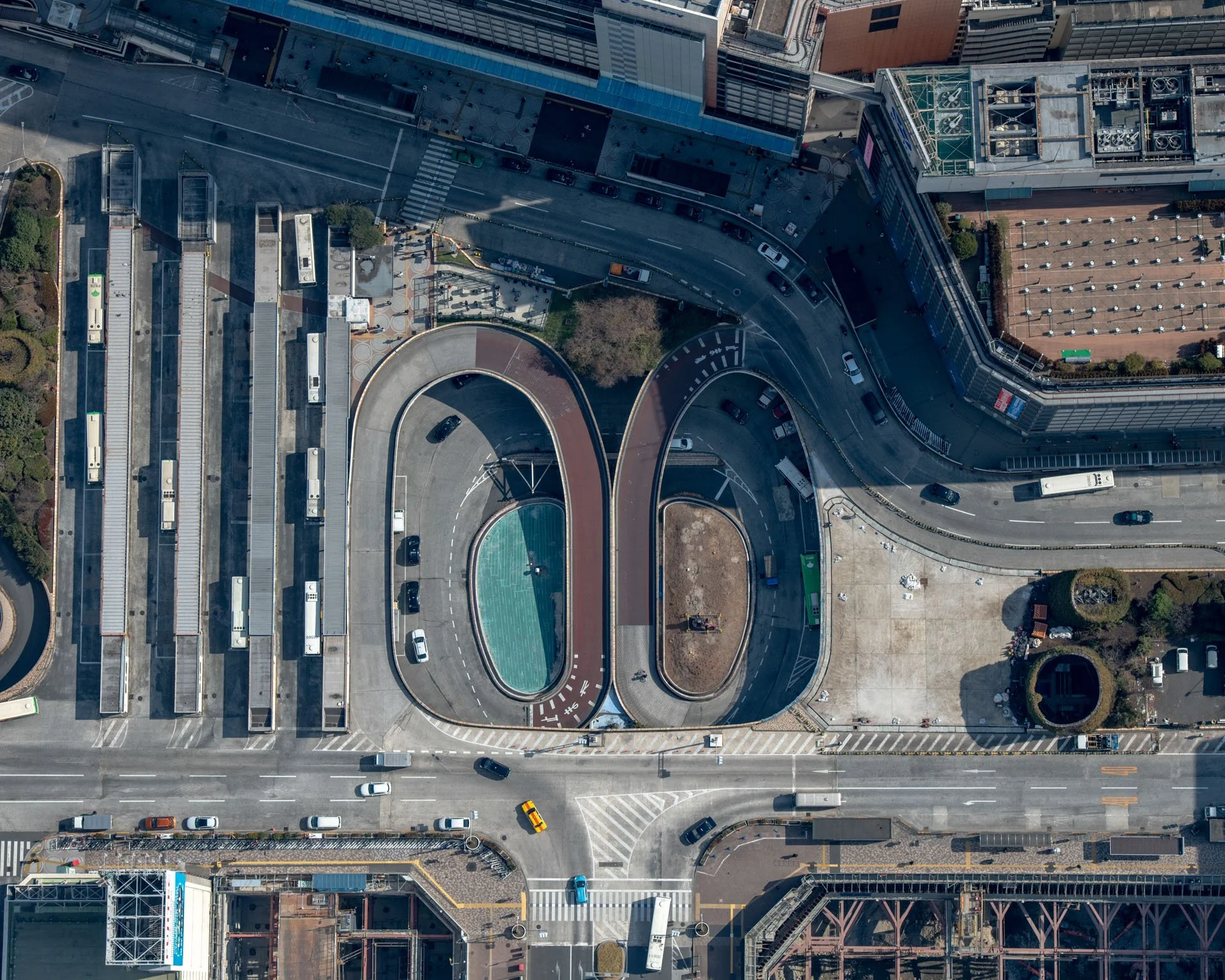
Furthermore, railways, though not exclusively, are collections of lines. Viewed from above, they form geometric patterns, so I sometimes shoot from a vertical angle to express this visually interesting aspect. This is how I beautifully represent the complex nature of the railway system.
Composition from Above: What rules do you follow to make aerial photos interesting instead of just flat maps of the city?
For a long time, I was troubled by aerial photography producing just flat maps of the city. Aerial shots are reference photos, and I take such photos for work and documentation as well. The line between those photos and what's "interesting" is ambiguous. Ultimately, I realised it comes down to my own feelings.
Like my answer to question 5, the images and stories I envision, combined with books I've read, experiences, and knowledge, form a foundation within me. These elements align in the air, and I shoot in an intuitive moment. I probably use the same instinct for street photography on the ground when shooting from the air. After all, aerial photography is my everyday reality.
Recording Change: You say Tokyo changes constantly and you feel a duty to record it. What parts of Tokyo do you most want people to remember?
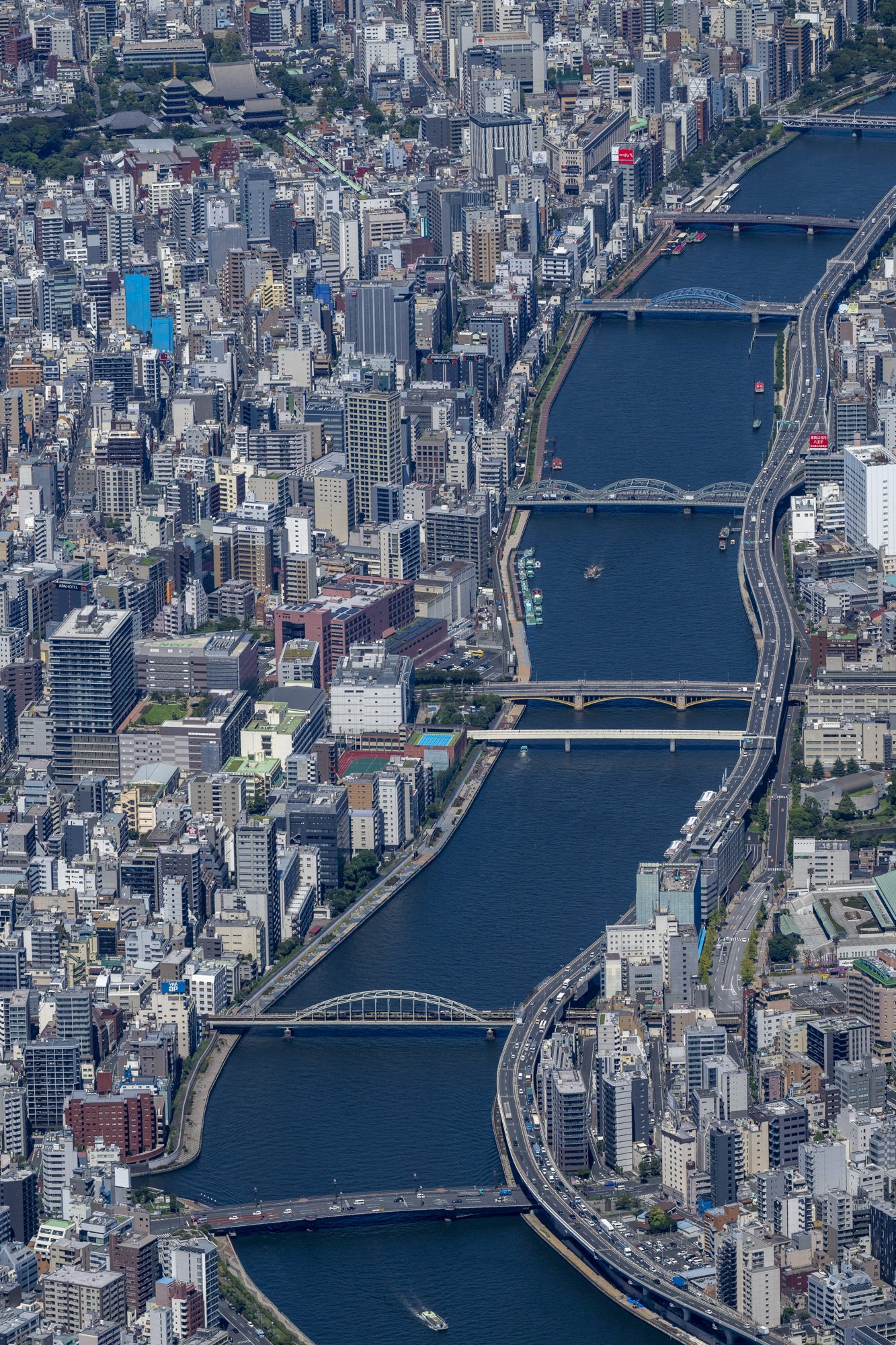
Tokyo's "now." Tokyo, no, Japan, has always craved the new. Tokyo changes relentlessly, to greater and lesser degrees, reflecting people's desire (or perhaps craving) to live more conveniently. I want people to remember the railways, roads, and urban structures.
Shibuya and Shinjuku undergo drastic transformations, while Ueno and Asakusa remain largely unchanged. Understanding this contrast is fascinating. Also, there are the types of advertising billboards filling the streets. These reflect the social climate of the times. Some eras feature many loan company advertisements, while others showcase beauty and idol advertisements.
More photography books?
We'd love to read your comments below, sharing your thoughts and insights on the artist's work. Looking forward to welcoming you back for our next [book spotlight]. See you then!
Ian Bates found his wildfire story after the fire. In 2014, he saw his first wildfire while visiting a friend in Eastern Washington. Photography Book Spotlight