Sculpting Silence: How Mirjana Vrbaški’s Portraits and Forests Echo the Depth of the Human Soul
Welcome to this edition of [book spotlight]. Today, we uncover the layers of 'Odd Time,' by Mirjana Vrbaški (published by Kerber Verlag). We'd love to read your comments below about these insights and ideas behind the artist's work.
Can silence be sculpted into an image? Mirjana Vrbaški shows it can.
Her portraits of women and fast, instinctive photographs of forests are quiet but powerful. They speak to something deeper, something hard to explain with words. She did not plan to combine these two subjects, but once they came together, the connection felt natural. The result is a book that reflects on time, intuition, and the hidden rhythm of life.
She photographs slowly in the studio and quickly in the forest.
This contrast became the foundation for Odd Time, a project years in the making. Her portraits are made with strangers, in silence, over long sessions. Her landscapes are made on the move, guided by feeling. Both are connected by the same question: what lies beneath the surface? This interview explores how her process works, what shaped it, and why she trusts the unknown.
Mirjana's work doesn’t show people. It reveals them.
The Book
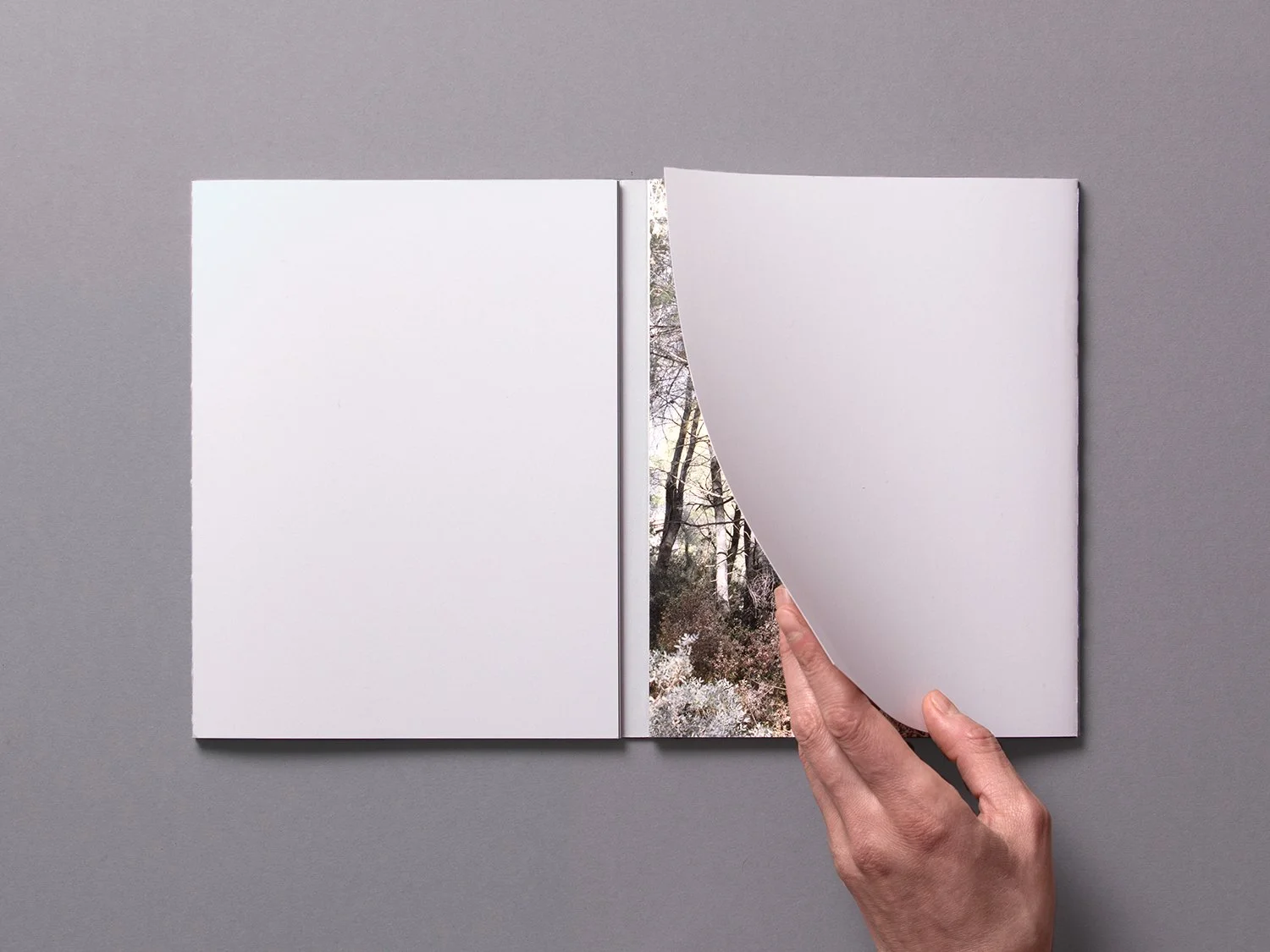
Odd Time is a photographic project that brings together two distinct yet deeply connected series: austere portraits of women, and instinctive, dreamlike images of forests on the Dalmatian coast. Developed over more than a decade, the work explores intuition, inner states, and the quiet tension between control and surrender. Designed in collaboration with Hannah Feldmeier, the book follows an asymmetrical rhythm inspired by Balkan music, allowing readers to pair portraits and landscapes in 144 combinations. The result is a meditative experience that asks the viewer to slow down, look closer, and find meaning in stillness. (mirjanavrbaski.com, Kerber Verlag, Amazon)
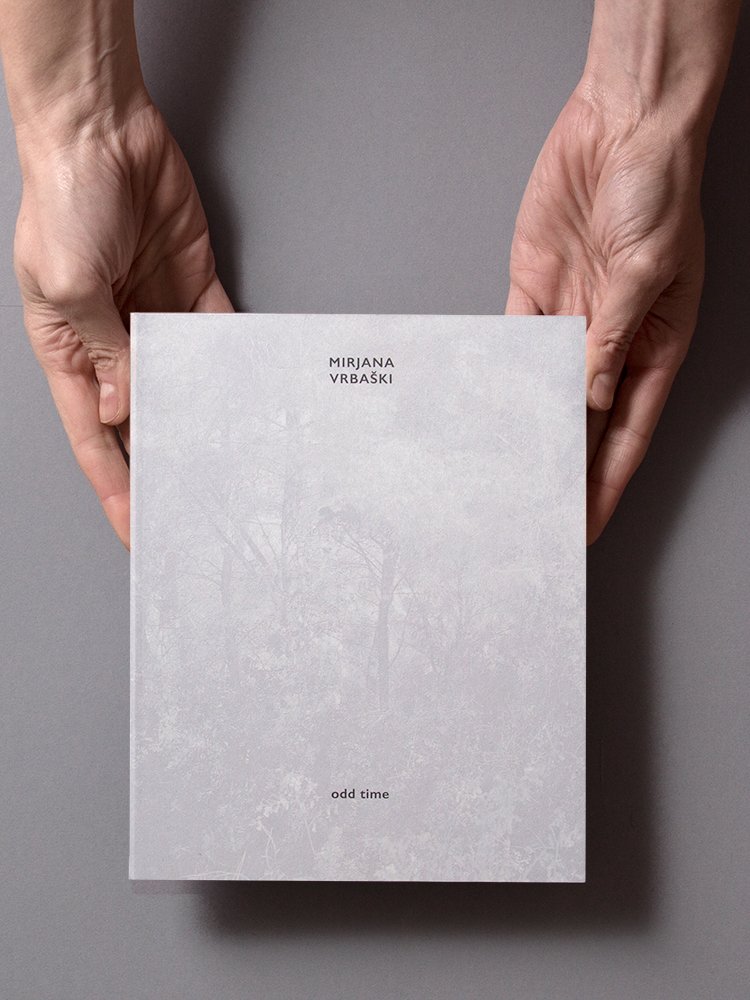
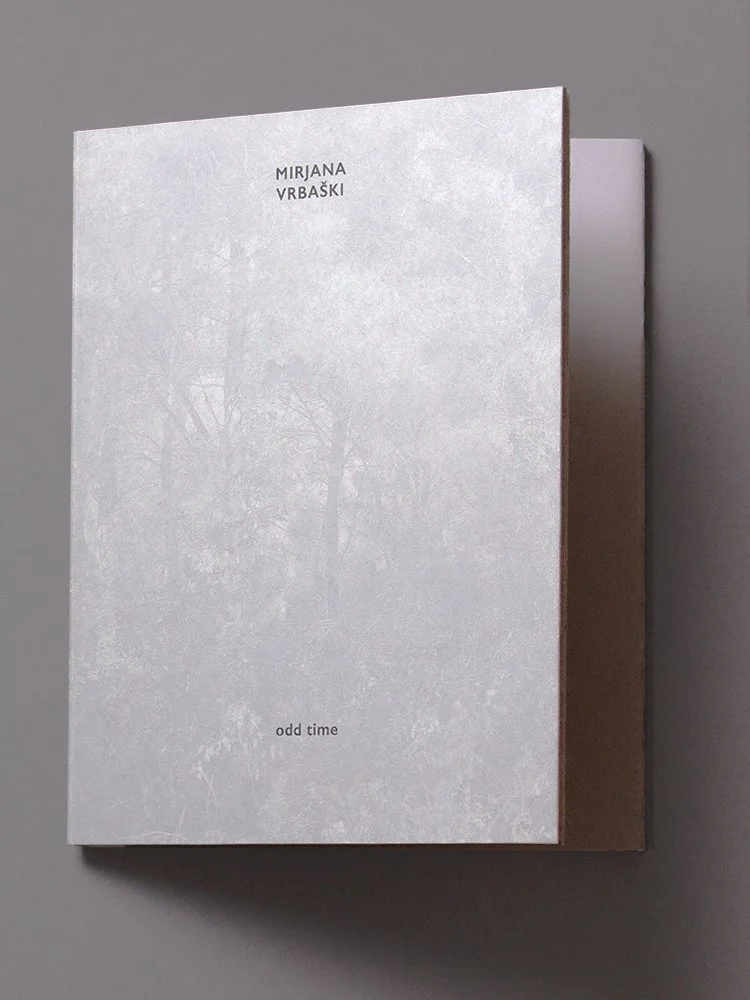
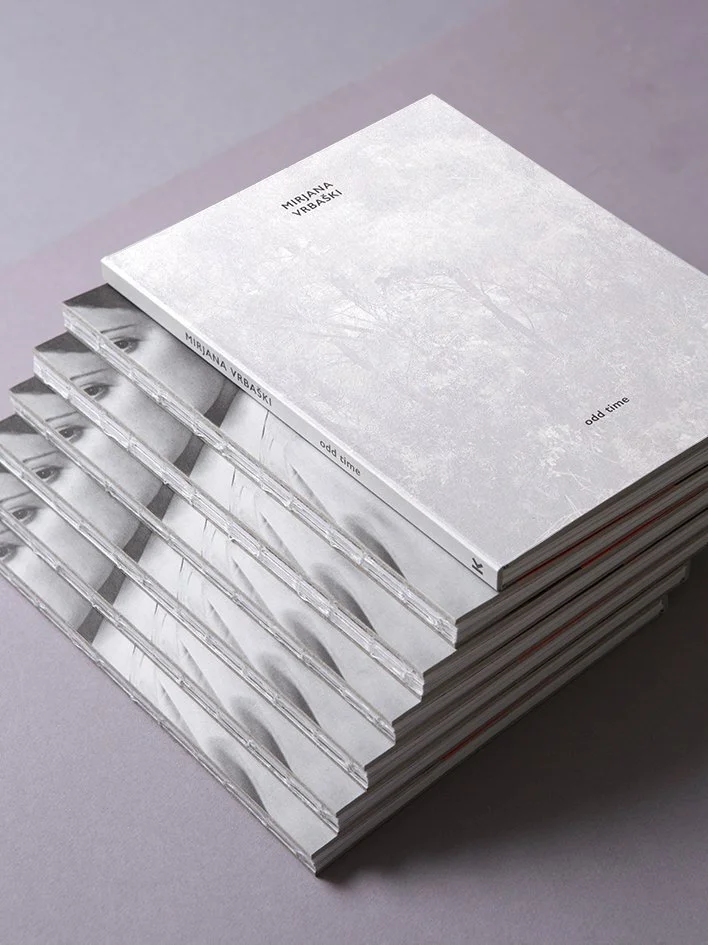
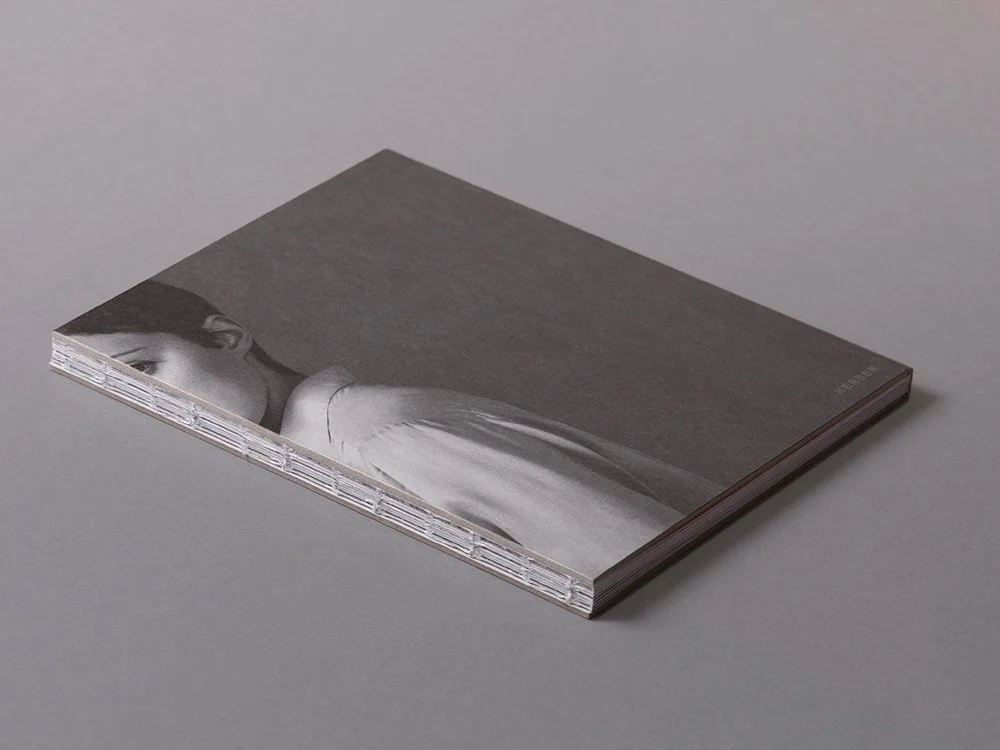
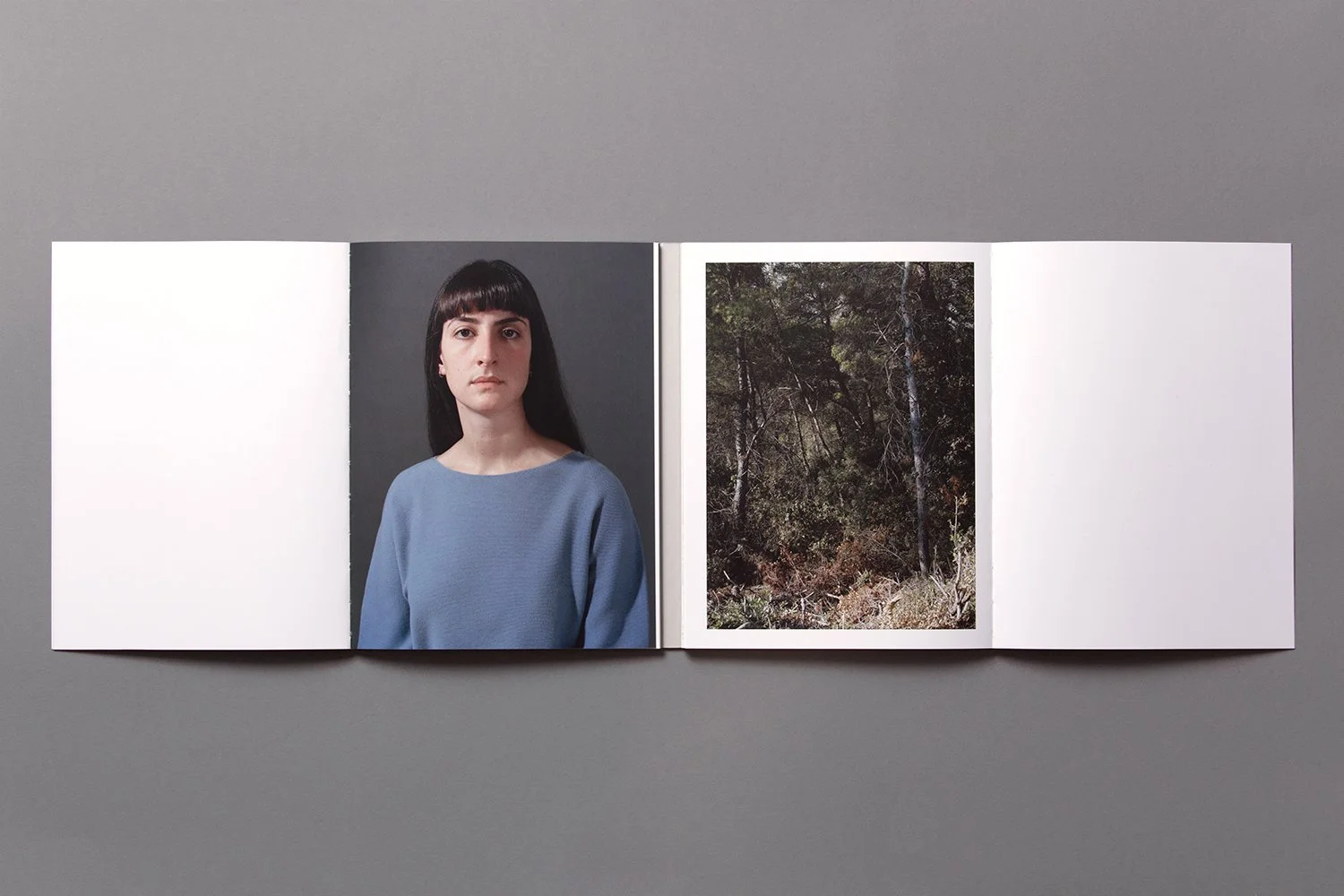
Genesis of the project: Odd Time juxtaposes austere portraits of women with cryptic forest scenes from the Dalmatian coast. What inspired you to combine these two seemingly disparate subjects, and how did this concept evolve?
Very often, my work seems to be ahead of me. Contrary to artists who develop a concept beforehand, I start with photographing. While doing that, I allow myself to be guided by a deeper impulse that I’ve learned not to question. This approach always seemed natural to me but it became fully valid after a conversation with a mentor I used to work with, about the ways to safeguard intuition: “When you photograph, keep your head turned off,” he advised me.
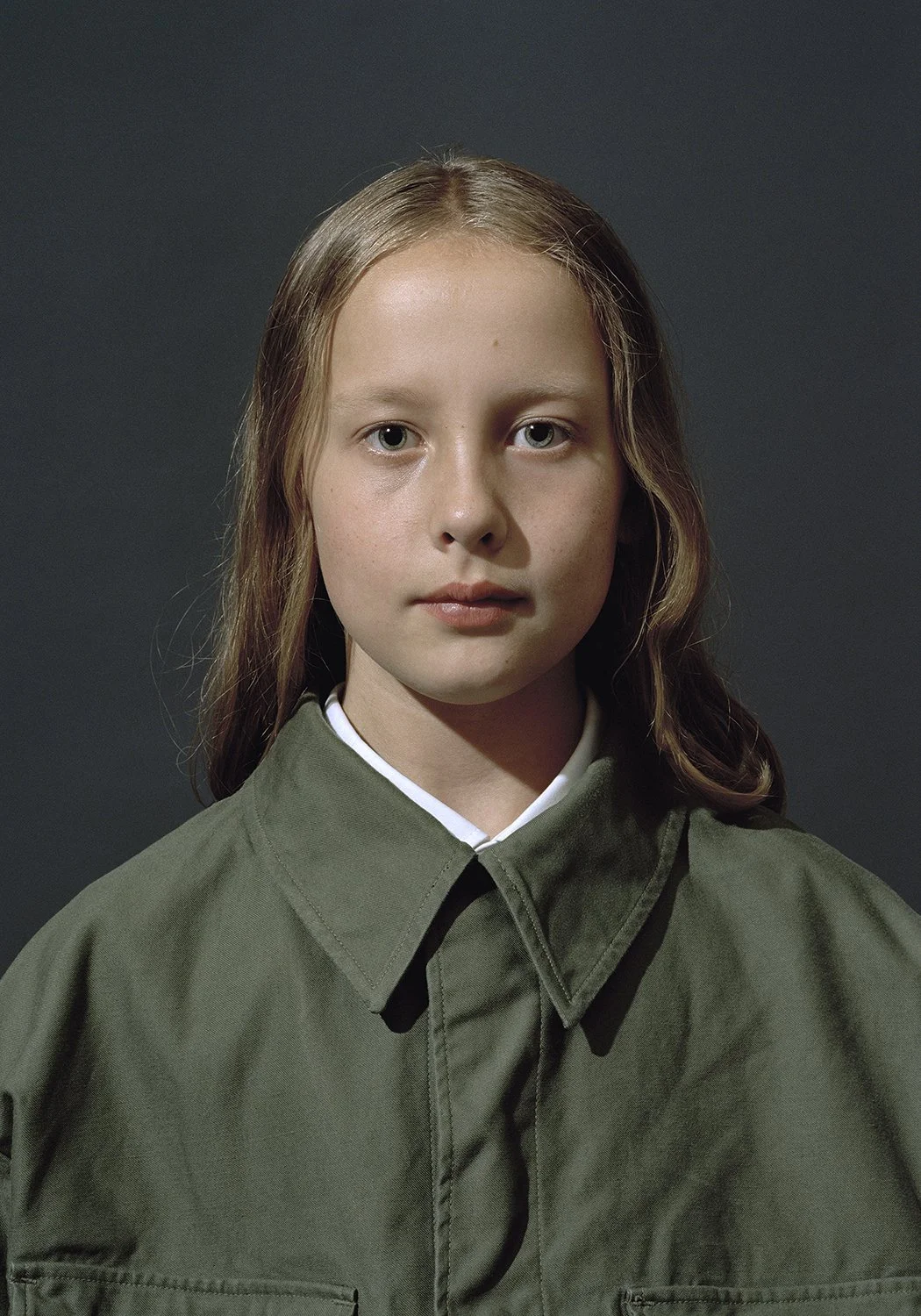
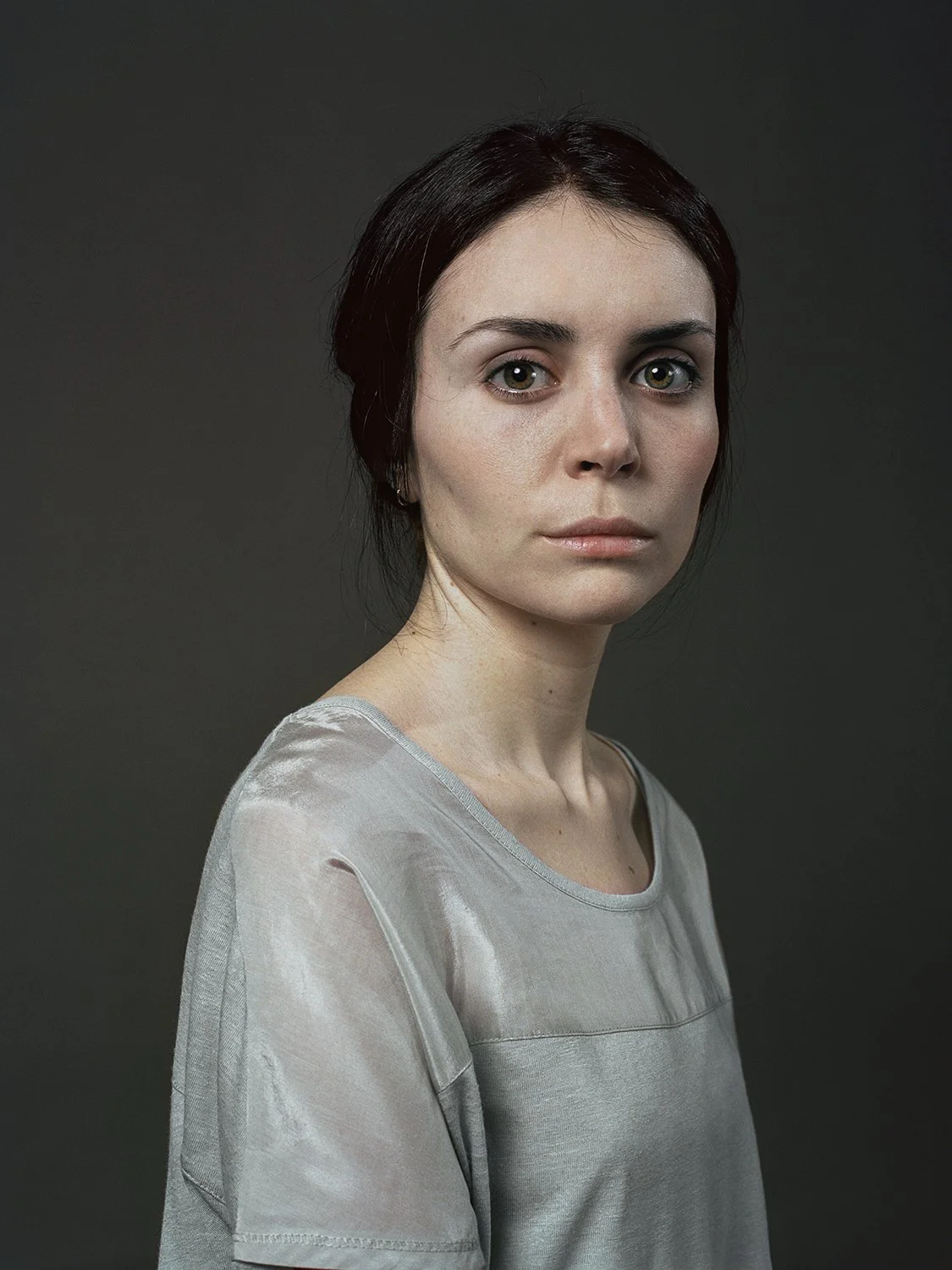
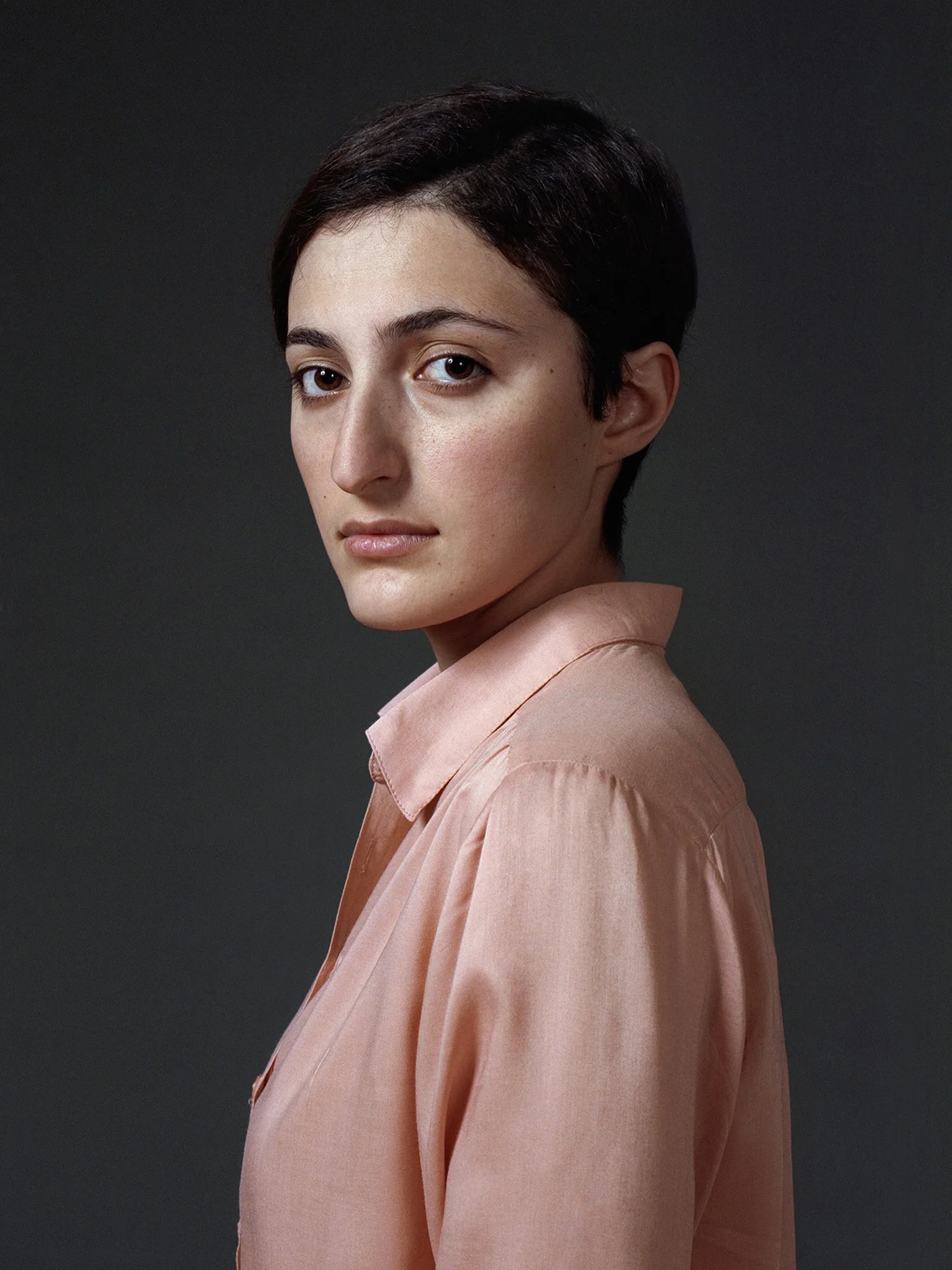
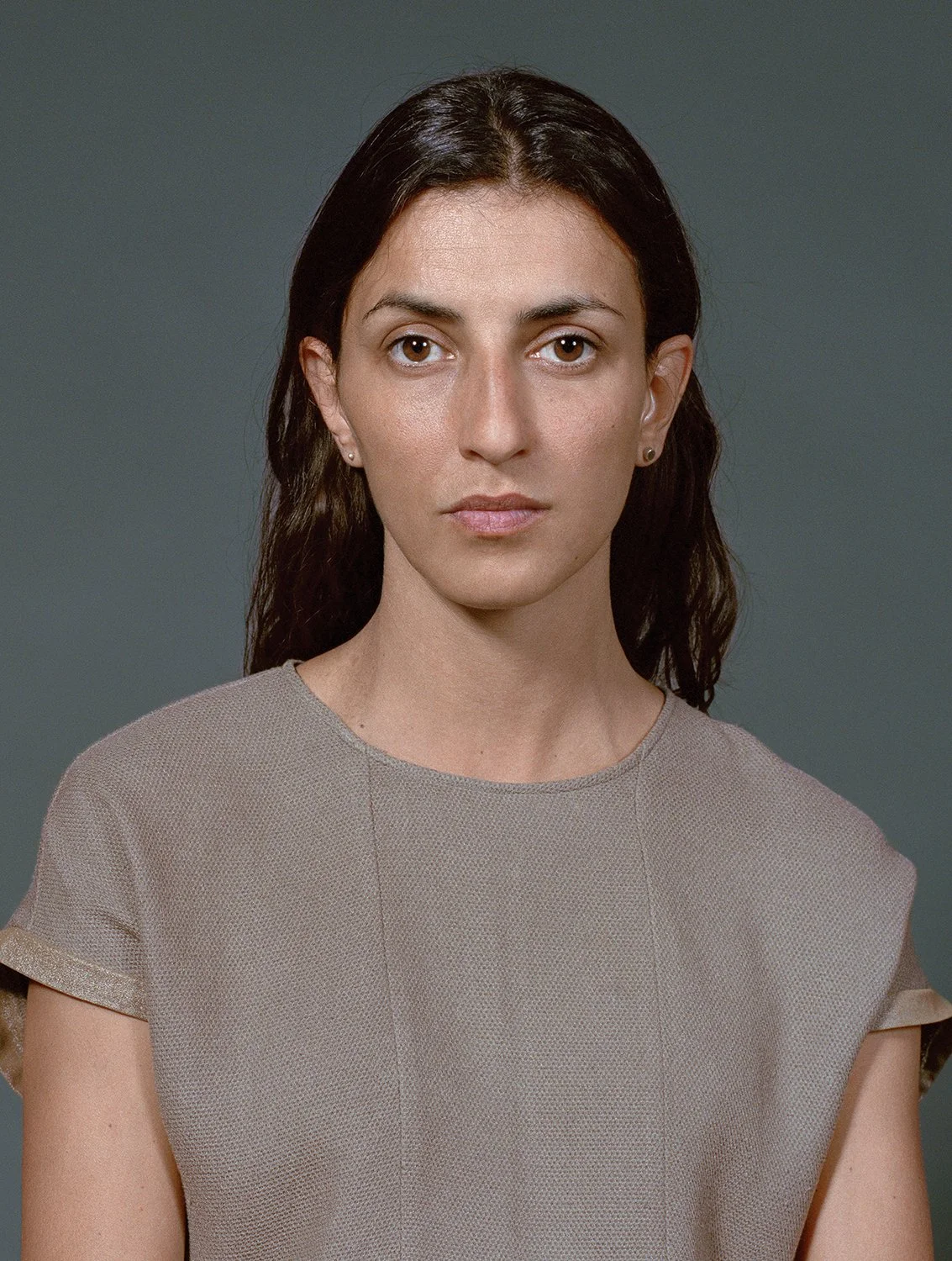
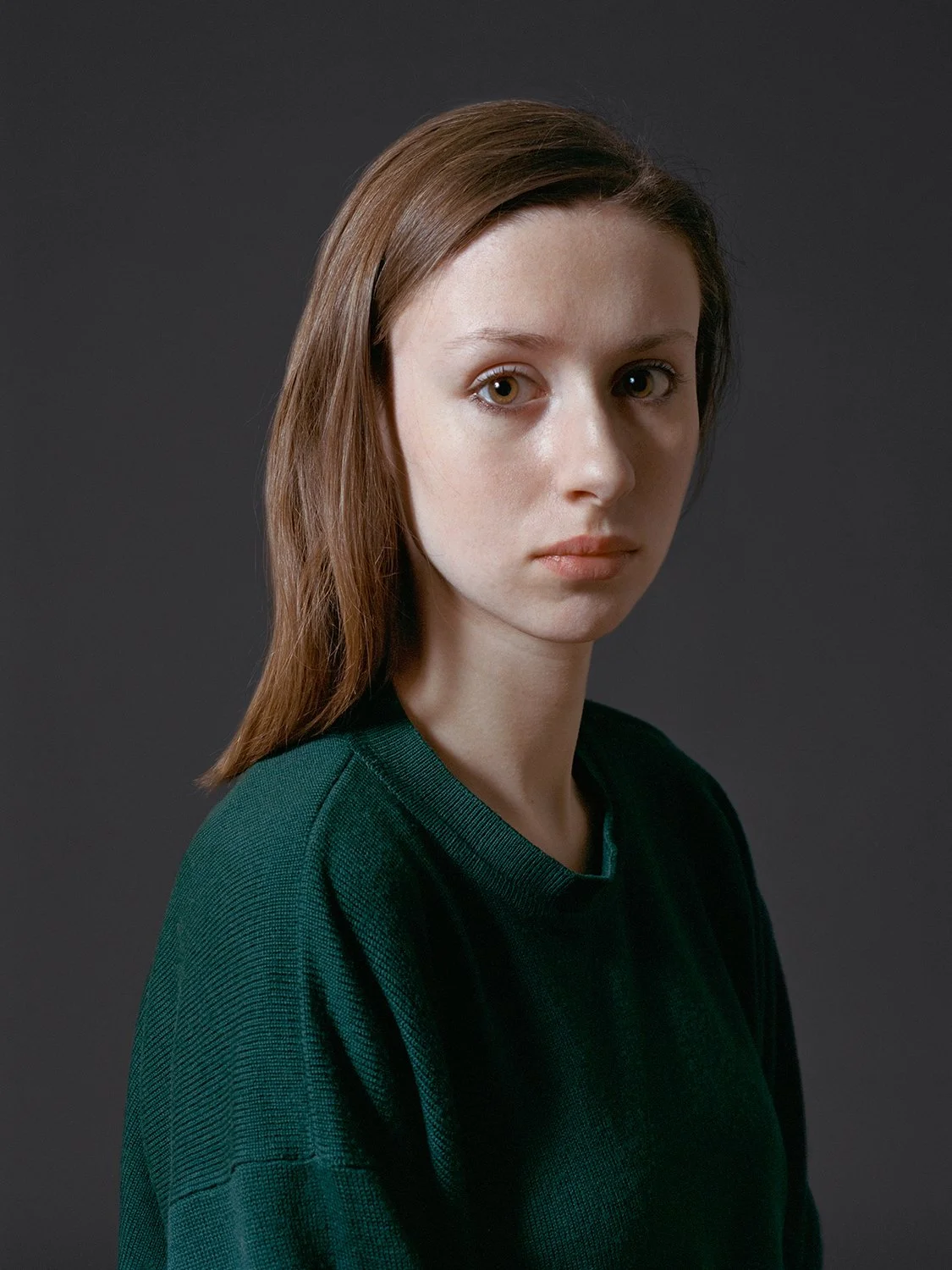
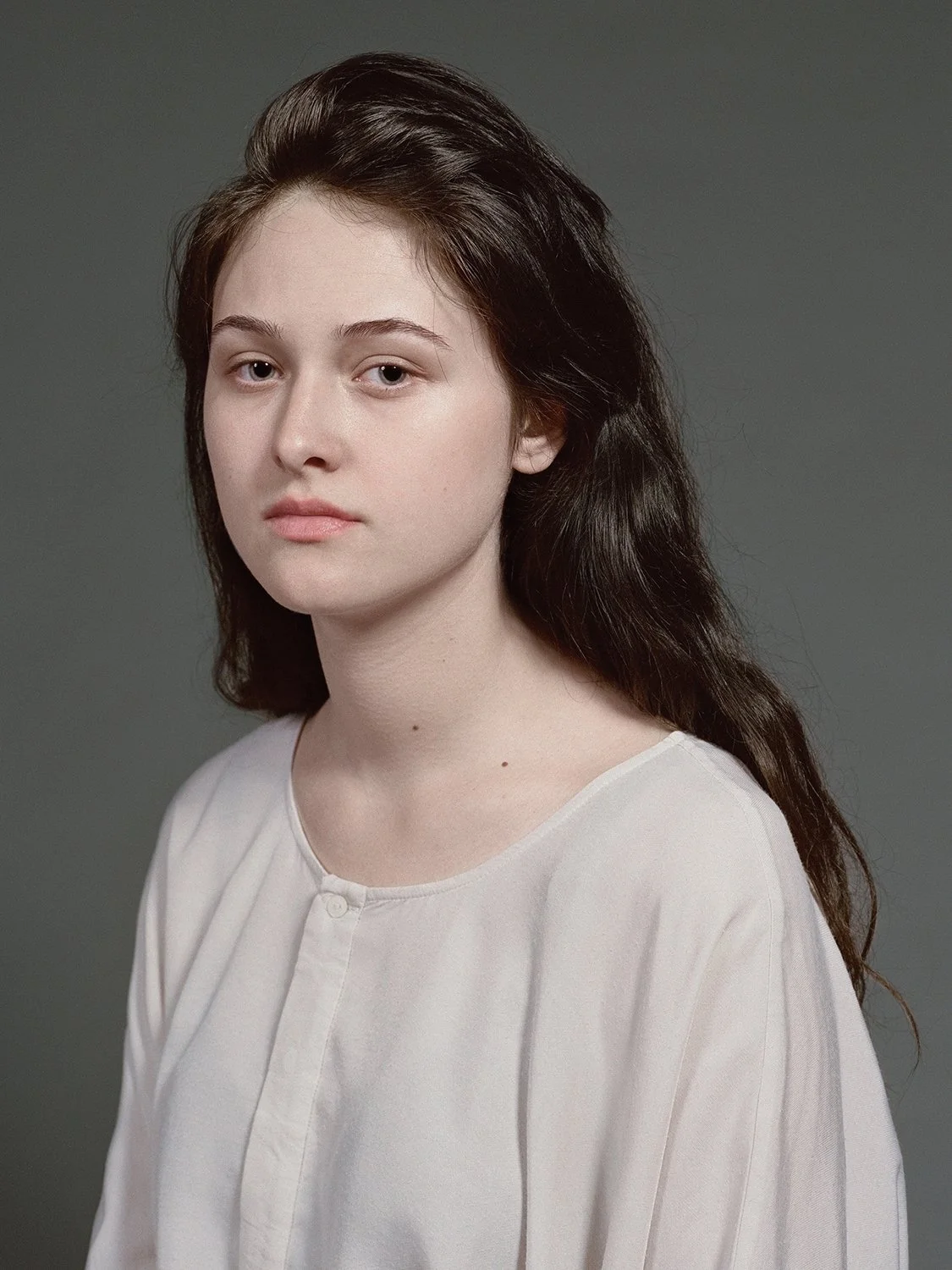
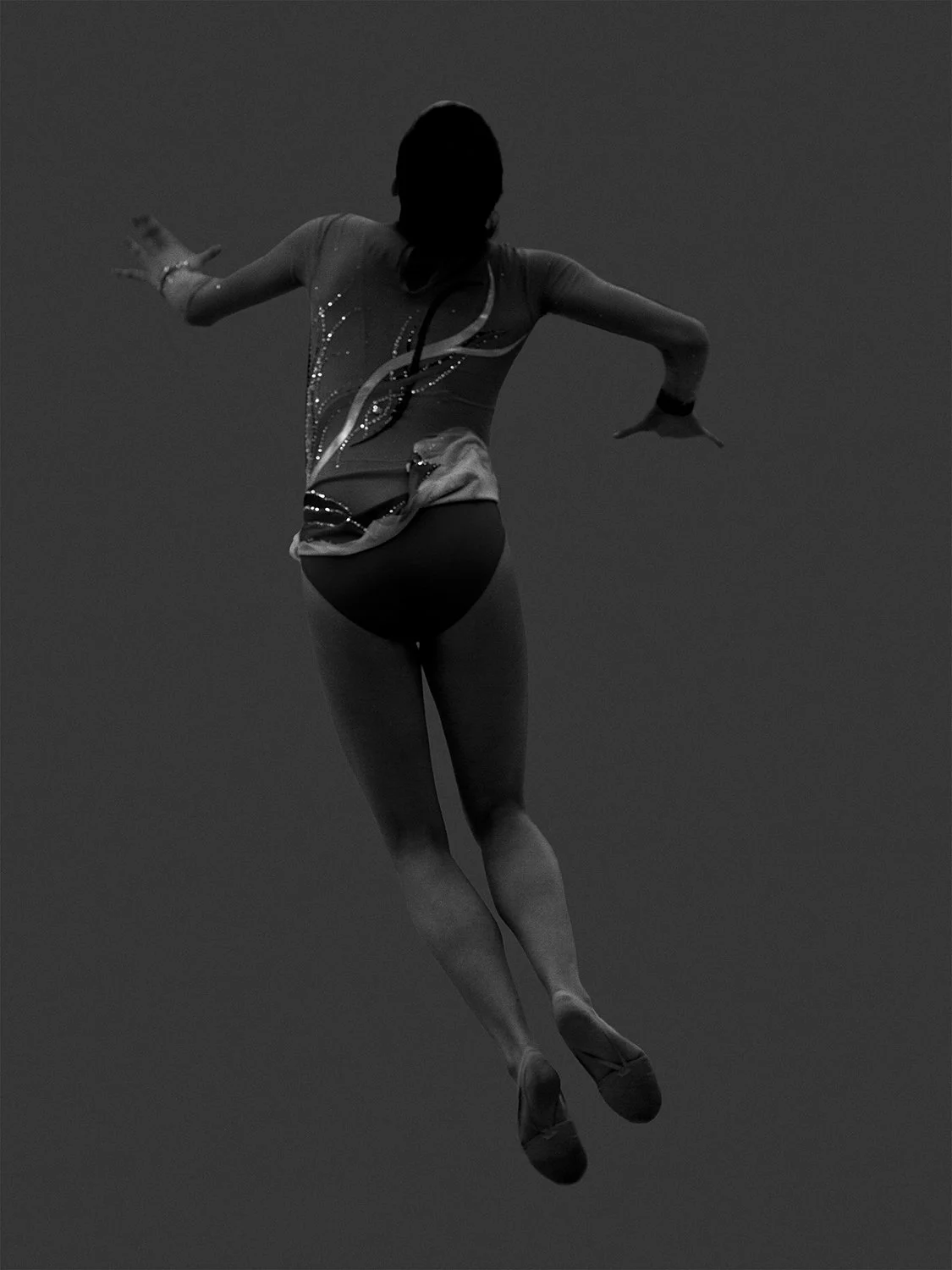
This approach characterises both bodies of work in Odd Time. I started making portraits of women in 2008, without a predefined ‘why’. Looking back, I can say that I was guided by a frustration: How can a two-dimensional image claim to show a person, if most human beings are too complex and contradictory to grasp even in real life, let alone in an image? The portrait seemed like an impossibility to me. But perhaps what was possible was to show a part of that complexity: The human being as an infinite system, a universe contained by the body we see on the image. Photographing became an act of first anchoring a person in themselves and then peeling away layers of visual clues to reveal a more universal quality. In an accompanying publication, I wrote: “I want to sculpt my sitters inward until they are hollow enough to echo.”
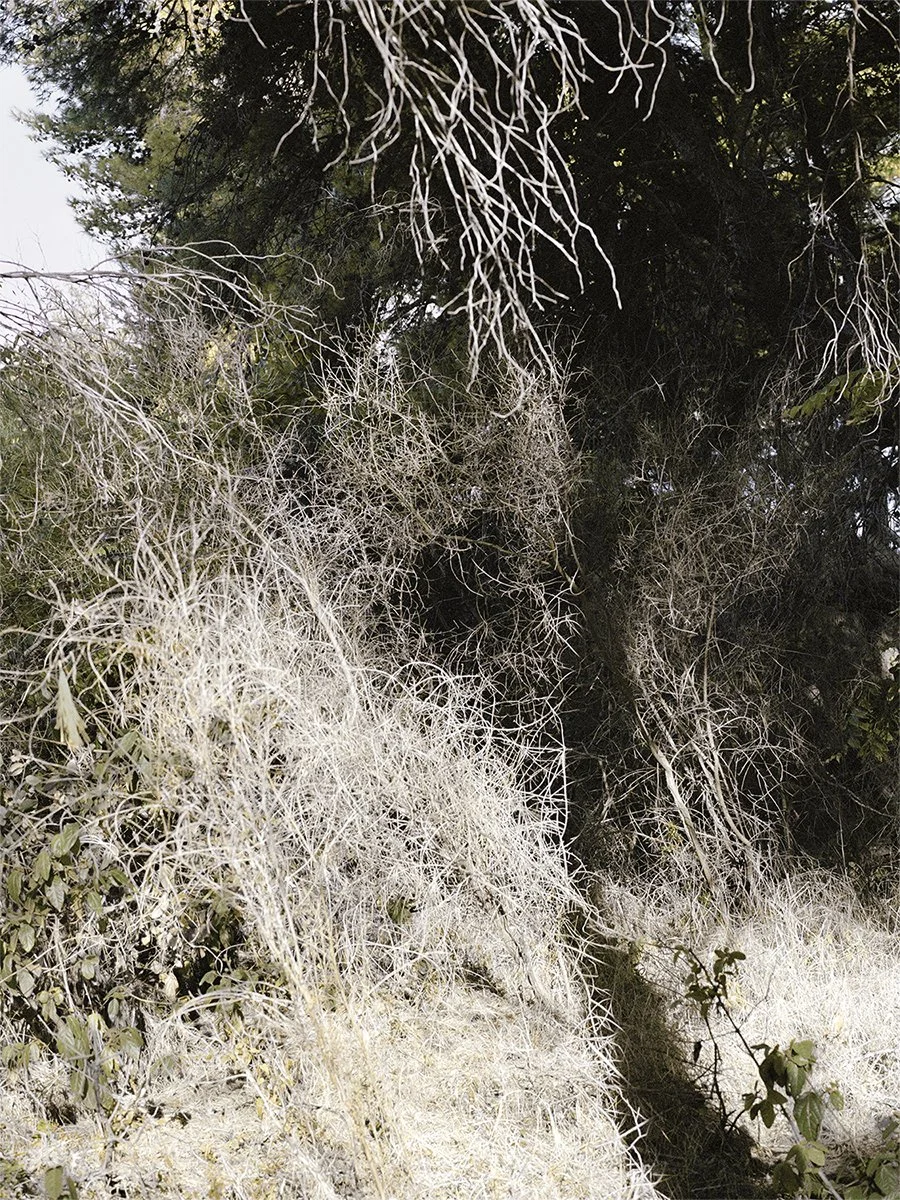
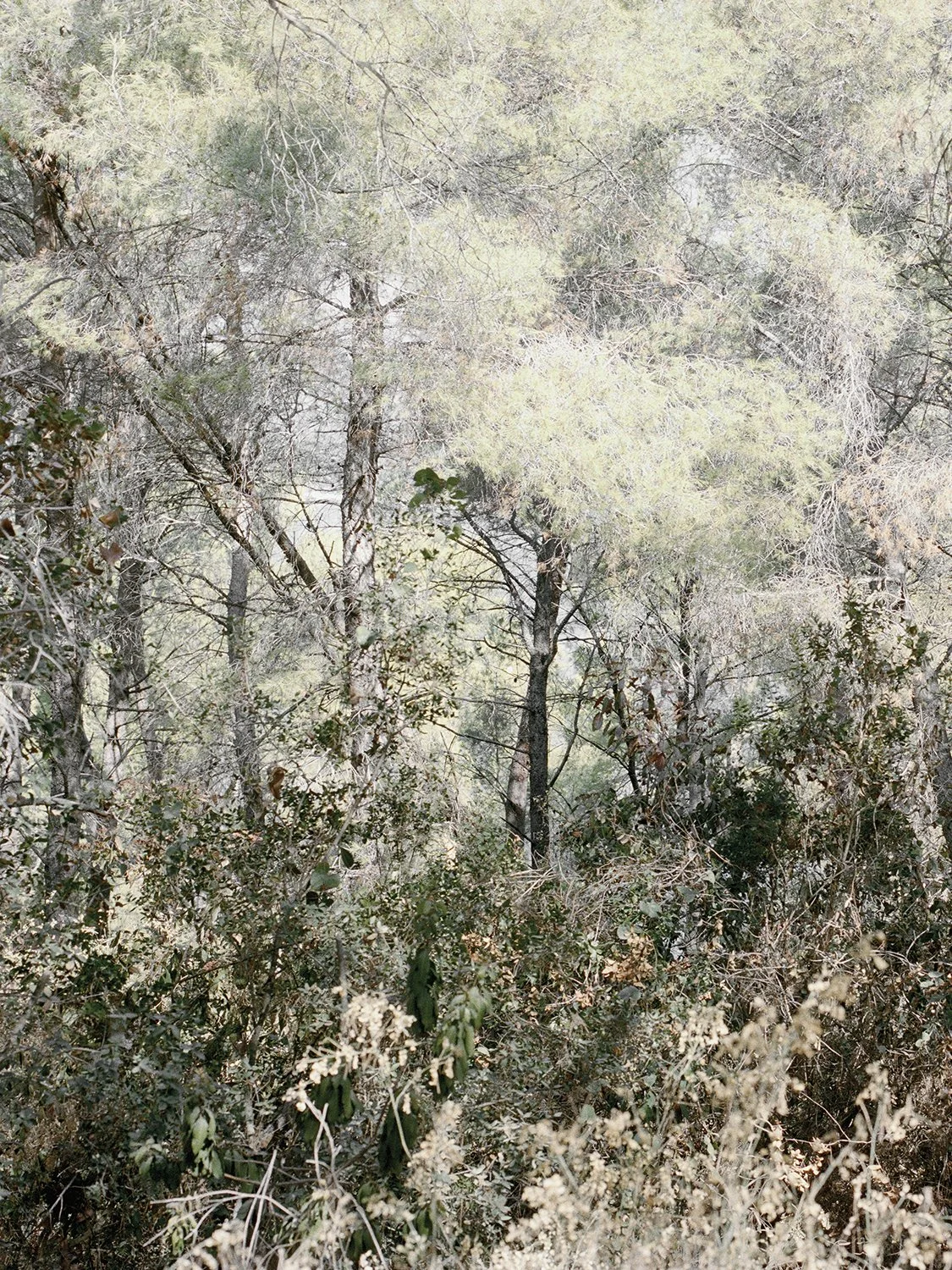
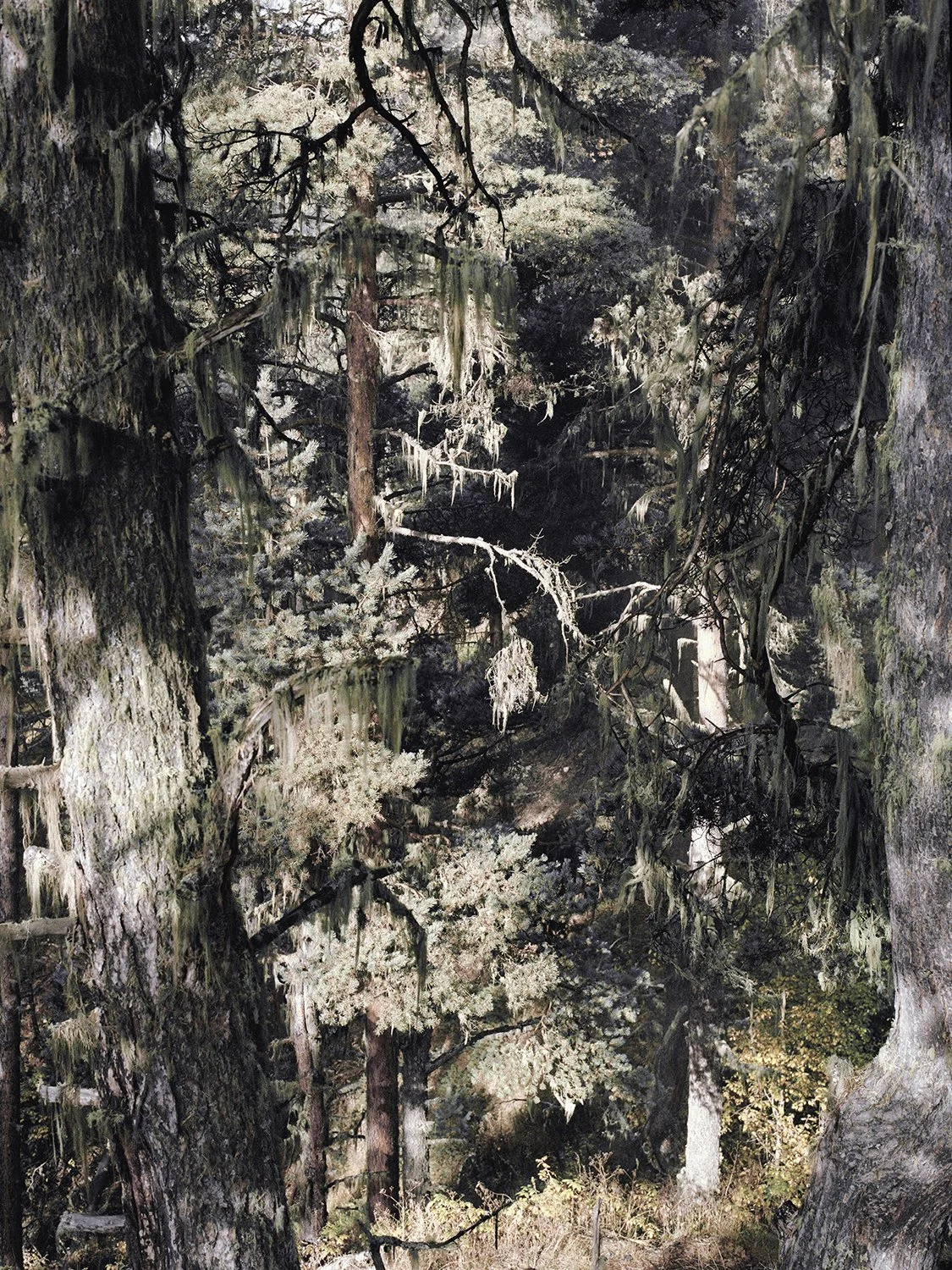
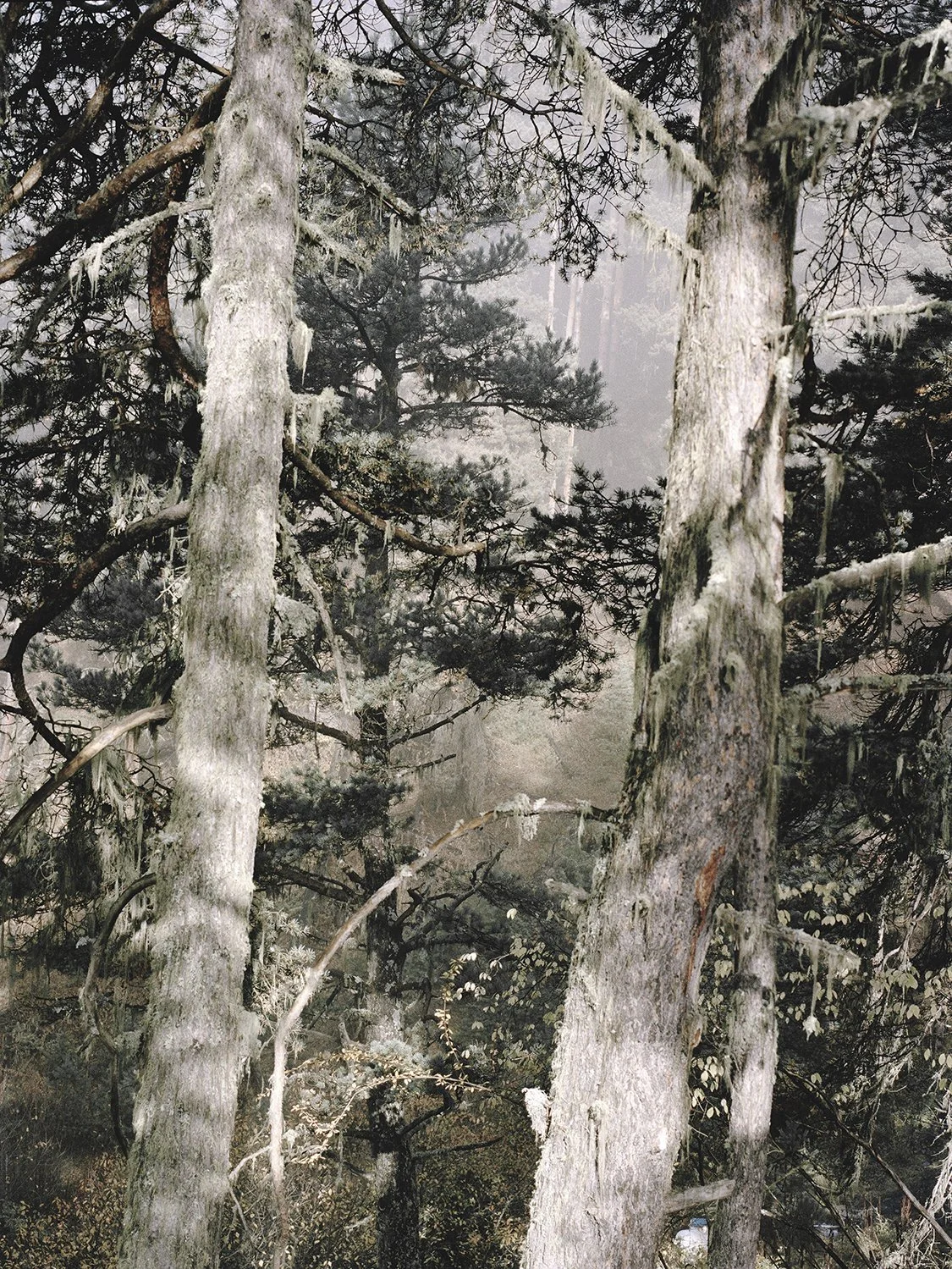
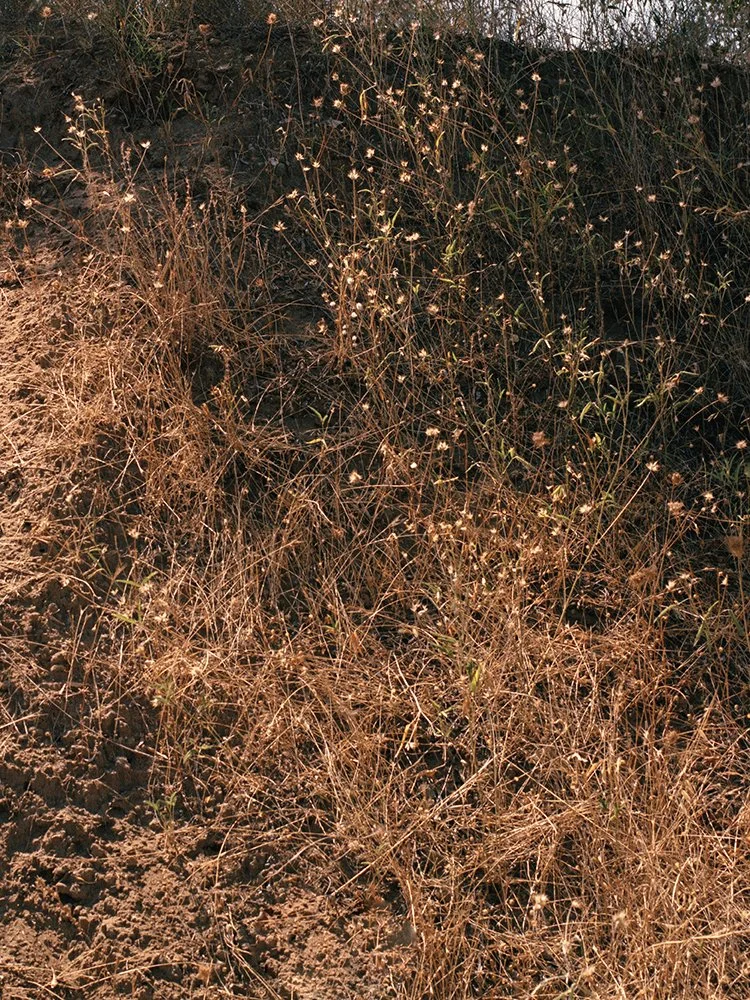
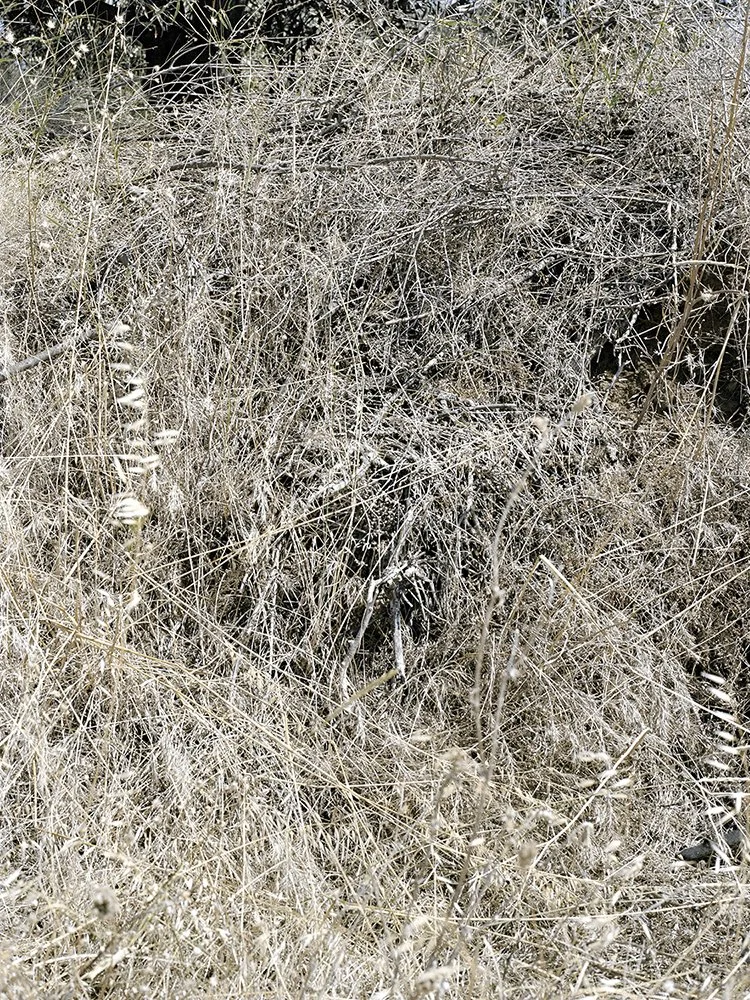
In 2016, I felt an urge to expand my subject matter, followed by an intuitive impulse to photograph forests. In contrast to the slow, controlled approach to making portraits, the forest scenes were made faster, almost in movement, barely stopping. When I entered the entangled woodlands of the Adriatic coast, they pulsated eerily in the summer heat. The sound of the cicadas brought on that feeling one gets at noon in the Mediterranean, the feeling that time has stopped yet an ominous process is taking place ‘underground’. I had an overwhelming sense that these forests were brimming with knowledge that felt both familiar and mysterious.
Looking at the two series next to each other, their relationship seemed natural to me. Visually worlds apart, they spoke of similar universes — a person, a forest ecosystem — both made up of complex, interdependent networks of relations, and both themselves interconnected. It became obvious that they belonged in the same book.
In that sense, the title Odd Time references a number of thoughts that were preoccupying me at that time: the strangeness of life; the oddness of the creative process that asks me to trust intuition without knowing its intention; and the beauty of the musical rhythm known as ‘odd time’ that somehow seems to embody all of that.
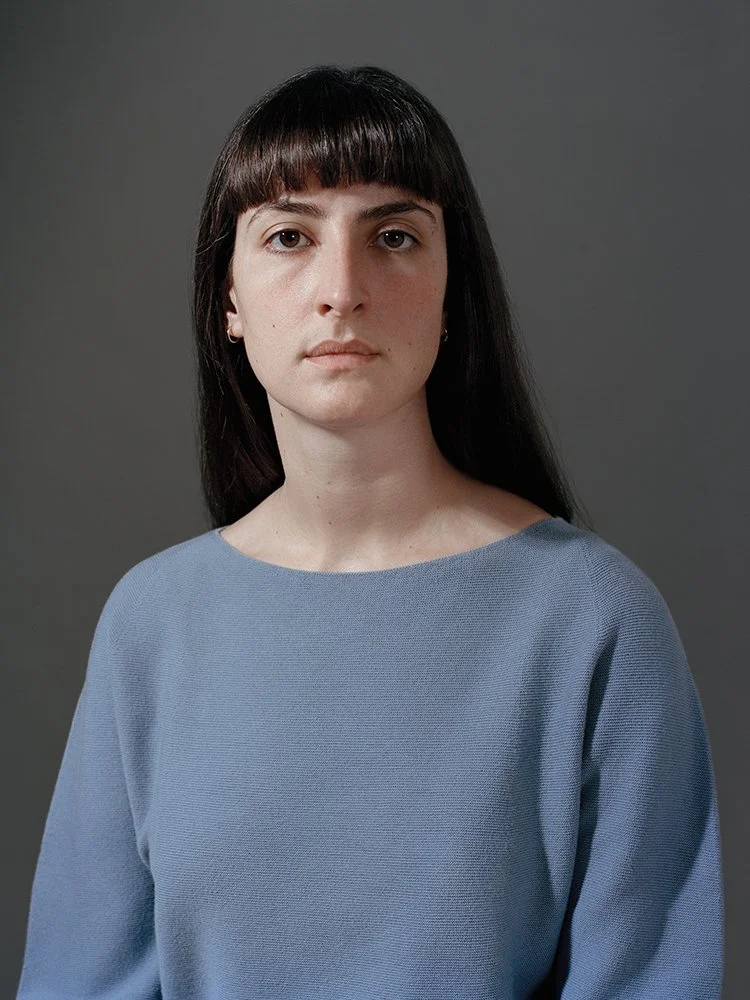
You said, “I want to sculpt my sitters inward until they are hollow enough to echo.” That’s a striking image. What does it feel like in the moment when that “echo” happens during a portrait session?
Moments like that are intensely beautiful but they are also short and fleeting. Often, a photoshoot feels like an uncertain search. Sometimes, when things are right and elements align in ways that feel beyond my control, it feels like everything, even time, stops and only concentration remains. Such moments feel like receiving a sacred gift, though — and I am sorry to say this — the images made in those moments aren’t always the ones that get chosen later. Sometimes they do, but sometimes another image, made in passing, in a much more unassuming way, resurfaces to reveal a gentler, more quietly touching quality.
Influence of musical rhythm: The sequencing of Odd Time is modeled after the asymmetrical musical rhythm known as “odd time meter,” native to Southern European musical traditions. How did this influence shape the structure and flow of the book?
‘Odd time meter’ describes a rhythm that, contrary to predominantly symmetrical western European rhythms (2/4, 4/4), relies on asymmetry. It is irregular and complex and includes either a missing beat or a beat too many — 5/4, 7/8, 9/8 — which makes it difficult to follow rationally. Odd time is common in the traditional music of Greece, Macedonia, Montenegro, Serbia, and as such, ingrained in my cultural fabric. When making the book, the graphic designer Hannah Feldmeier and I felt it was important to incorporate this feeling of intuitive irregularity in how we sequenced images and how we created ‘gaps’ by using blank spaces. We also mirrored the enigmatic aspect of odd time meter by giving the book an altar format, which in turn left a choice for the viewer: They could decide whether to view the portraits and the forests simultaneously or separately. This undefined space was important to us.

Cultural and personal influences: Having left Belgrade at 16 and lived in various countries, how have your experiences of displacement and nostalgia influenced the themes and aesthetics of your work?
At 16, having just arrived in Canada while Yugoslavia was disintegrating, Czeslaw Milosz’s essay ’On Exile’, which he wrote for Koudelka’s Exiles, found its way into my hands. As it had probably done for many with a migrant experience, it brought me consolation. On the one hand, it recognized and named my initial confusion: “Among the misfortunes of exile, anxiety of the unfamiliar holds a prominent place.” He spoke of cultural codes, routines, and familiar points of reference which deeply enmesh us into our cultures and countries of origin; give us stability. On the other hand, he offered perspective: “The only remedy against the loss of orientation is to create anew one’s own North, East, West and South […]. What has been lost is recuperated on a higher level of vividness and presence.” As an adolescent that has crossed the Atlantic without family other than an older sibling, I took these words as directives. The artistic universe — the relationships I developed, the friendships I formed and the art I made — became that North, East, West and South. Today, when asked “Where is home?”, I know that Belgrade and Berlin are where my heart is. But I also know that, were those two to disappear off the face of earth, there still would be a home — in my work and the people that I love.
Portraiture approach: Your portraits are noted for their simplicity and depth, often compared to the tradition of Dutch masters. What is your process for engaging with your subjects to capture such profound images?
Even though the aim of my portraits is to create a sense of connection, a kinship, or even of a sisterhood, it is important for me not to have a relationship with my models before photographing them. Through years of trial and error, it became clear that best portraits result from working with complete strangers and predominantly in silence. This is an odd process, filled with tension, but it allows both the sitter and me not to have expectations; to be open for what might arise out of our unique interaction. Each photoshoot is relatively long, in which time I attempted to make the sitter settle in herself and let go of practiced forms of presenting herself, of controlling her image. Once we reach this trusting territory, I can start searching for an expression that feels genuine.
Role of the forest landscapes: The forest scenes in Odd Time are described as cryptic and haunting. What do these landscapes represent in relation to the portraits, and what emotions or ideas do you aim to evoke through them?
I feel that ecosystems found in the natural world are mirrored in the fabric of our human bodies: the venous system resembling river networks, the human microbiome resembling the coral microbiome. Across cultures and mythologies, the natural world is often used as a metaphor, with forests traditionally representing the unconscious, rivers symbolizing life etc. Fascinatingly, forests are also seen as bridges between the natural and the supernatural world. In Odd Time, they are the connection between our inner worlds and the natural world to which we belong.
You mentioned that the forest scenes were made quickly and almost instinctively, unlike the slower process of making portraits. Do you think that kind of speed or urgency changes what the camera is able to reveal?
When making portraits, I felt like both my sitter and I were searching. We were forging a new territory and we were searching for clues together. Working with a forest was completely different. It was like entering a sacred place that had its own vast intelligence of which I could receive glimpses, if I am attentive. The flow of my movement through this environment was about acknowledging that — as opposed to the studio, where I could control most elements — here I was a guest. It was about letting go of my pace and adjusting to the pace of the environment. Rather than searching, my role was to witness.
Book design and viewer interaction: The book’s design allows viewers to pair any portrait with any landscape, creating a unique experience. How did you and designer Hannah Feldmeier conceptualize this interactive format, and what do you hope it brings to the viewer’s experience?
Earlier, I had mentioned how, when making a portrait, I remove distractions until I feel that my sitter has become resonant. This idea of resonance, particularly of the viewer’s voice, is something Hannah Feldmeier and I gave priority to when making Odd Time. By this I mean that, just like with the portraits, here too it was important to leave space for the viewer’s interpretation and their frame of reference, their visual and internal world. This led us to create two parallel booklets, each a universe to itself. That I see them as related does not have to imply that they are related for everyone. They can stand on their own. For those who do want to combine the portraits with the forests, there are 144 ways to do so. Hannah Feldmeier’s talent and sensitivity were critical in giving the book its quiet yet resounding impact.

Interpreting ‘Odd Time’: The title suggests a dissonant experience of the world. How do you see this concept reflected in the current global context, and what conversations do you hope your work initiates?
Here again, I have to think about the work sometimes being ahead of its maker. Of art’s incredible power to anticipate. I wasn’t aware of just how dissonant of a direction the world was heading towards while making the book. Looking back though, I can see how Odd Time — with its concern with natural systems and how they reflect us and we them — set the scene for an evolution that my thematic scope has taken since, from existential themes in Odd Time towards a strong ecological stance and engagement in my new work. My current research draws inspiration from female writers such as Robin Wall Kimmerer and Astrida Neimanis, who examine models of coexistence on this planet that are sustainable and rooted in the replenishment and thriving of all life forms. Contributing to such objections through my work has given me new strength and hopefulness that is amplified by all those who share the same goal.
Advice for emerging photographers: Given your unique approach to blending portraiture with abstract landscapes, what guidance would you offer to photographers seeking to explore complex emotional and conceptual themes in their work?
What gets me through difficult moments in the creative process is to avert my attention away from expectations and to remain open — also to failure. If faced with obstacles, it’s important to stop staring at them and turn your head towards questions you’re curious to find answers to. A strategy that helps me translate emotional states into an image is to work intuitively, from trust rather than from knowing. If an image has an emotional impact, then there is something in it for me. Last but not least, it is important to work with others. I rarely select my images alone because I might overlook something important. And I love seeing how — like new synapses forming — work expands and gains dimensions in the hands of a sensitive curator, gallerist, or a writer.
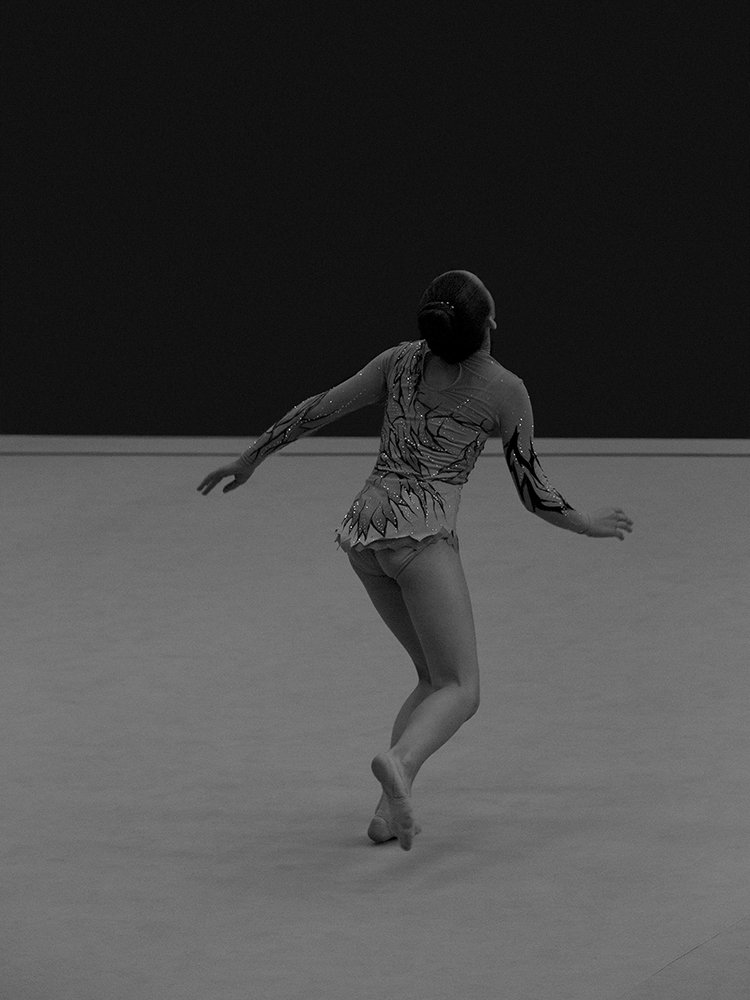
Has that way of working ever led you to make something you might not have created if you had followed a clear concept from the start?
I truly believe that intuitive intelligence is crucial in creating art, at least in my case. This involves a lot of listening to what the work needs. In that sense, there are often beautiful surprises that one could not have planned. On the other hand, the creative process is much more than intuition. It is also reflection, analysis, choice and organization. Not starting with a concept does not mean there is no concept whatsoever. It just means that knowledge other than the rational leads certain aspects of the process. As the first images get made, an intention slowly starts to form. Once that seed has sprouted, I shape and guide it consciously and with much consideration.
To discover more about this intriguing body of work and how you can acquire your own copy, you can find and purchase the book here. (mirjanavrbaski.com, Kerber Verlag, Amazon)
More photography books?
We'd love to read your comments below, sharing your thoughts and insights on the artist's work. Looking forward to welcoming you back for our next [book spotlight]. See you then!
Robin de Puy could no longer make this project alone. She first photographed Randy in Ely, Nevada, during a 2015 road trip and kept returning to him for more than ten years. Interviews