How Jonathan Jasberg Captures Candid Photos That Feel Cinematic, Intimate, and Real
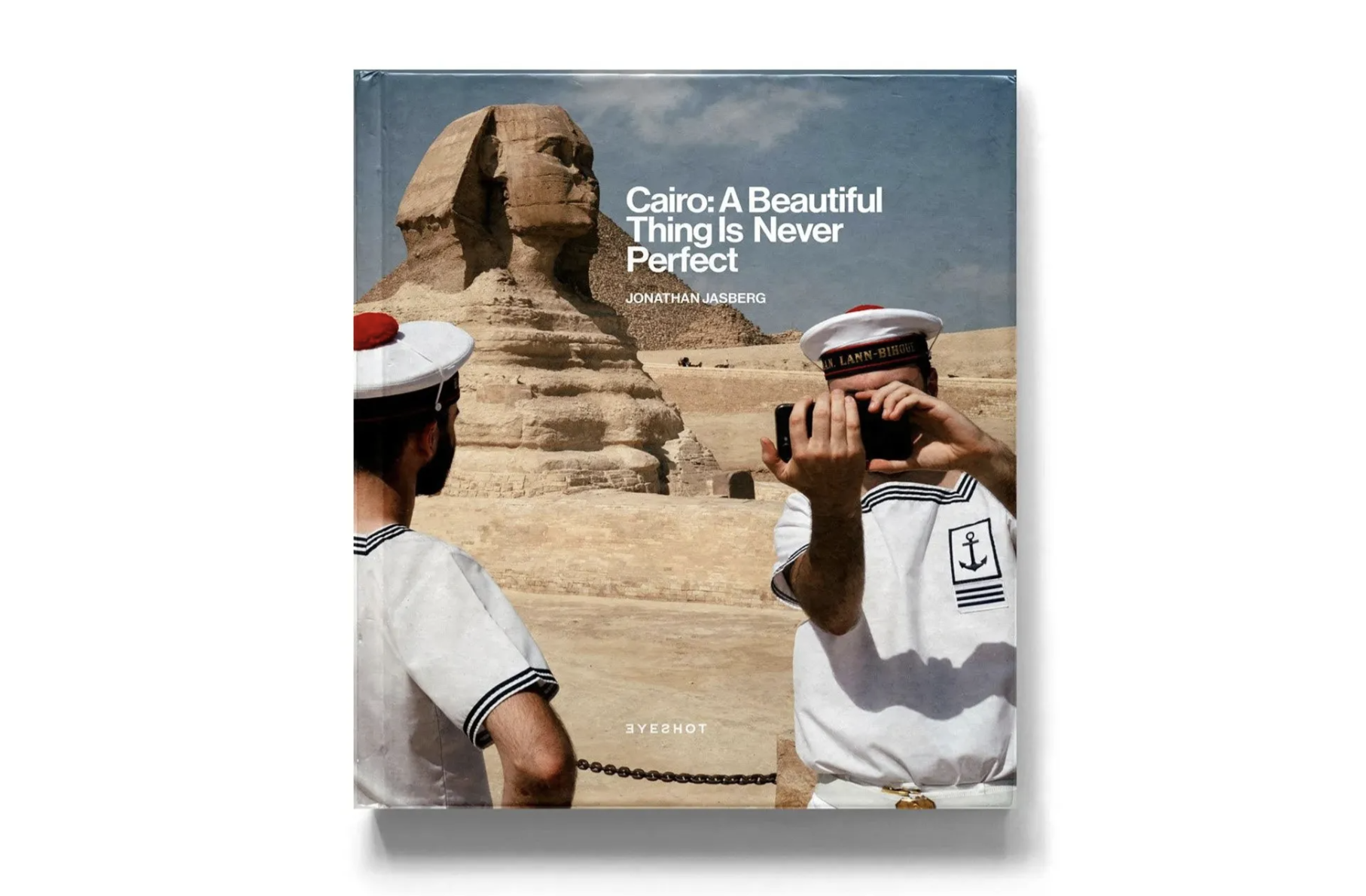
Welcome to this edition of [book spotlight]. Today, we uncover the layers of art and photography book 'Cairo: A Beautiful Thing is Never Perfect,' by Jonathan Jasberg (published by Eyeshot). We'd love to read your comments below about these insights and ideas behind the artist's work.
These street photos look effortless. But they’re hard-won.
Jonathan Jasberg spends hours walking, waiting, and watching, just to capture one frame that feels alive. He doesn’t rely on luck or dramatic scenes. He looks for quiet, layered moments that hold emotion. He travels full-time with only a camera and a carry-on, building long-term projects from curiosity and instinct. It’s a slow process. But the result is work that feels cinematic, intimate, and real.
This is not the kind of photography you rush.
Jonathan might spend 30 minutes on one scene, hoping for a split second where everything comes together. He shoots deliberately, reviews every day, and constantly asks whether he left too soon or got too comfortable. There is no formula. Just daily practice, reflection, and a willingness to miss good shots in search of great ones. His photos are about presence, patience, and personal taste.
These street photos don’t depend on luck. They’re earned.
The Book
Cairo: A Beautiful Thing Is Never Perfect is Jonathan’s photobook on everyday life in one of the world’s most complex cities. The title comes from an ancient Egyptian proverb, capturing his interest in scenes that feel imperfect but deeply human. Shot over multiple visits, the work moves beyond tourist landmarks to explore ordinary streets and overlooked moments. It’s a personal and unfiltered portrait of Cairo, shaped by patience, curiosity, and time spent walking with no fixed goal. Published by Eyeshot in 2024, the book features 164 pages of candid, atmospheric street photography (Eyeshot)
You’ve been traveling full-time since 2010, photographing life in over 60 countries. How has that long-term immersion shaped the way you see and photograph the world? - Martin
It’s been a gradual process. It wasn’t like I just jumped from not traveling at all to suddenly going full-time. And in the beginning, it wasn’t even about photography. It started more from a curiosity specifically, a curiosity about Japan.
To give you some background, I hadn’t traveled anywhere outside the U.S. before that. I grew up in Arizona, and I didn’t even own a passport. After I graduated from university, it took me a while to pay off student loans and get into a position where I could actually travel.
Once I finally could, I was really inspired by the book Shōgun, and I developed this fascination with Japan. So it started with a two-week trip. When I came back, I was incredibly motivated I wanted to learn Japanese well enough to read classic authors like Akutagawa Ryūnosuke. I threw myself into that and kept focusing on how to get back to Japan as often as possible.
By that point, I already had a love for photography, but I was still working as a software developer that’s how I was making my living. Photography was just a hobby on the side. But over time, that started to shift. I was traveling more and more, spending longer stretches on the road.
When COVID hit, that’s when everything changed. I stopped doing software completely and made the leap into full-time photography. So it’s been quite a long journey, about 15 years now? And my lifestyle has changed drastically along the way.
For the past 10 years, I’ve been living full-time on the road. I travel with just a carry-on suitcase, which most people find hard to believe. I own very little just one camera and I try to keep things really simple. I like having an agile lifestyle because I’m not just chasing assignments; I’m following my interests. My focus is on personal projects first and foremost.
I still make it back to Japan pretty regularly usually once or twice a year if I can. Aside from that, I’ve been spending time in places like Egypt, India, and Mexico, where I have long-term projects that are evolving naturally, just by being there and exploring what draws me in.
That’s kind of how everything unfolded. It’s been a slow evolution, and now I’m lucky enough to do this full-time. I’m incredibly grateful. It’s pretty amazing. - Jonathan Jasberg
That’s interesting because you said COVID pushed you into photography full-time, which kind of surprises me. I would’ve expected the opposite, especially with software booming during the pandemic.
Haha, yeah. It’s funny. I actually entered Japan about a week before the lockdown. I ended up spending the first six months of the pandemic there, and honestly, it was an incredible time to be in Japan. There were no tourists none of the usual crowds. That made it possible to photograph scenes that are normally packed. I was photographing in Kyoto, especially in the geisha district of Gion, and because there were no tourists, everything felt completely different. The locals were out in the streets, enjoying their neighborhood in a way they hadn’t in years. It created this rare atmosphere something really unique to witness and capture.
Not long after that, when COVID hit, I lost my job. But photography had already been a big part of my life I’d been doing it seriously on the side for quite a while. So it just felt like the right moment to transition. I wasn’t interested in going back to software it just didn’t inspire me anymore. That’s kind of how I move through life. I follow inspiration.
Of course, I spend a lot of time thinking about these things but there’s also a certain amount of spontaneity. I try to trust that if I’m moving toward what feels right, things will fall into place. And so far, that’s exactly what’s happened.
Before photography, you studied filmmaking, right? How does that cinematic background influence your approach to street photography?
I’ve always been drawn to film just the idea of visual scenes and storytelling. Ever since I was a little kid, I wanted a camcorder. My parents had one, but we weren’t really allowed to use it. Still, whenever we could, I’d be making little short movies.
In high school, I took film classes all the way through. And when I started getting into photography, the images that really stayed with me were the ones that felt cinematic. I remember the first time I opened a Gregory Crewdson book his photos looked like full-on movie sets. Massive lighting setups, carefully staged scenes these big, atmospheric productions packed with mood and emotion. I hadn’t realized photography could do that. It really opened something up for me.
Same with someone like David LaChapelle. His work is completely different in tone, but the scale and ambition of his productions had a similar effect. It showed me that photography can be just as expressive and immersive as film.
I was really drawn to that cinematic way of seeing of building scenes and I think I’ve kind of adapted that into the way I shoot. I don’t use big cameras or lighting rigs or anything like that, but I still think in those terms.
When I’m out photographing, I approach a scene the way I might approach constructing a scene in a film. I think a lot about character. Not in a super conscious way it’s more instinctual. I’ll see someone and think, I like the way this guy looks, or there’s something interesting about how that person’s dressed. And that becomes the starting point.
So instead of building a frame around traditional compositional rules, I’m thinking more in terms of characters, lighting, and mood. It’s all about feel, really.
So what exactly are you looking for when you’re out in the field? I mean, your work is vibrant and deeply layered is there something specific you’re trying to find?
Yeah. I’m really drawn to genuine emotion and authentic scenes. I tend to be put off by anything that feels staged or self-aware especially when someone notices the camera and starts reacting to it.
That’s why in most of my photos, you won’t see people making eye contact with the lens. I know that’s something a lot of photographers look for that direct moment of connection but it’s usually not what I’m after. In some cases, eye contact works and adds something to the image. But generally, I don’t want my presence to be felt in the scene at all. At the same time, I want to bring the viewer into the photograph to share my fascination with the scene in such a close and intimate way that it becomes captivating.
That’s why I use a 28mm lens. It forces me to get physically close to what I’m photographing. But that also means I stand out especially because I’m usually a foreigner in the places I’m working. People are constantly noticing me. So it becomes this tricky dance: I want to be close enough to feel inside the moment, but without disturbing it.
I’m always looking for those moments, whatever they are. In street photography, you could go out with a specific shot in mind but for me, it’s more about curiosity. I step out with no idea what I’ll find, and that’s what I love most about it. I never know what I’m going to photograph or when the next good image will appear.
That uncertainty is what keeps it exciting. I just try to stay open looking for those small, human moments that carry emotion, something that resonates. And when I find it, I want to show it from a close perspective one that feels intimate but without making my presence felt.
That’s what I’m looking for, in the broadest sense.
You’ve said your complex candid images often start with a small detail that catches your eye. Can you walk me through what makes something worth stopping for?
I think one thing I find myself working on a lot is not setting the bar too high for what I consider worth stopping for. It doesn’t always have to be something dramatic. It can be something really small, almost insignificant.
For example, I was in Kyrgyzstan this past summer shooting for a phone company. I noticed this little patch of flowers and almost walked right past it. But I decided to get down close and take a better look. And once I was there, in the dirt, something just sparked. The creative energy came alive, and I remembered how much I love the process itself.
I knew the photo probably wouldn’t end up in the final work for the client. It probably wasn’t what they needed. But I didn’t care. I was enjoying it so much and I was totally willing to spend as long as it took exploring it. Maybe I’d get a good shot, maybe I wouldn’t. But I was fully engaged in that moment, just making small visual discoveries.
That’s how I try to approach photography wherever I am. Being okay with the fact that most of the time nothing will come of it. But if I do find something that catches my eye, I try to give it the attention it deserves instead of just taking a couple of quick shots and moving on.
A lot of my photos come from that mindset. I’ll be exploring something with curiosity, and then things I never expected start to appear. Sometimes it’s something in the scene itself, sometimes it’s what happens around it. And at that point, it often becomes a process of simplifying the frame. Just stripping away what’s not needed until something clicks. And things that detract from the image. So I think with a lot of my images, they may seem like they’ve got more in them than they actually do. It’s just that I’m effectively getting rid of things and presenting only the necessary elements. So maybe it’s two or three solid elements that you wouldn’t normally associate with each other, but when they’re well presented, it makes for an effective frame.
Once I find whatever that initial little thing is, that’s kind of what goes on in my head. I’m trying to figure out how it fits in best, what’s taking away from the image, and occasionally what else I can add in. Or what sort of different ways of looking at the scene might be fun to explore.
And yeah, I’ll spend however long it takes. It’s really just connecting with that sense of enjoyment and fun when I make that discovery that keeps me coming back for more.
So the funny thing about the horse or what turned out to be a horse photo when I was in Kyrgyzstan, is that the next day I was taking a photo specifically for the assignment. And I knew it was a photo for the assignment. It just wasn’t really my style. I remember going back that day thinking, I would much rather spend every day exploring in the dirt and not really coming back with much.
I did end up actually getting a photo I liked from down there in the dirt, more than from the photo I took that checked the box. I’d rather do that than just try to make a photo that is visually pleasing and guaranteed to check the box, but doesn’t really move any mountains. I don’t know if that makes sense.
But yeah, I really enjoy just finding those things I resonate with and having fun experimenting, looking for ways to show them in a frame that makes it work.
Is there a feeling you recognize when you’re onto something? Because I can imagine that over time, you start to develop a sense of, okay, this might be interesting, this might be something. Do you feel like you’re getting into those moments more consciously now? Or is it more that you just go into situations the same way each time, and only realize later that something worked? Do you look at the screen as you go, or do you just see it in the edit afterward?
I never check my screen. I never really have any idea in the moment. A lot of the time, I honestly don’t think I got anything. I’ve been out photographing with other people who ask me, “Did you get the shot?” and usually I say, “I don’t think so.” But then sometimes, when I get back and review, there’s something there.
I try to review my photos every day. I’m a huge advocate for daily review, but I don’t do it in the field. Unless I’m trying to achieve a specific effect like if I’m experimenting with motion blur and need to check whether an eighth of a second or a sixteenth works better I don’t see any value in checking while shooting.
If anything, I think it takes you out of the moment. You might miss something because you’re staring at the screen. You could easily miss the better shot by looking for the last one.
When I’m out, I just try to stay present. It’s more of a feeling. Sometimes I know I’m in a scene that has potential where it feels like something magical could happen, or that a photo could come out of it. But it’s rare. That feeling doesn’t happen every day. When it does, though, it’s great.
I’m perfectly fine with giving it however long it takes. One of my personal mantras, and something I often talk about when I’m teaching workshops, ties into this idea of reviewing daily. I ask myself three questions: Did I eject myself from the scene? Did I get ejected from the scene? Or did the scene evaporate?
What I mean is, a lot of the time we tend to be overly self-conscious. We go in, take one or two quick photos, and then we eject ourselves. We hear the voices in our head, we feel awkward, and we leave the scene before it’s really over.
The second possibility is getting ejected from the scene. That’s when you didn’t manage your presence well. Maybe the people in the scene weren’t okay with you photographing, and they tell you to leave.
And the third possibility is the ideal: the scene evaporates. That means you stayed with it, and the scene ran its natural course. Most scenes have a lifespan. They start quietly, they build to a moment, and then they disappear. That can happen in ten seconds or ten minutes.
I ask myself those three questions not because I expect to get it right every time, but because I want to challenge myself. If I’m never getting ejected from scenes, then I’m probably not pushing my limits. I’m not experimenting. And if I’m not experimenting, I won’t make mistakes. And if I’m not making mistakes, I’m probably playing it too safe.
Of course, I’d prefer not to eject myself from a scene. But I still ask the question: was this a scene where I left too early?
So is there something like overshooting the scene?
Yeah. I mean, you’re overshooting the scene if it’s already evaporated and you’re still there for another ten minutes. But I think faulting on the side of overshooting the scene is better than undershooting the scene. And I don’t see people faulting on the side of overshooting too often.
Maybe if it’s a really safe scene or someone is photographing the same scene over and over again, then that could happen. But that’s not something I see too often.
And is burst mode like overshooting?
That’s a whole different thing in the way I look at it. Those kinds of settings are very personal. I know photographers who are very successful using burst mode. One that comes to mind is Tavepong Pratoomwong (Instagram). He’s a fantastic photographer from Thailand, and he uses burst mode. For him, it works. I’ve tried it and it just seems awful to me. So I’m more deliberate. Just a single click.
Usually, I’m trying to learn how to use the camera in different ways. By default, I always shoot with the camera up to my eye. But I’m trying to learn how to use the screen, because some people do amazing work with it. And I think for myself, it’s good to have these different methods in my toolkit. There are definitely times where shooting from the screen is better.
Burst mode is not something I advocate. I prefer more intentional and thoughtful shooting. I also don’t shoot from the hip. Some people do it really well. But since I review my photos every day, I don’t like reviewing a batch of images that all feel the same. It just makes me feel exhausted just thinking about it.
So is there like a number you usually come back with? Like, I don’t know, 300 photos, 3000 photos?
Yep. Yeah, it depends. If I’m in Japan, like in Kyoto for example, and I come back with 100 photos from a photo walk, that’s a good number. If I’m in Kolkata, it might be 400 or 500 photos in a full day. It really depends on the city and how inspired I’m feeling.
For events, I usually shoot more photos. I’m not expecting to get more good pictures, it’s just kind of the nature of how events work. But on a good day, I’m usually somewhere between 100 and 500 photos.
You mentioned the importance of being ignorable rather than invisible. How do you cultivate that kind of presence on the street?
The way I think about it is, I want to establish the kind of relationship a documentary photographer might have with their subjects after a couple of weeks of working with them. But I want to do that in about 10 seconds.
For example, if you’re shooting fashion, even when you’re working with experienced models, there’s always that first 10 or 15 minutes where they need to loosen up and relax. Fashion photographers have their own little techniques for that. Some might have their models draw circles on their leg during a headshot or do something else just to get into the flow. So I think there’s a lot you can pick up from different genres of photography. Little ways of helping people forget about the camera, helping the photographer sort of fade into the scene.
In street photography, what I do is talk with the people who are close to me. I see them as allies. Sometimes they’re in the photograph, sometimes not. But they help set the mood. I try to assess the energy of the scene quickly. I ask myself, can I shoot this the same way I would if I were a documentary photographer? And then I just pay attention to the mood of the people around me.
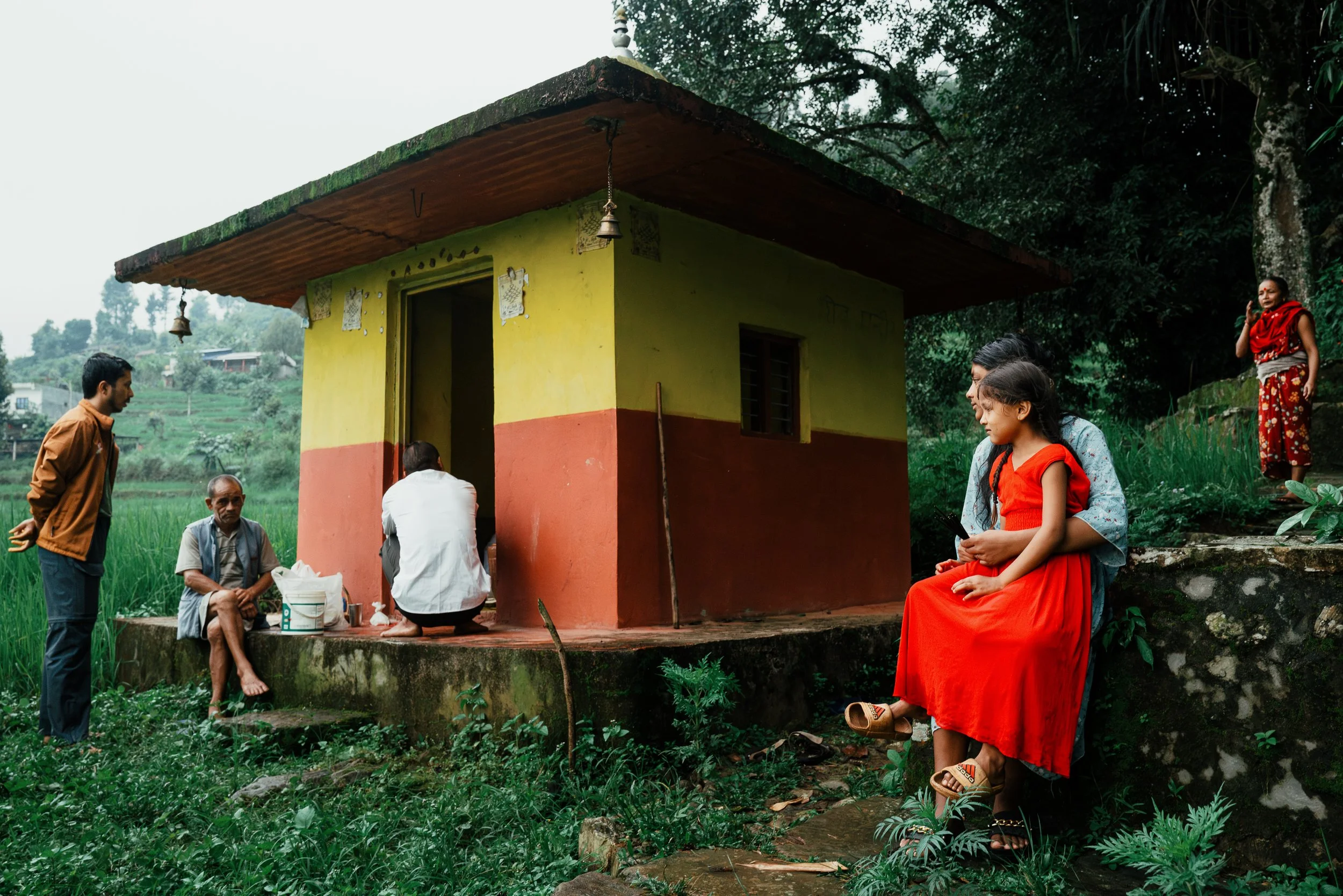
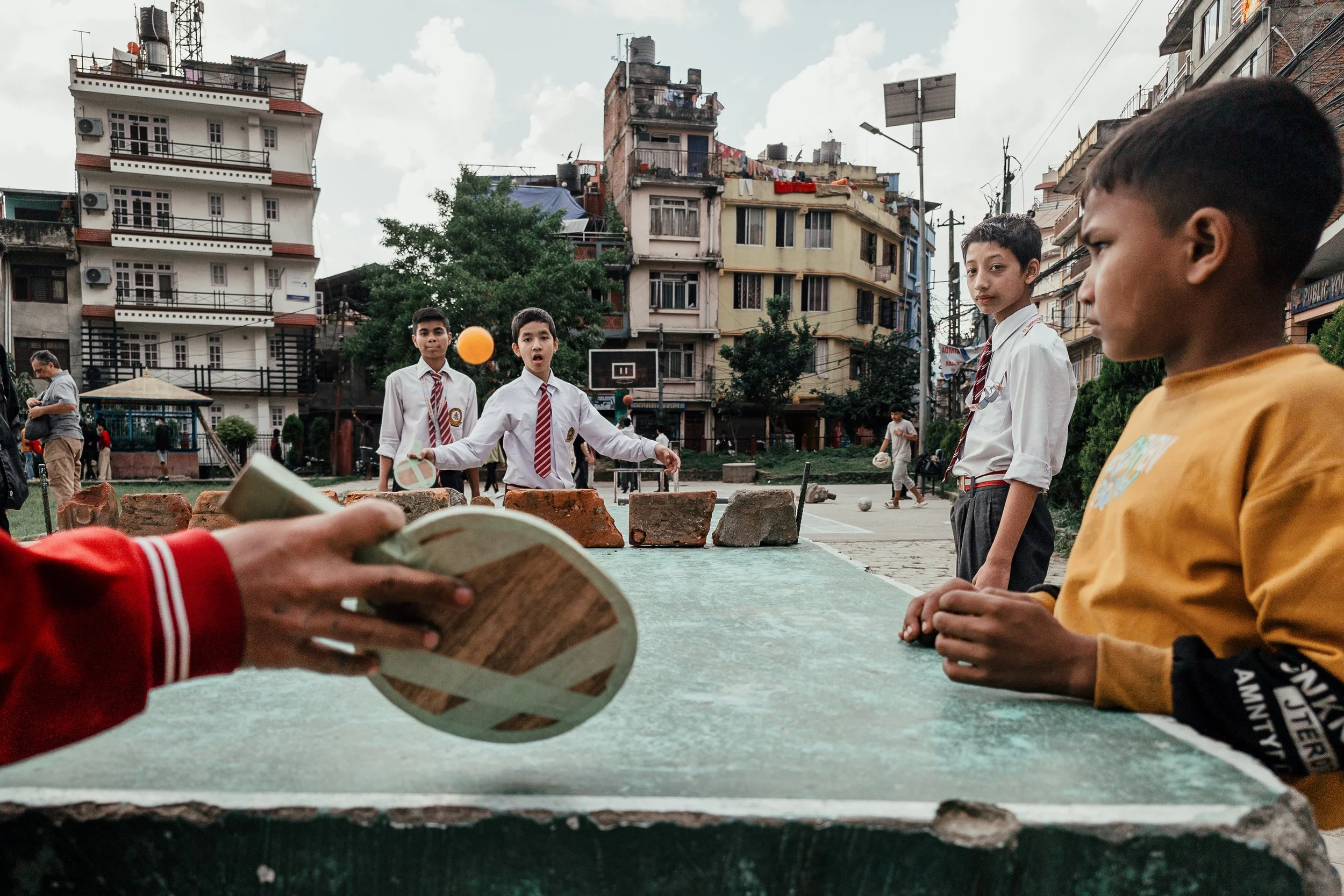
And I try to alter the way that I’m speaking to basically change the mood if I want to. So for example, if I’m new to a scene and maybe there are young kids, maybe I’ll be talking in a more energetic, higher-pitched voice. And if I notice that they’re getting too high-pitched or I mean, if they’re getting too hyper, I’ll lower the tone of my voice and just start ignoring them more and be more interested in the surroundings. I won’t even photograph the kids at all. I’ll just be photographing the surroundings.
So it’s a sort of juggling act where I’m paying attention to the composition in the photo, but a lot of my mind is just paying attention to how I am being received and how my presence is being felt. And I’ll do things just tiny little things like making small talk with this person here, or focusing my gaze over here, or pointing my camera over there, and just watching something with my peripheral vision for a while so that things can adjust.
And it’s tough. It definitely doesn’t always work out the way that I want it to. But that’s how I go into a scene and try to become ignorable. It works. But sometimes it only works for a split second. And I have to remind myself of that, because it can be very discouraging when it doesn’t work over and over and over again. There’s this one contact sheet that I remind myself of personally from time to time.
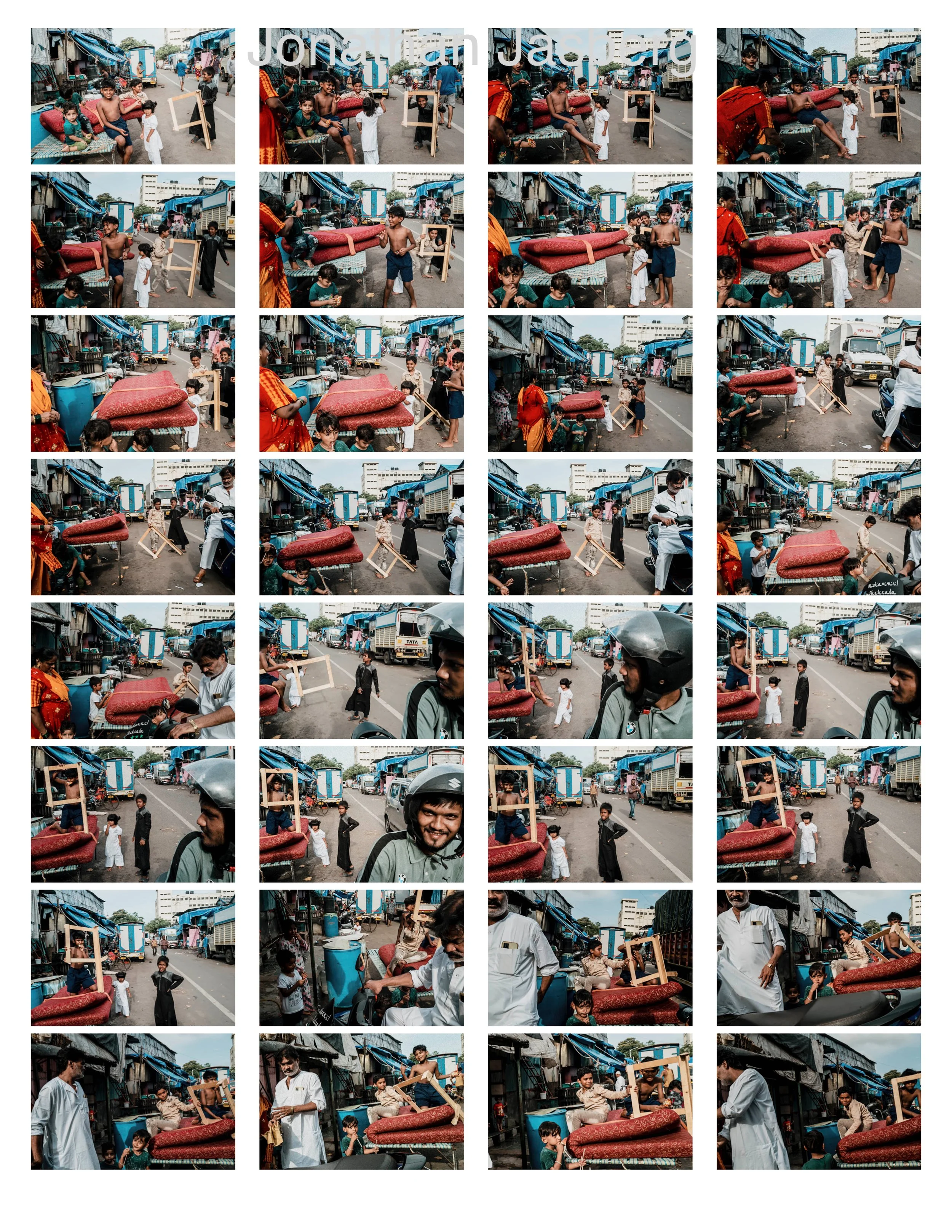
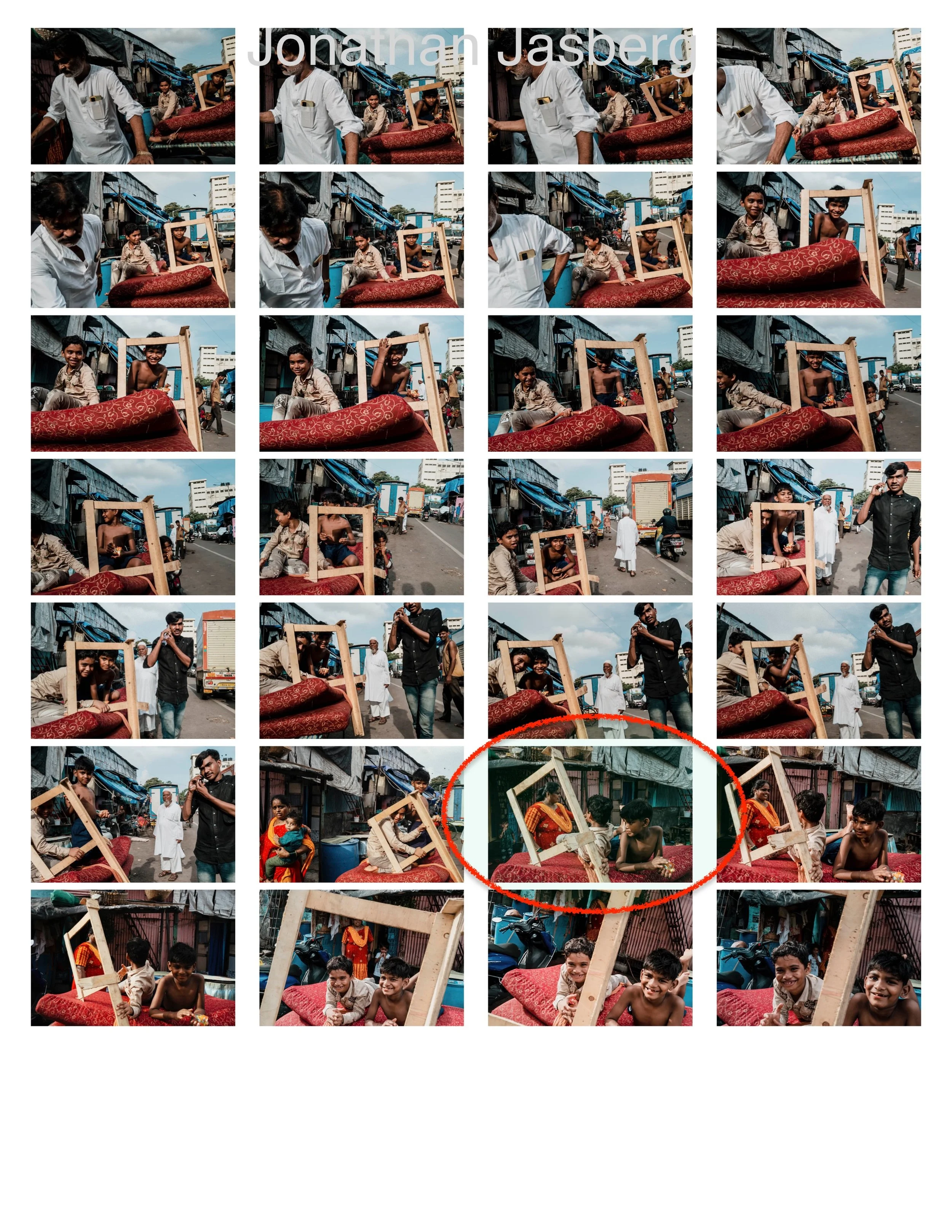
It was one of those moments where all attention was on me. I was trying all my different techniques and still all attention was on me. But I was able to get that one split second where everybody broke, everybody was in their own world, and you don’t feel my presence at all.
And I need to remind myself that when I’m out there, those moments that I’m using all these techniques for, and that I’m spending minutes working the scene or sometimes half an hour, sometimes even longer they can be just a very, very brief moments.
And the great thing about it is, when you show a picture, that’s all you show. It’s that moment. And the viewer doesn’t see the reality of what it took. And I think that’s a really beautiful thing about photography. Through your own style, through what you’re interested in, and through the way you present your work, it’s very handpicked and curated what you show. So it can make people feel like, what reality does this person live in? Or how are they able to get these photos?
For me, a big part of it is managing the mood and the feeling of the people around me. I want them to be comfortable with me. I want them to not feel like the camera is on them. So I do little things like looking at people’s hands instead of making eye contact. I keep a lot of things in my peripheral vision. The way I see it, if someone’s hands are doing something interesting, their face and expression probably are too. But our instinct is always to look at someone’s face. And when we look at someone’s face, they usually look right back at us. So I make a conscious effort to avoid that, to not draw attention to myself.
It might seem like it works all the time or that I’m really good at it, but if you saw me out there working a scene for thirty minutes, you’d see how much attention I attract. It can be very tricky to actually get into that ignored state. And when it does happen, it often doesn’t last long.
You’ve talked about how your filmmaking background shaped the way you see scenes, especially in terms of supporting characters. What does that term mean in your photography, and how did it become part of your visual language?
Yeah. So for me, supporting characters and also just unexpected characters, or maybe not even unexpected characters, but unexpected attention given to a specific character I find that really interesting. I think it creates a more compelling story when someone you wouldn’t normally highlight is shown in a meaningful way.
For example, I was at Kumbh Mela, photographing in India earlier this year. It’s the largest public gathering in the world. I think there were something like 450 million people who attended this year. And I was walking along a dirt road and there was this young boy who had his whole body painted in white with these red polka dots. He had his hand held up, and he’s got the Om symbol on his palm. He was a very visually interesting boy. And the tendency is to see a boy like that and point your camera at him and perhaps make a portrait.
Some people can do that extremely well, but it’s not my specialty. Portrait photography is not my specialty. So I see this boy, and yes, he’s very interesting, especially because it’s a culture that’s completely foreign to me. He’s probably eight or nine years old, just wearing a little covering around his waist. Other than that, he’s completely covered in white paint and red polka dots, holding up his hand.
And then I see another boy. Just an ordinary boy, probably a local or from the region. He’s just sitting, kind of observing in the background. And he becomes the character that, in my mind, is interesting. Because if this other really exotic-looking boy weren’t there, I probably wouldn’t even notice him.
So what I did is a few things, instinctually, in how I composed the image. I’m cutting the exotic-looking boy. I’m cropping out his feet, I’m cropping out his head. I’m getting in kind of close. And I’ve got the other boy, the one who’s just sitting and observing, placed in the center of the frame. He’s not a big portion of the image, but you can feel that I’m making a conscious observation of him in how I’ve composed the shot.
To me, finding these characters that are less obvious in the frame and weaving them into the story is how I like to compose. And doing that makes for a more compelling story in my mind. I think it translates to the picture when people see it.
It might come through subconsciously. It may not be something you notice consciously when you look at my work. But maybe it’s part of what makes certain photos more enjoyable. If you’re someone who likes my work, that may be one of the reasons why.
And how do supporting characters change the emotional or narrative weight of a scene? Are you ever looking for a very specific type of reaction, or is it more about mood and balance?
Yeah. So if I can have one supporting character, that’s already a lot. Two different sets of supporting characters would be very difficult I’m not sure if I’ve ever even had that, maybe. But yeah, if I can have one supporting character who’s giving what I feel is a unique perspective on the scene, or someone I, as the viewer, can kind of put myself in their shoes and see the moment from their point of view, that’s something I seem to enjoy doing.
Now that I’m thinking about it, this is probably the first time I’ve consciously realized that I do that. I’m thinking about some of my photos where that happens, and it’s definitely something that shows up. But it’s not like I have a specific checklist for it.
I just like people who strike me as photogenic, or who have what I would call stage presence. But that’s kind of impossible to define. It’s just if I see them and they have whatever it is that draws me in.
I think that’s a very personal thing. That’s my taste. Just because it’s my taste doesn’t mean it should be another photographer’s. I tell people this all the time: if I pass up a scene or it doesn’t attract me, that doesn’t make it invalid. If you’re tapping into something that you genuinely resonate with, that thread will carry through your work. And the people who like your work will pick up on it maybe not consciously, but they’ll feel it.
So yeah, I do make quick snap judgments. Do I like this person visually? Do they fit into the frame in a way that works for me? And if they don’t, I’ll often just get rid of them from the composition. I’ll step in closer or reframe the shot so they’re no longer in it. There are some specifics too like, I don’t like certain colors, especially ones that feel artificial. I don’t like a lot of text on shirts.
So if someone is more classically dressed, I’ll tend to favor that kind of person over someone in workout clothes or something like that. But yeah, that’s just my style.
Is there an advice you would give on recognizing and using supporting characters more intentionally, for photographers who might be interested in working on this?
Yeah. I think the most important thing well, two things actually. One is not to constrain the idea of a supporting character to a living being. A supporting character can be an inanimate object, or of course it can be an animal. So don’t limit the idea to just being a person.
And then the second thing this is something I still work on myself is the deliberate practice of asking, after I’ve finished photographing a scene, whether I was hypnotized by it. What happens is, when something unexpected happens and we go to photograph it, we have a tendency to get hypnotized by it. We develop tunnel vision.
And when you have tunnel vision, it’s very difficult to include things outside of that narrow focus. You have to actively make a mental note to look around and consider what else is in the scene. So if you want to start including supporting characters, one habit that helps is checking in with yourself after the moment has passed. Ask: did I get hypnotized by the scene? And hopefully, when the next big scene happens, that question will pop into your head in real time “don’t get hypnotized”. Look around. Look for a supporting character. Try to include something more.
Of course, you can also go out and make it a deliberate exercise. Go out just with the intention of finding and including supporting characters, first and foremost. That’s a great practice too. In that case, you’re not even worried about whether the scene is perfect or if it will become a great photo you’re just training yourself to see those elements.
I still struggle with this, especially when I find myself in some unexpected or chaotic moment. I get tunnel vision. And so in my daily reviews, that’s one of the things I look for. I try to see if there were elements good or bad that I missed while I was shooting.
Of course, I’m never going to catch everything. We’re not superhuman. We can’t freeze time and analyze the whole scene. But even catching one or two small things can turn a photo from just okay into something great.
So basically, when something is happening, you don’t want to get hypnotized and just photograph that thing. You want to pay attention to how it changes the environment or how the environment reacts to it maybe capturing that thing in the background or foreground. So you’re kind of building a story, if I understand correctly.
Yeah. Here is actually an example of one of my most classic examples of getting hypnotized.
This really reminds me of Henri Cartier-Bresson. One of his first assignments for the press was when he went to Spain to photograph the coronation. All the photographers took pictures of the king during the parade, but he was the one who turned around 180 degrees and photographed the people watching the king. So while everyone else came back with the same photos, he ended up with something completely different people reacting to the scene. That really changed photojournalism, I would say.
Yeah, and those kinds of risks to do something like that that’s something I really value. I think if a photographer wants to push themselves, they have to value taking those risks. Because Bresson, he may have done that kind of thing and six out of seven times not come home with an iconic image. Or even more than that. I’m sure he took tons of risks where nothing came of it.
But he put himself in that position, and he was willing to risk missing the obvious shot in order to try something different. And in that case, with such an iconic moment the king’s coronation and all these photographers taking the exact same shot, he was the one who took the risk to show a unique perspective.
It’s easier said than done. First, you have to find yourself in those big moments. And then, when you’re actually there, you have to choose to act differently. But I think it’s important to try. It’s one way to make something that can really stand out and feel special.
Okay, one of the lessons you shared or mentioned was “don’t be afraid to miss a good photo for a chance at a great one.” How do you apply that in practice when time and action are so fleeting?
Right. So I think for me, I have the luxury or maybe it’s just my mindset where I really don’t mind. I don’t mind if I don’t get a photo. I don’t feel pressure to produce.
And I think a lot of photographers today are feeling more pressure because of social media and how ridiculous the lifespan of a photo is now. People are expected to have a new photo every week or whatever, which is impossible.
But personally, I don’t feel that pressure. I was really inspired by Bill Cunningham, the fashion photographer in New York. He has a documentary Bill Cunningham New York. It’s a fantastic documentary. I was really inspired by his perspective on taking photography jobs. And for myself, I’ve noticed that it’s something I’ve been kind of protective of. I try to protect my personal photography time and balance it with the time I spend working on a paid project or teaching a workshop.
I try to make sure I give each the amount of time I actually want to give, the time I feel inspired to give not just the time I feel pressured to give because of money or external expectations. So I mostly like working on photography from a personal angle and I feel almost zero, maybe some but very little pressure to produce. So because of that, I don’t feel the pressure to get a job done or to have a certain number of photos, my default mode is that I don’t want to take just a standard photo.
If I were to make an analogy to baseball it’s like I wouldn’t want to be a player who just gets a lot of base hits. I don’t mind striking out a ton and never getting a hit. I’d rather strike out a bunch of times and then hit a home run and that mindset has really influenced how I shoot.
You know, guys like Bill Cunningham and the way he approached commercial work or didn’t take it on at all really inspired me. And then also photographers like Bresson, where you see someone capturing a special moment from an unexpected and original angle. When you realize what they’re doing, you see they’re taking a risk and those risks are not guaranteed. Yes, as the audience, we tend to take them for granted. We think, of course it’s Bresson, or whoever, and of course they got that shot. But I mean, I assume he failed a ton of times when he took those risks. We just don’t see the failures. We only see the photos that work.
Personally, I’d rather put out fewer photos and try to go for the ones that feel riskier or less safe.
And part of that is how I approach composition. I don’t really think about composition in a traditional sense. I don’t plan it out that way. For example, take someone like Sam Abell he’s a fantastic photographer, extremely well-known. I love his work. But if I tried to shoot the way Sam Abell shoots, I wouldn’t be able to do it. He’s all about really seeing the composition clearly and building the photo carefully and deliberately. And for me, I find I just don’t have what it takes to do that kind of shooting. I need to be more fluid with my compositions. I have to be okay with things turning out terribly, which they do most of the time.
Honestly, I’m convinced that if you saw my SD card after most of my sessions, you’d think, “This guy doesn’t know anything about photography.” Most of the stuff on there is just… it’s horrible. It doesn’t even resemble anything. Most of it is stuff that just does not work. It wouldn’t even be considered usable as a shot. It just fails and fails badly.
But for me, I enjoy experimenting and being fluid with compositions, even if most of them completely fall apart. I accept that failure in the hopes that a few of them will work. And when they do, it’s a pleasant surprise. But it doesn’t happen very often.
So when I talk about this whole idea of not being afraid to miss a good photo for the chance at a great one, that’s really how I approach my personal work. But if I do have a paid job, then I will tend to shoot a bit safer. I’ll go for more of the “check the box” kind of shots. Like, just let me hit a base hit, let me make sure I get what’s needed.
When I’m working, I do tend to photograph more that way. But if I have my preference, I’ll focus entirely on personal work. And if I don’t get a photo I like for a month or two, that’s just how it goes. I’m in no rush.
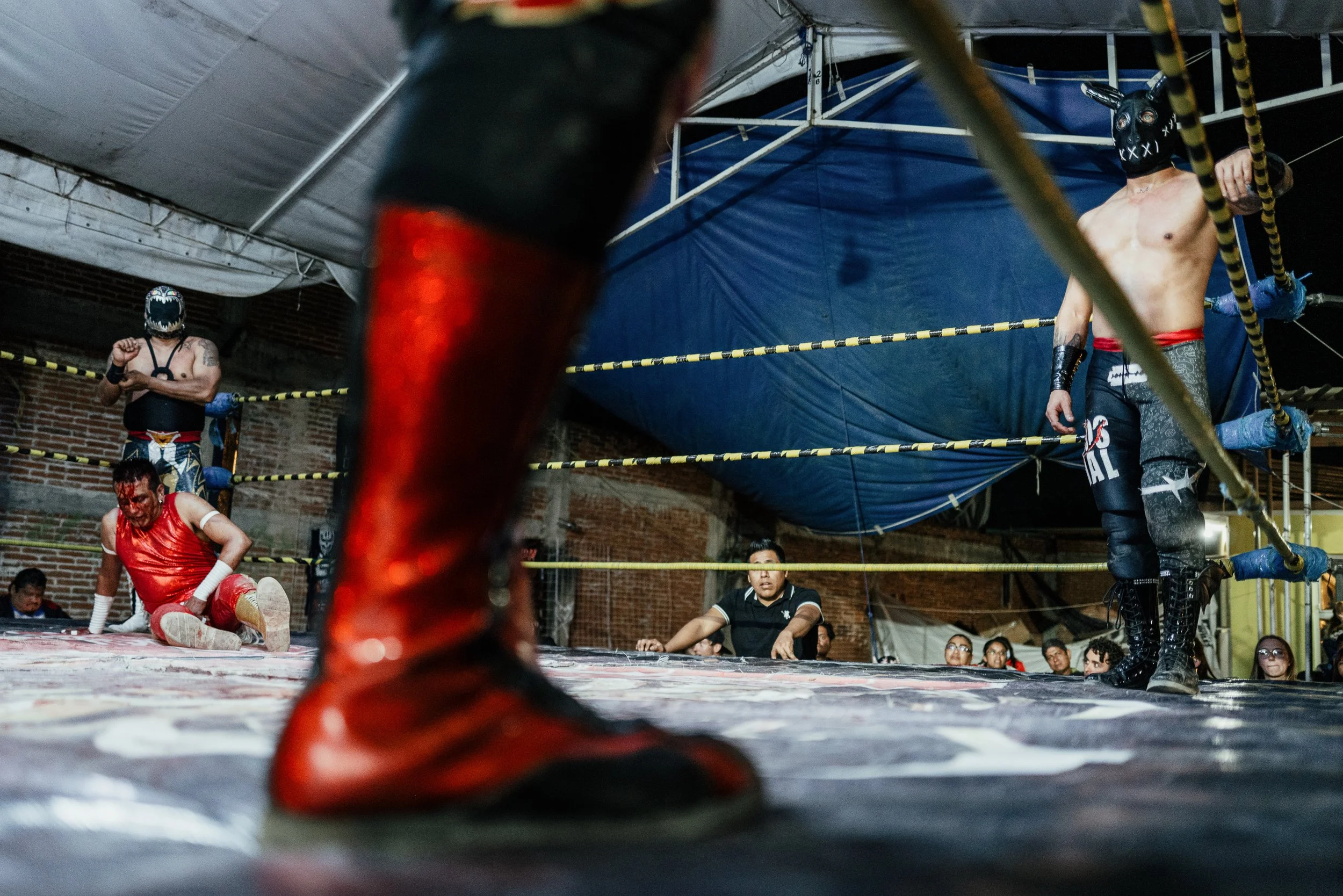
Your book Cairo: A Beautiful Thing Is Never Perfect started with a single image we talked about, right? And then it grew into something much larger. What made you realize there was a long-term story there?
It just felt like an interesting perspective to show a city that’s so often overlooked by tourists. People say they’ve been to Cairo, but really they’ve just been to the pyramids or the main museums. Not many actually explore the city itself. And it just seemed like such a fascinating place when I was walking through it.
The more I researched it, the more and more just opened up from learning that 100 years ago, Cairo was considered the most beautiful city in the world. It was such an international destination.
You still see the remnants of that when you’re walking through the city. You see the classic buildings. You see old photos of these grand scenes with playwrights and filmmakers and other cultural figures. Some of these places are really historic, and the country has changed so much.
It didn’t seem like there were many modern-day photos coming out of Cairo, at least not beyond the tourist spots. And then also, from the perspective of an outsider, there was something else that struck me, my interactions with locals. They live there, so of course the scenes around them are ordinary to them. They didn’t always register the beauty in certain moments or details. Sometimes they would even get defensive and tell me the street was closed or that I couldn’t photograph there. And a lot of that, I think, was just because they didn’t realize what I was seeing. But once I would show them, then they understood. Then I came across the proverb it’s an ancient Egyptian proverb “A beautiful thing is never perfect”. That really fit the narrative I was trying to show and what I was fascinated by.
When I started showing the pictures, one of the things I appreciated most was hearing from people in Egypt, especially locals in Cairo, who were happy to see their city portrayed in a way that hadn’t been shown before.
It can be difficult for locals to photograph in Cairo, especially in a candid way. And while it is legal to photograph there, from what I’ve read, the law was recently updated to say it’s legal as long as the photo doesn’t portray Egypt in a bad light. But that’s such a subjective thing, right?
Why is that?
So from what I’ve heard from friends who’ve lived in Egypt for a long time or who lived there before the Arab Spring revolution in 2011 is that it used to be a lot more photo-friendly before that time. But after the revolution, things changed.
Do you carry beautiful photos you’ve taken of Egypt with you to show to an officer if someone stops you? Like, “Look, this is what I’m doing.”
Yeah, yeah. That’s not a bad idea, and sometimes I would. Because my motives are simple I just want to show these scenes I find fascinating, scenes I think are beautiful.
But it can be tricky there. The government is very suspicious of people with cameras, and there’s a lot of paranoia that stems from the revolution in 2011. From what I’ve heard from locals, it’s especially difficult for them to photograph freely. And even for tourists, it can be a challenge.
You can look on YouTube and find tons of stories from people in recent years who’ve had nightmare experiences. There was this really well-known food channel with three or four million subscribers. The host had all the proper permits to film in Egypt, but still ended up having all his gear seized. He went through four days of complete chaos while he was there.
They’re just really cautious about cameras and how images might be used in ways that reflect badly on them. So it’s a difficult place to work as a photographer.
But with this project, I felt like I was in a unique position. I could show a place that’s very well known, but not often seen in this way especially not on the neighbourhood level or from the perspective of someone walking the streets and being a foreigner who’s not from that culture, I was coming to it with fresh eyes. A lot of the things I was seeing, I was seeing with a kind of first-time awe.
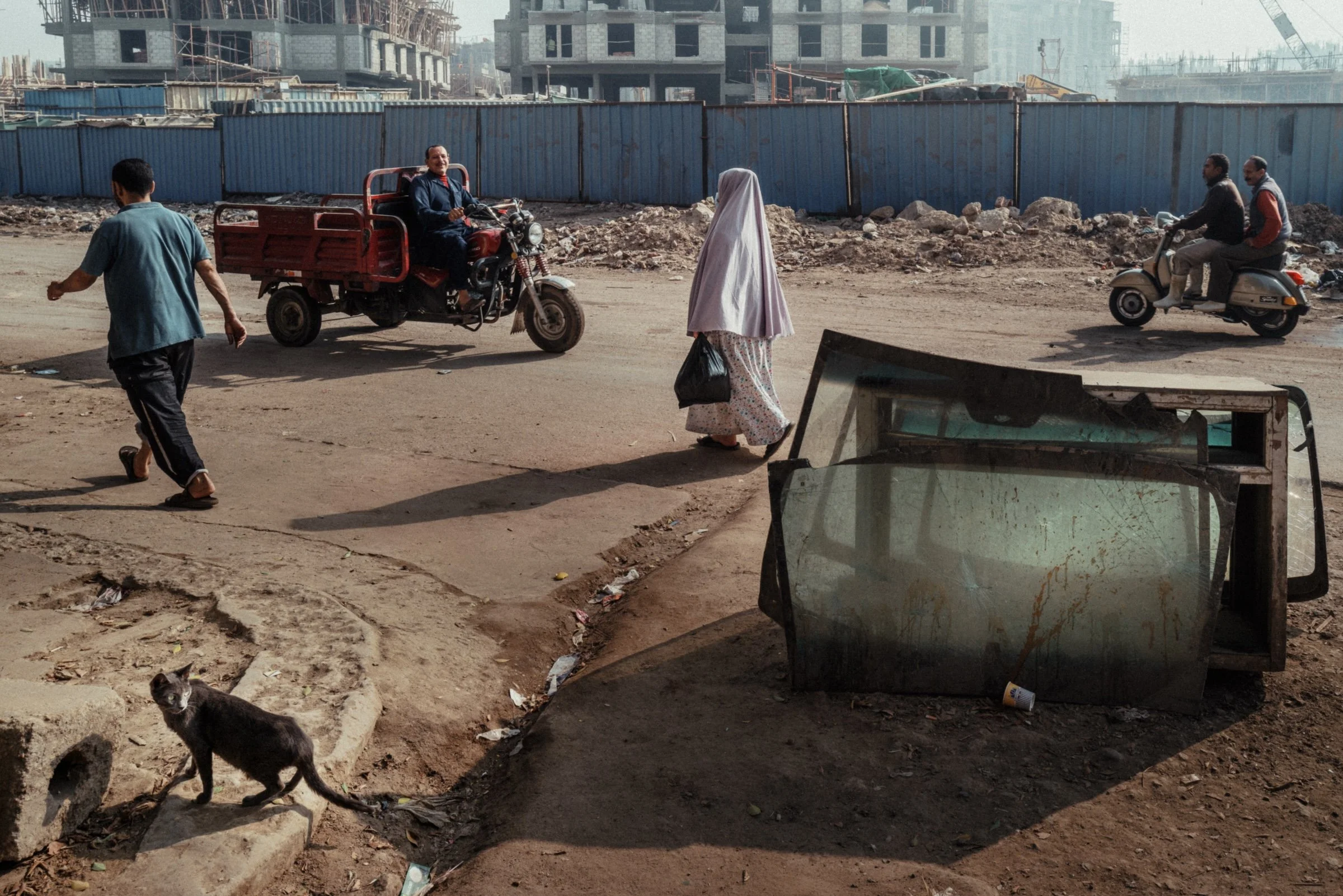
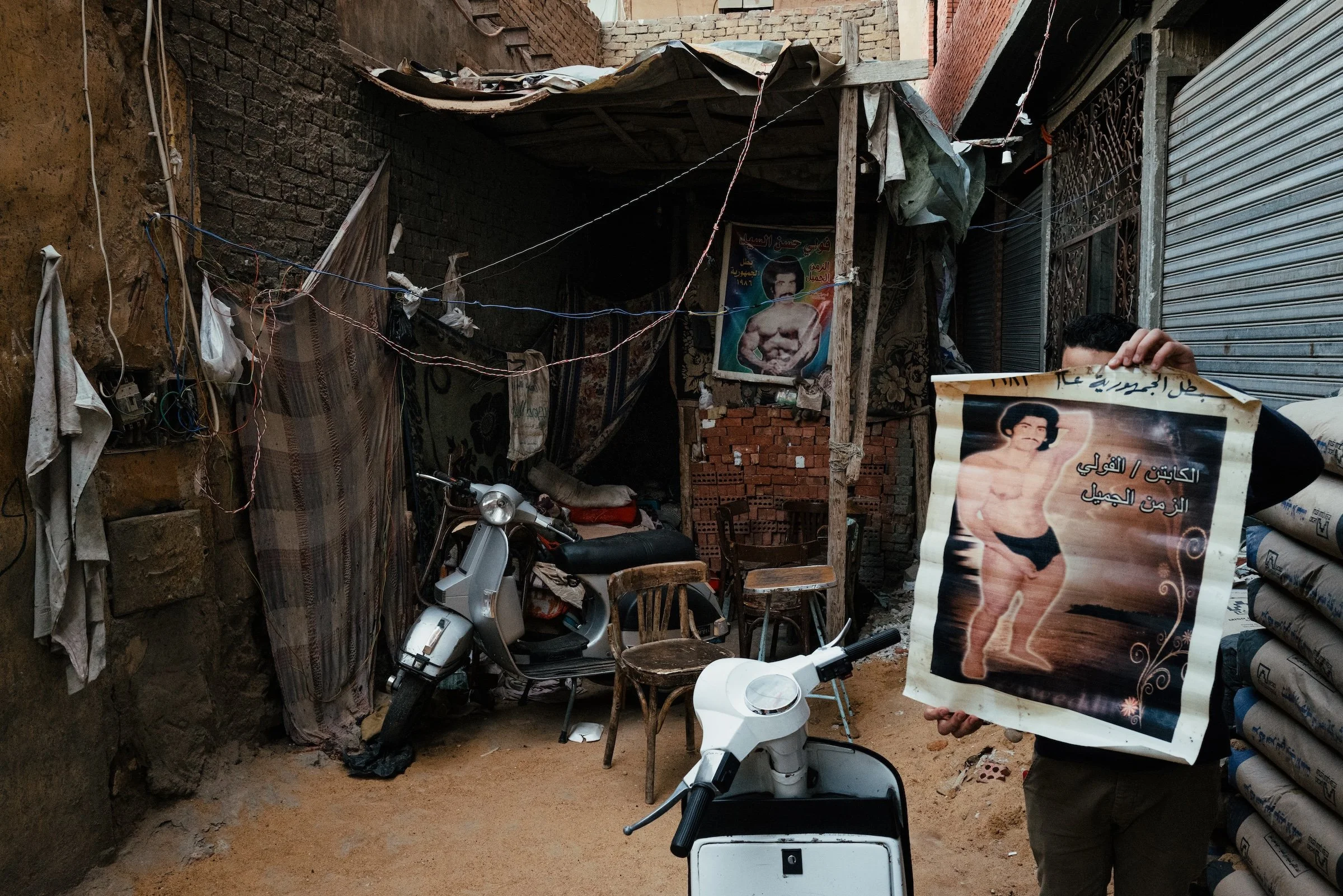
That’s how the project was born. It was right during COVID, around 2020, 2021, 2022. A lot of things just lined up in a way that made it a great time for me to be out there. I was able to go to Cairo multiple times and spend enough time there to really put the project together.
At the start of the pandemic, I was actually in Kyoto. My plan for that summer was to travel all through Asia. I had plans to go to Vietnam and attend the Tokyo Olympics. But all of that fell through.
Egypt was one of the few places where you could still go. It was like COVID didn’t exist. There were no masks, and everything was just as busy and chaotic as usual. Cairo is an extremely busy city, and it hadn’t slowed down at all.
It became one of the rare places where you could still have that kind of photographic experience people outside, living their lives, and things unfolding normally. During those two years, that was very hard to find.
For me personally, I don’t live anywhere. I’m always on a tourist visa. When all the borders started shutting down and visas were getting paused, it became a very fortunate place to be able to go and keep shooting. Egypt didn’t have the same kind of shutdowns other countries had, and I was able to visit over and over again.
So it was a fortunate series of events that led me to start the project. And early on, I got the photo of the sailors, which ended up getting recognized by Leica and a few other companies. That image kind of became the iconic photo behind the whole project.
So in this kind of environment, how do you avoid falling into cliché when photographing one of the most photographed cities in the world? Is that something that bothers you? Or are you thinking about that?
Well, yeah. I mean, there’s definitely that feeling, especially when you’re new to a place. There’s the exotic aspect, and then there’s also the temptation to just photograph the things that have already been photographed a million times.
But I think because I’ve lived as a traveler for 15 years now, the way I spend my time has changed. I just roam regular streets. I don’t arrive in a city and immediately go to the tourist destinations. It could be months before I do anything besides walk between a coffee shop and my Airbnb, just wandering the local neighborhoods with my camera.
So I think the sheer amount of travel I’ve done in the past 15 years has shaped how I see and what I’m interested in.
Even for a city like Cairo, before the project really took off, I had already been there several times and spent a decent amount of time walking and shooting. There’s kind of a settling-in period. When I first get to a new place, it usually takes a while sometimes less, sometimes more before I feel like I’m really seeing it clearly and feeling inspired in a way that can produce good work.
At first, I might be seeing it in a way that leads to cliché photos. Then on the other end of the spectrum, there’s the danger of becoming too used to a place, where I’m not motivated anymore and I can’t really produce anything either.
So it’s about finding that right balance.
What is the difference between a quick win and a photo that sticks with you? Some of your strongest photos come from scenes that unfolded over time sometimes minutes, sometimes across years. Do you have a tip for photographers who want to improve?
For my particular style, I think I only have maybe one or two photos where I saw something, took the photo, and then just left. That happens very, very rarely for me.
Some photographers are extremely observant and can do that kind of thing often. That’s just the way they work. But for me, to make something meaningful, I need to stop and take the time. And I can’t have a clock on it. I need to be able to take however long it takes.
One interesting thing I’ve noticed is that it always feels like I spent more time than I actually did. So, for example, when I do my daily reviews and ask myself how long I was in a particular scene, if it was five minutes, it might feel like fifteen. It always feels like more time than it was and I think that’s just because our perception of time changes when we’re really invested in something visually, creatively, and with all our senses.
Personally, I like to be open to not rushing a scene or a photo. That’s my advice: be willing to explore the scenes you come across rather than just shoot them and keep walking.
I think a lot of people may not have been exposed to that type of photography. If they’re mostly watching photographers on YouTube, even something like a walk-and-shoot video like one I did recently the photos you see are just me shooting and walking. But that’s because of how a YouTube video has to be constructed. It’s not going to be very entertaining to watch someone sit in the same place for ten minutes with nothing really exciting happening, and then suddenly the photo happens. Maybe it could be, but it’s also extremely rare.

To even find myself in a decent scene, it might take days. So my piece of advice is don’t rush when you’re out shooting. If your usual rhythm is to take a few photos and move on, try mixing it up. Try stopping. Try having a dialogue. Try having a conversation before you even raise the camera. Or have a conversation without any intention of taking a photo at all.
If a photo naturally happens during that interaction, then great. But if not, that’s okay too. The idea is to engage with what you’re interested in without the pressure of always needing to take a photo. Try experimenting with different approaches to how you actually get to the photo-making part of the process. Especially if you’re the type that usually shoots quickly and moves on, it can be valuable to try slowing down.
Martin:
Thank you, Jonathan. I really appreciate how openly you shared your process. It was a deep and thoughtful conversation, and I know a lot of people will take something meaningful from it.
Jonathan Jasberg:
Yeah, thank you. I enjoyed it.
To discover more about this intriguing body of work and how you can acquire your own copy, you can find and purchase the book here. (Eyeshot)
More photography books?
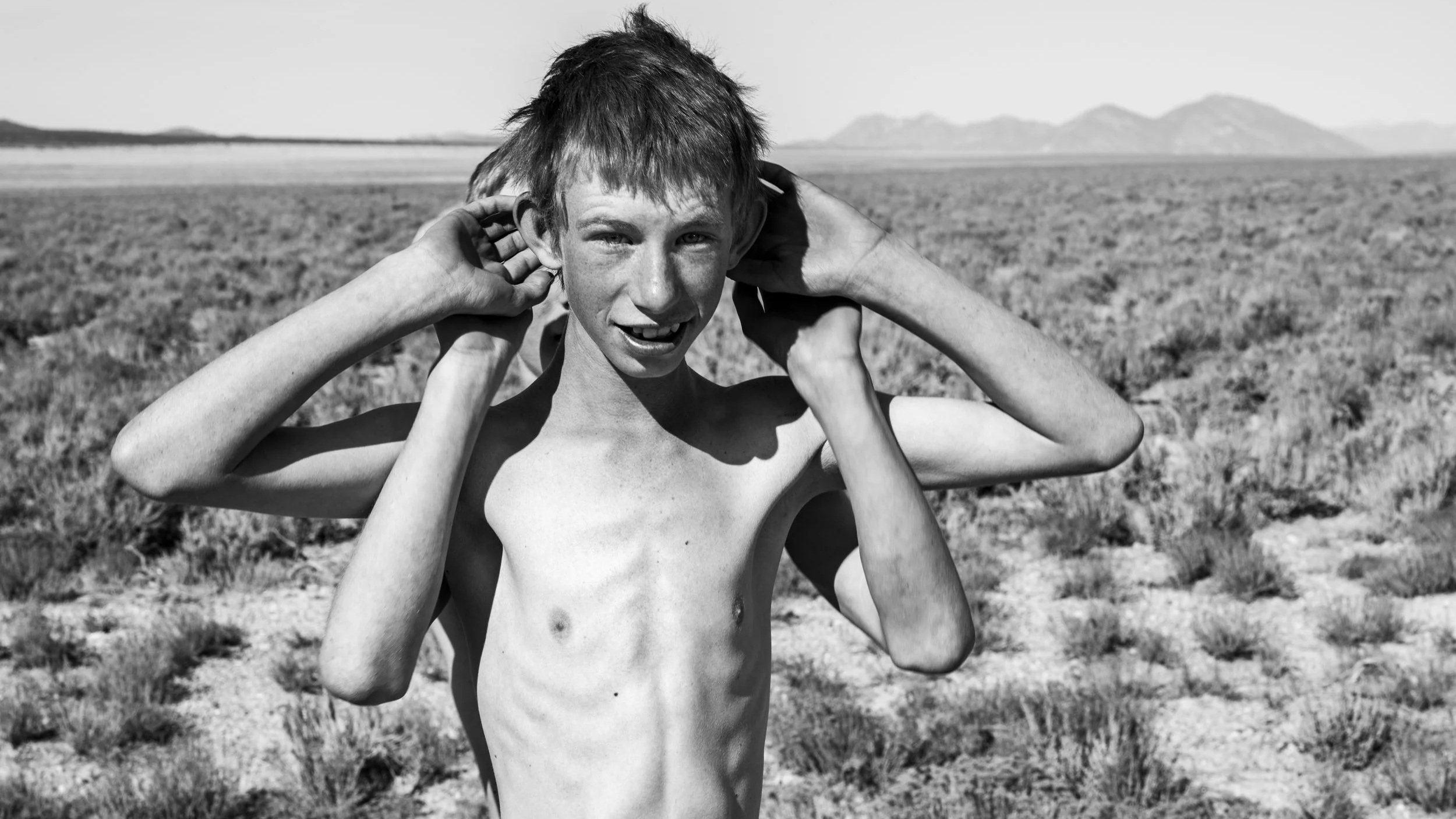
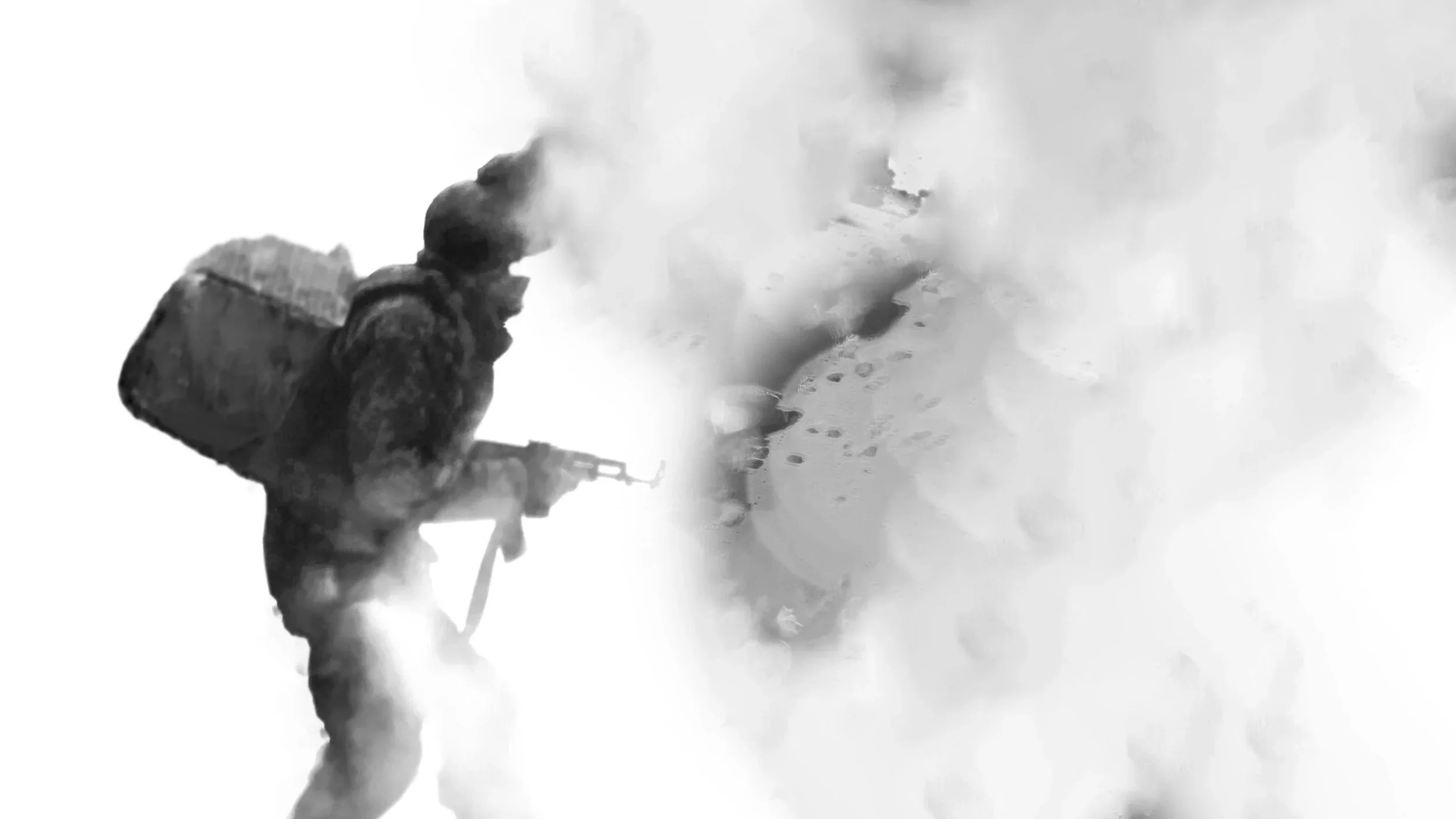
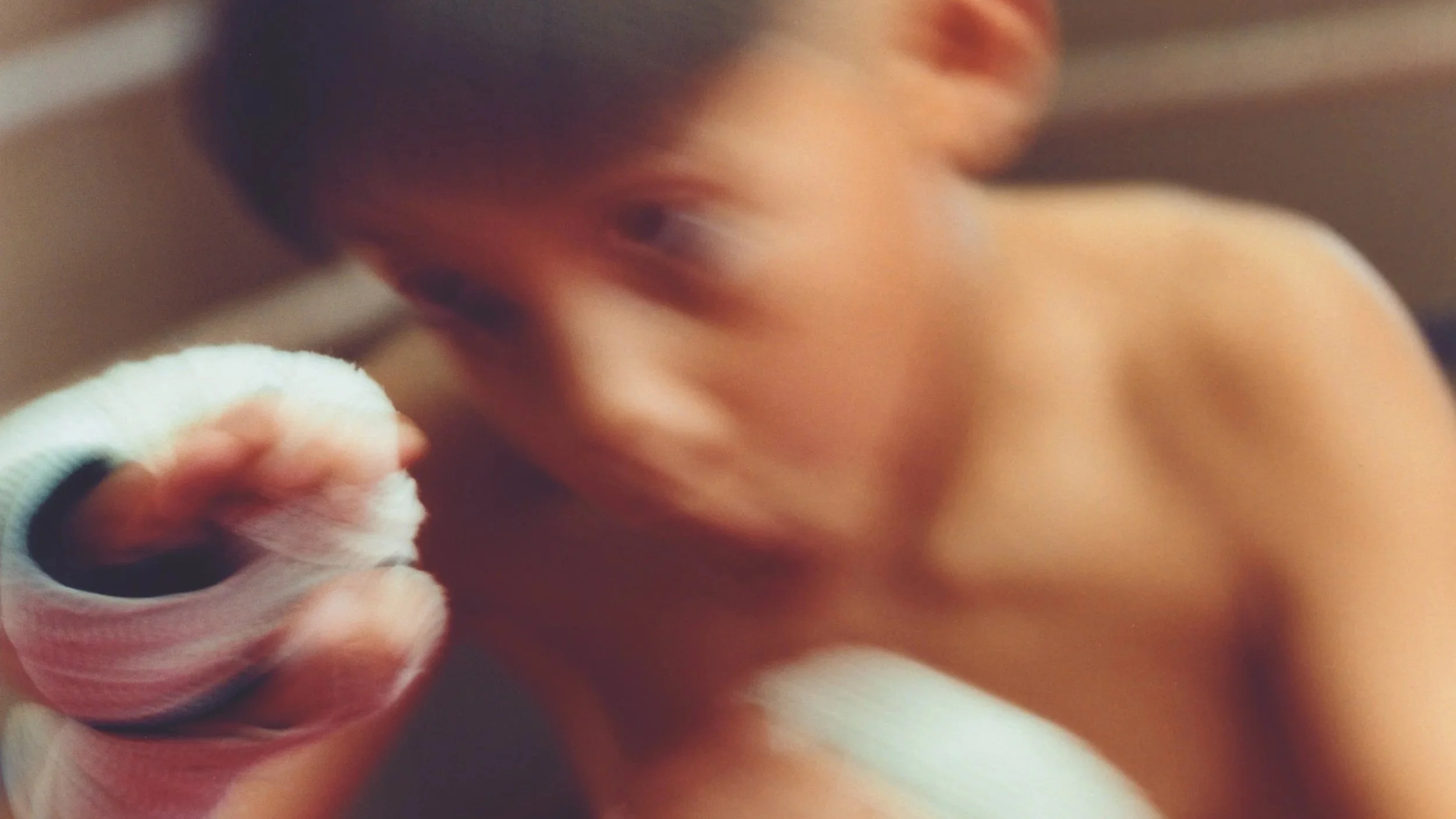
We'd love to read your comments below, sharing your thoughts and insights on the artist's work. Looking forward to welcoming you back for our next [book spotlight]. See you then!
Too many photographers freeze when the scene feels too perfect. There’s color, movement, interesting people, great light but no clear photo. You start shooting anyway, hoping something works. You don’t slow down, you don’t think, and in the end, you have nothing. This isn’t about gear or luck. It’s about what you choose to see. Story Behind The Photograph