AT A GLANCE
- Known for
- Bright, staged color pictures of celebrities, and later large works about faith, nature and consumer culture
- Works in
- Color
- Camera
- Not documented. He builds his scenes on real sets and for years hand-painted his negatives
- Also
- Director of music videos and of the dance film Rize (2005)
- Start with
- Heaven to Hell (Taschen, 2006)
- Links
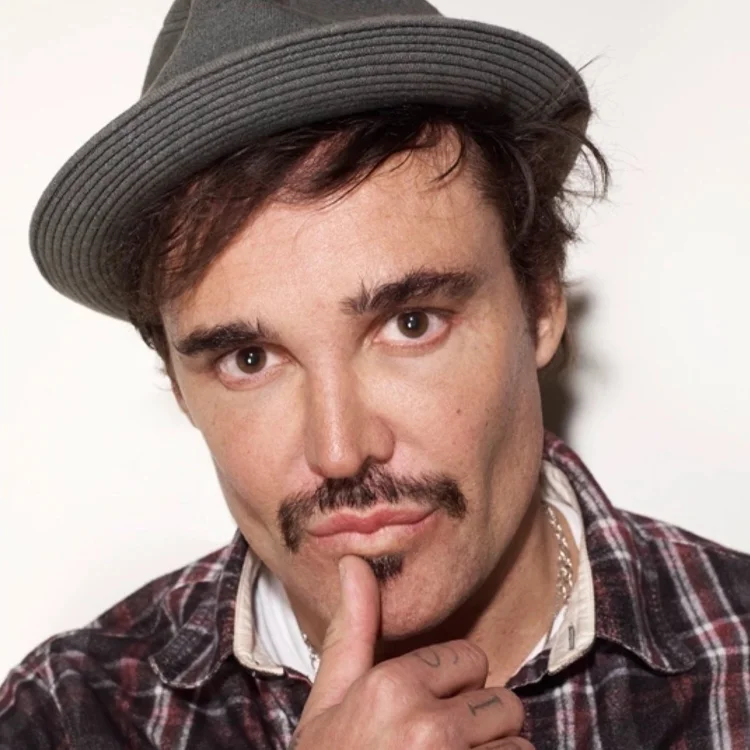
David LaChapelle (born 1963) is an American photographer and director. He started at Andy Warhol’s Interview magazine in the 1980s and became one of the best-known magazine photographers of the 1990s. Since 2006 he has lived on a farm on Maui and works mostly for galleries and museums.
The story
As a schoolboy in Connecticut, David LaChapelle went on a class trip to a museum. There he saw a painting of Marilyn Monroe by Andy Warhol. It was his first meeting with Warhol’s art.
At 15 he ran away to New York. He had been bullied at school for being gay. In 1978 he was clearing tables at Studio 54, the famous nightclub. Later he went to the North Carolina School of the Arts to study painting, and there he learned photography. “Photography scared me at first,” he said. But once he picked up a camera, “I never finished another drawing.”
In 1984 he had his first show, at the new 303 Gallery in New York. Warhol saw his pictures there and gave him work at Interview. The advice was simple: “Do whatever you want, just make everyone look good.” In 1986 LaChapelle made one of the last portraits of Warhol, in front of a shelf of Bibles.
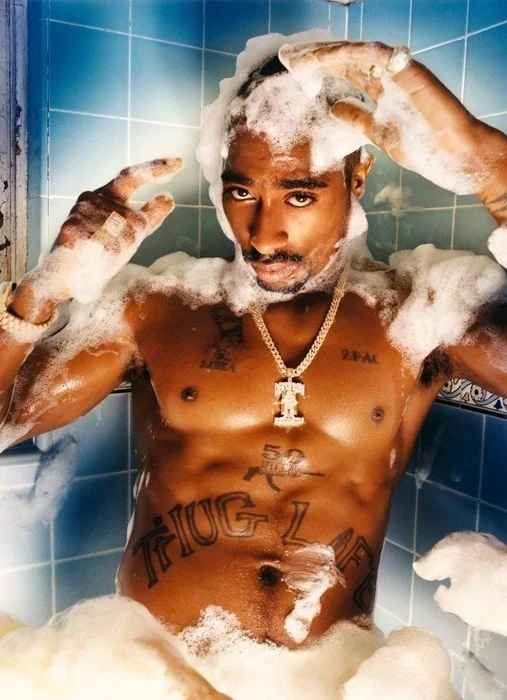
Through the 1990s, magazines and music stars wanted him all the time. He built his scenes for real, with sets, props and bright color, and he shot Tupac Shakur covered in soap foam in a bathtub.
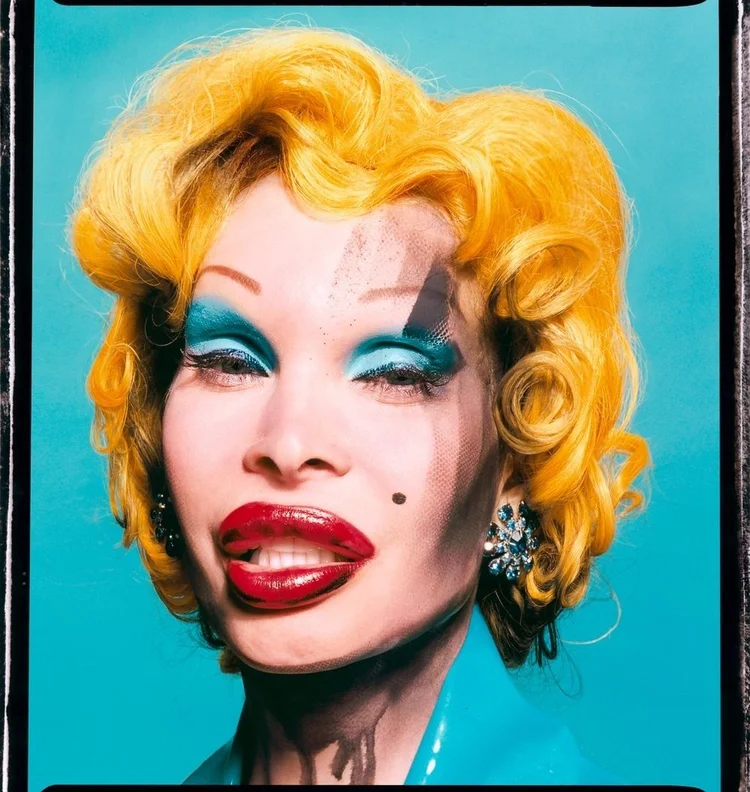
Warhol stayed with him. With his friend Amanda Lepore he remade Warhol’s famous Marilyn, as a photograph.
But the pace was hard. In 2006 he left Los Angeles for a farm on Maui, far from the studios. “I wanted balance in my life,” he said. On the island his work changed. Celebrities appeared less often. Faith, nature and the state of the planet became his subjects.
In 2022 his retrospective Make Believe opened at Fotografiska New York, close to the old 303 Gallery. The boy who met Warhol’s Marilyn in a museum now filled a museum with his own pictures. Asked where his ideas come from, he gave a short answer. “I pray for inspiration, and it comes.”
The work


- 1963Born in Connecticut
- 1978Works as a busboy at Studio 54 in New York
- 1984First show at 303 Gallery; Warhol hires him for Interview
- 1986Makes one of the last portraits of Andy Warhol
- 1996Publishes his first book, LaChapelle Land
- 2005His dance film Rize is released
- 2006Leaves Los Angeles for a farm on Maui
- 2017Publishes Lost + Found and Good News
- 2026Exhibition As the World Turns at the Orlando Museum of Art
Lessons
Build it for real. He makes his scenes with real sets, props and people, not in the computer. His gallery says there is less digital work in them than people think.
Know your masters. Warhol, Michelangelo and Botticelli all appear in his pictures, openly borrowed and remade.
Change when you need to. At the top of his career he moved to a farm and found new subjects there.
Try this: pick one famous painting and remake it as a photograph with friends, home-made props and strong color.
Gear
LaChapelle does not talk about camera brands, and we found no reliable source for the models he uses. What is known is how he works.
Hand-painted negatives: at art school he began painting on his negatives before the film was processed, to get his colors. He returned to the method in recent works.
Built sets: he designs and builds his sets, casts the models and directs the bodies in the frame. He says his images are built, not put together in the computer.
He spent twelve years printing, and he still prints his own work.
Books
LaChapelle Land (Callaway Editions, 1996). His first book, 160 pages of the bright, staged pictures that made his name in magazines, with portraits of stars such as Madonna, Pamela Anderson and Alexander McQueen. It won a book design award from the Art Directors Club and is often listed among the important photobooks of the 20th century. A later deluxe reissue pairs the photographs with designs by the Japanese artist Tadanori Yokoo. For readers who want to see where his style began.
Hotel LaChapelle (Callaway Editions and Bulfinch Press, 1999). A 168-page hardcover in a large format, edited by Sandy Arrowsmith. The title comes from his afterword: “almost all the photos in it were conceived of and made while in hotels.” It collects his magazine and portrait work of the late 1990s, at the busiest time of his career. A good book for anyone interested in celebrity portraits of that decade.
Heaven to Hell (Taschen, 2006). A big book of more than 300 pages, described by the publisher as the last chapter of a trilogy after LaChapelle Land and Hotel LaChapelle. The pictures draw on Renaissance art, cinema, the Bible and pop culture, in his saturated color. It came out in the year he left commercial work, so it closes his magazine years. The easiest of the early books to find today.
Lost + Found and Good News (Taschen, 2017). Two companion books, the fourth and fifth parts of his anthology, each about 278 pages, in a box with fold-out pages. Lost + Found follows his move away from editorial work and his return to fine art. Good News shows the years after, when he turned to thoughts about death and a search for paradise. Many images are published in a book for the first time. For readers who want to see the work he made after Maui.