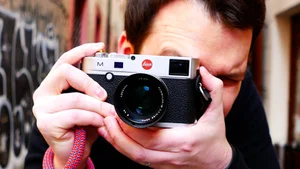
Top Online Photography Classes 2025 for Photographer Career
Landing a photographer career once meant lugging heavy gear to a college campus, but 2025 tells a different story. Affordable cameras, faster internet, and communities that never sleep make the web the ideal classroom for shutterbugs. Students can stream critique sessions during lunch break, join global photo walks at midnight, and hand in essays with the help of study-aid platforms like SpeedyPaper. Online learning is no longer a backup plan; it is the fastest lane from curiosity to paycheck. Yet the virtual world is crowded. Search “online photo class” and you will scroll past hundreds of promises before your coffee cools. This guide filters the noise. It explains what is a photography in plain words, shows how to do photography step by step, and compares the top programs that will still matter when trends fade. By the final paragraph, every reader should know exactly which course fits their schedule, budget, and dream of snapping images that pay the rent.
Why 2025 Is the Perfect Year to Learn Online
The timing of a lesson can be just as important as its content, and 2025 offers a sweet spot for aspiring photographers. Camera sensors are now sharp enough for billboard prints, yet the entry-level body falls below the price of a smartphone upgrade. At the same time, streaming platforms support 8K video, allowing instructors to zoom in on every aperture click without losing clarity. Cloud storage prices keep dropping, so students can back up thousands of RAW files for the cost of a single café latte each month. Perhaps most importantly, employers have finally accepted remote credentials. Recruiters scanning résumés no longer skip certificates earned on Zoom; they care about portfolio links and problem-solving stories. When economic forecasts predict creative job growth, starting a photographer career from the living room couch looks like sound strategy. In short, technology, affordability, and industry acceptance align in 2025, turning the web into the safest, fastest, and cheapest avenue for quality photographic education.
Understanding What Is a Photography and Why It Matters
At first glance, the question “what is a photography” sounds almost too basic, yet answering it grounds every lesson that follows. Capturing light on a recording medium, such as film, glass plates, or the tiny sensor in a phone, is the science and art of photography. The reason courses combine technical jargon with creative challenges is because of the harmony between science and art. The technical aspects—focus length, ISO, and shutter speed—determine the rules of the game. The game's artistic merits—composition, emotion, and story—determine its value. Beginners who skip the definition often chase gear upgrades instead of vision, mistaking megapixels for meaning. Seasoned teachers insist that students learn to read light first, because understanding light leads to intentional choices. Do you blow out highlights to suggest summer heat, or keep shadows rich to hint at mystery? Knowing the intent lets students reverse-engineer masterpieces hanging in galleries and apply those insights to TikTok reels. Simply put, grasping the core definition keeps future lessons coherent and goal-driven.
Core Skills: How to Do Photography From Zero to Hero
Learning how to do photography is like acquiring a new language. Students start with an alphabet of settings and end by telling visual stories that move strangers. Most online classes organize this journey in bite-sized challenges. In week one, learners shoot ten photos using only the aperture priority mode, training their eyes to see depth of field. In week two, they switch to manual, chasing a moving pet around the yard to understand shutter speed. By week four, they juggle both while adding ISO to keep noise low under streetlights. Proper instruction also prioritizes critique. Peer reviews, even in chat rooms, teach photographers to accept and give constructive feedback without bruised egos. In the meantime, brief tests teach color theory histograms and the legal rights of photographers. Lastly, a capstone project challenges students to organize a film edit and deliver a series that makes sense. Raw beginners become self-assured creators prepared to take on specialized courses or client work through these gradual steps.
Choosing the Right Degree in Photography Program
For students seeking academic depth, selecting a degree in photography goes beyond reading tuition charts. Accreditation, curriculum focus, and alumni success should lead the decision. Regional accreditation ensures that the credits will transfer and that financial aid rules are met. Within programs, compare the balance between theory and practice. Some universities lean heavily on art history, while others schedule studio time every morning. Look for electives that match growing markets such as drone imaging or UX product photography. Internship placement rates are another clue. Schools that maintain partnerships with magazines, newsrooms, and creative agencies help graduates skip the cold-email phase when job hunting. Cost matters, but so does equipment access. A program that loans medium-format cameras and high-end lighting can save thousands in rental fees. Finally, review faculty portfolios. Professors actively publishing work often bring current industry contacts into lectures, offering students an inside track. When all these elements align, a formal degree can accelerate both skills and credibility.
Short Courses for a Quick Photographer Career Boost
Not everyone who wants to work for a living needs to study for four years. In weeks rather than semesters, short, focused courses can help photographers advance their careers by adding specific skills. These days, five- to ten-hour modules centered on a single goal are bundled by platforms like Coursera, MasterClass, and specialized school websites. Before the weekend is over, a food photography class might instruct students on how to style dishes, work with natural window light, and adjust color casts in Lightroom. Final certification badges frequently link to LinkedIn, prompting recruiters right away. Instructors who actively practice the niche should be given priority when choosing a quick course. The finer points of family group photos and rain plans will be exposed by a wedding photographer who shares entire galleries rather than just Instagram highlights. Check to see whether any pre-made contract templates or printing service discount codes are available for download in the syllabus. These extras can assist in covering the enrollment fee. By 2025, strategic mini-courses will have become a cost-effective step on the path to higher-paying jobs.
Niche Photography Careers Students Should Know
Even though traditional studio portraiture still generates revenue, the number of potential photography careers has skyrocketed in the digital age. Early niche exploration by students helps them avoid crowded markets and create a distinctive brand. The imaging of virtual tours is a new avenue. VR headsets are used by users to explore 360-degree panoramas stitched by experts hired by real estate brokers and travel agencies. Another rapidly expanding industry is e-commerce micro shots, in which photographers take pictures of small devices for mobile shopping apps against smooth backgrounds. Environmental conservation groups also commission drone pilots to track wildlife, blending aerial skills with ethical storytelling. These diverse careers in photography share a common thread: each demands a tailored skill set. Virtual tour experts must master HDR bracketing; e-commerce shooters need lightning-fast tethered workflows; conservation pilots study local flight regulations. Online classes that focus on a niche often pair technical drills with business lessons, such as setting rates or drafting usage licenses. By understanding specialization options, students position themselves for stable, passion-aligned incomes.
Tech Tools and Software Used in Modern Classes
In modern online courses, a slideshow is one of the tools in the toolbox. Instructors can share screens and annotate histograms in real time when live lectures are streamed using Zoom or Microsoft Teams. Assignments are turned in using cloud storage services that track edit history, such as Dropbox or Google Workspace. Although Adobe Creative Cloud remains the industry leader in image processing, open-source applications such as Affinity Photo, Darktable, and Capture One are displacing it and providing students with more cost-effective alternatives. Teachers emphasize that automation enhances artistic judgment rather than replaces it, despite the fact that many classes now use AI assistants that can recommend keyword tags or fix errors with a single click. Outside of editing hardware calibration tools, such as graphics tablets and color-calibrated monitors, ensure that the shadows students see on their screens match the prints they receive. Discussion forums employ Discord channels with pinned critique threads, replacing traditional studio pin-up walls. Together, these tools create an interactive, feedback-rich environment that mirrors professional workflows.
Building a Portfolio During Your Online Studies
A polished portfolio often matters more than the diploma attached to it. Online classes that understand industry demands weave portfolio milestones into every module. Early assignments may require students to choose a theme—urban life, sustainability, or personal identity—and revisit it across tasks. This approach avoids a scattered gallery and builds a cohesive voice. Many instructors assign a “three looks” project: one color, one black-and-white, and one experimental series. The variety showcases technical range without sacrificing narrative focus. Peer review sessions imitate agency meetings, pushing students to defend their choices and revise spreads until each image pulls its weight. Digital presentation also receives attention. Students learn to host galleries on platforms like Adobe Portfolio or Squarespace, optimize load speeds, and embed SEO tags that help art directors find them. By graduation, learners hold a curated body of work ready for job applications, grant proposals, and social media teasers—proof that their education translates into marketable output.
Turning Classes Into Real-World Careers in Photography
It's nice to finish a course, but it's better to have employment documentation. A strategy that starts long before graduation day is necessary to make the transition from student to paid professional. First, cultivate relationships in the industry. Speakers are regularly invited, including editors, studio managers, and art purchasers. Asking insightful questions and sending a quick email of gratitude can help them shortlist your name. Second, utilize school resources such as alumni networks and job boards, which frequently list freelance positions that are excellent for emerging talent but too small for large agencies. Third, show off your soft skills and pictures. Consumers value precise agreements, prompt correspondence, and the capacity to resolve issues under pressure. Developing a basic client guide that outlines deliverables, deadlines, and revision policies demonstrates professionalism. To sum up, never stop learning. A resume can be updated once a year with micro-credentials in social media marketing or color grading because these fields are always evolving. With consistent outreach, continuous skill improvement, and a strong portfolio, graduates turn classroom learning into fulfilling long-term careers in photography across a range of sectors.
Disclaimer: “This post is sponsored and not my work—consider it a guest photographer stepping into my darkroom to help keep the lights on!”