Welcome to this edition of [book spotlight]. Today, we uncover the layers of 'Transience,' by Danielle L Goldstein (published by Schilt Publishing & Gallery). We'd love to read your comments below about these insights and ideas behind the artist's work.
A ledge in a Spanish hotel room changed everything.
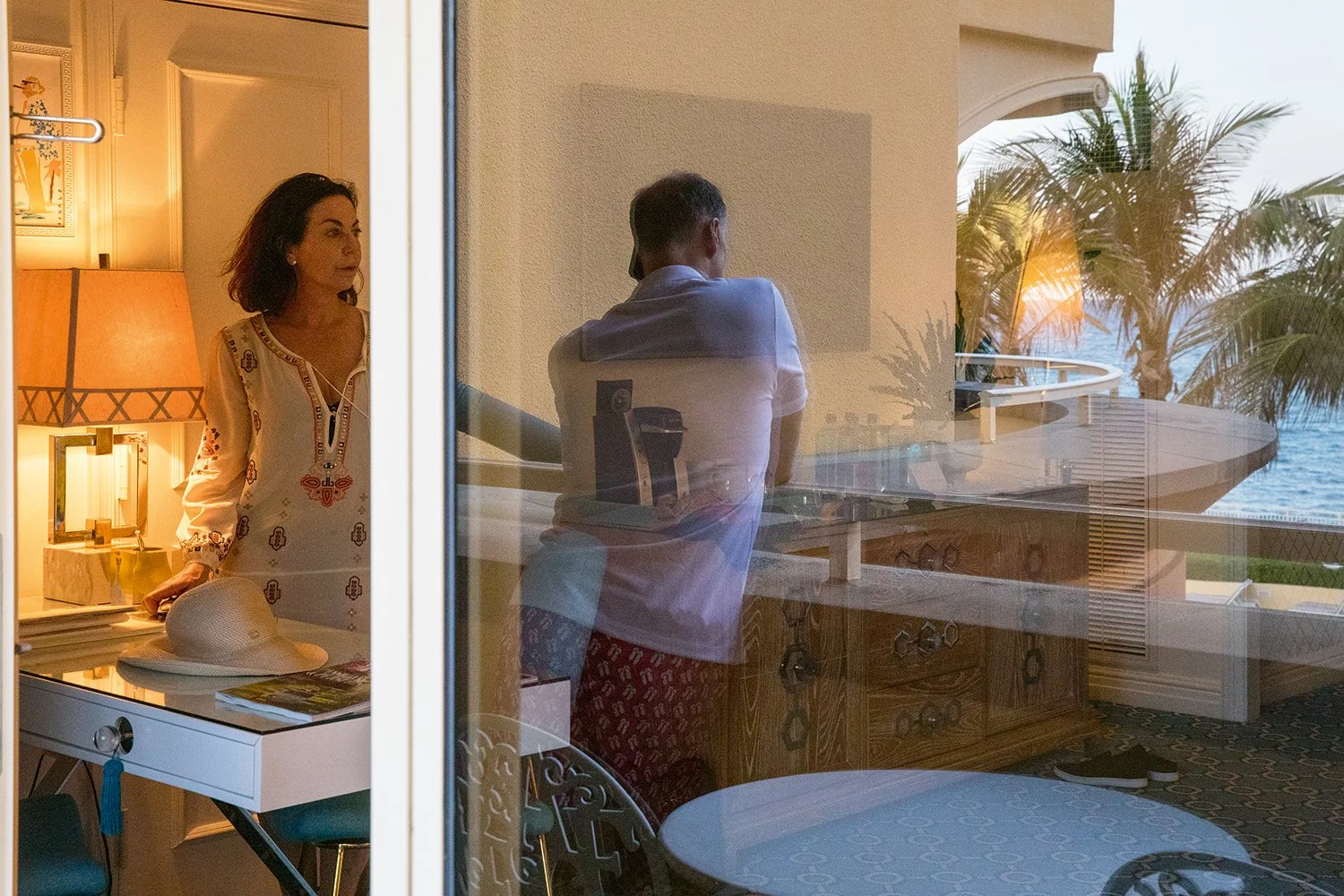
It was the moment that pushed Danielle L Goldstein to photograph herself for the first time in a quiet, unfamiliar space. That single image grew into fourteen years of careful self-portraits made in hundreds of hotel rooms around the world. The project became a record of movement, change, and the private moments we rarely see in photographs.This interview shows how the work started and why it grew into a book called Transience.
This is a story about a photographer finding meaning in temporary places.
Danielle explains how a simple idea slowly turned into a long term project that followed her through major shifts in her personal life. Her experience offers clear lessons for anyone who wants to make honest, long lasting work, even when the images feel small or quiet at first. These ideas come from years of practice, careful thinking, and living with a camera during difficult times.
This interview shows how the work started and why it grew into a book called Transience.
The Book
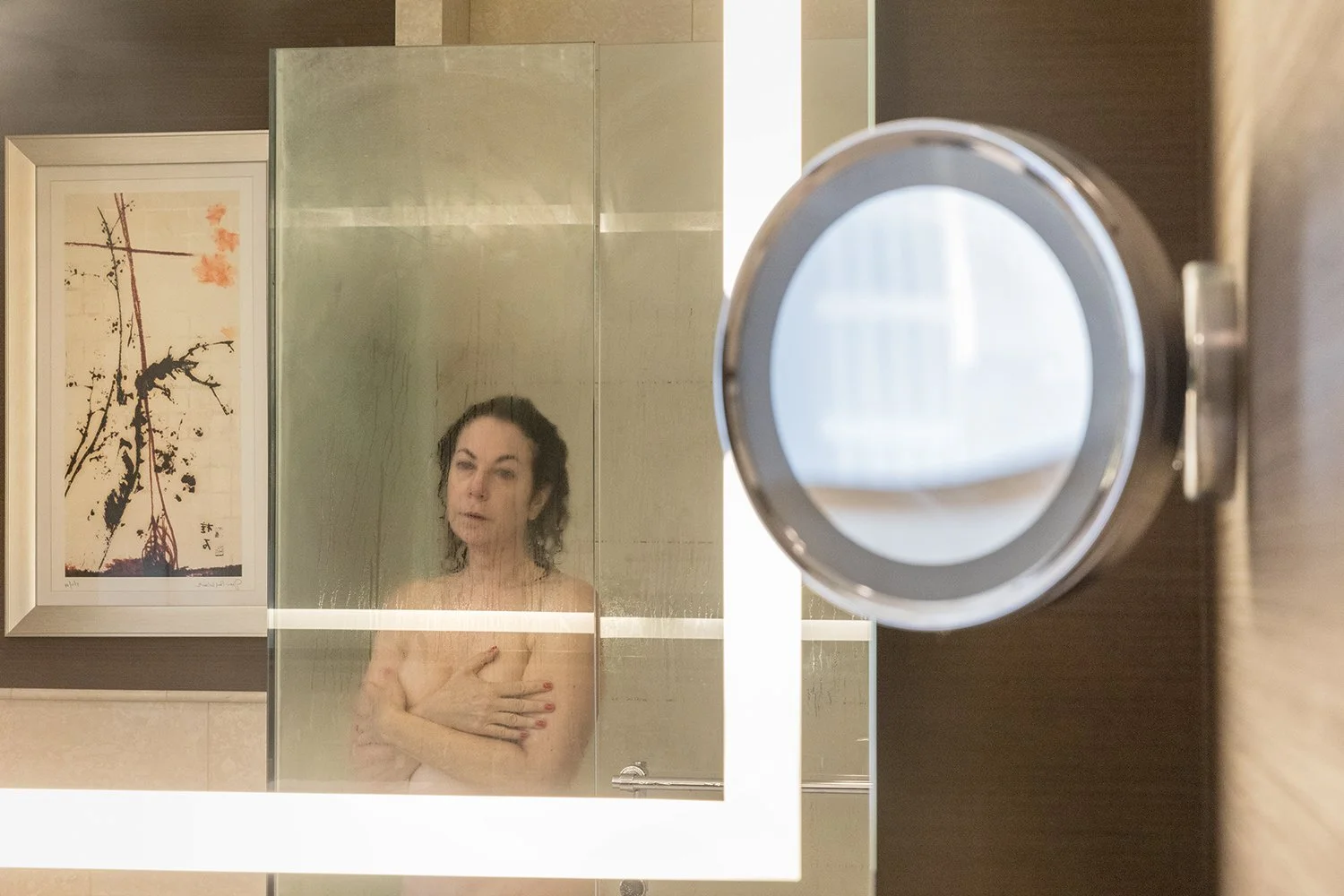
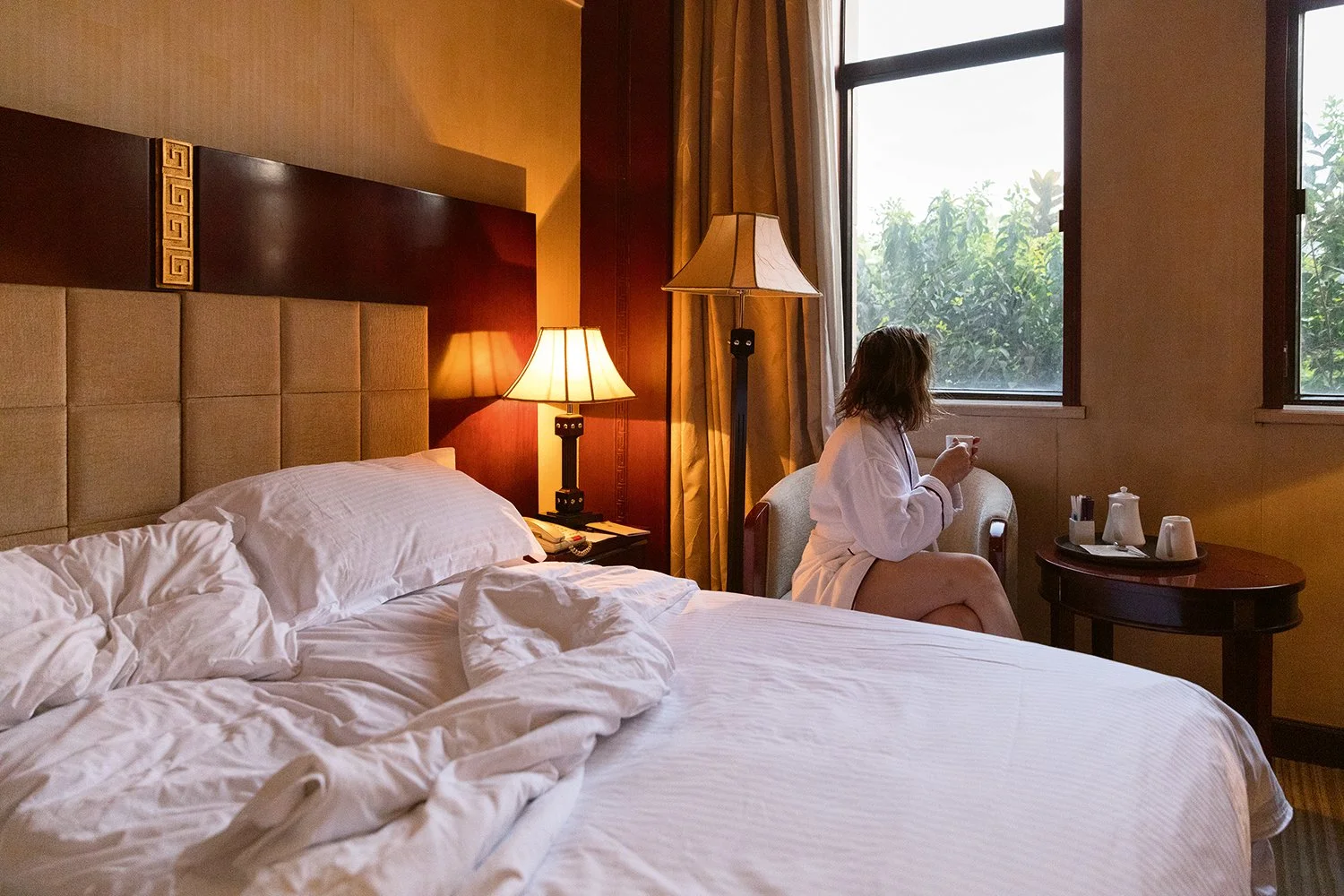
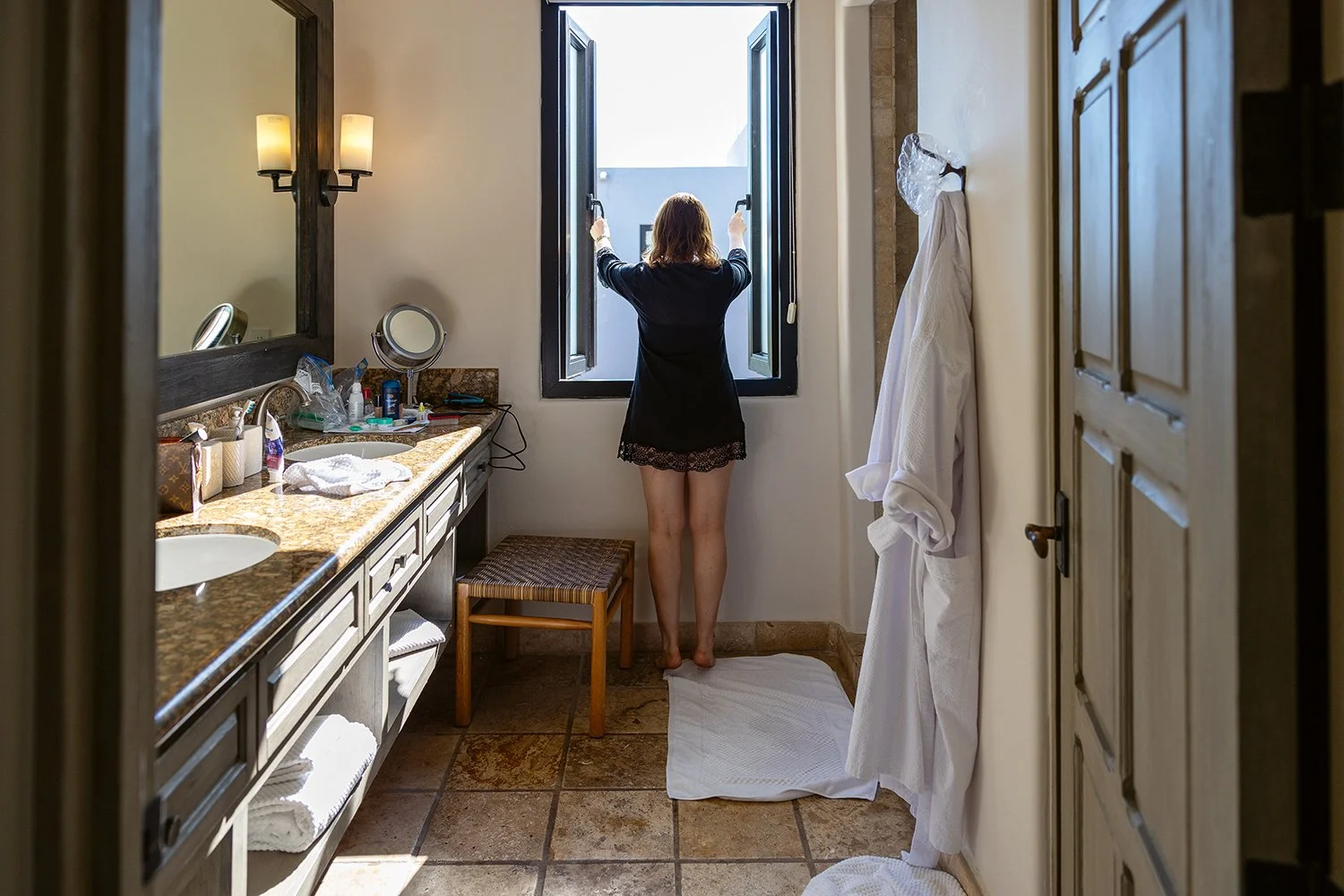
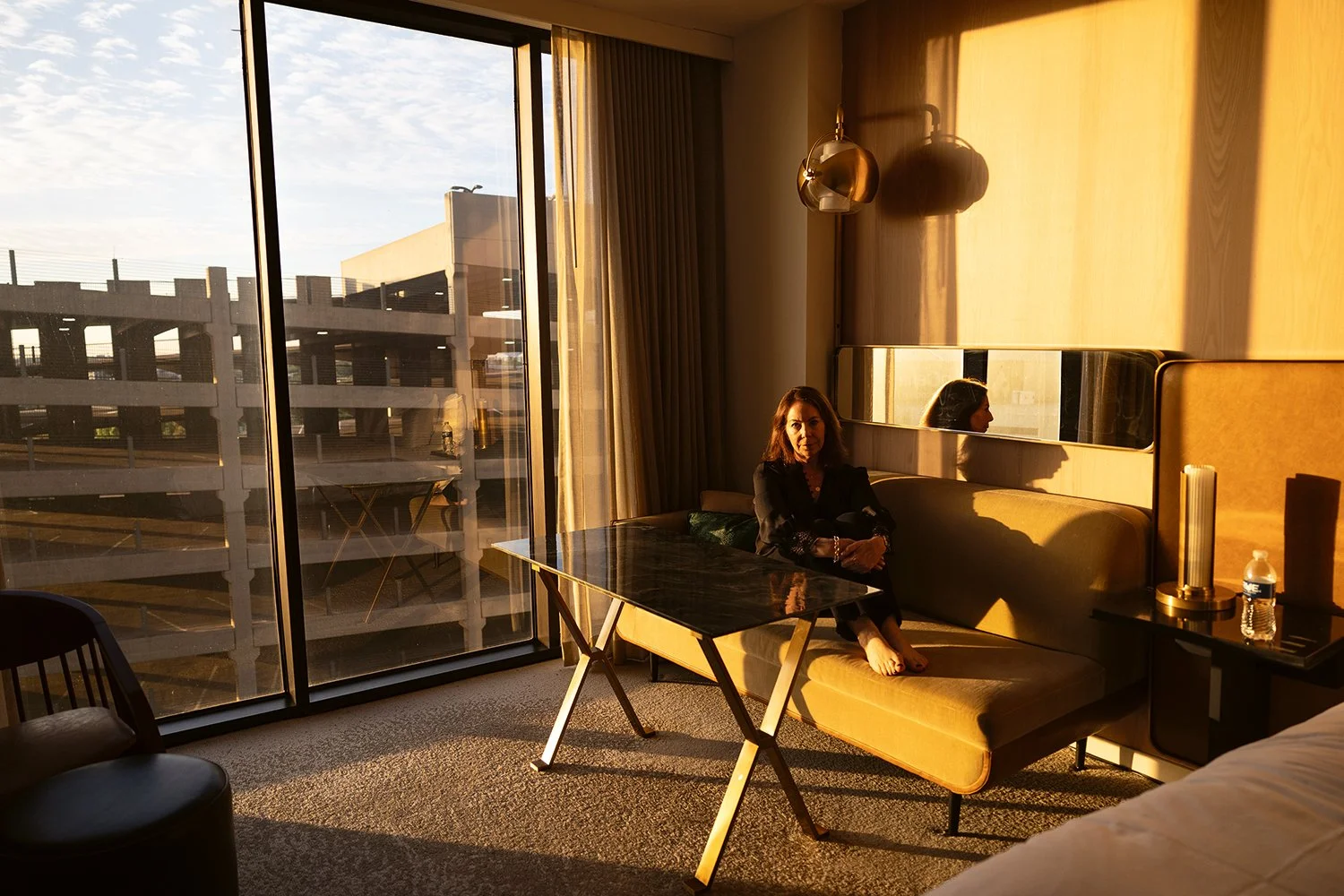
Transience is a fourteen year photography project by Danielle L Goldstein, created in hotel rooms around the world. The book brings together sixty two self-portraits made in temporary spaces, showing a personal journey through change, loss, and renewal. Each photograph captures a quiet moment of life on the move, turning anonymous rooms into a visual diary. Accompanied by essays written by her daughter, the book offers an intimate look at how a long term project can grow from one small experiment into a deeply honest body of work. (Schilt Publishing & Gallery, Amazon)
Project Beginning: What made you turn the camera on yourself in that old hotel room in Spain, and how did you decide to keep doing this project for fourteen years?
When I started the project, I was relatively new to photography. I had only been photographing for about a year, but I was fully taken with my newfound passion. Though I primarily focused on street photography, I wanted to experiment with different types of techniques and genres. When I visited Spain, I stayed in a refurbished 14th-century villa in Seville, and somehow my room felt haunted; it was particularly inspiring. I started thinking about the many souls that had inhabited the space before me. What were their lives like? What parts of themselves did they bring to the room, and what did they leave behind? The space felt like the perfect place to do a “ghosted” style self-portrait. It was a literal depiction of what I felt transpired there, and it indulged my curiosity about the anonymous space. After that, the hotel room project took hold almost immediately. I sensed that the concept was interesting, but in its very nascent form I wasn’t quite sure why. I just knew that I wanted to continue it. And so I did (and still do). I have photographed myself in every hotel room I have ever stayed in since the project began.
Hotel Room Photography: How do you work with the lighting and space in different hotel rooms to create self-portraits that feel both personal and universal?
The lighting in hotels can be very challenging and will often dictate how I photograph in any particular room. But the technical issues are almost always solvable. What I feel is more important is capturing both the essence of the hotel room, a sense of place, and how I felt at that particular moment in time. In the beginning of the project, I only photographed myself, and always anonymously, regardless of whether I shared the room with someone. I definitely wanted the images to feel universal, and I felt this was the best way to accomplish that. But over time, I loosened the rules for myself and began photographing others: at first, my former husband with whom I travelled most often, then my children, and sometimes a friend. I also started showing my face. I hoped that making the images more specific to my family and me would still resonate with a broader audience, but I wasn’t sure. Still, I photographed what felt right and authentic to me. And I honestly believe that is the bottom line in photography. If you follow your gut and photograph what is meaningful to you, others will feel it, too.
Self-Portrait Technique: What technical setup do you use to photograph yourself alone in hotel rooms, and what camera settings work best for this type of work?
I always travel with a tripod and use a full-frame camera for this work. I set up the tripod and camera as soon as I settle into the room and leave it there for the duration of my stay. I did not have a tripod for the first image I made, so I set the camera on an available ledge. I often wonder, if that room did not have a ledge, would I even have started the project in the first place! I also photograph on fully manual, which I do not do for street photography, as it takes too much time. I use a 10-second timer, so the image must be fully set up and I need to have a good sense of where I should be when I enter the frame. Sometimes I know right away what I want to do, and sometimes I need to let things marinate before I know how I want to make the image.
Do you think about how many other creative projects never happen just because of these small technical moments?
I do think projects are often started by chance. A photographer may have a hunch, want to experiment, or have the desire to photograph something without really knowing exactly what they want to do, or what the results may turn into. And yes, technical pitfalls can sometimes mean you don’t get the shot, which may mean a project is never even started. When in doubt, take the shot, even if you are unsure of what it may mean. Clarity often comes after the fact.
Visual Change Over Time: How did your approach to composing these self-portraits change as the project moved from careful, ordered images to ones showing more emotion and pain?
I believe that I am an intuitive photographer. I photograph things that resonate with me, but I cannot always articulate why. And as a photographer, I am always concerned with composition and aesthetic ideals. In the beginning, these tenets were my primary concern. I did not think about the emotional aspects of the work in a conscious manner, but I did let the camera follow my life. I believe I subconsciously allowed the camera to document the unraveling of my marriage and, at the time, what felt like the unraveling of my life. The truth is, I photographed in these rooms without consciously thinking about what was happening in my life. Up until a few years ago, I believed that the work was just an exploration of these transient spaces. It was only when I began printing and sequencing the work that I realised the project was actually a diary of sorts, and that it told a story. It was a reflection of the solitude, loss, pain, resilience, and, ultimately, the rebirth that I was experiencing in my personal life. So the progression of the project was a combination of dedication to the work, trusting the process, and relying on my instinctive judgement to move the project forward.
When you realized the work was actually a diary of your marriage falling apart, how did that change the way you looked at the earlier images you'd already made?
I never really saw the disconnect between my ex-husband and me while I was making the work. And in fact, many people who are in happy, intact marriages have said they can relate to the images. It makes them realize they are always on their phones or are engaged in parallel but separate activities. At the time, it all seemed like normal interactions between a long-married couple. But once the marriage started crumbling, I saw the clear separation and disengagement between us. Perhaps my subconscious mind, with camera in hand, saw things that my conscious mind was not able to face.
Working Alone: What advice would you give to photographers who want to create meaningful self-portraits when travelling alone?
I honestly think that every photographer should try their hand at self-portraiture. So much of photography is about access: to people, places, and things. And that access can be hard to obtain. But with self-portraits, you rely only on yourself, and in so doing, you have the luxury of time, access, and experimentation. Self-portraiture can make us all better photographers by enabling us to hone our technical skills at our leisure. And each one of us has a life and a story that can be brought forth with the camera. In terms of self-portraits while travelling, again, a tripod is a must. But it can also be challenging to make the time to do the work while travelling. I’ve often been exhausted from a full day exploring my new surroundings, only to come back to my room knowing I had work to do. Yet I always do it, because I am passionate about it and I believe in the work. I would also note that although my work is in hotel rooms, self-portraiture while travelling doesn’t have to be. One could certainly photograph themselves out and about. It’s all about why you are doing it, and what you are trying to say.
Emotional Storytelling: How do you balance showing your personal feelings in the photographs while still making images that other people can connect with?
When I first realised that this project was actually deeply personal, I had concerns that it would not resonate with a general audience. So much self-doubt went through my head: who is going to want to look at images of a middle-aged woman in hotel rooms? When I finally printed a portfolio of 25 images and showed it to peers in the industry after years of working on the project, I was surprised that people whose lives looked very different from mine were touched by it. I think that it comes down to authenticity and making work that comes from the heart and soul. If you, as the photographer, feel it, others will too. I also think the balance between personal and universal is greatly aided in my book by the essays, which were written by my daughter Caroline Goldstein. Caroline is both a wonderful writer and close to my work. Her words strike a beautiful poetic balance between the personal and the universal, which is exactly what I had aimed to do in my photography.
Finding Your Voice: You discovered photography in midlife after working as a lawyer - how did this late start shape the way you see and photograph the world?
All my life I wished I had a passion, but I never did until I picked up a camera in my late 40s. From that moment on, I knew what I wanted to do, and have felt fortunate every day that I found this incredible outlet for my creativity and my voice. And I want to believe that because I started later in life, my work is better for it. Often young people will ask me if I think they should major in photography in college, and my answer is always no. I believe that the more life experience you have, the better your work will be. Study liberal arts, live, read, travel, look at all kinds of art, listen to music…it will all inform your work and make you a better photographer.
What specific life experiences from your years as a lawyer do you think actually made your photography better?
My work often defaults to an organized, carefully composed and clean aesthetic. This is no doubt due to how my mind works, and in some ways harkens back to my training as a lawyer. These are not bad things per se, in photography, but they can be limiting. I work very hard to try to push back against my core nature, to try to loosen up my work, making it more poetic and lyrical. I have had teachers tell me to “mess it up” - and I get what that means, but it can be hard for me to do. So therein lies the rub and the constant push/pull: we want to photograph in a way that is meaningful and authentic to who we are, but we also want to push ourselves to be better and more expansive. This is what makes photography so wonderful, and sometimes infuriating, because this dichotomy can be challenging to achieve.
Book Design: The book has 62 photos from hundreds of hotel rooms - how did you choose which images to include and how to arrange them?
The process of selecting and sequencing this body of work was much easier than it would be for street photography, where the story you tell and how you choose to sequence the images is more broadly subjec- tive. This body of work was much more limited in the number and scope of the images, and the story is told chronologically. As with any book, you choose both what you (and your publisher) believe are the strongest images from a technical perspective, and the images that work together to tell the story you want to tell.
Documentary vs Art: Your self-portraits started as documentation but became an emotional diary - how do you think about the line between recording reality and creating art?
That is something I think about every day. There is a difference between documentary photography and fine art photography, and it is up to the photographer to decide how they want to depict the world. A documentary filmmaker will focus on a non-subjective depiction of reality. That is not what I do. For me, I want to be truthful in my work, but I also want to create work that is meaningful, beautiful, and thought-provoking. I want to share my vision of how I see the world, and hope that it touches others in some way. It is a goal to constantly strive for, and that is a good thing!
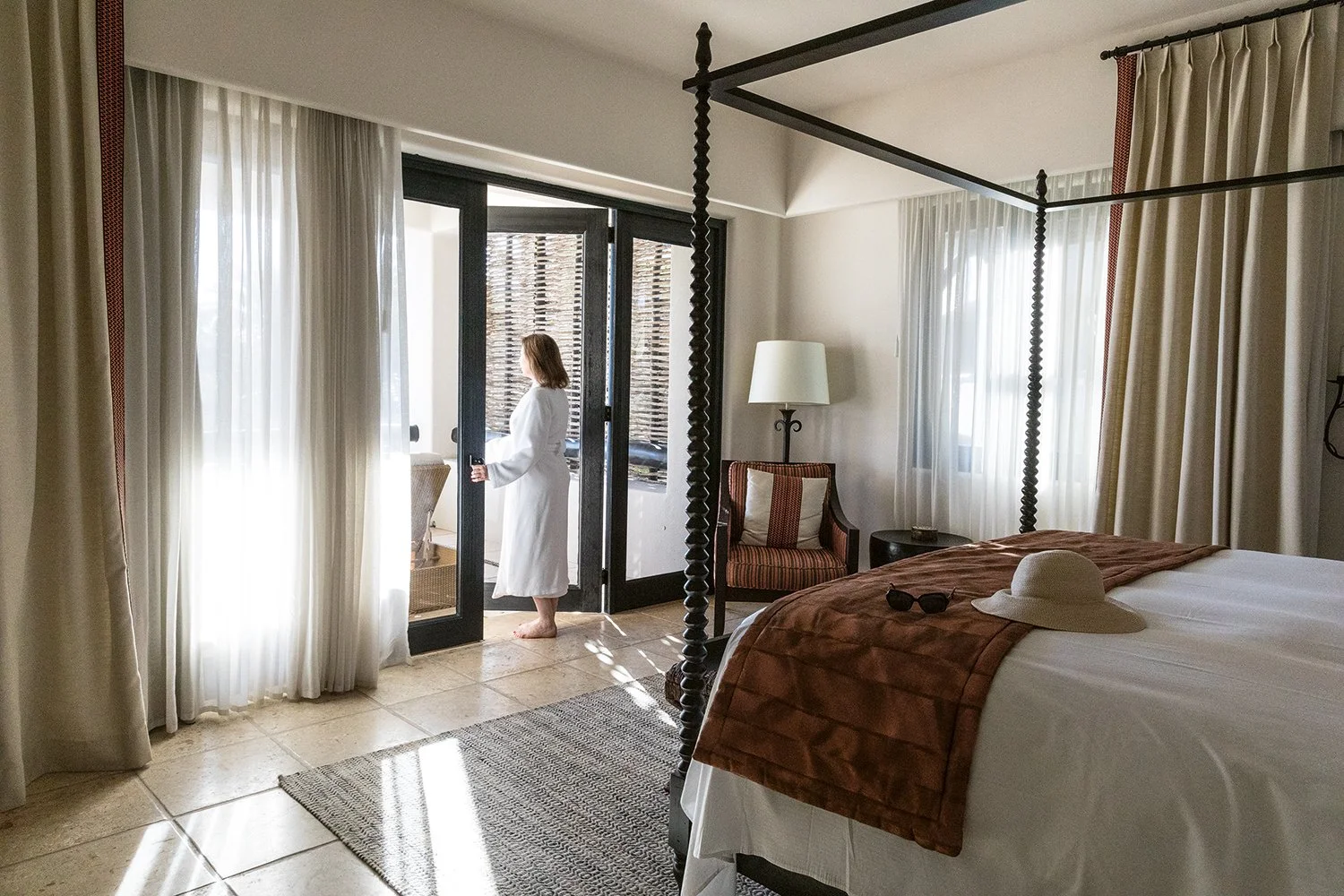
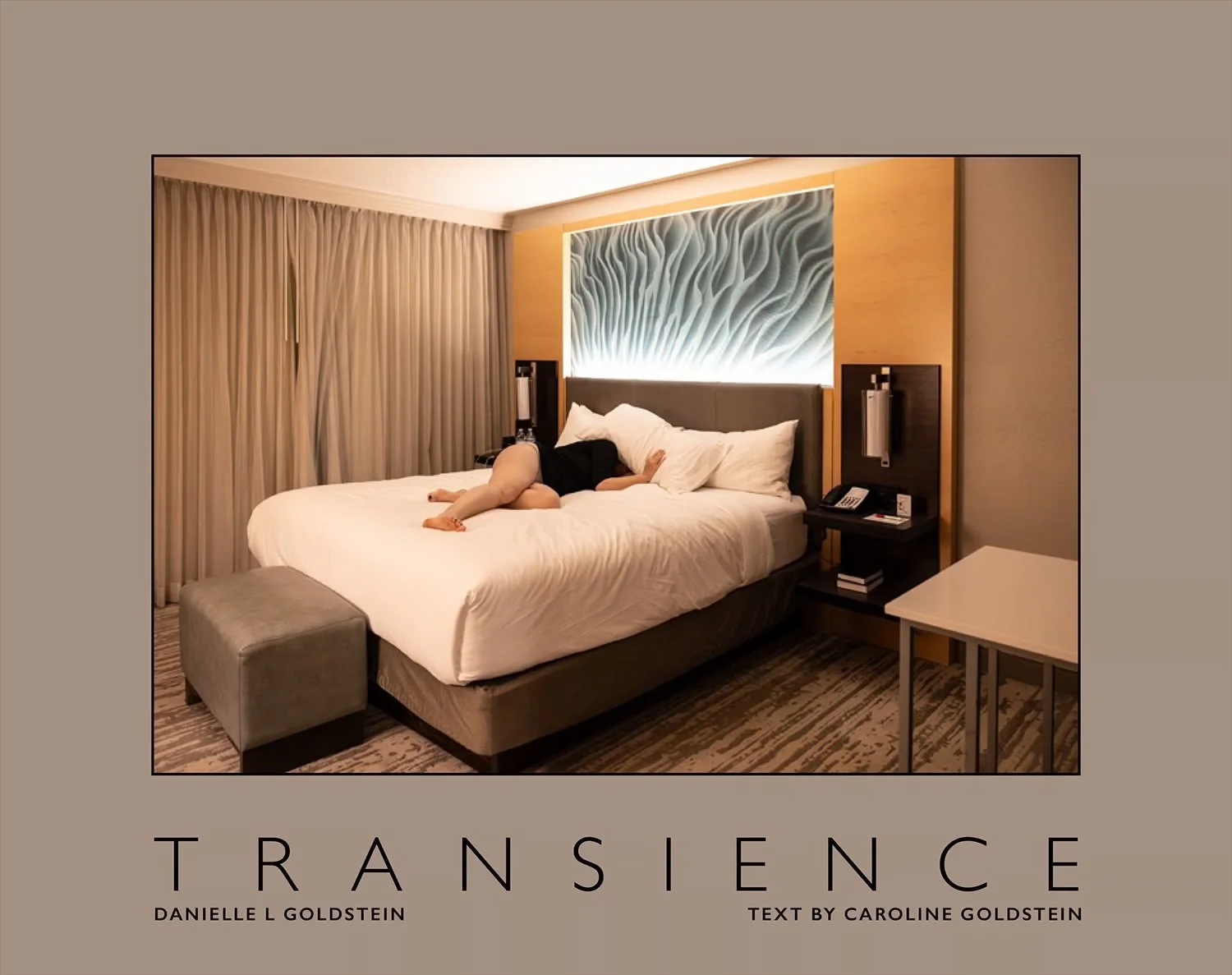
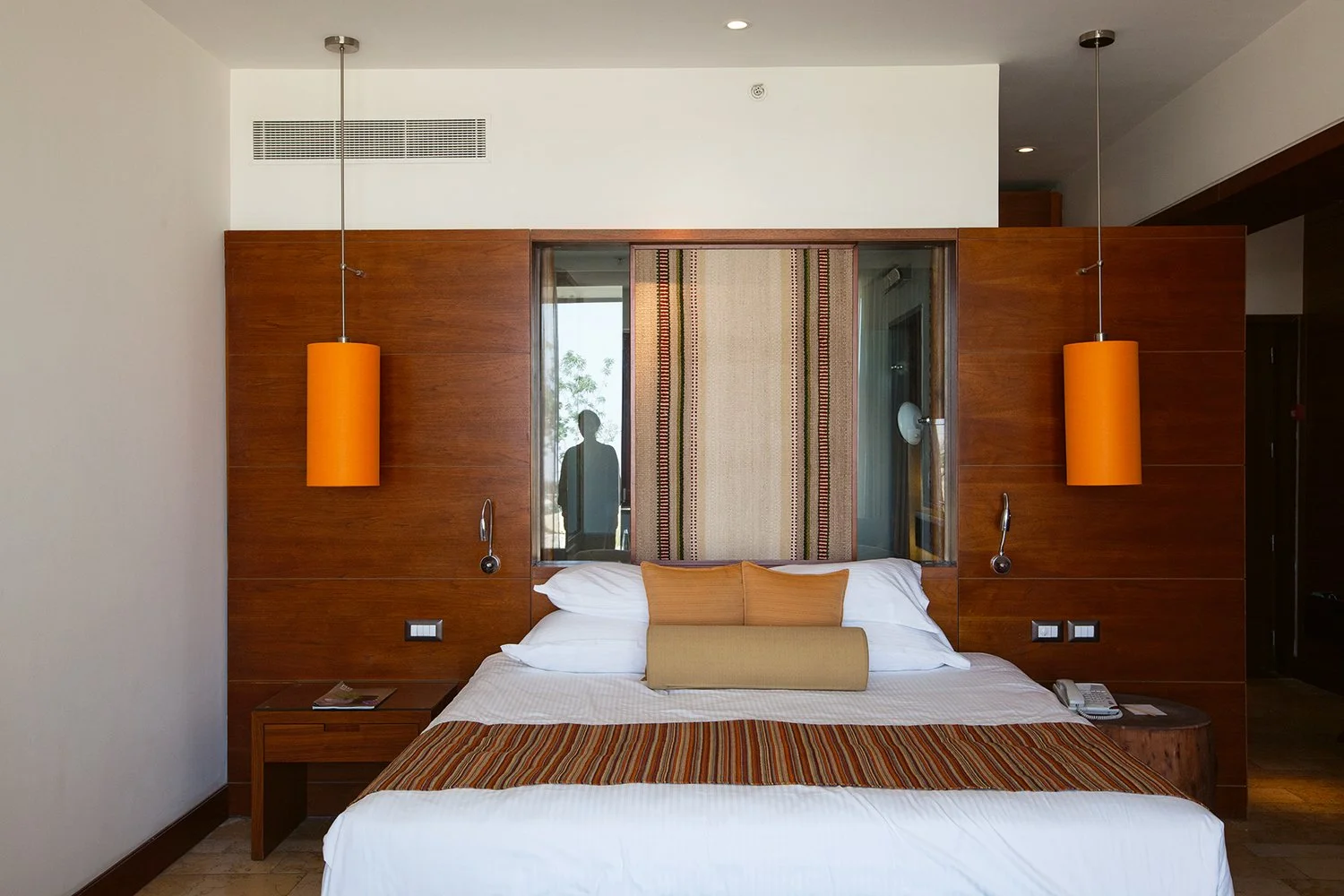
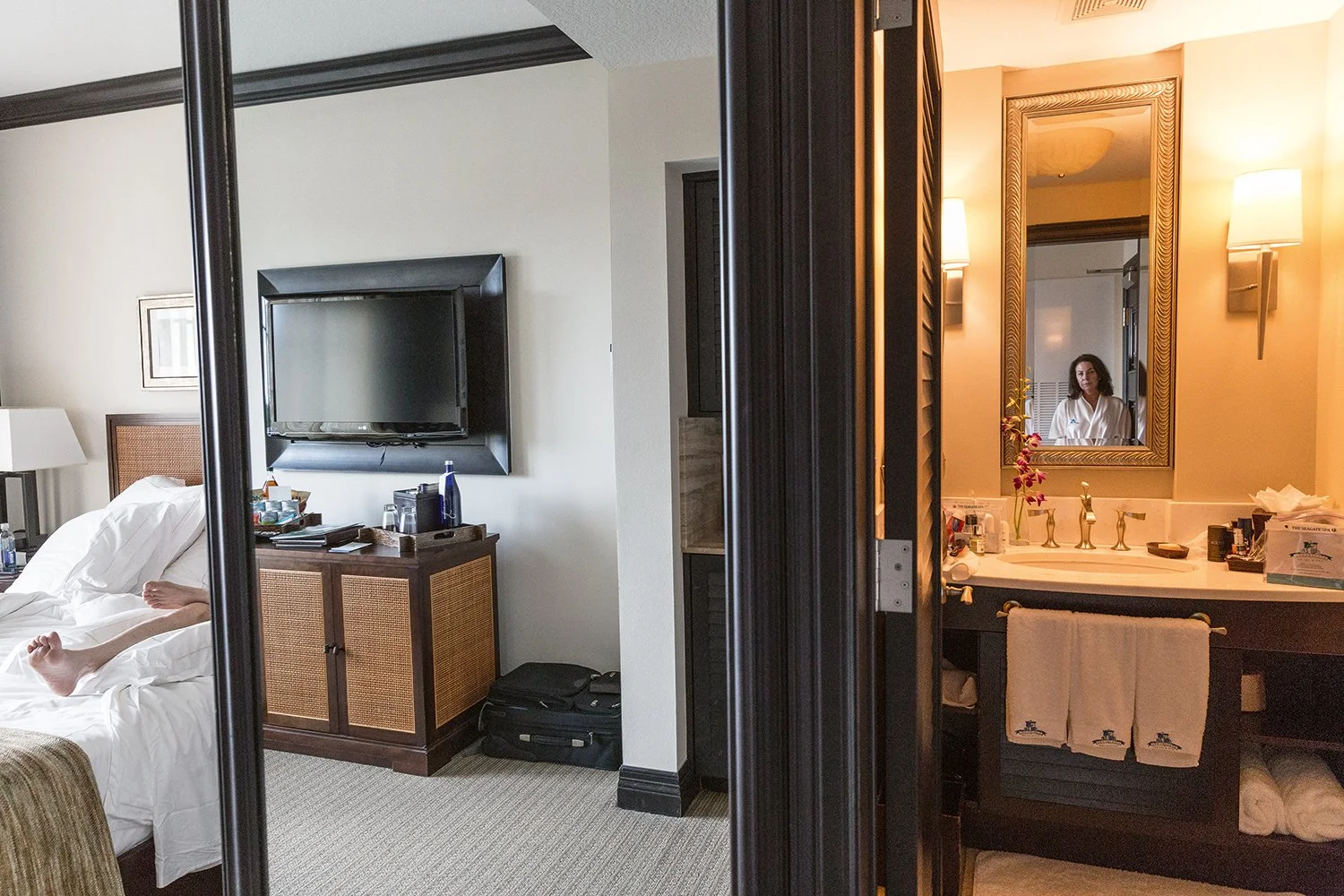
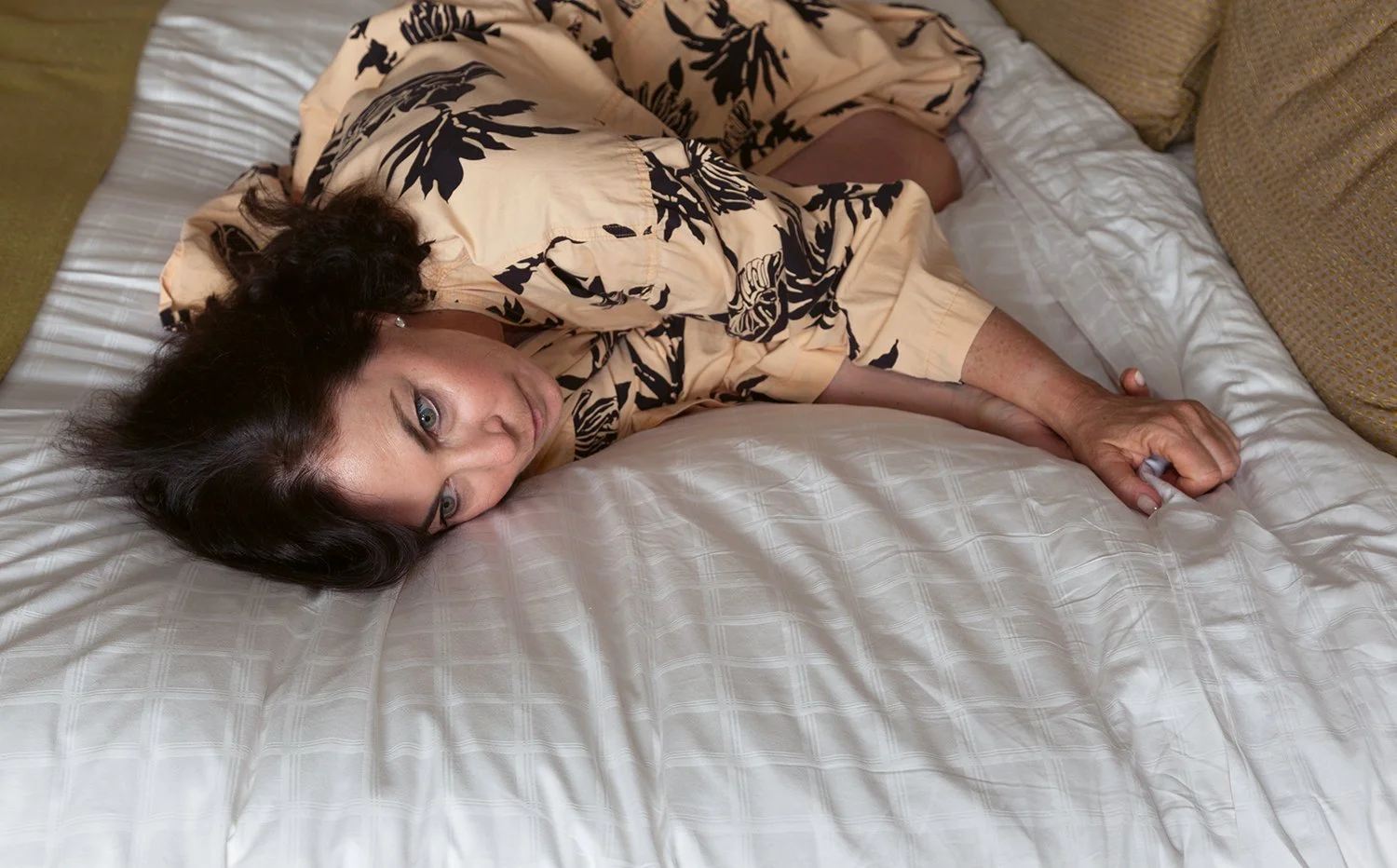
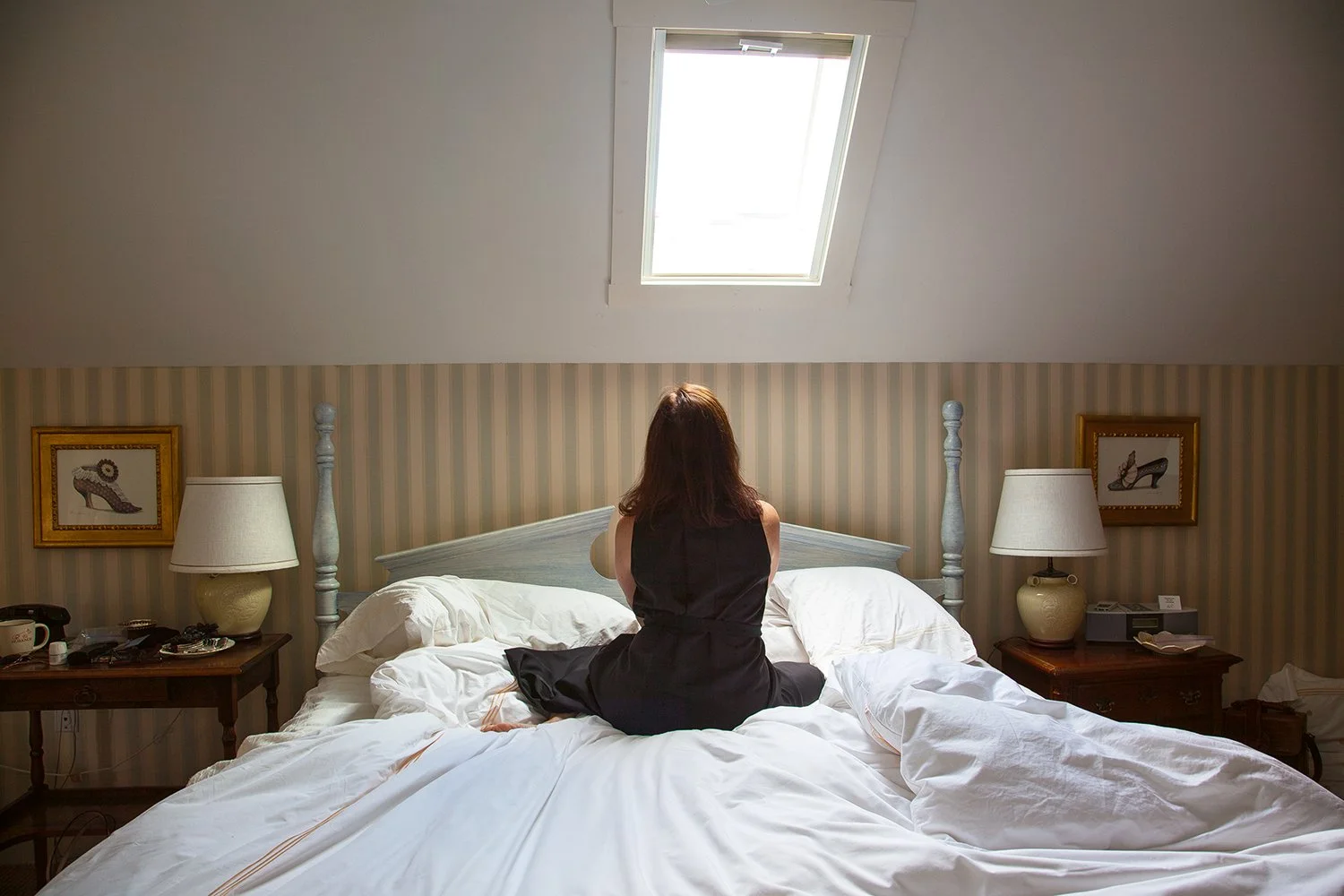
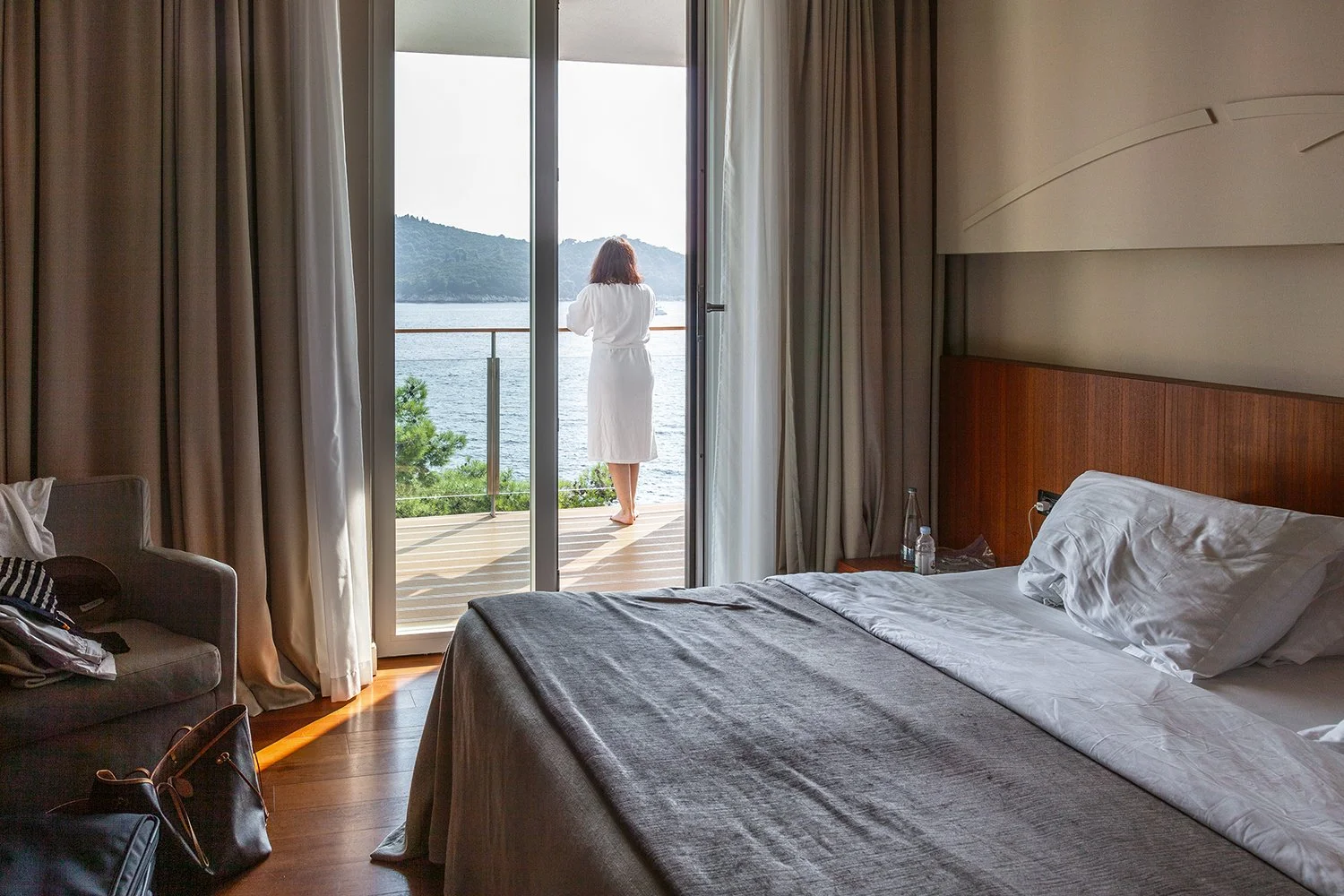
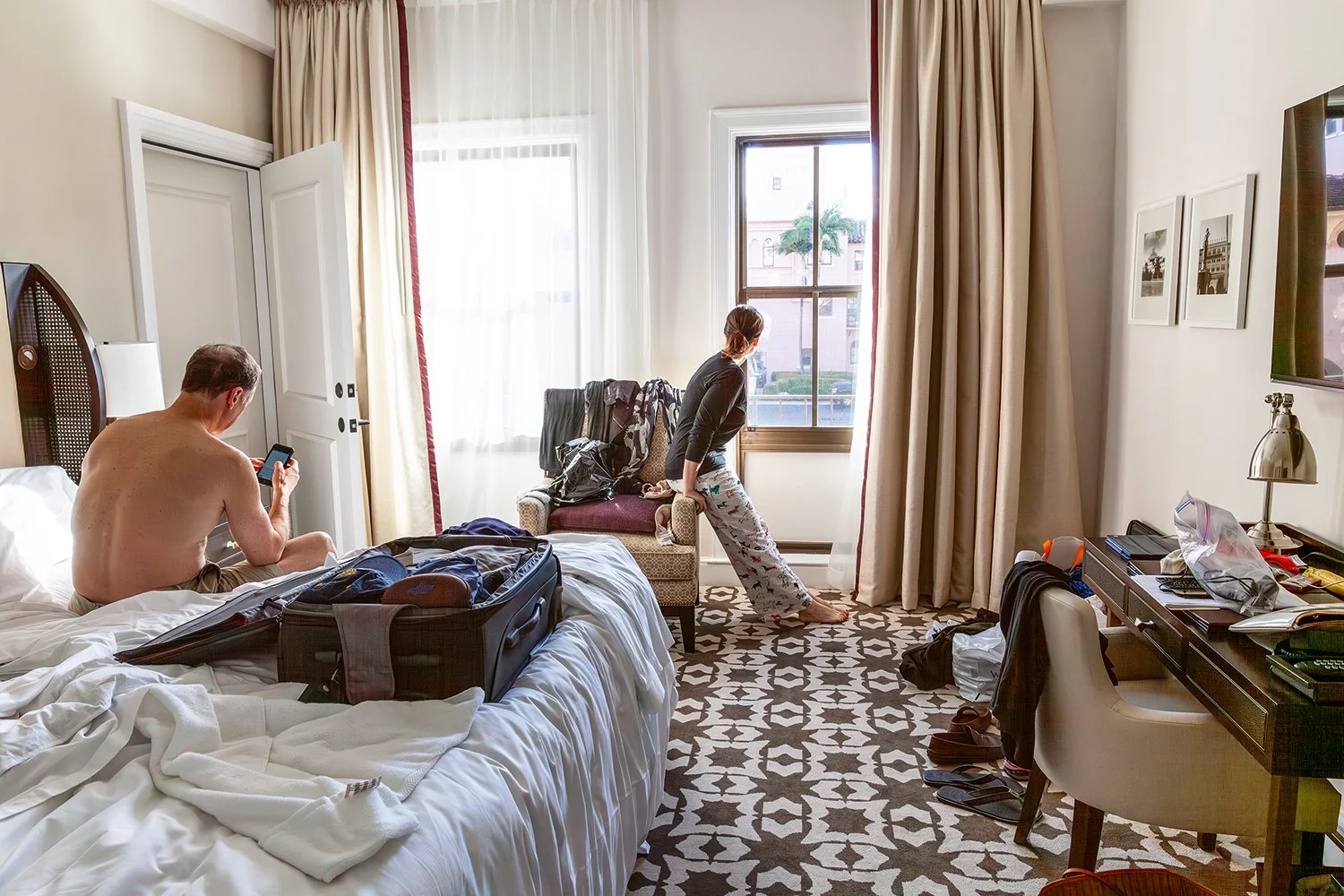
To discover more about this intriguing body of work and how you can acquire your own copy, you can find and purchase the book here. (Schilt Publishing & Gallery, Amazon)
More photography books?
We'd love to read your comments below, sharing your thoughts and insights on the artist's work. Looking forward to welcoming you back for our next [book spotlight]. See you then!
Catherine DeLattre’s photographs begin with something worth stopping for. Driving through Wayne County, Pennsylvania, she notices isolated houses, trees, and open fields. Photography Book Spotlight