The Real Story Behind Janet Delaney’s Book: Photographing Beauty Shops, Hard Work, and Family History
Welcome to this edition of [book spotlight]. Today, we uncover the layers of 'Too Many Products Too Much Pressure,' by Janet Delaney (published by Deadbeat Club). We'd love to read your comments below about these insights and ideas behind the artist's work.
A sales route became an unexpected photographic archive.
It started as a simple week following Janet Delaney’s father on his beauty shop route in Los Angeles. What she captured shows real work, real pressure, and the everyday moments that shaped her family life. The project also reveals how personal history can lead to a deeper understanding of the world of labor.
This is a story about how photographs can hold a family together.
Janet Delaney returned to these images 45 years later and found details she did not see at the time. Her experience shows how a photographer can connect memory, work, and personal history in a clear and honest way. By looking at her process, you can learn how to build your own long-term project from a simple idea.
This article will help you see how one small project grew into a meaningful body of work.
The Book
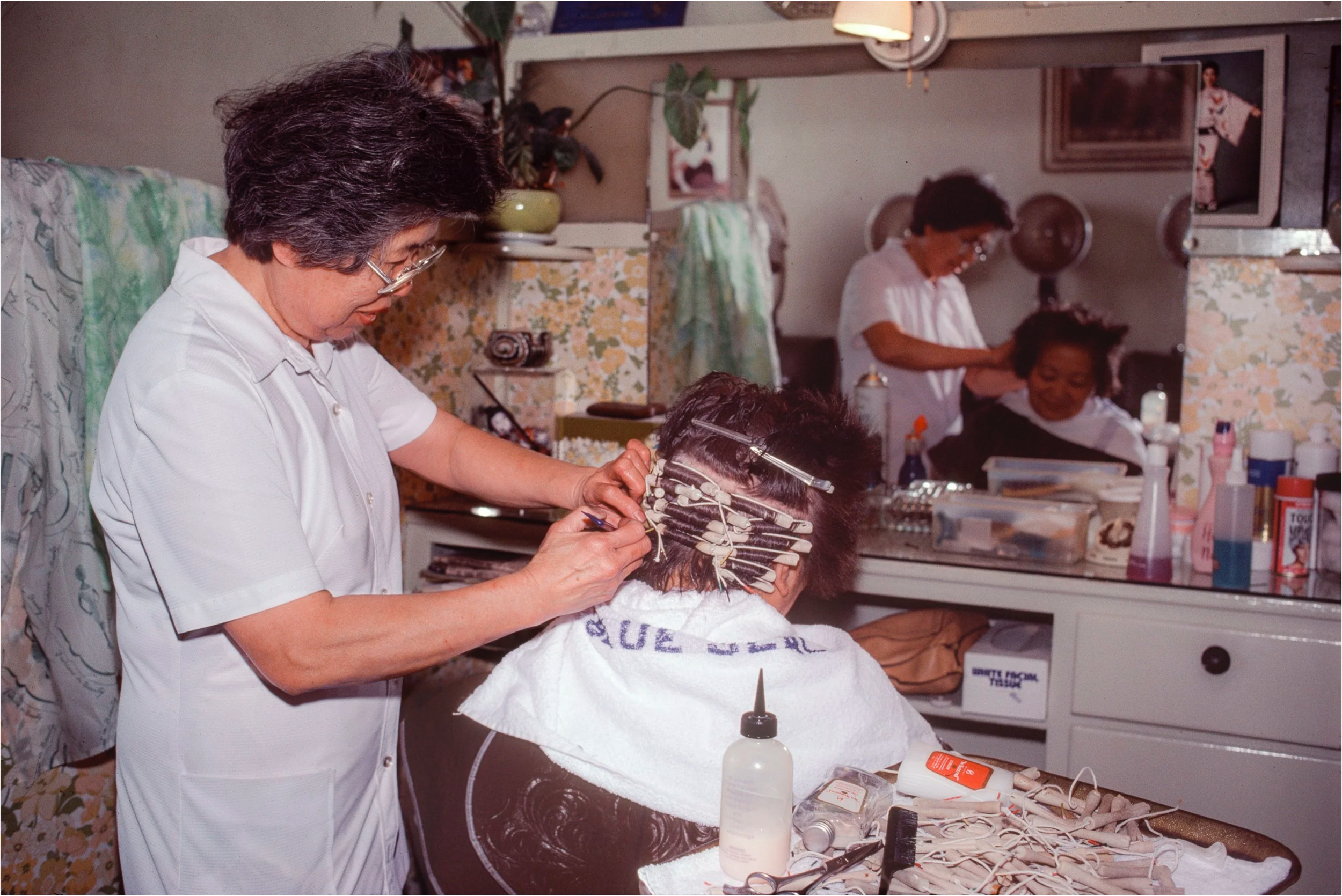
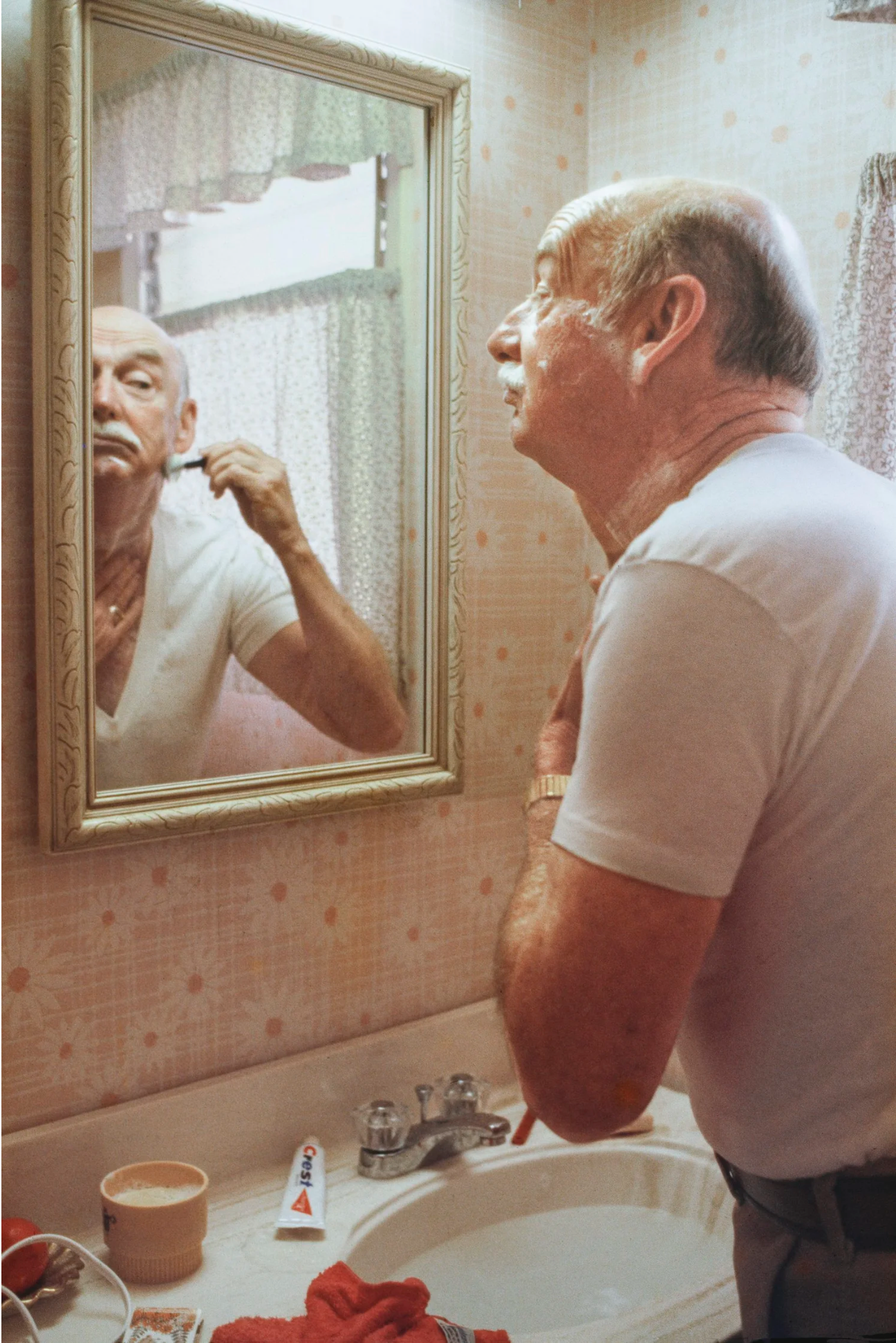
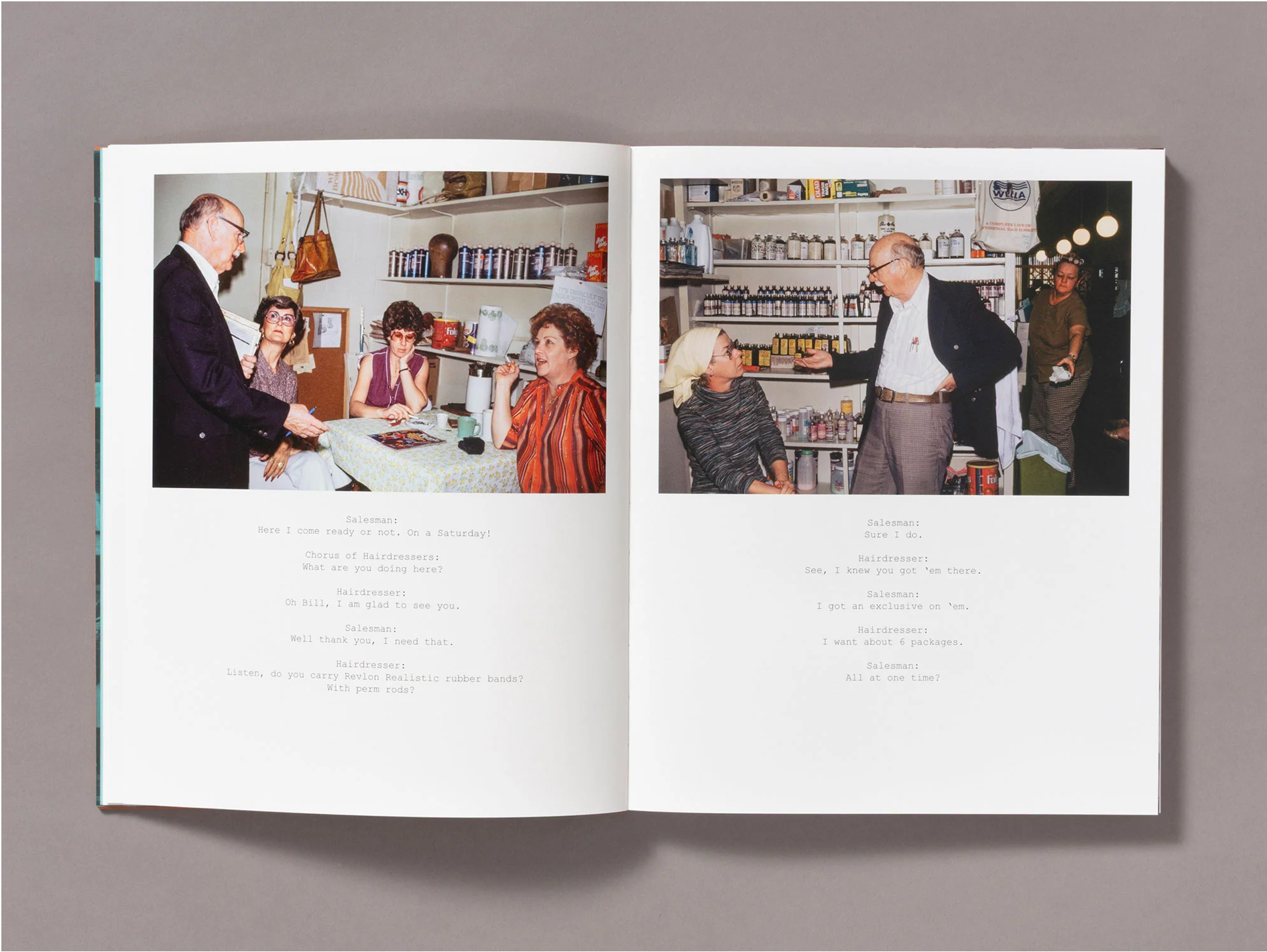
Too Many Products Too Much Pressure is Janet Delaney’s return to a project she first photographed in 1980, when she followed her father on his beauty supply sales route across Los Angeles. Shot on Kodachrome with direct flash, the series captures busy salons, small business owners, and the daily rhythm of work that shaped her family life. The book combines photographs with personal text from both Janet and her mother, creating a portrait of labor, memory, and the hidden world behind beauty culture. It brings a quiet chapter of American working life back into view and shows how a simple week on the road became a lasting record of family history. (Deadbeat Club)
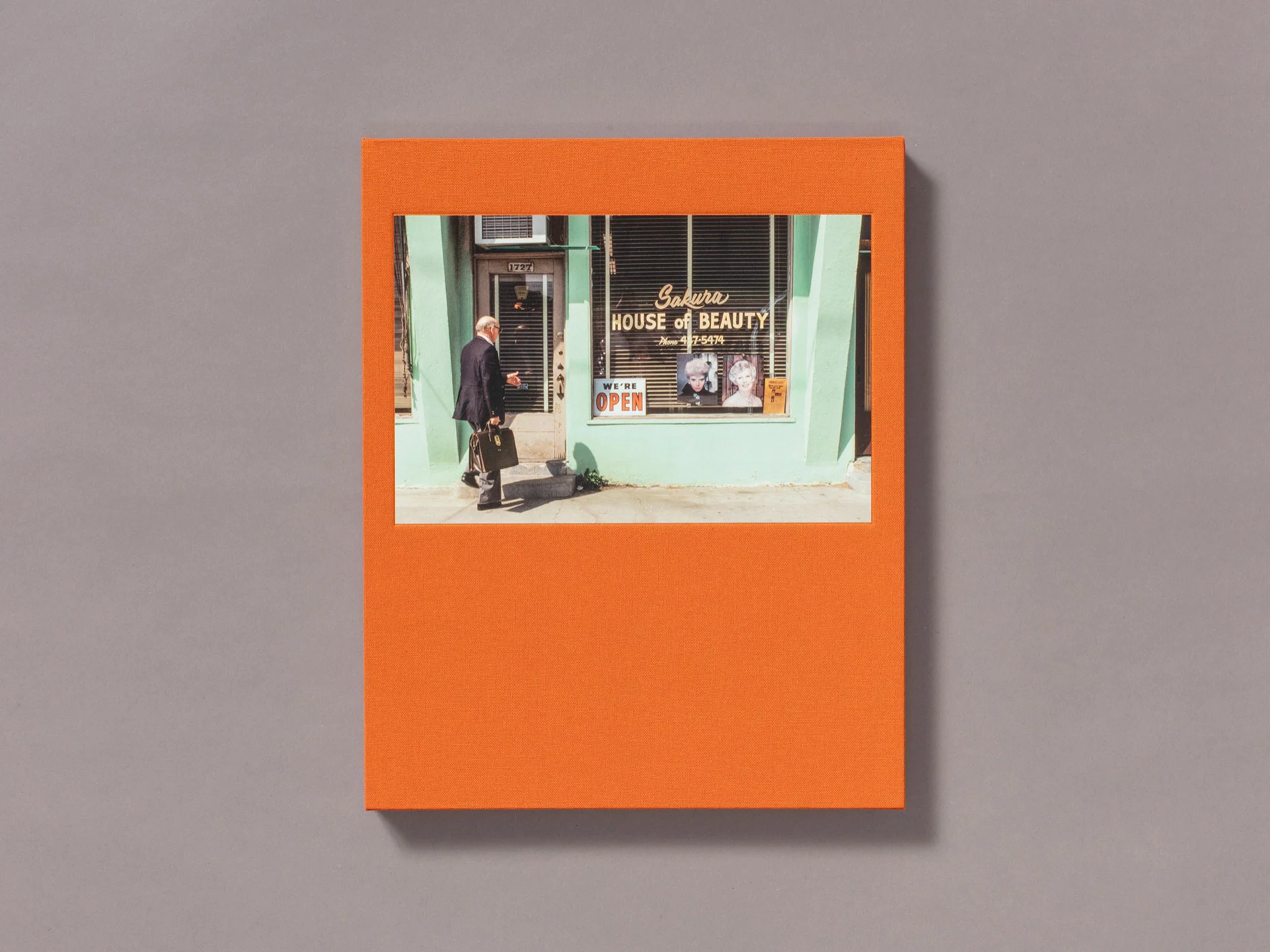
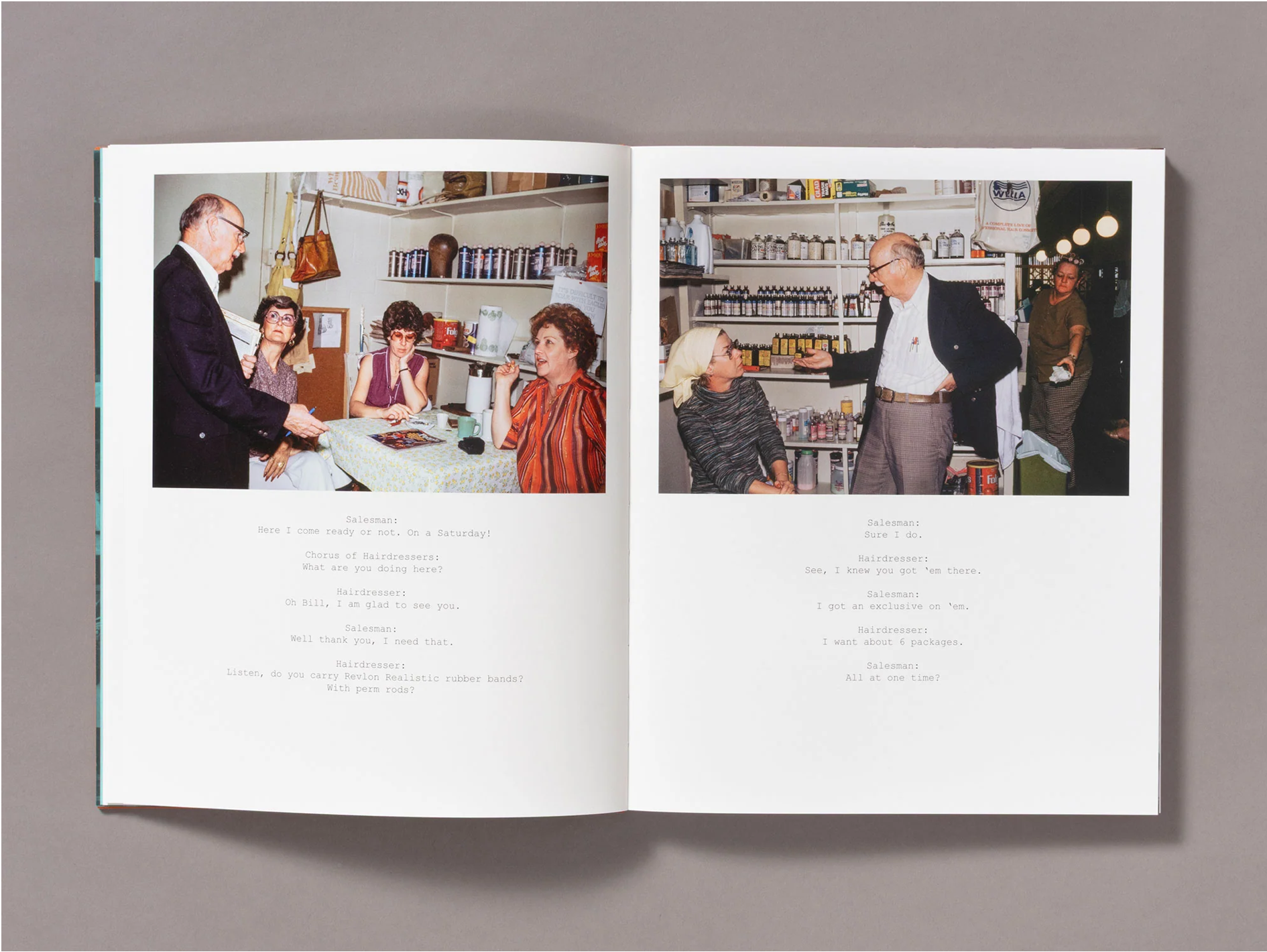
Project Beginning: What made you follow your father on his beauty sales route in 1980 when you were just starting your MFA?
I knew my dad was going to retire soon. He sold beauty supplies to beauty shops throughout greater Los Angeles. The backseat of our family car was strewn with curlers and boxes of permanent waves. Lipstick and shampoo cluttered the kitchen table. From an early age I learned to answer the calls from shop owners who reached dad at home with last minute additions to their orders. I knew his work well, but I had never been to work with him, so I decided to seize the moment and ride along through his territory in Los Angeles.
I was inspired to make this project as a two-projector slideshow with a soundtrack after seeing work by Connie Hatch who was a year ahead of me at the San Francisco Art Institute. She documented her brother who was a lineman outside of Fort Worth, Texas. Adding the sound of her brother and sister-in-law’s voice made it made it much more intimate. I was intrigued by the idea of situating a personal narrative in the context of a larger social, economic conversation.
How did seeing Connie Hatch's work change your understanding of what documentary photography could be?
Before I entered the program at San Francisco Art Institute I had been engaged in conversations about semiotics which led to conversations about how documentary photographs could be read and thus how the act of photographing people and places could be examined and reconsidered. The writings of Martha Rosler and Alan Sekula were instrumental in my understanding of a new documentary practice that recognized the photographer’s relationship to their subjects and created a framework for including the subject’s voice in the production of the work. Connie’s piece was a good example of this approach, and it resonated with me deeply.
Publishing Delay: You shot these photos in 1980 but published them in 2025 - what made now the right time to share this work?
My first book, South of Market, 1978-1980 (MACK 2013) focused on workers in this light industrial section of San Francisco. Over the past few years, I have been documenting tech workers to understand how the world of work in the South of Market neighborhood has evolved. This project about my father was my first effort at exploring this critical part of our lives. It feels right to have come back to this series that foregrounds the world of work and to now understand how foundational it was to my practice.
Turning this project into a book has made it possible to bring the story back to life 45 years after I made it. Years ago I transferred the original slideshow and soundtrack into a video. There is a link in the book to see the video on the website of Deadbeat Club so you can compare the two versions of the story.
Flash Choice: How did using harsh, direct flash help capture the fast-paced energy of your father's workdays?
I was shooting Kodachrome ISO 64 in low light, so flash was essential. I was mainly trying to avoid getting too many reflections in the mirrors! I now see how the flash gives it a feeling of immediacy and energy.
That's interesting about the mirrors - so the technical challenge actually shaped the aesthetic. Were there other "happy accidents" from working fast in those beauty shops that you only appreciated years later?
When I scanned the Kodachrome slides and worked with them in Photoshop, I was able to see so much more detail in the images. This is not an accident perse but an exciting evolution of the medium. The original slides are beautiful, but discovering what was in the shadows added to the story. Also spending the time it takes to scan and make prints really immersed me in these shops and back in my family home.
Different Approach: You usually use large format cameras for city projects - what equipment did you choose for following a salesman on the move?
I was shooting with a Nikon FM with an on-camera Vivitar flash, all very straight forward. I was also carrying a Sony cassette recorder. I had a lavalier mic pinned to the strap of my camera bag. It was a lot to manage, and I had no idea if I would be getting anything useful. I had no experience with any of this gear except the camera. I knew I had to be able to maneuver around the people as they worked and not be intrusive; this approach made that possible. I’ve made two other pieces using this approach: Langton Street, part of the South of Market project and A Grandmother’s Story, part of the Managua series.
Family Stories: The book includes essays from both you and your mom - how did her memories change how you saw these photos?
When I first produced this piece, I did not include the audio of my mother’s perspective. I remember thinking her tone of voice and use of language did not seem to fit in with the audio of my dad, they were very different people. But now, I am glad that I could include her point of view in the text of the book. When I reread the transcript of our 1980 conversation in 2025, I was surprised by how much I had forgotten about her direct experience working as a receptionist. Mom always had a sense of the larger picture; her text helps to deepen the understanding of what the shop owners had to deal with daily and how my father felt about his job.
Critical Distance: You grew up questioning consumer culture, but this is about your dad's hard work - how do you photograph something with both love and honesty?
I definitely believed that the beauty industry represented patriarchal oppression. I still do. None the less my relationship with both of my parents was relaxed. By the time I came home to make this work they accepted me as the feminist art student that I had become. I think they were just very happy to have me around for a week.
Work Photography Tips: You've documented many workers over the years - what's your advice for photographing people naturally while they work?
I am a careful observer. I let the action unfold. Most work is repetitive so if I watch for a while I can understand what will happen and can anticipate it. I never interfere with someone when they are working, rather I move around to find the best place to position myself. I think my study of visual anthropology influenced my approach in its emphasis on deep looking.
Access: How did you get beauty salon owners to let you photograph inside their businesses during busy work hours?
It was sometimes a bit of a dance, trying to stay out of the way. I was surprised that the women did not mind me photographing them in their “behind the scenes” moments, hair in curlers, no make-up. The shops were like an extension of their social circle so for the most part, everyone was friendly and at ease. The owners loved my dad and had been hearing about me growing up over the previous 20 plus years, so I was already well known when I arrived.
Personal Documentary: This project is more personal than your city work - did photographing family make the process easier or harder?
Early on I realized that the camera offered me a way to be in the world, it established my relationship with both strangers and family. People expected me to be the one with the camera. I embraced the role of the participant observer.
Looking back, I realize my dad photographed us a lot so having the camera around was not unusual. My father was orphaned as a baby and had no family life growing up. I think this compelled us to create a new start for the Delaney clan and photographs help to make the story feel real. This book has been important to my relatives because of our tenuous hold on our family history.
Can you talk more about how your father‘s upbringing shaped both his drive as a salesman and your need to document the family through photography?
My dad’s mom, an Irish immigrant, gave him up at birth. A family adopted him, but both parents died by the time he was ten years old. The local parish priest set him up to be a houseboy for a wealthy widow in Chicago. He graduated high school during the Great Depression and had to immediately move out on his own. Dad rarely discussed his childhood, and when he did, he would say he was lucky. He had an optimistic view of the world despite his challenging start. His drive was his only resource; he had an incredible amount of energy. Creating a family was his main goal in life, working all the time was what made this possible. He raised three children on commission, no salary. All three of his children received the education he and my mother could not have.
My dad’s obsession with photographing us was likely a combination of pride and fascination with the medium. He kept current, moving from black and white film to color slides to 8mm movies. My mom put albums together: black and white photos with deckled edges tipped in black pages with white photo corners and labeled with white ink. They were made with such loving care!
Growing up as the third child, much younger than my sister and brother, I spent a lot of time looking at these photographs trying to imagine who the family was before I arrived. This idea of using the photograph to time travel, to understand the past and to preserve it for the future is intrinsic to my own practice. While our home was full of photos and stories of my mother’s relatives from Switzerland and Hungary, we had nothing from my father’s past. This vacancy still haunts me. This book on my father is one way to keep him and his story
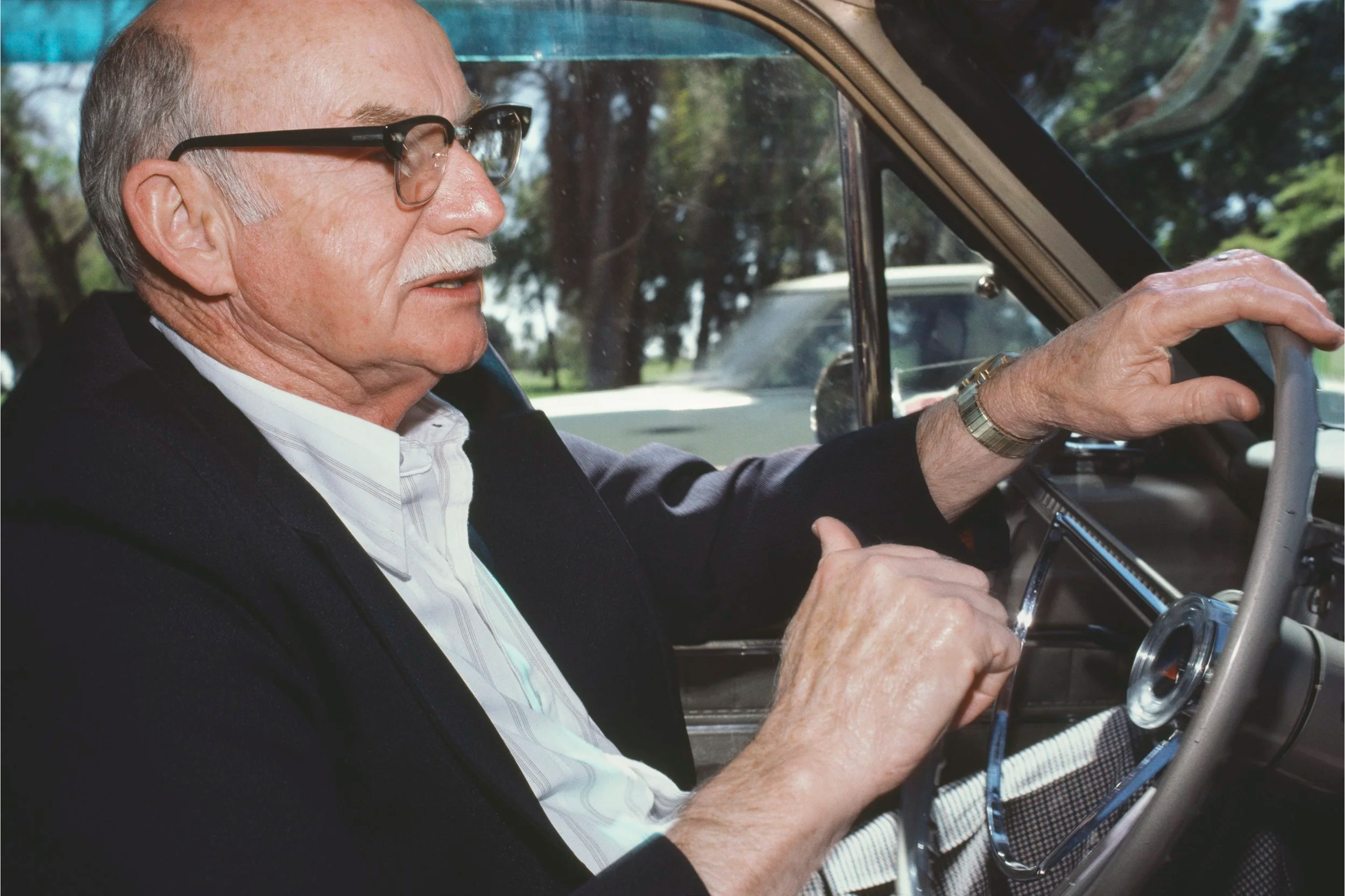

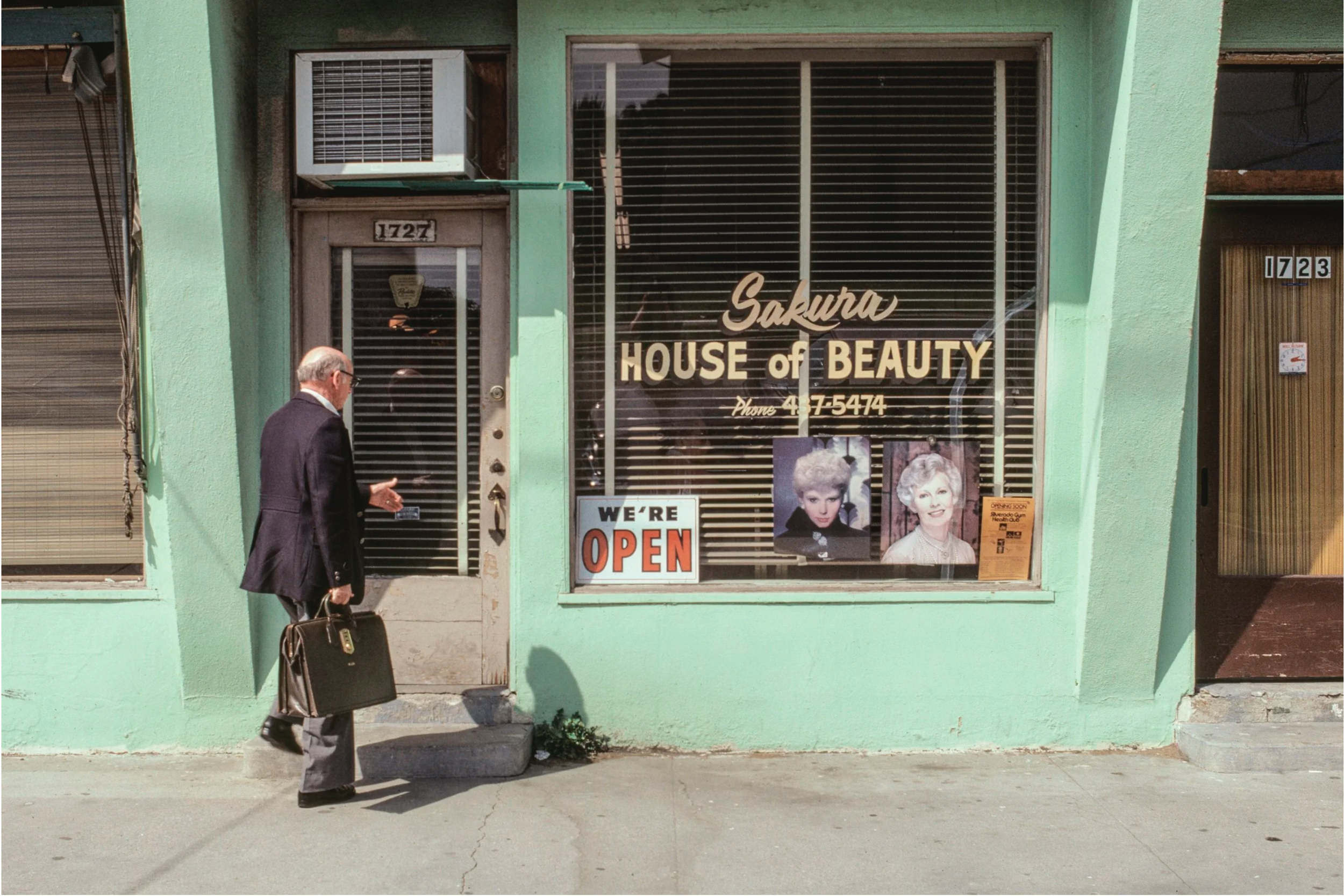



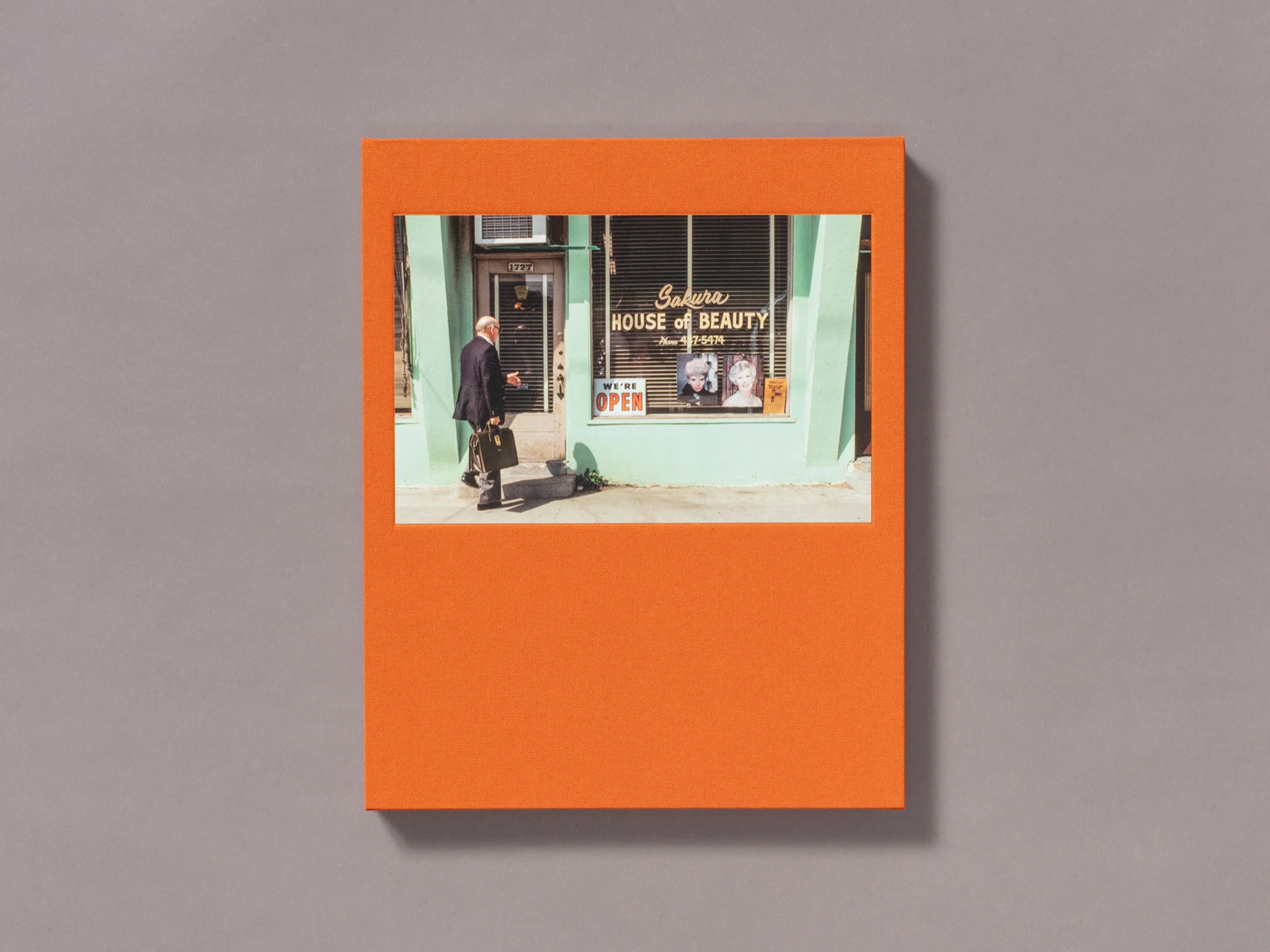
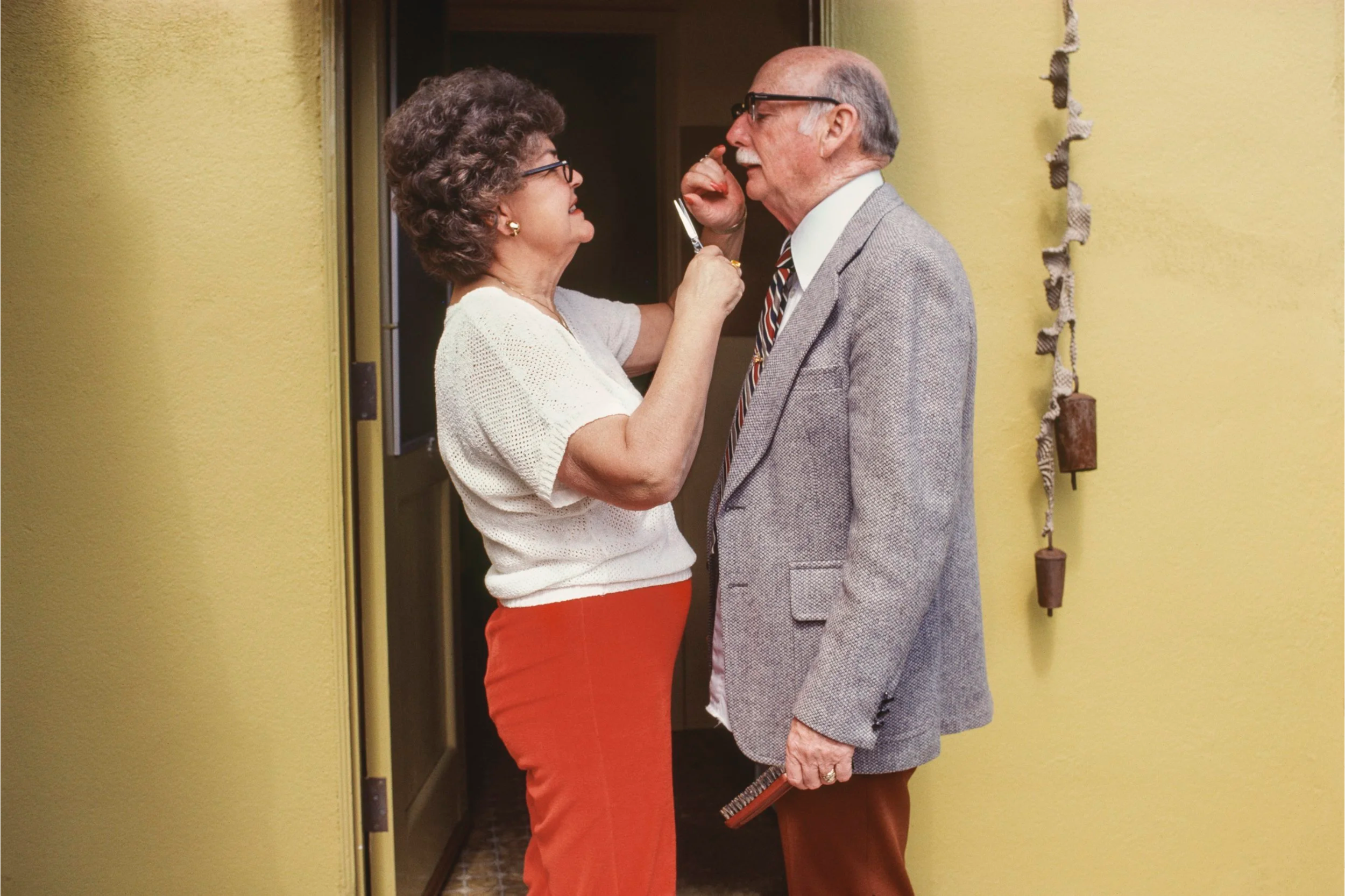

To discover more about this intriguing body of work and how you can acquire your own copy, you can find and purchase the book here. (Deadbeat Club)
More photography books?
We'd love to read your comments below, sharing your thoughts and insights on the artist's work. Looking forward to welcoming you back for our next [book spotlight]. See you then!
Robin de Puy could no longer make this project alone. She first photographed Randy in Ely, Nevada, during a 2015 road trip and kept returning to him for more than ten years. Interviews