How a Family Secret Shaped Jillian Guyette’s Vision and Led to a Book About Home
Welcome to this edition of [book spotlight]. Today, we uncover the layers of 'We Keep Swimming, Until We All Reach Home,' by Jillian Guyette (published by Daylight Books). We'd love to read your comments below about these insights and ideas behind the artist's work.
A hidden family story changed the way she photographed.
It helped her understand why she was drawn to family and memory in the first place. This discovery became the starting point for years of photographing her daughter, her mother, and her mother in law. The result is a book that looks at belonging, connection, and the quiet moments that shape a home. This interview explains how that story guided her work.
Becoming a mother pushed this project even further.
The long days at home and the support from both grandmothers created a natural space for real moments to appear. She began to follow these moments with film, using simple light and honest situations. This approach helped her see her own lineage in a new way. By the end, you will understand how one personal truth grew into a book about three generations and the ties that hold them together.
The Book
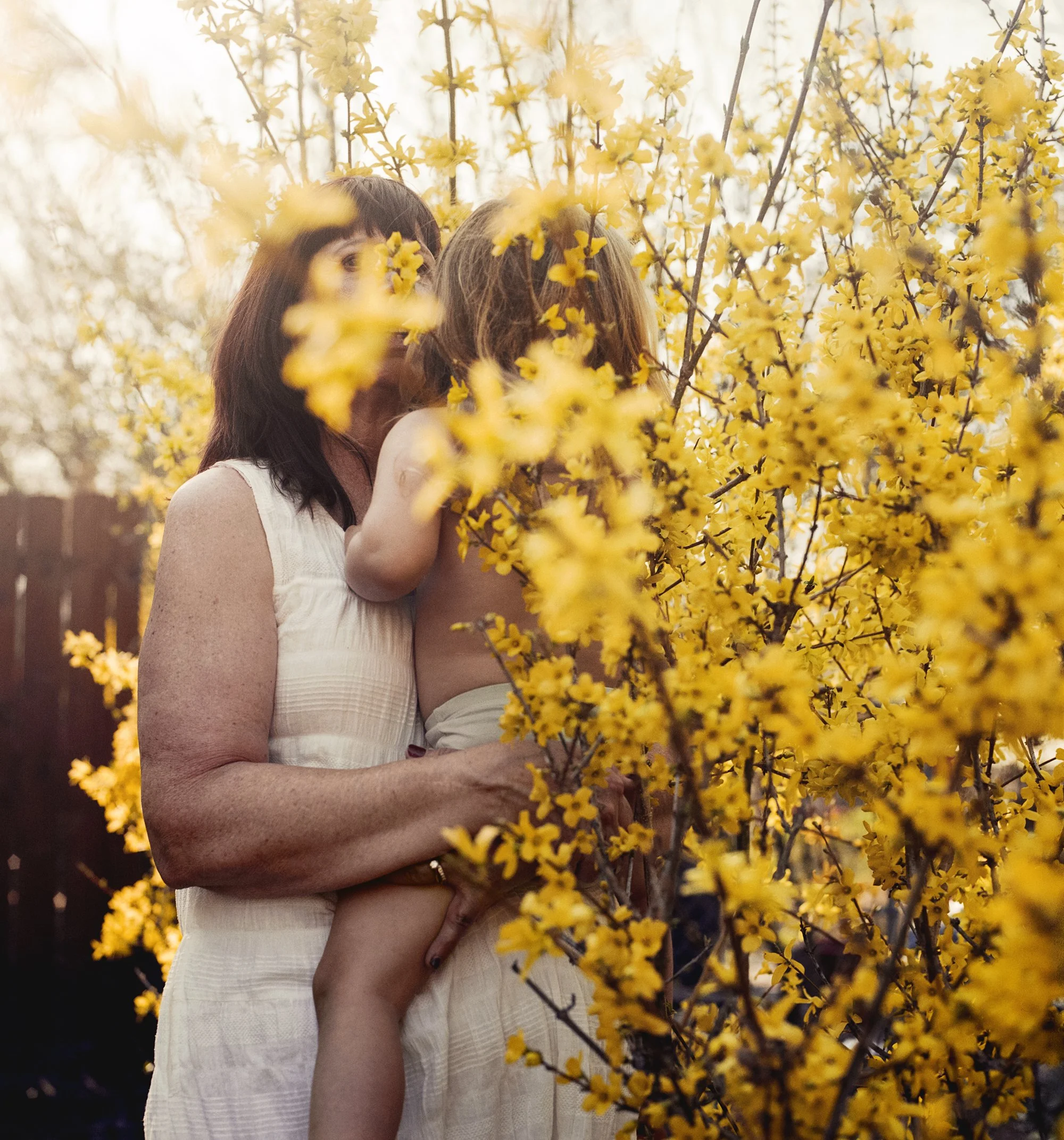
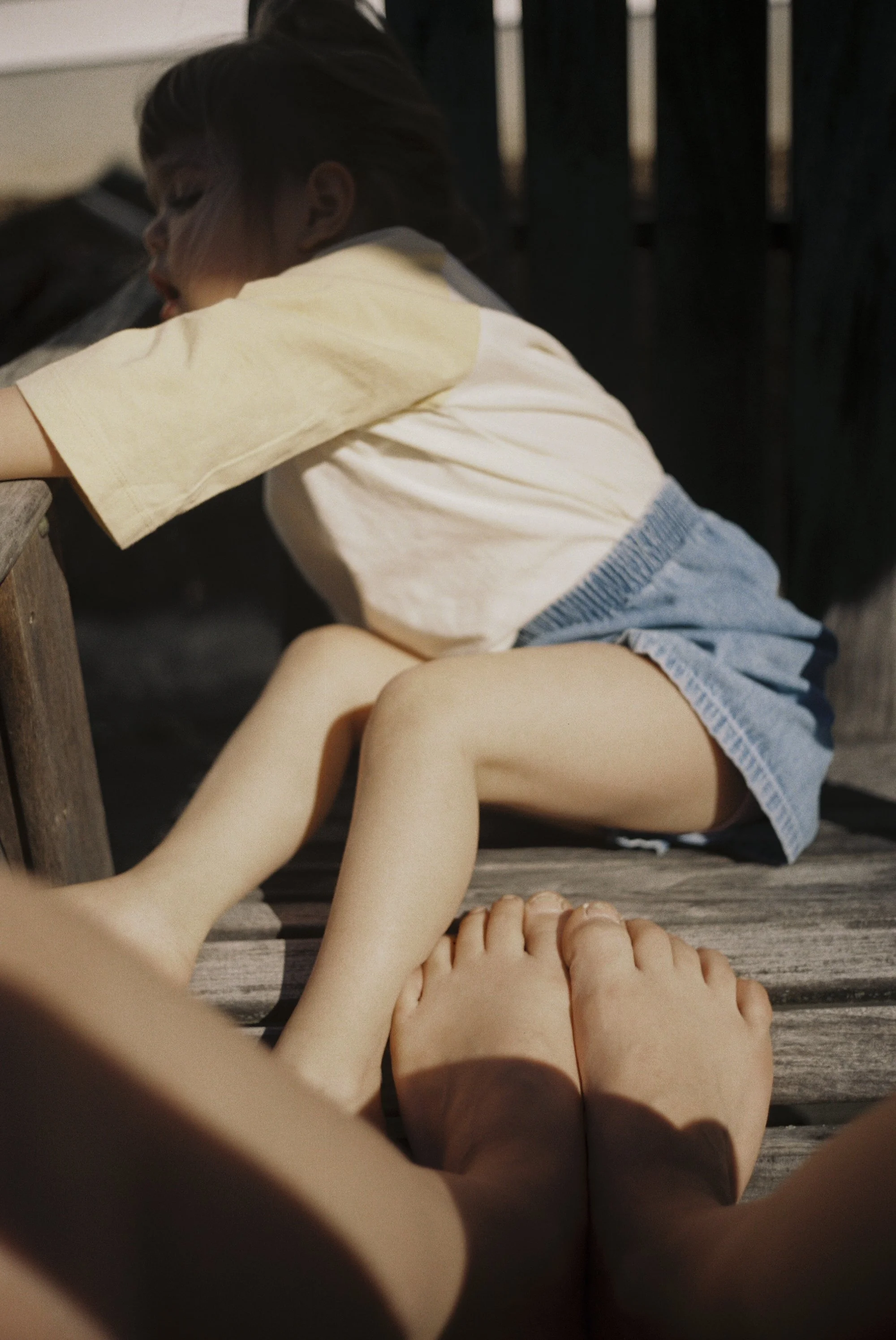
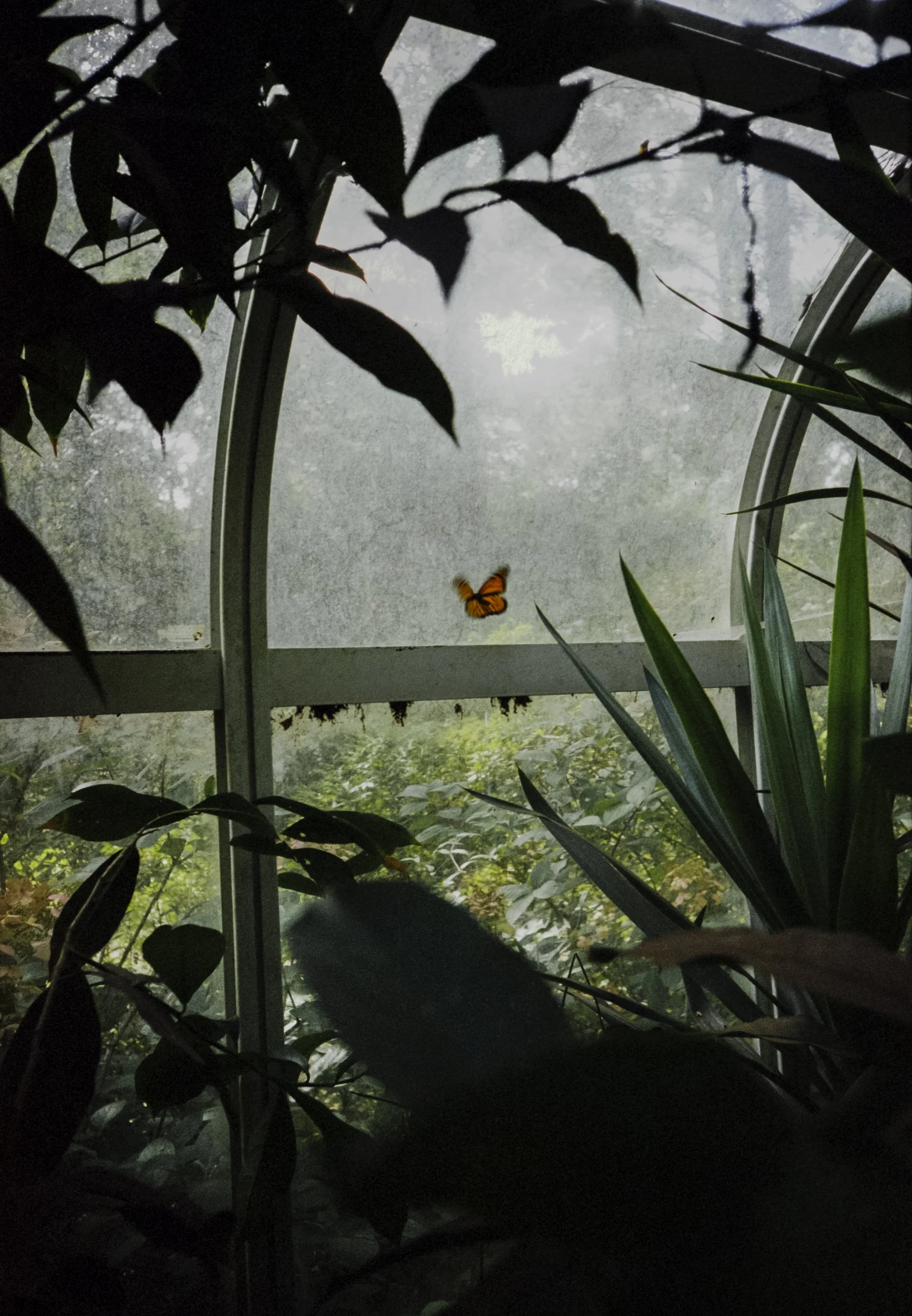
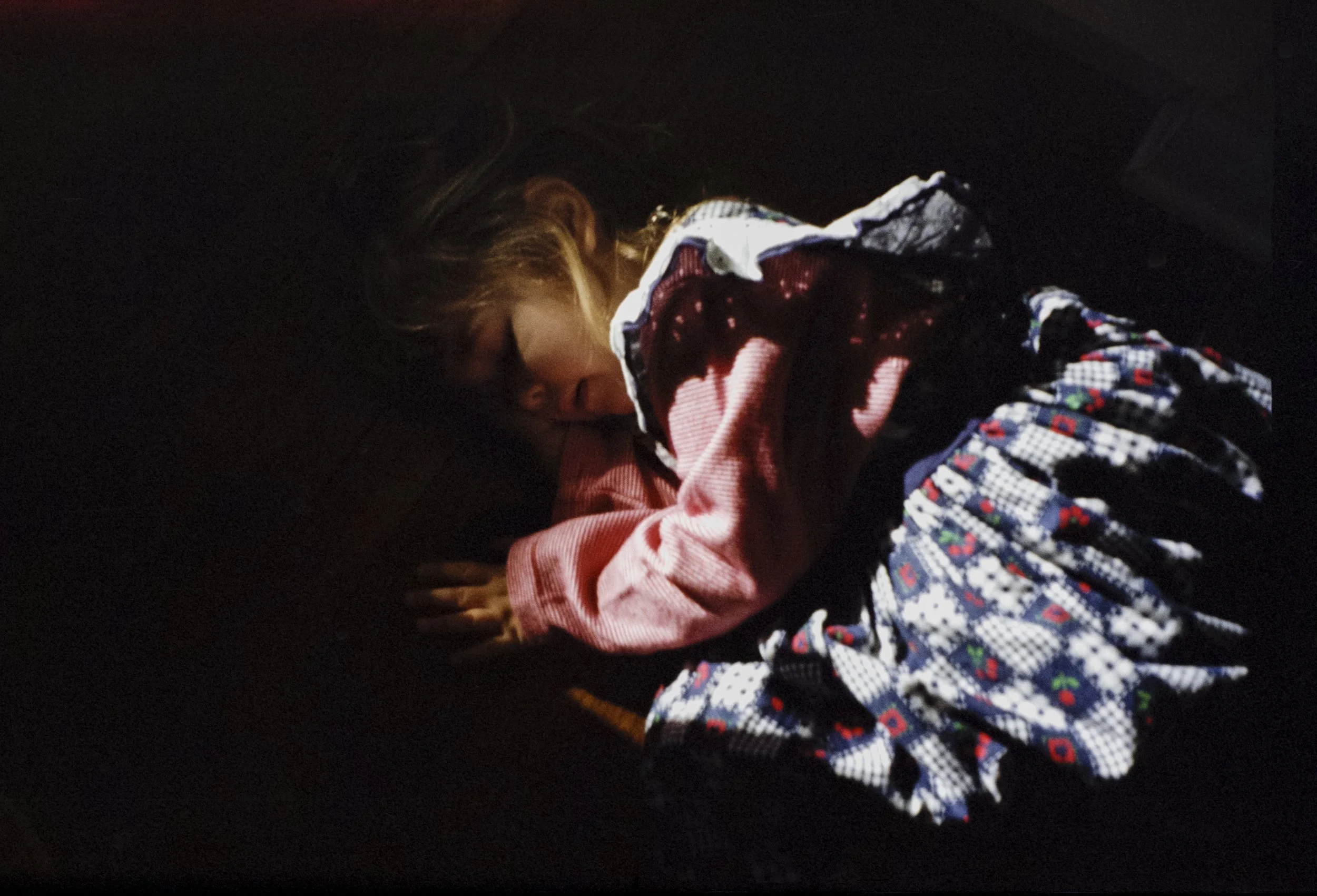
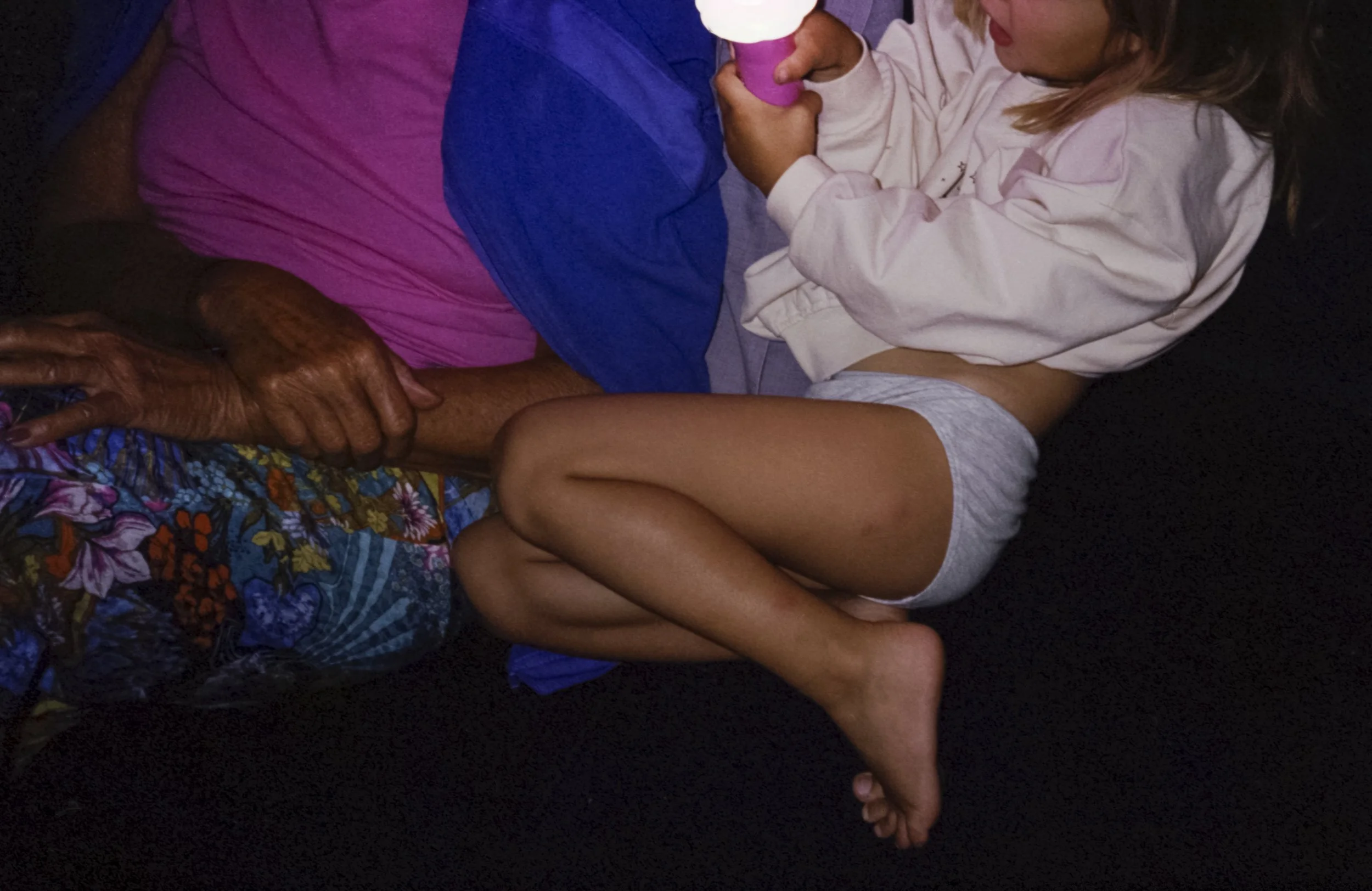
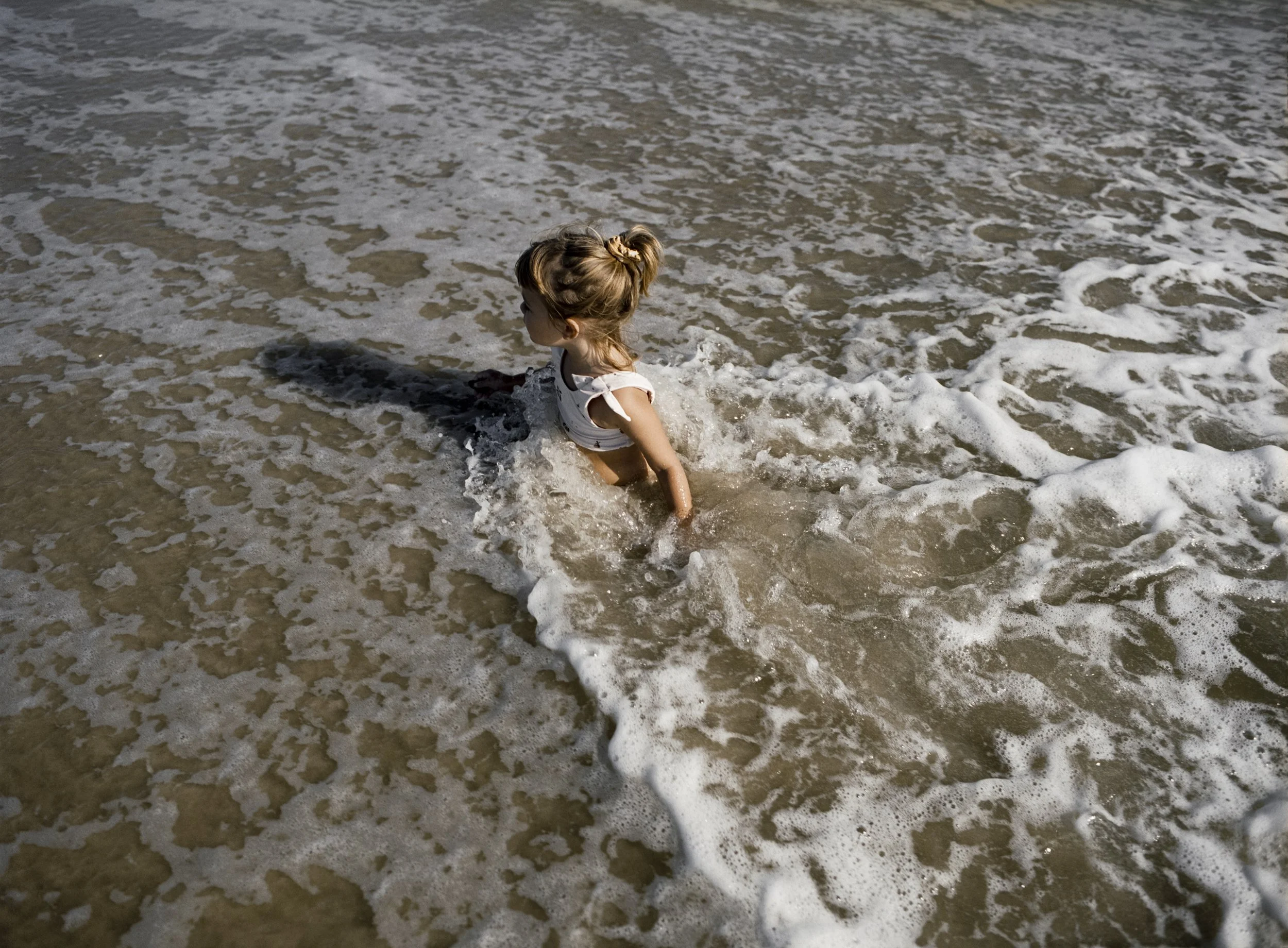
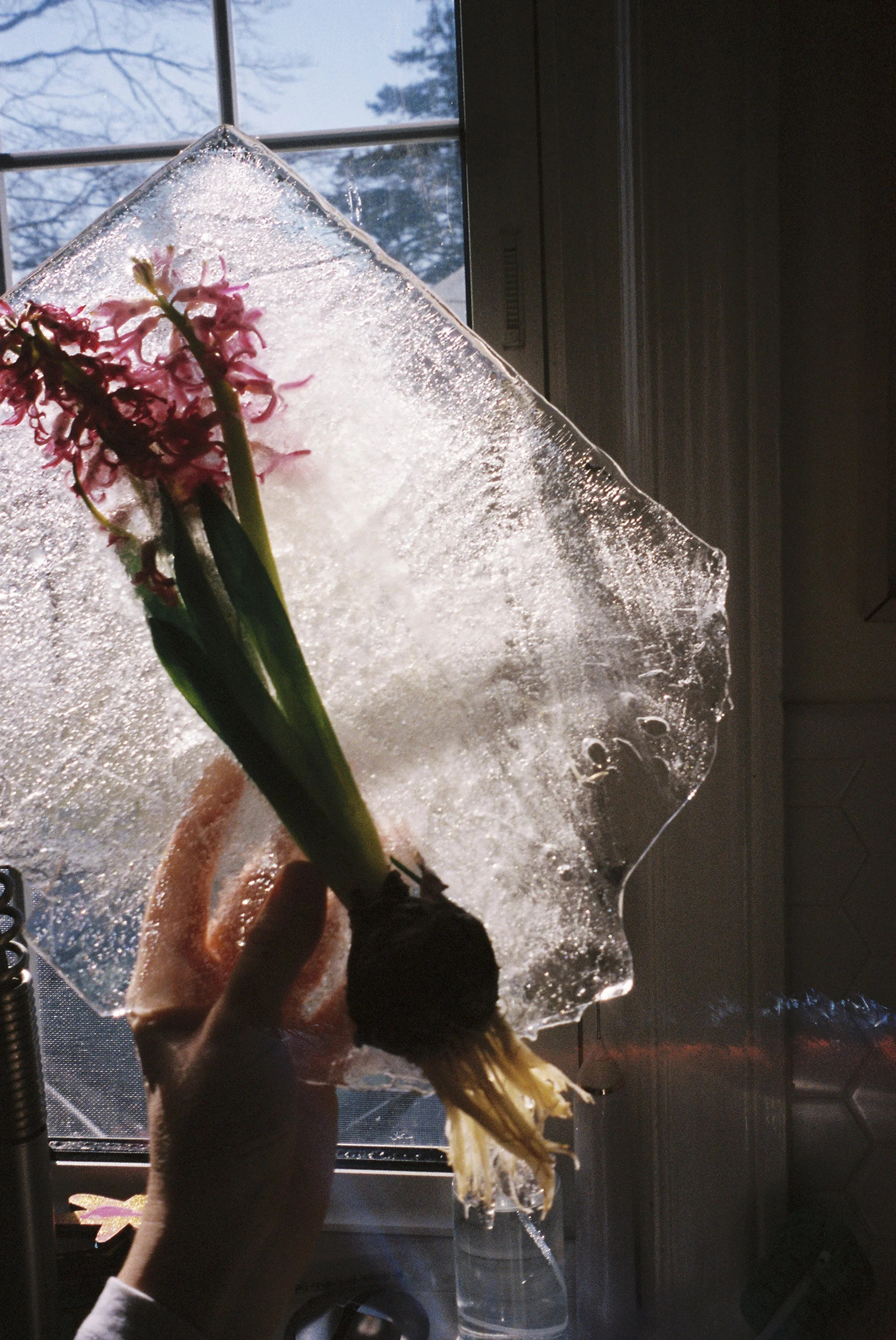
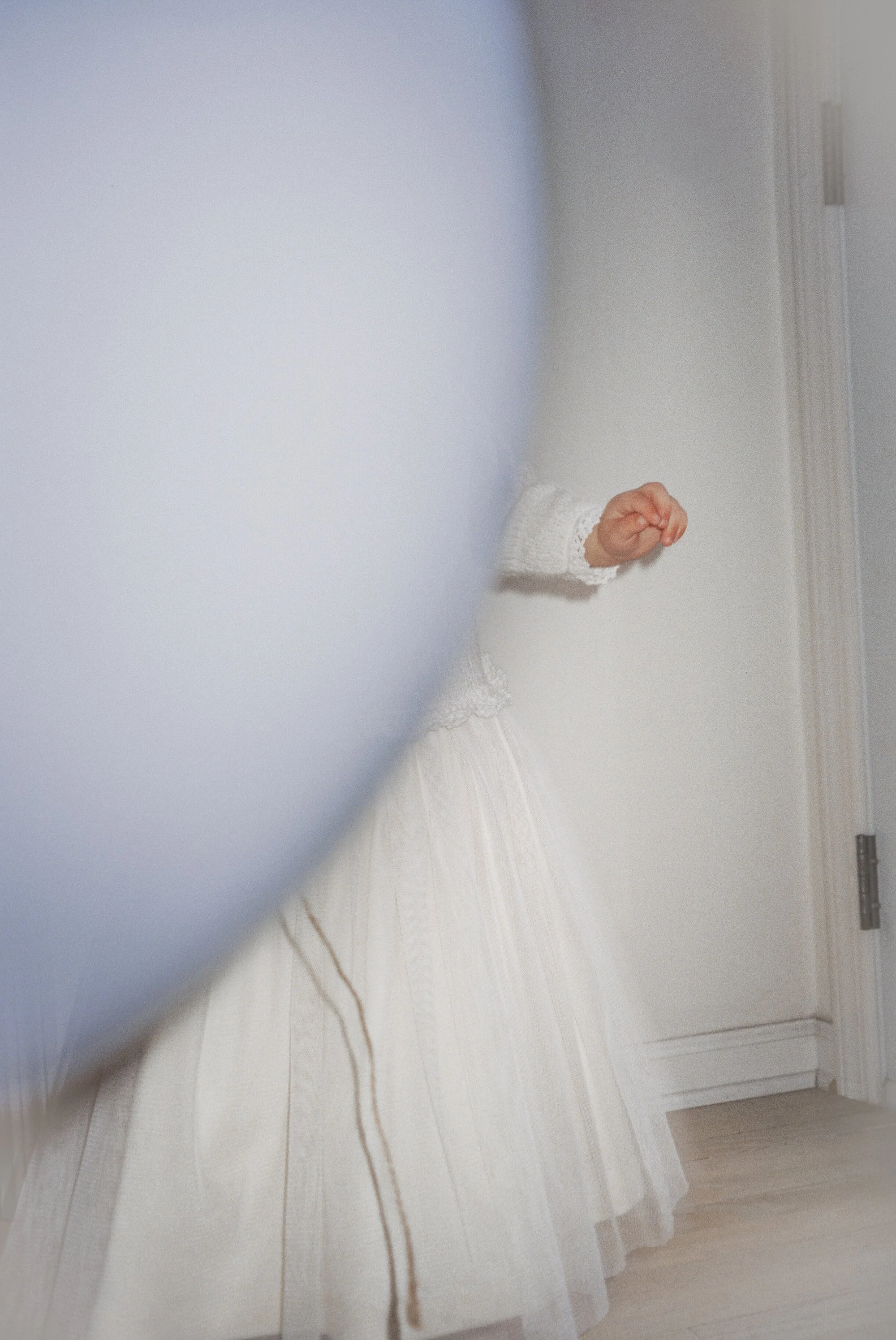
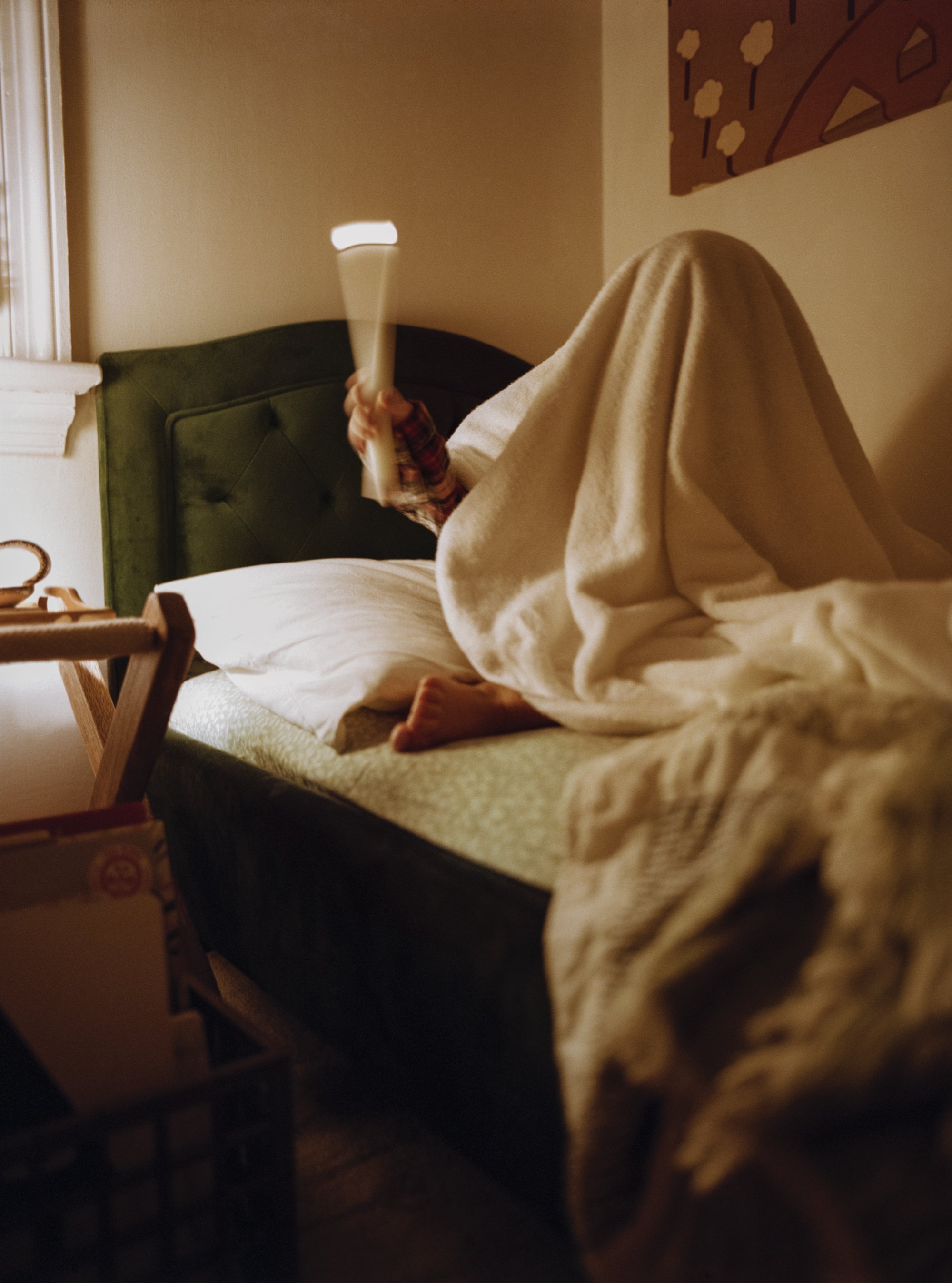
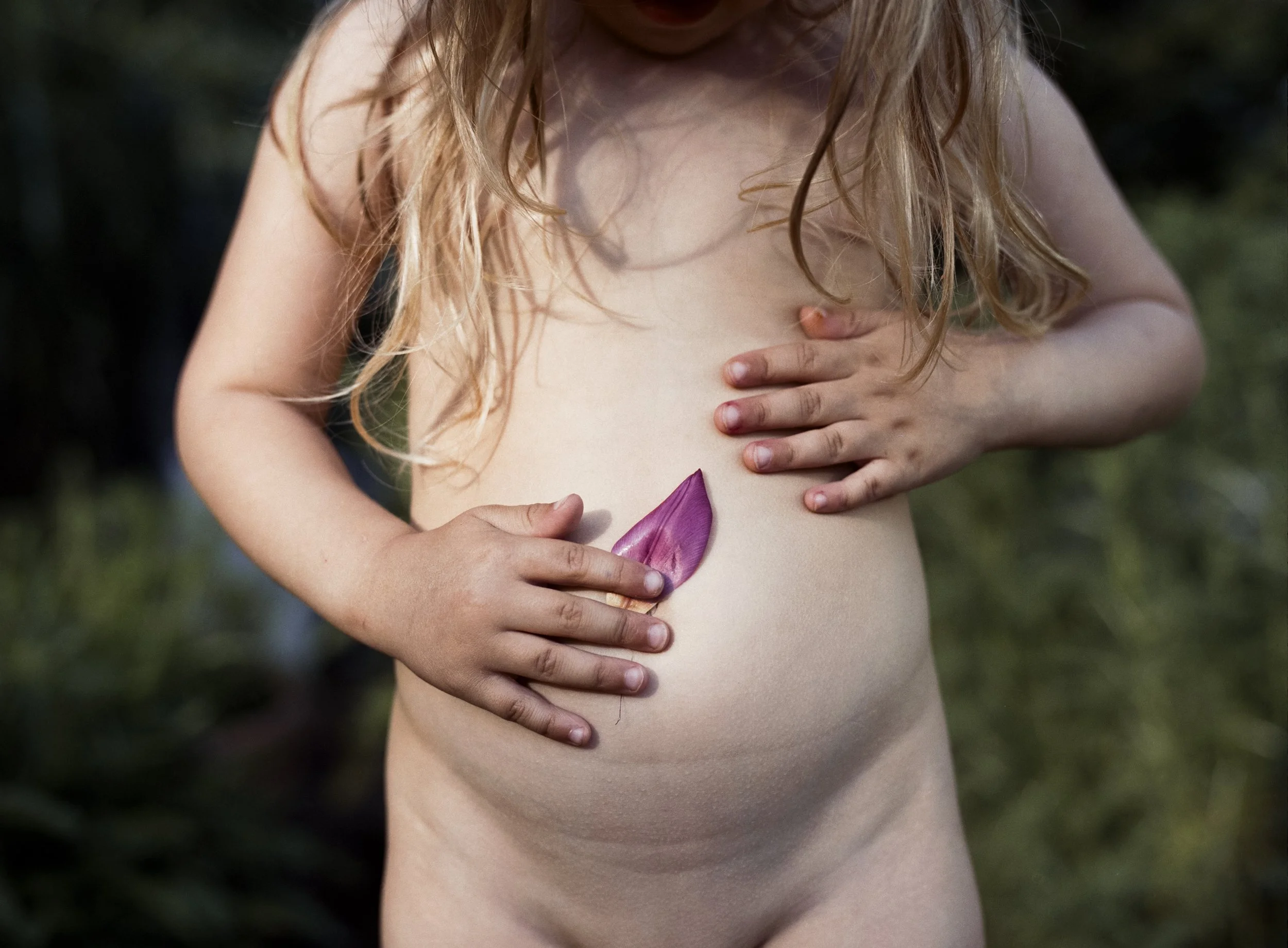
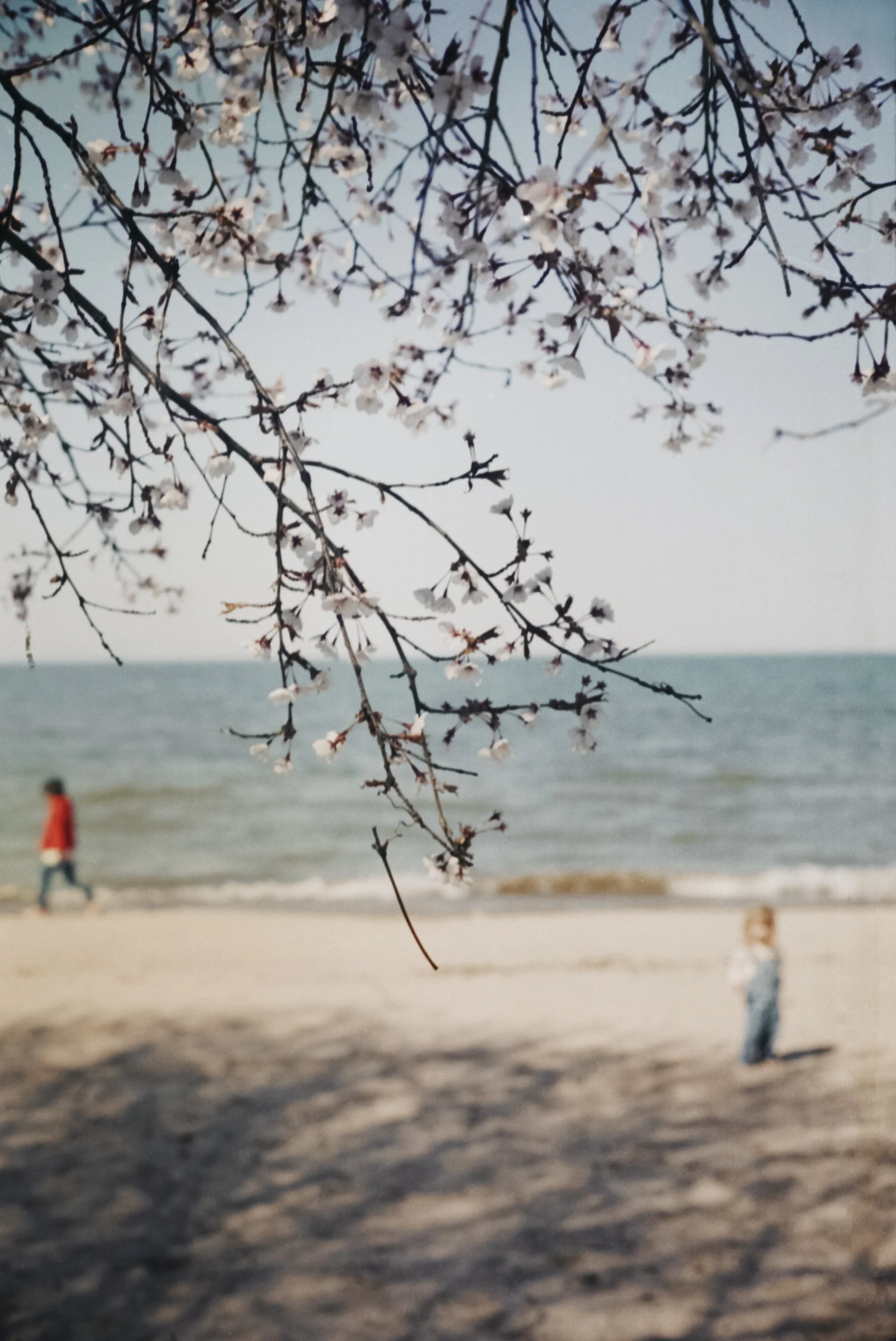
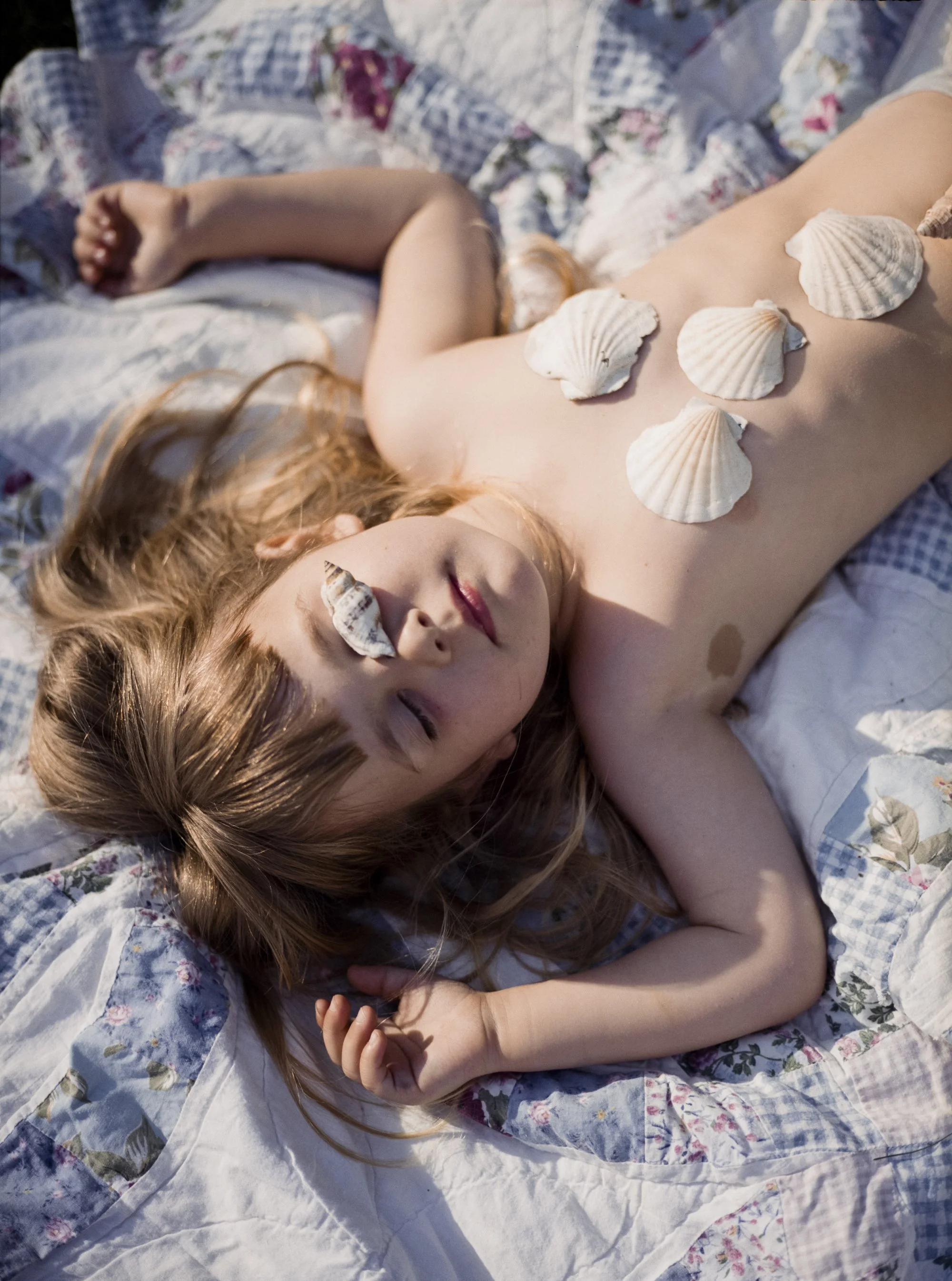
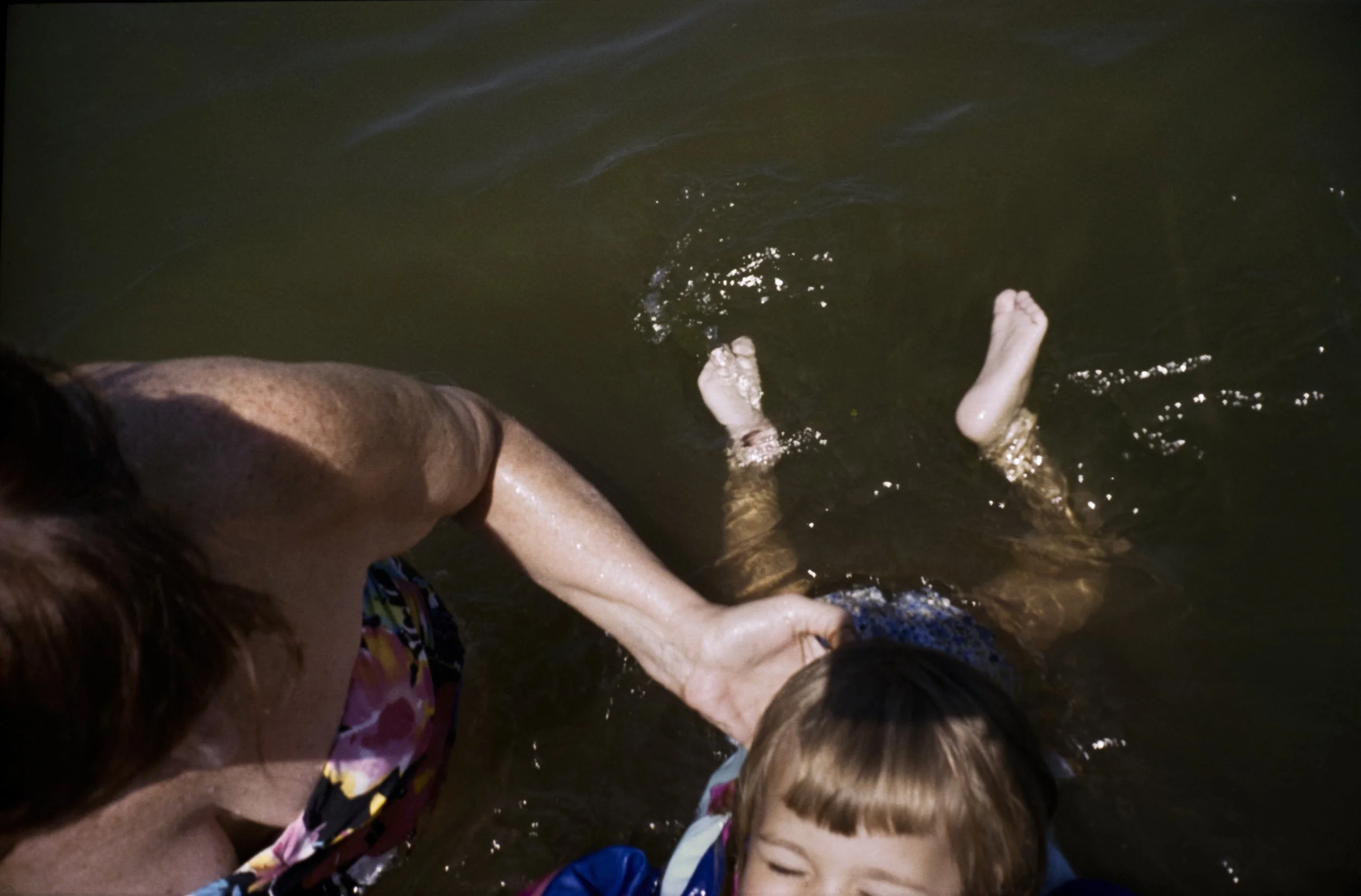
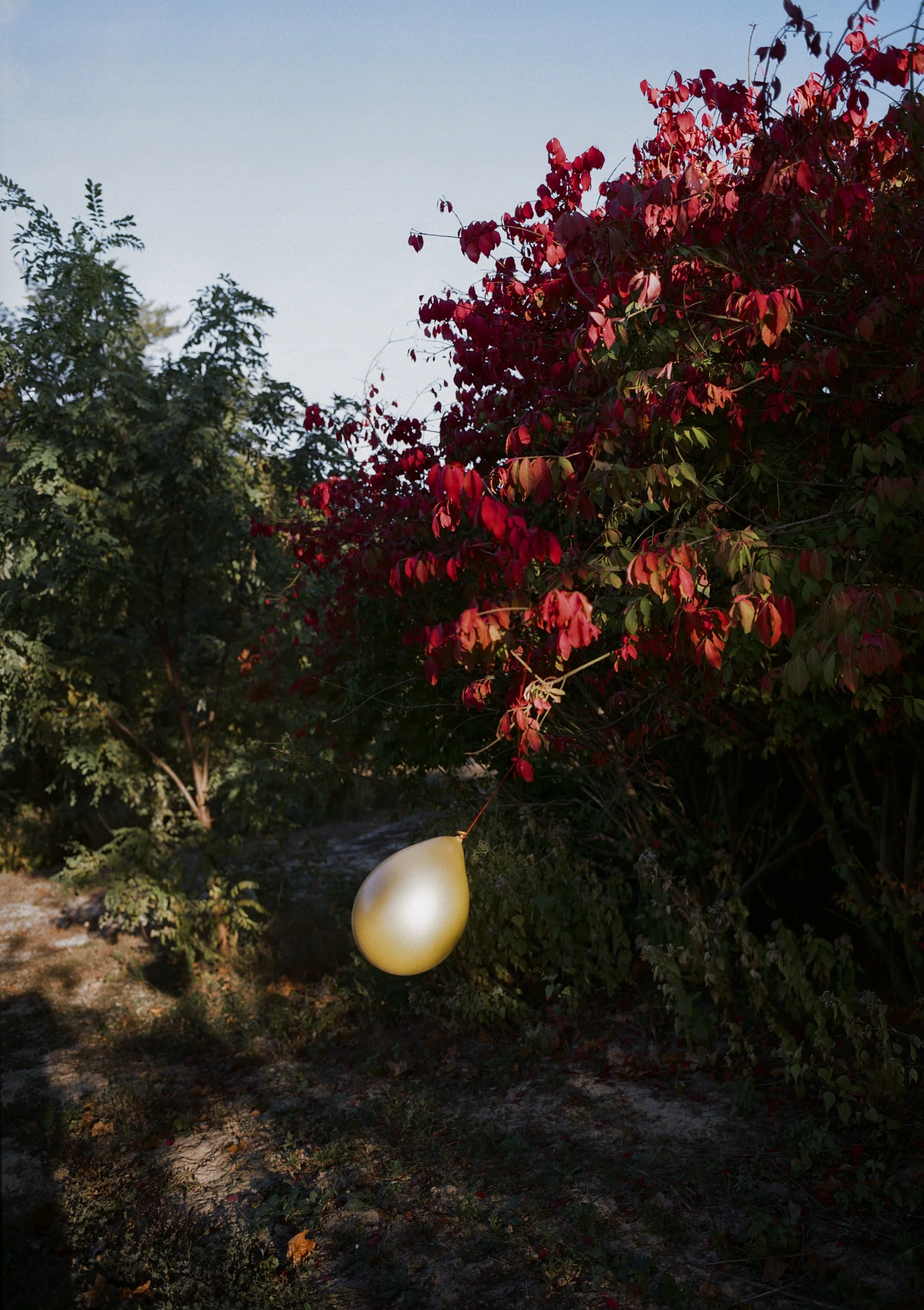
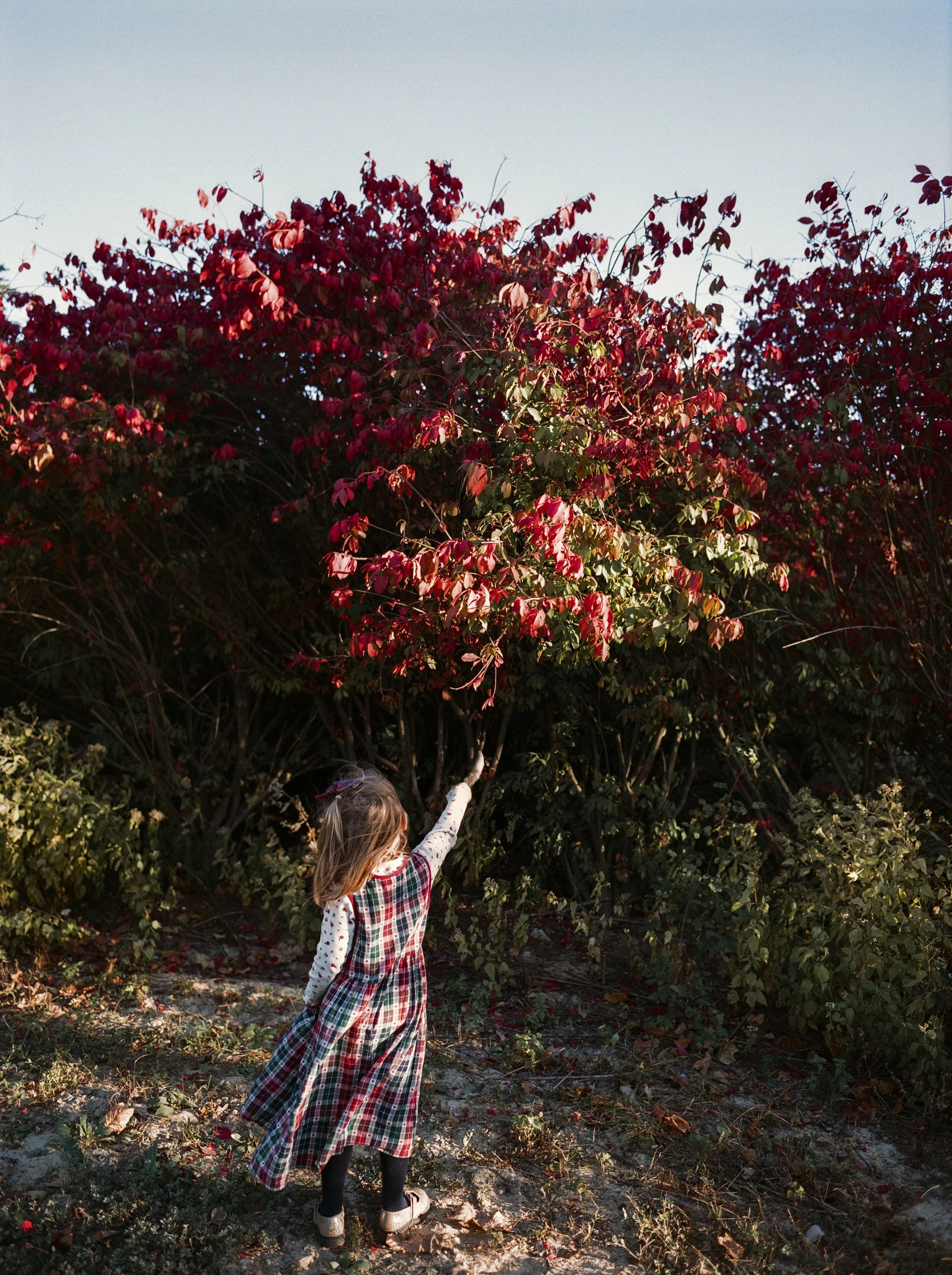
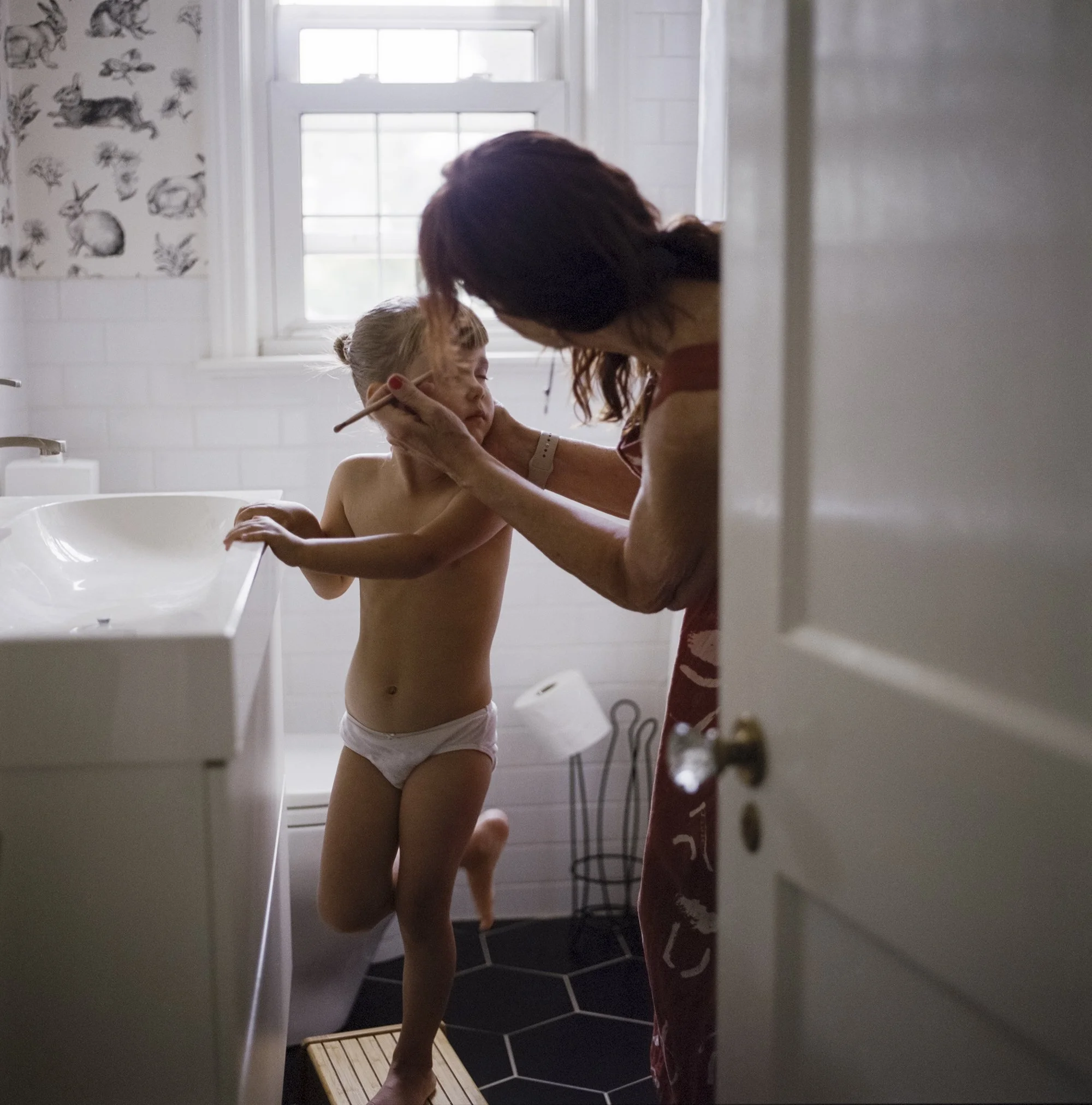
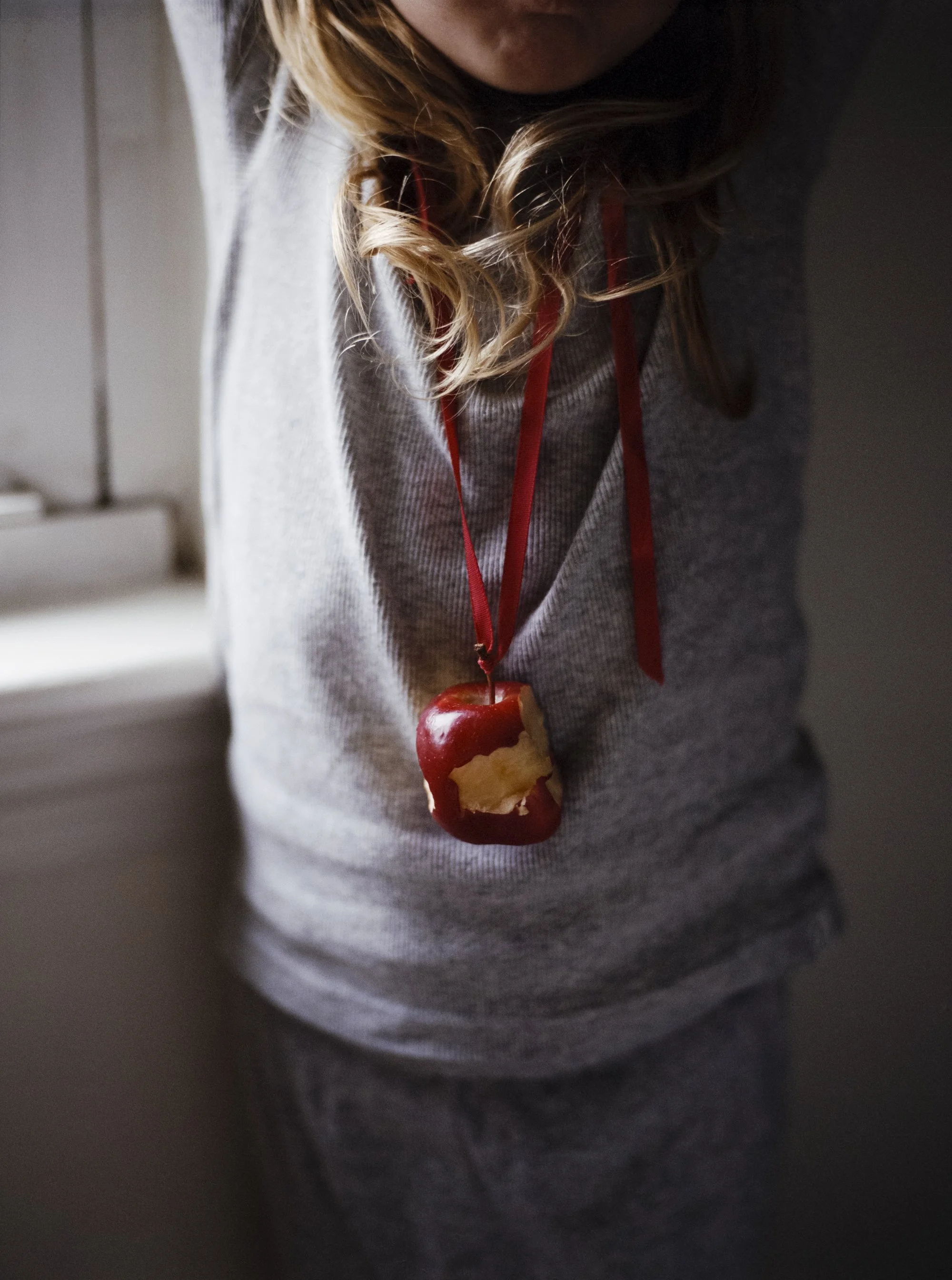
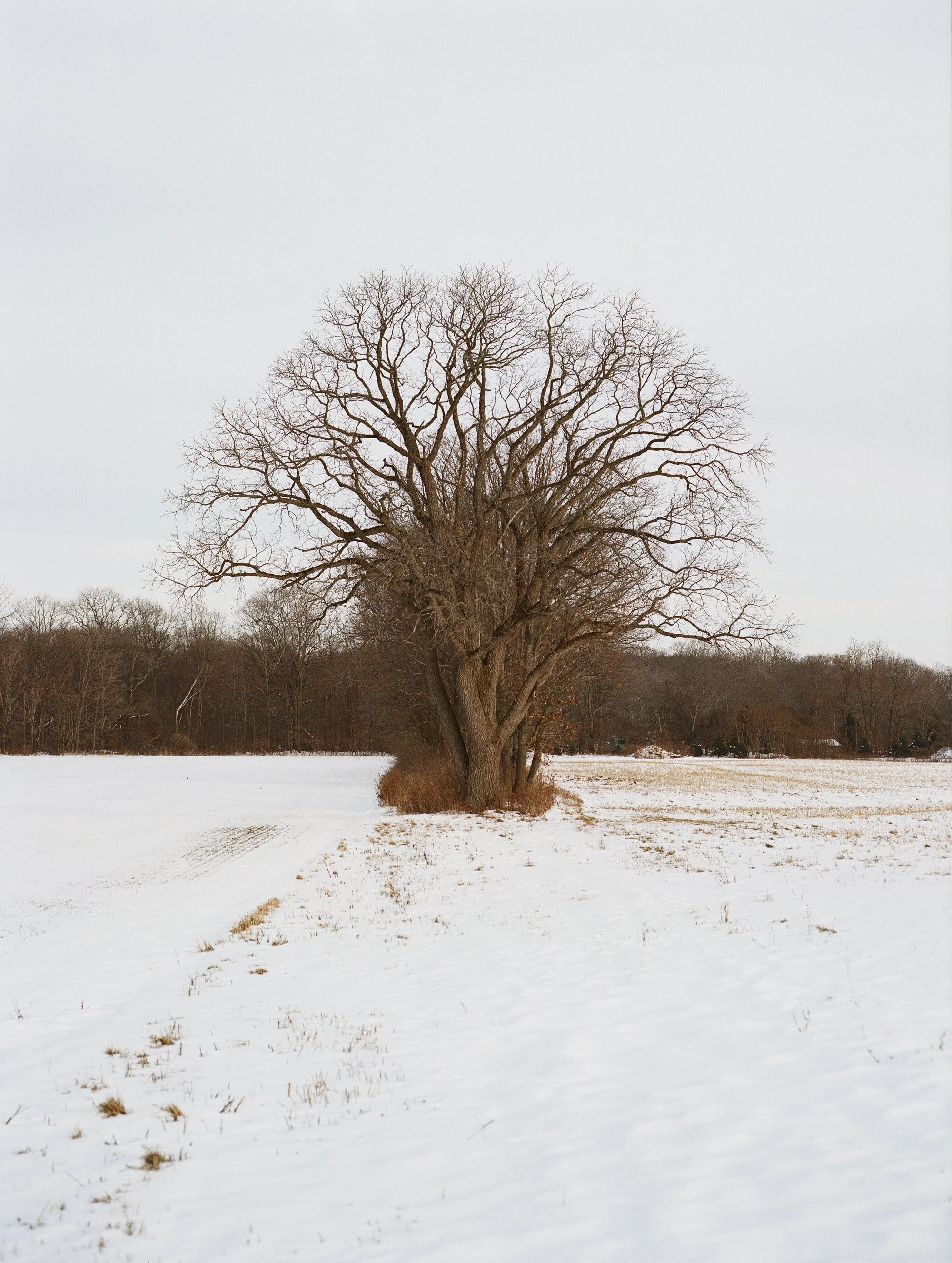
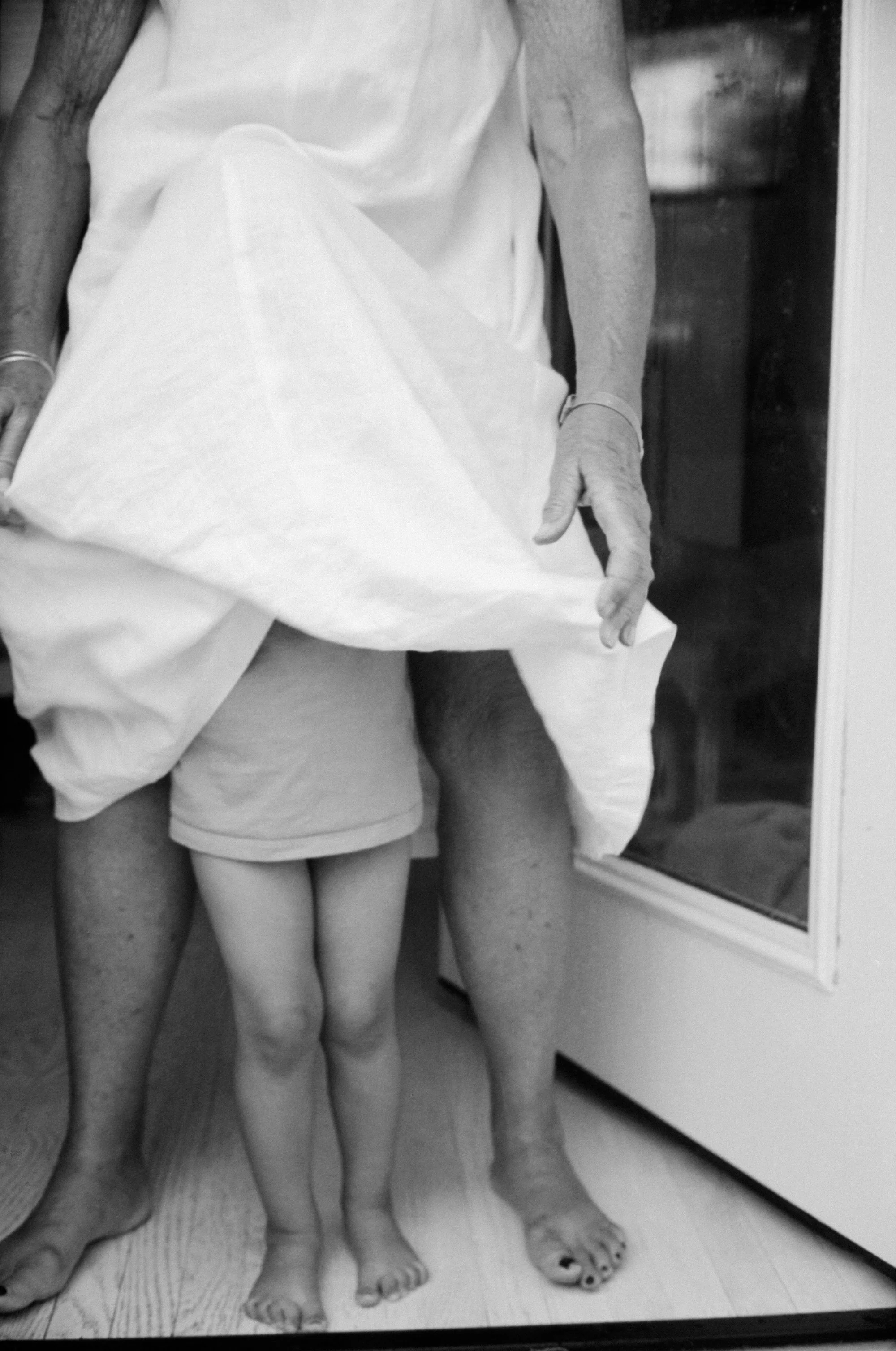
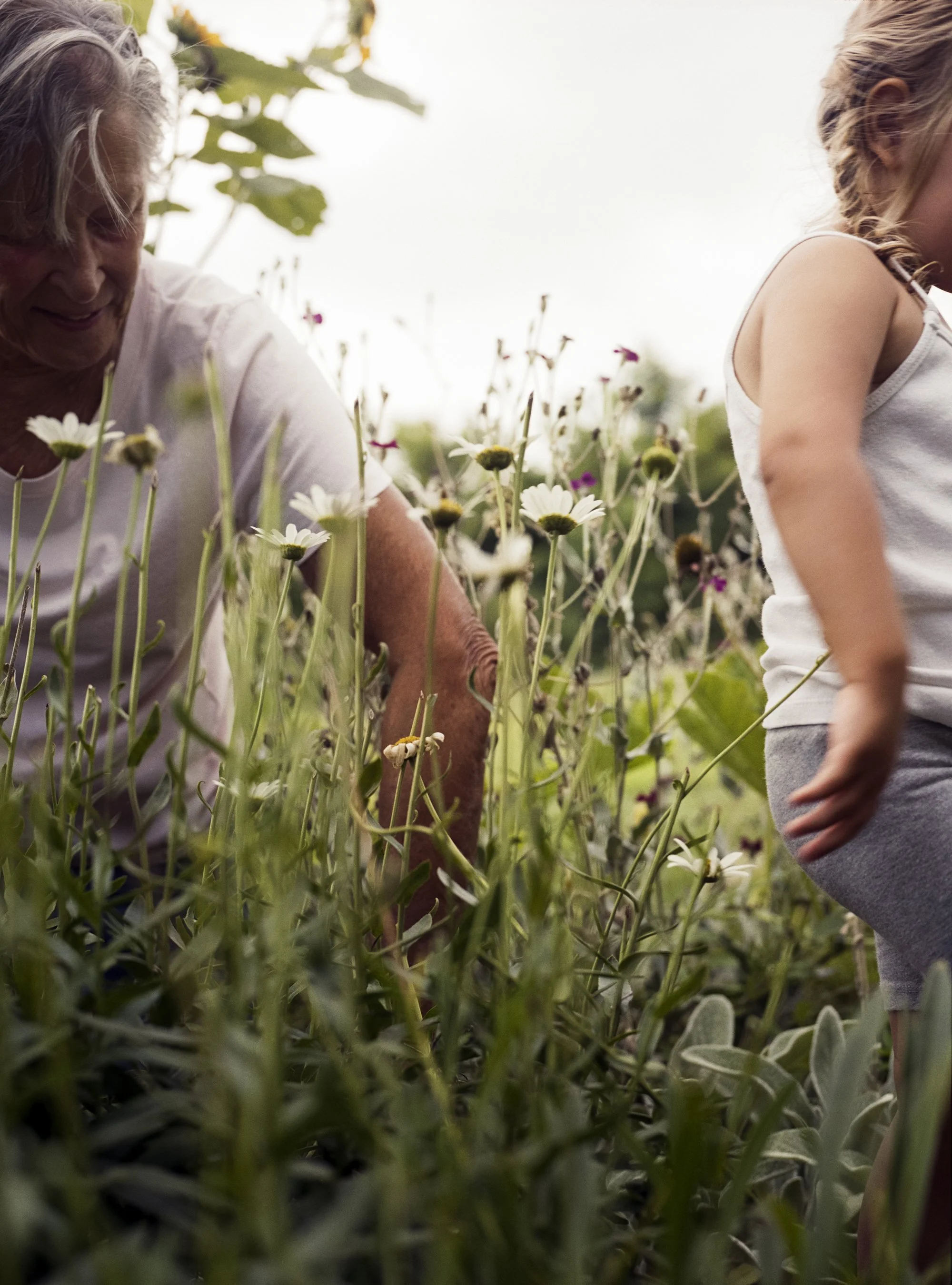
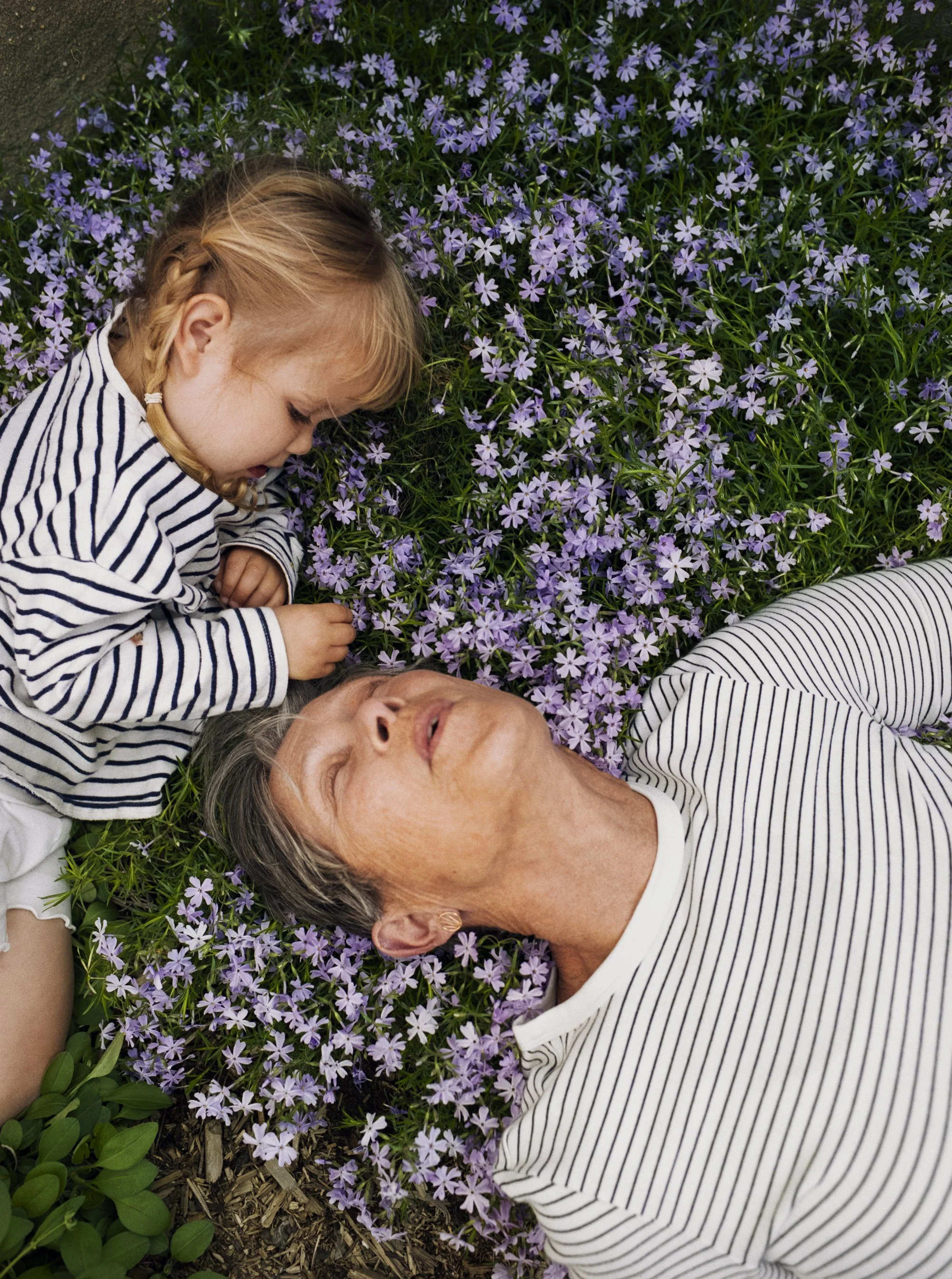
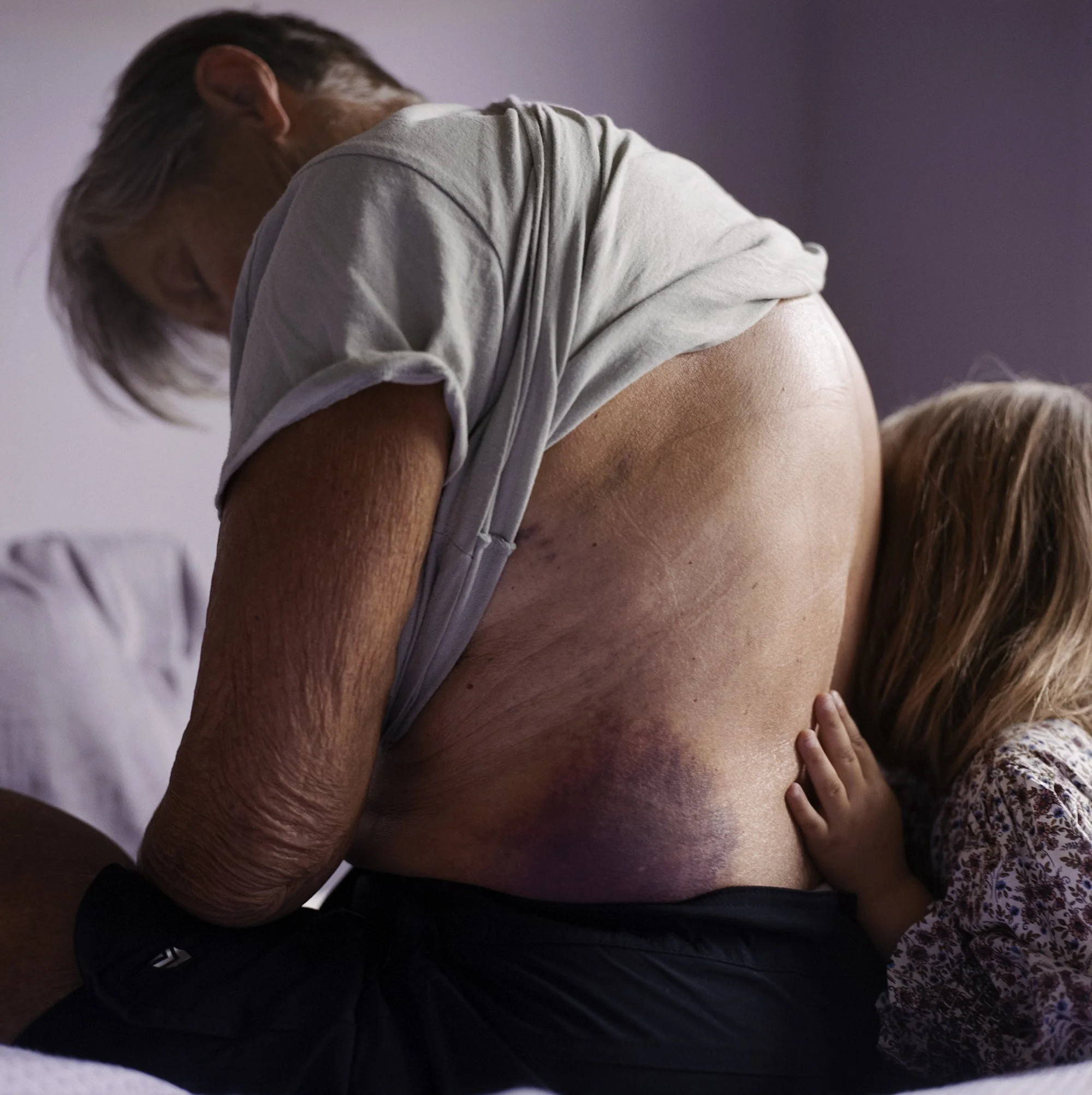
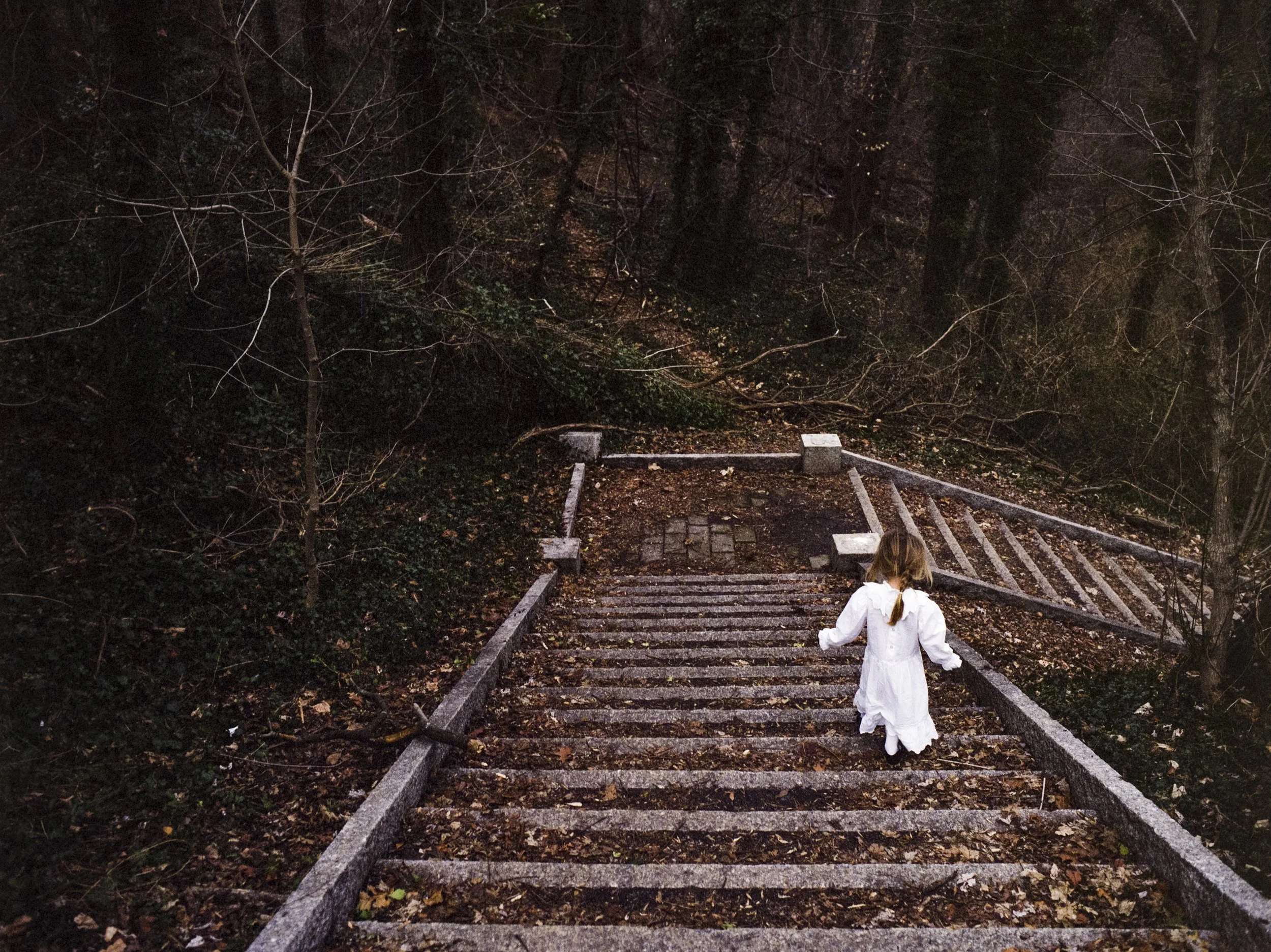
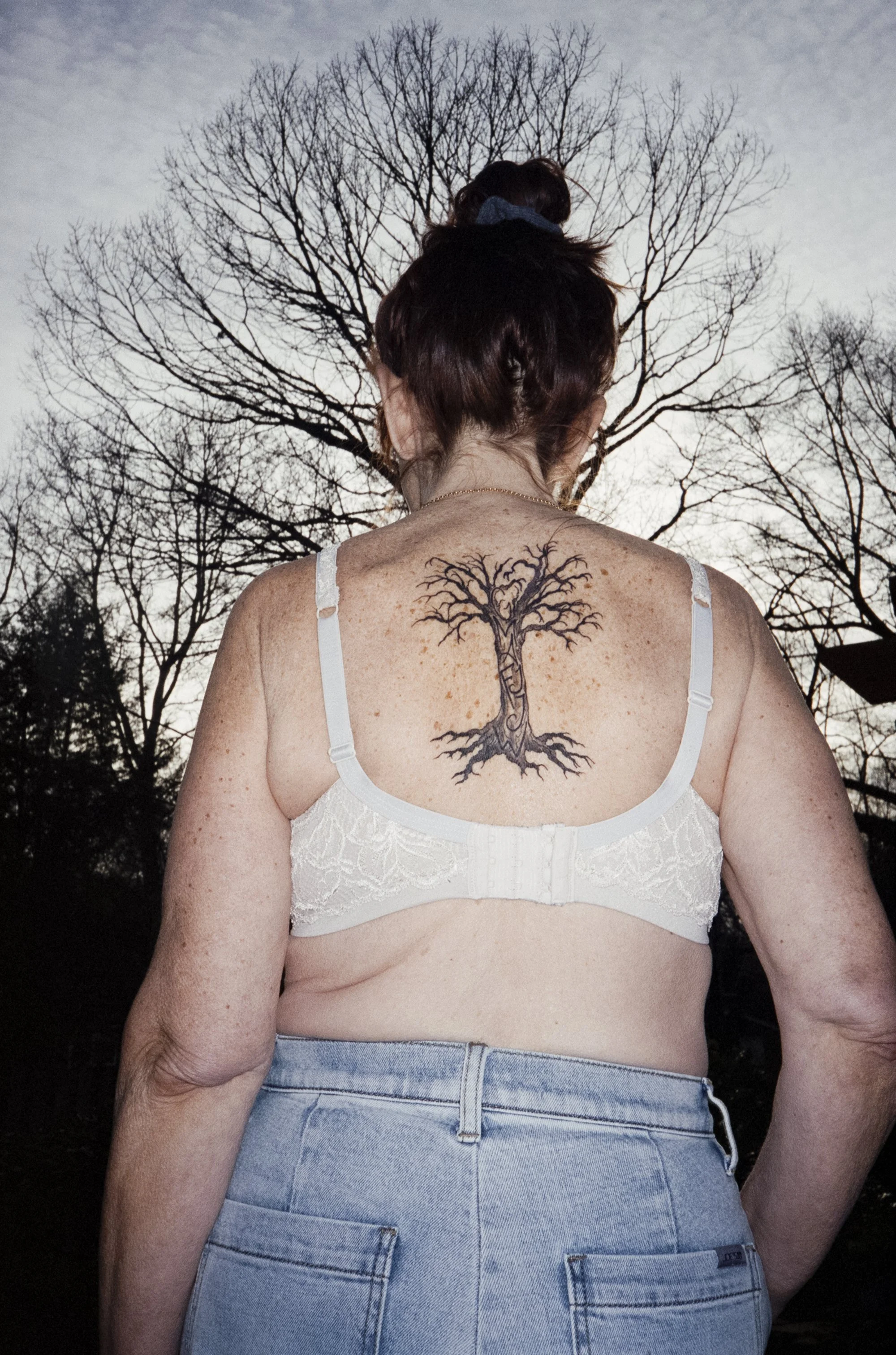
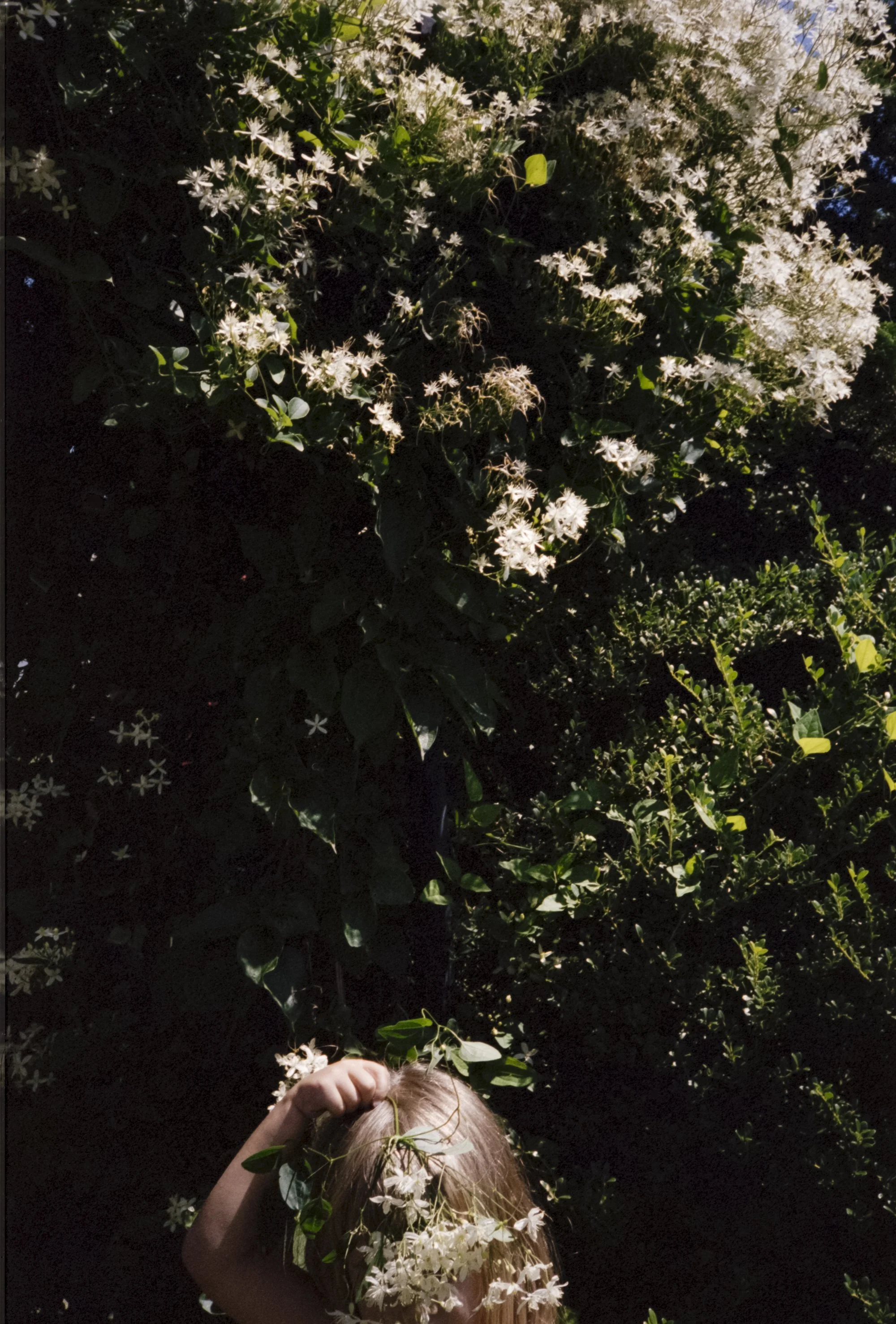
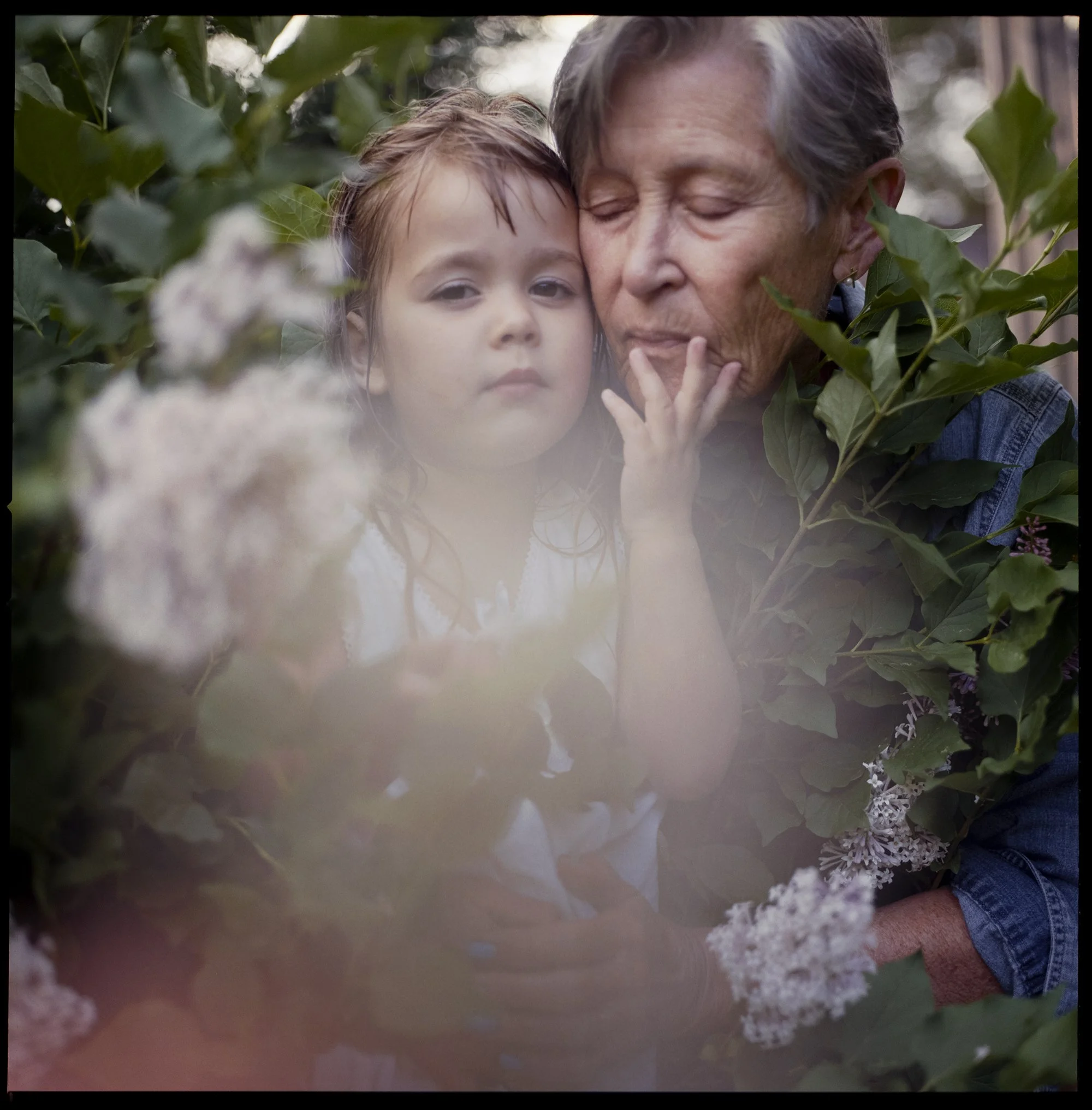
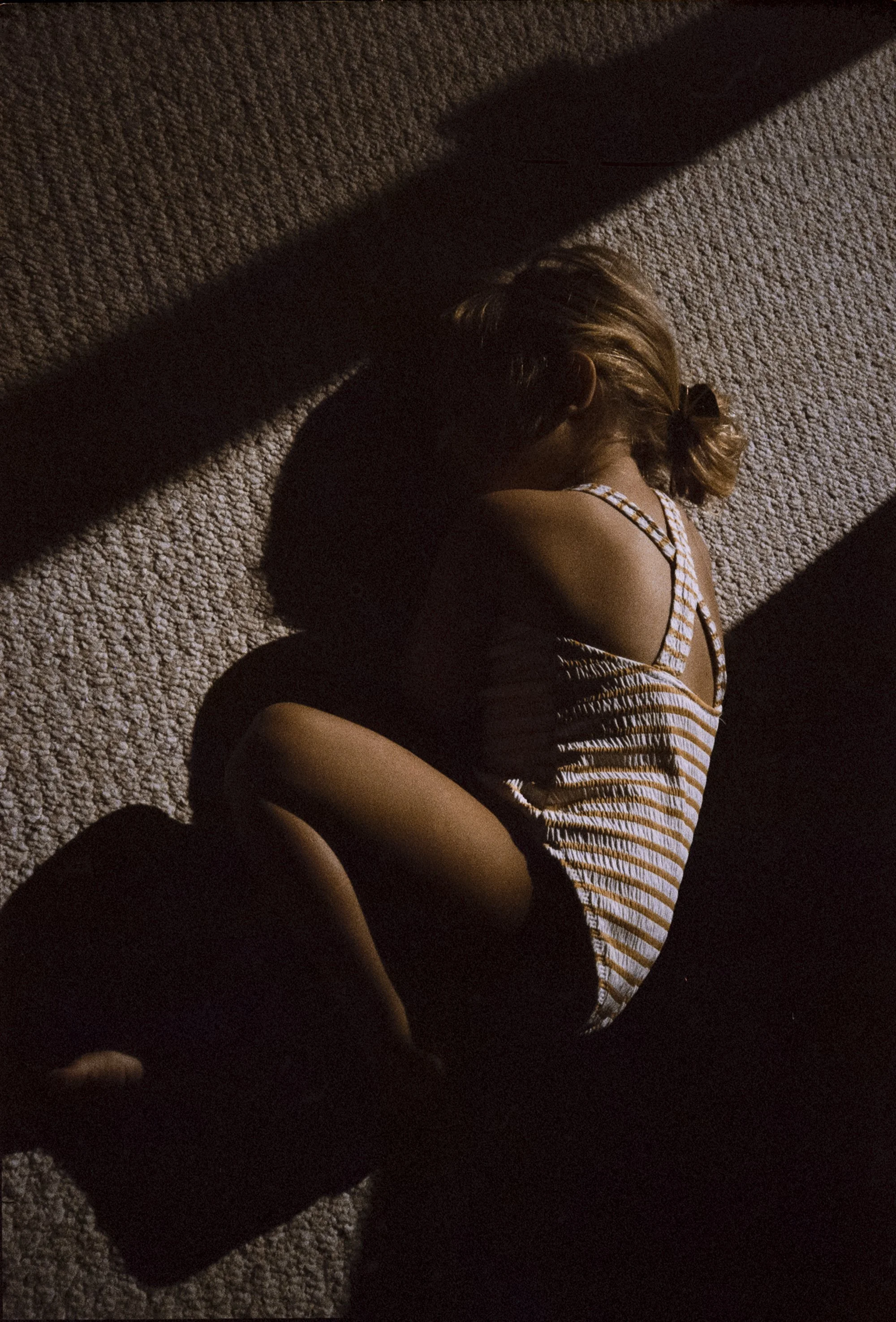
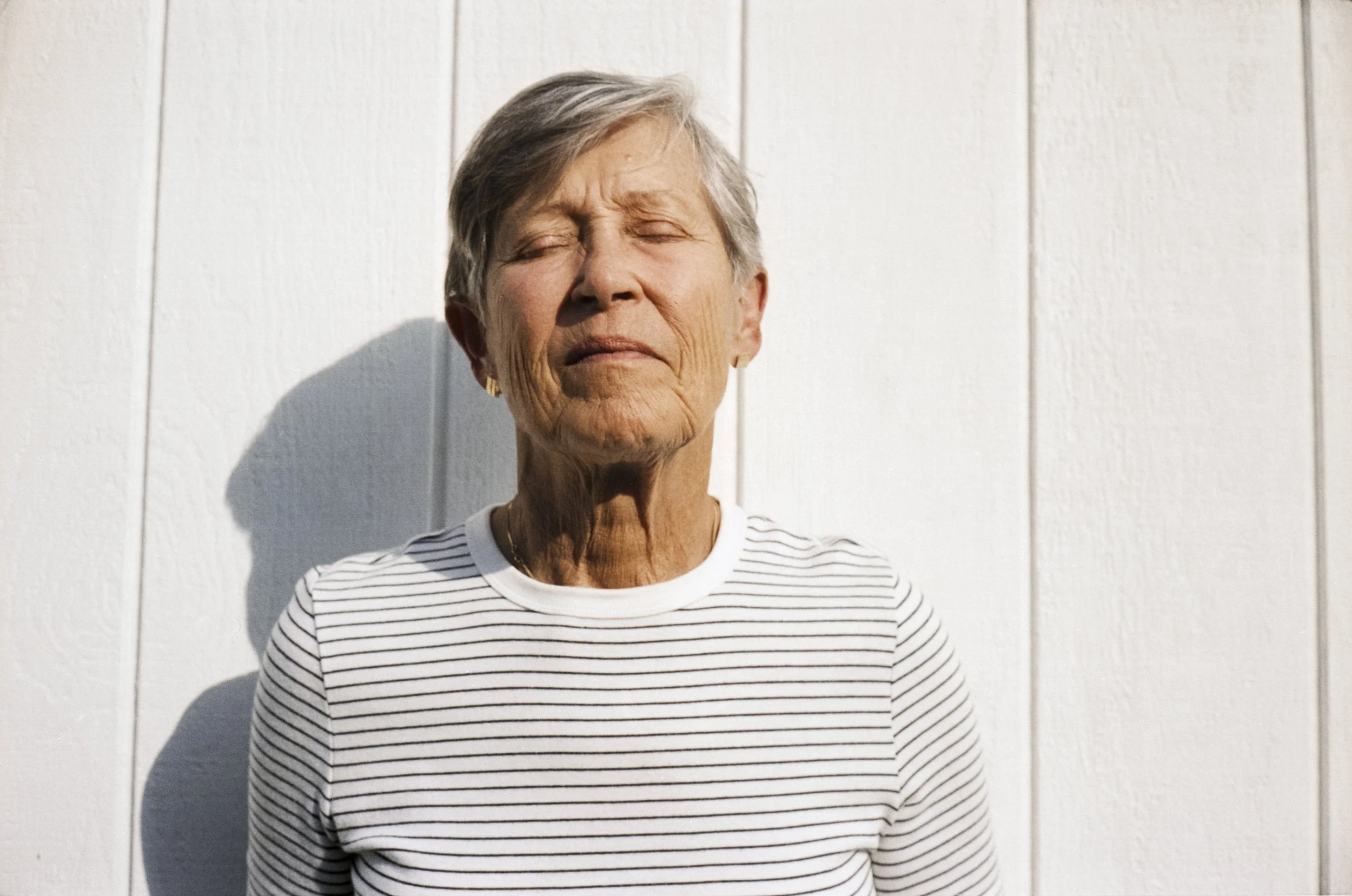
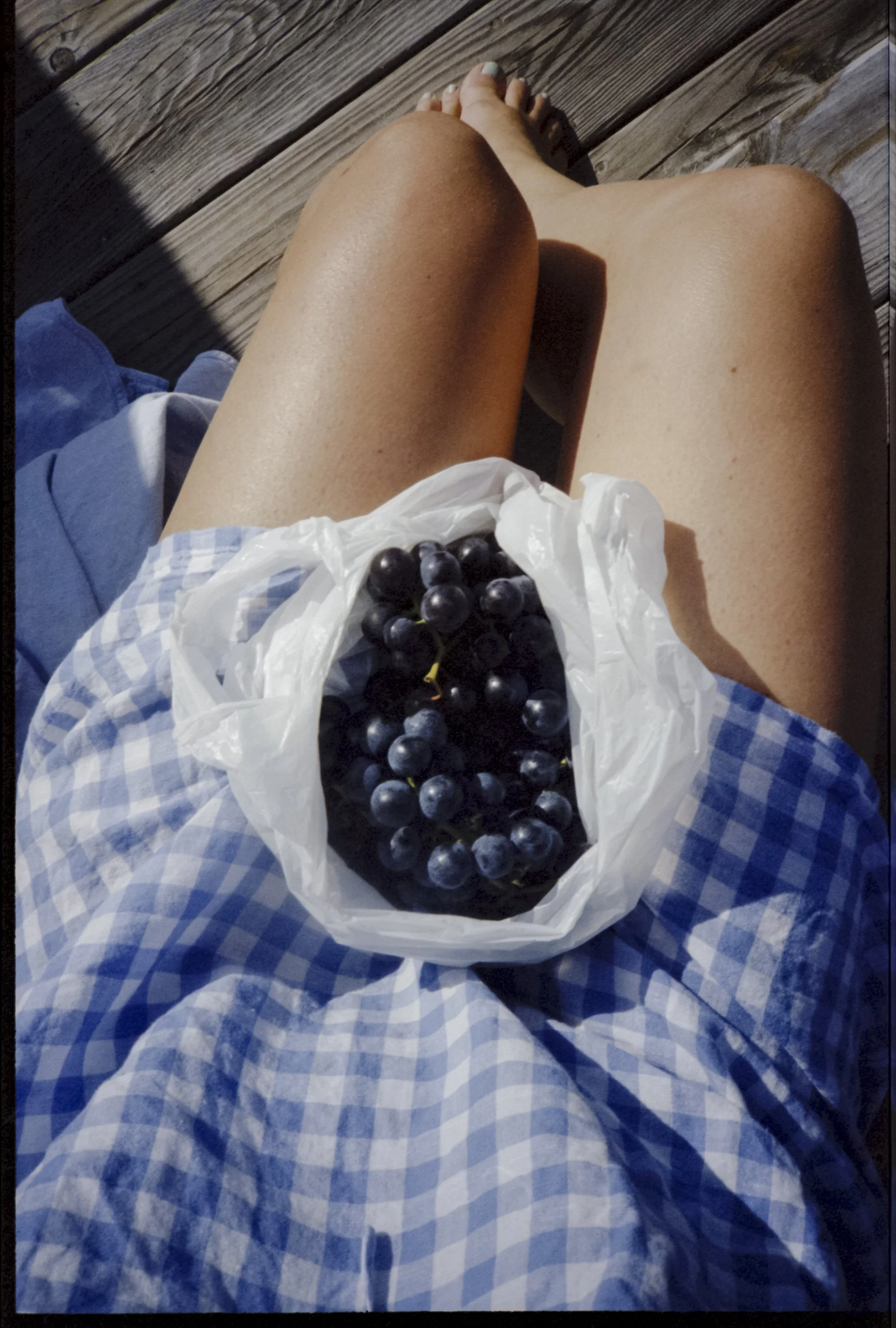
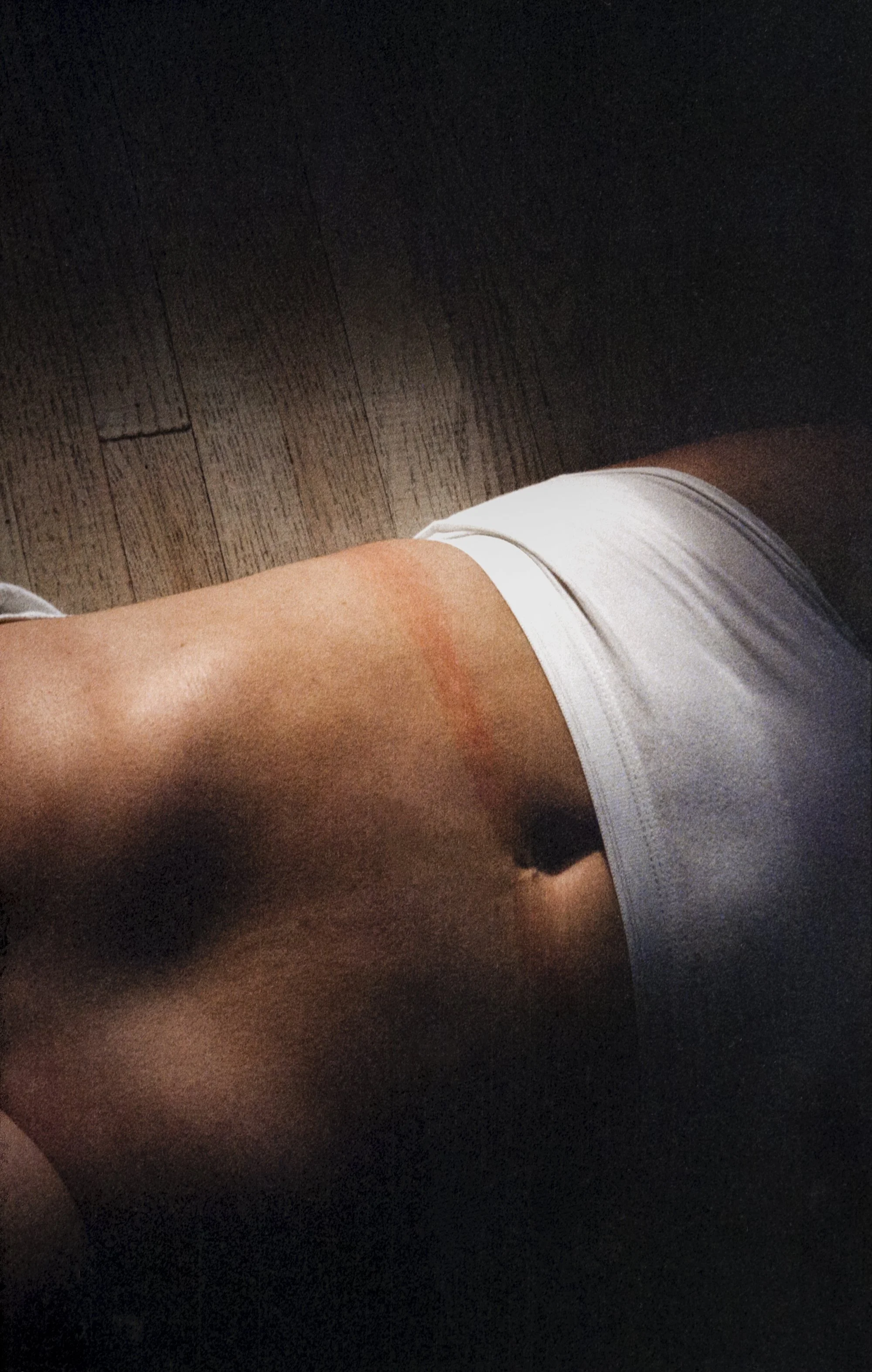
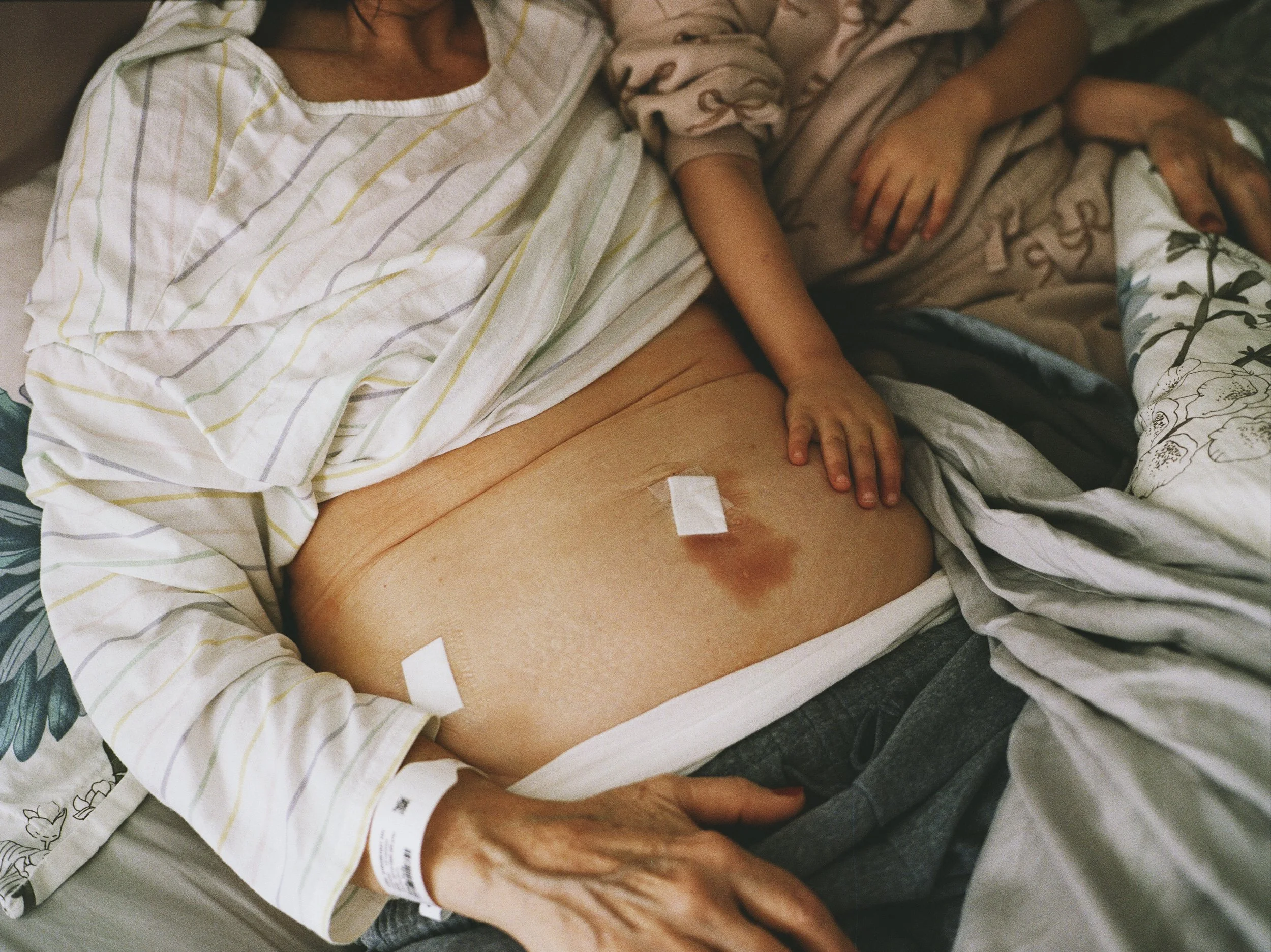
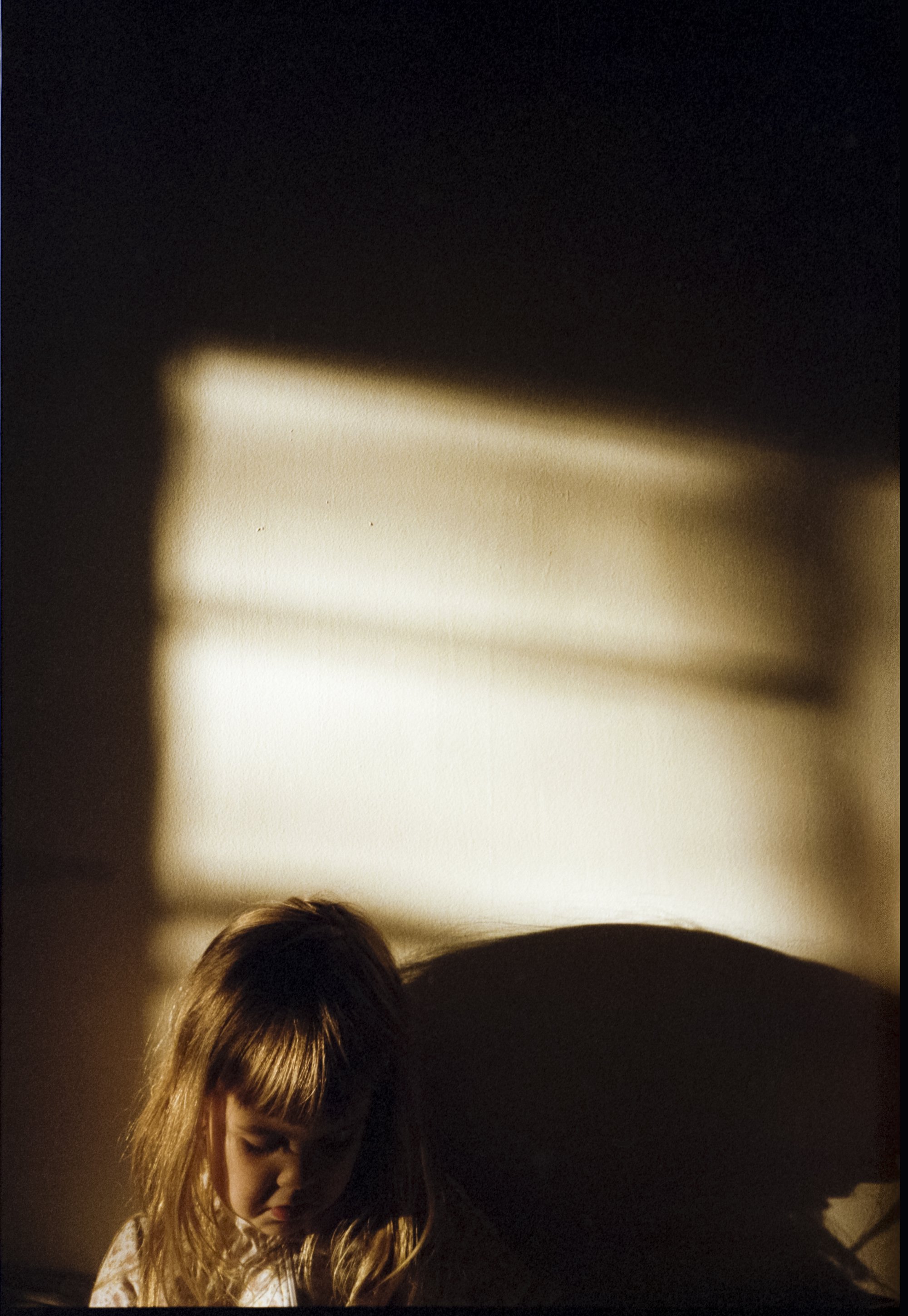
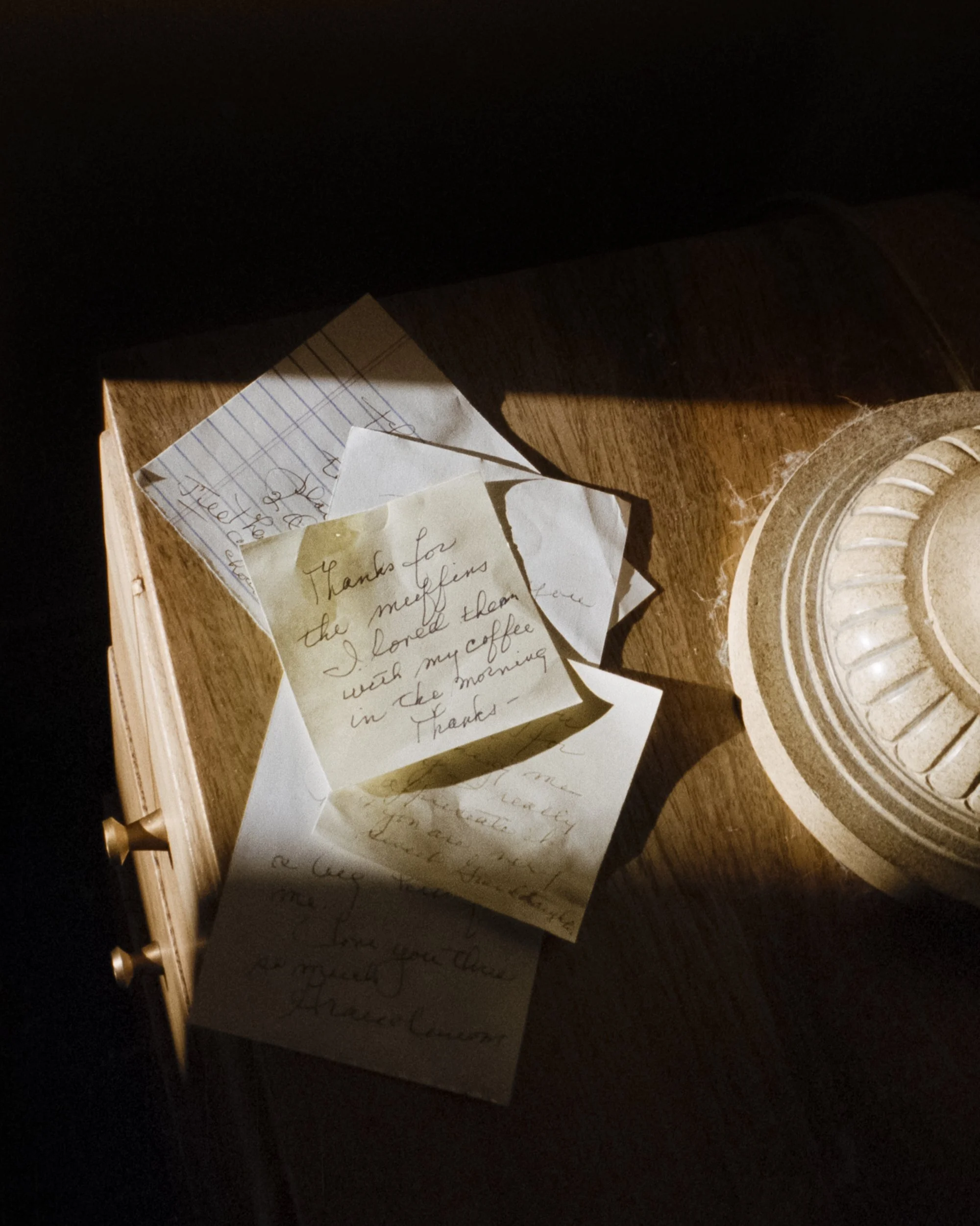
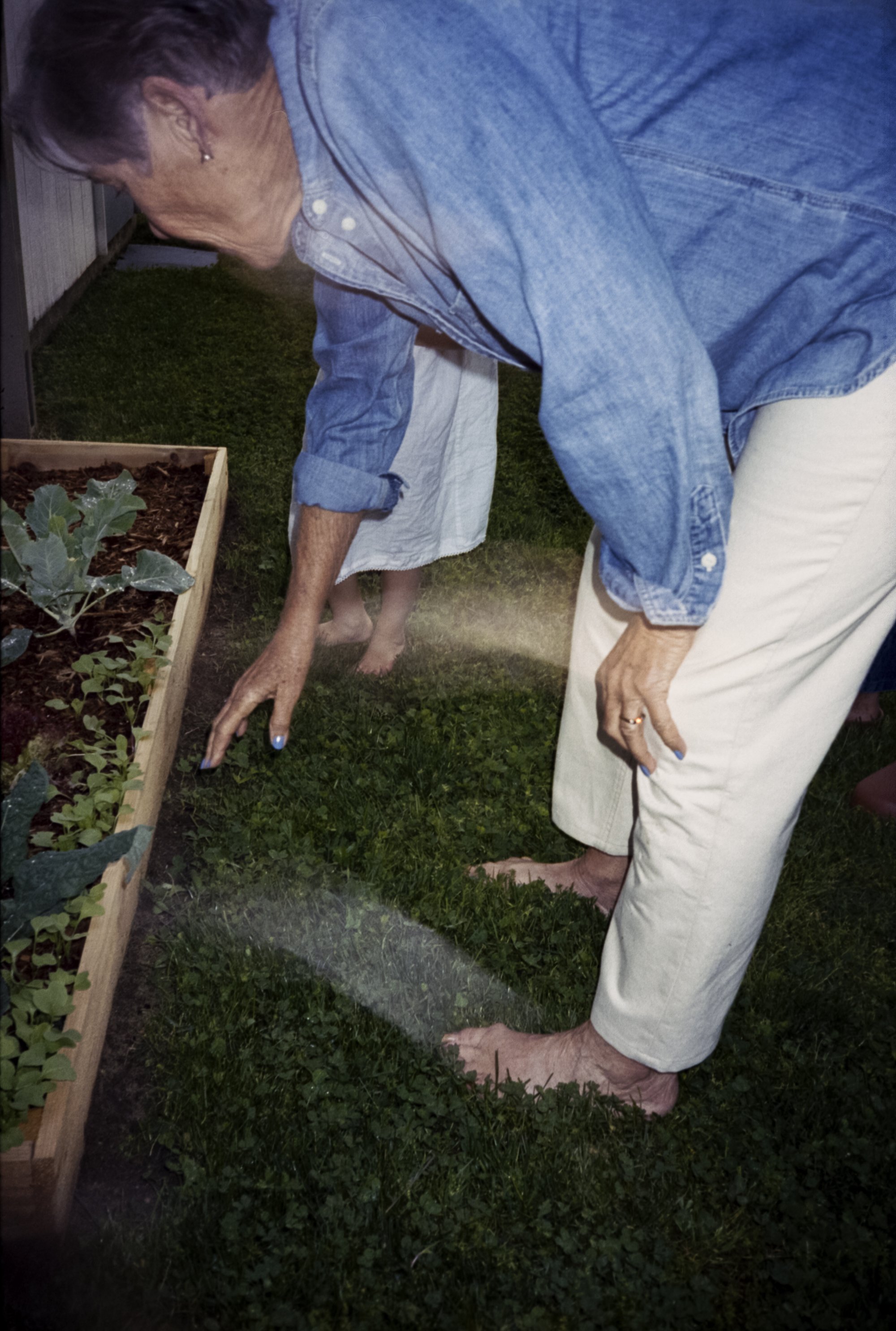
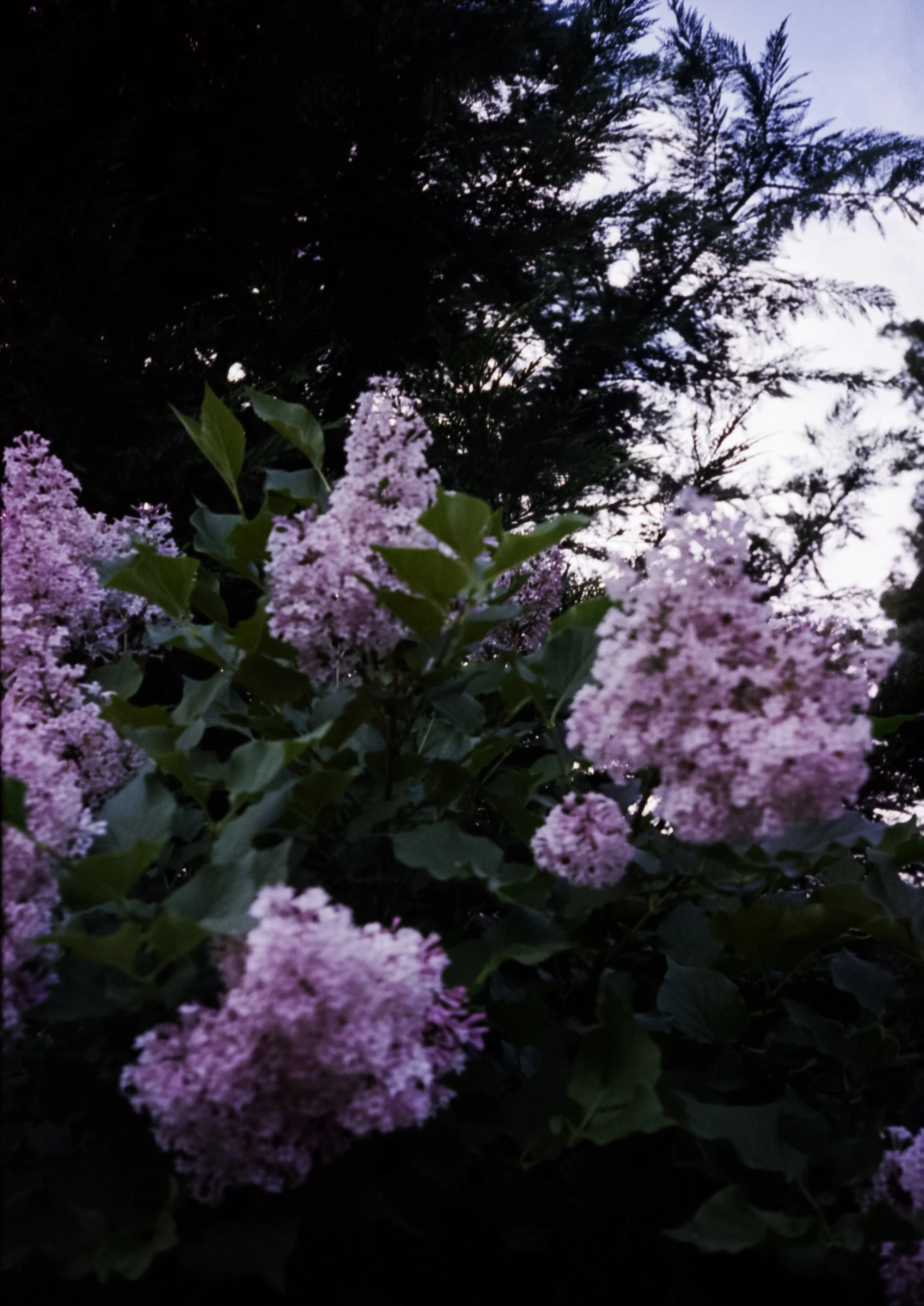
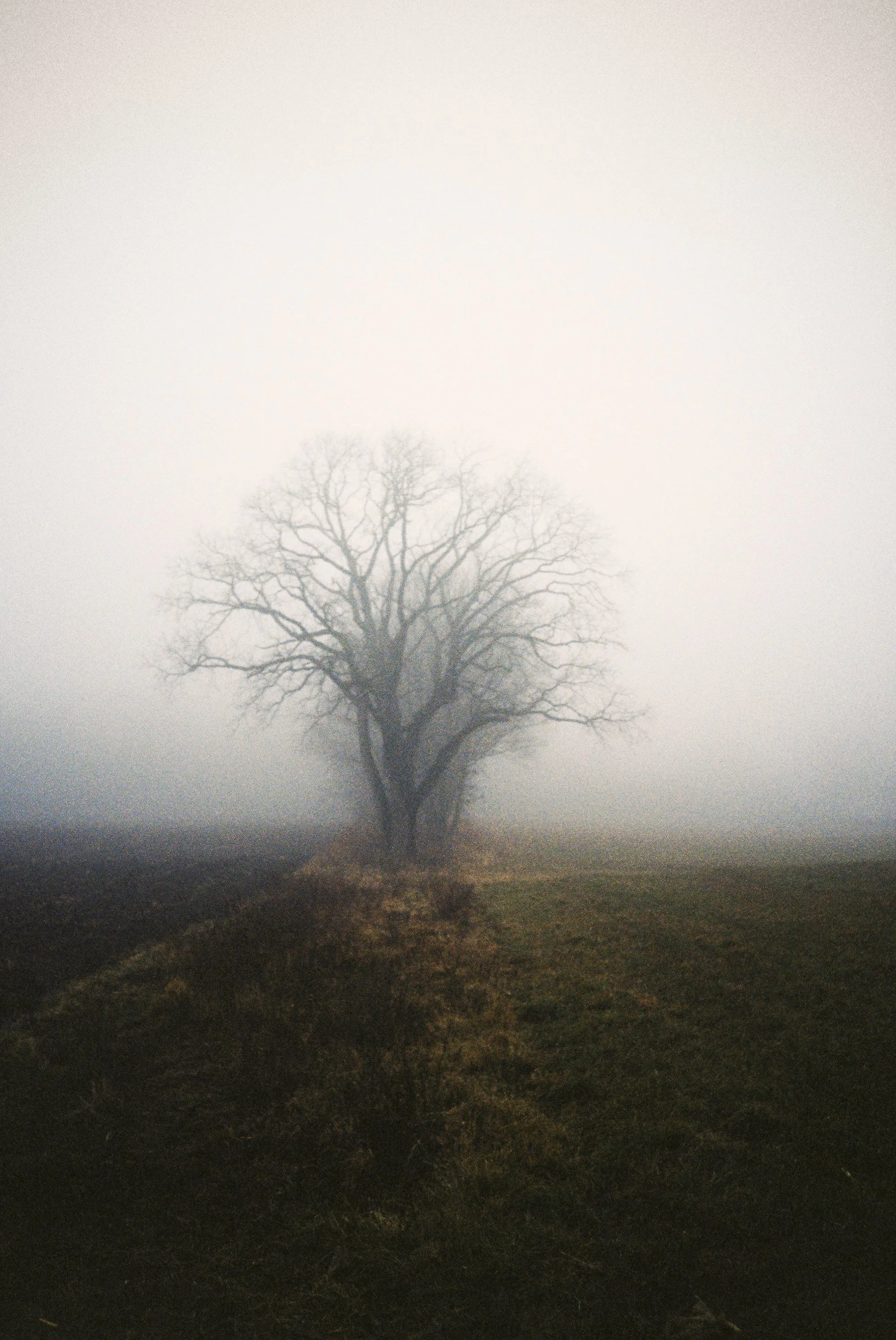
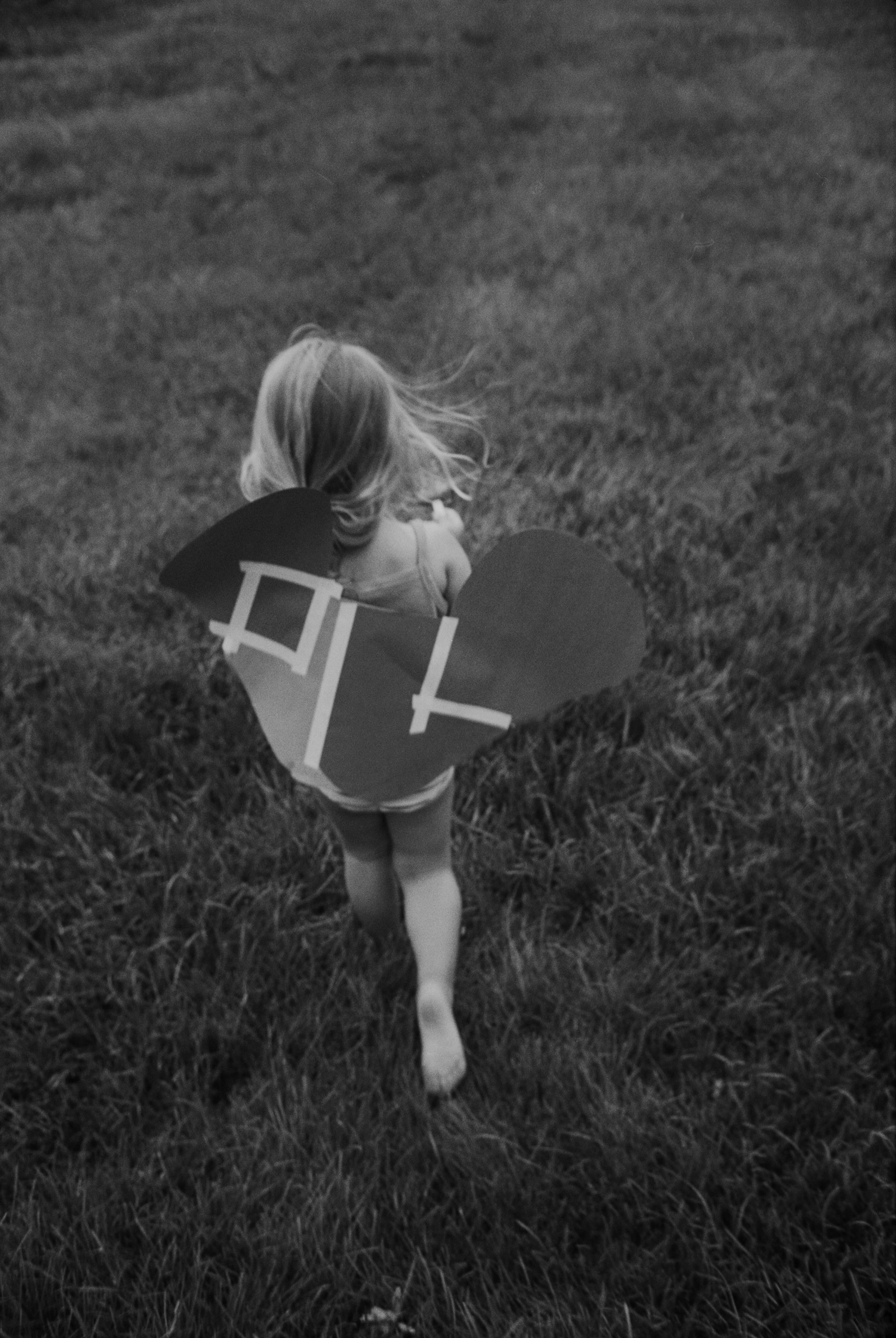
We Keep Swimming, Until We All Reach Home is a film photography book that follows three generations of women in one family. Jillian Guyette spent years photographing her daughter, her mother, and her mother in law, focusing on everyday moments, natural light, and the quiet connection between people and place. The book brings together 60 photographs that mix family life with nature, creating a gentle look at lineage, memory, and the search for belonging. Alongside the images, the book includes personal writing by Jillian, a poem by Kate Baer, and an essay by Elinor Carucci, all of which deepen the themes of inheritance, motherhood, and the emotional history carried across generations. Published by Daylight Books, it offers an intimate look at how family stories shape who we become. (Daylight books, Amazon)

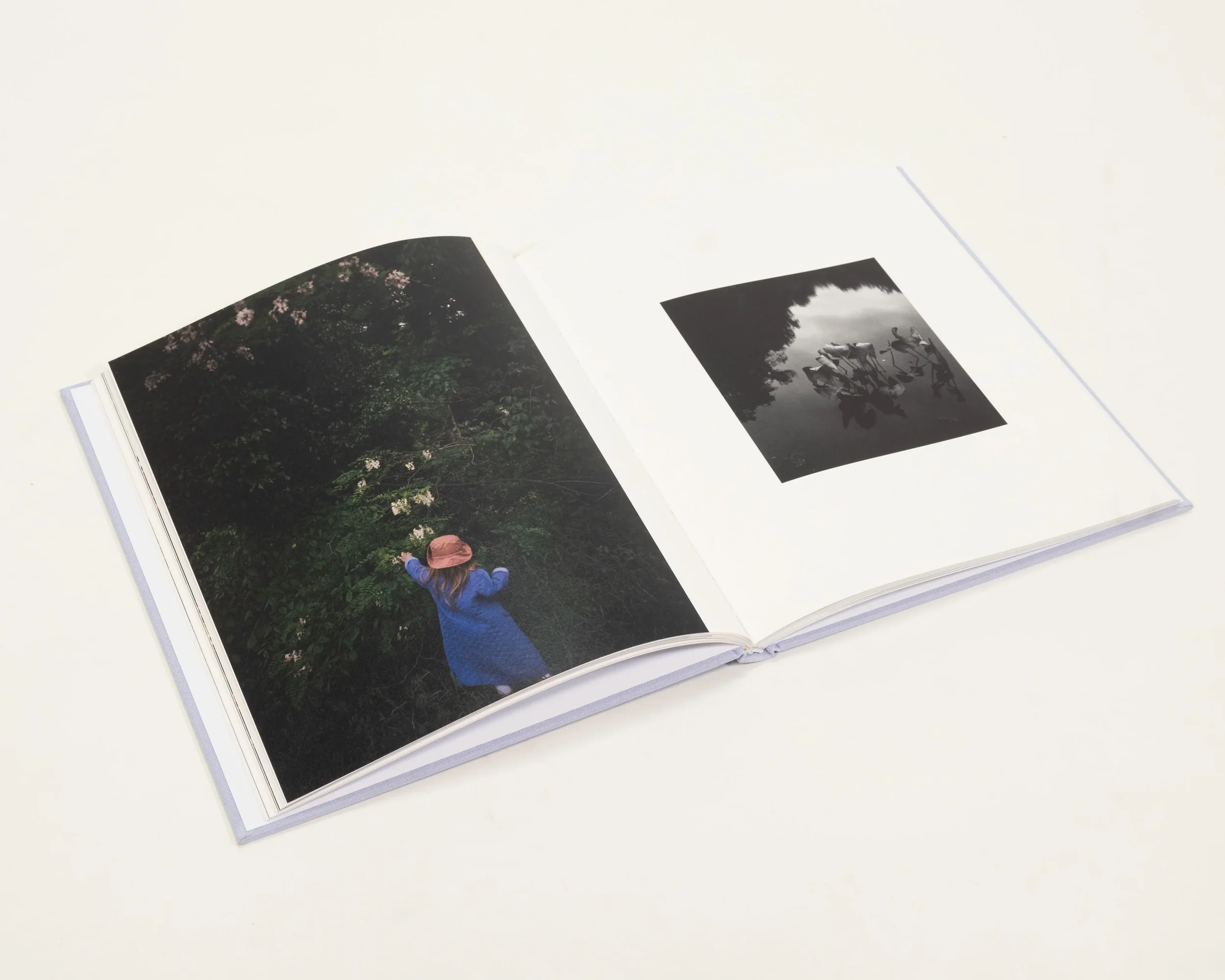
Project Beginning: How did becoming a mother change your photography and push you to start this project?
Becoming a mother upended my photography career in a way that I’m actually very grateful for. I had my daughter in March of 2020, and along with the world shutting down, the photo industry shut down with it. I was essentially forced to take a longer maternity leave than I was planning to, and having unstructured time at home allowed me to reassess my relationship with my career and the work I was focusing on. I felt entirely altered by motherhood in terms of where I put my creative energy. It was exhausting and inspiring all at once, and I started the project largely out of sheer frustration with being cooped up, and a curiosity to explore some larger ideas of intergenerational relationships that kept coming up for me.
Family Connections: You photograph your mother, mother-in-law, and daughter together. How do you capture the special bond between three generations of women?
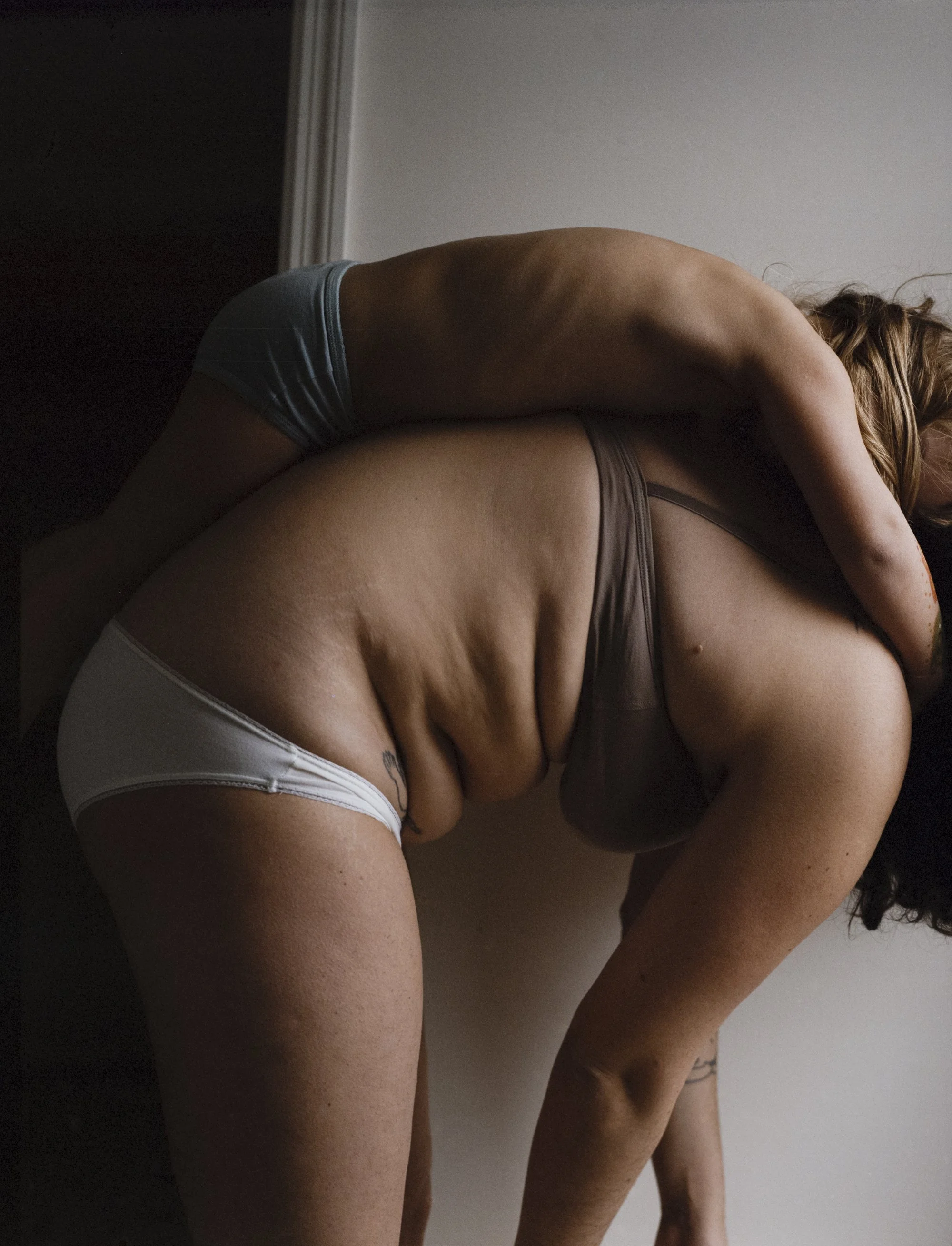
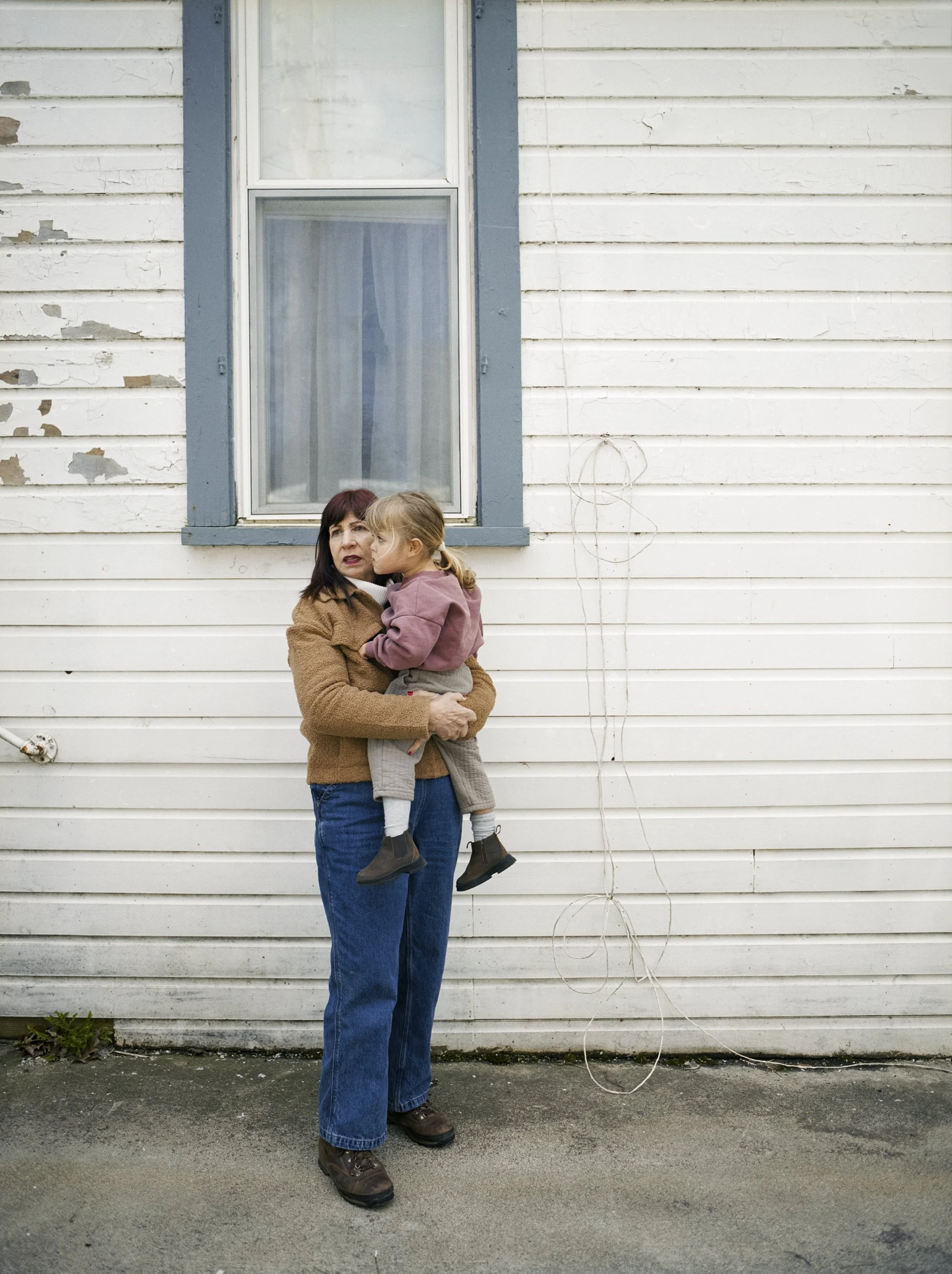
I’m incredibly close with my mother and my mother-in-law; there’s an ease to our relationship that I think allows me to approach them with a camera in a way that feels natural and unobtrusive. They both were so hands-on with my daughter from birth, and I felt very called to explore that bond visually. I like to let them lead, and I follow.
Natural Light: Many photos mix people with nature, trees, flowers, and landscapes. Why do you combine family portraits with natural environments?
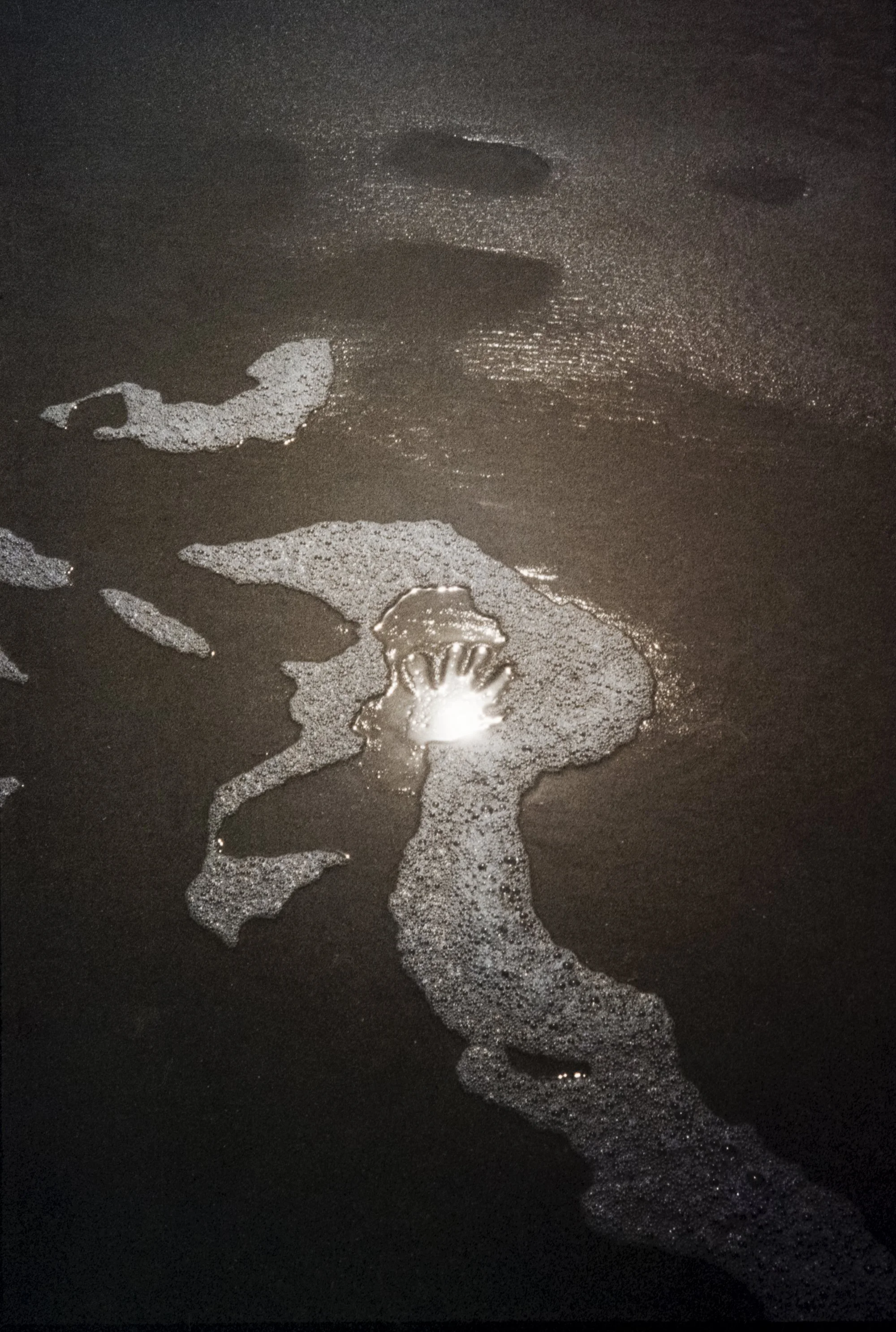
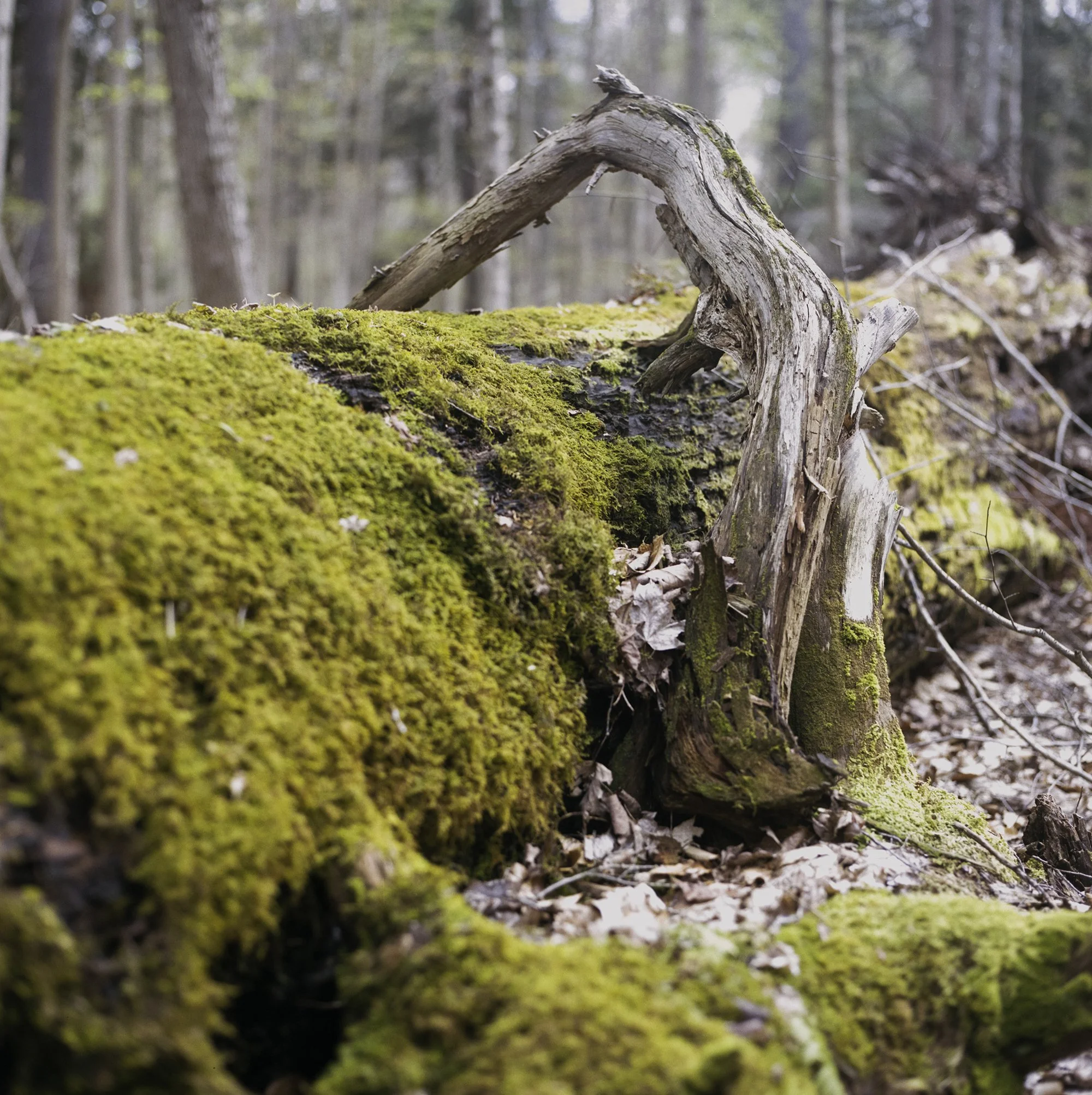
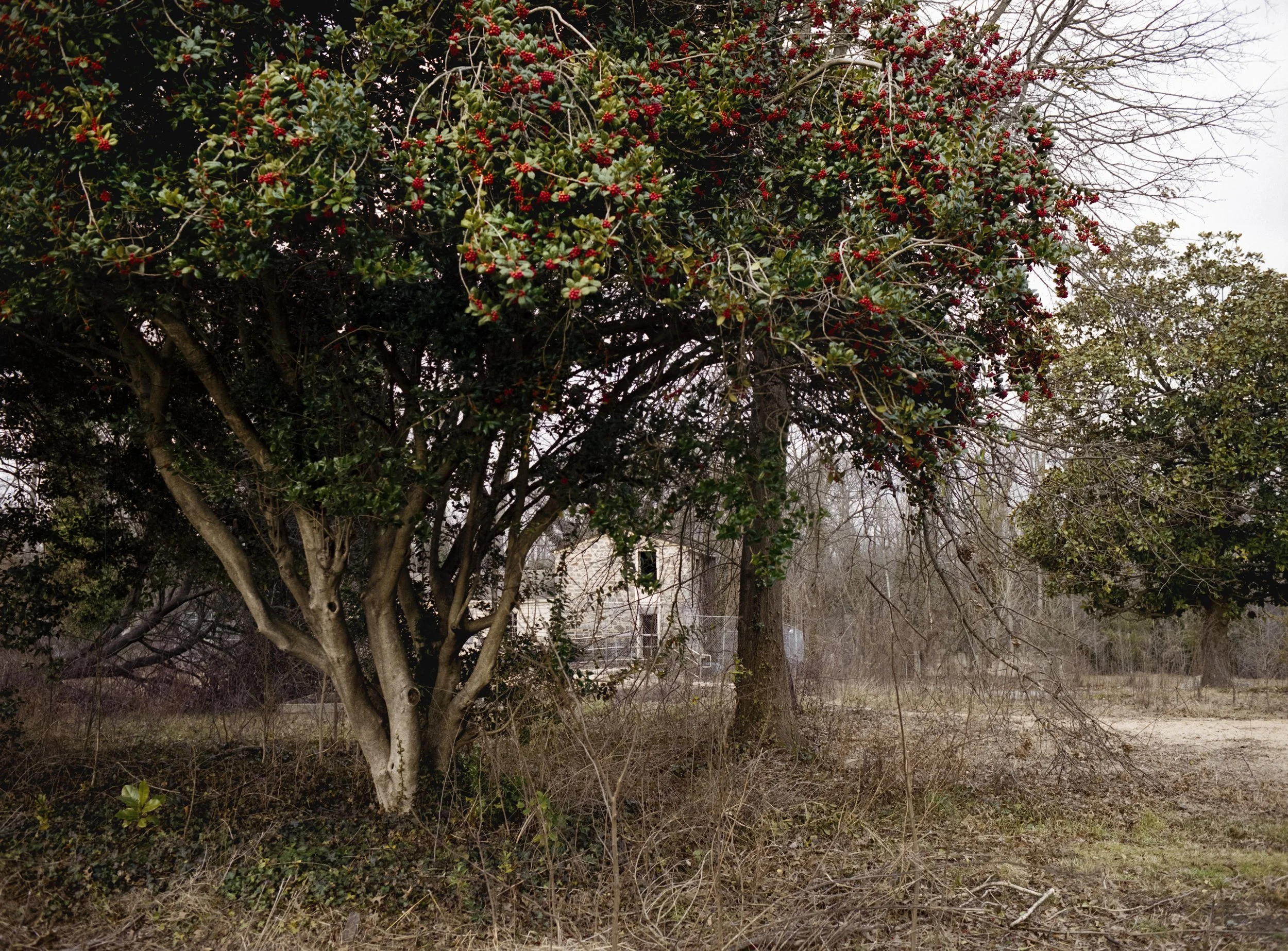
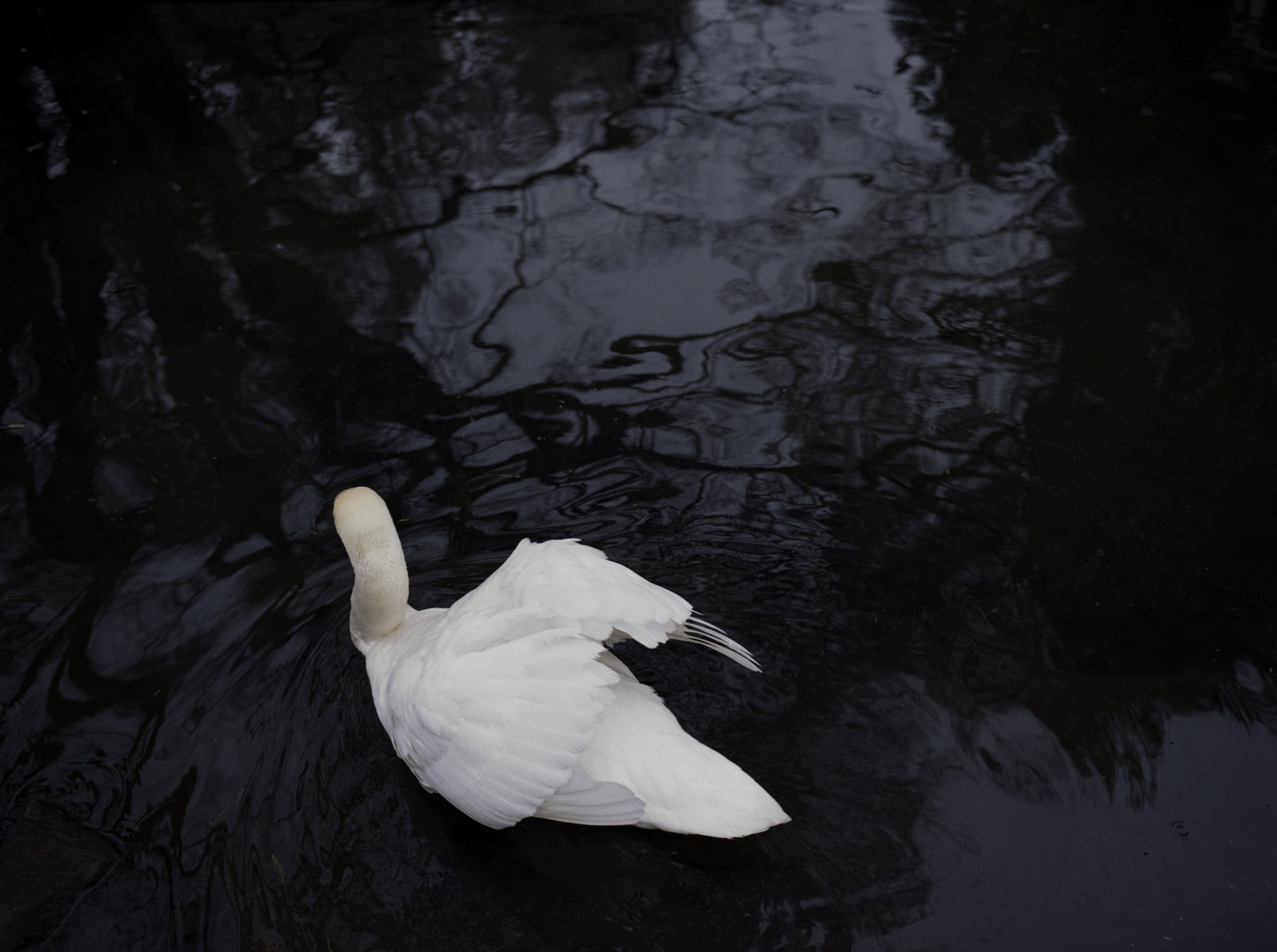
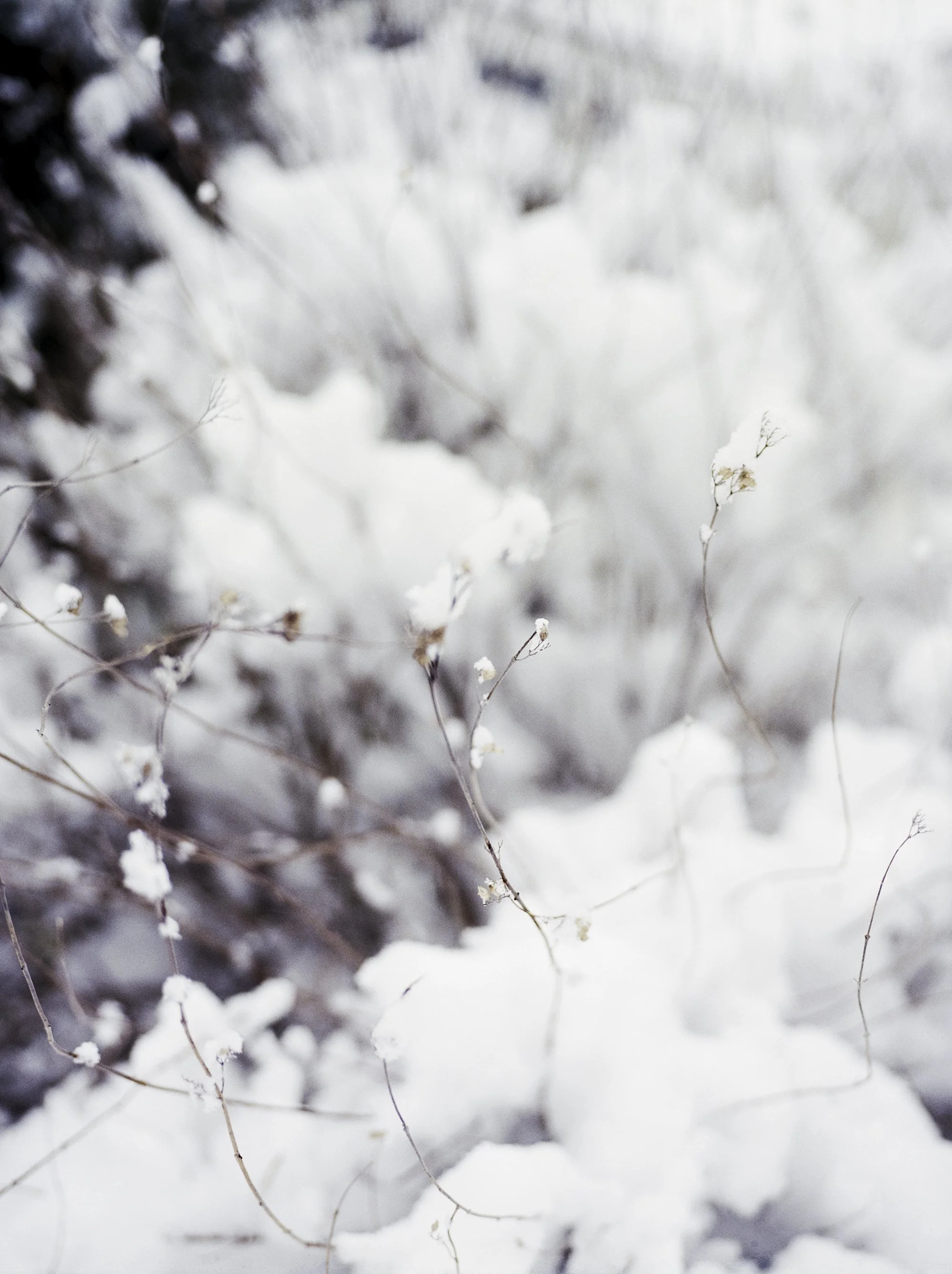
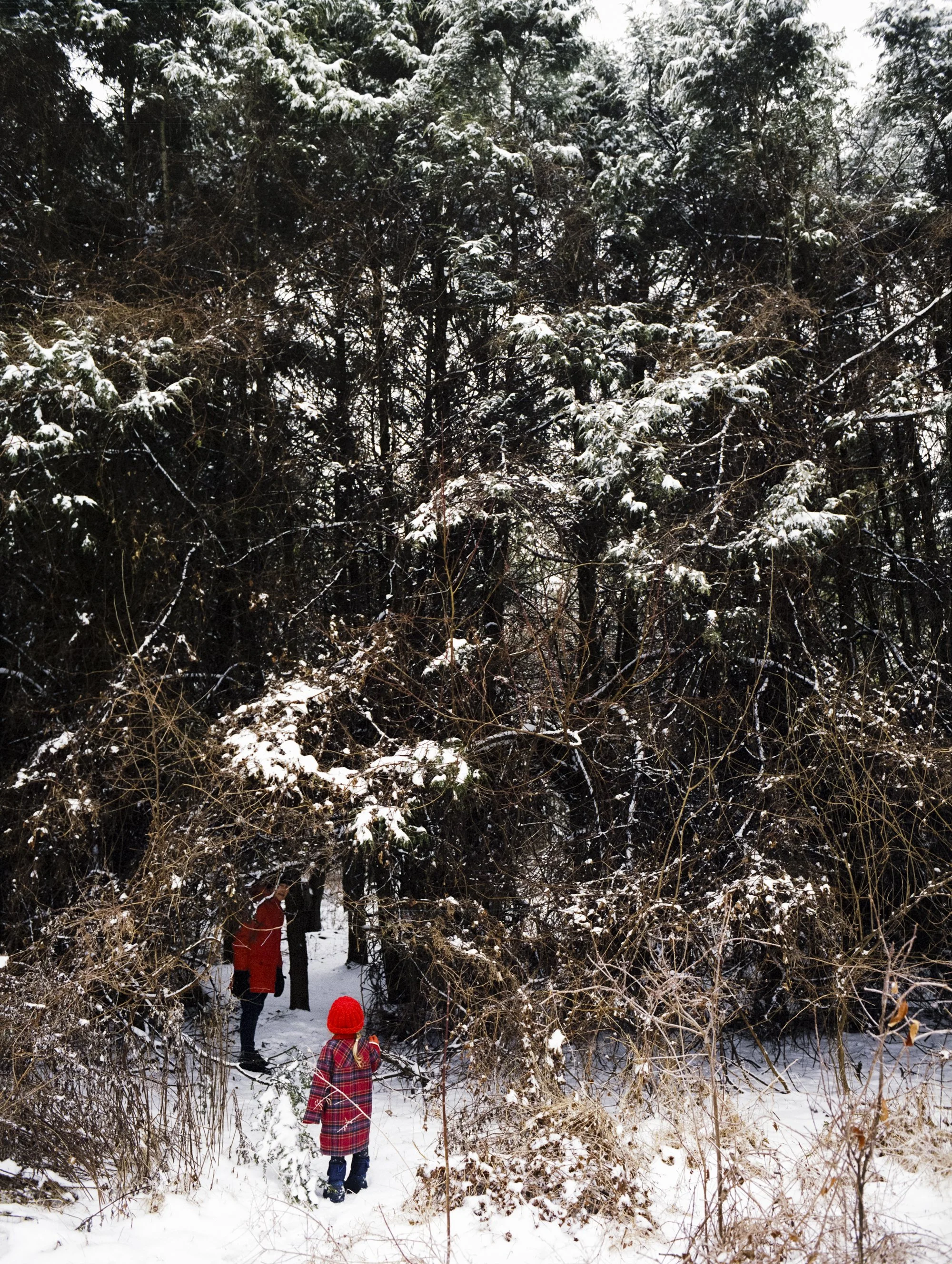
I think often about the muscle memory of places, the way a landscape can hold so much emotion. I wanted to create a conversation between the human form and the space we inhabit.
Shooting at Home: How does photographing your own family feel different from other photography work you do?
This many years in, there really is no assignment I’ve encountered yet that brings me the same fulfilment that photographing the people close to me does. My fashion work is probably the greatest creative fulfilment outside of personal work because I have so much input and I have such a love for it, but my commercial work I tend to keep compartmentalised. As someone who has been moving between the different parts of the industry for over a decade, this is the body of work that has really brought me back to myself as an artist. My camera has always felt like my third arm, and the pictures I’ve taken for this project are the most authentic expression of myself.
Camera Choice: Do you use film or digital cameras for this project, and why did you pick that choice?
Everything is shot on film. I’ve been shooting on a Hasselblad since I was a teenager, and the tactile nature of analogue is a really important part of the creative process for me. I personally shoot with film because it’s where I’m most comfortable and where I feel at home in my practice.
These days I use a wide range of cameras; this project actually caused me to shoot in a much looser way than I usually do, which was refreshing.
What does “shooting in a much looser way mean for you practically - different cameras, different approach to composition?
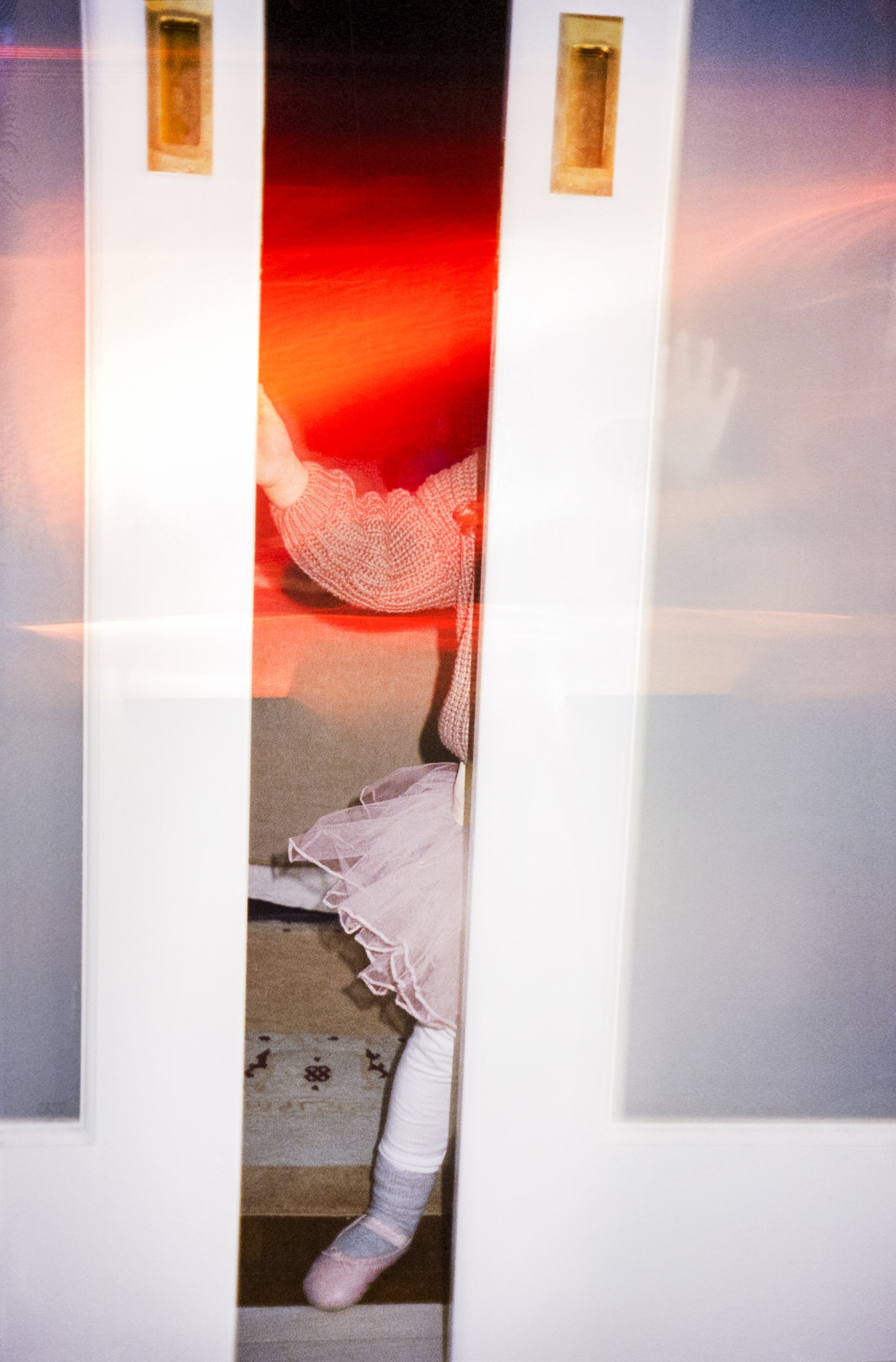
All of the above. I’ve always been a very technical photographer, very confident with film and different cameras. Since I first picked up a camera around 14 years old, I’ve been incredibly particular with the nitty-gritty details to make a shot “perfect”. I’ve also always been drawn to the formality of my Hasselblad, and while my comfort still lies with the heaviness of a medium format camera, once I allowed myself to use different 35 mm point-and-shoot cameras, shoot more “haphazardly” in a sense, not think so much about the technical aspects and lead more with the feeling, that’s when the work really felt like it was coming together how it was supposed to.
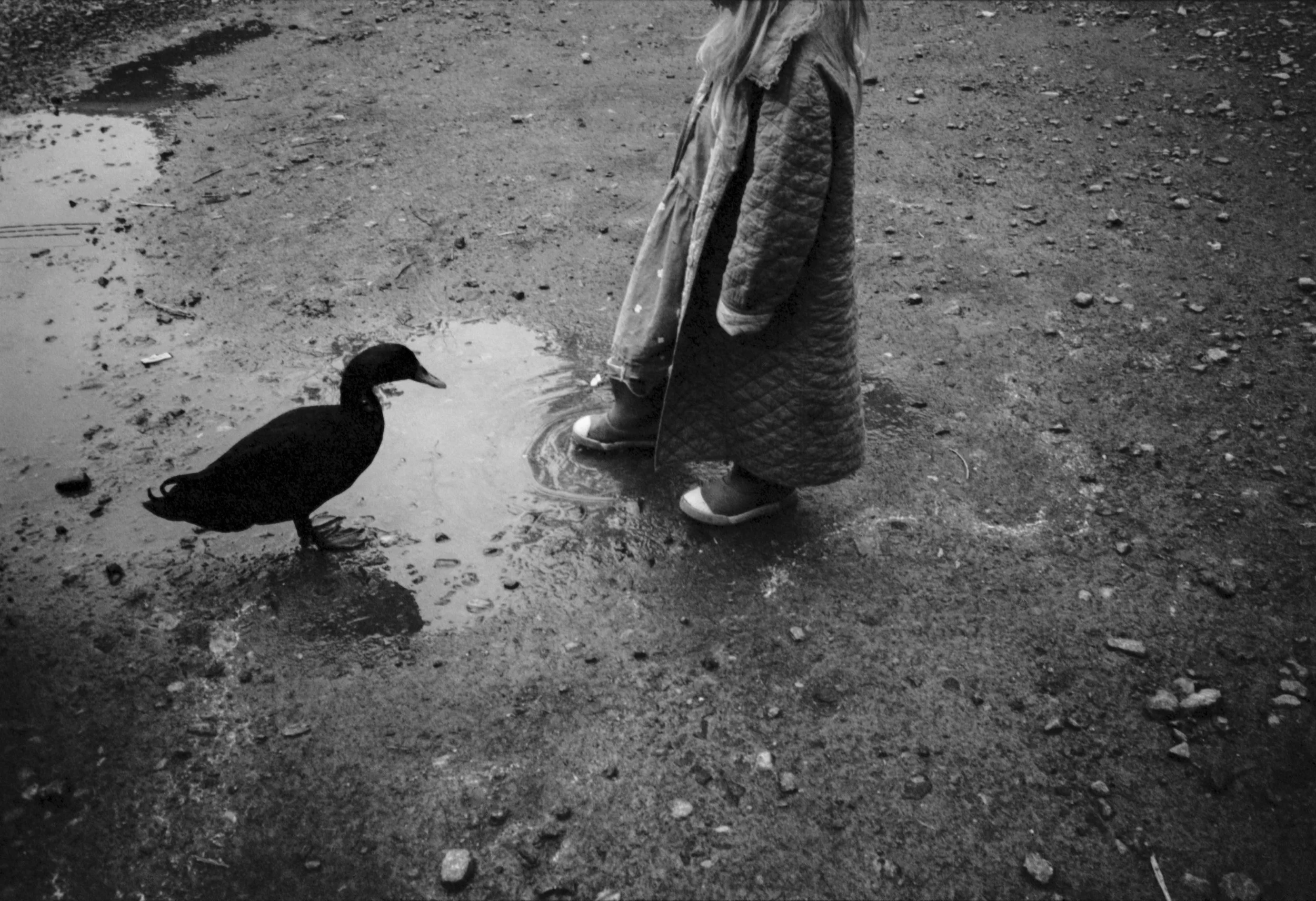
Spiritual Ideas: You were raised by a psychic medium. How does your spiritual background influence the way you see and photograph family moments?
My spirituality influences so many parts of my life, and I’ve allowed it now to really bleed into the way that I go about making pictures. This work allowed me to blend these two parts of myself, and really informed so much of how this work was made.
I grew up feeling a little odd as the child of a public-facing, regionally known psychic, because on top of it all, he was an incredibly eccentric person. Some of my core memories as a child are sitting in a suburban office building, colouring on one side of a partition while on the other side, he gave people readings. I would listen to a whole range of emotions from these strangers, while he rattled off all sorts of things he would have no way of knowing. My job was to stay quiet and out of the way on the other side of that wall, and I was very good at that.
Something I’ve been thinking since this book headed out into the world is that my father was estranged from his family for years before he met my mother when she came to him for a psychic reading, and I actually never saw family photographs of anyone, no grandparents or siblings or people I knew must exist somewhere, but I had no visual reference for them. I finally saw a few photographs 10 years ago, when I found out from an old newspaper article that my father had a family he abandoned in his early 20s. He had hidden it from my mother, but we always had a feeling a scenario like that was a real possibility. I met my half-sister around that time, so I was 25 when I first saw a picture of my paternal grandparents.
What’s interesting for me is that as a child I really longed for some trace of photographic representation of that half of me, and I never got it, but now I’ve gone and created a version of that for myself as an adult. It feels very healing.

How did discovering through a newspaper article that your father had abandoned a family in his early 20s change the way you thought about making this book about family connections?
When I found out my father had left an entire family behind and never told any of us, it gave my mother and me so much context for his personality and why he was so detached from the earlier part of his life. I always had this nagging voice in the back of my head around it. I remember asking my mum after he passed away when I was 11, why don’t we know anything about his family? The not knowing really fuelled my curiosity during my teens and early 20s, and while I didn’t realise it at the time, I think it laid the groundwork for me to focus on lineage and a sense of belonging in my work.
Honest Moments: The book shows real, unposed family life. What's your advice for photographers who want to capture authentic, natural moments?
Pay attention, let it unfold around you, try not to interrupt.
Working with Grandmothers: How do you help older family members feel comfortable and natural in front of your camera?
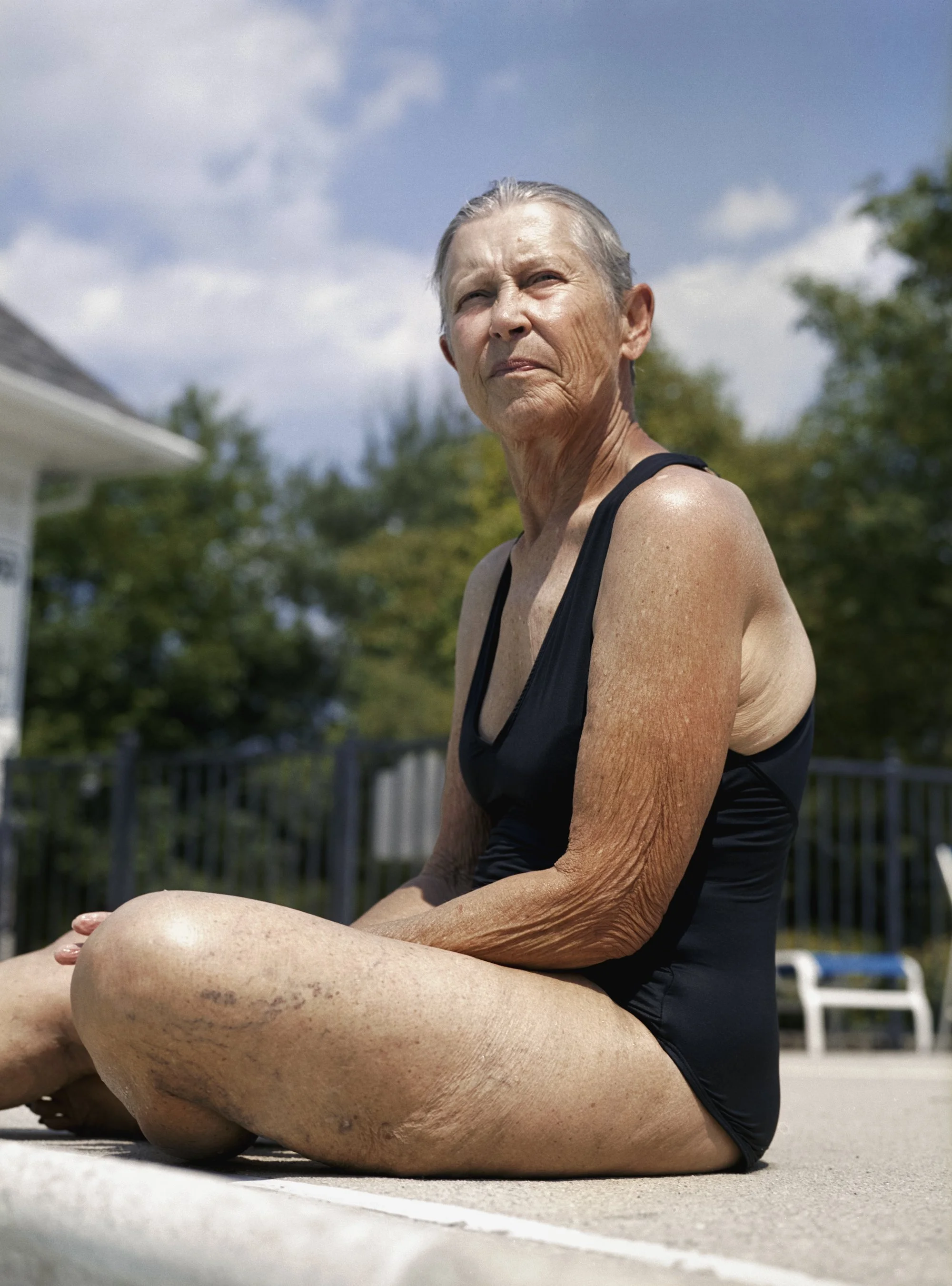
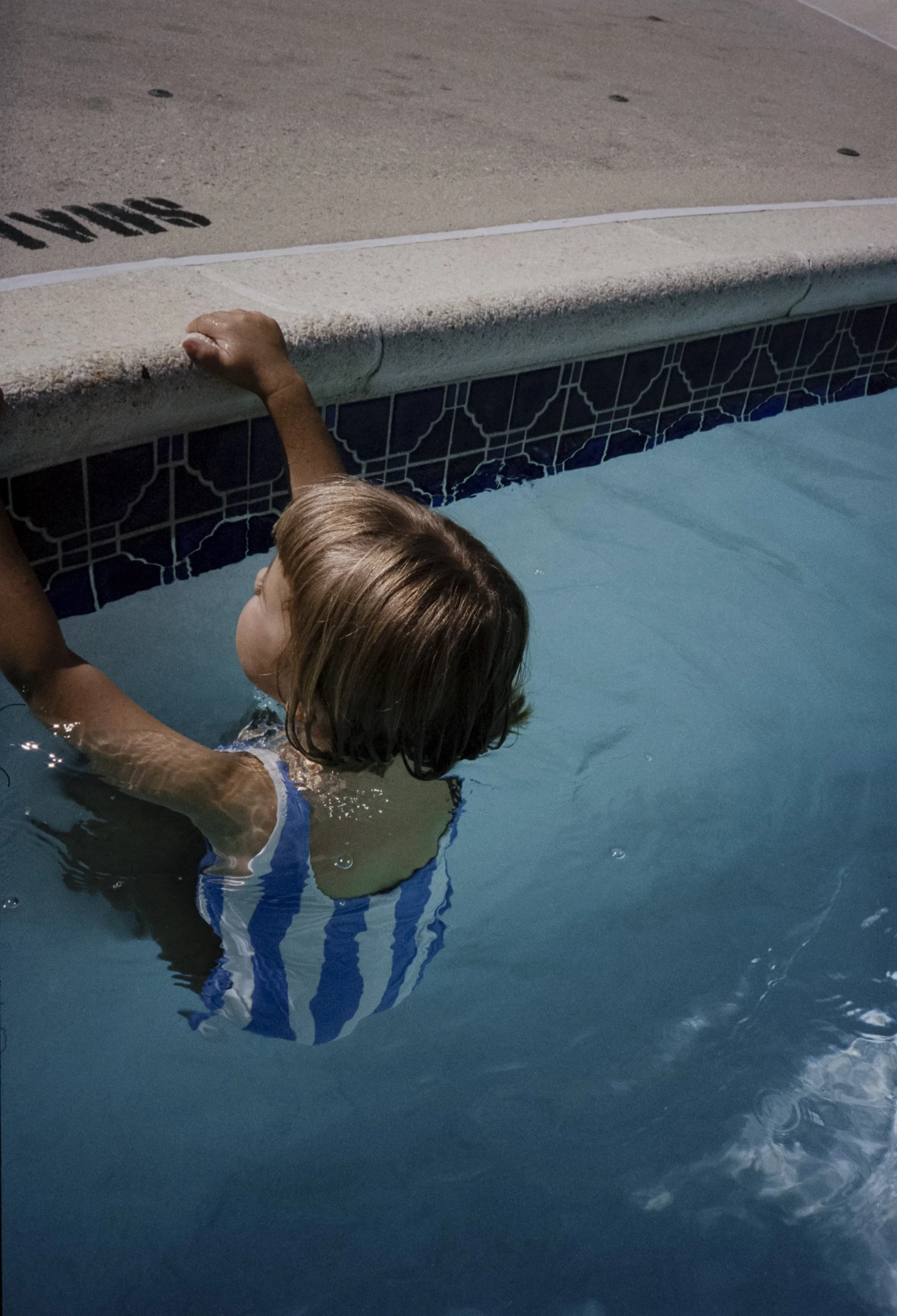
It’s interesting for me to look back at early pictures versus recent ones. The grandmothers have gotten so much more comfortable with my camera, uninhibited even. My daughter has an ease to being photographed by me because she’s so used to it, but as she grows up, her level of interest in having her picture taken ebbs and flows, and I appreciate the push and pull of that dynamic with her. If she doesn’t want a picture to happen, it’s simply not going to happen. I’m not forceful with my photography, and since I will never force a picture to happen, I like to think that if it’s supposed to exist, then it will when the time is right.
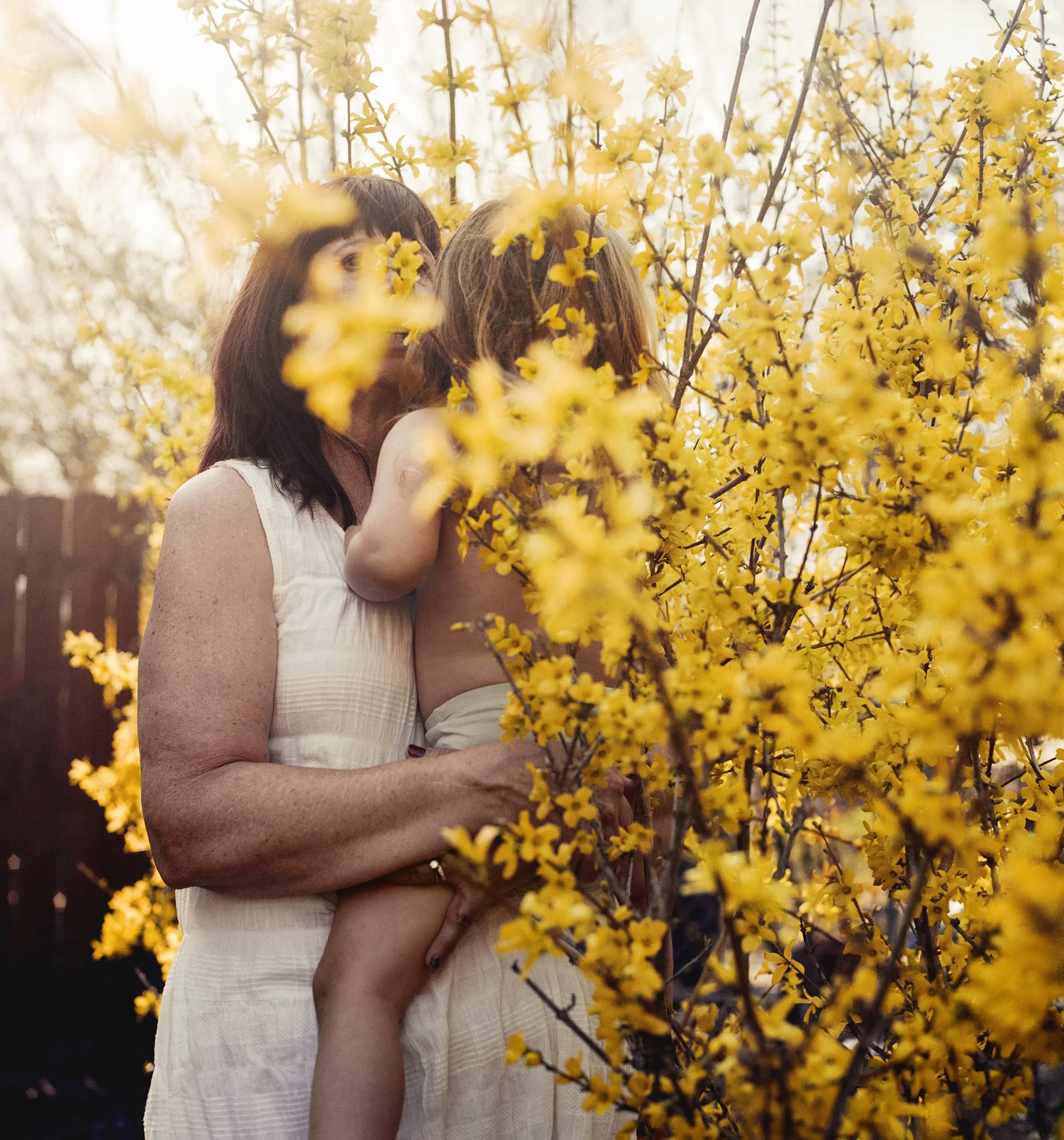
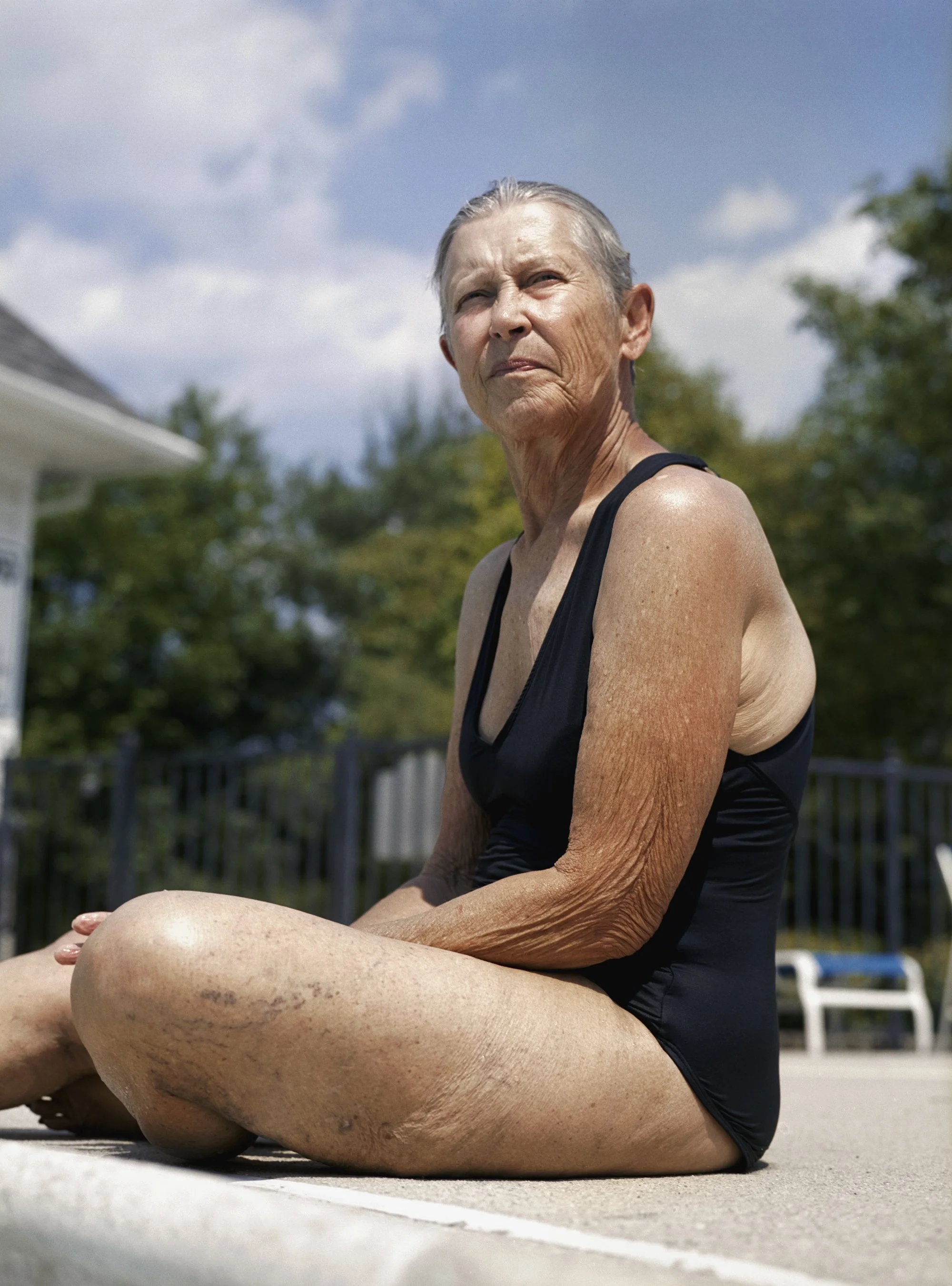
Editing Process: With 60 photos in the book from years of shooting, how did you choose which images to include and which to leave out?
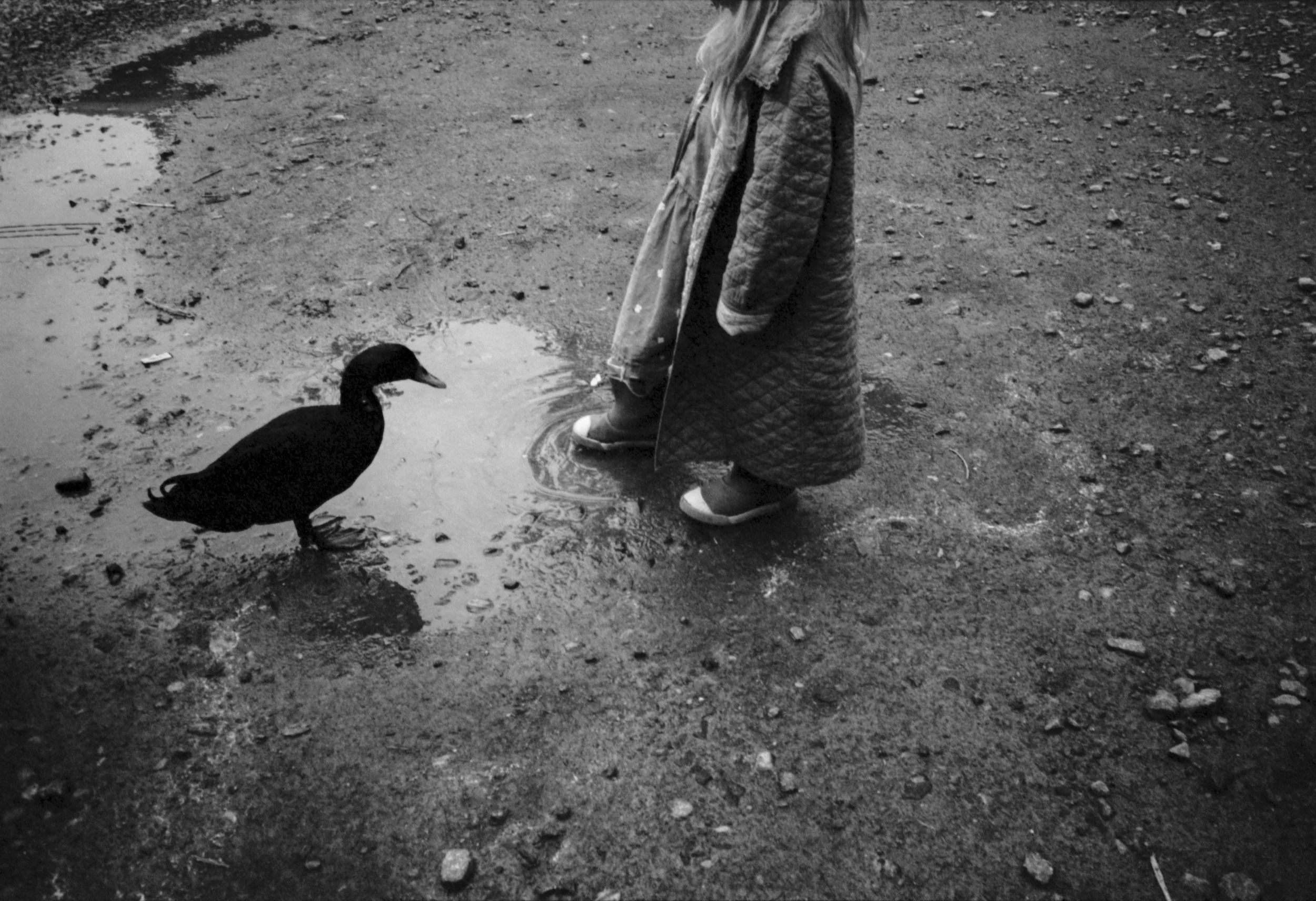
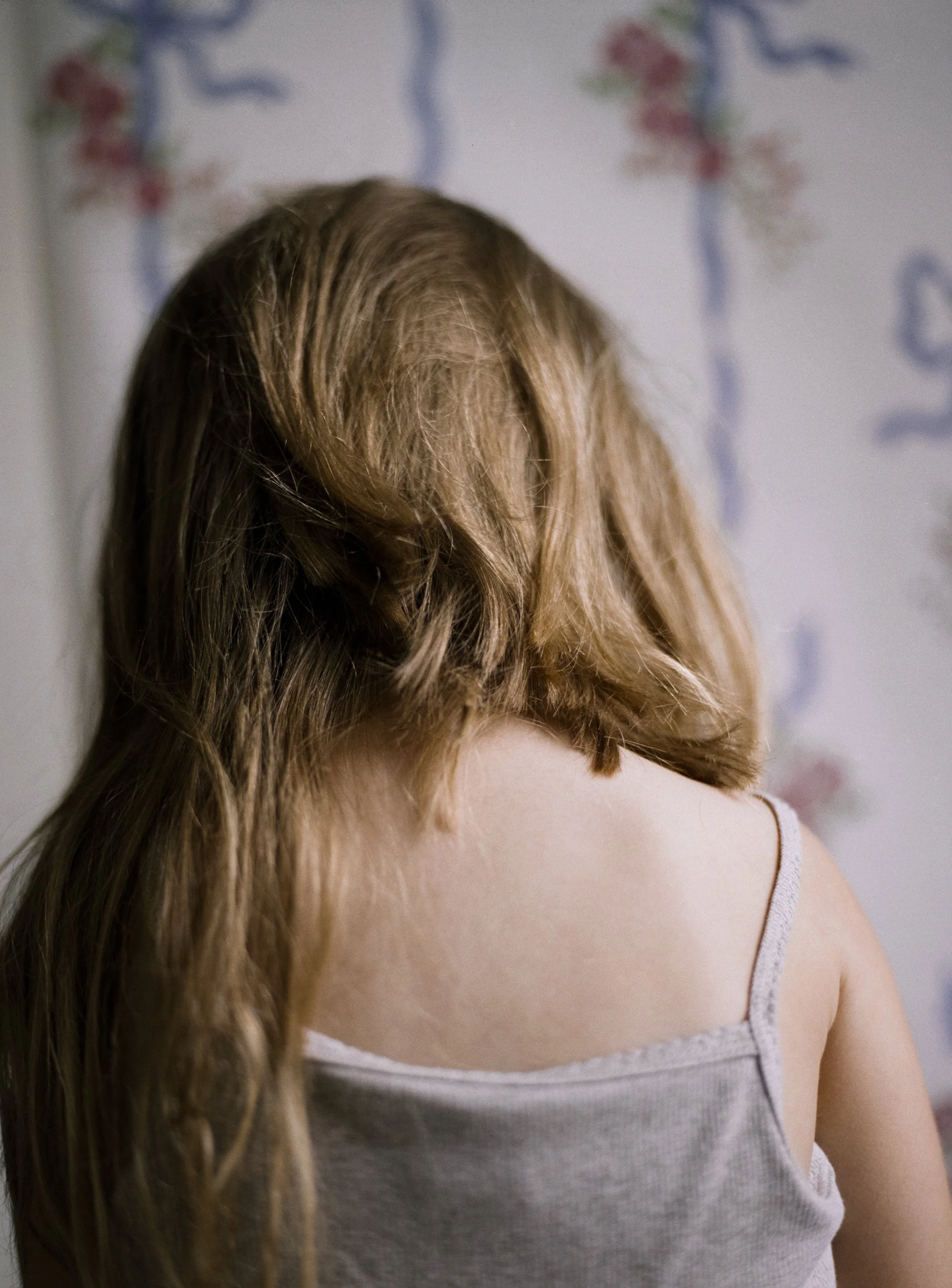
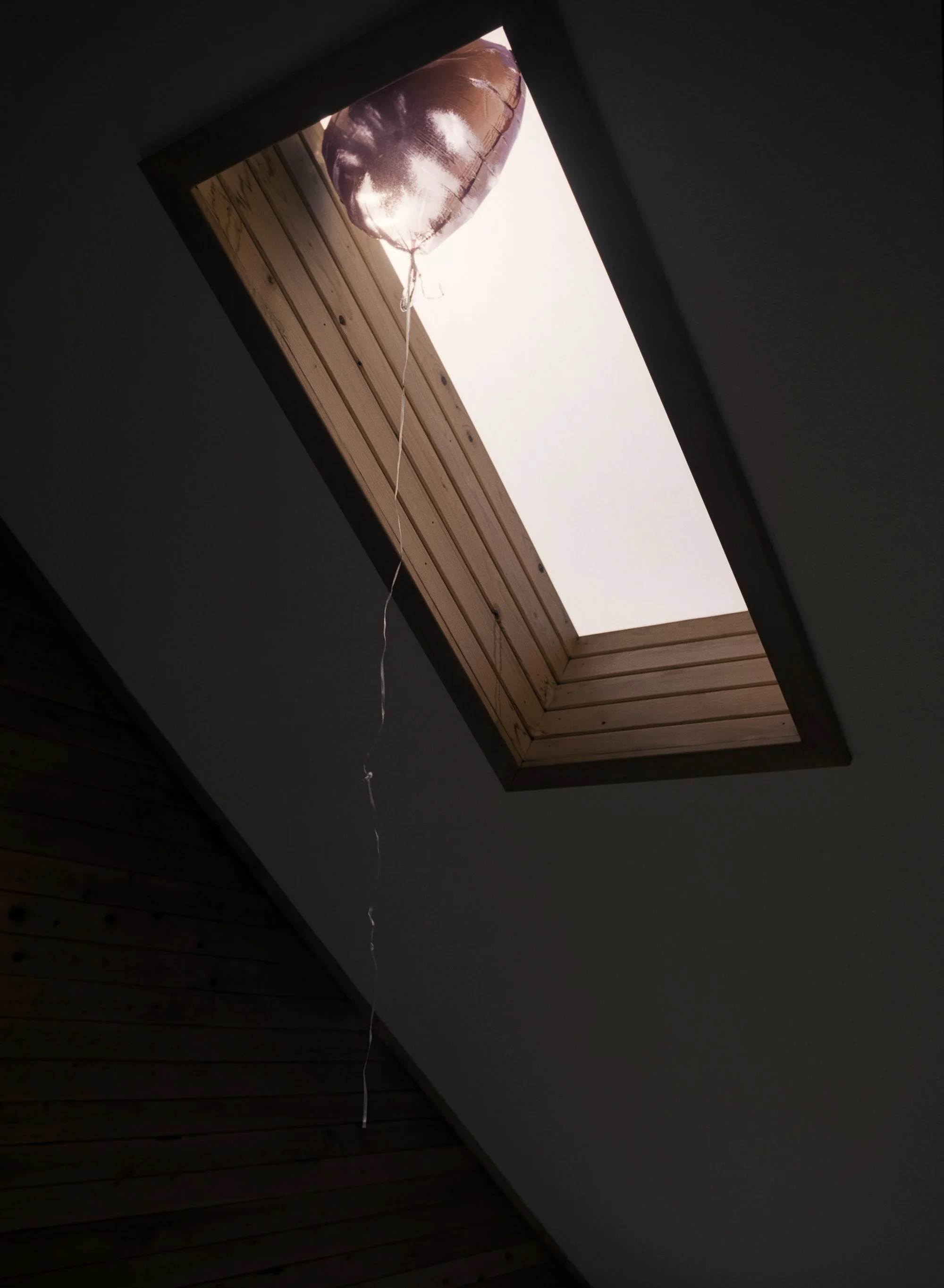
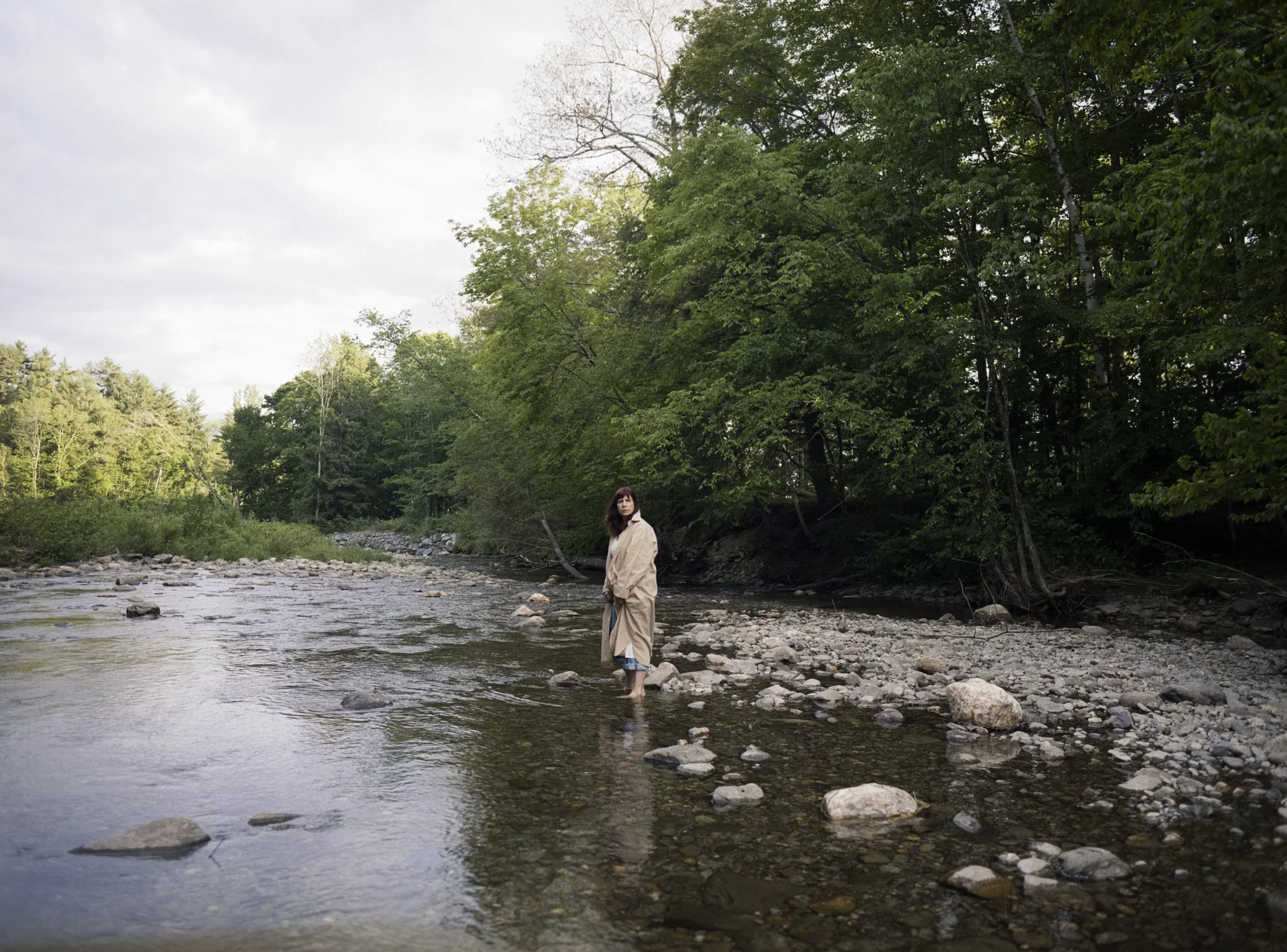
I had a very big, broad edit when I started. I don’t believe any of us are good at editing our own work; we’re too attached to it. I showed a handful of people and told them to remove pictures, any pictures they wanted to that they felt weren’t right or didn’t call to them. It was an interesting process because I felt myself become very detached from a lot of the individual photographs once I let others get their hands in there. There were maybe 10 photos total I felt diehard over, ones I knew had to be in the book. It may have originally been my husband who started removing photos where subjects were making eye contact with the camera. You’ll notice as you flip through there are only two pictures where there’s eye contact, a picture of my daughter and my mother-in-law, and my mother in the river, that was deliberate. I wanted to lean into the more ethereal photos I had taken, the ones that felt a bit more haunting and focus less on traditional portraits. I wanted the viewer to feel able to put themselves in the scene.
I also worked with an incredible book designer, Ursula Damm at Daylight. I wanted to let her lead and see where her edit would land without a lot of input from me. When I got that first draft from her, I think I made one change. She instantly understood the work and the flow of the imagery, and she put it together in a way that feels so incredibly thoughtful.
You said only two images in the entire book have direct eye contact with the camera. Can you talk about that choice - what happens when a subject looks at the camera versus looking away?
For this work in particular, I found the eye contact to have a level of formality that I didn’t want to overtake the body of work. I noticed the moment I took away most of the eye contact portraits, a viewer was able to insert themselves into the book in a different way. There’s a bit of mystery and ambiguity when the subject isn’t directly interacting with the viewer.

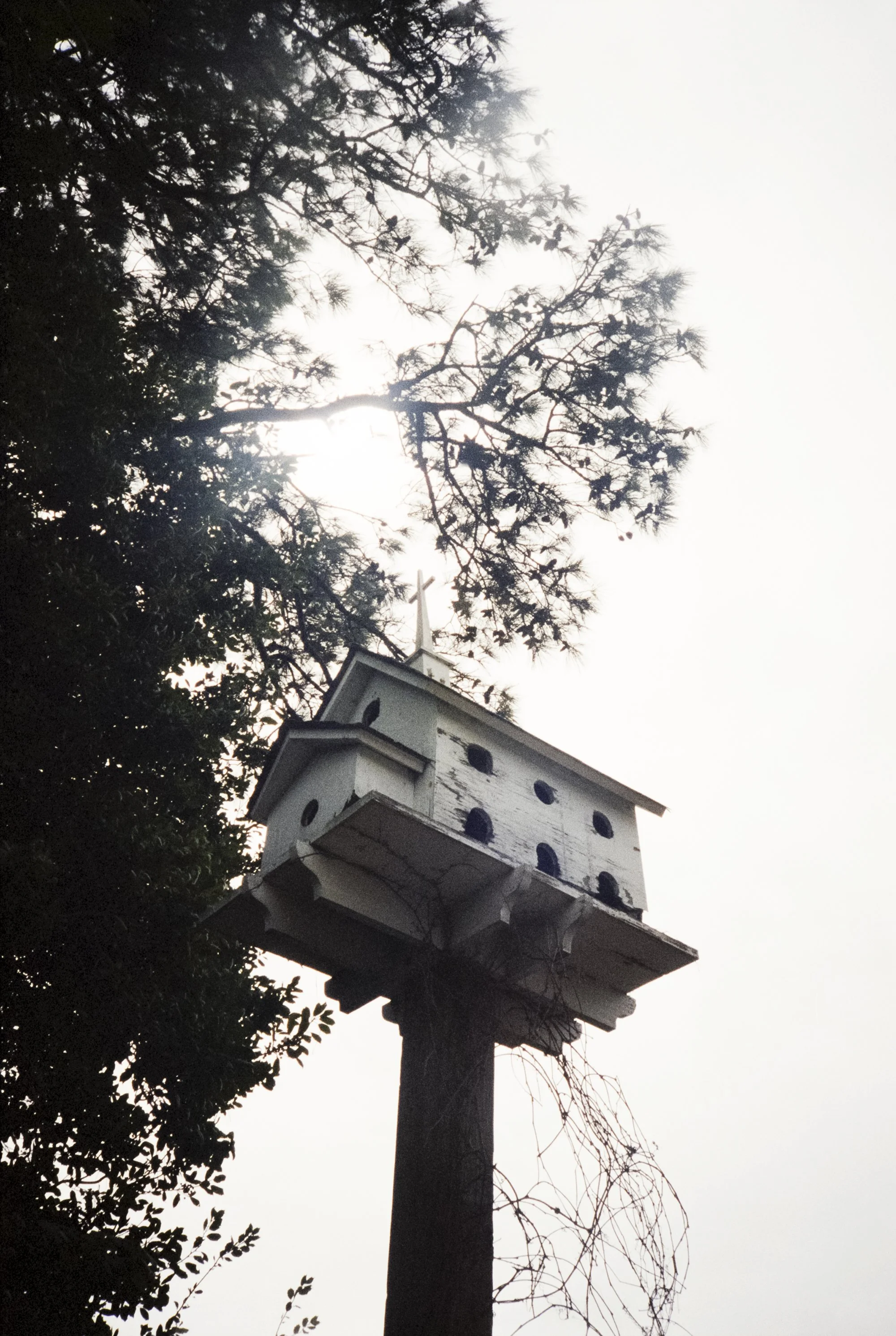
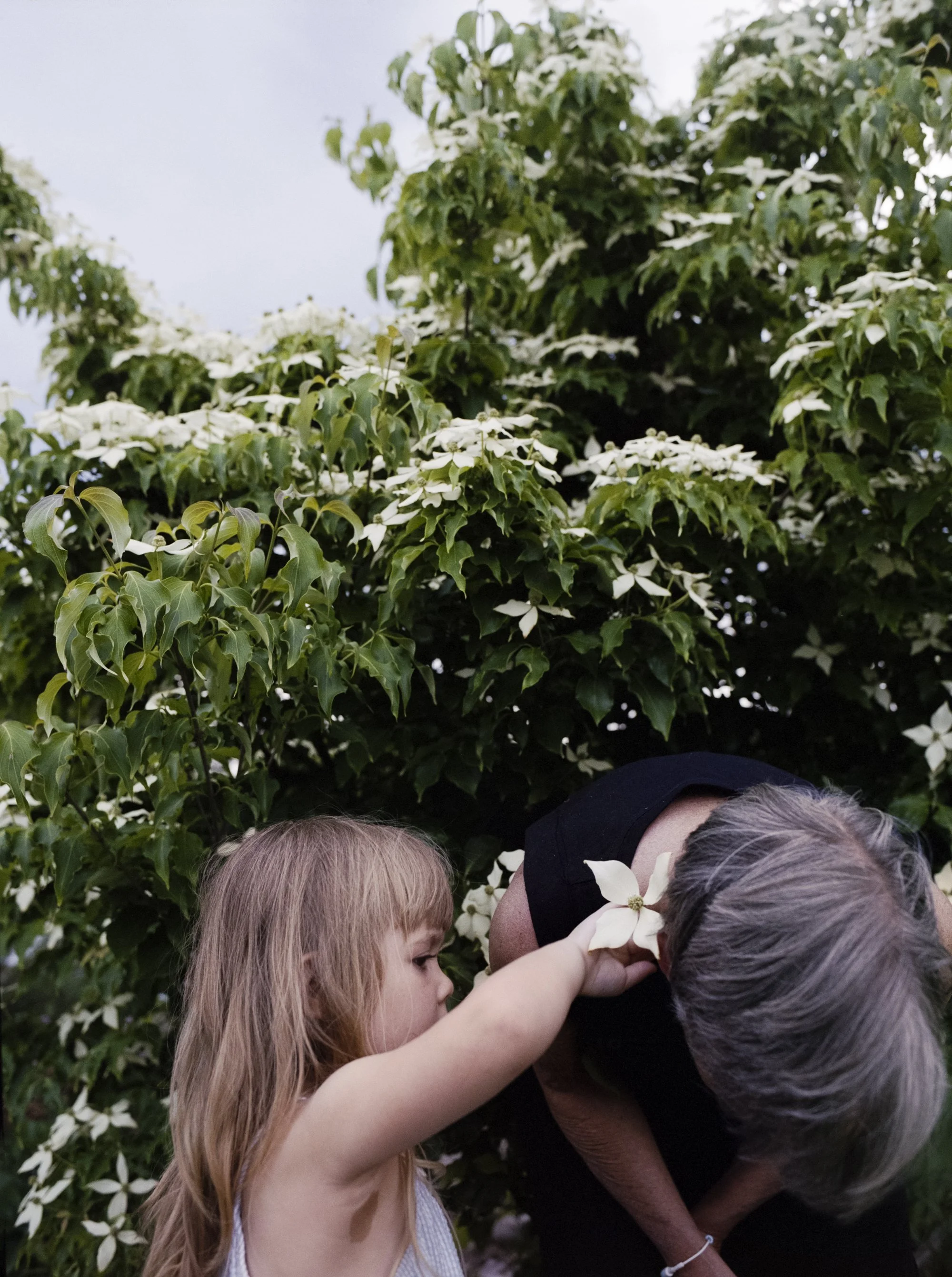
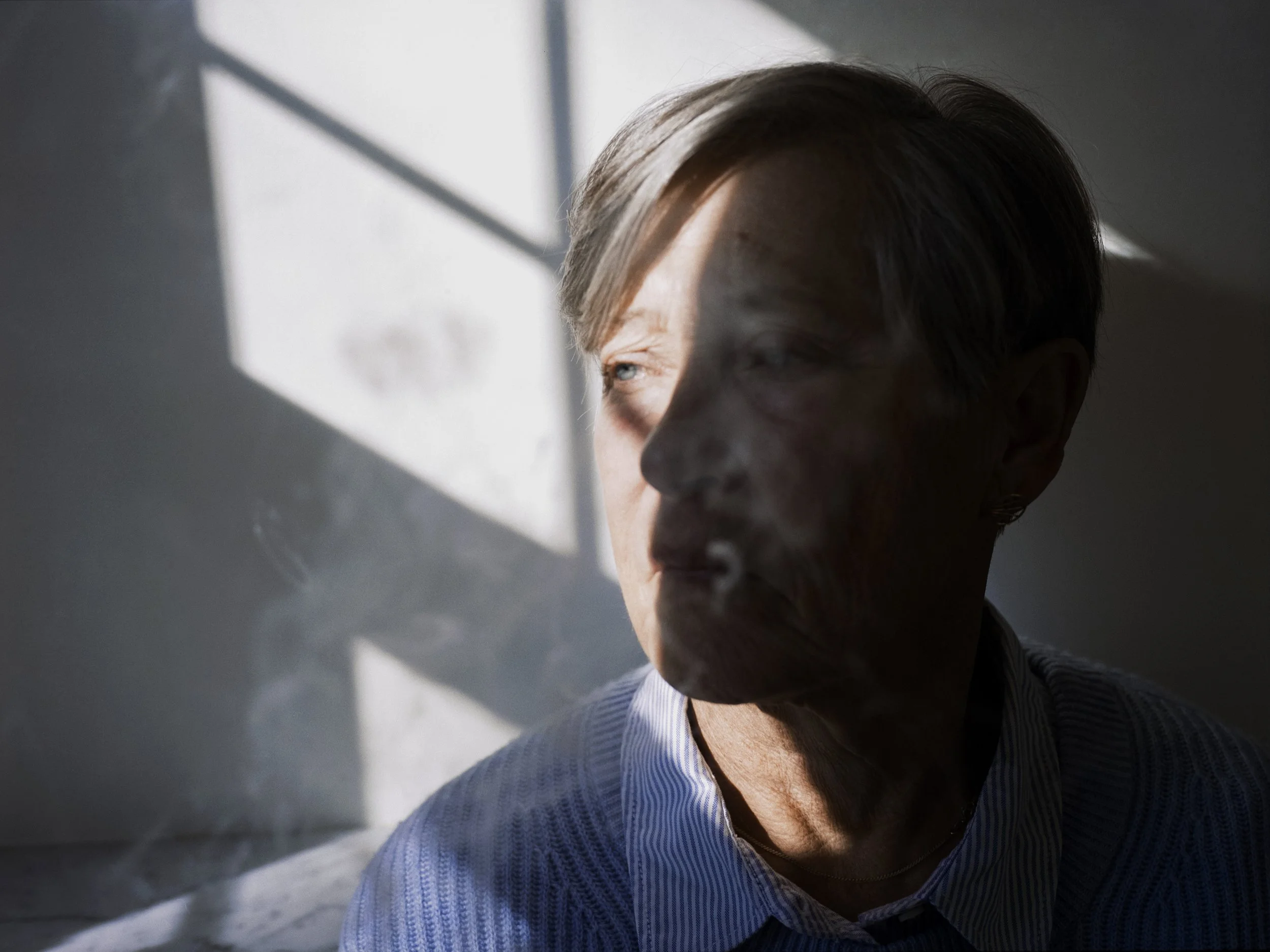
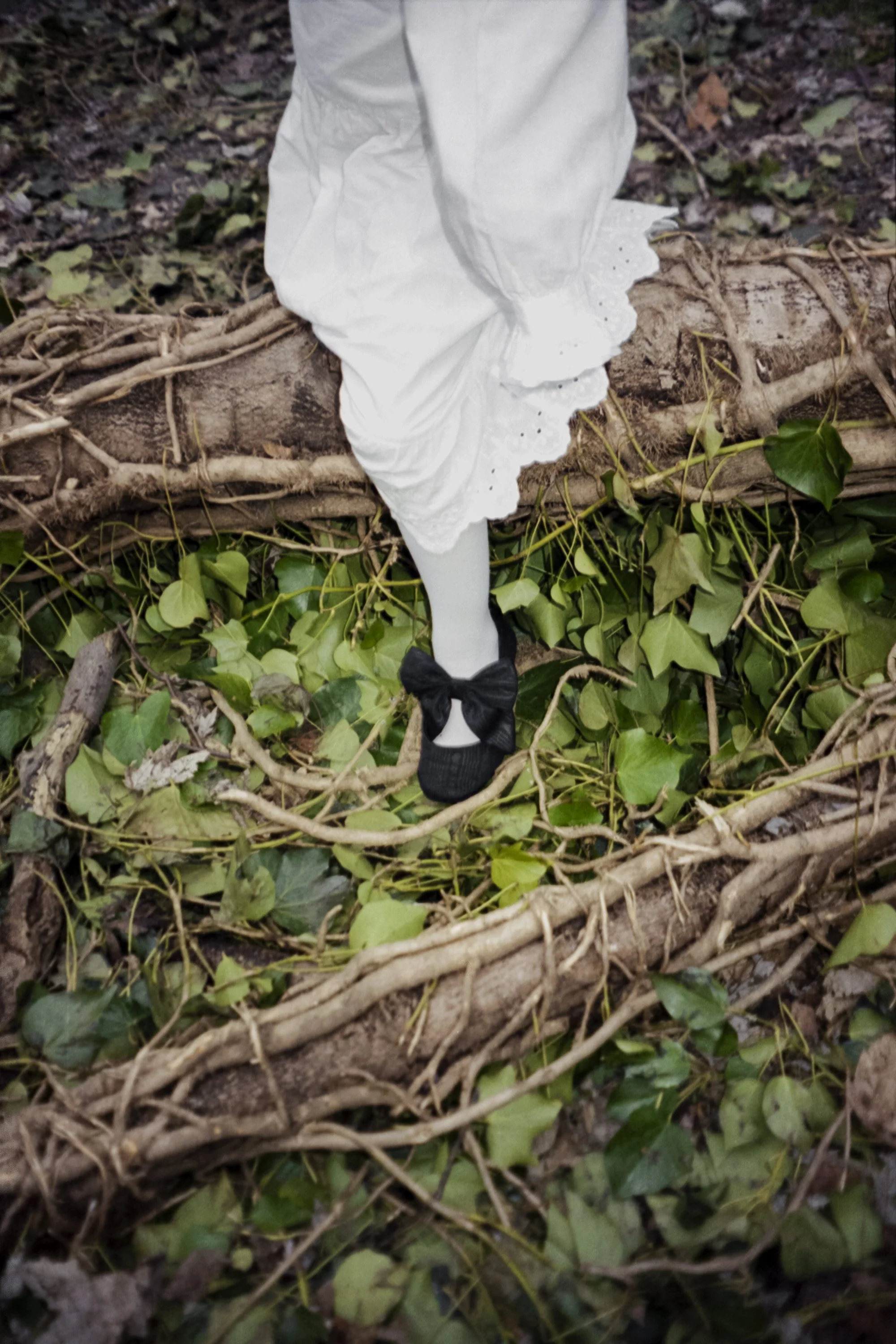

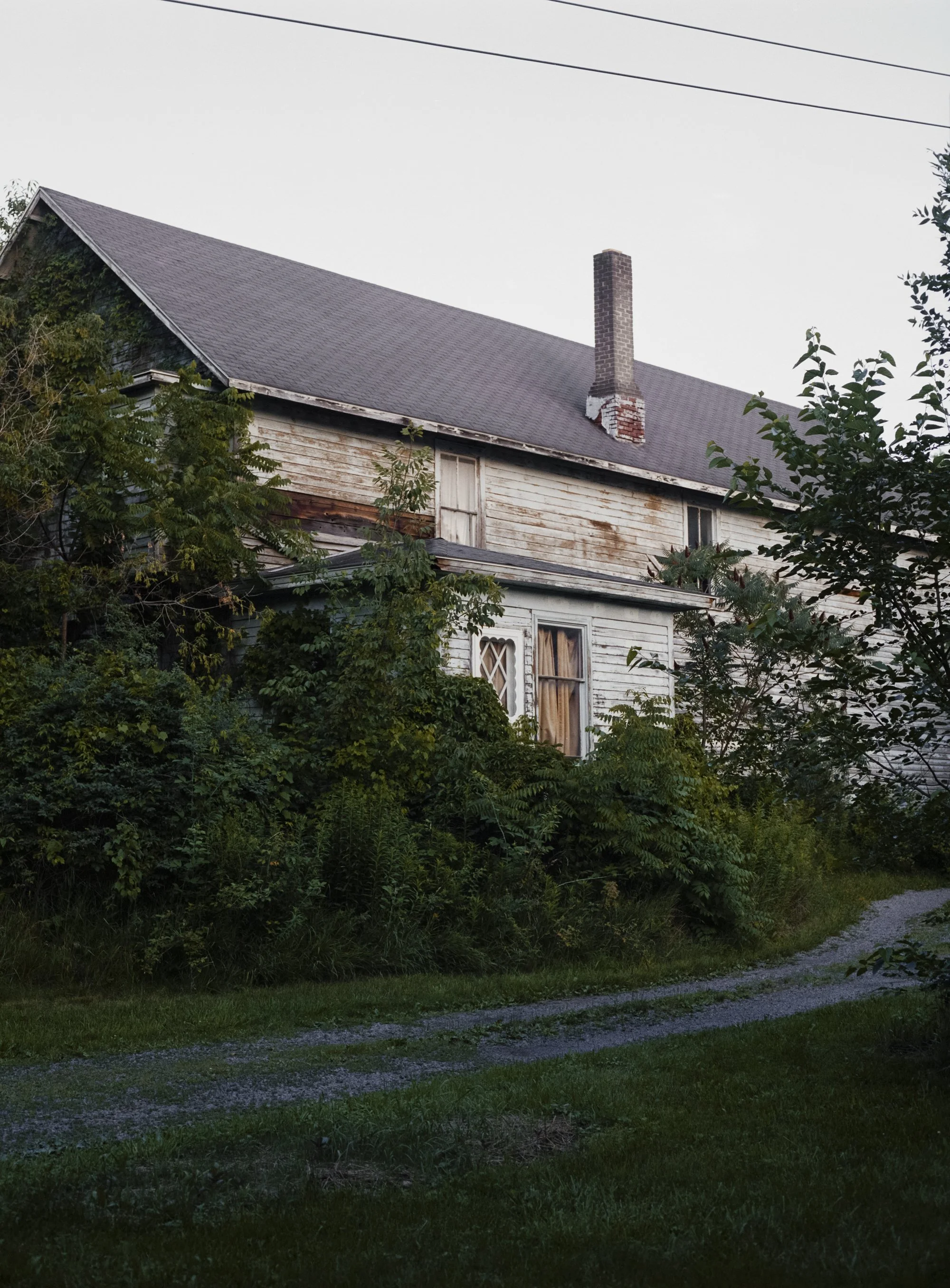
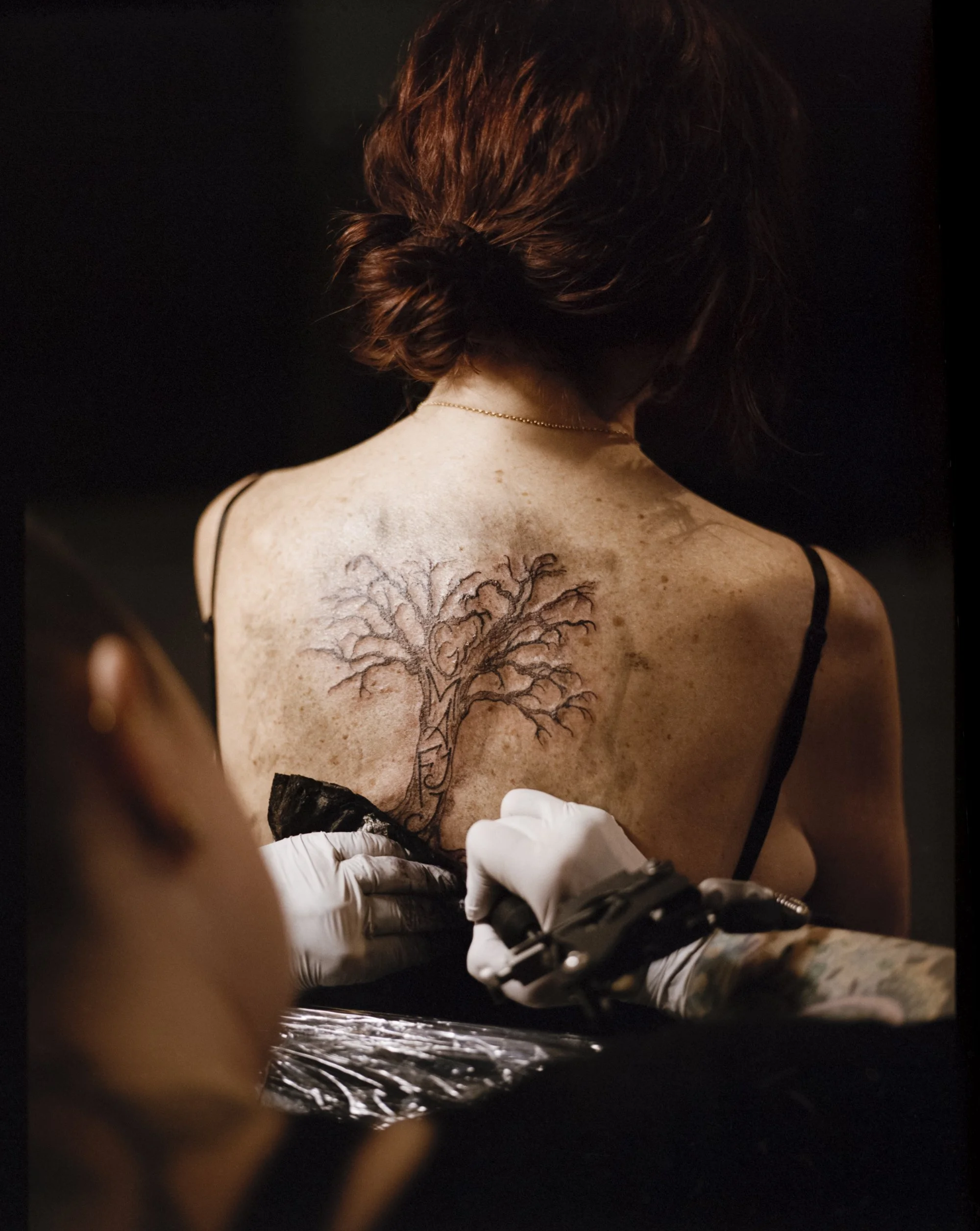
To discover more about this intriguing body of work and how you can acquire your own copy, you can find and purchase the book here. (Daylight books, Amazon)
More photography books?
We'd love to read your comments below, sharing your thoughts and insights on the artist's work. Looking forward to welcoming you back for our next [book spotlight]. See you then!
The street is boring until you learn what to notice. Most of the time, nothing special is happening. Photography Book Spotlight