Chihiro Kihara Was Rejected by a Temple, So She Walked a 5,600m Pilgrimage to Find Out What Faith Really Means
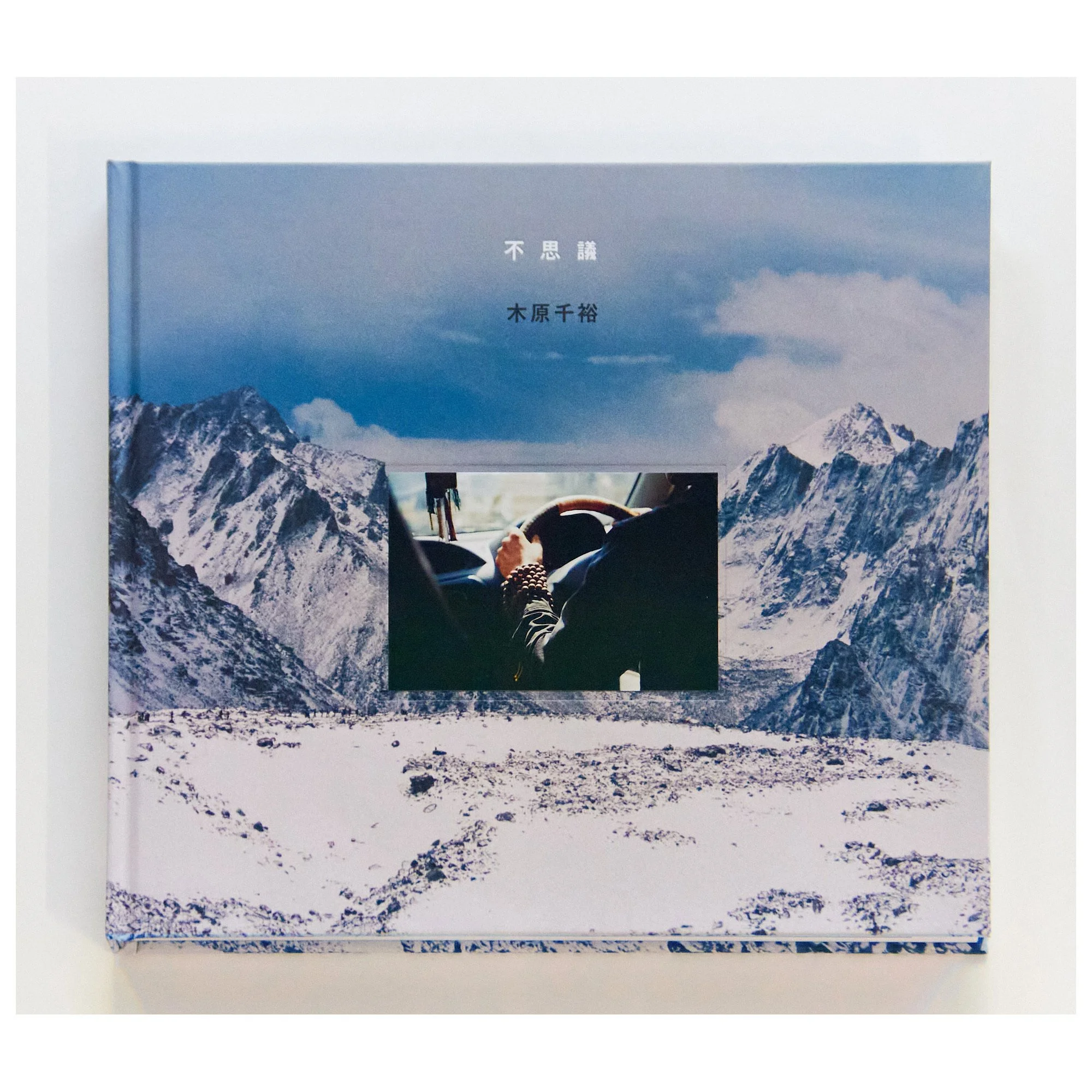
Welcome to this edition of [book spotlight]. Today, we uncover the layers of 'Wonderful Circuit,' by Chihiro Kihara 木原千裕 (published by Fugensha, sold by by shashasha). We'd love to read your comments below about these insights and ideas behind the artist's work.
The temple said no, so the mountain answered.
Chihiro Kihara’s Wonderful Circuit begins with rejection and ends in motion, a pilgrimage that turns into a photobook. The work sits between Tibet and the life she returns to, where faith is not comfort but pressure. Images connect by echo and repetition, not by a clean timeline, and the “circuit” becomes both a route and a structure. What holds it together is endurance, and the refusal to make pain look simple.
A pilgrimage does not fix you, it tests you.
Fear and silence run through the pages like weather, sometimes visible, sometimes only felt in the gaps. The mountain becomes less a symbol and more a presence that asks for attention, step after step. Wonderful Circuit keeps its power because it avoids a tidy message and a tidy ending. It lands as an art work about what remains after permission is taken away.
The Book
Wonderful Circuit is Chihiro Kihara’s photobook born from a personal rupture: her relationship was rejected by her monk lover’s family, leaving her with questions about religion, faith, and human dignity. In response, she travels to Tibet and undertakes a pilgrimage around Mount Kailash, pushing into extreme altitude and physical and mental limits as she tries to understand what belief can mean when you have been denied by a place you trusted.
The book moves between the sacred mountain and the life she returns to, letting different times and places connect. Alongside the images, Kihara’s text frames the “circuit” as a way of walking alone while still staying open to everything beyond the self, turning private grief into a wider question about how we stay connected to others and to the world (Fugensha ,shashasha, Amazon)
Project Genesis: What made you decide to create this project about faith, identity, and pilgrimage?
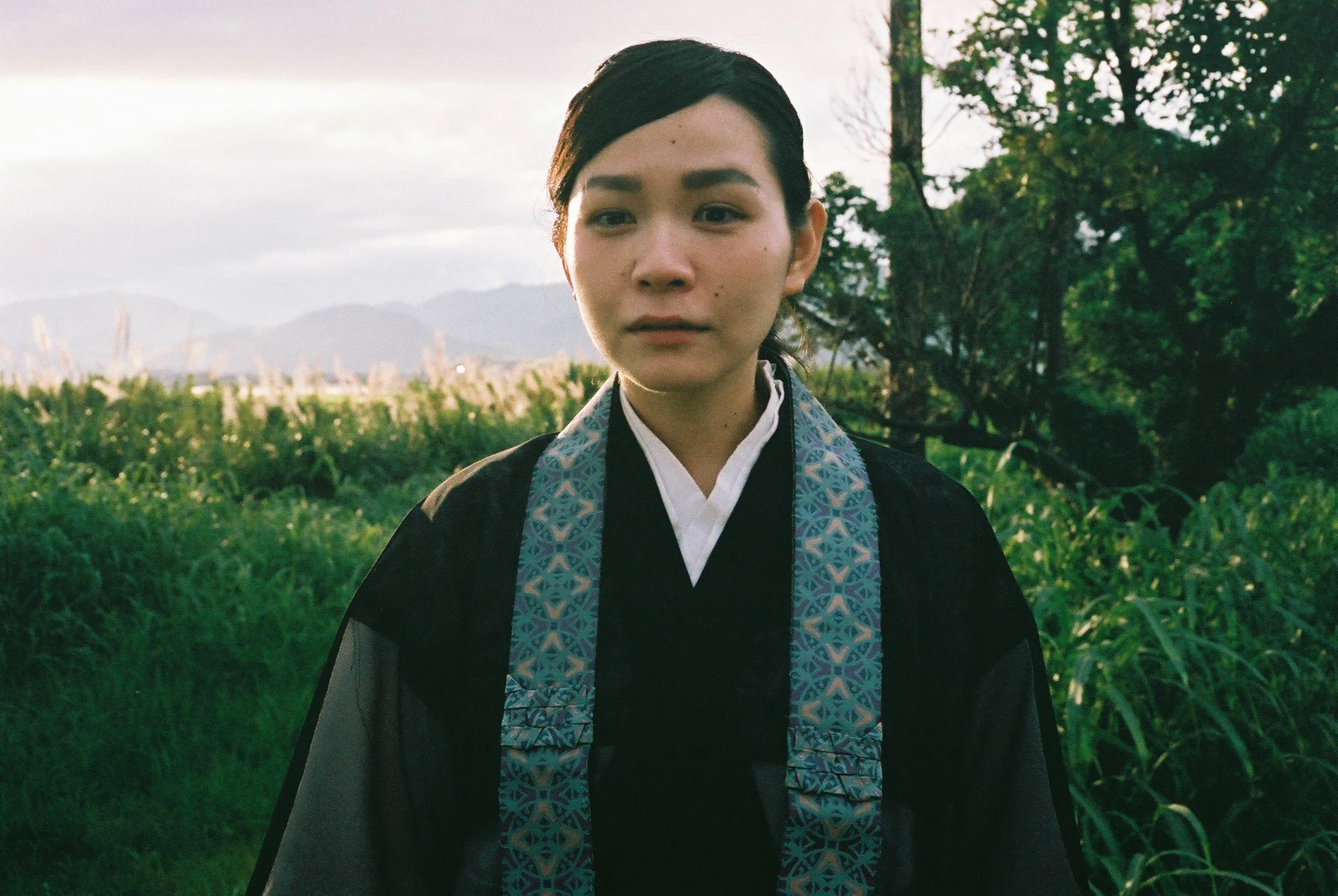
While I was in a relationship with my partner, who is a Buddhist monk, the temple she belongs to rejected our relationship. As time passed, that experience remained within me as a wound. Complex emotions of sadness and frustration would suddenly wash over me like flashbacks.
Gradually, I began to hold negative feelings toward temples and religion. But it was painful to exist in a state where I could only maintain myself by denying others: temples, religion, everything outside myself.
What exactly is religion? What exactly is faith? When absurdity stood before me, these fundamental questions swelled up. I wanted to steer these negative emotions in a better direction. To do that, I felt I needed to reconsider religion and faith, especially Buddhism, in my own way.
To reconsider something, you must first know it. I wanted to know. I wanted to understand. I wanted to see.
And so I decided to journey to Mount Kailash in Tibet.
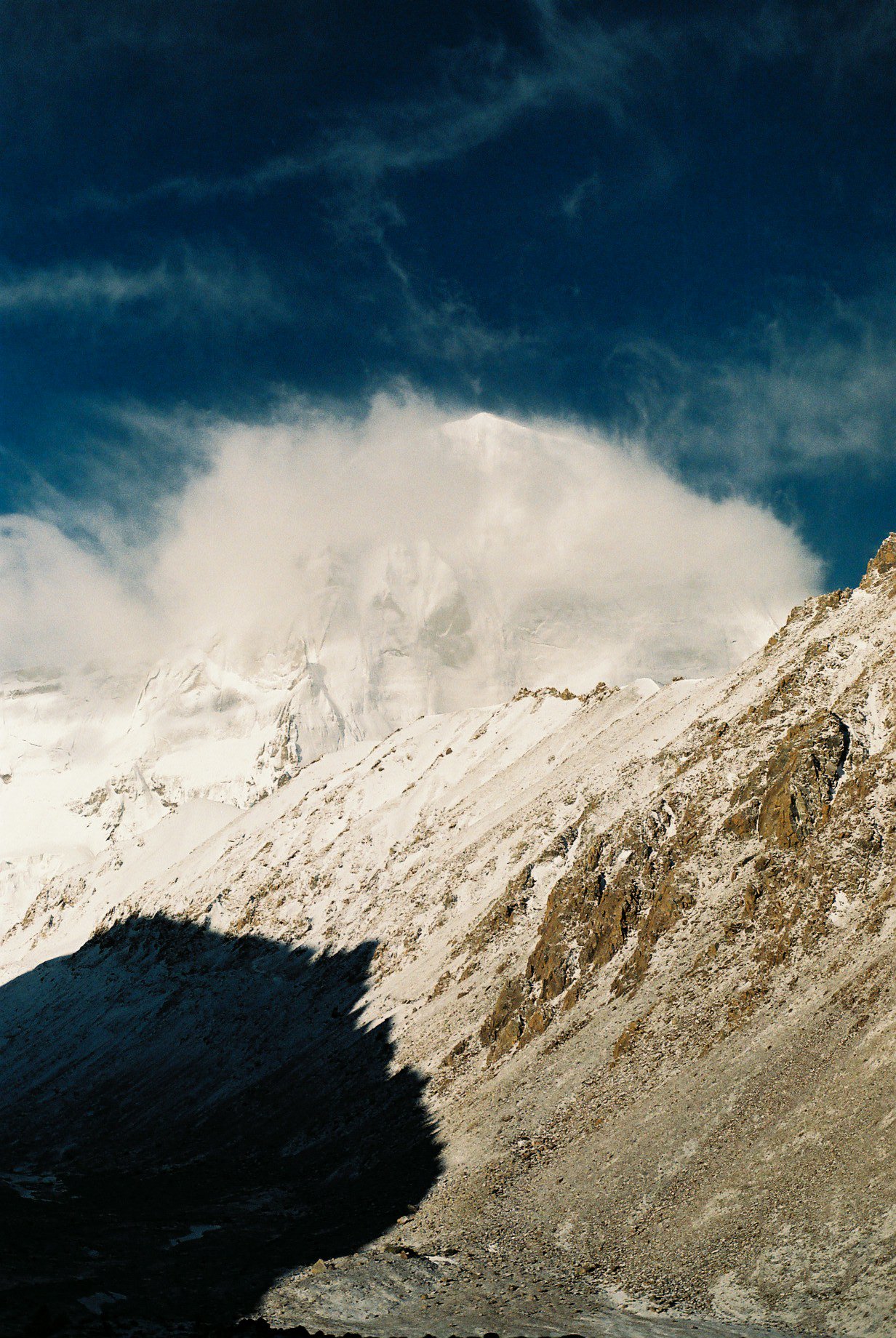
To explain why Kailash: in the Buddhist worldview, a tall mountain called Mount Sumeru stands at the center of the universe, and Kailash is identified with Sumeru. It's a sacred site not only for Buddhism but also for Hinduism and Bön, drawing pilgrims from around the world.
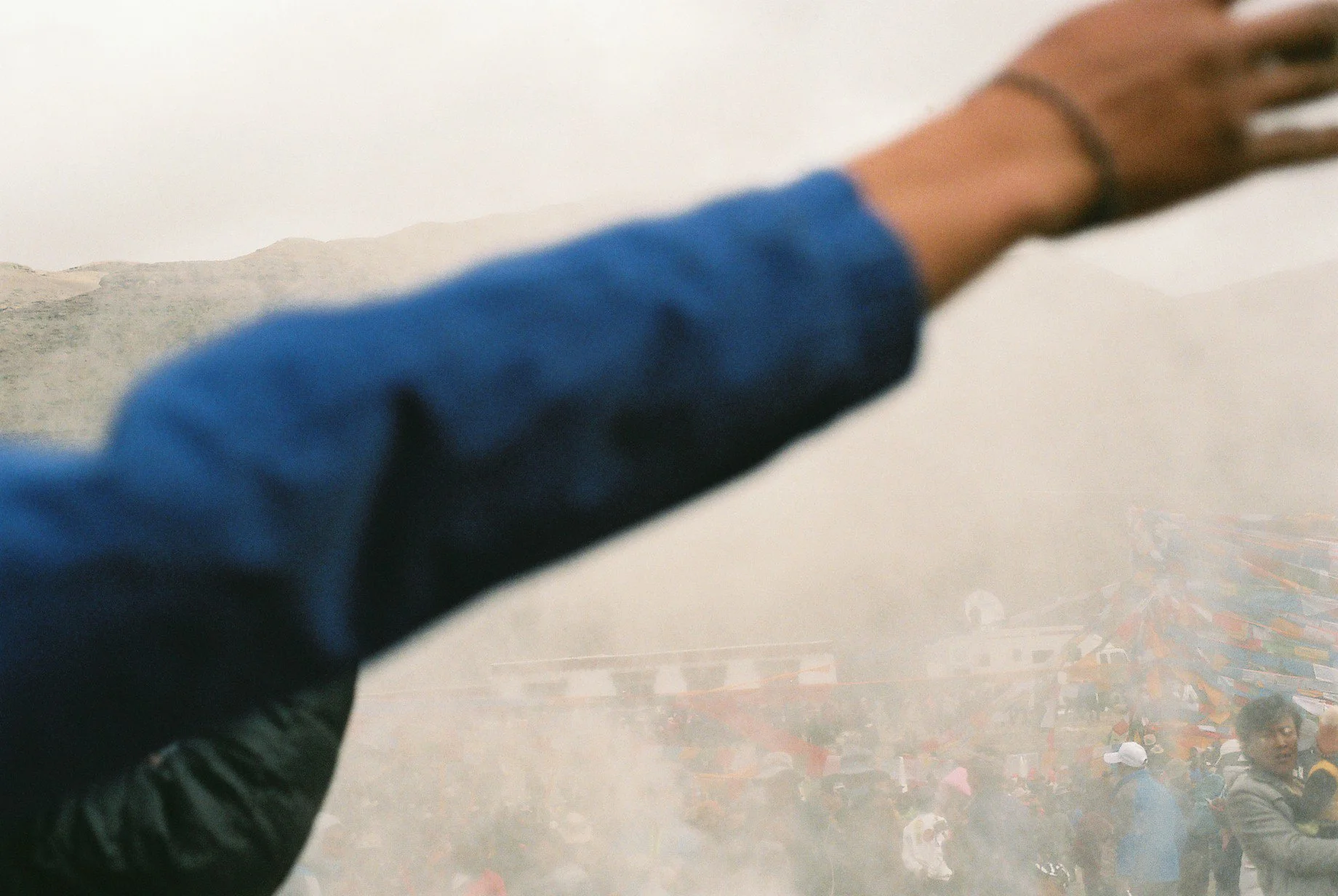
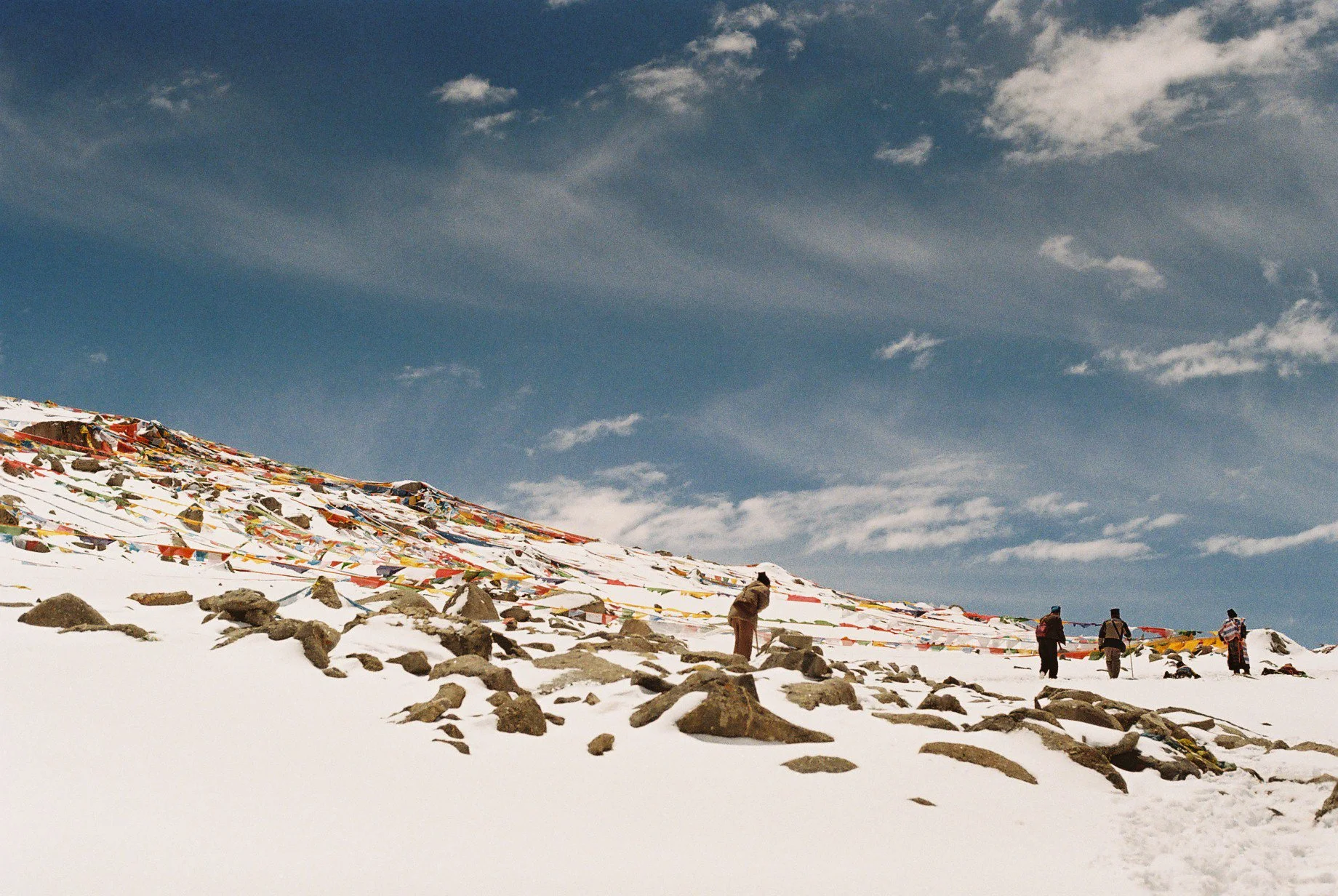
A pilgrimage circuit encircles Mount Kailash, but this pilgrimage is essentially high-altitude trekking. You walk at elevations exceeding 5,600 meters at the highest points. The oxygen is thin, altitude sickness is inevitable, and it's extremely difficult. Yet people endure all of this because they want to come here. They must possess extraordinary faith. I thought that if I went there, I might see a place of faith, and people who hold faith. I thought that if I went there, I might feel something. I wanted to see it with my own eyes. With that single-minded determination, I decided to walk.
Physical Challenge & Shooting in Extreme Conditions: How did photographing at 5000 meters altitude affect your camera work and creative choices? What technical problems did you face in blizzards and harsh mountain weather?
From the first day of the pilgrimage, we were caught in a blizzard. Every single step left me gasping for breath. Between the cold and the breathlessness, walking was difficult enough, but even stopping, changing film, attaching a rain cover to my backpack... everything became a burden I didn't want to bear.
I have a habit of holding my breath when I press the shutter, so I wasn't well-suited to the thin air at high altitude. Even so, what I absolutely had to photograph, what I couldn't help but photograph: those are what remained as images.
Memory and Place: Your photos mix Tibet, Fukuoka, Kyoto, and Hiroshima. How did you decide which memories to photograph in each location?
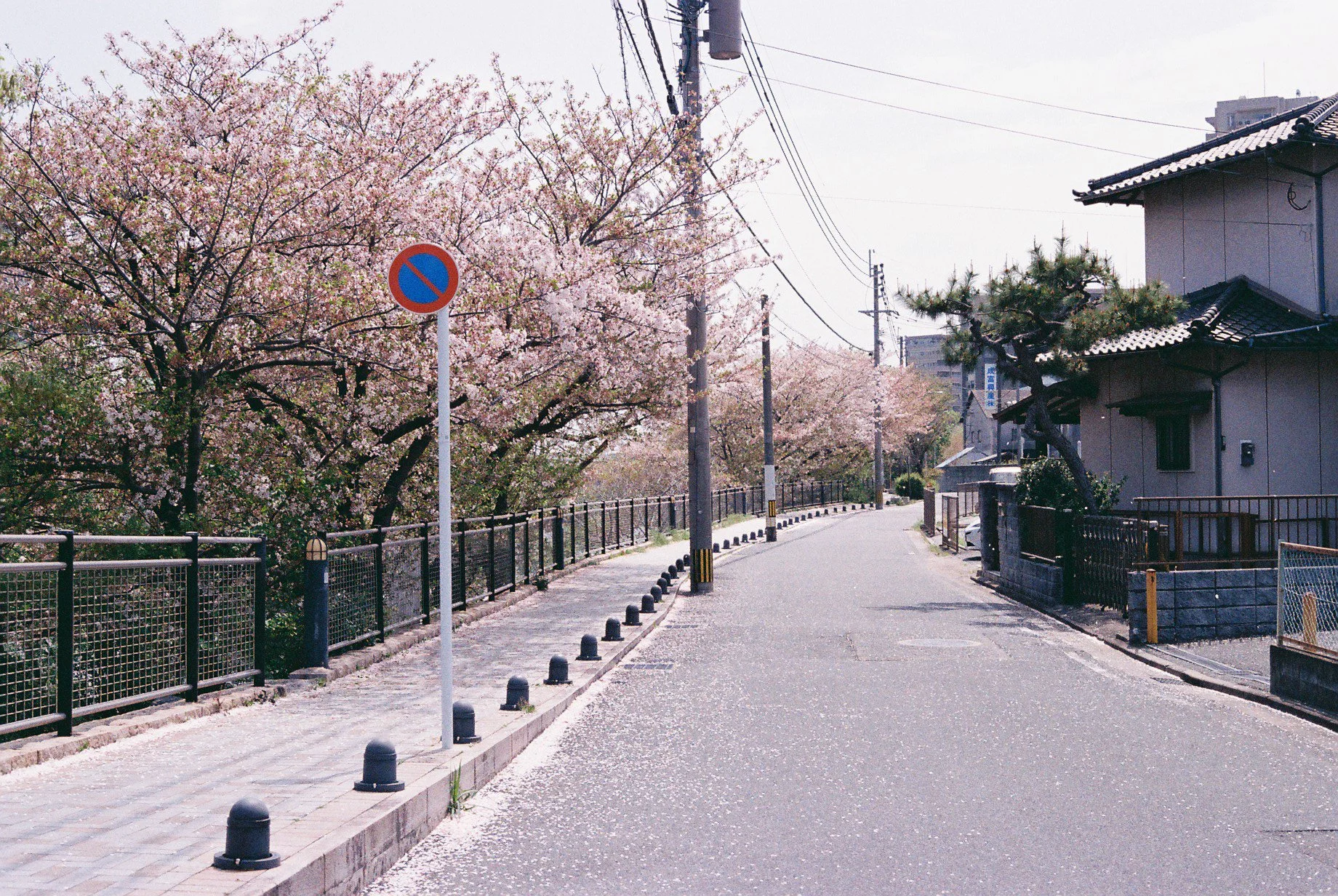
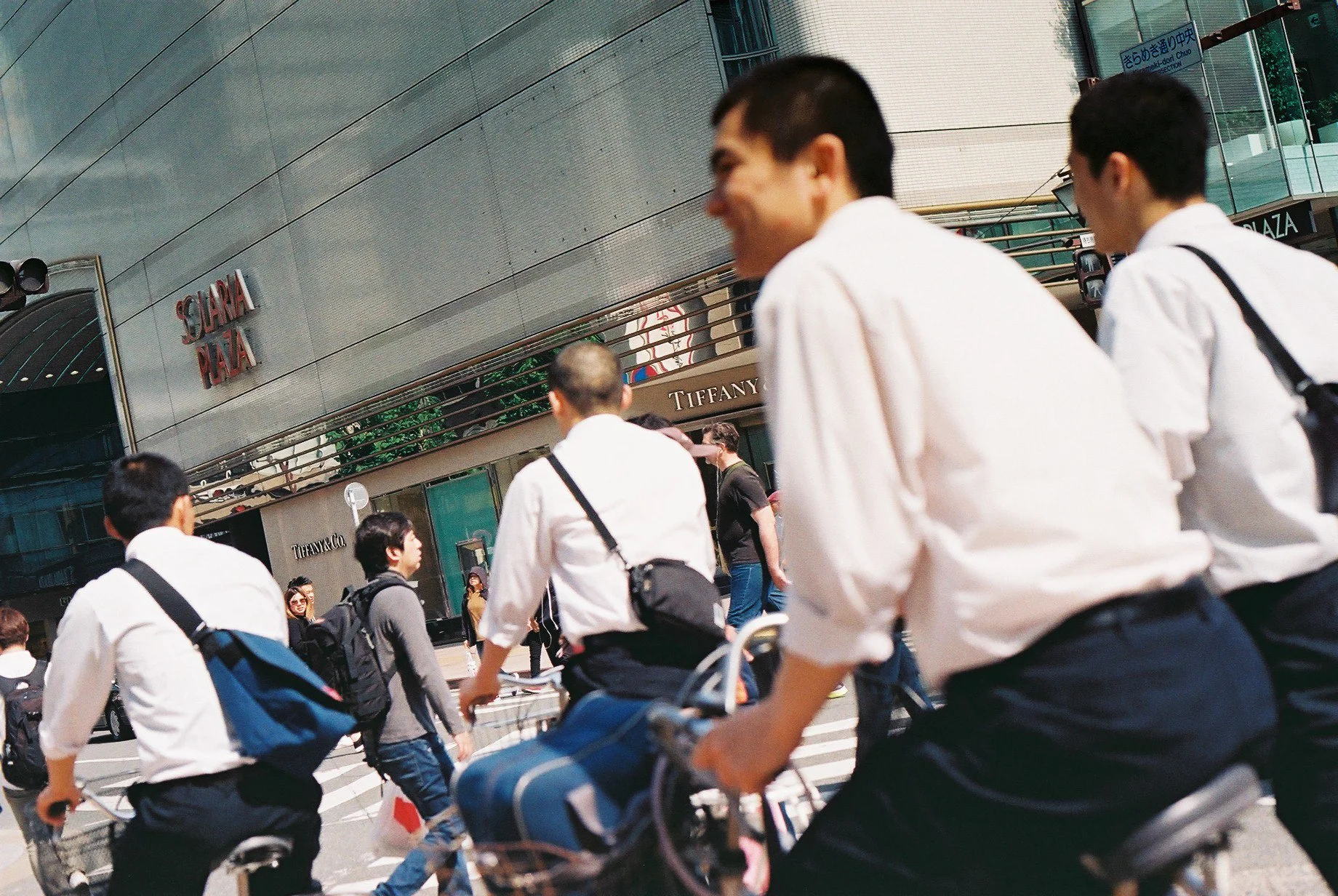
I've already explained my reasons for Tibet. Beyond that, I decided to photograph temples in Kyoto to learn about Buddhism and faith. I also photographed Fukuoka, where I live my daily life, and Hiroshima, where an acquaintance's temple is located. I was guided by both coincidence and necessity to these places, photographing whatever scenes appeared before me.
Pilgrimage Photography: When you walked alongside people doing prostrations, how did you balance being a photographer and being part of the pilgrimage?
I was so desperate just to keep walking that I probably didn't have the mental space to think about balancing my role as a photographer. I simply raised my camera in the moments when my body reacted, in those encounters with what stood before me, when I absolutely had to photograph something.
Personal and Universal: This project comes from a very personal experience of rejection. How do you make such private pain into photos that connect with other people?
In creating this work, I studied Buddhism more deeply. Through that process, I encountered the Buddhist concept of engi, or dependent origination. Engi is the idea that everything exists within interconnection; all things are constituted through relationships.
To explore this further: the existence of "I" might seem insignificant from the perspective of the entire world, something that could exist or not. Yet without "I," the world itself cannot exist. It's a thought of tremendous scale.
When I considered that I, too, can only exist within relationships, I felt I might finally be able to come to terms with what happened with the temple.
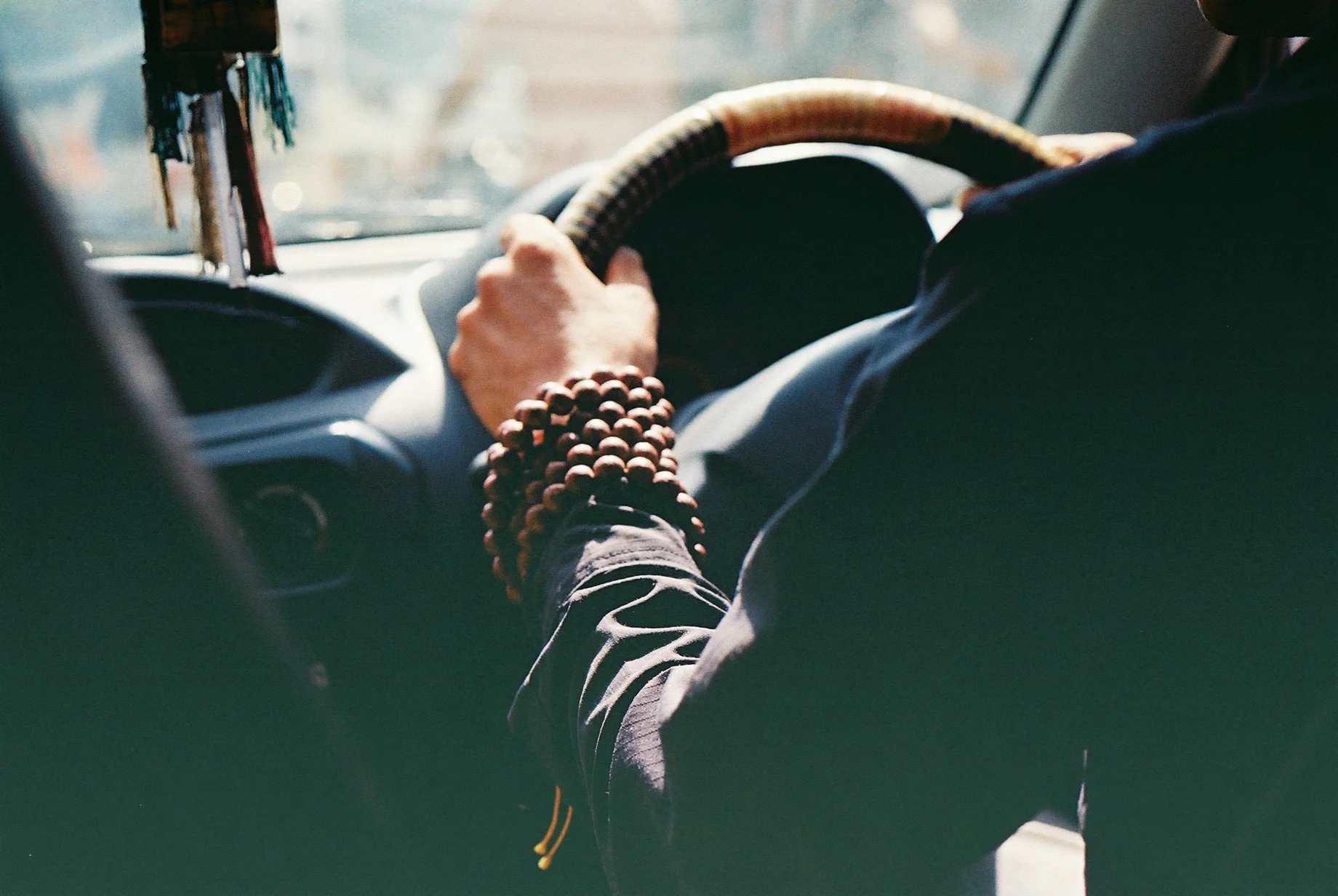
So I structured this work based on the philosophy of engi. Whether in Tibet or Fukuoka, whether pilgrims or high school students, whether one holds faith or not: everything exists in interconnection. Nothing can exist except through interconnection.
Using the Kailash pilgrimage as a foundation, I wove together my everyday surroundings and my journey of confronting questions about religion. As these overlap and intertwine, the whole becomes something like a single pilgrimage circuit.
Sequencing Images: How did you organize photos from different times and places to show the flow of memories in your mind?
Because I incorporated Buddhist elements, grounding the work in engi philosophy, I chose not to present the Tibet pilgrimage photographs in chronological order. A photobook involves the physical act of turning pages, so I was conscious of creating a structure where turning pages feels like walking forward, where you become immersed.
As the journey progresses, you move outward and outward, but also inward and inward. Though this began from something personal, I didn't want to simply show the flow of memory. Instead, I imagined reaching something universal as the journey unfolds. I carefully considered the sequencing, remaining conscious of rhythm and repetition, making use of the afterimages that linger as you turn page after page, the residue of what came before and after.
Text and Photos: The book includes your written words with the images. How do the text and photos work together to tell your story?
The world grows ever more chaotic and overflows with absurdity. Nothing has been resolved. In the midst of such a world, even though this journey belongs to the past, I wanted to avoid wrapping it up neatly like some feel-good conclusion. But I also didn't want explanatory text that reads like a statement of artistic intent.
After struggling with what to say, I wrote the words as if addressing someone one hundred years from now. The photographic structure itself gathers fragments. It has no clear beginning or end. I wanted to do something similar with the text. Things that seem disconnected, that appear scattered at first glance, are actually connected to one another. Photographs and words overlap, becoming rhythm.
I hope viewers will imagine what lies between these fragmentary photographs and words.
More photography books?

We'd love to read your comments below, sharing your thoughts and insights on the artist's work. Looking forward to welcoming you back for our next [book spotlight]. See you then!
Robin de Puy could no longer make this project alone. She first photographed Randy in Ely, Nevada, during a 2015 road trip and kept returning to him for more than ten years. Interviews