Photography Doesn’t Distort Reality. Your Perception Does. Uetsugu Kotomi Explains What That Changes About Seeing
Uetsugu Kotomi photographs the moment before recognition.
Her project From Vision to Perception is about that split second when your eyes see details, but your brain still cannot decide what it is. Kotomi explains how she builds images that stay on the edge of meaning, and why that edge matters.
Most people think a photo shows what happened.
Kotomi argues the opposite: the viewer finishes the image inside their own head. In this conversation, she breaks down what she removes, what she keeps, and how she tests if an image “locks in” too fast. If you shoot street, everyday objects, or quiet scenes, her method can change how you edit and sequence your work. By the end, you will understand why the same photo looks different to different people, and how to use that on purpose.
The Project: From Vision to Perception
From Vision to Perception is a photographic work that examines how seeing operates before it becomes meaning. Rather than treating photography as a tool for expression or narrative, this work focuses on the structural conditions that allow an image to be perceived as coherent.
Vision and perception are often treated as synonymous, yet they function differently. Vision refers to the physiological process in which light enters the eye and is processed by the brain, while perception is the cognitive activity that organises, interprets, and stabilises that visual input. What we experience as “seeing” is not a direct reflection of reality but a constructed outcome shaped by memory, expectation, and perceptual habit. This project addresses that gap.
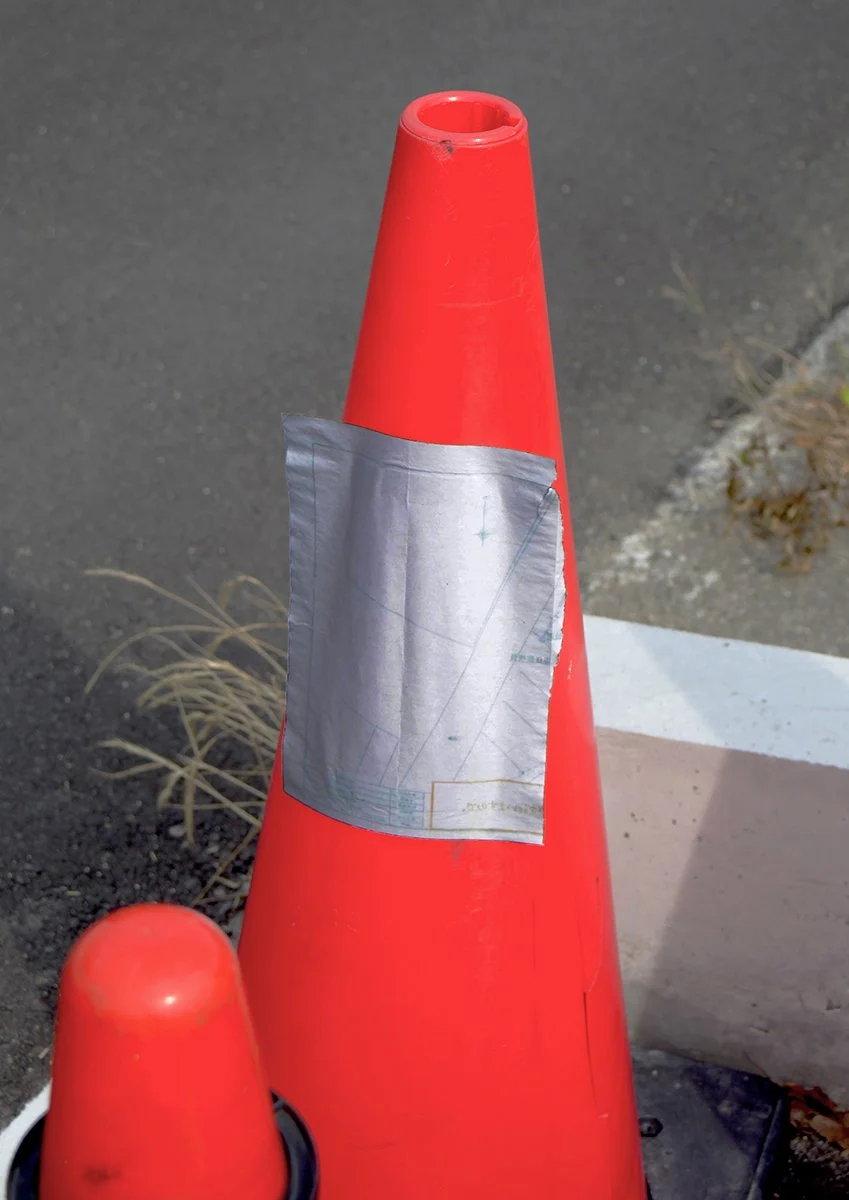
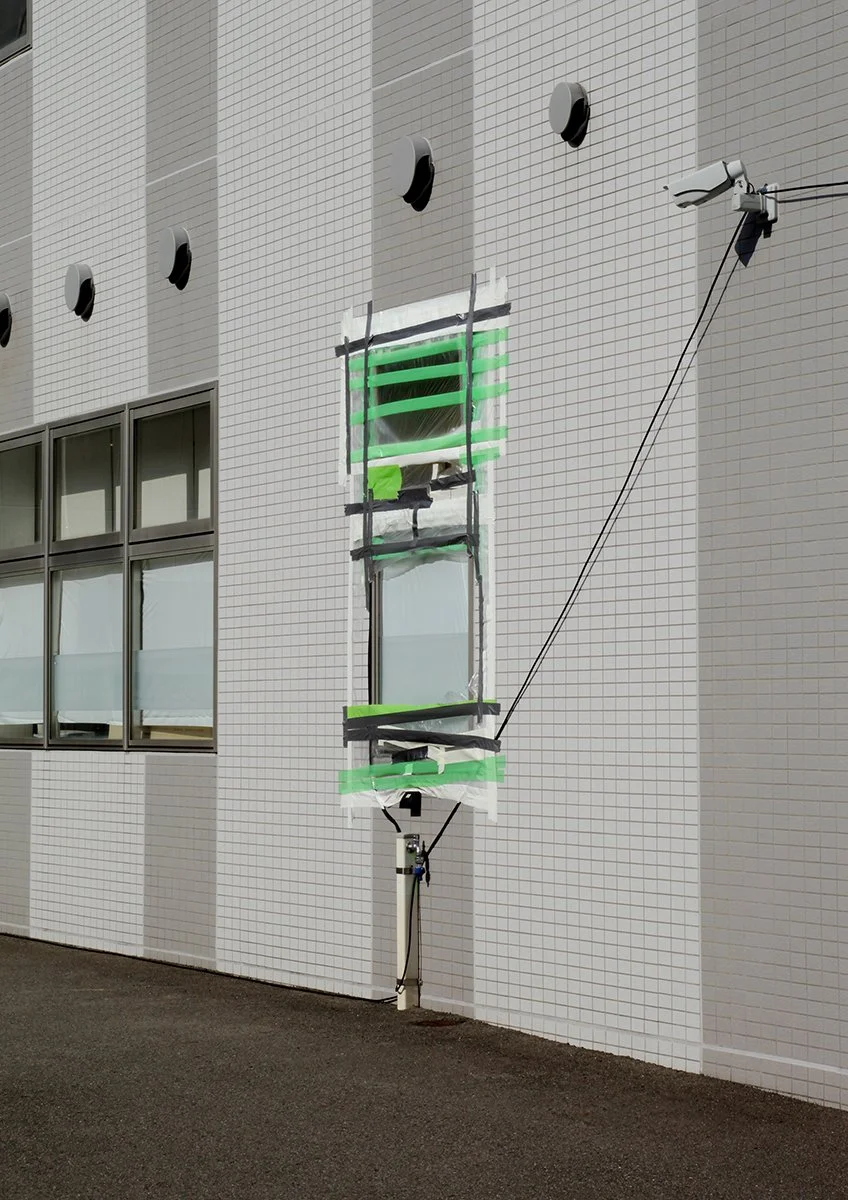
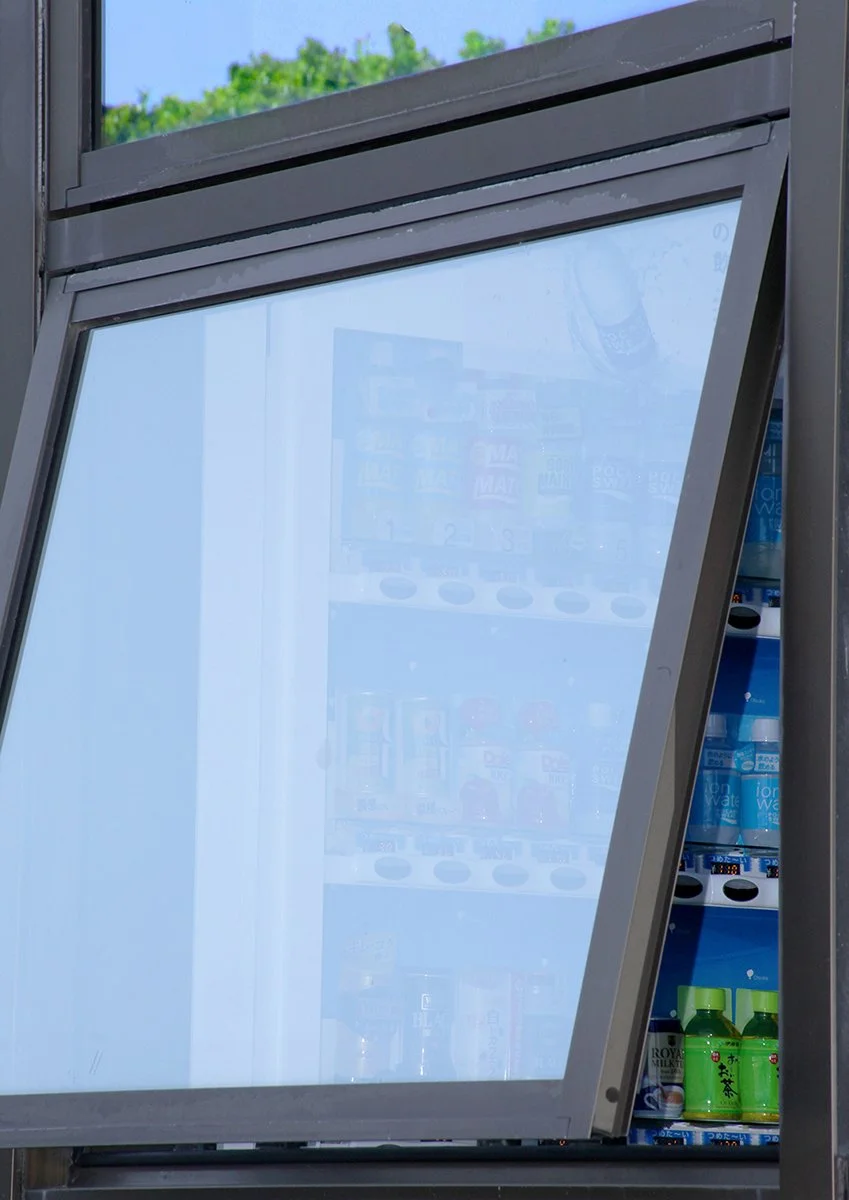
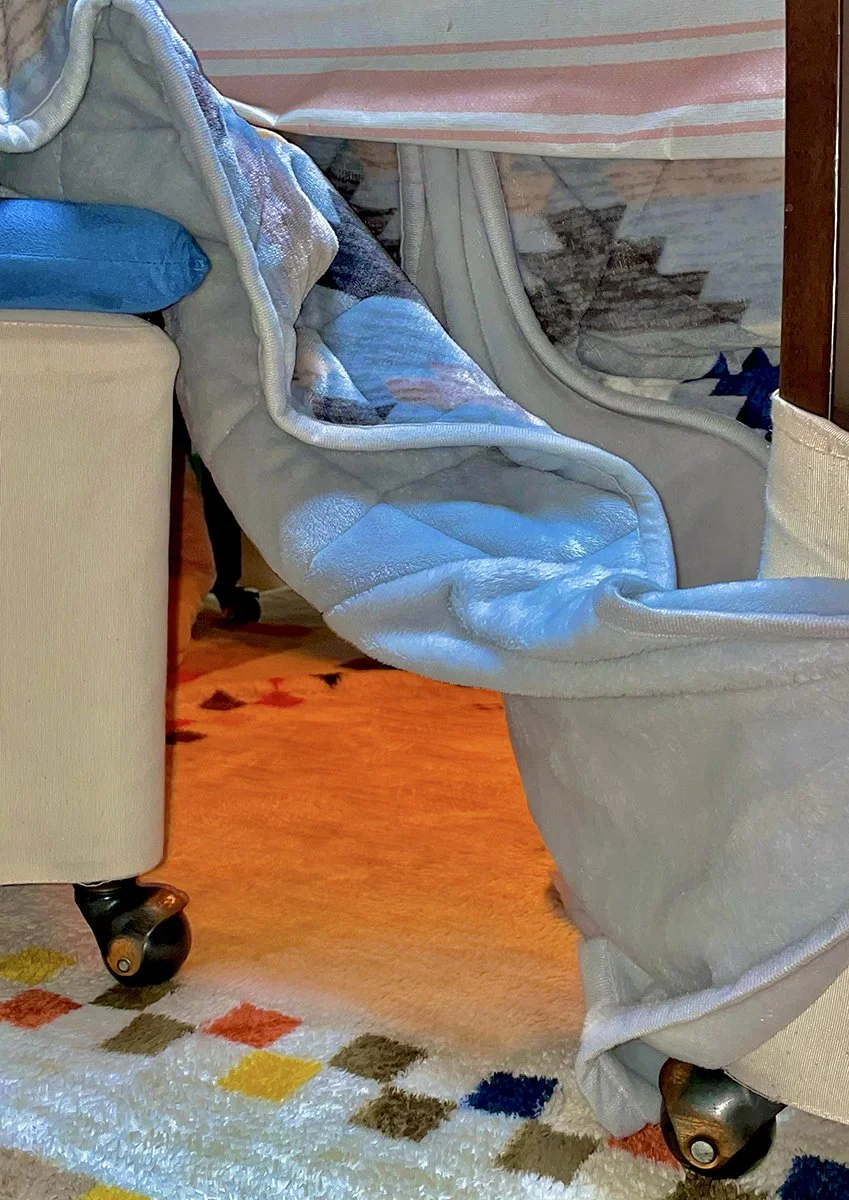
The photographs depict existing objects and environments without staging, manipulation, or symbolic emphasis. They are not selected for narrative, emotional impact, or visual spectacle. Instead, the act of photographing isolates fragments of the world that usually escape attention because they function too smoothly within everyday perception.
By minimising expressive intent and dramatic subject matter, the images shift attention away from what is shown towards how it is seen. Meaning does not arise from the subject itself but from the viewer’s perceptual system, which actively completes what is missing. The work therefore asks not what the image represents, but how it becomes readable.
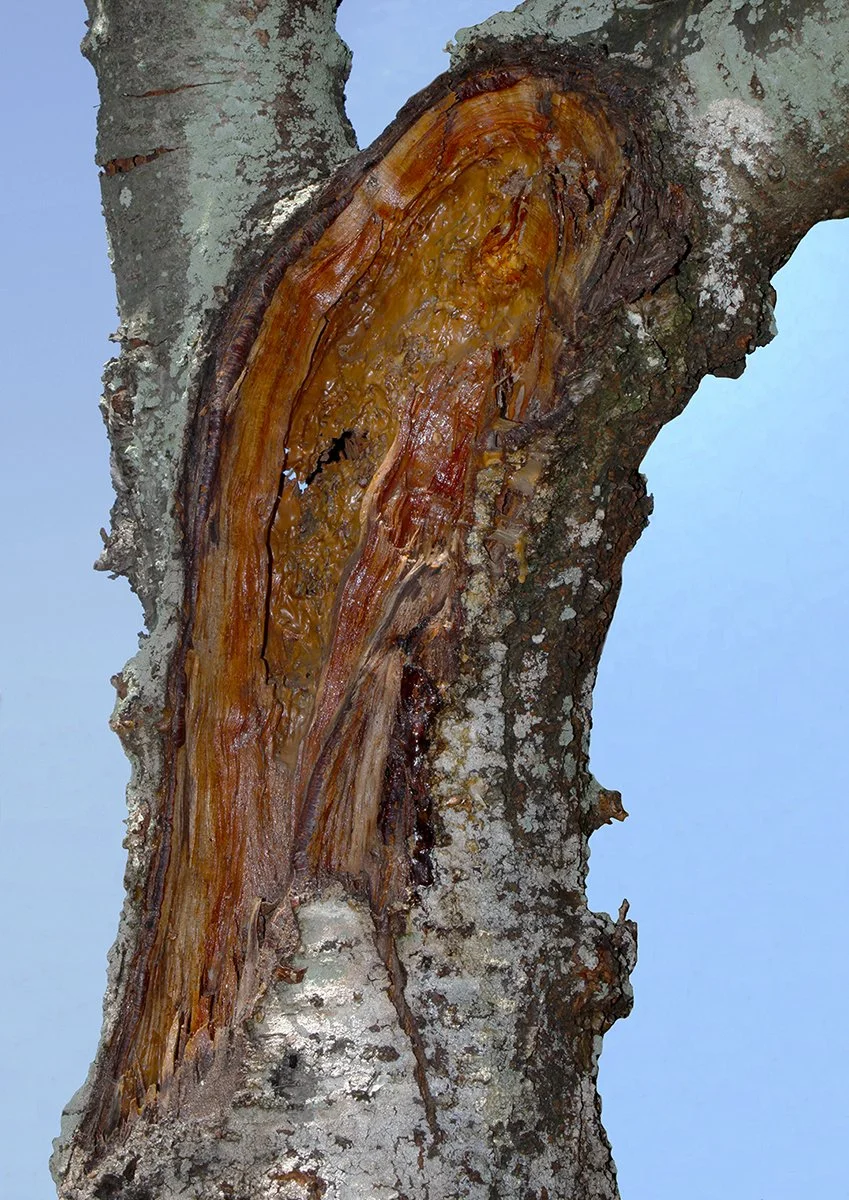
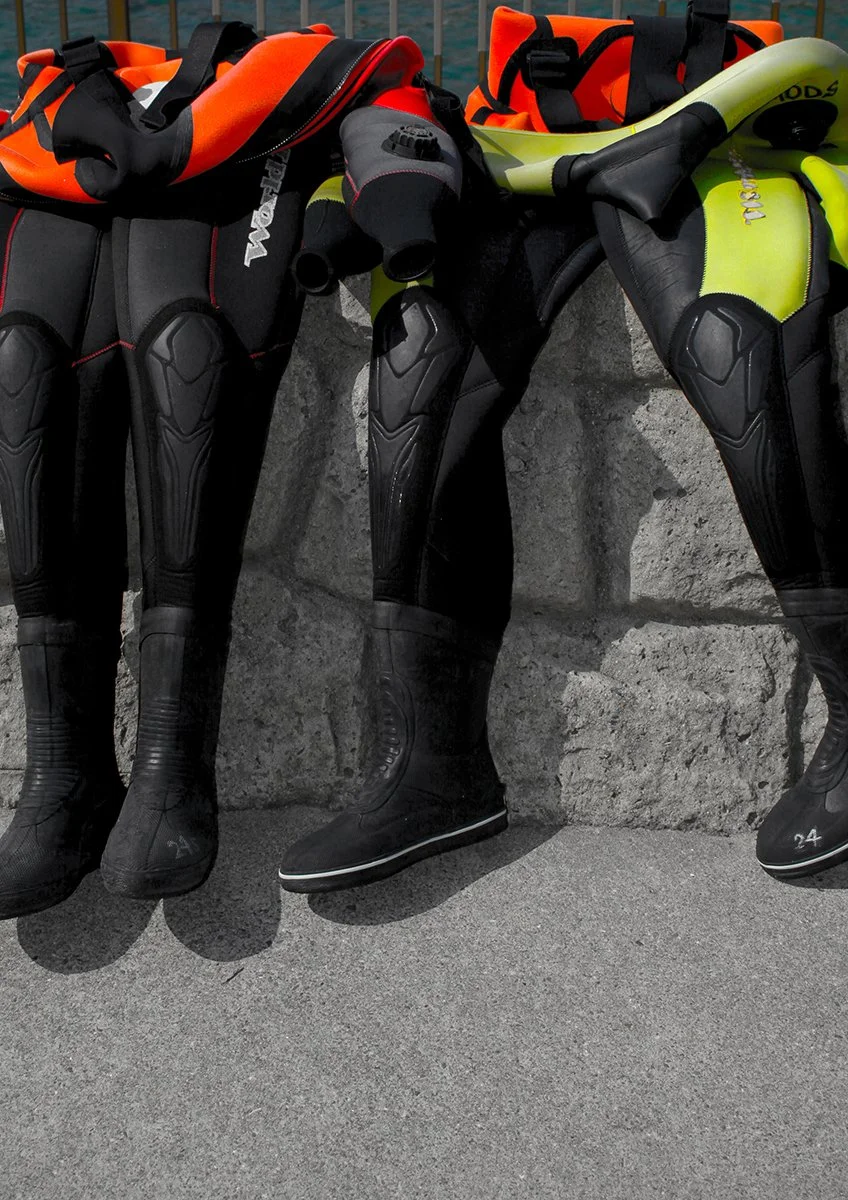
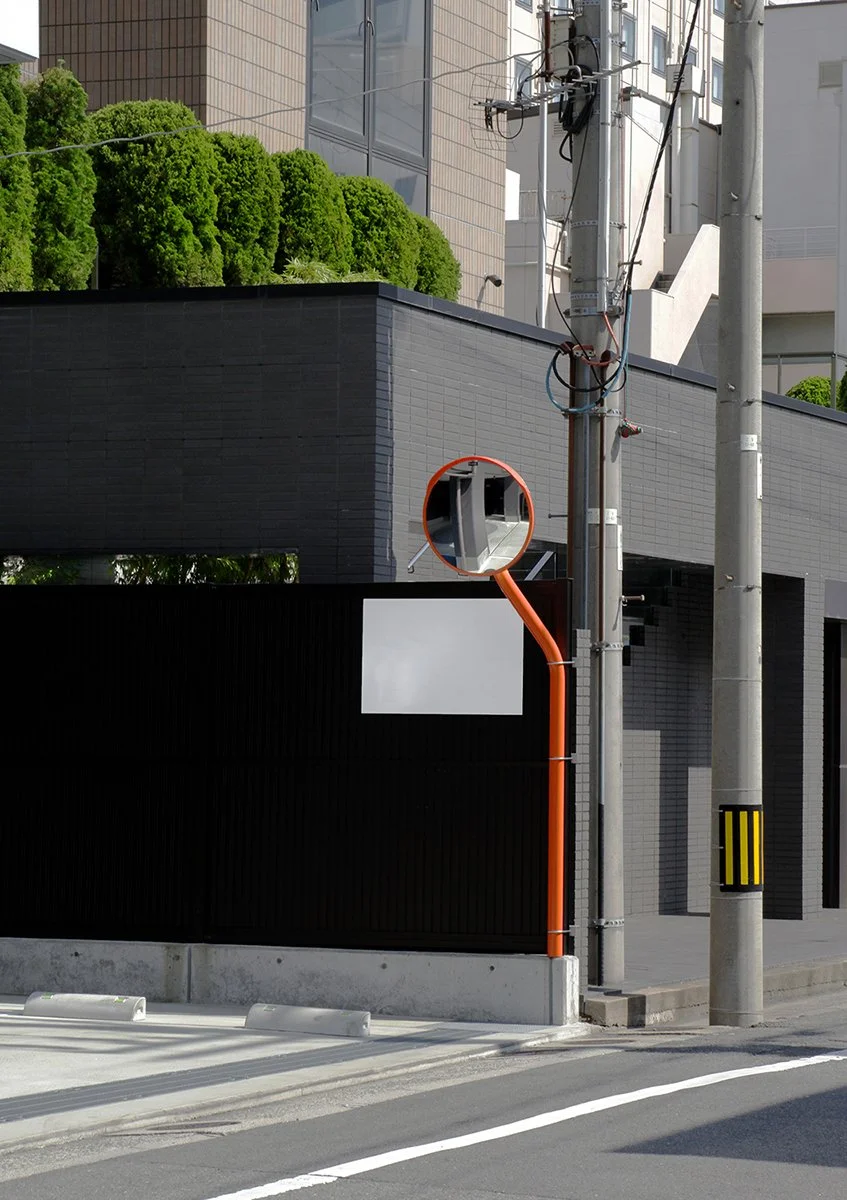
A central concern of this project is the human tendency to perceive continuity where it does not objectively exist. The visual system compensates for blind spots, ambiguity, and incomplete information, producing a stable sense of the world. The photographs remain on the threshold of recognition: familiar enough to be understood, yet resistant to immediate categorisation. This tension reveals the viewer’s own perceptual assumptions.
Importantly, this work avoids visual intervention such as collage or digital reconstruction. By working strictly within the photographic act, it emphasises that perceptual construction is not added afterward but occurs automatically within the viewer. Photography does not distort reality; perception does.
The title From Vision to Perception refers to the transition from raw visual input to interpreted experience. These photographs operate prior to meaning, allowing viewers to encounter seeing as an unstable and constructed process rather than a transparent one.
What makes you stop and think "this one" when most people would just walk past?
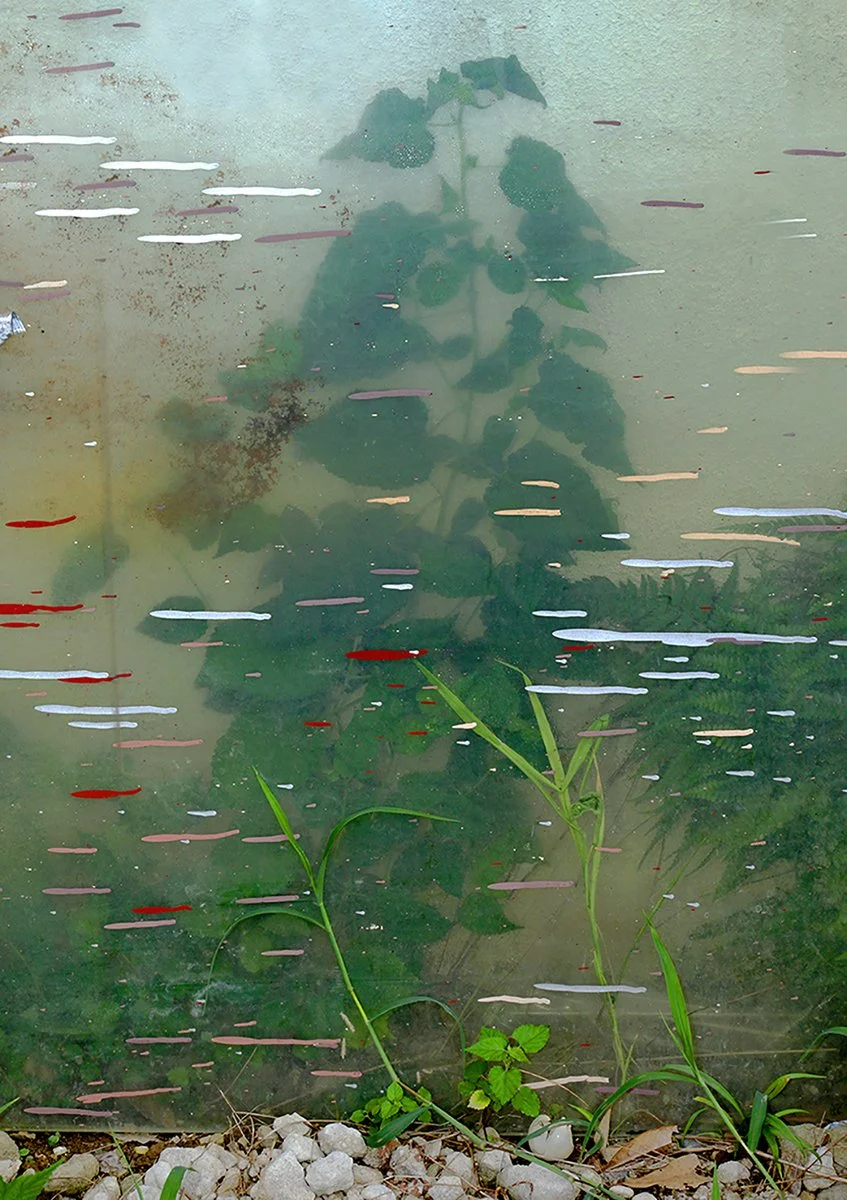
When I walk with a camera, my eyes begin to function like a viewfinder. This isn’t a metaphor I consciously construct; it feels almost physiological. I instinctively frame fragments of the world before I even raise the camera. Rather than capturing an object as a whole, I am drawn to partial forms, edges where buildings touch, intersections of materials, plants emerging through artificial structures. I tend to isolate segments rather than totalities.
What attracts me most is the state of “in-between.” I prefer structures under construction to completed ones. Completion implies stability and closure, whereas construction exposes instability and transition. Within the human-made order of the city, such transitional moments appear almost as disruptions, a kind of micro-disorder embedded within a larger system of order.
When moving through daily life, people tend to prioritise what appears stable and functional. Our perceptual system is optimised to recognise coherent objects quickly and move on. I am interested in resisting that efficiency. I look for what has not yet fully stabilised into a recognisable category, things that are visible but not yet cognitively fixed. At the same time, I am aware that even this “disorder” is produced by human systems. It is not chaos in a natural sense but a byproduct of structured activity. That paradox interests me.
I try to retrieve what is usually overlooked, not because it is invisible, but because it has not been granted attention. My practice begins at that point of hesitation, where seeing briefly pauses before meaning solidifies.
You say your photos stay "on the threshold of recognition" - familiar but hard to categorise. Can you give an example of one photo from this project and explain what makes it work that way?
When I describe my photographs as remaining “at the threshold of recognition,” I am referring to the transitional interval between sensory registration and semantic stabilisation. Early visual processing extracts low-level features such as edges, colour contrasts, and orientation. These features are then integrated into object-level representations. Under ordinary circumstances, this integration is rapid and largely unconscious; categorisation feels instantaneous. My work intentionally interferes with that stabilisation.
The Blue Hose
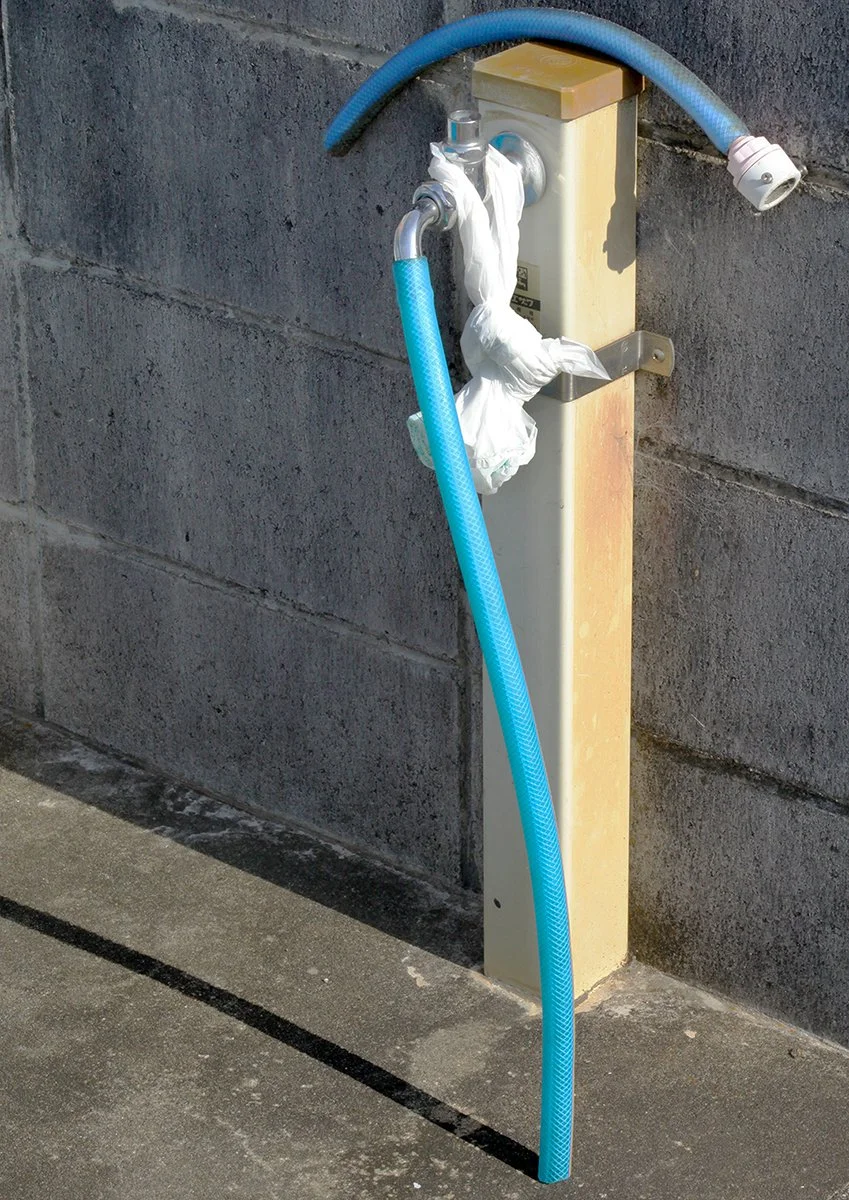
In the image of a blue hose attached to a wall-mounted structure and partially bound with plastic, the viewer attempts categorical resolution: Is this a water supply device? A temporary repair? A discarded object? A functional mechanism? Multiple hypotheses arise, yet none achieve dominance. The object resists semantic closure. This is a case in which bottom-up visual information is sufficient, yet top-down predictive models fail to settle. The perceptual system hovers between recognition and indeterminacy.
The Vent Duct and Stick
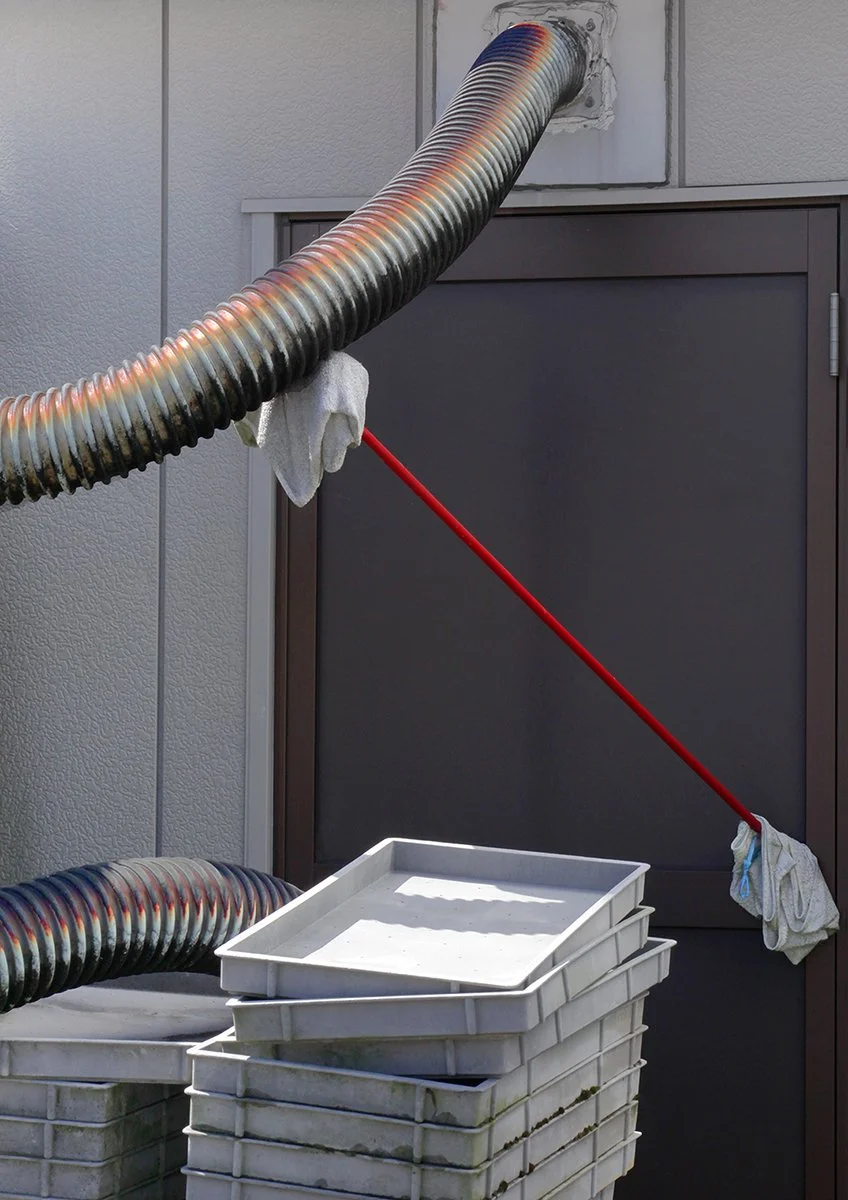
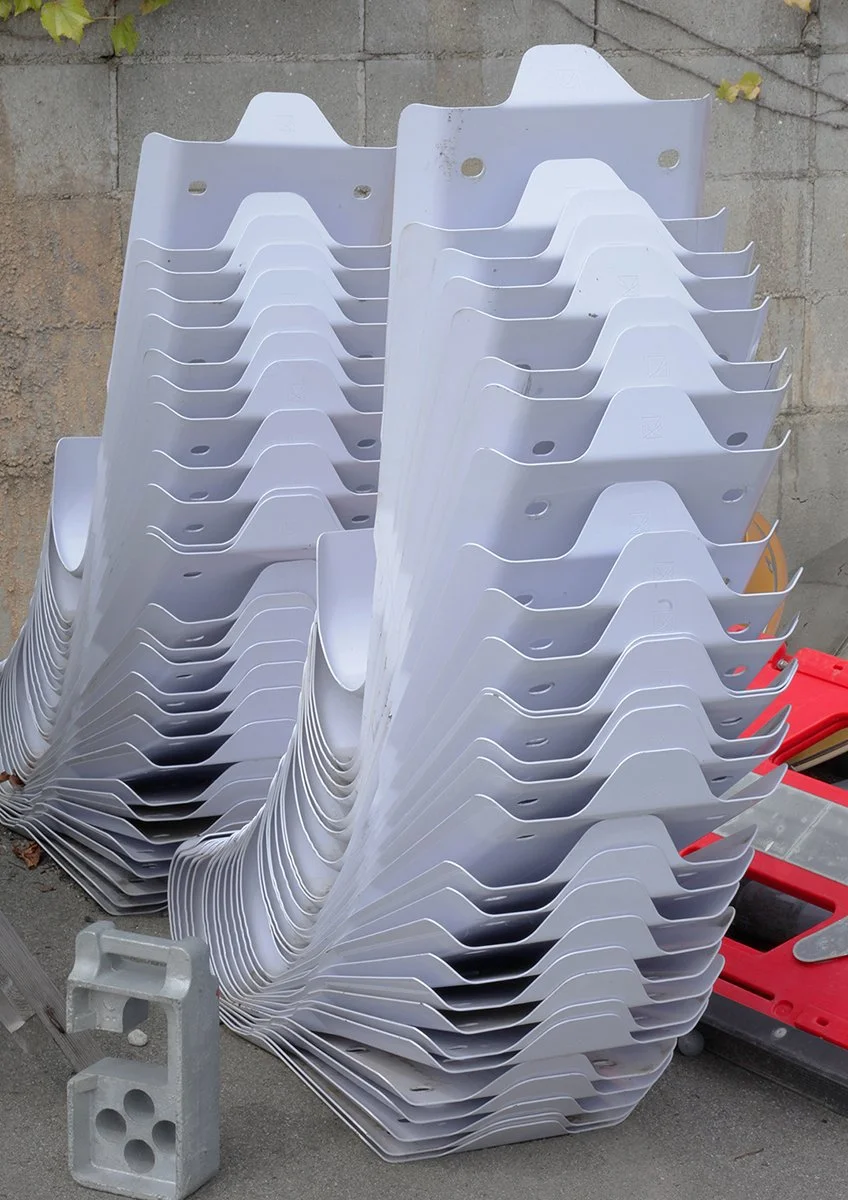
In the image featuring a flexible duct, towel, and red stick, each element is independently recognisable. However, their functional coherence is disrupted. Gestalt principles, such as good continuation and functional grouping, are activated but not fulfilled. The viewer perceives identifiable components yet cannot synthesise them into a stable situational schema. Vision is intact. Coherence is not.
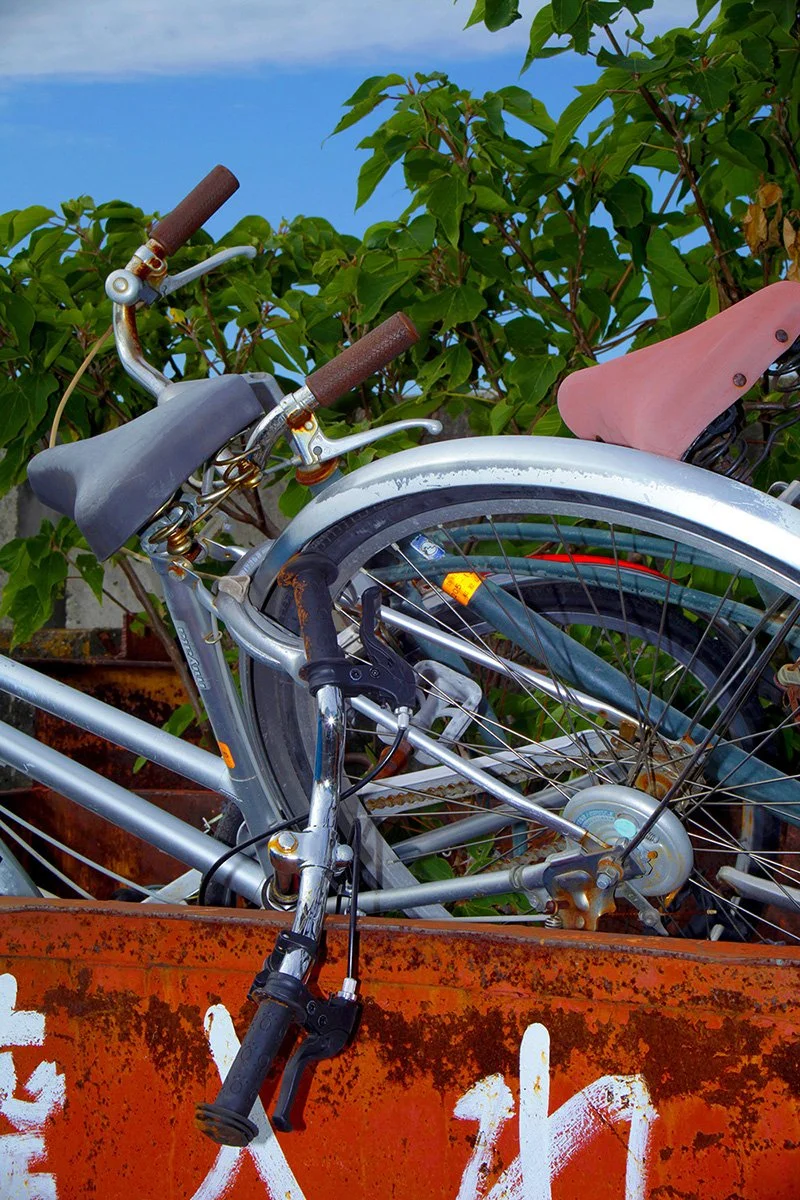
The Overlapping Bicycles
In the image of overlapping bicycles, depth cues compete. Occlusion, line intersections, and structural repetition generate spatial ambiguity. Ordinarily, occlusion clarifies foreground and background relationships. Here, however, excessive overlap destabilises that inference. The viewer’s gaze cannot anchor itself.
Note on terminology: In perceptual theory, bottom-up processing refers to sensory information derived directly from visual input, such as edges, colour, and spatial relations. Top-down processing refers to the brain’s use of prior knowledge, expectations, and contextual assumptions to interpret that input. In these works, although bottom-up information is fully available, top-down predictions fail to converge into a single stable interpretation.
Across these images, recognition is initiated but not completed. The photographs occupy the micro-interval before perceptual resolution solidifies.
Many photographers want viewers to feel something specific or understand a story. But you're trying to do something different. When someone looks at your work, what do you hope happens in their mind?
Rather than evoking emotion or narrative identification, I aim to trigger cognitive recalibration. Contemporary cognitive science often describes perception through predictive processing models: the brain continuously generates predictions about sensory input and works to minimise prediction error. My images sustain a small but persistent prediction error. The discrepancy is subtle, not dramatic enough to cause shock, but sufficient to prevent automatic categorisation. As a result, the viewer re-scans the image. Attention returns. Processing loops. I am not interested in emotional immersion. I am interested in the brief instability that makes perception visible to itself.
You mention removing nationality and storytelling from your work. Why is that important to you? What problems do you see when photography focuses too much on personal stories or cultural identity?
Narrative often functions as a cognitive shortcut. Once an image is contextualised culturally or biographically, interpretation becomes schema-driven. In this series, I deliberately minimise markers of nationality, identity, and storytelling. This is not a rejection of subjectivity but a redirection of interpretive focus.
When cultural framing is reduced, the viewer confronts the image as a structural visual configuration rather than as an index of place or identity. The work shifts from representation to perceptual condition.
You write that "photography does not distort reality; perception does." This is a strong statement. Can you explain what you mean? How did you come to understand seeing this way?
Photography records light distribution. Distortion, in the cognitive sense, emerges during interpretive construction. Perception is not passive reception but active inference. We do not simply see; we generate meaning.
A construction site is labelled “unfinished” because we apply temporal and functional schemas. Yet the photograph itself contains no notion of completion or incompletion. It is a configuration of luminance values. Through repeated encounters with the same subject yielding different interpretations, I became aware that instability does not reside in the object but in perceptual synthesis.
Photography, for me, is not a tool of distortion. It is a device that freezes the moment before perceptual closure.

More photography books and interviews?

We'd love to read your comments below, sharing your thoughts and insights on the artist's work. Looking forward to welcoming you back for our next [book spotlight]. See you then!
Gosbert Gottmann wanted war photographs that resisted easy reading. In Freiheit Freedom Воля, he works with images connected to the war in Ukraine and changes them through abstraction, distortion and deformation. Photography Book Spotlight