Welcome to this edition of [book spotlight]. Today, we uncover the layers of 'BODY AND FRAME,' by Agnese Strode (self-publishing). We'd love to read your comments below about these insights and ideas behind the artist's work.
Fashion can be intimate without being consumed.
This article is an interview with photographer Agnese Strode about her book Body and Frame. If you photograph people, edit portraits, or feel uneasy about the “male gaze,” this is for you. Agnese explains the exact choices she makes, like cropping, hiding faces, and using distance, so the subject keeps control. You will leave with clear ideas you can use to photograph intimacy with boundaries.
Most fashion images sell the body as a product.
Agnese shows how she does the opposite and still keeps the images strong. She talks about trust with her model, why she refuses glamour, and how she edits the work so it does not turn into consumption. You will learn how to build tension without taking something from the person in the frame. Body and Frame is a practical example of how to make powerful images without crossing the line.
The Book
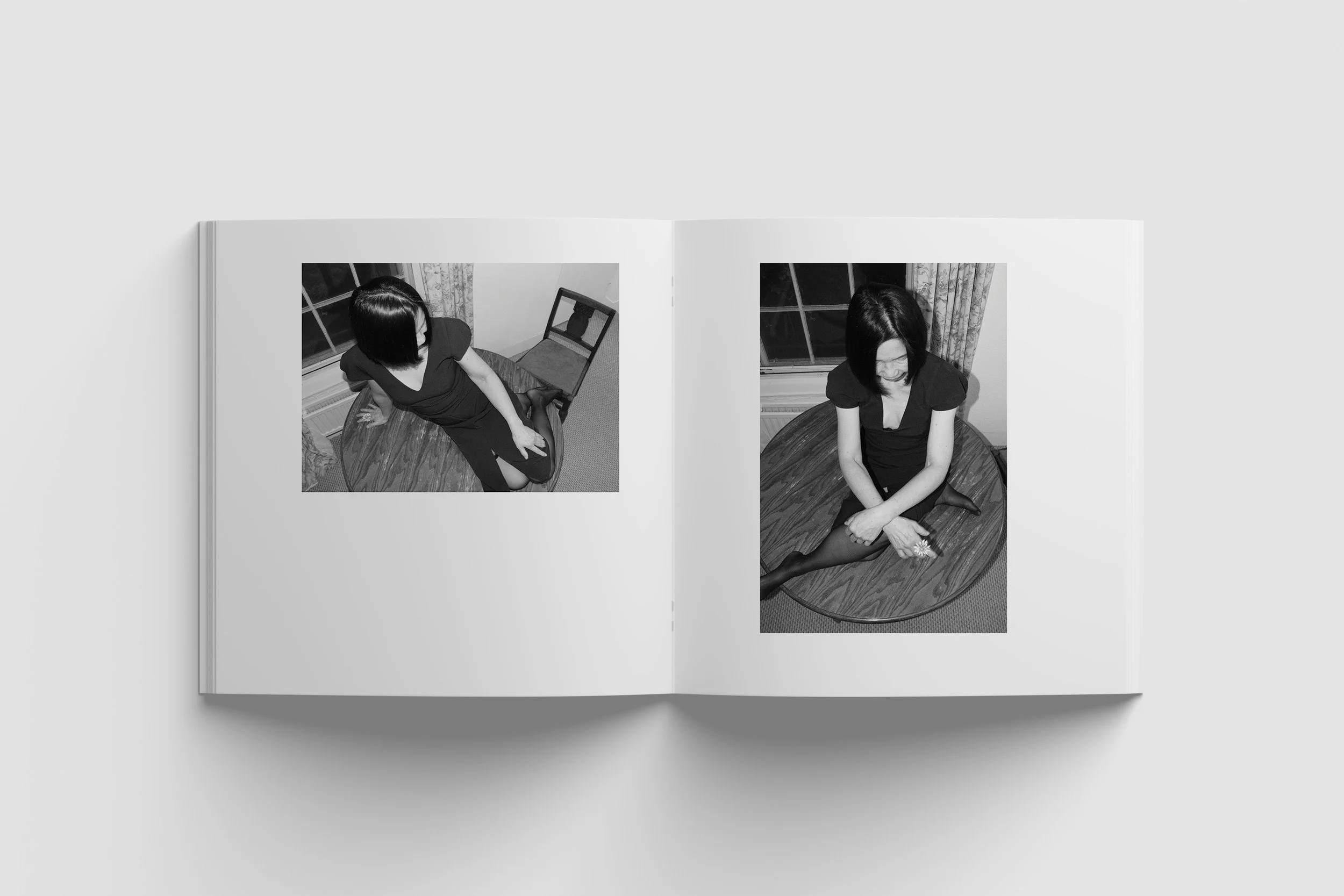
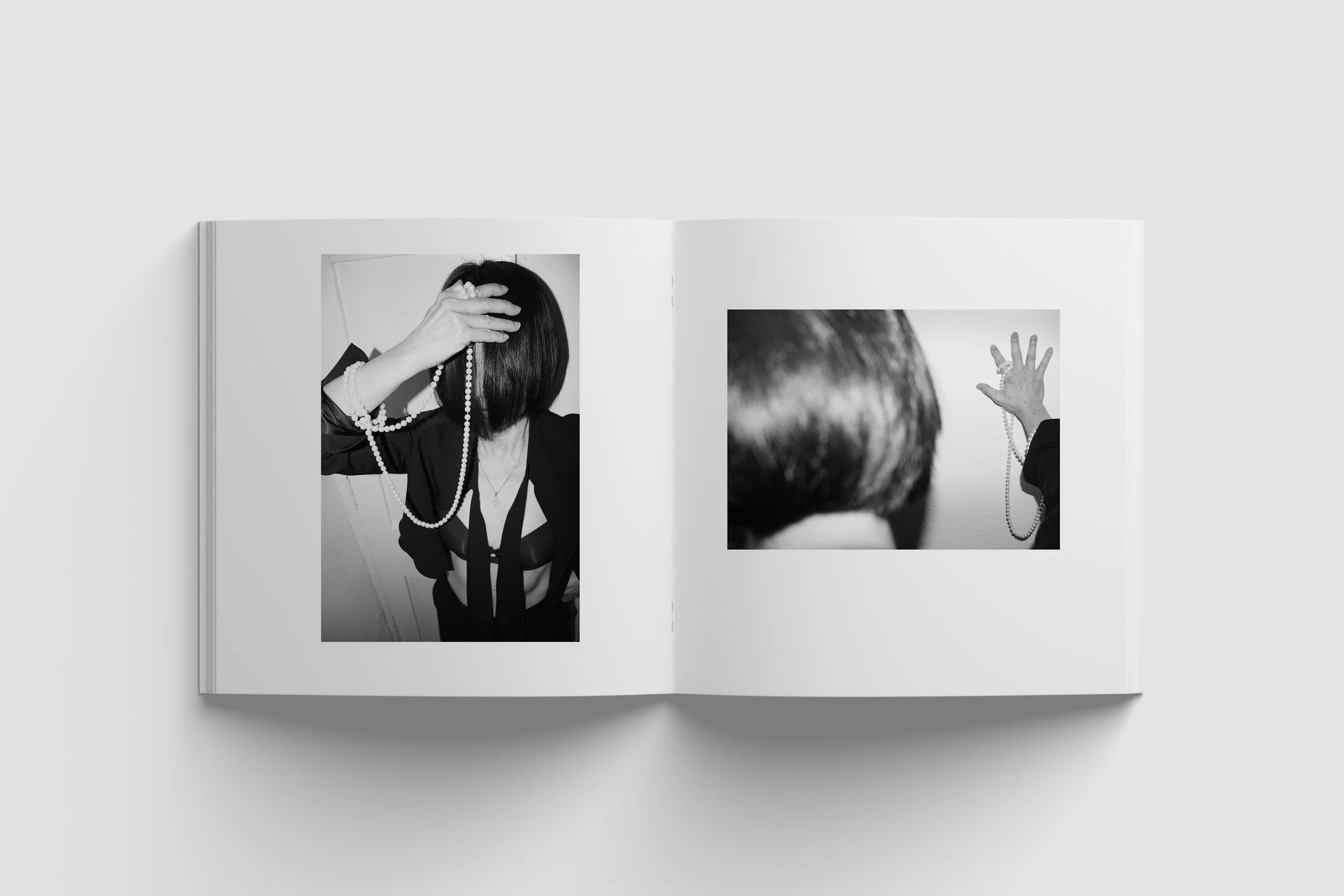
Body and Frame by Agnese Strode is a self-published photobook that asks a simple question: what can fashion photography become when it stops selling the body. The work treats the body as presence, not commodity, and builds its visual language through restraint, fragmentation, and the refusal of easy access. It is made with a clear ethical focus, pushing back against the old power dynamic where women are styled, posed, and consumed for someone else’s pleasure.
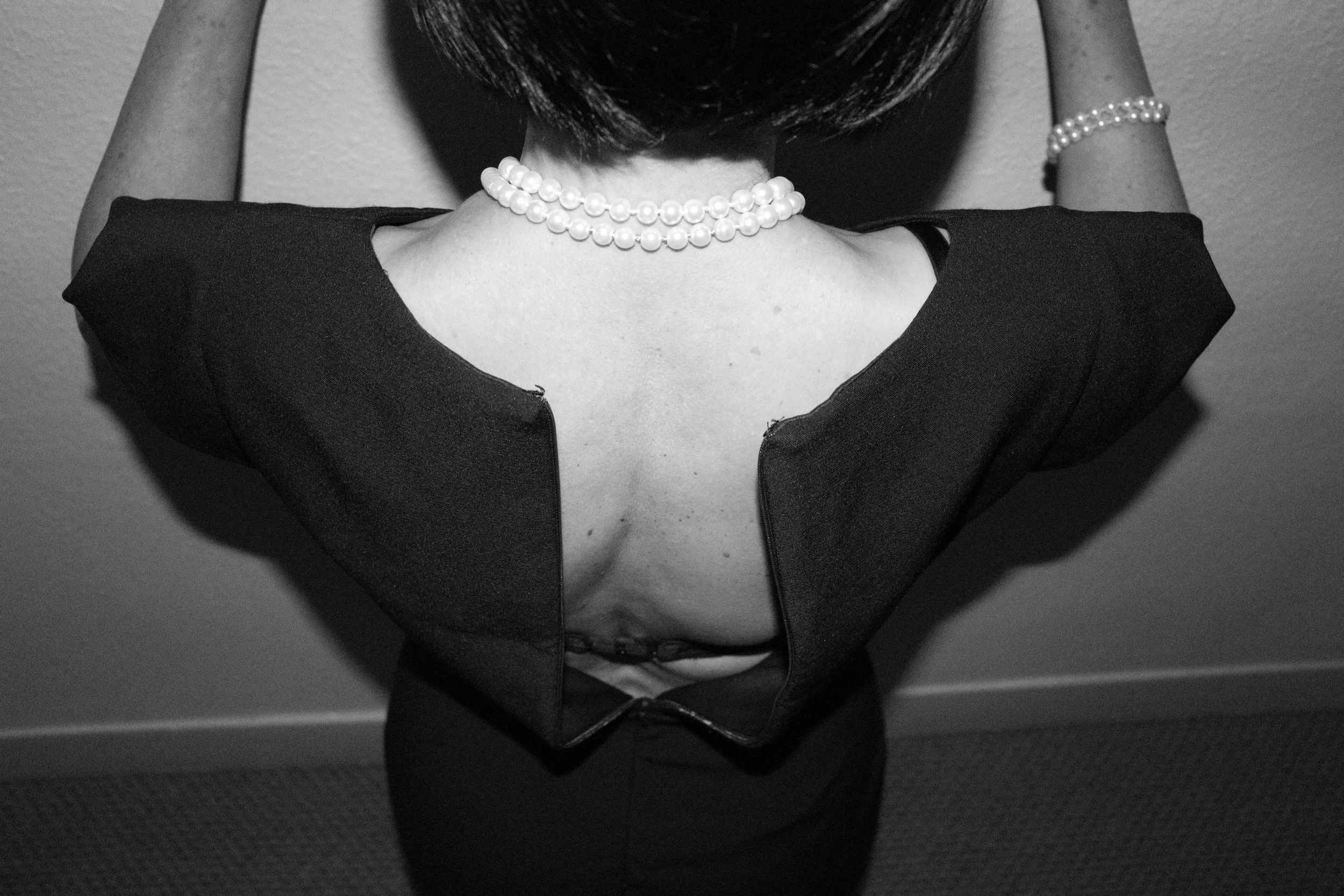
The project is rooted in collaboration with a close friend, a 60-year-old Malaysian-Chinese woman whose anonymity is kept on purpose. Instead of faces and direct eye contact, the book moves through gestures, textures, and repeated motifs, including pearls that are used as a charged symbol of femininity, control, and ownership. Strode’s approach is cinematic but minimal, often using a dark environment and direct flash, and she shaped the final sequence by editing the work down to 79 photographs. (Website, e-mail for book orders)
Project Genesis: What moment or experience first made you want to explore how women see and are seen through your own lens?
Photography became my way of expressing how I see the world only in recent years. I’m drawn to what others might overlook: form, geometry, light, and the quiet language of the body. During my studies, I became increasingly aware that women’s perspectives are still underrepresented, and that much of sensual female imagery has historically been shaped through a male lens, sometimes influenced by subtle or overt misogyny behind the camera. While I admire many of those works, I felt a crucial perspective was missing, how women see and experience themselves.
Alongside my own struggles with body image and industry standards, this led me to explore sensuality through a female gaze that is intentional, safe, and grounded in respect and agency. In this project, I deliberately chose to photograph a close friend of mine who is 60 years old, malaysian-chinese, challenging the “Western” standard of typical beauty and expanding the narrative of who is seen and celebrated.
Academic Foundation: Your dissertation examined French New Wave, Italian Neorealism, and Latvian New Wave cinema. How did studying these film movements shape the visual language you created for Body and Frame?
My study focused on visual analysis of films by Jean-Luc Godard, Michelangelo Antonioni, and Rolands Kalniņš. The visual language of the French New Wave has shaped my photography from the moment I began to understand what truly draws my eye: precise framing, cinematic composition, and storytelling through stillness. What started as an intuitive attraction to patterns in these films developed into a deeper research project, where I discovered that a Latvian cinematographer I admire was inspired by the same Antonioni film L’Avventura as Godard.
After spending six months researching and watching more than 100 films, I realised I wanted to reinterpret this cinematic language within my own photography, not by changing who I am as an artist, but by gently guiding my work through a cinematic lens.
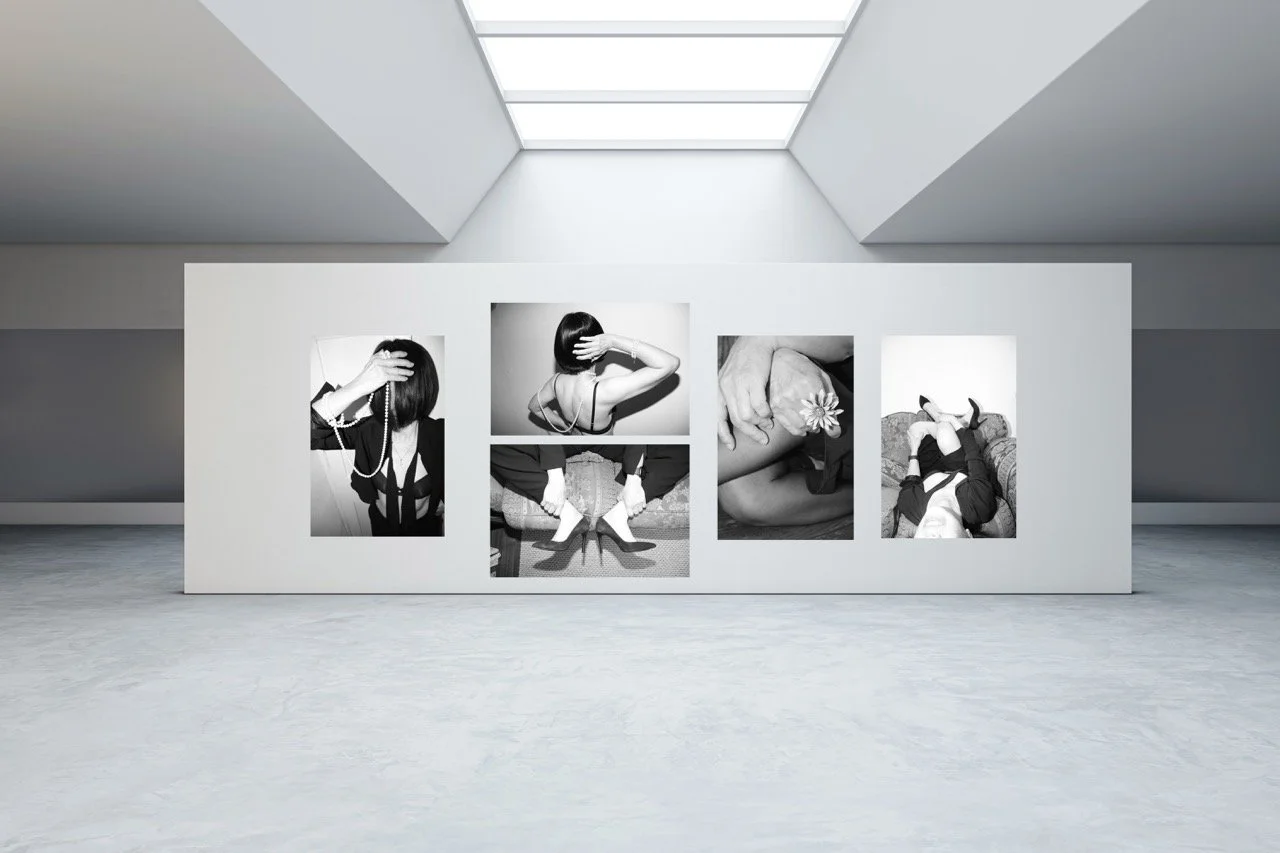
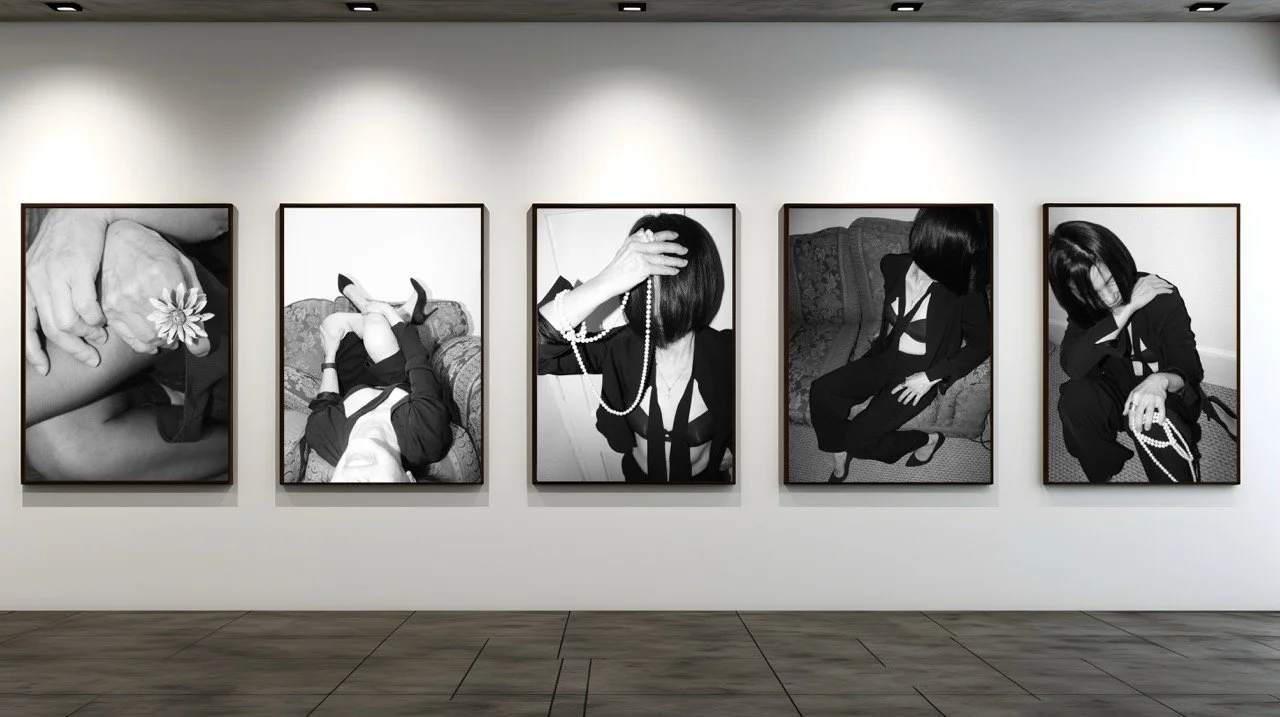
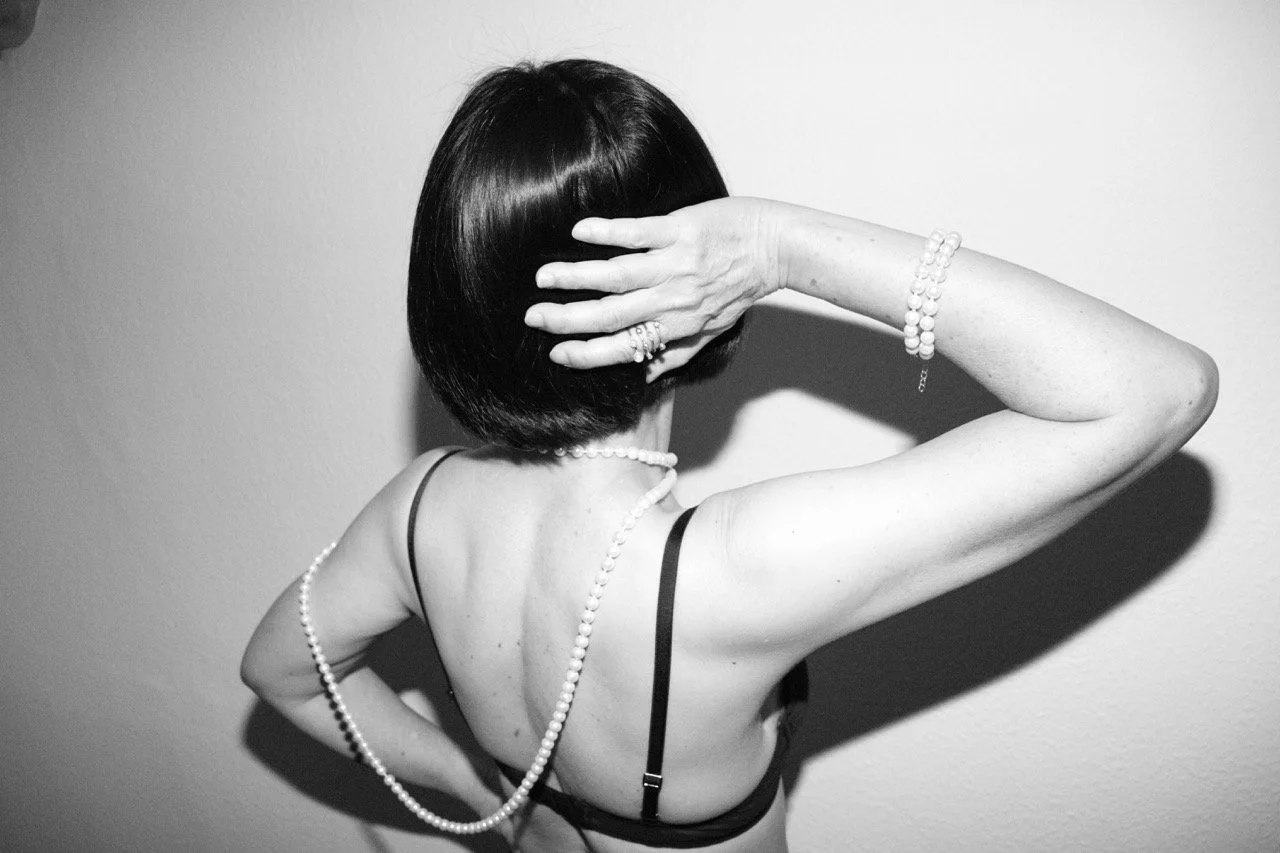
Two images from the practice reflect this merge most clearly. In one, my model stands against a white wall, her face unseen, arm raised and wrapped in pearls, where my fashion photography meets French New Wave minimalism. In another, we only see the back of a woman’s head, a straight black haircut and a pearl necklace framing the composition. The perspective feels slightly voyeuristic, echoing Godard’s recurring rear-view framing, inviting the viewer into the act of “seeing” itself, as if witnessing the scene from within rather than observing from a distance.
Female Gaze: The project questions traditional power dynamics in image-making. What specific techniques do you use to shift the camera's perspective from the male gaze to a female one?
The female gaze in my practice is constructed through a reconfiguration of power, authorship, and visibility. Photography, unlike moving image or performance, produces a fixed encounter with a real body, an encounter that historically has been dominated by control, possession, and consumption under the male gaze. My work deliberately resists this by disrupting the expectation that the photographed female body must be fully accessible or legible to the viewer.
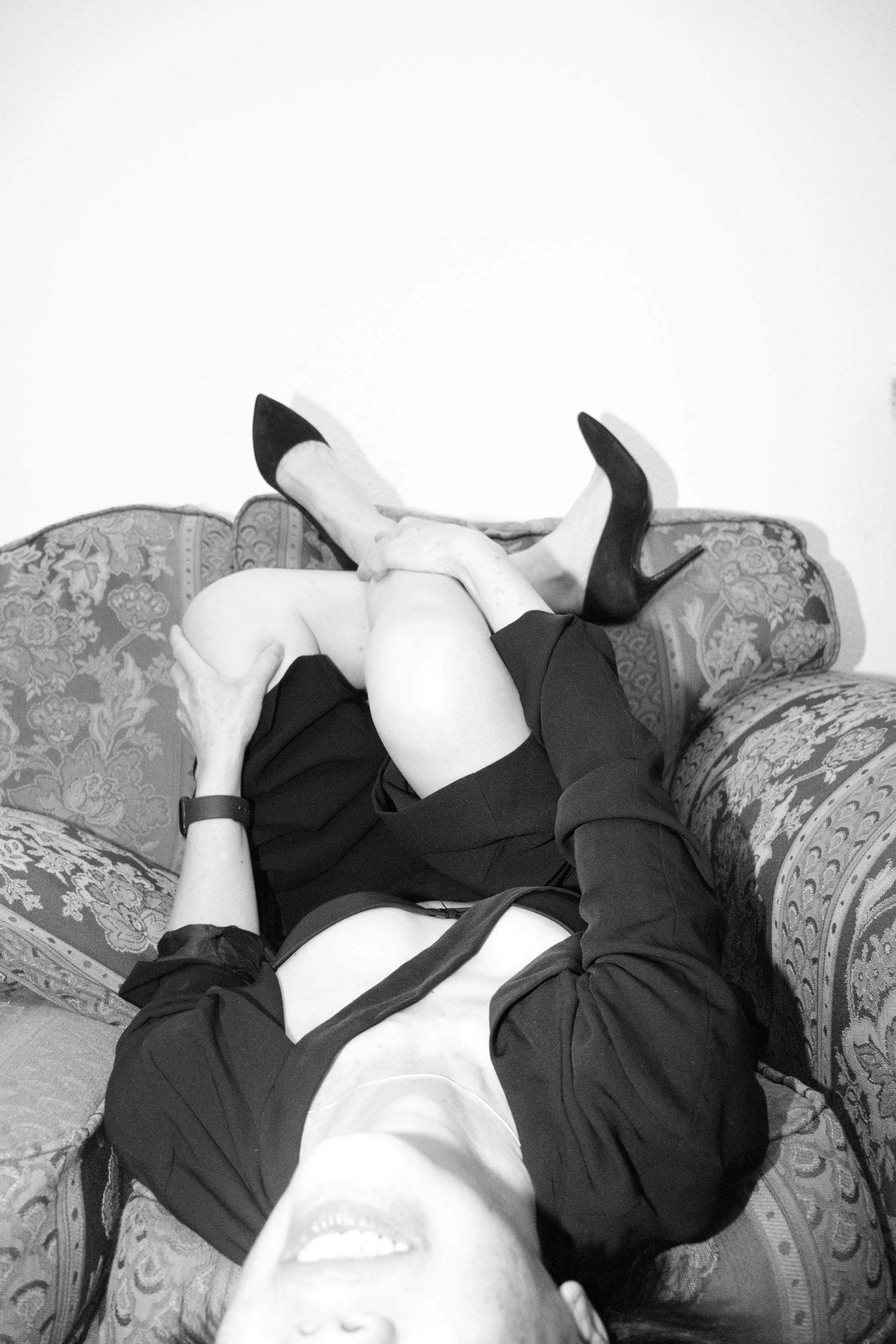
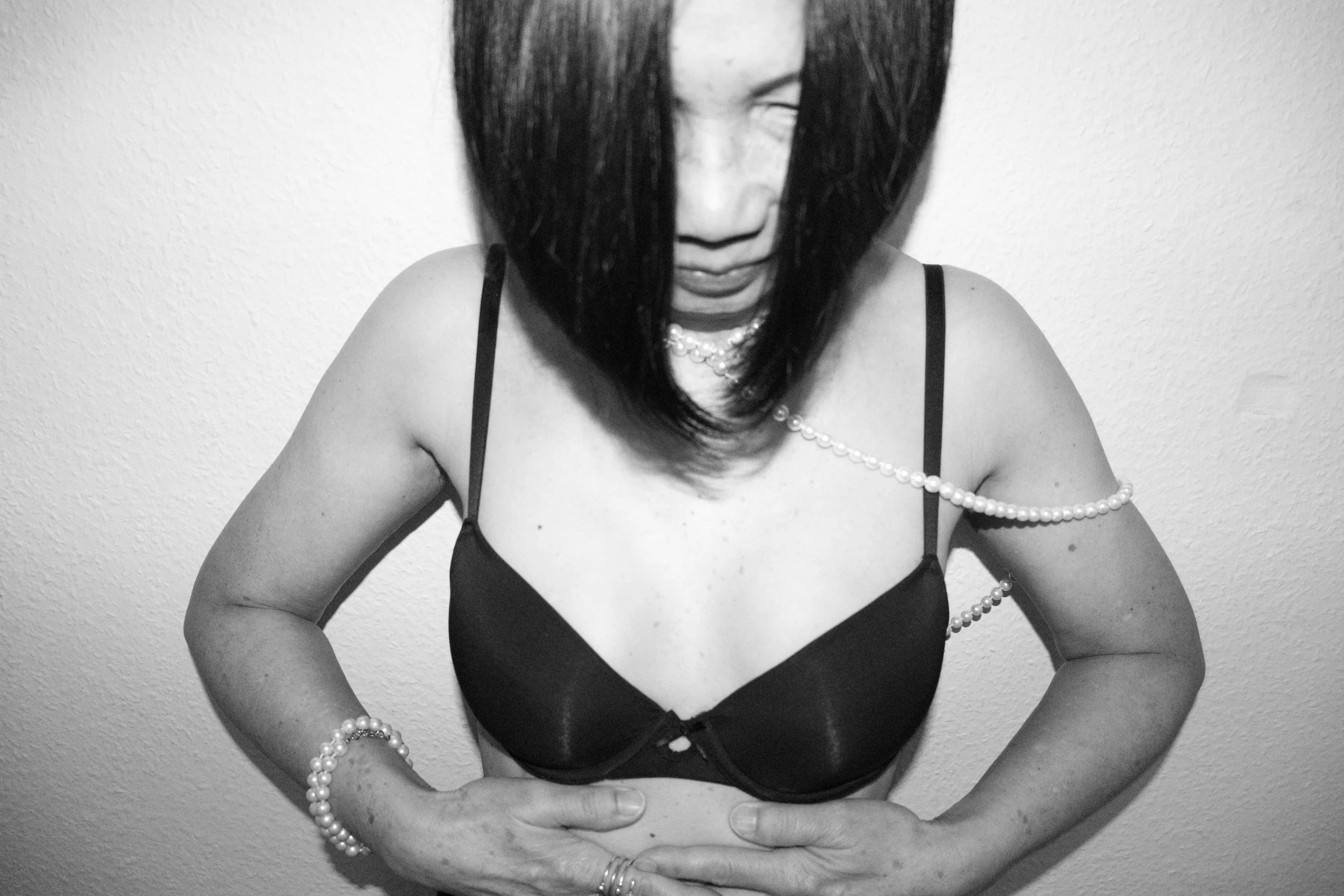
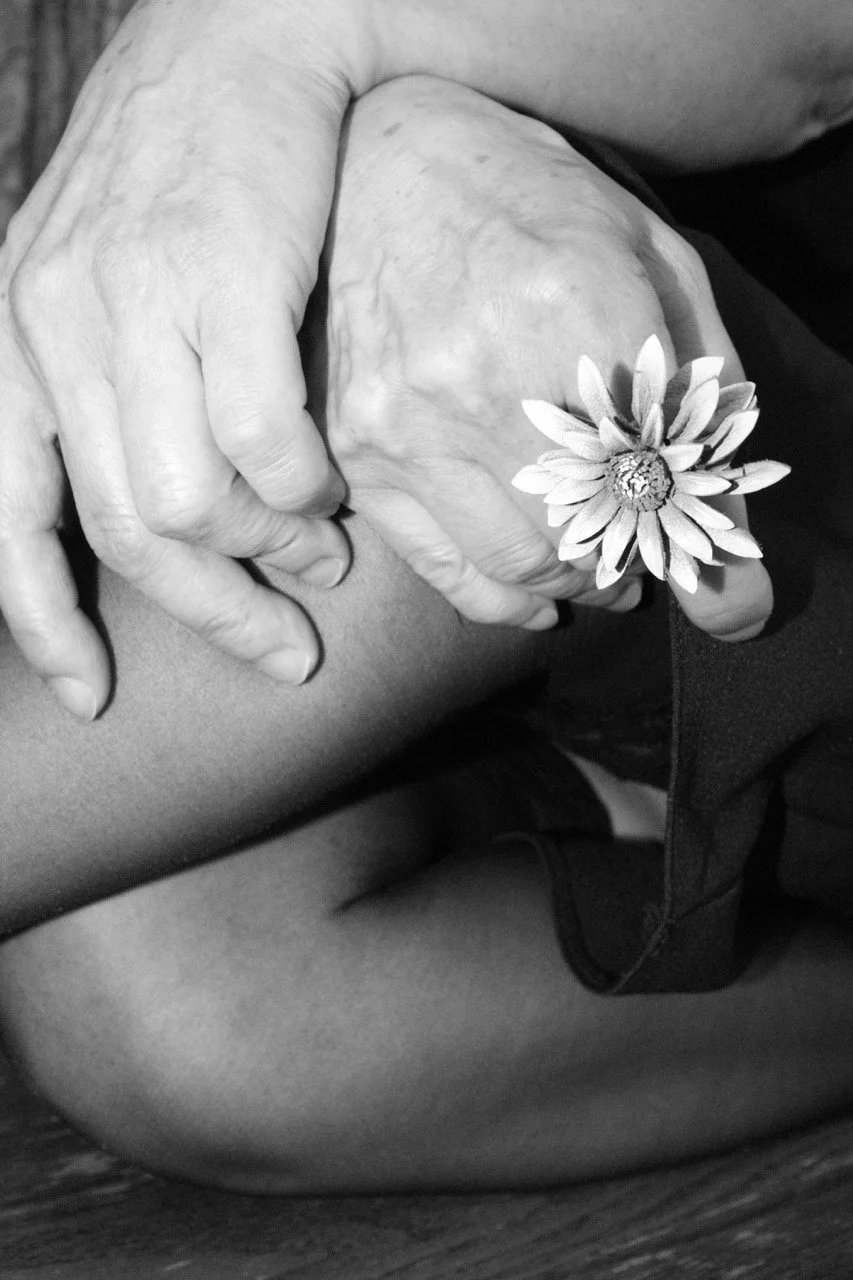
Formally, I employ fragmentation, partial framing, and the refusal of facial visibility. Bodies are broken into gestures, textures, and postures rather than presented as complete objects of desire. Rear-view perspectives and cropped compositions recur throughout the series, positioning the viewer as a secondary presence, aware of looking, but denied authority over what is seen. This creates a subtle tension between intimacy and distance, replacing voyeuristic consumption with self-contained presence.
Symbolism plays a critical role in negotiating gendered power structures. Pearls, traditionally associated with refinement and femininity, are intentionally recontextualised. Their visual resemblance to sperm introduces a quiet but charged reference to reproduction, male lineage, and historical ownership of the female body. By placing this symbol within a female-authored, collaborative photographic process, the work reframes it from a sign of male control into one of conscious embodiment and reclaimed agency.
Crucially, the female gaze here is not about reversing objectification or positioning women as dominant observers. Instead, it proposes a different ethics of looking, one grounded in ambiguity, consent, and emotional autonomy. Photography becomes a site where sensuality exists without submission, visibility without exposure, and where the act of seeing is slowed, questioned, and ultimately decentralised.
Collaboration: You describe the work as rooted in trust and the nuances of female relationships. How does photographing women as a woman change the atmosphere on set compared to mixed-gender dynamics you have observed?
In this project, the atmosphere was shaped less by gender difference and more by the depth of the relationship itself. The subject is a close friend who became my muse, and that existing bond of trust, care, and mutual understanding translated directly into the images. The process was conversational rather than directive, a continuous exchange where boundaries, comfort, and intention were negotiated together. Nothing felt excessive or exposed because everything emerged from shared dialogue and a collective sense of authorship.
That said, my experience within the industry has made me acutely aware of how mixed-gender dynamics can shift the emotional conditions of a shoot. Vulnerability, particularly nudity or sensual exposure, is never neutral. Being a woman photographing women allows me to work from lived empathy: I understand the physical, emotional, and psychological weight of being seen without protection. This awareness informs how I create space, through clear communication, respect for boundaries, and sensitivity to moments of discomfort.
As a result, the camera becomes less an instrument of control and more a site of mutual trust. The subject is not asked to perform but to participate. The female relationship behind the lens allows for safety, honesty, and flow, conditions that make deeper, more truthful images possible.
Cinematic Staging: Your images have a filmic, carefully staged quality. Can you walk us through how you plan and light a single sequence from concept to final shot?
Interestingly, the cinematic quality of my images does not come from complex lighting setups. My process is intentionally minimal. I work in a naturally dark environment and use a direct flash as the primary, often the only, light source. This creates the stark contrast between deep blacks and sharp whites that runs through the series, echoing the visual language of early cinema and French New Wave photography.
The planning begins not with lighting diagrams but with emotional framing. I think about posture, gesture, and the narrative tension I want to capture before I ever pick up the camera. Once on set, the flash becomes almost performative, it freezes a moment abruptly, like a cinematic cut. Rather than sculpting the subject through controlled studio light, I allow the raw flash to reveal texture, shadow, and imperfection.
This approach keeps the process instinctive and immediate. The staging is precise, but the lighting remains stripped back, allowing the atmosphere of the room and the relationship with the subject to shape the final image. For me, the cinematic feeling comes less from technical complexity and more from timing, framing, and the emotional rhythm between frames.
Total Creative Control: You handled photography, art direction, styling, and book design yourself. What were the biggest challenges of being both creator and editor of your own work?
Interestingly, the biggest challenge wasn’t creating the images themselves. Working across photography, art direction, styling, and funny enough even hair, felt natural to me because it came from one coherent vision and from skills I’ve developed professionally over the years. Having full creative control allowed the work to remain deeply authentic and emotionally consistent from start to finish.
The real difficulty began when I had to step into the role of editor. Letting go of images was far harder than making them. I had to learn to look at the work from an external, almost detached perspective, not as the creator who feels connected to every frame, but as someone responsible for shaping a narrative. I’m deeply attached to my images, so editing became a process of distancing myself from them emotionally.
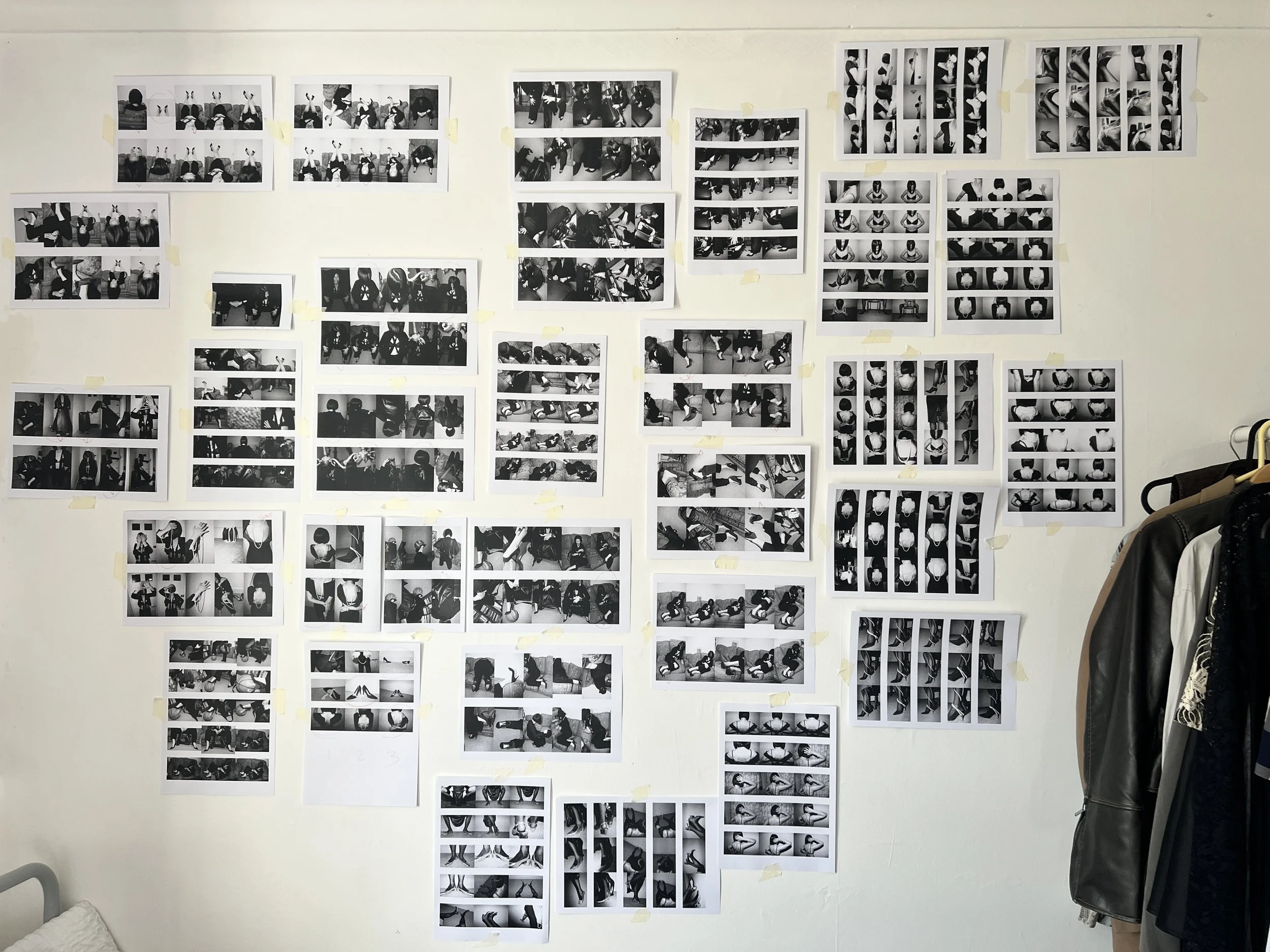
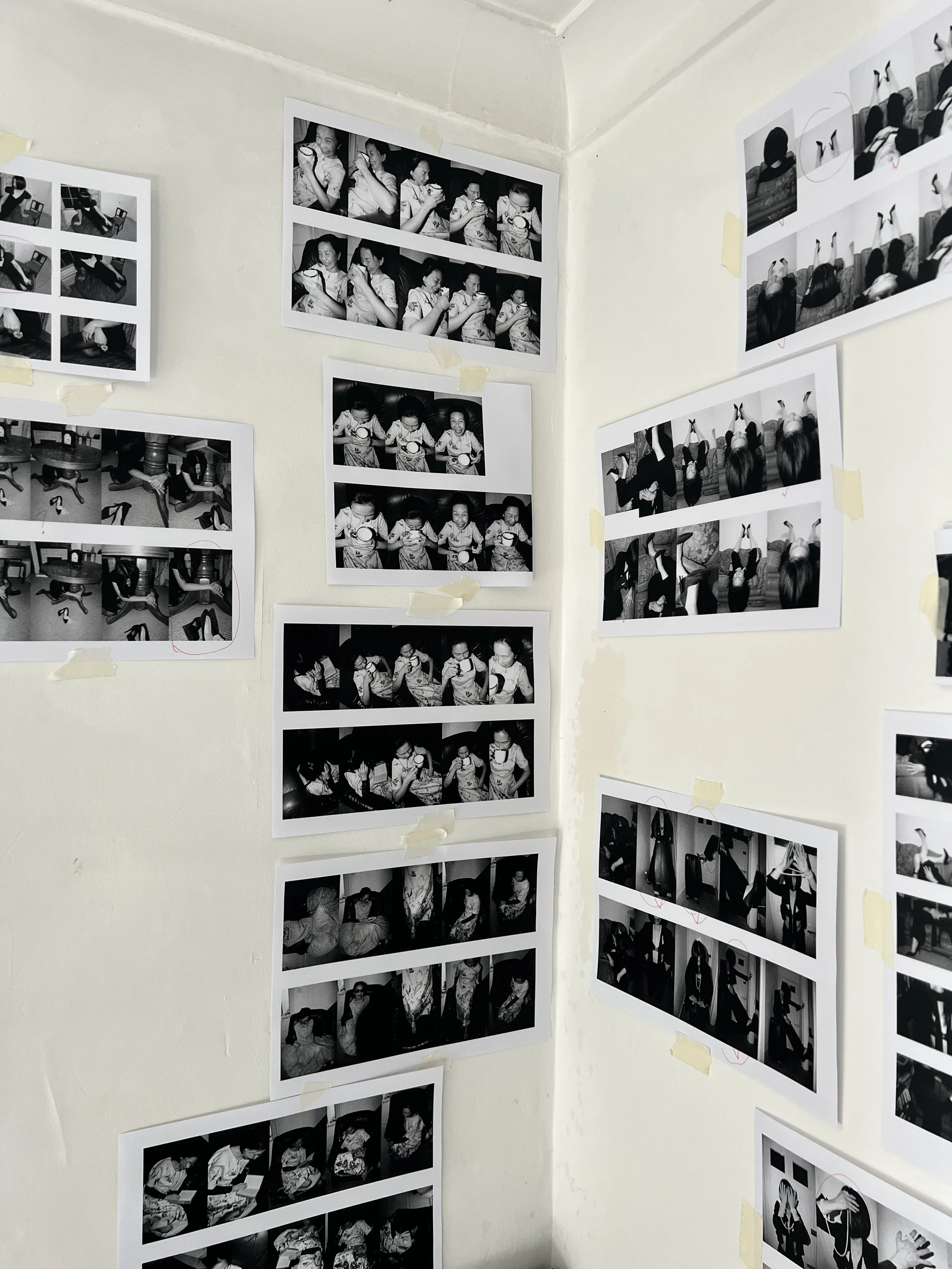
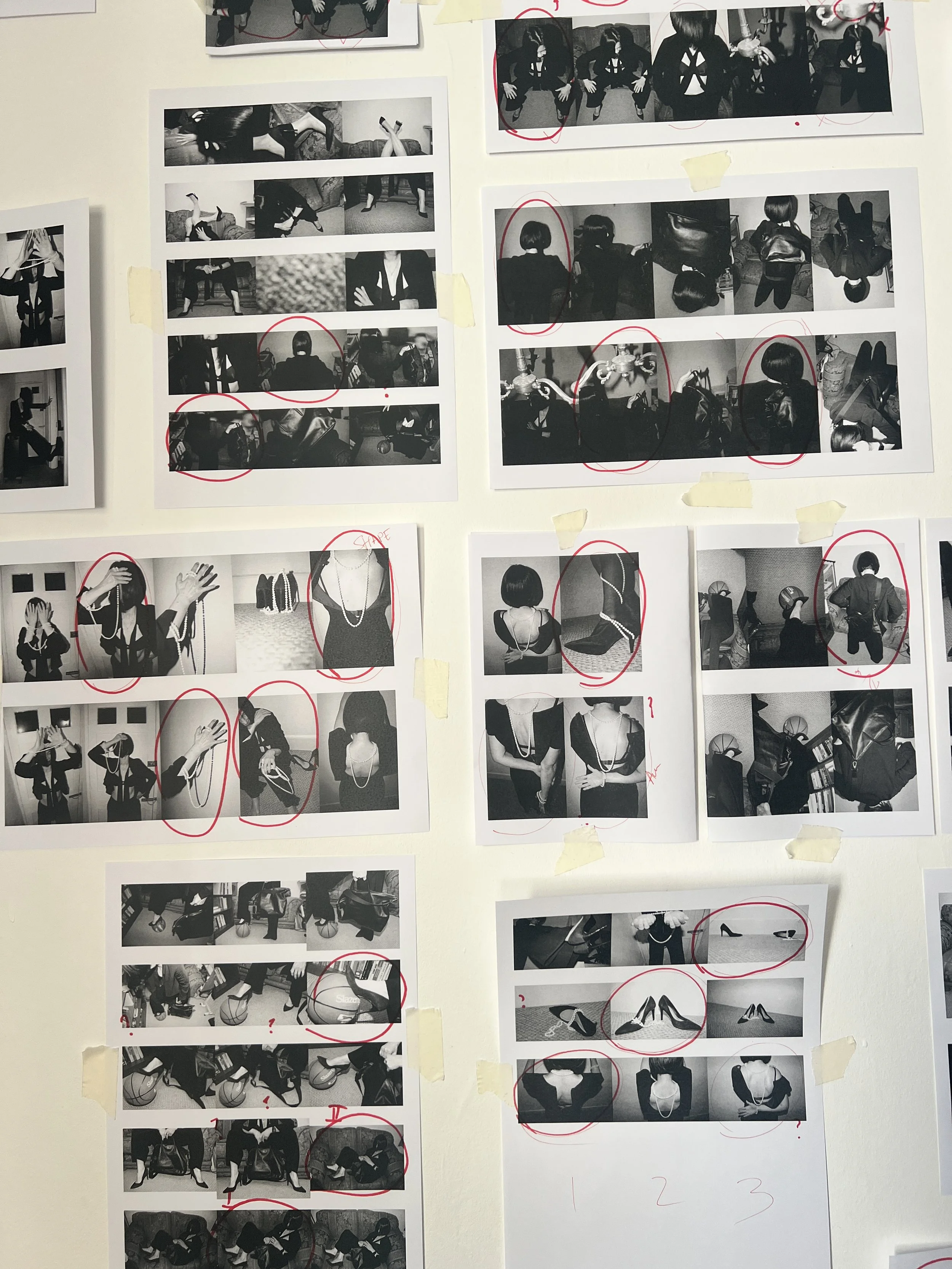
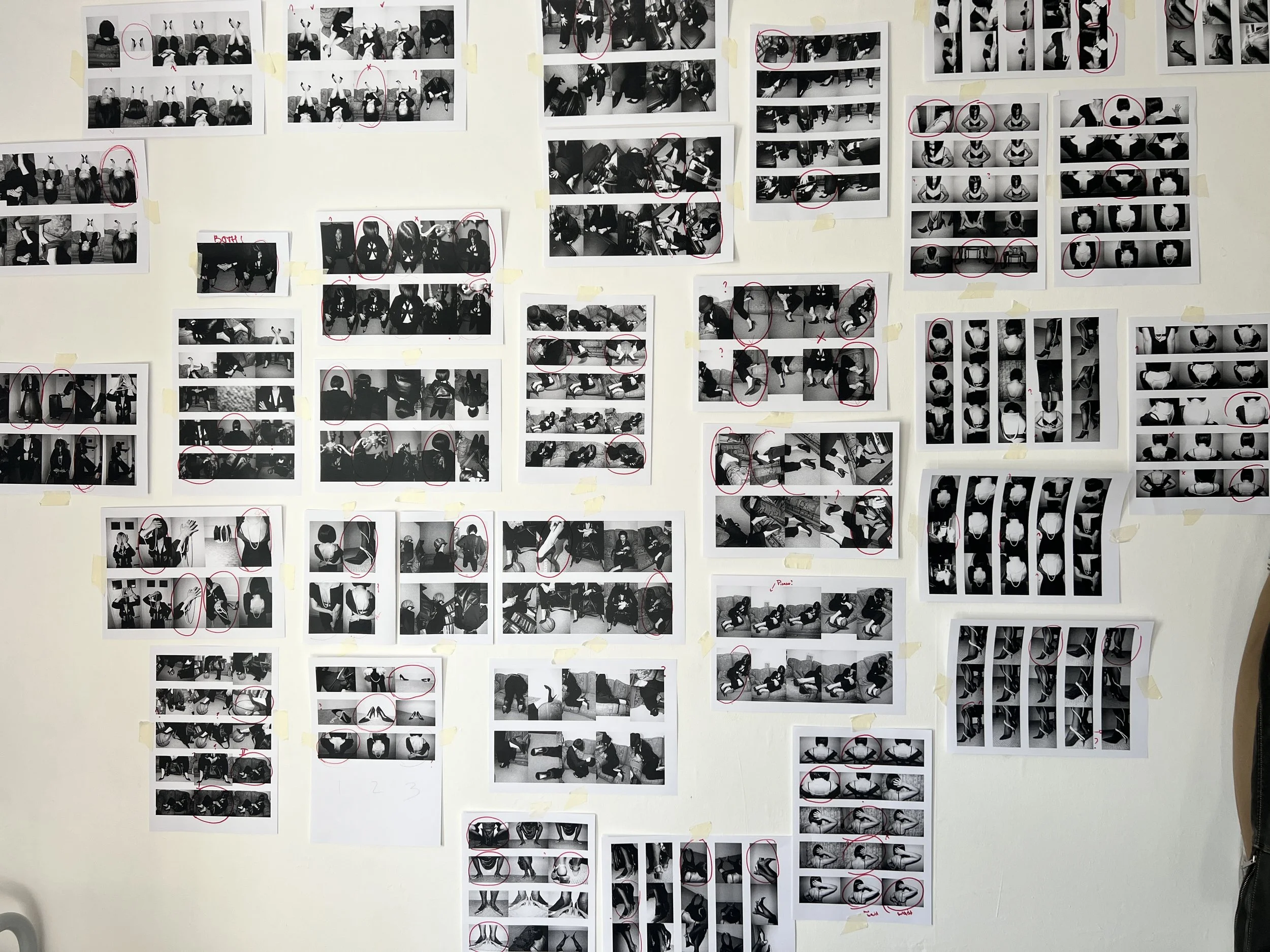
I spent days living with the work physically, covering my walls with prints and gradually removing images, one by one, until the story became clearer. Reducing the series to 79 photographs and finding the right sequence for the book was an intense process of release and refinement. In many ways, becoming my own editor required as much vulnerability and discipline as creating the photographs themselves.
What made you finally decide that a particular image had to go, even when you loved it?
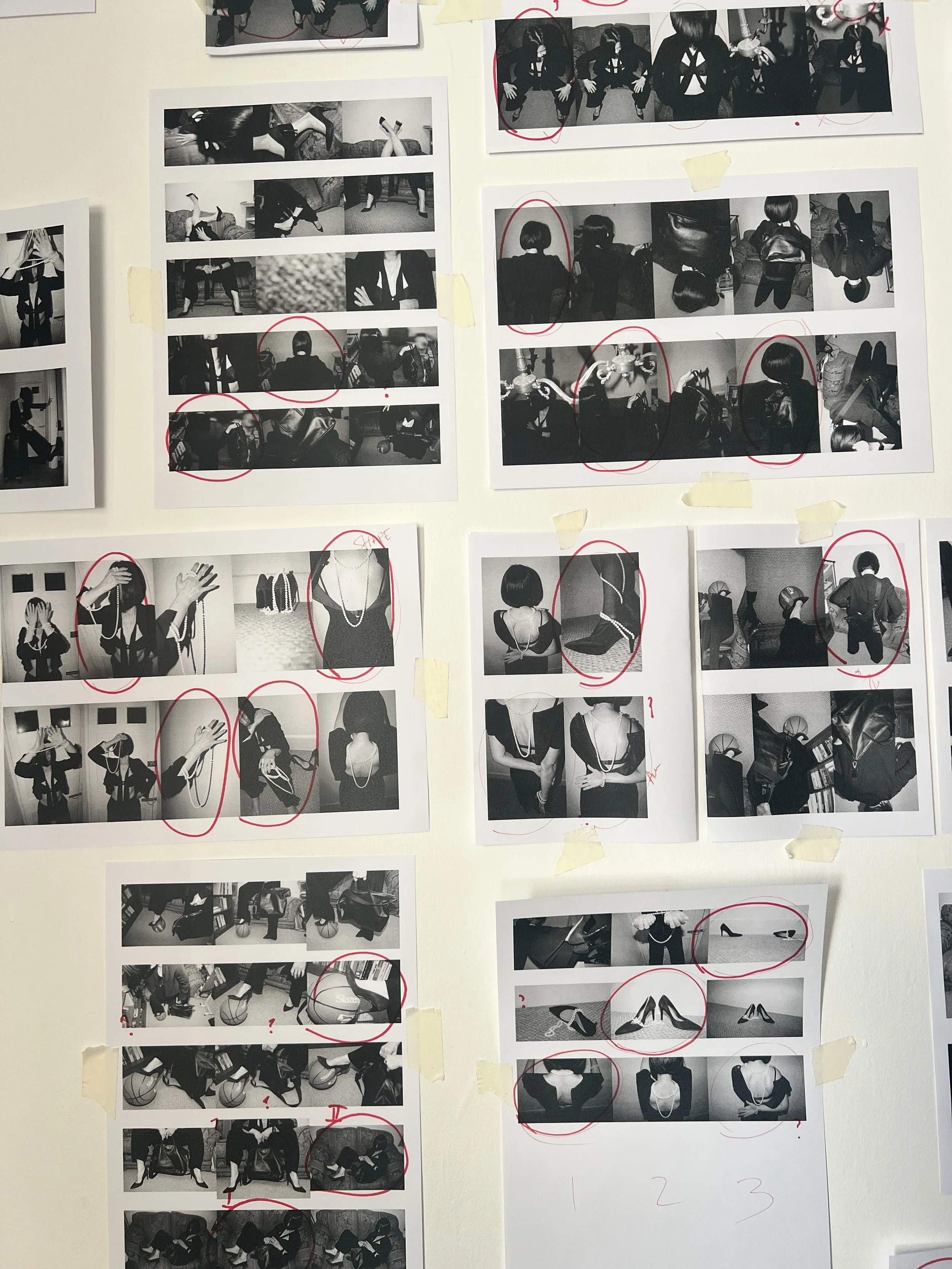
The process actually continued even after I took the images down from the walls. The next step was printing them again and sequencing them into a narrative, almost like creating cut-out visual storyboards. While I was working in my room, I would revisit the image sheets daily, circling and crossing photographs back and forth, constantly comparing works with similar themes and allowing only the strongest one to remain.
Stepping away and returning with fresh eyes over several days helped me become more neutral toward the images and less attached to my initial emotional response. In the end, I had to learn to prioritise the story itself, how each photograph functioned in relation to the others and how it served the rhythm of the publication, rather than how much I personally loved it.
But as I said, it was a struggle till the last taken image away.
Symbolism and Gesture: The project uses symbolism and gesture to communicate meaning. Could you explain how you direct a model's body language to convey ideas without words?
For me, directing body language begins with emotion rather than pose. I rarely give rigid instructions; instead, I guide the model toward a feeling or physical intention. Small gestures, the lift of an arm, the curve of a shoulder, the direction of the back, become a visual language through which meaning is communicated. By removing facial expression or direct eye contact, the body itself carries the narrative.
The shaping of the body within the work is also informed by geometry, symmetry, and form, compositions that are visually compelling to my eye before they become symbolic. These structures are then softened by references to grace, femininity, sensuality, and the presence of strong female characters. It is a balance between formal precision and emotional resonance.
Symbolism operates quietly throughout the series. Objects such as pearls, or the placement of hands, are never accidental; they suggest ideas of femininity, control, intimacy, and vulnerability without the need for explanation. I often draw from cinematic framing, encouraging the model to move as if she exists within a still moment of a film rather than performing for the camera. In this way, gesture becomes both intuitive and intentional, a means of storytelling without words.
Moving Image: You developed video works alongside the still photographs. How do you decide which moments work better as a still frame versus a moving sequence?
The video works were conceived as a parallel practice rather than simple documentation of the photographs. From the beginning, I knew I wanted to create a separate body of moving images inspired by French New Wave cinema and fine art traditions. I directed three videos in which the model interacts with pearls, sometimes in subtle motion, sometimes in stillness, exploring rhythm, gesture, and atmosphere through time rather than a single frame.
The two mediums speak to each other, but they serve different emotional functions, the photograph freezes the gaze, while the moving image extends it. Therefore, whenever I create videos, they function as a continuation of the still work, embodying and extending the emotional atmosphere I want to convey rather than illustrating it.
You said the photograph freezes the gaze while the moving image extends it. Could you describe a specific moment from one of your pearl videos where motion revealed something a still frame could not?
In the videos created for this project, I wanted to reveal movement, specifically geometric movement, as a way of extending the visual language of the still images. One particular sequence shows the model slowly twisting a pearl necklace in her hands. Through motion, the pearls begin to form evolving patterns, almost becoming a new object rather than a fixed accessory.
In a still photograph, this gesture would be reduced to a single shape or position. In video, however, the continuous rotation reveals rhythm, repetition, and transformation over time. The necklace shifts from something worn or possessed into something active and self-shaped. This moment captures how movement can generate form, how geometry emerges through gesture, which could not be fully communicated within a frozen frame.
The extended duration allows the viewer to observe, rather than consume, the image. It slows the act of looking and invites attention to process rather than outcome, reinforcing the difference between suspension in photography and unfolding in moving image.
Cultural Identity: As a Latvian artist trained in England now showing work back in Riga, how does your position between Eastern and Western European visual cultures influence the stories you want to tell?
From the beginning, Latvian culture has deeply shaped my artistic language. During the first year of my studies, I found myself returning to my roots, something I initially resisted, as I once felt the need to distance myself from where I came from.
However, my practice revealed that this cultural background is one of my greatest strengths. I became increasingly aware of how rarely Latvian visual perspectives are seen outside our country, which has made me more intentional about bringing that sensibility into an international context.
Living and working in England has placed me between Eastern and Western European visual cultures, and this in-between position influences how I think about identity, movement, and belonging. In this project, for example, I collaborated with a Malaysian model photographed within a typical English domestic environment, subtly reflecting ideas of migration and cultural layering. As someone who has also relocated and become part of another cultural landscape, I’m interested in how identities evolve through environment while still carrying traces of origin.
My work explores this dialogue between cultures, how visual languages meet, shift, and coexist. We travel, adapt, and absorb new influences, yet our roots remain present. That tension between transformation and heritage continues to shape the stories I want to tell.
Thank you so much for sharing your process and vision with us. Before we finish, I am curious about one thing you mentioned: you said you once resisted your Latvian roots but later discovered they were a strength. What was the turning point that changed how you felt about where you come from?
I think the turning point came gradually through distance and reflection. It took leaving Latvia to truly understand my sense of belonging and my emotional connection to where I come from. There is a saying that you only realise the value of something once you step away from it, and in many ways, that was my experience. I began to feel the strongest connection to being a Latvian artist only after living abroad and seeing my culture from a new, more conscious perspective.
Looking back as an adult, I started to recognise how deeply my environment had shaped my visual taste, my sensitivity to atmosphere, and the way I approach storytelling. The more I explored my own identity, my design language, my photographic instincts, my personal aesthetics, the more I understood that my uniqueness comes from a lifetime of influences rooted in my upbringing and childhood.
Instead of trying to distance myself from those origins, I learned to see them as a foundation. Embracing my Latvian background allowed me to appreciate my own perspective more fully and to carry that cultural sensibility into an international context.
To discover more about this intriguing body of work and how you can acquire your own copy, you can find and purchase the book here. (Website, e-mail for book orders)
More photography books?
We'd love to read your comments below, sharing your thoughts and insights on the artist's work. Looking forward to welcoming you back for our next [book spotlight]. See you then!
Color entered Janelle Lynch’s photographs through painting. In Another Way of Looking at Love, she photographed plants and trees on her property in the Catskills. Photography Book Spotlight