AT A GLANCE
- Known for
- Photographs of Eero Saarinen’s buildings, above all the TWA Flight Center in New York
- Worked in
- Black and white and color
- Camera
- Mostly handheld 35 mm cameras, unusual in architectural photography
- Also
- Trained architect; AIA Medal for Architectural Photography in 1964
- Start with
- Balthazar Korab: Architect of Photography (Princeton Architectural Press, 2012)
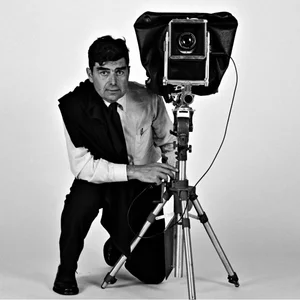
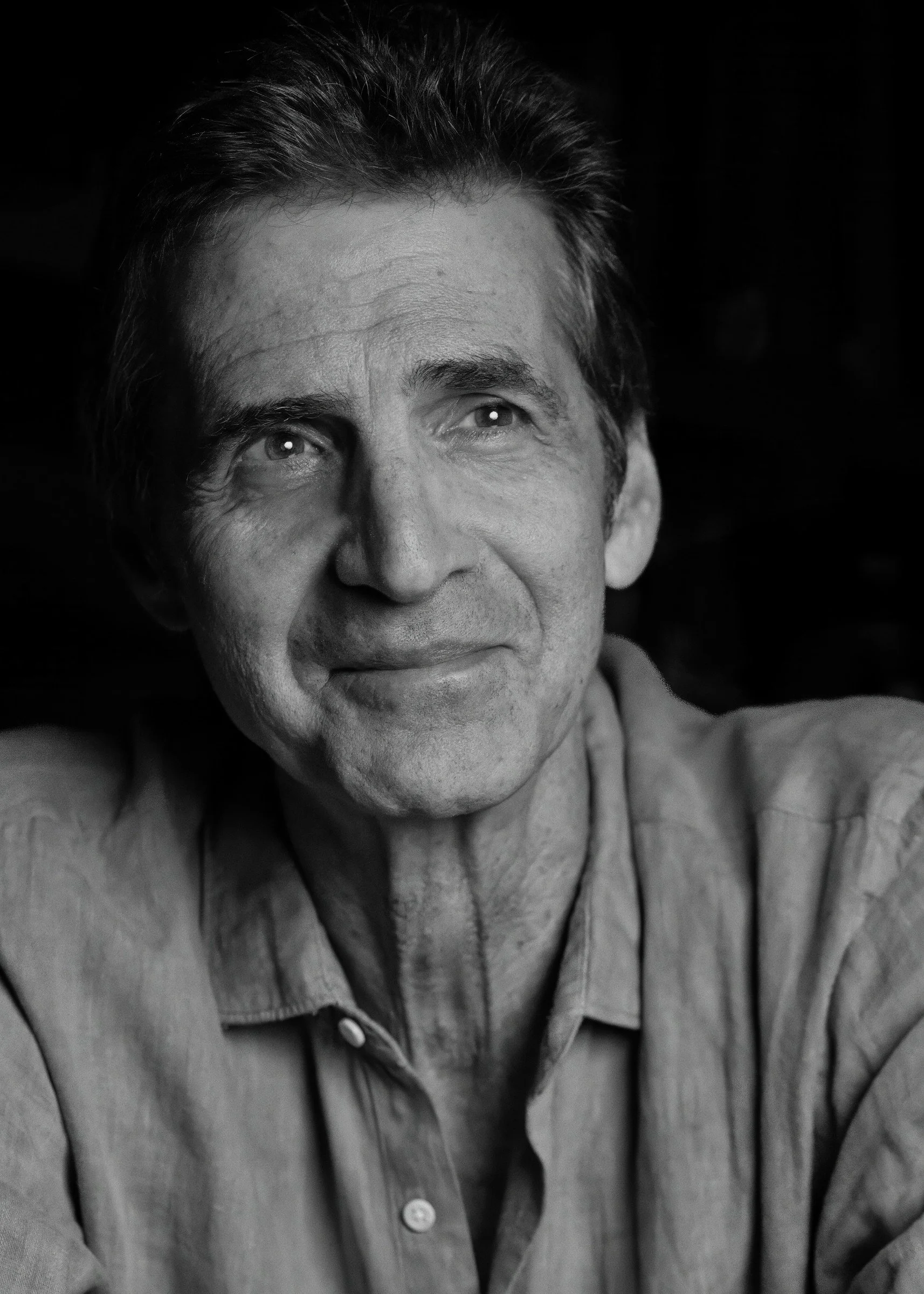
Balthazar Korab (1926–2013) was a Hungarian-born architect and photographer who worked in the Detroit area. He is best known for his photographs of Eero Saarinen’s buildings, from the first study models to the finished TWA Flight Center. He also photographed barns, small towns and the changing American landscape.
The story
In 1955 a young Hungarian architect arrived in the suburbs of Detroit. Balthazar Korab had just finished his studies at the École des Beaux-Arts in Paris. Michigan was only meant to be a stop. His plan was to move to Brazil and work for the architect Oscar Niemeyer. First, he and his wife, Sally Dow, were visiting her family. Then he learned that the office of Eero Saarinen was nearby, in Bloomfield Hills. He called and got an interview. He showed Saarinen small photographic prints of his student projects. After a word with his project manager, Kevin Roche, Saarinen offered him a cigar and a job at $2.75 an hour. Korab was told to come back after lunch. He started work that same day.
Born in Budapest in 1926, he began studying architecture after the Second World War. In 1948 his father was put in prison. Soon after his father’s release, in January 1949, Korab fled Hungary with his younger brother Antoni and a school friend, László Peter Kollar. In Paris he paid his way by working for architects, among them Le Corbusier. He was already using his camera as a design tool, to photograph models and make collages.
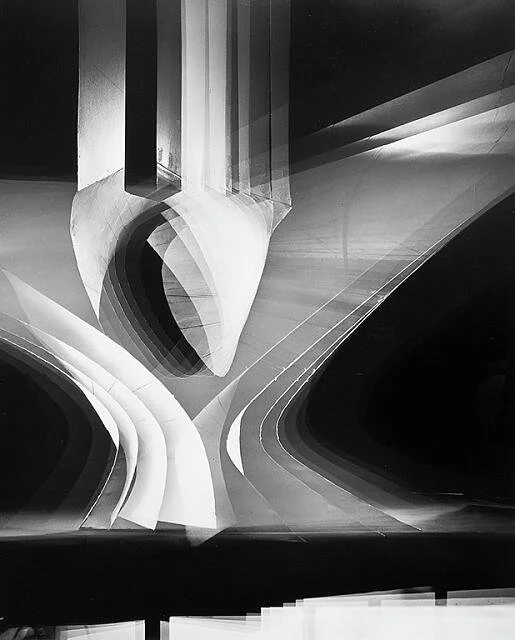
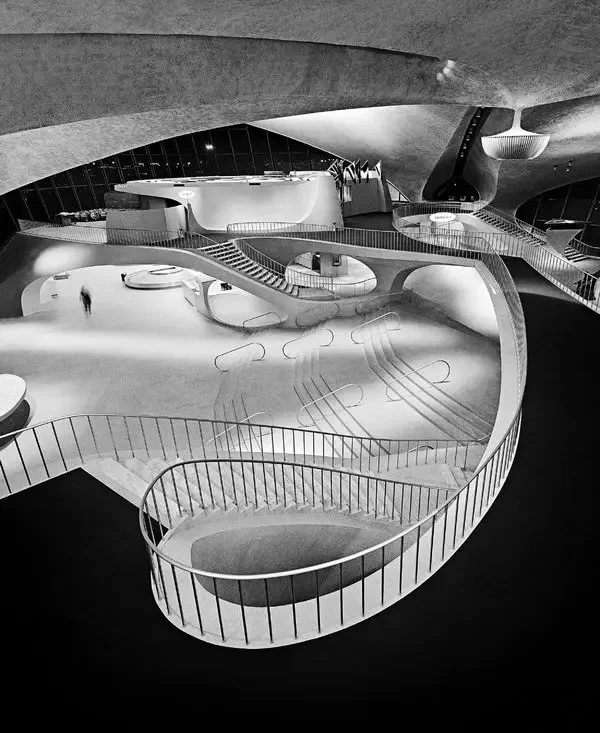
Saarinen hired him as a designer. But his skill with a camera was noticed quickly, and soon he was photographing the office’s models and full-size mock-ups. In 1956 he made a multiple-exposure picture of a model of the TWA terminal’s structural piers. So when the buildings were finished, he knew them from the inside. In 1964 he photographed the TWA Flight Center at night, from the mezzanine. “This is my classic image of the project that reveals the complexity of the Saarinen approach to a four-dimensional experience in this space,” he said.
Brazil never happened. Korab opened his own studio in a 19th-century barn in Troy, Michigan. He photographed Columbus, Indiana, for more than 40 years, and he turned his camera just as often to barns, villages and industrial sites.
The man who came to Michigan for a short visit stayed for the rest of his life. He came as an architect, and he wanted to be remembered as one: “an architect who makes pictures rather than a photographer who is knowledgeable about architecture.” For him a building was never just an object. “The story prevails in my approach to photography; the feelings, responses to a place, the message,” he said.
The work


- 1926Born in Budapest, Hungary, on 16 February
- 1949Flees Hungary in January and later studies architecture in Paris
- 1955Joins Eero Saarinen’s office in Bloomfield Hills, Michigan
- 1957Wins fourth place in the Sydney Opera House competition with László Peter Kollar
- 1964Receives the AIA Medal for Architectural Photography
- 1994President Clinton gives a portfolio of his photographs to Hungary’s president Árpád Göncz
- 2007AIA Lifetime Achievement Award for Photography
- 2011His full archive goes to the Library of Congress
- 2013Dies on 15 January in Royal Oak, Michigan
Lessons
Understand the building first. Korab said his training as an architect gave him the “necessary skills to understand how a building works.” Learn how a space is used before you photograph it.
Photograph the process. He photographed Saarinen’s models, mock-ups and building sites, not only the finished buildings. The early stages tell part of the story.
Look beyond the famous buildings. Next to modern landmarks he photographed barns, small towns and industrial sites. He described his work as “soft-spoken with a bite.”
Try this: choose one building near you and photograph it on four different visits, in different light and weather. Like Korab at the John Deere headquarters, discover the architecture over time.
Gear
Handheld 35 mm camera: most architectural photographers of his time used large and medium format cameras on a tripod. Korab preferred handheld 35 mm cameras because they were quick and easy to move with.
4x5 large format camera: his archive at the Library of Congress also holds 4x5 inch black-and-white negatives, next to 35 mm film and color transparencies.
We found no reliable source for the exact camera models he used.
Books
Balthazar Korab: Architect of Photography (Princeton Architectural Press, 2012). Written by John Comazzi, an architecture professor who interviewed Korab many times, with a foreword by the architect Cesar Pelli, who worked with him in Saarinen’s office. The 191-page book is an illustrated biography, from his studies in Budapest and Paris to his years as Saarinen’s photographer. It has close studies of two projects, the TWA Flight Center and the Miller House in Columbus, Indiana, and a portfolio of more than 100 of his architecture photographs. The best place to start.
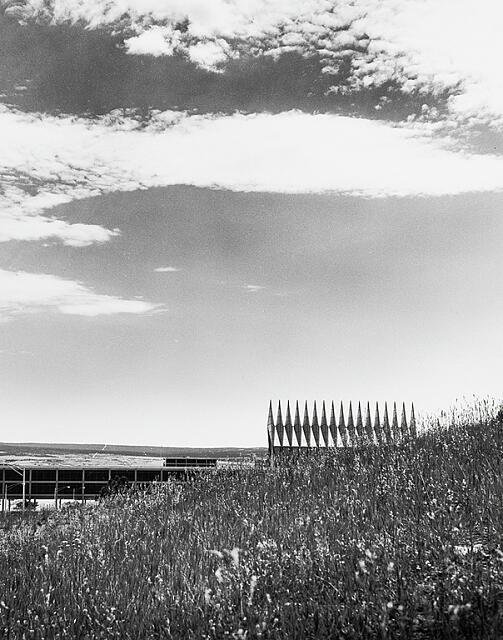
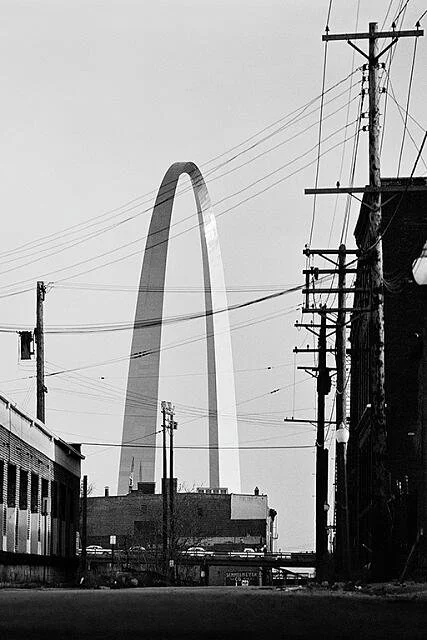
Eero Saarinen: Buildings from the Balthazar Korab Archive (W. W. Norton with the Library of Congress, 2008). Edited by David G. De Long and C. Ford Peatross, with an introduction by De Long and a closing essay on Saarinen and Korab. This large 464-page volume shows Korab’s photographs of Saarinen’s work project by project, in the order the buildings were commissioned: the General Motors Technical Center, the Gateway Arch, the TWA Terminal and many more. You see models, building sites and finished spaces, plus plans. It came with a DVD-ROM of images. For readers who want to follow how great buildings grew, step by step.
Archabet: An Architectural Alphabet (The Preservation Press, National Trust for Historic Preservation, 1985). A small 64-page book of Korab’s own photographs, made as an alphabet book. Its pictures are of American buildings and their details, arranged from A to Z, with a short bibliography at the end. It is light and playful, and it trains the eye to notice the shapes inside architecture. Good for children, teachers and any photographer who wants to practice looking at details.
In his words
“The story prevails in my approach to photography; the feelings, responses to a place, the message... And photography is a very important way of creating a record of the transformations experienced throughout the cultural life of a place.”