Photographing the American West Without Romance: Isabelle Arnon on Ranch Life, Labor, and Reality
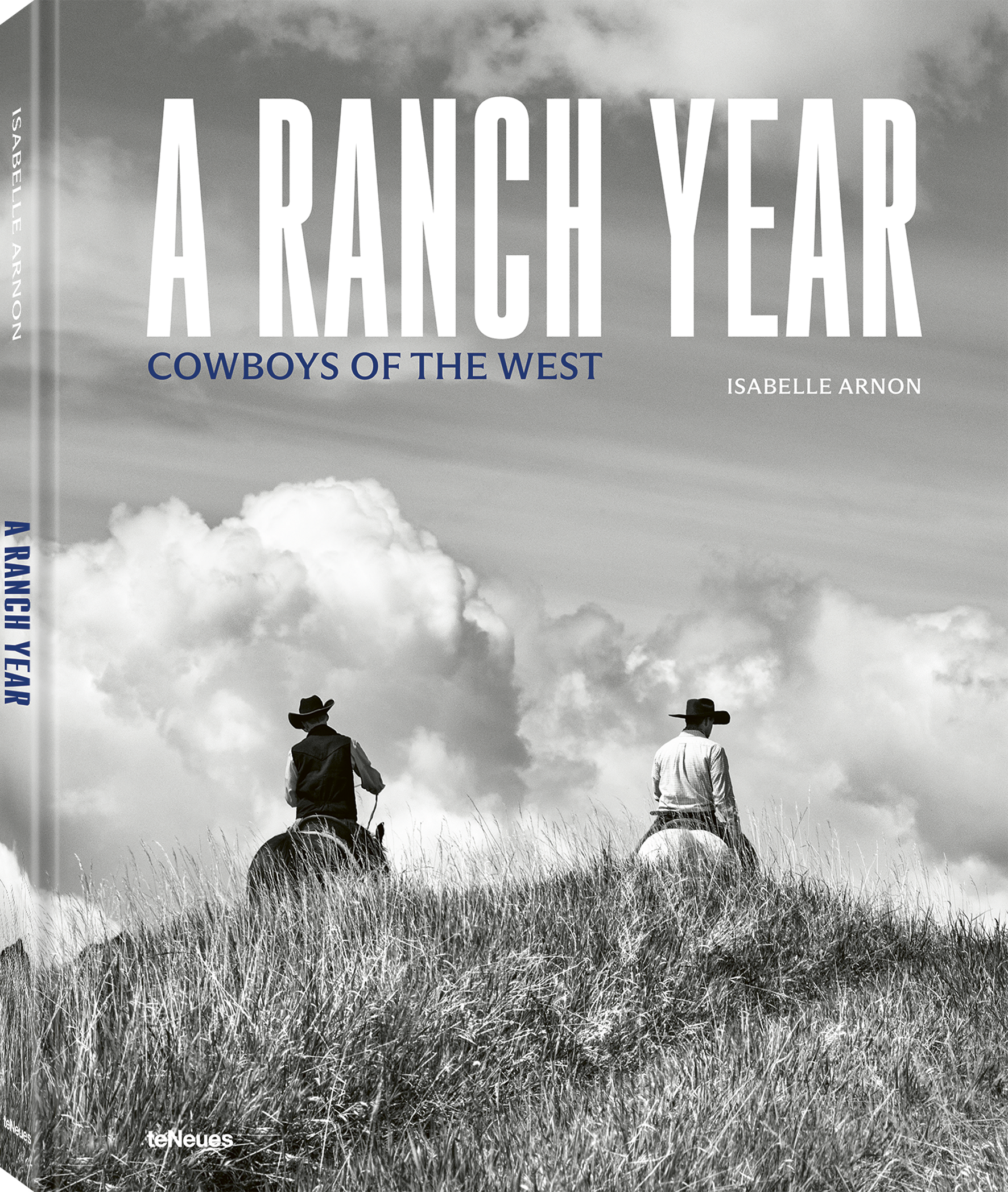
Welcome to this edition of [book spotlight]. Today, we uncover the layers of 'A Ranch Year,' by Isabelle Arnon (published by teNeues Verlag). We'd love to read your comments below about these insights and ideas behind the artist's work.
The American West did not disappear. Isabelle Arnon lived it.
She did not pass through for a few weeks or photograph from the outside. She lived on Wyoming ranches for four years, working around cowboys, cowgirls, families, and horses. The project became A Ranch Year, a book built from time, repetition, and daily work. This article looks at how that kind of access is earned and what it reveals.
Long-term work asks for patience more than speed.
It also asks for trust, time, and the ability to stay quiet. Isabelle talks about why she stayed, how she worked, and what surprised her most. She explains her decisions in simple terms, without theory or nostalgia. By the end, you see why living there mattered more than visiting.
The Book
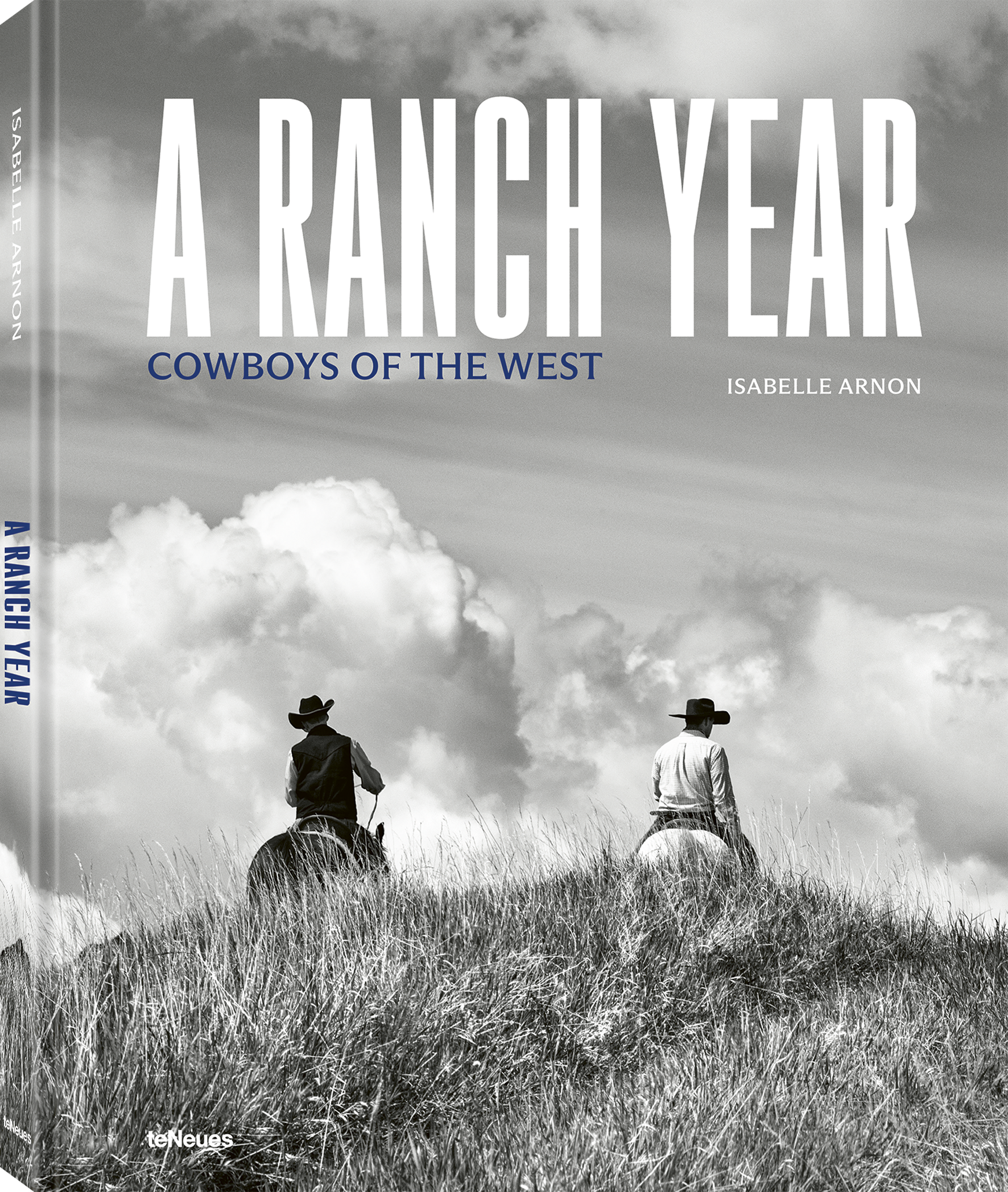
A Ranch Year is a photography book by French photographer Isabelle Arnon documenting four years spent living and working on ranches in Wyoming. The book presents black and white photographs of cowboys, cowgirls, horses, families, and daily ranch work, made far from romantic myths or staged scenes. Arnon’s long stays allowed her to photograph routine, labor, and quiet moments that usually remain unseen. Rather than looking back with nostalgia, the book shows a way of life that still exists, shaped by work, weather, and time.(teNeues Verlag, Amazon)
Project start: What made you decide to spend four years living on a Wyoming ranch to photograph cowboys and cowgirls?
I have always read American authors whose books whose action take place in the American West, and I have always felt drawn to these places, still untouched, untamed, too wild to be controlled by man. I ended up in Wyoming by chance, through an encounter in France with a man who lived near Cody. I followed him and finally stayed there for four years, turning a dreamed-of America into a reality.
When I went for the first time in an “authentic” ranch, I felt privileged and grateful, convinced that I was so lucky to be there. This was true for every ranch I visited (about ten in all) during those four years I spent there.
Trust building: How did you get ranch families to trust you enough to photograph their private lives?
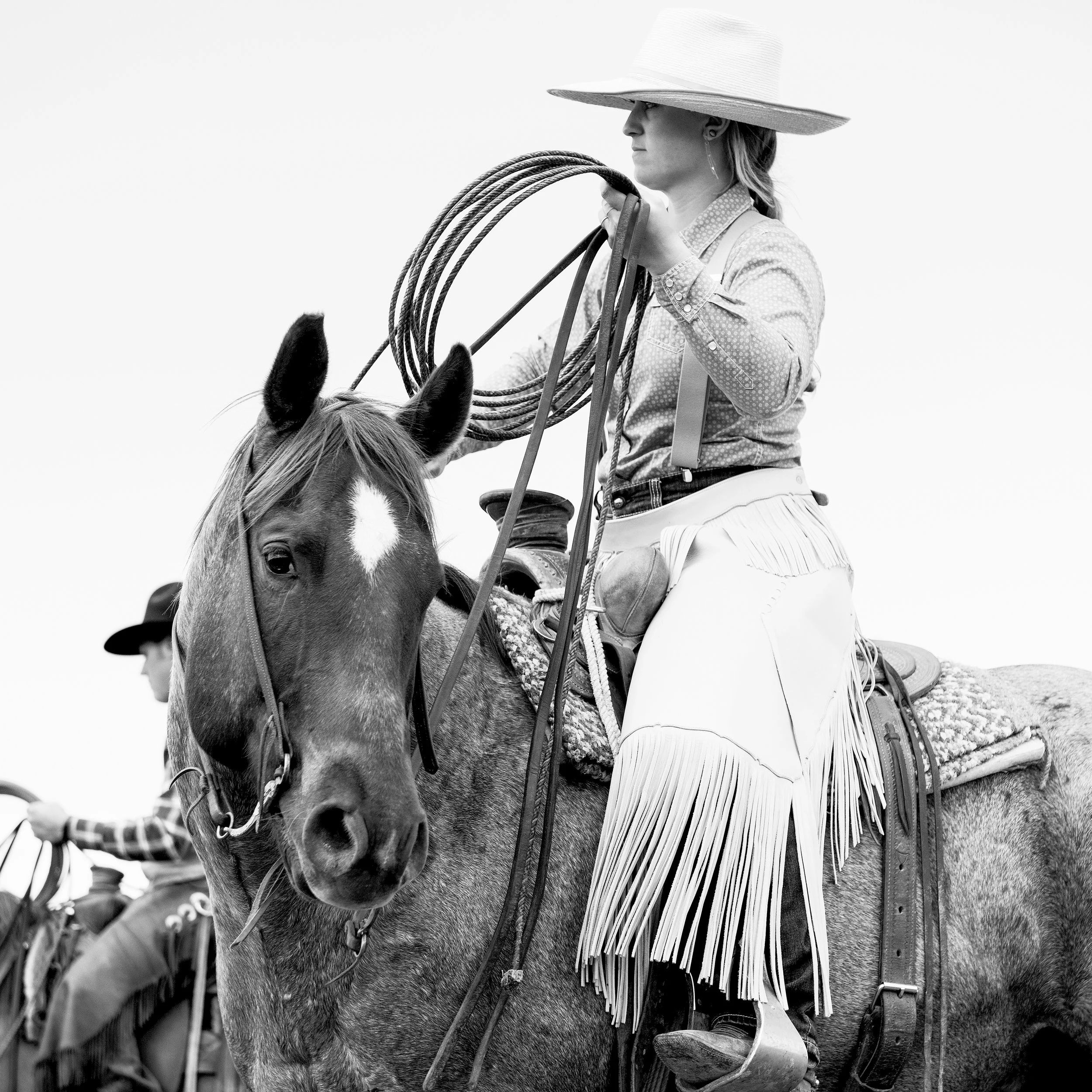
In fact, I didn't really photograph their private lives, but rather their work on the ranch. Cowboys aren't very talkative people. However, once the door is open, communication flows, especially with cowgirls, who are happy to answer a few questions and flattered by the interest shown in their work and lifestyle. Some people are unaware that cowboys and cowgirls still exist. And for many people, the word “cowgirl” conjures up images of girls in sequined outfits in a rodeo setting rather than women working in the fields, even though women have always played an active role on ranches.
My biggest surprise when discovering life on the ranches was the equality between men and women. All that matters is a job well done. I was also impressed by the closeness and complementarity within couples and families. Many of them work together, especially during herd roundups and branding.
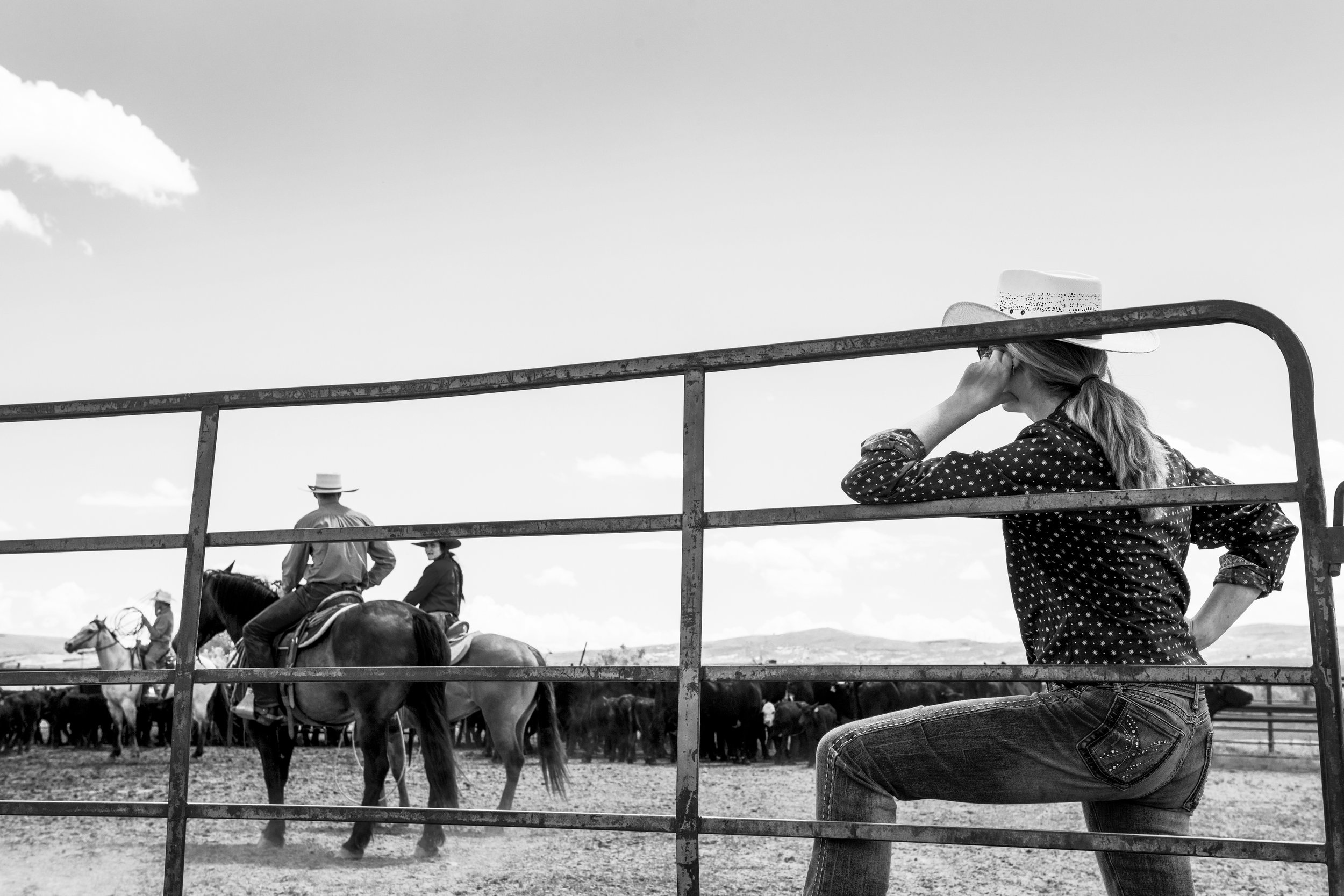
The equality between men and women on ranches surprised you. Did that change how you composed your photographs or what moments you chose to capture?
No, it didn’t. Both were absolutely photogenic.
Black and white choice: Why did you choose to photograph the ranch in black and white instead of color?
Black and white came naturally. The images are also interesting in color, but black and white emphasizes the timelessness of their lifestyle and their work. Apart from their cell phones in their pockets, nothing have changed, neither their working methods nor the setting, expertise or clothing. There is something reassuring about that in our fast-paced world.
Film to digital: You worked with both film and digital cameras. How did you decide which format to use for different ranch scenes?
I only worked in digital, with a Nikon D 810 and two lenses, a 24-70 f/2.8 and a 70-200 f/2.8. I had too a 200-400 mm but I didn’t use it much, finding it too heavy and preferring shooting without a tripod, freehand. I shoot in color and then rework my images in black and white. Better to obtain the desired result. It takes a lot of time but that’s a part of the job that I enjoy too, working quietly in front of my computer with a nice music and a cup of tea. It seems that the profession of photographer is a solitary one.
What are you actually looking for when you convert the color images to black and white?
Music and tea are now, in front of my computer. In the darkroom, a longtime ago, I was focused on developing and print my negatives using an enlarger. What I’m looking for when I convert the color images in black and white is primarily the contrasts. And another way to look at the image, maybe a more poetic or aesthetic perspective. In a way to transcend reality.
Light challenges: How did you handle photographing in Wyoming's strong sunlight and create good shadows in your images?
The very strong midday light poses the same problem wherever you are. In Mongolia, France, Patagonia or Wyoming. I try to be mindful of highlights, adjust the exposure, and adapt. When I started photography in the early 2000s, I only worked with film, on one hand on personal projects for which I spent long hours in my darkroom making my prints and on the other hand with Ekta (slides) for equestrian press. A few years later, digital technology developed and everything changed. Today, it's much easier to control the light, change settings, and adjust sensitivity without having to change film or camera.
Daily moments: How did you capture real ranch work without making people feel uncomfortable or changing how they acted?
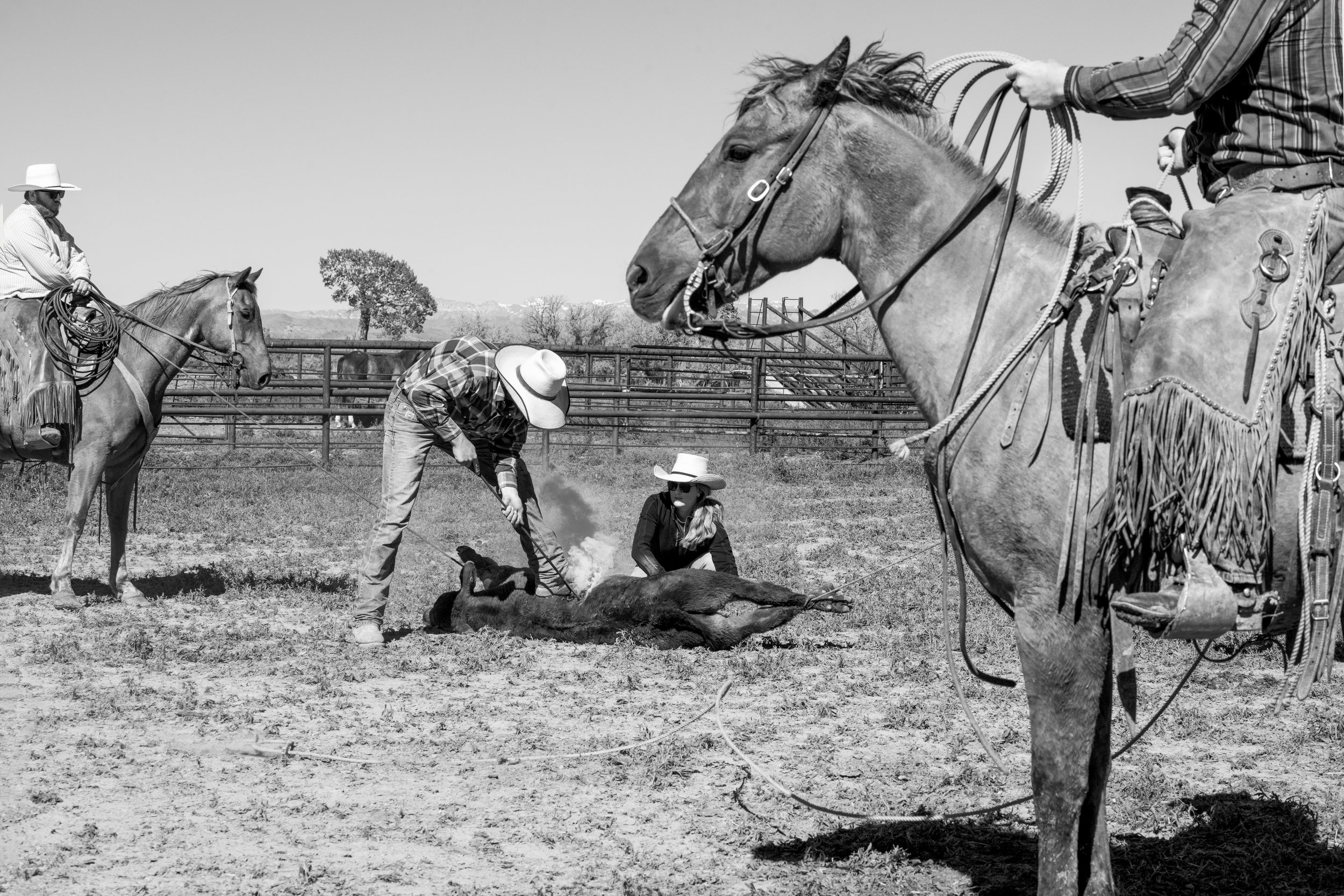
As a photographer, you try to be discreet and hide behind your camera, the idea being to make yourself forgotten. You don't want to scare a herd that has just been rounded up and is heading for the corral. Nor do you want to interfere with their work in any way. You have to constantly adjust to the light, the subject and your position to not disturb anyone.
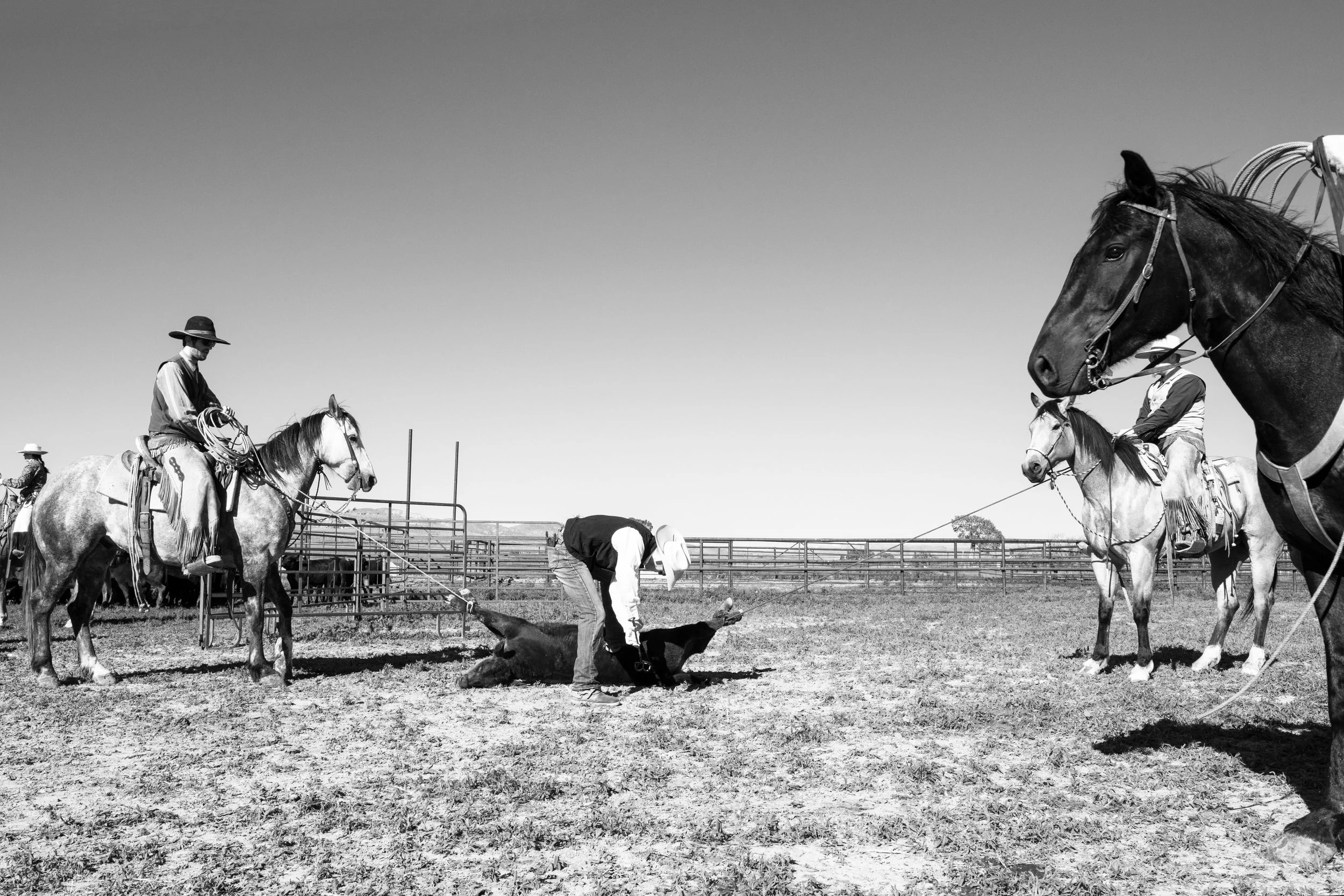
Landscape balance: How did you show both the people's stories and the big Wyoming landscape in your photos?
People, the Wyoming landscape and the sky are inseparable. I tried to include clouds in the images because they are very often spectacular and a subject in themselves, occupying a prominent place. And I tried to include as well as the Rocky Mountains in the distance whenever possible. This allows us to get an idea of the distances. And they are so beautiful, with highest peaks covered in snow, even in summer. Let’s remember that Wyoming is the least populated state of USA (except Alaska).
Patient photography: You mention finding a balance between patience and quick reactions. Can you give an example from the ranch?
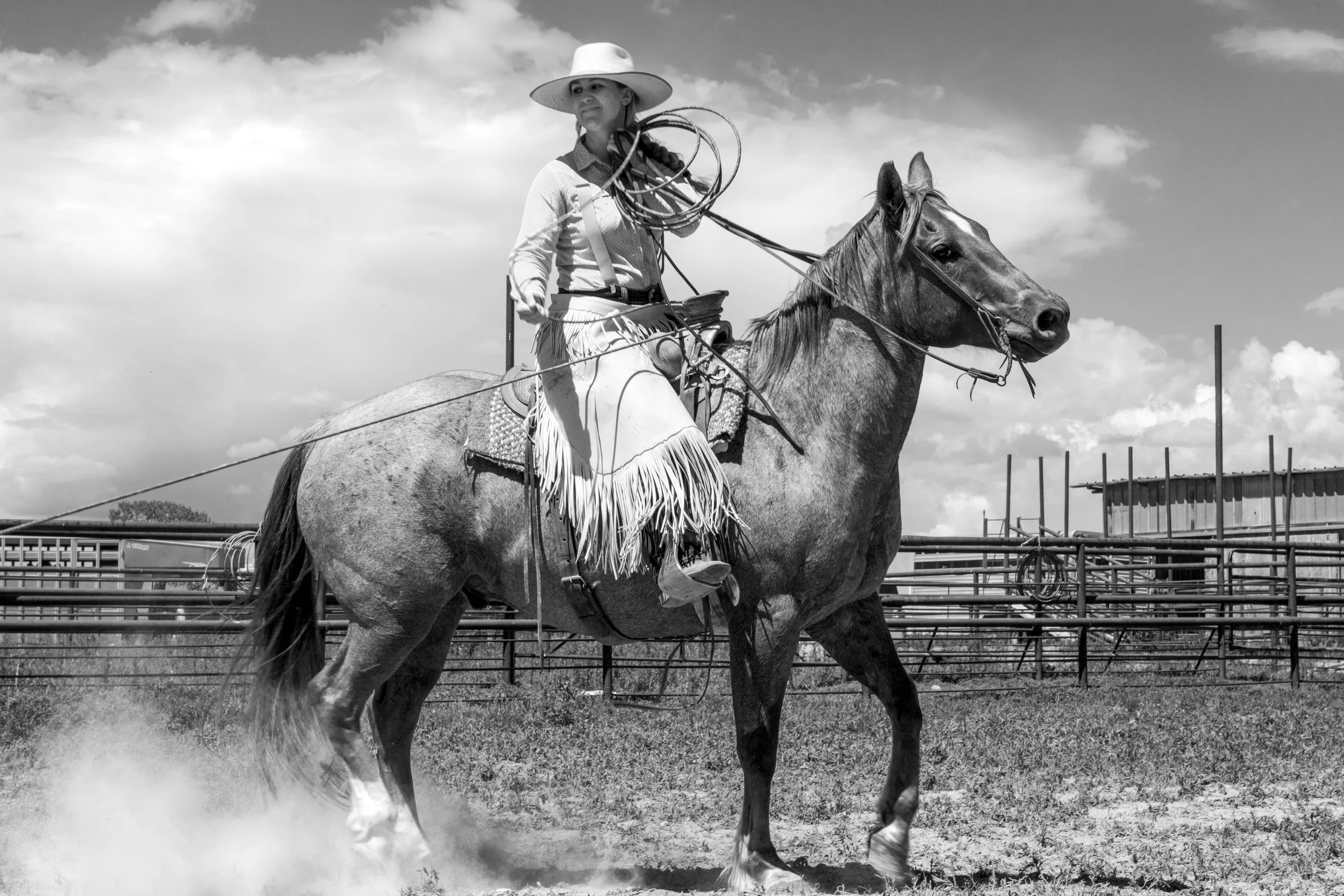
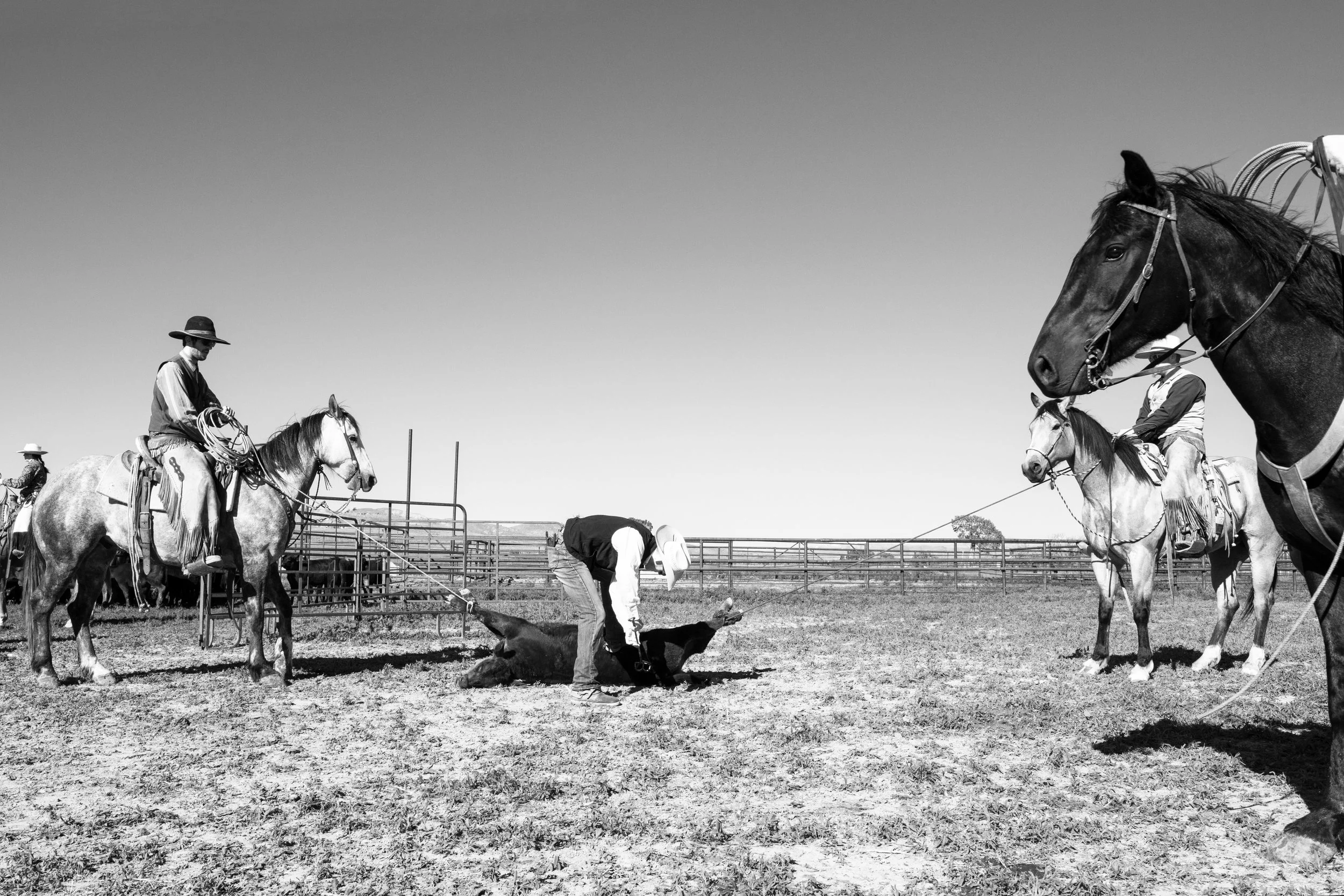
In ranch life, the moment when there is the most fast-paced and intense action is branding, which takes place in May or June. Cowboys and cowgirls focus on their teamwork. They work as a team with each other and with their horses, who are true working partners. It's a ballet, with lassos twirling, shouts and whistles, incessant mooing, all drowned out by dust. Cowboys on horseback catch calves with lassos so that others can vaccinate and brand them. Everything happens very quickly. It is possible to anticipate the scene, but the shooting must be released in a fraction of a second. Other scenes may require more patience, such as capturing a glance between a mother and her daughter for example. I would say that you have to wait for the right moment and act very quickly when it comes. To be on the lookout.
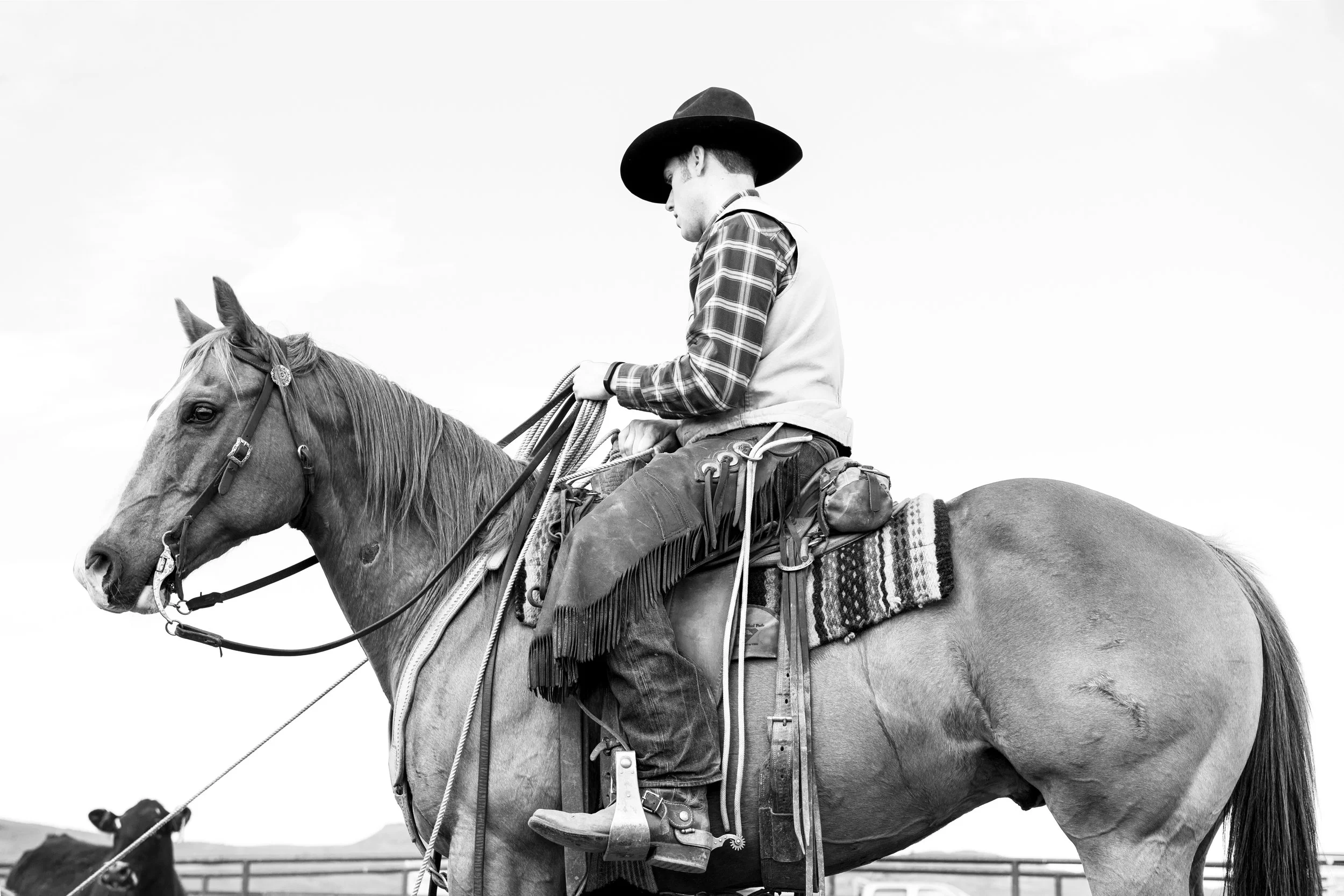
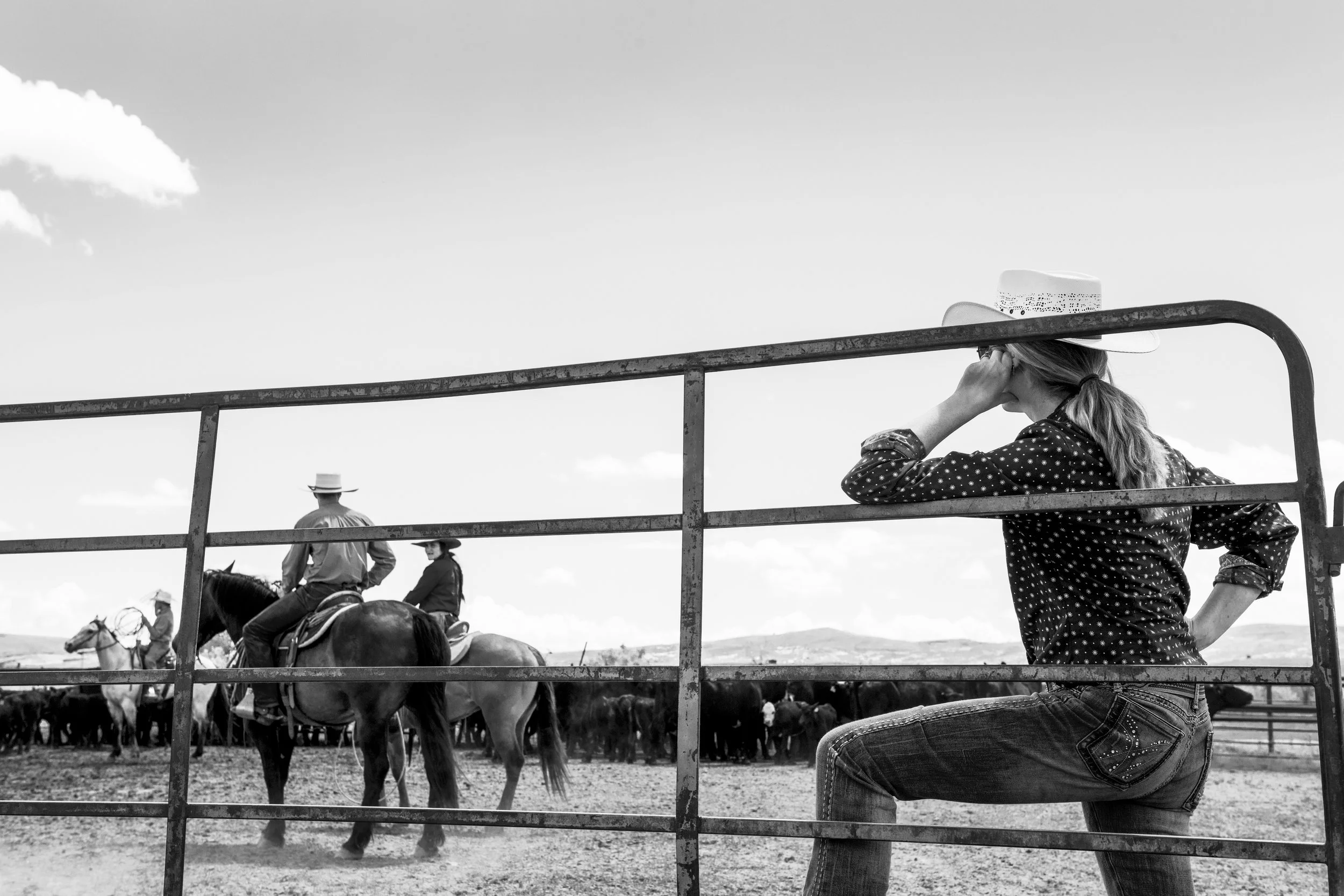
How do you actually position yourself during that chaos to get the shot?
Mostly behind the fences or climbed on a barrier. But always careful not to disturb.
Horse connection: After 15 years as a horse photographer, how did photographing ranch horses feel different from your earlier work?
When I was photographing for the equestrian press, it was always commissioned work. So I was sometimes able to stage scenes with riders and their horses or for portraits. In Wyoming, I always worked spontaneously. And even if some photos look posed, they are not. I just captured the moment as it happened.
Regarding the subjects in motion, it doesn’t matter whether they are riders in France or cowboys in the United States. There is no difference in the way I shoot, except that there is greater freedom when you are not subject to the demands of a magazine and when no one (except yourself) is wait- ing for your work.
To discover more about this intriguing body of work and how you can acquire your own copy, you can find and purchase the book here. (teNeues Verlag, Amazon)
More photography books?
We'd love to read your comments below, sharing your thoughts and insights on the artist's work. Looking forward to welcoming you back for our next [book spotlight]. See you then!
The past became visible once Richards learned where to look. For The Inner Passage, Virginia McGee Richards spent fifteen years photographing a waterway in the South Carolina Lowcountry. Photography Book Spotlight