Living Normally in an Abnormal Place: Pierpaolo Mittica on Photographing Workers, Families, and Faith Inside Chernobyl
Welcome to this edition of [book spotlight]. Today, we uncover the layers of 'Chernobyl,' by Pierpaolo Mittica (published by GOST Books). We'd love to read your comments below about these insights and ideas behind the artist's work.
What does everyday life look like inside Chernobyl?
For many people, Chernobyl still means empty buildings, danger, and silence. But this place is not only ruins and abandoned rooms. People work there, pray there, raise families, and grow old there.
Pierpaolo Mittica has been returning to Chernobyl for more than 20 years.
He first went there in 2002 and continued coming back again and again. Instead of focusing on disaster symbols, he focused on people who stayed, returned, or never really left. His long-term work became the book Chernobyl, published by GOST Books. In this interview, he explains how and why he chose to photograph life where the world expects only emptiness.
The Book
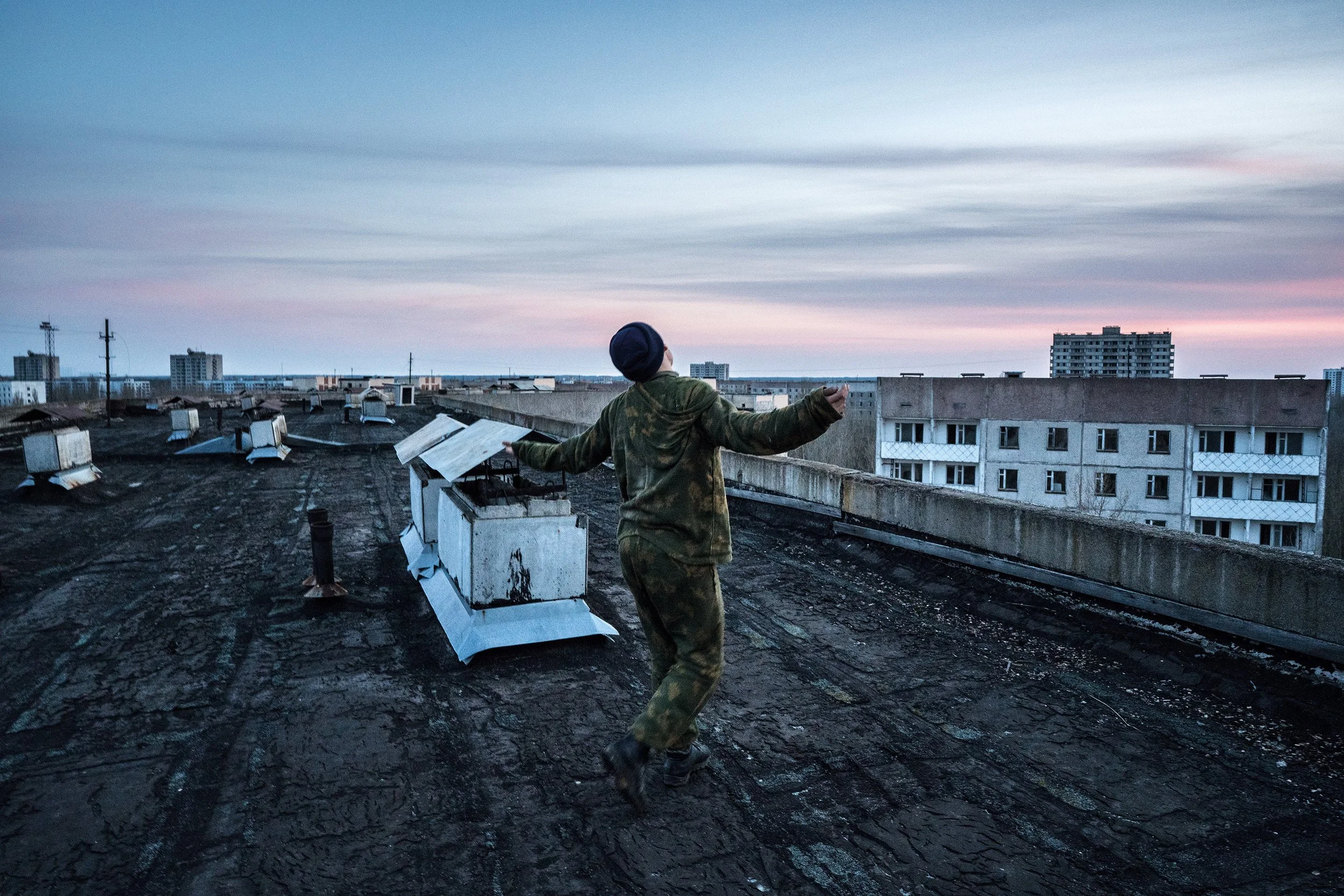
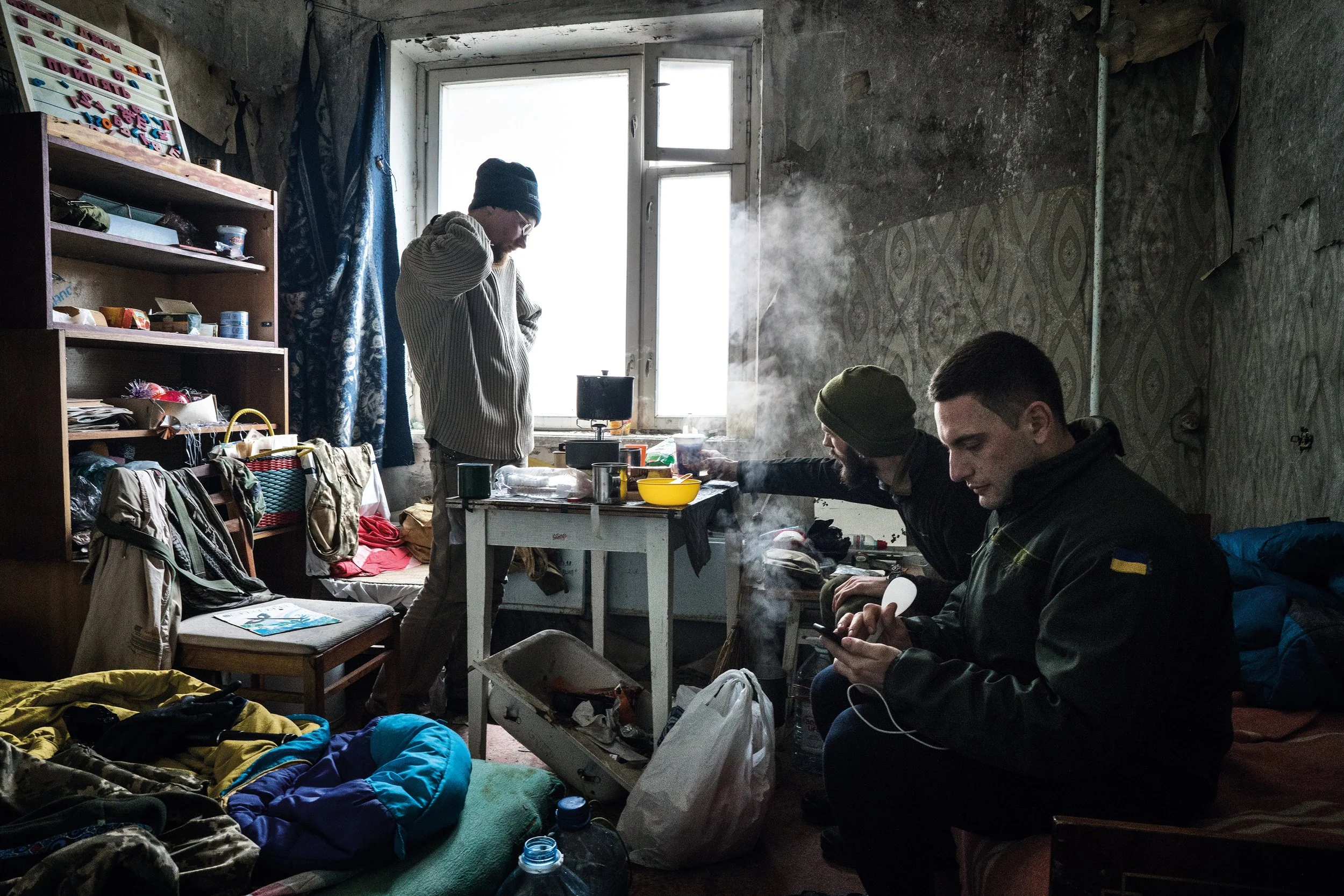
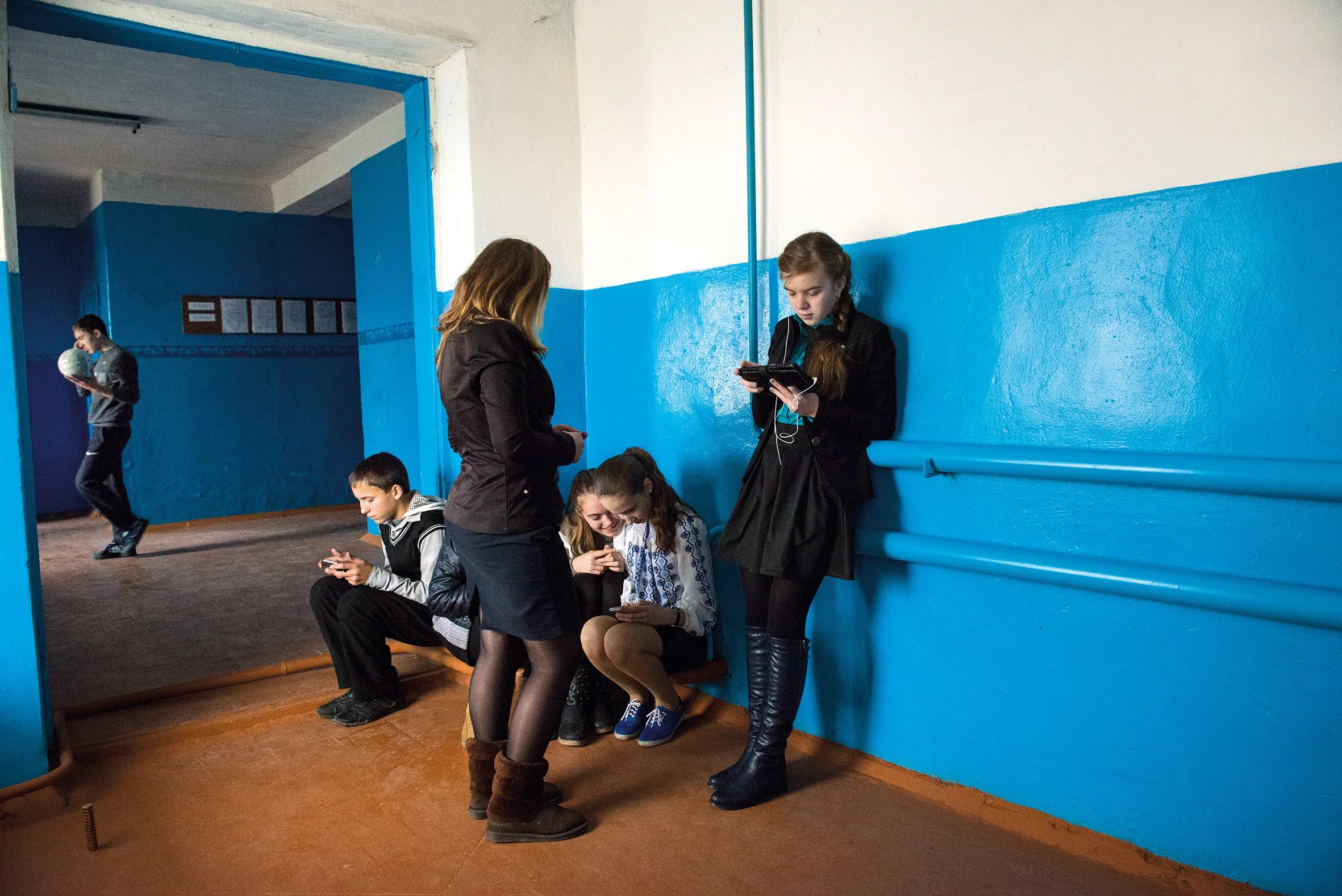
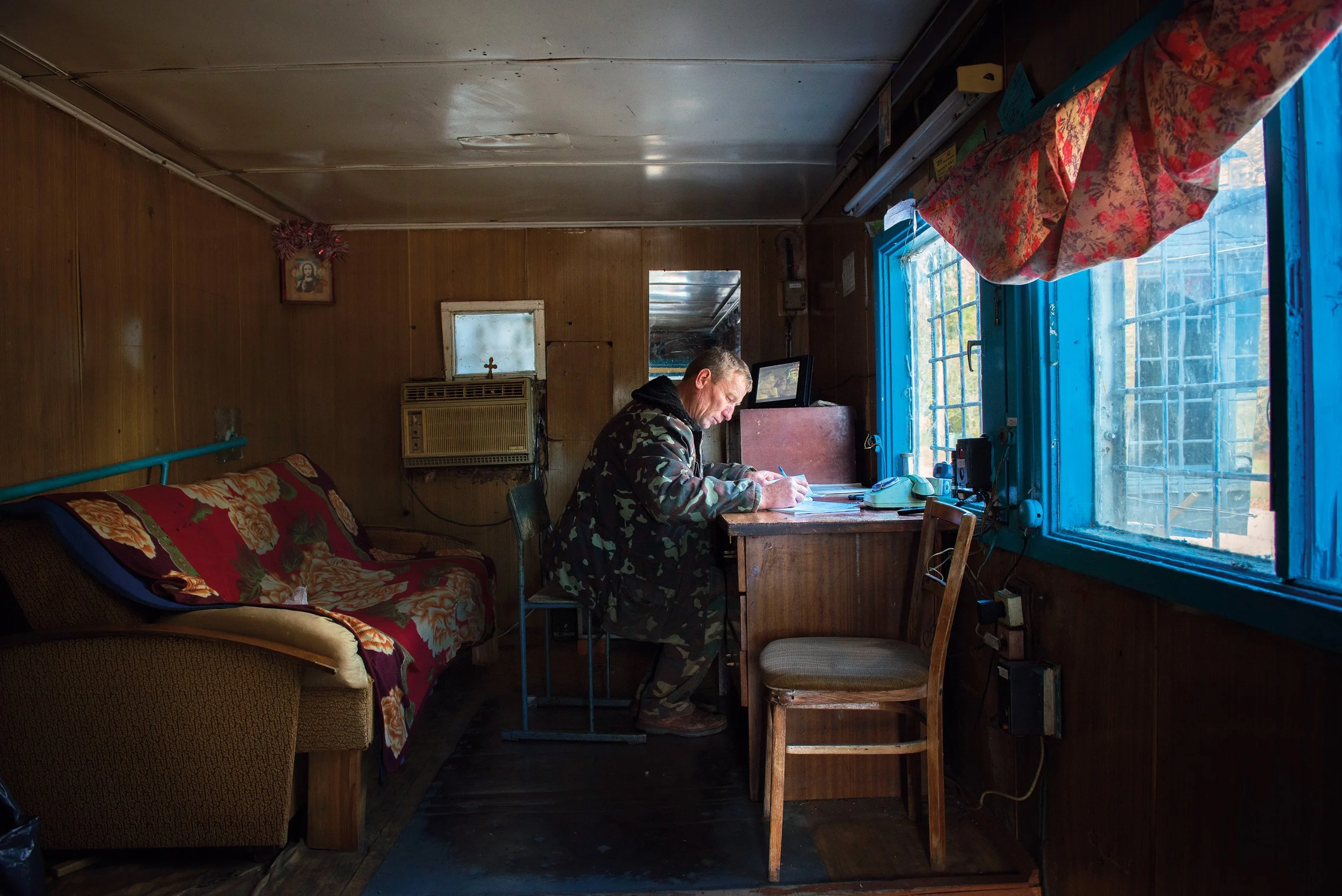
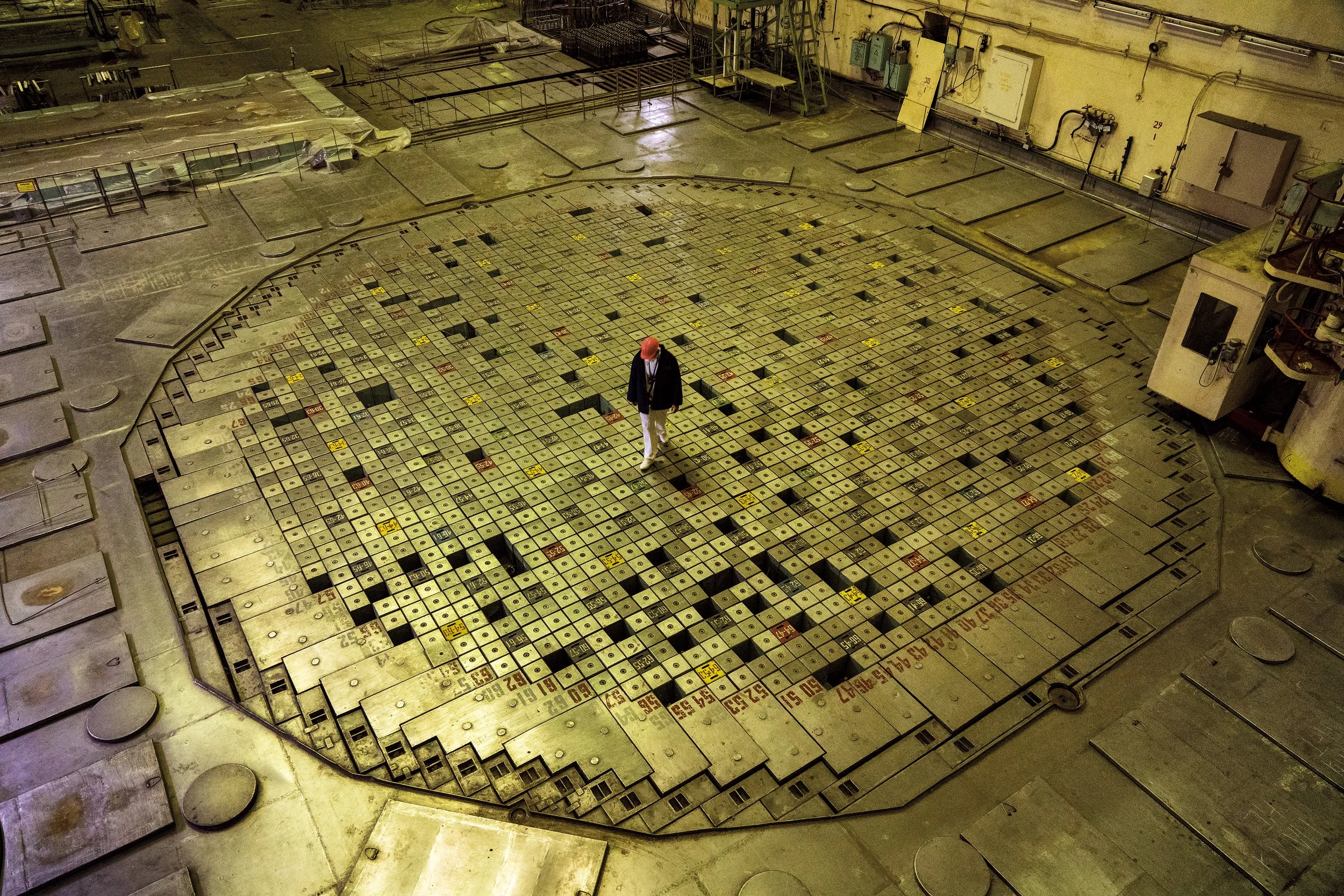
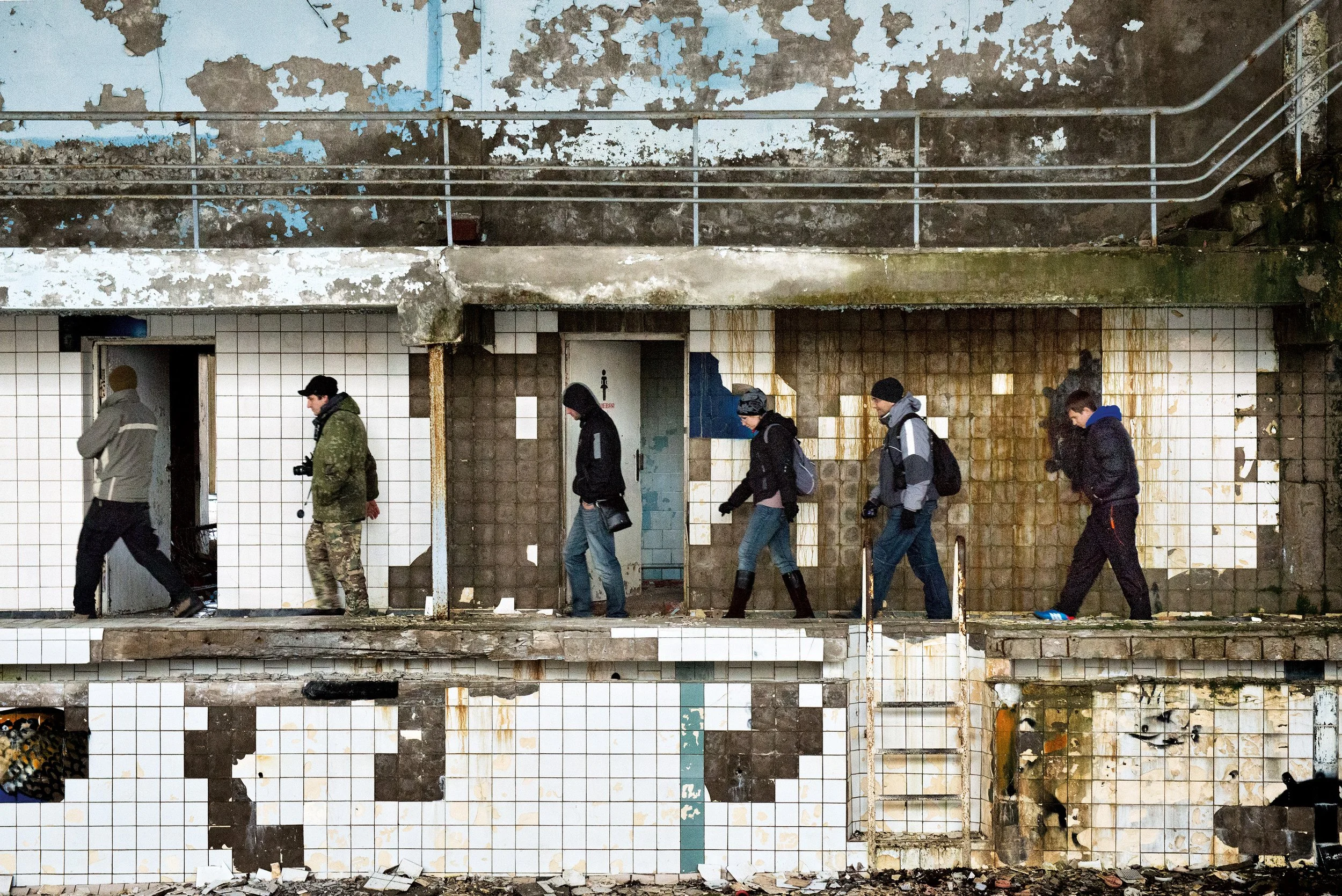
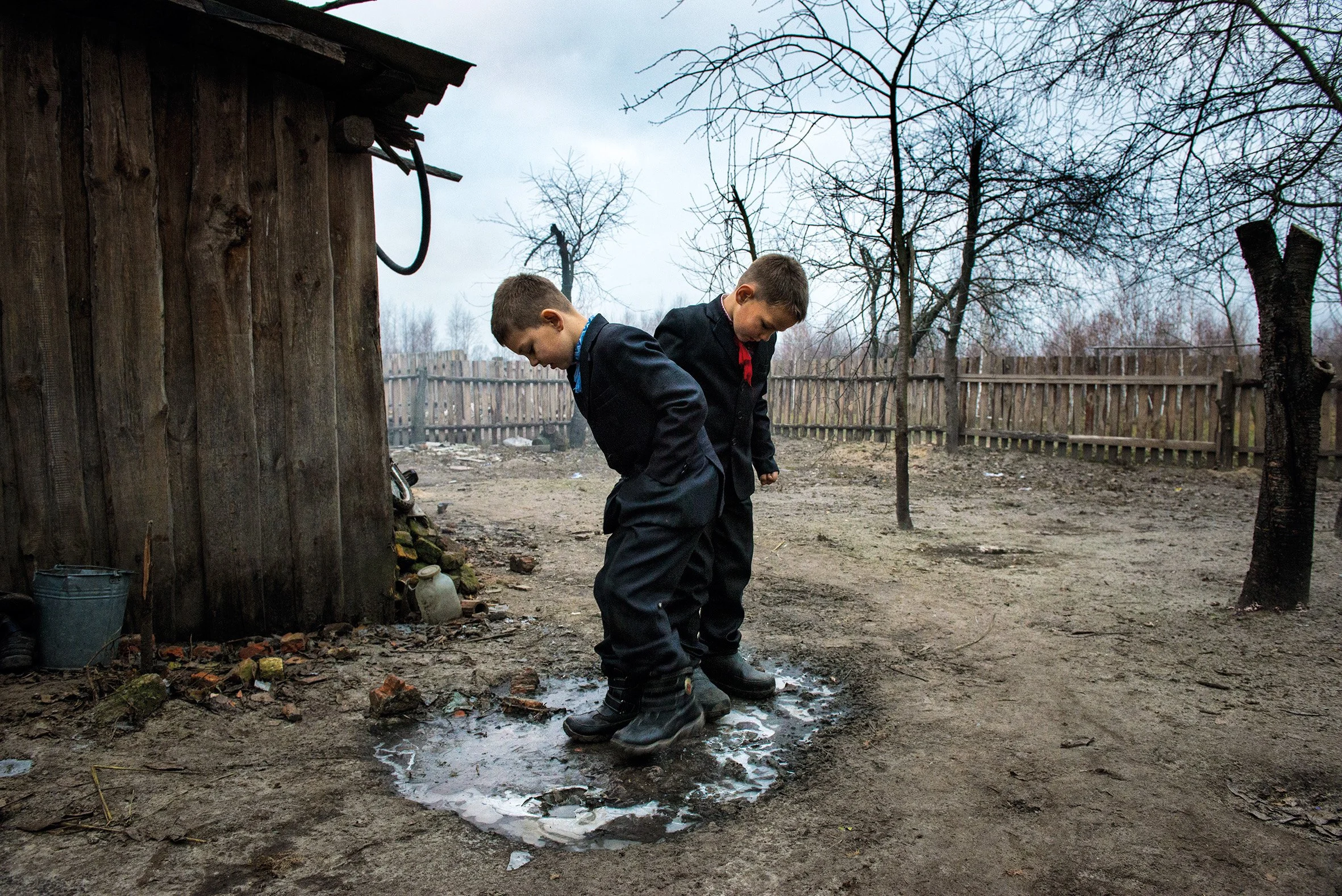
Chernobyl, a book by Pierpaolo Mittica published by GOST Books, is the result of more than 20 years of work inside the Chernobyl Exclusion Zone. Instead of focusing on ruins or abandoned buildings, Mittica documents the people who live, work, and pass through this radioactive landscape, from elderly resettlers and plant workers to soldiers, scientists, and pilgrims.
The book shows Chernobyl as a place where everyday life continues in quiet and unexpected ways. Through long-term commitment and close contact with the people he photographs, Mittica records a world shaped by radiation, history, and resilience, preserving stories that are slowly disappearing as time and conflict change the zone forever. (GOST Books, Amazon)
How did you get into photography?
I fell in love with photography at the age of 12 during a family holiday. My uncle, a professional photographer, gifted me a Polaroid and encouraged me to capture our trip. The instant magic of the Polaroid, the picture appearing right away, captivated me.
Around 1996, I transitioned into a professional photographer, starting with a project documenting the war in the Balkans. My uncle, along with many other photographers, taught me the craft, particularly under the guidance of Walter Rosenblum, who became my mentor. As a film photographer, I learned darkroom techniques, a tradition I carried forward. However, like many others, I eventually switched to digital around 2006 or 2007.
My career shifted from focusing on social issues to primarily addressing environmental concerns. I realised pollution is our greatest challenge, threatening our planet and our home. Today, my projects tackle both environmental and social issues, recognising their interconnectedness. People live in polluted areas, and their stories are inextricably linked to the surrounding environmental devastation.
Walter Rosenblum was your mentor, a spiritual father in photography. What specific lesson did you learn from him that shaped how you approach long-term documentary projects?
I met Walter in 1996, and we became dear friends from that first meeting until he passed away. He taught me everything: technique, darkroom work, approach in reportage, and storytelling. But the most important lesson concerned how to deal with people in difficult situations.
This is the most crucial aspect of being a photographer: having respect for the people you're photographing, respecting those who are suffering, and being honest with them. That lesson shaped everything about how I work today.
Why did you decide to photograph Chernobyl? What made you interested in this place?
My first trip to Chernobyl occurred in 2002 after a chance meeting at dinner. The president of an Italian NGO that had brought Chernobyl children to Italy was describing the situation in Belarus. I realised I knew almost nothing about what he was talking about and my curiosity was piqued.
That initial trip with the NGO to Belarus revealed that Chernobyl transcended its local origins. It was a massive international issue involving nuclear energy politics and economics. From 2002 to 2007 I embarked on my first project documenting Chernobyl, which was later published as a book by Trolley in London. This project explored the far-reaching consequences of Chernobyl: environmental damage health impacts political ramifications and economic effects. It emphasised that Chernobyl’s impact was global, not just a Ukrainian or Belarusian problem.
After a hiatus, I returned to Chernobyl in 2014. I felt compelled to tell other stories beyond the health and environmental issues. I wanted to capture the lives that existed within the exclusion zone.
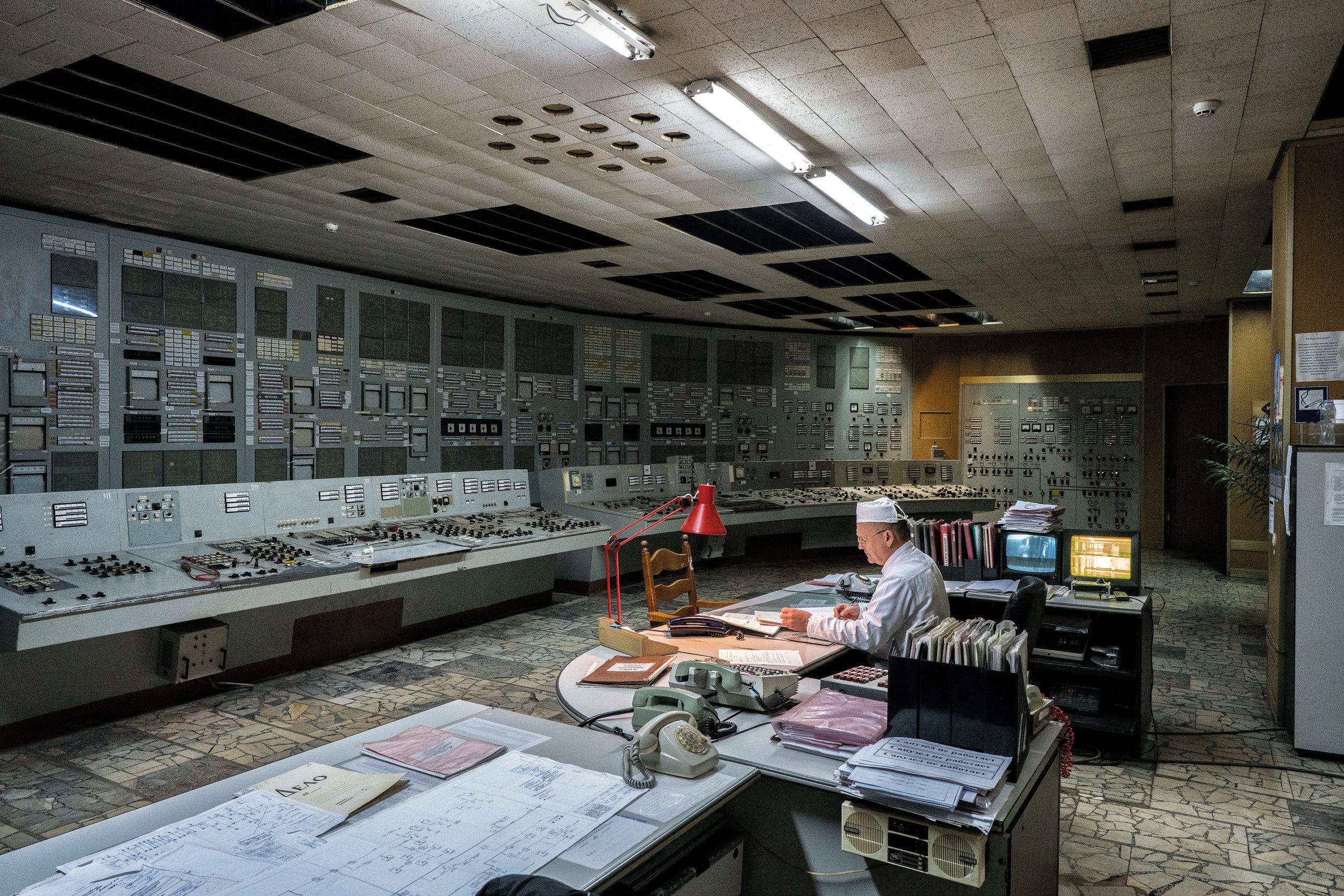
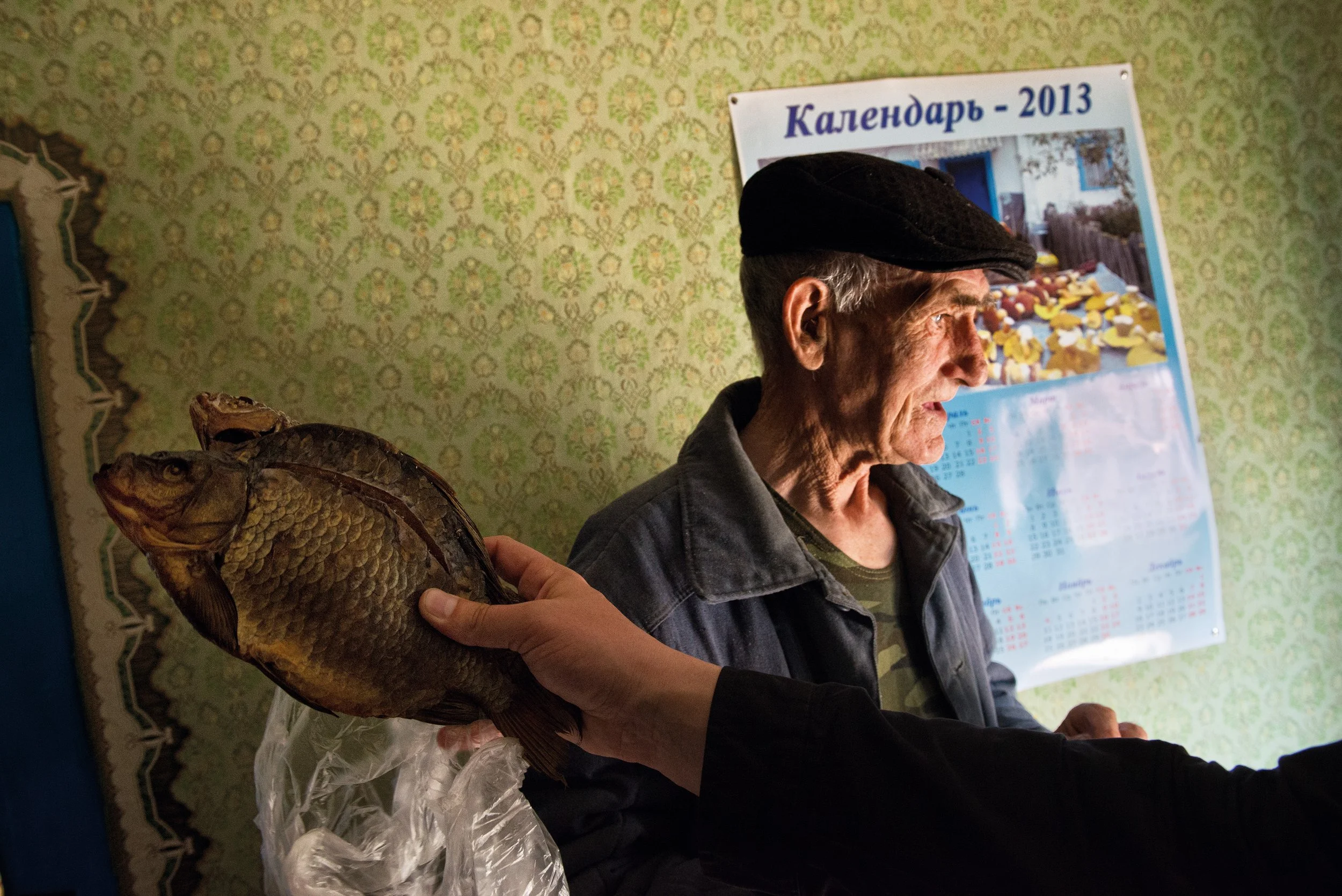
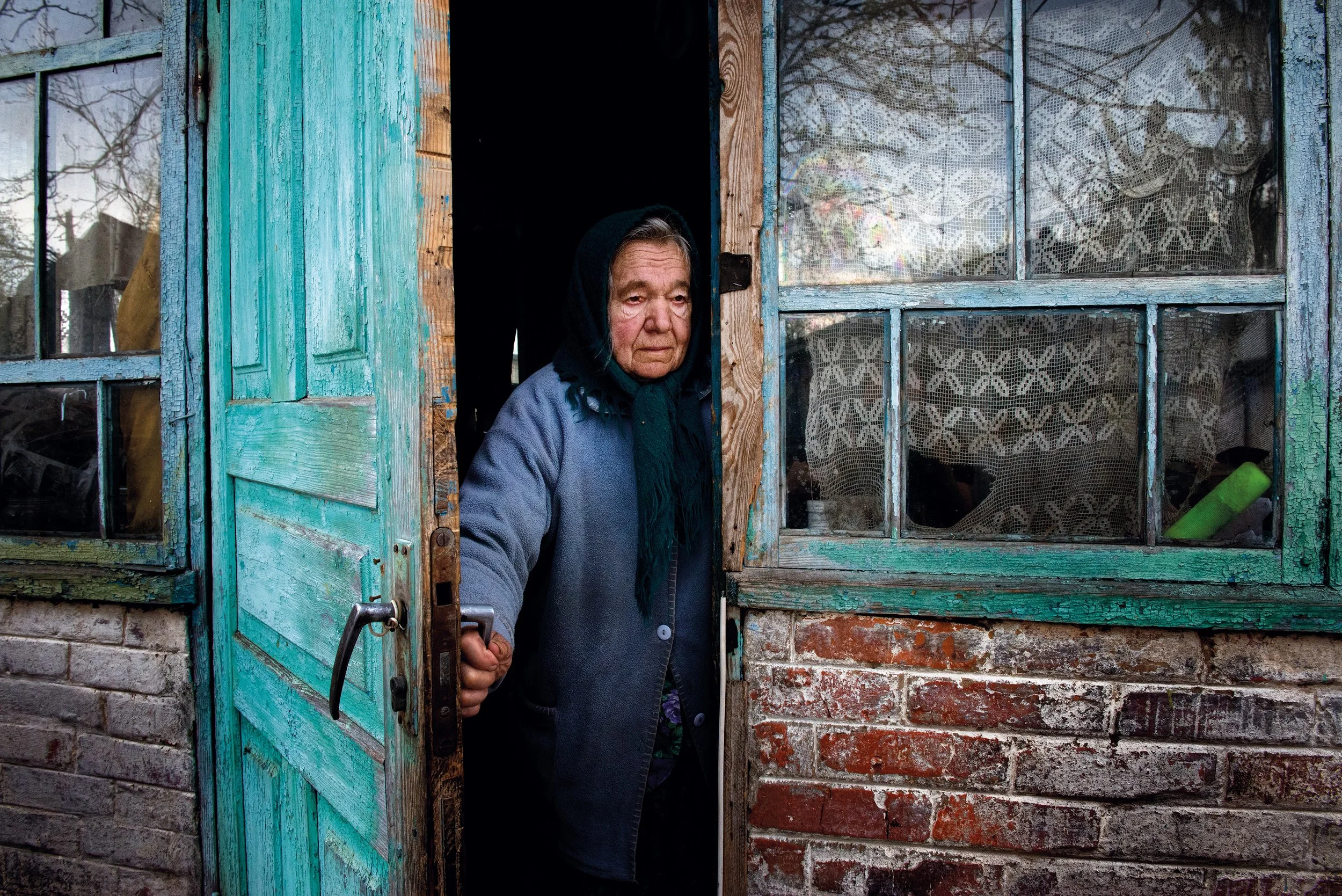
Many people worldwide consider the Chernobyl Exclusion Zone a dead, abandoned place. That's completely untrue. The zone is full of life. Four thousand people work inside the zone every day in 15-day shifts, maintaining security and operations. There are also the resettlers, elderly people who never left. At the beginning there were 1,200; now perhaps 10 remain.
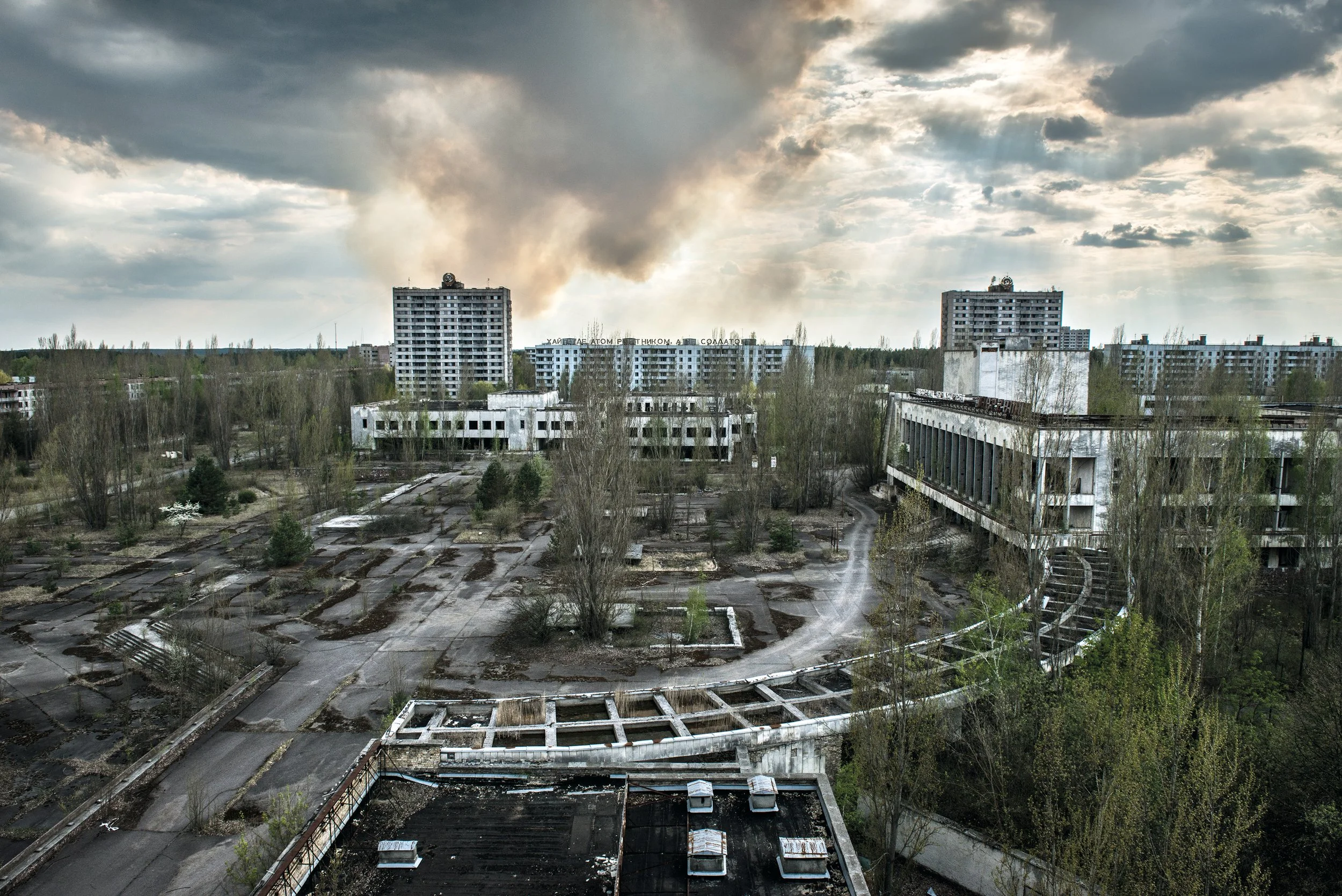
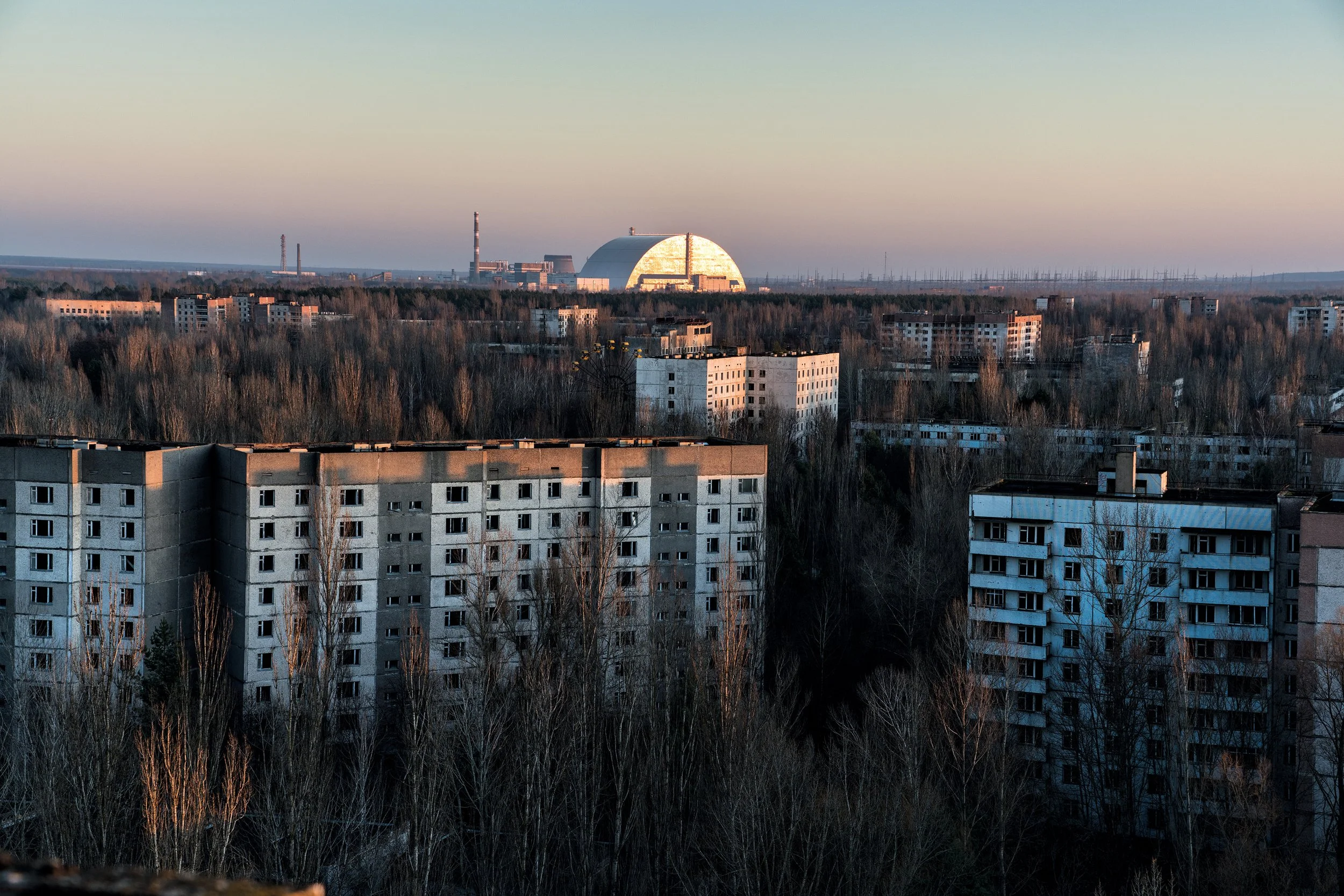
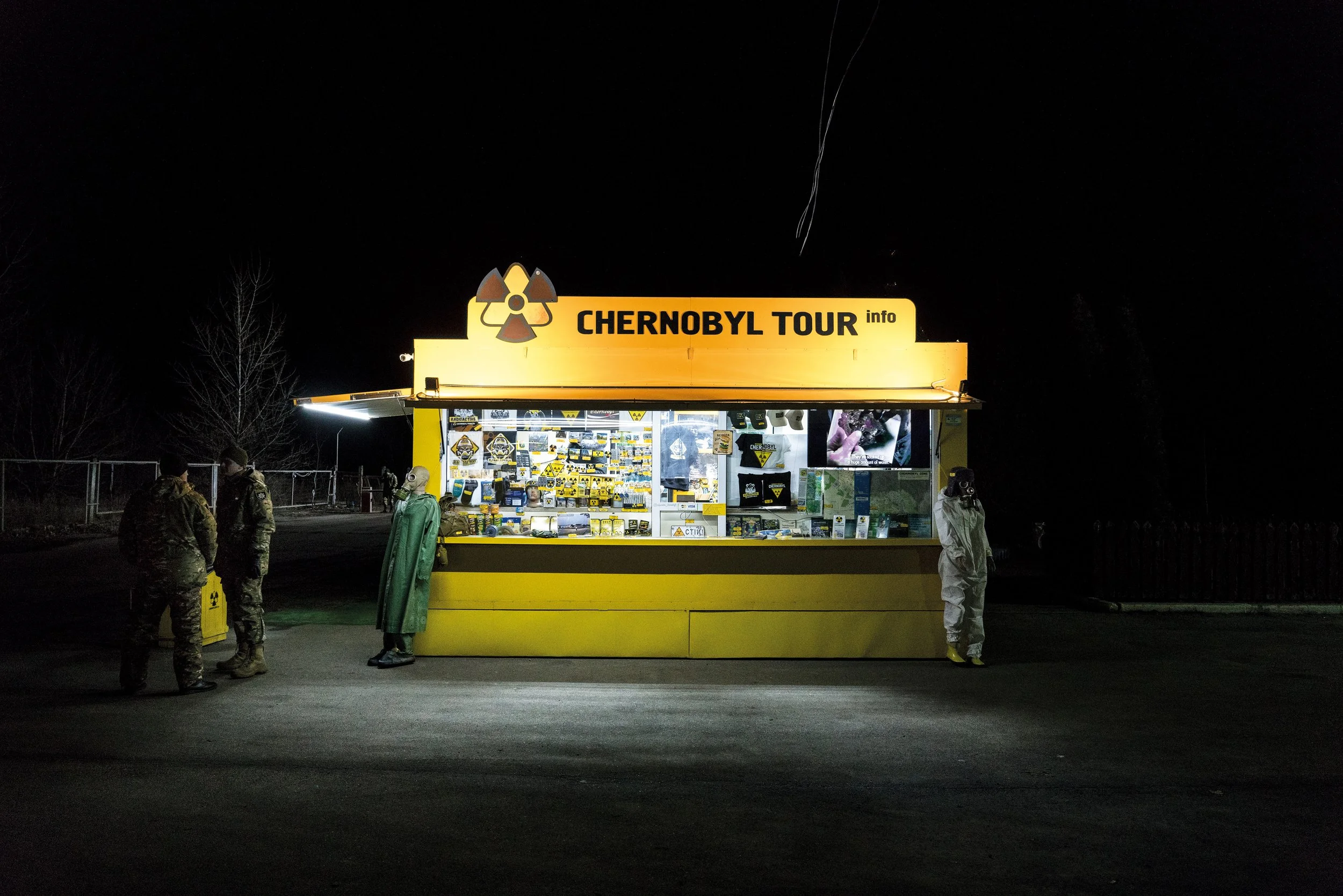
Chernobyl city serves as the main hub of the zone. This small city now has 4,000 people compared to 14,000 before the accident. It has everything necessary for normal life: markets, shops, a church, post office, gym, and cultural center. It looks like a normal Ukrainian city existing in a totally abnormal place.
This fascinated me profoundly. There is life thriving where life should be impossible. Despite the contamination and radiation, despite being an exclusion zone, it pulses with life. I began documenting this paradox.
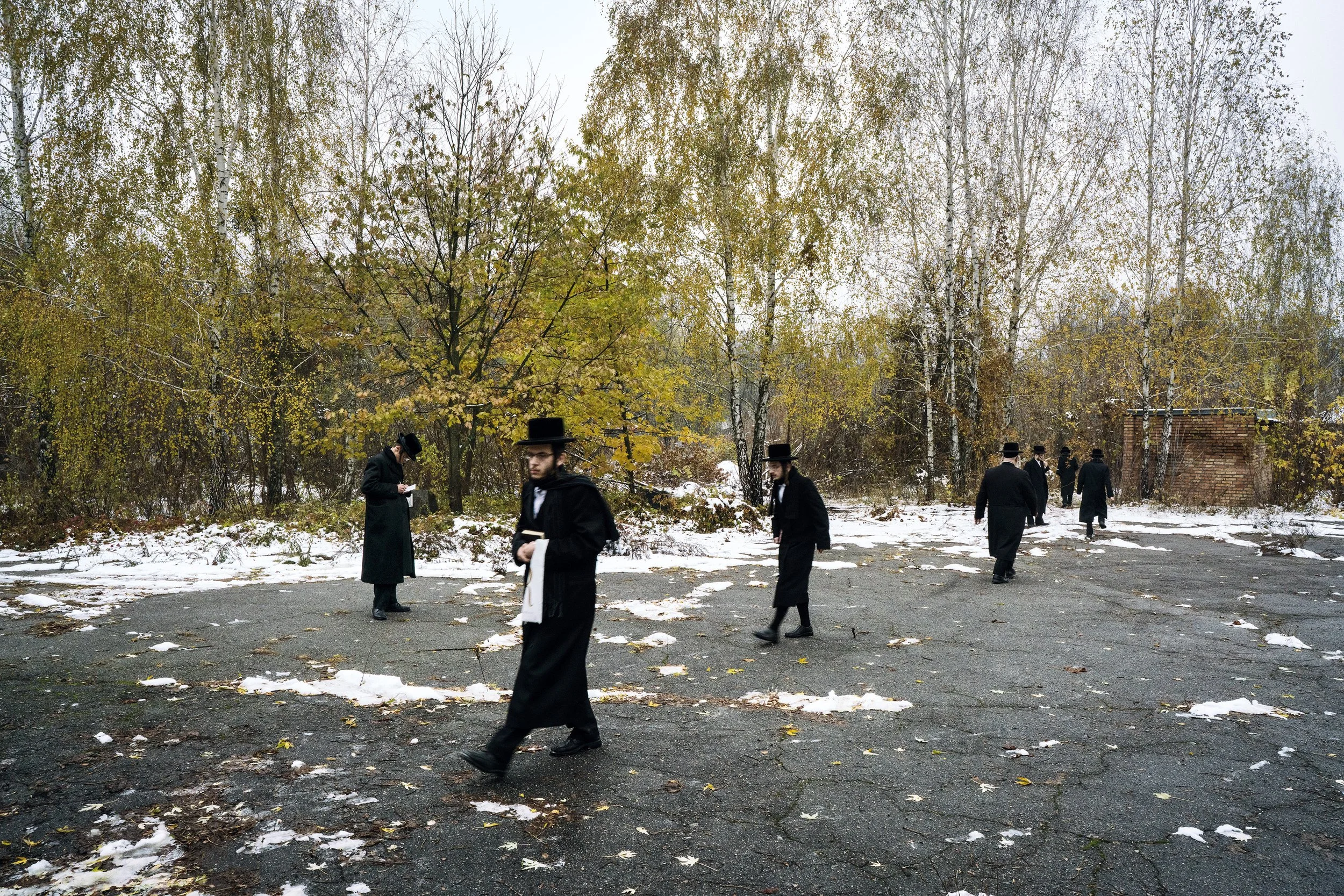
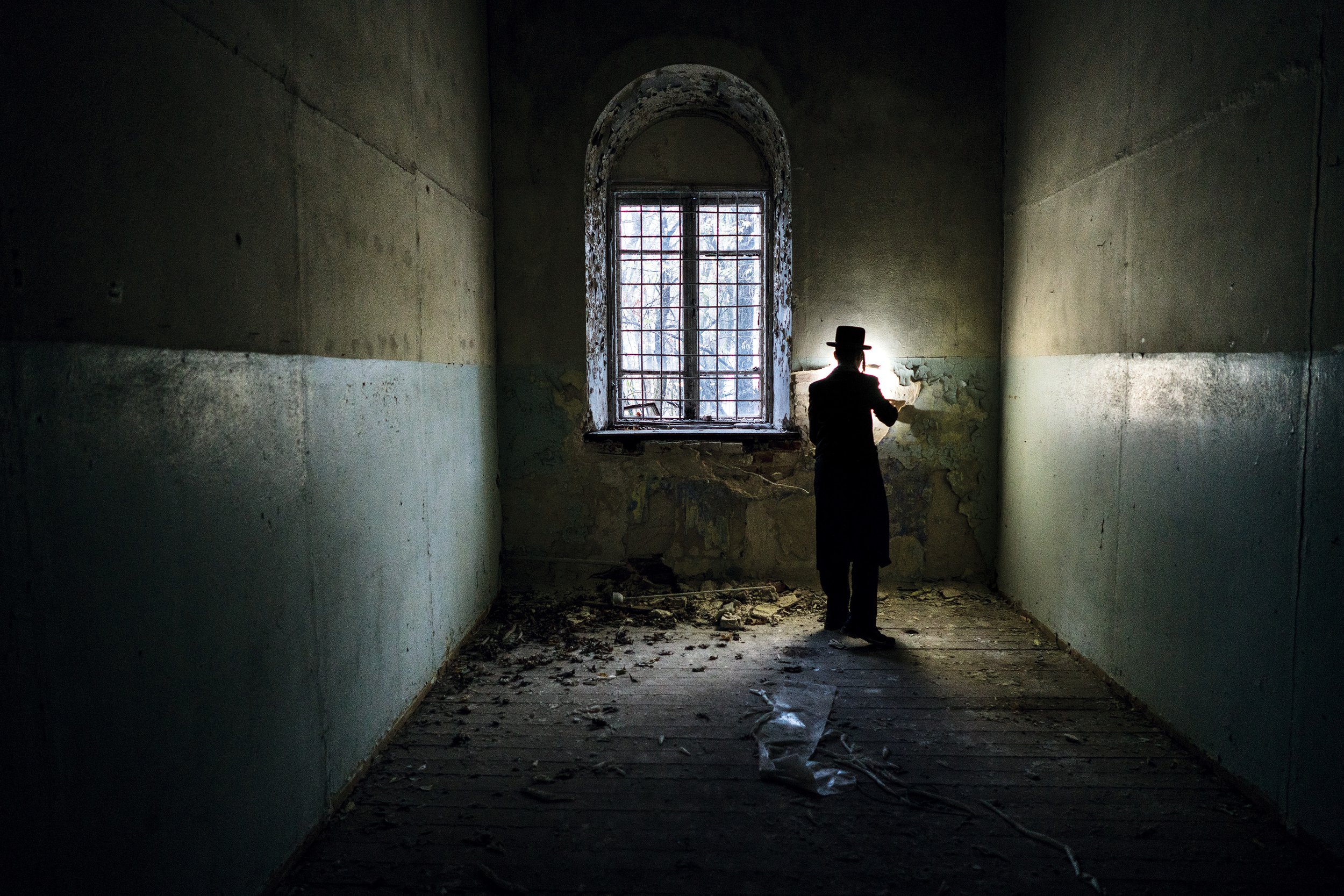
Through staying there long-term, I discovered stories you can only find by investing extensive time in a place. One story I particularly loved documenting, and was the first to photograph, was published in National Geographic and other magazines worldwide: the story of the Hasidic Jews of Chernobyl.
I discovered it while documenting the recycling of contaminated metals. My guide insisted we return immediately to Chernobyl city because the Jews were coming. During the drive back, he explained something remarkable.
Chernobyl has a profound history that existed long before the accident. Founded in 1196, the city became the birthplace of Hasidic Judaism in the 17th and 18th centuries. The founder of this important branch lived in Chernobyl, and from there the movement spread worldwide to become one of Judaism's most significant branches.
Before World War II, Hasidic Jews made annual pilgrimages to the tombs of the founders: the father and his two sons. That tradition continues today. Every year, hundreds of Hasidic Jews come to perform this pilgrimage.
This story proved important because it connects the place with its history. It illustrates how radiation erases not just the earth and environment, but also the history and memories of a place. After the accident, everything changed. The history and memories were completely transformed and largely forgotten.
Radiation is invisible and cannot be seen through a camera. How do you show something invisible in your photographs?
This question occupied my mind from my first trip in 2002. How do you show the invisible? How do you photograph what doesn't exist for your eyes but profoundly affects health, physics, and everything else?
You need to make the invisible visible. This requires photographing differently. You need to create pictures layered with meaning: pictures that relate to the place, to its history, to what remains, and that spark imagination in viewers. You must work extensively with symbols.
Beauty matters enormously. I believe beauty is crucial in photography, especially in reportage, because only a beautiful photograph captures people's attention. This matters for the story you're trying to tell.
In my view, three elements make a powerful photograph. First, the document: what you're photographing and its importance. Second, the composition: the beauty of the photograph, the perfection of its construction. Third, the soul of the photographer: what you personally invest in the picture.
Only pictures possessing all three characteristics endure. The historically important photographs all share these three qualities, distinguishing them from countless others. If you have only documentation, viewers forget the picture within a month. It won't lodge in memory. Beauty matters, even in difficult, sad, or dramatic situations.
The right composition elevates a picture and reaches people who aren't particularly interested in photography. It catches their attention and draws them into the story.
How do you imprint yourself into those photos of Chernobyl? Is there something you deliberately focus on, or do you see patterns in your work?
When I work, I remain very free with my feelings. Some photographers advocate controlling emotions constantly, staying cold and avoiding too much personality or feeling in their work. I disagree completely.
A photographer must pour all his feelings into the picture. When I'm working in the field, I become deeply involved emotionally. The picture I sent you represents a powerful emotional involvement for me because the situation truly captured me. I always want to be caught by the situation, by the story I'm documenting.
So rather than being objective, you believe you should be subjective about what you feel and how you see the situation?
Photography cannot be objective. There is no such thing as objective photography, nor should there be. We are photographers with our own personalities, feelings, and cultures. We must be subjective while maintaining integrity in our message.
Ethics matter enormously. We must provide correct information about the situations we document. But we must absolutely invest our personal feelings, our personal eye, because every photographer has a unique vision that must always come through. Without our personal perspectives, all photographs would look identical regardless of who took them.
There's this photo of Yuri cleaning radioactive metal. It looks like normal construction work until you understand what he's breathing. Was showing normal life in dangerous circumstances your intention?
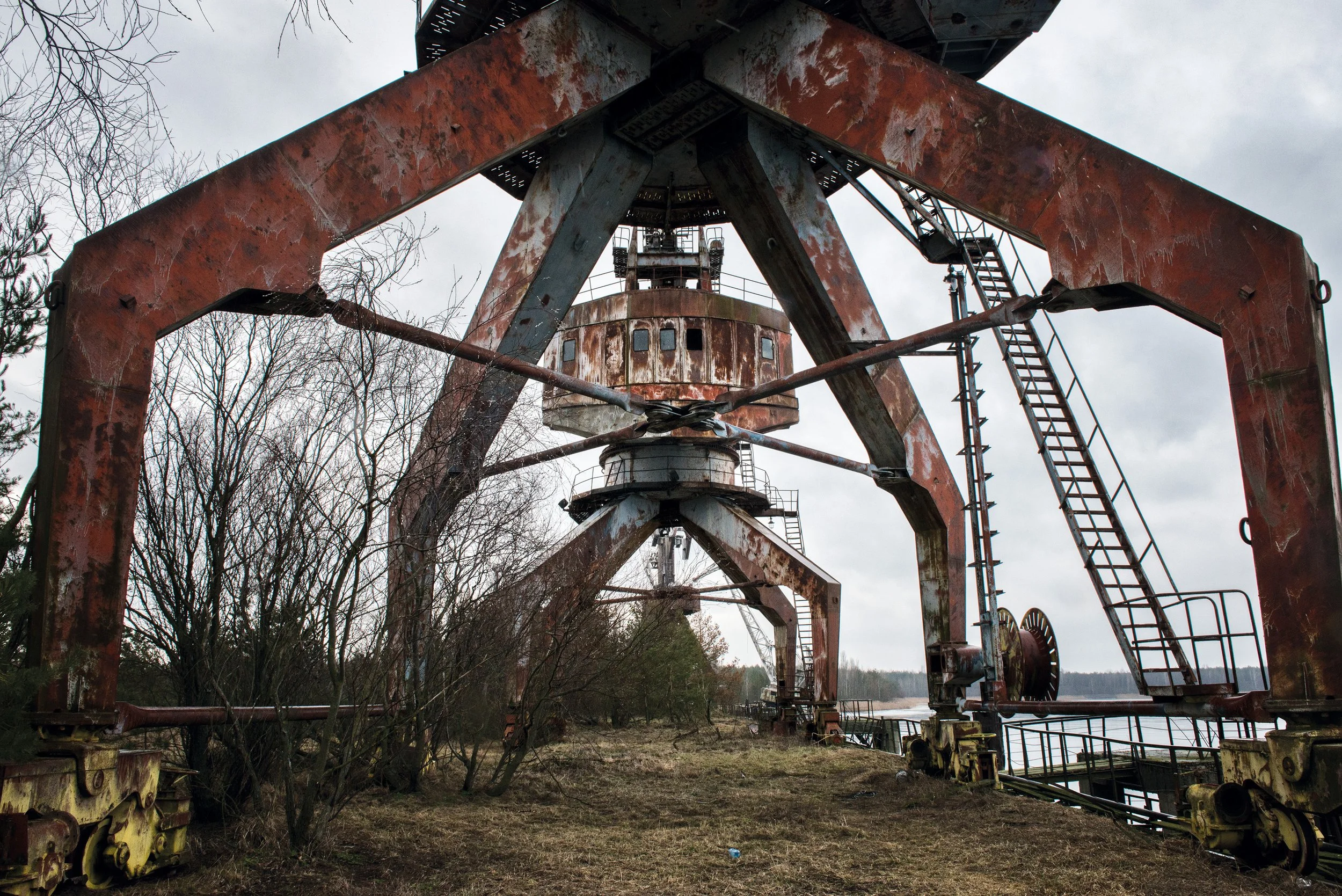
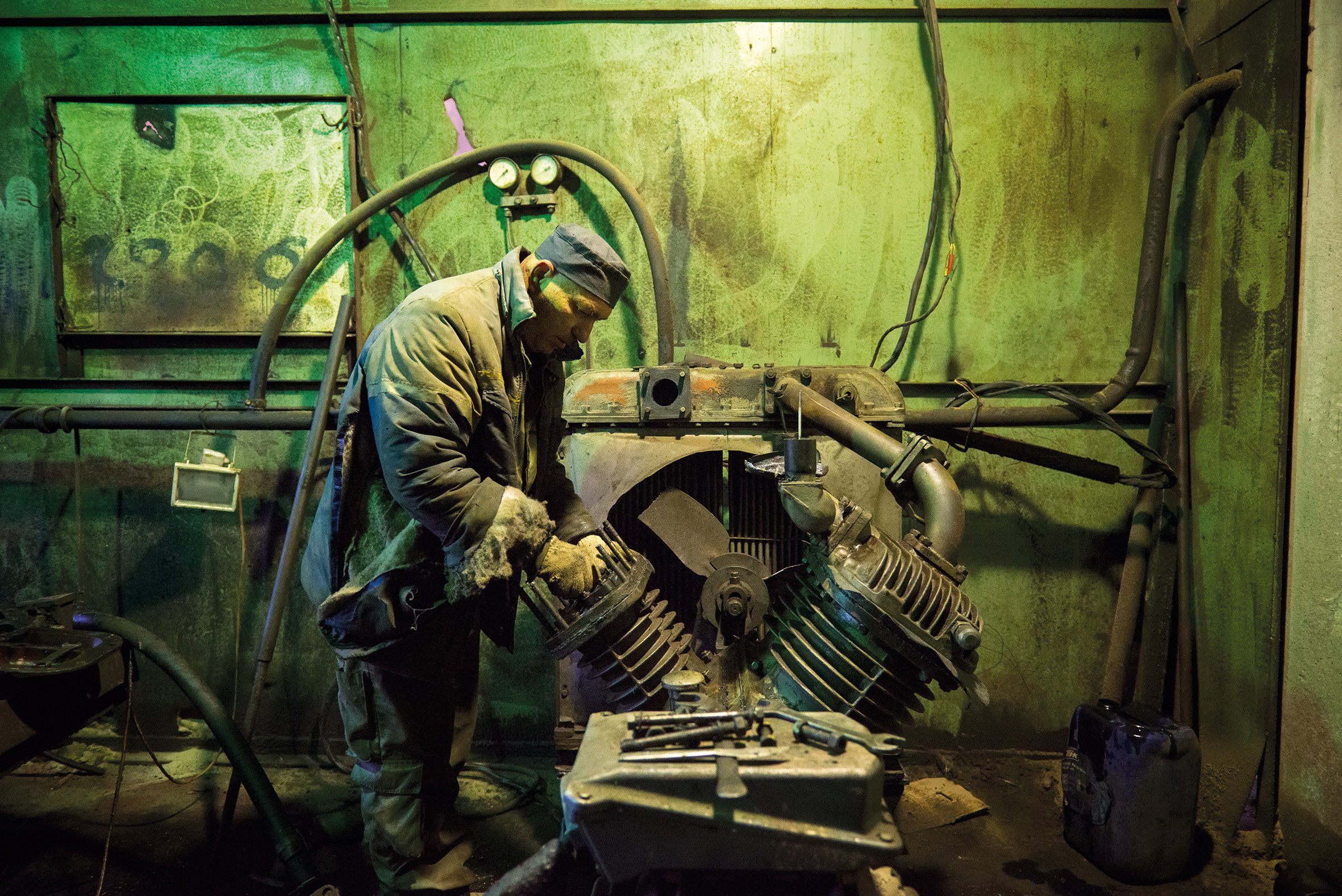
Yes, because that reflects reality. This job involves recycling radioactive metals. It's extremely dangerous work in an extremely dangerous place performed by 12 people working there daily. Yet they live completely normal lives.
I stayed with them for many days. To them, it appears as normal work. They arrive at work, cut metals, take breaks, eat, drink, joke, and go home at day's end. They shower and go home. Everything seems like normal life, but it exists in a completely absurd place.
The location is saturated with contamination. The greatest risk comes from breathing radioactive particles, and they breathe them all day long. Protective equipment exists, but they mostly don't use it. Working eight hours daily in heavy, restrictive protection is extremely difficult, so mostly they work without it.
In that picture, Yuri wears a mask protecting only against sandblast, not against inhaling radioactive particles. I wanted to show that this represents very hard work under very hard conditions, yet it's performed by people who consider it normal work.
I always ask them: aren't you afraid of the radiation? There's so much pollution in the air here. They always respond the same way: at day's end, we drink vodka and vodka cleans everything. They genuinely believe vodka cleanses contamination. They believe in destiny. If you're meant to die, you'll die. If you're meant to live, you'll live. There's tremendous faith in this perspective on life.
The Samosely are the elderly people who never left. What did you learn from them about living with this invisible danger every day?
I learned tremendously from them. When I started this work in 2003, there were many. Last week in Chernobyl, I visited some of them. Several I'd met had died. I could only meet three on this trip because so few remain, perhaps 10 alive today.
They're extremely old. Maria, whom I met, is 94 years old. She lives in Kupovate village completely alone in a completely abandoned village. She insists on living there, even through harsh Ukrainian winters. She wants to stay.
All the Samosely share this determination. From the beginning, they wanted to live on their lands because they're bonded to their land. They love their land, they love the place where they were born. They refuse to live elsewhere, even facing extremely difficult circumstances, complete isolation from the world. What they want is to live there.
This taught me the most important lesson: love for the motherland, love for ancestry, love for the house where they live. They managed to survive there and lived long lives. Most died at very old ages, 70 to 90 years old, primarily because the villages where they live aren't highly contaminated. Contamination in the zone exists in spots: some places are heavily contaminated, others mostly clean. Most villages where they live have relatively low contamination levels, even though they eat contaminated food daily.
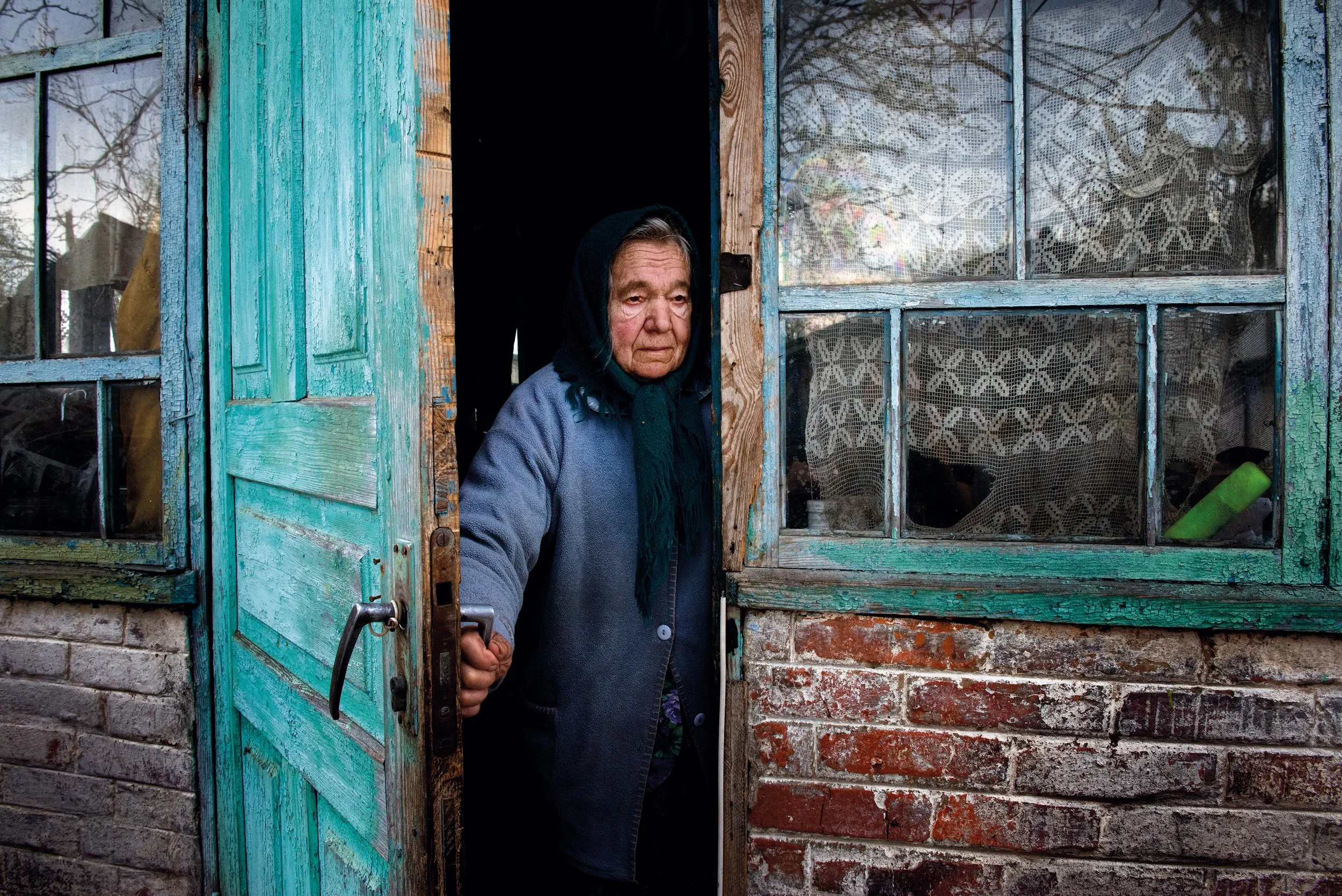
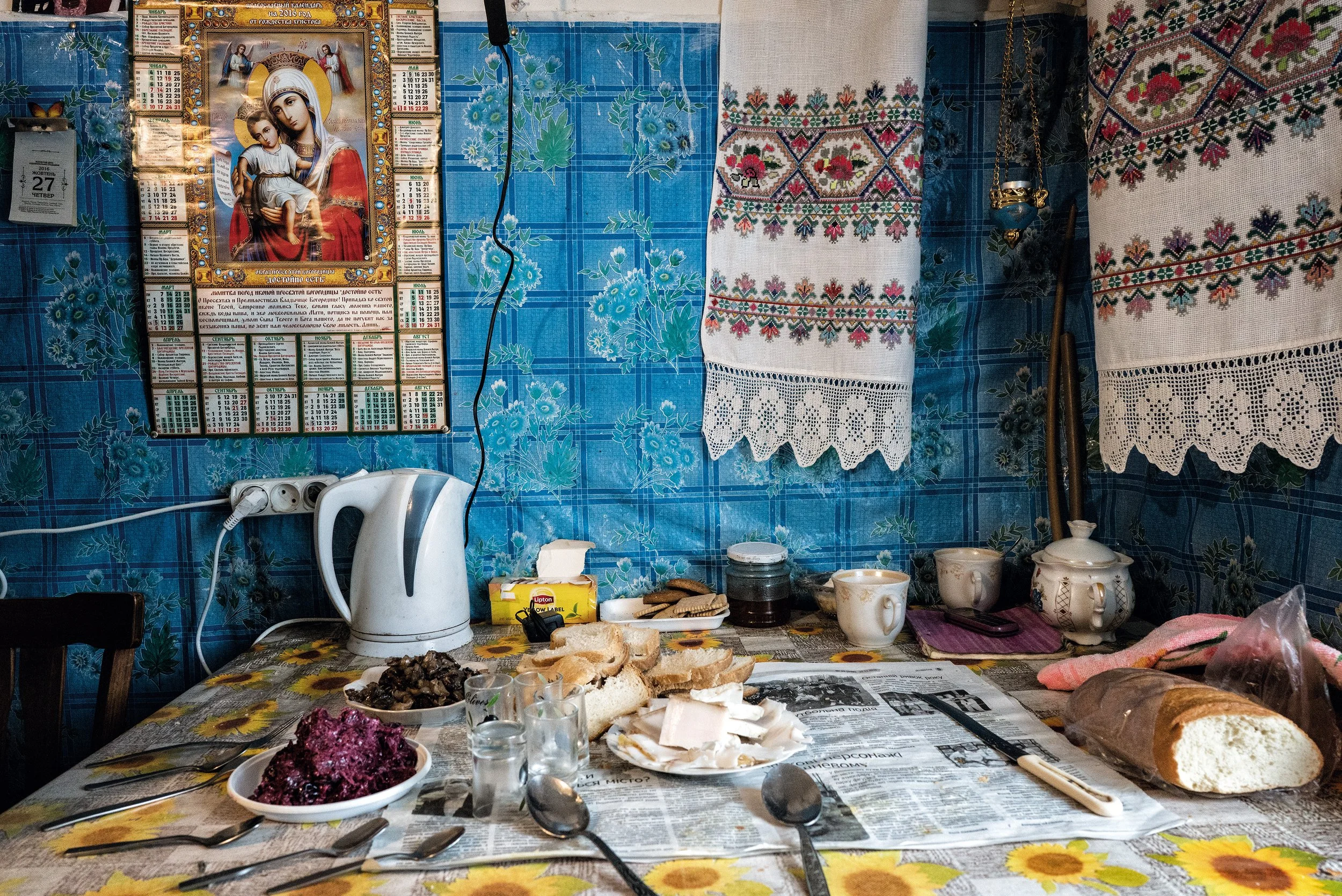
Last November we visited Samosely in Chernobyl city and he offered us dinner. We ate because his cooking was wonderful and declining would have been impolite. Afterward he presented laboratory test results claiming everything was clean based on previous week’s checks.
My guide translated the results, revealing that all the food was heavily contaminated. He didn’t realise this because he doesn’t care. Living in such a place makes constant fear impossible. Psychologically, constantly fearing something becomes untenable. You begin to forget the problems contamination radiation and food. You live a normal life in an abnormal place, demonstrating the resilience of these people. They resist everything because they absolutely want to live there.
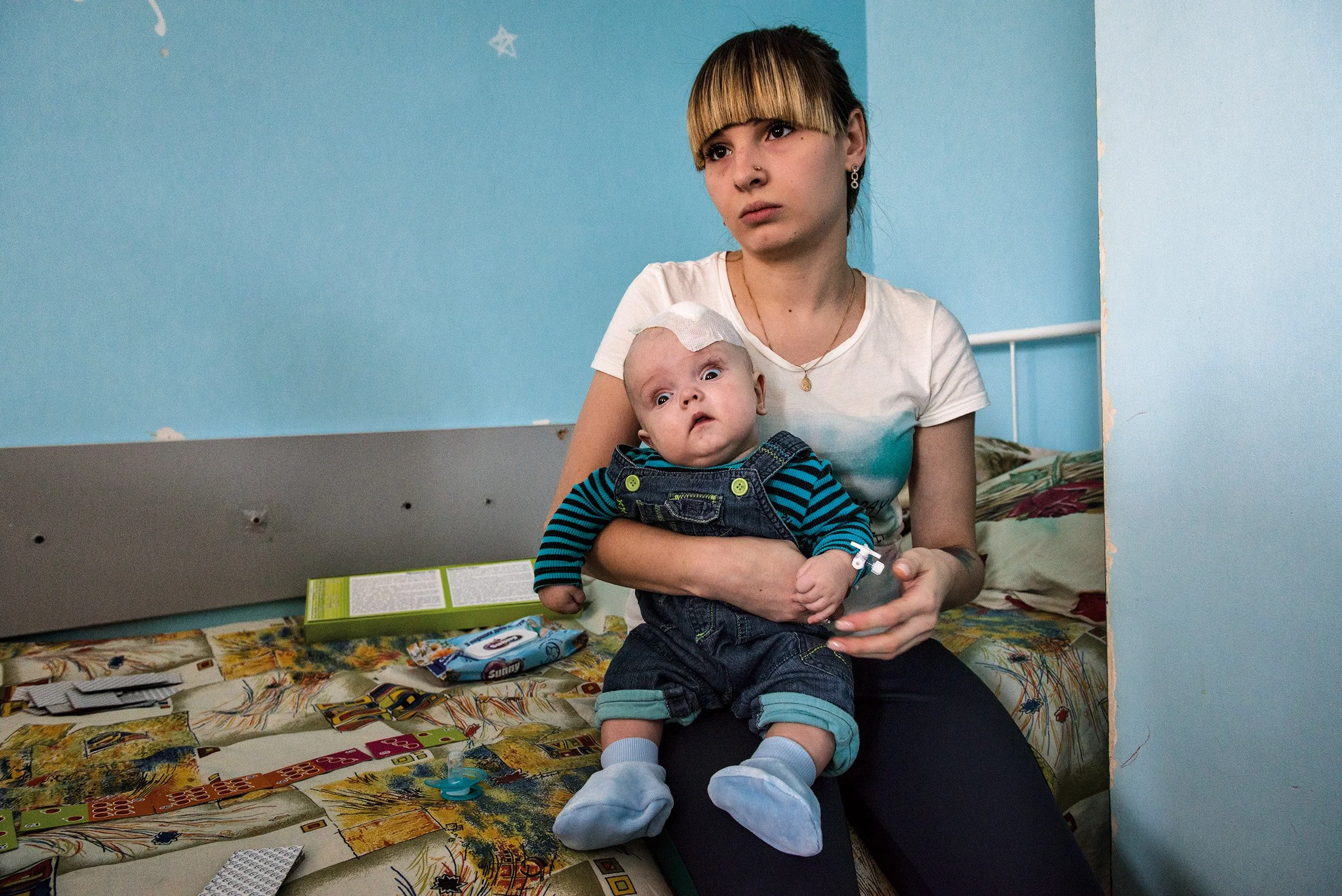
You mentioned some people you photographed have died. How do you handle the difficult feelings when photographing people who might die from what you're documenting? You photographed children sick from radiation, and many died later.
This represents the hardest part of this work: dealing with people you know have no survival possibility, like most children I met in hospitals. It's genuinely difficult.
The camera provides protection for photographers. When you're behind the camera, you're focused on your work, your job, and it shields you in that moment. Working with children and suffering people requires managing numerous situations while remaining non-invasive. You must work with delicacy, never aggressively. Building closeness takes time.
This approach, requiring significant time, helps control your feelings and manage the situation. The real problems arrive afterward. When you finish working and leave, you're no longer concentrated on the work. You start thinking about lives and probable outcomes for people who won't survive.
That's the hardest part: perhaps in the evening at home, back at your hotel or accommodation, thinking about the day and the people you met. This represents the most difficult moment of the journey, the trip, the day.
But this is our job. We must do this work to document situations, to report injustice against people, against the environment, against places, mostly against people. Our task involves focusing on this work while resisting these very strong feelings.
What advice would you give someone wanting to document slow problems like climate change or poverty, things difficult to show in single pictures?
When doing reportage, my first advice concerns process. My work process is lengthy. Before entering the field, I study the project for at least six months, building the story at home like a documentary or movie. I construct the story while imagining the pictures needed to tell it.
Most pictures I capture in the field were conceptualized beforehand at home because I know I need specific types of pictures: pictures showing this aspect, pictures showing that aspect, pictures conveying the situation, the place, the people living there.
My advice is to study extensively. Without thorough pre-project study and preparation, you cannot do good fieldwork.
Does your formed opinion ever change when you actually arrive at the location? Do you have ideas about the project, then arrive and realize everything is different?
This happens frequently. Despite having access to thousands of information sources today, most information proves incorrect.
When building a project, you must maintain an open mind. Arriving with this openness allows you to modify your project based on field discoveries. This represents normal process for photographers. Arriving at a place, you discover things you could never imagine. You cannot find things you expected because information was false or situations changed.
You must change your story when discovering something interesting and add new elements discovered in the field.
What's one practical thing you learned about photographing in contaminated places that changed how you work?
In certain places, you have very limited time. Normally I work slowly because I love staying in places for extended periods, waiting for correct light, waiting for beautiful situations to develop, waiting for the right moment. But in contaminated places, time doesn't exist.
Most locations allow only minutes, maximum one or two hours, depending on contamination or radiation levels. You must work extremely fast.
I learned to work rapidly and capture the right situation during these short periods through long training. This represents work typical of news photographers. News photography differs significantly from reportage. In news, you work very fast, catching situations in the moment. In reportage, you have time to stay, observe what happens, and wait for the right situation.
Working there, I employ both approaches. Where I can stay longer, I remain as long as possible if the place proves important or relevant to the story. Where I can only stay minutes or hours, I focus intensely on capturing the essential pictures.
How do you know when a long-term project is finished or when you need to keep returning?
Ongoing projects lack a natural end, which is their Achilles’ heel. At Chernobyl, I declared myself finished countless times. However, after a few months, I’d return because there’s always another story to tell. There are countless beautiful stories waiting to be told. For me, long-term projects don’t naturally conclude; you must impose your own end.
I imposed an end with my book published by Ghostbook. I ended when I recognized I'd covered a significant period of Chernobyl and numerous stories that could constitute a book.
For photographers, especially for me, this book represents the culmination of our careers. It’s the most significant aspect of our work because books are the only lasting legacy. While publishing in magazines and newspapers and mounting exhibits are valuable, all this material quickly disappears within months. Photography’s only enduring component is the book.
My goal in photography is to create and publish books. However, you can only publish books when you have work that can sustain a book. This typically requires many years of dedicated effort. For example, my Chernobyl book spans from 2014 to 2019.
When I first conceptualised the book, I realised I had accumulated numerous Chernobyl stories. I’d covered ten stories that could finally become a meaningful book. At that point, I stopped my work.
Since the book’s publication, I’ve returned three times to develop further stories. This is partly because next year marks the 40th anniversary, a significant milestone. We’re producing a documentary film about the anniversary. Together with my colleague Alessandro Tesei, we’re creating this documentary to celebrate the occasion. We’ve returned to Chernobyl three times since 2024.
Thank you very much for sharing your story and for your time.
Thank you very much.
To discover more about this intriguing body of work and how you can acquire your own copy, you can find and purchase the book here. (GOST Books, Amazon)
More photography books?
We'd love to read your comments below, sharing your thoughts and insights on the artist's work. Looking forward to welcoming you back for our next [book spotlight]. See you then!
The past became visible once Richards learned where to look. For The Inner Passage, Virginia McGee Richards spent fifteen years photographing a waterway in the South Carolina Lowcountry. Photography Book Spotlight