Welcome to another captivating photo essay, this time by Igor Shutov We'd love to hear your thoughts. Feel free to comment below and, if you're interested, share your photo essay with us. Your perspectives add valuable dimensions to our collective exploration.
The Project: Beyond Places, Notes from Tallinn
Beyond Places is a photographic project that grew out of walking and careful observation of the city. It began without a clear plan or a predefined idea, driven instead by curiosity and a desire to notice places and scenes that usually remain outside the field of attention.
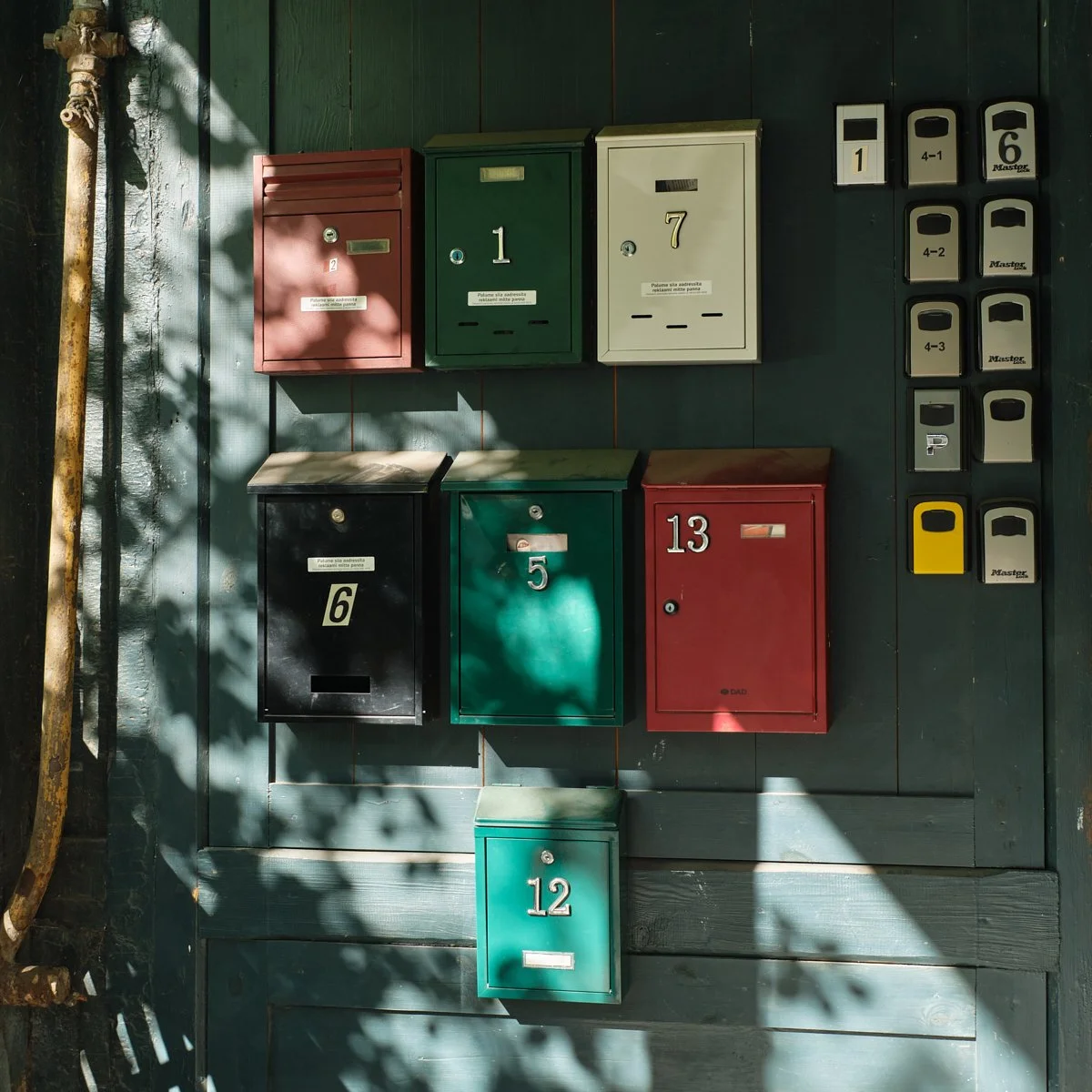
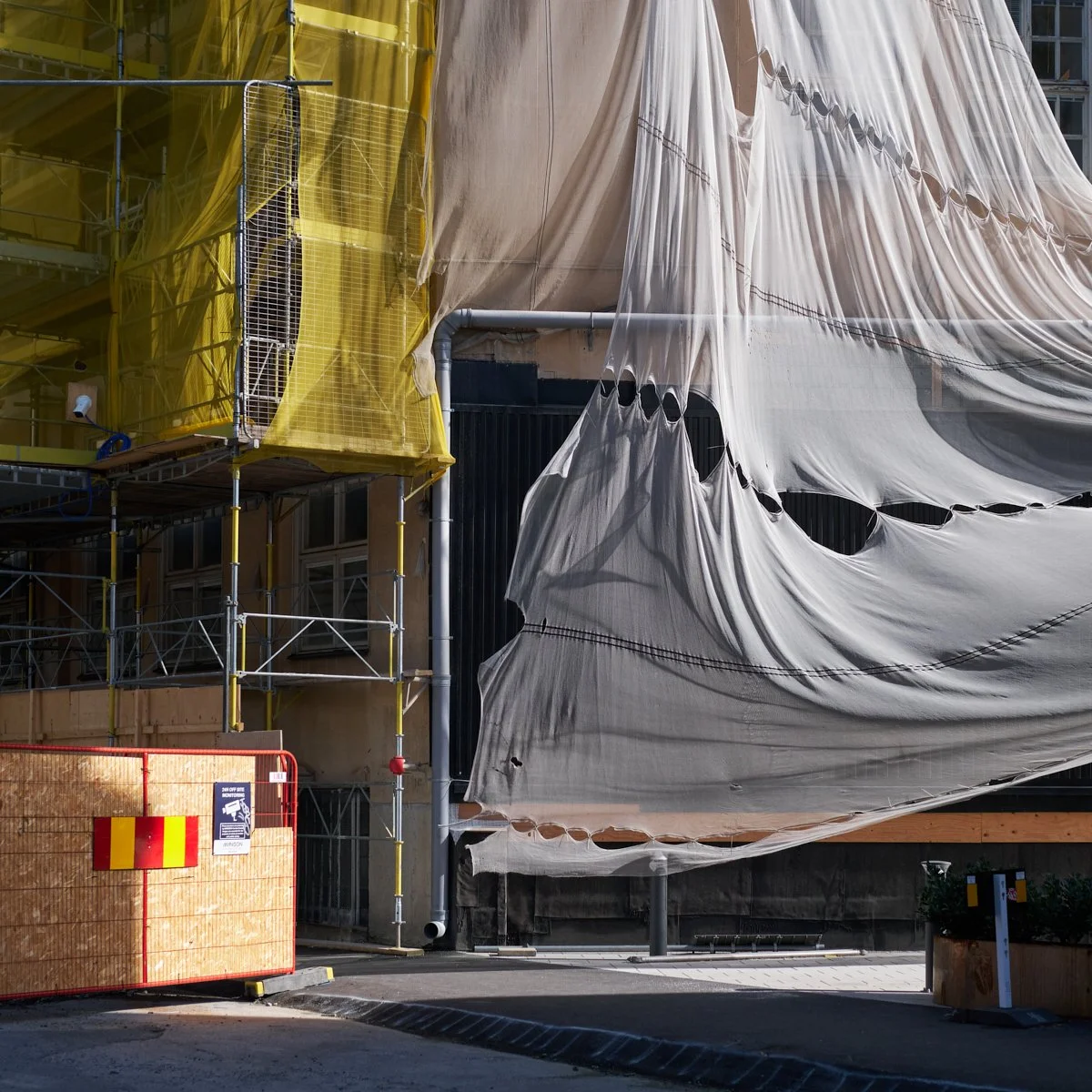
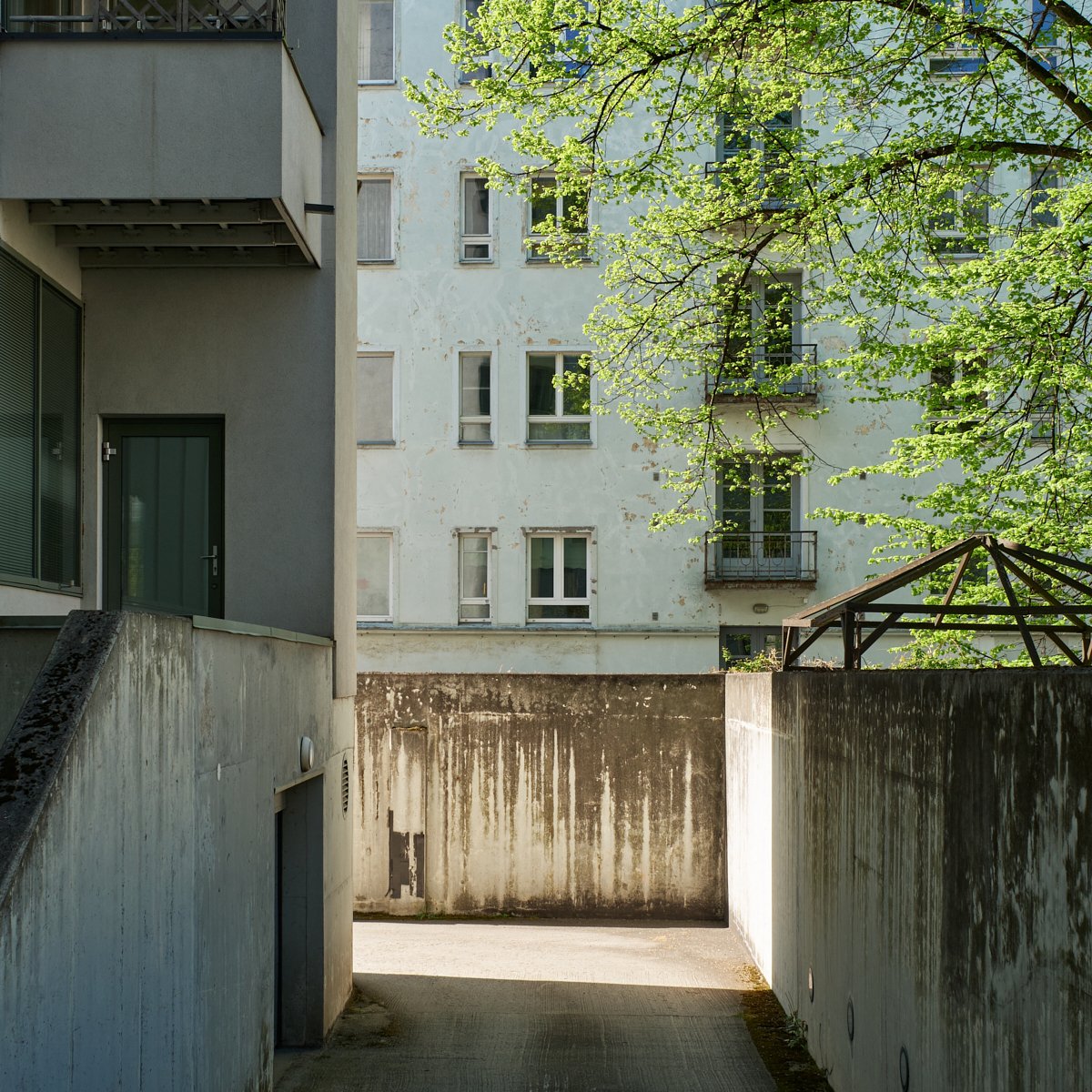
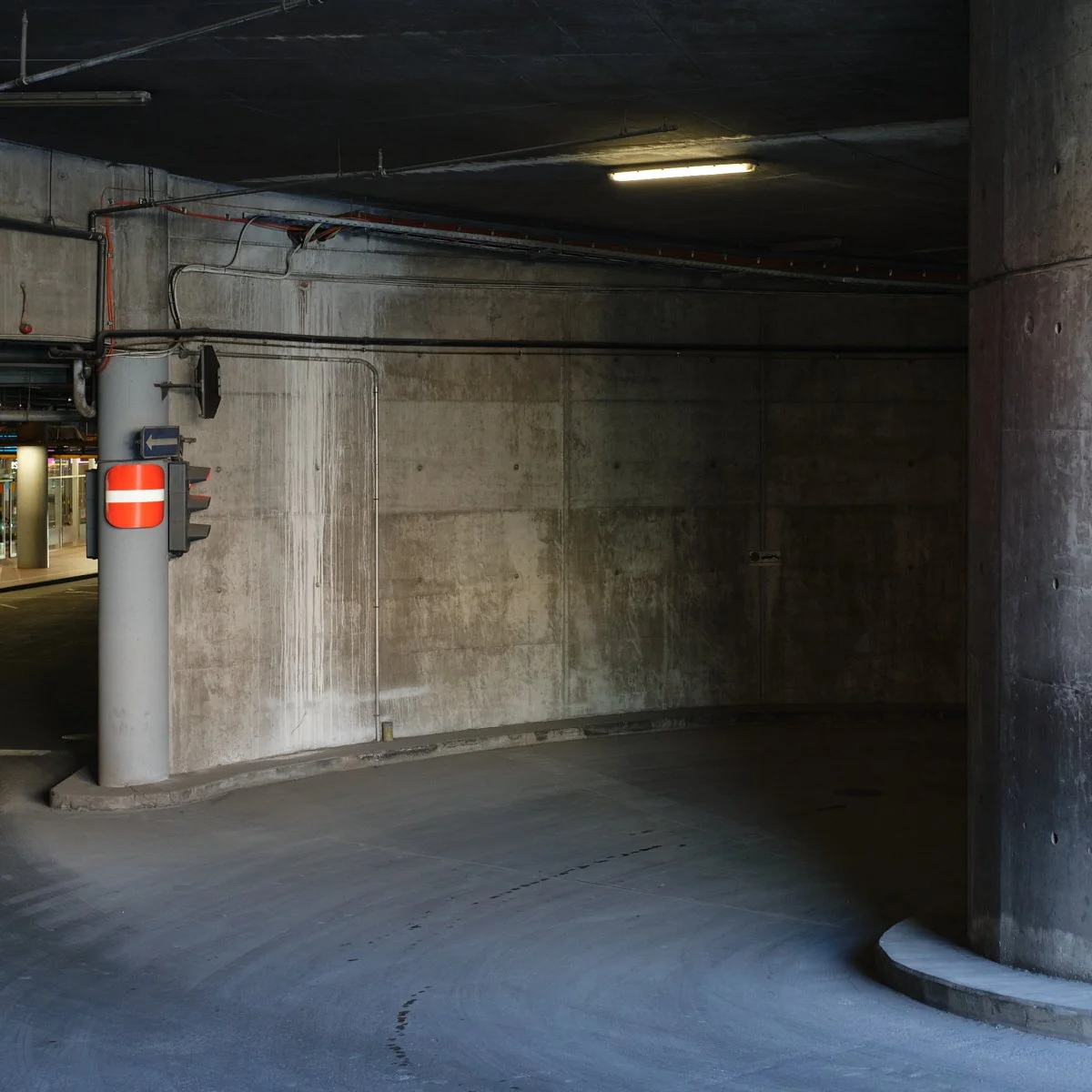
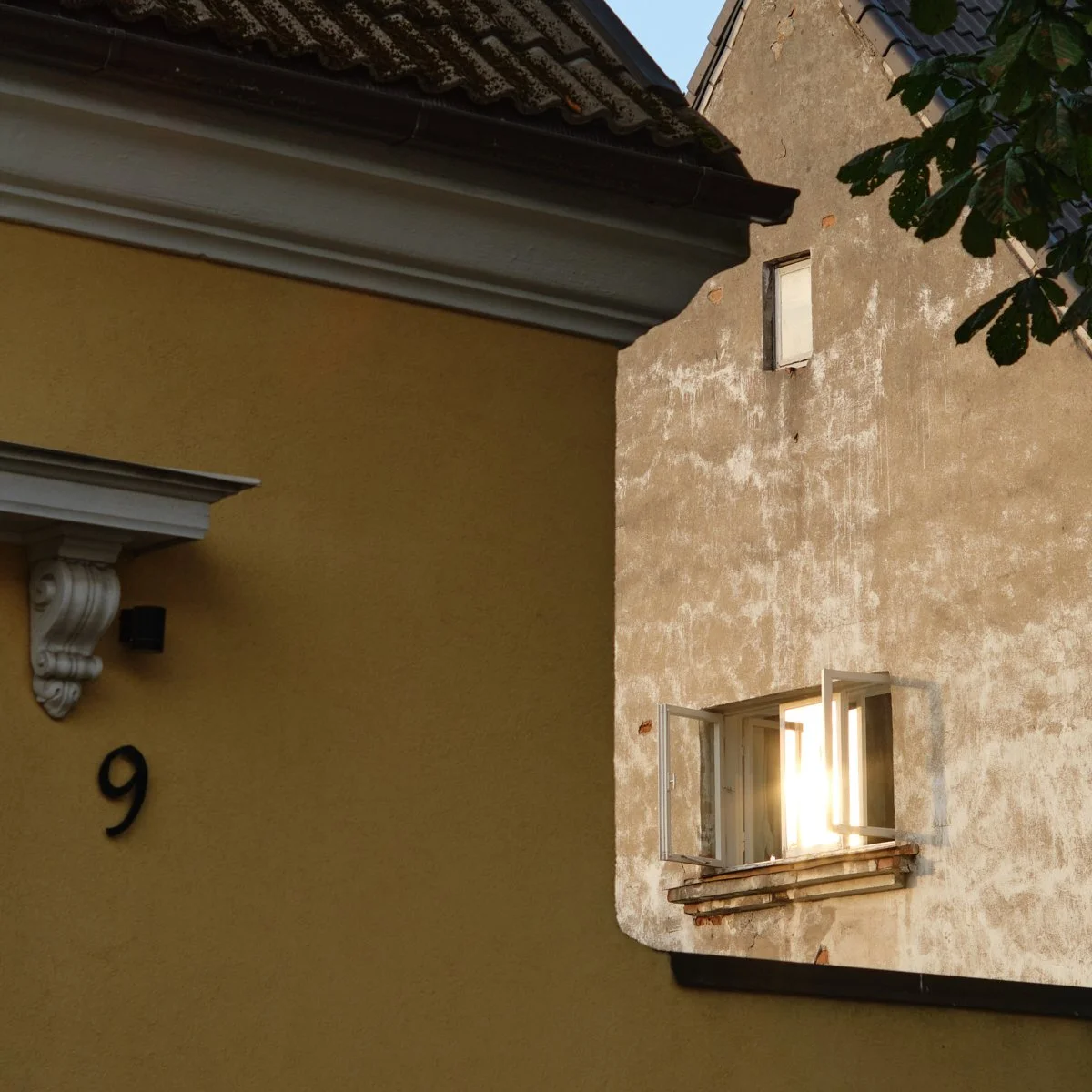
I am interested in courtyards, back streets, quiet corners, and the textures of the urban environment. These are not tourist routes or destinations, but spaces most people simply pass through. They lack events and any obvious purpose, yet they shape the city as a lived, everyday environment.
At the beginning of the project, I did not perceive myself as a full participant in urban life, and my attention naturally shifted toward places where it was possible to be without having to assume any particular role. These spaces without status became my point of entry into the city and largely defined the direction of my gaze.
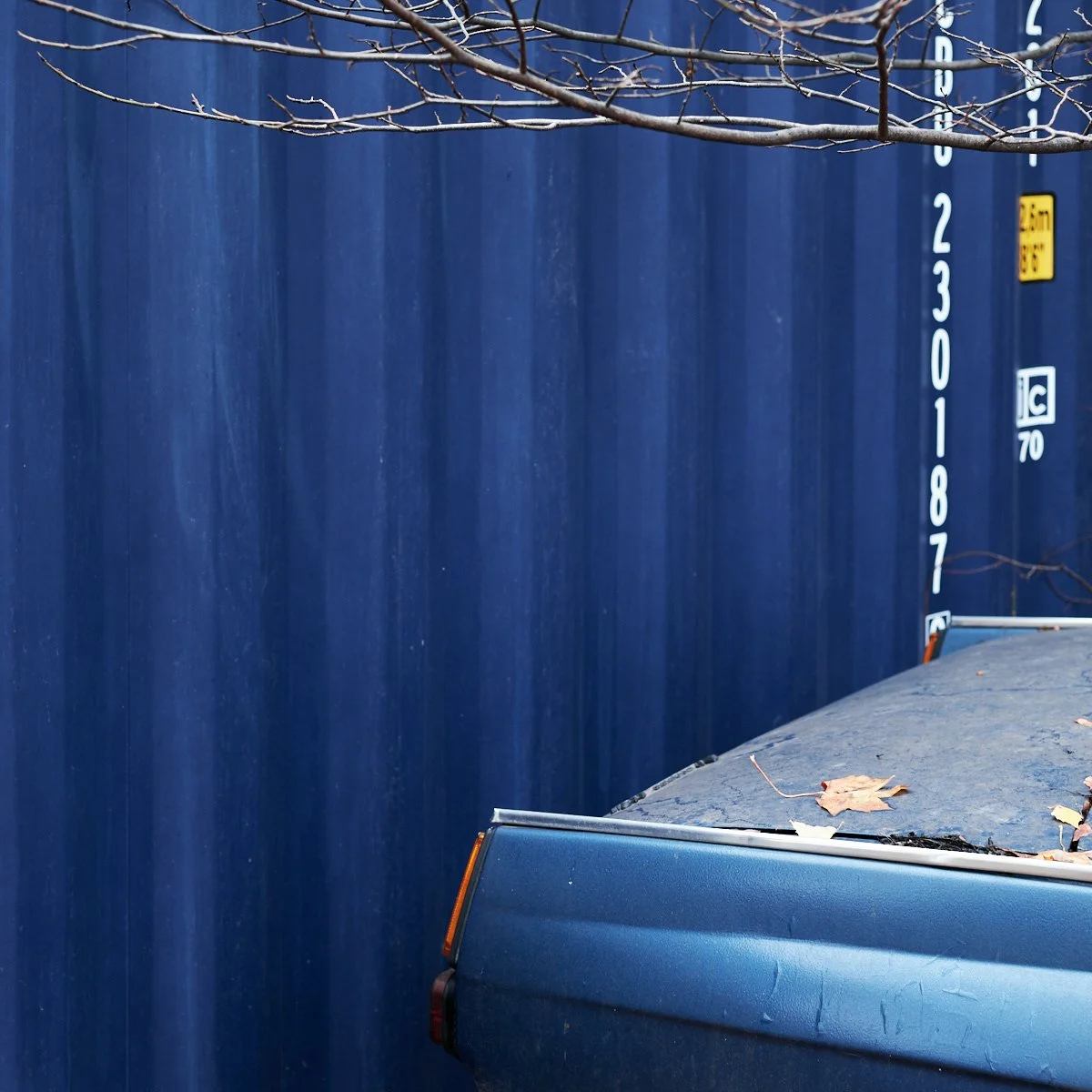
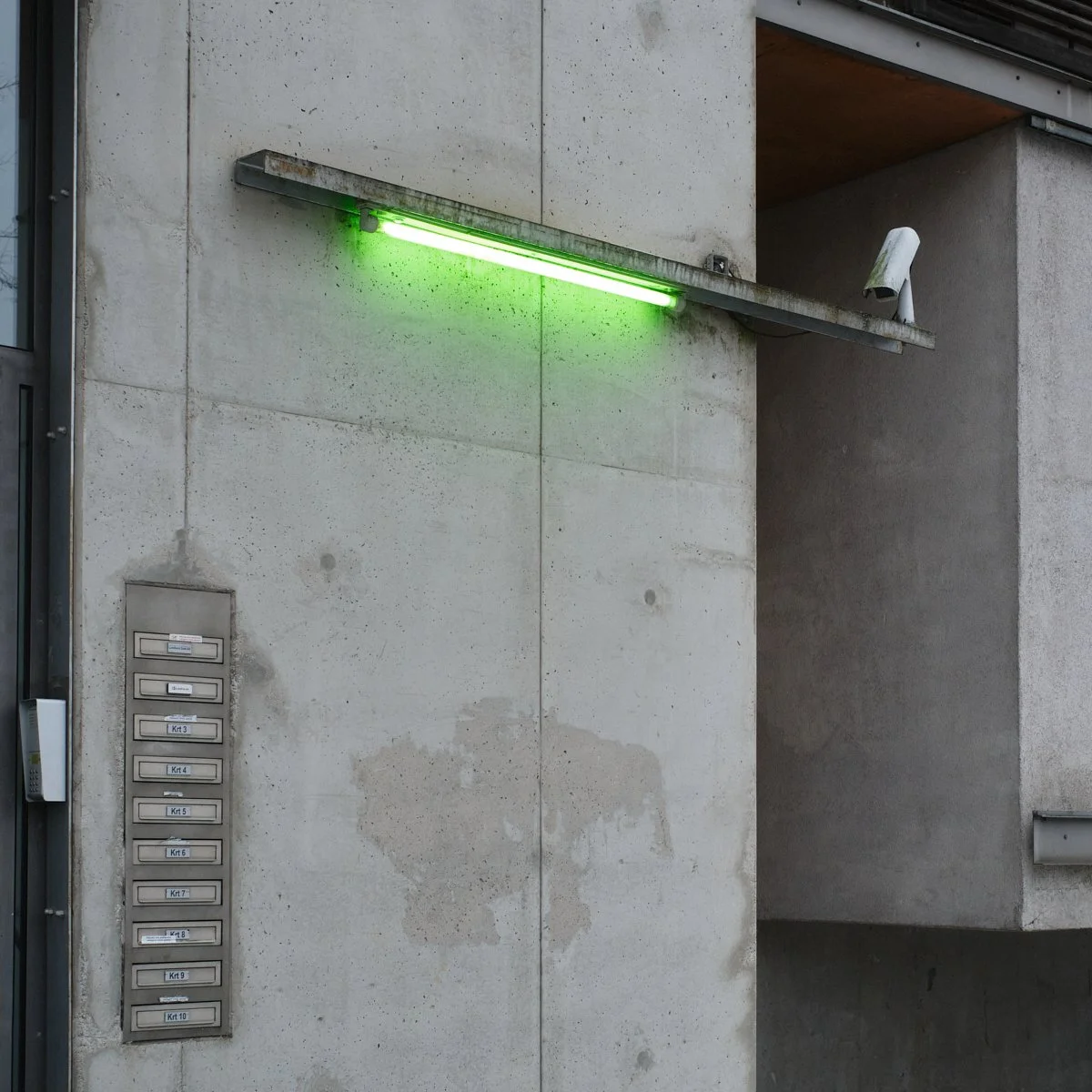
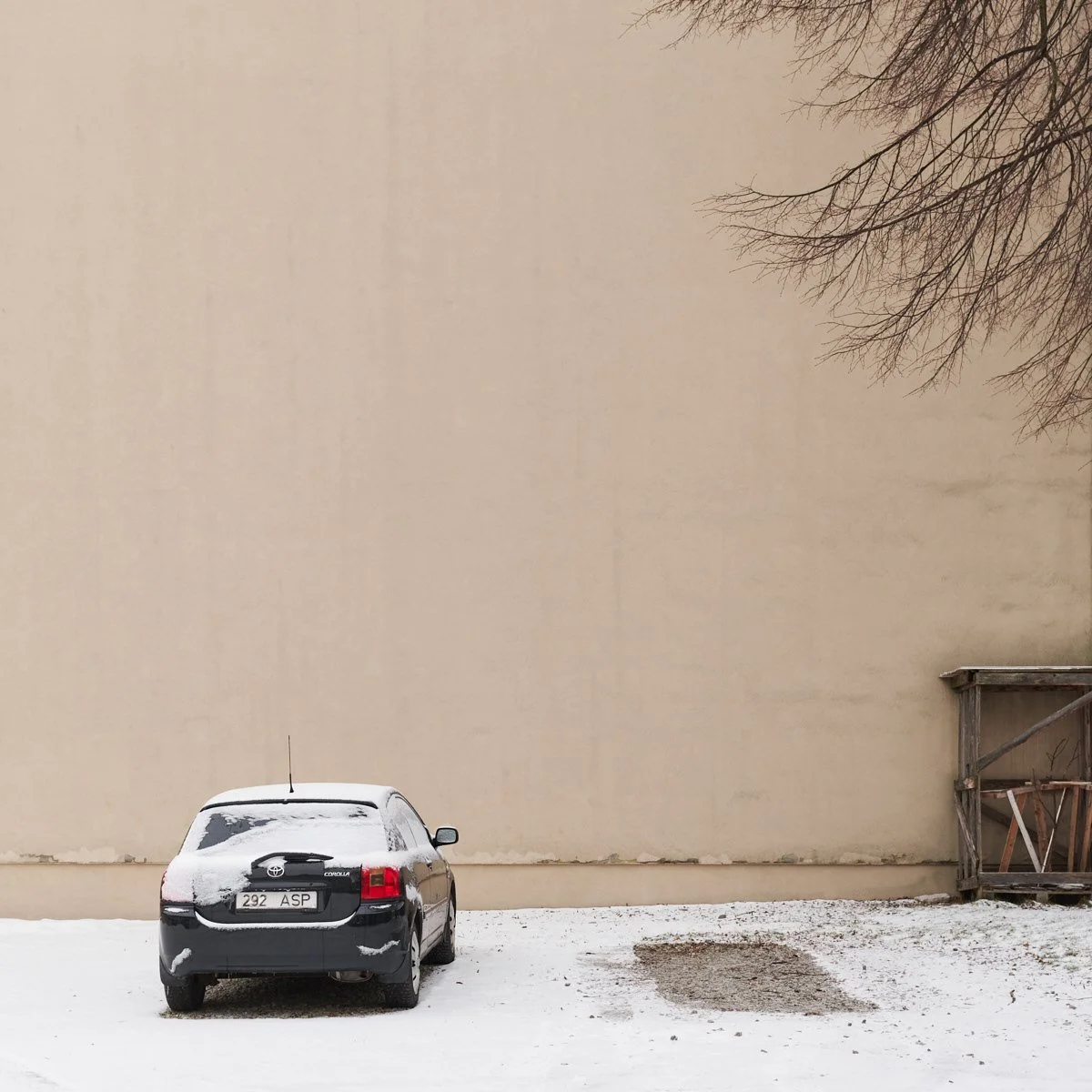
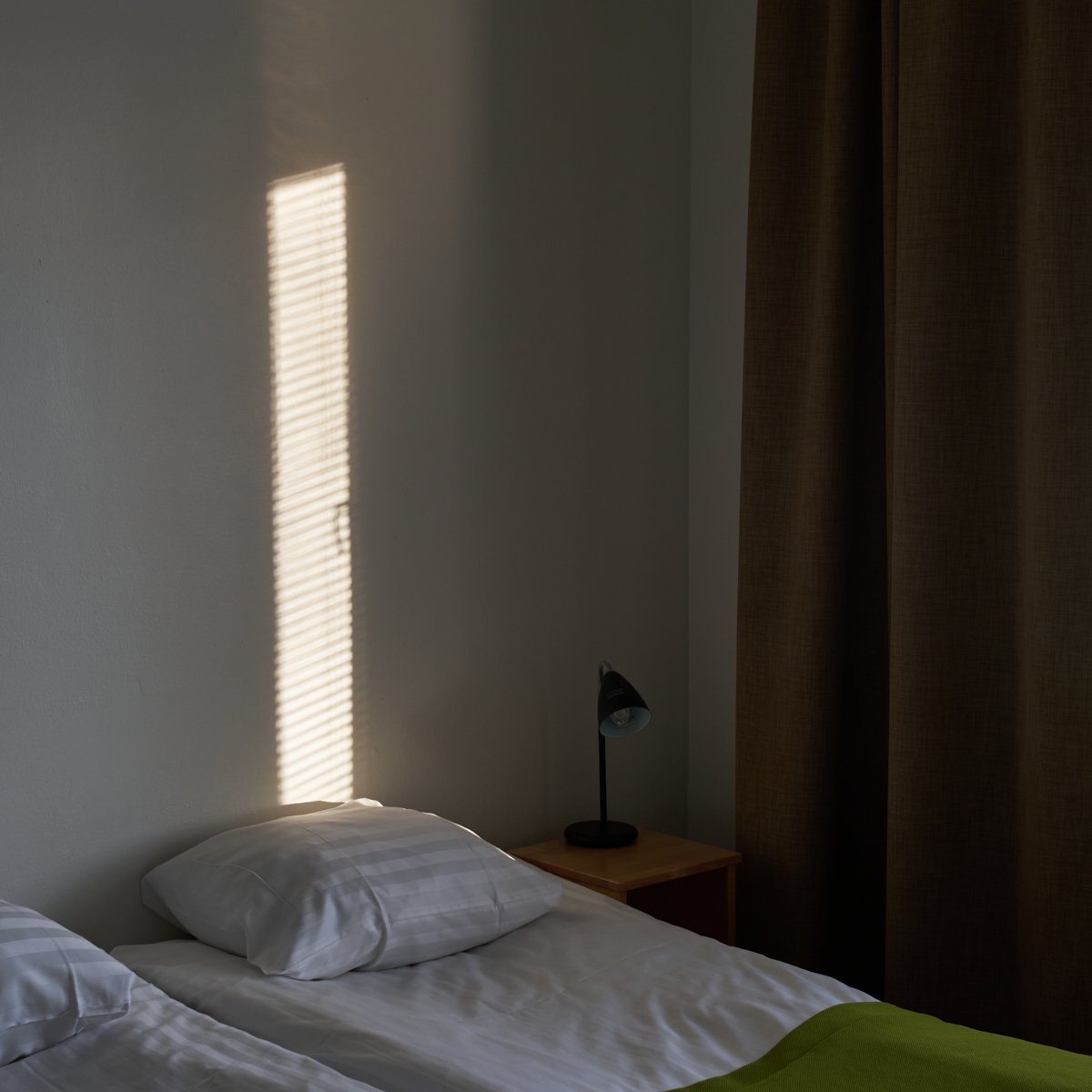
Many of the photographs contain no people, yet their presence remains perceptible, in traces of use, in objects, in altered surfaces, in the way space has been created and left behind, and in a state of quiet waiting that these places seem to hold. I am interested in this indirect presence, where the human figure is absent, but its influence continues to be part of the scene.
The project is shaped by walking, observation, and chance encounters. Scenes are not sought out deliberately or repeated intentionally. What matters is the process itself, being in the space, noticing small shifts, temporary states, and simple combinations of form and light.
The title Beyond Places refers not so much to geography as to a way of seeing. For me, a “place” is not a point on a map, but a moment of attention, an opportunity to see the familiar differently. Most of the project was created in Tallinn, but it is not limited to this city and can continue in other contexts while maintaining the same mode of perception.
Tallinn, Estonia, 2021–2025
You mention that at the start of the project, you didn't perceive yourself as a full participant in urban life. What shifted in your relationship to the city as the work progressed, and how did that change what you noticed or how you photographed?
Over time, my relationship with the city has not really changed. I still see myself mainly as an observer rather than a full participant in urban life. This is a stable inner position from which it feels most natural for me to look at what is happening around me.
I often think about the city in terms of different levels of access. I exist on the most basic level, where streets, courtyards, passages, and spaces between buildings are open to anyone. These are places where it is possible to be without the need to explain your presence.
Even when a space is formally open, I sense its possible privacy and try not to disturb it. Because of this, my attention shifts toward areas where being present does not feel like an intrusion and does not require permission.
Despite the outward quietness of the photographs, the act of photographing is always tied to close observation. It is a constant balance between curiosity and responsibility, between the desire to see and the desire not to intrude.
The project grows out of this state. I am interested in what remains on the surface of everyday urban life, places that exist regardless of whether they are noticed or not. For me, this is a way of being in the city without claiming it, simply observing and recording what is already there.
You describe photographing spaces that hold a “state of quiet waiting.” Can you talk about a specific moment or photograph where you felt this quality most strongly, and what made it visible to you?
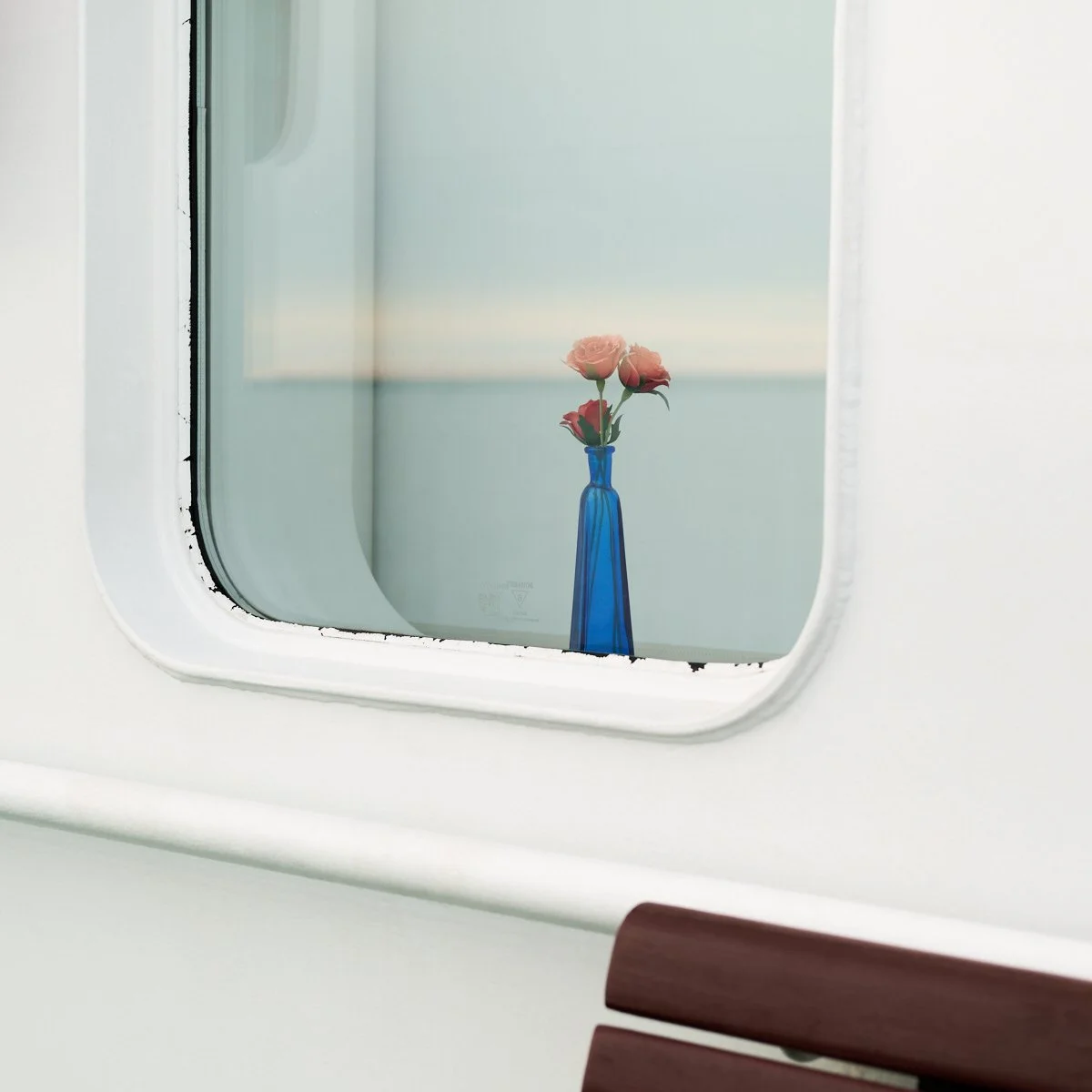
For me, the clearest example of a state of quiet waiting is the photograph with a blue vase in the window of a ferry cabin. The image was made as the ferry was leaving the port of Tallinn on its way to Helsinki.
Visually, the scene is very calm and restrained: closed roller blinds, a cabin window, and a vase placed on the windowsill. At the same time, the conditions during the shooting were far from calm; there was strong wind and the ship was moving noticeably. This contrast was part of my own experience at the moment, even though it is not visible in the final image.
The sense of waiting comes mainly from the scene itself. If someone were already staying in the cabin, it would look different. Most likely, the blinds would be lifted; almost anyone entering a cabin first wants to look out of the window. But here the blinds are down, and it becomes clear that no one is inside.
A pause appears, along with uncertainty: will someone enter this space at all, or will the scene remain unchanged for the entire journey?
The photograph leaves many possible continuations open. Will the passenger open the blinds? Will they notice the vase? Will they like this view? Will they realise that the flowers are artificial? Will they move the vase to clear the window, or leave everything as it is?
All of these questions remain unanswered. This is what creates, for me, a state of quiet waiting, a moment where human presence is already implied, but the action has not yet happened and may not happen at all.
Walking without a predetermined route seems central to your process. How do you recognise when a space or scene asks to be photographed?
At first, my approach to photography was based on a fairly formal principle. Often it is enough for me that a stable composition comes together within the frame, that shapes, lines, and elements reach a visual balance. At that moment, I press the shutter without trying to define a meaning or interpretation in advance.
During the act of photographing, I do not think about themes or ideas. I respond primarily to the visual stability of the scene. Only later, while reviewing and editing the images, I begin to notice that many of them share the same quality, a sense of pause, waiting, and the absence of direct action. This meaning is not set beforehand but becomes visible over time.
Gradually, I realised that I am especially drawn to spaces that appear already complete. There is no feeling that something needs to be added or changed. Light, forms, and objects are already in balance, and my presence at that moment becomes minimal.
In such cases, the photograph becomes the result of a search that takes place through walking and observation.
The project spans four years in Tallinn. Have you noticed your eye changing over this time?
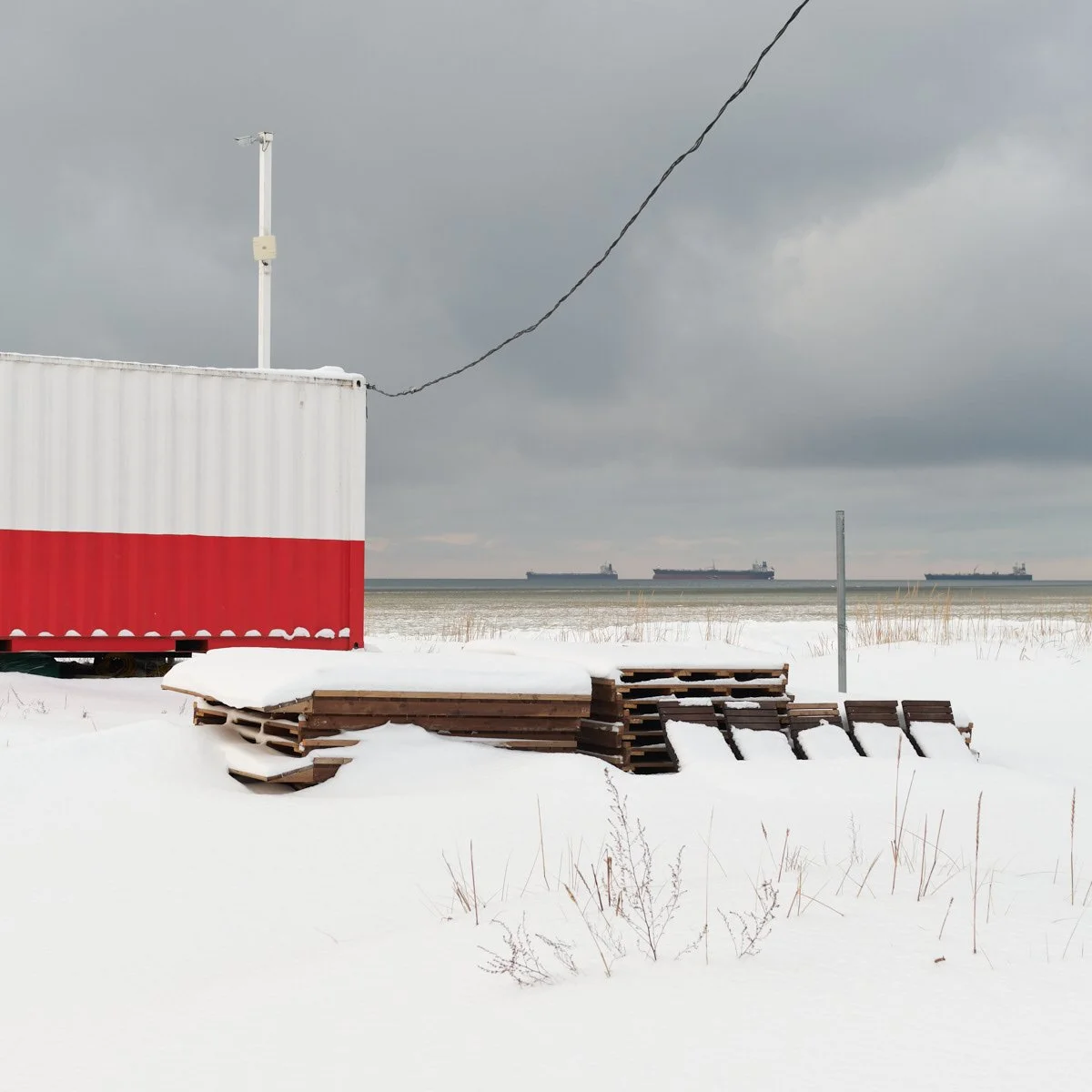
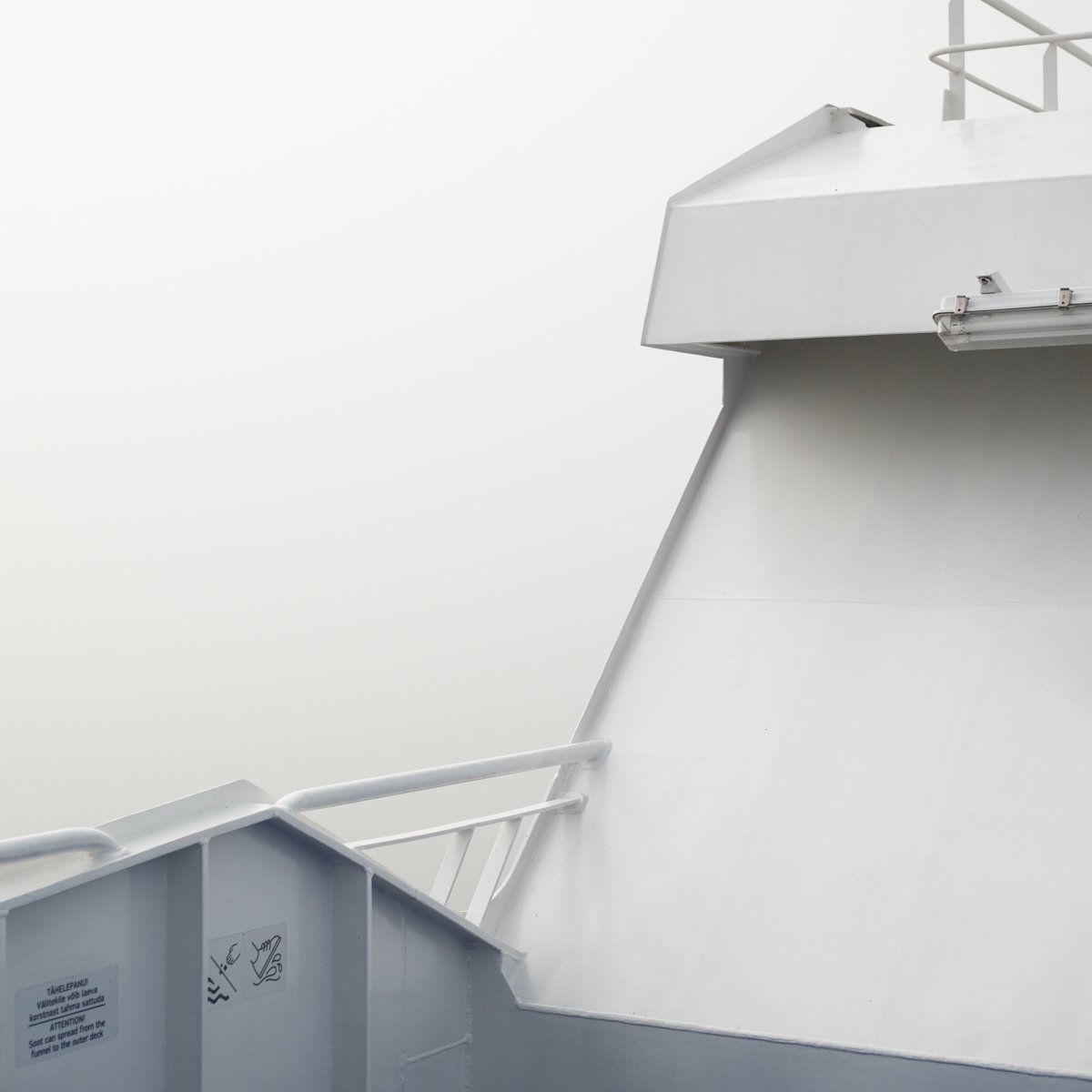
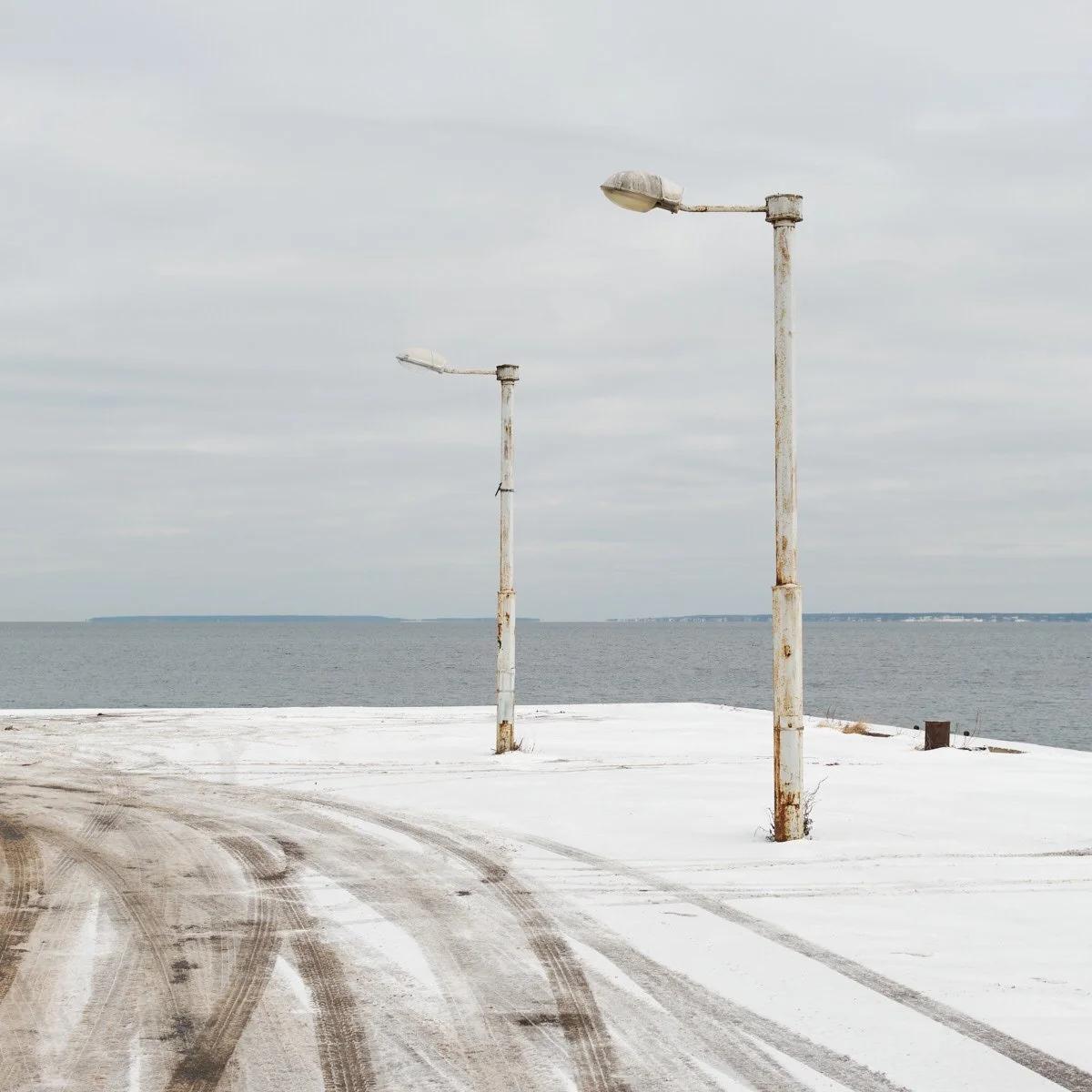
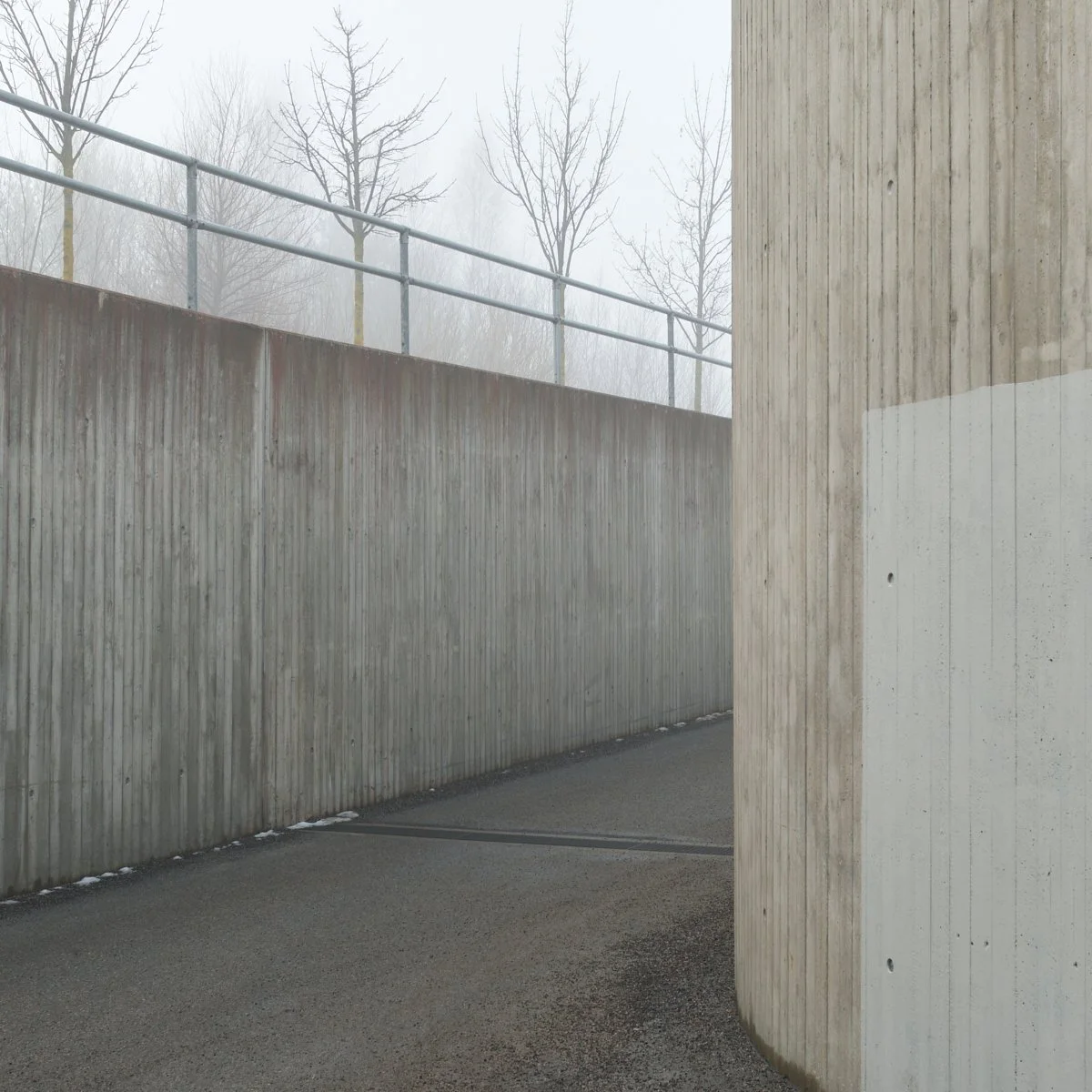
At the beginning, the work was largely focused on outdoor scenes in neutral, overcast weather. This added a sense of distance and quiet to the photographs and closely reflected my inner state at the time.
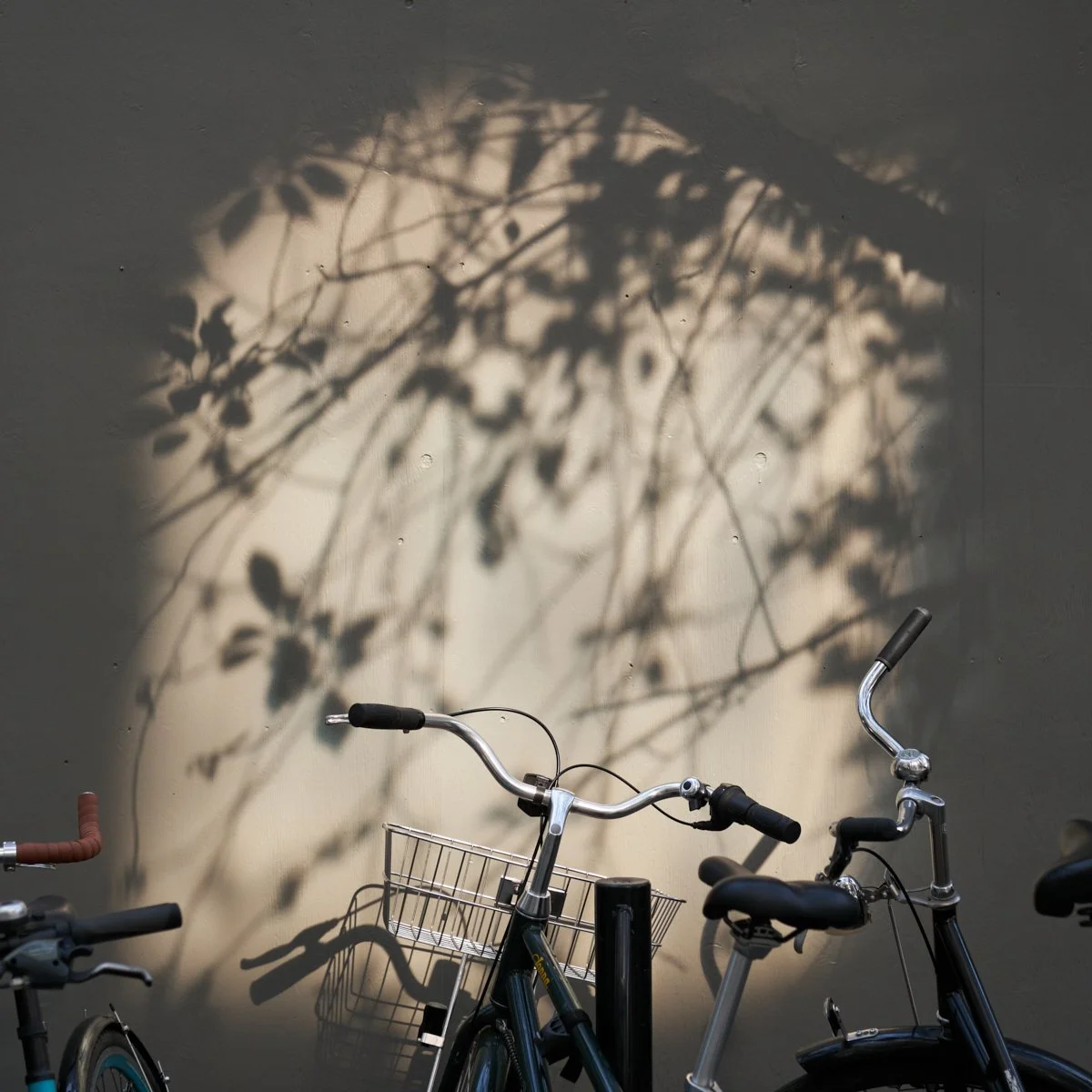
Over the years, my attention began to shift. I became less interested in formally neutral scenes and more drawn to situations where light played an active role and sometimes even became the main element of the image.
For a while, it felt visually difficult to hold these photographs together as one series. Some images appeared grey and restrained, while others became brighter and more open.
Later, I understood this not as a contradiction, but as a natural development of the project and a reflection of changes within myself. Even so, the photographs continue to share the same core qualities for me: quietness, stability, beauty, and the short-lived nature of a moment.
You photograph traces of human presence rather than people themselves. What do these indirect signs reveal that a direct human figure might obscure or complicate?
As I see it, the literal presence of a person in the frame could easily draw all attention to itself and obscure the space. People are naturally drawn to other people, and in that case, the photograph often becomes a story about a specific individual. I wanted to avoid that shift of focus.
Instead, I work with spaces as traces of collective human action. In each scene I photograph, it is impossible to know how many people took part in shaping it, what roles they played, or who they were. We know nothing about their characters or intentions. We only see the result, what remains after their presence.
For me, this speaks of a kind of collective portrait of human presence in the world. Not as a statement of fact, but as a personal way of seeing. I perceive these spaces as shaped by shared human activity, and I photograph the environment as it appears to me through that lens.
Michael Behlen photographed water that would not stay still. For three years, he returned to Millerton Lake in California’s Central Valley, making all the photographs during storms, when the reservoir became harder to read. Picture Story