Welcome to another captivating photo essay, this time by Andrea Matone We'd love to hear your thoughts. Feel free to comment below and, if you're interested, share your photo essay with us. Your perspectives add valuable dimensions to our collective exploration.
This is a photo essay about facing your own inner limits.
Andrea Matone’s project starts from a sentence he knows very well: “you can’t do it.” It is not about success or motivation, but about the moment before action, when doubt feels logical and heavy. The work grows from his personal experience of feeling stuck, afraid, and unsure if change was even allowed. This essay focuses on what happens inside, before anything changes on the outside.
“You can’t” followed Andrea through studies, career choices, and the decision to leave a stable job.
Instead of explaining this feeling with words, he began to give it form through images. The photographs do not offer solutions or happy endings, but they stay with the tension of hesitation and fear. They show a state of mind many people recognize, even if they rarely talk about it.
The Project
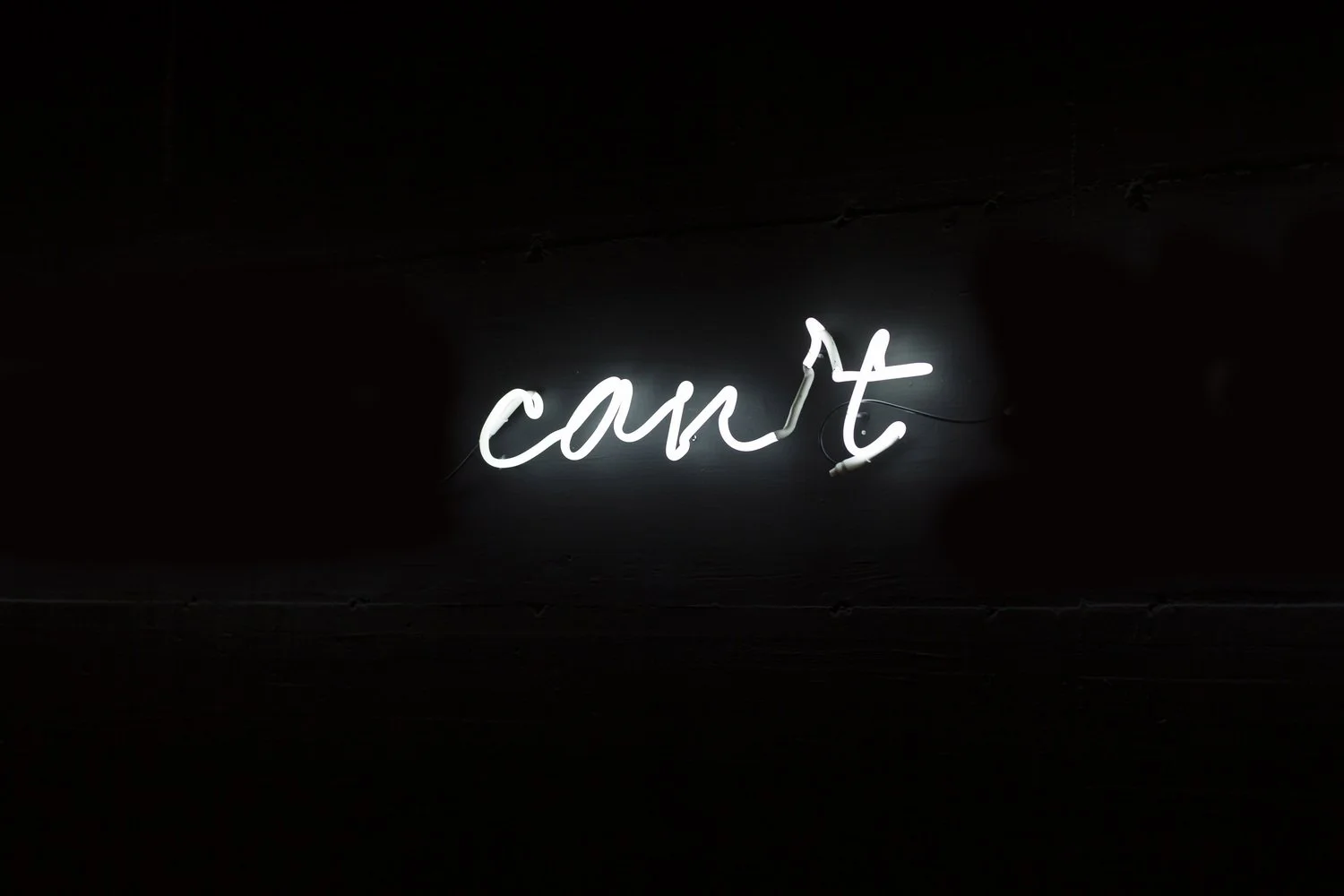
You can’t.
“You can’t do it.”
Forget it.
You’ll never make it.
Let it go.
It’s too difficult.
It’s too far away.
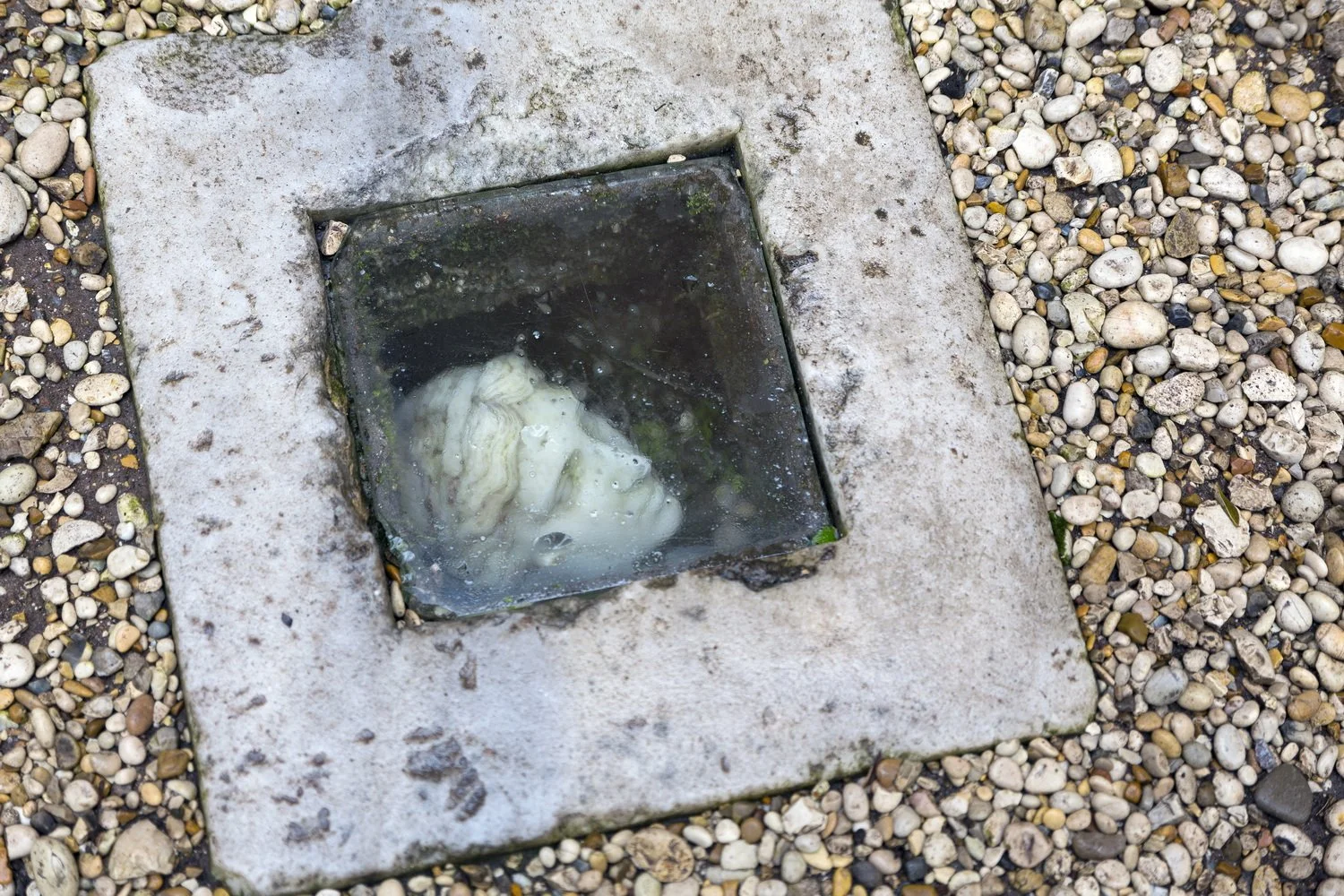
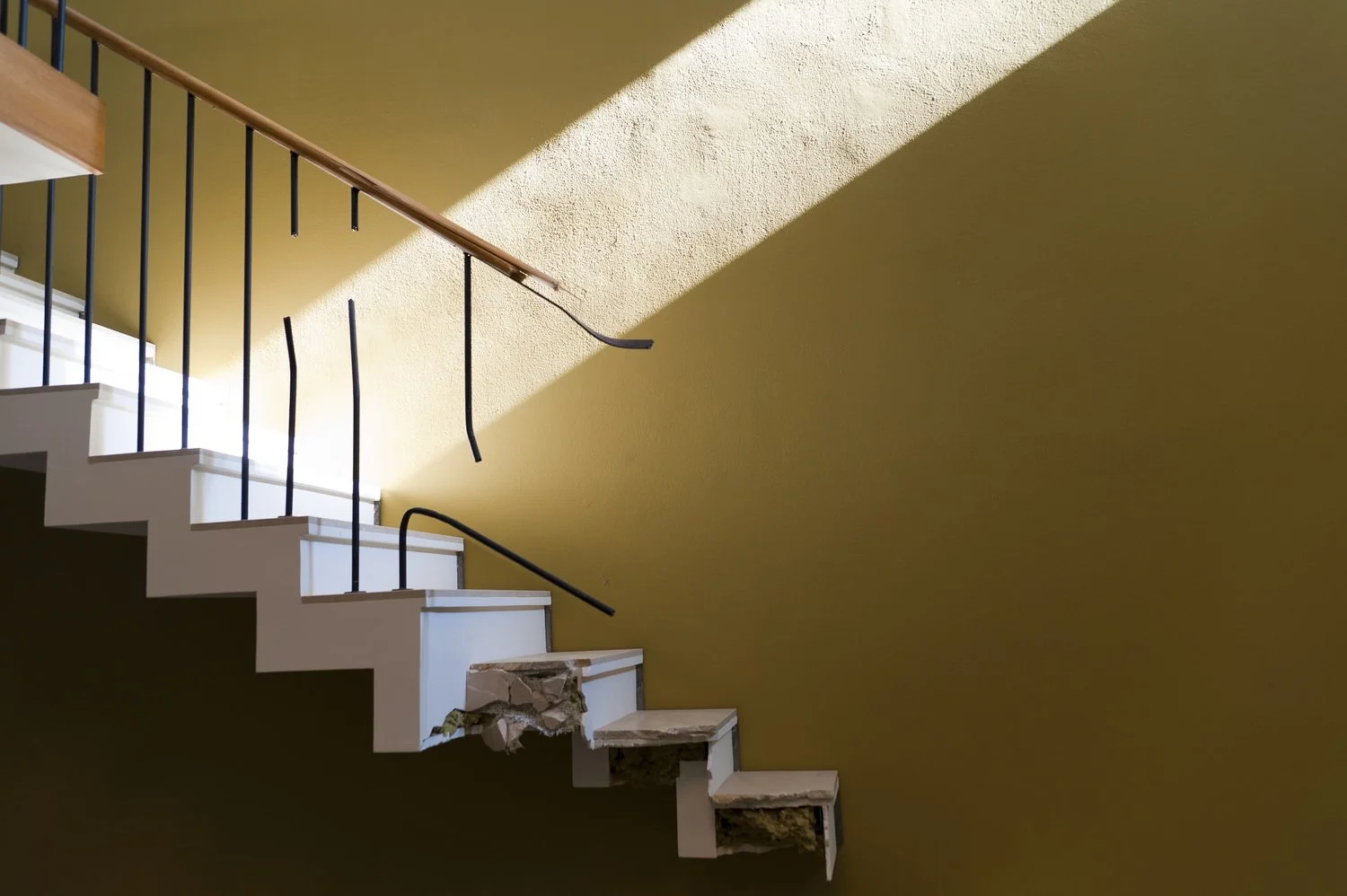
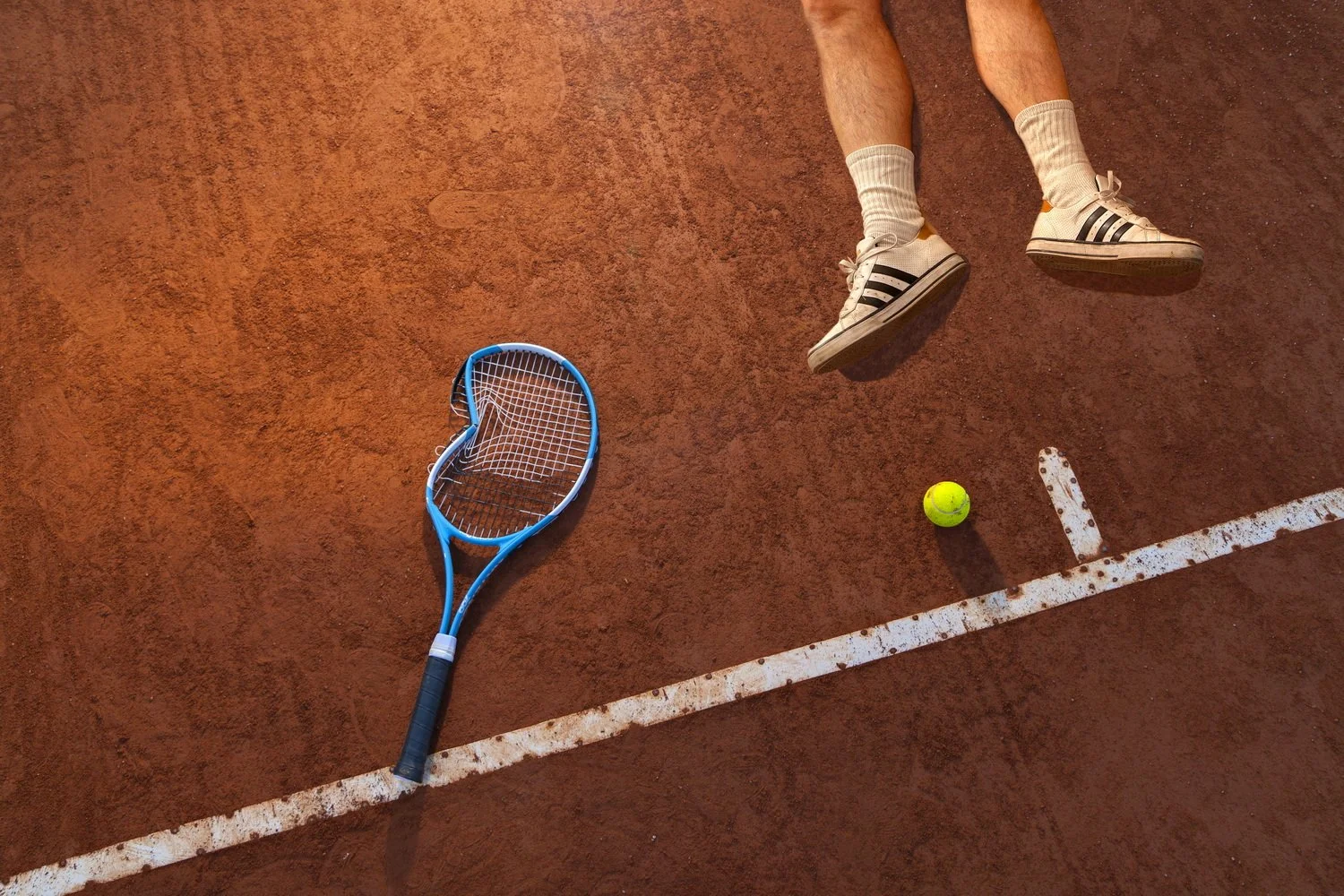
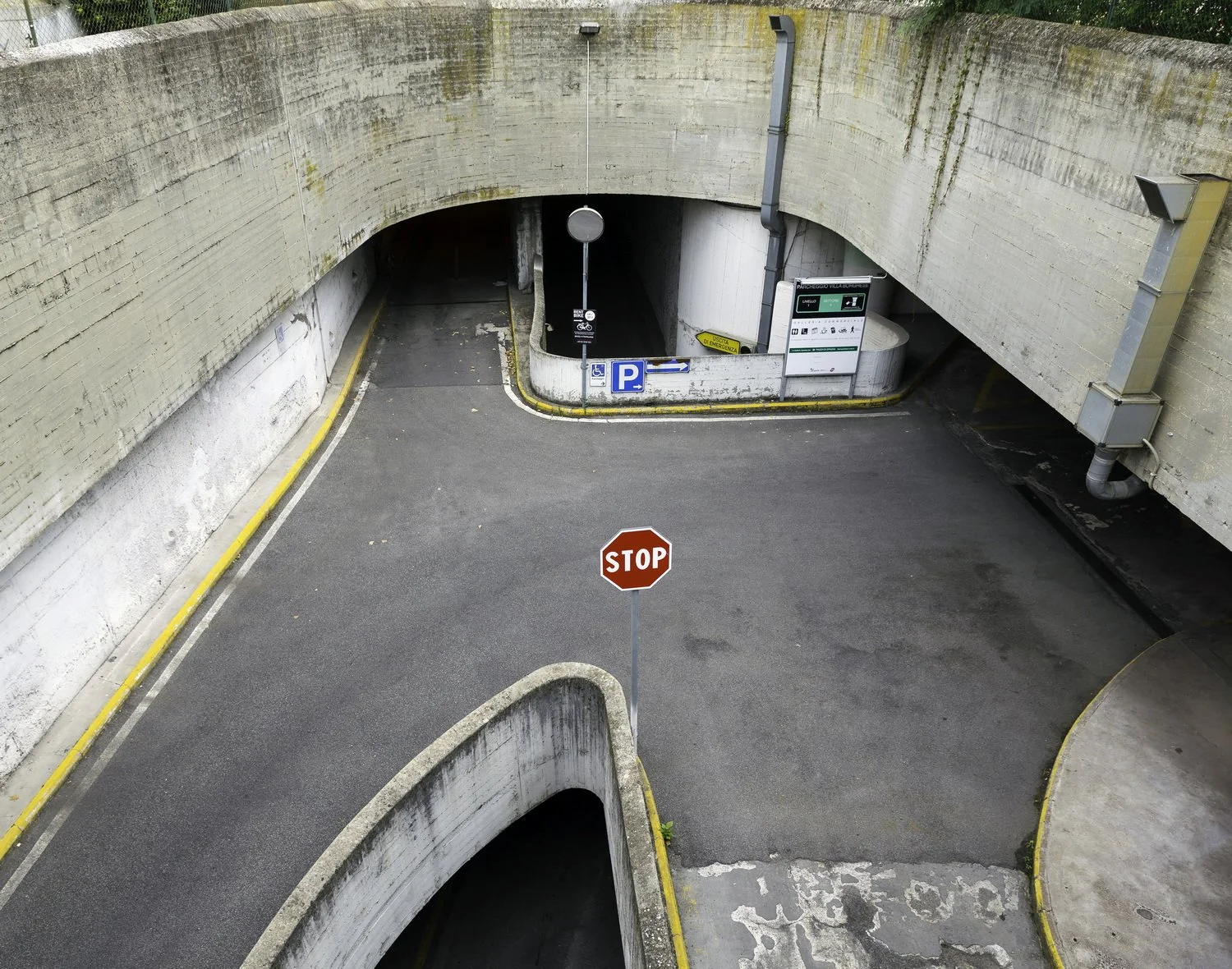
Limits, prejudices, walls, barriers, paralysis, impossible dreams—recent or buried in time.
The unreachable becomes in reach. (it isn’t difficult)
Travel toward your dream. (it isn’t far)
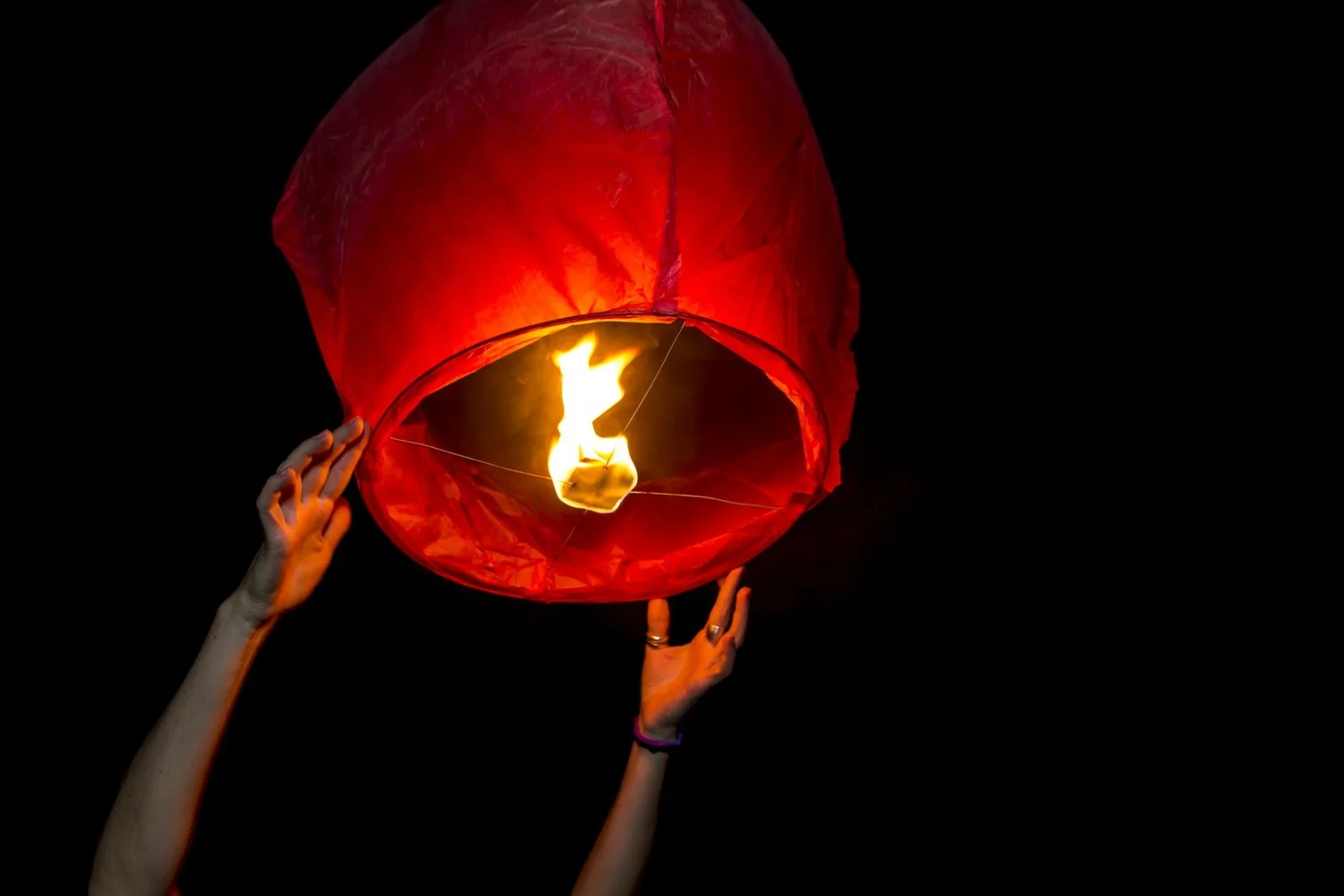
Take off (you are not alone)
Claim your right to act
There’s a voice we all meet sooner or later. The one that whispers, then insists: You can’t. Forget it. You’ll never make it. It’s too hard. Too far. Too late. It sounds practical. Mature. Realistic. But beneath every warning is the same root: fear wearing the mask of truth. We grow up surrounded by limits we never asked for. Expectations. Prejudices. Old stories about what’s possible and what isn’t. These become walls, quiet, familiar, and heavy. Some are built by others. Some we build ourselves. And with time, they start to feel permanent.
But they’re not.
Everything shifts the moment you lift your gaze. Even slightly. The moment you stop staring at the walls and look toward the gap between them. It doesn’t require expertise. It doesn’t demand a perfect plan. It just needs a first step. Dreams don’t disappear; they wait. Even the ones buried under years of hesitation still pulse with life. Approach them, and they rise. Move toward them, and they move toward you. Distance shrinks. Difficulty thins out. Momentum forms.
Travel toward your dream. Not with drama, but with intention. You don’t need certainty; you need direction. The path will twist. Progress will be uneven. But movement—any movement—is power. And when it’s time to leap, you’ll find you’re more ready than you ever believed. You are not alone. Everyone who has built something meaningful has walked past their own choir of doubts. They heard you can’t and answered with action. Their courage leaves traces for you to follow. Claim your possibility. No one hands it to you—you can grasp it by starting. Even imperfectly. Especially imperfectly.
What was the specific "you can't" moment in your own life that inspired you to start documenting this concept through photography?
The “can’t” moment isn't tied to one event, but to a feeling that followed me through the long-term changes and challenges. I felt it when I was trying to graduate, when the finish line seemed too far and the work too heavy. Or when I decided to leave a stable, traditional job and step into the uncertainty of freelance photography. That shift looked impossible for most people. Even self destructive in the eyes of others and sometimes even from inside my own mind. Documenting this concept through photography became my way of giving shape to this inner struggle. Which at times I still feel when I have to tackle something difficult to do. Something out of my comfort zone.
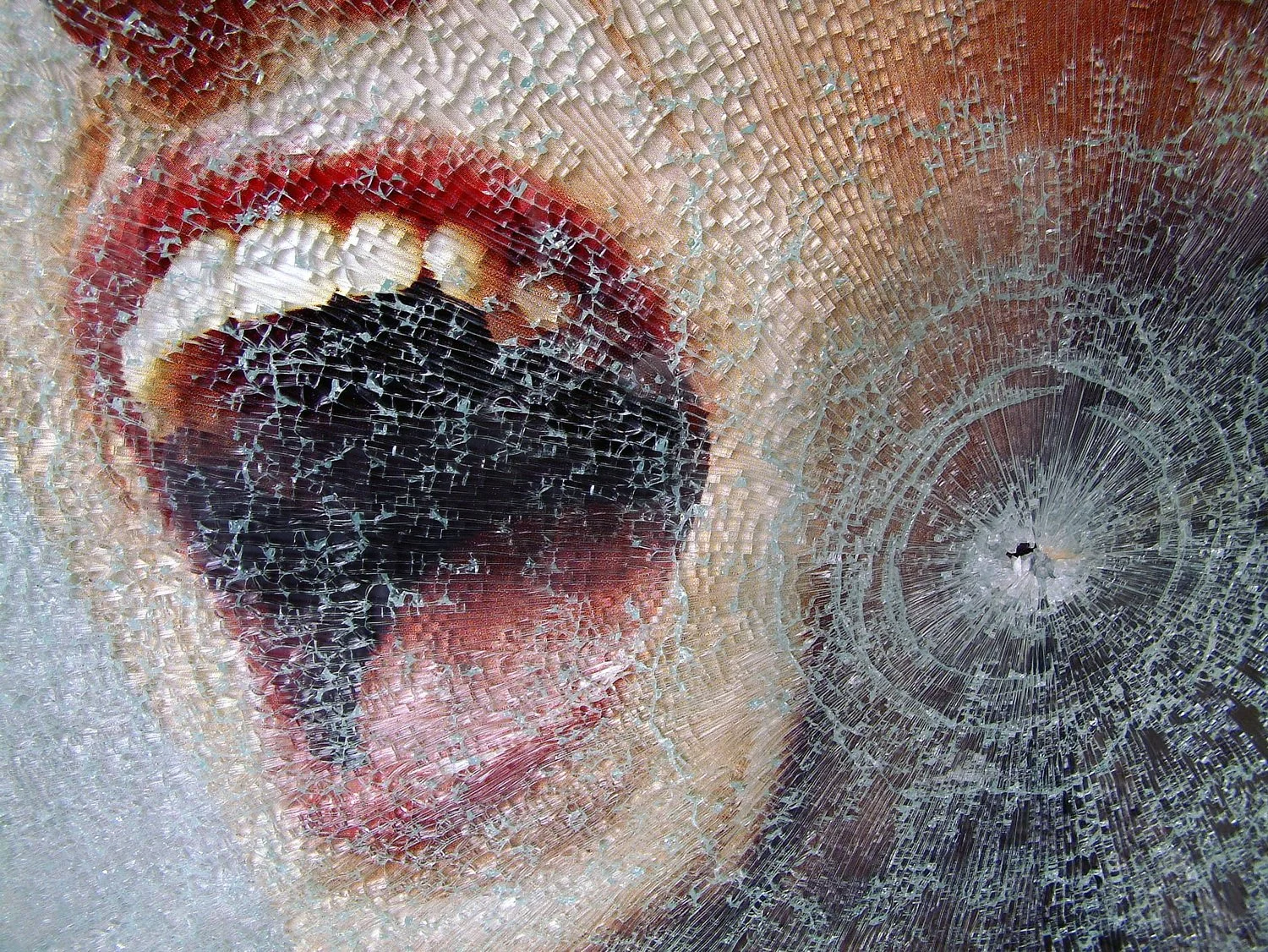
How do you visually capture the transition from "can't" to "can" in a single photograph or sequence? What visual elements or compositional choices help you show that shift?
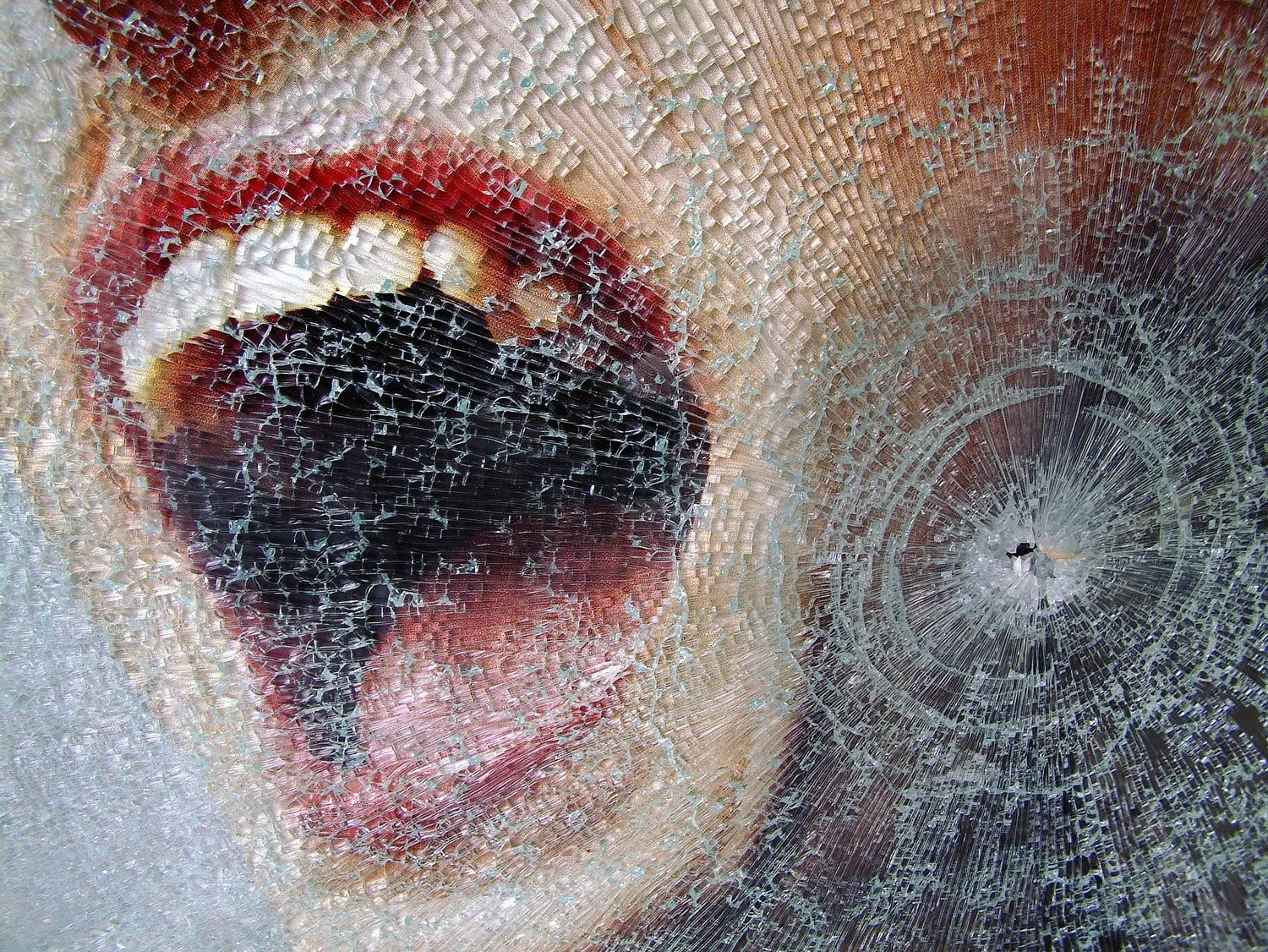
Perhaps scream picture breaking the glass
Over the years of accumulating this material, have you noticed any patterns in how different people physically embody limitation versus possibility? What does "can't" actually look like in a person's posture, expression, or environment?
The “can’t” concept has been a personal journey shaped by my own sensations. It began as something internal, something I felt when I left a place that no longer suited me and started looking for something different. During that period of time, I began noticing how many people around me felt stuck too. Not only in their circumstances but in the idea they had built of themselves. Some opened up and told me how external pressures or responsibilities kept them from making the changes they wanted. Many said that if they had the freedom, they would also move, leave, or restart. There isn’t a single way this feeling shows itself. There is no common expression or posture. Some people seem content but incomplete. Others show irritation, or a kind of quiet resignation. Some appear hostile. Each version creates an atmosphere that feels unsettled, a space where potential has been paused rather than lived.
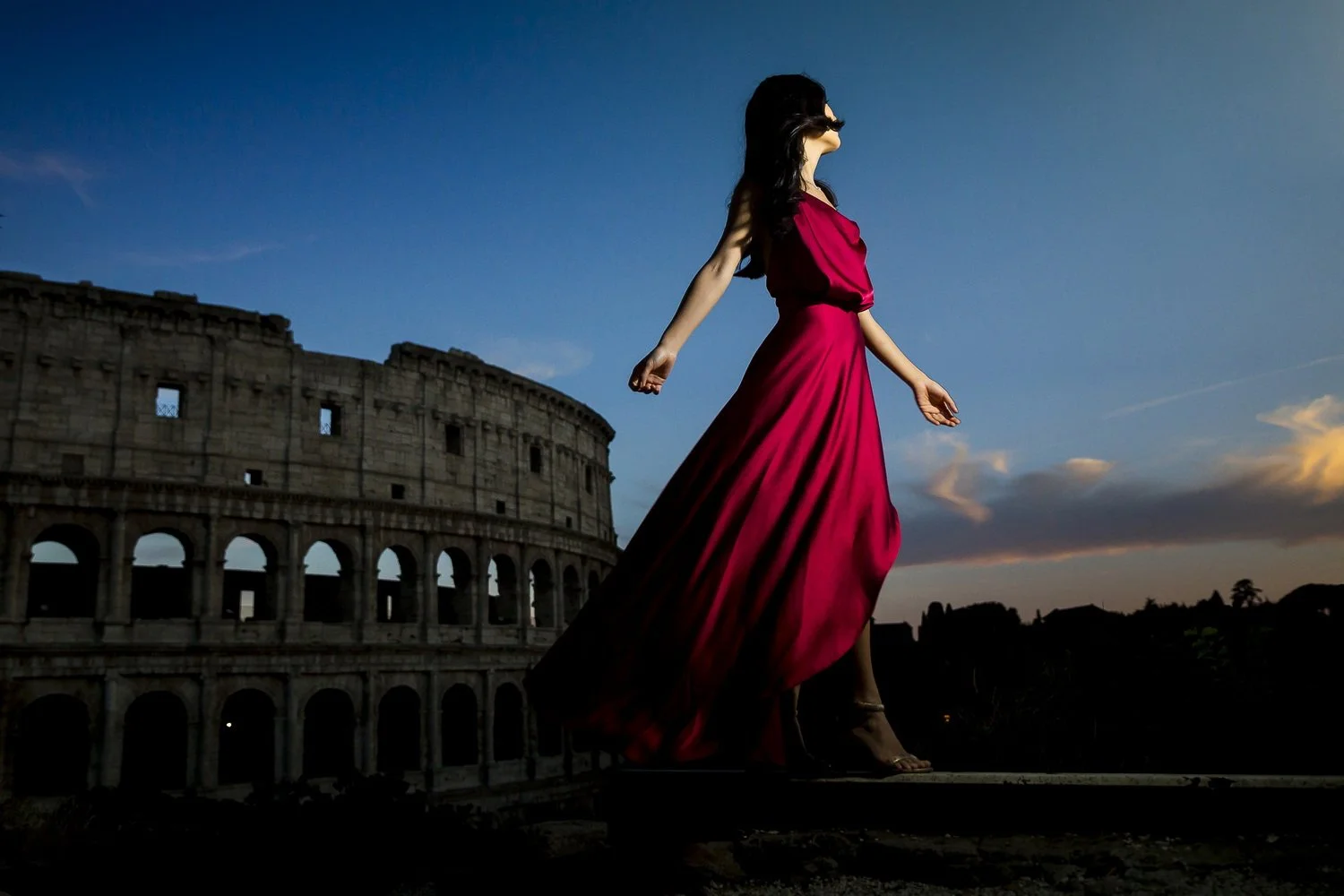
You mention that dreams "wait" and "rise" when we approach them. Have you photographed people at different stages of this journey? What does someone look like right before they take that first step versus after they've claimed their possibility?
This idea that I am developing is mainly aimed at myself and the sensation that I feel and that I see in things/people I take pictures of. I am not searching for can't in other people.
In your commercial lifestyle photography, you likely capture moments of joy, ease, and accomplishment. How has documenting "can't" and limitation changed the way you see and photograph those positive moments? Do they carry more weight now?
My commercial photography is the triumph of can! I often photograph the start of a new life together. With no limitations in sight and where everything seems possible. It is also my personal can. As at some point in the past it seemed like living as a photographer was something unachievable.
Michael Behlen photographed water that would not stay still. For three years, he returned to Millerton Lake in California’s Central Valley, making all the photographs during storms, when the reservoir became harder to read. Picture Story