From Fog to Golden Hour: How Joshua Amirthasingh’s Tales from the City Finds Quiet Moments Inside a Loud City
Welcome to this edition of [book spotlight]. Today, we uncover the layers of 'Tales from the City,' by Joshua Amirthasingh (published by Nazraeli Press). We'd love to read your comments below about these insights and ideas behind the artist's work.
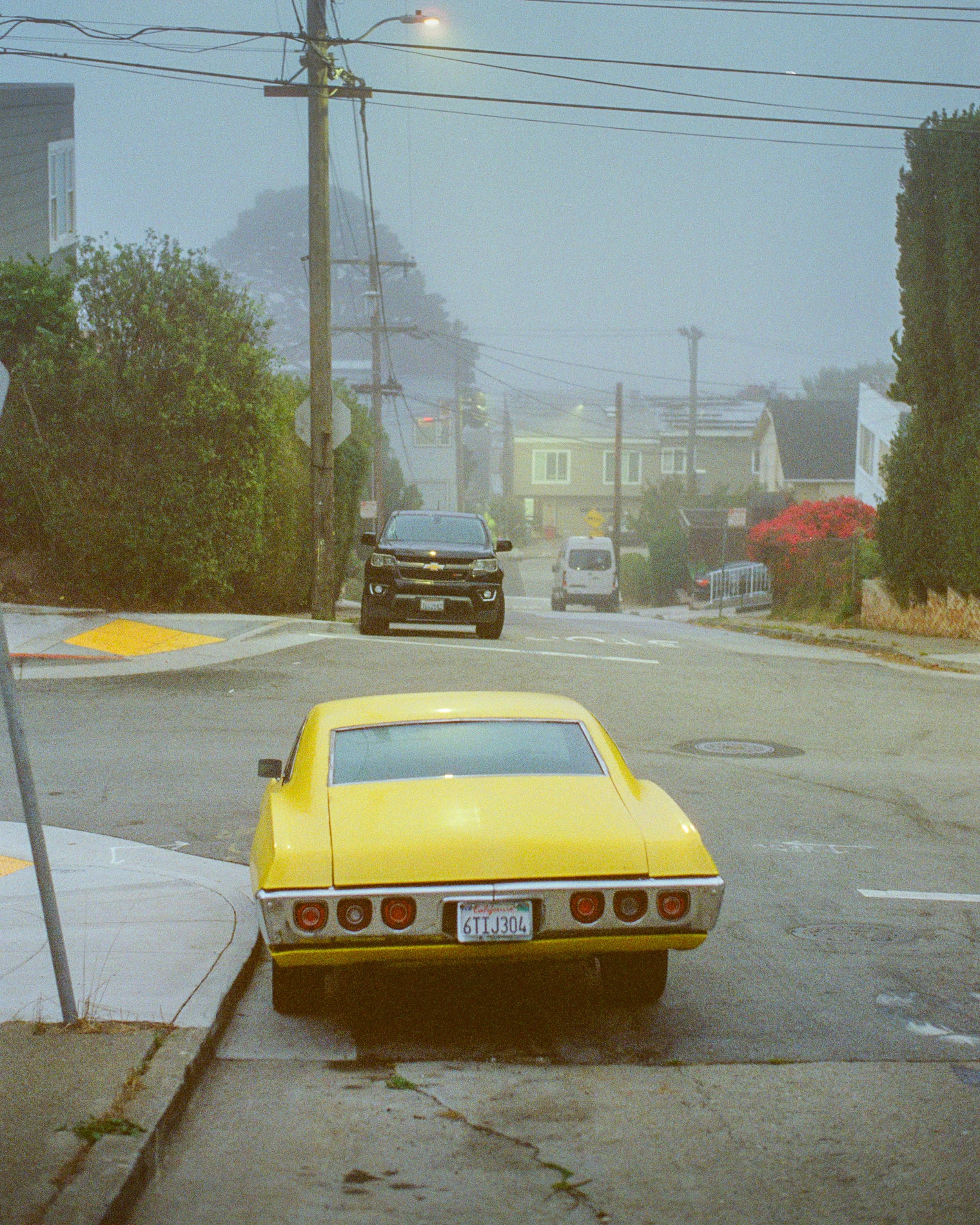
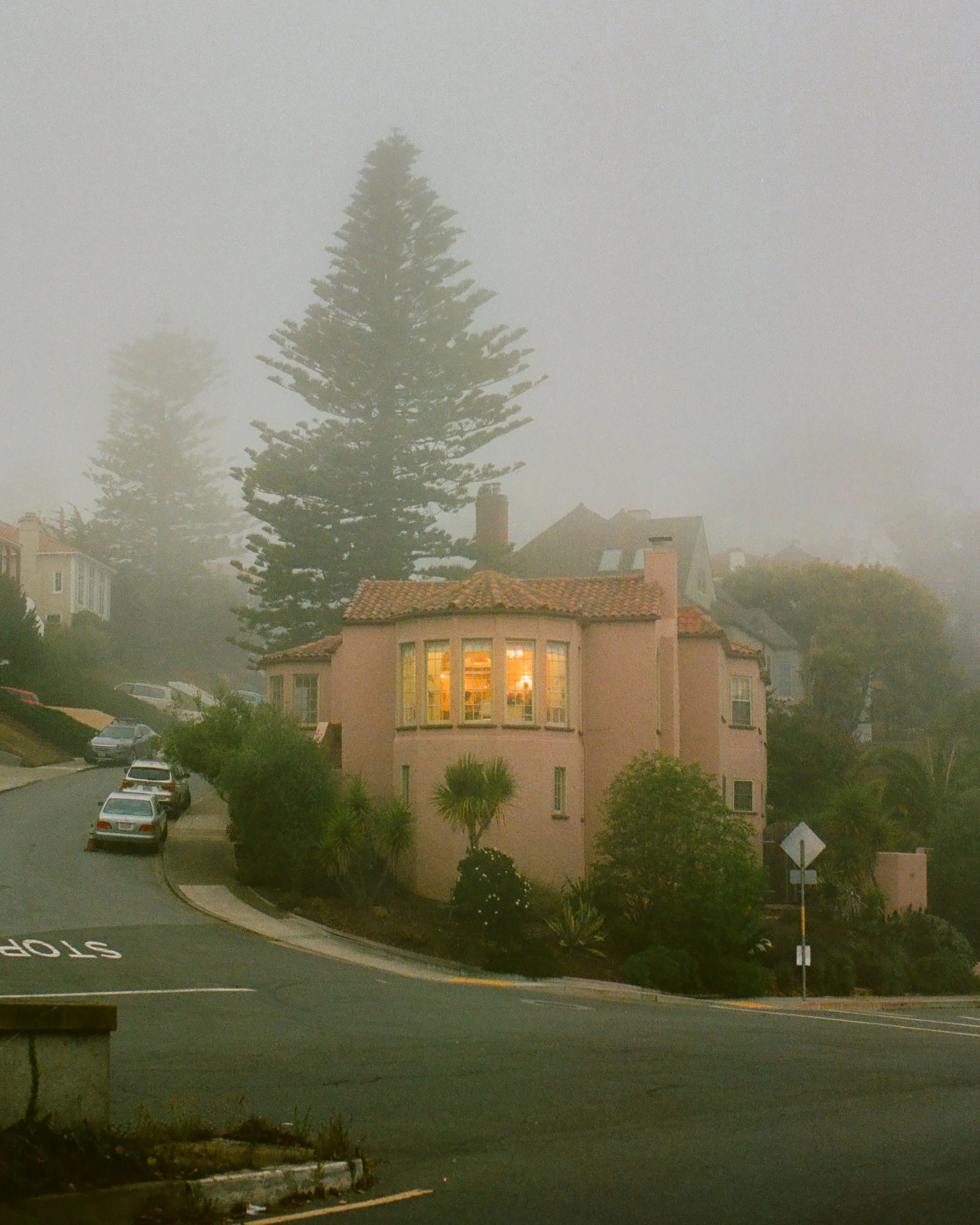
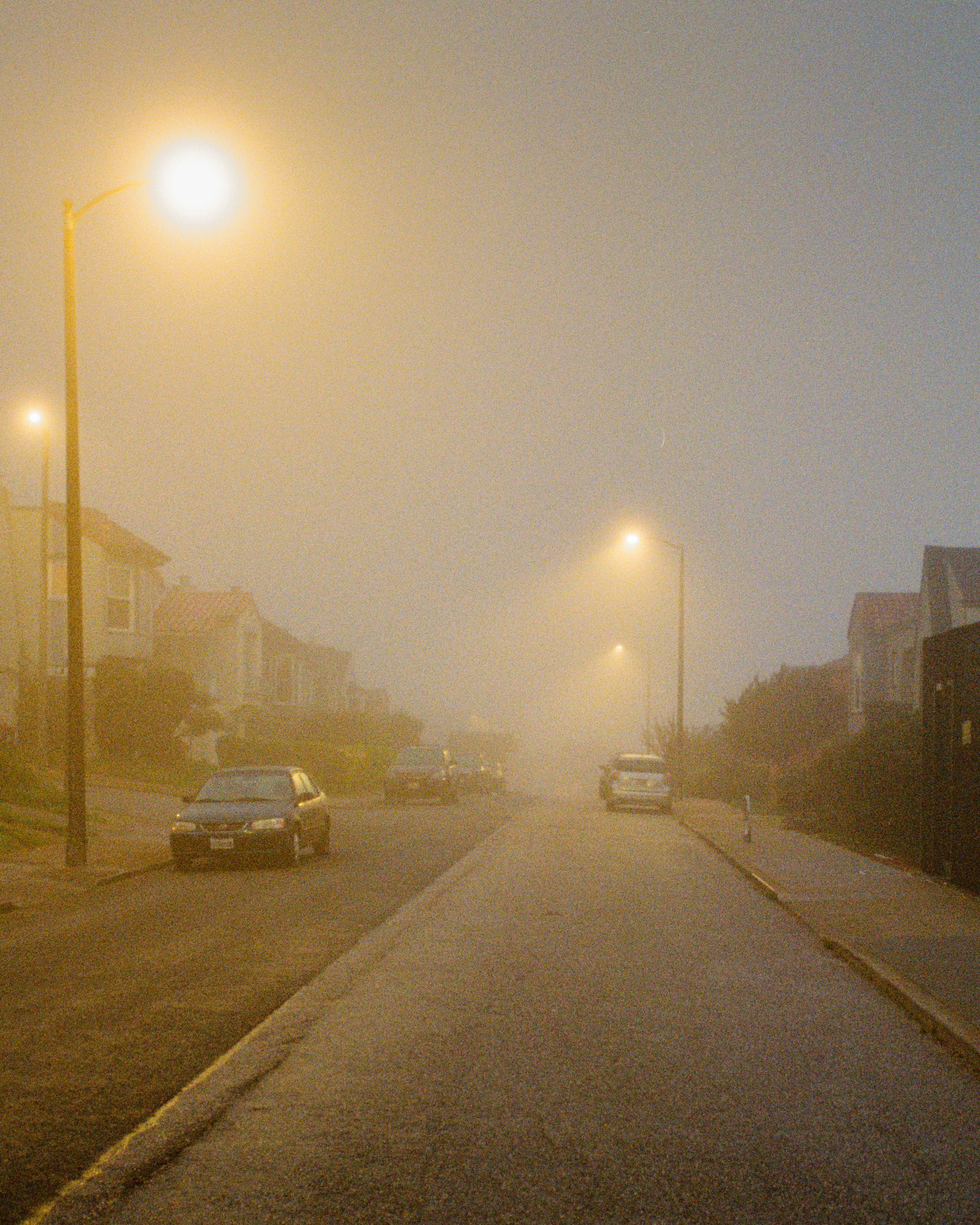
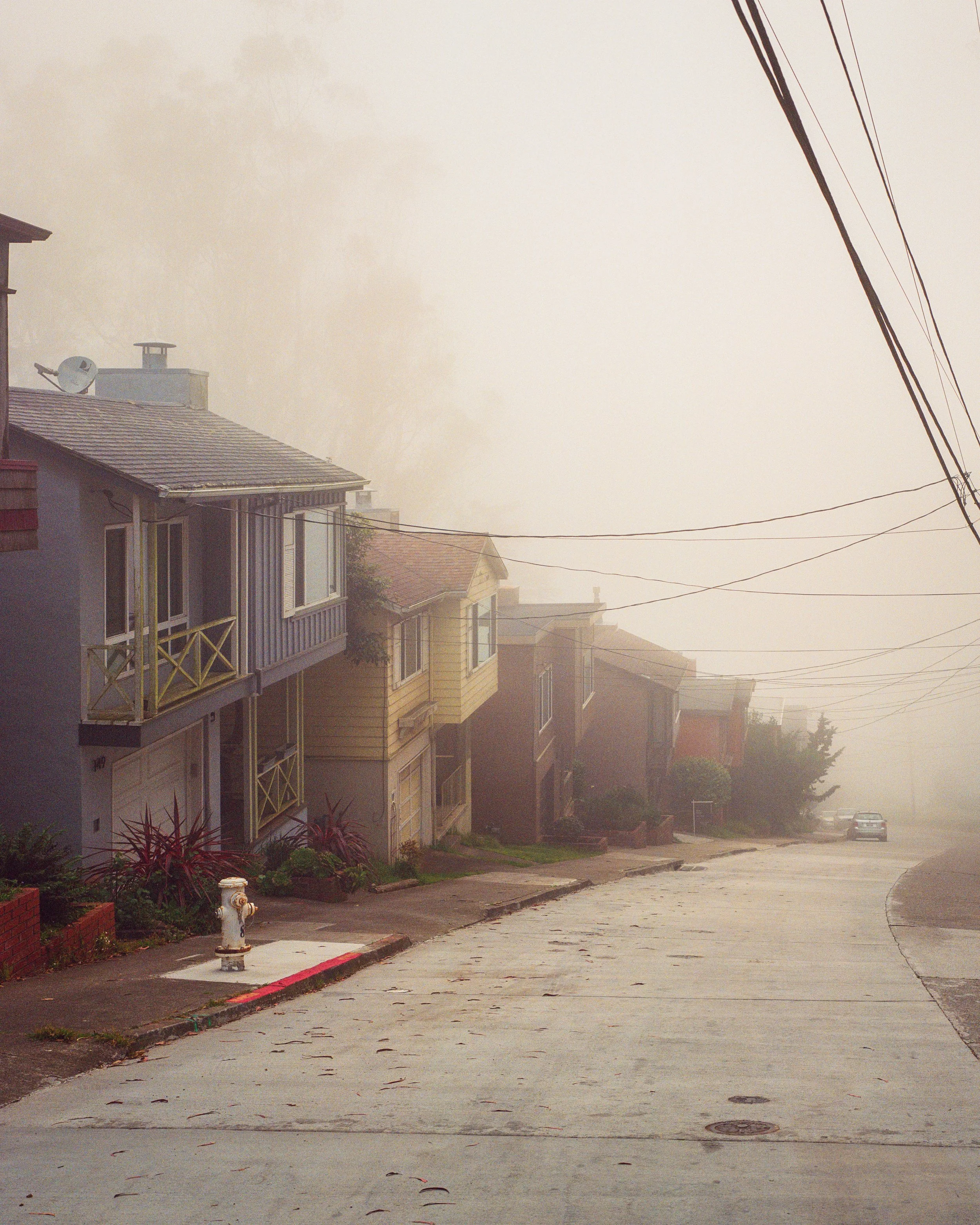
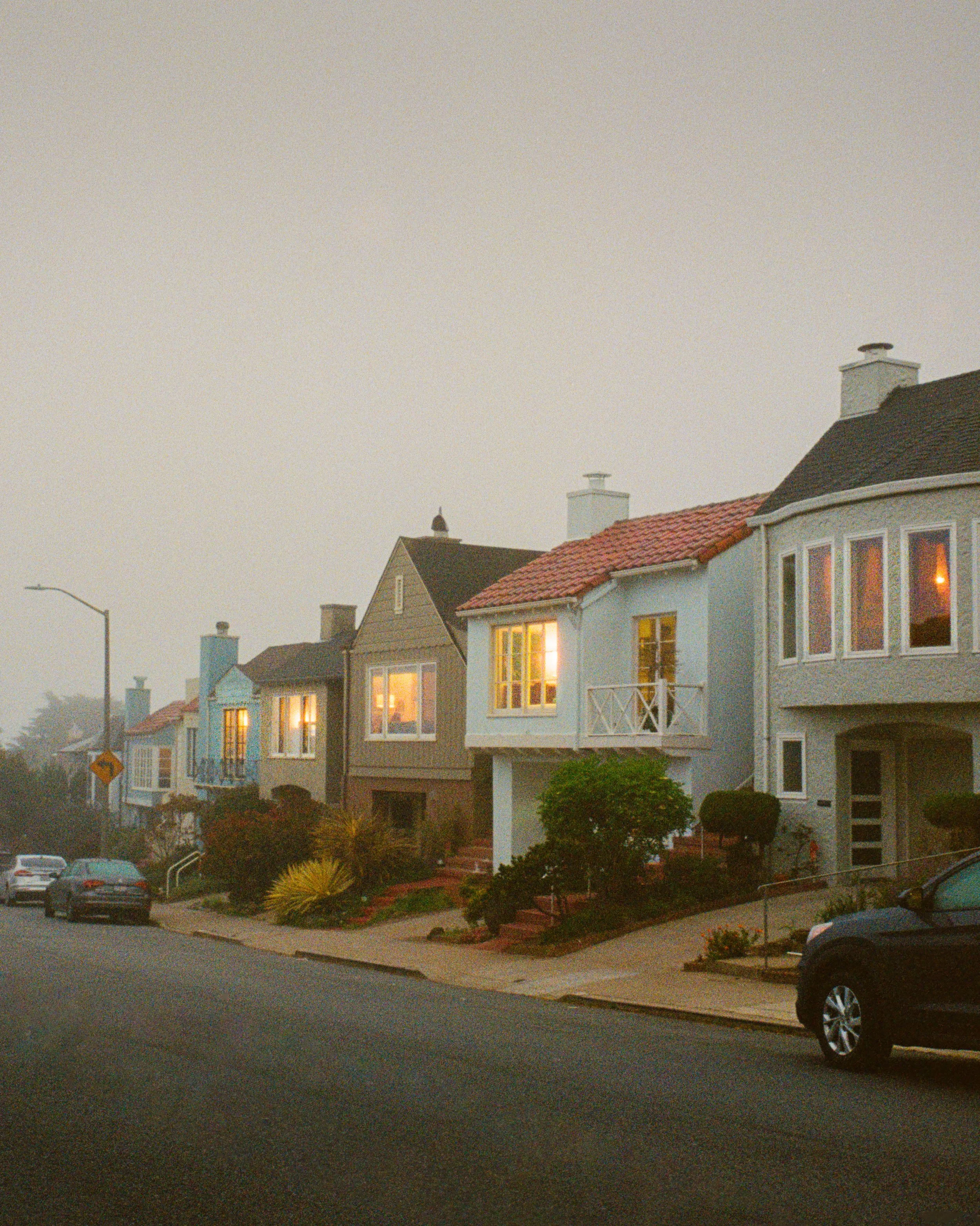
Early mornings, fog, and an empty San Francisco street.
Instead of chasing big moments, he focused on small scenes, quiet corners, and light that changes fast. Over several years, these moments became Tales from the City, a book about mood, memory, and stillness. It shows how a loud city can feel different when you stop trying to keep up with it.
This interview is for anyone who feels overwhelmed by cities
It is also for photographers who feel pressure to always move fast and produce more images. Joshua explains why he works only with film, why he waits, and why walking matters more than gear. He talks about fog, golden hour, cinema, and how being an outsider shaped his way of seeing. What stays is not advice, but a way of paying attention that takes time to notice.
The Book
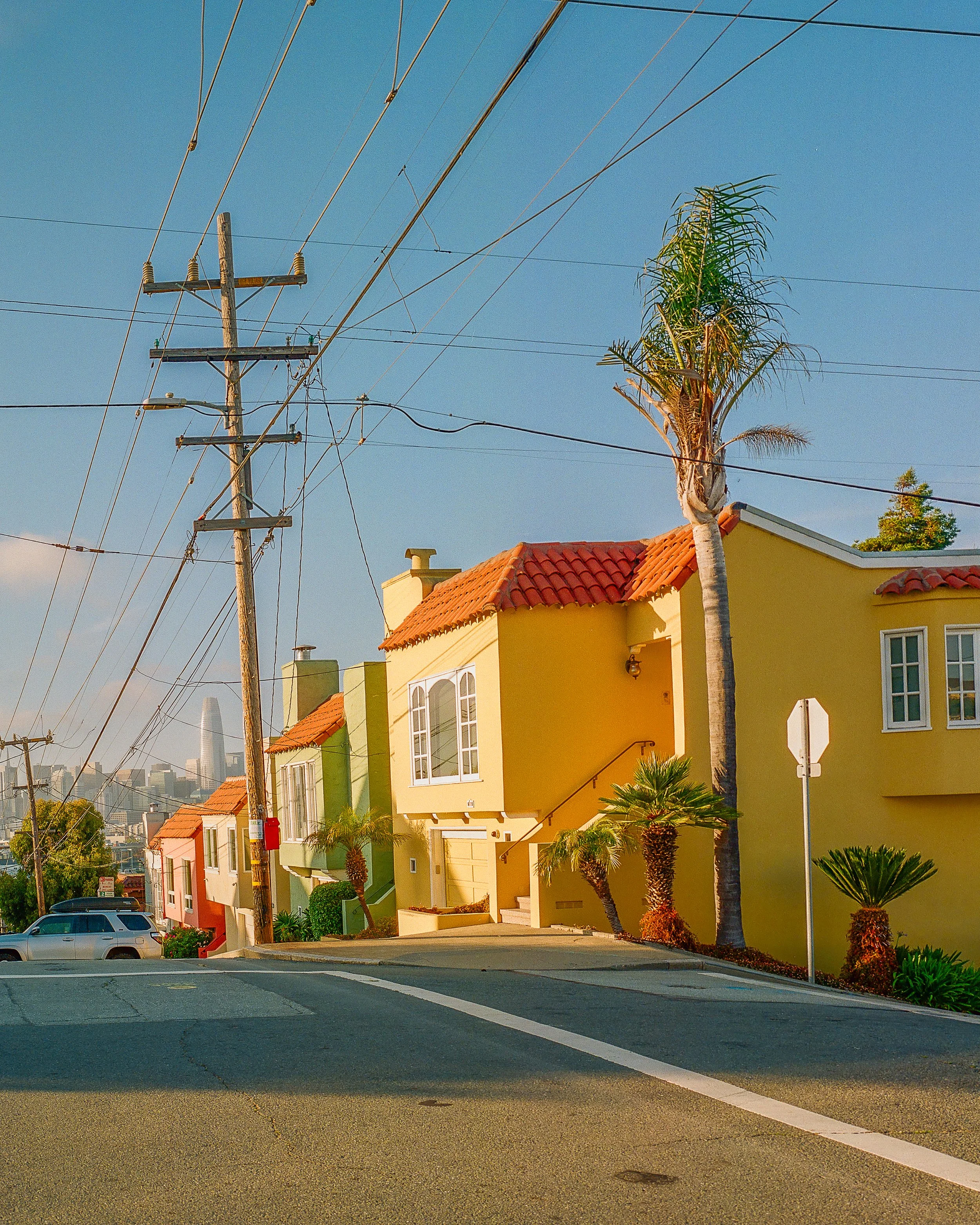
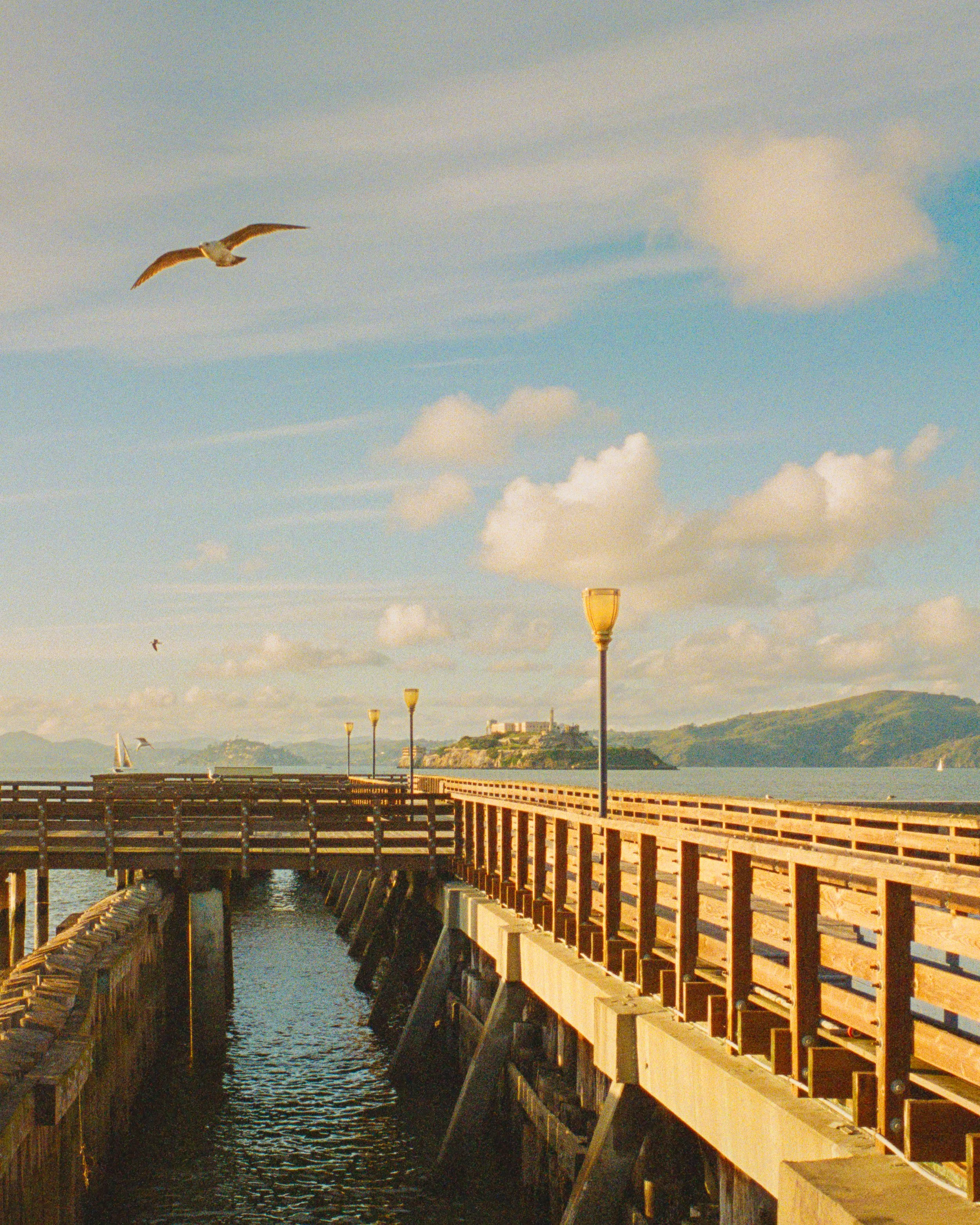
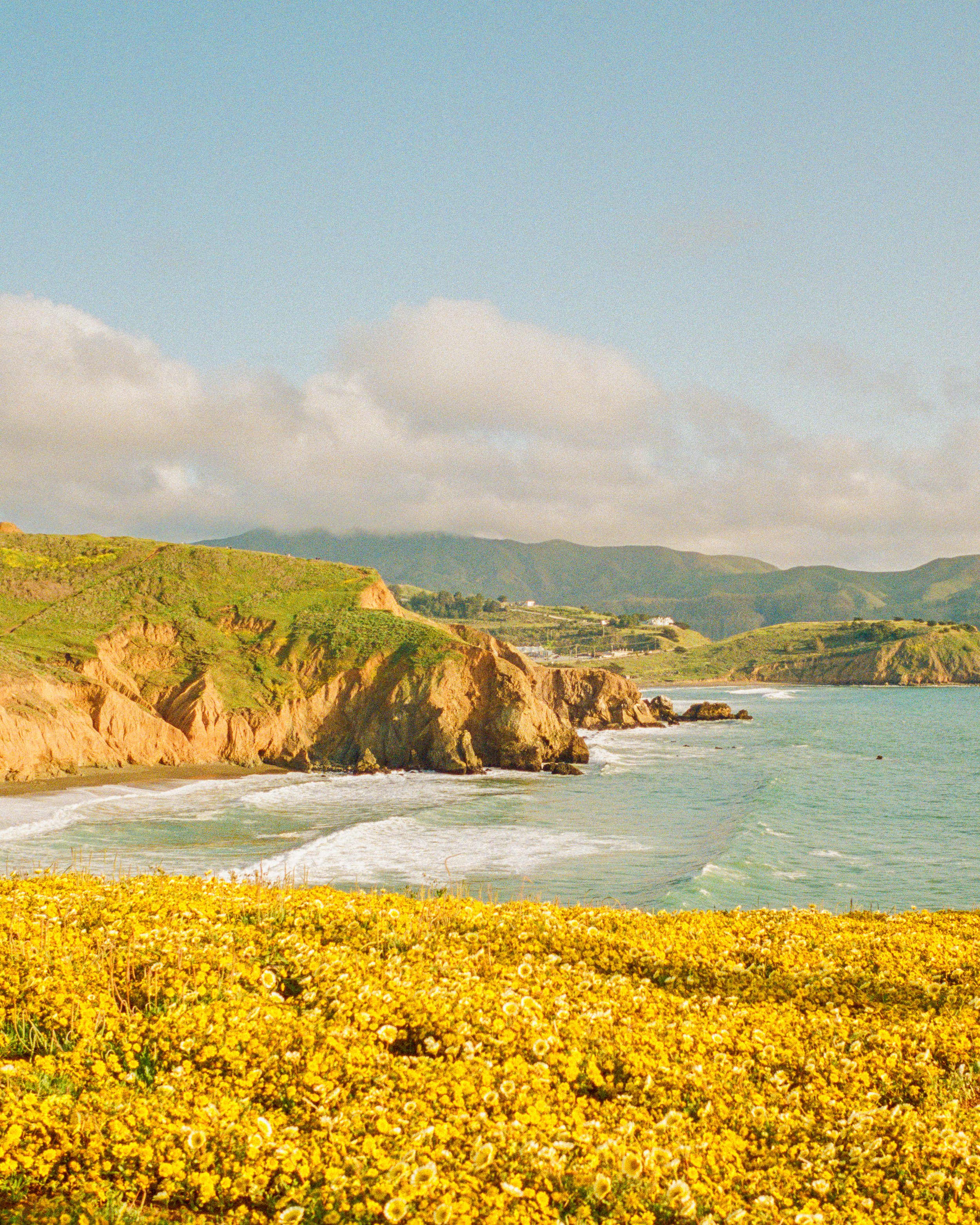
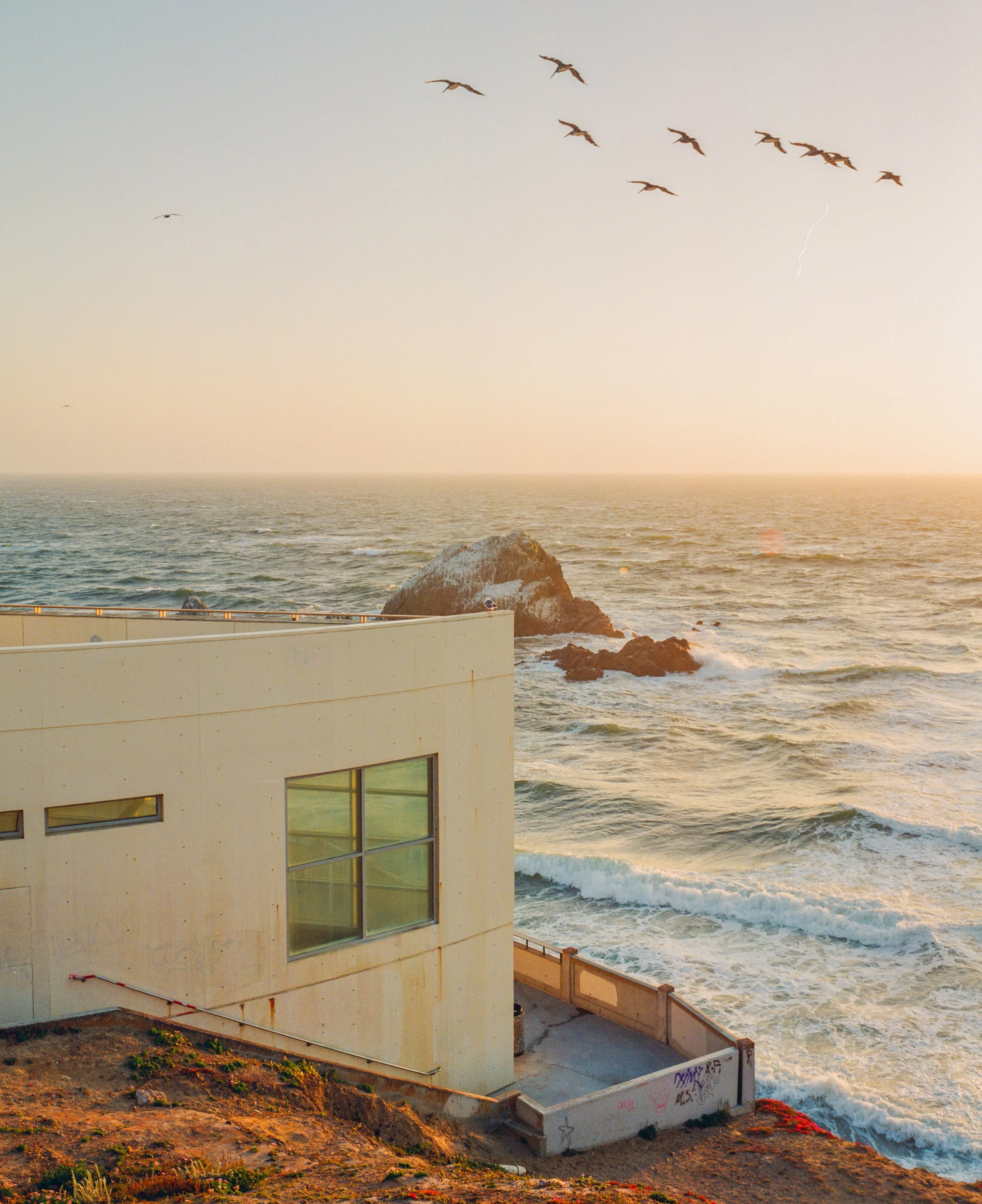
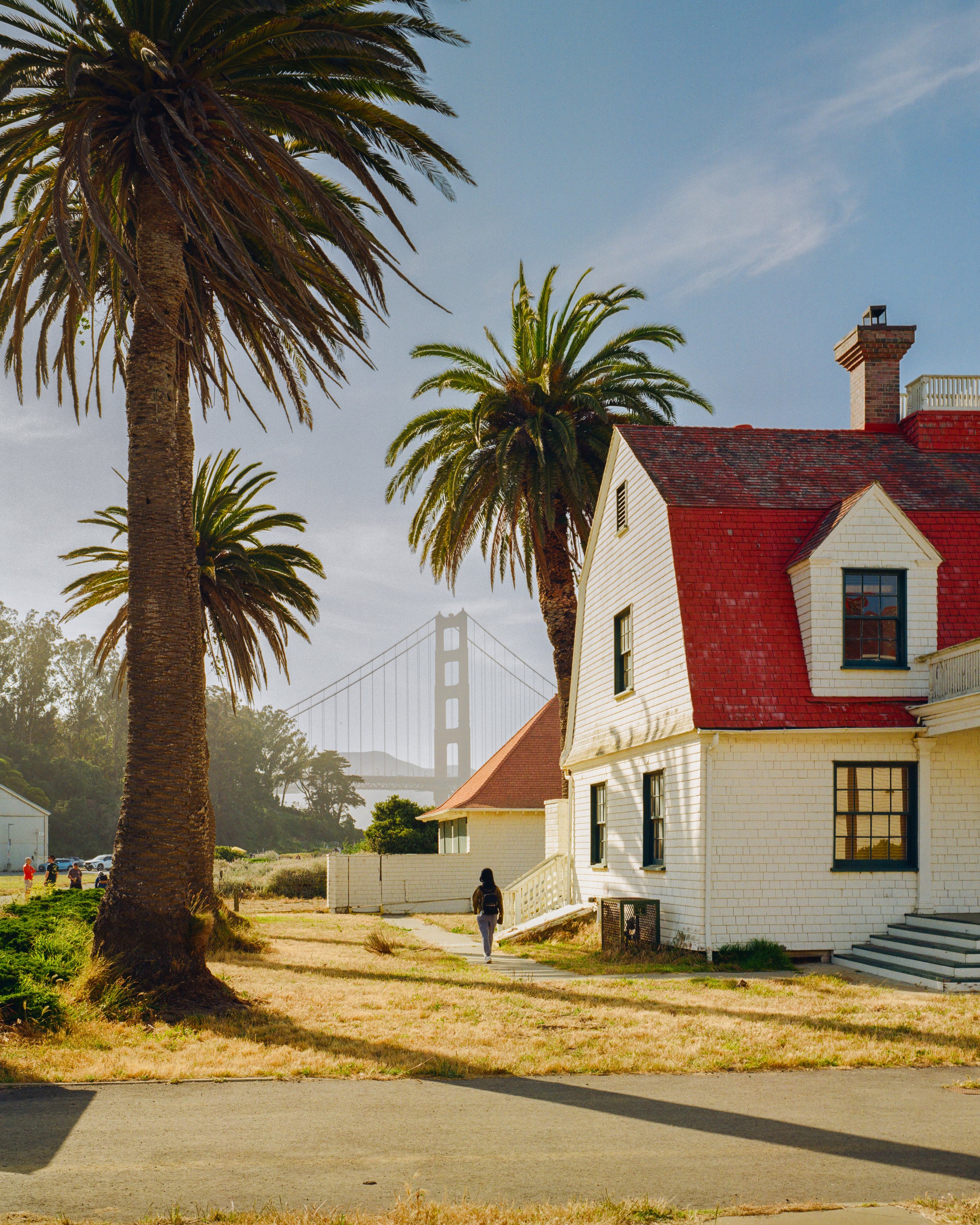
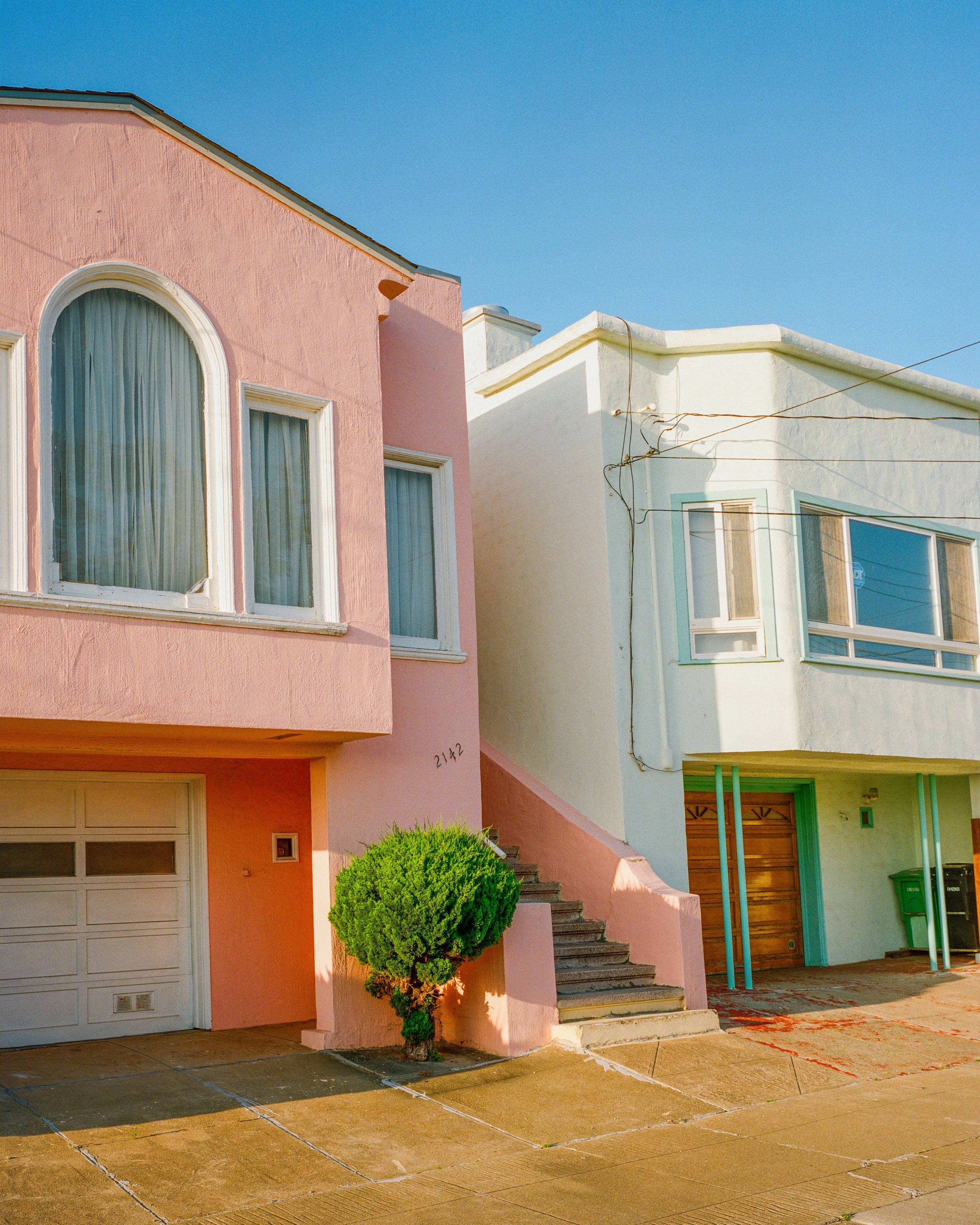
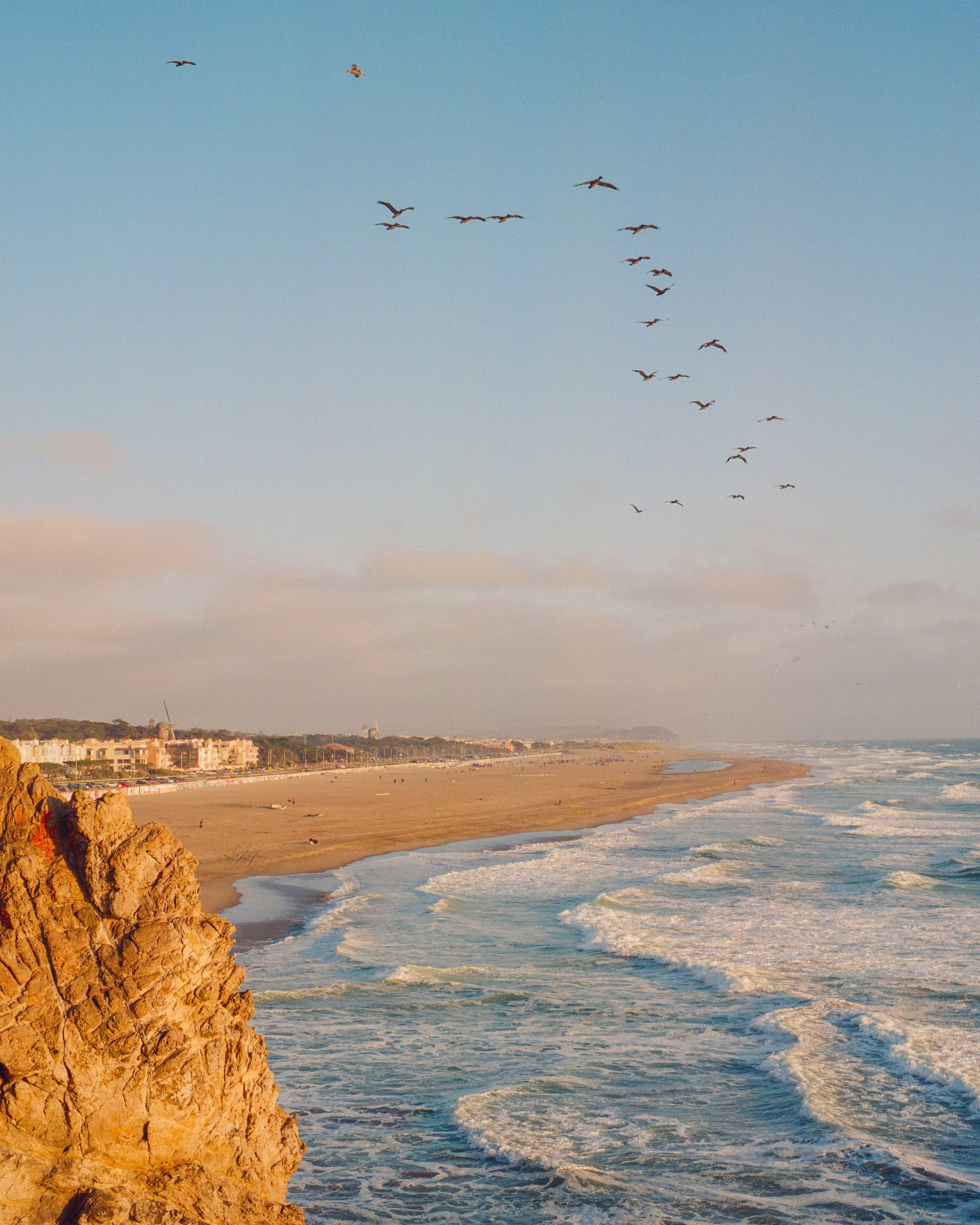
Tales from the City is a photobook by Joshua Amirthasingh that documents his adopted home of San Francisco through quiet, dreamlike images. The book collects moments he found by walking the city with an analog camera, focusing on the interplay of golden hour light and fog to create a mood that feels both familiar and unexpected. Guided by nostalgia, cinematic influences, and careful observation, Amirthasingh’s images unfold like stories, showing the city not as chaos but as a series of calm, reflective scenes. Beautifully printed and designed, the book is a visual diary that makes the everyday feel new again. (Nazraeli Press, Setanta books, Amazon)
Project Genesis: "Tales from the City" is your love letter to San Francisco - what made you decide to turn years of street photography into this specific book?
I never started out shooting thinking about making a book. I walked the streets and documented it for a few years, taking photos of things that caught my eye. Over time, I realised I wasn't just documenting the geography of San Francisco; I was documenting a feeling. The book opportunity became a way to organise those moments into a story. As the opening quote says, I wanted to show that 'San Francisco is not a city, it's a state of mind'.
Can you describe what that specific feeling is? Is it nostalgia, loneliness, or something else entirely that you were trying to capture?
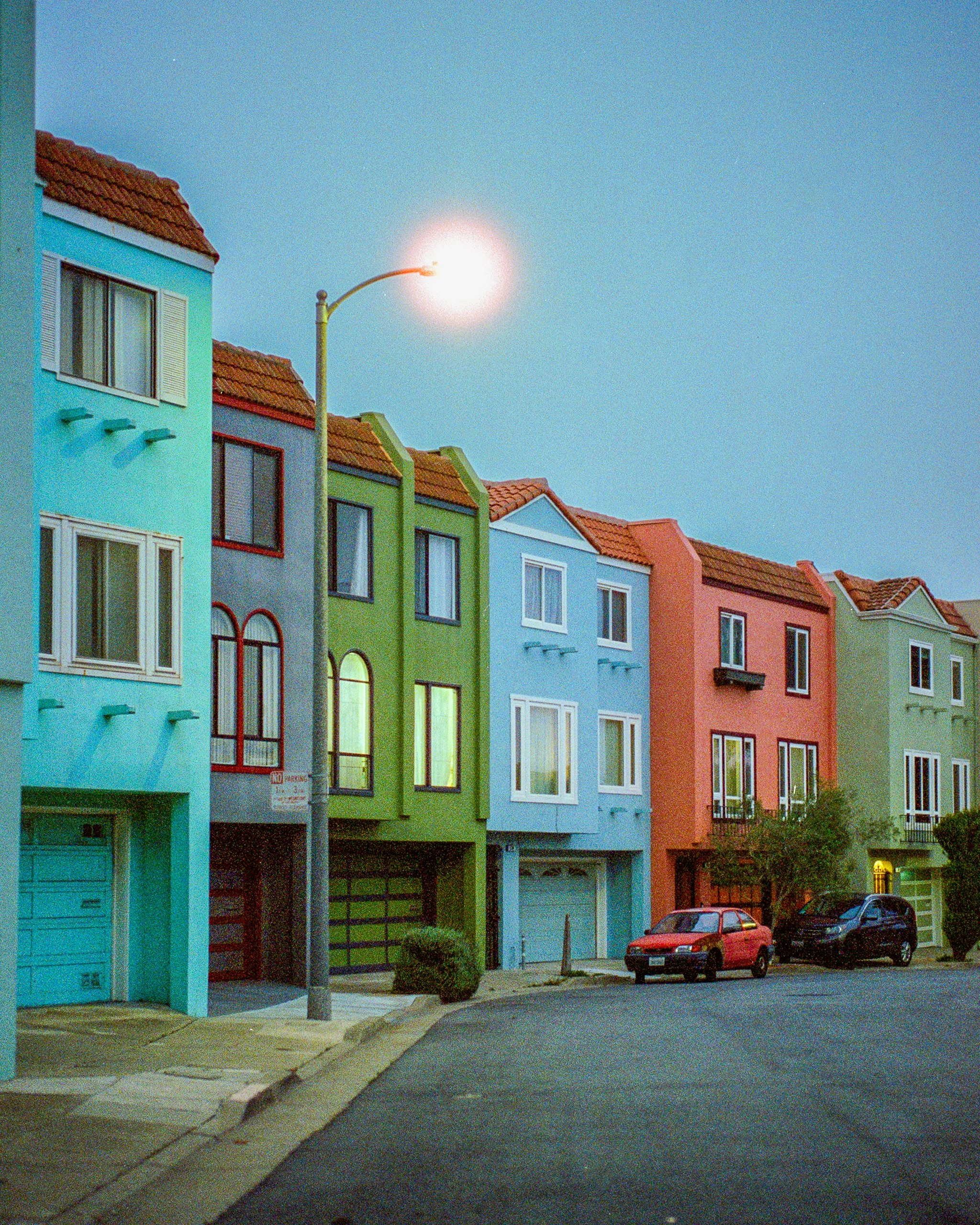
On the "Feeling" It is definitely a mix of nostalgia and recognition. I wanted to capture the feeling of a memory, where the edges are soft and the world feels a bit dreamier than reality. My hope is that people relate to these photos because they are the exact scenes we all walk past on our daily commutes or evening walks in the neighbourhood. I just wanted to hit 'pause' on those ordinary moments so we can actually see the beauty in them.
Film Choice: Why do you only use analogue film instead of digital cameras for this project, and what film stocks create those dreamy colours?
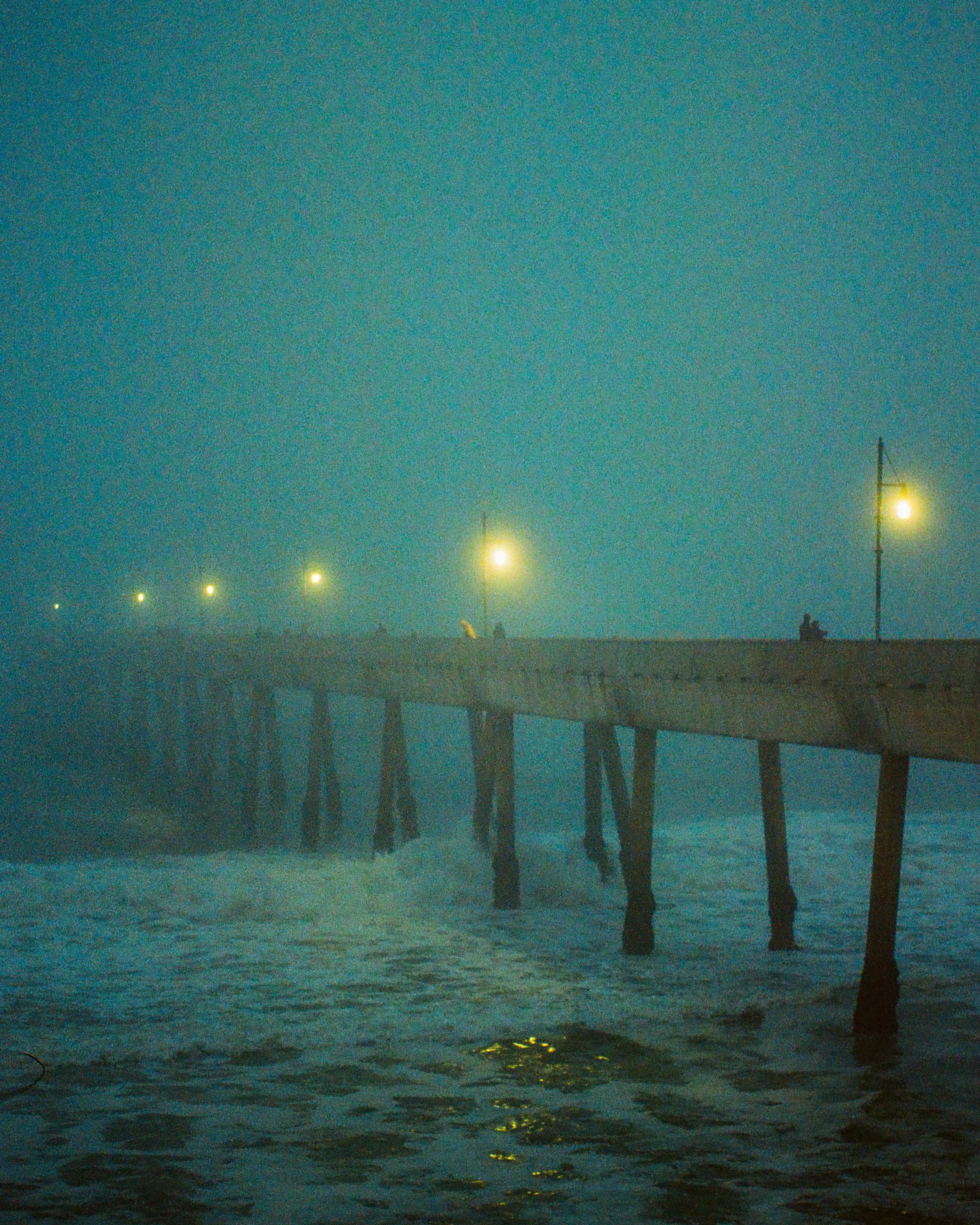
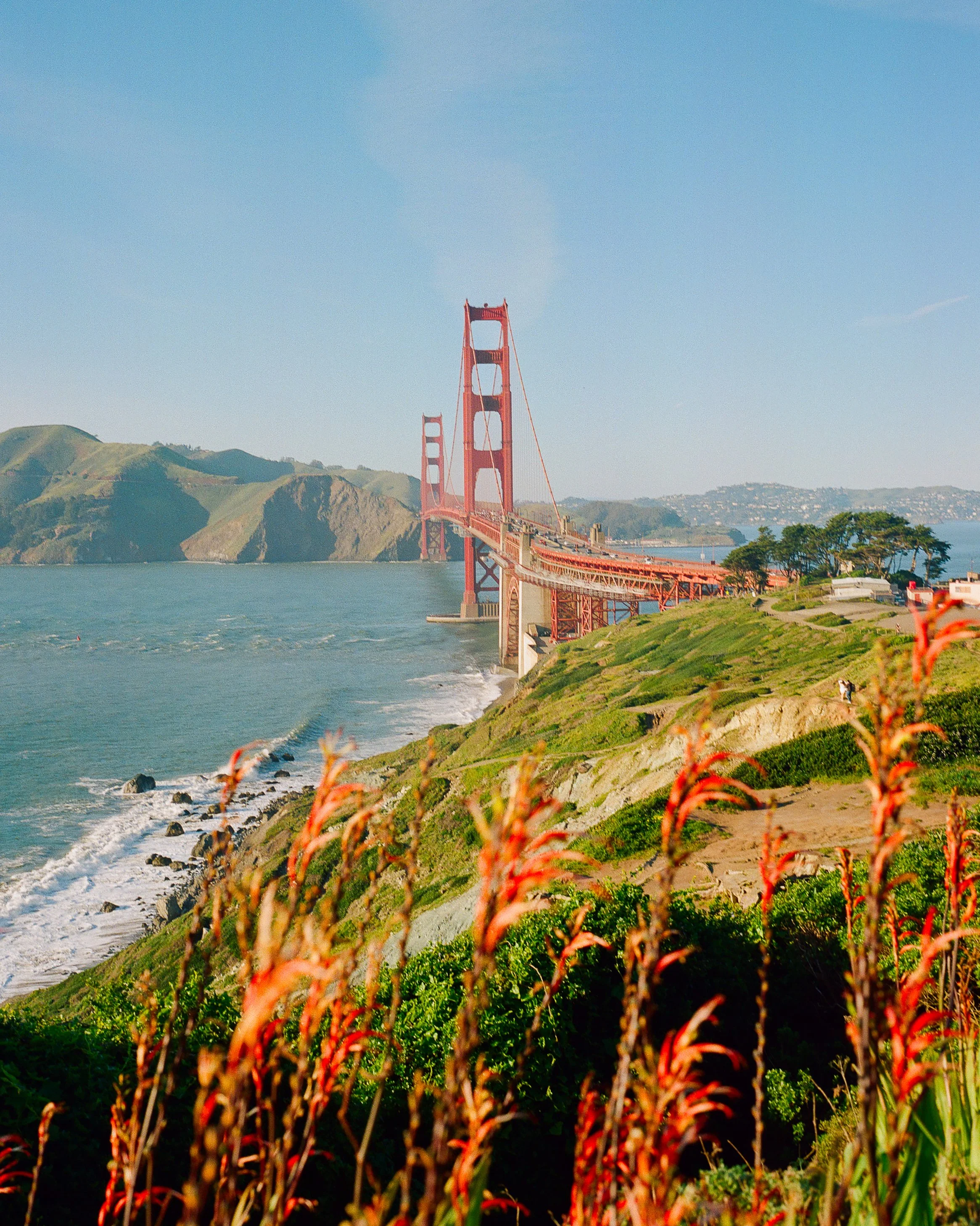
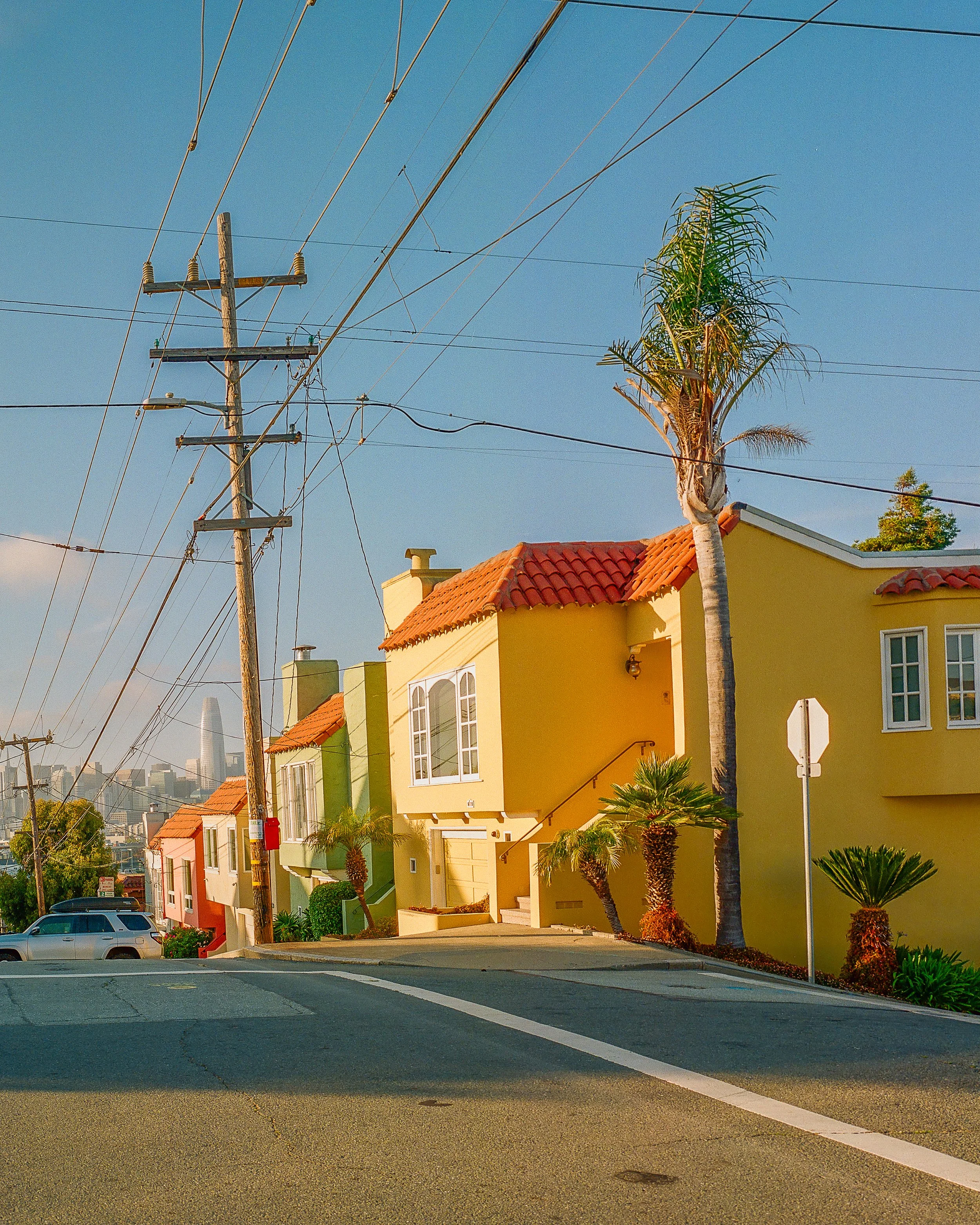
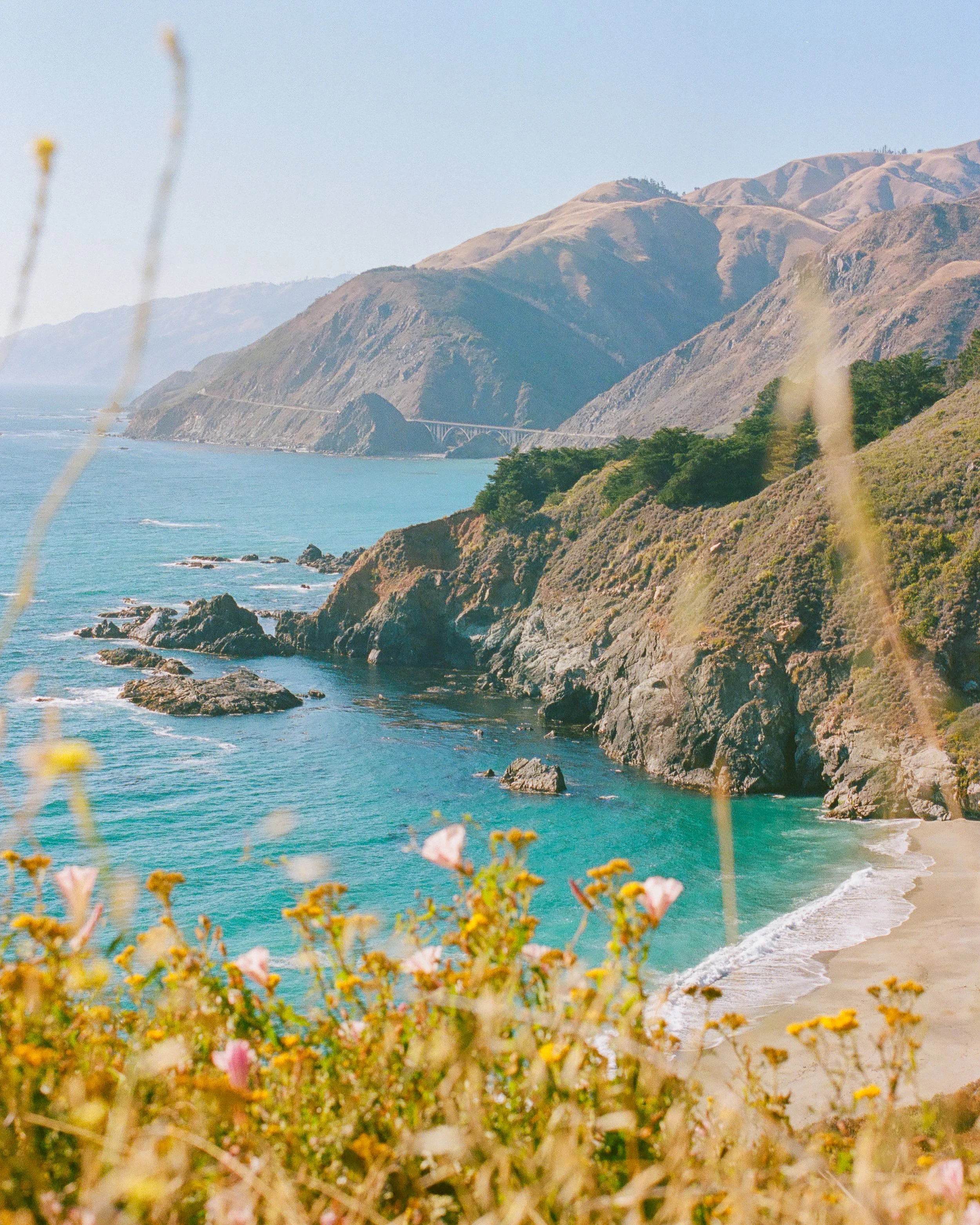
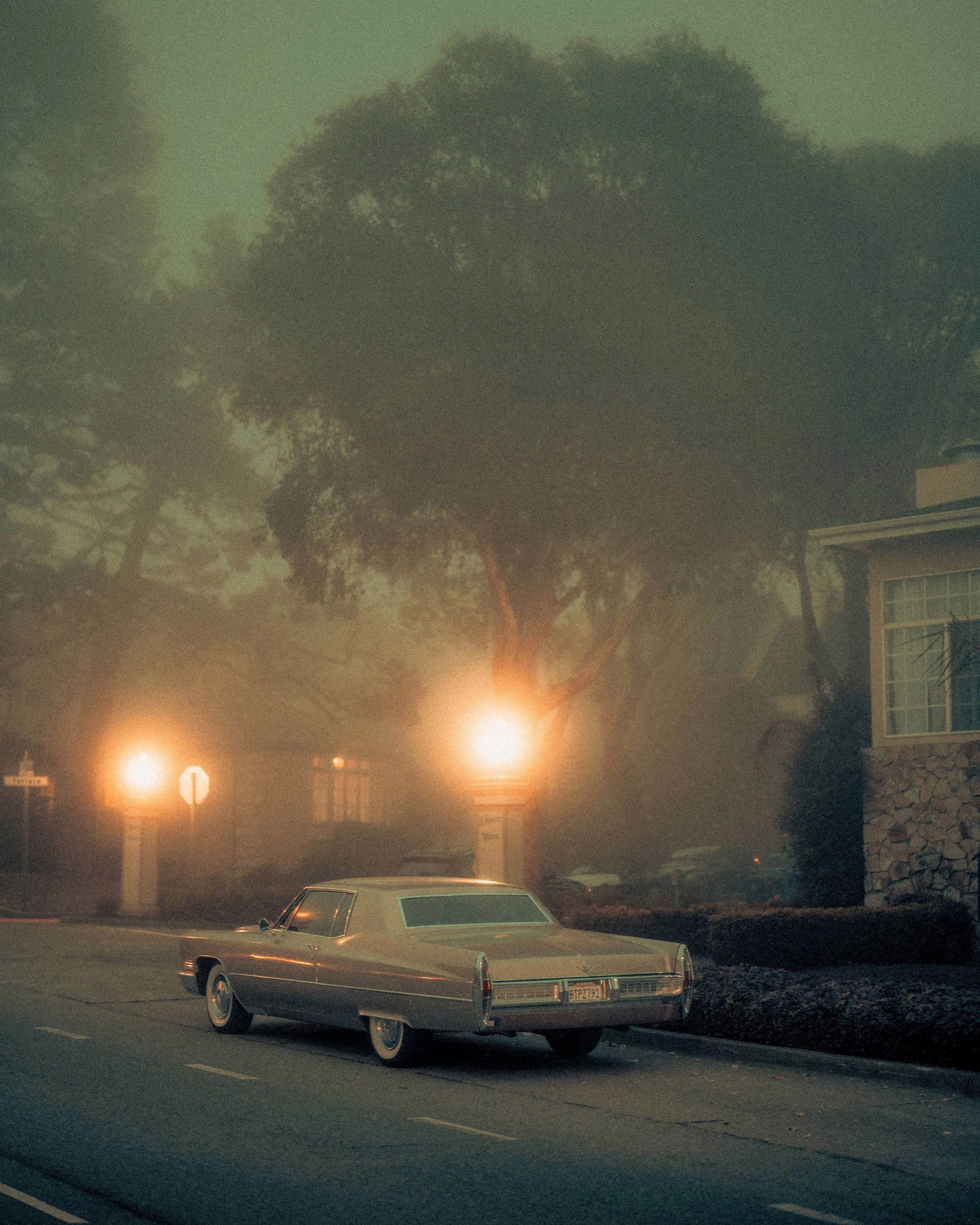
I shoot with analogue film because it forces me to slow down. I mostly use Kodak Portra 800. I tend to overexpose it slightly, which gives the photos those soft, pastel colours. I hope it makes the images feel like a fading memory.
Golden Hour Magic: San Francisco's golden light and fog are like characters in your book - how do you plan your shooting around these weather conditions?
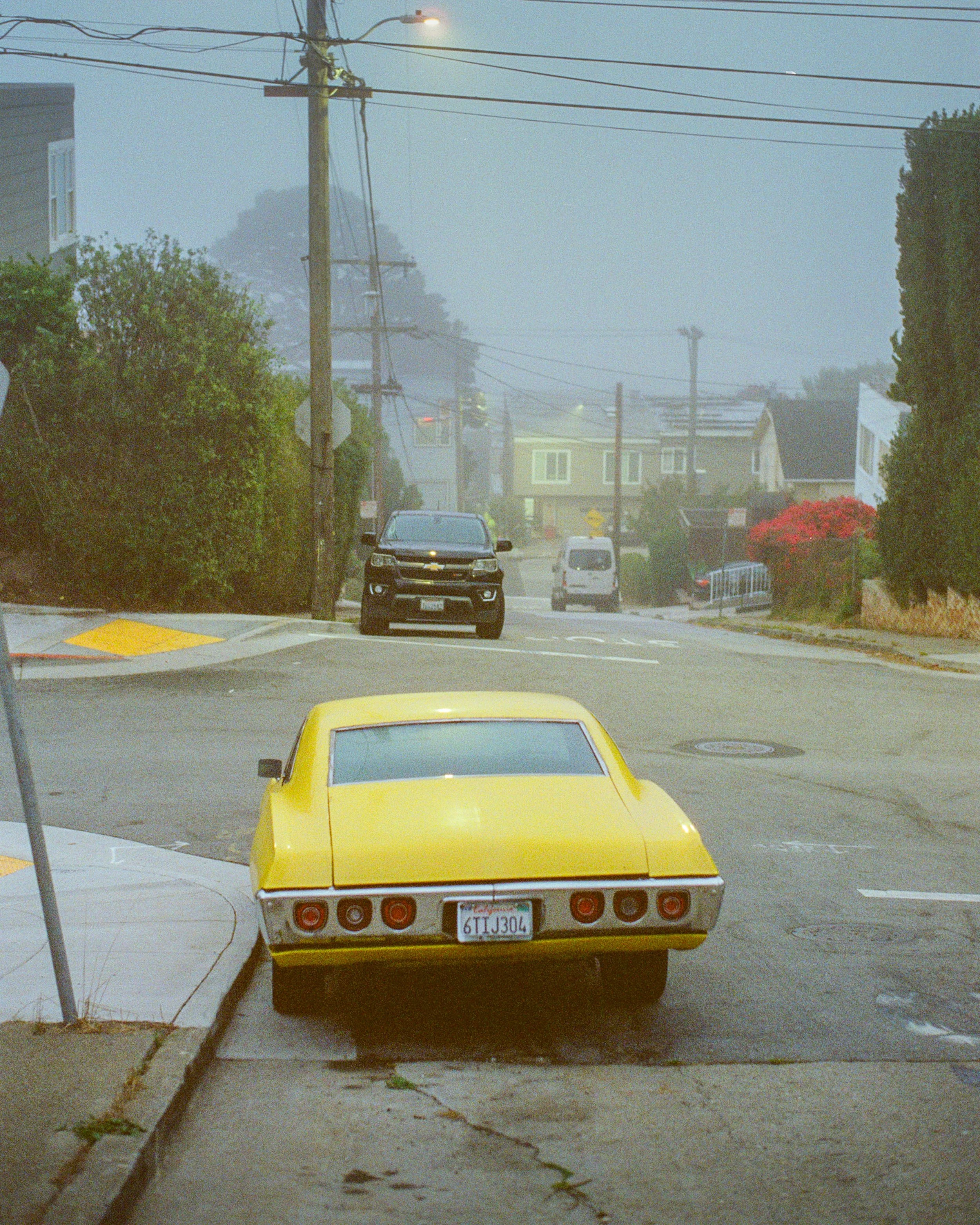
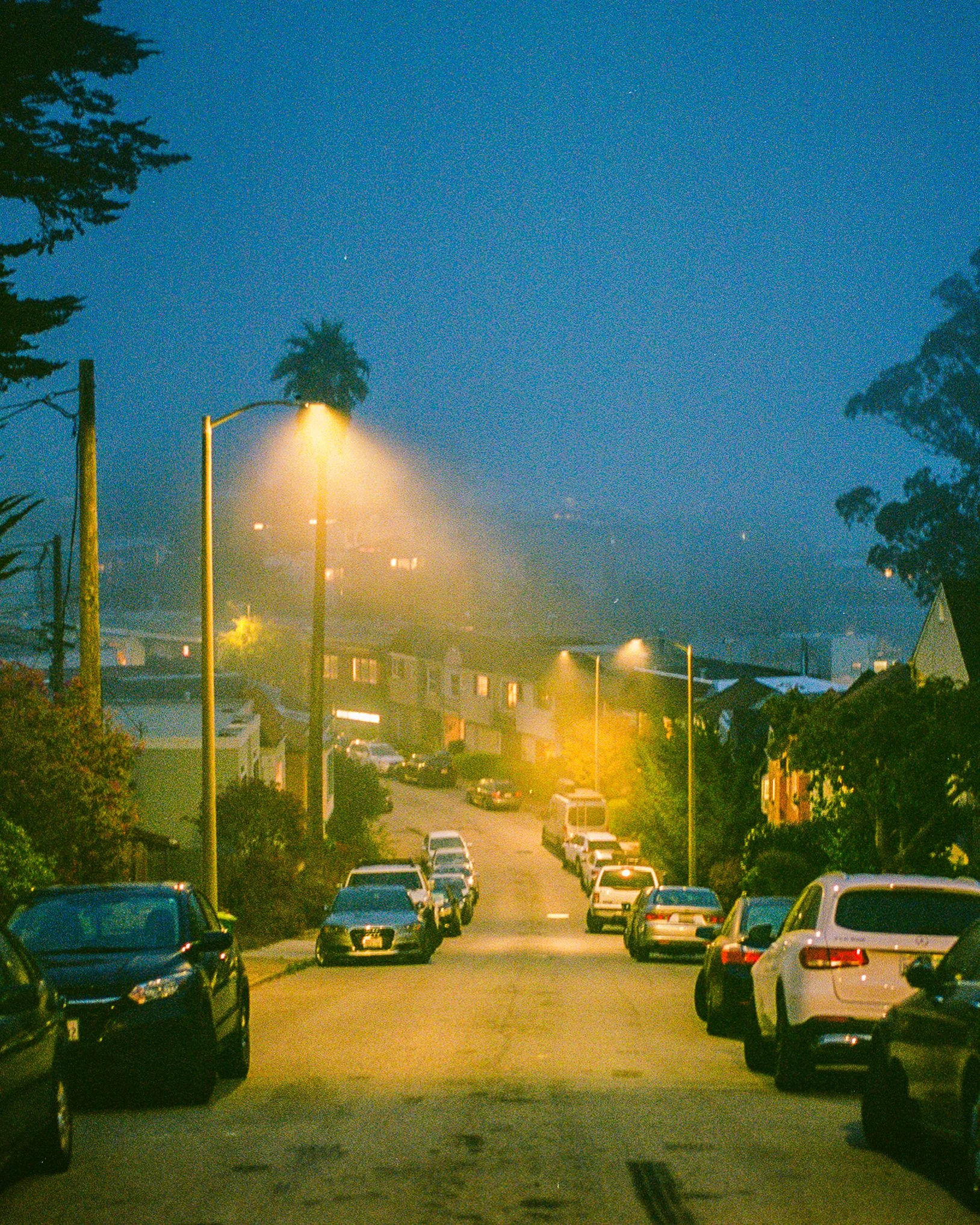
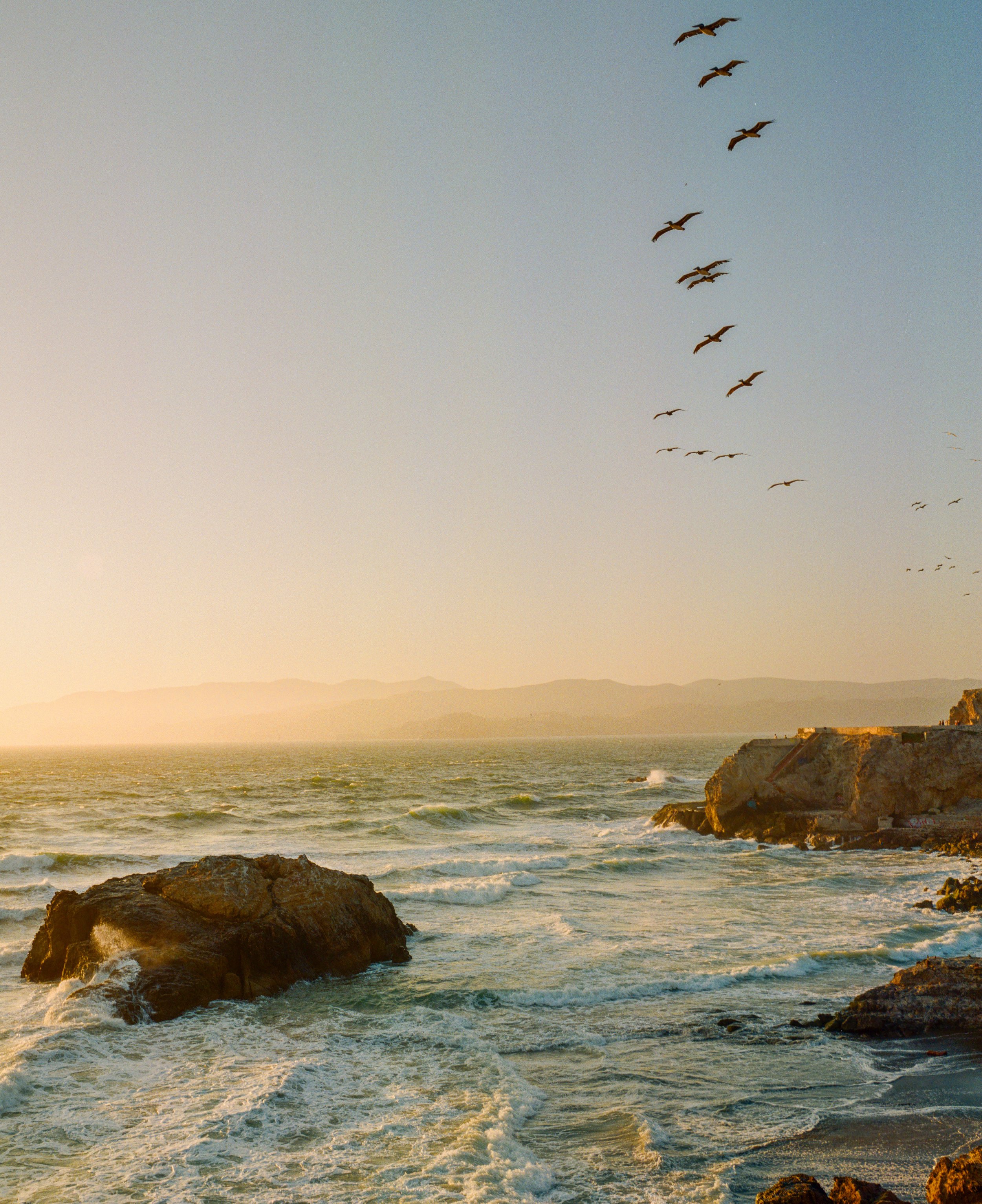
We are lucky to have such special weather conditions in the Bay Area. The fog acts like a giant filter, it can really help make the mundane look special. The golden hour light is another cheat code. In San Francisco, usually our summers are very foggy, so I usually shoot the fog during that time of the year. The rest of the year we usually have good golden hour light, barring the monsoon season where it is a bit unpredictable.
Neighbourhood Connection: Like Thomas Boivin who walked his Paris neighbourhood daily for 10 years, you also explore San Francisco on foot - how does slow walking help you find the right moments to photograph?
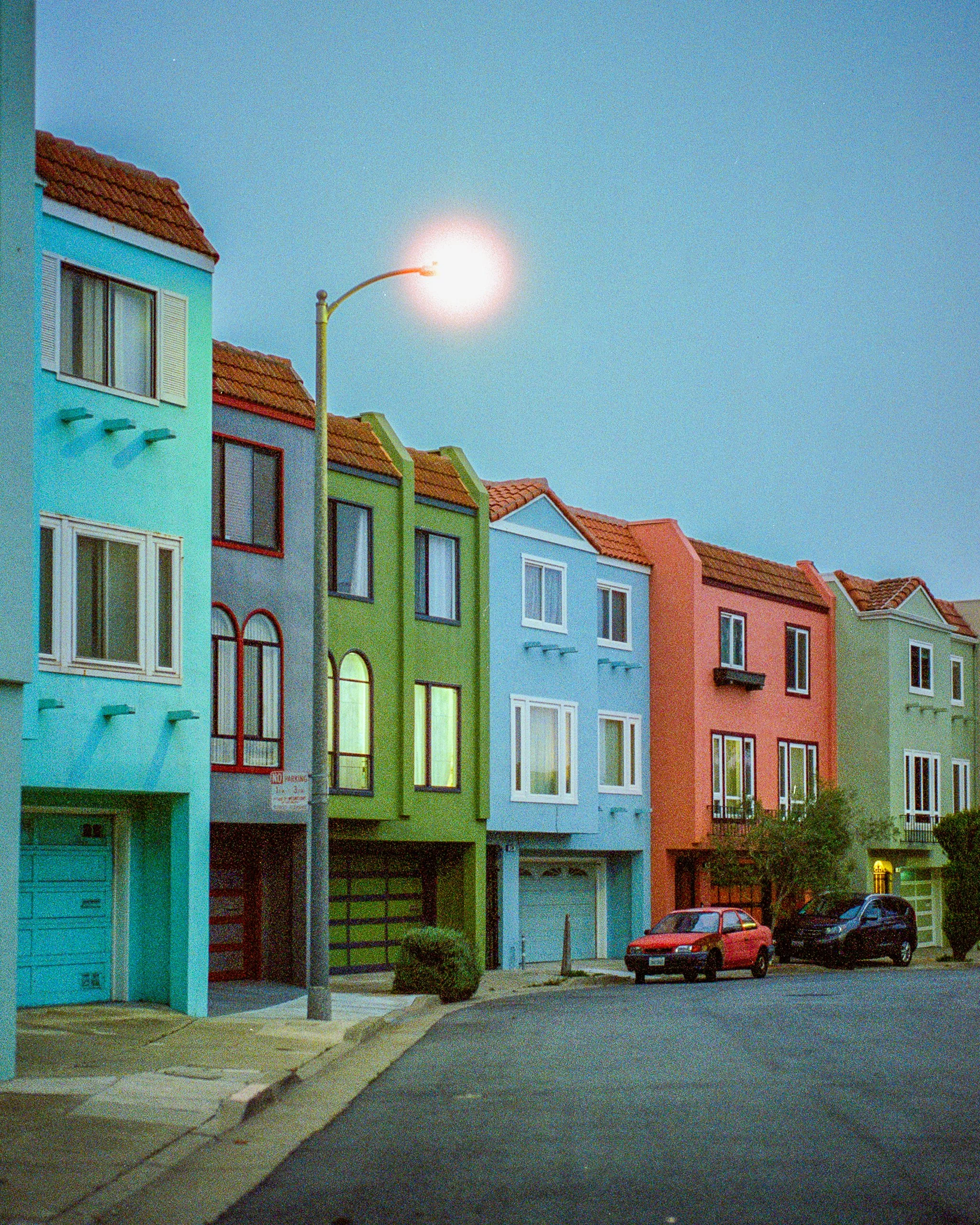
I think if I hadn’t walked, I would not have been able to capture any of the unique images that I took in the book. Walking means you reach places or come across interesting scenes that are worth shooting. When you’re driving, you’re not able to observe and interact with the environment long enough to find something truly unique to shoot.
Cinema Influence: You say movies inspire your work - which specific films or directors taught you how to frame your San Francisco stories?
I really enjoy the work of David Fincher, Wes Anderson, and Paul Thomas Anderson. I also enjoy cinematography from True Detective (Season 1), Spencer (a movie about Diana), and Paris, Texas (a classic).
That's interesting about the cinematographers - I noticed you mentioned "Spencer" and "Paris, Texas," which both deal with isolation and being disconnected from one's surroundings. Do you see yourself as filming San Francisco the way those films show their characters, as beautiful outsiders who can't quite connect?
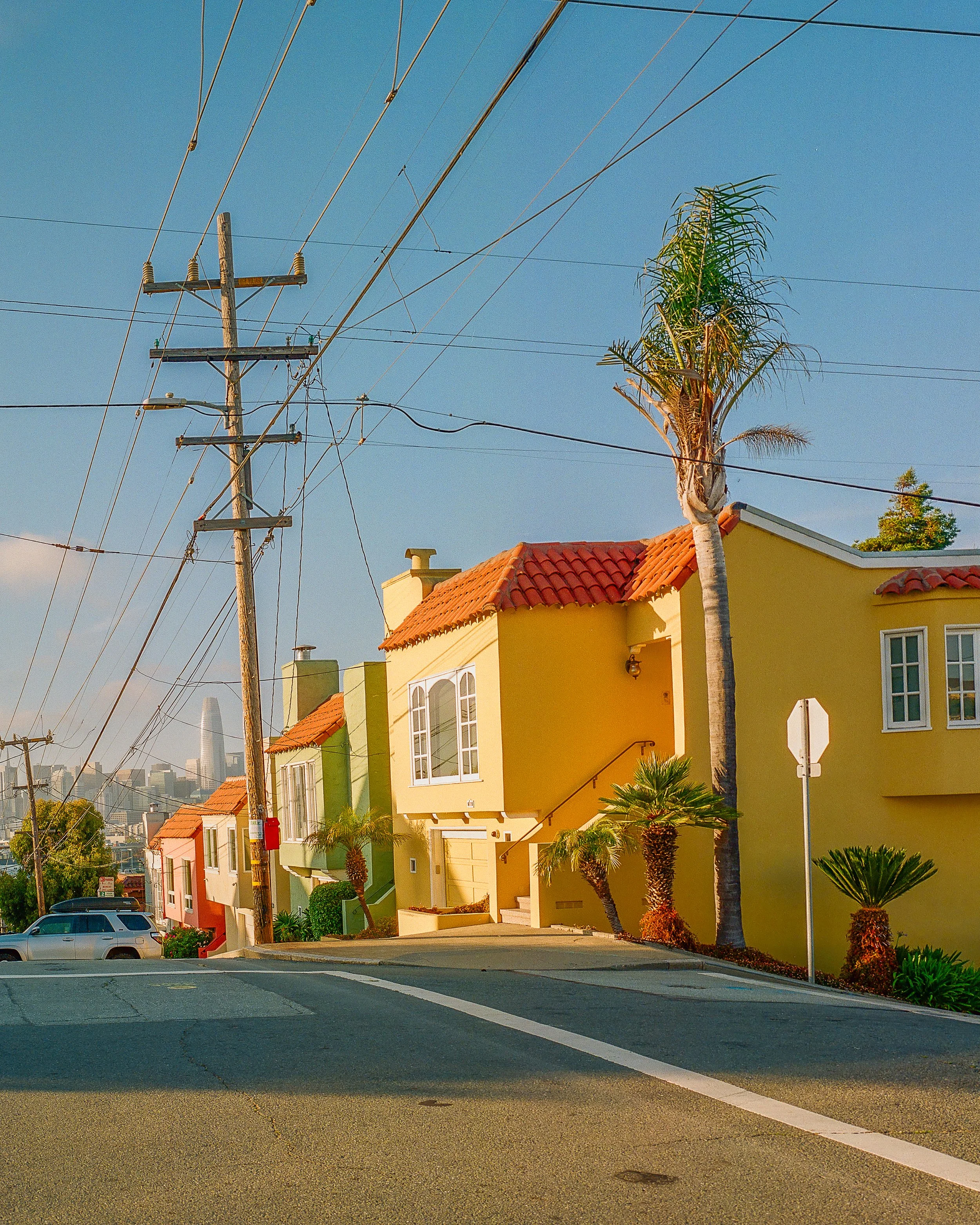
On Cinema & Outsiders: I don't think of it as a negative disconnection. I actually love how those films, and painters like Edward Hopper, capture the specific feeling of urban isolation. Even in a busy, crowded city, there are these pockets of silence where you can feel completely alone. I try to do the same thing: I frame the shot to cut out the noise and chaos, focusing on that one quiet, solitary moment that exists right in the middle of the city.
Edward Hopper Connection: How do you create that lonely, quiet feeling in busy city streets, like the painter Edward Hopper did?
Hopper was a master of painting silence and isolation. To get that feeling in a busy city, I use 'subtraction.' I frame my shots to cut out the busy traffic or the crowds. I look for simple things, like a single lit window in the fog or an empty street corner. It creates a feeling of urban solitude, where you feel alone but also connected to the city.
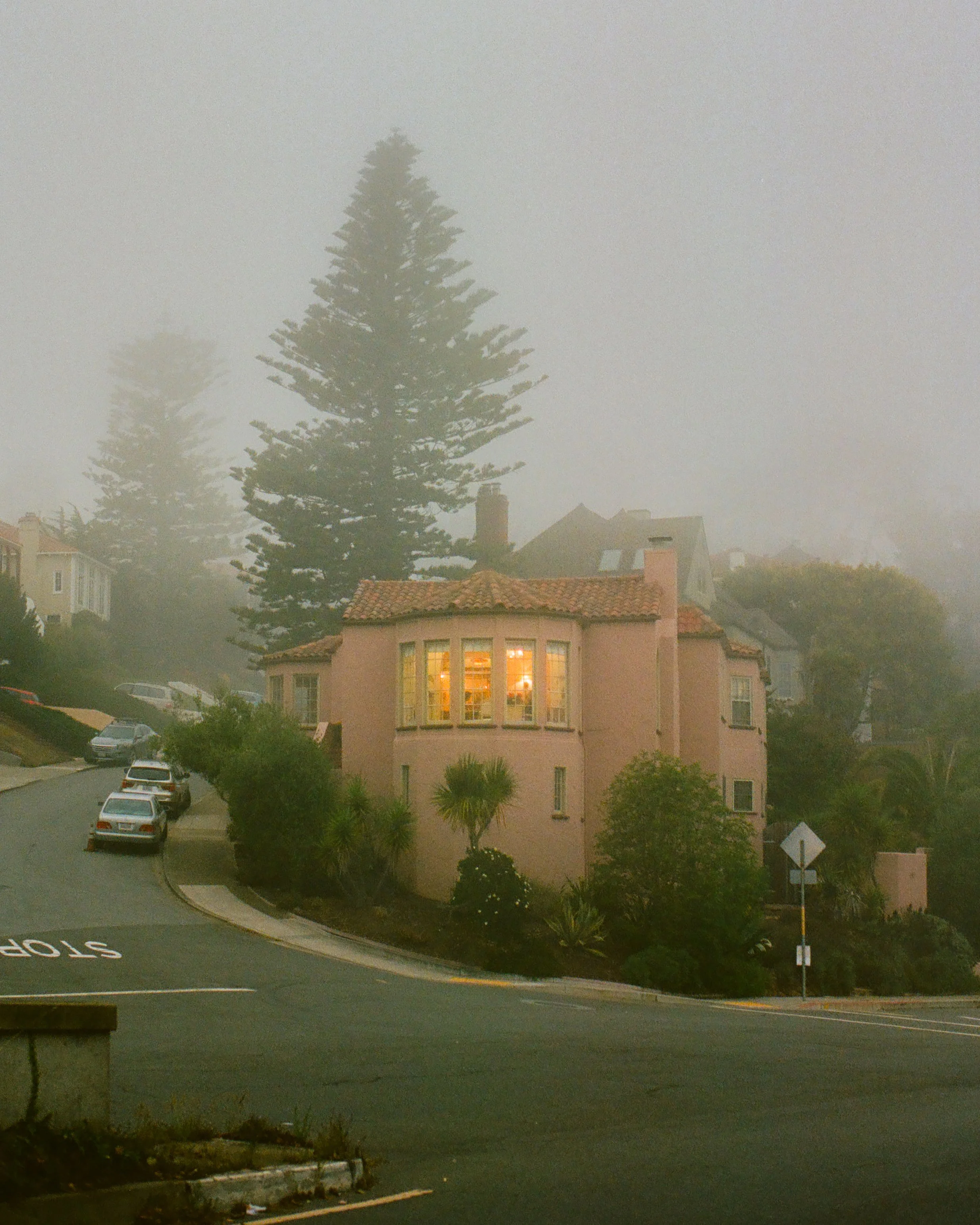
Finding Stillness: What techniques do you use to capture peaceful moments when the city around you is always moving and noisy?
I think it is mostly about patience. Usually, I shoot very early in the morning when the streets are empty. Other times, it means waiting on a corner for ten minutes until the cars pass and the street is clear. Sometimes that also means coming back to that same spot multiple times until you find that one special frame.
Memory and Distance: How does being far from your childhood home in India change the way you see and photograph your new city?
I grew up in Kolkata, India, where life is incredibly dense, colourful, and loud. Moving to San Francisco in 2017 made me an outsider, which actually helped my photography. I didn't take the quiet streets for granted. I think I look for stillness and open space here because it is the opposite of the busy visual world I grew up in.
Book Making: The book uses special matte paper and cloth covers - why were these materials important for telling your San Francisco story?
We consume so many images on bright, shiny phone screens today. I wanted this book to feel the opposite of that. We chose matte paper because it feels softer and absorbs the light, which matches the foggy mood of the photos. The cloth cover and the binding are meant to make you slow down and treat the book as an object to be held, not just scrolled through. The bold choice of pink was Chris (the publisher)’s choice - at first I was apprehensive about it but now I think it really helps make the book stand out!
You said pink was the publisher's choice and you were apprehensive at first, that's such a bold colour for a book about fog and quiet moments. What changed your mind about it, and does the pink now mean something different to you about the work?
On the Pink Cover I trusted Chris Pichler (my publisher) on that choice, and I am so glad I did! The bright pink actually matches the vibrance and warmth of the pastel colours inside the book perfectly. It brings a sense of life to the object. To match that feeling, we printed the book on natural matte art paper and bound it in linen over boards. These materials give the book a tactile, organic quality that I think fits perfectly with the softness of the analogue film I use.
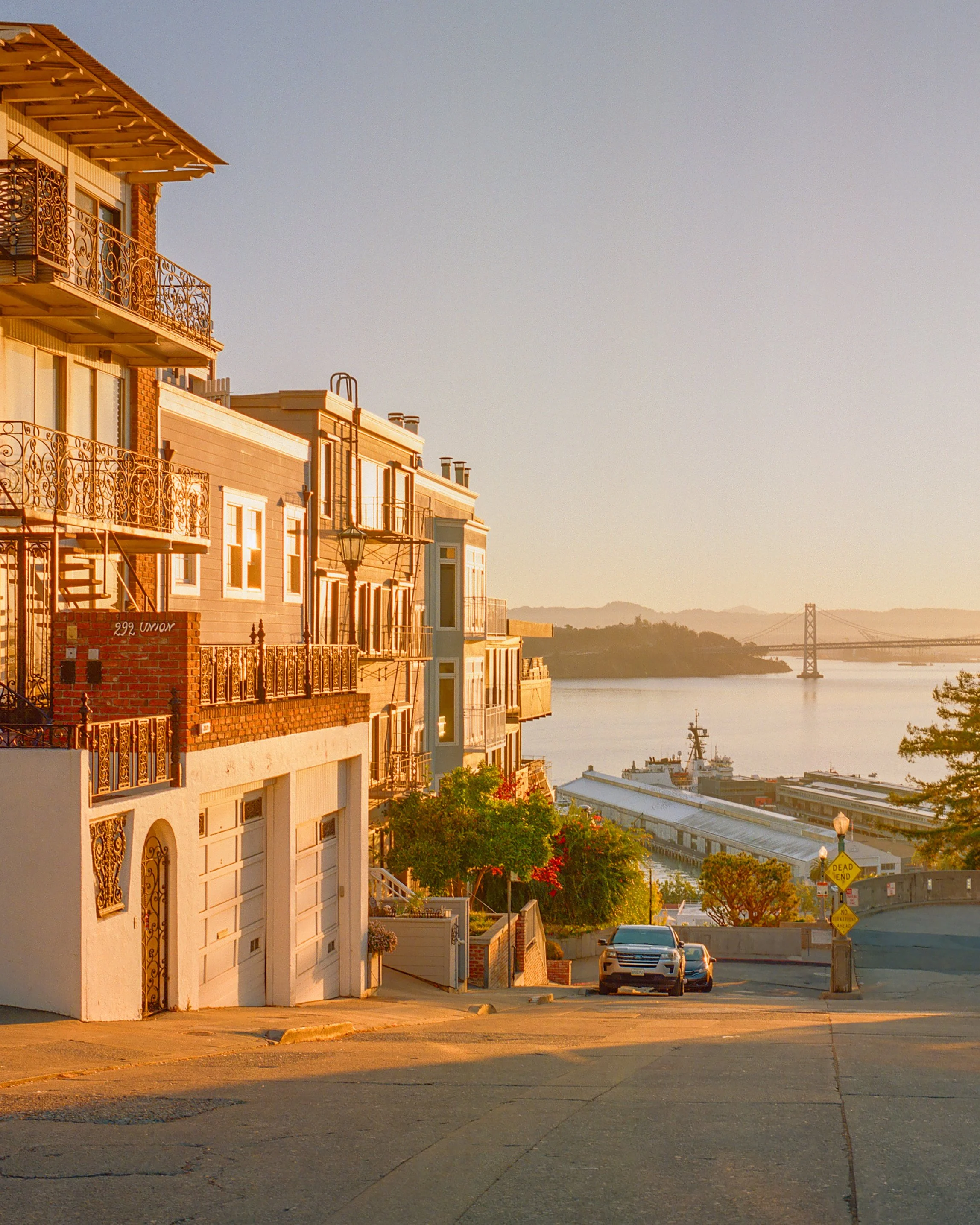
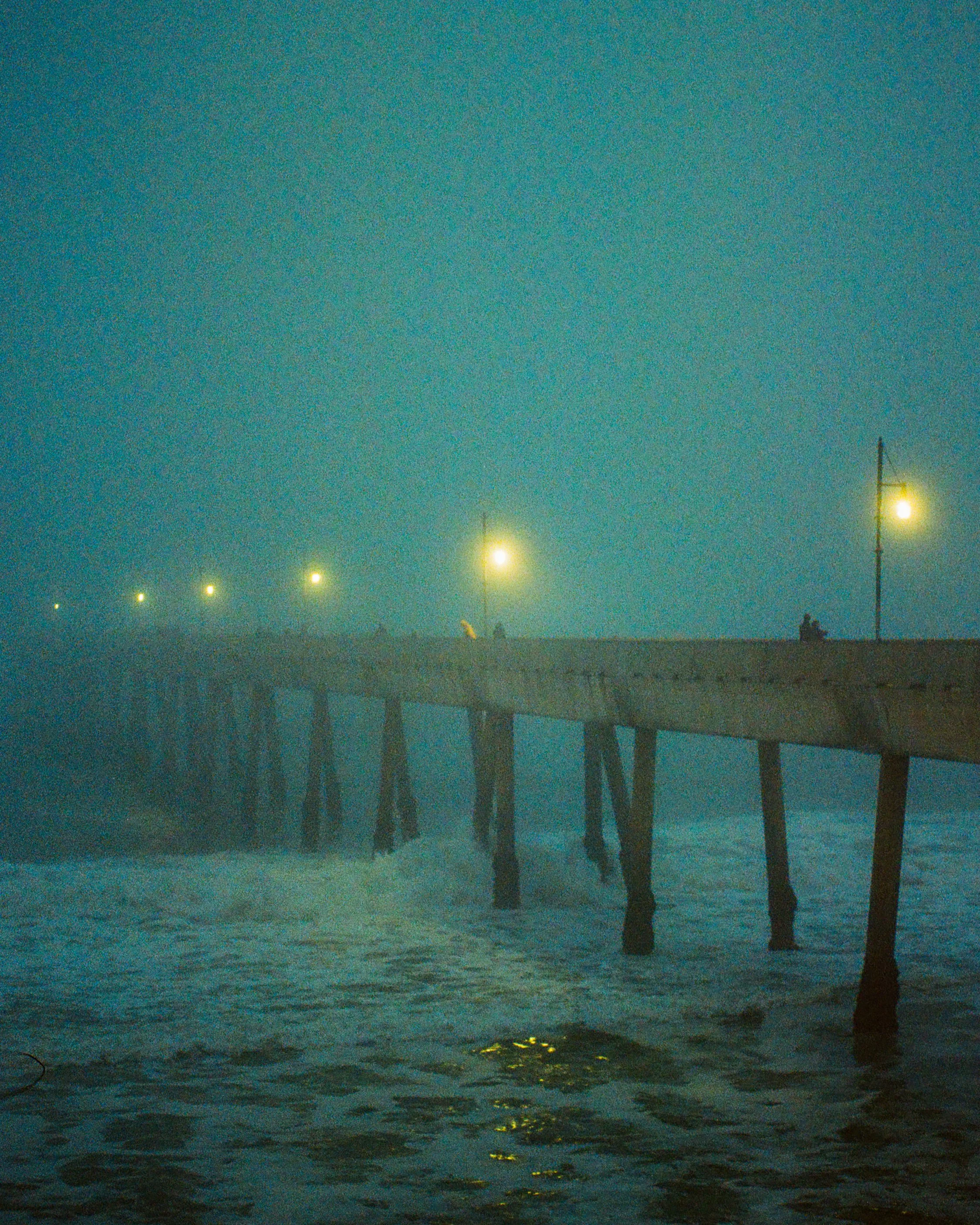
To discover more about this intriguing body of work and how you can acquire your own copy, you can find and purchase the book here. (Nazraeli Press, Setanta books, Amazon)
More photography books?
We'd love to read your comments below, sharing your thoughts and insights on the artist's work. Looking forward to welcoming you back for our next [book spotlight]. See you then!
Lee Espinoza reminded Darren Vargas of his late grandfather. The photographer met the boxing coach in 2025, five years after his grandfather Esmael died. Photography Book Spotlight