How Marshall To Turned Taoist Ghost Stories Into a Haunting Debut Photobook
Welcome to this edition of [book spotlight]. Today, we uncover the layers of 'Blank Notes,' by Marshall To (published by Charcoal Press). We'd love to read your comments below about these insights and ideas behind the artist's work.
What happens when a childhood of Taoist ghost stories becomes the foundation of a photobook?
For photographer Marshall To, it meant turning memories of rituals, talismans, and frightening tales into something real on the page. Growing up in a Taoist family in rural Canada, he was taught that spirits walked among the living and that animals could carry hidden meaning. His debut book Blank Notes takes those childhood fears and beliefs and shows how they shaped his way of seeing. The result is a work that feels both personal and haunting.
At its heart, Blank Notes is about how culture, memory, and imagination can change the way we look at everyday life.
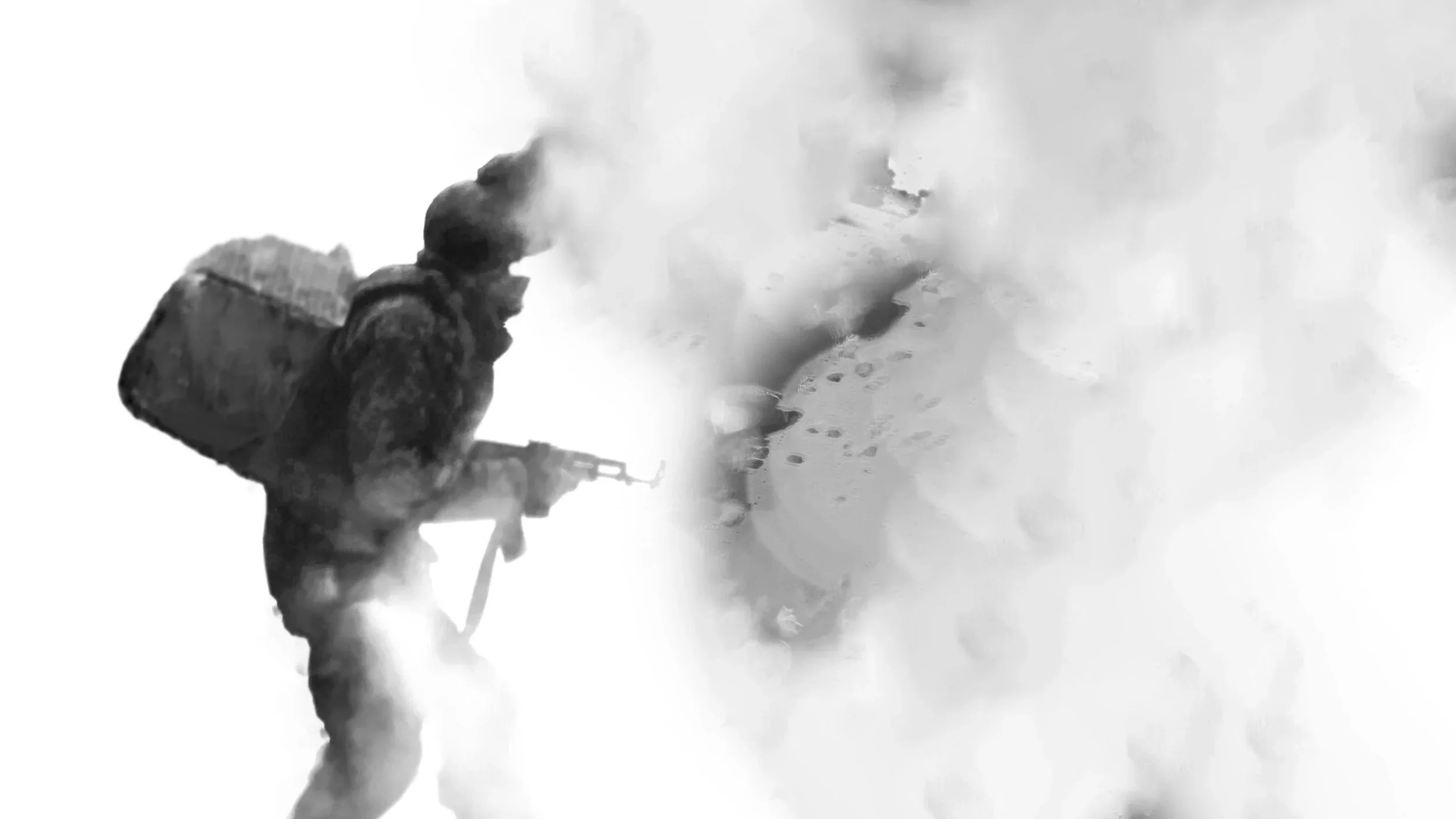
The book mixes images of animals, traces of ritual, and night photography that brings back the atmosphere of his childhood stories. To’s father believed in a world of restless spirits, and To carried this belief into his work even as he grew older and more distant from it. The project came together during Covid, when he forced himself to step into the dark places he once feared and photograph what he found there. It is both a return to the past and a confrontation with it, a book made from equal parts fear, reverence, and memory.
About the Book
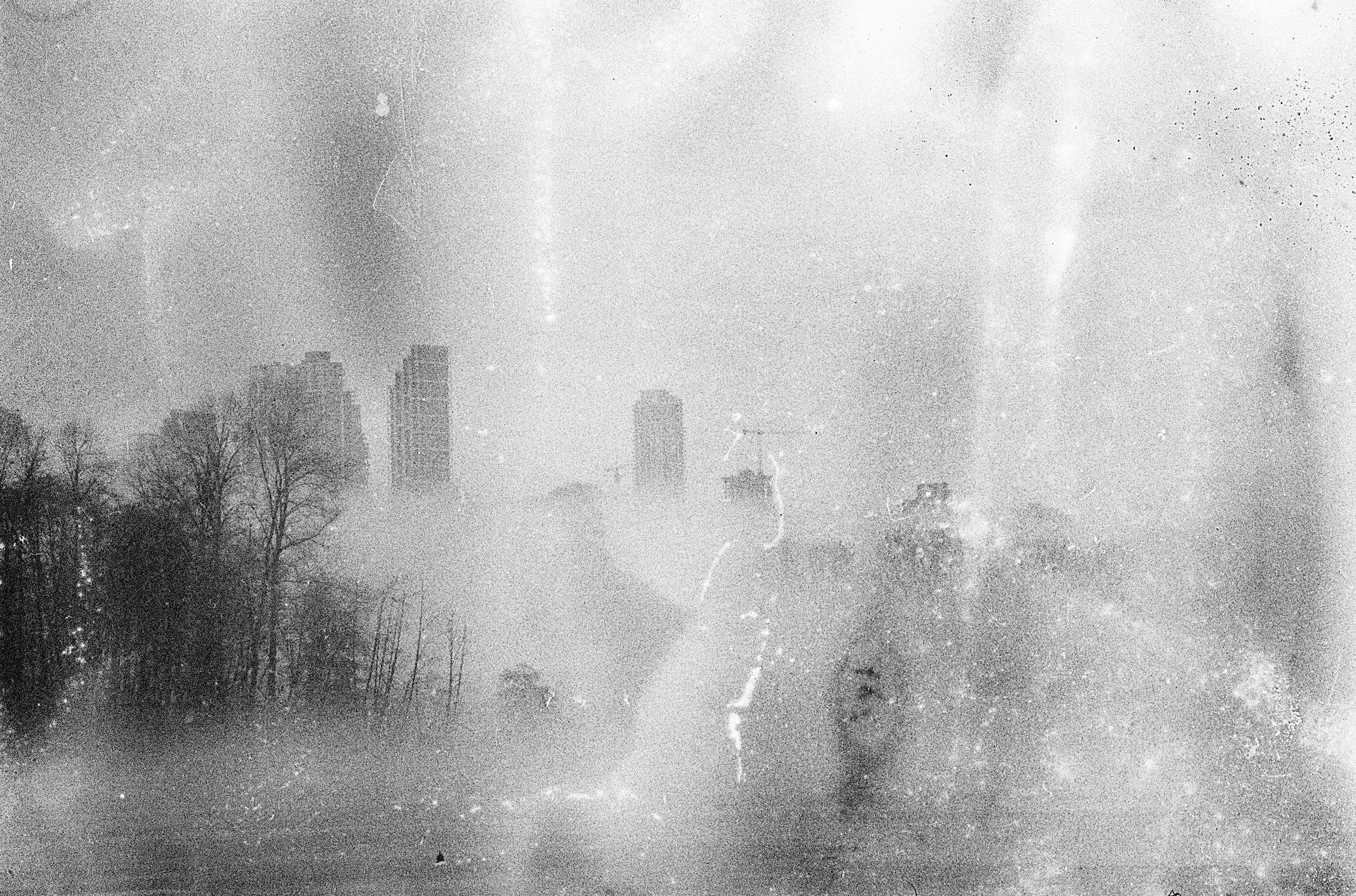
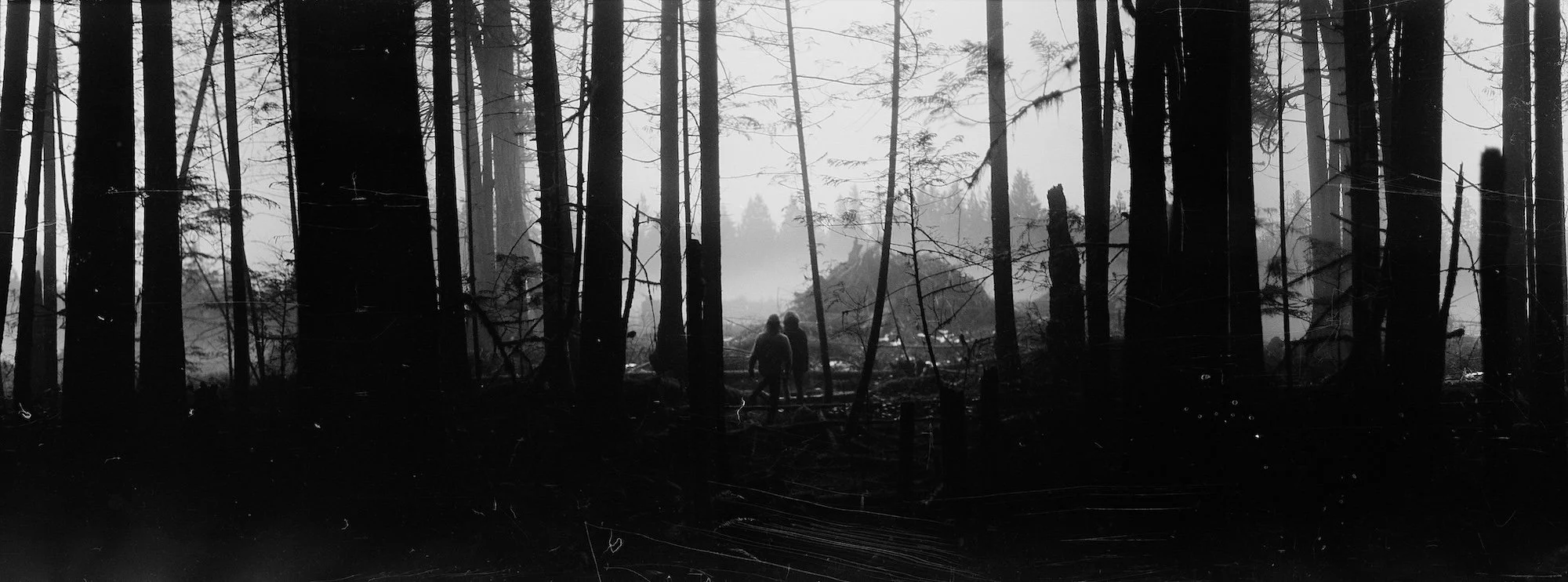
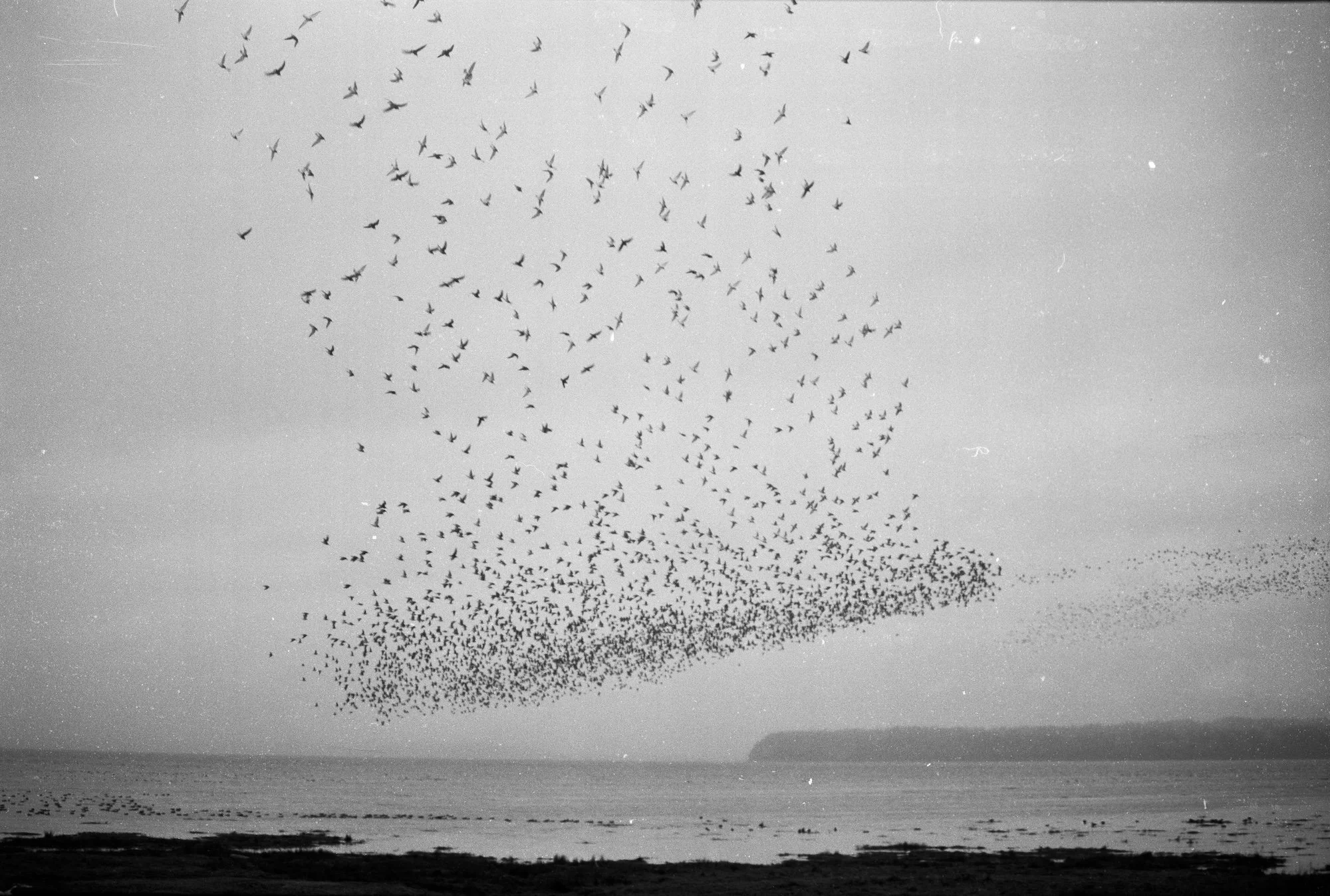
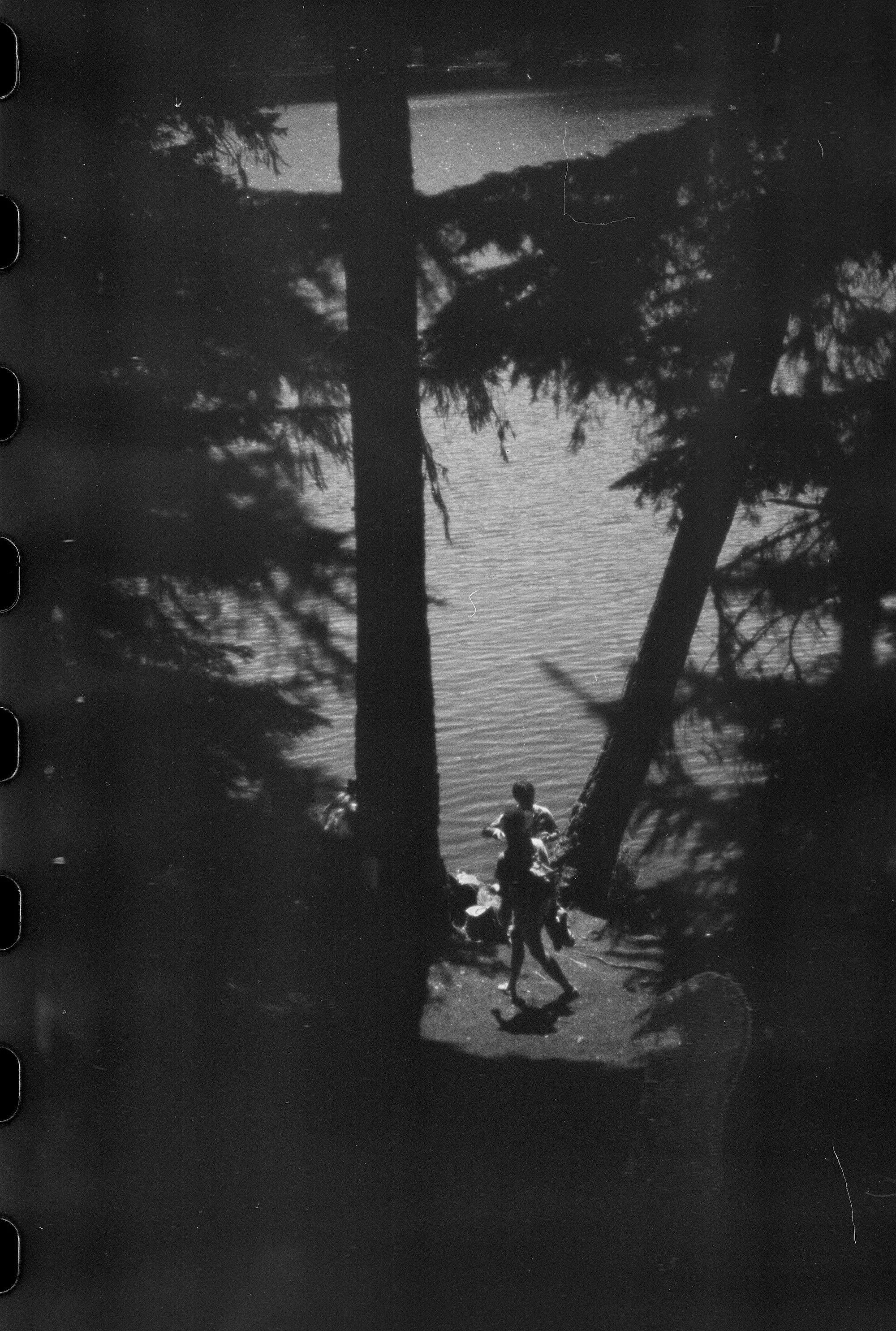
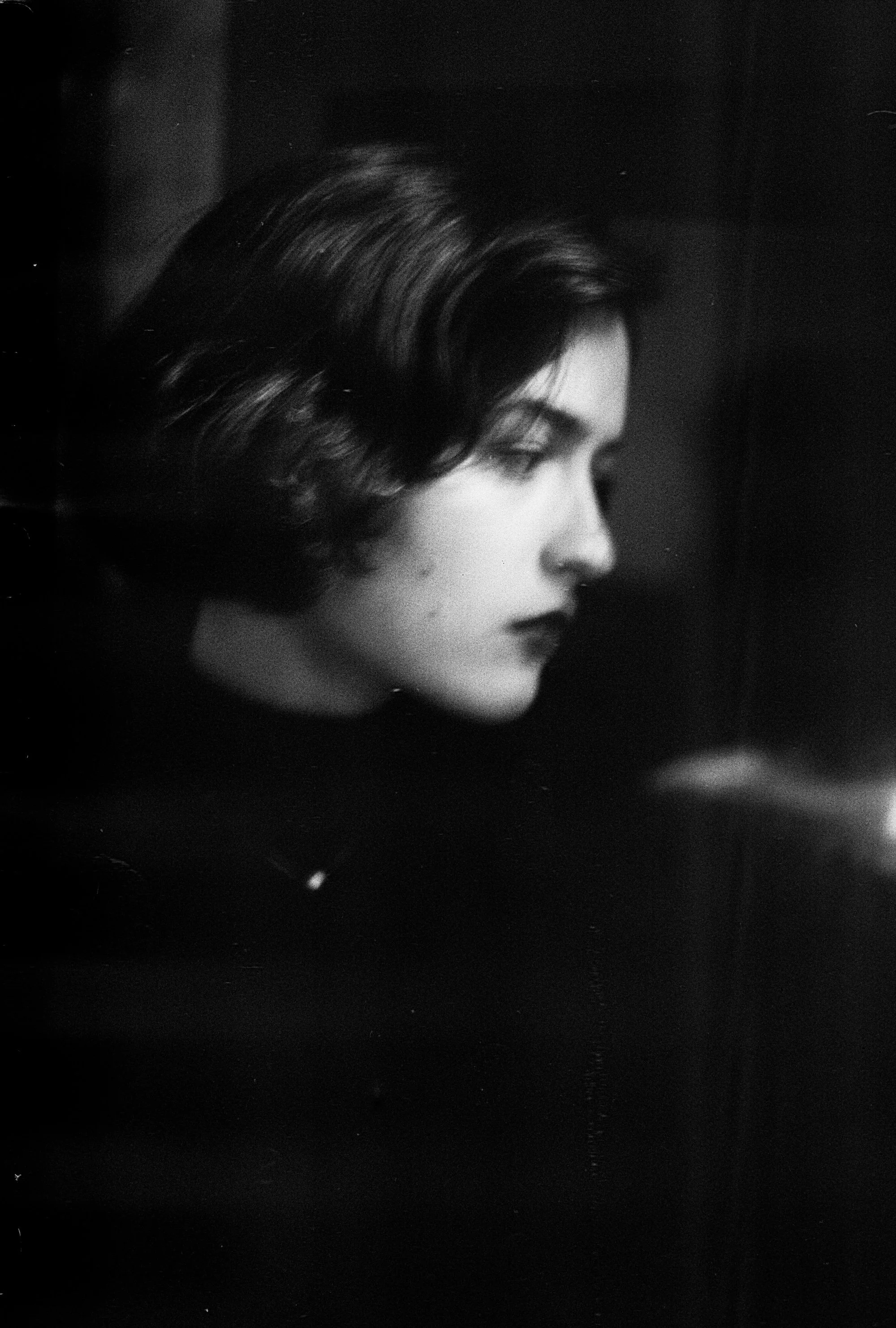
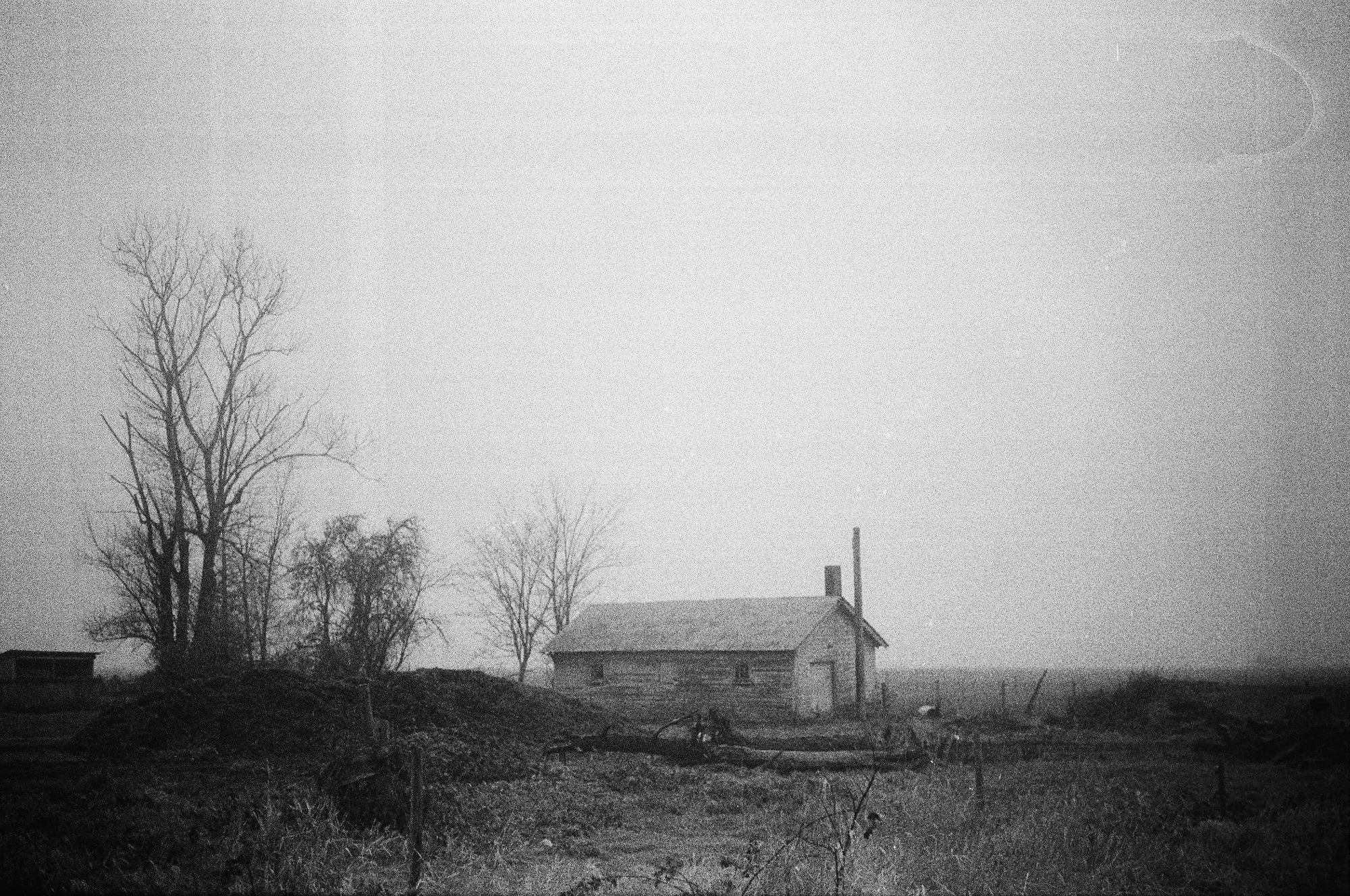
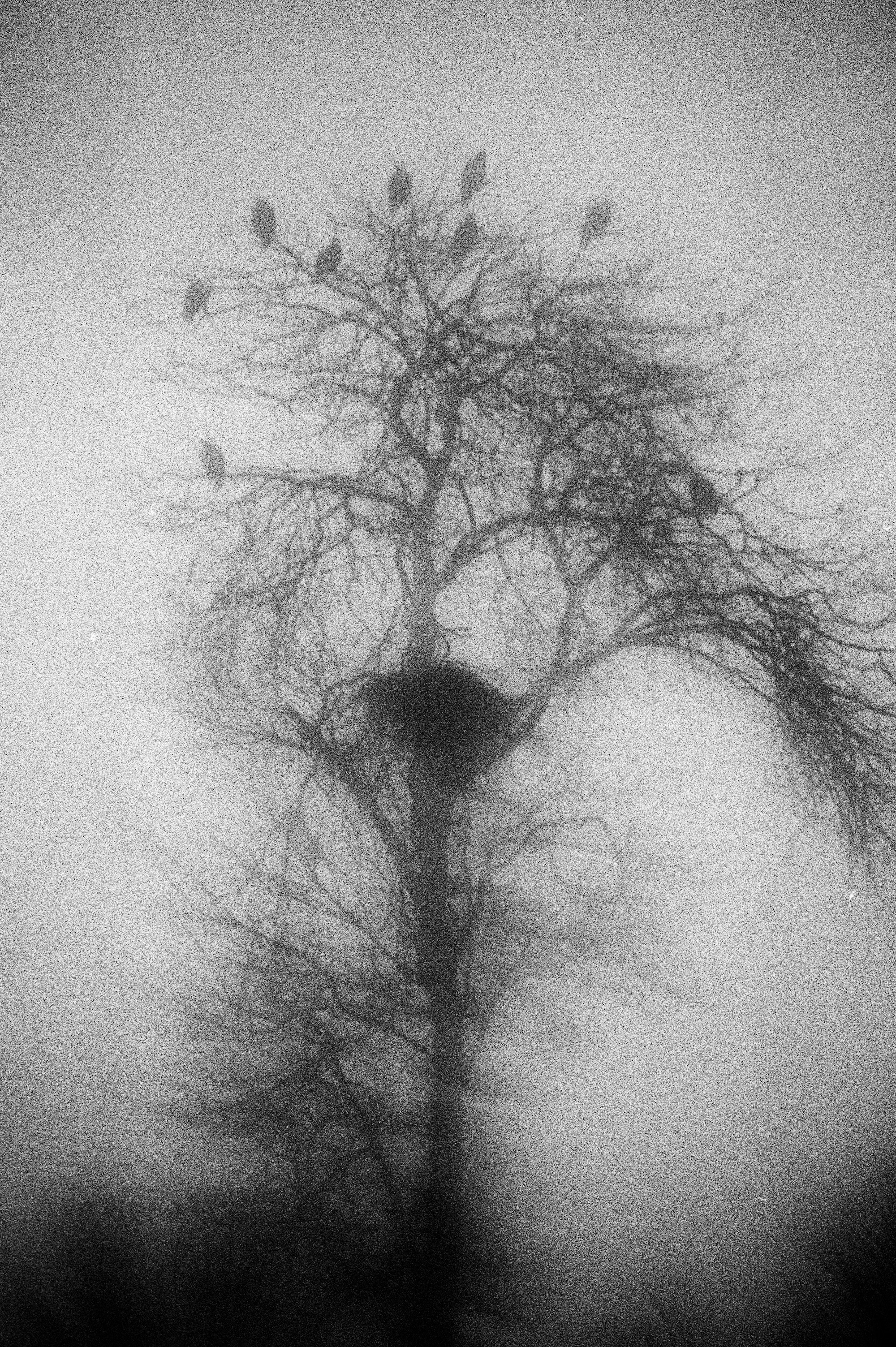
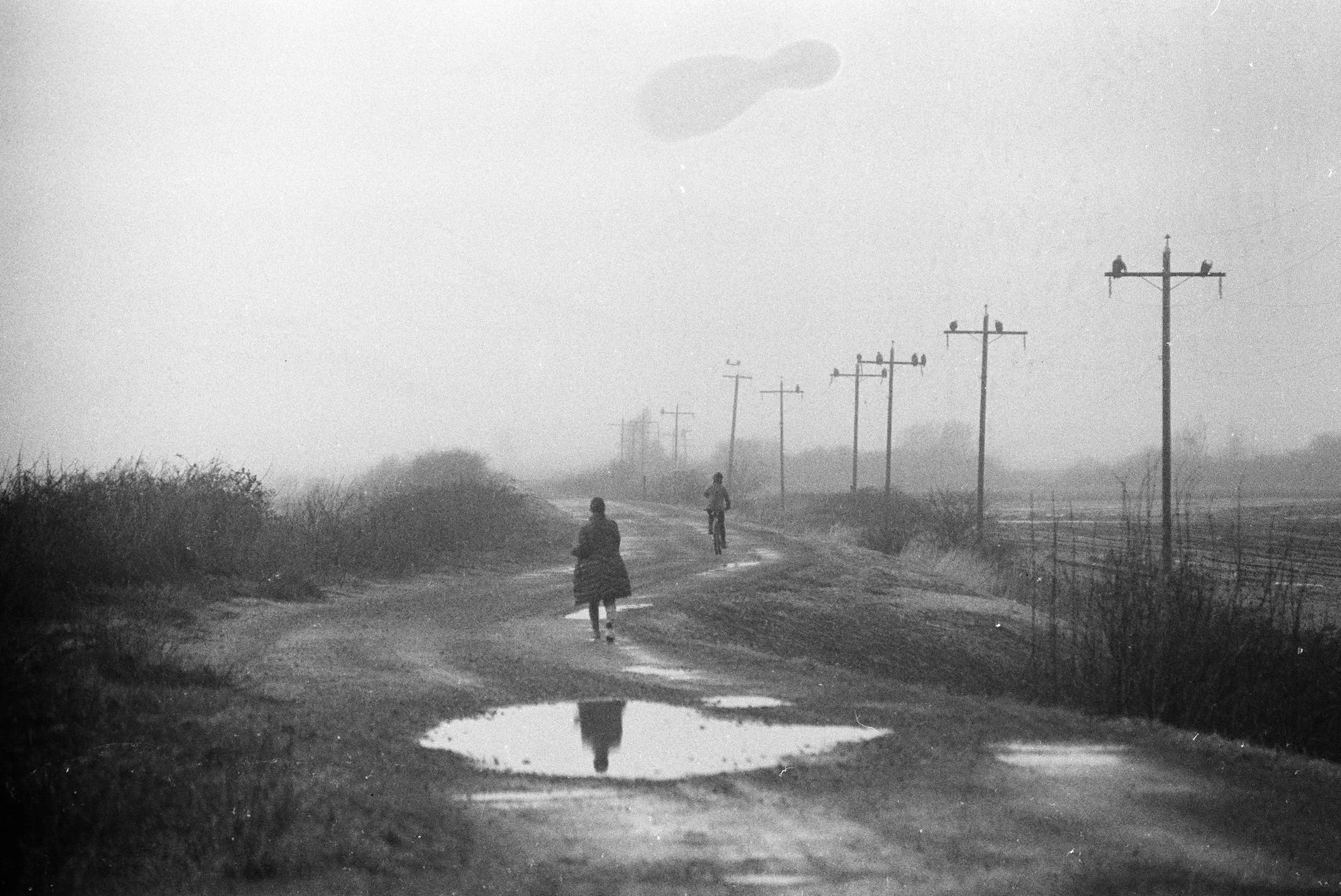
"Blank Notes": Marshall To's debut monograph explores the intersection of Taoist spirituality and contemporary photography through the lens of the Hungry Ghost Festival. The book features atmospheric black-and-white photographs taken across the Alberta prairies where To grew up.
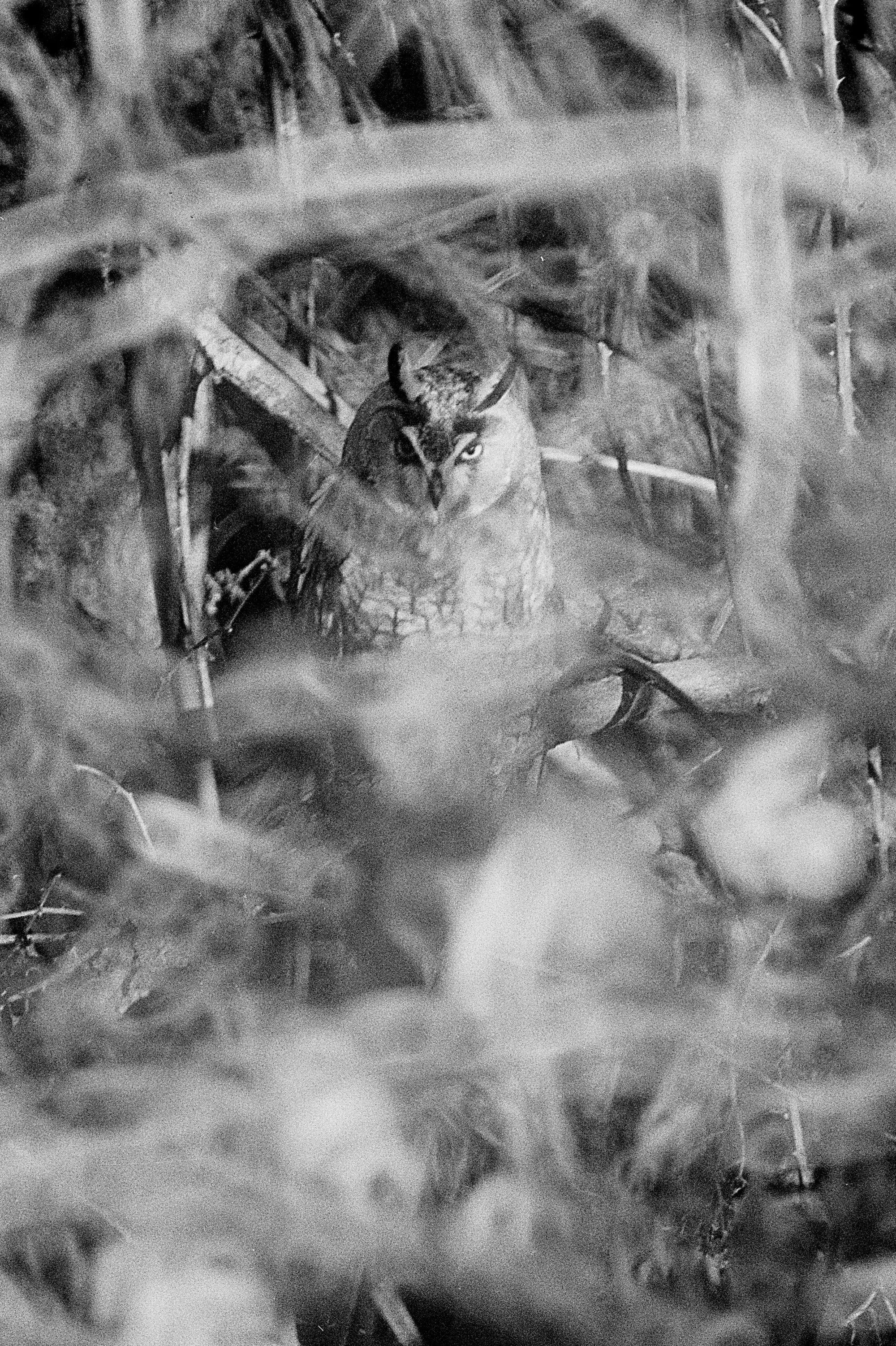
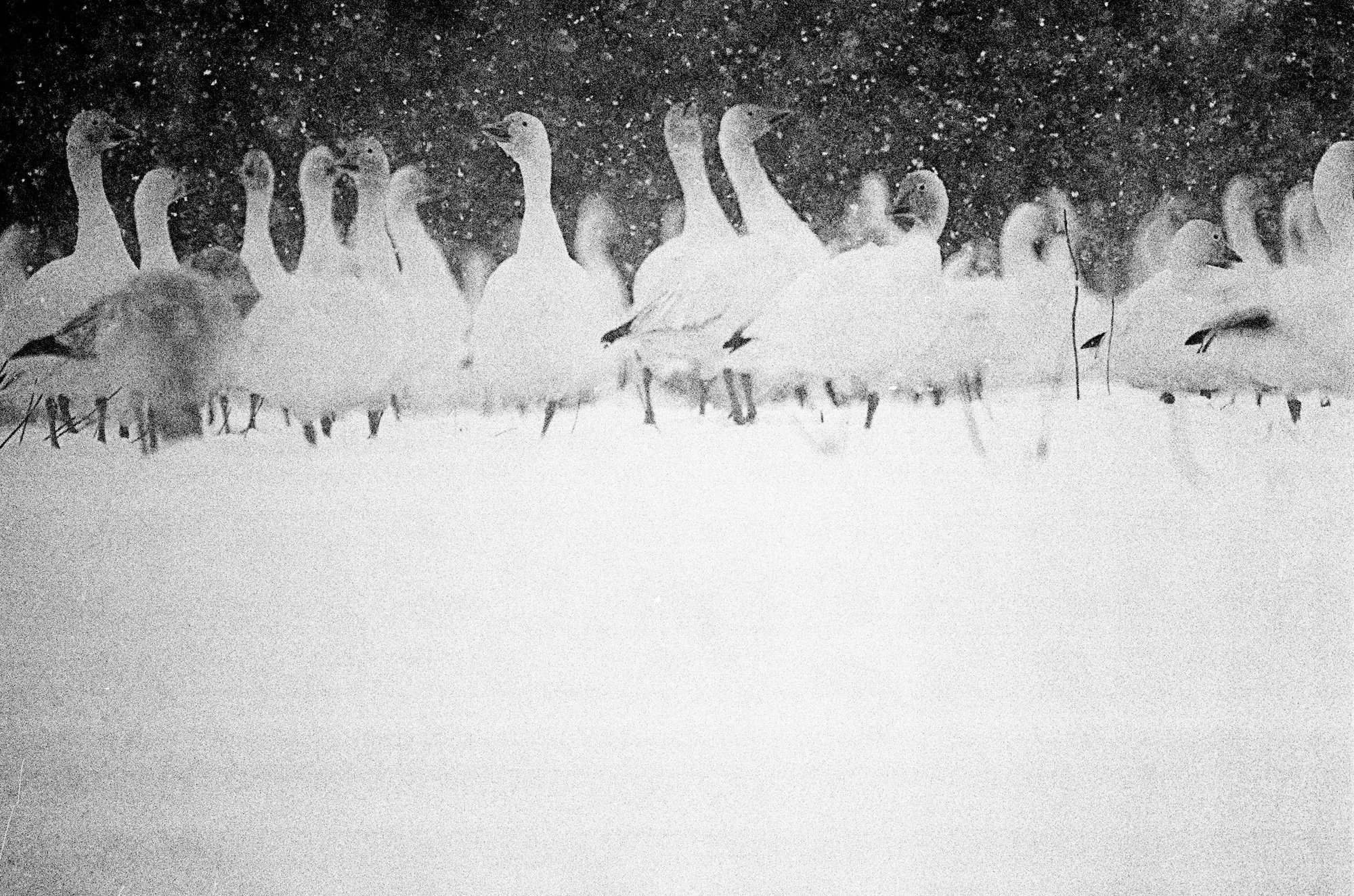
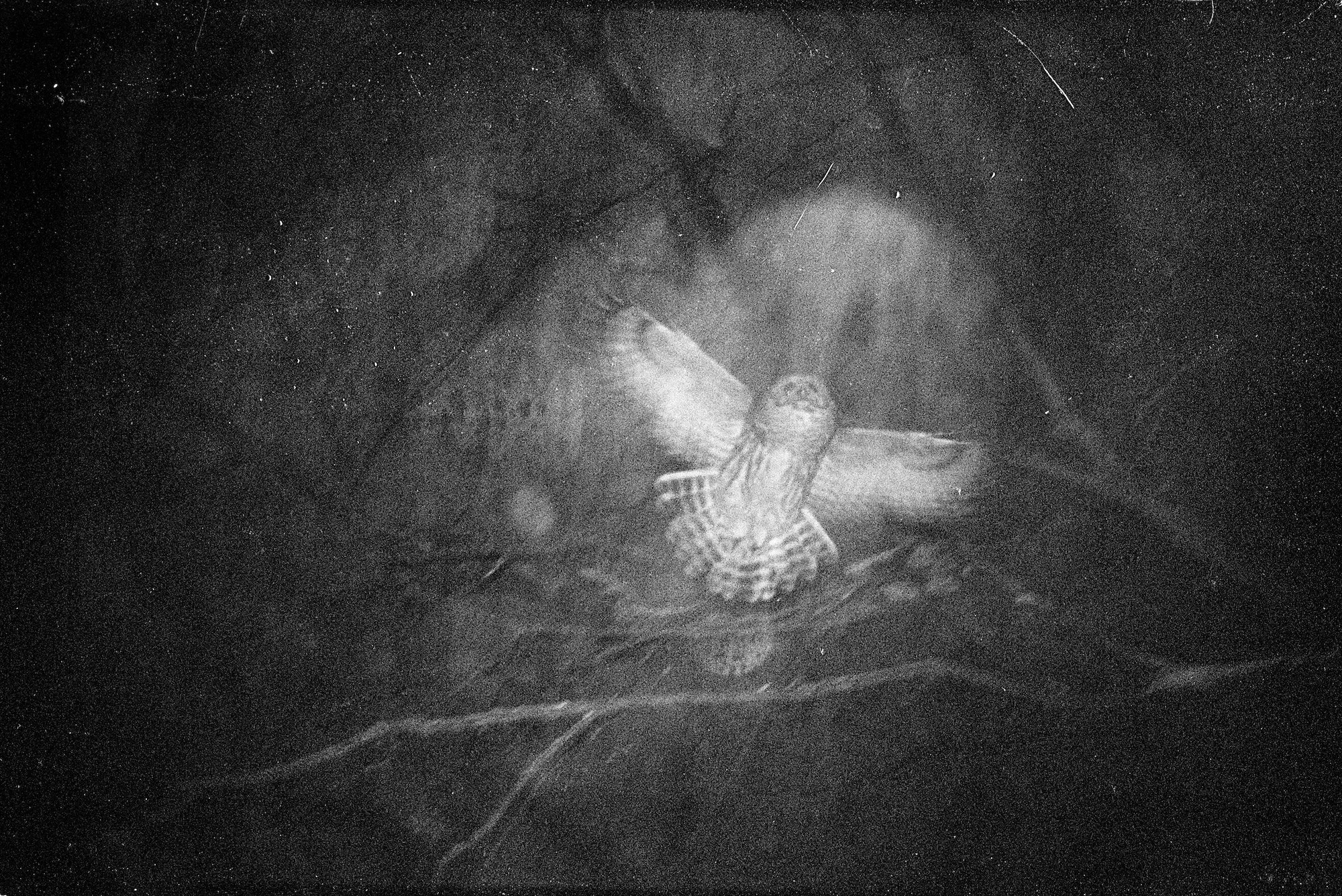
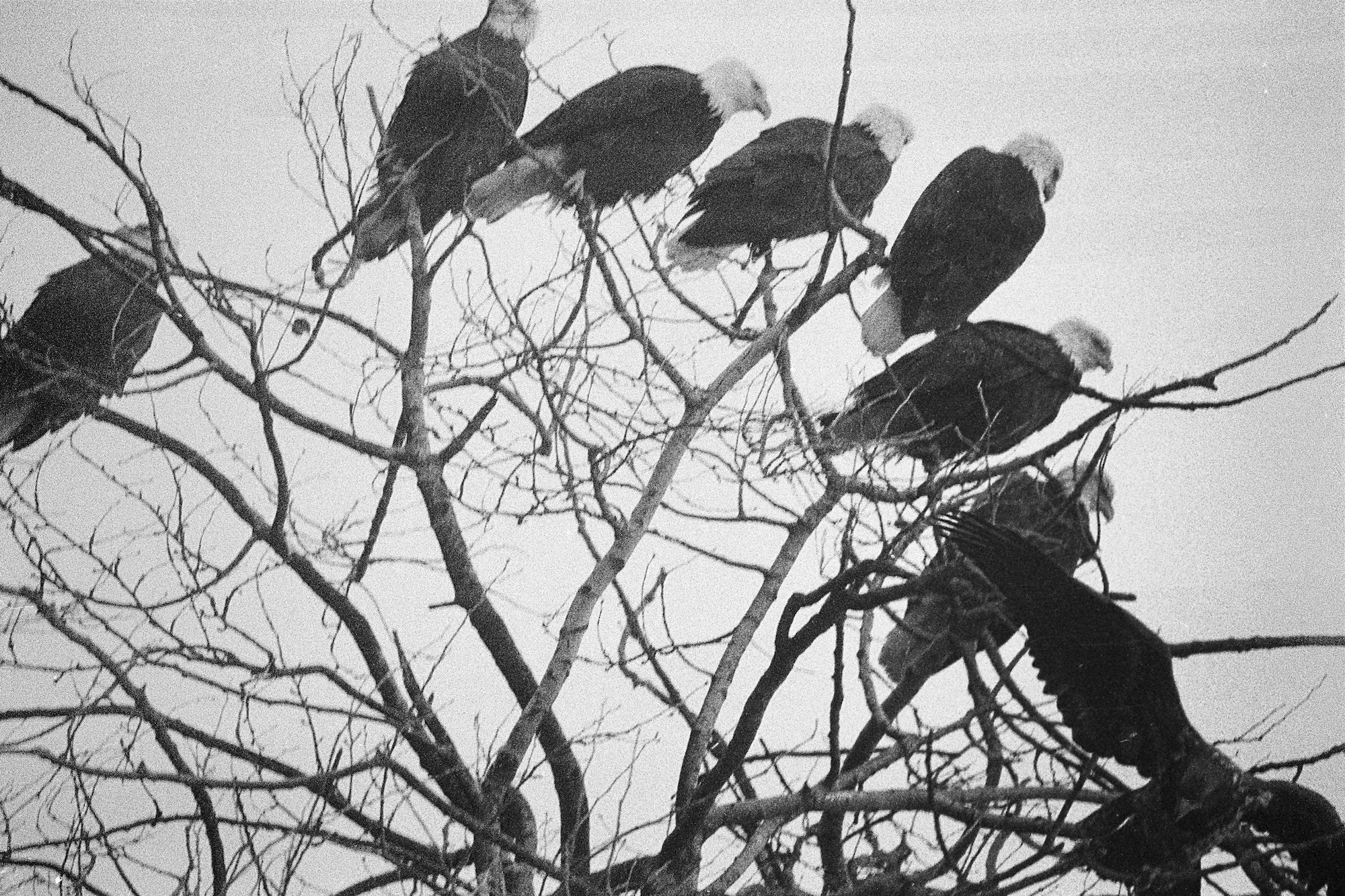
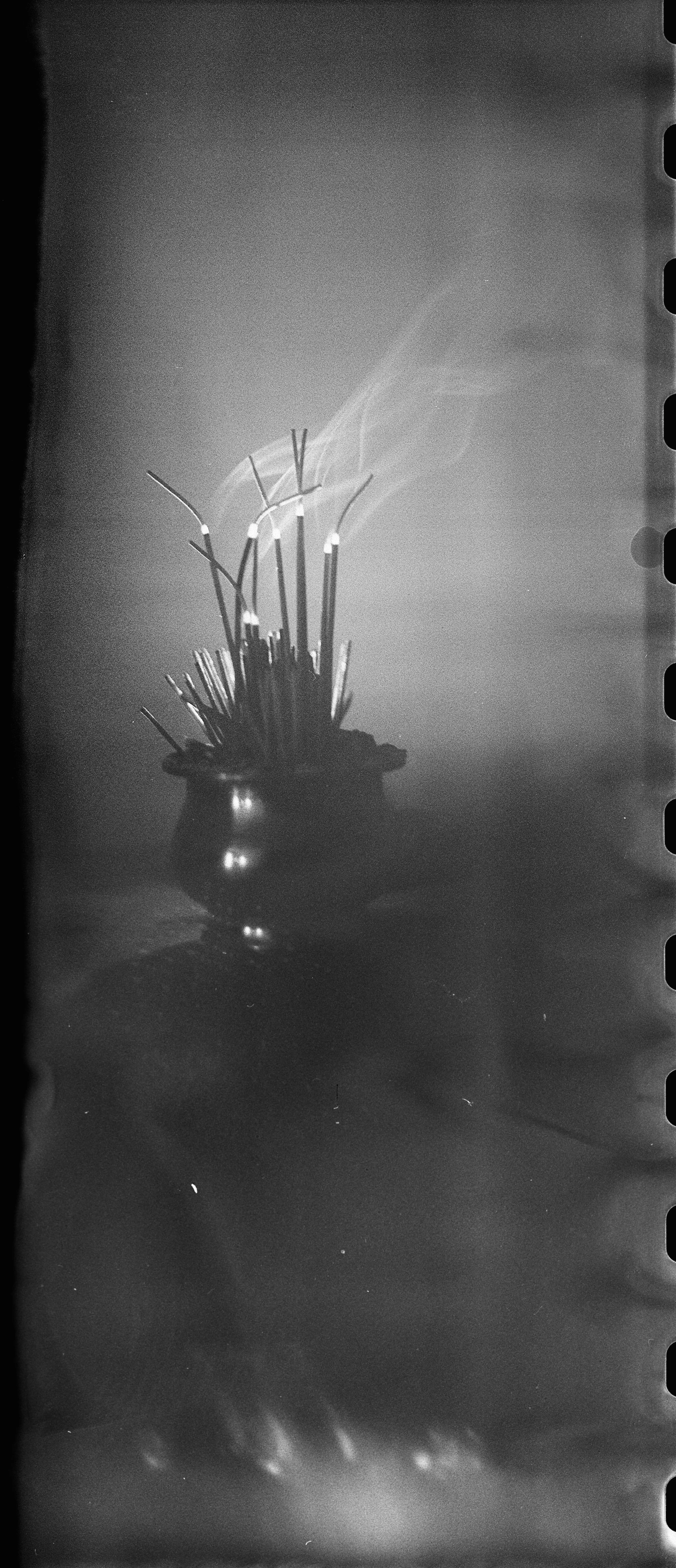
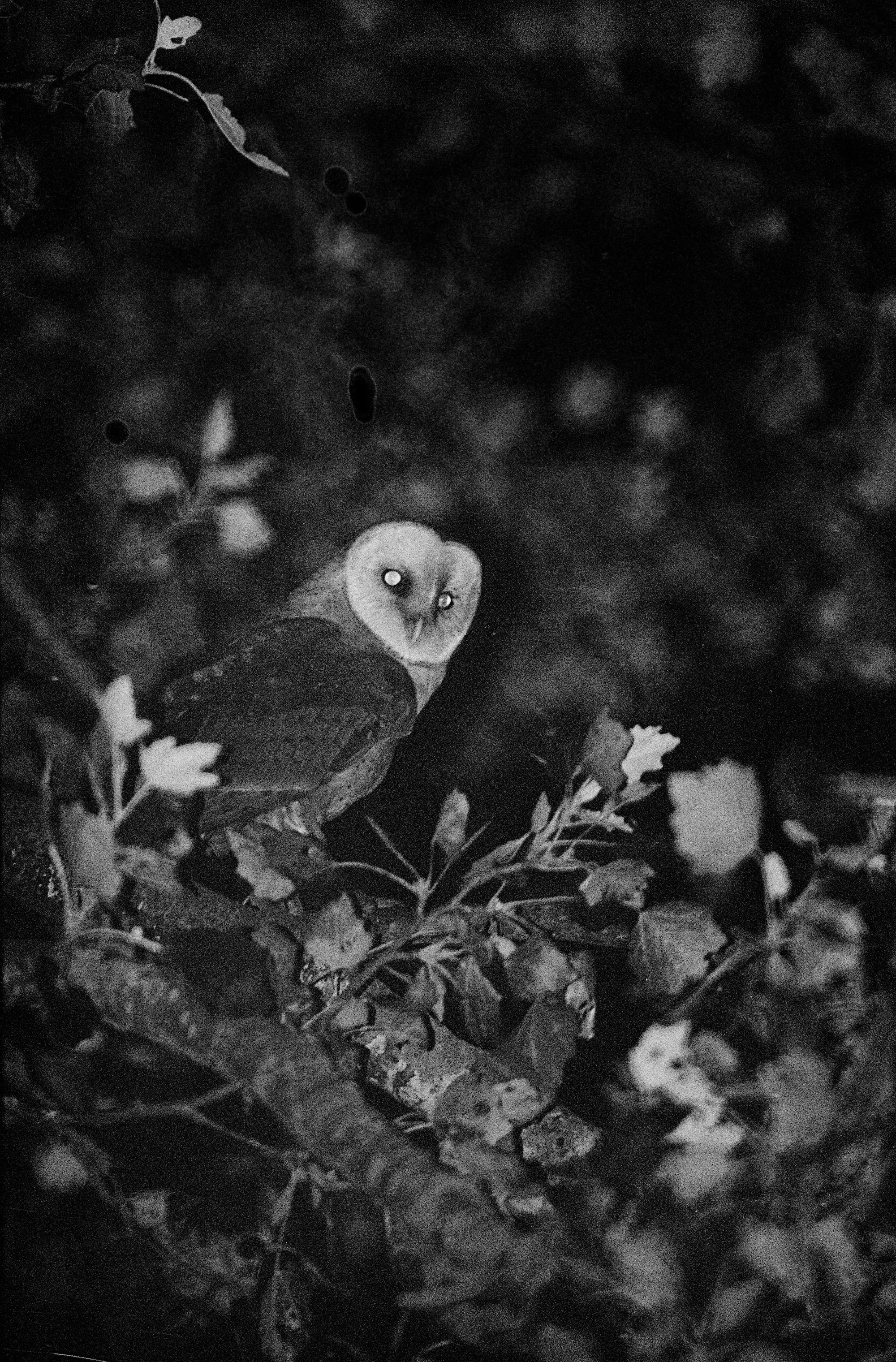
The book draws its title and concept from the Taoist tradition where the gates of hell open on the fifteenth day of the seventh lunar month, allowing hungry ghosts to roam the earth seeking sustenance. To spent years photographing animals like wolves, owls, snakes, and foxes that in Taoist belief can serve as vessels for these restless spirits.
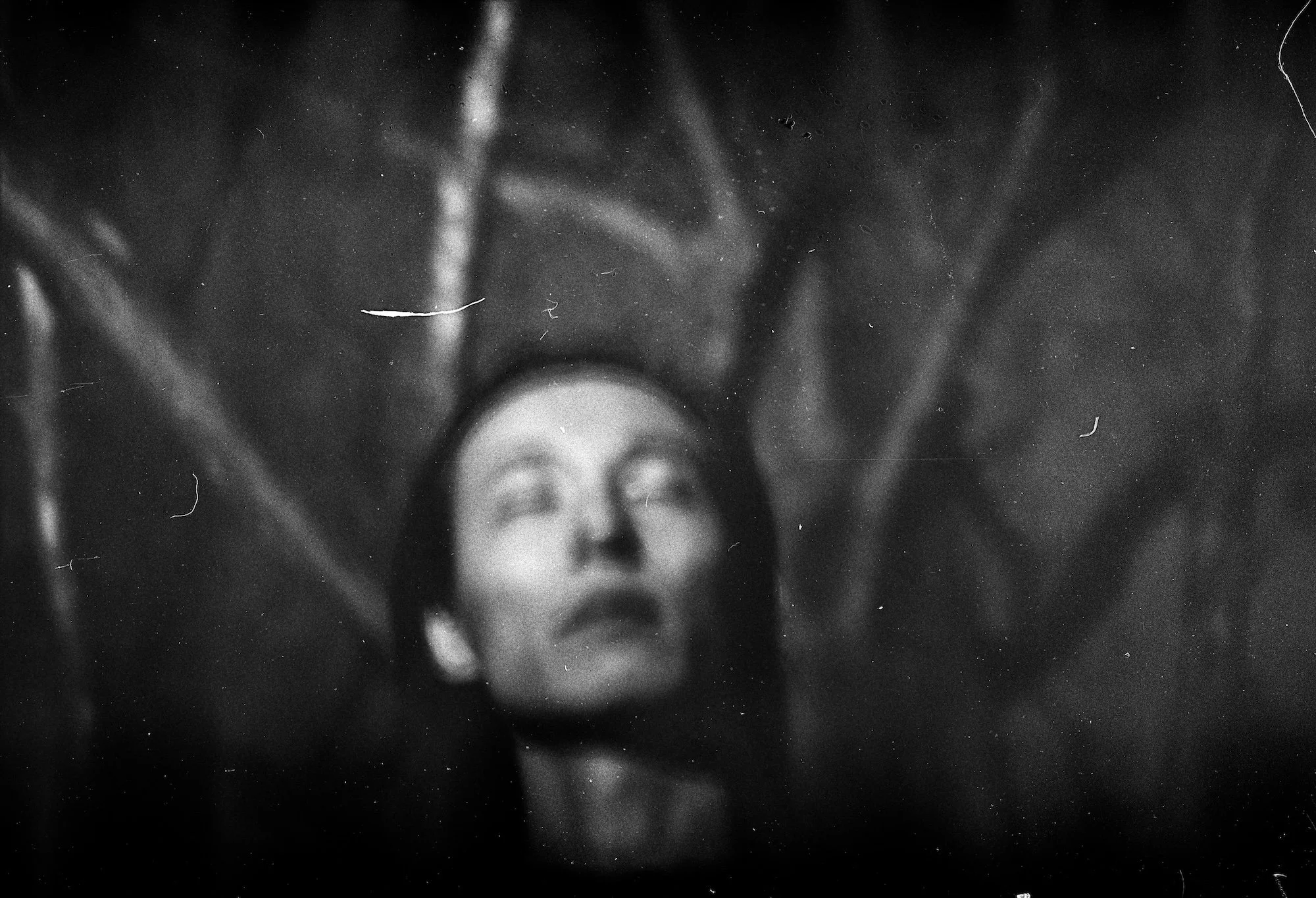
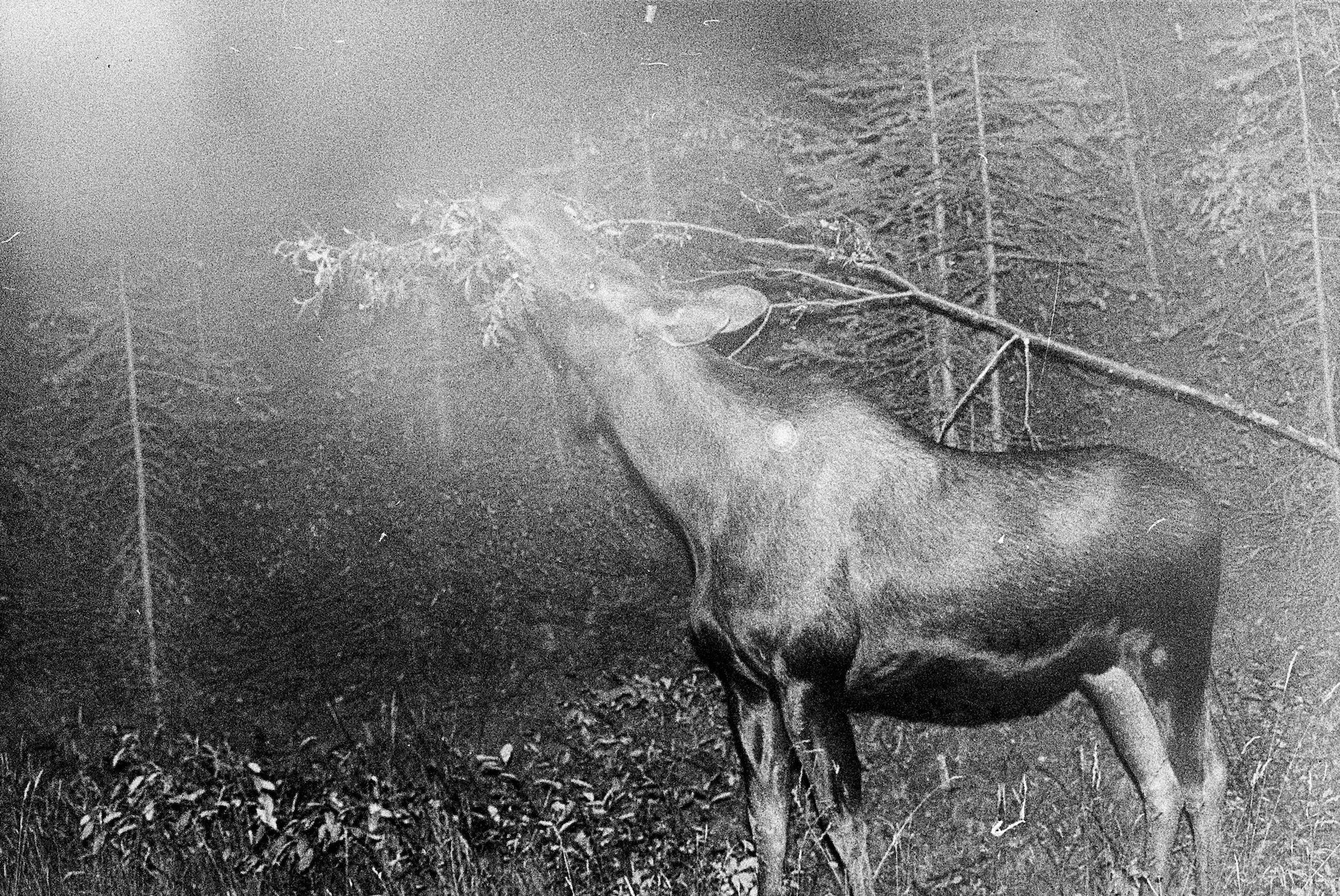
Shot primarily at night using film, the images capture what To describes as "moments that give you goosebumps but you can't explain why." The book's physical design reinforces its supernatural themes with matte paper and painted black edges that create what the photographer calls "the feeling of melting into a dream or nightmare." (Charcoal Press)
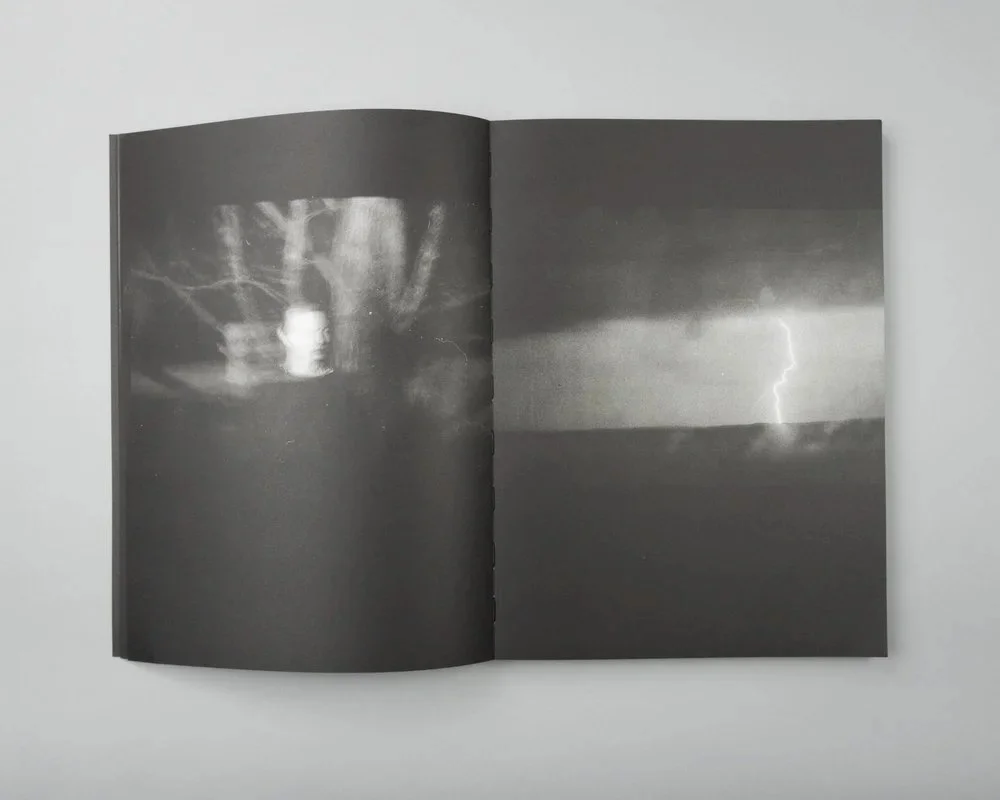

Overview of the project: What inspired you to create Blank Notes, and how did your upbringing in a Taoist household influence the way you approached this work?
At first, I was just taking images of animals because it was a simple pleasure. Ever since I was a kid, I watched Nat Geo VHSs to the point where my siblings had to hide my favourite ones. I had no clue about the Photobook world before Chico Review, and that’s when a new curiosity emerged from that simple pleasure.
When Jesse first started working with me, he told me that what makes “your" work inherently unique is everything “you” bring to it: your experiences, your obsessions, the way you were brought up, your family culture, etc. So that’s why I started to think about my unique upbringing. The fantastical stories I’ve been told as a child, the rituals, and closeness to nature and animals (Chinese Zodiac) were such a big part of my life that it just began to click as I was doing the work.
The unseen world: Your father believed that we live in a world shared with restless spirits and ancestral presences. How did that belief shape your visual storytelling in this book?
Growing up and feeling so close to the unseen world, and seeing how my culture interprets it, I visually wanted my chance to interpret it in a very “realistic” way with everyday animals and not in an overly fantastical way.
I grew up with HK cinema with movies such as Mr. Vampire, A Chinese Ghost Story, The Eye (Chinese Version), and because I found it very cool and interesting, it just started soaking in. It was both fiction and non-fiction for me. I had to start carrying around talismans in my pocket so that ghosts wouldn’t follow me home, and at the same time, I was watching the Hero Shaman use the same talismans in a movie to fight evil.
As I got older, I believed in it all less and less, as you do, but during Covid, and at a pivotal point in the making of this book, it all came full circle. I literally drove into the darkness I was so afraid of to photograph animals and other things at night.
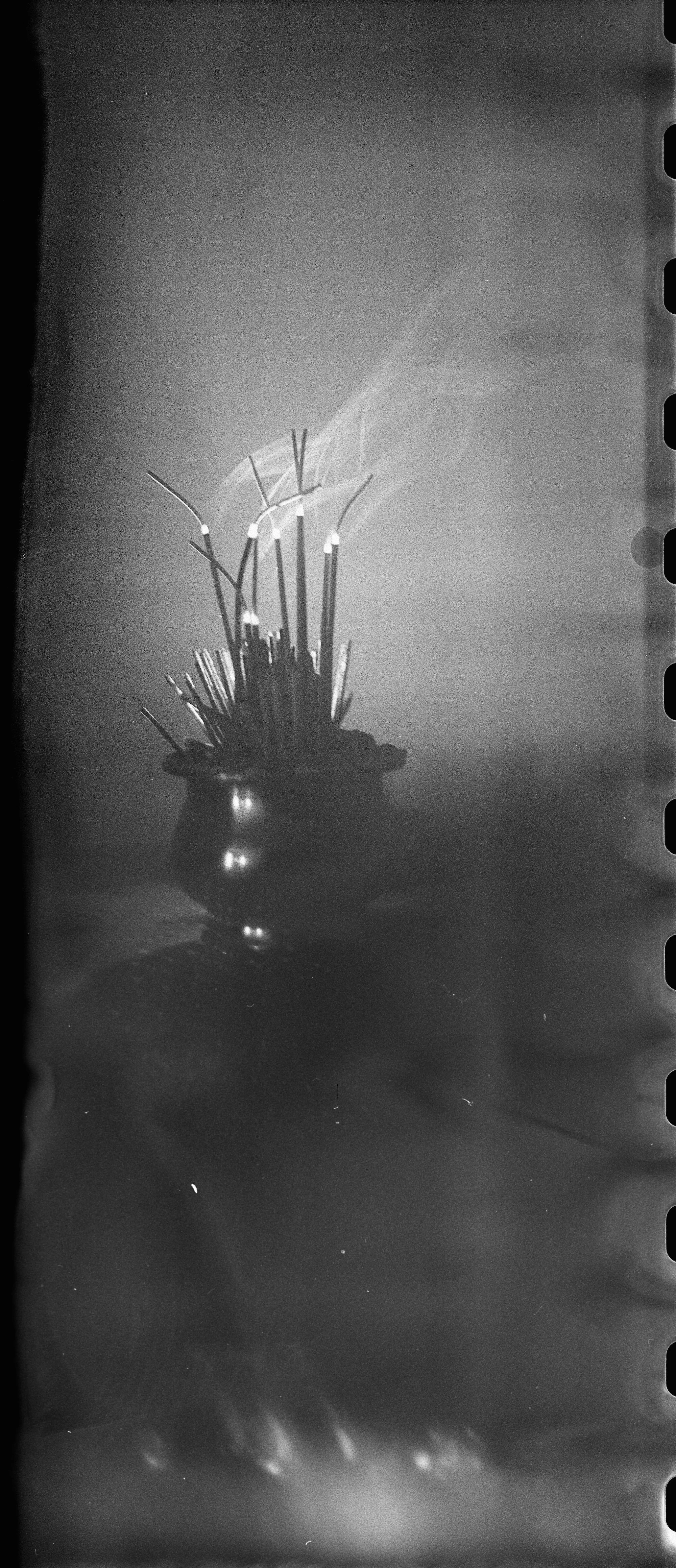
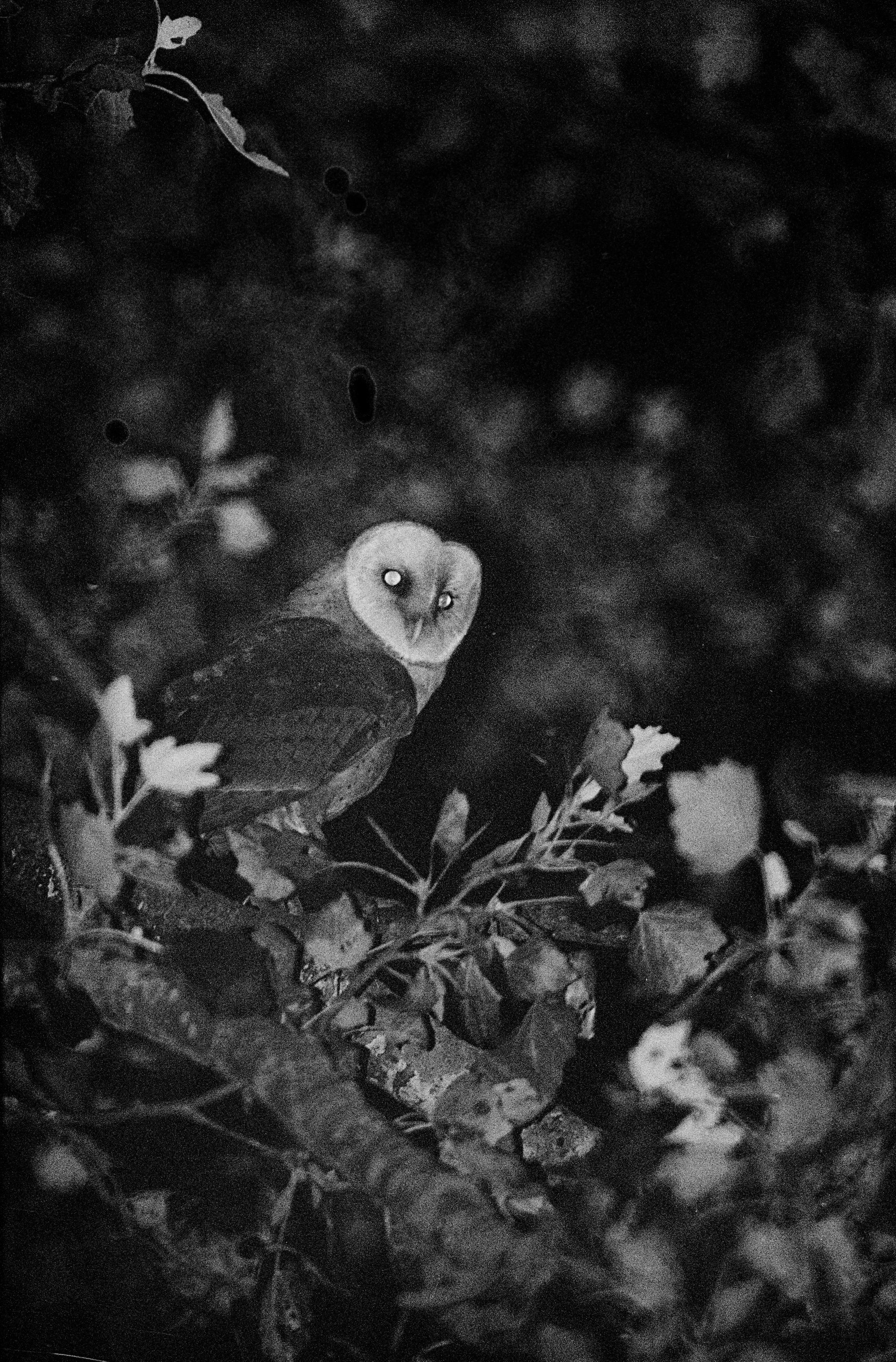
Hungry Ghost Festival: The book draws on the Taoist tradition of the Hungry Ghost Festival. How do you translate such deeply spiritual and ritualistic concepts into photographic form?
One thing that drives humans and other beings is hunger: hunger for love, happiness, and money. These old stories are just a reflection of us depicted in fantastical ways. So, photographing everyday life in my immediate surroundings, there are times when a normal interaction or experience feels charged. Sometimes you feel it when you are photographing, sometimes you see it on the contact sheet. Moments that give you goosebumps but you can’t explain why. I tried filling this book with those moments, mixed with more literal hints of these rituals sprinkled throughout, like incense at the beginning and the animals. To focus on the atmosphere rather than literal translations.
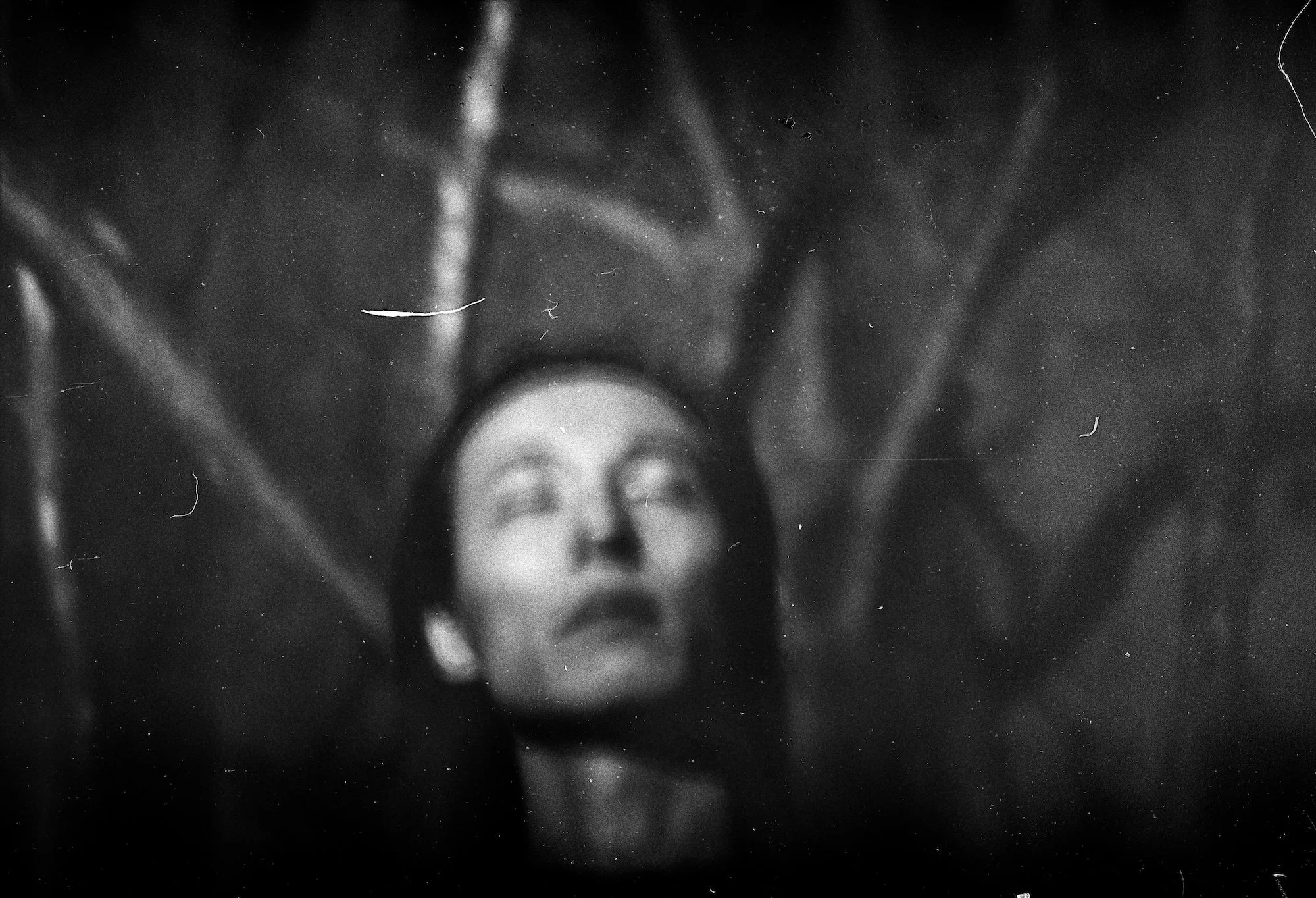
Advice for photographers exploring heritage: What would you say to photographers who want to work with their cultural background in a way that feels both personal and poetic?
Growing up in Red Deer, Alberta, it was a wasteland for culture. No matter what culture you are, you just try to fit in and survive in a place like that. I am very fond of my upbringing, for better or worse. I still enjoy the prairies and the stunning frozen landscapes of prairie town, Alberta. When I was young, I was ashamed of my culture because of how people perceived me (or how I felt) from the tv, news, etc. It was difficult to reconcile with until I was older, but I think that’s pretty common to growing up. It’s definitely different now, which is great because it allowed a space for me to comfortably come to terms with my own story.
Everyone has a different journey, sometimes easier and sometimes harder. The biggest help for me was finding people such as Jesse Lenz, Igor Posner, Jon Levitt, and Brad Zellar who really championed those parts of me I was ashamed of and, in result, pushed me to create without fear. I would tell photographers to find the people that challenge and champion you to be the most authentic version of yourself. Both are key because you need to be pushed hard, but if you put that into your work, people will see it.
The role of animals and symbols: Animals like owls, snakes, moths, and foxes carry spiritual weight in your work. Are these symbols intuitive, researched, or connected to specific experiences from your life?
The specific animals are more attached to my personal want to see them. There’s a wolf in the book that I spent many months and hours trying to find and photograph. I grew up in the prairies of Alberta. The landscapes went from completely flat to high up in the air and rocky, that the animals and symbols chosen felt so intuitive and a part of where I’m from.
Visual tone and printing choices: The book’s matte paper and painted black edges suggest a tactile darkness. How did material choices help reinforce the themes of haunting and reverence?
I’ve always felt like the shine of pages distracted me from immersing myself fully into something. We wanted the feeling of melting into a dream or a nightmare. Something that would feel more like intense floating past your eyes in candlelight.


Between protection and danger: The Hungry Ghost Festival is both a celebration and a warning. How do you balance those dual emotions in your imagery?
The reoccurrence of certain animals plays into the duality of the festival. Sometimes acting as a familiar that springs out of the nowhere, finding me on a snowy path. At another time allowing me to approach its place of rest while we’re searching for it in the forest. I think that what spirits and wild animals have in common is that they are mysterious and beautiful, but are also terrifying when you stumble upon them. I think that is pretty intuitive to people as that was often where I was mentally while making the book.
Looking ahead: After Blank Notes, do you see yourself continuing to work with the spiritual and cultural ideas from your upbringing or are you looking towards something entirely different?
Working the way I do is more subconscious than conscious. I think no matter what I do i’ll bring a bit of it into the work because it’s a part of me. It shaped my way of thinking. There’s such a wealth of imagination within the stories of the old world; sometimes we have to listen to the past to know how to get through the present and into the future.
To discover more about this intriguing body of work and how you can acquire your own copy, you can find and purchase the book here. (Charcoal Press)
More photography books?
We'd love to read your comments below, sharing your thoughts and insights on the artist's work. Looking forward to welcoming you back for our next [book spotlight]. See you then!
Robin de Puy could no longer make this project alone. She first photographed Randy in Ely, Nevada, during a 2015 road trip and kept returning to him for more than ten years. Interviews