Ken Grant’s Cwm: The Fair Country Shows What Happens When Industry Leaves But The Land Still Remembers
Welcome to this edition of [book spotlight]. Today, we uncover the layers of 'Cwm: The Fair Country,' by Ken Grant (published by RRB Photobooks). We'd love to read your comments below about these insights and ideas behind the artist's work.
The South Wales Valleys are not empty ruins.
They are places where industry disappeared, but life continued. In Cwm: The Fair Country, Ken Grant photographs this region through land, terraces, wild ponies, heavy light, and communities shaped by work. The result is not a simple story of decline, but a slower look at what remains when the old purpose of a place begins to fade.
Grant first began photographing the valleys in 1997.
Over nearly three decades, he returned again and again, slowly finding a form for a place that could not be explained through obvious images of ruins or decay. He speaks about post-industrial Wales, the role of the ponies, the danger of picturesque photographs, and why long-term work often depends on patience, doubt, and return.
His answers are valuable for anyone trying to make work about a place without reducing it to a single idea.
They show how a photographer can stay close to a subject long enough for its deeper shape to appear. Cwm reminds us that some landscapes do not only carry history, they keep asking to be understood.
The Book
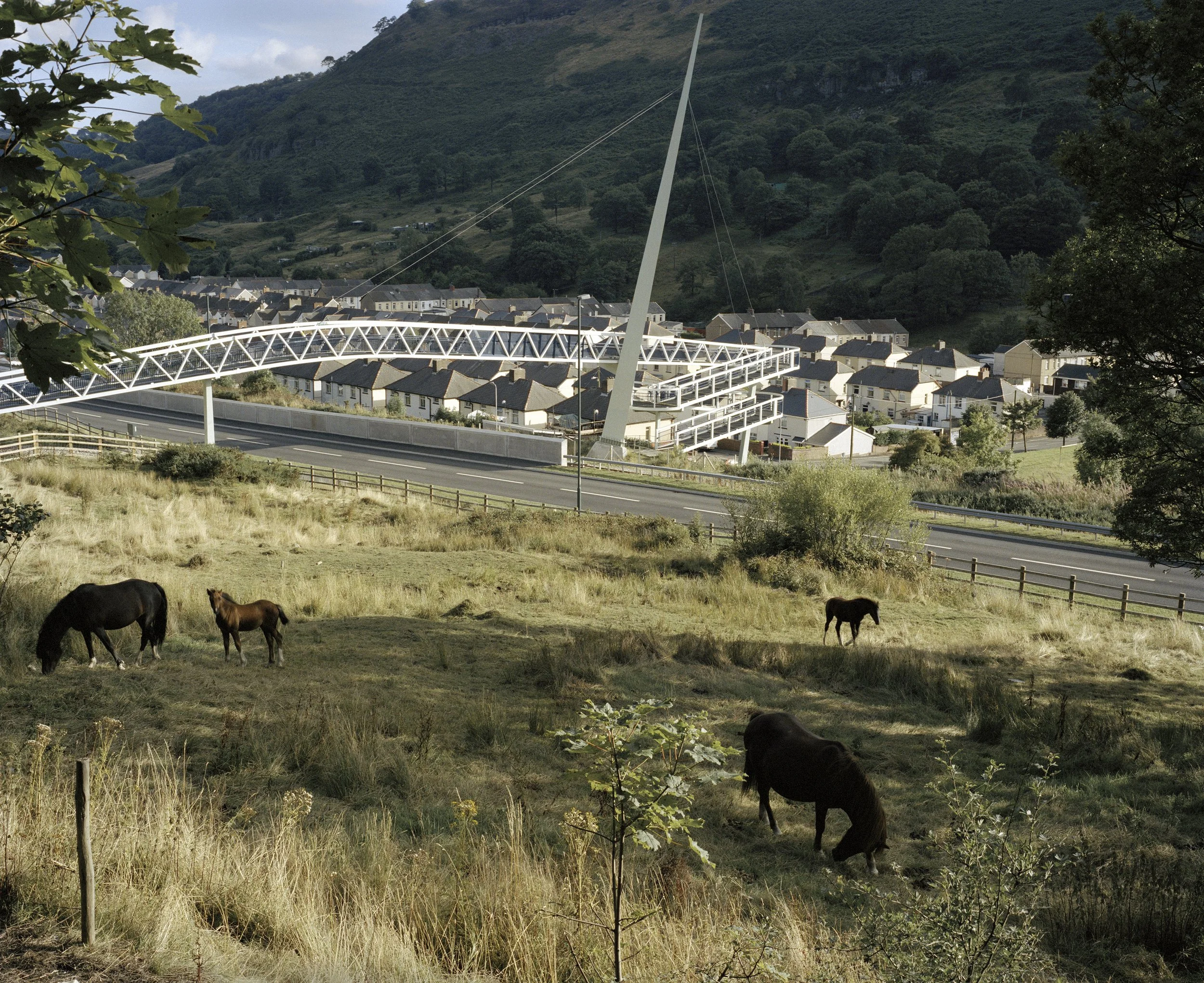
Cwm: The Fair Country by Ken Grant, published by RRB Photobooks, is a long-term photographic study of the South Wales Valleys. Made over nearly 30 years, the book looks at a region shaped by industry, working-class life, and the slow changes that followed the decline of mining and steel. Grant photographs steep valleys, terraced houses, roads, bridges, hills, former industrial sites, and wild ponies that move through the landscape. Together, the images create a quiet and layered portrait of a place where beauty, history, and endurance remain closely connected. (RRB Photobooks, Amazon)
Overview of the project: What first drew you to photograph the South Wales Valleys, and how did this quiet, long-term project come together over nearly three decades?
In 1997, I took a half-time teaching post in Newport, South Wales. Newport is at the southeast edge of Wales, at the foot of the Gwent valley. It was once known for its steel industry. The valleys fan out like the fingers of one hand. They were new to me, and driving each week between Newport and my home in Liverpool, I started to make detours to try and understand how things worked there. The mining had gone, steelmaking was alive but economically precarious (it still is), and yet the communities built around each remained. That started a long interest for me, and the closer I got to people who lived there, the more I found common threads. I grew up near Birkenhead, a shipbuilding town across the river from Liverpool; perhaps you've heard Robert Wyatt's version of the song 'Shipbuilding'. It's about the reliance on one industry (in Birkenhead's case, shipbuilding) for a community's continuity or purpose, and it conveys beautifully the tension that comes with the military contracts that now prevail in those industries. We recognise the precarity, the working-class communities, the consequences when one industry supports so much and then falters… There's a distinctly different terrain in South Wales, but similar identities built around work perhaps. In the early 2000s, I relocated to South Wales and eventually led the Documentary Photography programme. It was a privilege to work with serious students who came from across the world to study there. They often made work in the valleys, and I was interested in what they achieved. For me, teaching commitments meant heavy schedules and a shift away from the kind of immersive work I'd done before, but that was probably healthy. Finding a way to engage with a new region was in many ways a natural shift. I had to start from nothing and spent a long time photographing in the region until an approach that foregrounded the land, architecture, and ponies became clear to me.
On visual continuity and contrast: Your earlier work in Liverpool, such as The Close Season and Benny Profane, focuses on urban working-class life. How does Cwm relate to or differ from those earlier projects, both visually and thematically?
When I was making the work that became The Close Season, I was photographing my contemporaries. It became about the nuances of work, social lives, and the kind of attrition that comes with the lives we led. I would work on long-term, overlapping ideas (I never called them projects, just ideas) about the river, work, home, football, nights out, and so on, and eventually, I began to work across them all, putting sequences together that I would rework as sequences or, eventually, as book dummies. The idea of publishing the work wasn't the main goal, though; what I do has currency for me, but it might not be publishable or easy to sell to others, and I've come to accept that. The publisher Dewi Lewis saw the Close Season work in 1989 and found a way to publish it long after, in 2002. In the time that had passed, I'd made a sequence that I was sure about. So that duration of working and reworking established itself as my way of working. It was a process that taught me to keep close to the work, to return to it, test it, and to work steadily until something felt right enough to share. That was common to the work in Wales too. There's no rush; getting the work right is what matters, and that can take time, for me anyway. Benny Profane was never intended as a book either. In fact, I had no plan for the work other than knowing it was important to me to make it. It was eventually published 30 years after it had begun, and only after an approach from a publisher who was convinced it should be something. I'd left it to one side and occasionally exhibited some of it, but rarely. By that time, it was good to go back to it. So, all of this learning, about time and persistence, about returning to the places I knew often, they were a useful 'apprenticeship' for making Cwm. Cwm differs in that I was aware that I was photographing communities without the kind of direct engagement that made the earlier work so closely built around people, but I was in a new area, and that felt natural, more appropriate. You figure out the best way to do what you need to, and sometimes approaches need to shift. It can be discomforting to start something new, but I've always worked with the land, and it gradually came to dominate the series.
What kinds of South Wales pictures did you eventually reject because they felt too obvious, too picturesque, or too close to existing photographic tropes?
In the main, I think I managed to avoid making them in the first place, though there were plenty of times I photographed places which were striking, and I tend to work fluently without too much hesitation, but then I can work through everything and make decisions before committing them to the page or wall. I suppose, over time, the things I need to be mindful of get pretty embedded and guide me. It's probably natural to be drawn to those more striking things, I know, but work can easily be one-dimensional if it just becomes about light, colour, or geometry. Photography needs to work harder than that for me. I remember a long time ago looking at the Bechers' 'Industrial Landscapes' series when they were shown at the Pompidou Centre; several of those photographs were made in Wales, and the best of them, for me at least, asked us to think about life, work, and the bigger questions. They go way beyond the naive intrigue of architectural structures, and you can see quite a few photographers floating around the valleys making that kind of photograph even now. No, they're good, sensitive, layered, and in some way 'human‘; you can understand how industry and community coexisted. When they made those photographs, they were a young family travelling around in a camper van, and there's a tenderness that comes through. The photographs reward scrutiny and return. Really, they're quite something, and they set the bar high for the rest of us.
The meaning of 'Cwm': The title refers to steep-sided valleys in Wales, yet it feels like it points to more than geography. How does the landscape itself become a metaphor for the lives and resilience of the communities you photographed?
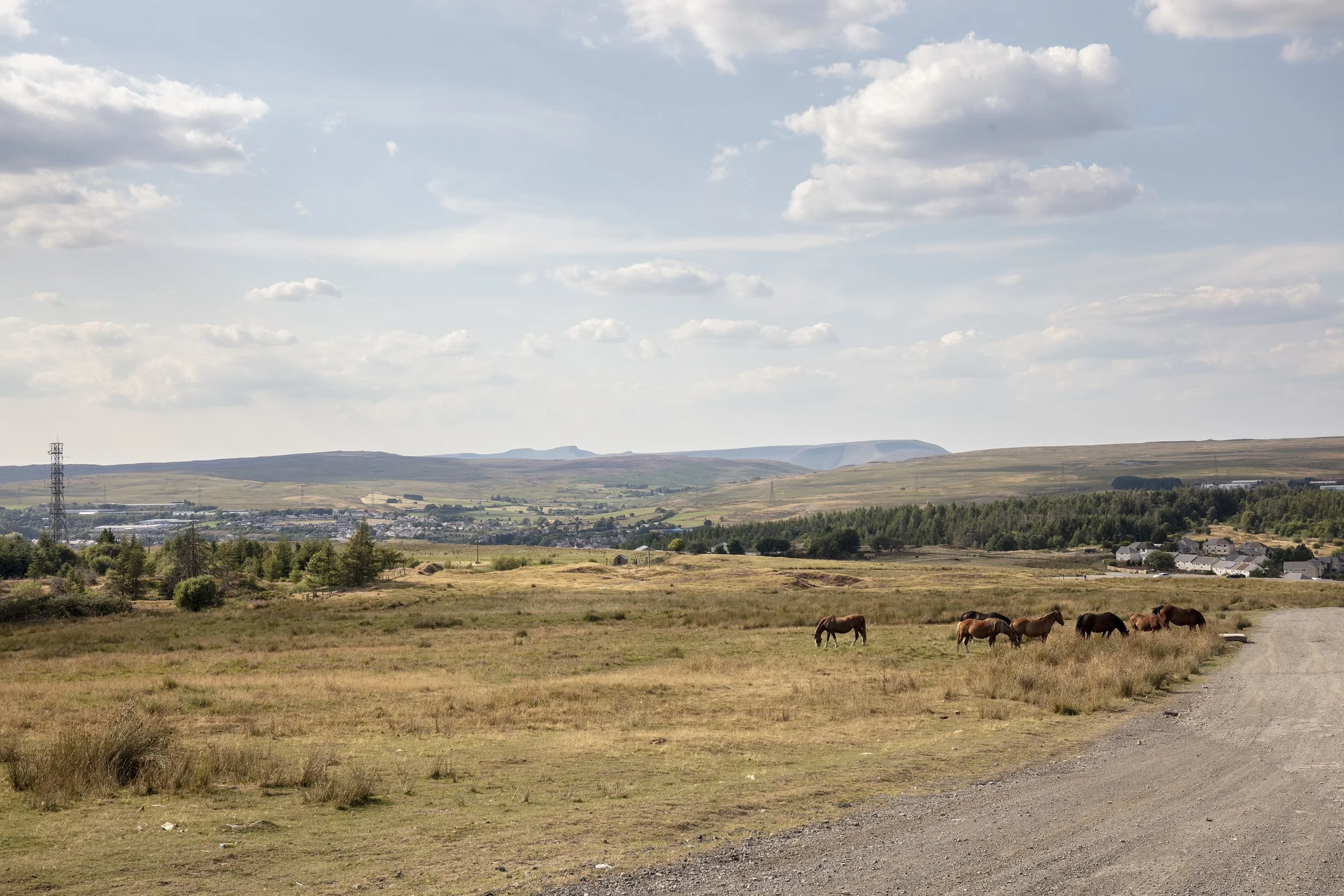
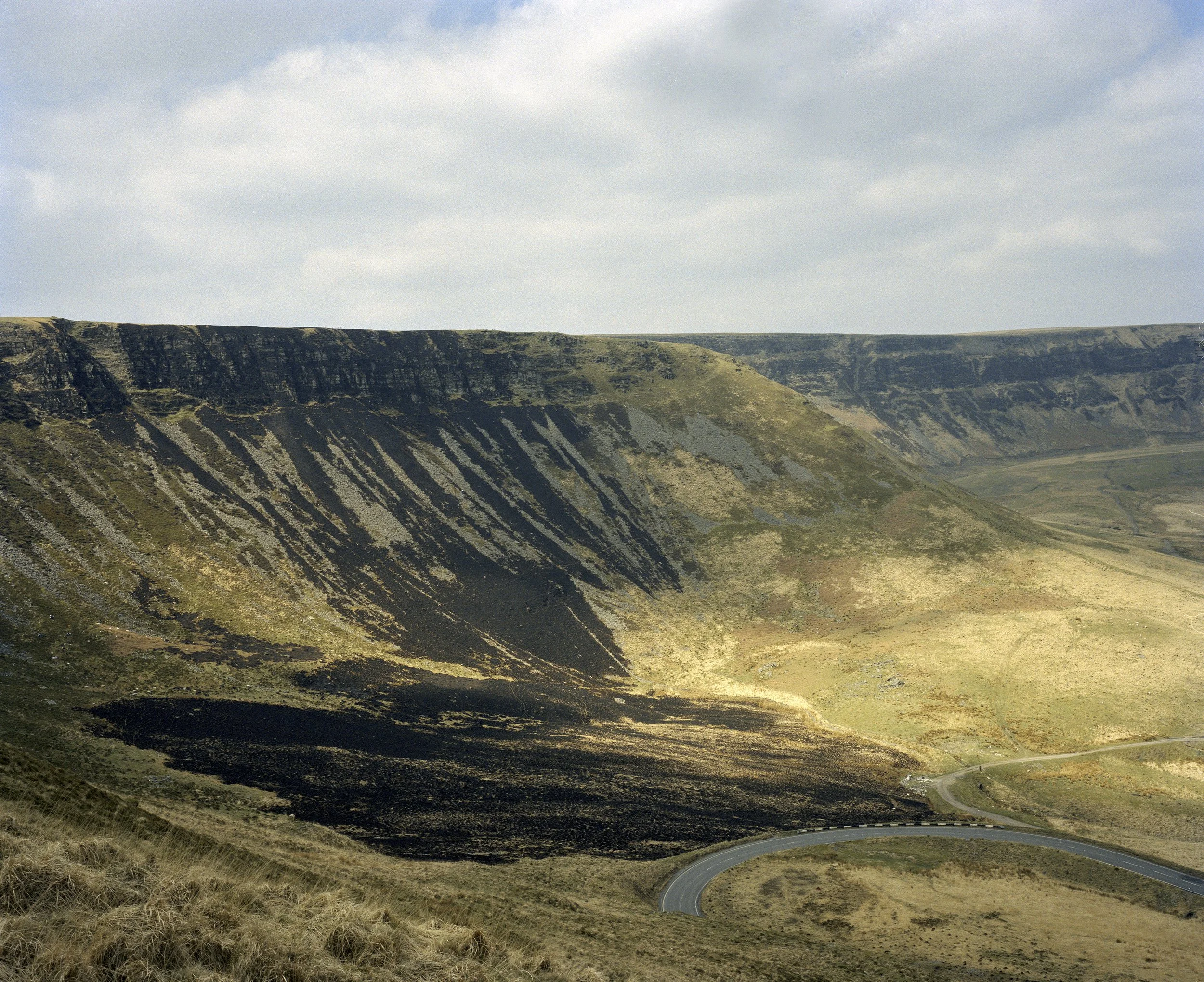
Cwm is also a small village near the former steel-producing town of Ebbw Vale. I'd passed by it many times, and I do mean 'by it‘; there's a road that passes above the village, so it's 'overlooked', in every sense. Although there are a couple of photographs from Cwm in the book, the book isn't about that place in any literal sense. I'd imagined it was about the idea of experiencing a post-industrial valley region more completely, about how the geography of a place can influence the temperament of a people. Wherever you are in the valleys, there is a hill crest that cuts the horizon. It's a backdrop, holding you in, maybe, or defining the transition from one community to another. I've spent most of the last decade photographing with amateur football teams across the valleys, work that's only been published as short-run 'zines in cooperation with the communities themselves, and in nearly every photograph, a valley crest cuts the frame or casts its shadow. That became intentional in the eventual selection I made. They're beautiful environments, and they're also austere. When I first went to South Wales, I drove out from Newport into the first valley and then on, through villages that ribboned along minor roads or sat nestled against valley walls. For a time, the heritage department of the regional councils called one area near where I lived 'Cordell Country', honouring the writer Alexander Cordell, whose novels were set during the industrial revolution in South Wales. The best known, Rape of the Fair Country, holds everything in its pages: the beauty of the land, violence, politics, family and labour, themes that continue to resonate in some small way. My book's title nods to what Cordell laid out for us. It is a fair country; its people have a warmth and working-class solidarity similar to what I know from Liverpool, but there's something distinct, something that comes from generations working closely together as communities sustained by what used to be considered stable, heavy industry.
The role of the ponies: Wild ponies appear frequently in the book. What do they represent to you, and how did they become central figures in this story of labour, endurance, and change?
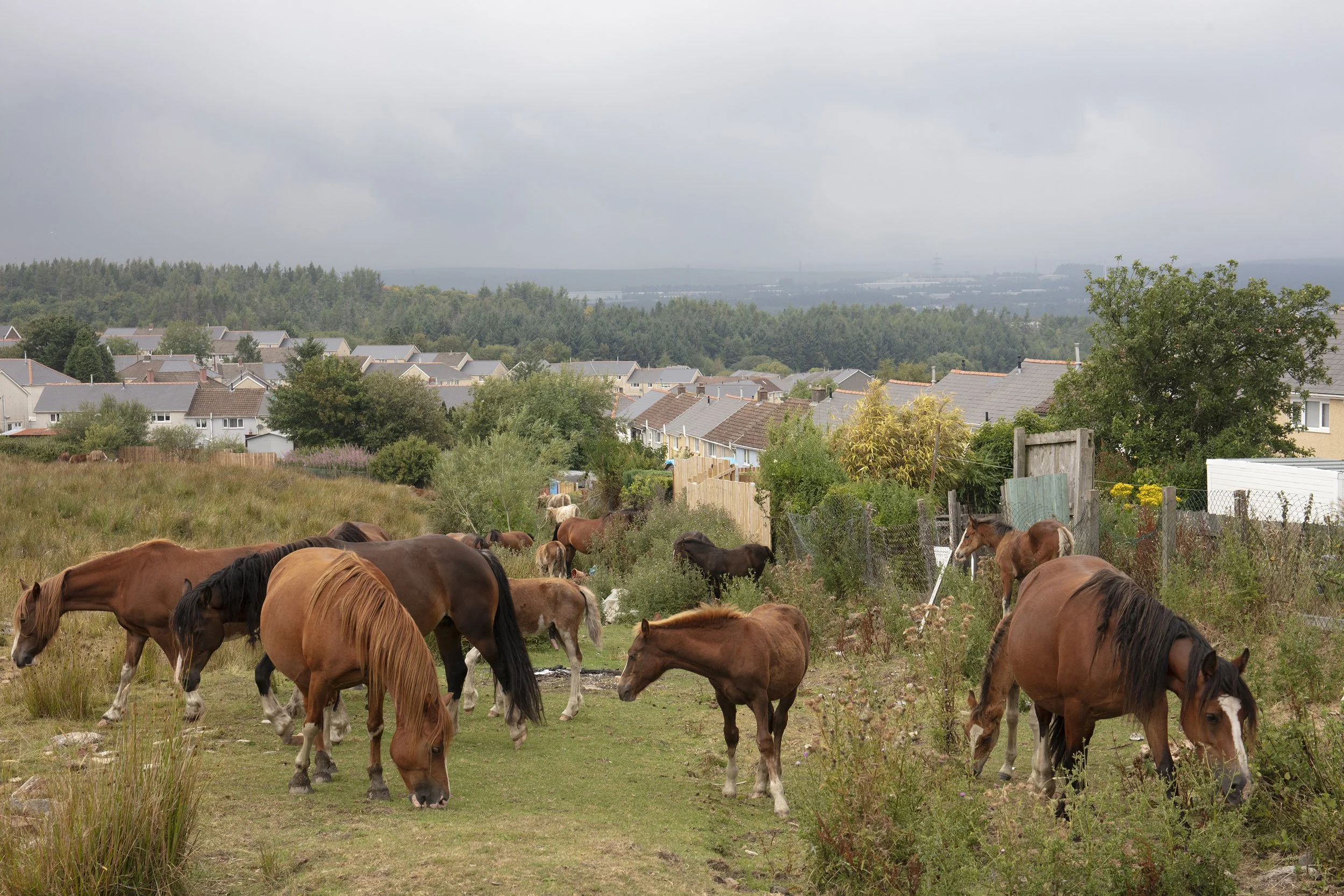
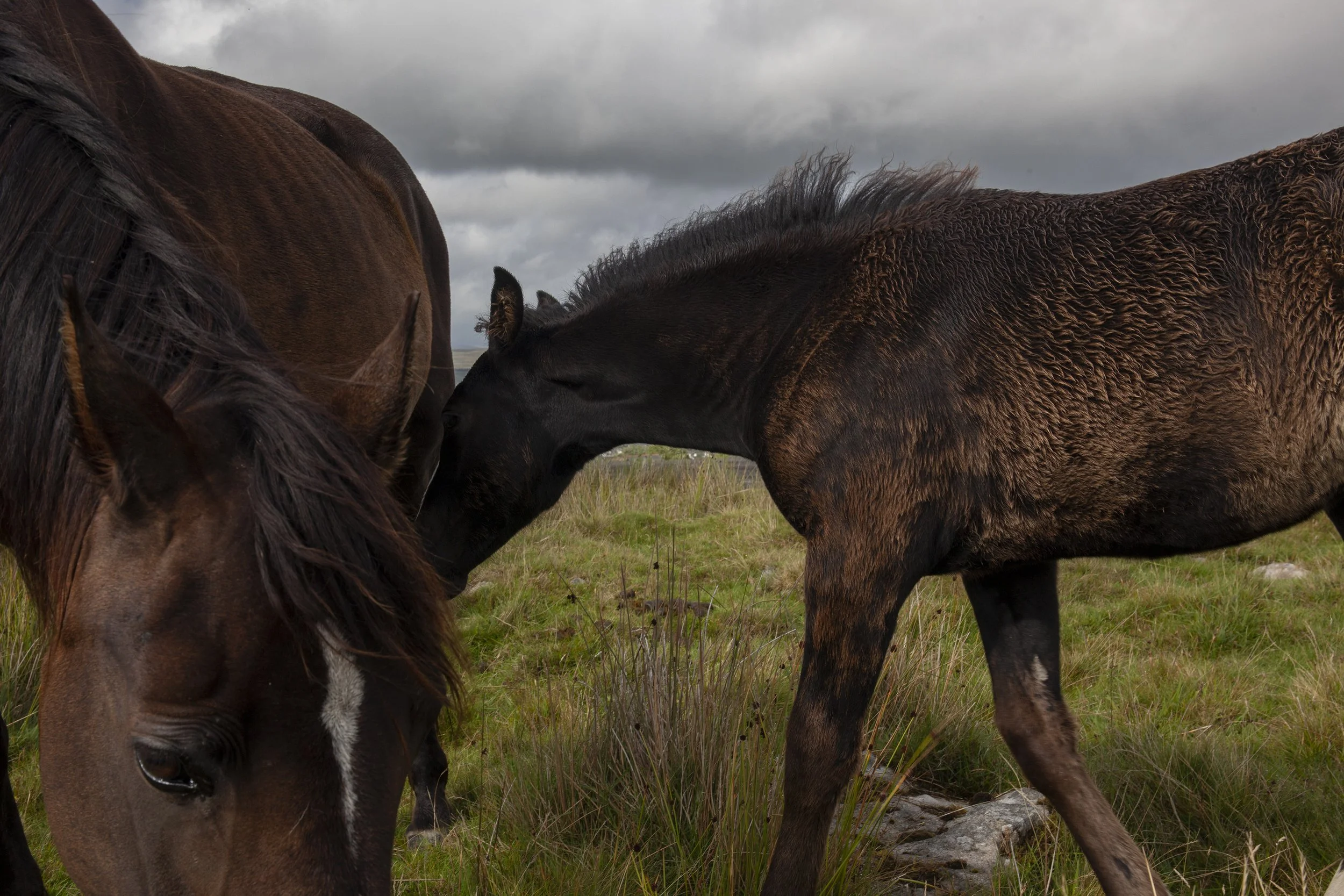
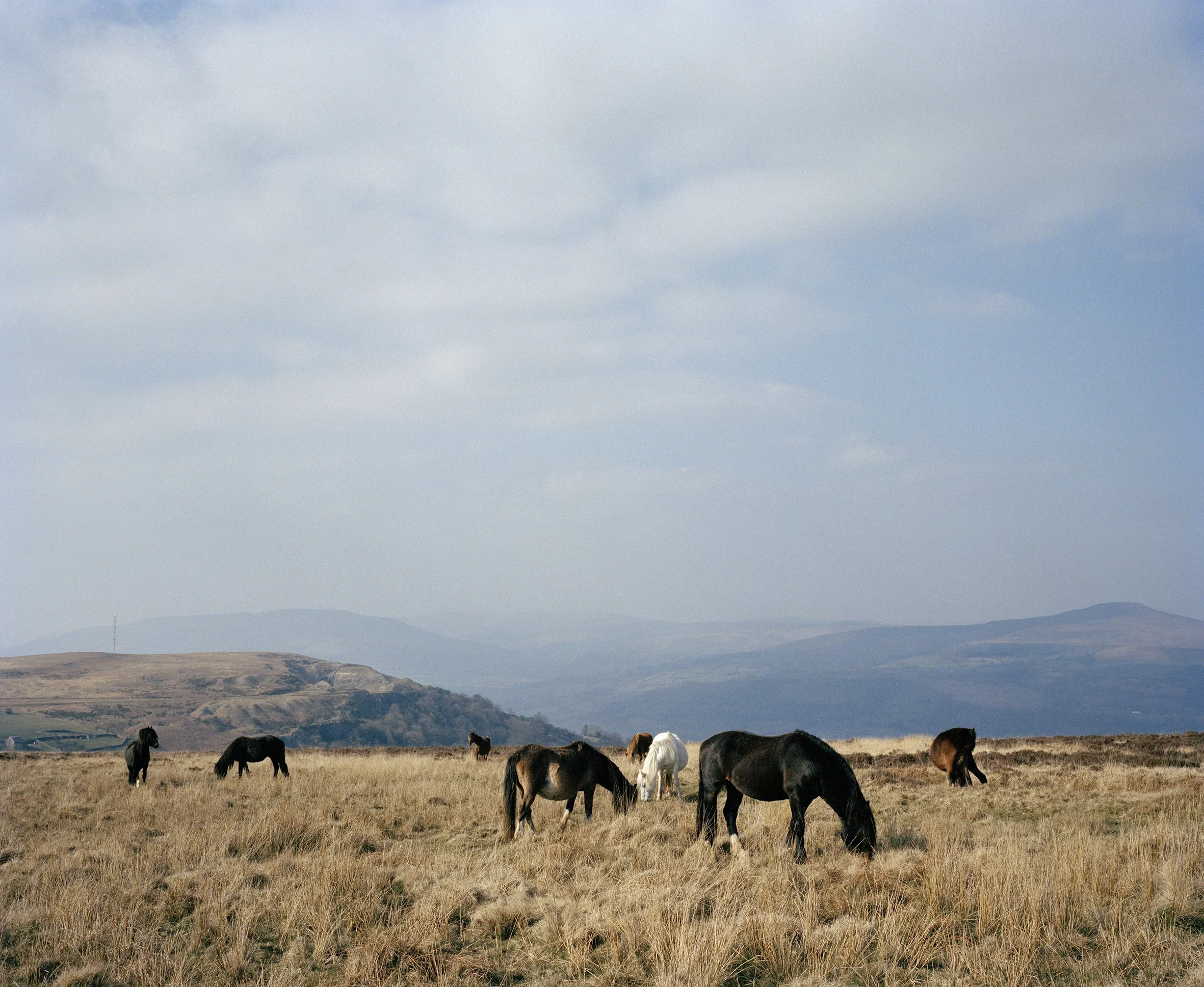
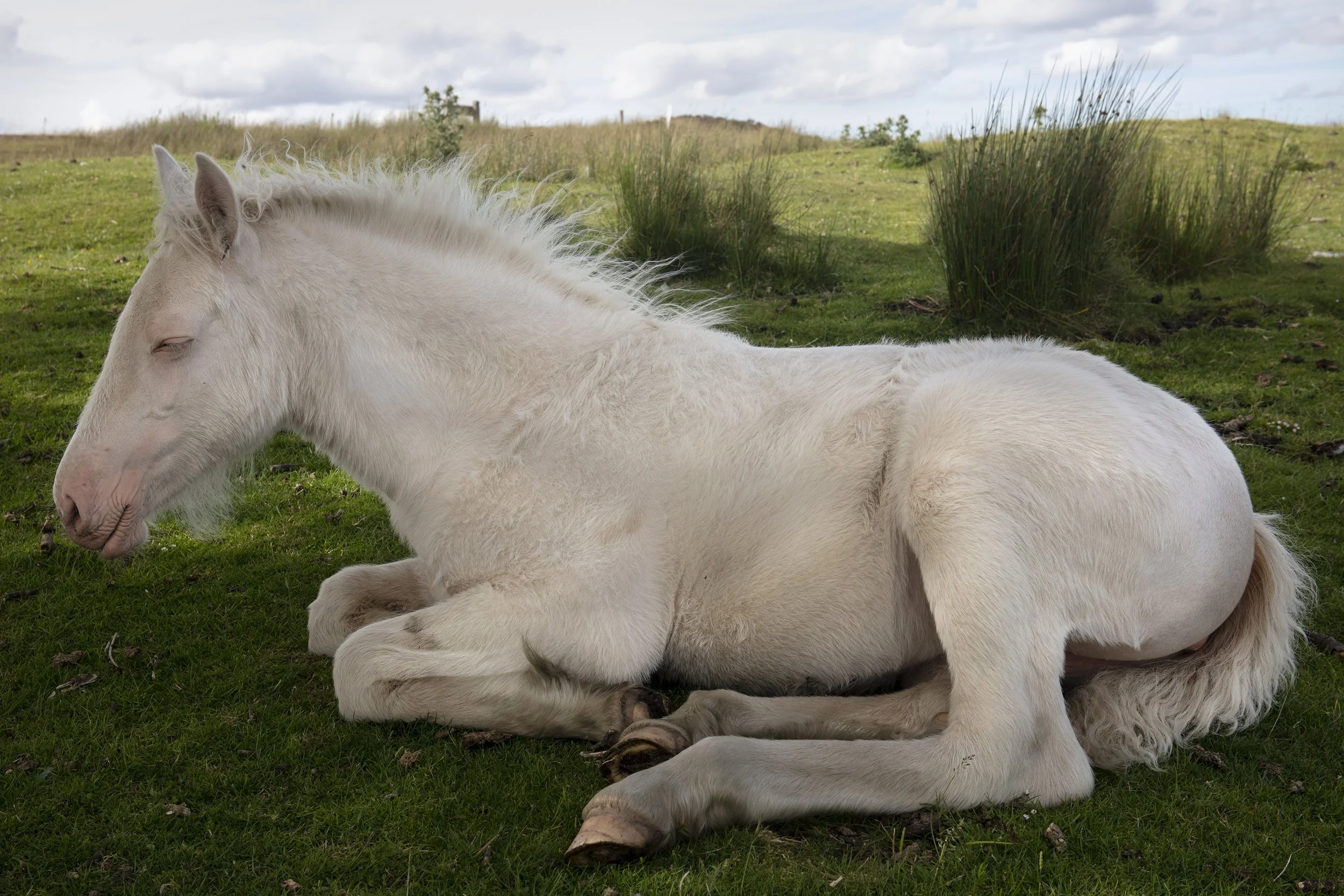
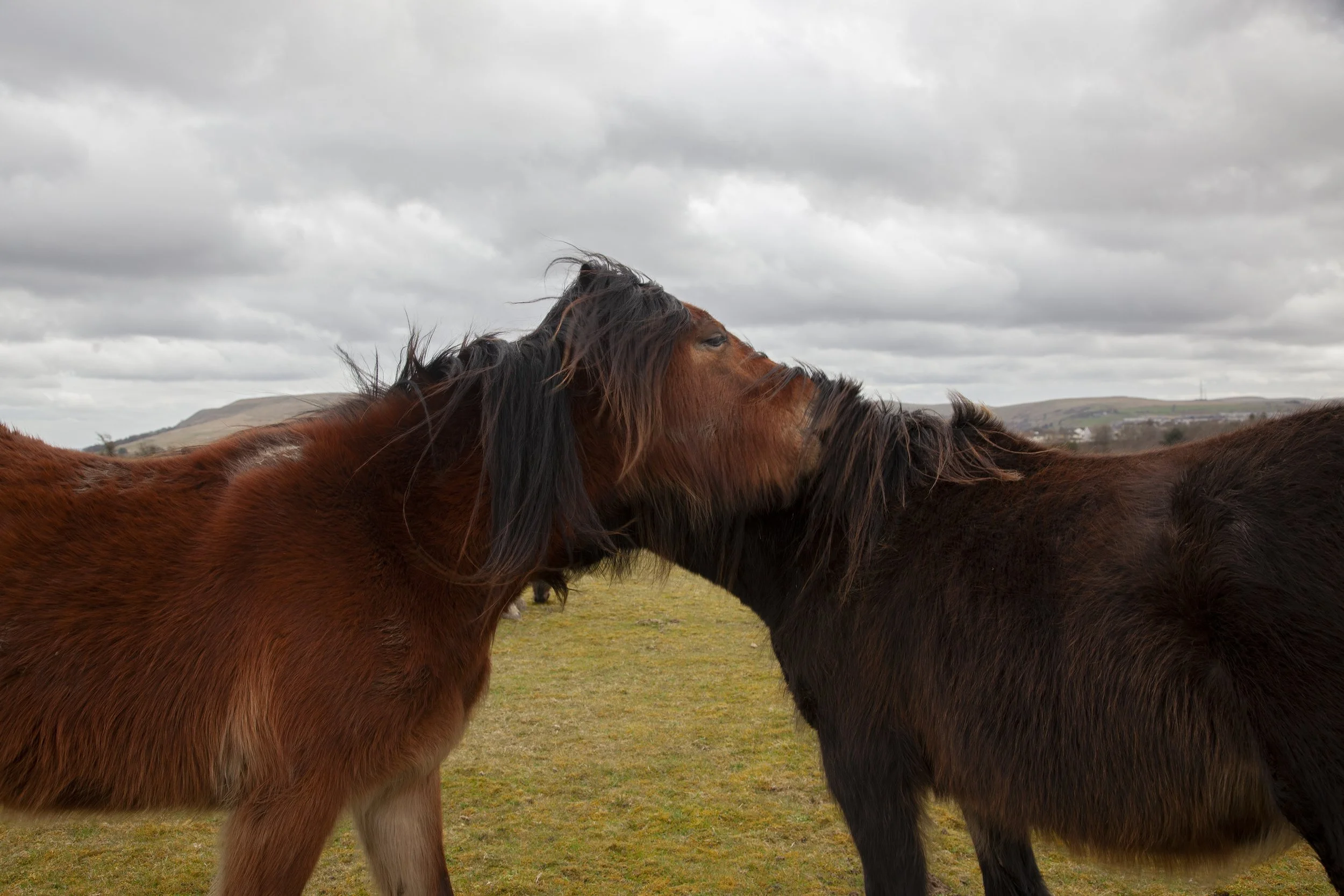
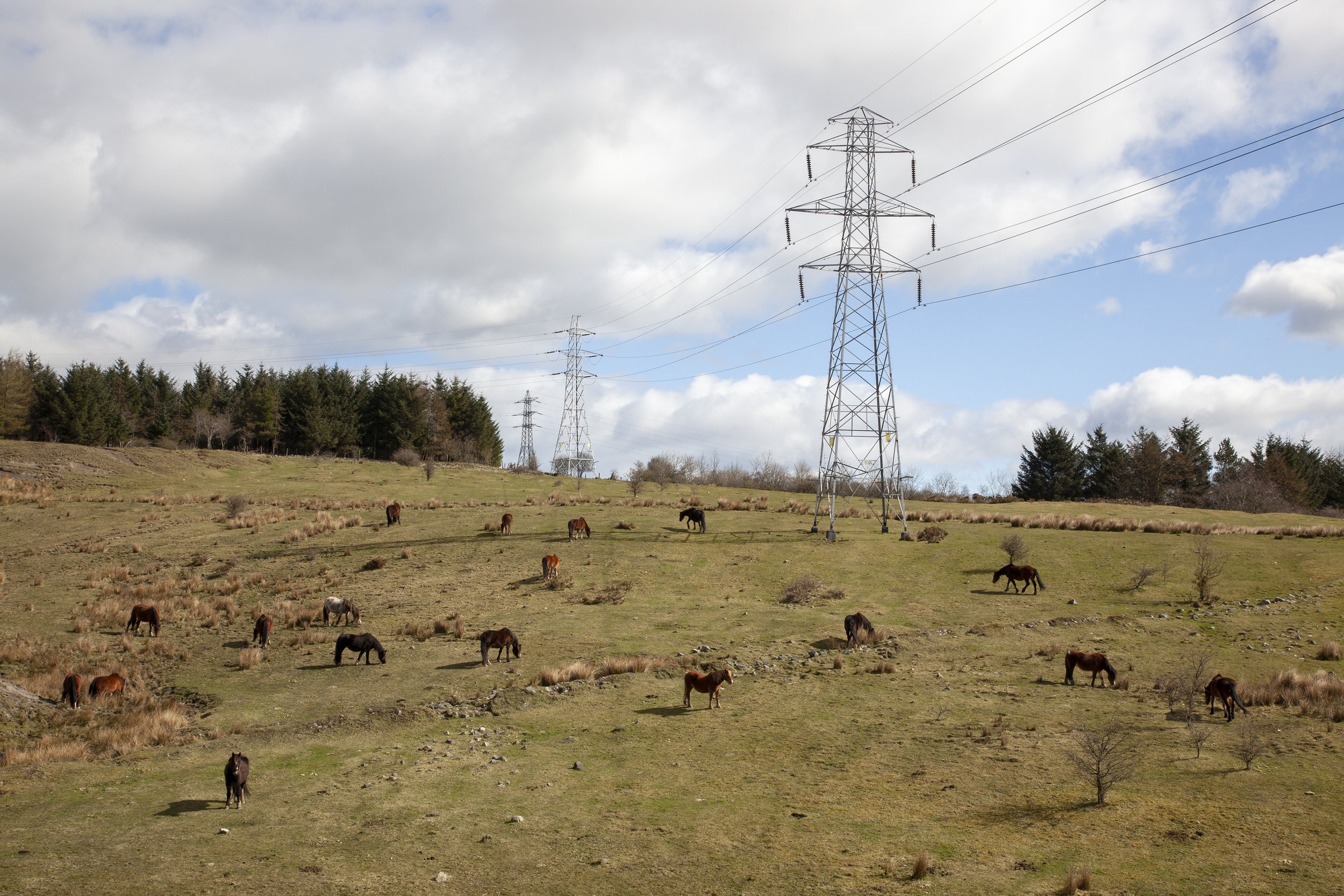
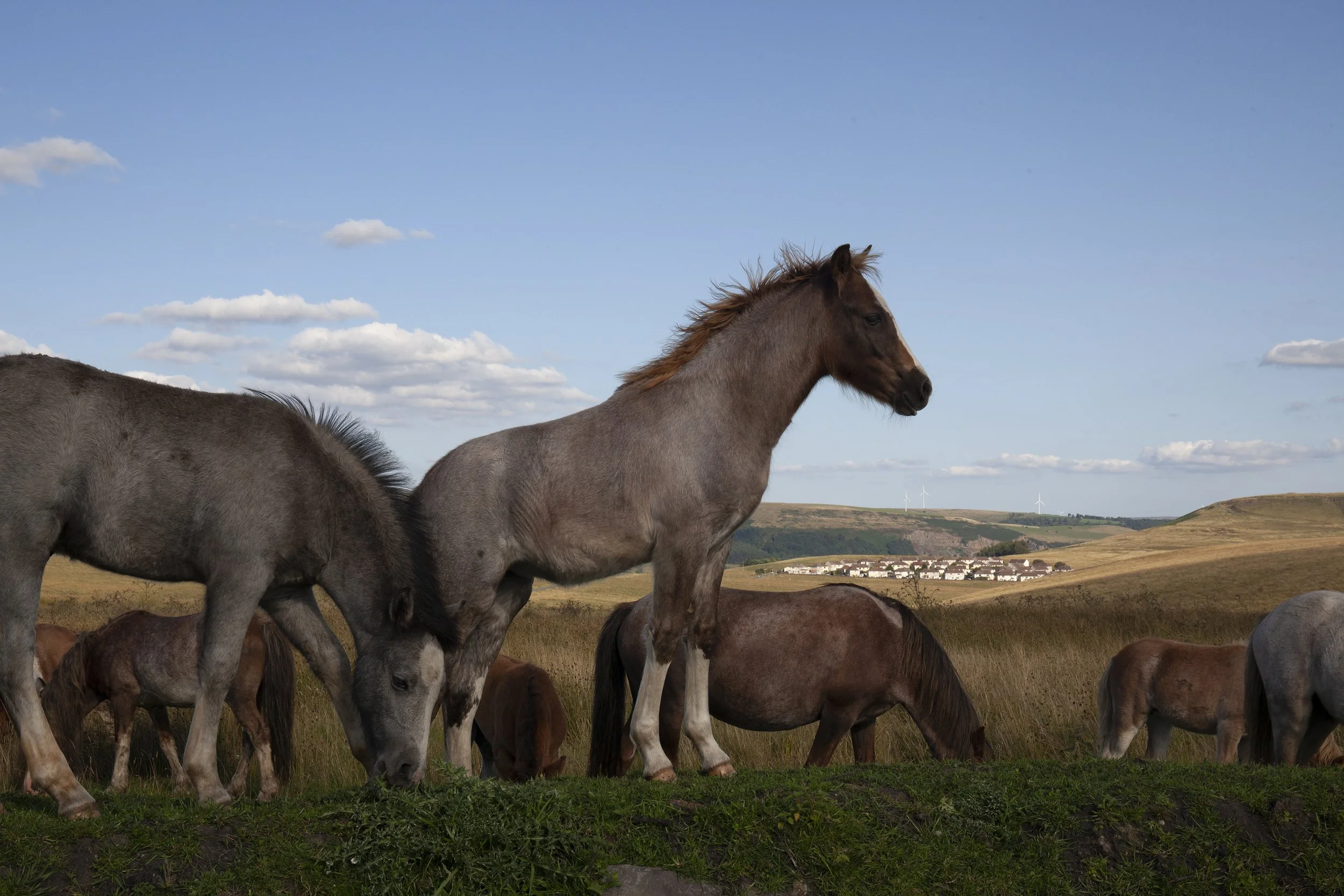
For the last four years living in Wales, we lived a mile up a mountain, and the track road outside continued over the mountain to the former industrial town of Blaenavon. I'd photographed there a lot over the years and, early on, photographed the wild ponies that sometimes settle there on their routes across open land. Pulling the photographs together over that last spell, I realised there were so many similar groups I'd been drawn to, and eventually, I began to make specific journeys to find them. I was very unsure about what it would amount to. Horses are one of those motifs common to photography, and photographers have done it well over the years: Cristóbal Hara, Mimi Plumb, Peter Hujar… so I was uncertain whether it would become anything or just be another version of what they had already achieved. The ponies in the region were a key element in the industrial process, though. I've visited stables at the foot of mineshafts and learnt of their eventual blindness to be sure of that. But their presence long predates the mines. They're tough animals; they easily deal with the heavy weather and difficult terrain, and the more I photographed them, the more I recognised how they seemed to be set stoically against the transience of industries and generations that came and went. My friend, the publisher Rudi Thoemmes, has been a good foil over the years, and I went to see him a few times once I'd put a sequence together, but it took three visits before I finally felt able to get the book dummy out and show him. I knew it looked very different to what I've published before, but I knew it was still close to me, and to the themes of work, community, and 'what a place does to us' as much as it was in previous books. Rudi's reaction was priceless. He sat in silence for a long time and then asked if he could keep the dummy, so he could figure out what was happening. I suppose I'd thrown in a curved ball, but he was good enough to stay with the work and come to recognise my intentions. For that, I'm grateful.
When did you realise the ponies were not just a recurring subject but a structural key to the book?
My process is simple: work, reflect, work, and then (eventually) sequence. The ponies eventually pronounced themselves, and the more I got to photograph them, the more I saw them as in some way representative of the communities themselves. That could be a heavy-handed metaphor, and it's not something I can talk about too much, other than to say I hope I avoided anything simplistic in making the association. There are hundreds of photographs that I like of the horses which I didn't include. I tried to use them sparingly so that when they appear, they do so as gentle inclusions, marks of life that come after we're already tuned into the land and communities.
Patience and presence in long-term work: You spent decades returning to these places. What have you learned about building a photographic relationship with a place over time, and what advice would you give to photographers pursuing long-form, place-based projects?
There's something nourishing about learning how to understand a place and, through photography, recognising that what you do will stand scrutiny. By that I mean that making work over time allows me to come back to the work time and again, to build something I hope to be lasting. It would be relatively straightforward to make an edit that held some interest; I worked for a long time on editorial commissions and the discipline of coming back each day with pictures for publication was essential then, so I know how to make a photograph. The valleys are a striking, even seductive place, so I began to understand that I was negotiating the more obvious motifs of industrial architecture, forests, birds of prey, and so on. There's a great lineage of 'visitors' to South Wales too: Robert Frank, Eugene Smith, The Bechers… I'm none of these people, of course, and though I appreciate what they did, I needed to work out a way to make my own response, and that can take time. Different photographers will find different ways forward, but if advice were necessary, I'd be encouraging people not to feel rushed, but to keep testing the work both alone and with those they can draw nourishment from. When I work with students, ideas often become inflected with the photographer's own context, meaning there's something in their own life or past that creates the emphasis a piece of work will take on. Figuring that out, figuring out why we do what we do, why we're drawn to certain things, can sometimes be helpful.
In the final edit, what sequence role did the land, the built environment, and the people each need to play?
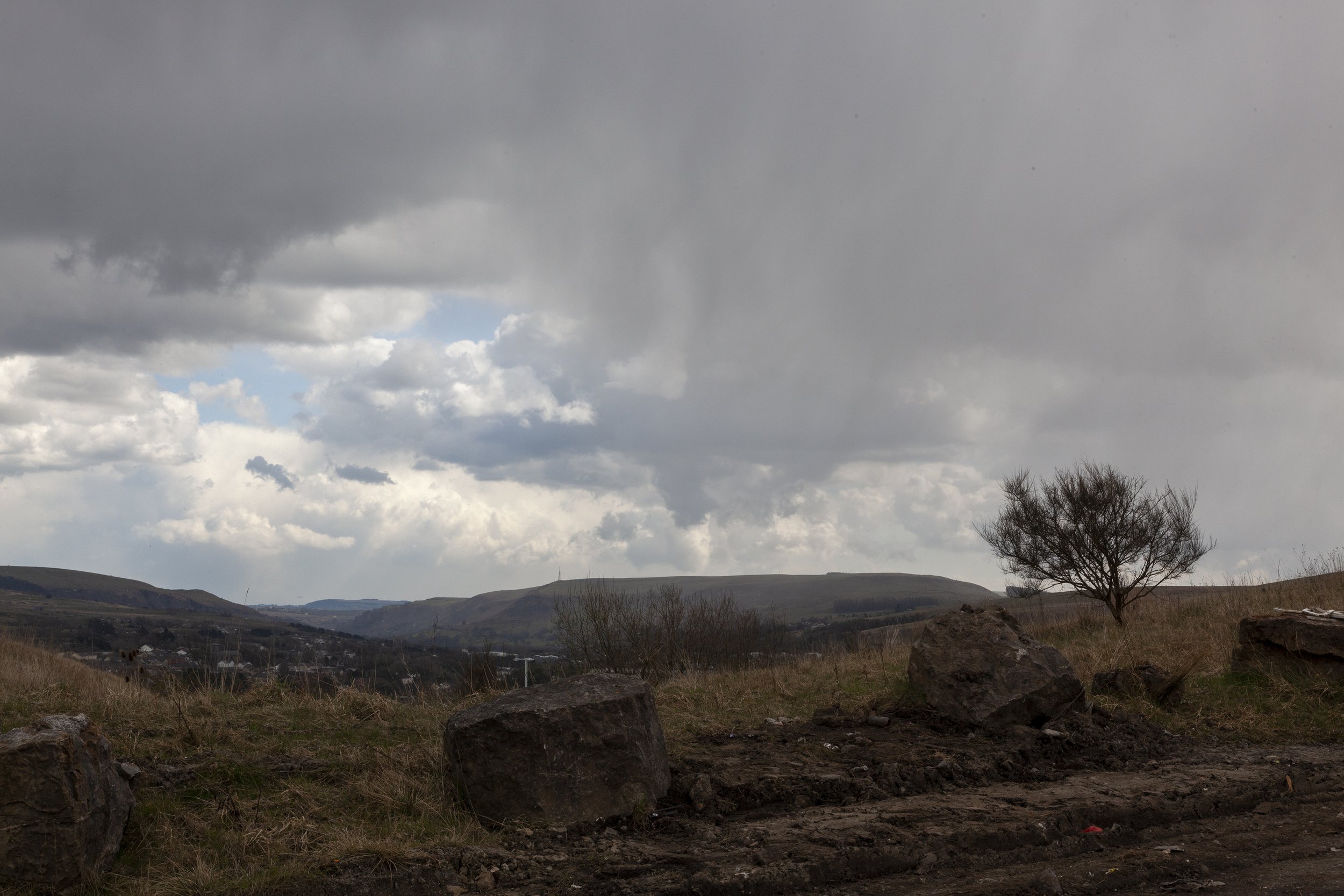
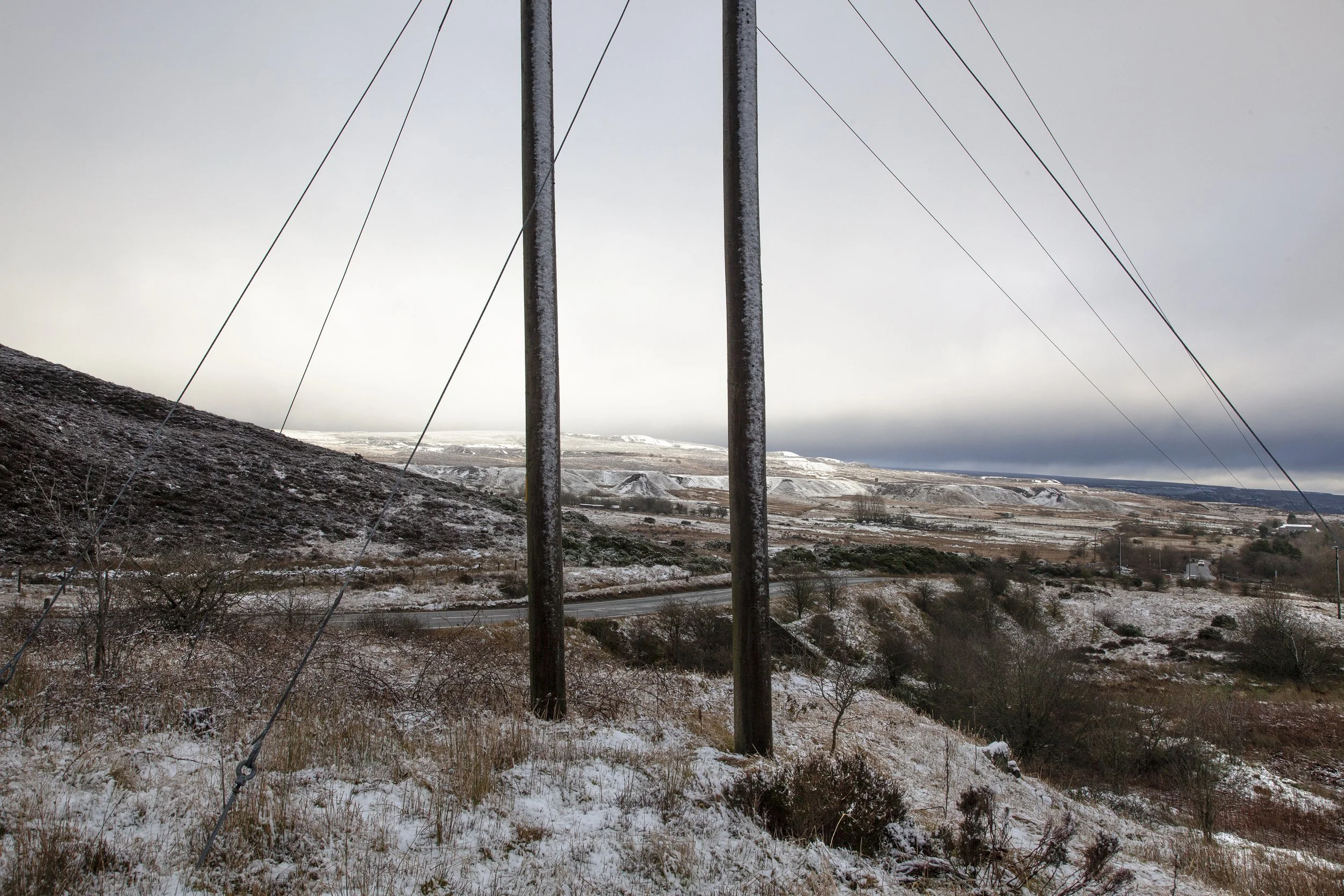
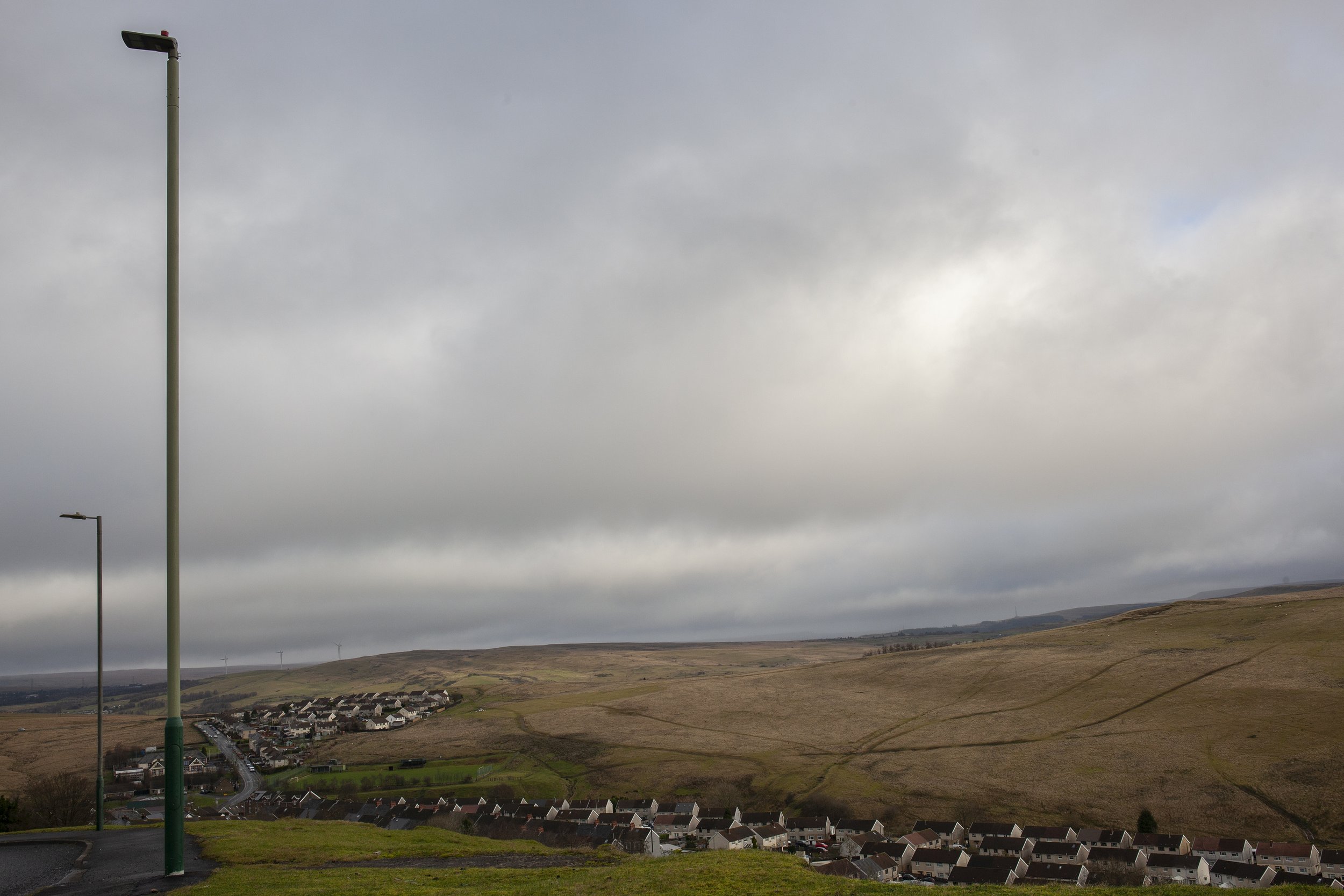
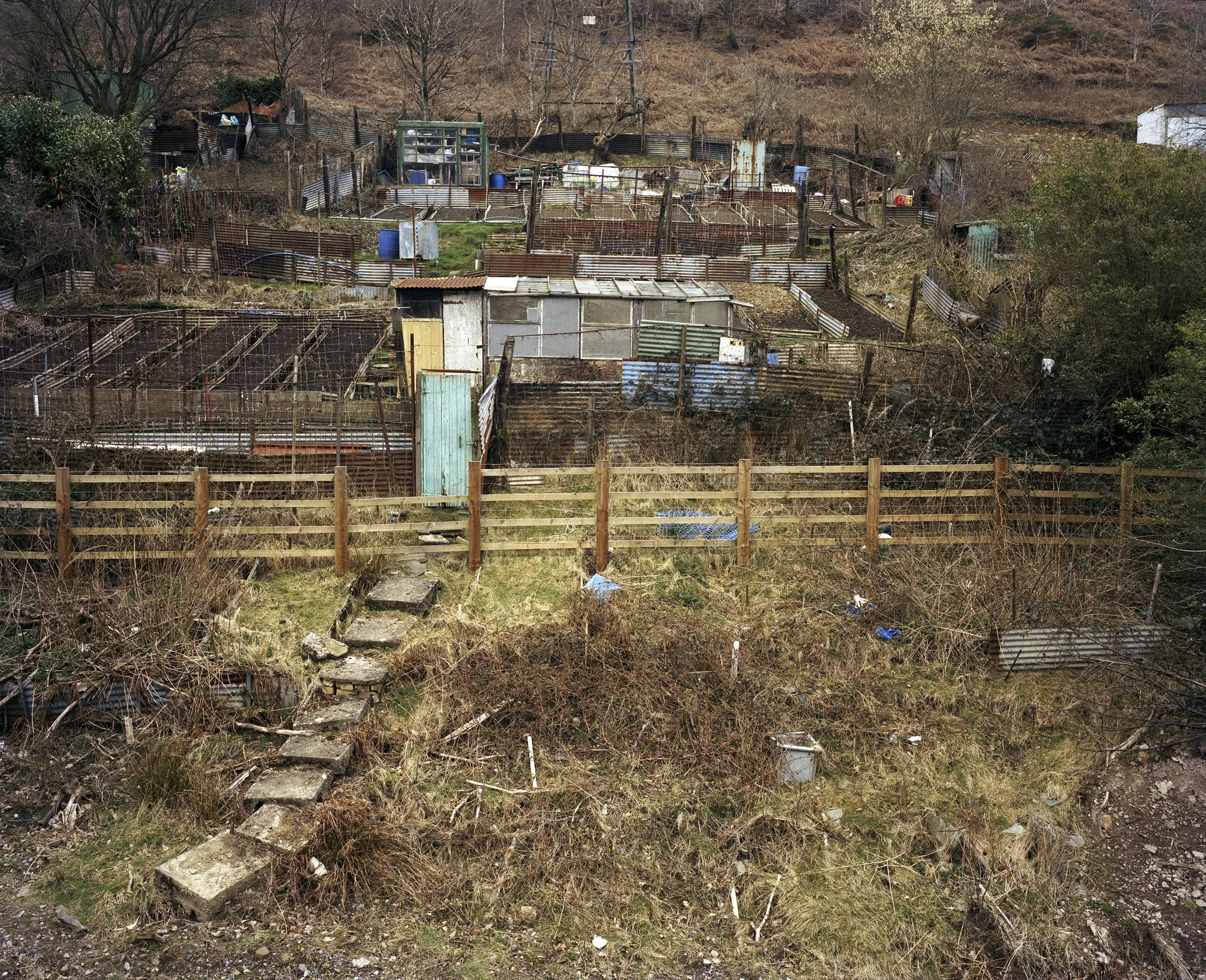
I don't think it's easy to break down in that way; probably better to say there are rhythms created in the books, and Cwm is no different. In Benny Profane, it was the cycle of the process around the tip: arrive/busy/quiet/busy/home… Cwm is looser, not quite a traveller's passing through the valleys, but an attempt to use licence to bring together disparate ideas and locations and make a sequence of photographs that feels like it has a temperament I recognise in the place. Grey buildings and terraces, heather and gorse, former chapels, cloud and heavy light after rain, isolated villages… there are quite a few elements that foregrounded themselves when it came to an edit.
History embedded in the landscape: Many of the images quietly point to the scars left by industry, buried coal tips, crumbling terraces, and dismantled steelworks. How do you decide what details to frame in order to speak to both beauty and rupture?
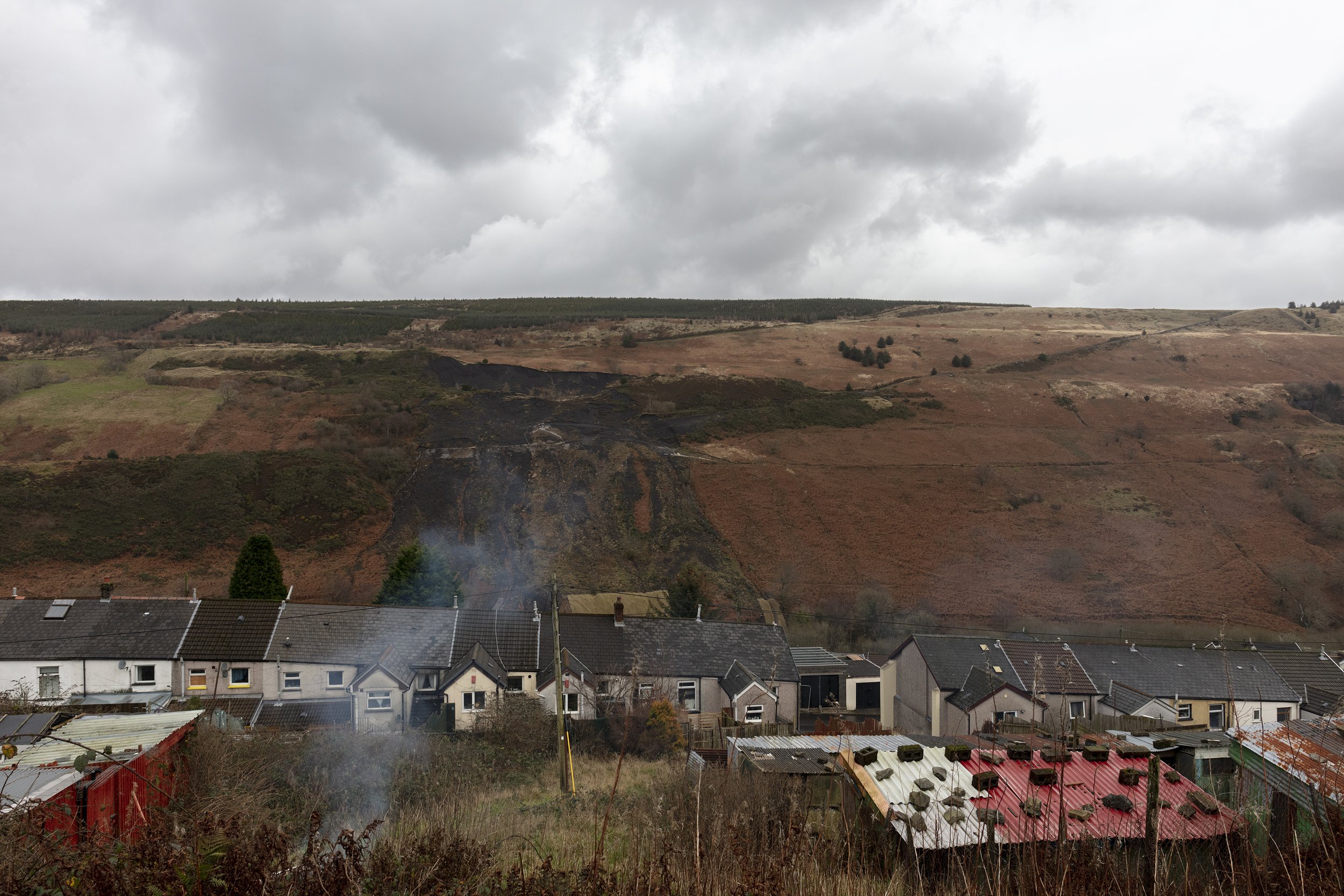
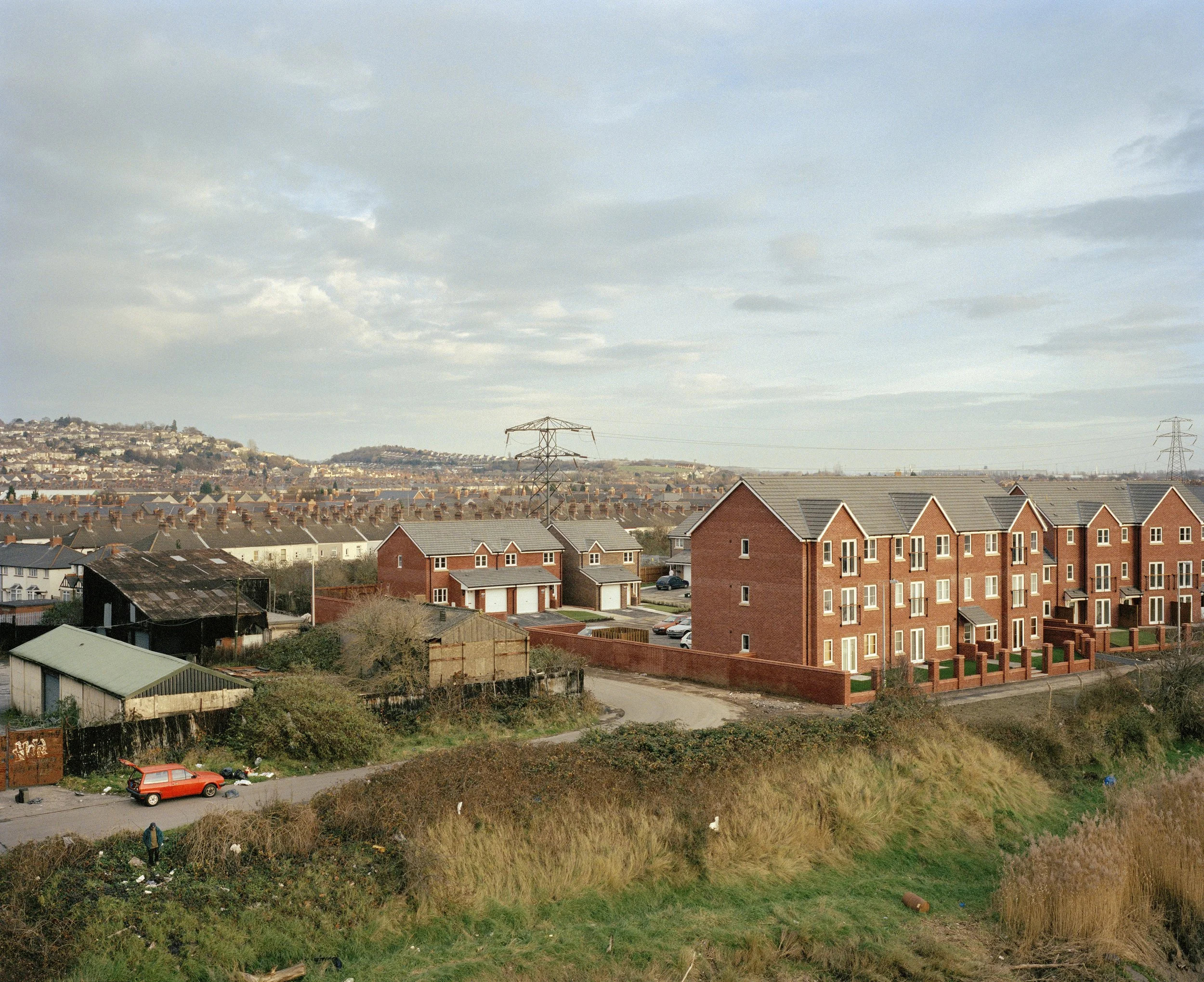
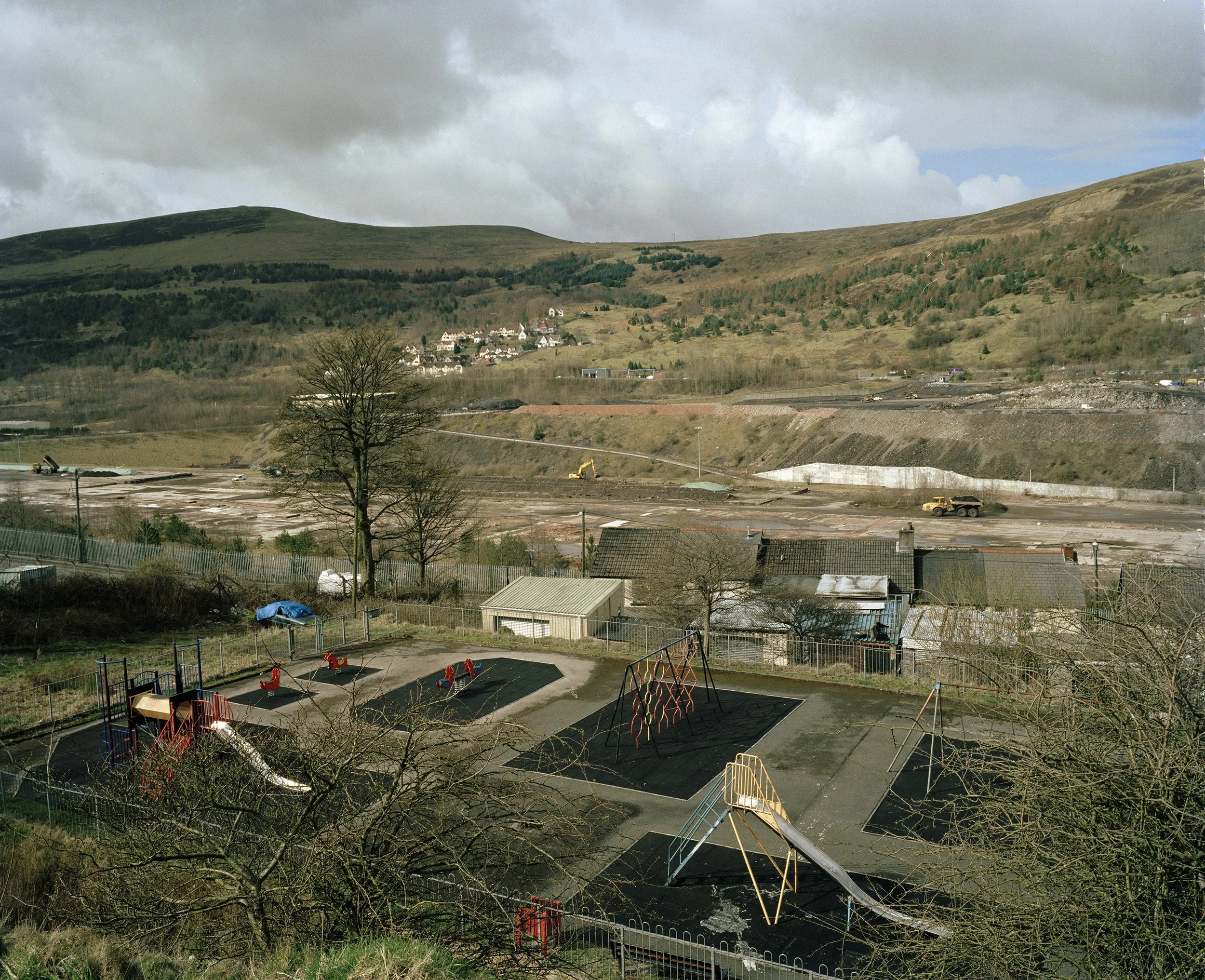
The 'ruin' in photography is always one of those topics that seems to attract photographers, and I was wary of falling into that trap too. Many of the places I photographed do have those marks of industry, but it's a complicated geography and photographing former infrastructure alone would be limiting, even trivial. Areas have been repurposed, the industries brought in to replace mining have themselves moved on to other countries with cheaper labour, leaving vacant space and new estates. There are the occasional footprints of steel plants too, and the scarfing out of hills for materials in the 18th century that has long grassed over but is still visible. These are included but rarely foregrounded in the photographs. You might see them on a second pass through the book, perhaps, and that way, you might make sense of the link between housing and why it's there. You might work out the logic of a place or recognise its isolated lack of logic now. You might notice the effect of those marks of history in the contemporary, the smoke from a bonfire in Tylorstown, and the land slipping of the whole hillside above it might hint at danger or help recall earlier tragedies, for example. South Wales has experienced many of those. A local photographer's studio might be shown on pages preceding a graveyard at the edge of a housing estate, as an attempt to acknowledge the passing of generations, and perhaps the passing of work itself. I can't govern the reading of a book, or of these photographs in isolation, all I can do is leave them in a form that I think describes things clearly and deeply.
Can you name one image you value because it holds beauty and rupture at once, and explain why it earned that place in the book?
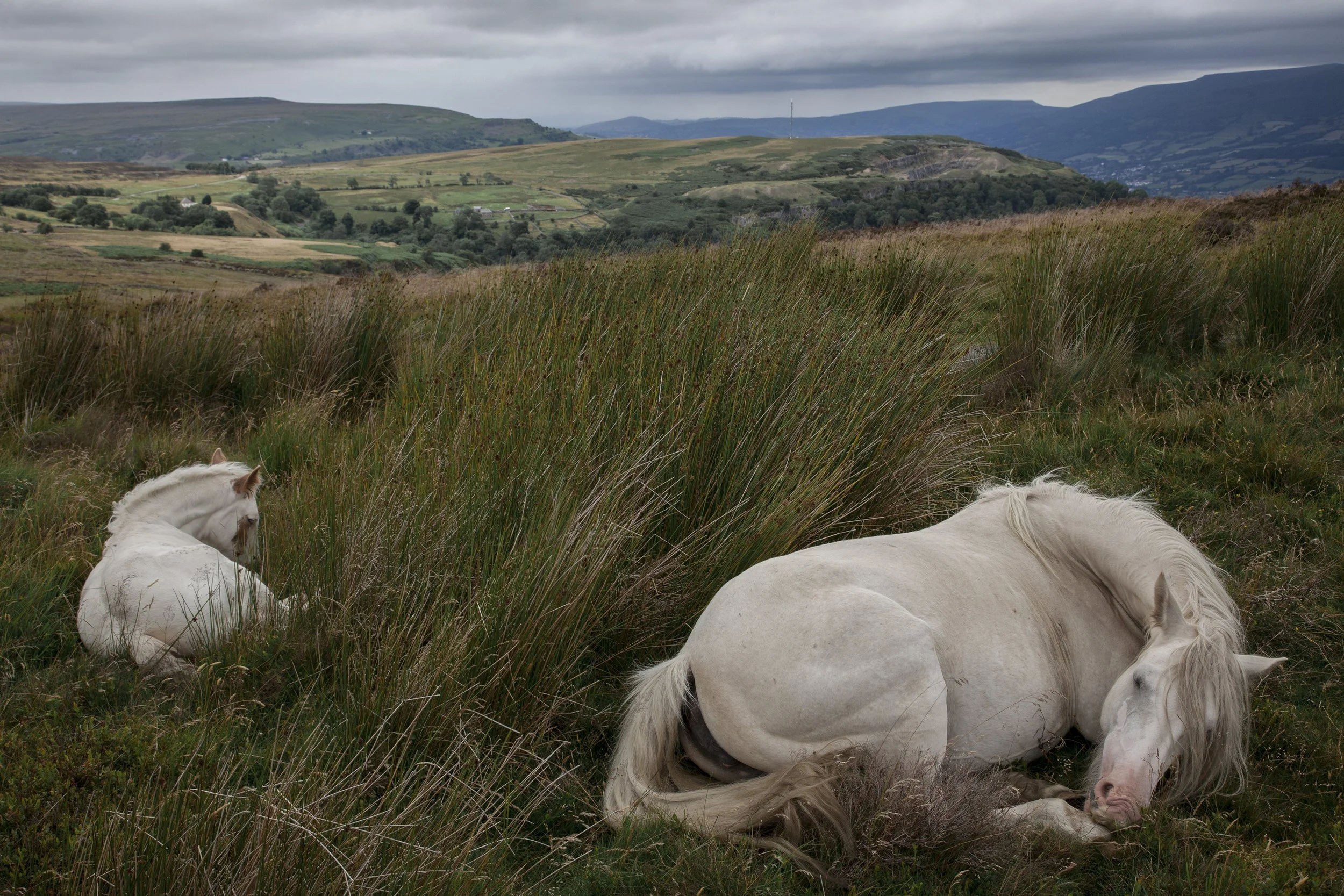
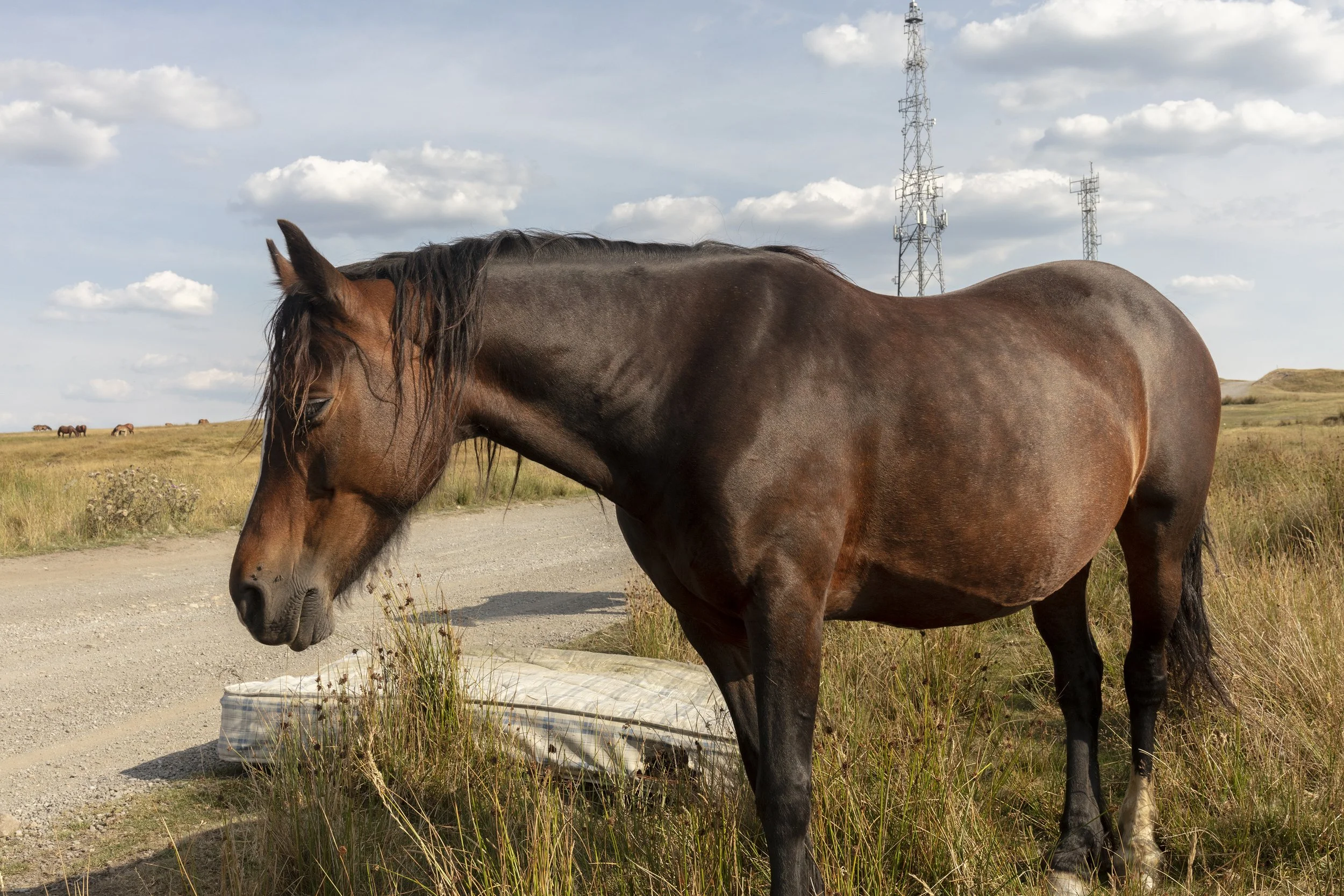
The horse in Manmoel is one I value, but they probably all interest me in the way you suggest. It's a photograph made in the height of summer, in a place that is often very beautiful, but which sometimes feels like it's at the frayed edge of a town. There’s a discarded mattress, communications masts, and a horse exhausted by summer heat and a day of navigating the valley. It's made as a large print, but in the book, it comes late in the sequence and feels right. There are others, like the Blaenavon Horses, that have been talked about and exhibited more, but this one convinces me it's worth staying with when I return to it.
On photography and memory: The text accompanying the book speaks about inheritance, fading family histories, and promises made at the end of life. How do you see photography's role in preserving these quieter, more personal aspects of regional memory?
In my work over the last four decades, writing has always been incorporated. Usually, I'm the writer, and I'm writing from the perspective of someone implicated and affected by what and where I photograph. A brief look might describe the photographs I've made throughout my life as a kind of documentary, but I know that autobiography is at the heart of everything I've done. That might not be obvious, but it is to me, and the text in Cwm, for example, is a piece I wrote in the last months of my father's life as I was putting the photographs together. I'd like to think the text and the photographs lean into each other in the book. When you're making work over decades, a lot happens to influence and question the direction you take with work, and by the time of its completion, I knew I was making a piece of work that, through metaphor, served as an elegy for a life I was close to and a place I deeply care for.
Advice for photographers working outside the spotlight: What would you say to photographers who feel drawn to overlooked subjects and peripheral places? How can they find meaning and form in slow, observational work?
I'd say make the work you have to make, and persist. I'm sure more than ever of the value of what we do, and of the ways to share it, if and when it feels right to do so. The strongest photographers I've worked with over the years know the value in that too. They recognise how things they're compelled to do are often enough; nobody needs to wait for permission or approval… make your own understanding of the world. Quite often, the work will have a broader resonance, and that's praiseworthy, but I'm always admiring of photographers who plot their own course and put everything into what they do, no matter how it strays from the fashions of the day. Just figure out how you work long enough to make pictures strong enough to show us something that matters; that would be the aim.
Reflection on completion: Now that Cwm: The Fair Country is complete, what does it mean to let go of a project that's been part of your life for nearly 30 years? And do you feel the valleys still have more to show you?
It's sometimes hard to leave things behind; I get attached to people and places and don't relish endings, but, at the same time, it can be good to reach a point of resolution. A photographer friend once called the end of a piece of work a kind of bereavement, which sounds heavy and melodramatic, but in a way it is. You've finished something, and that's a feeling of emptiness… it's all gone, you're open, exposed even; it's done, and you start again from nothing. That's a nervous place to find yourself, but doubt, uncertainty, humility… these are all part of the journey. I'm lucky, in that I'm long in the tooth, and there are always other threads I've continued to weave. There's more I'm doing in Wales, in Liverpool, and elsewhere, but the Cwm work does feel like the end of something. Some work can be made and completed in a short spell; I know long-term engagement isn't the only solution, but this one seems to have paced a whole phase of a working life. It was one of those places that moved me, that I knew I needed to stay close to. That's usually the rationale, and after that, I just have to stay close to the things I can't ignore.
To discover more about this intriguing body of work and how you can acquire your own copy, you can find and purchase the book here. (RRB Photobooks, Amazon)
More photography books?
We'd love to read your comments below, sharing your thoughts and insights on the artist's work. Looking forward to welcoming you back for our next [book spotlight]. See you then!

Color entered Janelle Lynch’s photographs through painting. In Another Way of Looking at Love, she photographed plants and trees on her property in the Catskills. Photography Book Spotlight