Welcome to this edition of [book spotlight]. Today, we uncover the layers of 'Soviet Scientific Institutes,' by Eric Lusito (published by FUEL Design & Publishing). We'd love to read your comments below about these insights and ideas behind the artist's work.
Soviet science left behind a strange afterlife.
Inside former Soviet scientific institutes, Eric Lusito found machines built for nuclear physics, radio astronomy, space research, and the dream of a technological future. Some of these places were once secret, some are still difficult to enter, and many are still connected to scientists who continue their work despite collapse, low salaries, and war. His book Soviet Scientific Institutes is about a world where science survived long after the empire that created it disappeared.
But the project is not only about the past.
It is also about access, trust, patience, and the difficult line between documentation and fantasy. Lusito speaks about entering sensitive sites, photographing scientists at work, avoiding the easy look of ruins, and shaping the book with FUEL into something closer to a cabinet of curiosities than a simple archive. What begins with extraordinary machines becomes a story about people who kept working inside history instead of leaving it behind.
This interview shows how to photograph places that already look visually powerful without letting the surface take over. Lusito’s process offers a way to think about access, editing, sequencing, and restraint when the subject is already full of drama. It is not about making the world look stranger, but about understanding why it already is.
The Book
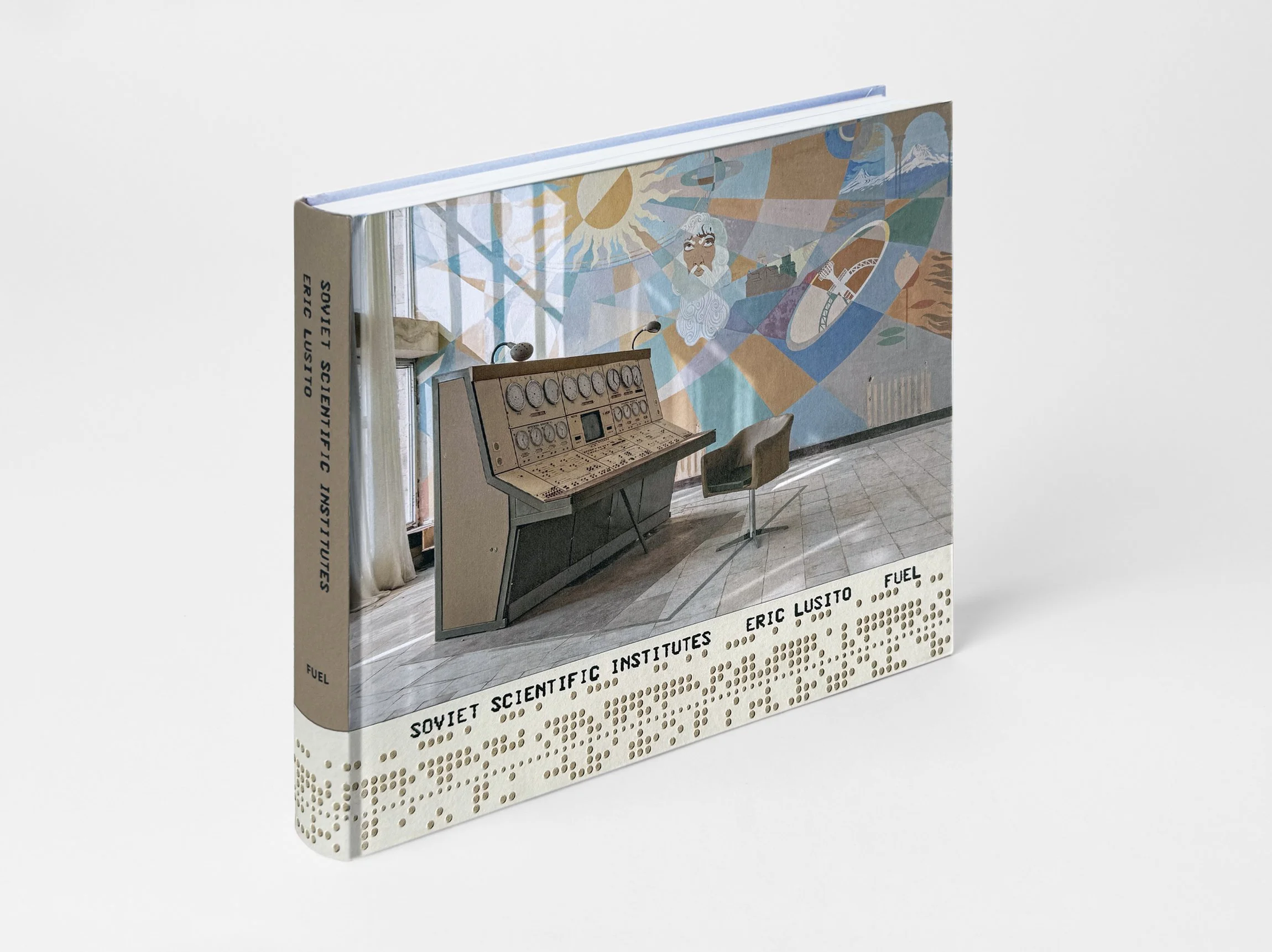
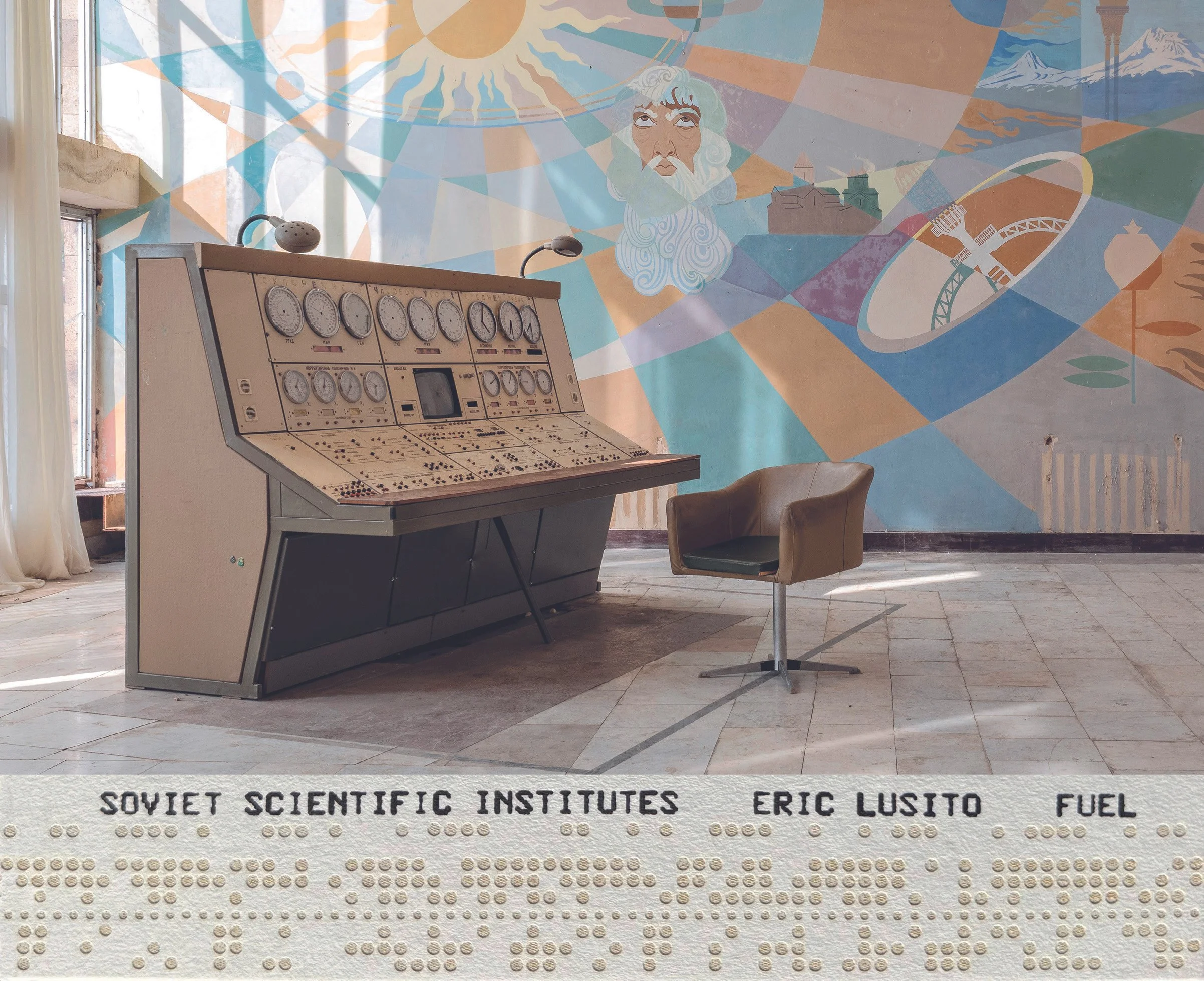
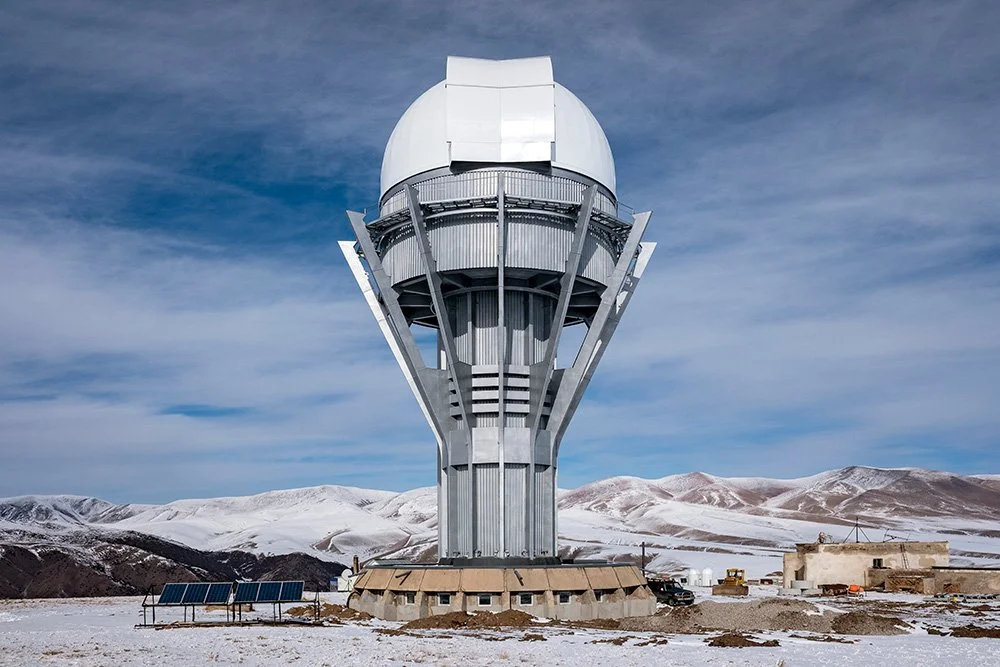
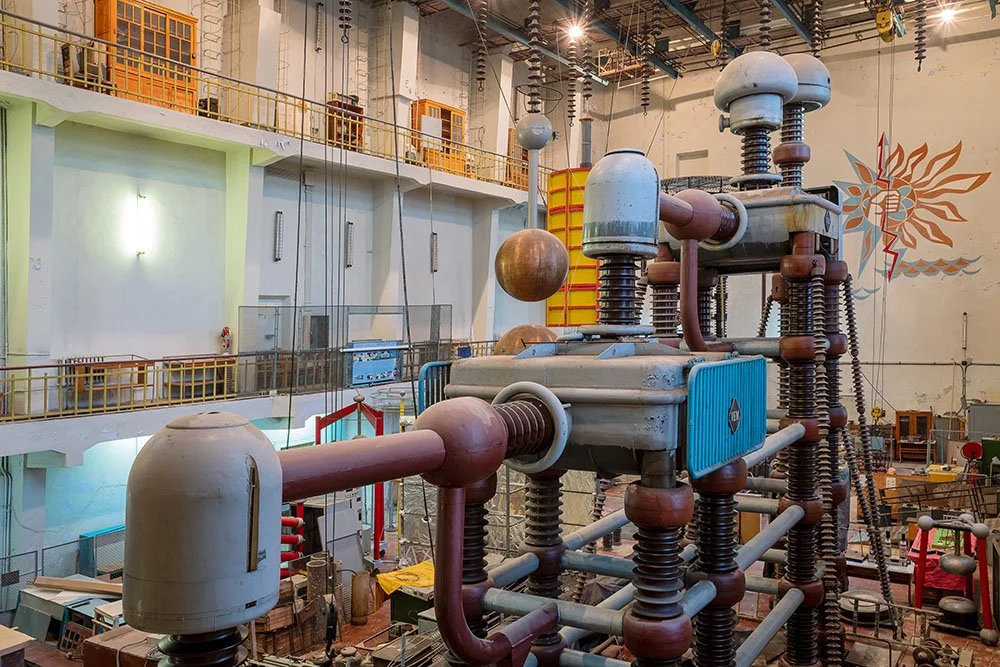
Soviet Scientific Institutes by Eric Lusito, published by FUEL, is a photographic journey through the hidden scientific world of the former Soviet Union. Across laboratories, observatories, nuclear research sites, control rooms, and vast experimental machines, Lusito documents places that were once built around secrecy, ambition, and the belief that science could shape the future.
The book shows a world suspended between history and survival. After the collapse of the Soviet Union, many institutes lost funding and fell into decline, but some scientists continued their work, often in difficult conditions and even during wartime. Rather than treating these places only as ruins, Lusito photographs them as living traces of a scientific dream that has not fully disappeared. (FUEL Design & Publishing, Amazon)
Starting point: Your project began in late 2021 when a scientist in Kharkiv showed you his laboratory. What was it about that first visit that made you think this could become a long-term project?
No, I had this opportunity and thought this would just be a one-off experience. It was my first trip abroad since the start of the pandemic, and I was travelling through Ukraine eager to find inspiration. I had absolutely no idea about this scientific world and I hadn't planned on staying in Kharkiv. But later the director called me again into his office. I wondered if I'd made a mistake during the visit, perhaps I hadn't followed the safety instructions properly, in short, I expected to have to explain myself. Instead, we discussed my impressions and then he asked me if I'd be interested in visiting another scientific site in the region. I jumped at the chance, of course. And would you believe it, the second director did the same. Even better, we went together to the third laboratory. It was at that moment that I realised there was a whole world to explore. I stayed in Kharkiv for a month and a half and met a scientific community that left a lasting impression on me.
Continuation: Your first book, "After the Wall," documented abandoned Soviet military sites. How did working on that earlier project prepare you for photographing these scientific institutes?
Both are long-term projects, spanning several years and involving various countries. As I am now familiar with this part of the world, travelling alone around these countries was not particularly difficult. I learnt to communicate in Russian, which I used around 75 per cent of the time, and in English, which is spoken by the younger generation nowadays. The main differences are the presence of people and time constraints. At abandoned Soviet military bases, I could spend as much time photographing as I needed, waiting for the ideal light if necessary. During my time at research institutes, I was always accompanied by someone to guide and supervise me. And when an Armenian scientist invites you to share a glass of Armenian cognac, you simply can't refuse. Neither the second nor the third. What also made it easier for me was that I have a degree in physical instrumentation, which included courses in a wide range of scientific disciplines. I think it helped because the scientists noticed that I knew a little about their field of research, let's just say I wasn't completely out of the loop. It was a privilege to meet and talk with these scientists. I also realised that I couldn't have carried out this project when I was younger, as it required a certain level of maturity to grasp it.
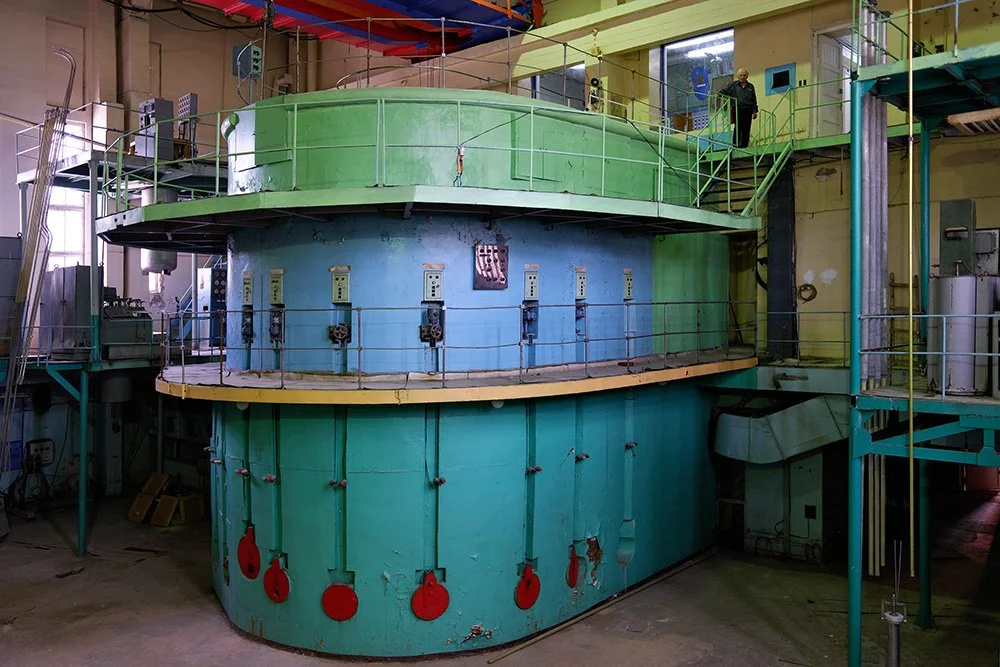
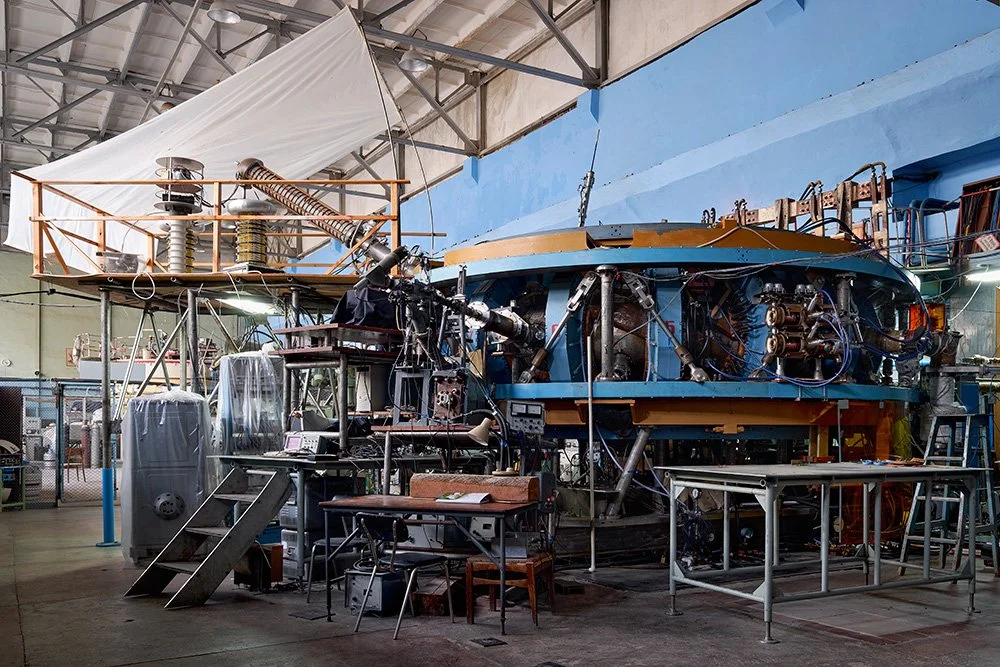
Access: Many of these facilities were built in complete secrecy and are still not easy to enter. How did you get permission to photograph inside places like the nuclear research reactor in Georgia or the stellarator in Ukraine?
The reception I received varied greatly from country to country and institute to institute. Sometimes, obtaining permission was straightforward, while at other times it could take several weeks. For particularly sensitive sites, approval is required from scientists, the administration and, finally, the security services. I experienced rejections, of course, and some institutes remained closed to me, but overall I got what I was looking for, particularly in the field of nuclear physics. I am very grateful to all the scientists who agreed to take part.
Now, I can give you more details. While in Kharkiv, I collaborated with the French Institute to organise an exhibition of my photographs of scientific sites. The aim was to draw attention to this heritage and history. Thanks to this exhibition project, I was able to gain access to a number of institutes. It was the director of one of these institutes who introduced me to the Institute of Plasmas and its stellarators, which are nuclear fusion facilities. It is one of the most fascinating places I have ever visited. It was in December 2021, and a few weeks later the site was shelled by the Russian army.
As the war continued, my project seemed insignificant, and I didn't look at my photographs for months. It was only when it became clear that Putin had failed in his plan to quickly annex Ukraine that I took the time to review my work again. I felt it was a promising start, and it would be a shame to stop there. If I couldn't continue in Ukraine, perhaps I could try other countries with a shared history instead. Initially, I wasn't too sure, but it turned out to be a good idea. I started in Georgia first. I tried to meet the director of the institute in person, even if it took a few attempts. I introduced myself, showed him my photos from the project and asked for permission. He replied, "Oh, you met the physicists from Kharkiv? I studied there!" This created a connection and made him willing to help. However, his consent alone was not enough. I also needed clearance from the nuclear safety administration. The process took two weeks, but they finally granted me exceptional official approval. The same people later refused to provide a second entry permit, though. This visit convinced me to continue with this project in other countries of the former Soviet bloc. As you can see, it has all been a gradual process.
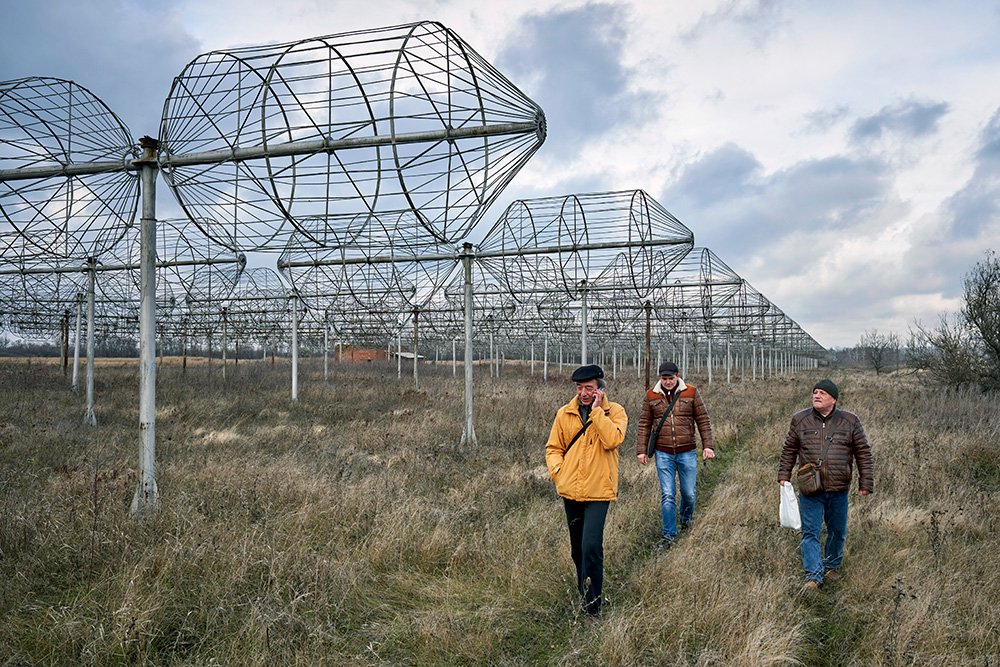
Visual approach: Reviewers describe your images as combining documentary honesty with cinematic composition. How do you decide where to put the camera when the room itself looks almost like a movie set? And how do you photograph something as huge and strange as the radio telescope UTR-2 or the 1950 proton accelerator without it sliding into science fiction?
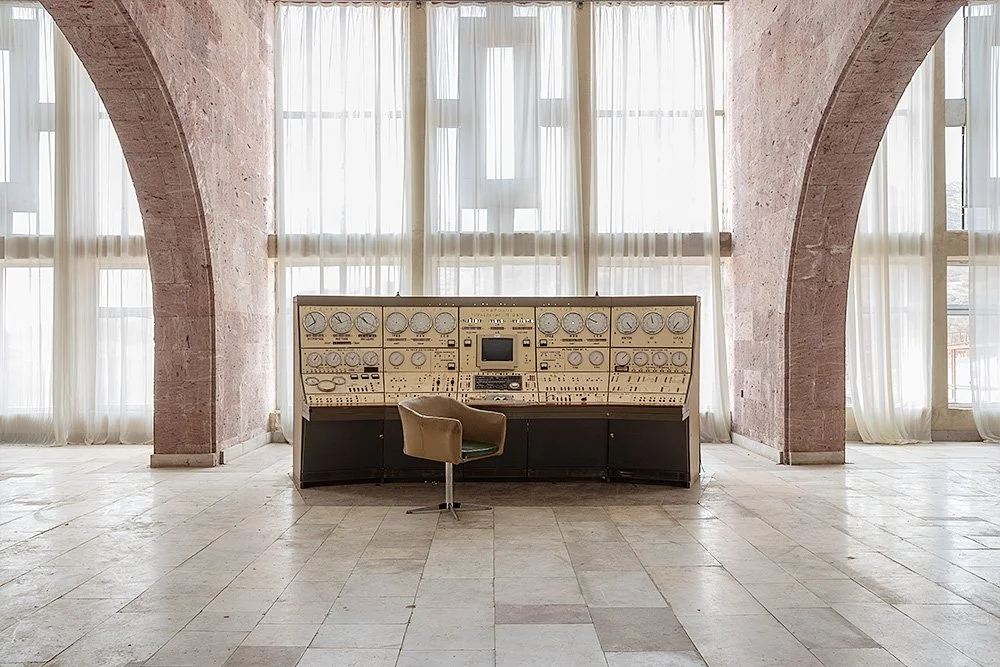
These facilities brought back memories of the comic books I read as a child, such as Blake and Mortimer by Edgar P. Jacobs and Tintin by Hergé. Having reread them, their imagery certainly served as a visual reference. I wanted to capture the edge of science fact, where it turns into fiction. I follow my inner voice and try to take the photograph that will eventually give me satisfaction. I want the photograph to accurately reflect the feelings and emotions experienced in that place. I previously worked with a 4x5" large-format camera, but for this project I used a digital camera to take photos more quickly. However, I still work slowly with a tripod to ensure my images are properly framed. I like to have plenty of time for this, but that was not always possible.
Documentary line: What makes one scientific interior feel like a strong documentary photograph rather than just an amazing-looking room?
It is documentary when a photograph can provide insights into history, technology or science. If it looks amazing, all the better.
Editing out: What kinds of images did you cut because they felt too close to science-fiction fantasy or Cold War cliché?
First, I wanted to avoid the "urbex," industrial-ruin or Chernobyl-style aesthetic. As I wanted to photograph authentic facilities, it was inevitable that they would show signs of decay since they were created decades ago. Scientists are well aware of this and hope that readers will look beyond the surface and take an interest in their history and research. Then, and this may seem to contradict what I've just said, I wanted to avoid overly contemporary spaces, as there's nothing more boring than a room full of laptops. Lastly, I didn't want to limit myself only to fantastical-looking places. In my opinion, that would have seemed too far-fetched and detached from real life. The goal is to find the sweet spot and then stretch the limits.
Influence: You have mentioned Bernd and Hilla Becher as early inspirations. Their work was very systematic, photographing the same type of industrial structure again and again. Did that idea of a series or a typology shape how you built this project?
I am a self-taught photographer and when I studied the history of photography, discovering their work was a big shock. In France, we've long been influenced by the humanist style, as seen in the work of Cartier-Bresson, Doisneau or Riboud, but I was immediately drawn to the famous Düsseldorf School. Becher's typological series are well known, but I particularly appreciate their work on composition. Industrial objects are photographed in such a way that the images turn into abstractions. Now, that doesn't mean I copy their approach. First, I work in colour, which is a key element for me. For Soviet Scientific Institutes, I was determined to find places that were all different, so I didn't want to make a typology. What I've created is not a series, but rather a collection, as a kind of cabinet of curiosities. The beauty of these sites lies in their uniqueness, not their similarities.
Wartime: You returned to Kharkiv in 2023 during the Russian invasion to photograph scientists still working there. How did that change what you were looking for with your camera?
I left Kharkiv in December 2021. The Russian army had begun to amass troops near the border, but the inhabitants didn't seem particularly concerned, even though Kharkiv is only 30 km from Russia. As I said, the Ukrainian scientific community made a deep impression on me. So, when the full-scale invasion began, I was extremely sad and angry. Thankfully, the internet hadn't been cut off yet, and I was able to chat with several scientists. After the initial shock, I received messages such as "The resistance is organising. We're fighting, and we'll win!", while all the military experts on television were predicting Ukraine's defeat. I believe Ukraine has been underestimated for far too long. I wanted to go back and join the resistance. However, when Ukraine set up the International Legion, it was made clear that they only needed experienced soldiers, not civilians. There were also plenty of Ukrainian volunteers for territorial defence. These may have just been excuses, though, as I was also scared to go because of the intensity of the war, and I finally pursued my project in other countries instead. In autumn 2022, the Ukrainian Armed Forces launched a counter-offensive, liberating Kherson and the Kharkiv region, including the Braude Observatory, where the UTR-2 radio telescope is located and which I had visited earlier. Once I learned that the area was open to civilians, I decided to return to Kharkiv. My aim was to document the situation of scientists during the war, which was, indeed, a different approach. Unfortunately, it was not possible to see all the people I had met two years ago again. Nevertheless, I felt that I was in the right place and that, with my camera, I could help. This work has been covered in scientific publications such as Science and Physics World, among others. Then, for the book, the publisher selected some of those photographs. Scientists in these countries have experienced hardships that are difficult for us to imagine. Sadly, war is yet another adversity that they are forced to endure.
The people: Some scientists stayed at their institutes through the collapse of the Soviet Union, earning almost nothing. Did you feel pressure to show the human story behind the machines, or did you trust the objects to tell that story on their own?
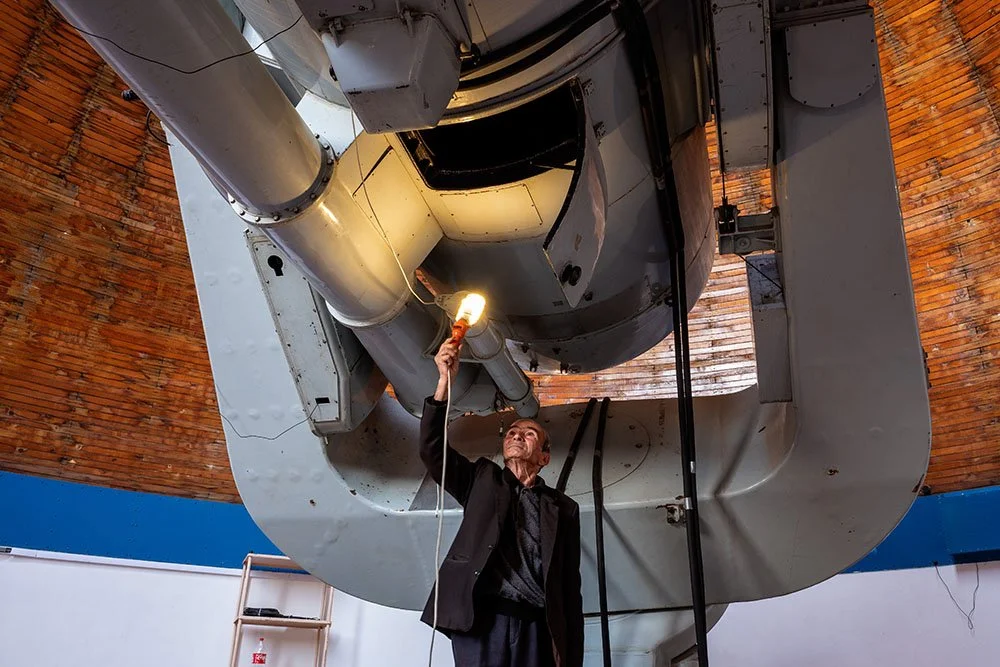
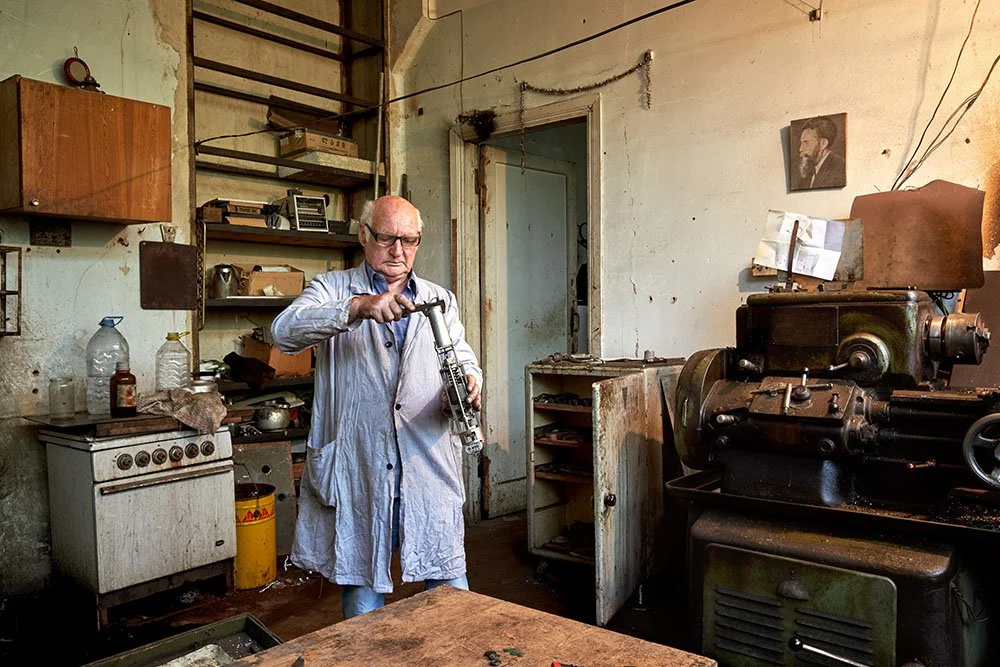
As it was a personal project, I didn't feel under any pressure. I'm interested in this techno-scientific world and how it has evolved over time. As you said, some places seem unreal, like something from a science fiction film. A research institute isn't as busy as a factory, and you can find spaces filled with strange machines and no one around. This contributes to the ambience. However, the human element is crucial, which is why I wanted to portray some researchers in their working environment. In the 1990s, scientific institutes faced a catastrophic financial crisis. Staff numbers were dramatically reduced, resulting in a brain drain. While their situation has improved since then, it is still far from satisfactory. I have met young scientists who, after ten years of study, earn less than a waiter. Yet despite everything, they are passionate people who continue to contribute to the advancement of science. We will all benefit from their work, even if we don't realise it.
People vs. machines: When did you decide an institute needed a scientist in the frame, and when was the machinery enough on its own?
It depends on the context, the size of the facilities, and whether people want to be photographed or not. I've tried directing people, but it doesn't work because they don't act naturally. What I prefer is photographing people at their workplace. I only take a few photos. It's a habit from my film photography years, when every shot came at a cost. I like it when photography becomes a kind of ritual, as it creates a connection with the subject. Then I show the person the photo I've taken and ask if they're satisfied with it. If not, we do it again. For this project, I've always used natural light, even in dark conditions, and shot with a wide-angle lens. Of course, this means there are constraints, but it gives a visual unity.
Sequencing: The book moves across Armenia, Georgia, Hungary, Kazakhstan, Latvia, Romania, Ukraine, and Uzbekistan. How did you decide the order of the photographs, given that the locations and machines are all so different from each other?
You know, with this project spanning several years, I had lots of images running through my head. Working on a dummy helped me organise my thoughts and bring the project to a proper completion. However, I was not satisfied, so I printed a copy to get some feedback. I was fortunate enough to receive Martin Parr's comments in Arles in July 2024. At that time, I was considering using lots of archive photos and documents in the book. For my research, I spent several days consulting a Soviet archive fund held in Paris. I also returned to Ukraine at the end of 2024 to consult recently discovered archives that had been transferred from Kharkiv to Lviv. I finally presented the project to Damon and Stephen at FUEL. They were very responsive and enthusiastic. Although I thought I already had a large selection of photos, they pushed me to show them more. Then, they constructed the sequence in collaboration with me. They are renowned for their design skills, so I had confidence in their choices. The institutes are first sorted alphabetically by country, then in chronological order and finally according to visual criteria. Of the archives that I thought were important, we eventually only retained a few black-and-white scientific images at the beginning and end of the book. I'm thrilled with the result.
Archive images: In the end, the archive material was almost entirely removed from the book. What could your photographs do that the archive images could not?
Well, other people had already given me negative feedback about the archive images. However, it was whilst working with FUEL that I realised my photographs formed a complete and coherent whole that could be made into a 200-page book. The archive images had become an outside source that was interfering with my work. Although I had spent a lot of time on them, I actually felt a sense of relief when the editors removed them all. A photo book is not an encyclopaedia.
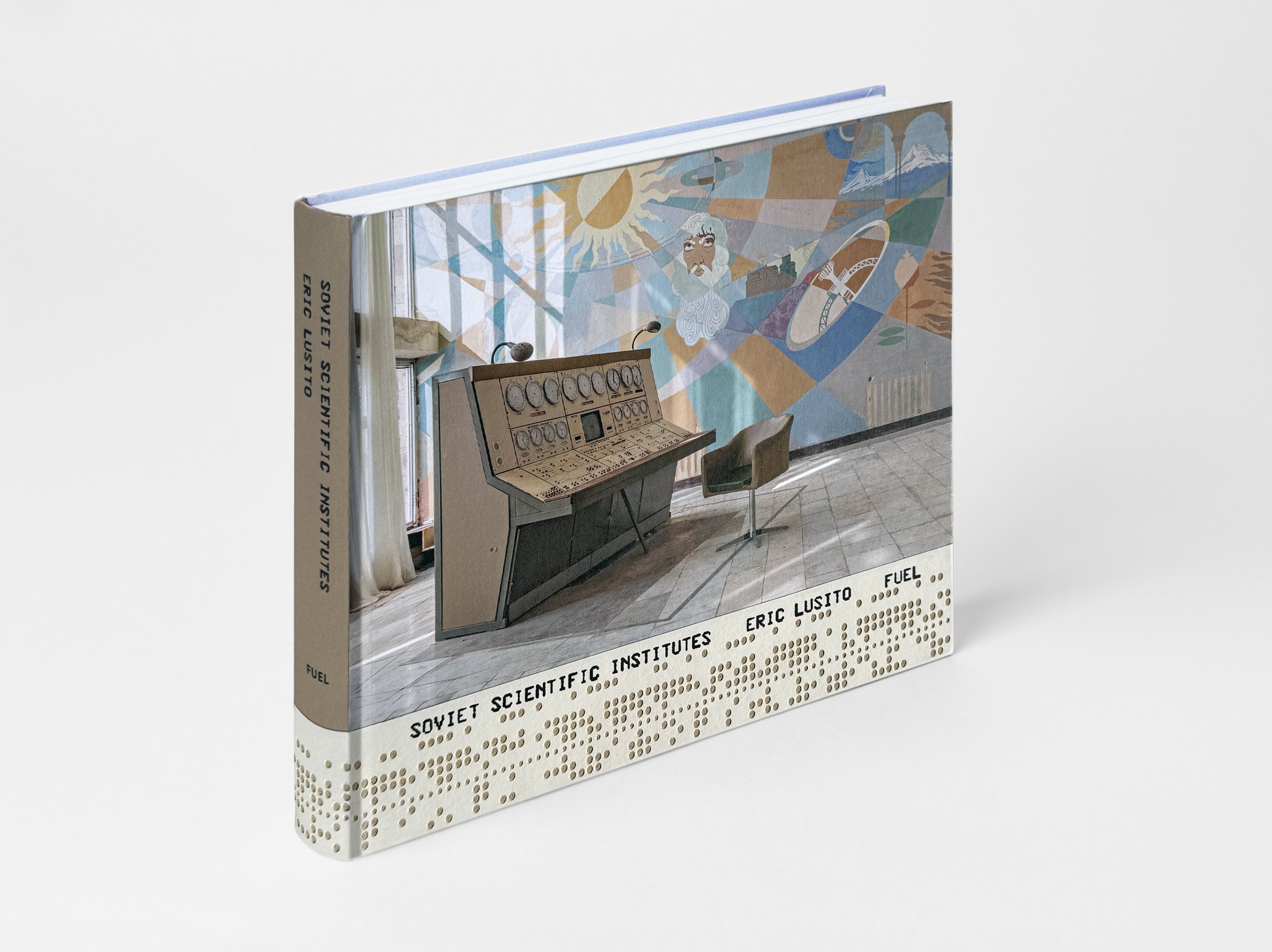
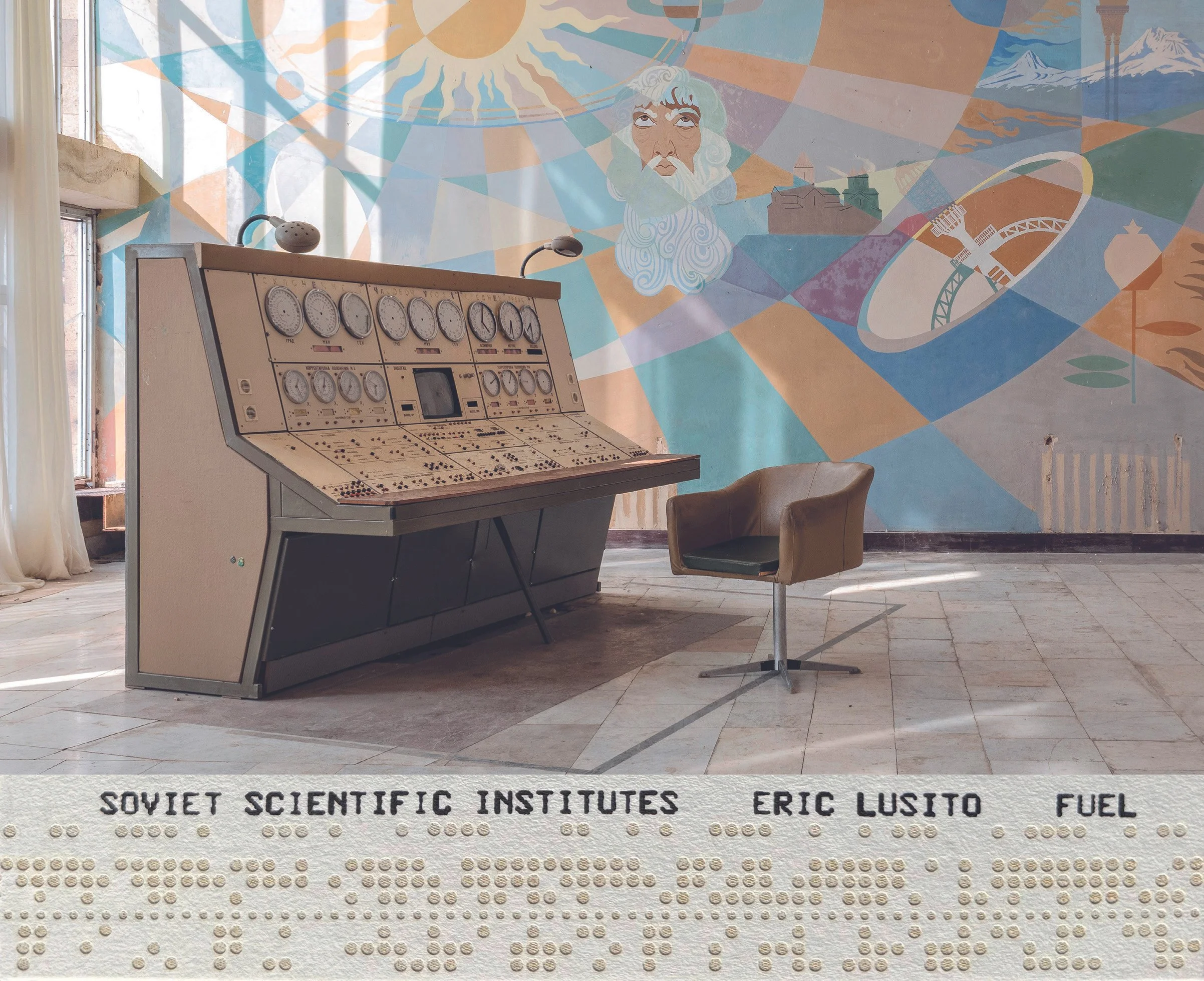
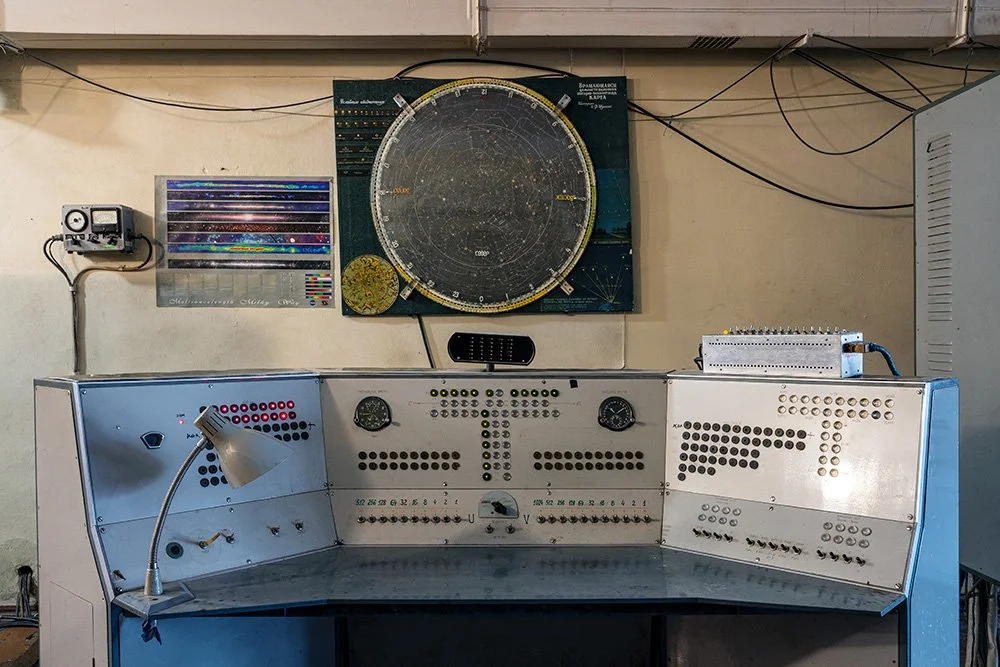
To discover more about this intriguing body of work and how you can acquire your own copy, you can find and purchase the book here. (FUEL Design & Publishing, Amazon)
More photography books?
We'd love to read your comments below, sharing your thoughts and insights on the artist's work. Looking forward to welcoming you back for our next [book spotlight]. See you then!
Catherine DeLattre’s photographs begin with something worth stopping for. Driving through Wayne County, Pennsylvania, she notices isolated houses, trees, and open fields. Photography Book Spotlight