Carl Martin’s Opportunities in Space Finds Creativity in the Buildings Most People Ignore
Welcome to this edition of [book spotlight]. Today, we uncover the layers of 'Opportunities in Space,' by Carl Martin (published by Fall Line Press). We'd love to read your comments below about these insights and ideas behind the artist's work.
A building can become more than a subject.
For Carl Martin, architecture is not only something standing in front of the camera. It is a way to think about space, form, light, color, and the pressure inside a photograph. In Opportunities in Space, he looks at everyday structures and finds something active in their surfaces, corners, cuts, and strange human decisions.
The book is not about perfect buildings.
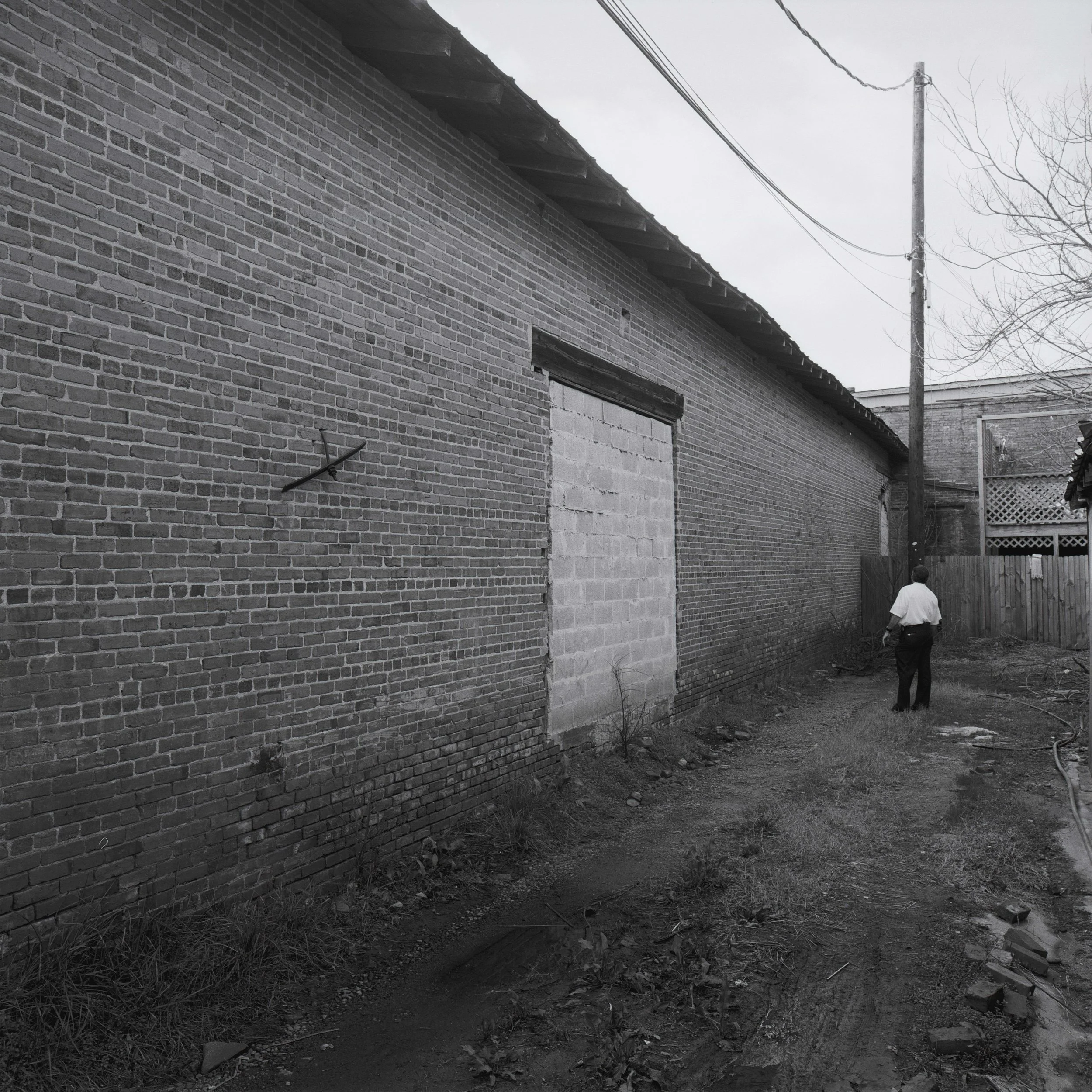
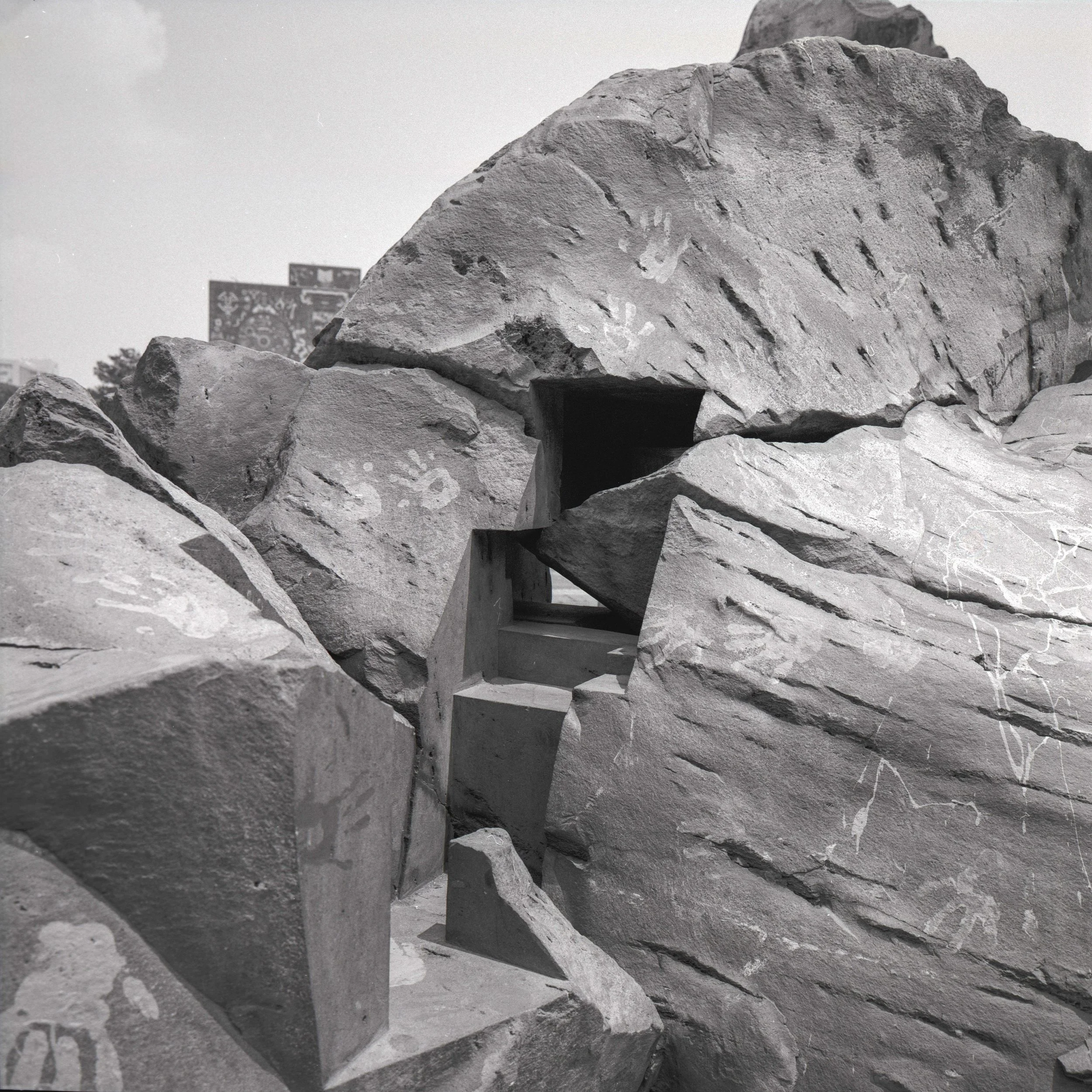
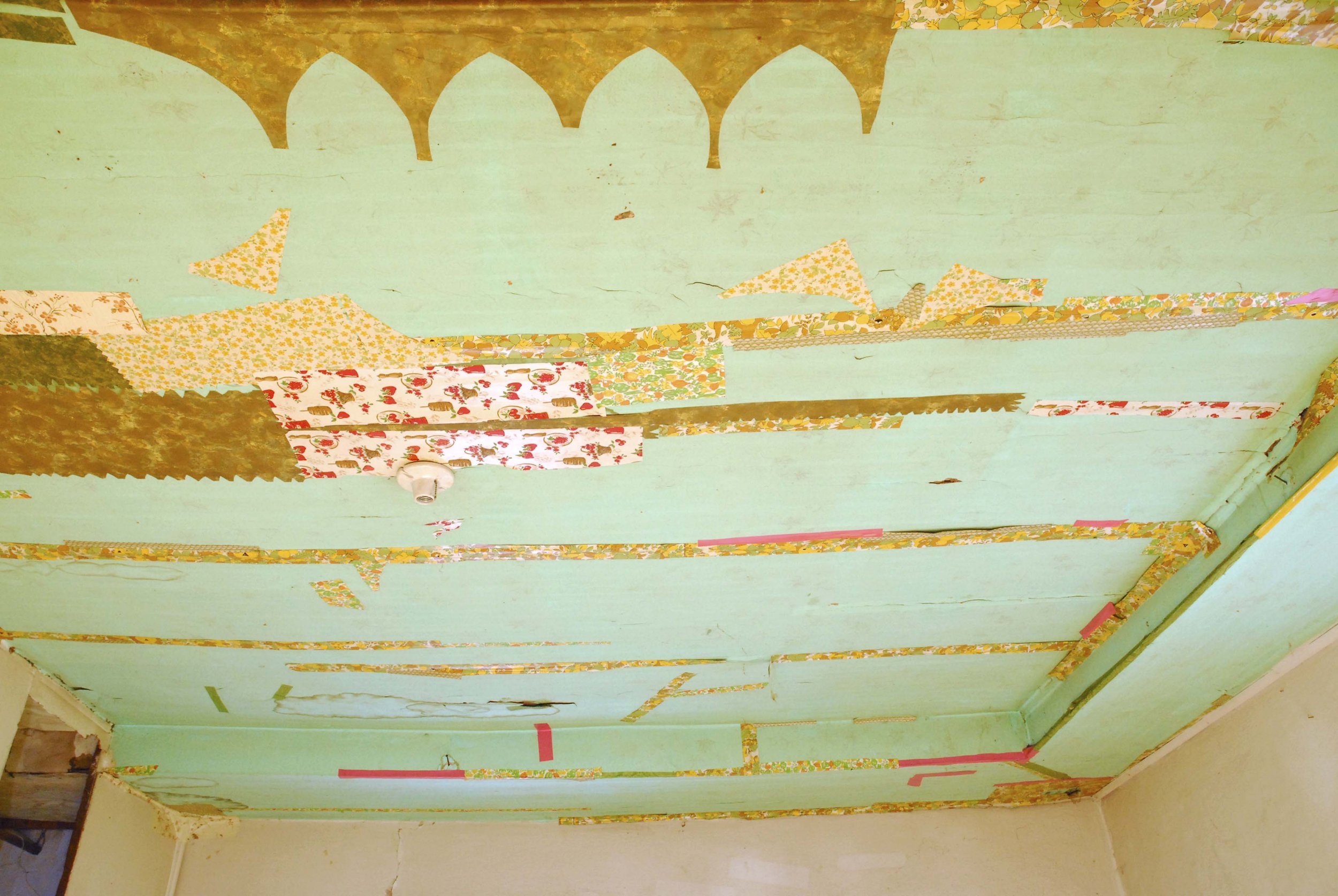
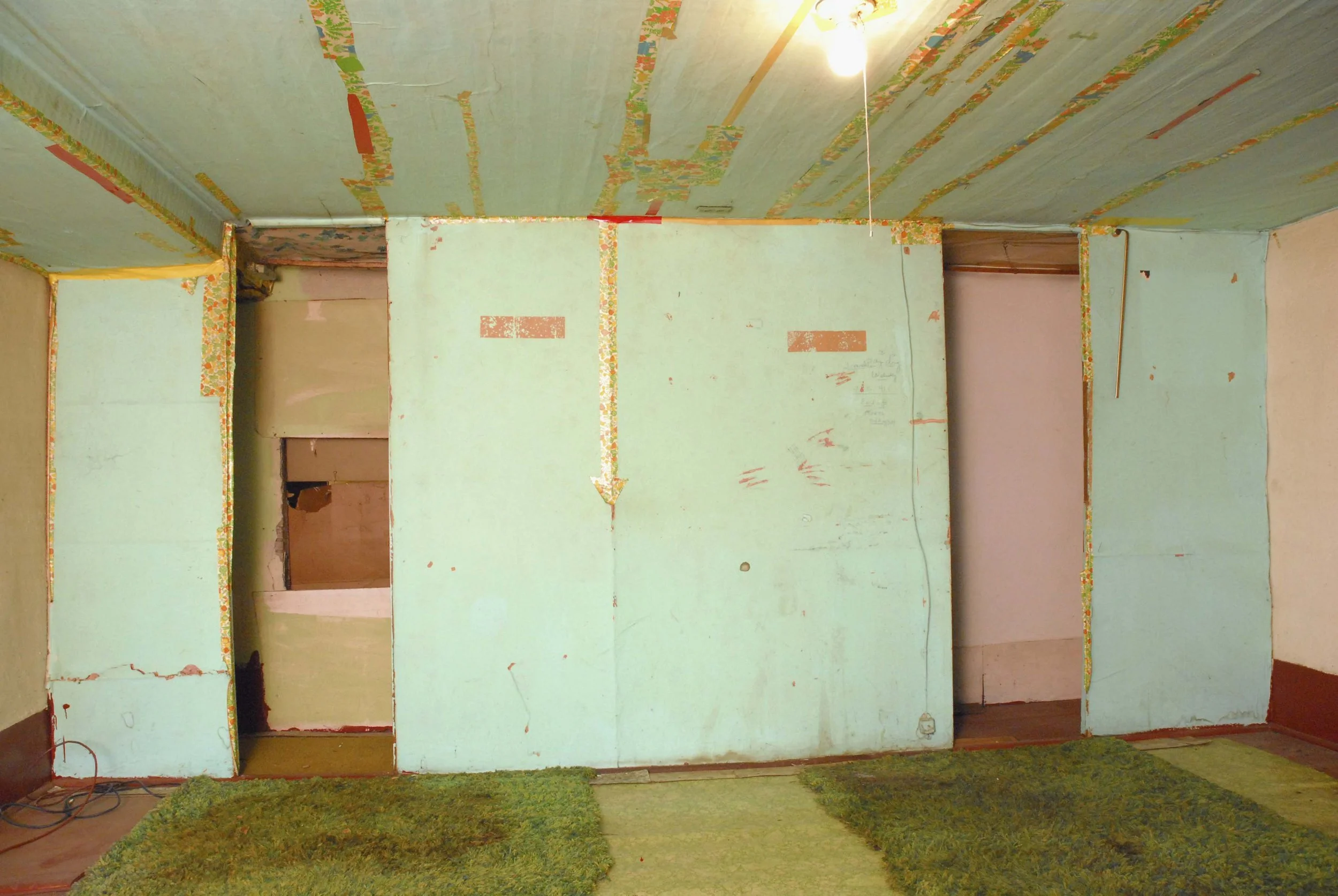
Many of these places are ordinary, odd, funny, or slightly awkward. But Martin treats them with serious attention, using the camera to turn walls, roofs, edges, and fragments into pictures that feel alive.
You can see how a photograph changes when you move a little higher, crop tighter, leave something out, or let one picture speak to the next. It is a conversation about architecture, but also about how to stay open enough to discover a picture instead of forcing one.
What begins as a study of buildings becomes something more personal: a search for energy, tension, and possibility inside the built world.
The Book
Opportunities in Space by Carl Martin, published by Fall Line Press in 2025, is a photobook about architecture, form, and the hidden energy of everyday built structures. Rather than presenting buildings as simple subjects, Martin uses walls, roofs, edges, color, light, and fragments to explore how a photograph can create its own space.
The book brings together architecturally based work shaped by Martin’s background as both a photographer and a designer-builder. Its sequence creates a visual conversation between images, where ordinary structures become studies of tension, geometry, and possibility. The book includes a foreword by Andrew Cole and was published as a spiral-bound edition of 150 copies. (Fall Line Press, Amazon)
Project genesis: What first made you want to photograph architectural forms, and when did you realise these pictures could become a book?
A very large, loose body of work was created prior to this work that involved a lot of portraiture, work from the 1990s on well into the twenties. The work reflected my goal of representing a culture here in GA that I felt wasn't seen at the time, and to also create images that stood on their own, that had a presence of form. Humans are due a great deal of responsibility and respect, and many years later, that duty began to kind of weigh me down in the pure sense of image-making. I wanted to show how things were here on the ground at that time, but I didn't want to disparage anyone or cast any judgments. What was becoming more important in my process was making images that were more about arrangements within the image form than about what was in them: the weight of form, the tension, the colour, the areas of space, the light, the air.
I was, and still am, really interested in getting to a place in image-making where the photograph outweighs the subject, where it can fly, where the subject becomes secondary and my primary responsibility is to the picture plane. Portraiture, by its nature, is a stacked game that is hard to surmount; the picture is about the subject, it is the object of the picture. I felt like I really wanted to write fiction, because in fiction the writers have no moral responsibility to the characters, they can do anything they want with a character and it will be in service of something other, the form of the novel or the arc of the story. I wanted that freedom, but still within the photographic tool and material. In other words, using so-called "straight photography", if that still exists or matters anymore (another conversation).
I found in architecture that I could work with structure, light, and space, and the picture was not a judgement of the subject; it was allowed to be itself while the picture might have a chance to be itself also.
Additionally, I work a day job as a designer and builder of architecture. My partner, Carol John, and I have had a company that has provided architectural and construction services in Athens, GA, for 30 years. In short, I have spent a lot of time thinking about form and spent a lot of time in the field as a carpenter constructing it. My turn towards architecture as a subject in photography was a marriage that aligned my creative process in both arenas; my dialogue was the same in both. When I realised this, and it was a big realisation, I no longer had an internal fight about doing one or the other; I became a happy person and got to work.
Finding the subject: The book is described as finding beauty in everyday built structures. How do you train yourself to see something worth photographing in places most people walk past without looking?
I am attracted to unique human-built architecture. I can work with that. If it is something that has some life, that is showing its creativity, that is flying its oddity as an asset, then I am in. It doesn't hurt that I have an understanding of process and building, that I can read a building (I believe so anyway), that a story is visible; it may be outrageous, or funny, or just nutty. I love that, and find within that I have been given a little freedom also for my process; that I can get to work. I want to discover what a photograph can do.
Architecture as a medium: You describe using photography and architecture together as a medium, not just a subject. What does that mean in practice when you are standing in front of a building with a camera?
Architecture defines space for us to experience. Exterior architecture defines our relationship to external space, the way we perceive ourselves within the world. Interior architecture defines space itself; it proposes limits to the volume of space. A picture plane defines a limited space, and within that are the limitless possibilities of arrangements of form, shape, and relationships to that frame that speak directly to the formalities of architectural functions: defining space that we experience.
Spatial relationships: The book explores spatial relationships through photography. How do you translate something three-dimensional, like a building, into a flat photograph and still make the viewer feel the space?
I aim for a dynamic tension of the form within the picture plane; you need to force the architecture into contortions almost; you push it till it breaks and then back off a tiny bit. You feel it, don't overthink it. It doesn't always work; I have a lot of duds.
Visual thread: You created a visual thread that connects all the pictures in the book. How did you decide what that thread was, and how did it guide which images stayed in and which were left out?
It took a long time to edit this book, to see what was working and what fell flat. I learned InDesign, and the book you have in your hand is the 17th version. I cannot stress how valuable that process was for me. The hands-on approach to book design was so instructive and clarifying for what it was that I was getting to, but it took a few years. The connective thread was a simple surface geometry, leading from one picture to the next; it did not get in the way of seeing the pictures, but did give it a backbone that was not too heavy or burdensome.
Selection: When two pictures have strong formal tension, what specific quality makes one stay in the book and the other drop out?
It has to do with what feels more unique, which one has a spark of newness, which has to do with both the subject and how it is being seen. It is different every time. I would like to think that I have figured out how to remain open enough for some discovery with each picture; that is the goal, of course, let it come, but it is a different process all the time and nothing works twice the same way. I am still practising every time I work; it is hard, and I rarely get there.
Sequence and dialogue: The book is described as a dialogue between the pictures and the subject. How did the sequence of images change once you started laying them out, and what did that process teach you?
As noted above, the editing was key to the project coming together and allowing me to find my voice, to understand what I had been working on the last five years. That said, I just had a show open in Corsicana, TX (Hable Gallery, runs through late June 2026, check it out!) that are images from the book, and, while relatable to the organisation of the book, it is arranged differently. I don't think there is one way that this work has to be presented in order to be seen. There is a plasticity to the viewing; a lot of relationships within the body of work can be explored and the centre can still hold.
Early versions: What did the first few dummy versions misunderstand about the project that the later versions finally got right?
It was my perspective that evolved as the editions were completed. What became important became clearer, what worked better made sense, and the book got stronger. In the beginning, it was a collection of pictures that were all over the place: people, travel, family, and felt really scattered and mushy. As the edit became tighter, what emerged was simply using the architecture and the relationships between the pictures, which became the glue for the book. The book became about the idea of connections between the pictures and was in service to that. It became a singular work. It was not about how many instruments I can play, but about playing one instrument.
Technical choices: When photographing architectural forms for this project, what consistent technical decisions did you make, for example, about light, angle, or distance, and why?
There are three areas that informed most of the work, and they are all related.
When architecture is presented in its wholeness, the photograph can struggle to breathe. The architecture takes ownership of the picture. A lot of the picture goes unused; it is either sky or ground. There is a direct relationship to the percentage of an image that must not be devoid of energy, which is on a sliding scale depending on the spatial relationships present. That said, some buildings don't need much from me; they stand proudly in full and, I feel, fully participate well in this group of pictures. I get to break my own rules and make a picture of the whole because it is just so incredible and must be honoured.
When needed, I try to get up in height a little bit. I carry a small step stool and extend the camera on a one-legged tripod as high as I can get it. It can be about 8 or 9 feet off the ground when making pictures. It gives the picture a slightly new perspective, which can make or break a picture. The difference between success and failure can be inches.
I wanted this work to be as formal as possible, in that all verticals were aligned with the picture frame; the parallax was correct, that the work would connote a less casual approach, that the architecture and picture were deeply considered. This formality would offset the sometimes ramshackle-ness of the subject, which helped divert a possible assumption by the viewer that the work was nostalgic or lamenting the loss of these structures. I wanted the dominant theme to be that the viewer was looking at creativity, and that the group of pictures left a viewer feeling energised about the possibilities of life. I will note that there are places that are too far gone to salvage, even just with a picture. It is very hard to outrun decay as a subject.
Fragmentation: Can you describe one image where showing the whole building made the photograph weaker, and why fragmentation solved it?
Sure, the pictures of the roofs in Huntsville, AL are clear examples. Presented in totality they fizzed out; when they were presented in dialogue with the picture plane, cropped tighter with corners missing and edges cut off, they had a life and felt new.
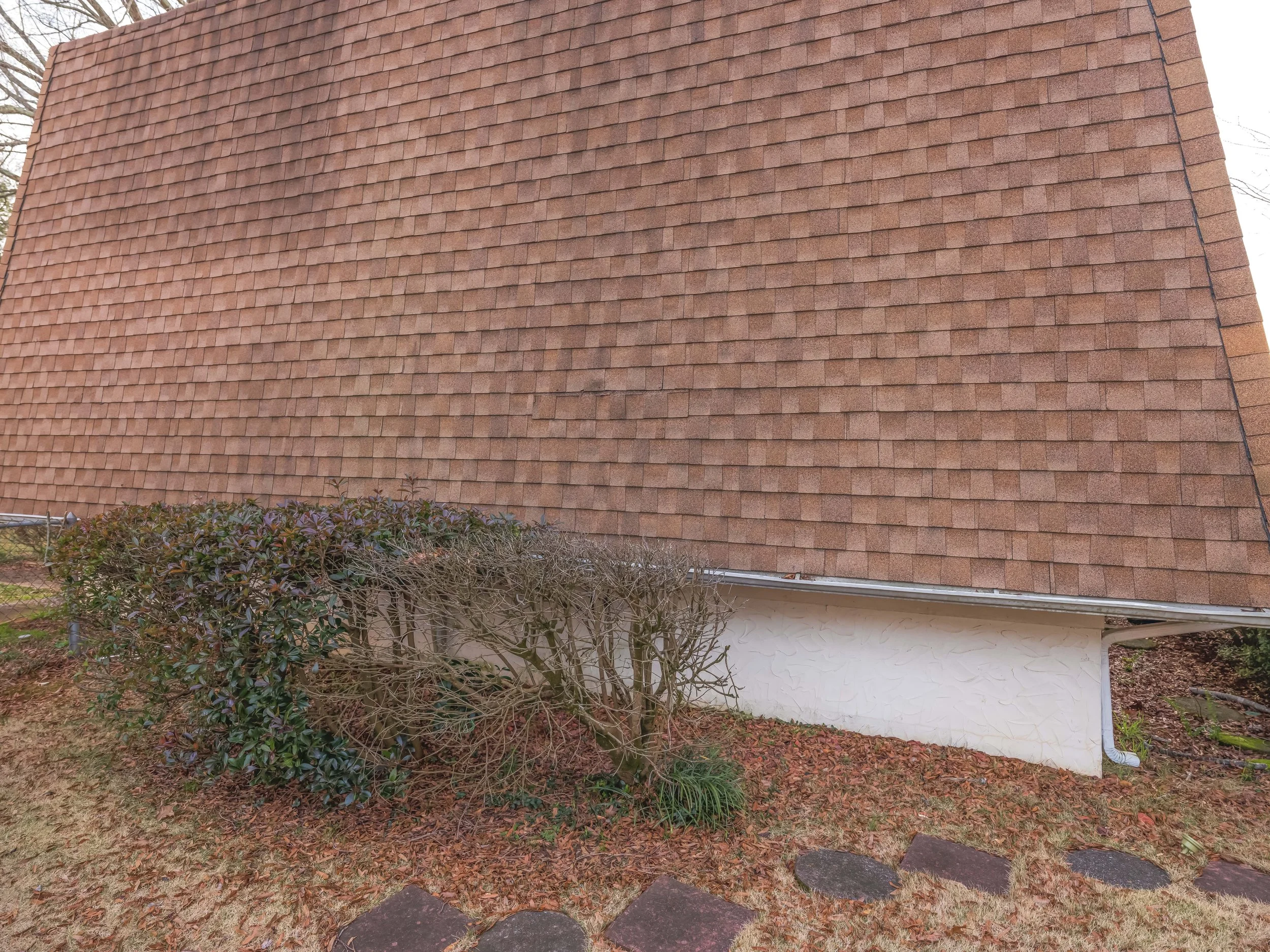
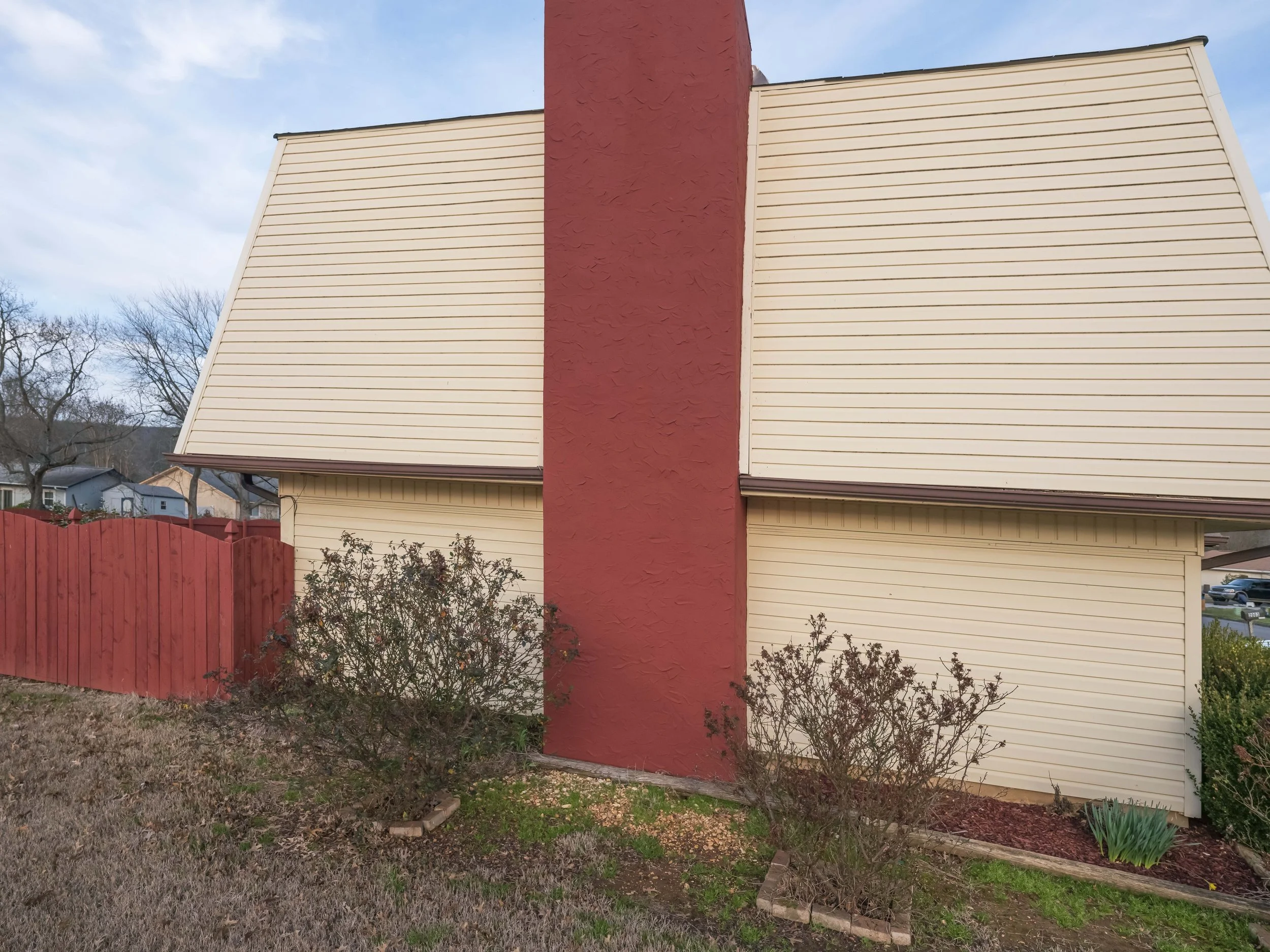
Design background: You trained at the School of Visual Arts in New York and work as both an artist and a designer. How does your design thinking change the way you compose a photograph of a building?
It is now one conversation; it is about space, light, and air.
It is comprised of volume, compression, and geometrical relationships, in life as well as in the picture plane. It is two different mediums: one 2-D and one 3-D, but the way a place and picture feel, not of the same place, can be kin. The materials are different too, although both image and structure have physical properties. The creative process for both is an exploration and discovery. Within that, they are similar, although neither offers guaranteed outcomes.
Rigor vs. control: How do you tell the difference between a photograph that feels rigorous and one that just feels controlled?
We all can tell what we are seeing. One can be rigorous to an idea and come up with a wild, alive picture. It can be rigorous in an approach and be new or first time. A controlled picture is dead, dead, dead. The overly conscious approach is only rendering, which by its nature implies you are fulfilling an order; you are less open to discovery. I think the goal of having an art practice is to let go, get rid of your demons, and be open to discovery. That is the joy, the road of discovery; everything else is not really meaningful. I say that, but I have a hard time getting there. Only a few times in my life have I felt I achieved it. I hope to structure the rest of my time on Earth with that pursuit. (Demons can be anything that prevents you from true discovery: voices in your head, picture expectations, your reflections of what others value in society or our culture, wanting to make it.)
The book as object: Opportunities in Space began as 50 copies and grew to a second edition of 150, with a new foreword by Andrew Cole. What does working in such small editions give you that a larger print run would not?
A chance to explore and adjust; our perspectives change all the time. There is nothing like looking at a stack of boxes of books to hit home where it may be better. I appreciated the small first run to test the waters and get a feel for the book. The second printing gave us a chance to include Andrew Cole's essay, which gave some added dimension to the experience of the book. He is a noted scholar and teaches Philosophy and English at Princeton, and is working on a new book about architecture. Specifically, he is interested in what makes some 16th and 17th century cathedrals feel spiritual, and is trying to determine that in his book. I am honoured to have his contribution and I am very happy and proud of this book as it is now.
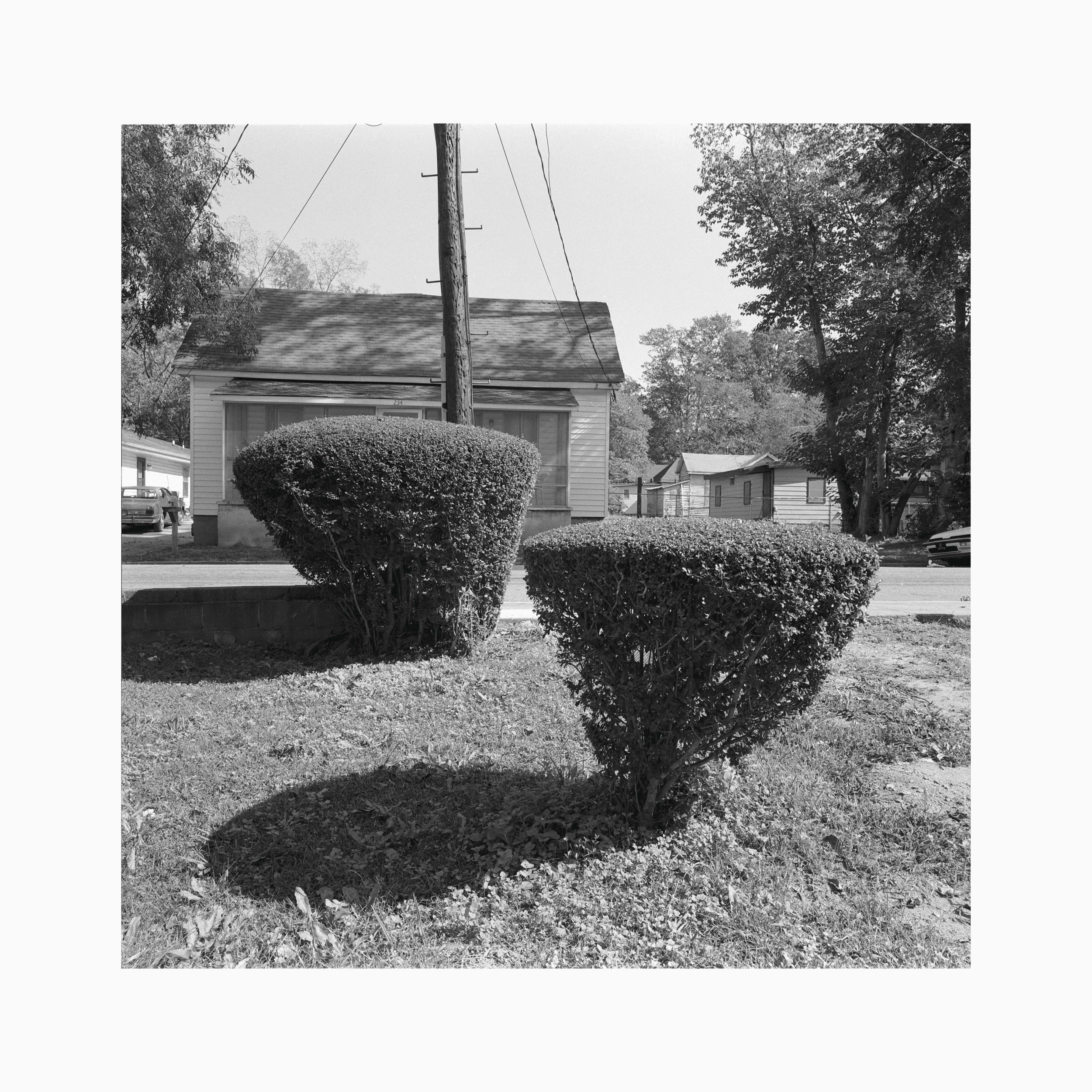
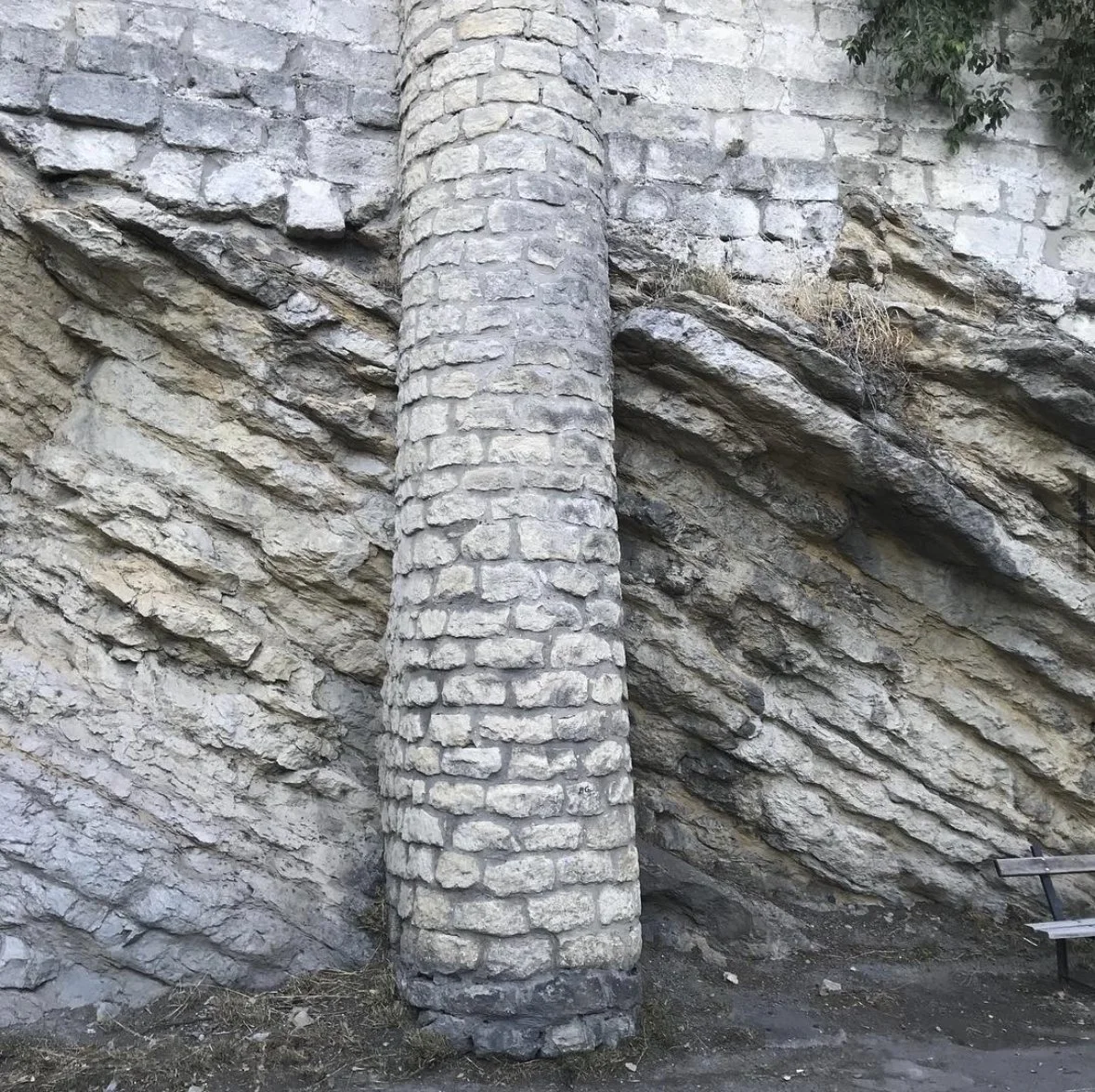
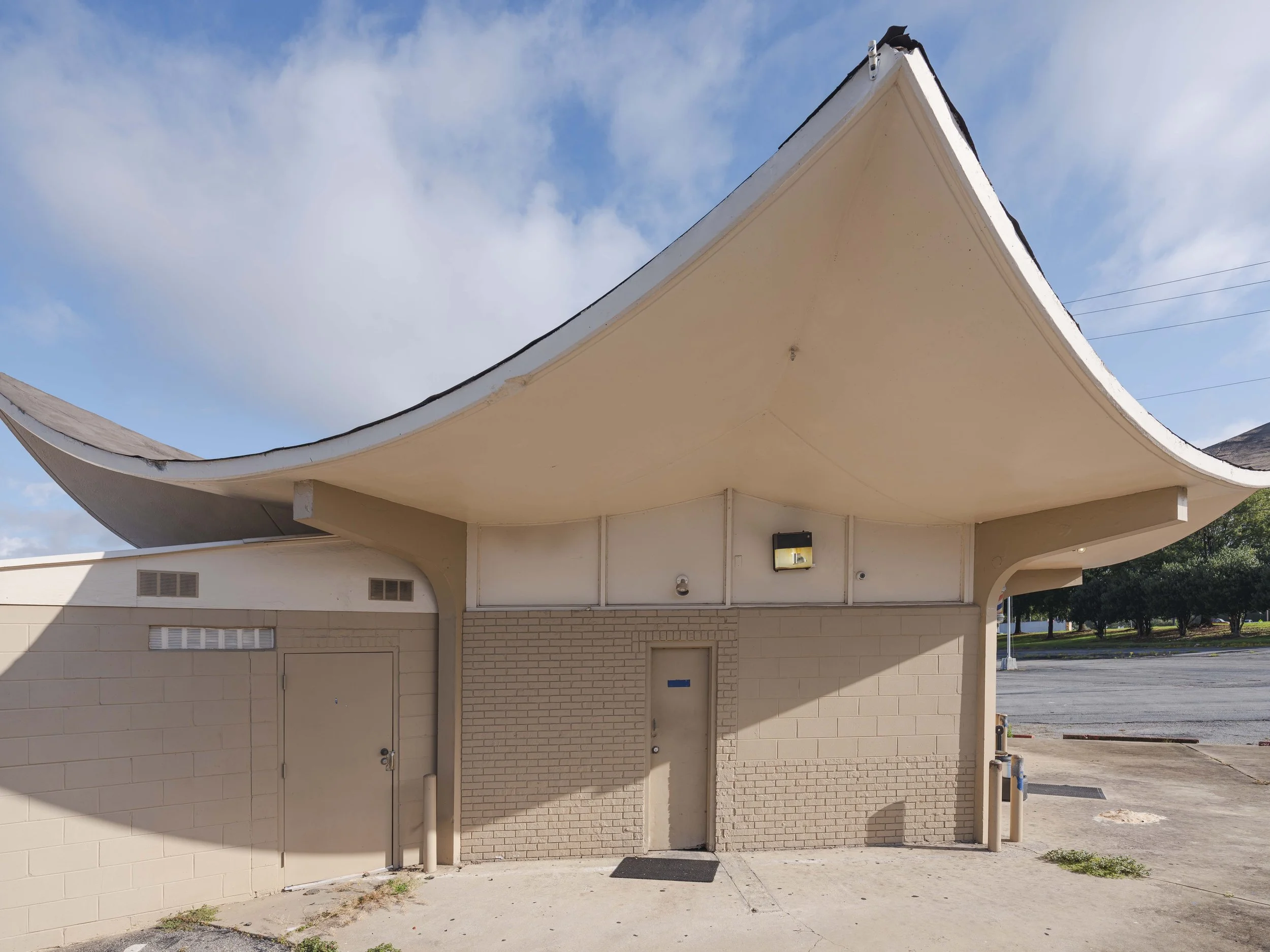
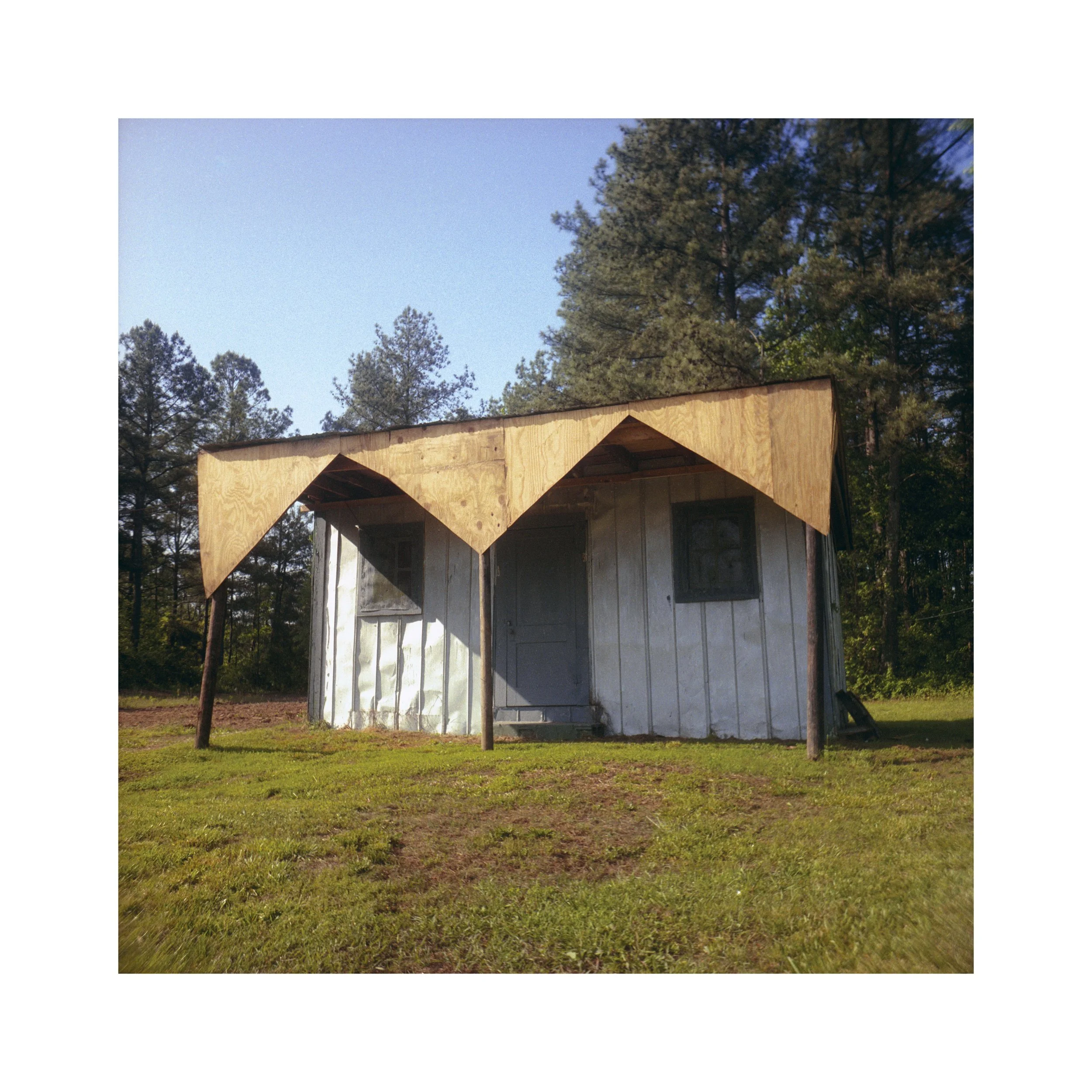
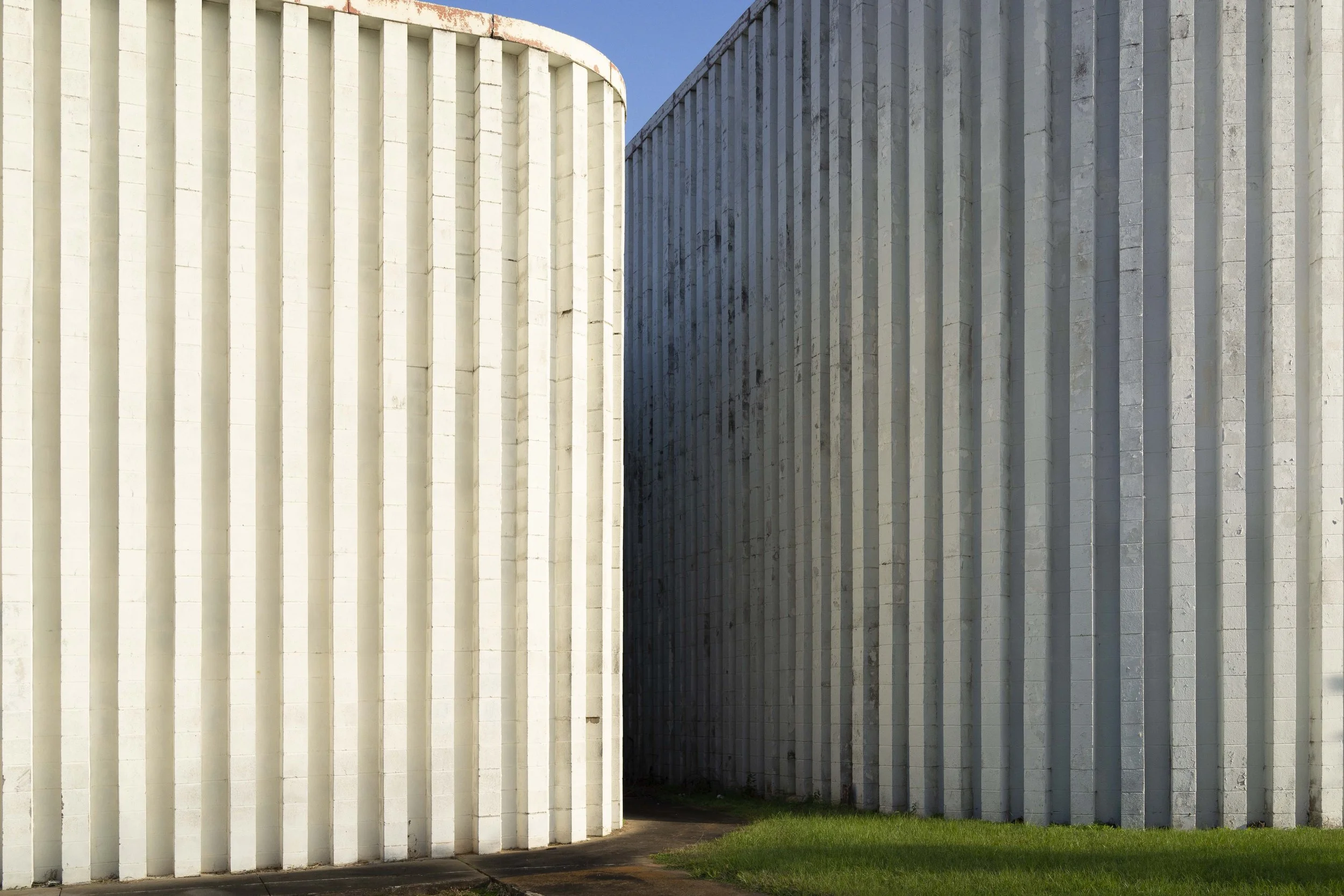
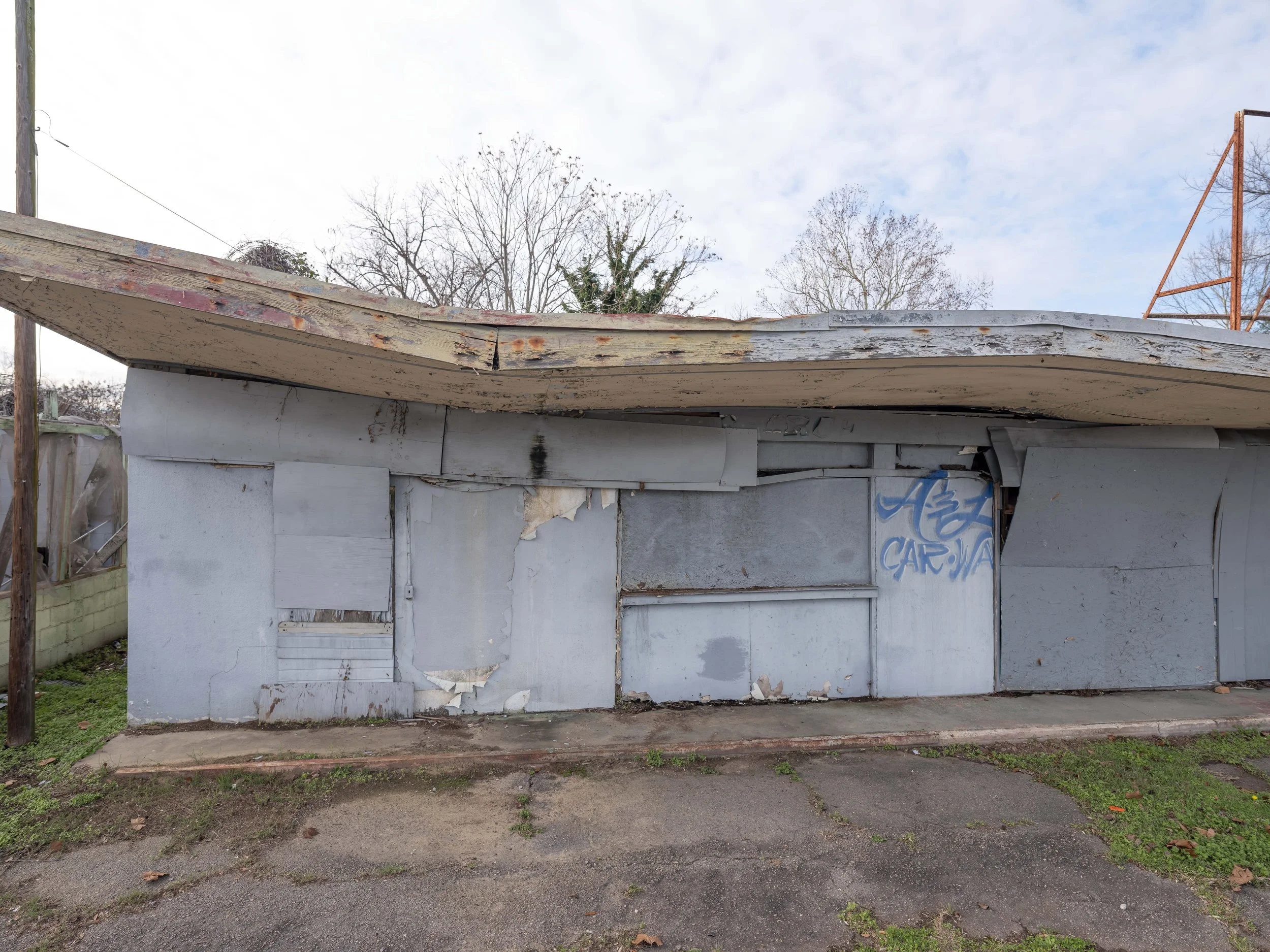
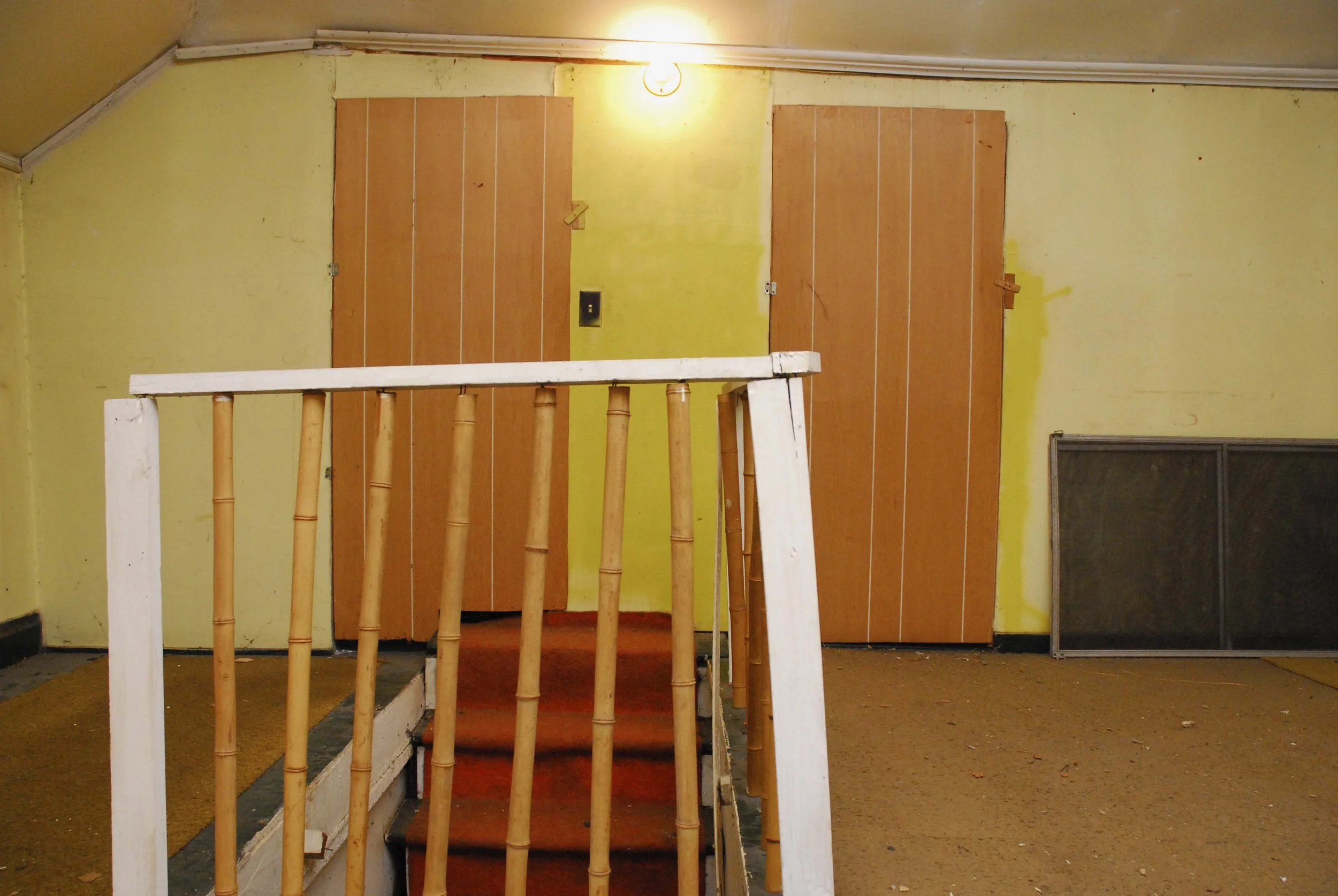
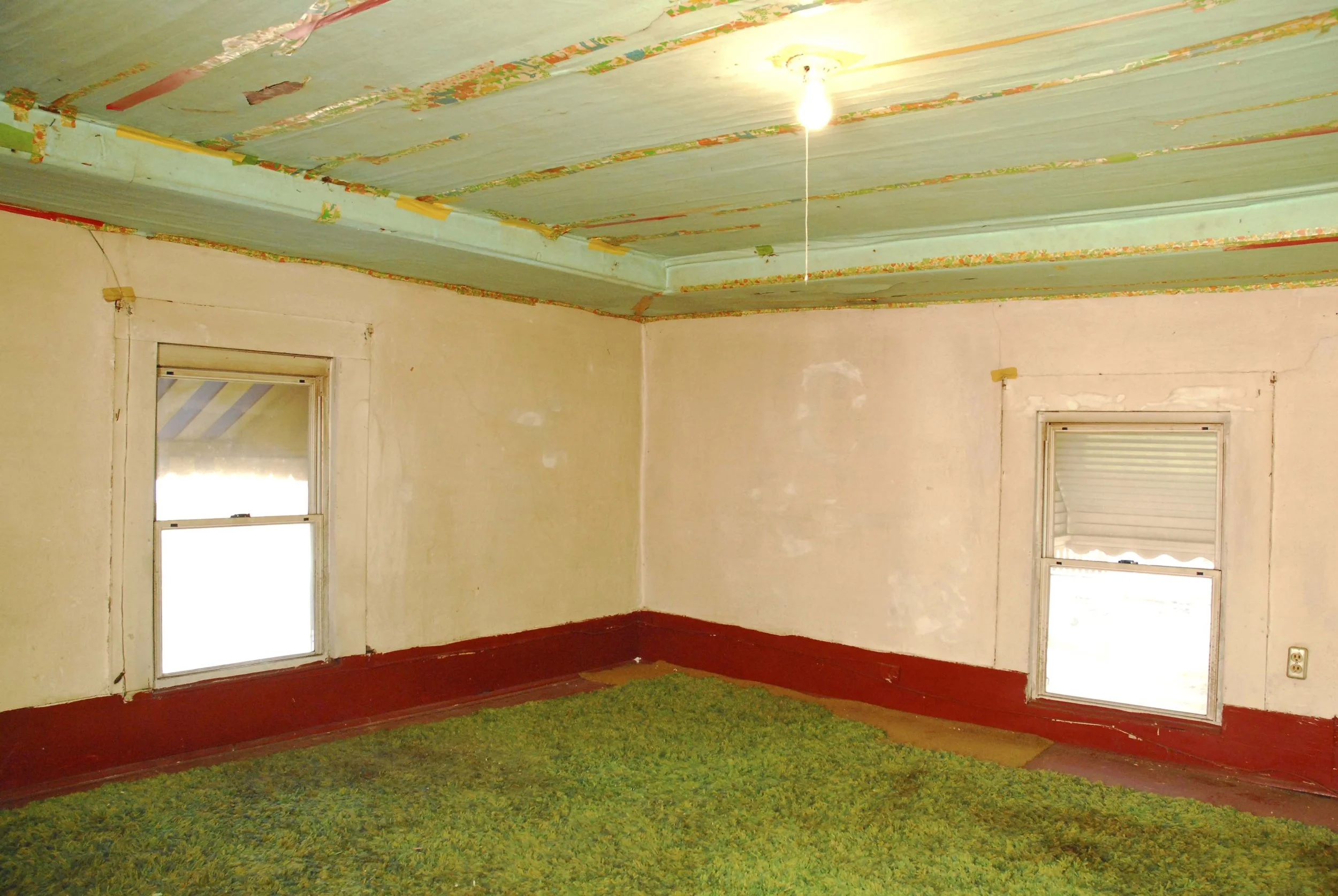
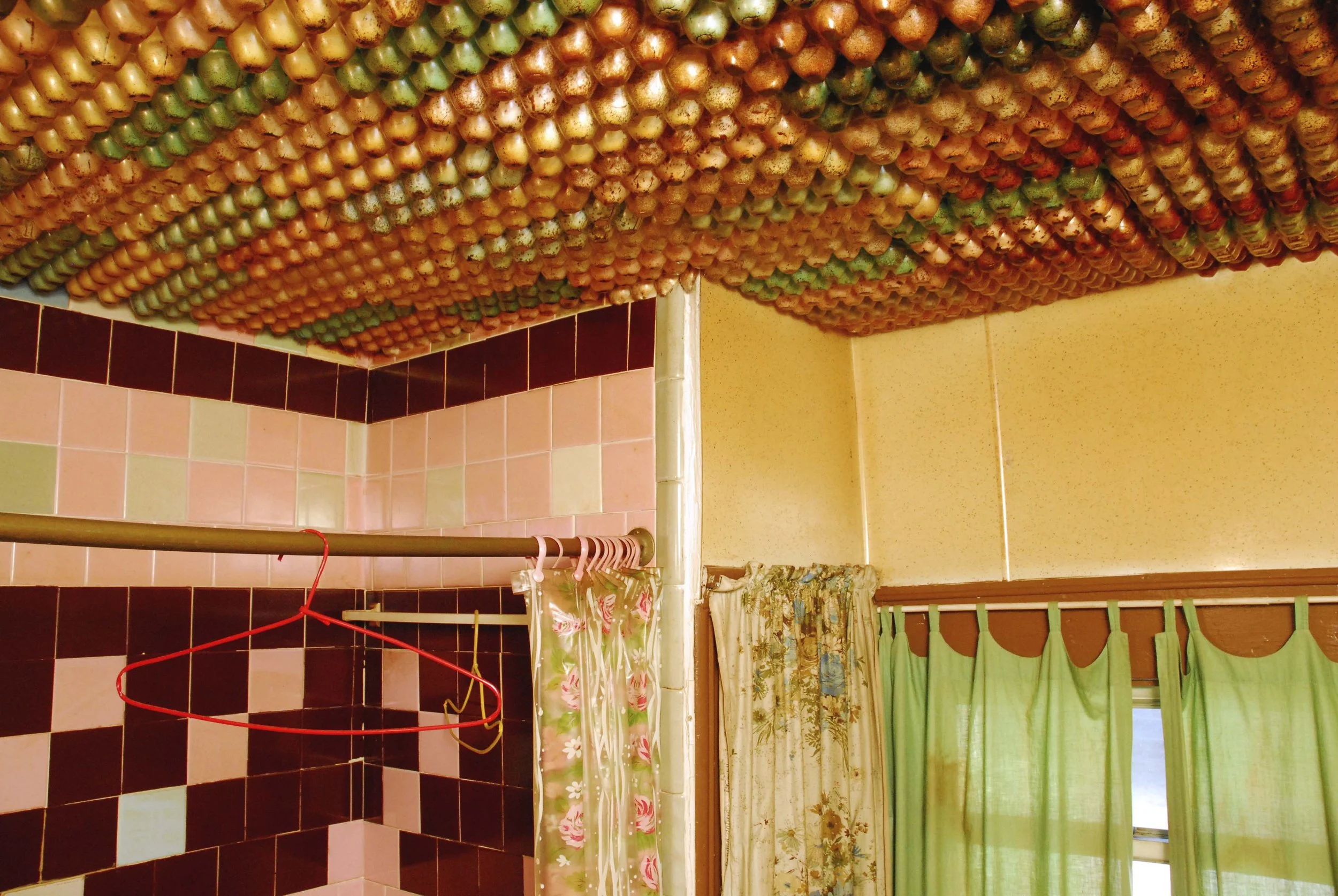
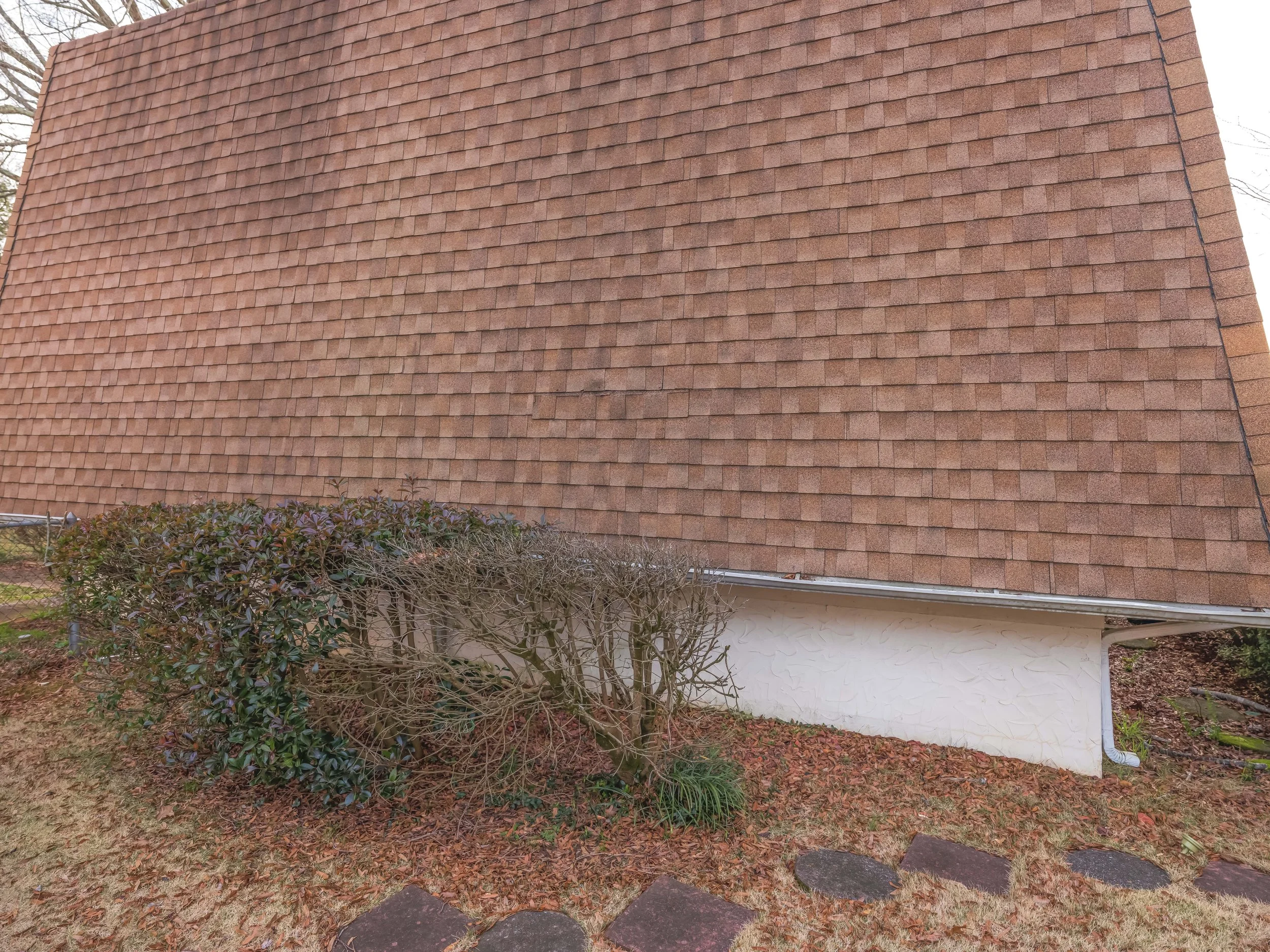
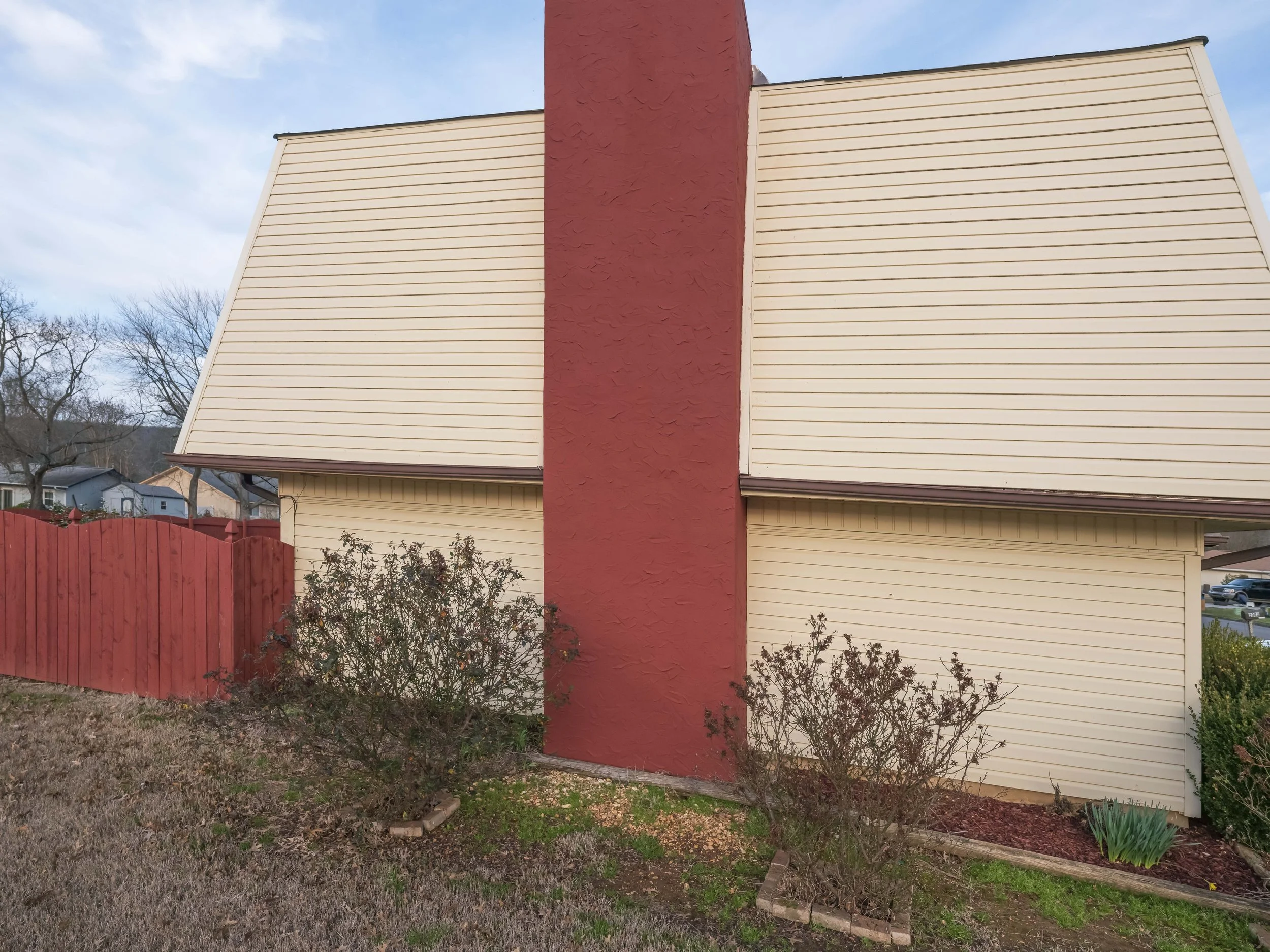
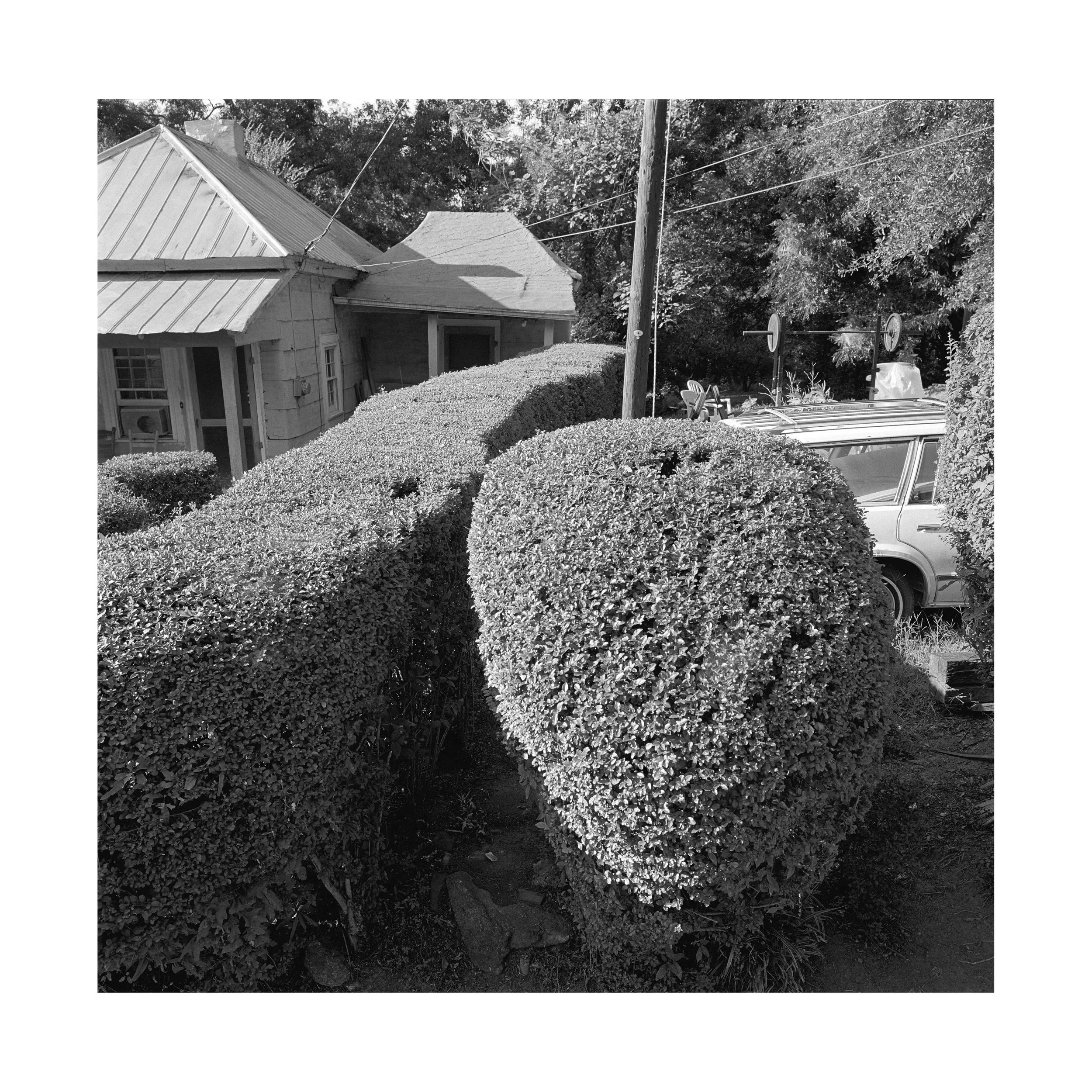
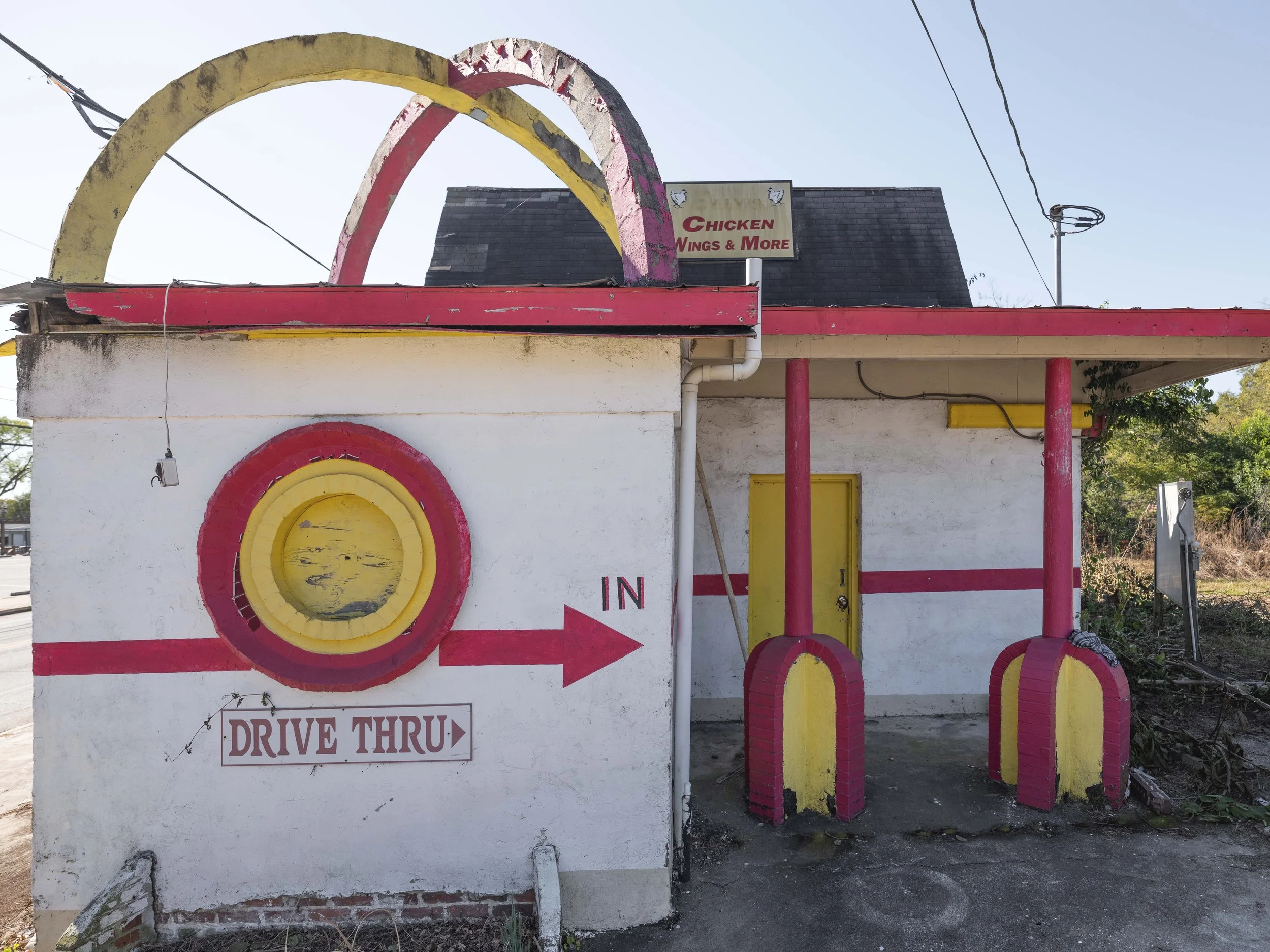
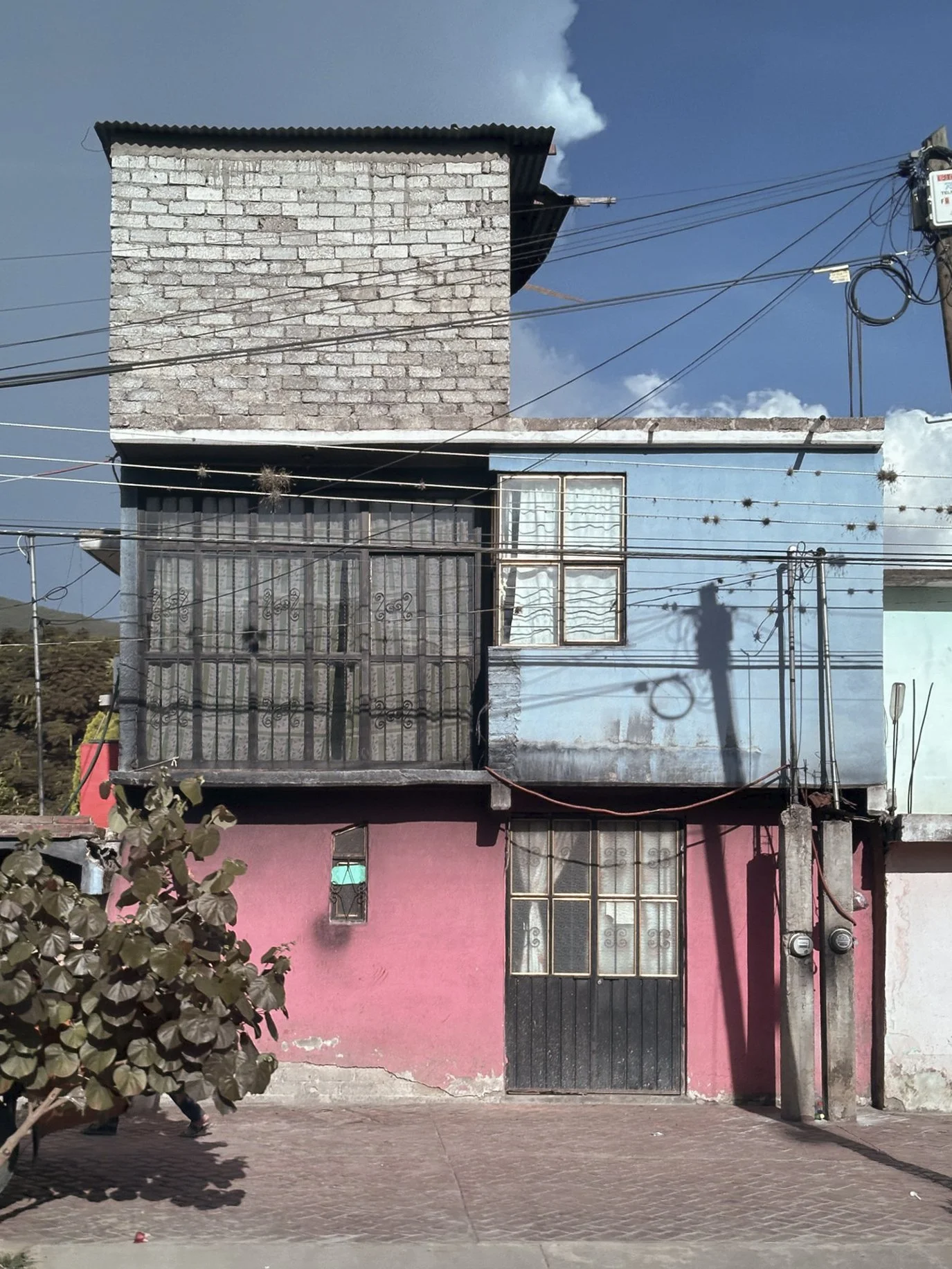
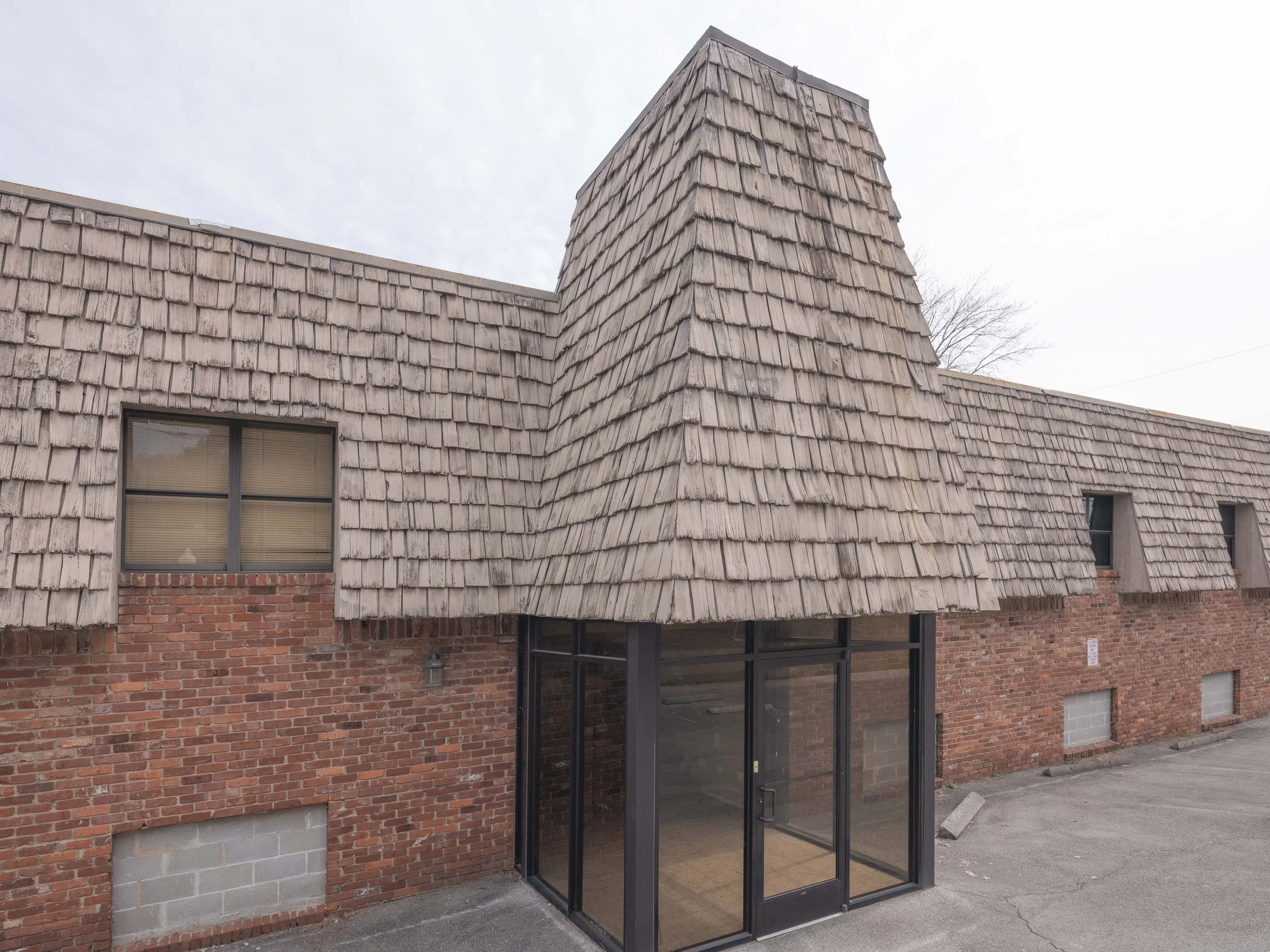
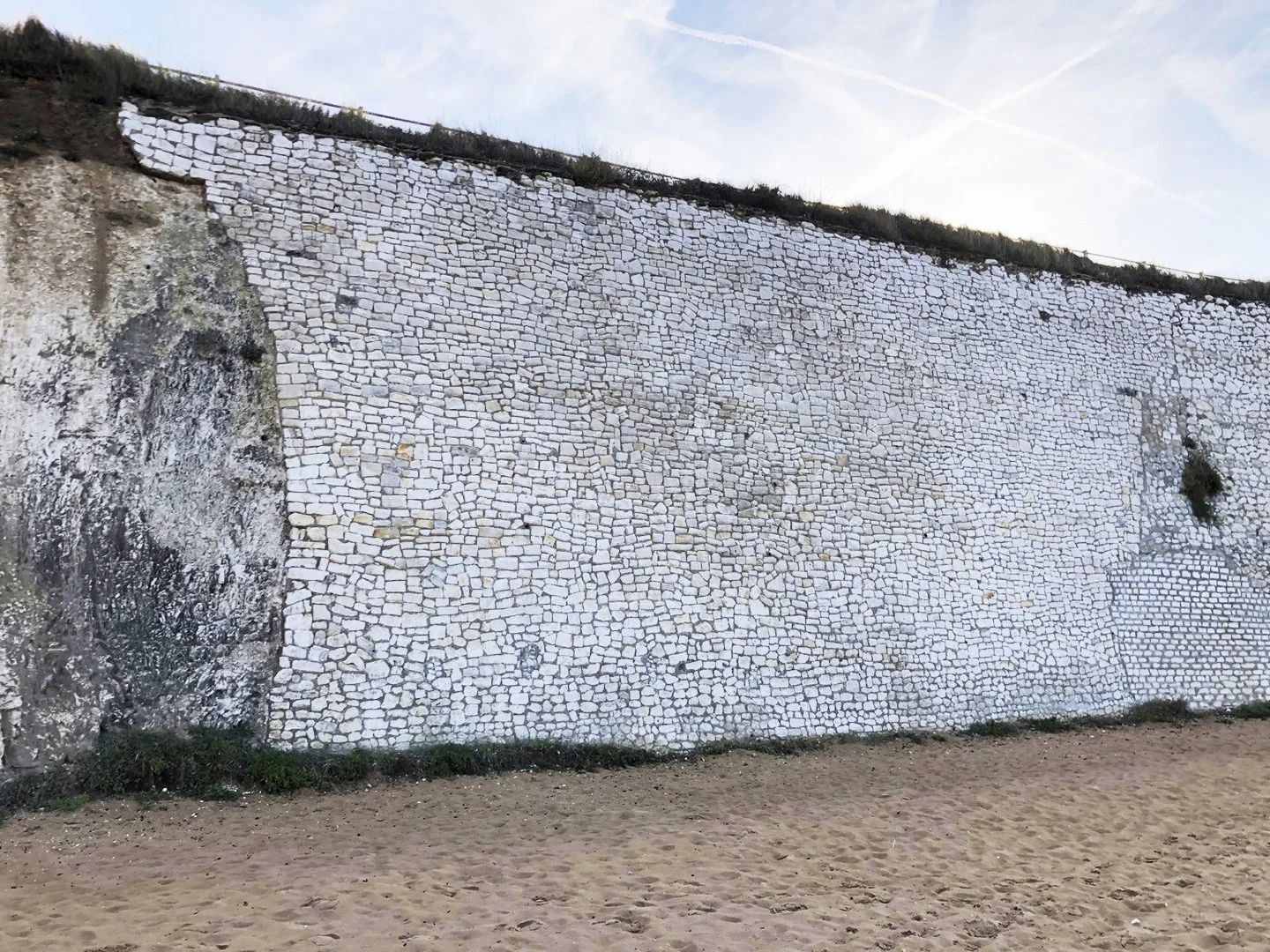
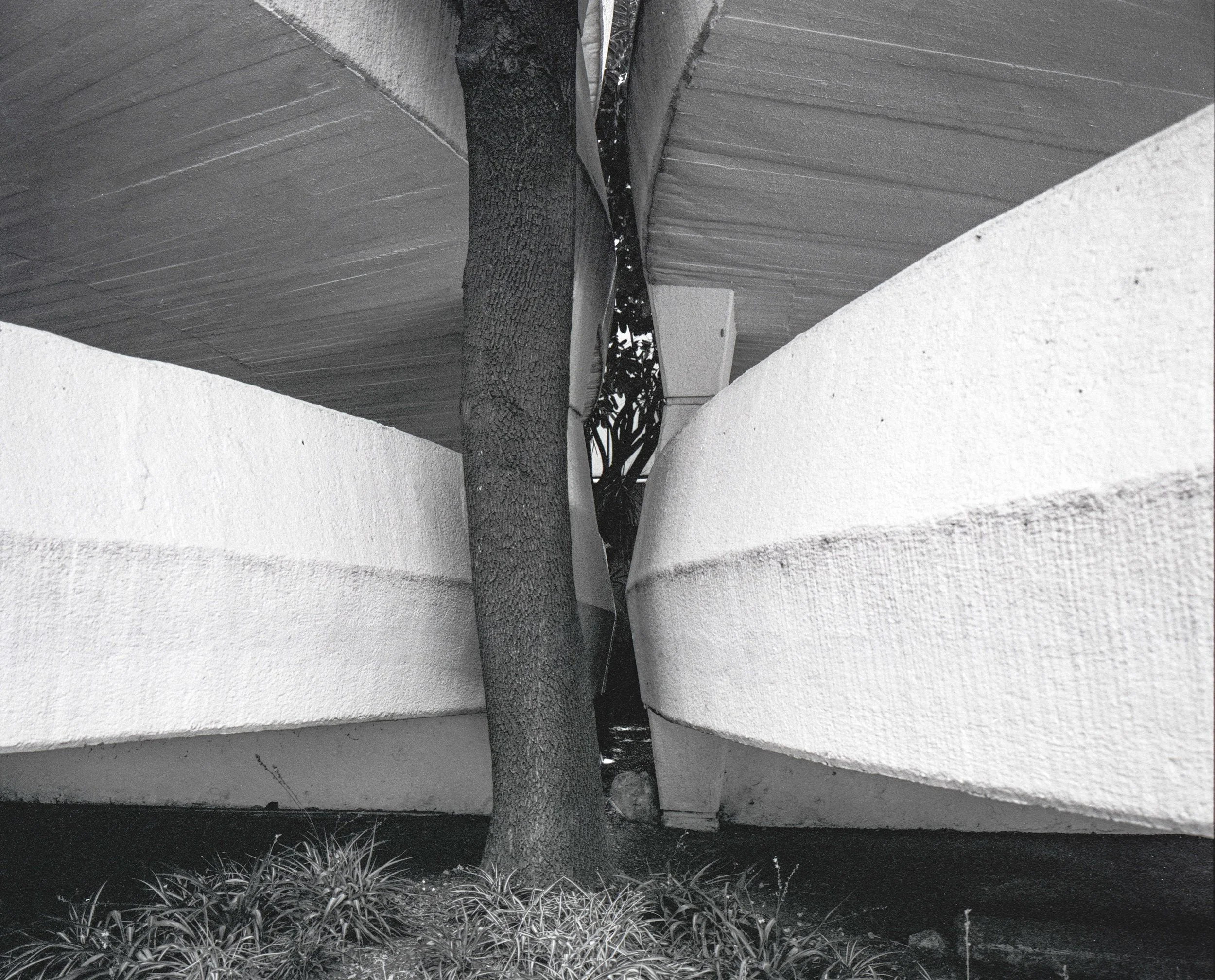
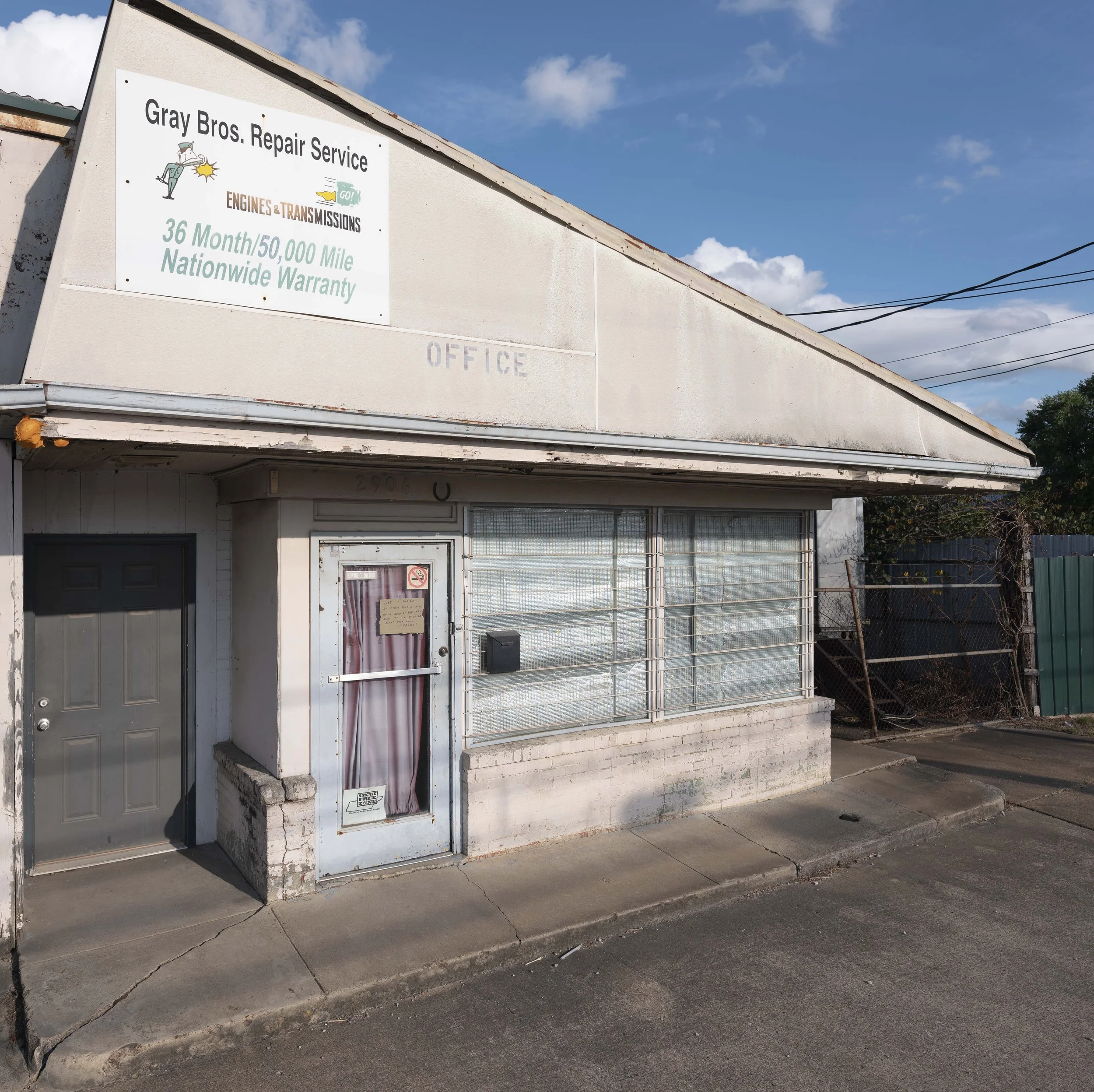
To discover more about this intriguing body of work and how you can acquire your own copy, you can find and purchase the book here. (Fall Line Press, Amazon)
More photography books?
We'd love to read your comments below, sharing your thoughts and insights on the artist's work. Looking forward to welcoming you back for our next [book spotlight]. See you then!
Robin de Puy could no longer make this project alone. She first photographed Randy in Ely, Nevada, during a 2015 road trip and kept returning to him for more than ten years. Interviews