The Street Photographer Who Turns Motion Blur Into Emotion — Olga Karlovac on Capturing Life as It Moves
Welcome to this edition of [book spotlight]. Today, we uncover the layers of photography and book 'elsewhere,' by Olga Karlovac (self-publishing). We'd love to read your comments below about these insights and ideas behind the artist's work.
Olga Karlovac photographs life the way it feels in motion.
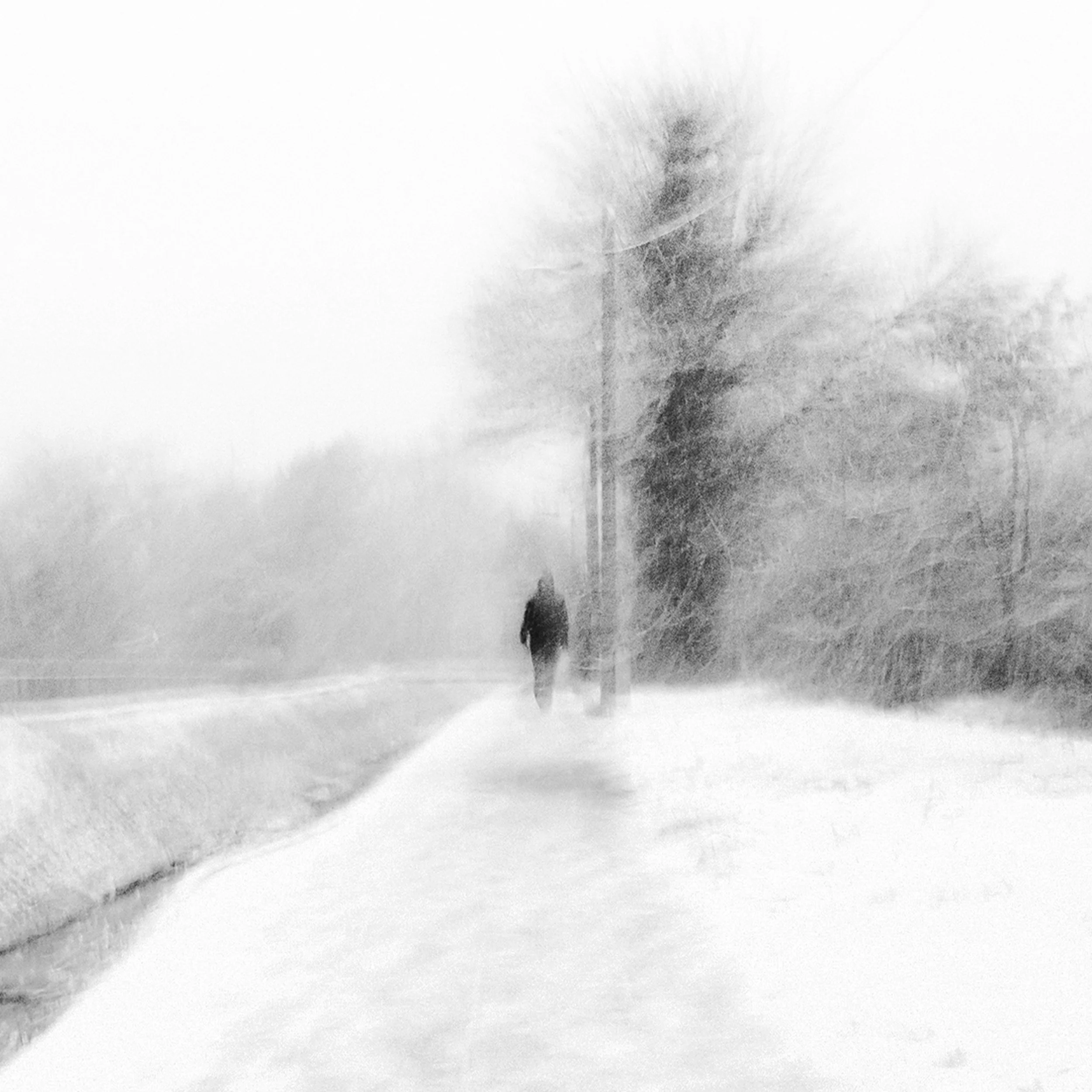
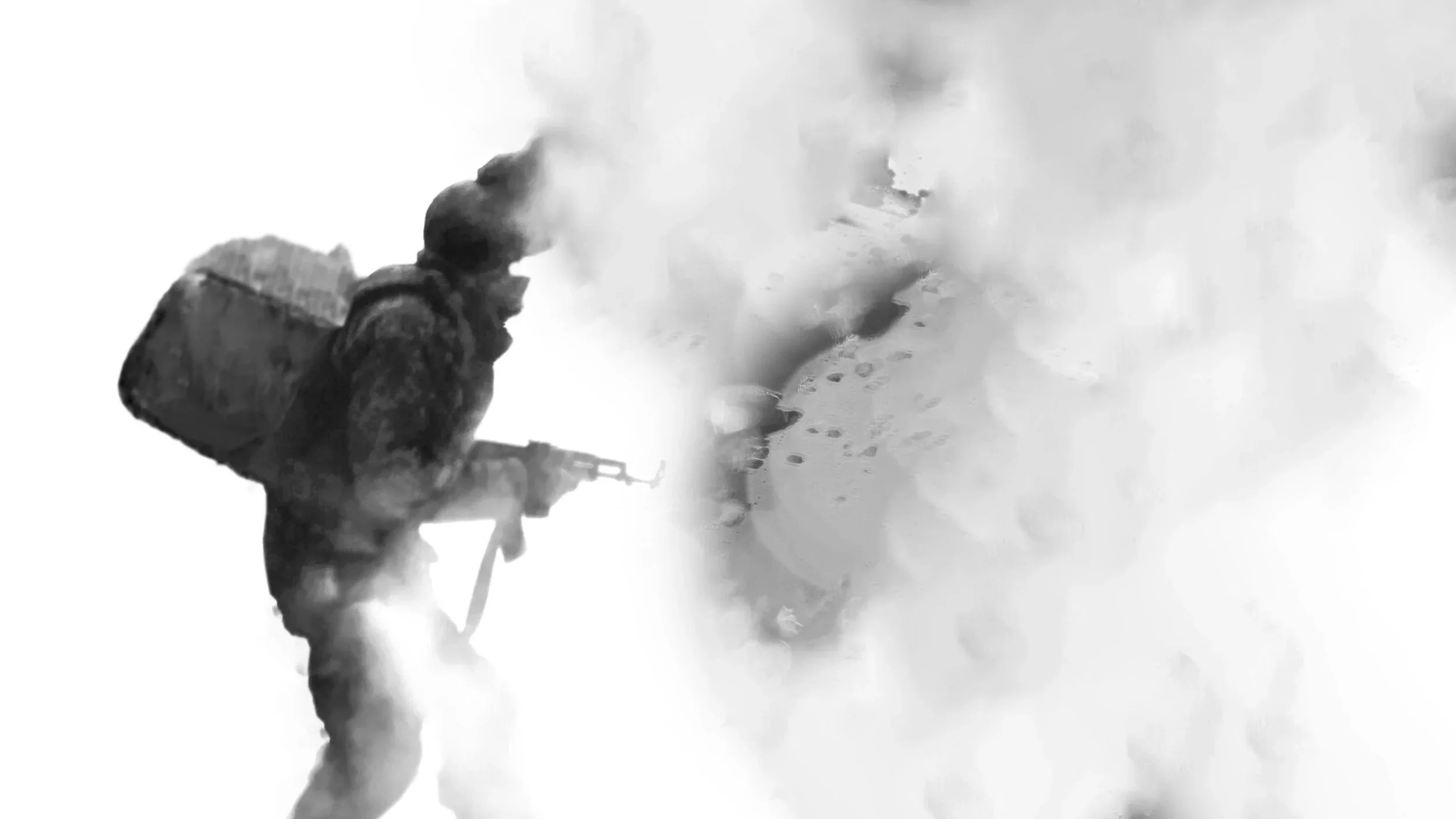
Her images are often dark, blurred, and filled with movement. They capture the energy of rainy streets, passing trams, and people who never stop walking. Instead of chasing technical perfection, she focuses on mood and emotion. That is what makes her work so personal. It is also what makes it easy to recognise.
In this conversation, Olga shares how she creates photographs that feel alive.
She explains why motion is central to her style and how she decides which images to keep. We talk about the making of her book Elsewhere, her process for sequencing images, and the role of patience in her work. Her answers show that photography is not only about what we see. It is also about what we remember and feel. If you have ever wanted to turn everyday moments into something unforgettable, her approach will give you new ideas.
The Book
Elsewhere is the fourth photobook by Croatian photographer Olga Karlovac. Created over three years, it brings together around ninety black-and-white images, many shot at night or in the rain, where streets, trams, and figures dissolve into motion and shadow. The book continues Karlovac’s signature exploration of mood and memory, using blur and abstraction to evoke fleeting moments rather than document them. Sequenced as a complete work of art, Elsewhere reflects a specific period in the photographer’s life, inviting the viewer to find their own meaning in its shifting, dreamlike scenes.
(Website, Amazon)
Martin: Do you remember the very first time you picked up a camera and what you photographed?
Olga: Yes, I was a child, around 12 years old. My father bought me a camera. I was so stubborn; I wanted a Canon T70, which was very expensive at the time. We had a guest at our house who owned that camera, and my father had to buy it from him for me. I was filming and shooting everything, just like a curious child.
Before that, I even had small toy cameras, not professional ones, just simple tourist models. I always had a camera in my hand, and that passion lasted for a few years. After that, I stopped shooting for decades as I went to university and pursued other things. Then, maybe about ten years ago, I started again, completely prompted by a friend's suggestion.
I was looking for something to help me express myself, to do something just for me. Photography turned out to be an excellent choice because it’s something I’ve always loved. Since then, I’ve been shooting consistently, and here we are. That’s where photography has taken me.
If you had to explain your style to someone who has never seen your work, how would you describe it?
I’d say it’s individual and authentic in many ways. I hope that when you see an image, you can tell it’s mine. It’s a bit abstract and, of course, black and white. Most of my shots are street photography, but I also have landscapes and portraits, so there’s a variety. However, I’d describe my style as very distinctive, you’ll know it when you see it.
Would you say your style has a deeper meaning? Is it something that helps convey a mood or idea, or is it simply a form you prefer?
The form came naturally as a way of expressing emotion, mood, and the feel of the moment, which has always been my focus. I’m drawn to capturing and reliving the atmosphere, mood, and emotions in my images. That’s what I aim for, making you feel as if you were there, evoking your own feelings through the photograph.
The style and the way I do it developed over time. It suits me; I like it that way. In this approach, I believe I can portray things as I love to see them. It all came together naturally.
Can you walk me through what happens in your head when you're out shooting, from spotting the scene to pressing the shutter?
When I go out, there needs to be some kind of energy, a moment you have to feel. You want to grab your camera, go out, and start shooting. It depends on whether you're shooting for a project or just because you feel like it.
I think 90% of what happens in my head is intuitive. You leave all your senses open, embracing your surroundings and everything happening around you. Usually, when I shoot, it's night, rainy, dark, so there aren’t many things going on most of the time.
You just walk, drive, or take a tram, depending on the day or night you're shooting. You spot things as they come along your way, and you feel, "I want to capture this moment," and you just click. I don’t prepare much or plan extensively.
I might plan by deciding on a certain route, like taking a tram for ten stations, and see what happens. I try not to interfere with pre-thoughts about the process and instead live as much as I can in the energy of the moment, capturing what happens on the street at that time.
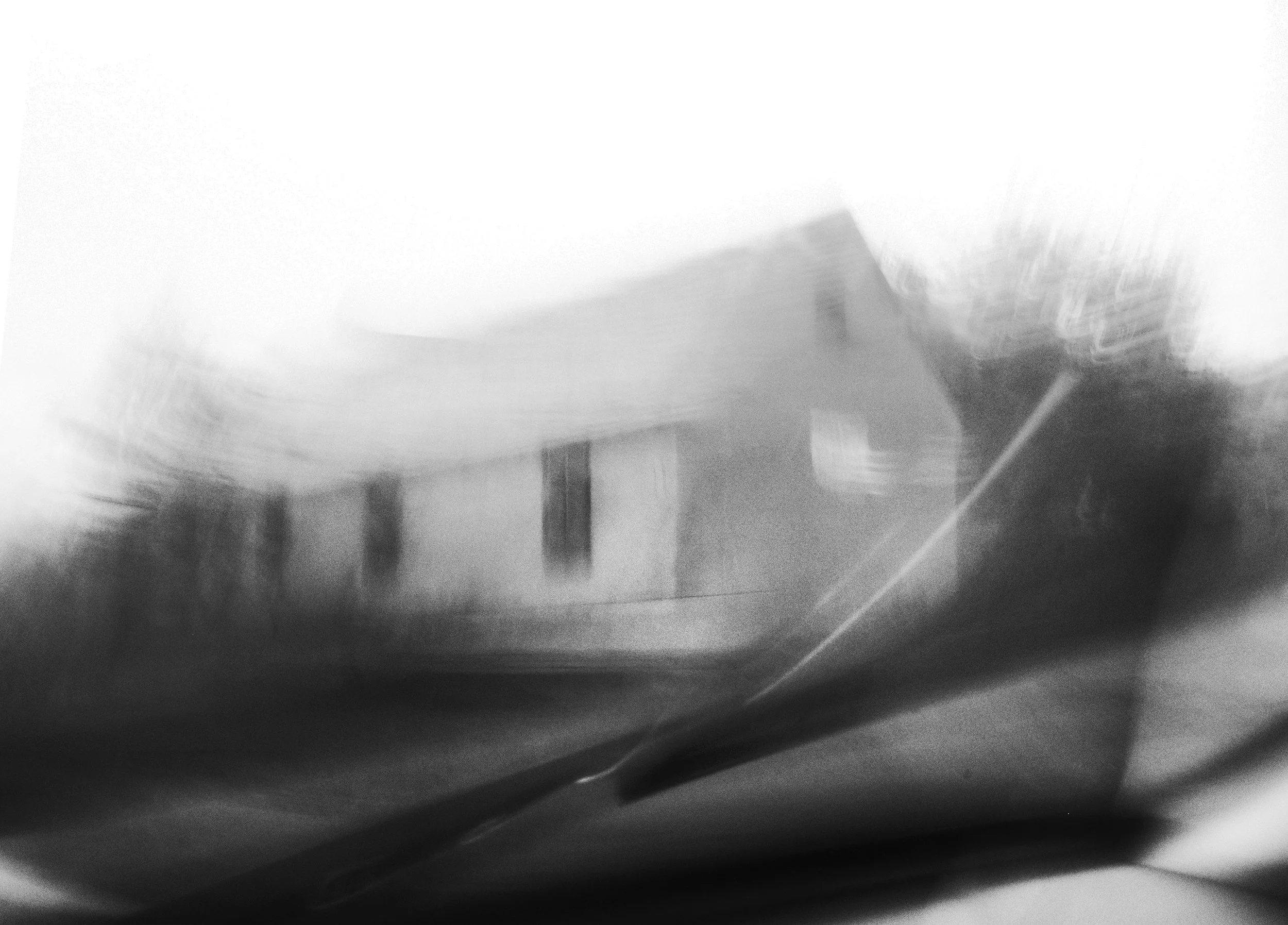
You said that motion is what comes naturally to you, that you see the world in motion. Can you explain what that means?
Yeah, usually what comes to my mind when I’m out shooting is something that is changing, something that’s moving. My eyes intuitively connect and relate to something that is happening, not something static, but something in motion. Also, while I shoot, I’m usually moving, whether it's in a car, tram, or just walking.
It’s something I haven’t thought much about, why it happens or why this process looks that way. I just feel comfortable going my way and shooting what comes to me. Usually, what comes to me are people going their way, not pausing, not staged or pre-planned. It feels natural because generally, things move. It’s just about catching those moments.
If you were to teach a master class in motion photography, what are the qualities you would tell your students to look for in a good motion-blurred photograph?
First of all, you have to be relaxed. If you’re obsessed with capturing motion perfectly, I’d say just try to see the world in motion. See the world moving and take those moments. Feel the motion around you.
Take the camera as an extension of your hand and simply click to see what happens. Capture sequences of moving people, and slowly, things will start to resolve for you. You’ll develop your own way and style of motion photography. We all perceive movement differently; we don’t see motion the same way.
That’s what I would say. And be patient. You can’t just go out and expect miracles.
Is it difficult experimenting with motion photography? What is your fail ratio? How many images are you satisfied with when you try to do this?
Well, they say I discard a lot of good ones. It depends on the day, the night, and what I'm shooting. For example, out of ten images, I might love one. There will be some similar ones. Sometimes I go out and take 50 photos and dislike them all. Even though there are some nice ones, maybe they just don't fit, and I don't like them.
Sometimes, I go out and take 20 or 30 images and end up with five or six great ones. I think it depends, but I would say out of 10 or 20, there’s always something I like. It also depends on what you’re shooting for. If you’re shooting just for a night or if you’re shooting for a book, then your criteria are a bit different because you look for certain sequences. You know, it’s not just random. Maybe then your criteria become stricter. But on any given night, most of the time, you come home with a few good ones.
When you look at all the images you’ve taken from a day or a session, how do you decide when it's a good motion blur photograph and when it's just a blur?
It’s a feeling. I don’t really know. I usually don’t look at them right away. I mean, I glance at them on my camera, but most of the time, I just leave them and come back in a week or two. Then I put them on my computer.
I have to like the image; I have to see something in it. There might be technically perfect images, but if they don’t feel right to me, they don’t make the cut. It’s all about how they feel. If, when looking at them, I can mentally return to the moment I captured them, and they evoke something within me, then that’s when I know. If an image resonates, if it feels right, that’s the one I want to keep.
Like an emotion?
Probably. It’s a kind of substance, emotion, energy, something difficult to explain, but it’s there. That’s what makes an image special for me, and I think it can be special for someone else as well. It’s a personal thing.
Is there a deeper meaning to your photography that you think people often miss?
I think people relate well to my photography. They usually seek an emotional connection. Sometimes, you have ten people looking at the same image, and each of them sees something different. That’s what I love, the interpretation is up to them.
This is something I often discuss with people at exhibitions and when talking about my books. I’ve heard so many different stories, and I truly enjoy it. I don’t impose any specific meaning. However, when I’m working on a book, I do approach it differently. I see photo books as pieces of art themselves. There might be 80 or 90 images, with some written chapters, and together, they form a separate work of art. Every image has meaning, but as a whole, the book holds its own meaning as well. That’s how I approach it.
You mentioned that each book is like a private record of a period in your life. What period does Elsewhere capture?
I published it about a year and a half ago, and it took me around three years to complete. I'm quite slow with my books, so the process spanned the last three to four years. Most of the images, about 90%, are from that period.
Did you feel it reflects a different period in your life compared to your previous three books?
I think so. Life changes, and it's natural for each book to be different in that way. While the style, the story, and the way the book is constructed are similar, if you look at them sequentially, you can see a change. As your life, surroundings, and you yourself change, different things come through in the work.
Could you describe your sequencing process? How do you know when two images belong next to each other? Do you work with an editor, or do you handle it all yourself?
It's been a process of learning what I can and want to do on my own, and recognizing when I need a team to help. I sequence the images myself and aim to have the book finished before seeking external input. Once I feel the book is complete, when the images, sequencing, chapters, and story feel right, I’m open to suggestions.
After that, I collaborate with a designer to discuss the artistic aspects, such as image sizes and the book’s flow. This stage usually brings minor changes. Then, the graphic editor prepares everything for printing, which is a highly technical and demanding process that I don’t handle myself. Zoran, who’s excellent at it, takes care of the technical side, preparing fonts and ensuring everything is ready for the printing process. It’s a lot of work when it comes to books.
What's your approach to post-processing? How much is acceptable before an image stops feeling authentic?
I don't delete or add anything; that's where I draw the line. Everyone has their own level of comfort, and I respect that. I crop, adjust contrast, and work on the composition since I shoot with a Ricoh GR, which has a fixed lens. Sometimes you need to select what you want within the frame. I'm not very skilled with Photoshop, I know the basics well, but that's it.
You also teach workshops, right?
Occasionally, yes. I'm also considering offering something online in the future.
What's the one thing you hope every student takes away from working with you?
Their own way of doing things and the passion to keep going. It's about helping someone along their journey. Of course, we discuss and I teach. We cover technical aspects, like we're doing now, and I can help them learn certain techniques. But technical skills are easily accessible and teachable.
What I really focus on, and what I often find people lack, is motivation and dedication to continue, especially when they're interested in creating something personal, like a book or a portfolio. I aim to help them create something they'll cherish for years, and maybe even publish.
As your photography evolved into the style you have now, do you think it will change significantly in the future, or do you see yourself refining what you already do?
That's a difficult question. I have no idea. If someone had asked me this ten years ago, I would have thought it was crazy. At the moment, I don't think I'll change so much as to completely alter my style. I just see myself continuing to shoot and see where it takes me.
Right now, I don't even shoot that much, I'm a bit off, but I don't think many things will change. Maybe the stories or the places I capture will shift, perhaps the people too. Some things might evolve, but I believe the essence will remain the same.
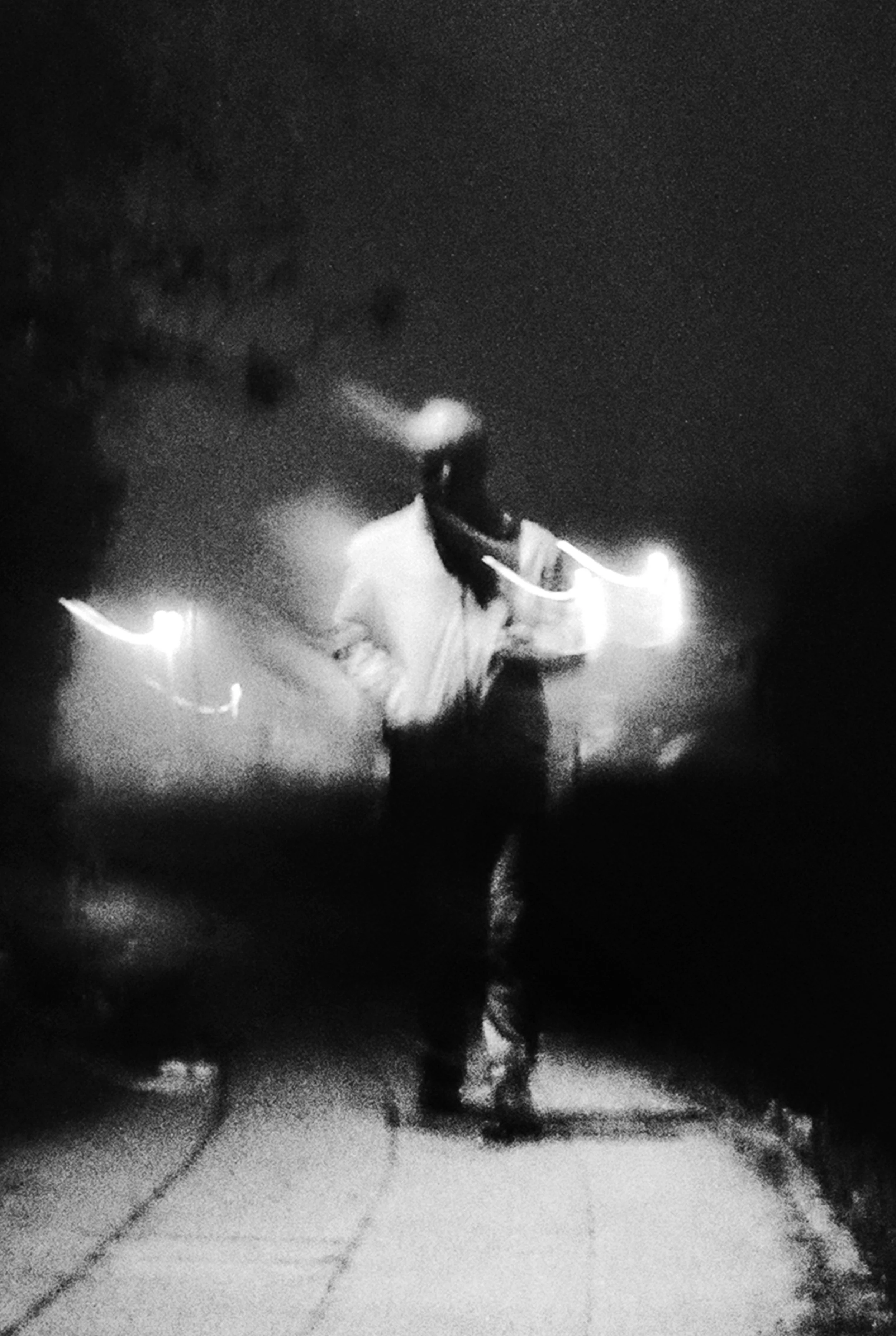
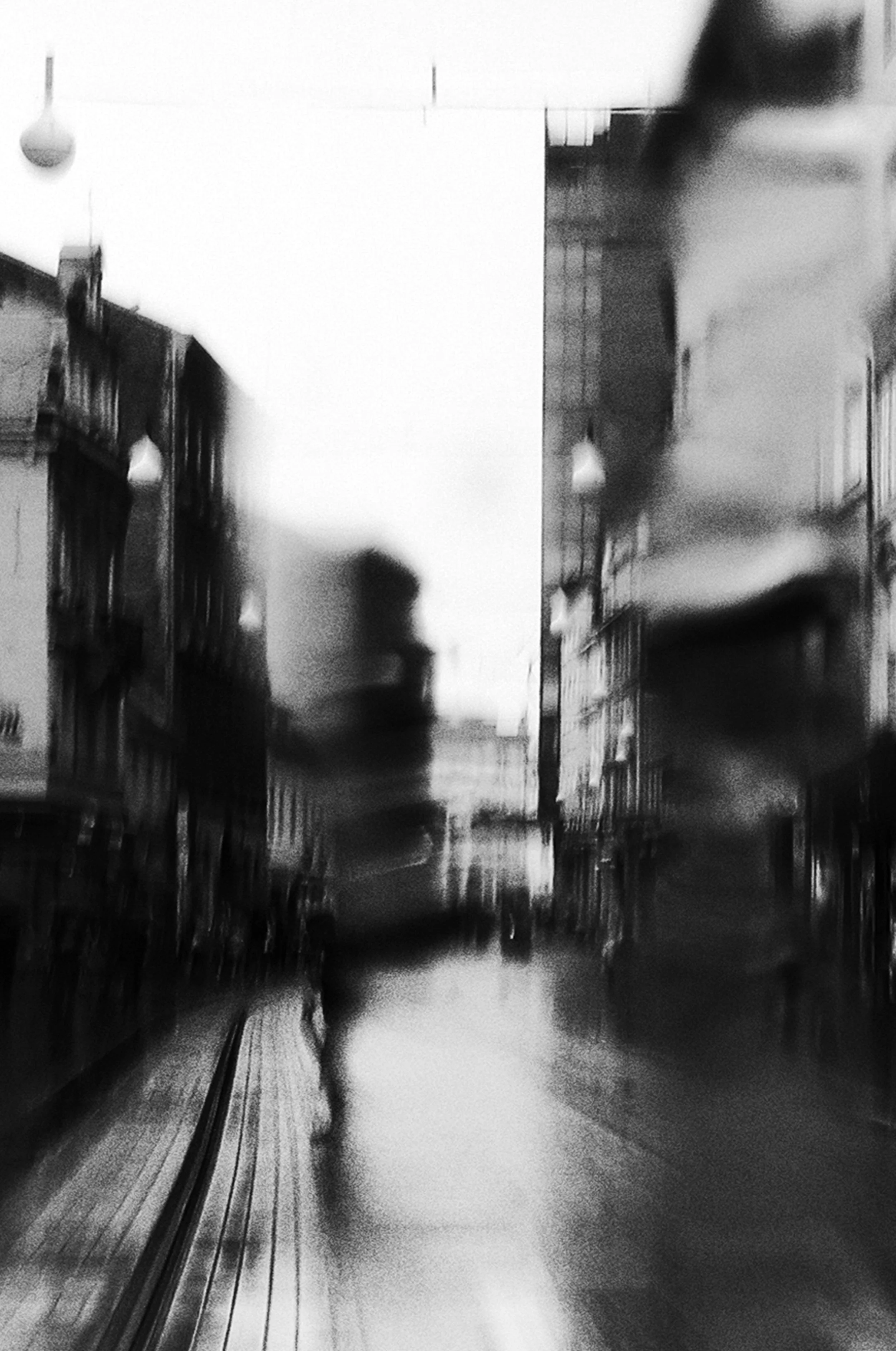
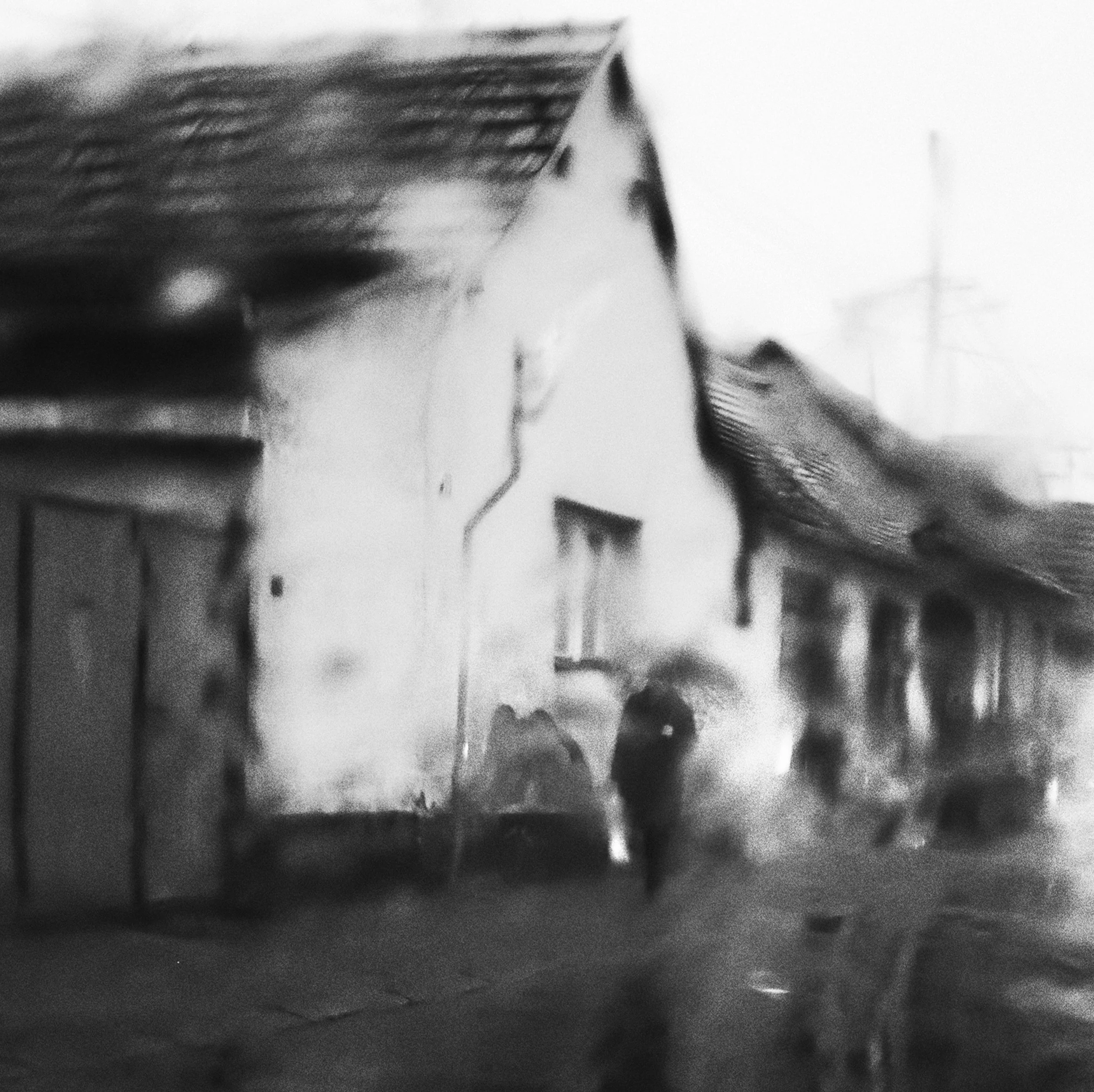
Last question. I’ve noticed you always work without captions. What made you decide to do that?
I prefer using small letters. I just don't like big ones. I never really understood why some things have to be in big letters and others in small. I mean, I learned about it, but since it's my book, I prefer not to have them.
To discover more about this intriguing body of work and how you can acquire your own copy, you can find and purchase the book here.
More photography books?
We'd love to read your comments below, sharing your thoughts and insights on the artist's work. Looking forward to welcoming you back for our next [book spotlight]. See you then!
Robin de Puy could no longer make this project alone. She first photographed Randy in Ely, Nevada, during a 2015 road trip and kept returning to him for more than ten years. Interviews