How Architecture and Aging Intertwine: The Powerful Contrasts in Laurent Kronental’s Souvenir d’un Futur
Welcome to this edition of [book spotlight]. Today, we uncover the layers of 'Souvenir d'un Futur,' by Laurent Kronental We'd love to read your comments below about these insights and ideas behind the artist's work.
What do wrinkles and cracked concrete have in common?
Both are visible signs of time, showing how people and places carry the weight of history. In Souvenir d’un Futur, Laurent Kronental spent four years photographing elderly residents in Paris’s large housing estates, built as modernist dreams of progress after the war. These pictures show the contrast between fragile lives and massive architecture, between hope and decline. The project asks what remains when utopias age but do not disappear.
The seniors Kronental met are the living witnesses of these estates, keeping alive stories of migration, family, and community. Their faces echo the cracks in the concrete, revealing dignity, resilience, and the quiet strength of a generation often overlooked. The photographs remind us that architecture is not only design, but also the stage of human lives. This interview explores how Kronental built Souvenir d’un Futur and what his journey can teach photographers who want to document forgotten communities.
We rarely notice the elderly, until a photograph makes us look.
The Project
Souvenir d’un Futur (2011–2015)
Laurent Kronental’s Souvenir d’un Futur is a long-term photographic series documenting the lives of elderly residents in the Grands Ensembles, the vast post-war housing estates built around Paris between the 1950s and 1980s. Conceived as modernist utopias to answer the housing crisis, rural exodus, and influx of foreign workers, these estates were once symbols of progress but today are often stigmatized and marginalized.
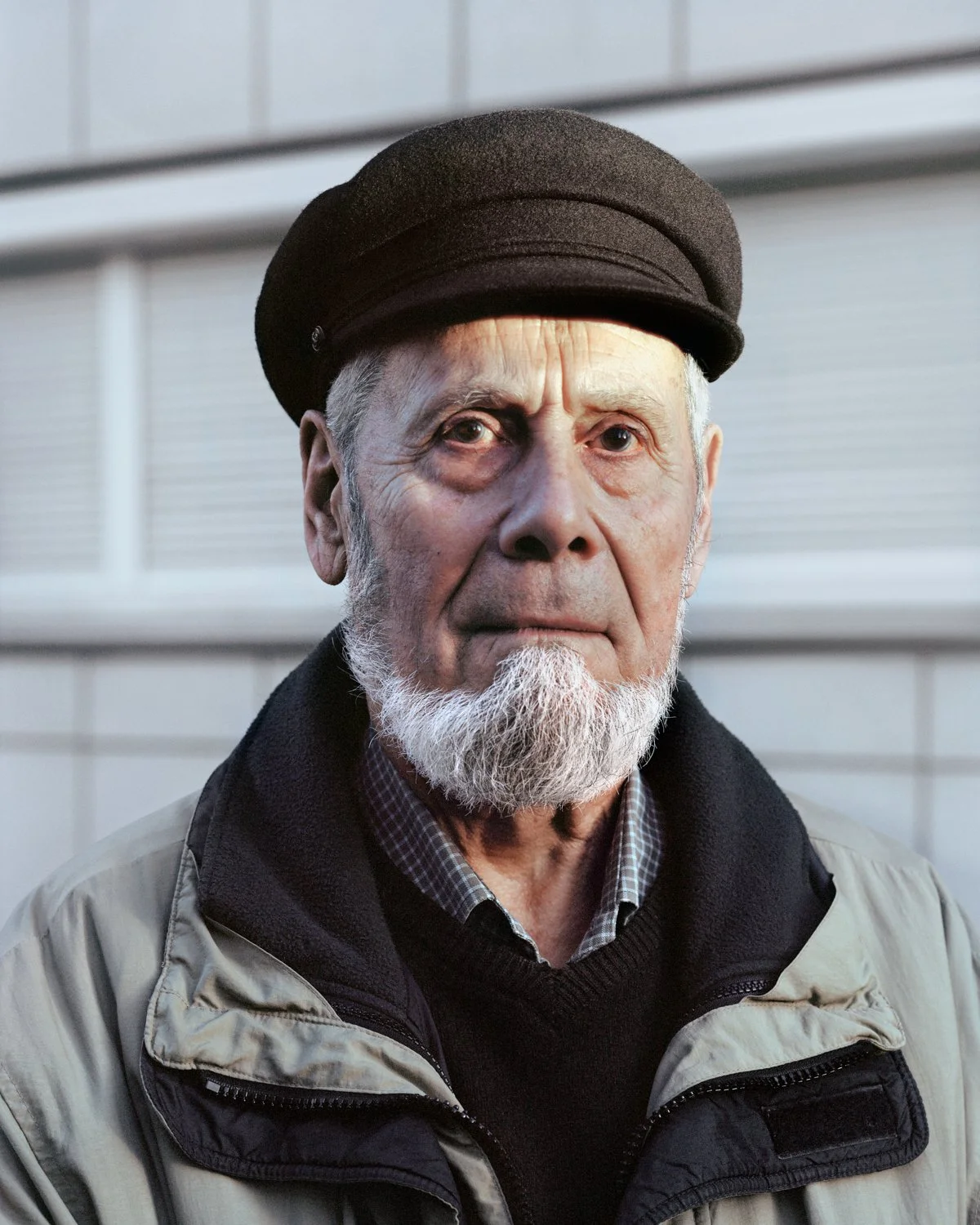
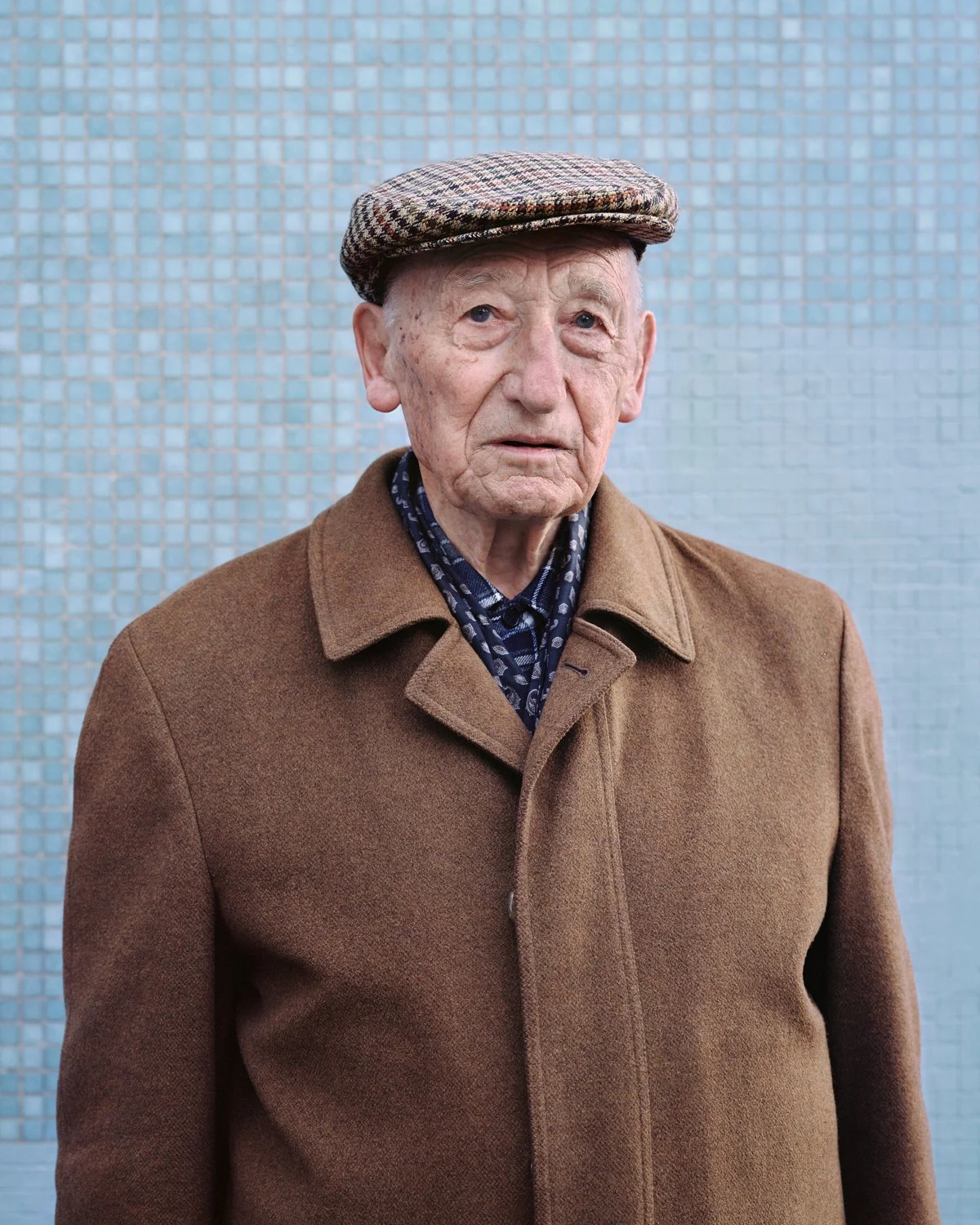
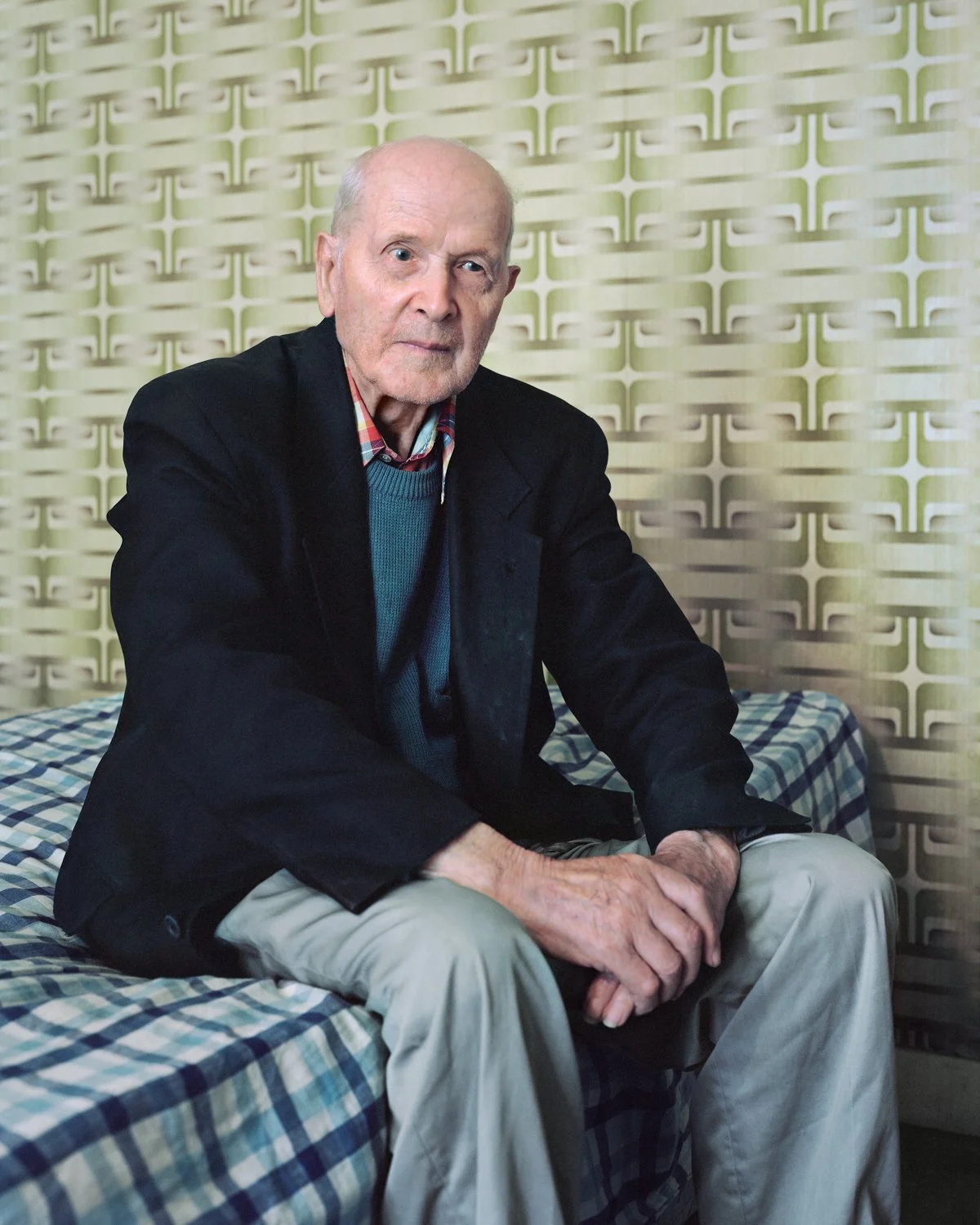
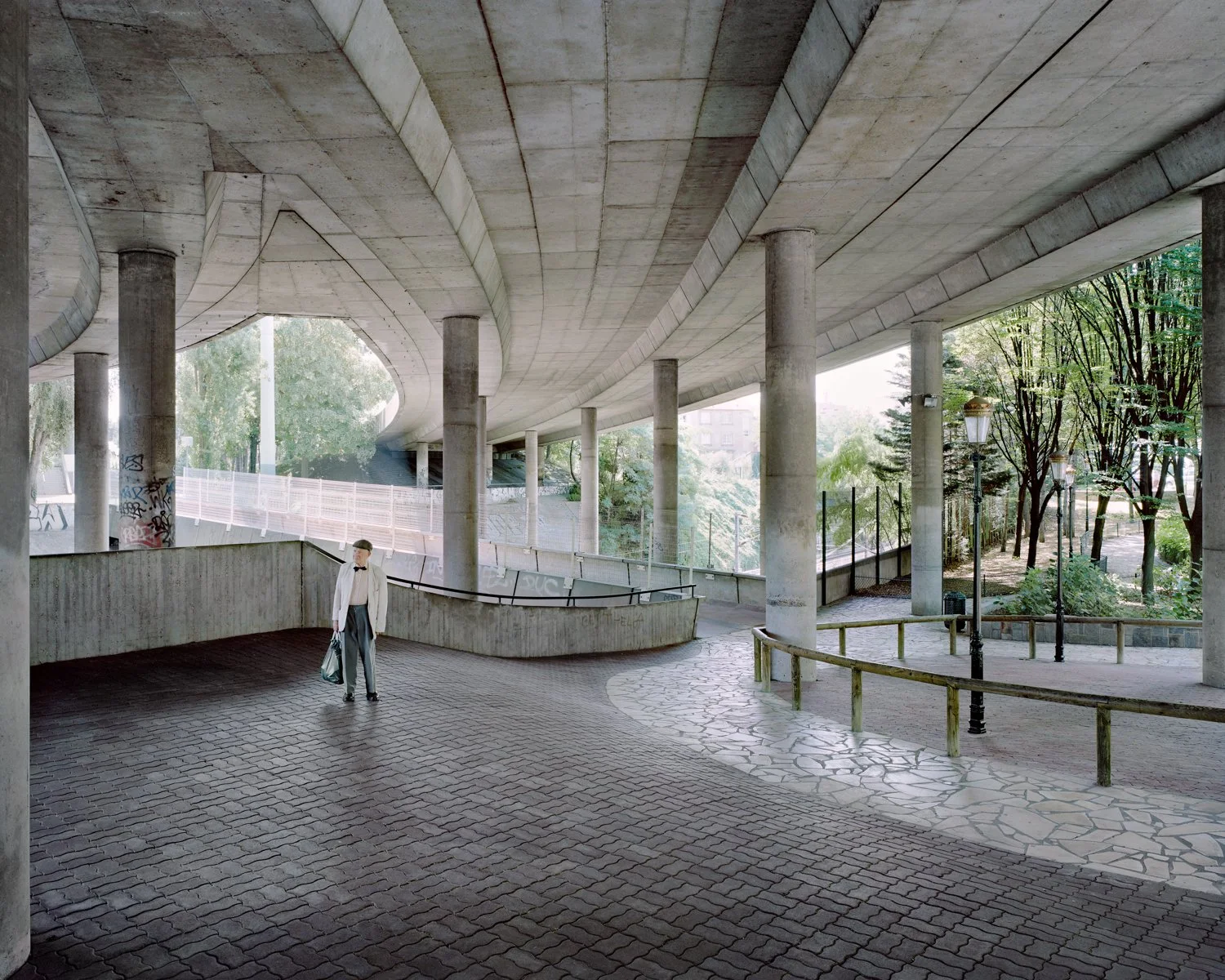
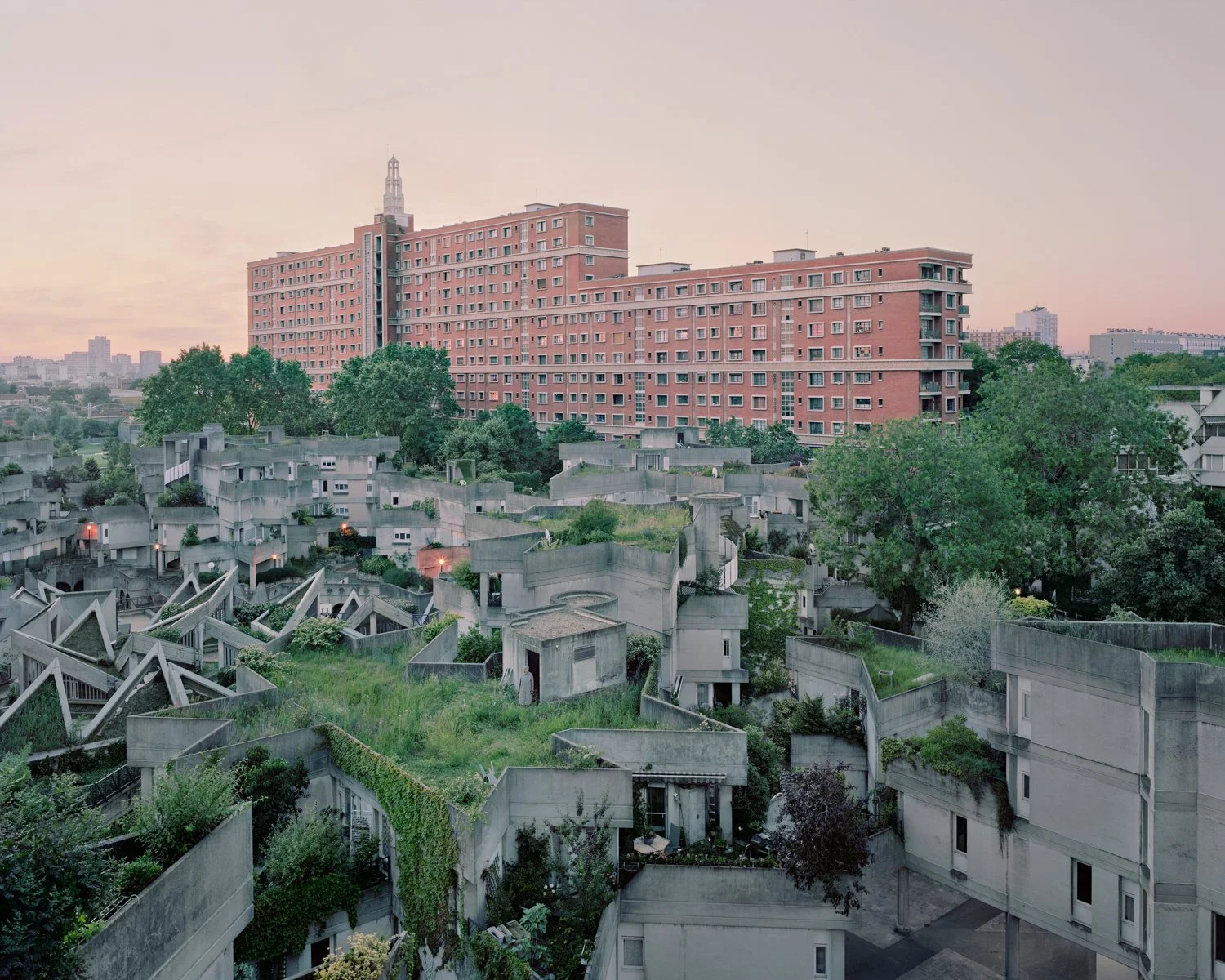
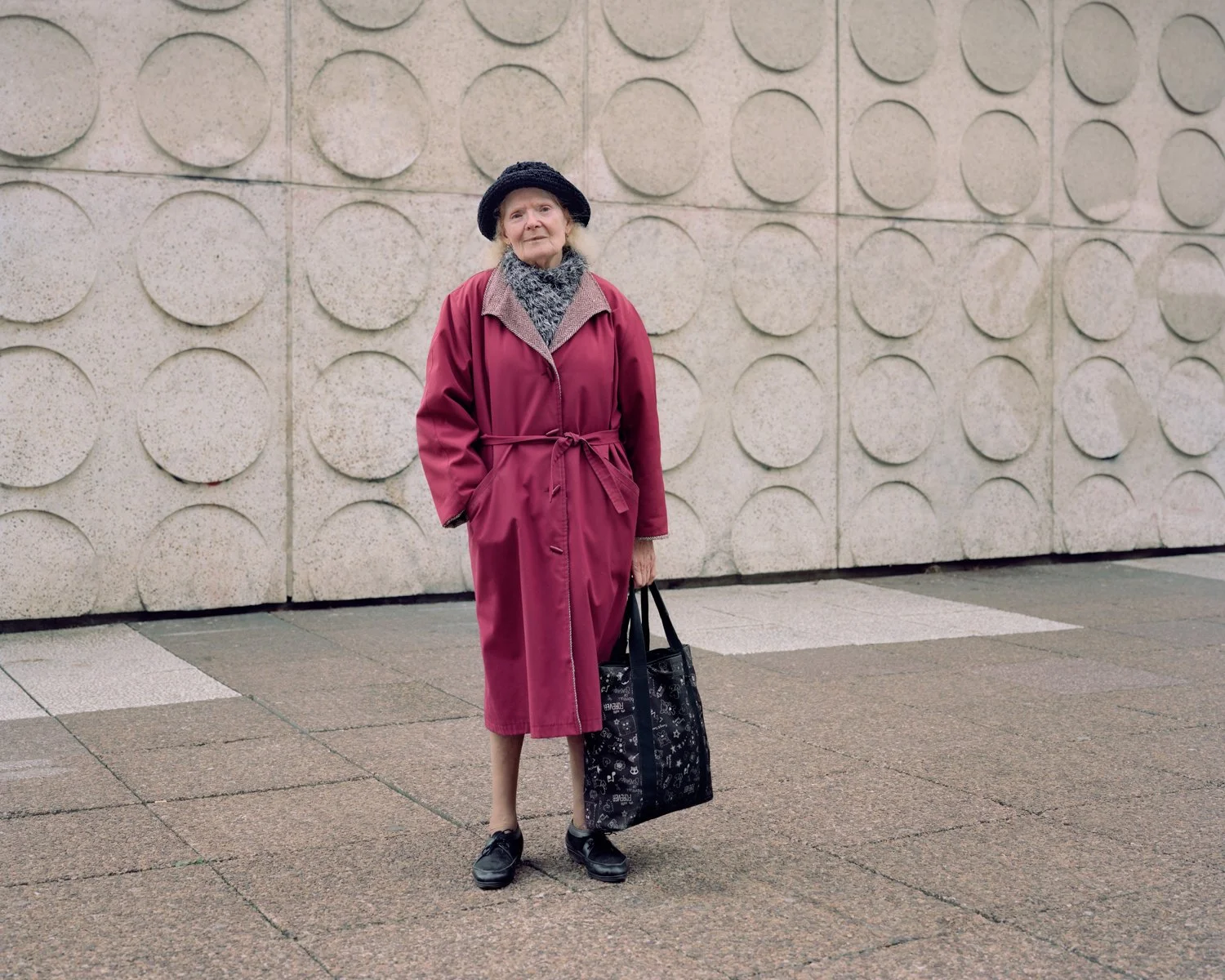
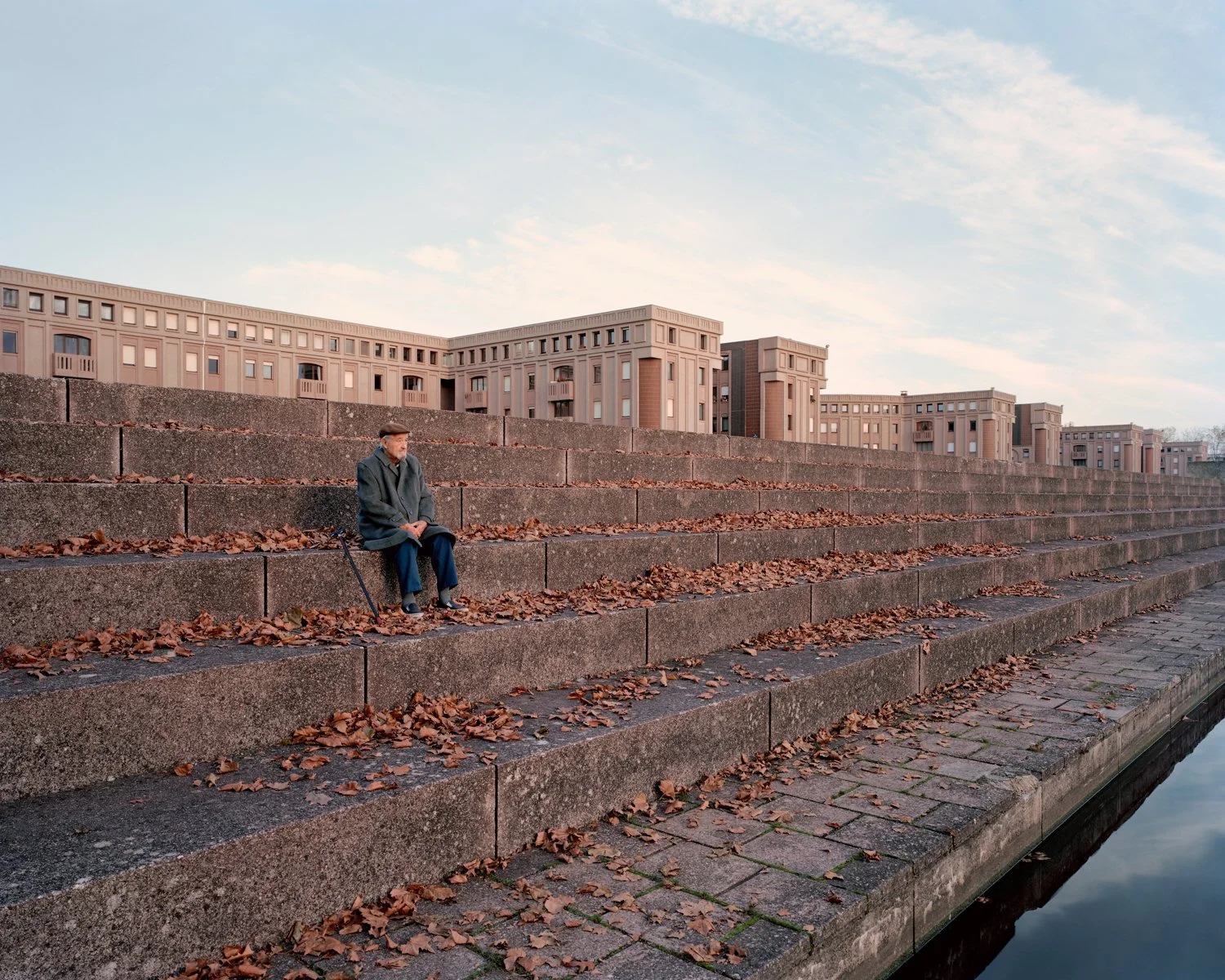
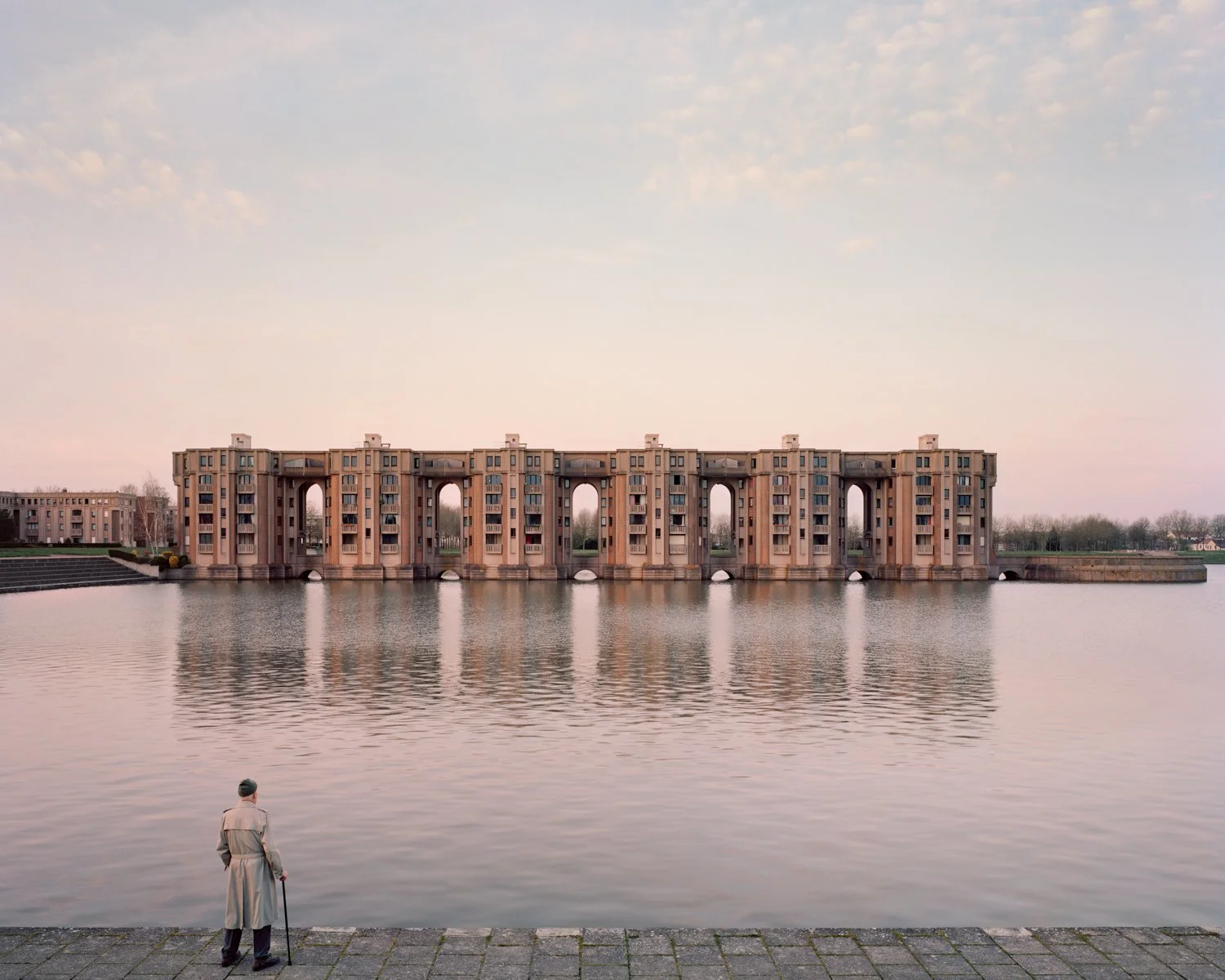
Over four years, Kronental visited these neighborhoods with a large-format camera, creating portraits of senior citizens alongside monumental images of the architecture itself. His photographs reveal the contrasts between cracked concrete and wrinkled faces, between fragile human presence and imposing structures, between dreams of a future city and the reality of aging communities.
The project captures not only architecture but also memory: the residents are living witnesses to the rise, transformation, and slow decline of these estates. In their resilience and dignity, Kronental finds a quiet poetry that connects people and place, reminding us of the fragile force carried by both aging bodies and aging buildings.
Overview of the project: What first drew you to the “Grands Ensembles” around Paris, and how did the idea for « Souvenir d’un Futur » take shape?
« Souvenir d’un Futur » is my first photographic series, created between 2011 and 2015. This project offers a sensitive testimony to the lives of seniors living in the large housing estates of the Paris region. Mostly built during the post-war economic boom to respond to population growth, rural exodus, and the influx of immigrants, while offering modern comforts, these neighbourhoods are now seen by the general public as marginalised areas. Fascinated by their ambitious yet outdated modernism, I was deeply moved by the aging conditions of the people who have grown old there. I wanted to explore their daily lives and bring attention to a generation often overlooked. By turning my gaze to this little-known and underestimated suburban world, I sought to express a sense of poetry in a universe that seems to be aging quietly, carrying with it the memory of a once-hopeful modernist utopia.
This work led me to explore not only the unique temporality of these neighbourhoods, oscillating between past grandeur, dreamed modernity, and frozen memory, but also the complexity of our relationship to collective housing, urban history, and the very idea of progress. Through my images, I sought to evoke an atmosphere where past and future blend and intertwine. In this parallel world, the elderly appear as the last remaining witnesses.
Marked by time, the buildings, as well as the faces I photographed, bear the scars of passing years. The wrinkles in the skin echo the cracks in the concrete. And yet, within these marks of wear, I saw an unexpected strength: a persistent vitality, a quiet dignity, a form of resilience. In the peace of these faces, as in the solitude of these places, I witnessed resignation coexisting with hope, skepticism with trust, longing with contentment. These contrasts reveal, in my view, a profound and sincere humanity, present within these neighbourhoods themselves, which embody a fragile strength: that of a youth that has not seen itself grow old.
My journey
Since early childhood, I have been fascinated by architecture. As a child, I dreamed of living in New York. At 12, I received my first book about Hong Kong. A few years later, in 2008, while studying at business school, I had the opportunity to spend six months in Beijing. That stay was a revelation. My parents had lent me a compact camera to capture some memories. I found myself instinctively photographing the city as I wandered through it for hours. I felt strangely at ease, as if I had lived there before. This immediate familiarity with China struck me deeply.
When I returned to Courbevoie, a suburb just outside Paris, the father of a friend lent me my first digital SLR. Naturally, I went to La Défense, just nearby, to practice. It was there that I learned the basics of photography. At first, I was drawn to contemporary skyscrapers, but gradually I turned away from them. Two nearby neighbourhoods became central to my approach: the Damiers in Courbevoie and the Aillaud Towers (also known as the « Tours Nuages » or « Pablo Picasso Estate ») in Nanterre. I had long been fascinated by them, and they triggered something in me.
At the same time, a long-standing idea took root: photographing elderly people. Perhaps it was a need to pay tribute to a generation I had barely known, to freeze time’s passage, and preserve the memory of my loved ones before they passed. I’ve always been moved by intergenerational connections, what links us and what separates us across eras. One day in Courbevoie, in 2010, I photographed a senior couple in Villa Ghis, a traditional residential area surrounded by corporate high-rises. With its timeless architecture, Villa Ghis acts as an island of stability in a world of perpetual acceleration. This sense of suspension could symbolise a gentle resistance to change, a preservation of a slower, almost nostalgic way of life. Around the same time, I discovered Avenue Jenny in Nanterre. Frozen in a fragile present where remnants of a working-class past remain, this area is animated by transformation. Construction sites and redevelopment projects, such as the extension of La Défense or the RER line, hint at an uncertain future. Avenue Jenny is no longer quite what it once was, yet not yet what it will become. This coexistence between apparent stillness and signs of change gives the area a unique atmosphere, where two timelines, so close and yet so distant, overlap.
Linking these large housing estates to the people who saw them rise became an obvious step. « Souvenir d’un Futur » was born from the intersection between architectural utopia and the reality of ageing, of both people and places. A crossing between concrete and the living, between the ambition of a new world and the lives built within it.
Why large housing estates?
Large housing estates embody an ideal, a belief that housing could be a cornerstone of collective progress. At the time, cities were imagined as cooperative projects, structured around shared spaces, bold forms, and a beauty designed for all. As noble as that ambition was, it didn’t always fulfil its promise. Yet, it bears witness to a deep faith in architecture’s power to shape the real world.
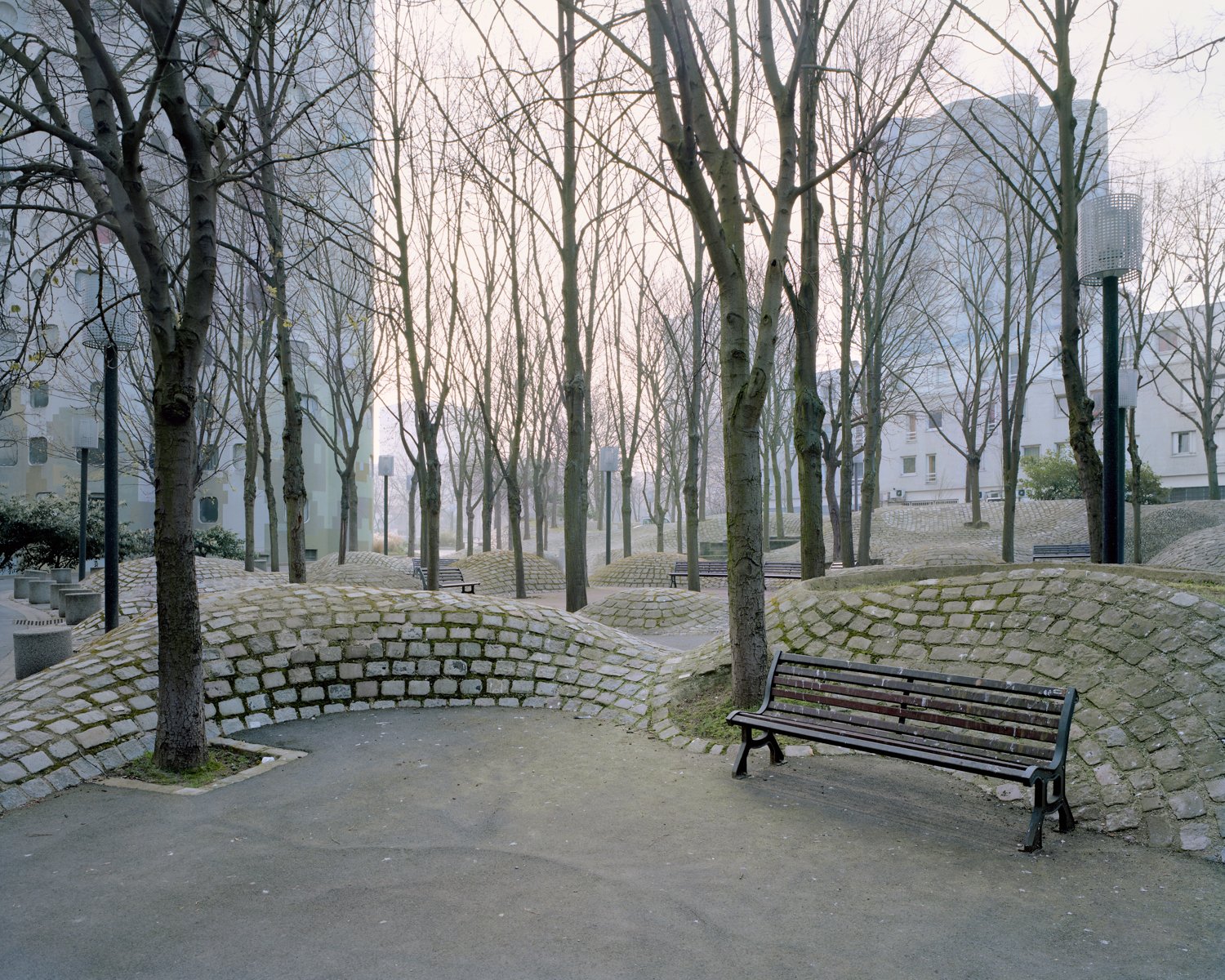
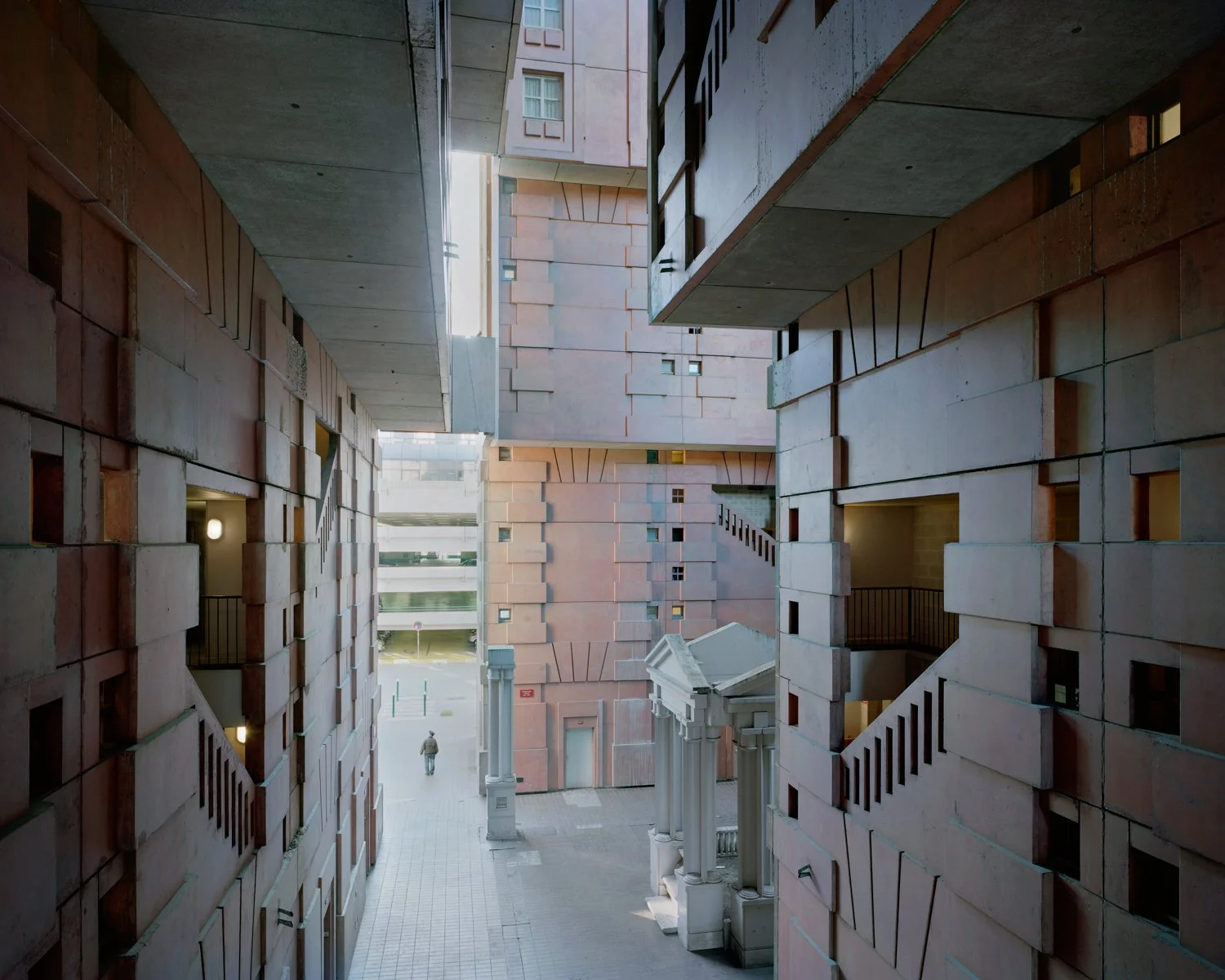
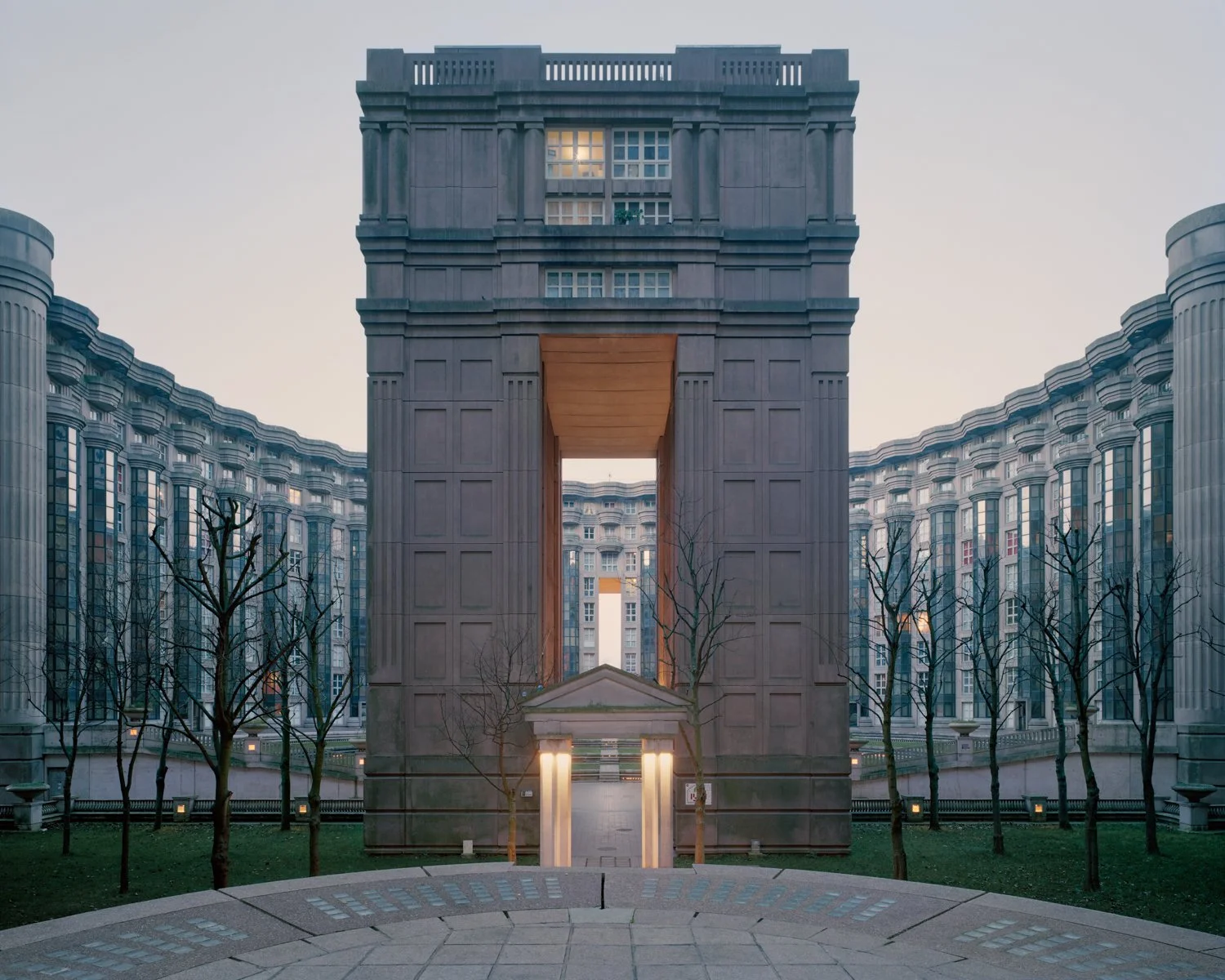
There’s an undeniable visual power to these spaces, a formal radicality that challenges familiar reference points. These estates don’t try to please in the traditional sense. They impose themselves. Their strange presence turns them into unique landscapes. Their complex geometries, unexpected perspectives, materials, and symbolism give rise to visual and sensory microcosms, almost totemic. Entering them feels like stepping into a stage set, a spatial story, a lived theatre.
But beyond the form, it’s the narrative they carry that captivates me: the story of a modernity both triumphant and fragile, full of hope. These neighbourhoods tell the tale of a city once imagined for the people, later confronted by the wear of time. They have become icons, sometimes in spite of themselves, reclaimed by cinema, photography, contemporary art, music, and fashion. It’s as if their once-criticised strangeness had become its own language. These are architectures that refuse neutrality. They don’t fade into the background. They continue to raise essential questions: what should a just, welcoming, inspiring city look like? And above all, how can architecture transport its inhabitants towards beauty, towards imagination, towards a daily life that still makes room for wonder?
The connection with residents: You said that elderly residents are the memory of these places. How have your conversations and encounters with them shaped your understanding of architecture and the emotional landscape?
Elderly residents represent a living memory of these places, particularly in the large housing estates they saw emerge and where many of them still live today. Their presence embodies continuity, a deep connection between the past and the present of the neighbourhood. Often having arrived at the very beginning of construction, they witnessed these buildings rise from the ground. They saw the arrival of the first families, the establishment of shops, schools, and communal spaces. They experienced the early bonds of neighbourly solidarity, moments of shared joy, tensions too, and the successive transformations of the social and urban fabric. Their memory is as much about the buildings themselves as it is about the human connections forged within them. They carry an emotional history of the place, one that goes far beyond the architecture. For them, these buildings are not anonymous structures; they are biographical markers: weddings, births, bereavements, achievements, departures. In spaces often shaped by a constant turnover of residents, elderly people act as transmitters. They pass on the history of the neighbourhood, its stories, anecdotes, and changes.
At the same time, I also noticed that these senior residents do not always have a clear awareness of the utopian vision these large housing estates once represented. Their narratives rarely speak of urban planning or ideology, but rather of daily life. Their words don’t always reflect the history told by urban planners or sociologists, but instead reveal the emotional truth of living here, what it actually felt like, day after day. It is a memory of lived experience rather than of abstract vision. This limitation in perspective reminds us how difficult it often is to take a step back from our own lives, to analyse our choices or connect our individual paths to broader collective narratives. And perhaps this, too, is part of what the grands ensembles reveal: a collective dream that became an intimate reality, sometimes mundane, sometimes joyful or disappointing, but always lived from within.
Visualising aging environments: What were some of the challenges or discoveries in capturing the feeling of aging, both of buildings and people, through photography?
What I came to realise is that aging and beauty are not opposites, but rather complementary. Together, they form a powerful narrative where time itself becomes a character in its own right. It is in the dialogue between architecture and the human body, between matter and flesh, that a fragile, deeply human poetry is revealed.
The Challenges of the Series
Through this project, I sought to gain the trust of residents and forge bonds in neighbourhoods that are often isolated, where an outsider was not always welcome. Some places were characterised by reserve, even mistrust, and were difficult for a photographer to access, marked by underlying tensions. The entry point was often a trusted person from the neighbourhood, someone known by the youth, families, and elders alike. Someone who could legitimise my presence and ensure it wasn’t seen as intrusive or suspicious. Finding these local liaisons took time and countless encounters, through word of mouth, connecting with local associations, street mediators, city officials, former youth who had become mentors in community work, and even building caretakers who vouched for me. One connection would eventually lead me to the right person.
Then came the work of composition. I was looking for rare or unseen perspectives, angles that would reinvent the way we look at these architectures. This led me to enter many private apartments, knock on doors, introduce myself, and explain the project to the residents. Thanks to their openness, I gained access to their balconies and windows. These encounters introduced me to a diverse, multicultural, intergenerational population, and sometimes resulted in long-lasting bonds. I’m still in contact with some of them today. These conversations were a vital cornerstone of the project. Residents would show me archive photos from when they first moved into the neighbourhood, tell me their stories, the circumstances of their arrival, their dreams, joys, disappointments, and their attachment to the place they call home.
Finding the elderly people for « Souvenir d’un Futur » was undoubtedly one of the most challenging parts of the project, more difficult than gaining access to high-rise apartments or connecting with community figures. Because what I was looking for wasn’t just elderly subjects, it was singular presences: marked faces, distinctive silhouettes, postures, gazes, something intangible but deeply visual that moved me. This meant wandering through these areas repeatedly, observing, starting conversations, and creating connections, without forcing anything. Simply approaching an older person on the street can be delicate. There is often greater mistrust, stemming from the vulnerability of age.
I looked for people with unusual features, striking appearances or attitudes, someone with a presence that stood out. Sometimes, it was just a detail that drew me in: a worn but elegant coat, a battered hat, a slow but dignified walk, or simply an intense gaze. I quickly realised that the people who moved me the most were often the most elusive, reserved, sometimes isolated, with little or no family around them.
Some would agree immediately, only to refuse to be photographed when the time came. Others, initially hesitant, would gradually be moved; they would take time to listen, invite me into their homes, and share their stories and daily lives. There were also times when everything was perfect, the composition, the light, the framing, but the right person wasn’t there. That gap between the image in my mind and the available reality was often frustrating. I wanted to move forward, to be efficient, but this tension was part of the process. I had to learn to waste a lot of time, and to persist with unwavering determination. It was both a photographic and a human quest, filled with hesitations, chance encounters, setbacks, and small victories.
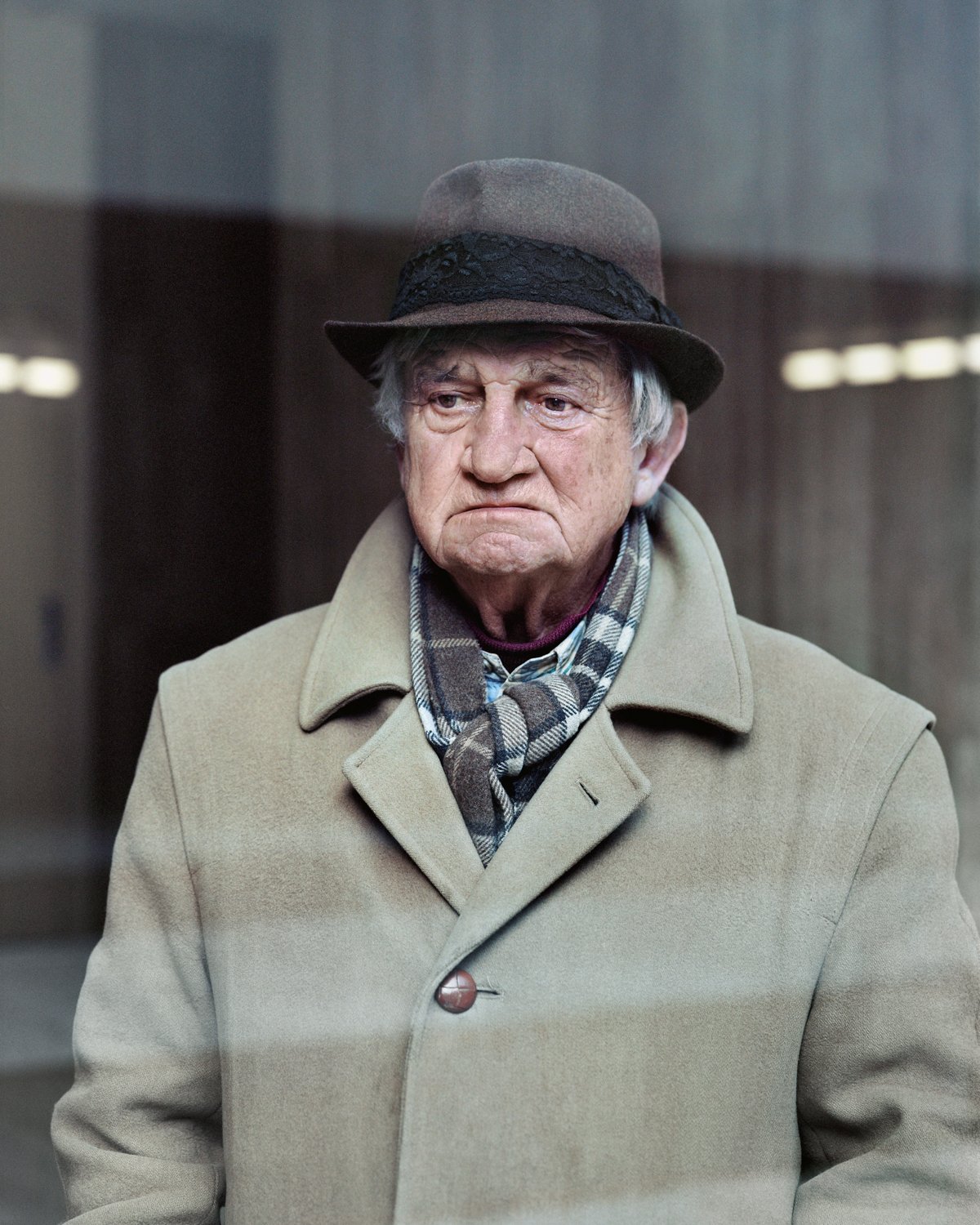
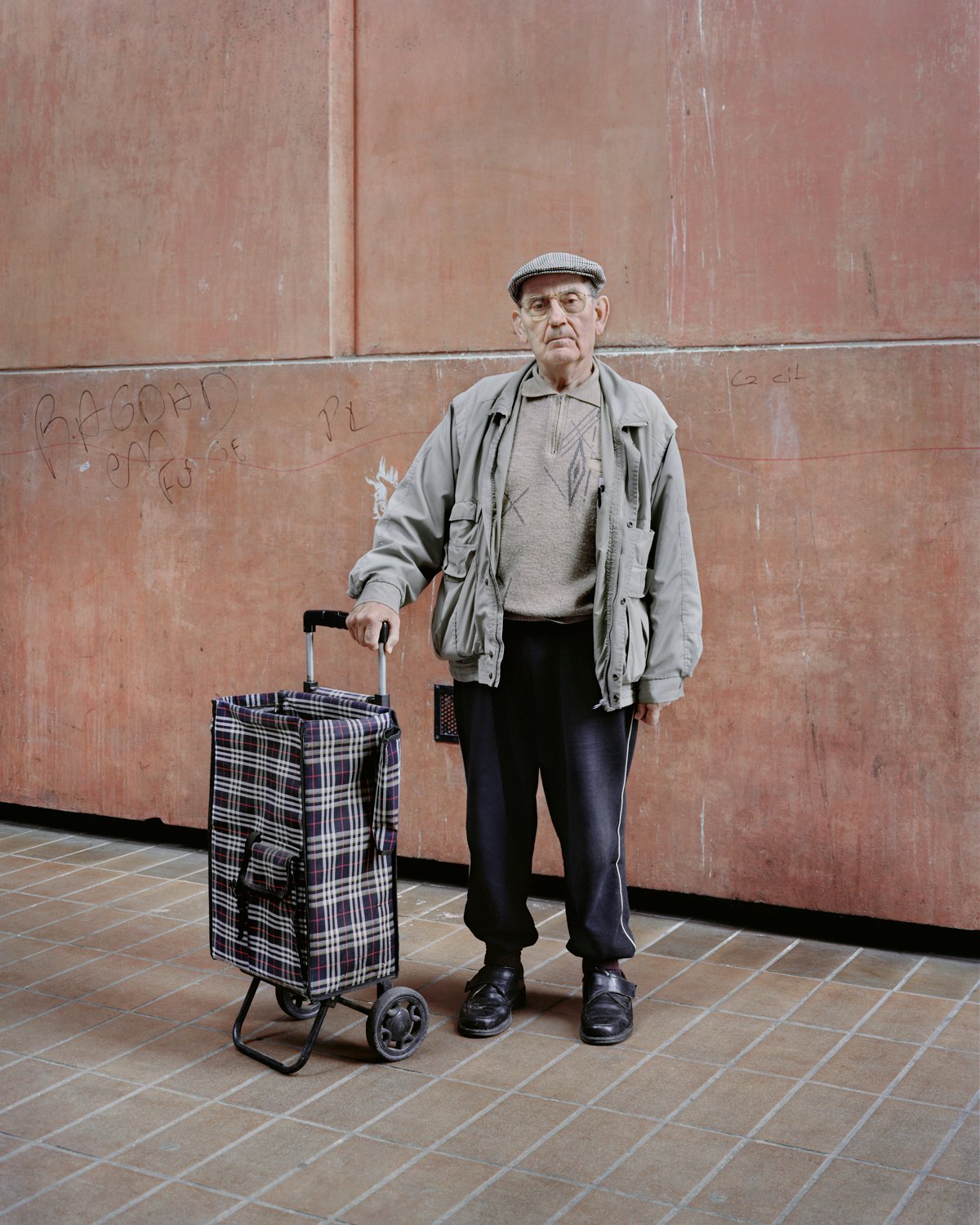
Poetry of contrast: Your work highlights austere architectural forms alongside soft, aging bodies. What role does contrast play in the emotional resonance of your images?
The dialogue between the imposing architecture of large housing estates and the fragility of aging bodies reveals a universal dialectic: that of time. Concrete structures, symbols of permanence and robustness, contrast with the temporality of bodies marked by age. This visual dialogue invites us to reflect on the transience of human life in the face of the apparent immutability of buildings. The resulting images evoke an ambivalent feeling, between belonging and poignant loneliness, encouraging the viewer to project memories, stories, or emotions into these spaces. This contrast acts as a mirror of the contradictions of existence: strength and fragility, permanence and transience, collective and individual. The large masses of these futuristic vessels seem to be drifting on an ocean of concrete. But the presence of elderly people in this unexpected setting paradoxically suggests that hope is still possible, that perhaps all illusions are not lost.
Advice for photographers exploring forgotten communities: What would you say to photographers who want to document marginalised or invisible parts of society in a respectful and meaningful way?
Choosing a subject: photograph what moves you and create a personal connection.
Choosing the subject of a photographic series is a crucial step in the creative process. It’s not just about picking an interesting theme, but about finding something that resonates with you, something that inhabits you. This emotional connection is essential, as working on a series requires sustained personal commitment. A connection to the subject fuels your motivation and curiosity, especially in the face of obstacles and self-doubt.
Sometimes the choice is obvious and conscious. Other times, it remains unconscious, and only with time do we understand why we were drawn to a particular theme, why certain choices came instinctively. This gradual discovery of the “why” is a form of introspection, almost like solving a puzzle that helps us better understand ourselves. It reveals what we put of ourselves into our creation, what nourishes the authenticity of our work.
The Importance of a visual language, a style
A subject gains strength when it is supported by a distinct style, a personal visual language. Style offers an additional emotional experience for the viewer and helps immerse them in the photographic world. Whether through composition, angle, distance to the subject, atmosphere, or colour palette, style is your signature, your personal spotlight illuminating a specific aspect of the world.
Building a narrative
A photographic series is, above all, a story. Knowing how to organise your images, carefully choosing their order is about mastering a narrative flow. Some images will be strong and iconic; others will serve as pauses, transitions, or subtle suggestions. Some work well next to each other; others need space to breathe. This structure creates a rhythm, like a musical score where each note has its place. A single photo is like a word: it can be powerful, but it’s limited. A series is a sentence, a complete story. When I start a project, I no longer take photos randomly. I ask myself: What story do I want to tell? For example, if I’m photographing a city, I look for connections, neighbourhoods, communities, geometries, certain faces or attitudes, street details, that together convey something greater and reveal the soul of the place.
Taking the time
For me, patience is essential in photography. Taking the time to observe a place, sometimes for hours, even days, is key to capturing its essence. It is in slowness that things appear. What escapes the first glance eventually reveals itself. However, returning to the same place too often can dull the magic of discovery, the freshness of a new gaze, the surprise. You must learn to find the right rhythm: one that preserves momentum while deepening vision. It’s the same with people. I like to talk, to get to know who they are before taking out the camera. I don’t shoot immediately; sometimes I schedule a session for later. I prefer to wait for something real to happen. That moment, when everything aligns naturally, a posture, a gaze, a silence, that’s what I look for. Patience transforms ordinary scenes into deep images by revealing details that haste would hide.
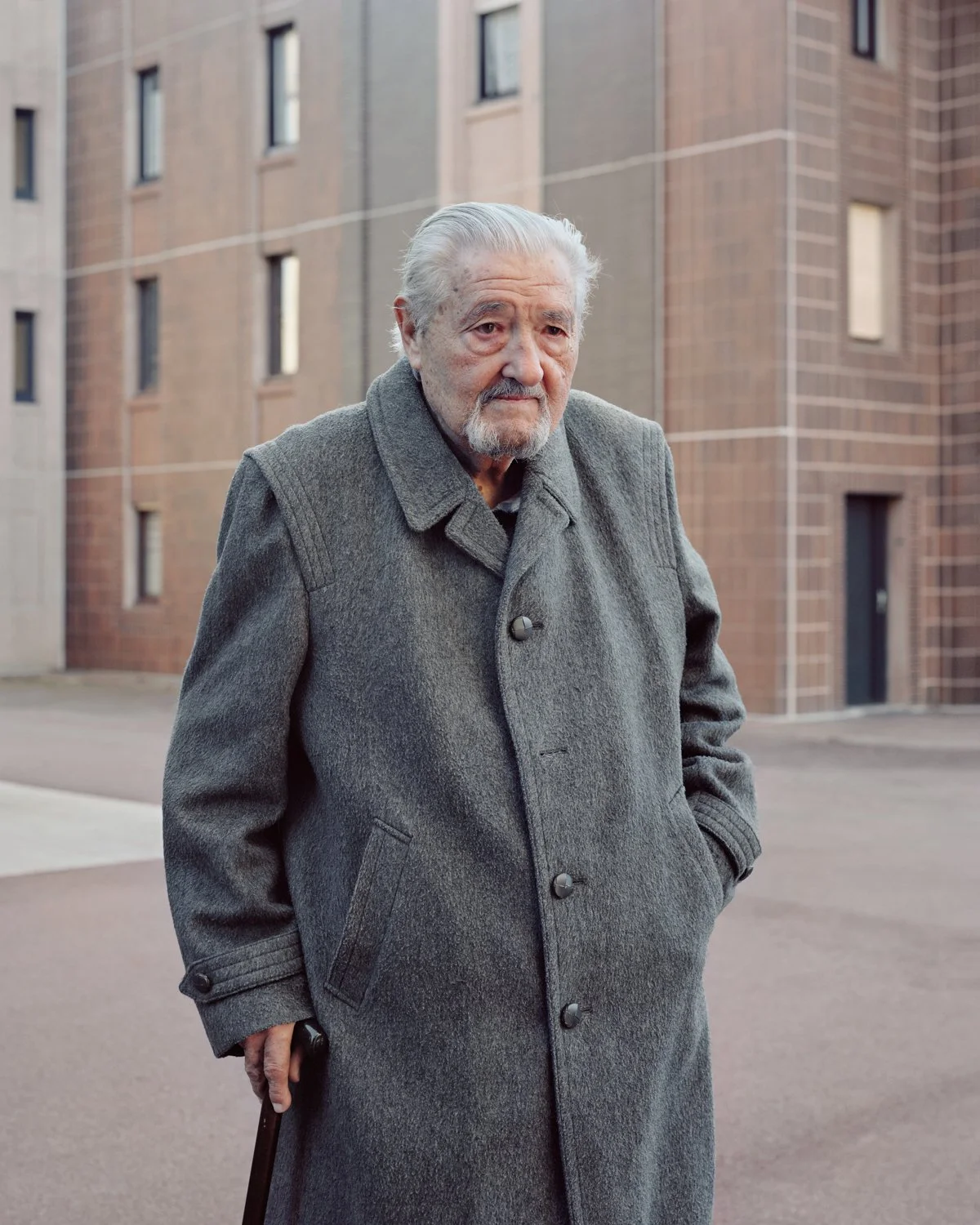
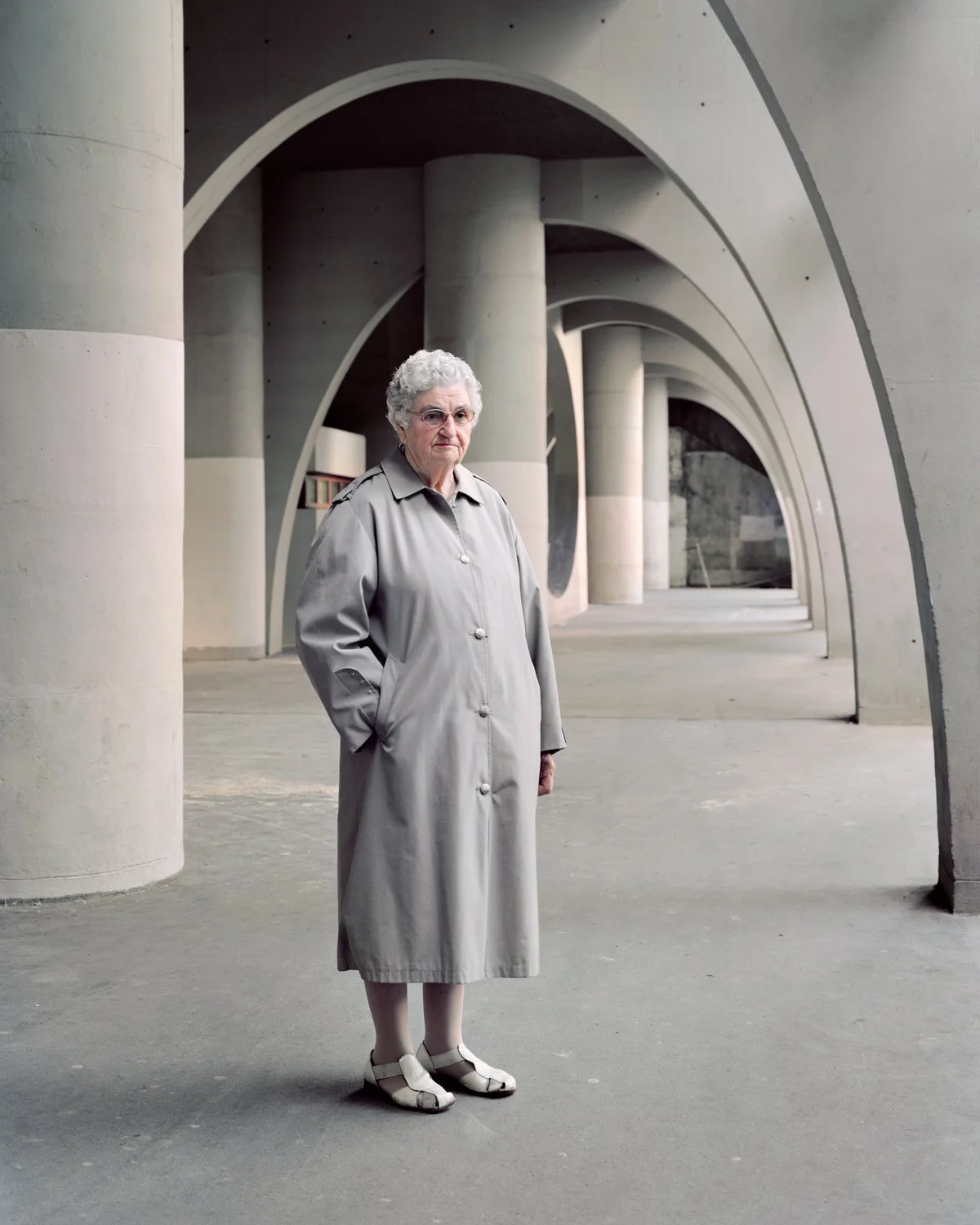
Preparatory work: the scouting phase
Over time, I’ve come to realise that photography begins long before pressing the shutter. It starts with true immersion and preparation; at least, that’s how I work. Choosing a place or a person is like choosing the words of a story. My scouting process takes many forms: hours spent on Google Maps or Google Images, discovering books, aimless walks, rides on public transport in search of a scene. I often talk with residents, visit their apartments, and discover unexpected viewpoints, often invisible from the street. I like to create an atmosphere of trust and exchange. There’s an almost documentary quality to this phase. I take pictures with my phone, like jotting notes in a notebook. It helps me stay light, free, open. I test ideas and imagine compositions.
Only when my vision becomes clear do I bring out my large-format analog camera. That’s when everything takes shape. This preparatory work, quiet and often invisible, is, for me, the core of the process. I’d say 70% of the work is research, observation, and intention, and only 30% is the actual act of photographing. Looking back, I think that if I had used a medium-format analog camera for this series, it would have given me more freedom of movement and a more fluid spontaneity. That instinctive spontaneity also plays a key role in building a visual narrative.
Finding the right timing
The moment the shot is taken plays a key role in the power of a series. It’s not just about framing or composing, but about knowing how to be there at the right moment. Certain atmospheres or behaviours only occur at specific times of the year, sometimes even at very specific times of day or seasons. You have to learn to sense that right moment, when the subject becomes tangible, almost inevitable. Sometimes you arrive too early, and the image isn’t there yet. Other times, you arrive too late: a building is under construction, a landscape has changed, the place has been destroyed, or photographed too many times. And then there are the people you meet by chance, whom you may never see again. These encounters are fleeting, precious, impossible to recreate. A person moves away, disappears, grows old, dies. Sometimes there is only one moment to capture that look, that posture, that unique presence.
But you also have to learn to accept not taking the photo, even if everything seems right. Because the light is too harsh, the emotion isn’t there, or because you feel that it’s not the right moment. You miss out on an image, perhaps a beautiful story, and that’s also part of making choices. And sometimes it’s the opposite: you have to shoot now, without hesitation, because you know that this moment will never exist again. It won’t happen again. It won’t come back. It’s this tension between patience and urgency, between renunciation and instinct, that gives photography its share of truth. This interplay between anticipation and the unexpected. It requires you to be available, attentive. It also imposes a form of humility in the face of passing time and life.
Question the world
To photograph is not just to show, it’s also to question. Before you press the shutter, ask yourself: What is this image saying about the world? What does it reveal, or conceal? Every photo can be a form of visual thought, a way of observing reality with distance, clarity, and sometimes even a touch of doubt. A strong image doesn’t necessarily offer answers. It can suggest, disturb, open reflection, or create a tension between appearance and reality. It invites the viewer to go beyond the surface, to ask questions of their own. Questioning the world also means rejecting the easy route. It means choosing ambiguity over spectacle, nuance over effect. It requires slowing down, observing closely, and sometimes setting aside aesthetics to make room for meaning.
Time and memory: the series evokes a powerful sense of time, of utopian futures that have become the past. How does the series evoke time, utopian futures that have become the past?
These large housing estates, designed to embody a bright future, now appear as the remnants of a dream that has frozen in time. They bear the mark of a social utopia that has aged without ever completely disappearing. Time is everywhere in these images: in the wrinkles of the inhabitants, in the facades marked by the years. It is not a question of making a nostalgic observation, but of revealing this coexistence between past and future, between the memory of a collective project and its resonance, which is still very present in our urban imaginations. The light is diffuse, almost timeless. All of this places the viewer in a kind of otherworldly space. This mixture of visionary monumental architecture and signs of everyday life or ageing is striking: it is neither really the past, nor really the present, nor quite the future; it is a floating time. And that is where emotion arises: we contemplate both a collective dream and its slow transformation, as if we were looking at the visible remains of a future that has already taken place.
The role of architecture: what fascinates you about post-war modernist architecture, and how do you see its symbolism evolving in today’s cities?
Modernist architecture captivates because it embodies both an ideal of progress and a radical aesthetic that still resonates today. Born from a desire to break with historical styles and respond to the urgent needs of a rapidly changing society, it offers a pure, functional form, stripped of excess, where structure becomes language. This simplicity doesn’t diminish it; on the contrary, it gives it a visual and symbolic strength, appealing through its clarity, rigour, and timelessness. Through its taut lines, imposing volumes, and interplay of light and shadow, it exudes a raw, almost sacred majesty. It also carries a kind of melancholy, the melancholy of collective utopias, of social dreams embedded in concrete, often abandoned or misunderstood, but profoundly human. Modernism, in its solids and voids, tells the story of a city, its past hopes and its possible reinventions.
Modernism has evolved, both in form and intention, since the post-WWII era. Originally, it reflected a utopian and functional vision of society. But starting in the 1970s, its limitations became apparent: the uniformity of forms, the difficulty in adapting to the complexity of human dynamics and evolving social contexts. These districts faced growing criticism, paving the way for postmodernism in the 1980s, which championed complexity, cultural references, and a more symbolic architecture. Still, modernism never truly disappeared. Instead, it has been reinterpreted, giving rise to a kind of neo-modernism that retains its formal sobriety but incorporates contemporary concerns such as ecology, usability, social diversity, and sustainability.
Our view of it has also shifted. Once associated with the failures of mass housing, modernism is now being rediscovered with a more sensitive, heritage-focused, even aesthetic lens. Its clean lines, raw materials, and geometric monumentality are once again admired, but no longer tied to a grand ideological vision. Instead, they serve as references within more complex and fragmented urban projects. Today’s modernism is less a dogmatic movement and more a revisited language, part legacy, part critique, part renewal.
Imagining a parallel world: you’ve described the series as conjuring a “parallel world mixing past and future.” How did you use light, composition, and emptiness to construct that atmosphere?
It all began with the places themselves. These large housing estates felt like something out of a science fiction film, an architect’s dream made real. As I explored them, I often had the feeling of walking through a set, yet one that was lived-in, filled with subtle traces of life. Even today, when I return to these neighbourhoods, the spark is still there. My gaze continues to be captivated by the smallest details: a half-open window hinting at a quiet life inside, laundry dancing in the wind, plants overtaking a terrace, a crumbling wall, or a shaft of light catching the curve of a stair railing. These are all signs of life, of appropriation. For me, architecture changes with the hours of the day, the seasons, and most of all with the gestures of those who inhabit it. The resident leaves a mark, claiming the space and turning it into something sensitive, something personal. They breathe life into the anonymous. Within this collective structure, each person seeks to assert their individuality. The home becomes a living space, an extension of identity exposed to the city.
In the early morning, the city still sleeps, mysterious, sometimes misty. In the evening, it stirs with homecomings, children playing, echoes bouncing through courtyards. There are blue hours and golden light grazing façades. Wind, rain, snow, sun… all of it transforms how the space is perceived, like a shifting, elusive stage. And always the same question lingers: what are we really seeing? The outside world, or our internal projection? Is reality objective, or just the reflection of our inner filter? I often photographed at dawn or dusk; those were key moments when the buildings revealed their full potential. But I didn’t follow strict rules. What mattered was chromatic unity: a soft, pastel, enveloping palette. Shades of red, pink, orange, colours that themselves seemed to tell a story, to carry emotion and memory.
The choice to work with analog film also played a role. It allowed me to step even further away from raw reality. This medium captures the world in a way that’s both faithful and slightly detached. The colours are subtler, the textures softer, the image begins to resemble a painting. There’s a sensual quality to film grain that digital struggles to replicate, even though digital has its own strengths.

What remains with you: after completing « Souvenir d’un Futur », what stayed with you most deeply, either from the places, the people, or the stories you encountered?
The architecture of these housing estates spans many styles: modernism, brutalism, radical architecture, structuralism, and postmodernism. All of them express a utopian and expressive vision of collective living: gigantic, sprawling, sometimes monumental, they attract as much as they disorient. They fascinate, provoke reflection, even unease. These concrete giants, remnants of a dreamed but never realised future, embody a strange paradox in the collective eye: attraction mixed with rejection. They hold within them the memory of a modernist utopia, of a better world imagined but never completed.
These neighbourhoods feel detached from the present, almost floating on a parallel timeline. Cities within the city. Timeless spaces where fiction flirts with reality. Their unique shapes, imposing geometries, inhabited silences, all of it creates a distinct atmosphere. In their rawness, this often-brutal architecture reveals history, lived experience, hope, and disillusionment. These places testify to urban dreams and bold architectural experiments aimed at collective well-being, some successful, others forgotten.
But it was the human encounters that shaped my relationship to these places most profoundly. The residents, the passersby, and especially the elderly people I photographed, many of whom are no longer with us. I stayed in contact with some for years. These exchanges were deeply enriching. In their stories, I found a kind of wisdom that society often overlooks, wisdom from a generation that struggles to find its place in the contemporary world.
Like these neighbourhoods, older people are often pushed to the margins. Yet their perspective on the world, their lived experience, is an invaluable resource. We too often create a divide between “them” and “us”, as if aging weren’t our future, as if it didn’t concern us. But time passes, and with it come revelations. Aging sneaks up on us. The changes are slow, sometimes imperceptible, until one day we look back and realise: yes, time has flown. One of the seniors I photographed used to say: “My soul hasn’t aged, it’s always the same age. Only my body has changed.” That phrase stayed with me. It speaks to the dissonance between inner time and physical time. Inner time doesn’t follow a chronological path. While the body changes in a linear, visible way, the mind evolves along its own logic, often outside of measurable time. This divergence creates a space where we exist in multiple timelines at once: a present infused with living pasts, and a future untethered from fixed reference points.
Perhaps that’s where a certain truth resides, in the tension between what we are becoming, and what we still are.
More photography books and interviews?
We'd love to read your comments below, sharing your thoughts and insights on the artist's work. Looking forward to welcoming you back for our next [book spotlight]. See you then!
Wesley Verhoeve photographs first and finds the story later. His Notice books began with learning to slow down during lockdown in Vancouver. Photography Book Spotlight