Ed Kashi on 45 Years of Photography: Chaos, Clarity, and the ‘Abandoned Moment’
Welcome to this edition of [book spotlight]. Today, we uncover the layers of 'Visual Riffs,'(published by Eyeshot) and 'Abandoned Moments: A Love Letter To Photography,' (published by Kehrer Verlag) by Ed Kashi. We'd love to read your comments below about these insights and ideas behind the artist's work.
What can 45 years behind a camera teach us?
Ed Kashi has spent his life photographing the world, from small personal stories to major global issues. His work moves between clarity and chaos, precision and accident, always searching for truth. Few photographers have balanced traditional documentary with experimental approaches the way he has. This interview looks at how Kashi thinks about images, time, and imperfection. It is about lessons learned from decades of experience.
Why does this matter today?
Photography is changing fast, with AI, social media, and new ways of working. Kashi has lived through these shifts while building a career based on trust, patience, and long projects. He has photographed war, aging, health, and family, always returning to the human condition. His perspective can help us see what lasts when trends fade. In this conversation, he shares how he found his voice and what photographers today can learn from it.
About Visual Riffs
Visual Riffs is published by Eyeshot, an independent photography publisher based in Bologna, Italy, known for high-quality, limited-edition photobooks. The book brings together images from across Ed Kashi’s 45-year archive, arranged not as a retrospective but as a series of visual improvisations. Like a musician riffing on a theme, Kashi connects photographs made decades apart to reveal recurring ideas, emotions, and patterns in his work. Visual Riffs is printed in a single, made-to-order run, available only during its pre-order period, making each copy a collector’s edition. (Eyeshot)
About Abandoned Moments
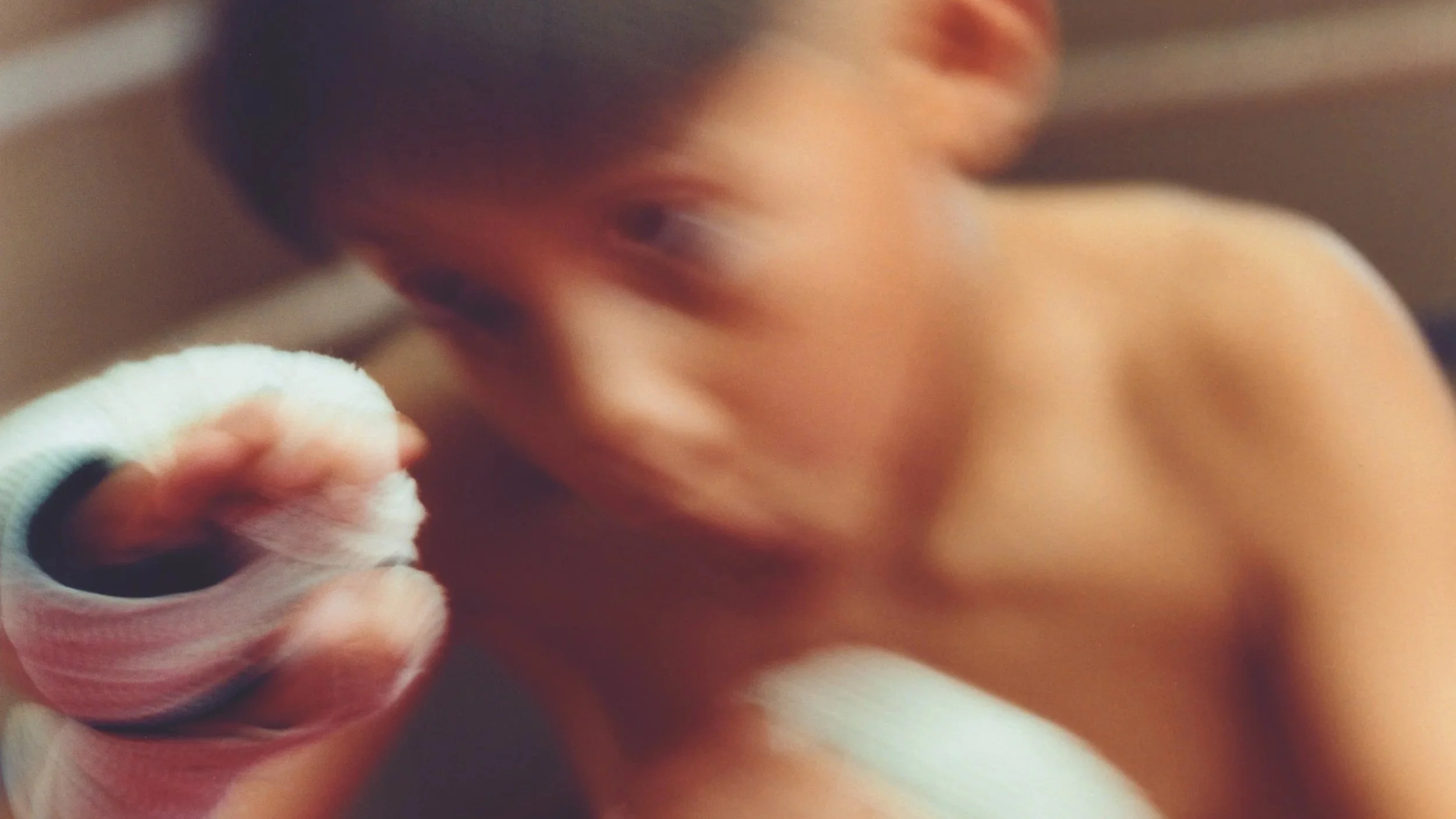
Abandoned Moments:: A Love Letter to Photography is a curated collection of Ed Kashi’s most visceral and spontaneous images, drawn from over 40 years of work. These photographs show moments of raw energy and unexpected beauty, what Kashi calls the “abandoned moment,” a kind of surrender to intuition rather than perfect control. Published by Kehrer Verlag in 2021, the hardcover spans about 136 pages and includes 42 colour and 26 black-and-white images, supported by texts from Kashi and editor Alison Nordström. Through this book, Kashi turns individual photographs into a personal visual essay, an emotional, almost autobiographical journey that reveals both his craft and his inner life. (Kehrer Verlag)
Martin: How did you start with photography?
Ed Kashi: I started with photography because I chickened out of being a writer. By the time I was around 16 years old, my dream was to become a novelist. When I got to university, it became clear I wasn't a very good writer, or certainly not good enough, in my view, to have the confidence to pursue that. It just so happened that I went to university in upstate New York, which had a great photojournalism program. For some reason, when I was looking at the course catalog, I saw this degree in photojournalism and thought, "Wow, this would give me the life I imagined having as a writer." I could spend time on a project, be a storyteller, and produce something that connected me to the world. A lot of it was about engaging with the world.
Because of the time I grew up in New York in the 1960s and 70s, everything around me was shaped by the cultural revolutions taking place. Progressive movements like women's rights, civil rights, and environmental rights were sprouting around me. For whatever reason, they spoke to my heart and my consciousness. Even before I was mature or intelligent enough to express these things, they were deep inside me.
Moreover, it was a time when even pop culture, rock music and the anti-Vietnam War protests, spoke to me. I'm amazed right now, quite frankly, that there isn't music reflecting what's going on today, but that's another subject.
Has your dream been fulfilled in photography and this artistic field?
I would answer that in two ways. On one hand, it has been fulfilled beyond my wildest expectations because I came from a pretty troubled, humble beginning. In that sense, I feel such gratitude not just for the success but for the experiences and the life I'm having. It's not over. But then again, because I'm wired like so many people in the arts and media world, no matter how high I climb the ladder, there's always another rung I'm reaching for. That's a whole other conversation to have with a therapist.
Do you have a dream you're reaching for?
World domination, of course (laughs).
I think it's more about, well, I don't know how psychological you want to get here, but it's about a certain level of external validation. That's why I joke it's about therapy: affirmation, recognition.
On one hand, I've had more recognition than I could have dreamed of when I was 18 or 19. I often think maybe actors suffer from this too, because the nature of what they do is so public and visible. Yet, some actors might still feel they don’t have enough recognition. I think some of it is just the psychological torment of being human and doing this kind of work.
Some of it is also practical. In this profession, you are a commodity, a brand. There’s a practical element: if you are more visible, if you have more recognition, you get more opportunities. It operates on that level, but then there's the psychological stuff we all wrestle with as humans.
Not to dwell on that though. The prevailing narrative is that I feel tremendous gratitude. I know that I've touched many people and continue to do so. That's really what it's all about, communicating, opening up minds, changing perspectives, and having a positive impact.
Your work often sits at the crossroads of clarity and chaos, from structured projects like Aging in America to the looser, instinctive frames in Abandoned Moments. How do you decide when to be precise and when to embrace accident?
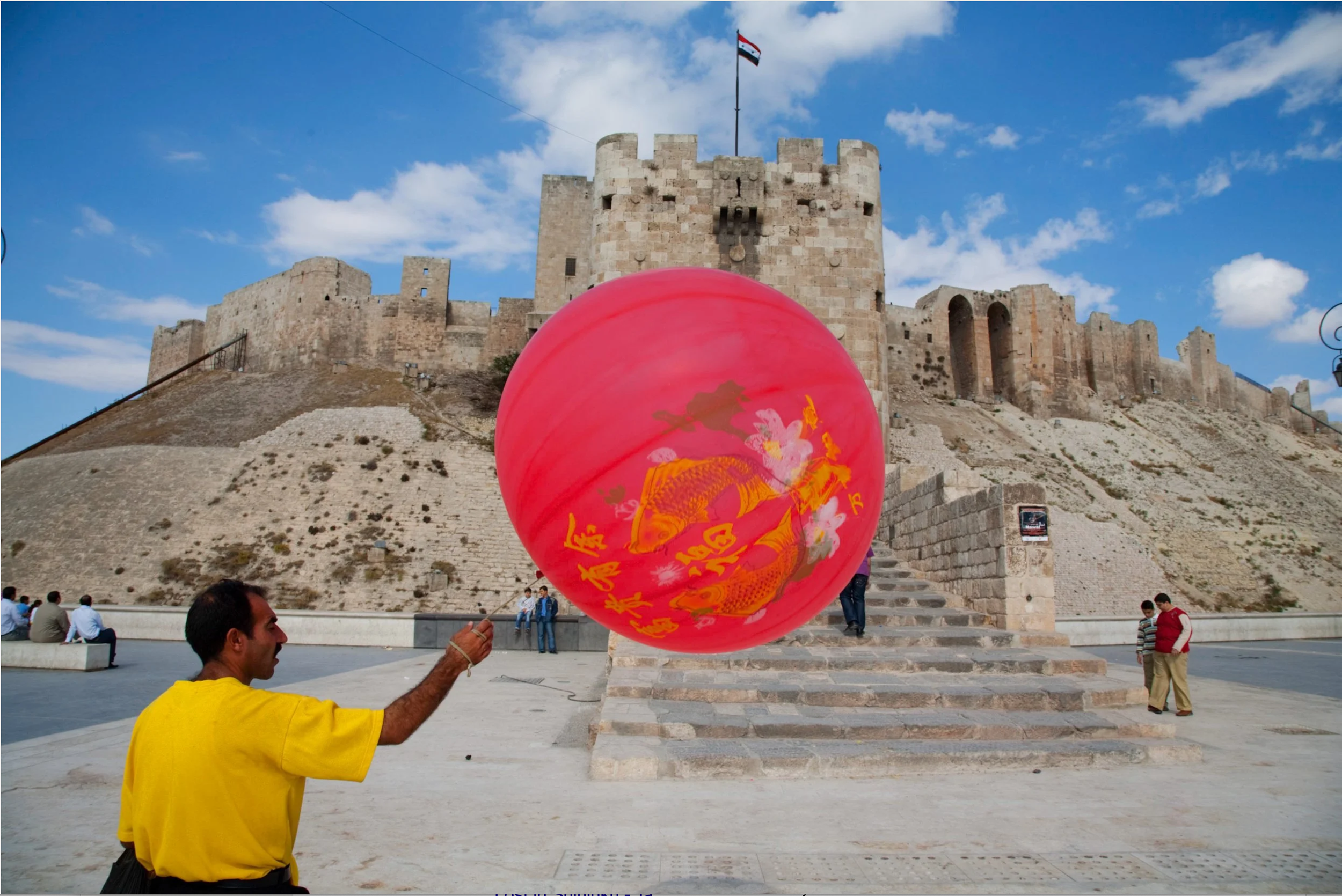
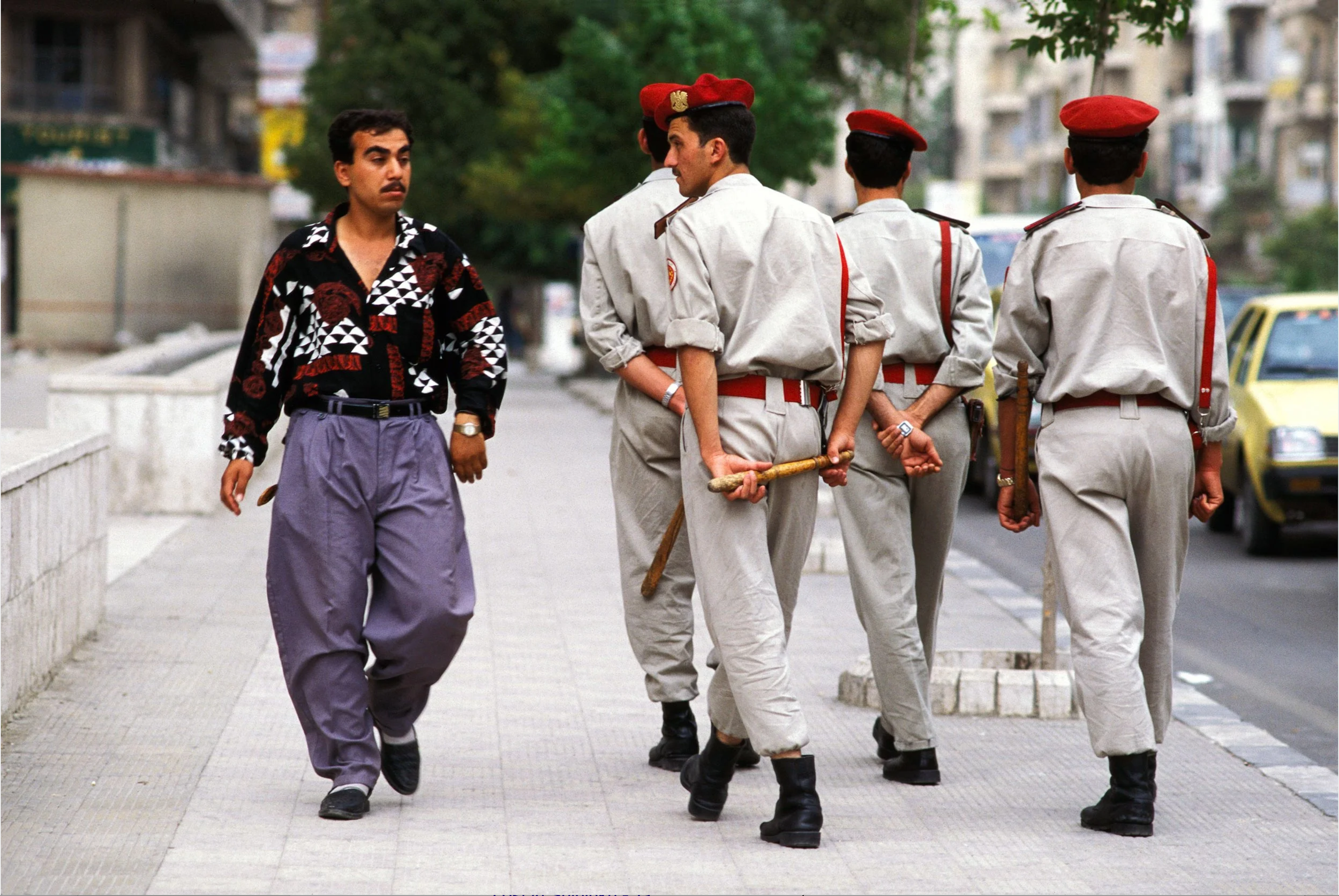
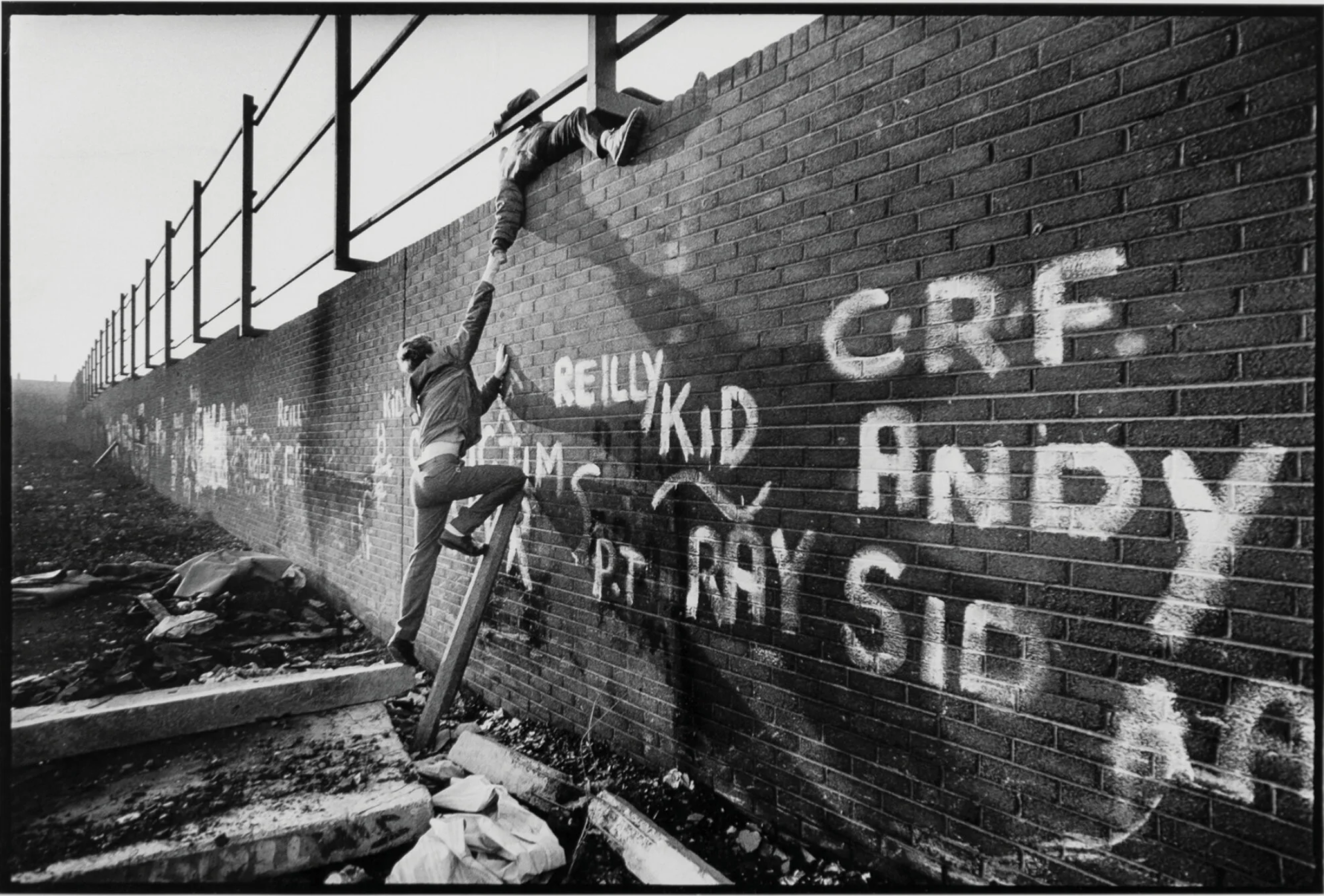
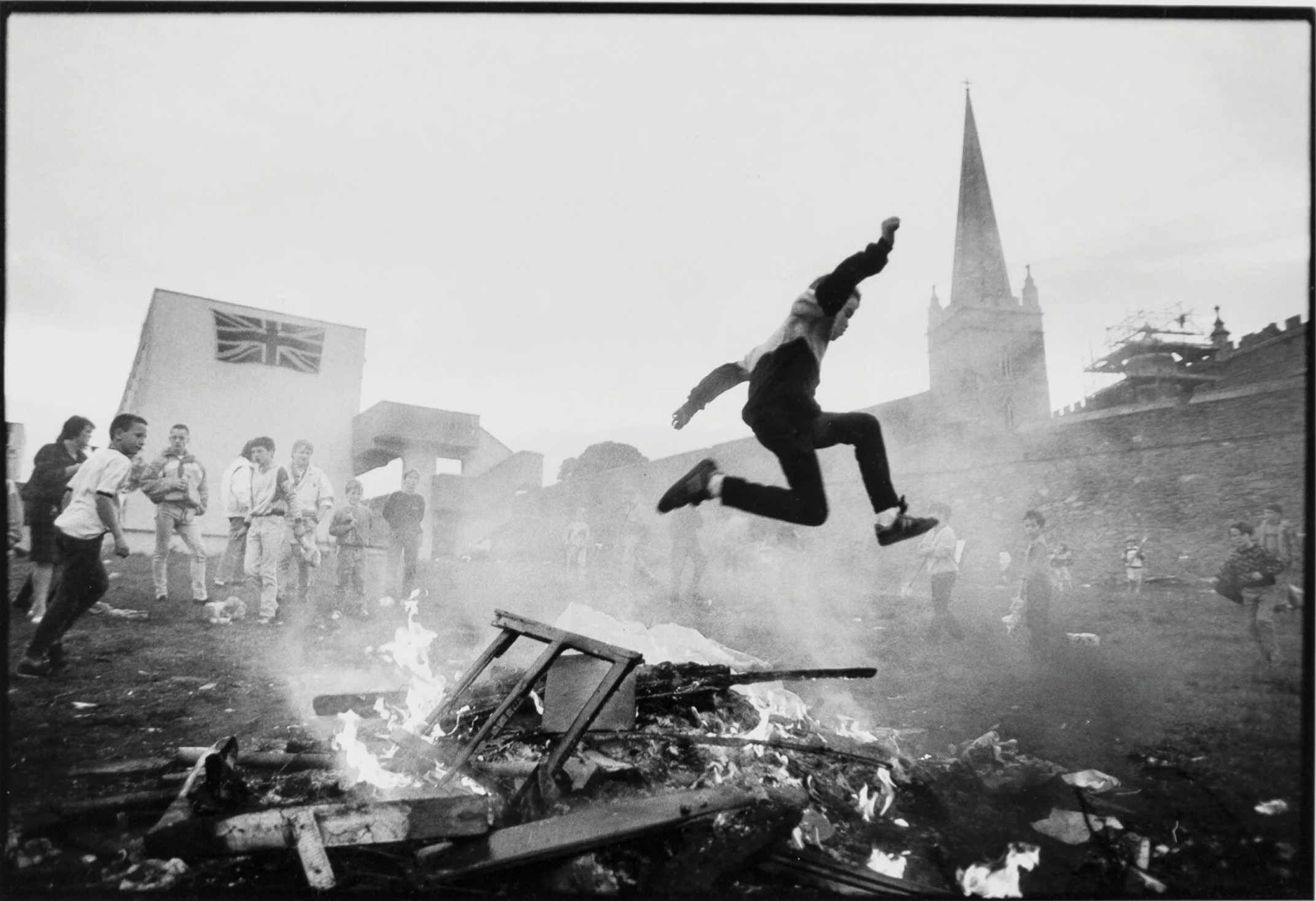
That's a great question. I would say that this approach, which I've called the "abandoned moment," is, for photography aficionados, in a sense diametrically opposed to the "decisive moment" that Cartier-Bresson coined. The decisive moment is where everything is perfect, and you're completely in control. The abandoned moment, on the other hand, is really about not being in control. I literally don’t have the camera to my eye.
A lot of it is visceral and instinctive, kind of like dancing with reality and reacting in that way. That approach is just one piece of my overall method as a photographer. I range from the decisive moment, where I’m looking through the viewfinder, observing the edges, considering foreground, middle ground, background, all the elements that go into mastering composition, to being chaotic and spontaneous. Maybe not chaotic in a negative sense, but embracing unpredictability.
I’ve realized this recently, even after doing this for 45 years: whether I’m being precise or embracing the abandoned moment, there’s a certain amount of anxiety and stress in the act of working. The nature of what I do means I’m often out of control. I can’t control the background, the light, the people, or the dynamics within a situation. But that's also what makes it so exciting.
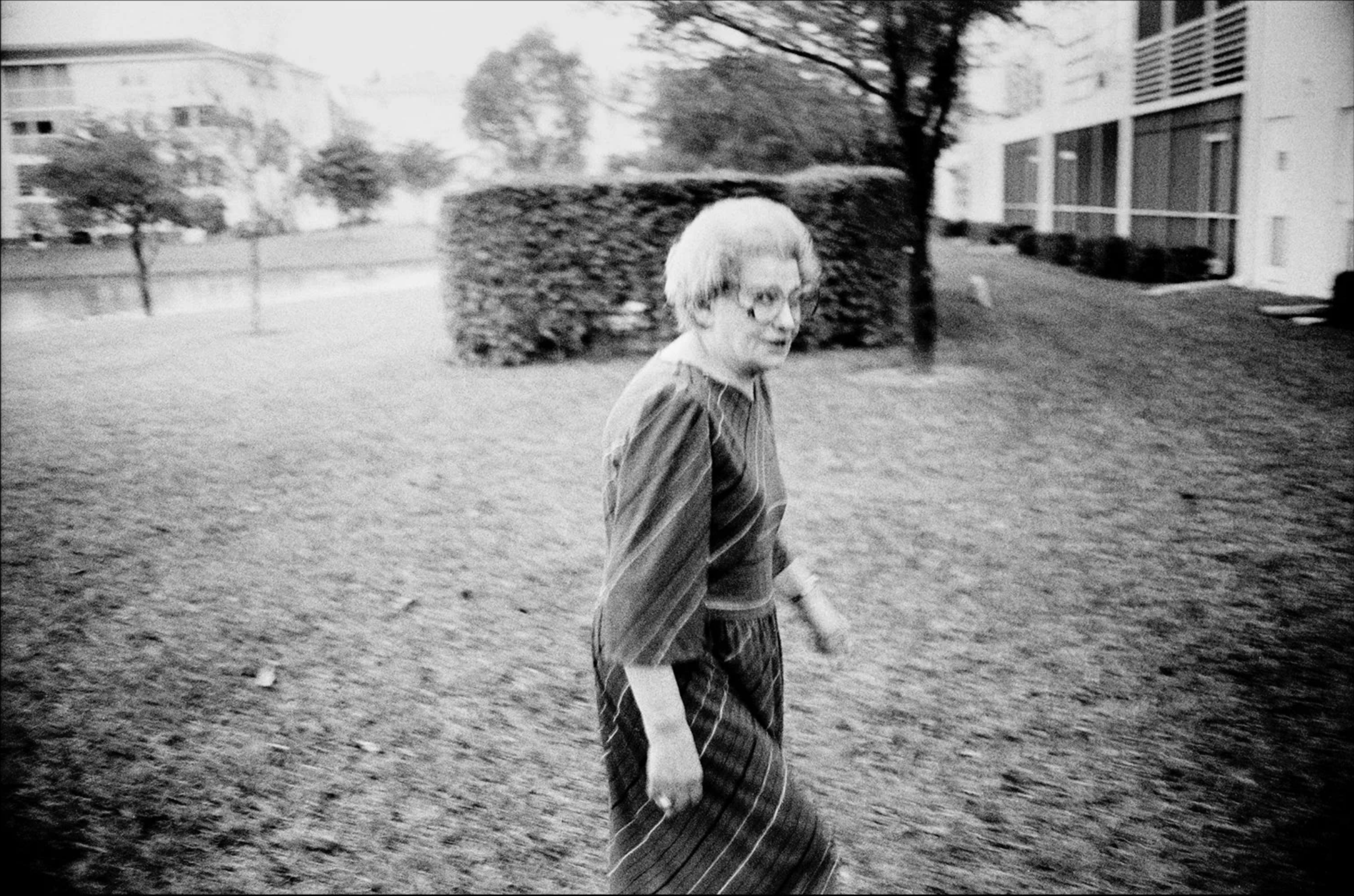
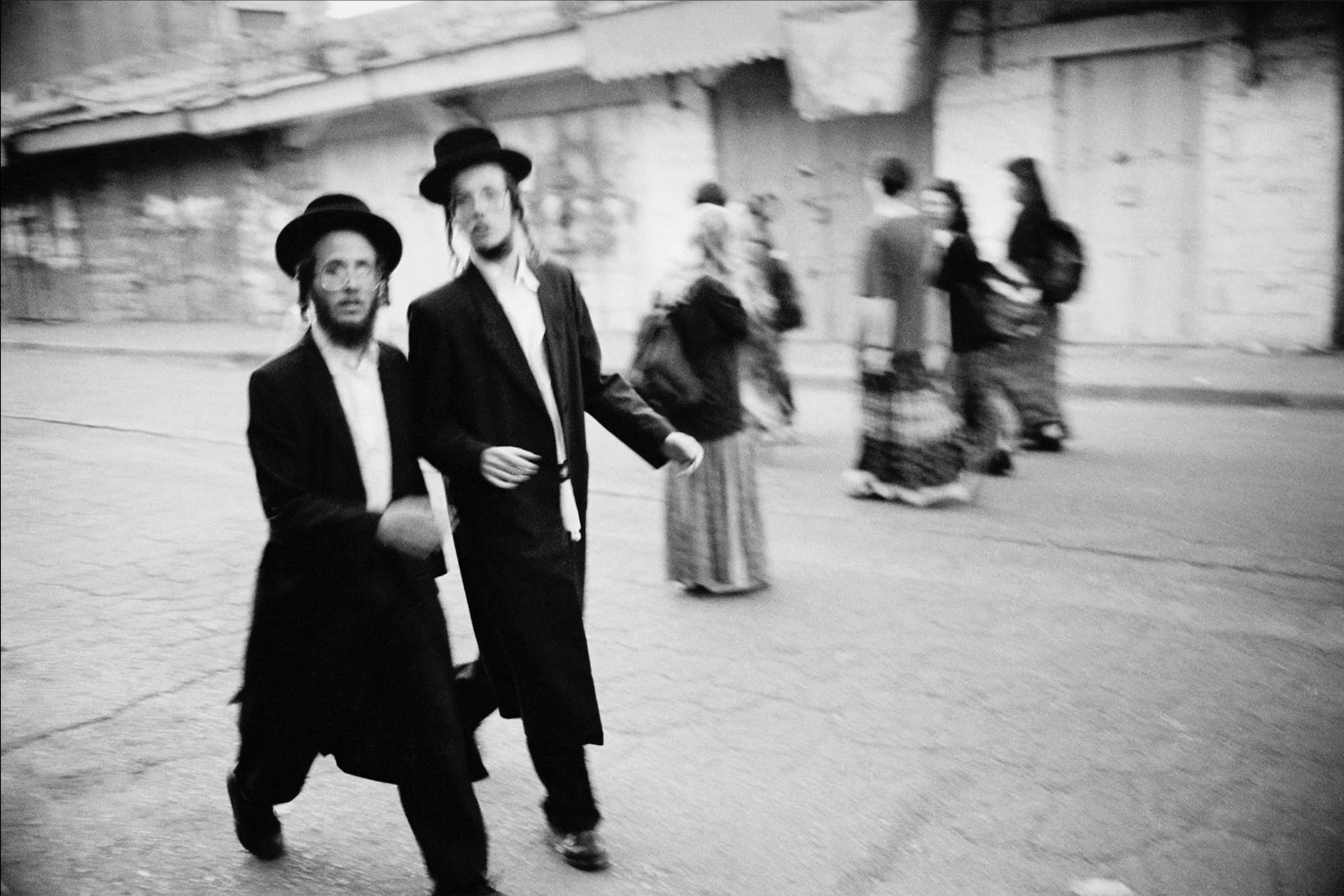
It makes you feel so full of life. I would liken it to being an athlete, where you’re constantly tested, needing to come through in the moment, relying on both muscle memory and agility, and utilizing all your skills. Yet, at the same time, you don’t know what’s going to happen next. For me, there’s always that mixture.
For instance, in Aging in America (2 photos below), which is more of a very precise, traditional documentary, the goal was to create a large body of work around a theme or issue. It involved real people, in real time, in real situations, not conceptual or directed. There’s a precision I mostly relied on to capture those moments accurately, to verify the facts, and to ensure the viewer feels confident and secure that what they’re seeing, along with the words attached to those images, tells a real story or presents facts, the impact of statistics, for example.
At the same time, I might find myself in situations during the aging project where shooting from the hip was the right thing to do, the best approach for that moment.
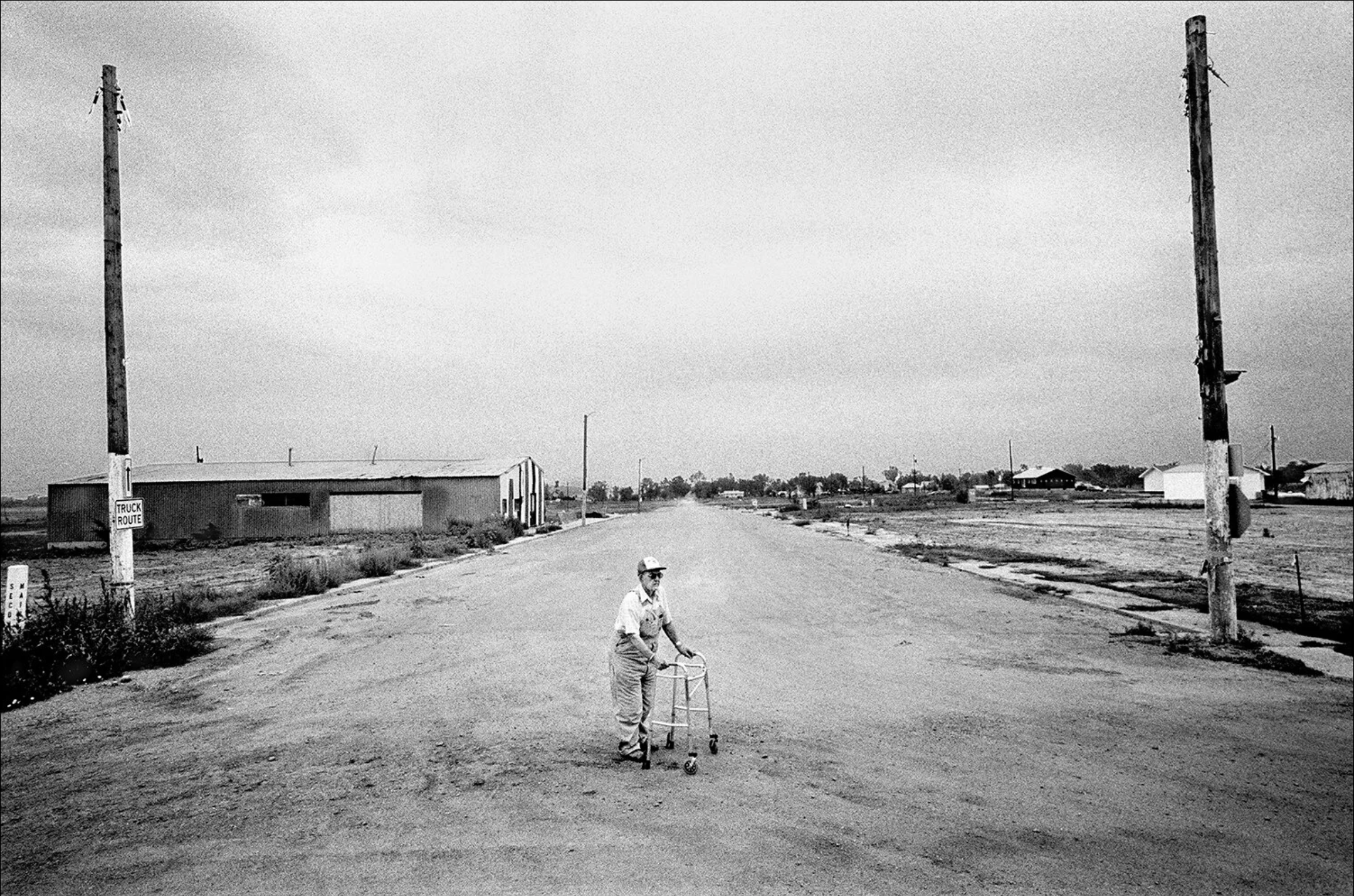

Was it deliberate, or when did it originate, this style of anti-decisive moment? Did you find it in the editing process, or did you think it might serve the story well?
It was so organic and pure. I was a 19-year-old photo student in London, studying there for a semester. It seemed revolutionary back in 1977 to go out in the middle of the day and use a flash.
I was experimenting with flash and daylight, shooting on film, probably Ilford Plus X, and using some cheap Canon camera. I captured an image of a Jamaican preacher on the streets of Bath, England. I was kind of out of control in the moment. That night, when I processed the film, saw the negative, and made a print, I realized there was something there. For me, it was a revelation, an epiphany. I saw that I could achieve that quality, I could capture and fix that image.
It captured a moment with a certain energy, yet it wasn’t done precisely, and I found that really interesting. A couple of years later, after I graduated, I moved to San Francisco, I’m originally from New York, and decided to work for a month on a series called Abandoned Moments. I was literally stalking the streets of San Francisco, district by district.
I spent months shooting during dusk because I wanted to use a relatively slow shutter speed, somewhere between a quarter and a 30th of a second. This was still in the film days, no post-production, just the darkroom, working with black and white. I played with flash blur, aiming for that kind of magic, not the National Geographic golden light magic, but something grittier.
It was about that time right before darkness falls, when things happen in a nanosecond. By using a strobe, I was technically capturing reality at 1/10,000th of a second against a blurred, surreal backdrop. That was the effect I was going for. I couldn’t have articulated it like this back then, but so much of photography, and life, is magical when it’s not controlled or perfect. That’s where the serendipity lies.
Did you show your photos back then to an editor or someone? Did you get feedback about your work, about your direction? Did someone tell you, "Alright, this is new, this is exciting, you should pursue this?"
I was literally 22, maybe 23 years old when I was doing this, before I even attempted to reach the editorial world. I was really working in a sort of vacuum, doing public relations photography, portraits, anything I could photograph. Then there was the New Wave music scene in San Francisco. You remember bands like the Dead Kennedys, that era when music was transitioning from punk to New Wave. The San Francisco Bay Area was one of the crucibles for that. I was there, a kid photographing it all.
On one hand, I was engaged in this grassroots kind of photography to make a living. On the other, I was doing work like "The Abandoned Moments" as a way to save my photographic soul. I always say you have to have a personal project, whether it's something serious and documentary or just playing with the medium.
Back then, I didn’t have editors to reach out to, but there was someone who ran the Academy of Art photography department in San Francisco. His name was Paul, I can't remember his last name now; this was over 40 years ago, so I think I get a pass. Paul loved that work. He invited me, even as just a kid, to speak to his class, and it was really him who validated that there was something there. He gave me an exhibition at the school's gallery in downtown San Francisco. After that, I put that work aside and pursued more serious documentary work. Through the 1980s, I covered Silicon Valley for magazines, but I always came back to the idea of "The Abandoned Moment."
As I started doing hardcore social documentary work, even working in conflict zones, that approach became very practical. Bringing the camera up to your eye can be aggressive in many places; it changes the scene, scares people, or attracts scrutiny from security forces or intelligence folks. I realized that shooting from the hip, or embracing the idea of the abandoned moment, was a practical way to work in situations with civil unrest.
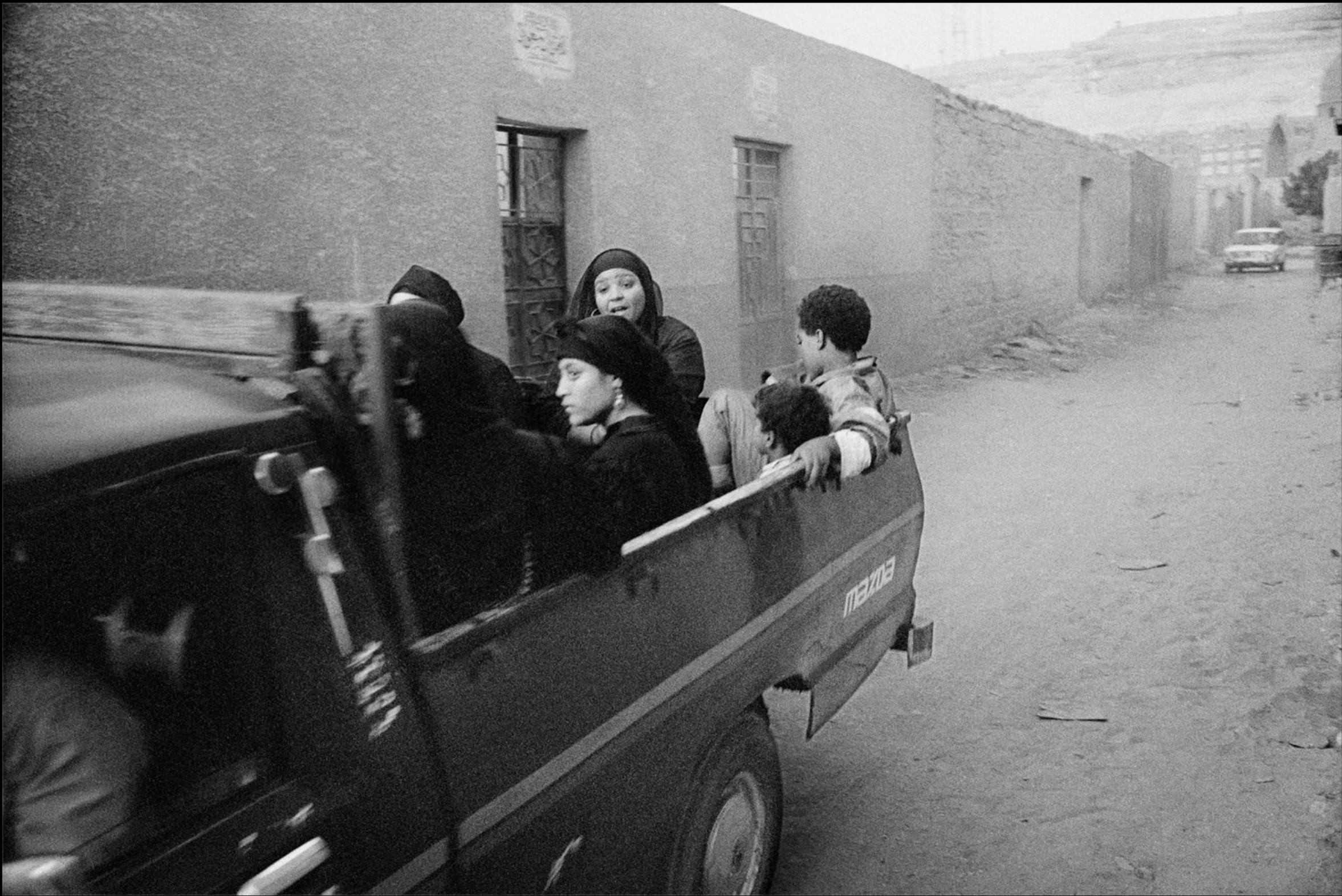
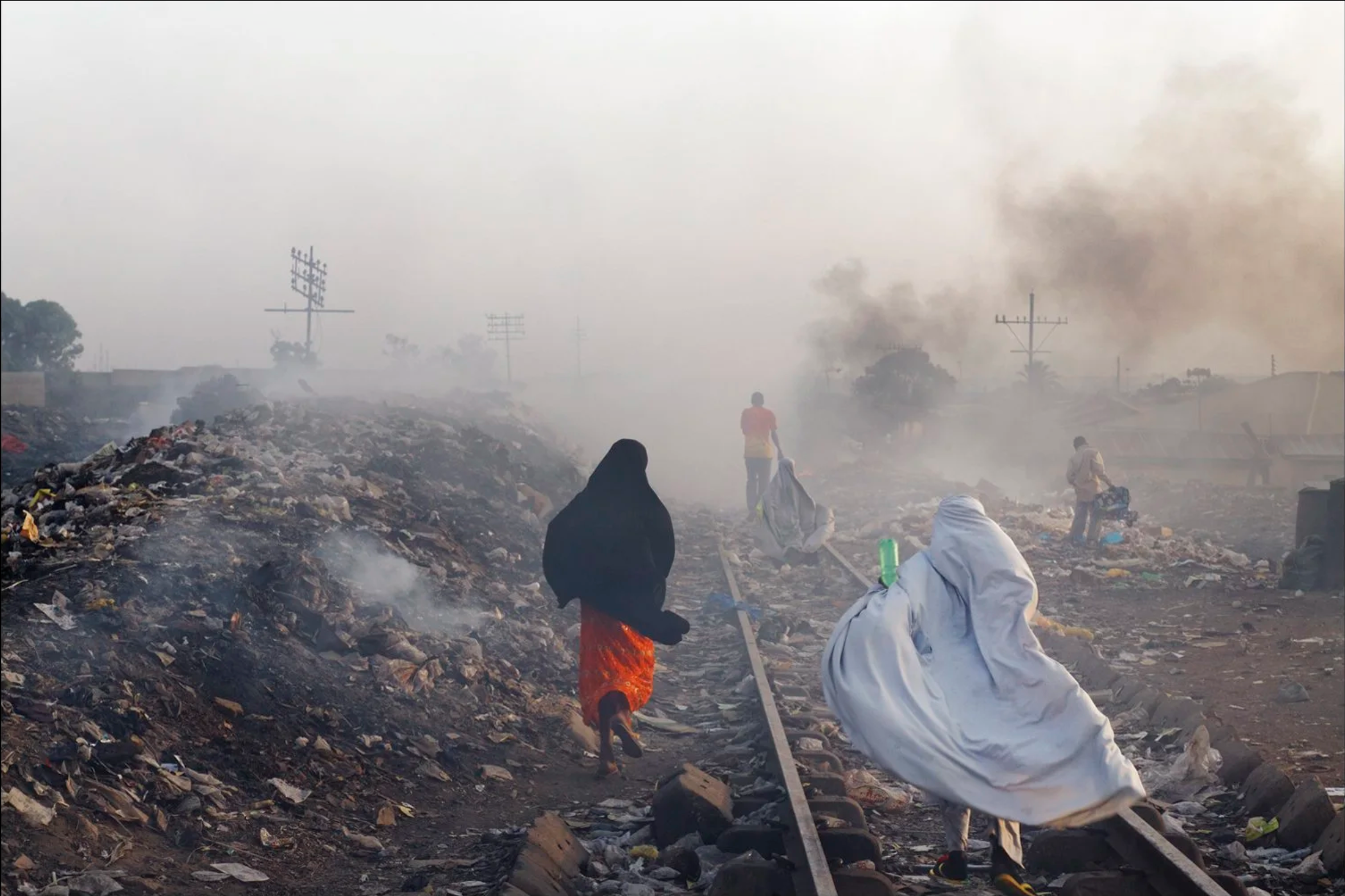
What do you think an imperfect image can reveal that a perfectly composed one cannot?
I think some of it comes down to a kind of energy, a certain looseness. It's interesting, I've always felt that, for example, the classic National Geographic images, and I really love National Geographic; they've been a huge part of my career and life, but when images are perfect, they tend to be forgettable.
That's just my view, but it's one of the magical aspects of still photography. Even today, with the overwhelming flood of images we encounter daily, along with videos and platforms like TikTok, there's still something essential about a still photograph. There's a unique magic to that medium. It forces you to stop, to look, and to think.
When you introduce words, even something as simple as a caption like "Baghdad, 2004" or "New York City, 2025," it adds information that prompts deeper thought and analysis.
With an image captured in an unplanned moment, there's an element of wildness, something that's not quite perfect. And I believe imperfection invites questions.
Abandoned Moments: A Love Letter to Photography
Your projects often take years to complete. What does long-term commitment to a subject give you that a quick assignment never can?
A very deep sense of satisfaction. On a personal level, I know I've given myself to something bigger and more important than me. I've taken the time, shown patience, and invested in the scholarship and research. It's one of the many things that makes me love doing this, I get to become a mini expert on certain issues.
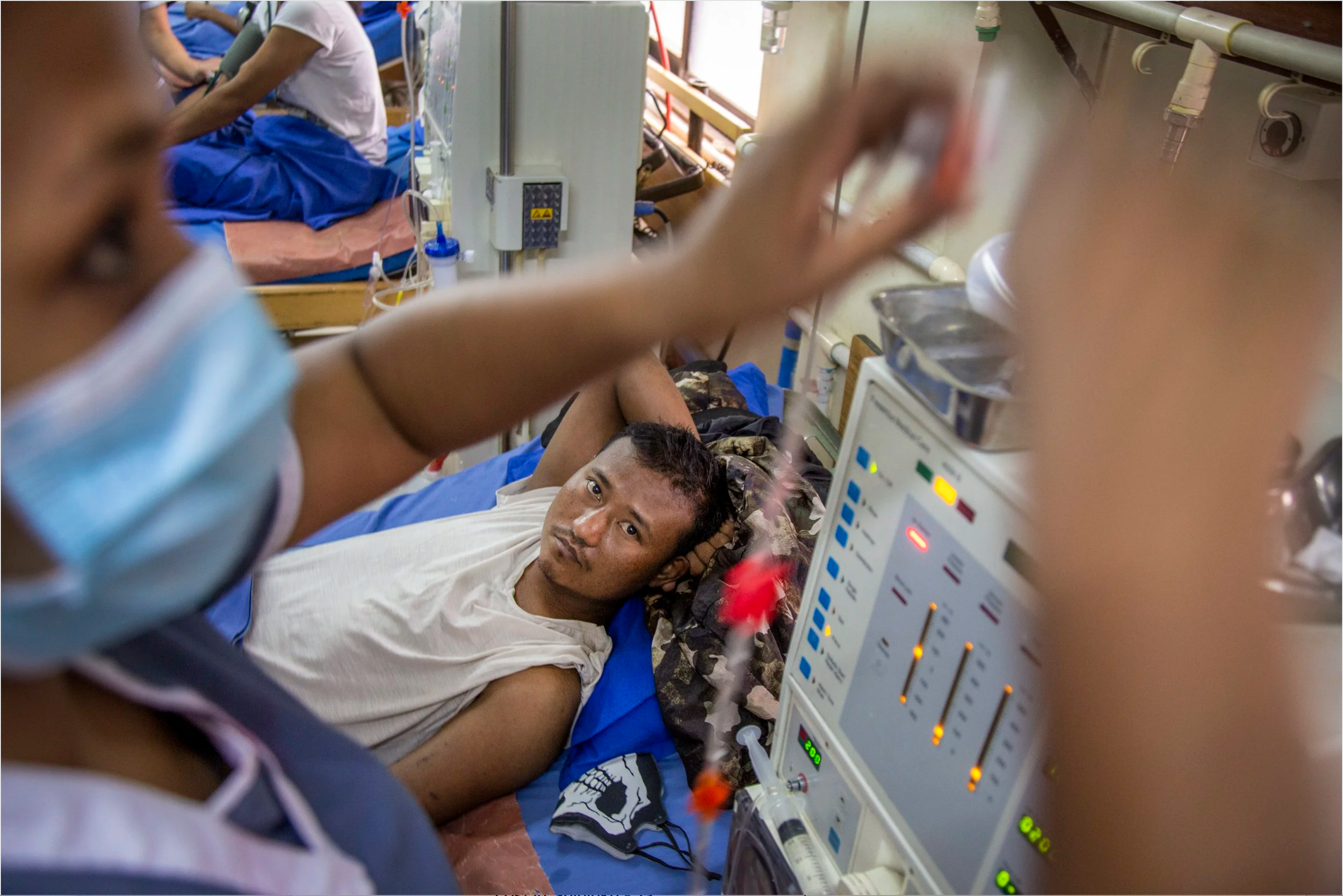
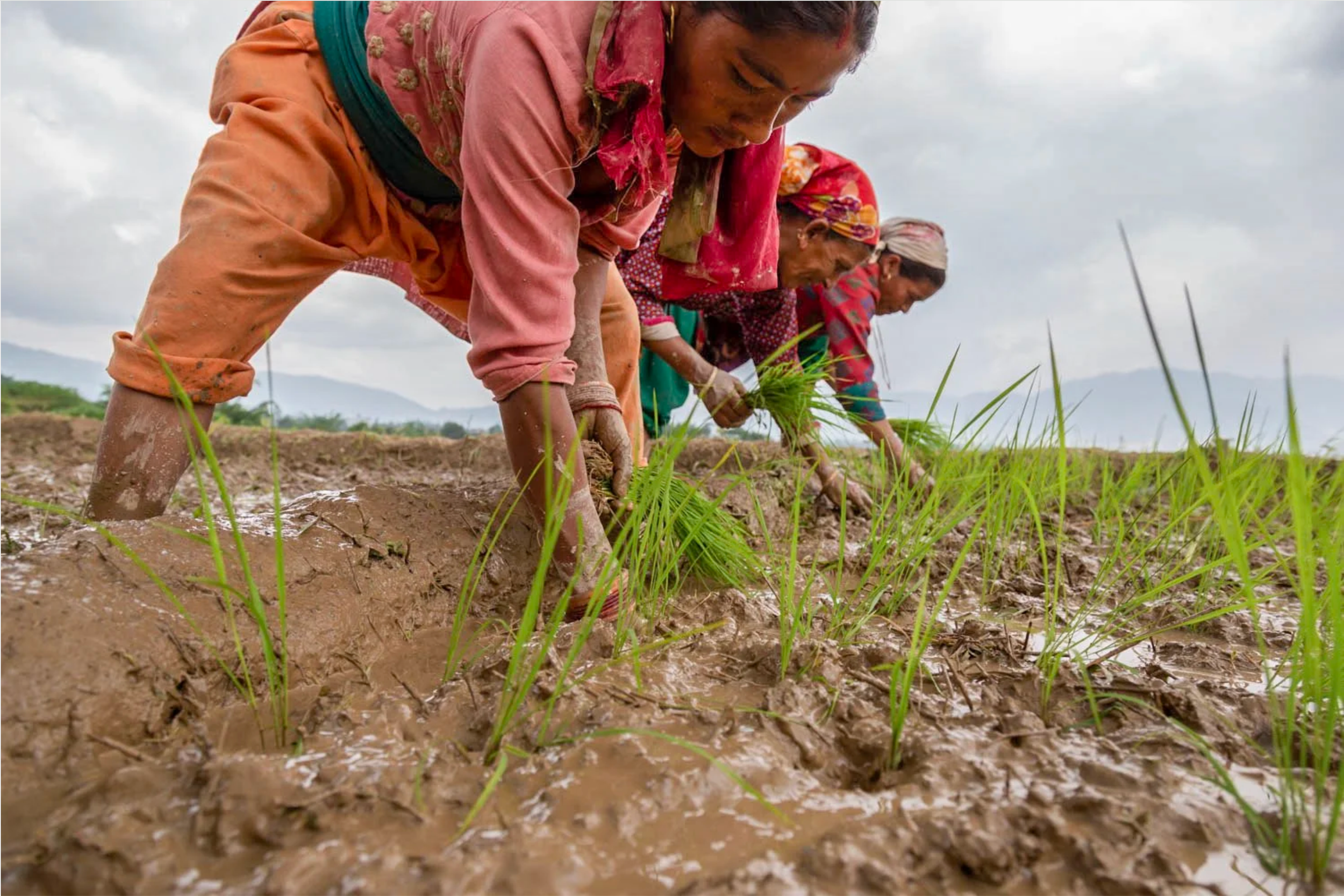
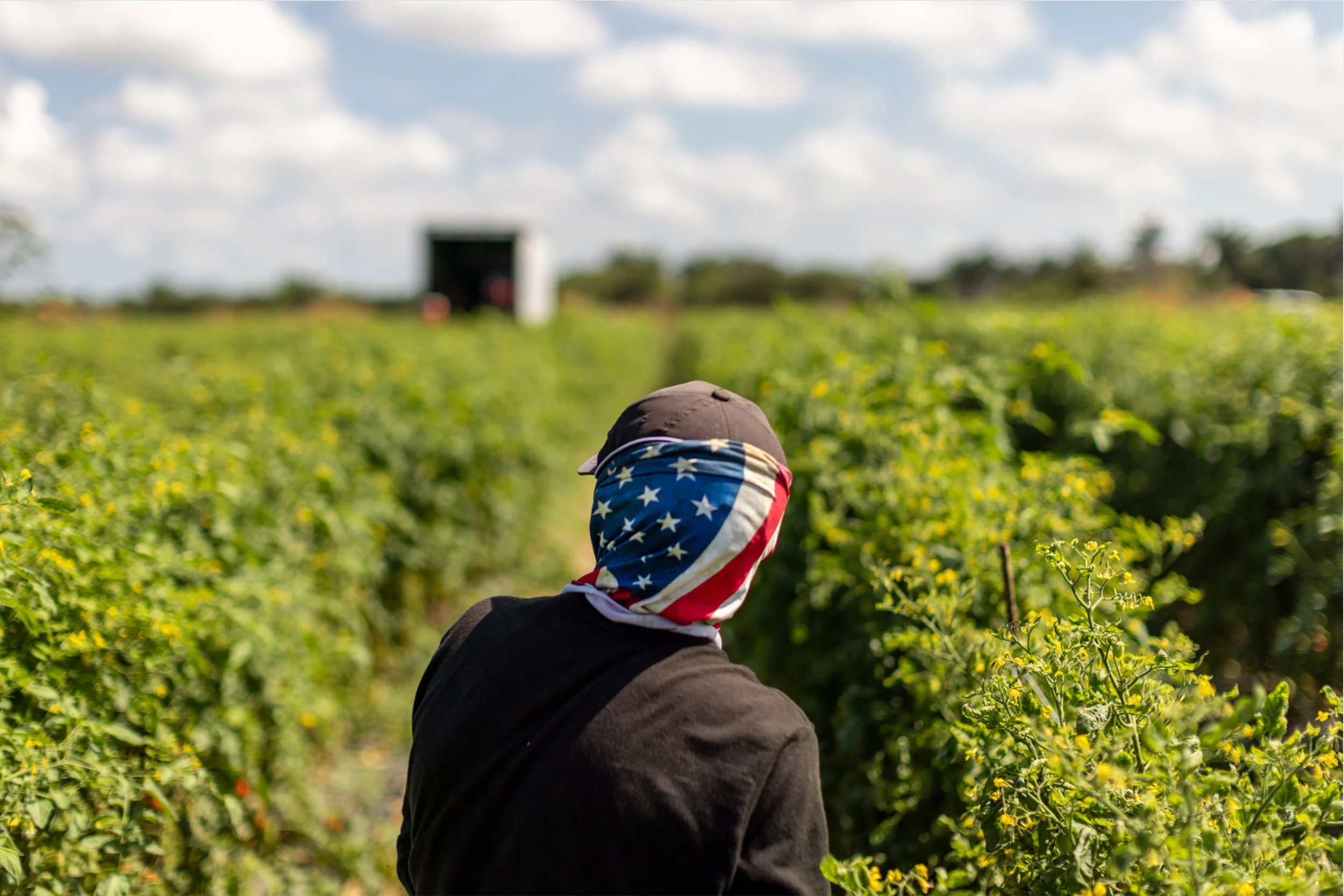
My work goes beyond photography and the media world. Whether it's about ageing, chronic kidney disease, or the impact of heat stress on workers, I'm not a scholarly world expert, but I know a lot about these subjects. As a photographer, you have to be in the nexus of time and space. You can't just hear or read about it; you have to physically be there. The combination of observation and personal experience, the experiential nature of photography, creates a magic that, quite frankly, I don’t know if I ever feel more alive than when I'm in those moments.
When you devote months, years, or even a decade or more to a subject, it becomes a part of you. As a documentary photographer in the true, traditional sense, and I mean that positively, the goal is to create work that lives beyond me, standing the test of time both aesthetically and in terms of relevance. That’s very hard to achieve in an hour or a day.
Many photographers wrestle with the balance between documenting reality and expressing themselves. How do you make space for both true and personal vision in your work?
It's interesting, I like to use this analogy: like a writer, there are poets and there are essayists. I can do some poetry in photography, but at my heart, I'm an essayist. I look at an issue, a condition, or a theme in the world. Most of the time, that's connected to humanity, to the human condition. I'm commenting on it, analyzing it, or showing people what it looks like and what's important.
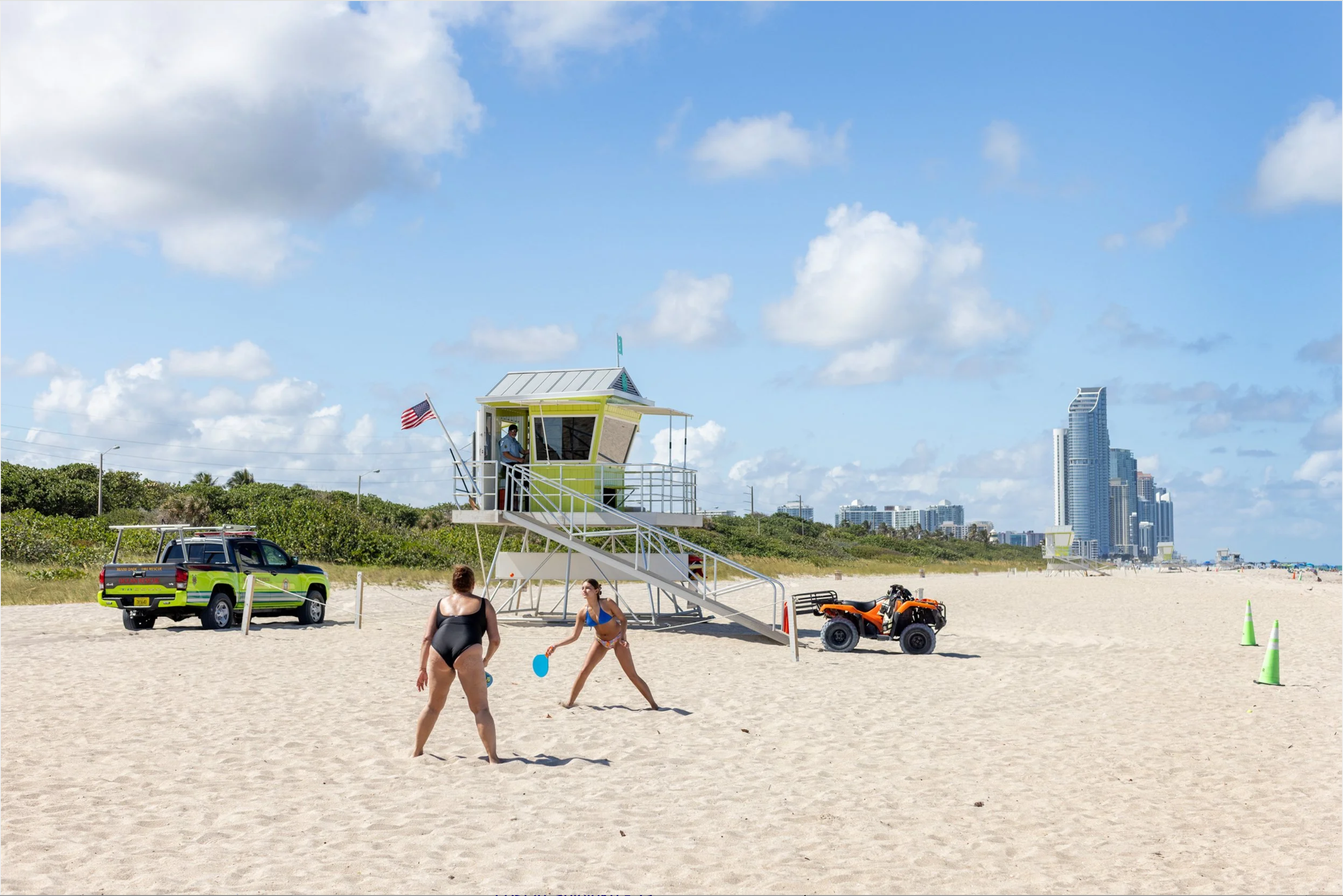
But every so often, I'll play with the medium. I did a book called Three, where I created a series of triptychs from my archive. Abandoned Moments is another example of that. Through my video work, I created something called The Enigma Room, where I was really playing with still imagery, motion, sound, both ambient and created sound. There are a few other examples of that in my career.
Most recently, a couple of years ago, I decided to work in mixed media with a couple of colleagues in my studio, one who's a painter and one who's a digital artist, where I was examining the themes of fatherhood. I lost my father when I was 10, and now I'm the father to a son, grappling with that. Being an immigrant, a first-generation American, and then baseball, which might seem like a weird combination. But as an immigrant kid in the 1960s in New York, the New York Yankees were my babysitter.
I spent many days just in front of the TV watching New York Yankee baseball games. My dad had died, my mom was depressed, no one wanted to play with me, and so the Yankees were a kind of babysitter. But more than that, and I'm sure folks all over the world can resonate with this, it's likely to be a soccer or football team for them. Whether you're an Arsenal fan or a Real Madrid supporter, or in the Czech Republic, it might be a football team, there's always a team that kind of babysits you. I think one of the functions of sports is that they're heroes. They're people who are really great at something, and you can revel in that and get into that narrative.
Not to go too deeply into sports, but my joke is: in Major League Baseball, there are 162 games. It's a very long season. Basically, I'm hooked on a 162-episode Netflix series.
Have you ever attempted sports photography, perhaps to join a team or create a longer documentary?
No, because I'm a terrible sports photographer. To be a great sports photographer requires some really amazing skills. I've shot sports over the years, of course, but I had one of my most embarrassing moments while on assignment for the New York Times Sunday Magazine. I was photographing Gary Player, a very famous PGA professional golfer, and I didn’t know the etiquette of photographing golf. Do you know what the etiquette is? You don't photograph until they’ve made their shot.
Because you would disrupt the moment?
Right. There were thousands of people around the green; this was in California at one of the major tournaments. I don’t care much about golf, you know, and Gary Player was lining up his putt. I started photographing, and I swear, he stopped, turned towards me, pointed, and said, “Stop photographing.” Suddenly, thousands of people were looking at me. It was one of the most embarrassing moments. So, suffice it to say, I am not a sports photographer, though I do enjoy watching some sports.
Talking about mixed media, how do you see the relationship between traditional photography and new forms of media today?
It's such an amazing intersection or cross-section of media. The digital revolution has made it much easier to play with these different forms and integrate them. At the same time, opportunities with analog, physical versions are still there as well. For instance, with the baseball immigration idea, I created a collage of images from my archive. My son became a baseball player and played at a very high-level college. I photographed some of his ephemera, his trophies, uniforms, and all that. I put these collages together, and then my digital artist friend perfected them in Photoshop. A woman who is a painter then painted on them using materials associated with baseball players, like rosin bags and pine tar.
That's actually the only example in my career of playing with mixed media. But as a mentor and teacher to photographers around the world, I get a chance to see all the different ways photographers, mostly younger ones, are experimenting with the medium. There's definitely a move away from reality-based documentary work to conceptual documentary work. The art world is much more receptive and supportive of conceptual documentary work now. This is very much a moment I'm witnessing, where that kind of photography, often memoir-based, focused on the photographer, their parents, lover, or friend, offers a very personal window into their world as a way to make more universal statements or simply to play with the medium.
I think Nan Goldin almost ushered this in during the early '80s with her work, "The Ballad of Sexual Dependency." She was one of the first, at least to gain prominence, for doing that kind of work, photographing herself and her friends, showing people going through issues like sexual abuse, physical abuse, substance abuse, and exploring the underworld, including folks like cross-dressers. Now, I see a lot of that not just from the United States and Western Europe but from all over the world. People are looking at themselves, looking more inward, and playing with the medium, whether it's staging things or creating very conceptual imagery.
What do you think about that shift?
I love creativity, so I welcome anything that's done well and from the heart, something genuine. My concern is that there's less of the other kind of work being done. I think about this a lot, wondering why fewer people, especially younger ones, are coming into the profession. Why are fewer individuals heading out into the world with a recording device, trying to insert themselves into real situations and document them in real time?
I believe part of the answer lies in the fact that the world feels a little less welcoming. There's the element of security concerns. Also, after the pandemic, it seems people might be more afraid, hesitant, or even shy. I'd love to hear what you and others think about that. Then there’s the economic factor, it costs more to travel unless you find something in your backyard. Expenses like flights, hotels, fixers, and transportation add up. So, there are various elements: structural, economic, maybe political, all mixed with this inward turn I feel is happening, at least in the United States.
I spend a fair amount of time in Europe since my daughter studies in Amsterdam. We spend time there, and I don’t sense quite the same vibe. Maybe there's a trend towards being a bit more inward, but not as pronounced.
Also, video games and the digital, screen-based world might be causing people to spend more time alone or indoors. That’s something I observe, and I’m not happy about it. One reason I fell in love with photography, and I was a super shy, insecure kid, is that it empowered me to go out into the world holding a camera.
It gave me confidence and strength to approach strangers, photograph them, or start a conversation. Let alone travel to another country, immerse myself in a different culture, visit unfamiliar places, learn about them, and then have the willingness or confidence to insert myself into environments like Belfast, Iraq, or Prague.
I even went to what was then Czechoslovakia, within a month or two after the Berlin Wall fell. I traveled with a colleague from San Francisco to East Berlin, Warsaw, and Prague. For a Western journalist, it was an opportunity to visit these places because there was a vacuum of authority. Maybe part of me carried that Western conceit, the belief that I could go to these places, ask questions, insert myself, and photograph. But it was also about learning, learning about those places.
In my opinion, conceptual photography might be overtaken by AI. When something is already staged, the idea becomes the primary focus. Considering how AI is evolving, I believe we’ll see more of this trend.
However, I think there will also be a resurgence of traditional documentary photography, as well as film photography. People might become more interested in works that reflect craftsmanship, something tangible that you can hold and truly appreciate. They may be more drawn to images where photographers embarked on a journey to capture them. That’s my perspective on this.
I agree with you. I see your point as both hopeful and somewhat realistic. I’ve already noticed that many photographers, not just young ones, though I often mentor younger people, are turning to film and analog processes.
On the mixed media front, you could indeed be highly skilled with AI now or in the future when it becomes even more advanced, producing astonishing images. But I believe this shift will also inspire people to engage more directly with their craft, getting their hands dirty in the process.
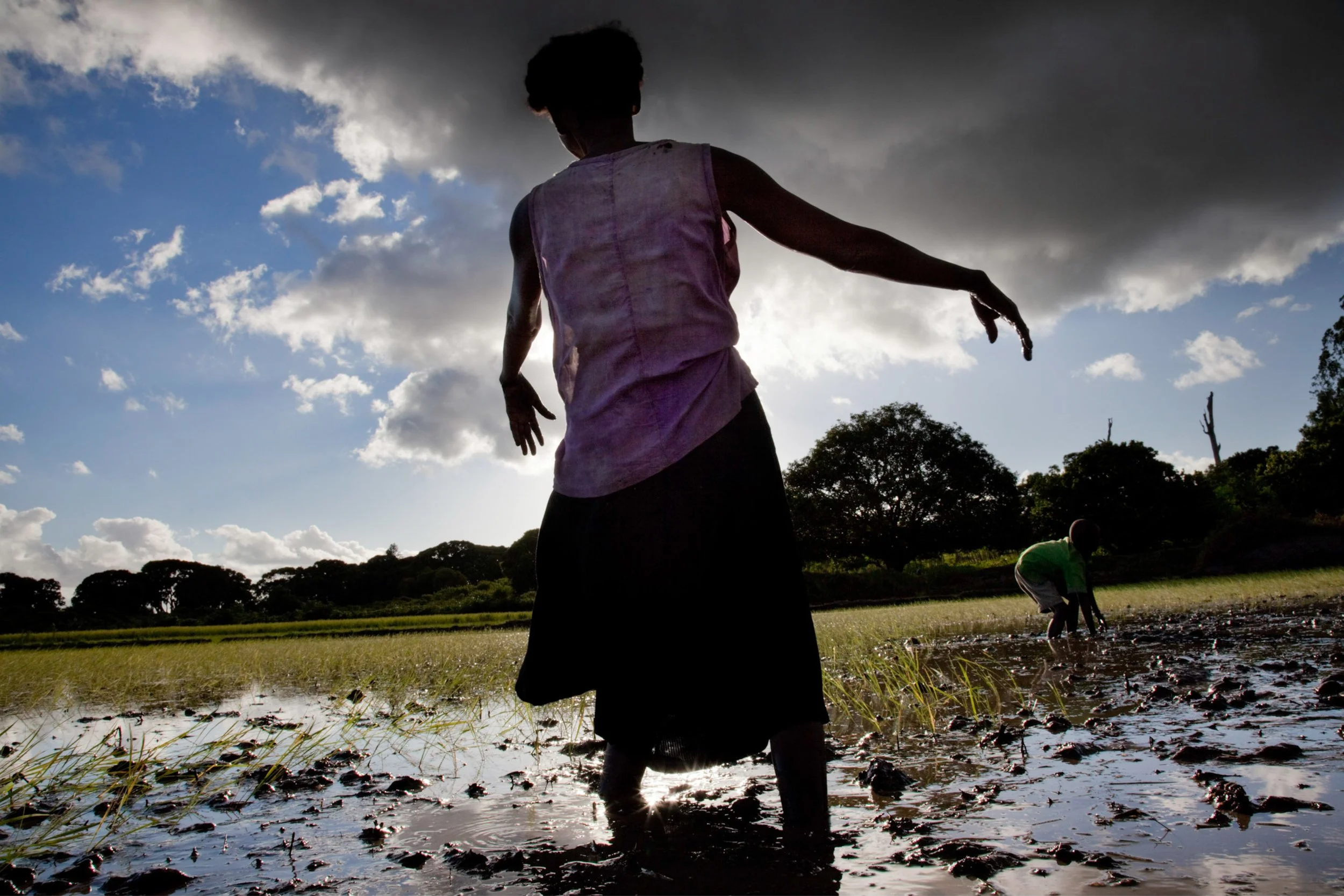
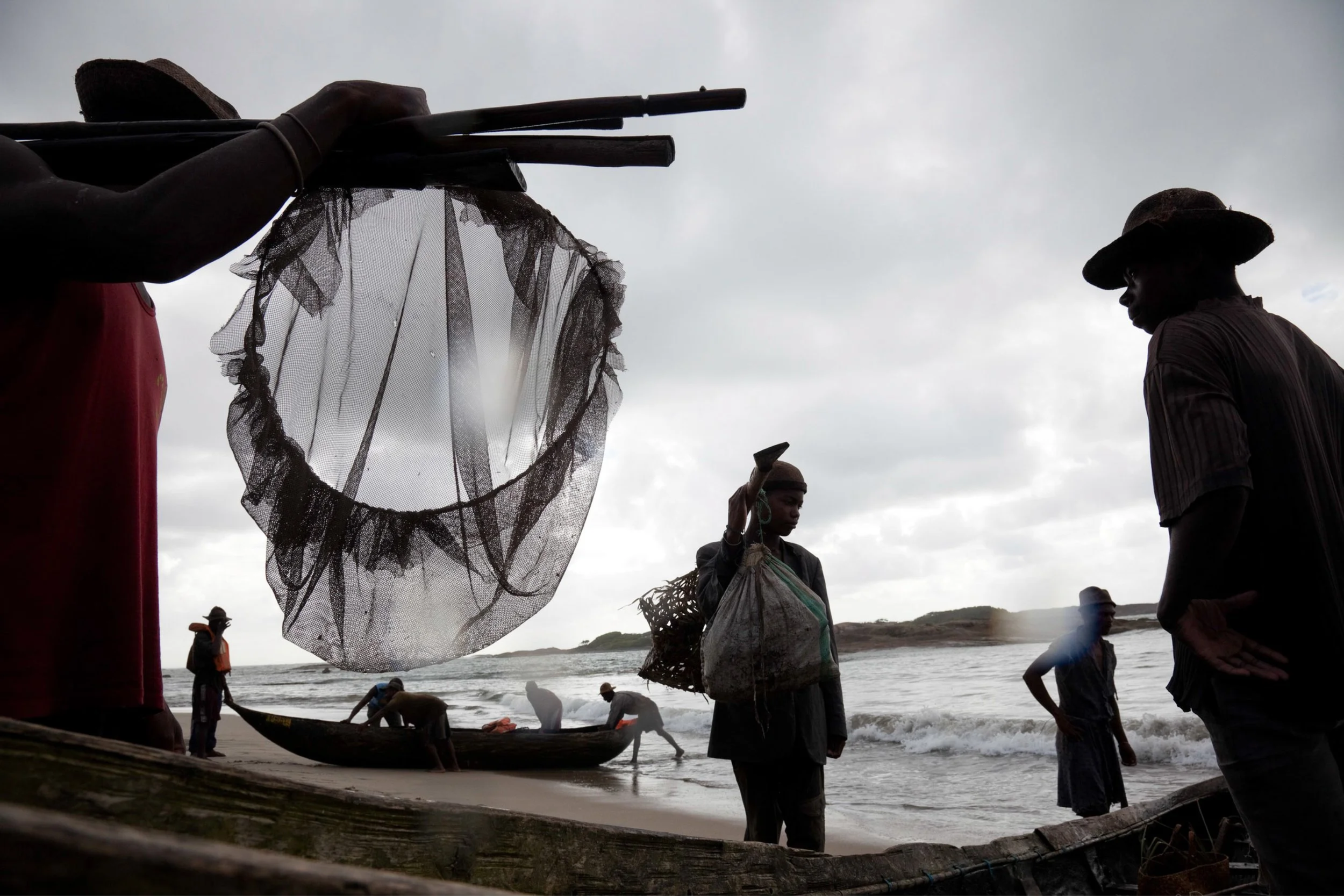
Yeah, because we are overwhelmed on Instagram with perfect images. I think it connects back to what you were saying at the beginning, maybe the imperfect image will become a sign of something human-made, perhaps shot on film, unprocessed, not manipulated. It could be a quality people appreciate more than the perfect image.
But then, AI will learn to mimic that as well, right? So it becomes this cycle, like a dog chasing its own tail.
But then it'll be a robot painting and creating sculptures, controlled by AI. I also really agree with what you're saying. Who knows if this will happen in my lifetime, but there's something about it that resonates.
Until the innate, animal-like part of human nature is extinguished, which I hope never happens, though sometimes it feels like that's the ultimate outcome Silicon Valley is pushing us towards, there's still a part of humanity that knows analog photography is alchemy. In the truest sense, it's alchemy, like in the Middle Ages. You take water and some chemicals, mix them, and then place a piece of paper, essentially from a tree, into it, and it transforms into an image. That is alchemy.
In the same way people want to make pottery with their hands, sculpt, or paint using a brush or any utensil, these acts are deeply connected to nature, to Mother Nature herself. I see a dichotomy among young people. Unfortunately, the majority seem to gravitate towards the digital, AI-driven world. But there's still a core group being raised with the desire to touch, feel, and create tangible things. They don't want to lose all their agency.
It's interesting. I've always considered myself a good food preparer as a parent, but the pandemic forced me to cook more because I was home. I discovered that having my hands in herbs, spices, cutting vegetables, or meat brought such a deep sense of satisfaction. I see this in many people reverting to the natural order of things, to touch, feel, and smell. We haven't lost that yet.
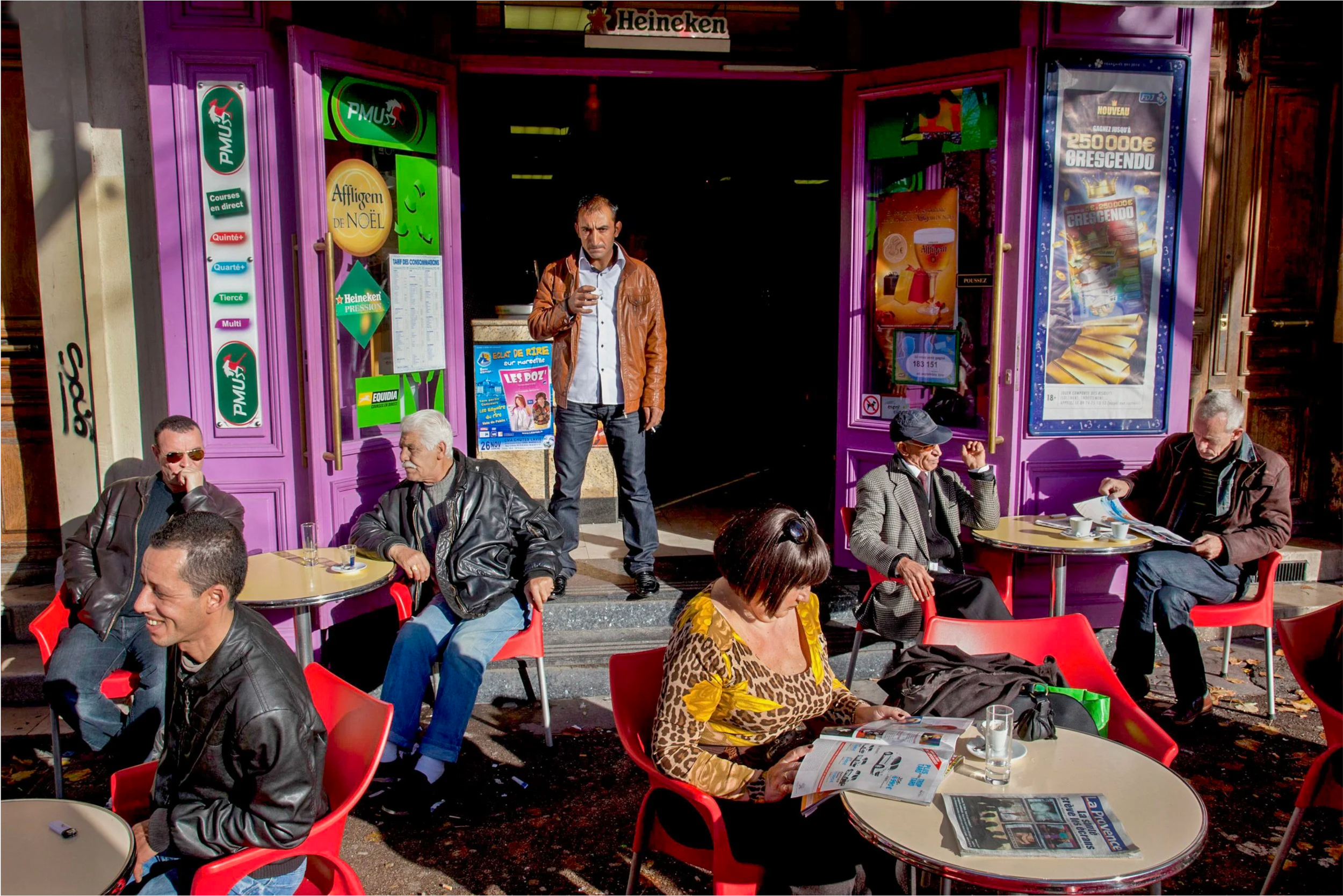
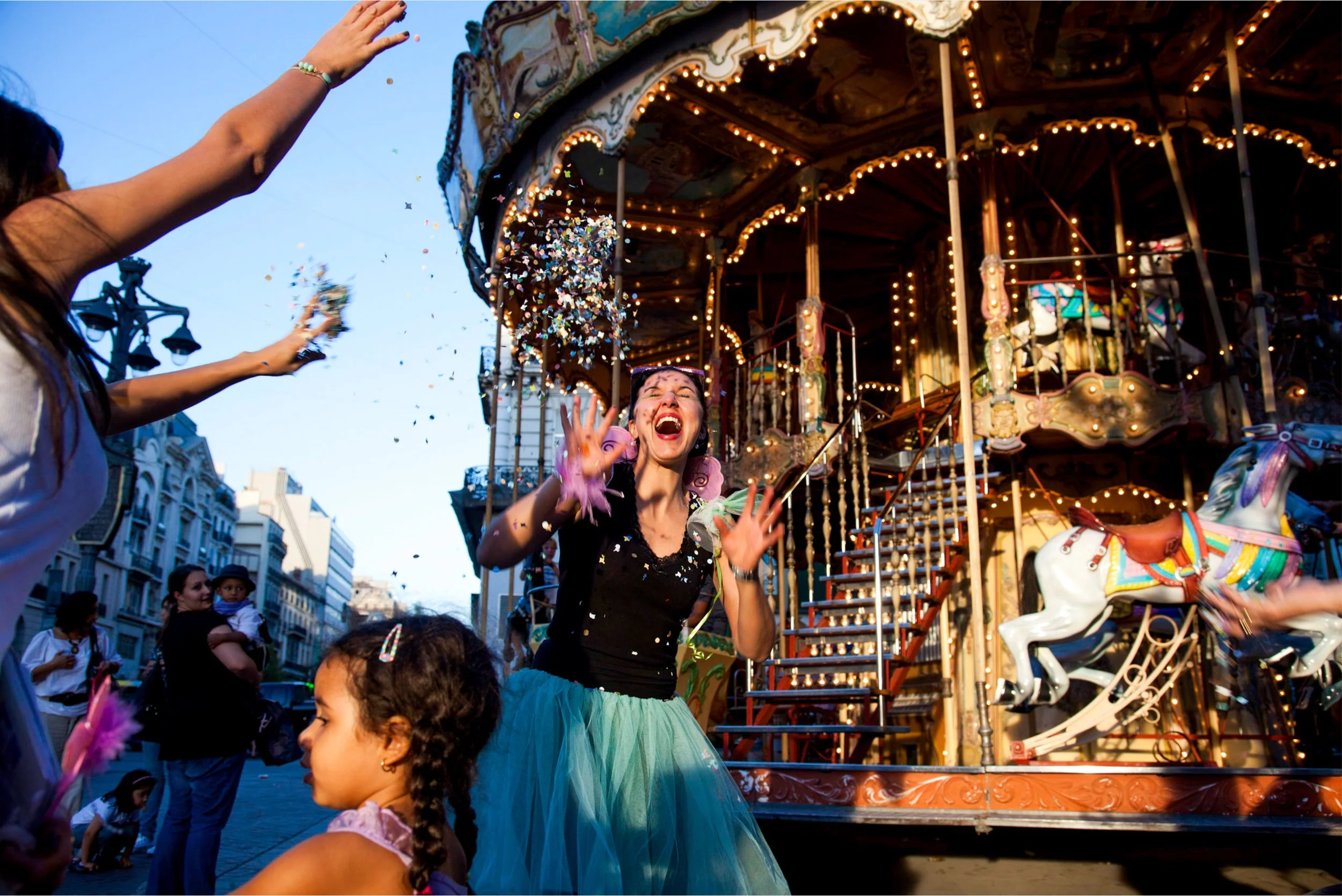
Let's talk about your new book. What does it mean to call Visual Riffs a reimagining rather than a retrospective? What are you hoping the reader notices that they haven't seen before?
I actually have two new books coming out, one from Eyeshot and another from the University of Texas at Austin. Ideally, I wouldn’t have planned it this way. One is A Period in Time, a major retrospective book spanning over 300 pages with more than 200 images. It’s a chronological collection that looks at the first 45 years of my career.
This book is connected to the Briscoe Center for American Studies at the University of Texas in Austin, which holds one of the major photography archives. They acquired my archives last year, everything from negatives, slides, prints, books, to ephemera like journals and notebooks. In conjunction with that acquisition, they’re publishing this major retrospective book.
Can tell me the difference between the two, because they seem a bit different.
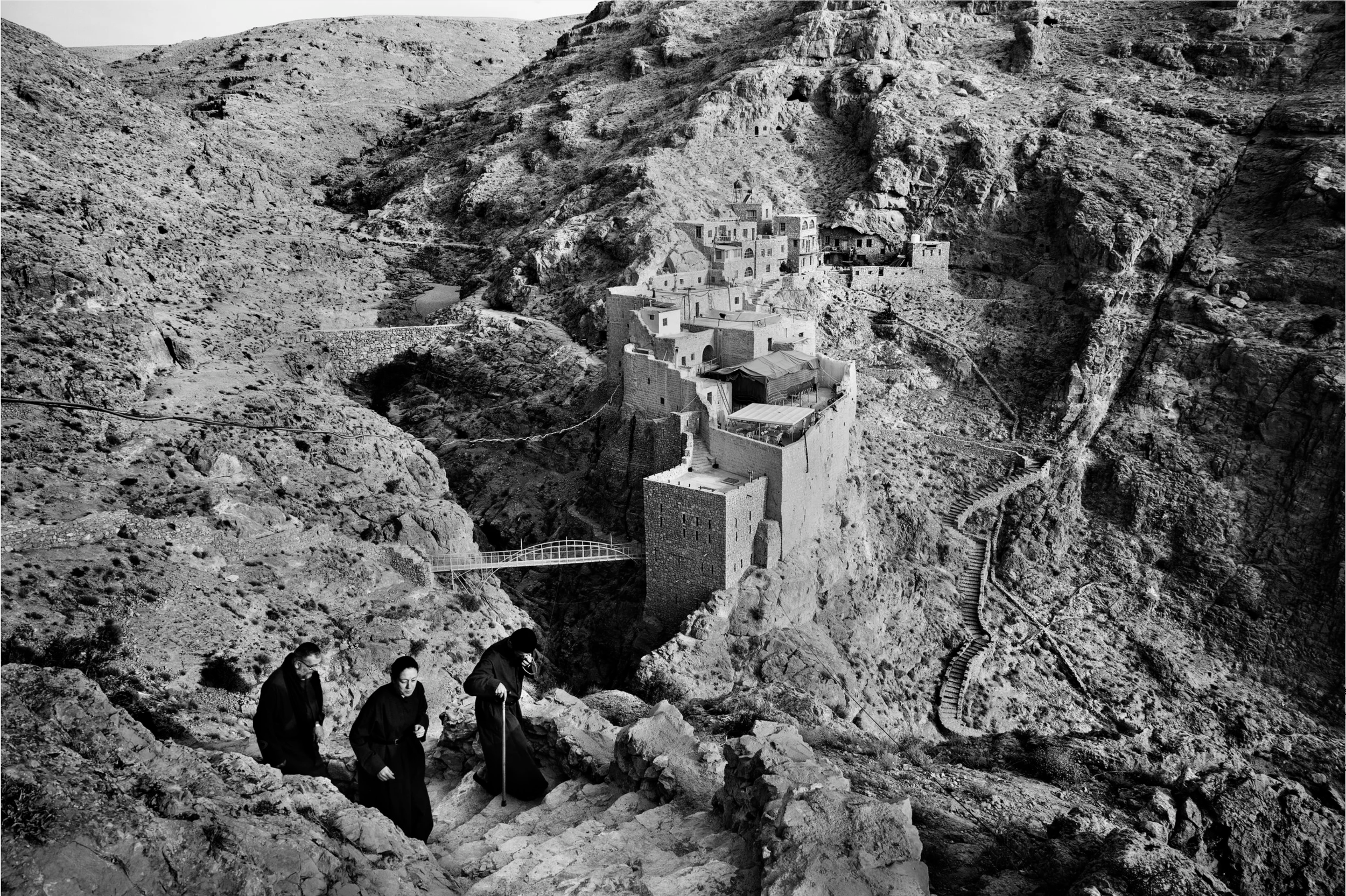
Yes, the other book is Visual Riffs, which emerged around three to four years ago. I’ve always loved using Instagram as a playground and a platform for expression. While social media often gets negative attention, for a photographer, visual artist, and communicator like me, Instagram has been revelatory. It allows me to reach hundreds of thousands of people worldwide without any gatekeepers, I can do whatever I want.
As I explored Instagram, I came up with the idea of visual riffs, similar to a musician’s improvisation. I dive into my archives, whether it’s work from 40 years ago or four days ago, and find connections. It’s about coming up with a word or theme, then finding photographs that reflect or illustrate that concept, and sharing them through Instagram.
Eyeshot, based in Bologna, Italy, is publishing Visual Riffs. They specialise in pre-ordered books, promoted online and through social media for a few months. Right now, my book is in the pre-order phase until the end of September. They print only the number of copies that have been pre-ordered.
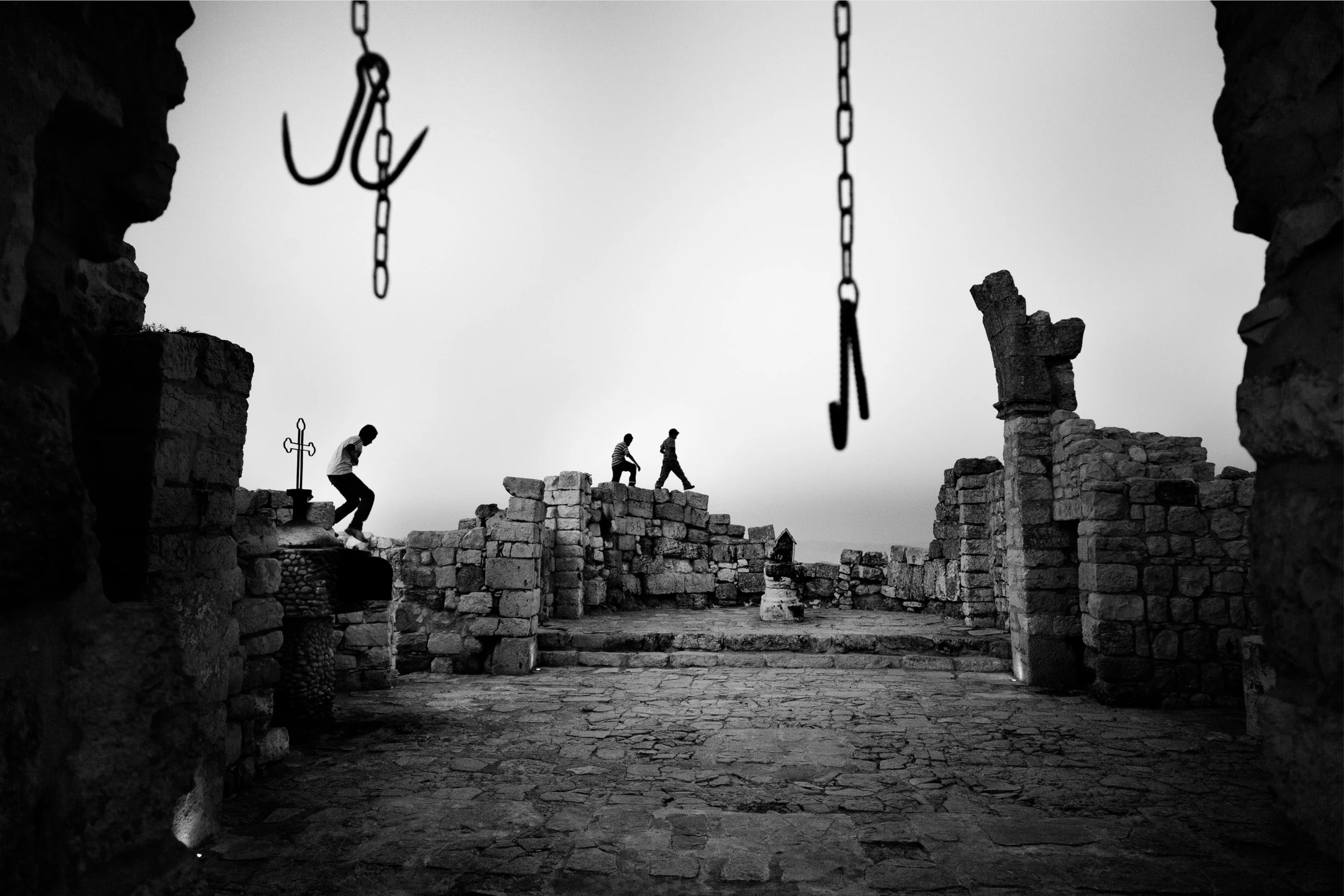
So it will only be made to order?
Exactly. Once those copies are printed, that’s it, a one-time run. It’s a really cool concept. Visual Riffs is available for pre-order now. While it’s not a retrospective in the traditional sense, it does pull from 45 years of archives. However, it’s much more conceptual, not necessarily in the imagery, but in the framework and the idea of what constitutes a visual riff. In contrast, A Period in Time is a historical, documentary, linear look at my career as a photographer, focusing on the issues and themes I’ve chosen to explore.
My last question. What do you prefer, books or exhibitions?
Books, because they're lasting. There's a tangible quality to them. However, I hope we never lose the idea of exhibitions because they physically bring people together. Especially now, as I mentioned earlier, when we seem to be splintering apart and going out less, meeting face-to-face less often. Exhibitions are crucial for encouraging people to come out and connect.
Every time I attend an exhibition or event, whether it’s related to my work or not, something good happens. I meet an old friend, make a new one, or establish a connection. A new opportunity often arises, something that wouldn’t have happened through just an email. So, both are incredibly important, but ultimately, books endure.
Martin: Thank you, Ed, for sharing your inspiring journey and insights into photography.
Ed Kashi: Thank you, Martin. It was a pleasure discussing my experiences and projects with you.
Martin: Wishing you continued success with your new books.
Ed Kashi: Thank you, Martin. Best wishes to you as well.
To discover more about this intriguing body of work and how you can acquire your own copies, you can find and purchase the books here. (Eyeshot, Kehrer Verlag)
More photography books?
We'd love to read your comments below, sharing your thoughts and insights on the artist's work. Looking forward to welcoming you back for our next [book spotlight]. See you then!
Robin de Puy could no longer make this project alone. She first photographed Randy in Ely, Nevada, during a 2015 road trip and kept returning to him for more than ten years. Interviews