The Fictional: How Monika K. Adler Exposes Power, Truth, and Manipulation Through Photography
Welcome to another captivating photo essay, this time by Monika K. Adler. We'd love to hear your thoughts. Feel free to comment below and, if you're interested, share your photo essay with us. Your perspectives add valuable dimensions to our collective exploration.
What if reality is nothing more than the strongest illusion?
In today’s world, truth often bends to the power of those who control it. Facts compete with influence, and perception wins over evidence. That is the landscape Monika K. Adler explores in her series The Fictional, connecting Gibson’s dystopian vision with our present reality. Her work shows how power survives while truth fades.
In Gibson’s The Peripheral, London becomes a stage for history rebuilt.
Monika K. Adler takes this idea and turns it back on our own world. She photographs the monuments and sites that still hold authority, even as the systems around them weaken. Her art makes clear that power does not crumble with society—it adapts, it stays.
The Fictional is a study of that tension, and a reminder of how fragile reality has become.
"The Fictional”
In William Gibson's novel, The Peripheral, a dystopian future London is reimagined where parts of the city have transformed into anachronistic recreations of the past, catering to the desires of tourists. These nostalgic facsimiles of bygone eras stand in stark contrast to the crumbling societal structures that once held the city together. Amidst the ruins, the enduring edifices of power persist, impervious to the chaos and disorder that surrounds them. The white stone monuments, symbols of establishment power, remain steadfast, a testament to the resilience of the status quo.
In our present, we find ourselves navigating a similarly complex reality. The ethical framework that underpinned the post-war order has become increasingly degraded, leaving us with a multiplicity of truths. These competing narratives are no longer evaluated on their factual merit but are instead weighted by the effectiveness of influence operations. In this landscape, truth is malleable, and reality is shaped by those who wield the most significant influence.
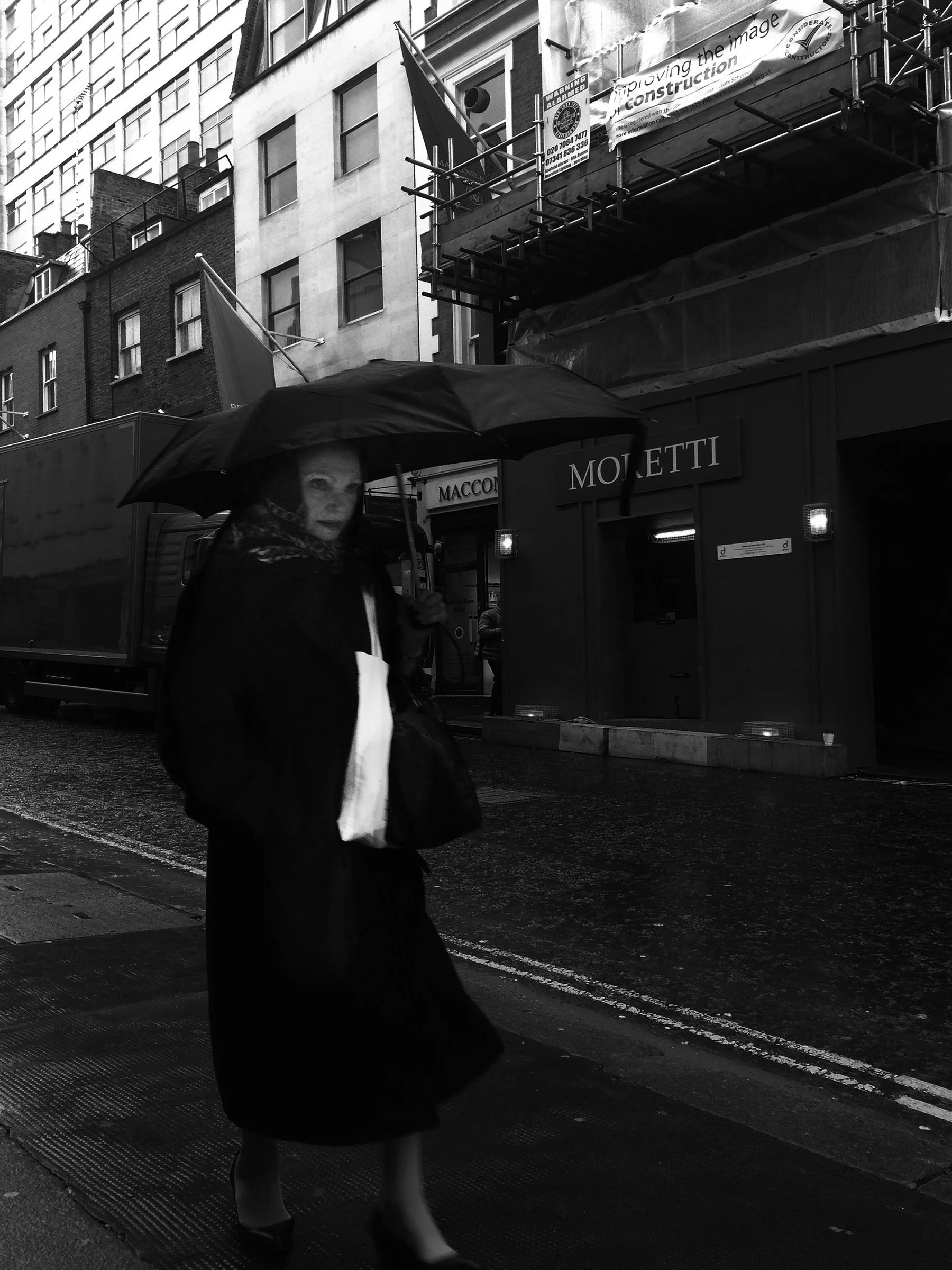
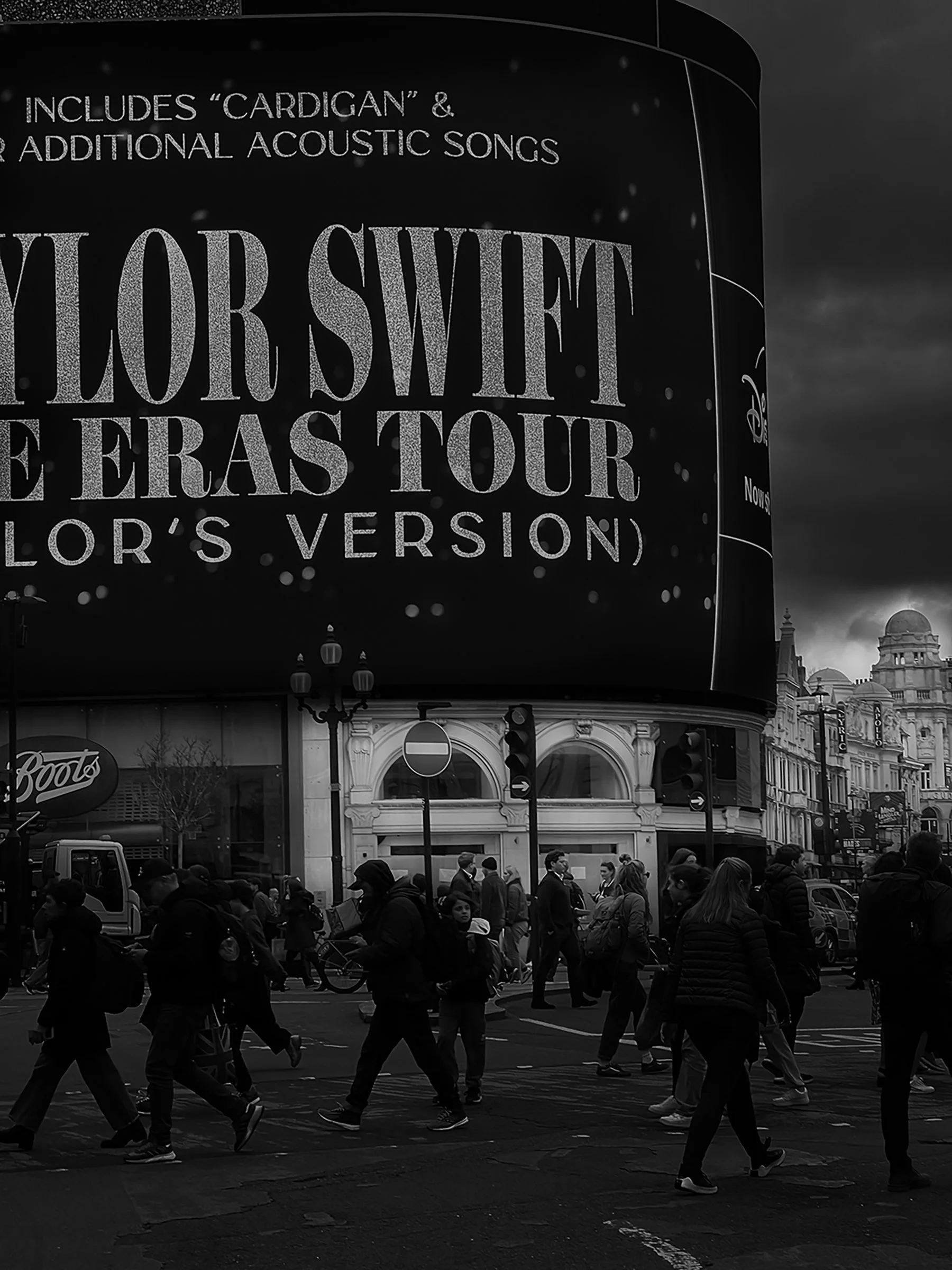
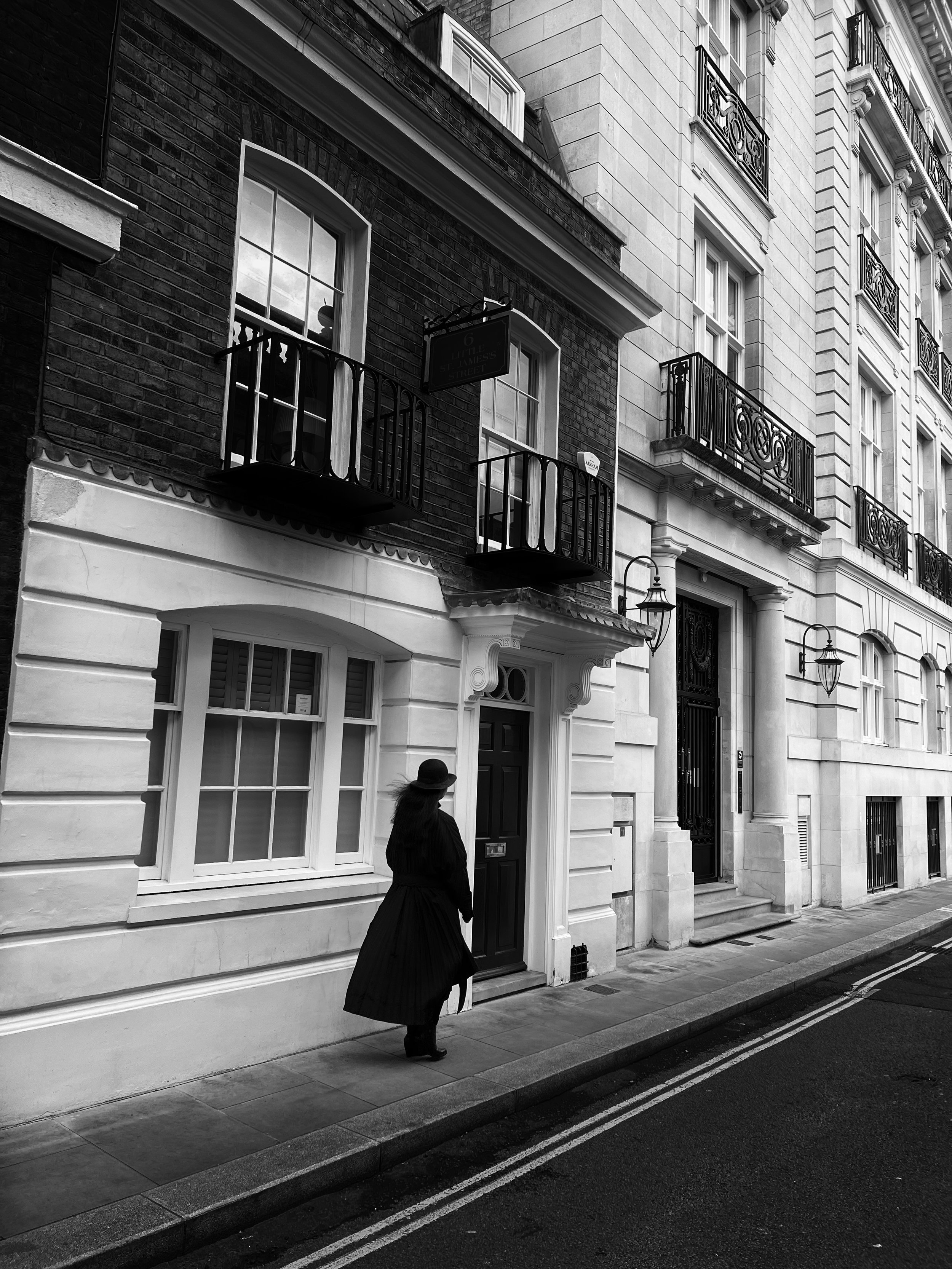
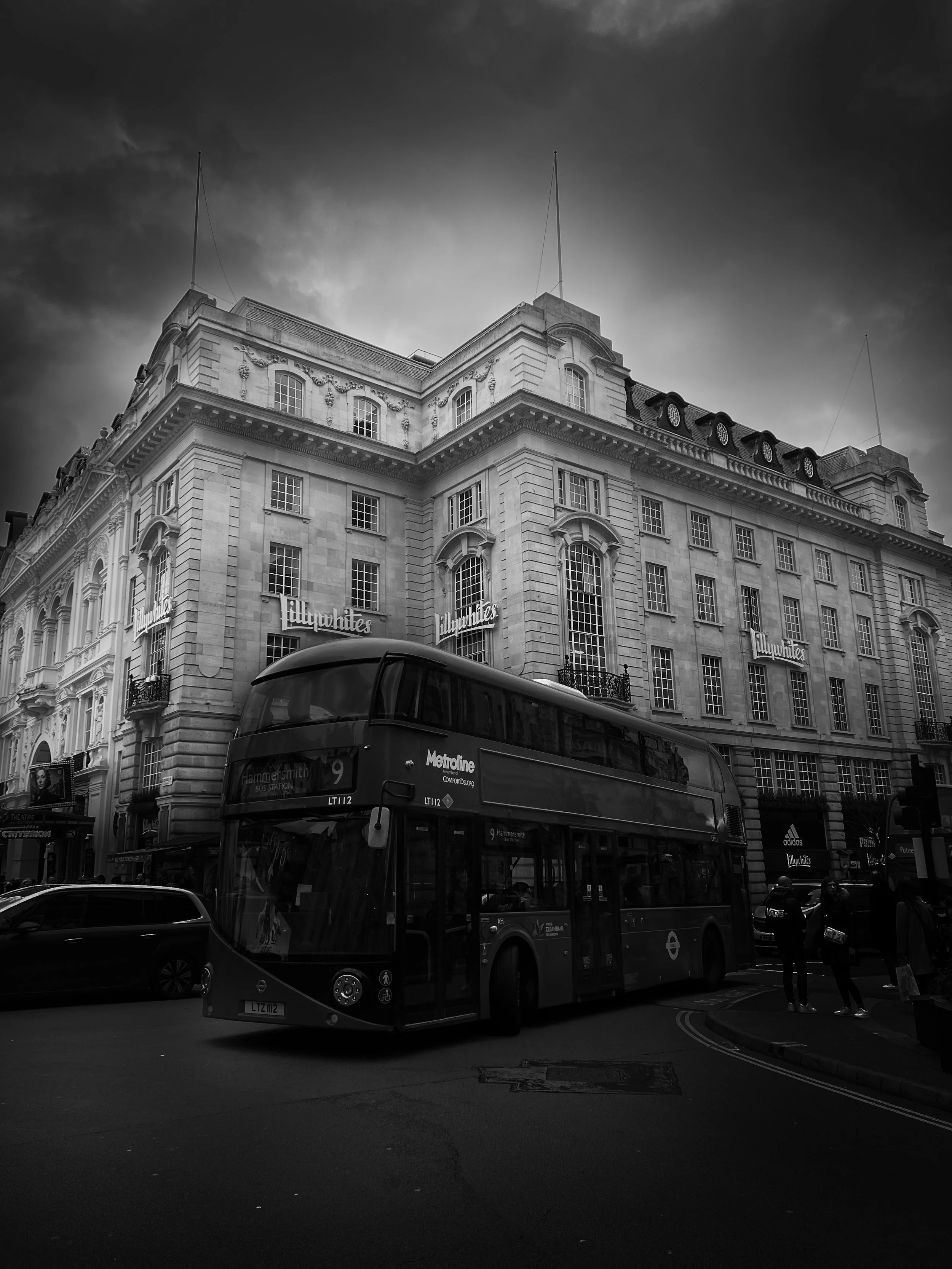
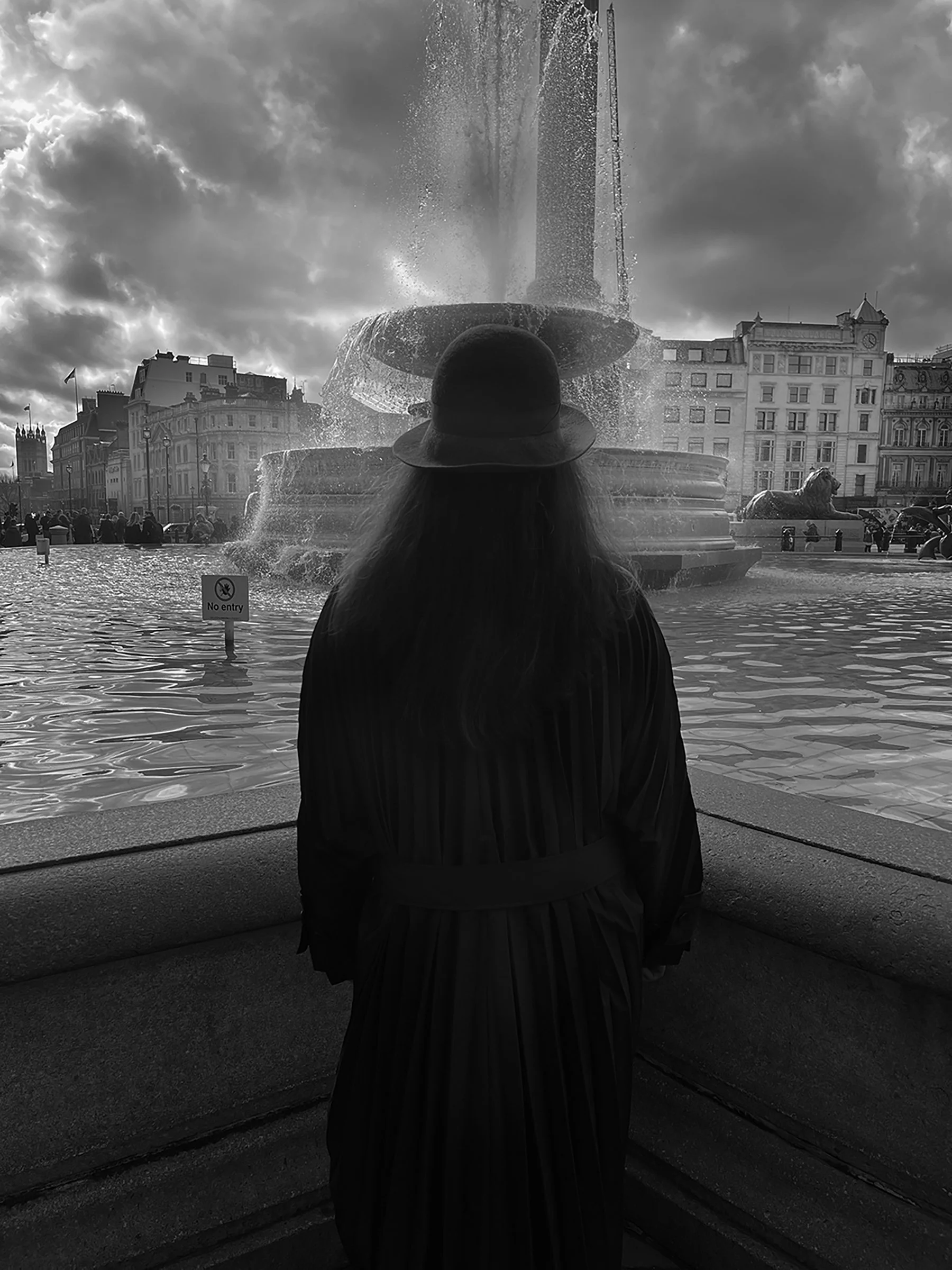
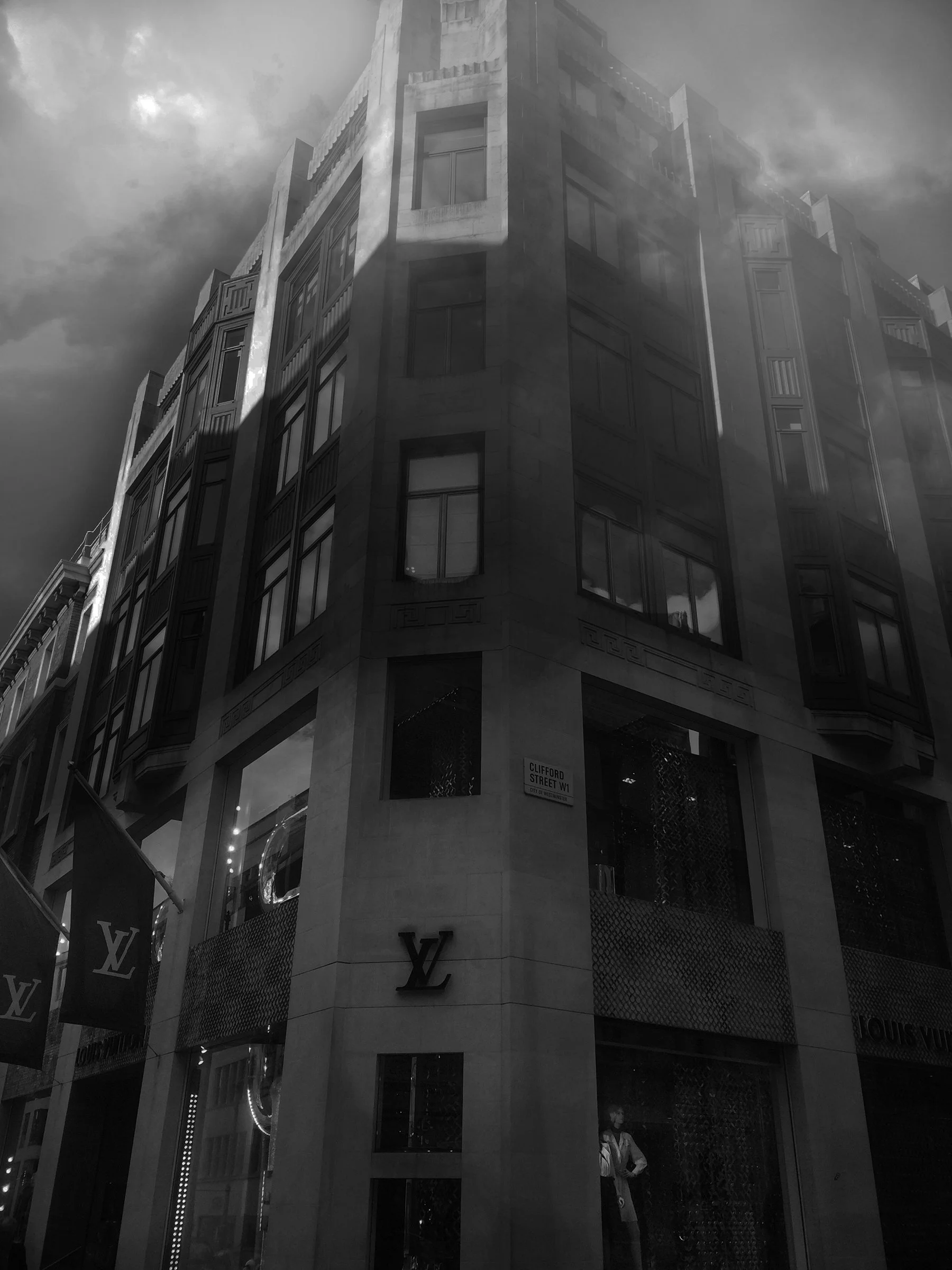
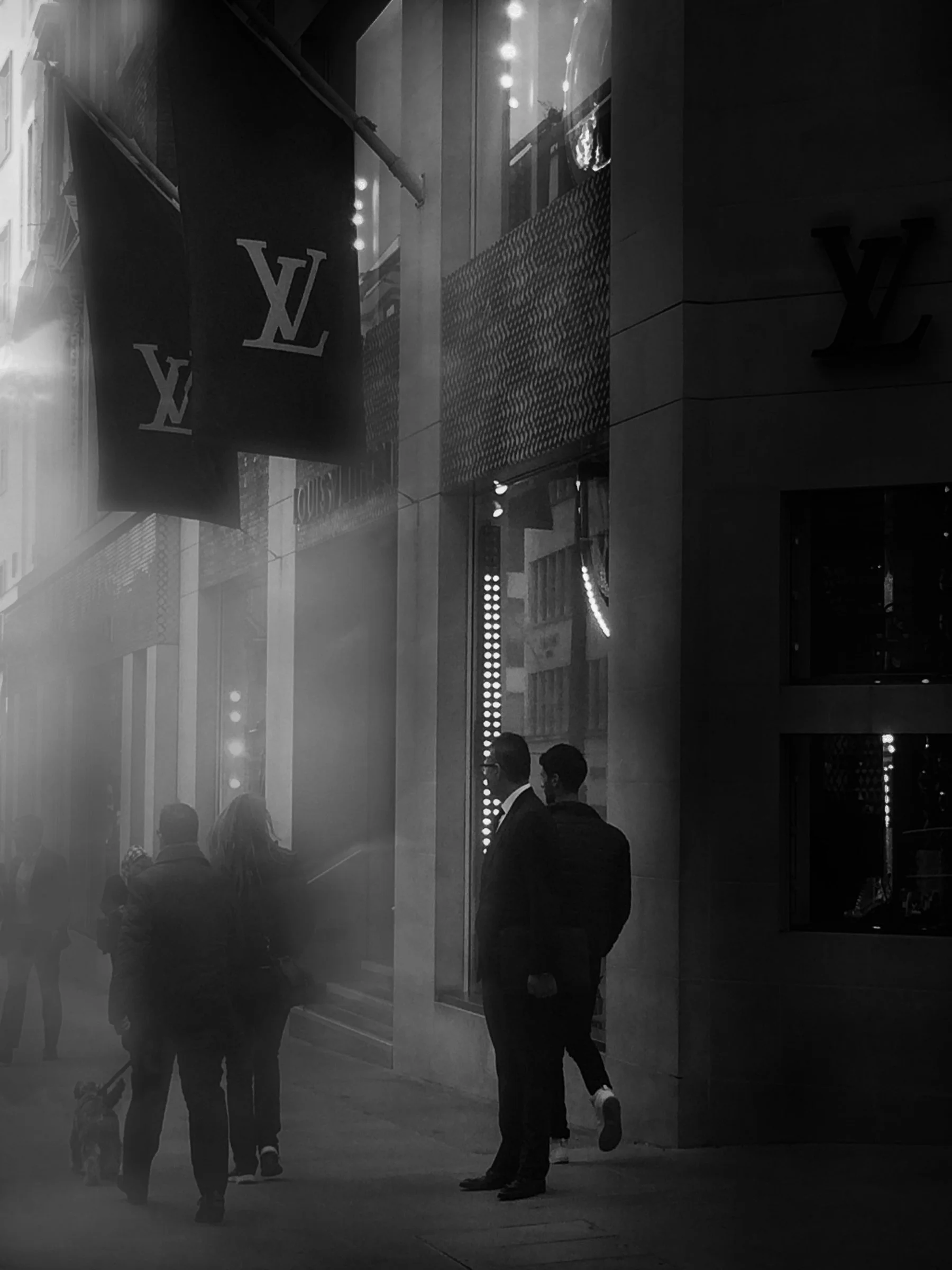
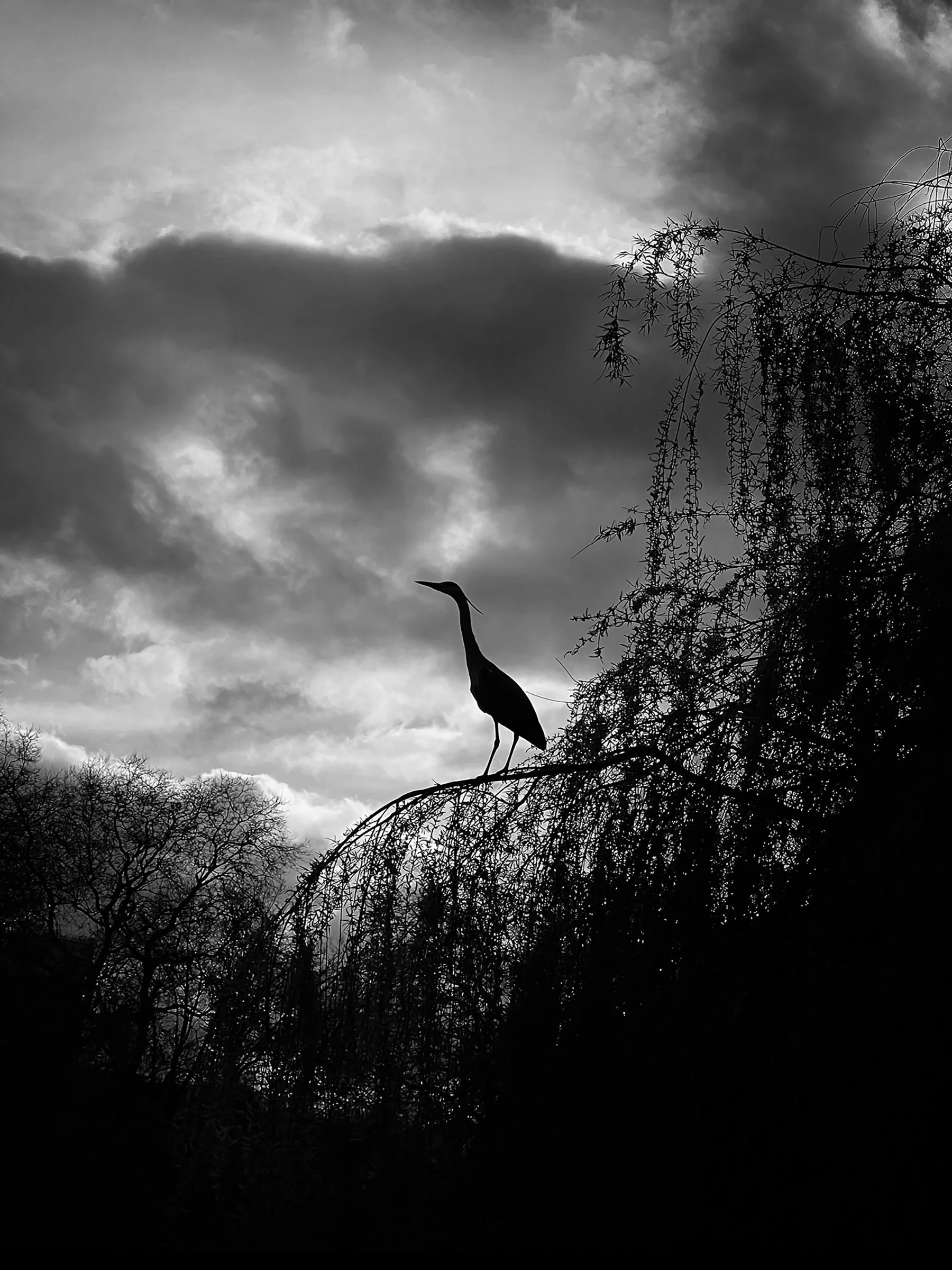
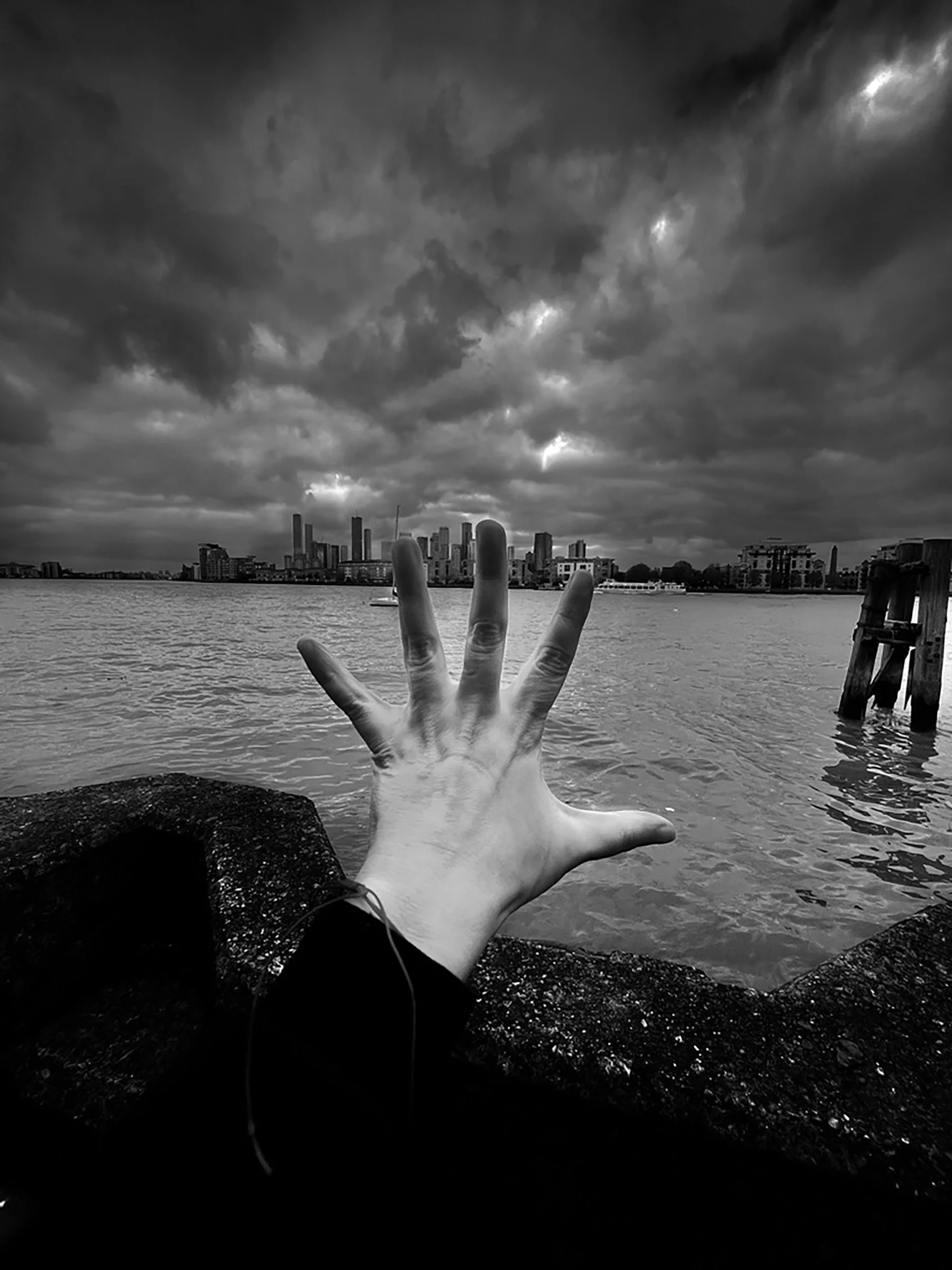
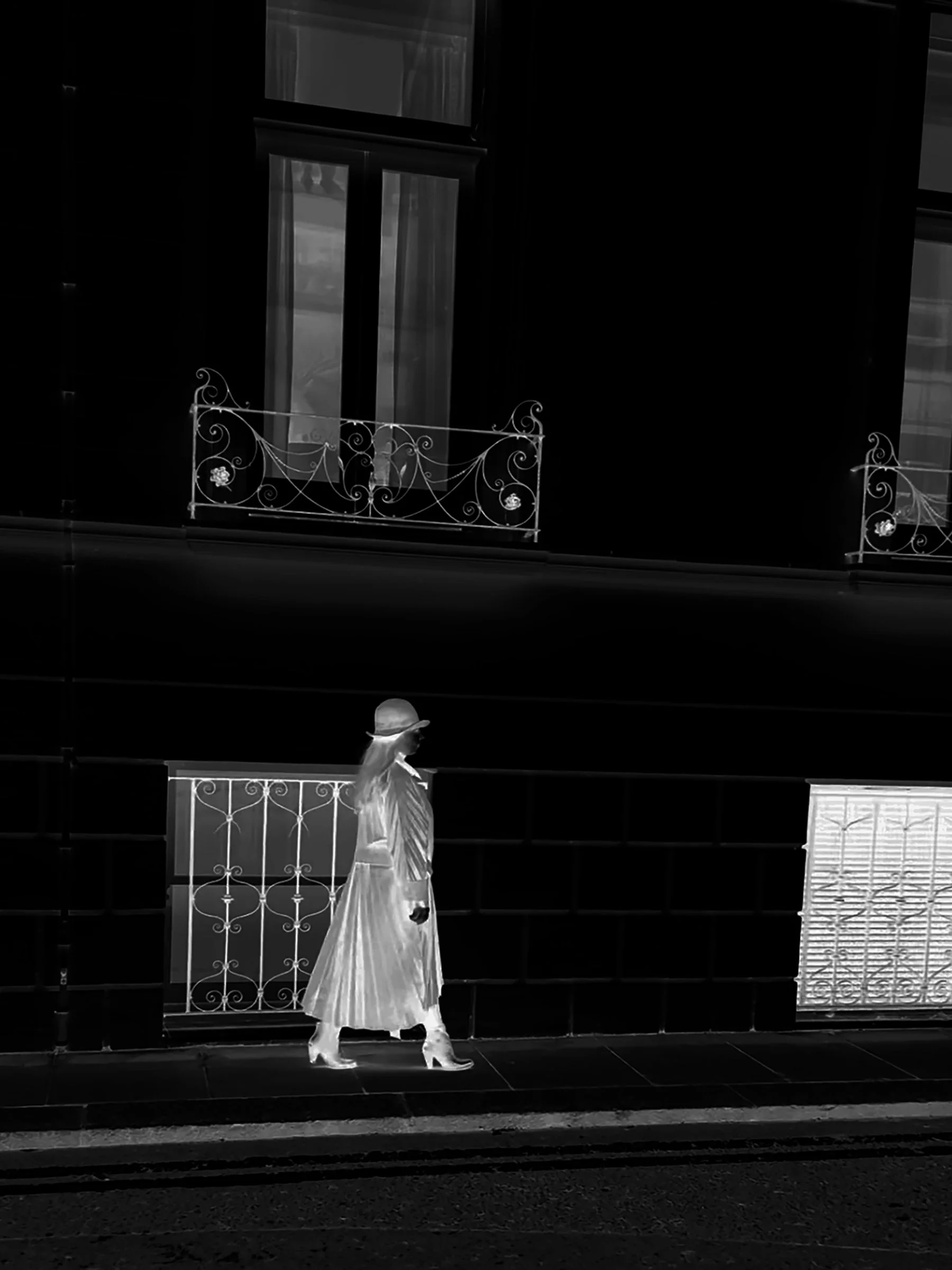
The series The Fictional presents a thought-provoking exploration of this theme, drawing inspiration from locations in Gibson's novel and its screen adaptation. These locations, which exist in our present as the nexus of constitutional and monarchical power, serve as a backdrop for examining the intricate relationships between power, reality, and perception.
By juxtaposing the fictional world of The Peripheral with the real-world locations that embody power and authority, this series invites us to reflect on the ways in which reality is constructed and manipulated. The images presented here capture the imposing structures and symbolic landmarks that dominate the urban landscape, serving as a reminder of the enduring presence of power and its influence on our perceptions of reality.
Through this lens, "The Fictional" offers a commentary on the state of our world, where the boundaries between truth and fiction are increasingly blurred. As we navigate this complex landscape, we are forced to confront the ways in which power operates, shaping our understanding of reality and influencing our perceptions of the world around us. By exploring the intersections of power, reality, and perception, this series challenges us to think critically about the world we inhabit and the forces that shape it.
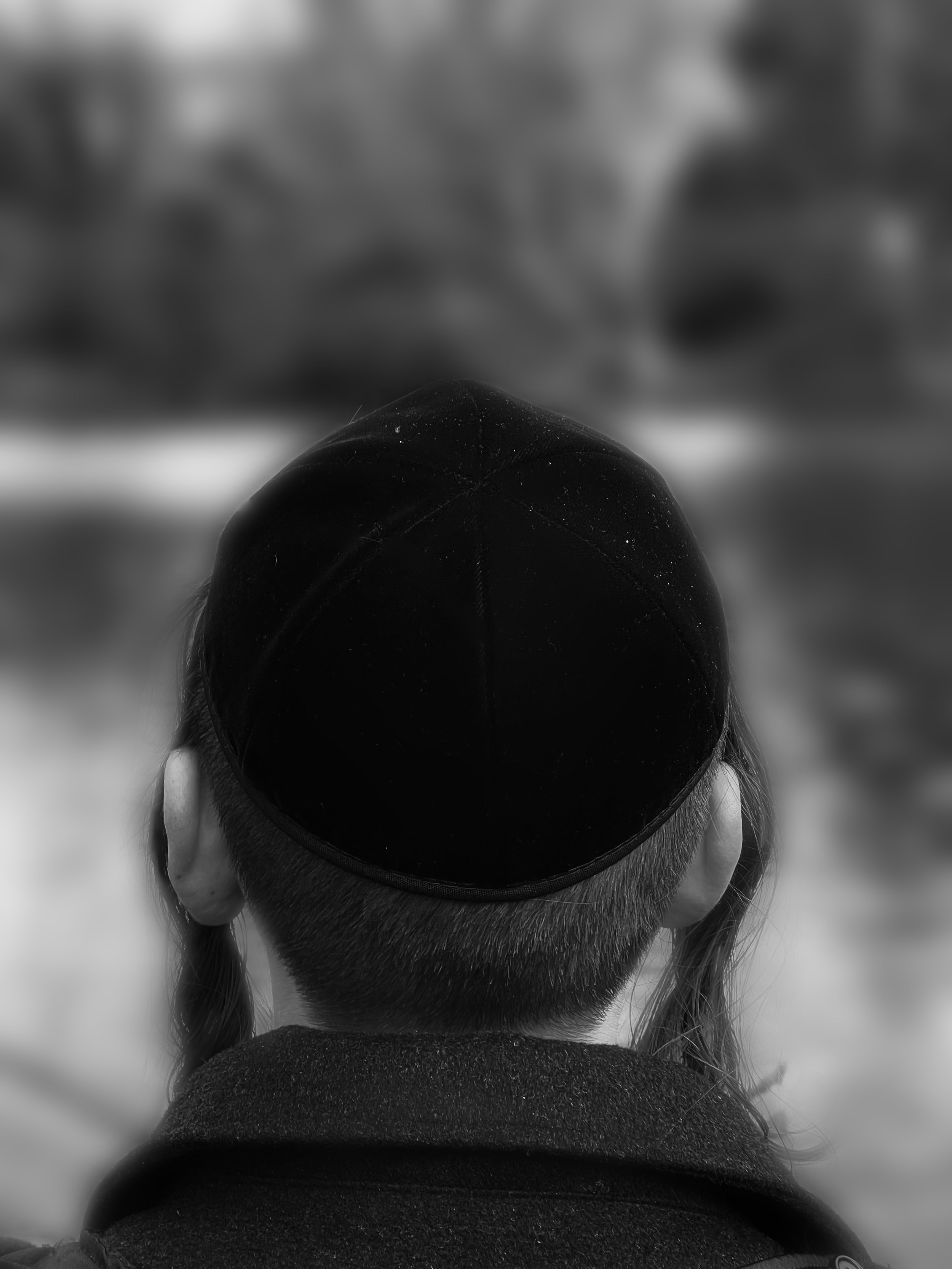
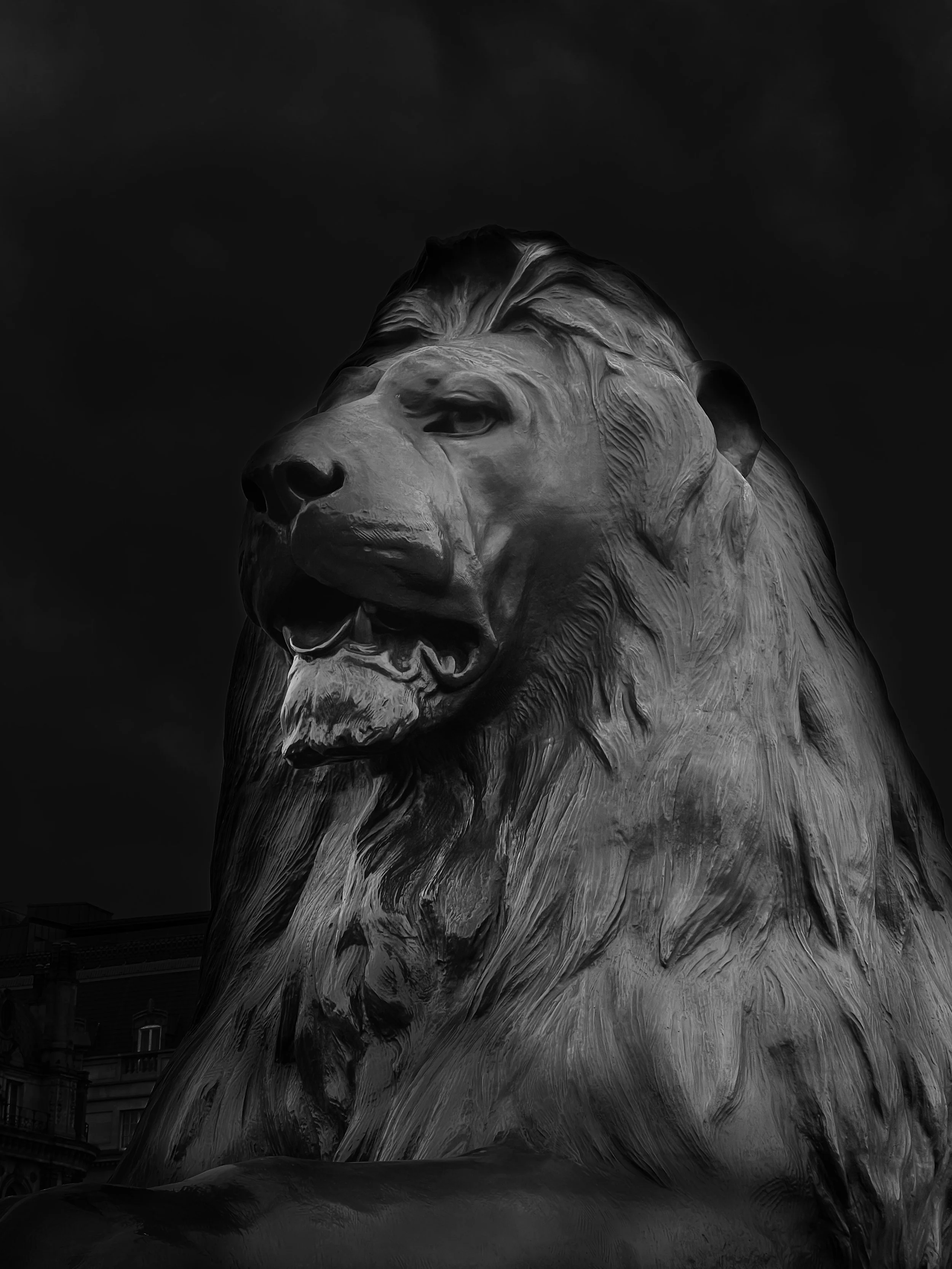
Your project is inspired by The Peripheral and real places of power in London. What made you want to mix fiction and reality in your photography?
In my view, the boundaries between fiction and reality are blurred, and they reflect each other in a perpetual dance. Life is a dream that manifests in diverse forms, a kaleidoscope of perceptions and delusions. We curate our reality, choosing what we deem real or fictional, and in doing so, we define ourselves. The question remains: are we the authors of our own narratives, or are we part of a larger, interconnected web?
In The Fictional, you show how powerful buildings shape what people think is real. How did you choose which places to photograph, and what did you hope they would say?
My exploration of this theme is influenced by the TV series The Peripheral (2022) and the locations featured in my upcoming film, Sick Bacchus. I'm drawn to the paradoxical nature of megacities like London, where crowds and tourists mask an underlying emptiness. Amidst the chaos, there's a beauty that emerges, a silence that transcends the mundane. This silence is akin to alchemy, transforming the ordinary into something profound.
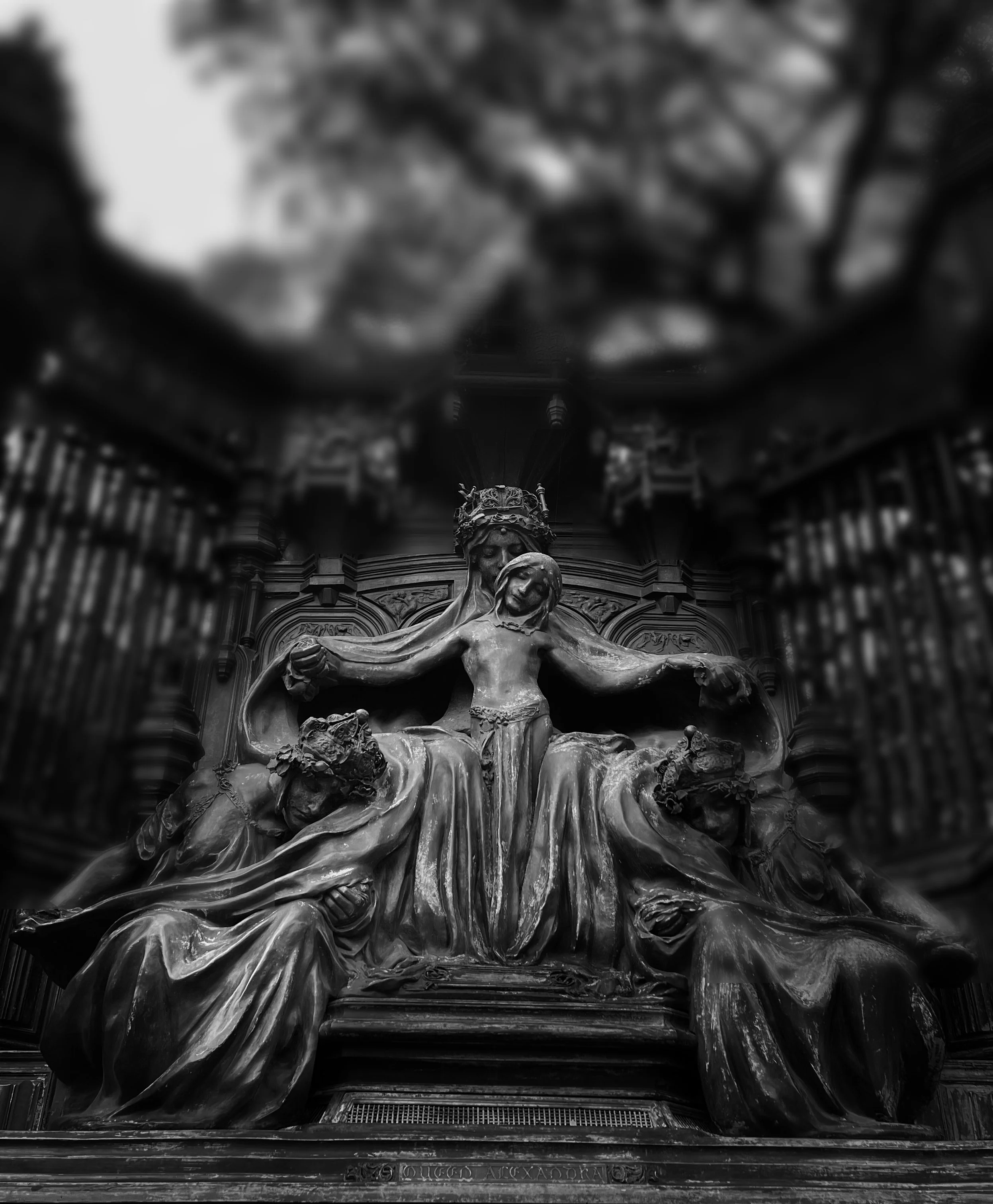
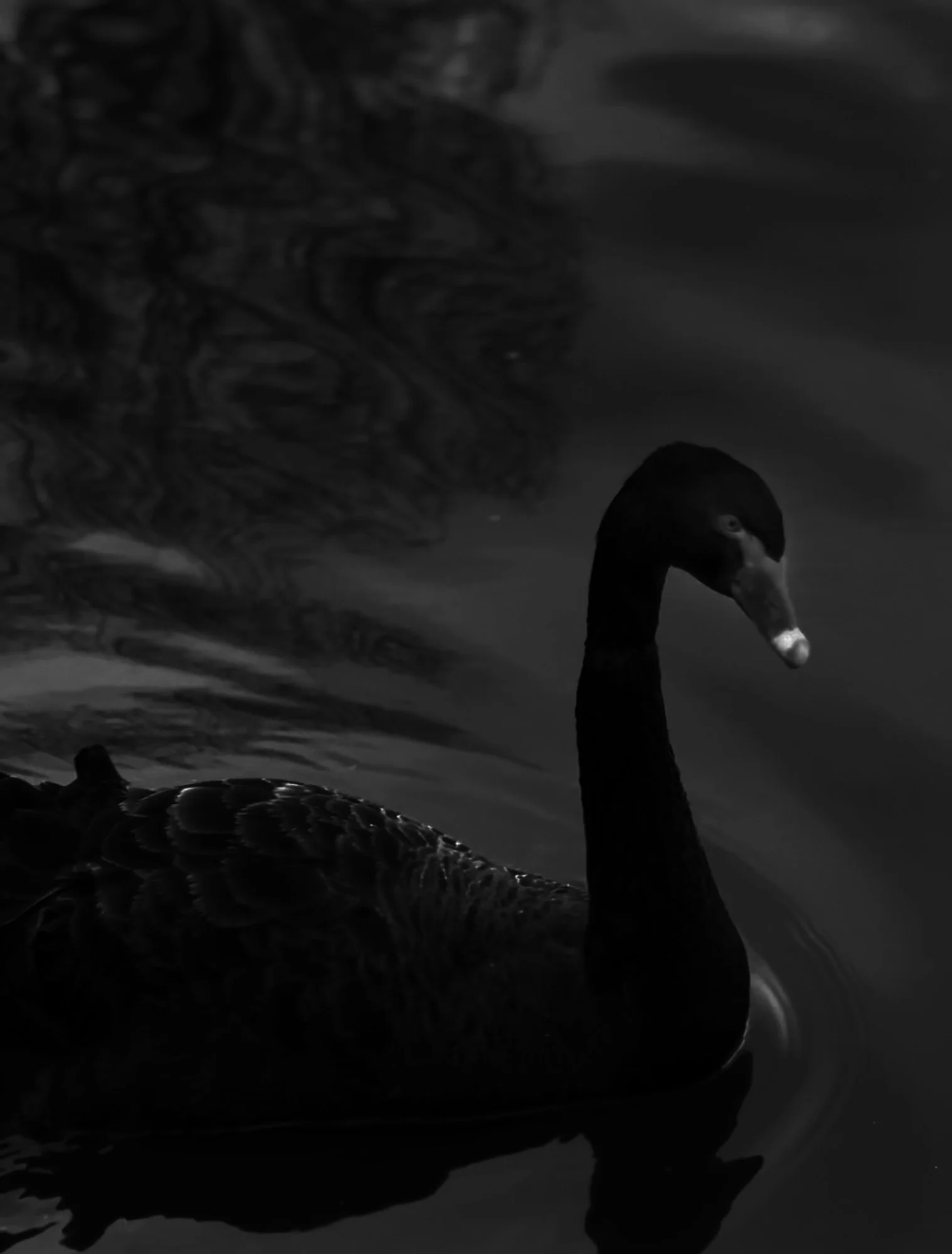
You write that truth today feels more about influence than facts. How do your images help people stop and question what they believe is real?
My images call viewers to pause and reflect on their perceptions of reality. Truth is a subjective construct, filtered through our individual perspectives. Each person sees the world through their unique lens, and reality is shaped by their experiences. The question is, do people want to pause and gaze beyond the veil of their own reality, to deconstruct and question the narratives that govern their lives? Perhaps art can serve as a catalyst, inviting us to stop, reflect, and ponder the mysteries that lie beneath the surface.
You often work with bold, emotional themes in your films and photos. What kind of feeling or message do you want people to take away after seeing this series?
My photographic series, The Fictional, is an invitation to step into the unknown, to merge with the unseen. I aim to reveal the intricate web of meanings that underlies our perception, to show that life is both a mystery and an illusion. By embracing the complexity and ambiguity of existence, we can transcend the confines of our individual perspectives and become part of something greater. In this ocean of being, we're not just actors in a fictional reality; we're participants in a profound, unfolding beauty.

Michael Behlen photographed water that would not stay still. For three years, he returned to Millerton Lake in California’s Central Valley, making all the photographs during storms, when the reservoir became harder to read. Picture Story