Mark Power’s FASHION: How 27 Years of Commissioned Work Became One Photography book
Welcome to this edition of [book spotlight]. Today, we uncover the layers of 'FASHION,' by Mark Power (published by GOST Books). We'd love to read your comments below about these insights and ideas behind the artist's work.
Can commissioned photography still feel brutally honest?
This article is about Mark Power and his book FASHION. If you shoot assignments, client jobs, editorial work, or any paid projects, this is for you. Because Mark didn’t just manage commissions, he shaped 27 years of them into 1 focused photobook. The interview shows what he did so the work stays his, not the client’s.
Most photographers think paid work kills personal vision.
Mark argues the opposite, if you work with clear rules. In our interview, he explains how he edits, sequences, and sets boundaries so the pictures still feel true. We also talk about choices like removing captions, and why that changes how you read the images.
FASHION proves freedom is a decision, not a budget.
The Book
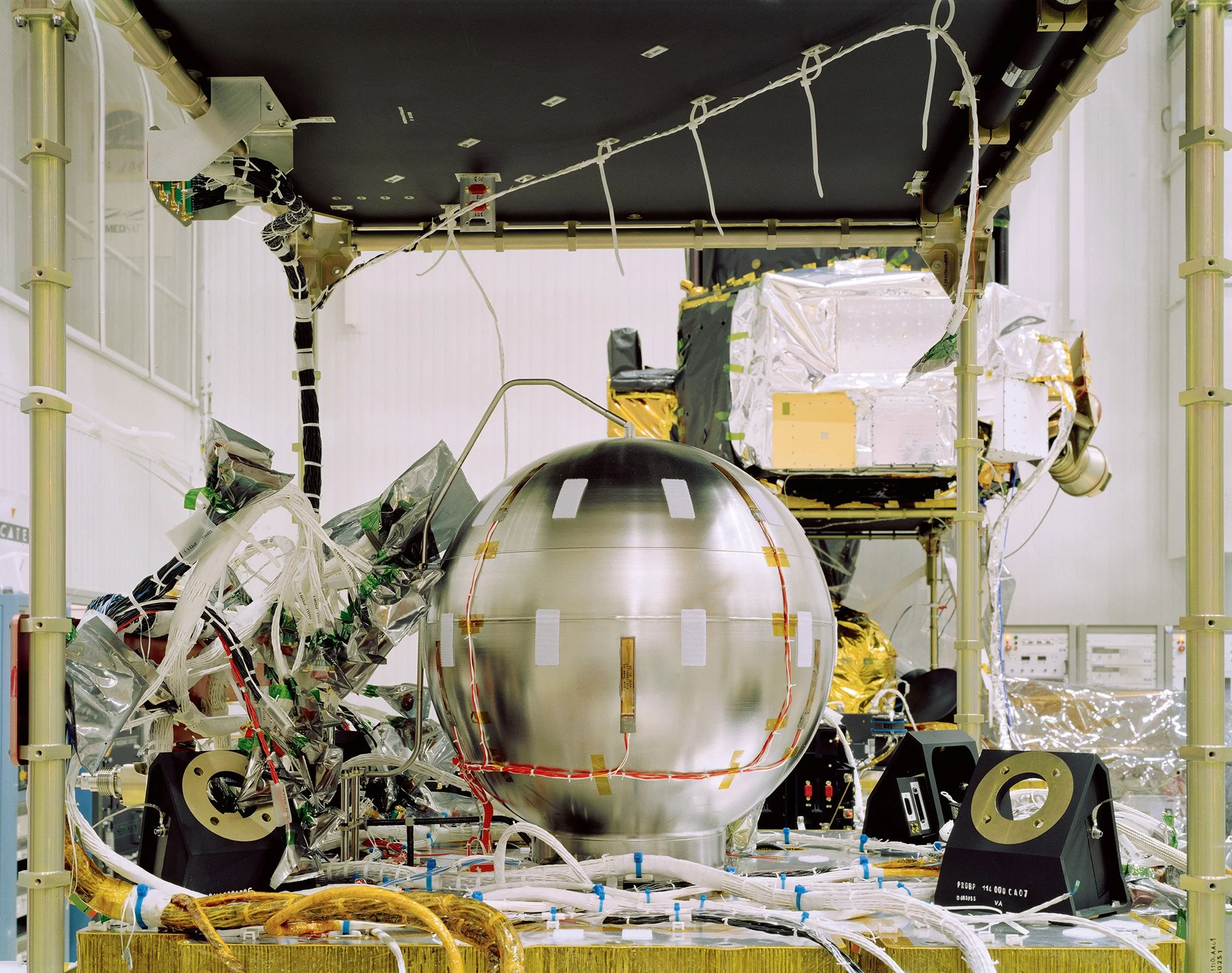
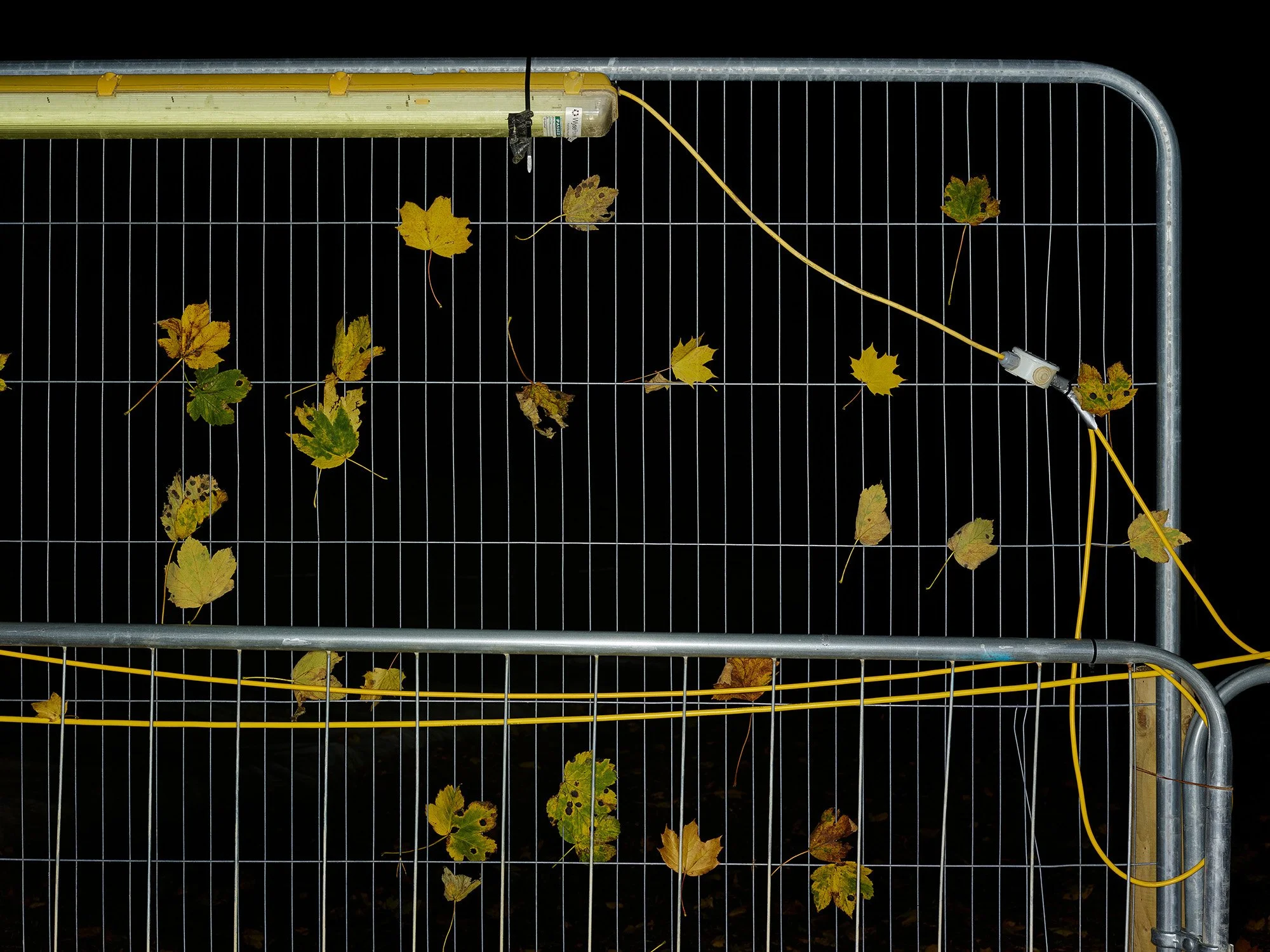
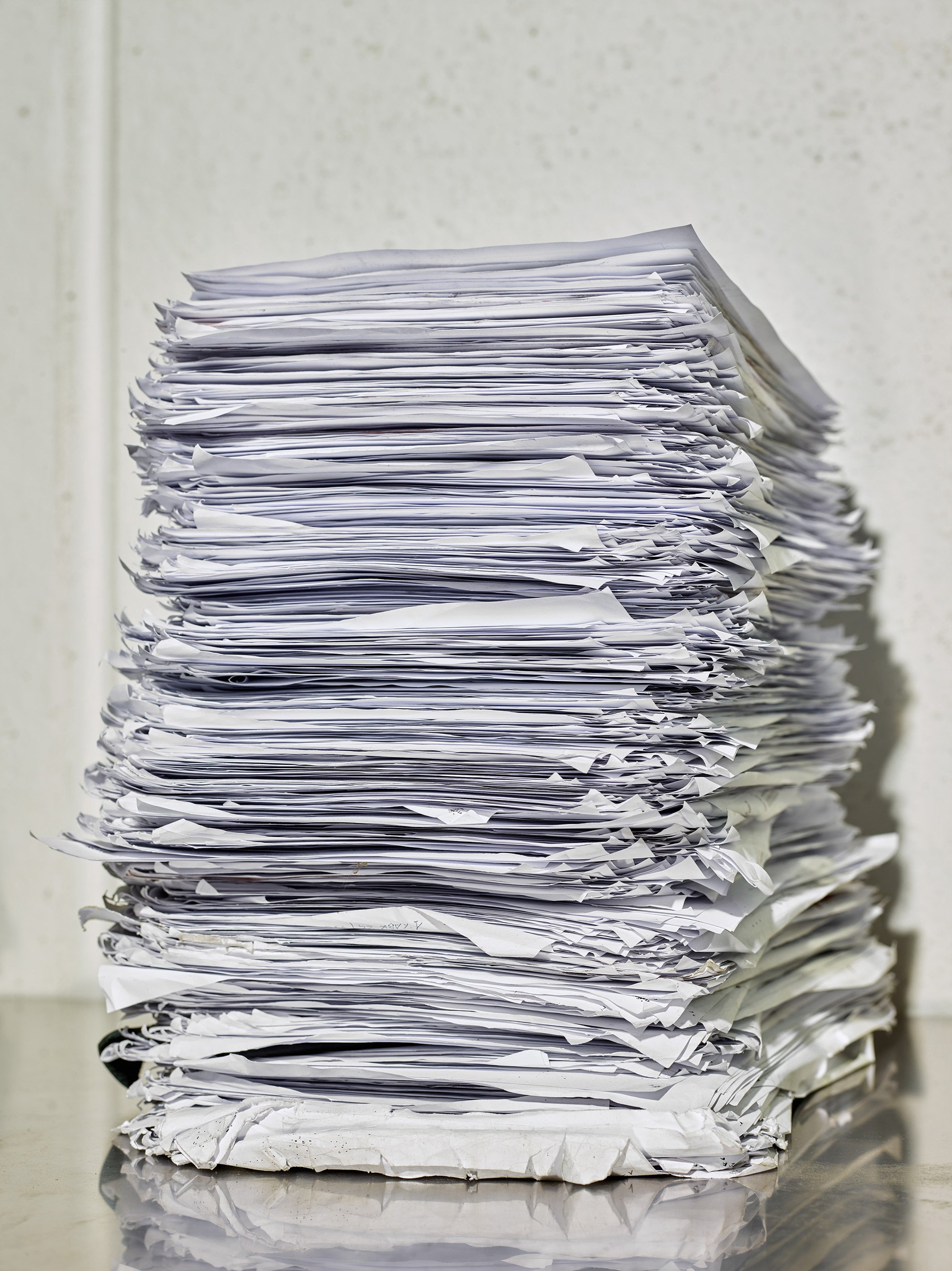
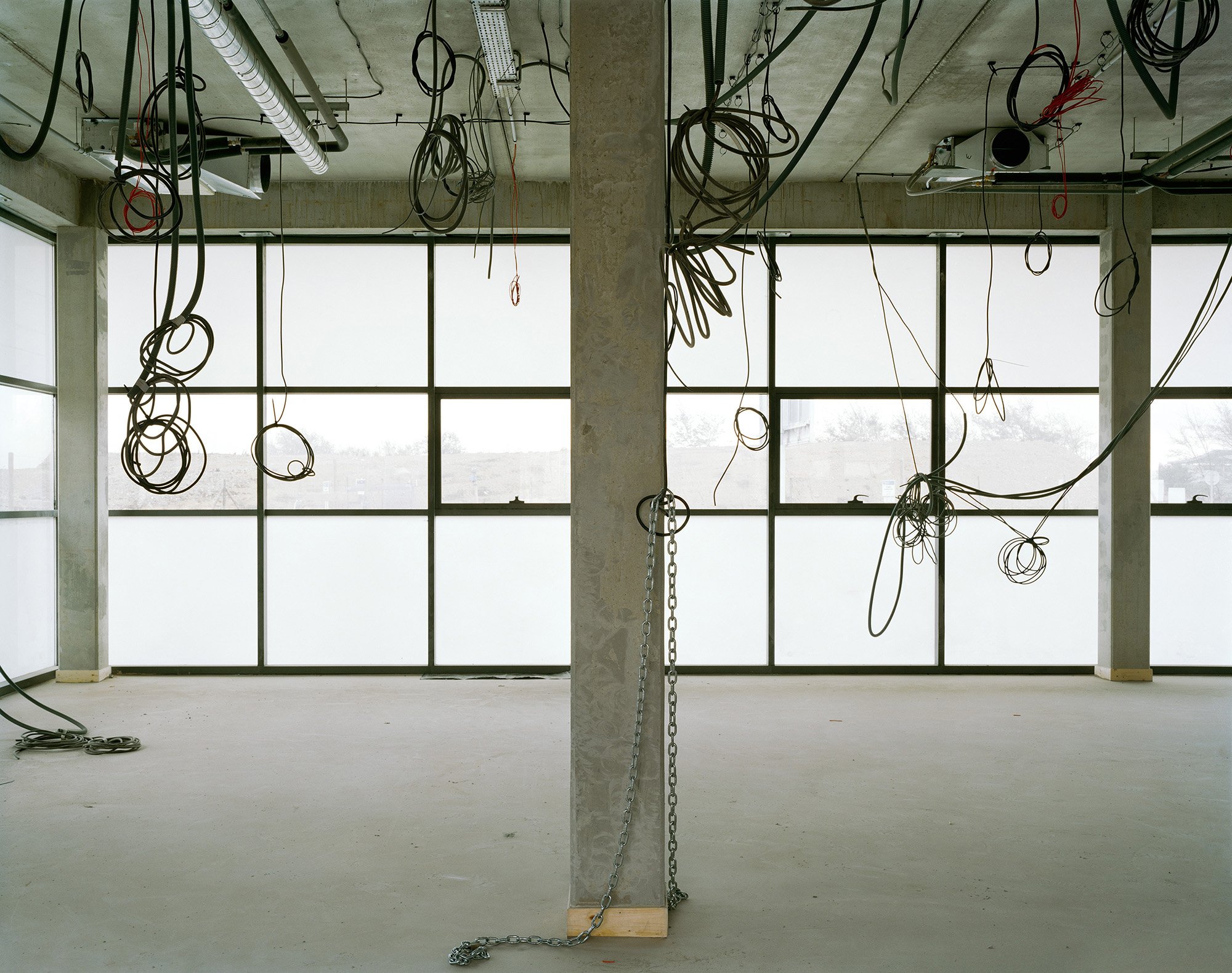
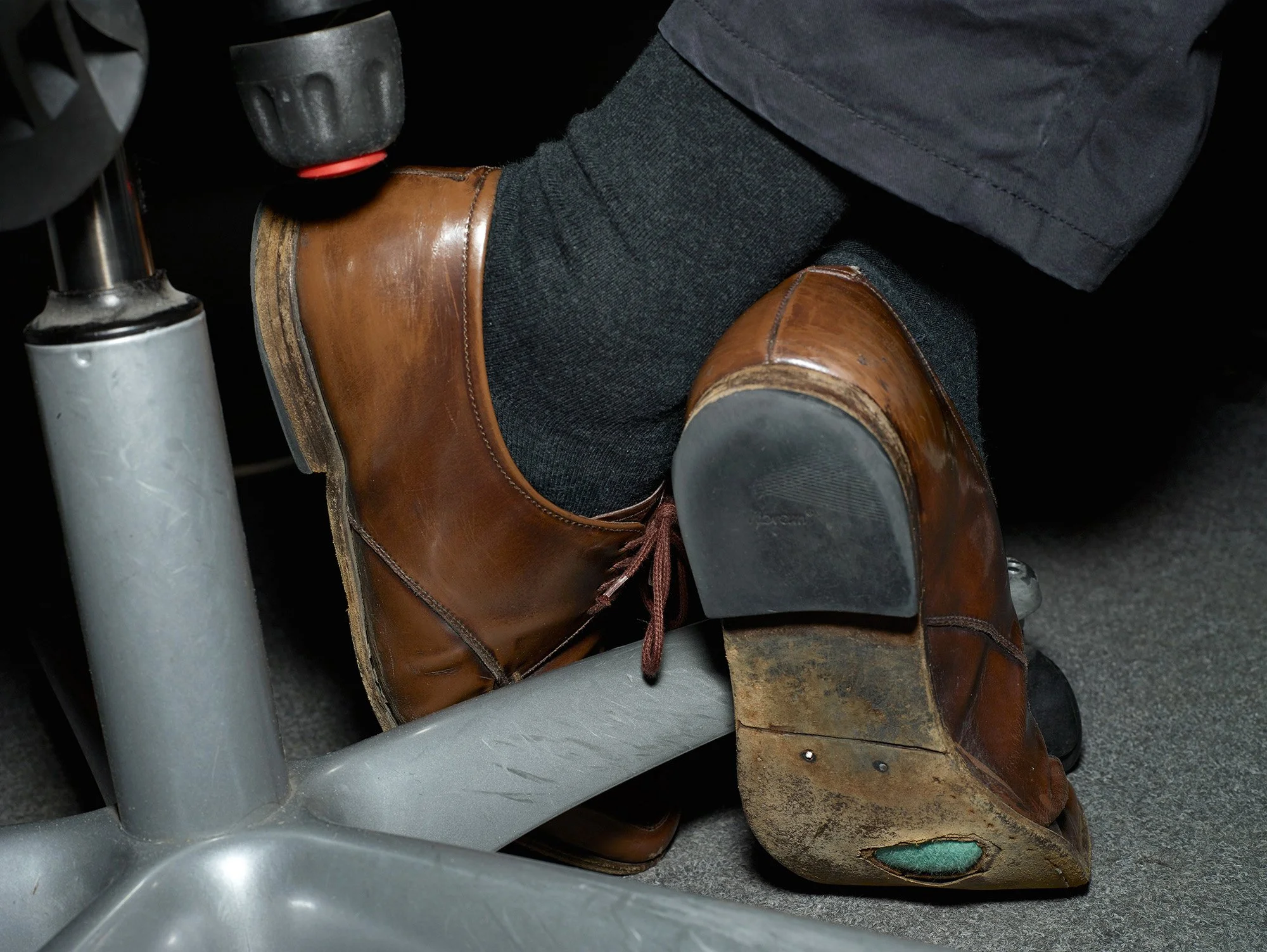
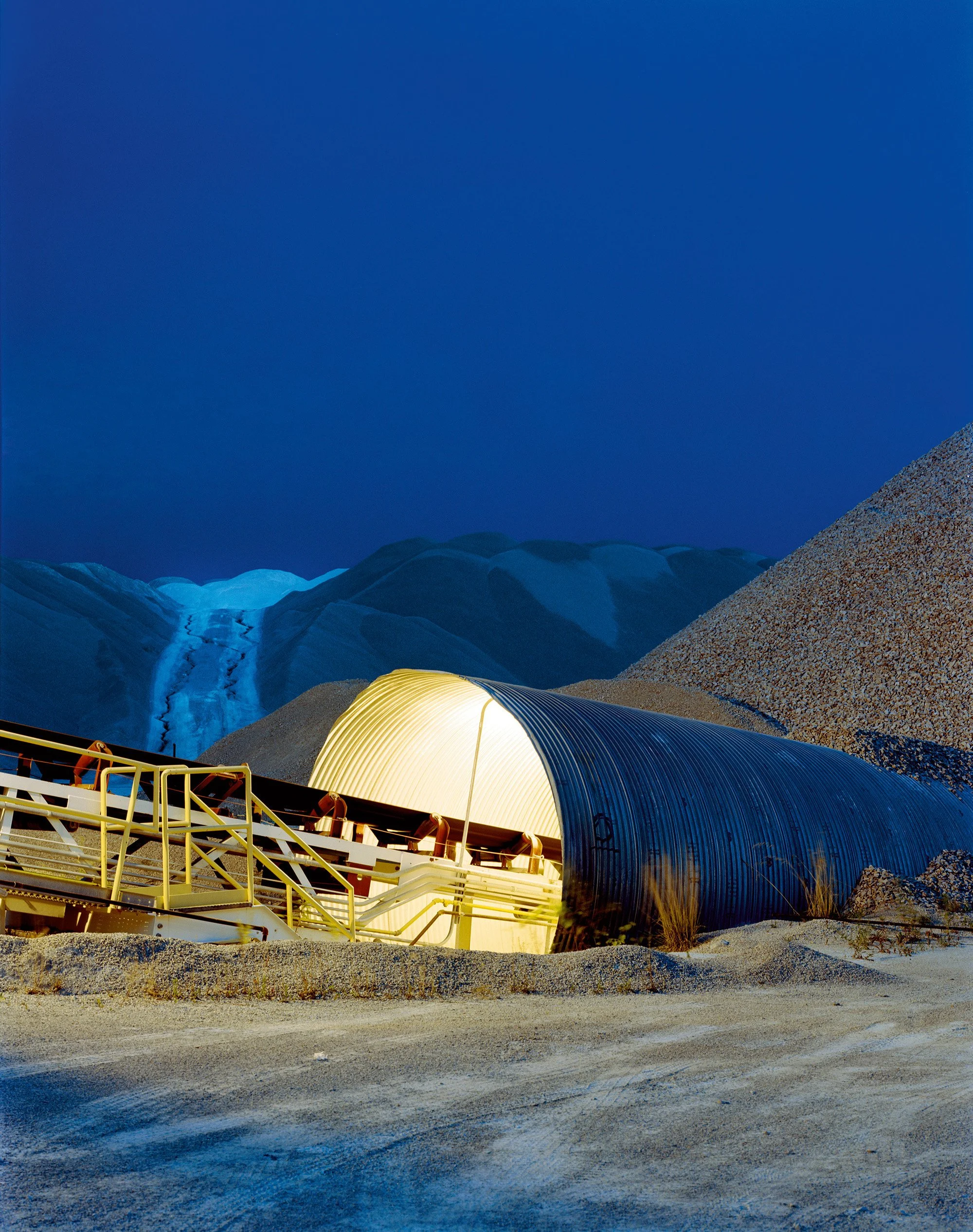
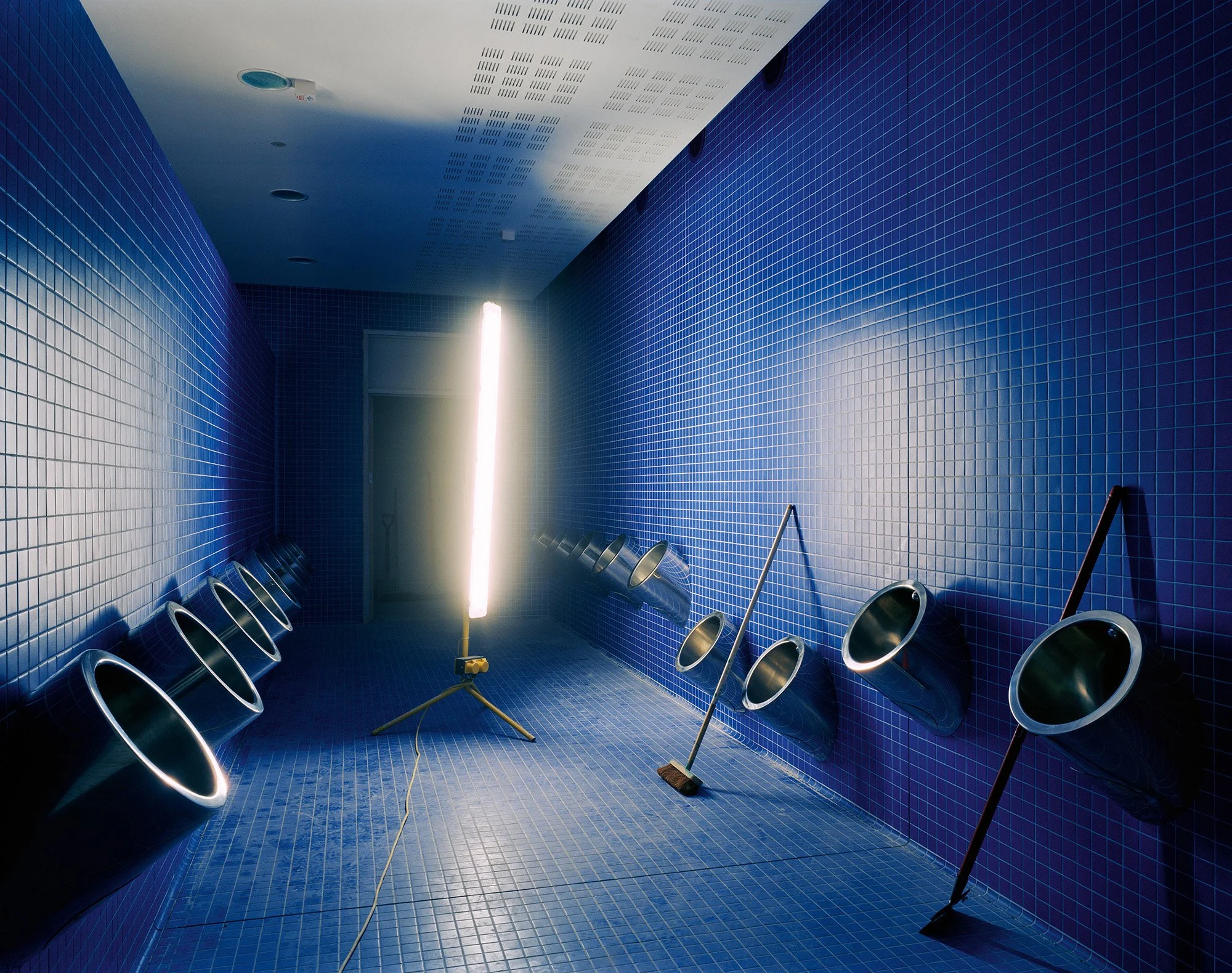
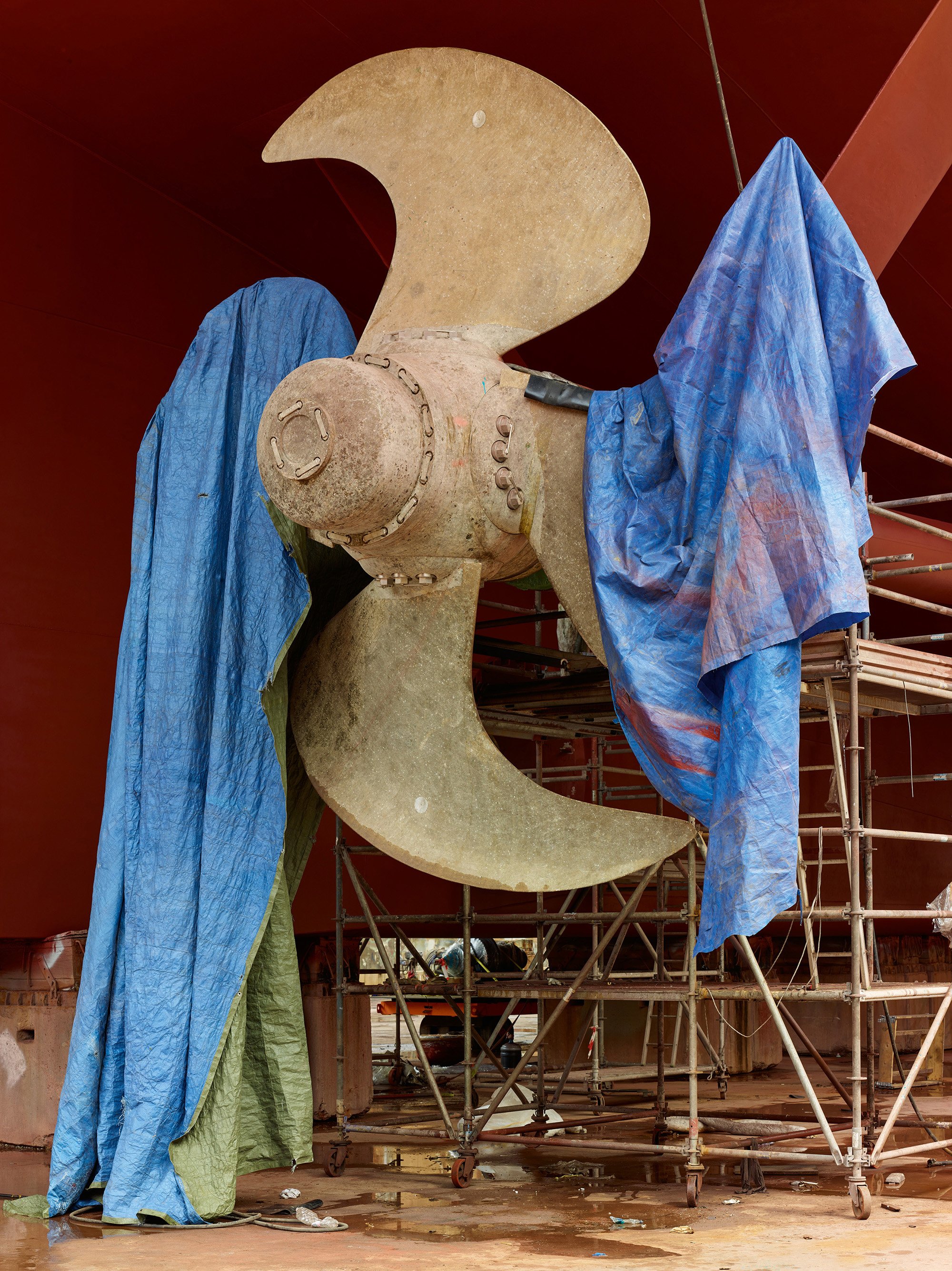
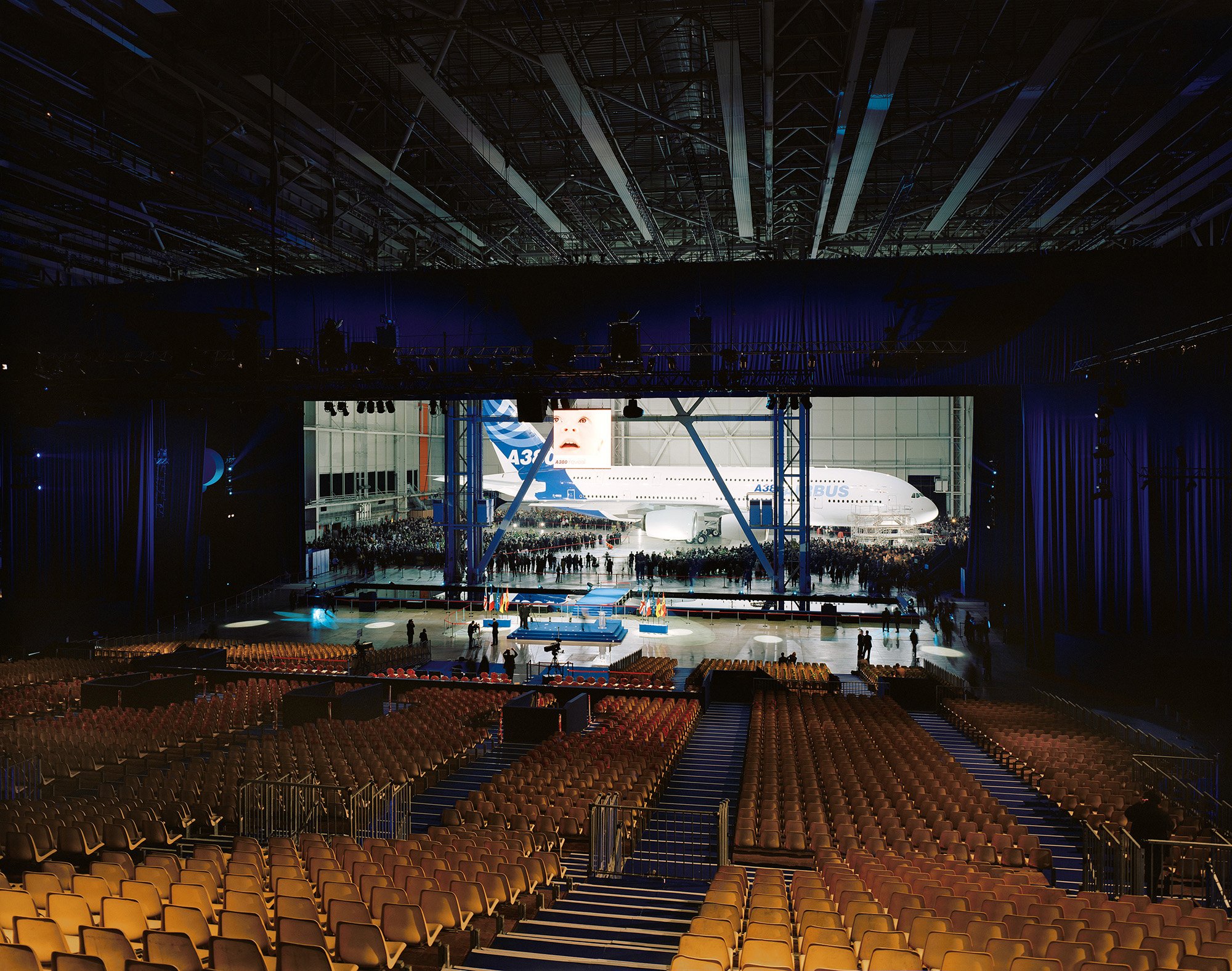
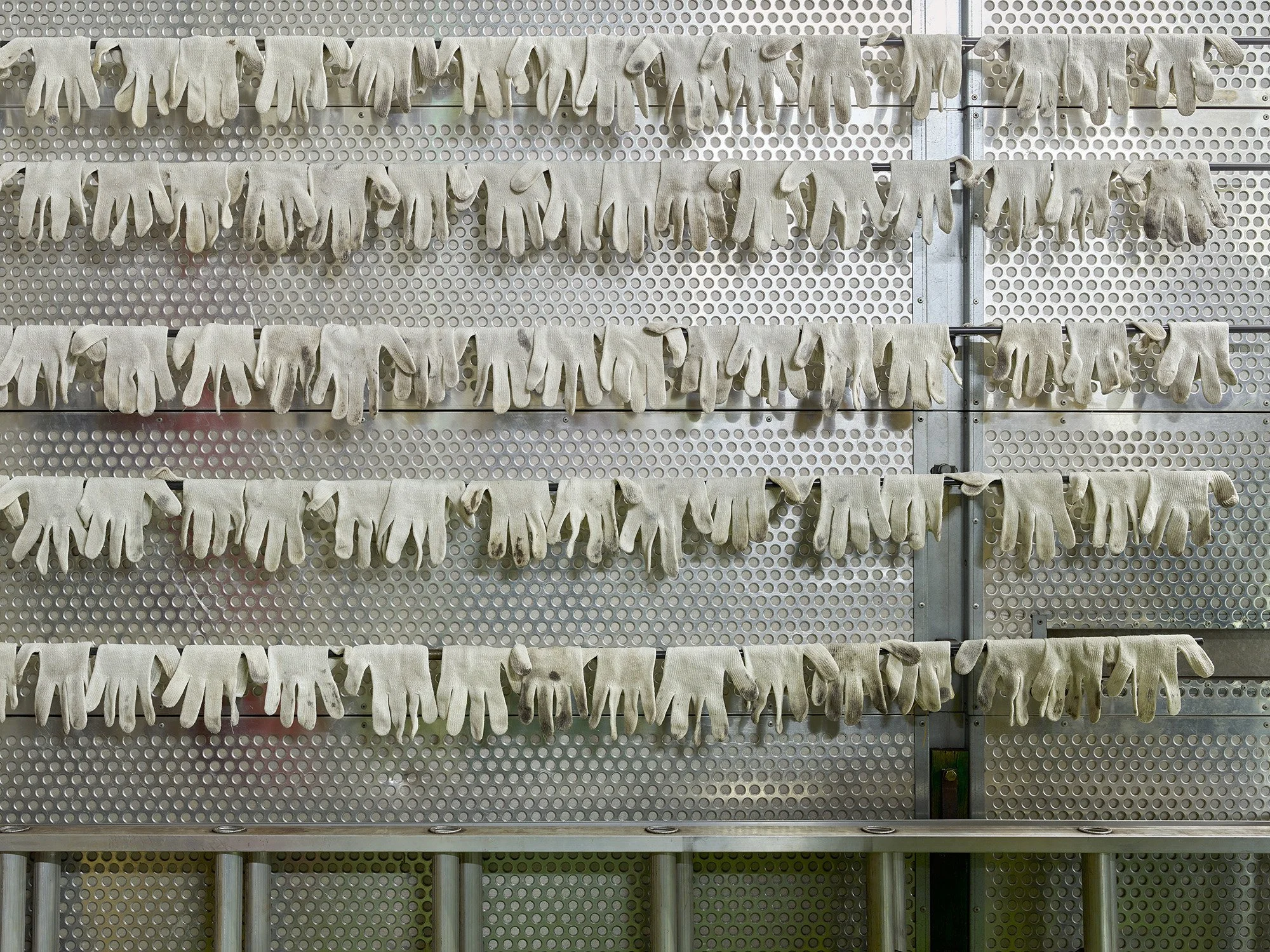
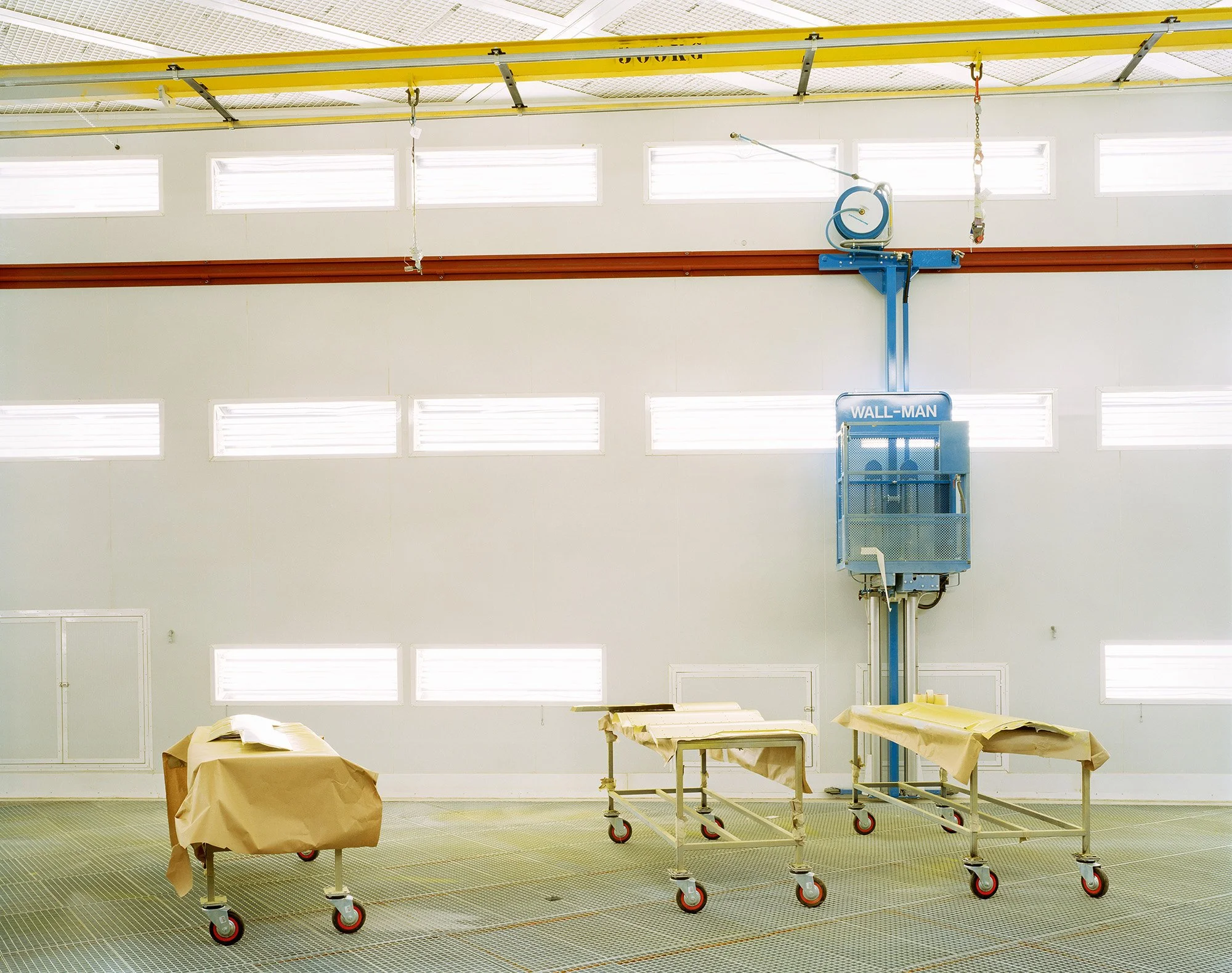
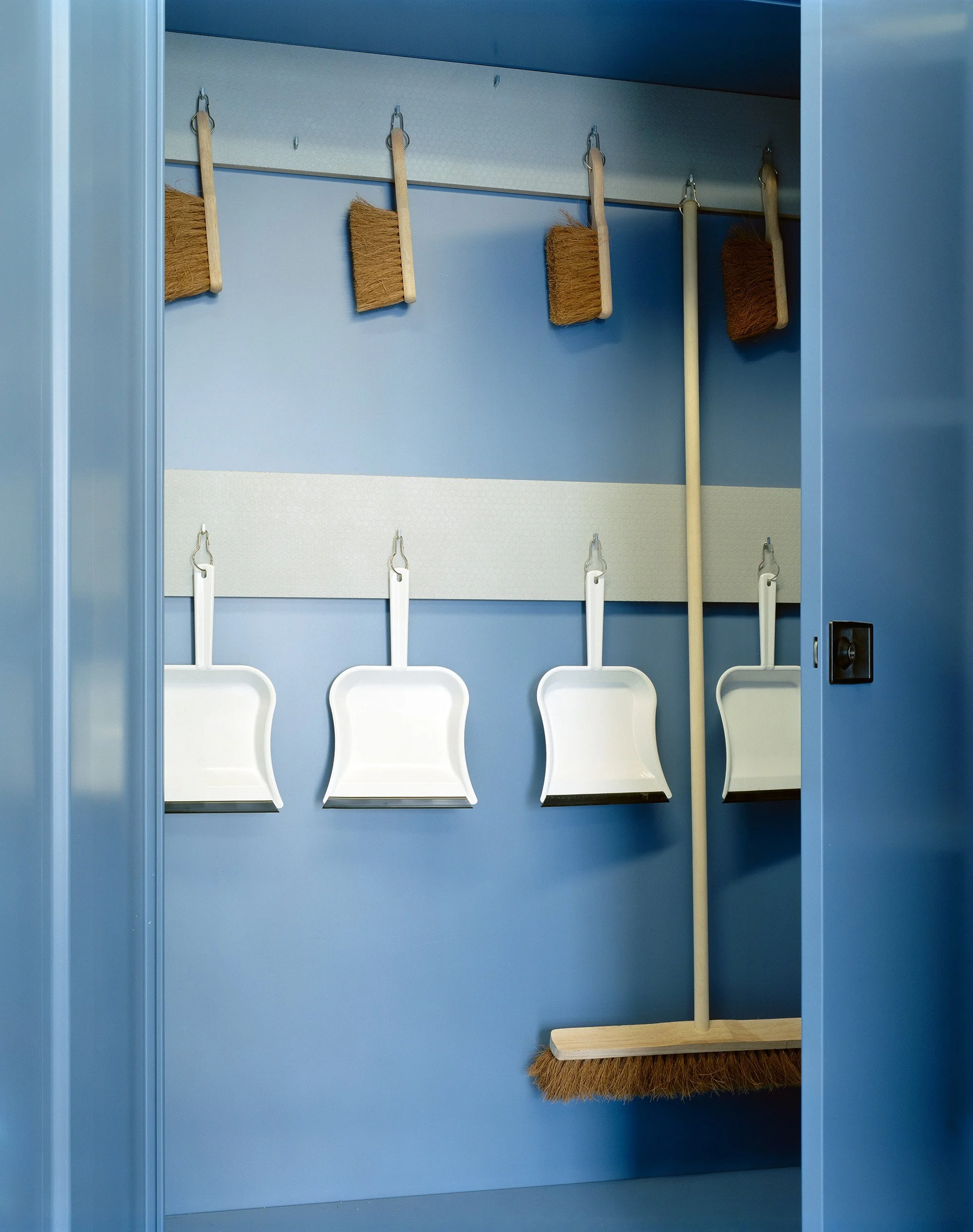
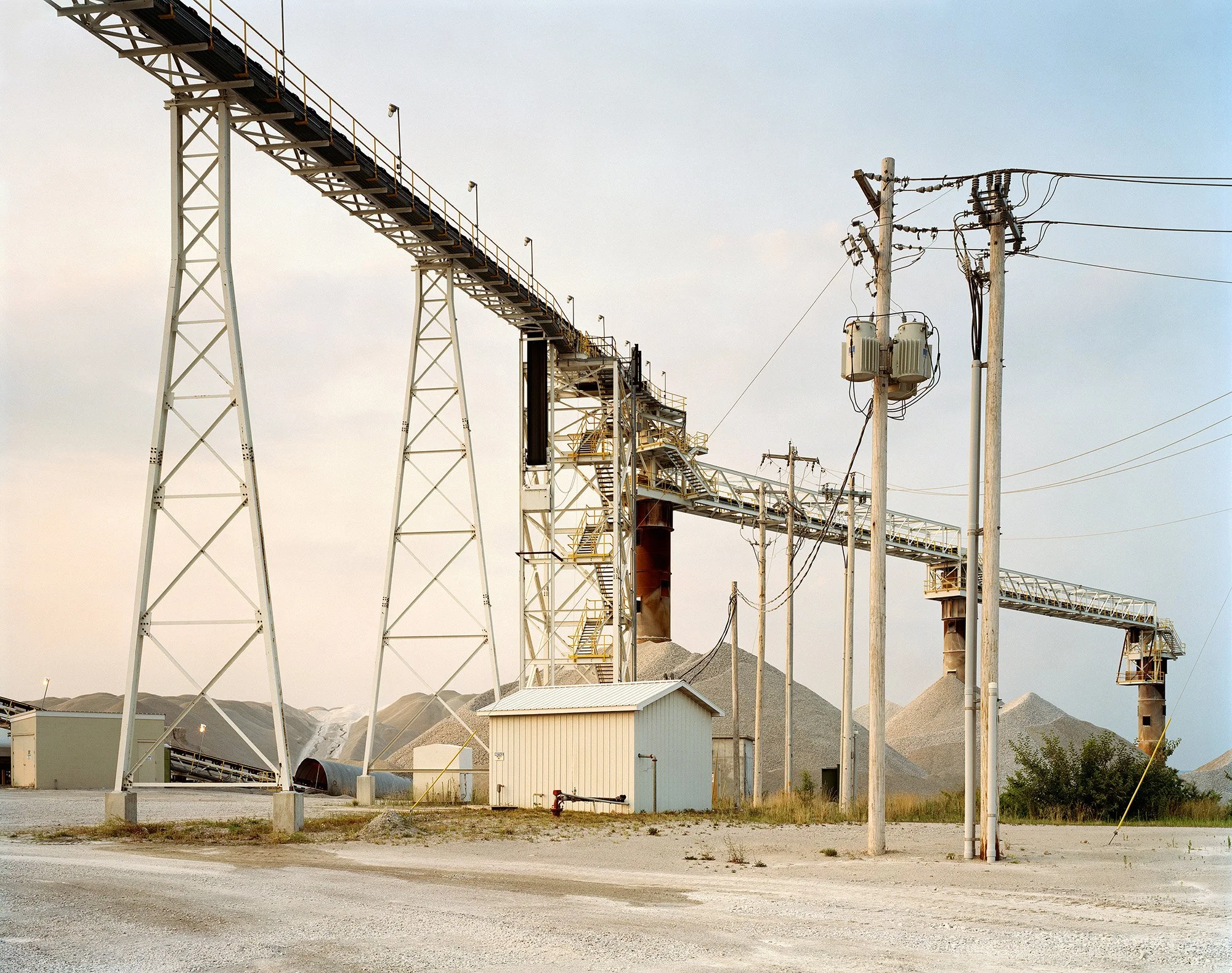
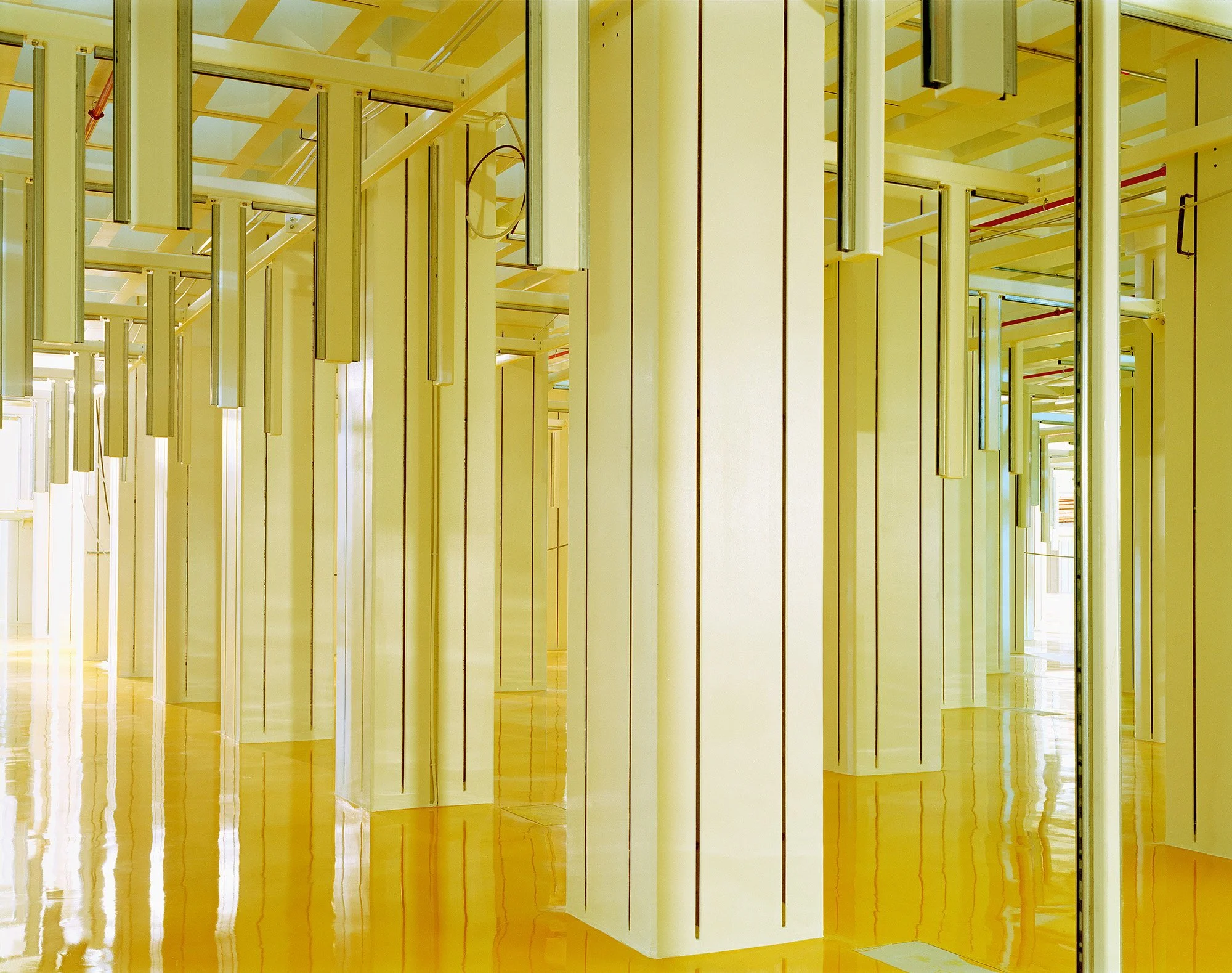
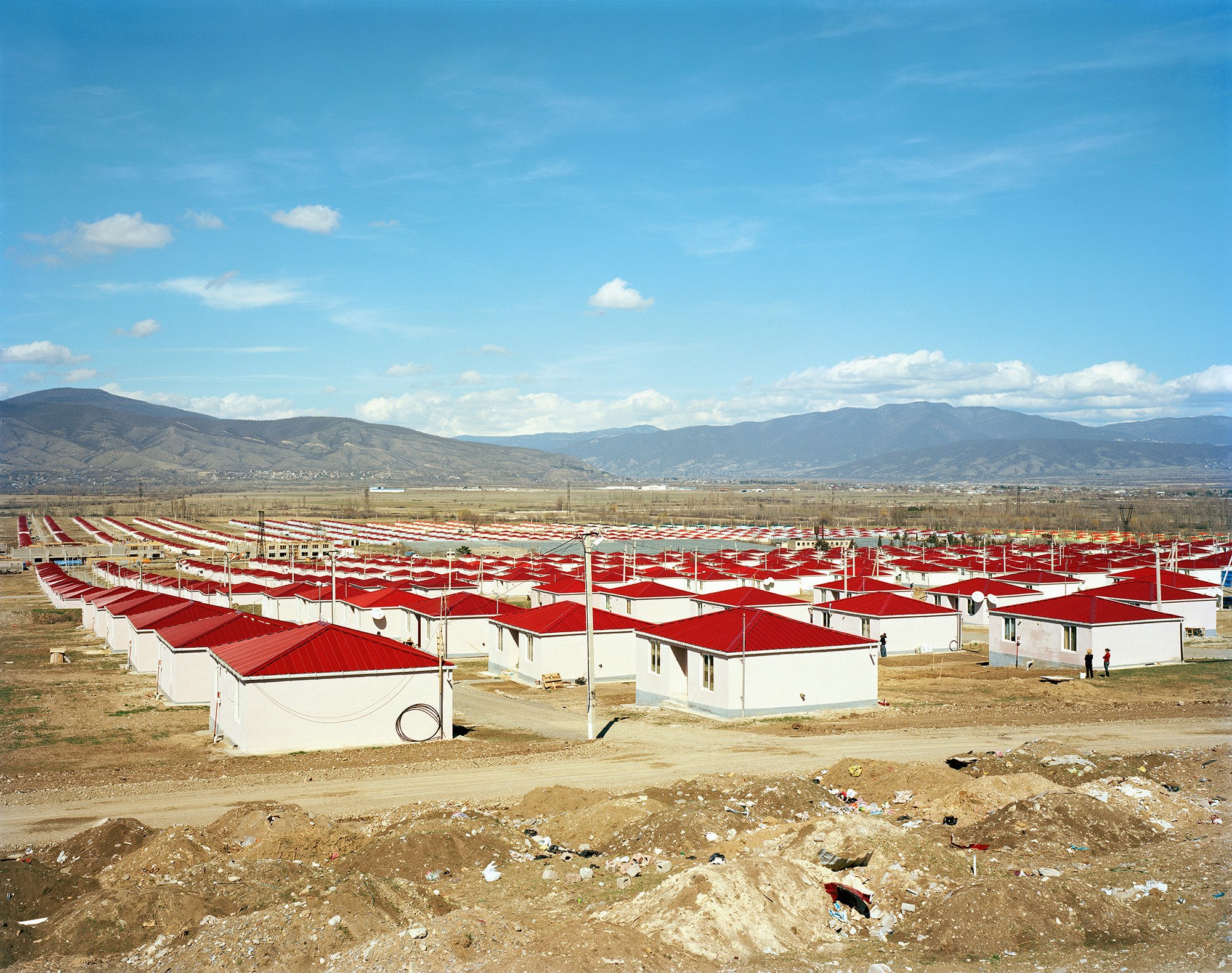
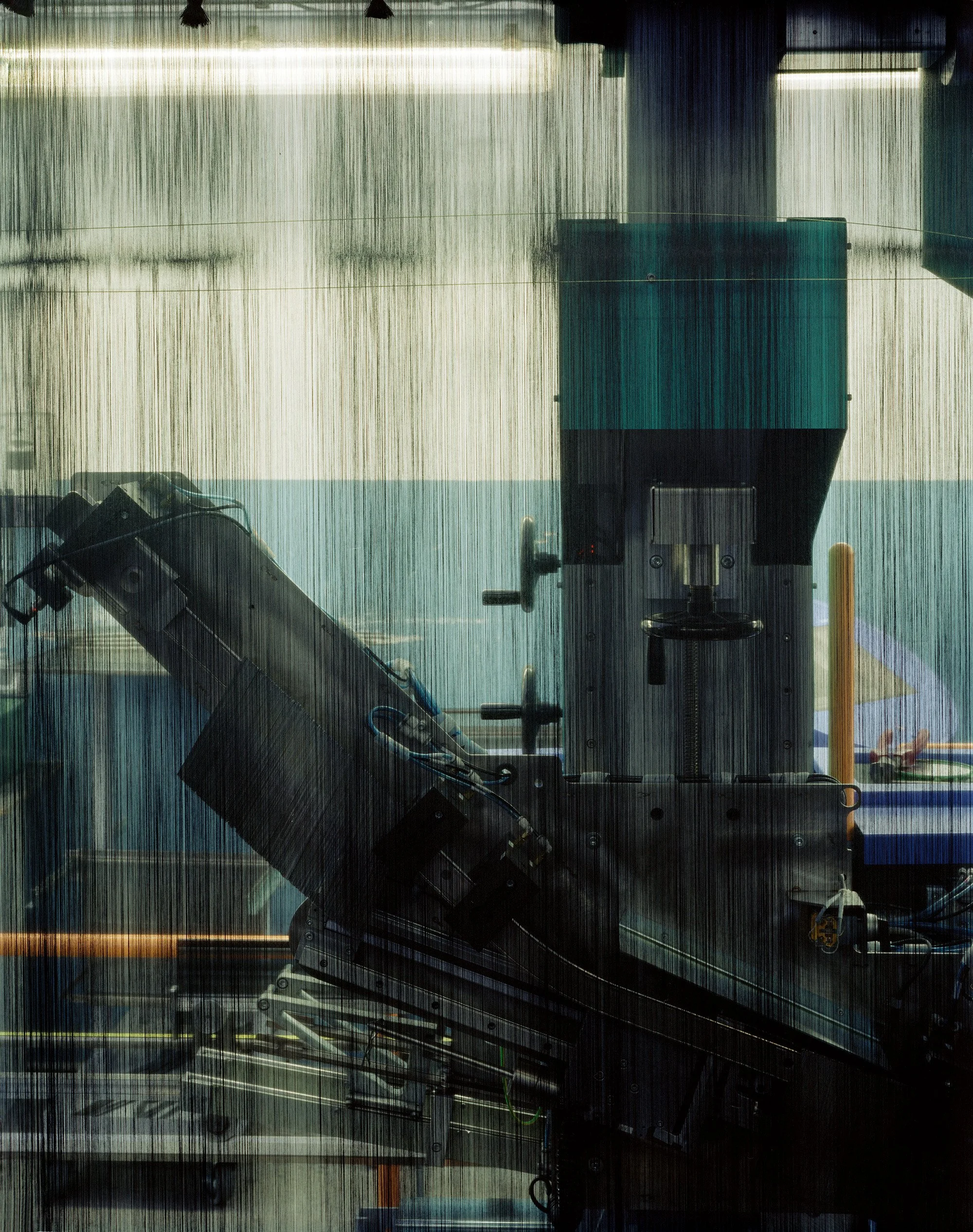
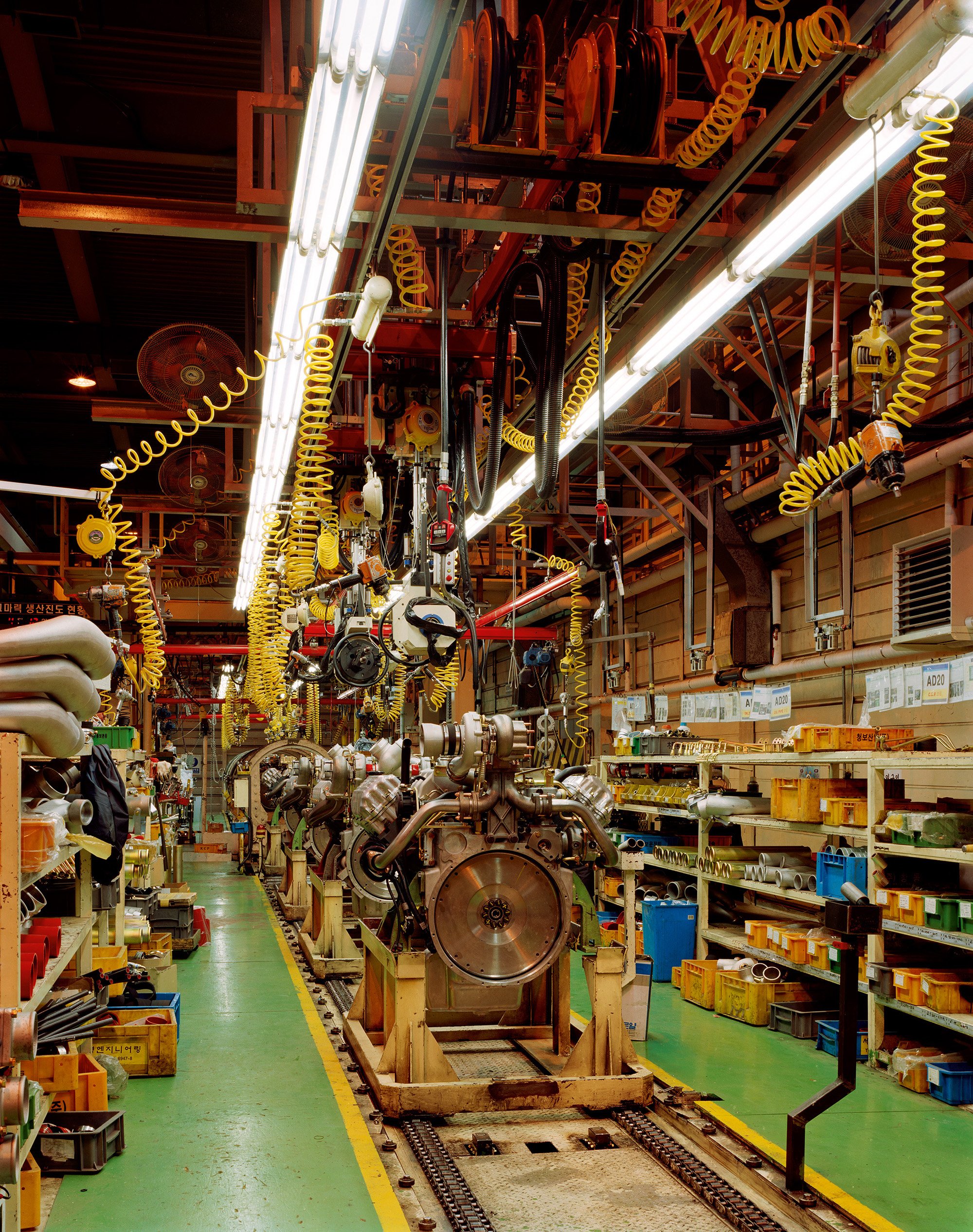
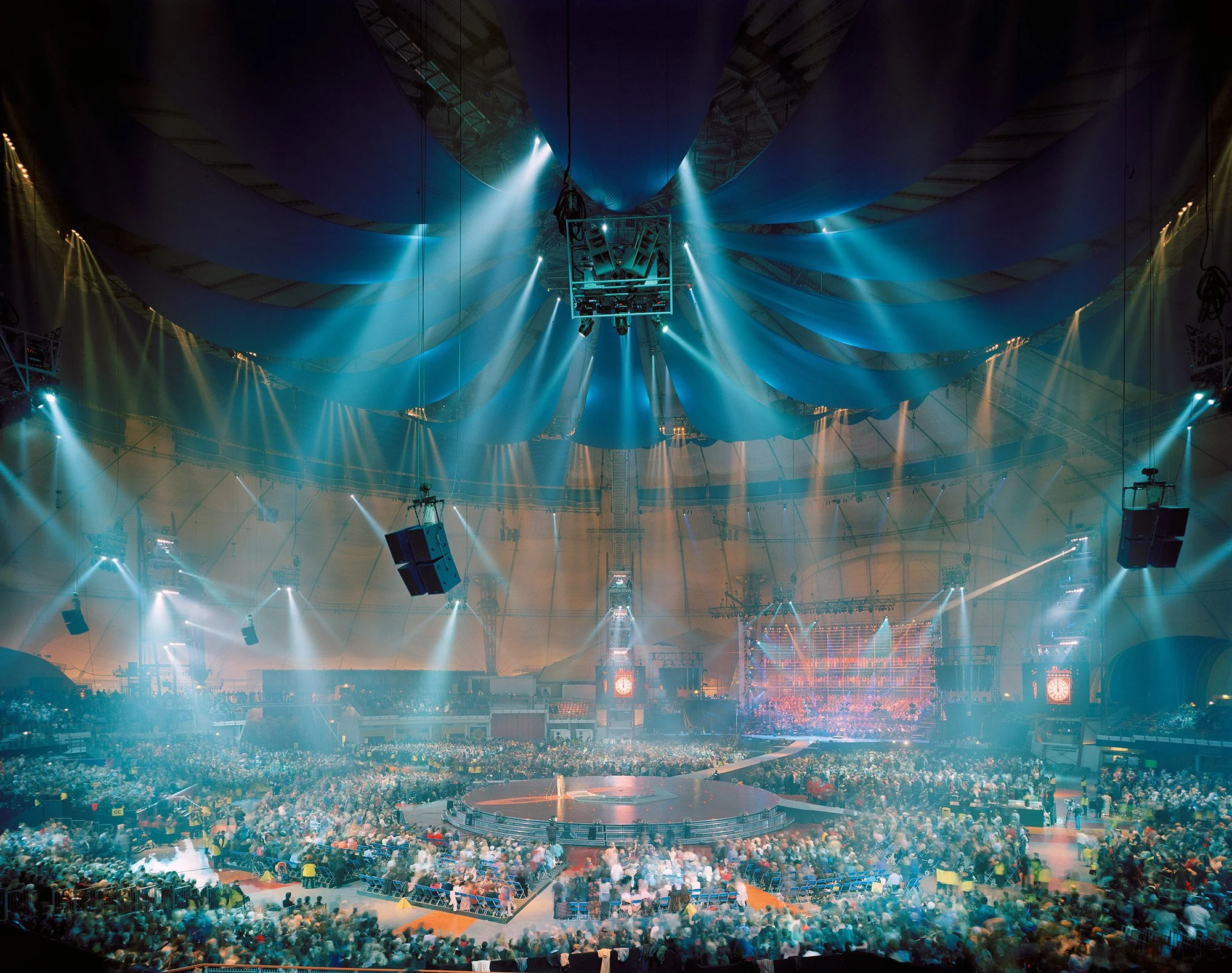
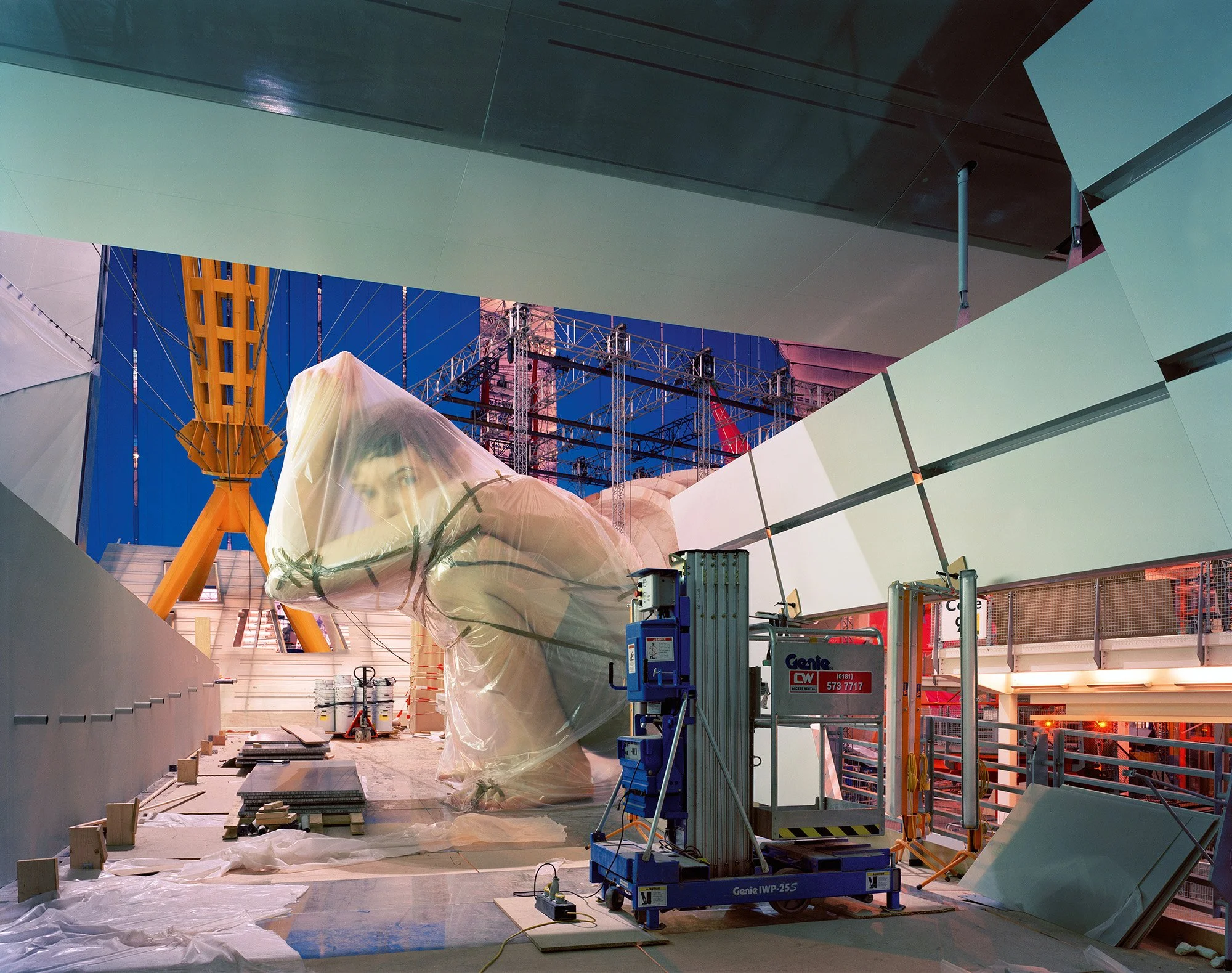
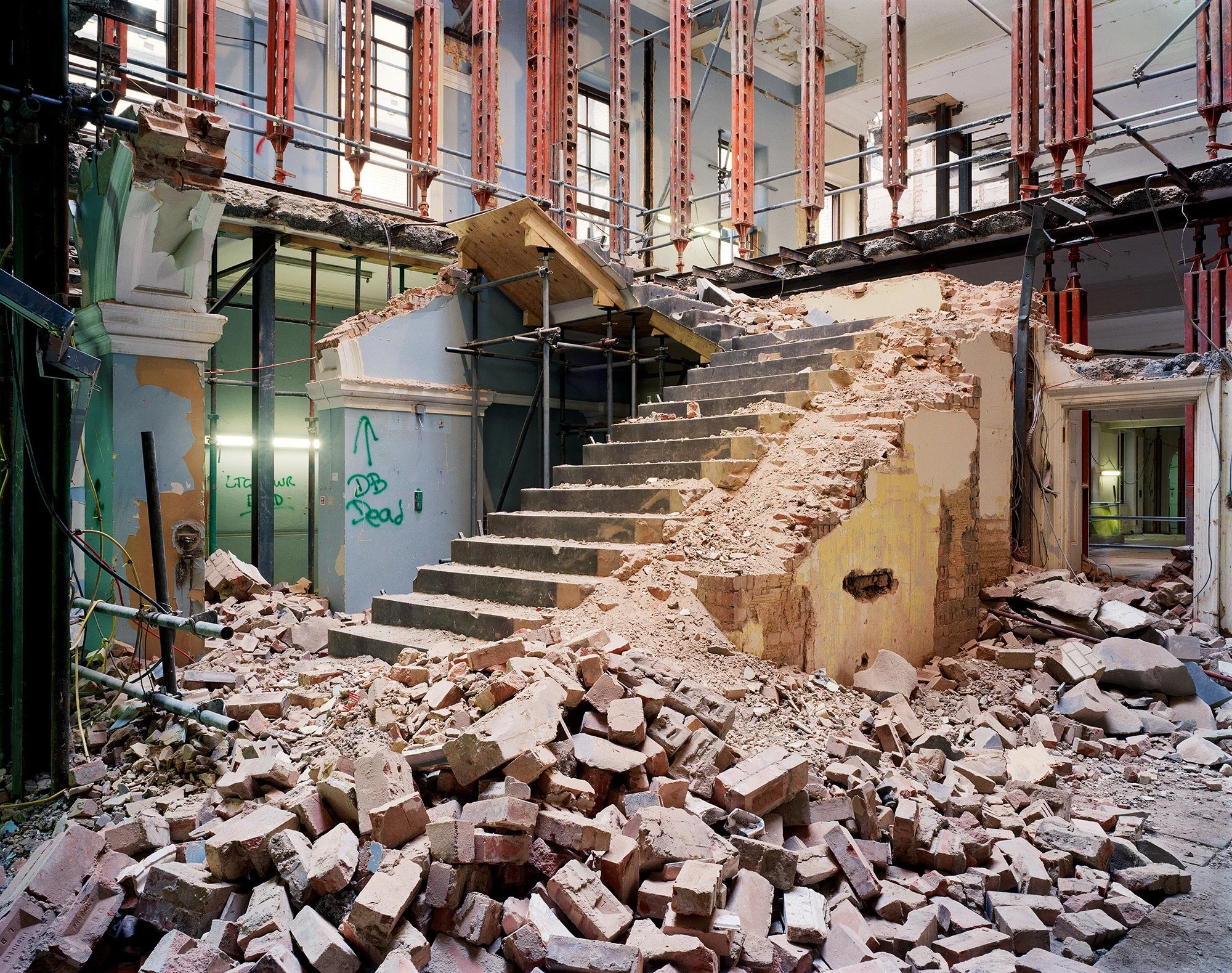
FASHION by Mark Power is a large-scale edit of photographs made over 27 years, across 23 countries, mostly while Power was working on commission. The pictures were made in places where things are built and shaped: construction sites, factories, quarries, shipyards, foundries, recycling facilities, theatres, and similar working environments.
Instead of organizing the book by place or time, Power removes captions, dates, and descriptions and sequences the work only through visual connections of colour, form, and light. That choice pulls the images out of their original commercial context and lets them read as something more elusive, sometimes funny, and often quietly poetic, moving between tiny details and monumental structures.
The project began to take shape when Power revisited his archive during a Magnum Photos Live Lab in Lisbon in 2018, where he experimented with sequencing 400 photographs, with Mike Mandel and Larry Sultan’s Evidence (1977) as an important reference point. The earliest work in the book goes back to Power’s long documentation of the Millennium Dome construction (1997–2000), made after he negotiated the freedom to photograph on his own terms, a rule he continued to apply for decades. In that sense, FASHION becomes both a photobook and a statement about what is possible inside commissioned photography when trust exists and the photographer is given real artistic licence. (markpower.co.uk,GOST Books)
Project Start: What made you decide to bring together 27 years of commissioned industrial work into one book, and when did you realise these separate projects could tell a bigger story together?
FASHION began in Lisbon about 10 years ago when I was invited, along with Stu Smith (from GOST, who eventually published the book), to participate in The House of Beautiful Business, a global platform, thinktank and community for entrepreneurs, creatives, artists, technologists, policy makers and activists. Stu and I were given a space in which to demonstrate how images could be used to suggest ideas, just as words can. Participants were free to try their hands at sequencing some of the four hundred 10" x 8" prints I’d taken along, all from numerous construction projects I'd photographed over the years. During the three days, Stu and I (who were also sequencing the pictures) made considerable progress, and began to see a potential book emerging. Since then, I've made more work, added more pictures, fiddled with the sequences until, finally, FASHION was published in December 2025.
On a separate matter, I'm not keen on the use of the word ‘story' in your question. I don't see myself as a ‘storyteller’. It seems to me a much overused term in photographic circles these days, so much so that I'm not sure if it means much anymore. In truth, the sequencing in FASHION (which we laboured over for years) doesn't actually go anywhere. It's cyclical, in as much as it ends up where it started. But the intention was never "to tell a story”; instead, FASHION is, at its core, a celebration of what is possible within the so-called ‘corporate' sector if the artist/photographer is given carte blanche to make their own work. It also rejoices in the beauty of construction, of making things, so often by hand. But, it also serves as a warning; one buyer wrote to say that he viewed FASHION as "a manifesto about the Anthropocene... all that dust, all that concrete, that myriad of manufactured parts, all those parched and excavated landscapes, the abandoned debris of construction, the scarcity of human presence. All of it feels kind of apocalyptic, and really asks the question: Man, what hath thou wrought upon your world?” Such a reading was never my intention, but I can understand why it might be taken as such.
Creative Freedom: You got complete artistic freedom when photographing the Millennium Dome by asking for it before you started. How do you talk to clients about needing this freedom, and what tips can you give photographers trying to do the same?
I need to go back a little to answer that question. Immediately after my first book, The Shipping Forecast, was published I was commissioned to spend a day on a site in East London where a structure was planned to celebrate the turn of the millennium. This was in 1996... the Tories were still in power, and the press were yet to know much (if anything) about the Millennium Dome. My day began with a helicopter flight (my first) over the site which, for 25 years, had been used as a dumping ground for British Gas, creating a toxic wasteland. In the afternoon I donned breathing apparatus and tried my best to photograph a small team of people testing the toxicity of the earth and beginning a cleanup operation.
In May 1997, Tony Blair's Labour Party swept to power with a huge majority. A month later, and quite unexpectedly, Blair announced in Parliament that the Dome was to go ahead, that it would be "a symbol of New Labour", and "a fantastic day out”. Since I'd already been on the site I felt a strange ‘ownership' of it, so I wrote to the managing organisation, the New Millennium Experience Company (NMEC), to request access. Not surprisingly, they refused. Undeterred, I began to bombard them with copies of photographs of 19th century building projects, a time when (particularly in France) it was normal practice for one photographer to follow the construction of a great public building from start to finish.
NMEC countered this by informing me that each of the many contractors engaged in building the Dome would occasionally bring in photographers, and that I wasn't to worry because "it would be documented.” That, I replied, was unlikely to amount to much since the results would be so diluted, with too many voices and zero consistency. What they needed, I argued, was one single viewpoint, covering the build all the way through, from beginning to end.
Needless to say, they rejected my plea once again, so I moved into the 20th century, this time sending Lewis Hine’s pictures of the construction of the Empire State Building and Darius Kinsey's magnificent photographs of the building of the US railroads. Whether this convinced them or (more likely) they were just sick and tired of me, they finally agreed to give me a pass to enter the site whenever I chose. But it came with a caveat: “We'll only let you on site if we pay you.” I hadn't expected this, since it had never crossed my mind that I could be paid for doing something I really wanted to do. NMEC’s reasoning, of course, was that an official commission would give them greater control over how the pictures were used.
But immediately my alarm bells rang ... “I'll willingly accept”, I said, "but I won't be at your beck and call to photograph - for instance - the architect shaking hands with the Prime Minister". They'd have to get someone else to do that, I continued, and instead they should trust me to make something I believe they’d like. Amazingly, they agreed, and ever since then I've negotiated (or Magnum has negotiated on my behalf) to do the same with each and every project I've undertaken. Of course, it gets easier if you have a track record, with appropriate books published (Superstructure, The Treasury Project). And if it looks like freedom won't be granted then I simply don't do the assignment.
Camera Choice: You switched from large format film to digital medium format after many years. What changed in your way of working, and what stayed the same when making pictures?
I switched to an Alpa Max in 2014, simply because I could no longer afford to work with colour film. By then a 5x4 negative, processed, was costing £10 each time I pressed the shutter. So I took out a huge bank loan and bought myself an ALPA, and I've never looked back. It's important to understand that the ALPA is a technical camera, working in a very similar way to a 5 x 4, with movements up and down, left and right. It felt like a seamless transition from one camera to another, although the quality improved when I shifted to digital.
Because of the sheer cost of working on large format film I never made a lot of pictures, and certainly not many of a single situation. I've tried to retain that discipline, even when working digitally. I'm decisive when I make pictures, assessing quickly if something is worth photographing or not, and where I should stand in order to make the best picture I can. Without wishing to sound pretentious, over the years I've developed a strange skill of being able to see in two dimensions (if I choose to) and because I generally use just one lens (a standard) I can predict, with some certainty, where the edges of the picture will be from any given point. Once that's been decided, I'll probably make just two exposures, unless there are people in the pictures – which I can't control – when I might make more. I can, of course, take more risks now that I work digitally, but I still retain good discipline.
Looking and Choosing: You say you make choices in front of your subject rather than later on a computer. How does using a tripod and ground glass screen help you see better and pick the right moment to photograph?
I think I answered that above, but yes, since all my Alpa pictures are made using a tripod, and I see the image on a ground glass screen, upsidedown and back-to-front, this inevitably slows me down. Although, as I said, most of those choices are made before I put down my tripod.
No Captions: FASHION has 287 images with no captions, dates, or location information. How does removing this information change what people see in your photographs, and why did you choose this approach?
The genesis of the idea for FASHION came from Larry Sultan’s and Mike Mendal’s seminal book, Evidence, first published in 1977. The pair travelled around California, visiting scientific and engineering companies, asking if they could look through their photographic archives. In those days, in the 1970s, each of these companies would likely have their own in-house photographer, technically skilled, but always anonymous. Their role was to photograph, as clearly as possible, experiments and finished products. Sultan and Mandal borrowed the pictures which they found visually interesting, while having little or no idea of what they were about. Then, for Evidence, they skilfully sequenced and (importantly) omitted to caption the images, thus creating a masterpiece.
I've loved that book for decades and it struck me that I could do something similar, but using my own photographs. I've learned, over the years, that the meaning of images change (sometimes for the better but more often for the worse) when they're captioned. Not specifying to a reader exactly what they are looking at encourages the imagination, and plays with preconceptions and prejudice. I did something similar with The Shipping Forecast; those pictures are captured only with the sea area, the date, and the 6 am forecast broadcast on that day. The caption tells you nothing, yet the words are beautiful, rhythmic, mantra-like. It's not a big step from removing captions altogether.
Picture Order: You arranged the book using only visual connections of colour, form, and light instead of by time or place. What makes two pictures work well together on a page, and how do you know when they do not work?
Generally, I sequence images using four criteria: subject, colour, form, and light. There may be other reasons, but those are the basics. For as long as I can remember I've been fascinated with the way photographs can resonate with each other if - and this is a big ‘if’ - the right images are used. It’s not easy because, more often than not, pictures will cancel each other out. It's not an exact science (thank goodness) but over the course of seven years I tweaked and retweaked the sequence of FASHION (along with Stu Smith's help here and there - extremely useful) until it reached the point where we thought we could publish. It's by no means perfect - I still see flaws and parts that, in retrospect, I’d now change - but there comes a point where you have to let go.
Finding Beauty: The book shows construction sites, factories, and industrial places. What draws your eye to photograph these working environments, and how do you find beauty in places others might think are just functional?
My dad was an engineer. Most evenings he would disappear into his garage to make stuff, or to take his car apart and put it back together again. I used to love watching him, although I understood very little of it. It drove Dad crazy that nothing seemed to sink in, and that I was more interested in the aesthetics of things rather than how they worked. We were such different people. I do wonder what he’d think about FASHION if he'd lived long enough to see it.
Commission and Art: Most images in FASHION were made while working for clients. How do you balance what the client needs with making photographs that also work as your own artistic vision?
I always considered the work I made on these kind of assignments to be every bit as important as my self-funded, 'personal work’. I really couldn't see the difference because of the freedom that I'd negotiated each time. I think that's why I'm so proud of FASHION... the fact that 95% of the pictures were made on assignment yet, as a whole, the thing makes some kind of visual sense. At the end of the day does it really matter that it was commissioned? I don't think so. And remember, without that work, I could never have made my other projects. And when I was on commission I stayed in much nicer hotels, and had much better food to eat. What's not to like about that?
To discover more about this intriguing body of work and how you can acquire your own copy, you can find and purchase the book here. (markpower.co.uk,GOST Books)
More photography books?
We'd love to read your comments below, sharing your thoughts and insights on the artist's work. Looking forward to welcoming you back for our next [book spotlight]. See you then!
Lee Espinoza reminded Darren Vargas of his late grandfather. The photographer met the boxing coach in 2025, five years after his grandfather Esmael died. Photography Book Spotlight