From Brooklyn To The North Pole: How Leonard Sussman Photographed The Beauty And Fragility Of The Arctic
Welcome to this edition of [book spotlight]. Today, we uncover the layers of 'From Brooklyn to the North Pole,' by Leonard Sussman (published by Daylight Books). We'd love to read your comments below about these insights and ideas behind the artist's work.
Leonard Sussman photographed ice that may soon disappear.
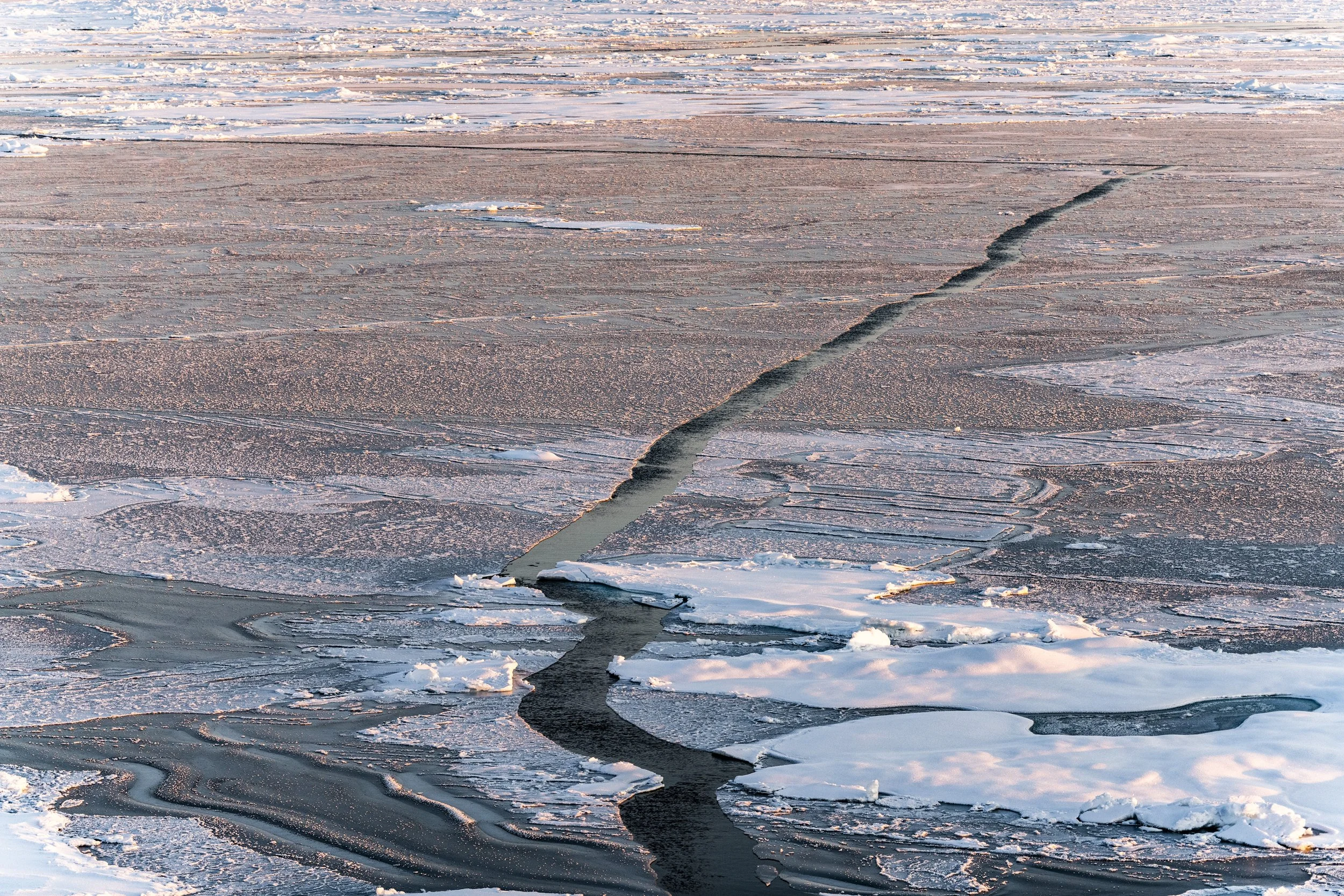
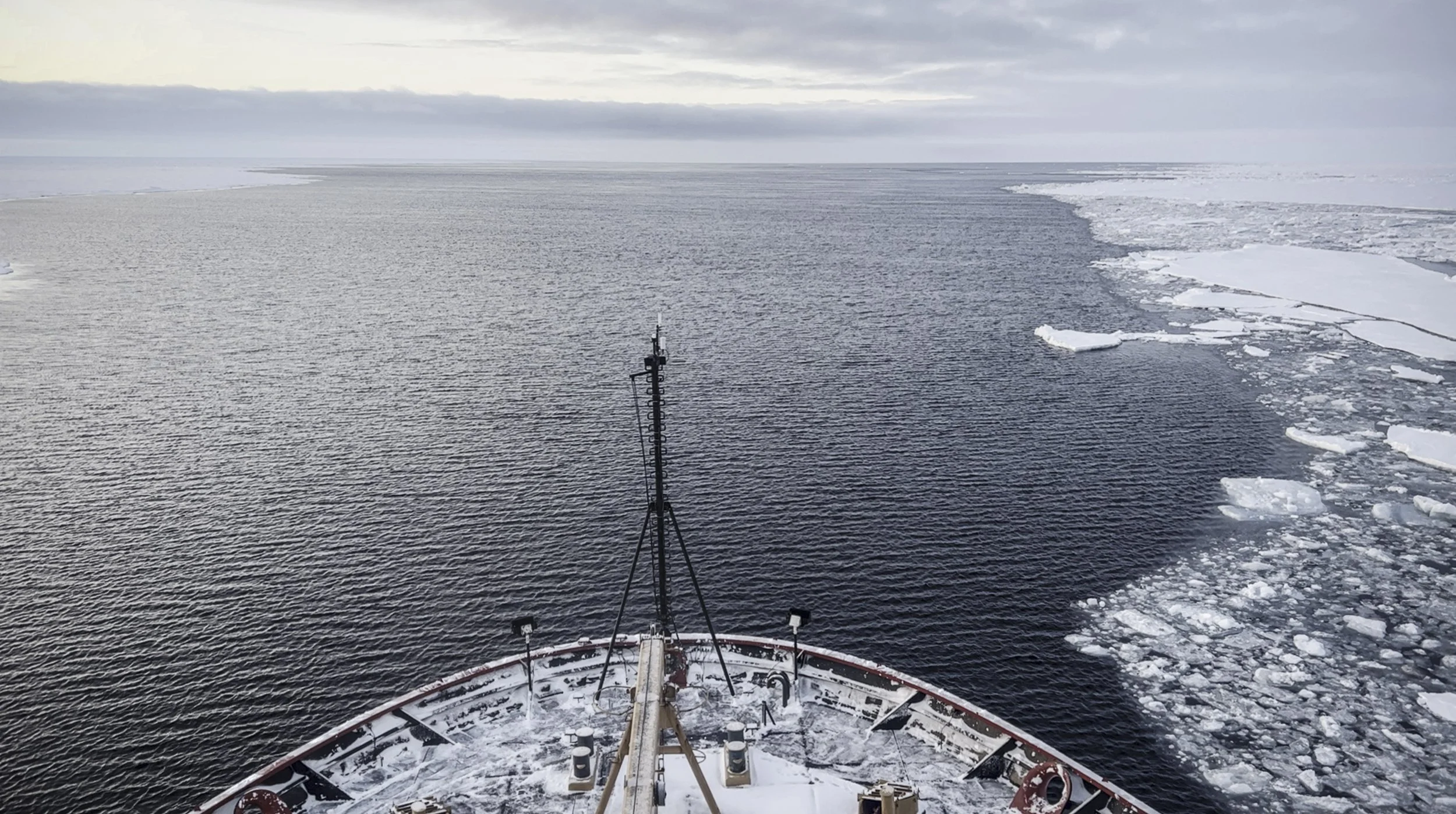
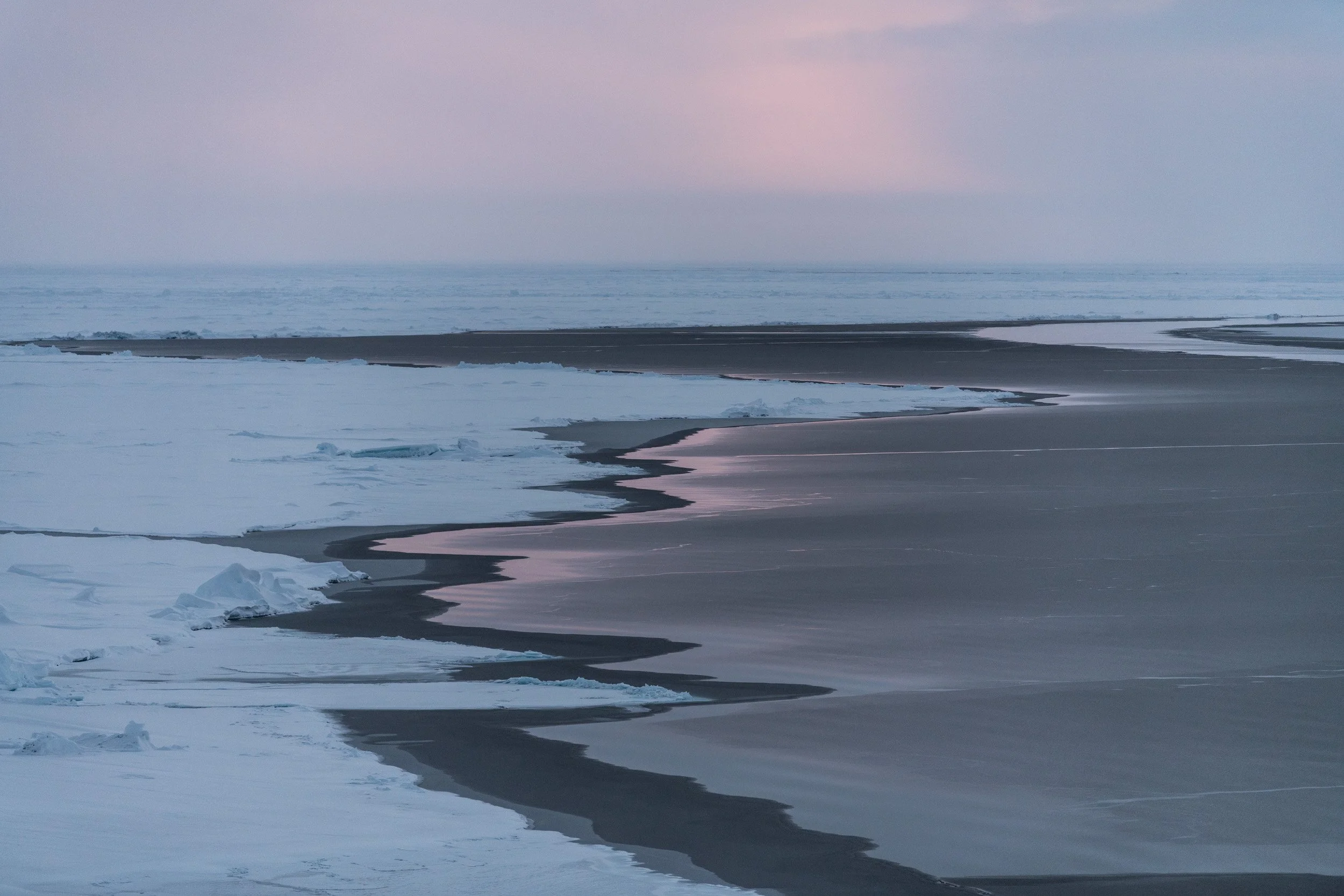
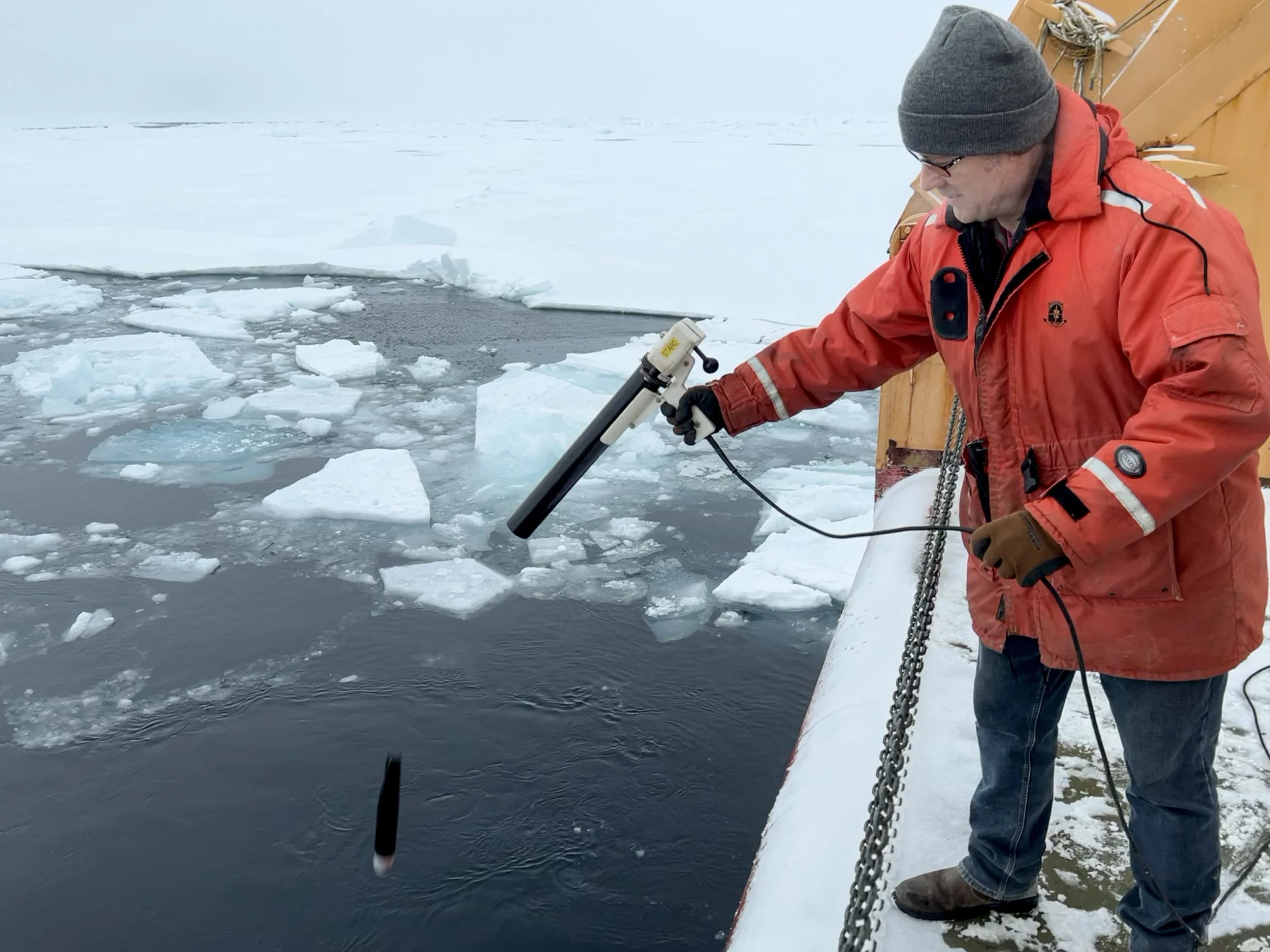
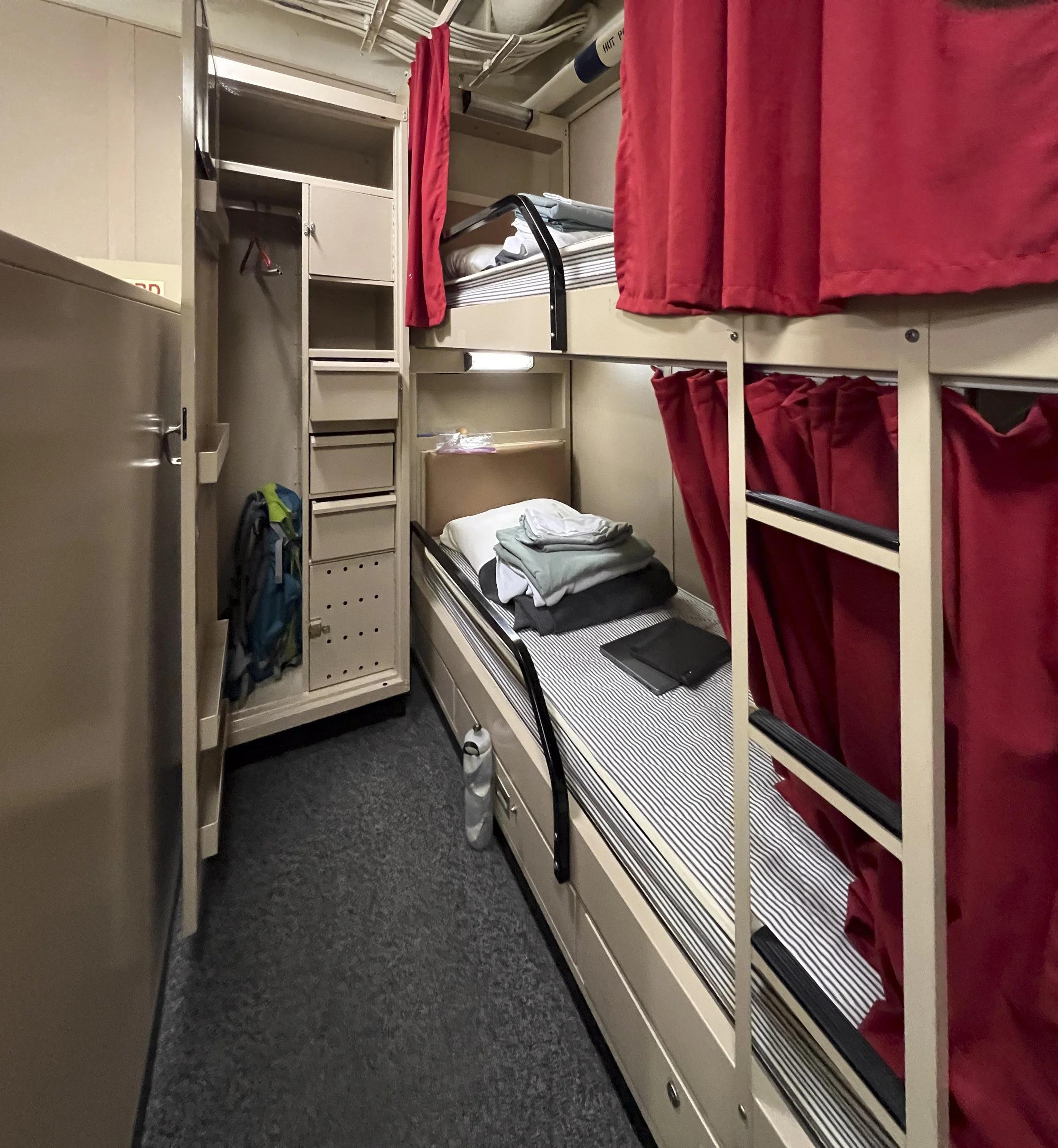
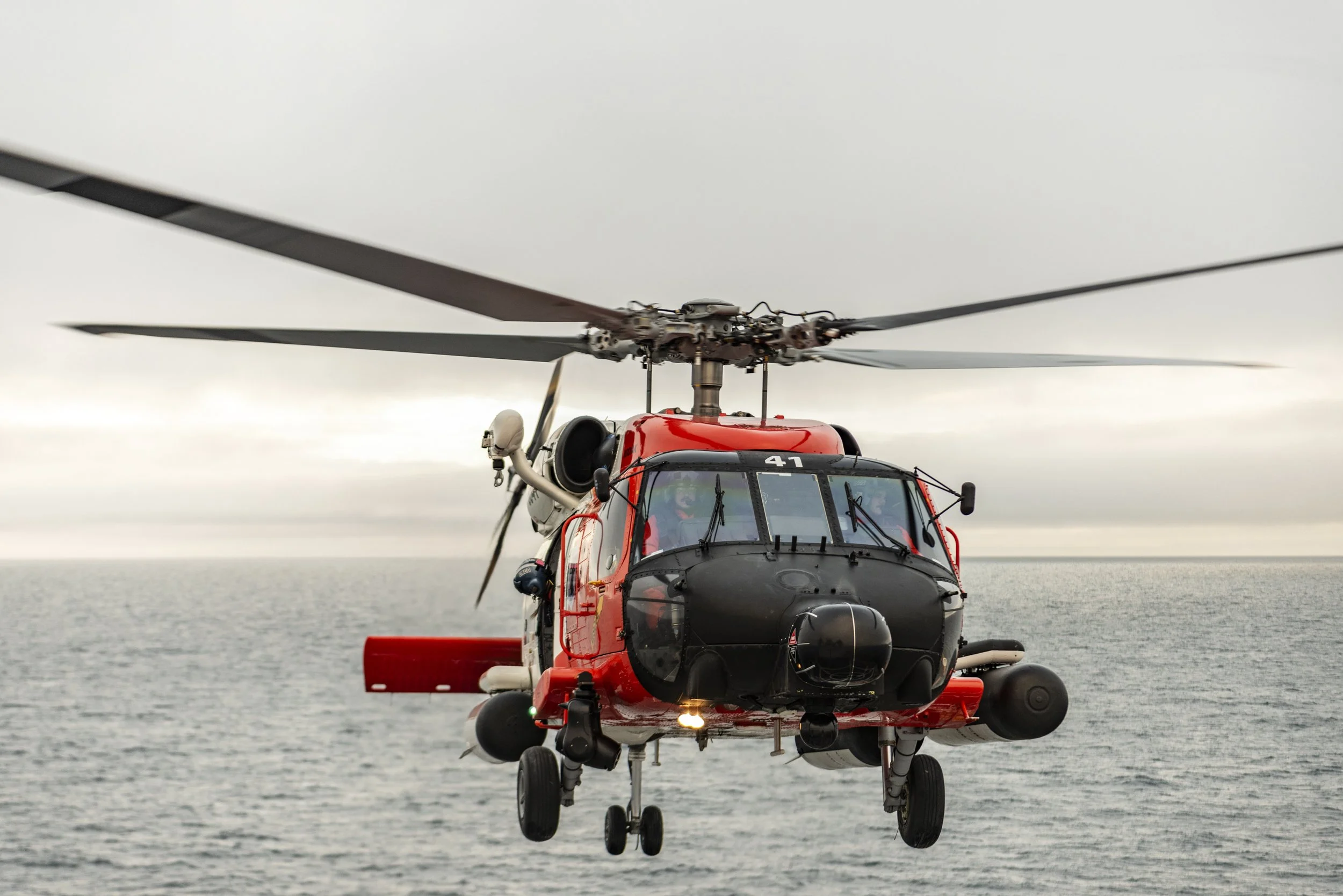
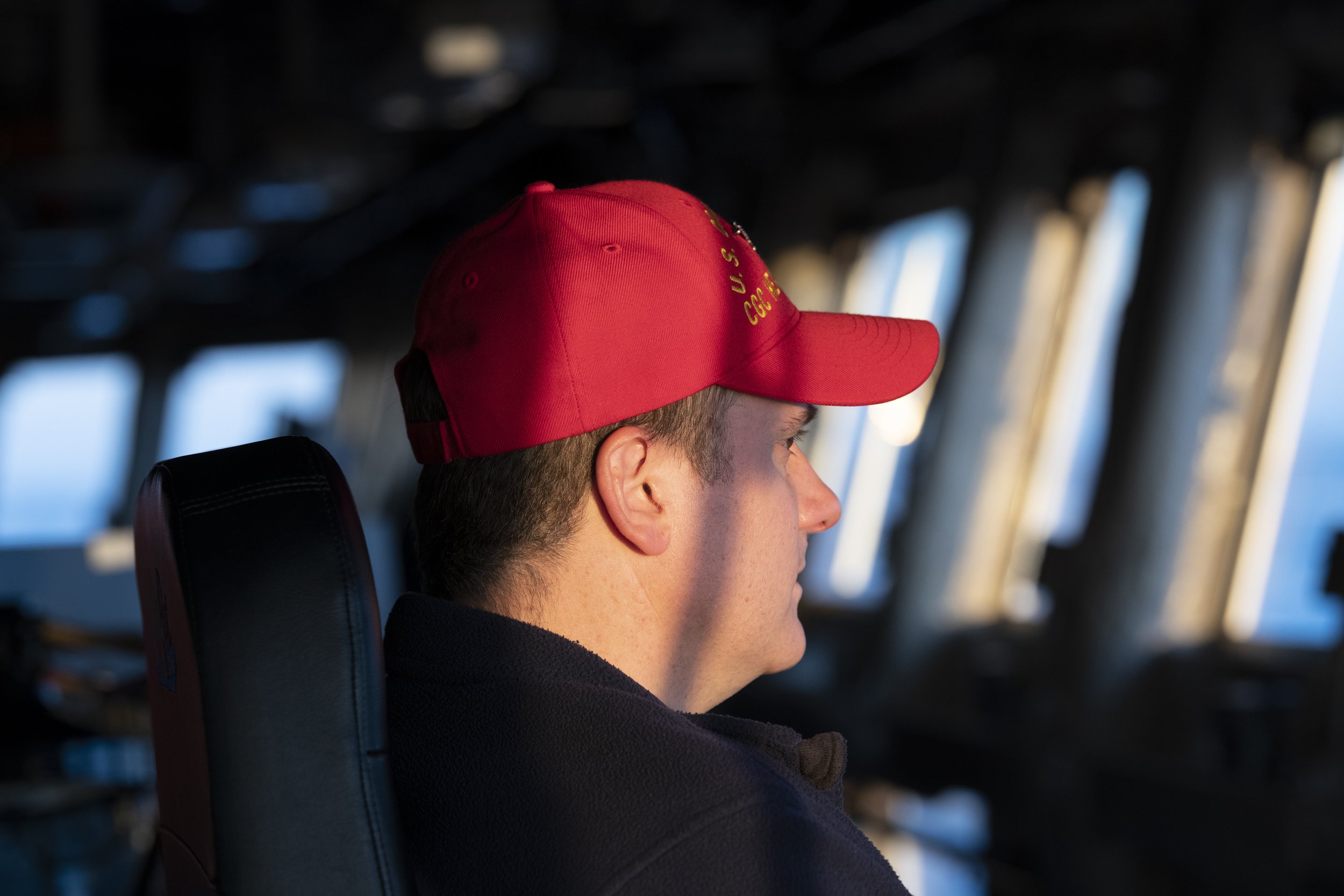
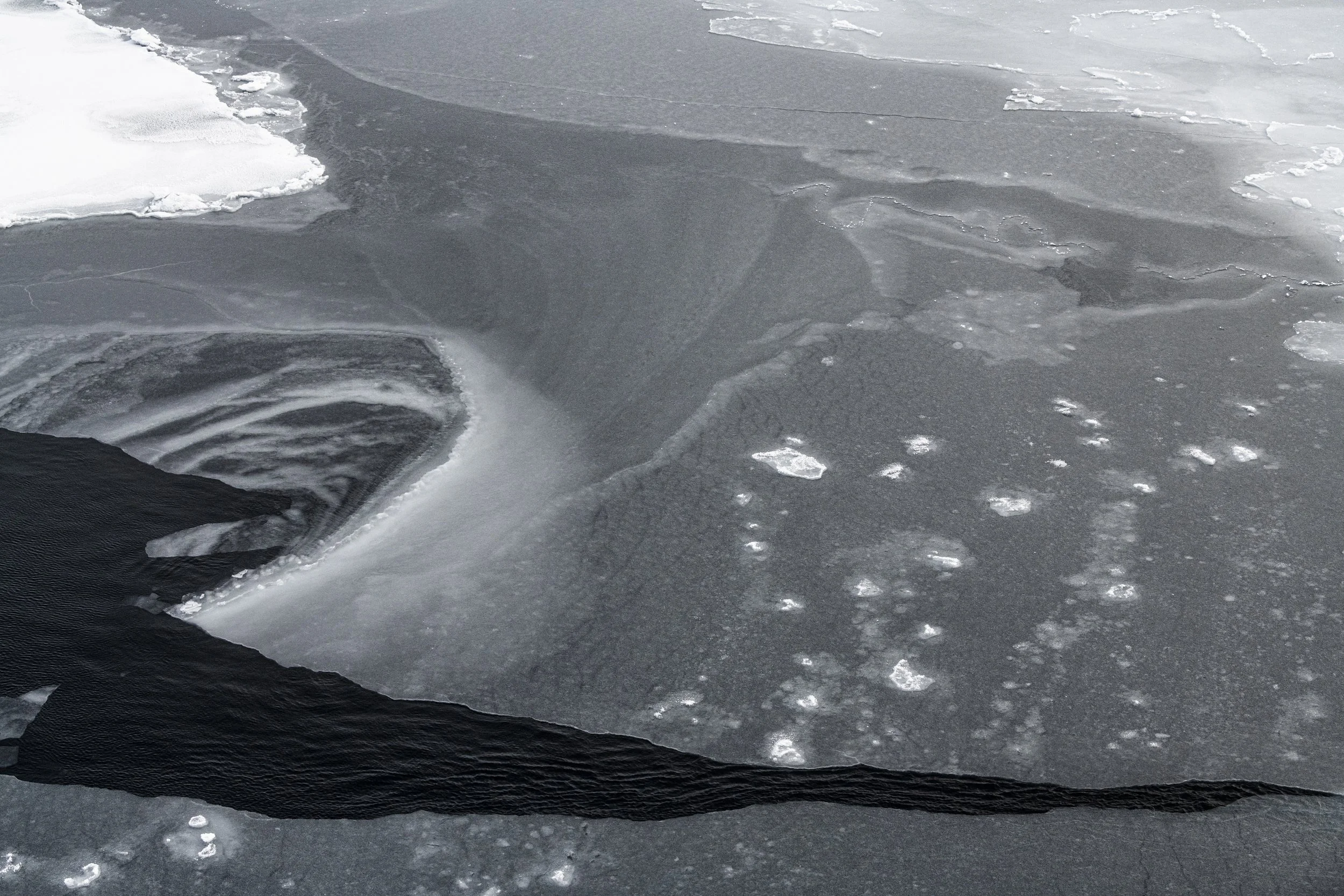
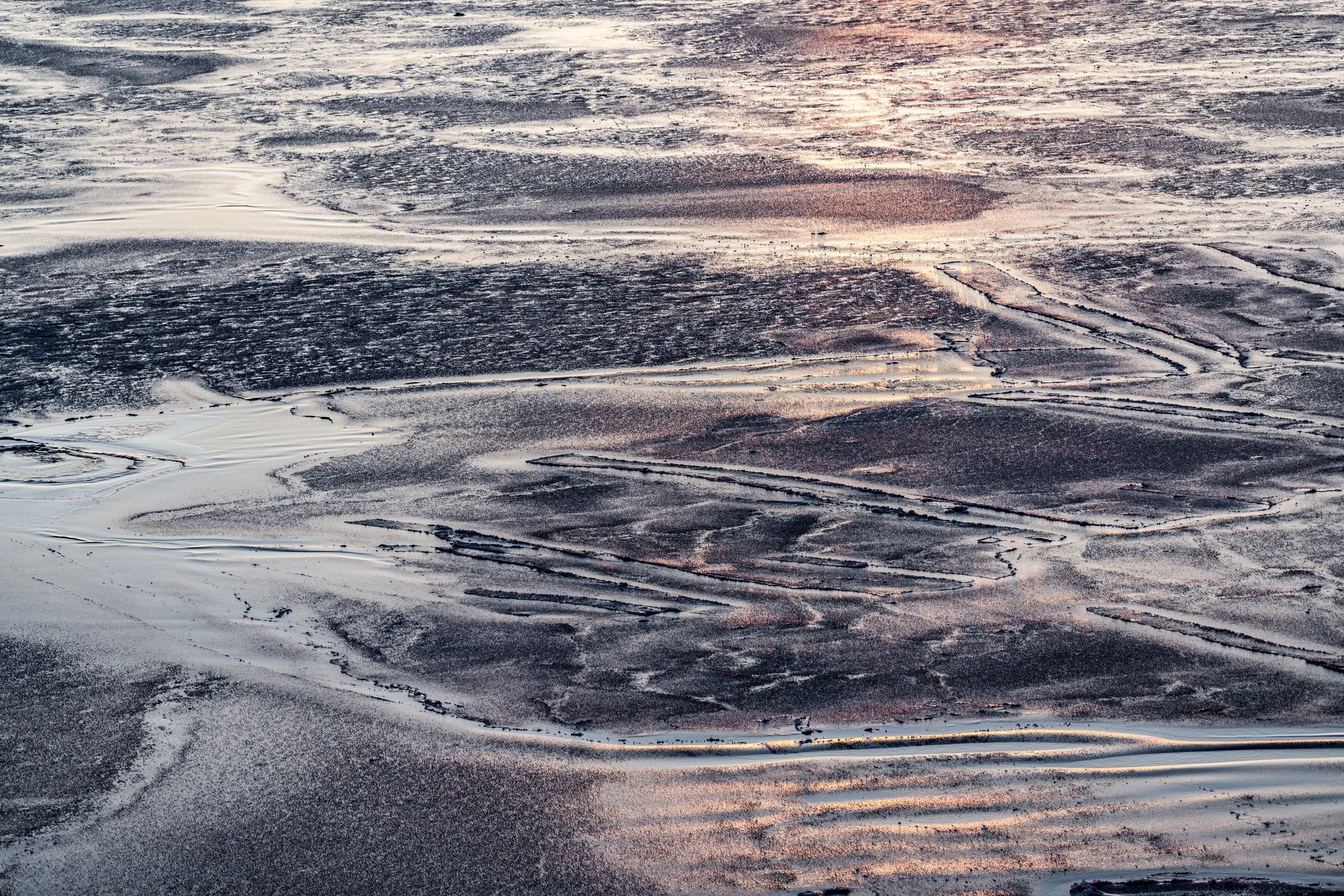
In From Brooklyn To The North Pole, he follows a 52-day journey on the USCGC icebreaker Healy, traveling from Dutch Harbor in the Aleutian Islands to the North Pole. His photographs show the Arctic as a place of beauty, science, and deep uncertainty. They also show how climate change is already touching landscapes that many of us will never see in person.
This book is about what it means to look at a changing place.
Sussman combines wide Arctic landscapes with photographs of the scientists and crew working on the ship. He came back with around 4,000 images and shaped them into a book that moves through the journey, the research, and the fragile world around them. In this conversation, he talks about how the project began, what it was like to photograph from an icebreaker, and why the photographer’s role is to document what is there and what is disappearing. The result is a quiet but urgent portrait of the Arctic today.
A strong project does not need to separate beauty from information, or emotion from fact. Sussman’s work shows how a photographer can make images that are visually powerful, while still helping us understand a place, a process, and a problem. That is what makes From Brooklyn To The North Pole feel both personal and necessary.
The Book
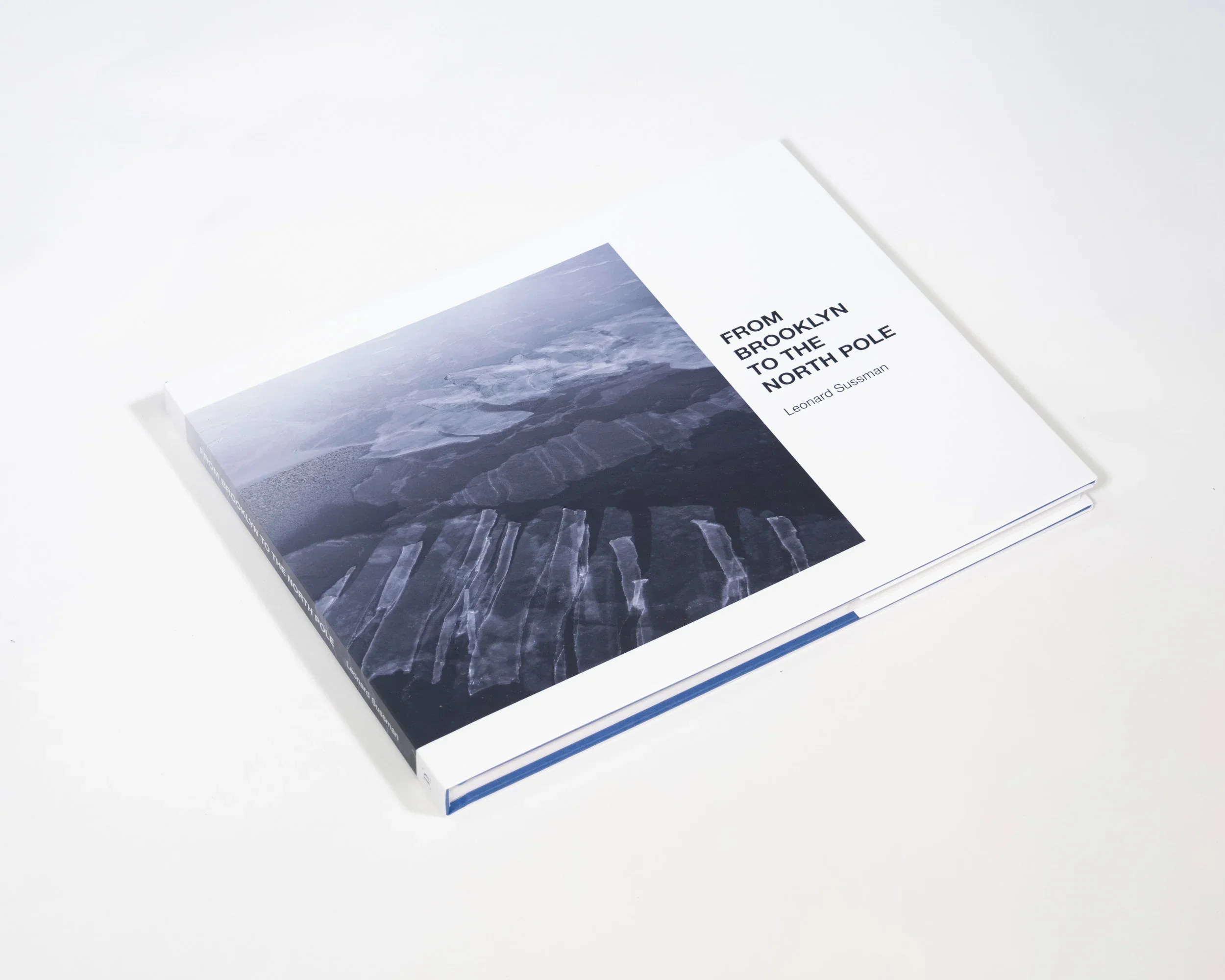
From Brooklyn To The North Pole by Leonard Sussman, published by Daylight Books, follows the photographer’s 52-day NSF-sponsored journey aboard the USCGC icebreaker Healy in September and October 2022. Traveling from Dutch Harbor in the Aleutian Islands to the North Pole, Sussman photographed the Arctic as both a vast, beautiful landscape and a fragile environment shaped by climate change.
The book combines Sussman’s Arctic landscapes with images of the scientific work taking place on the ship, creating a record of the journey, the research, and the disappearing ice. With essays by Captain Kenneth J. Boda and Lauren W. Juranek, and a preface by Rosalind Williams and Martina Ngyuen, From Brooklyn To The North Pole offers a quiet, sobering view of a place most people will never see, but whose future affects us all.(DaylightBooks, Amazon)
Project origins: How did you get a place on the NSF-sponsored icebreaker Healy, and what made you decide this 52-day voyage was a project worth turning into a book?
I had made several trips to the Svalbard archipelago in the far north. At its most northerly point on the island of Phippsøya, one is approximately 540 miles from the North Pole. After one of these trips, I was standing outside of the Svalbard Butikken, a sort of mini-Walmart though it is a co-op market.
I started talking with someone outside the store. I told him about my website and fully never expected to hear from him again. About two weeks later, he emailed me and said that he loved my work and asked how he could help. In spring 2016, he brought me up to Fairbanks for ASSW, Arctic Science Study Week.
After that, he knew that I was interested in a long ship journey in the Arctic and in spring 2022, he put me in contact with the two chief scientists for the Healy cruise. After they interviewed me, I was interviewed by the head of Arctic programs for the NSF. Later, I found out that the Captain had also signed off on me.
Working conditions: Shooting on a moving icebreaker in the Arctic must have created serious physical and technical challenges. What did you have to change about the way you normally work?
Strangely, I didn’t have to change much about the way I shot. I was used to shooting in cold conditions and on moving ships. The weather wasn’t ever that cold, minus 14 F was the worst we saw.
Two kinds of pictures: The book combines your landscape photographs with images of the science work happening on the ship. How did you decide to mix those two different types of images together?
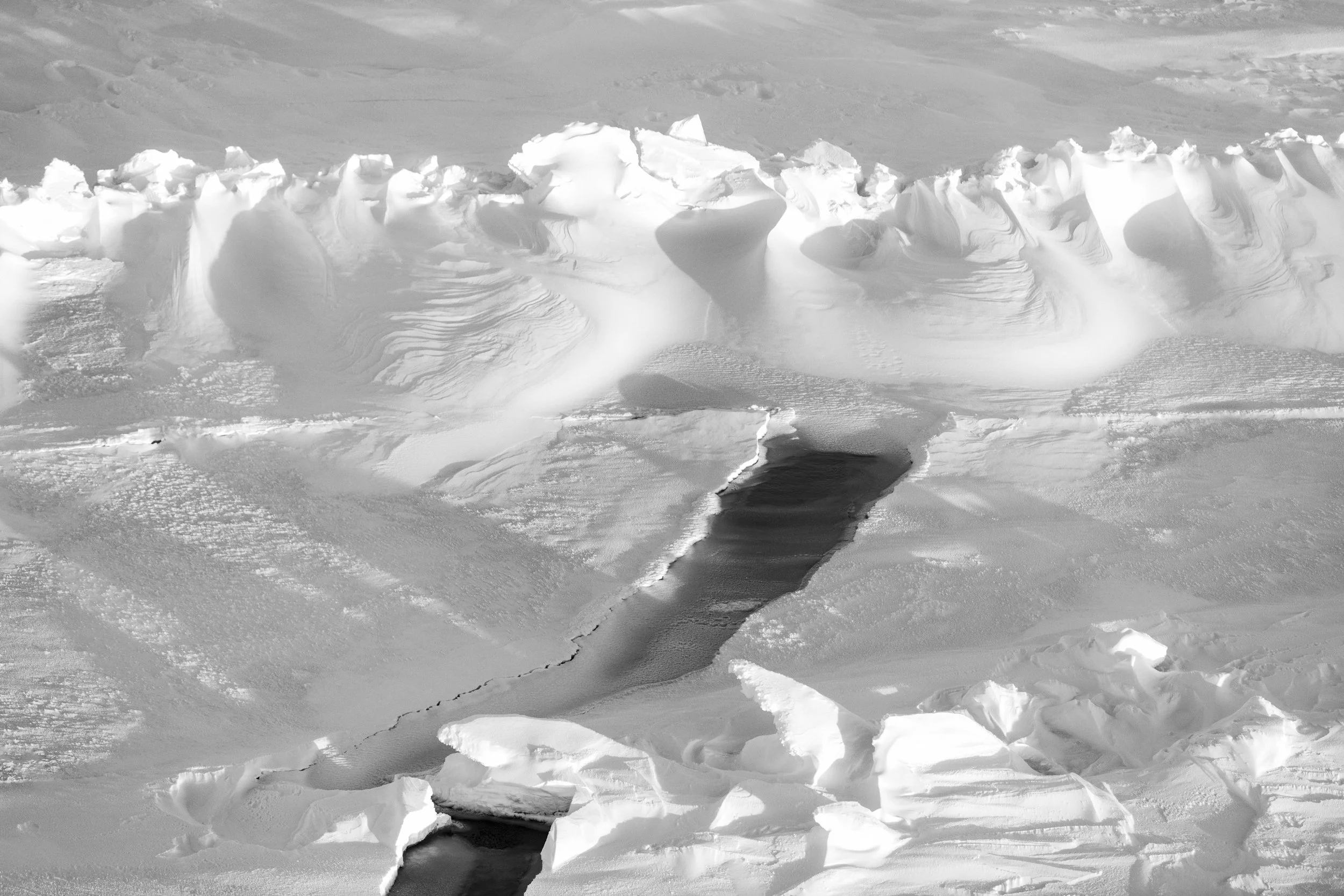
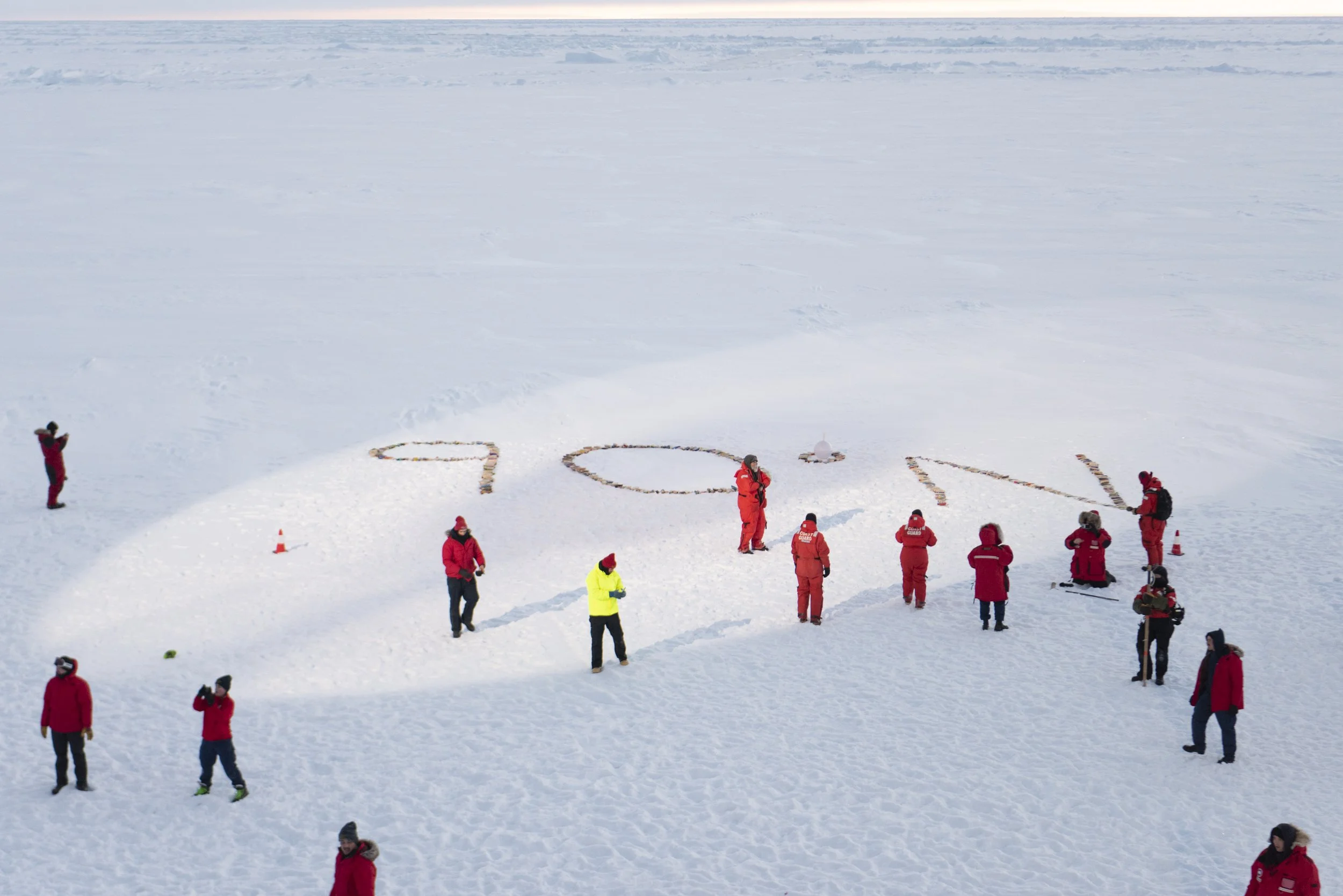
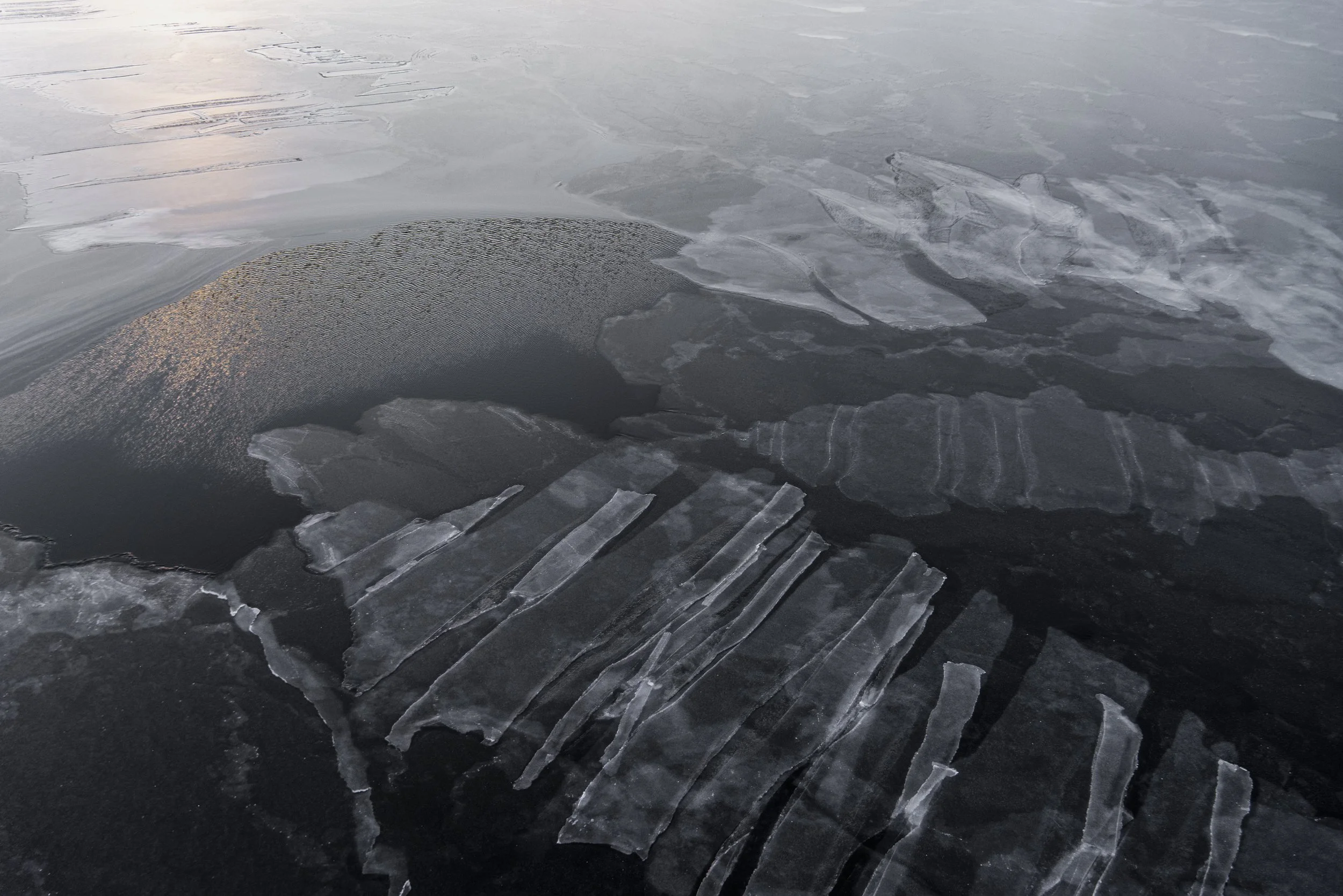
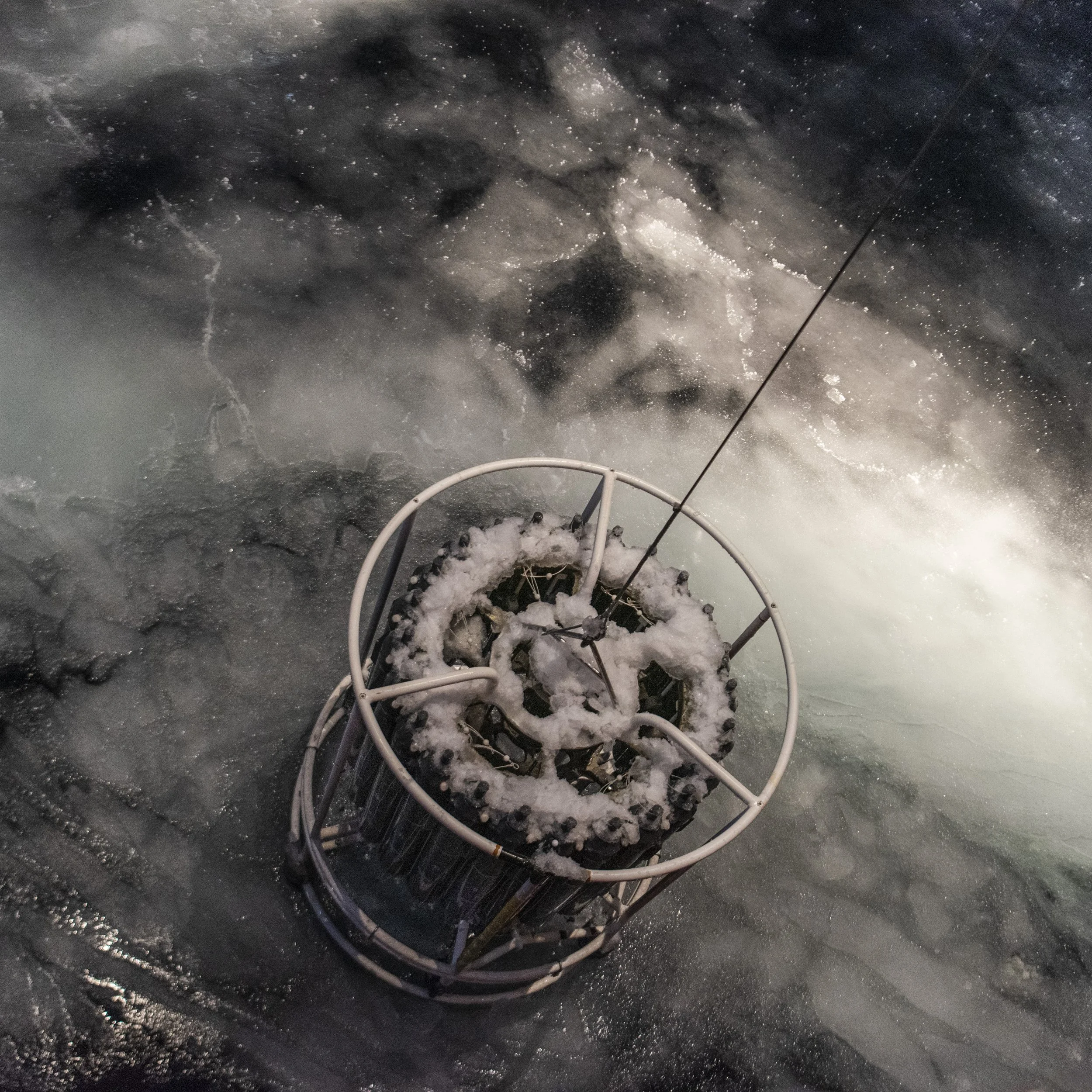
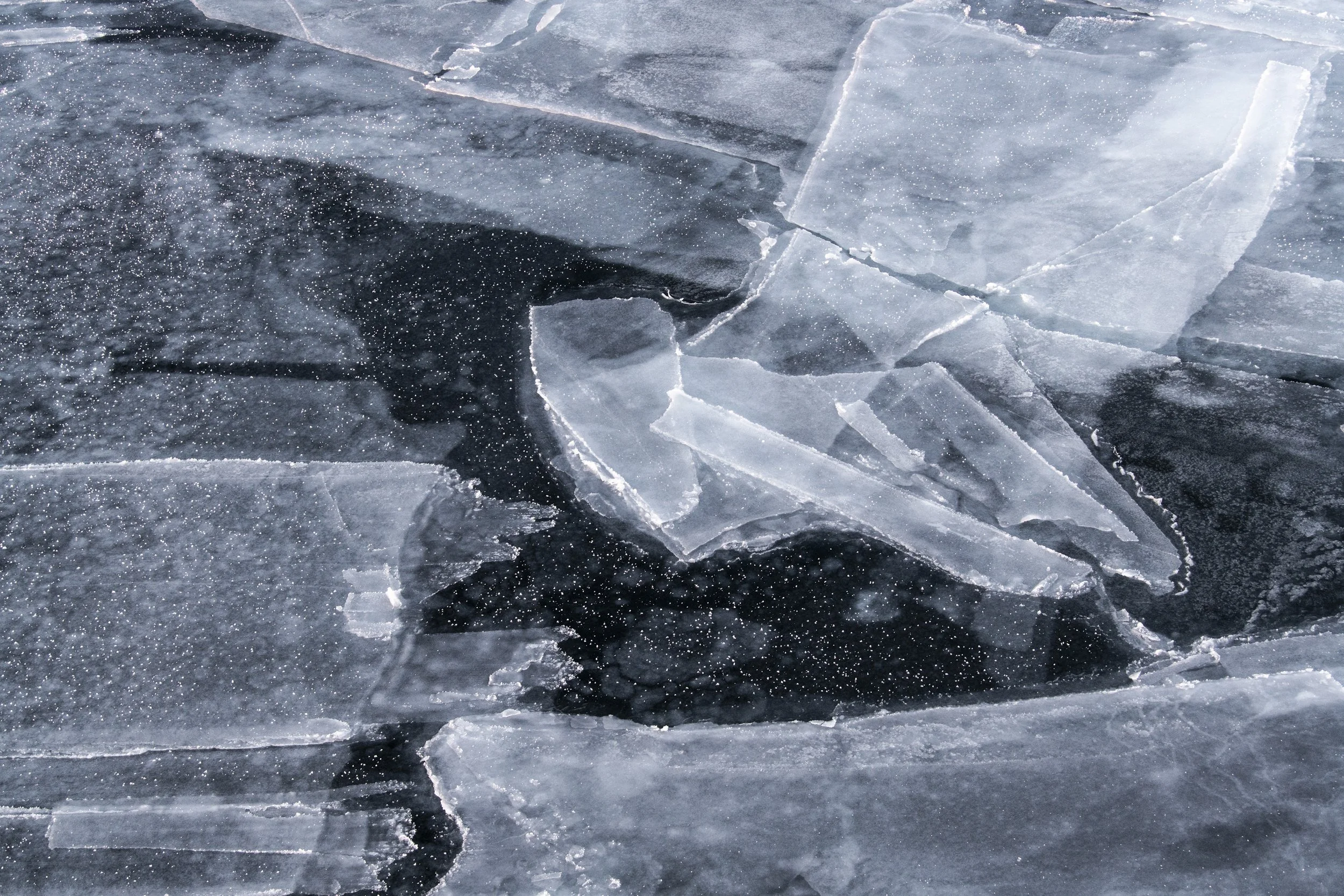
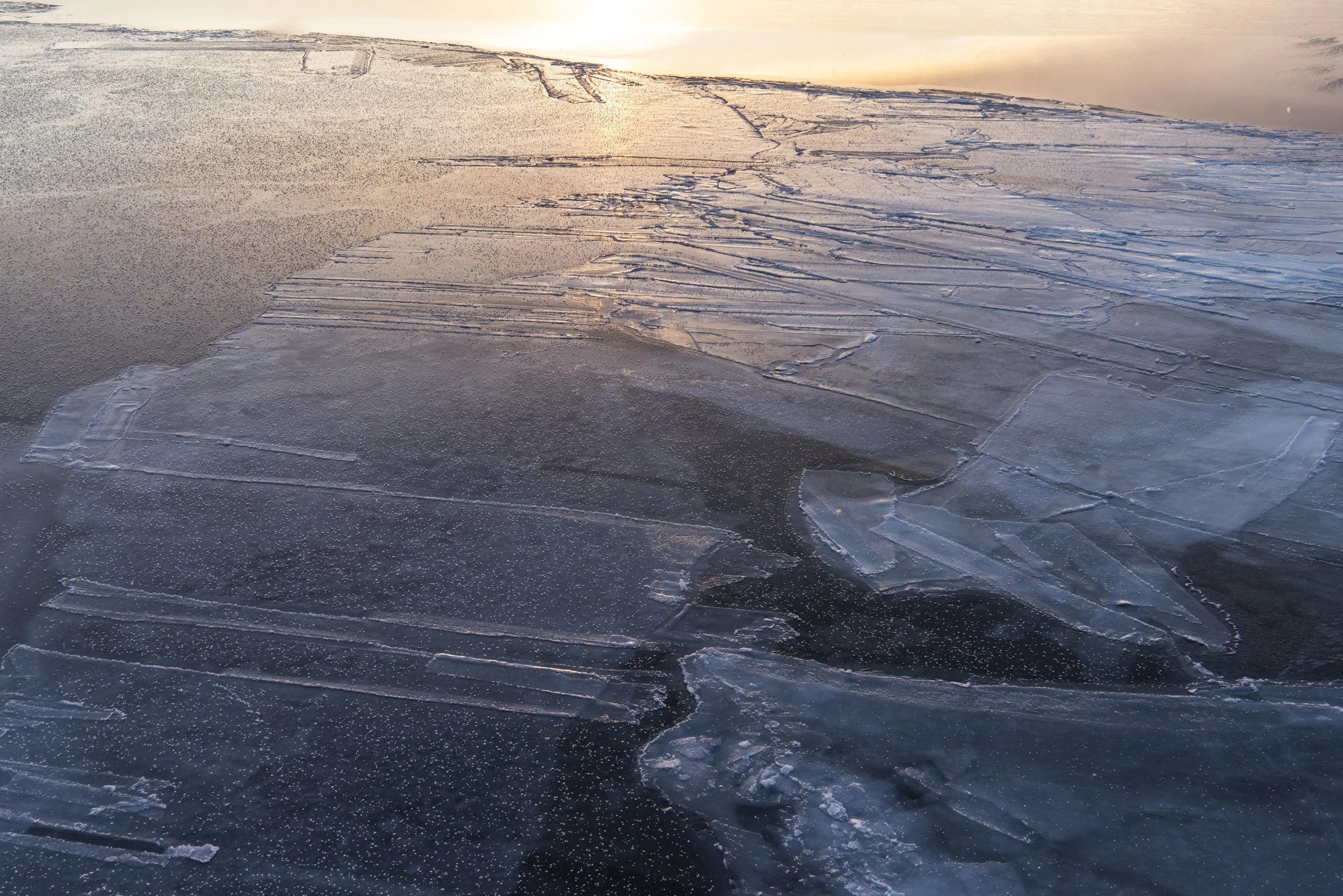
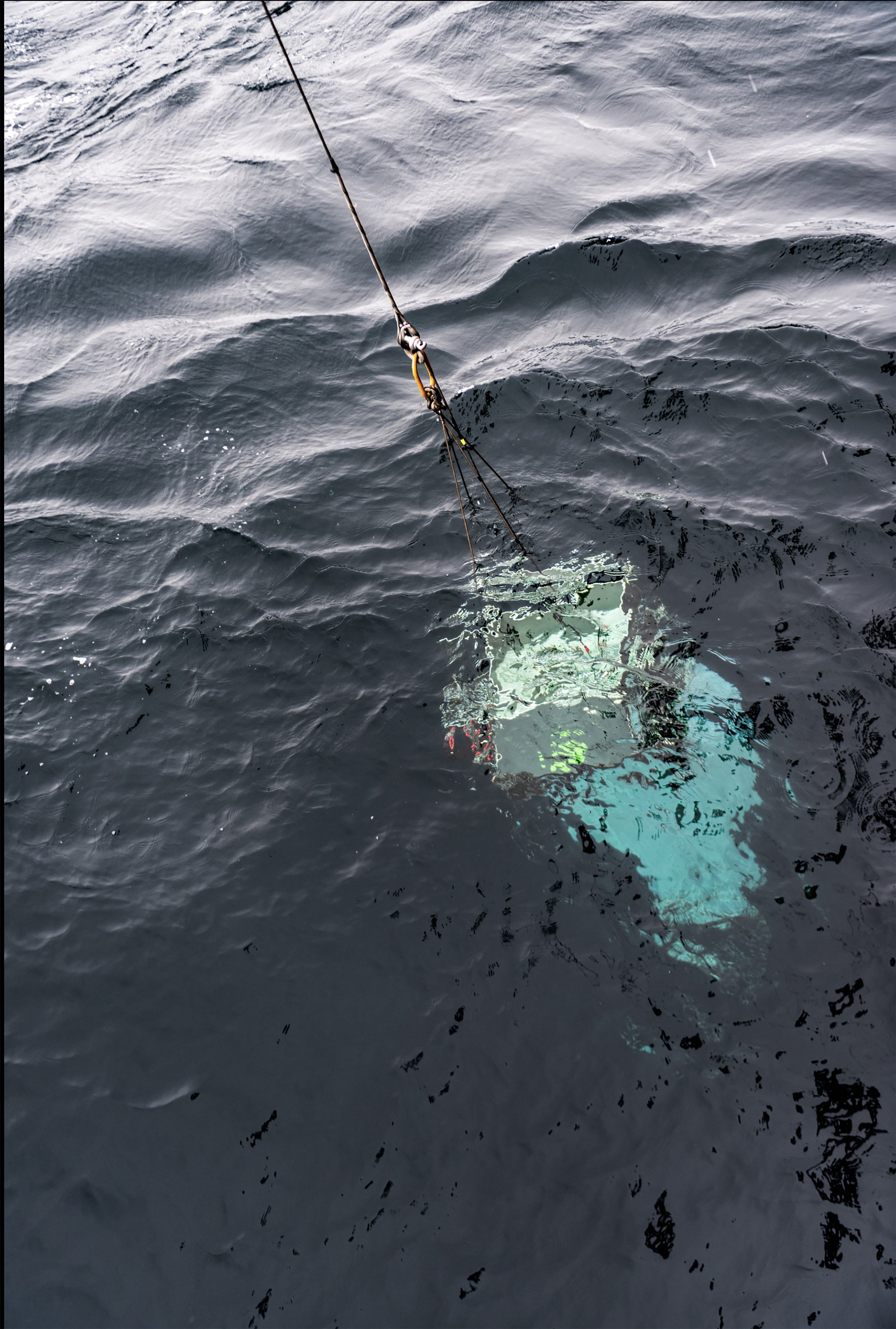
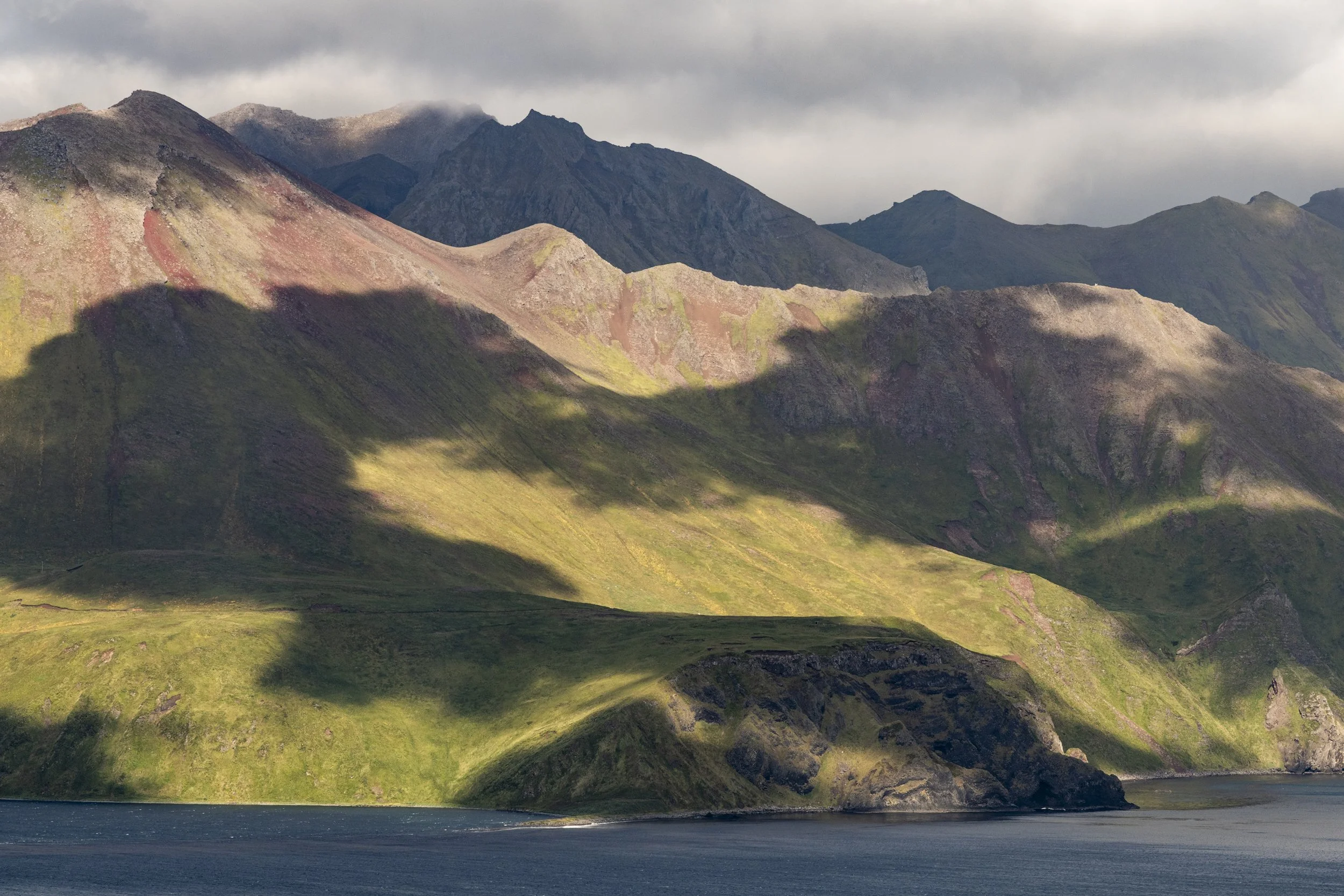
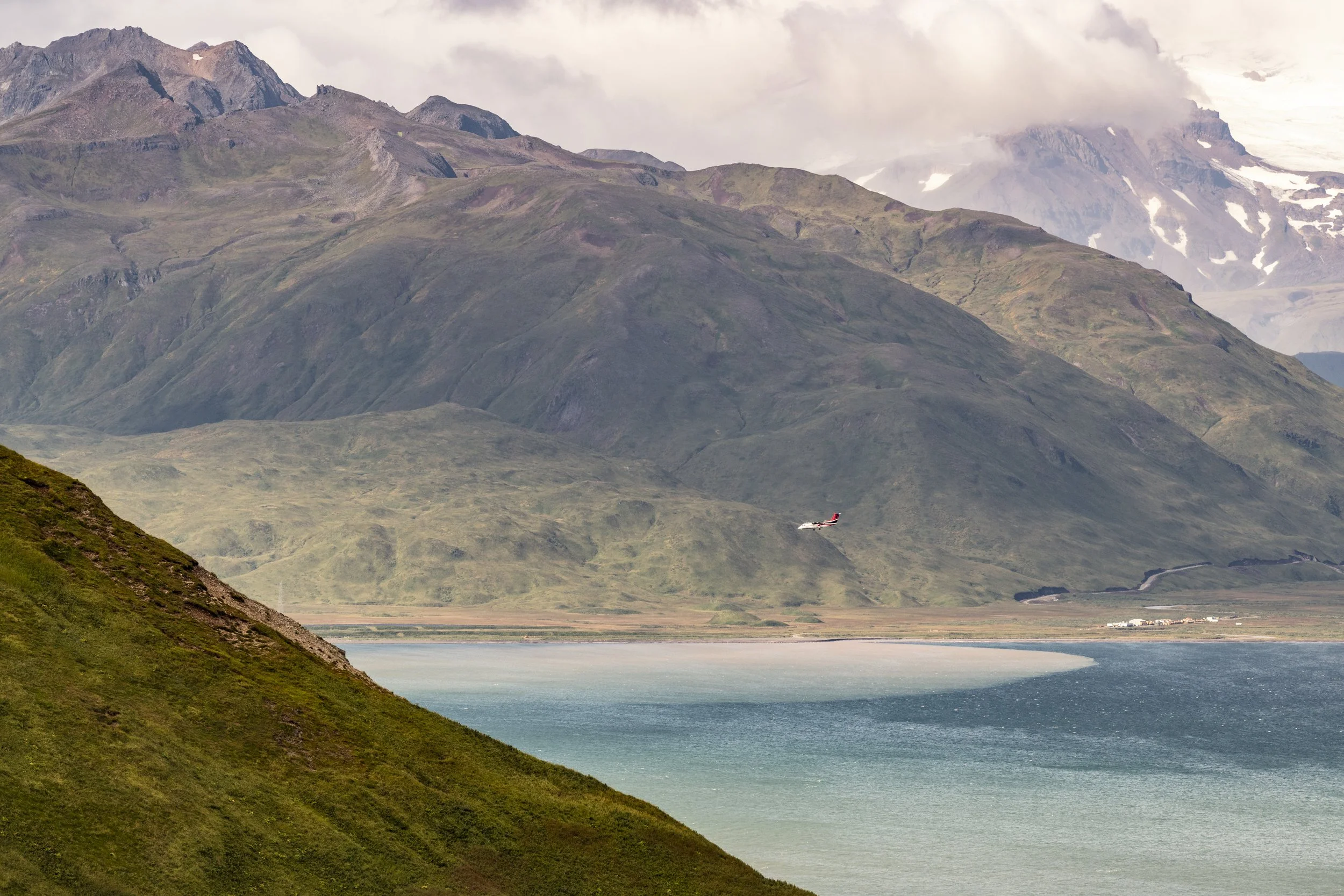
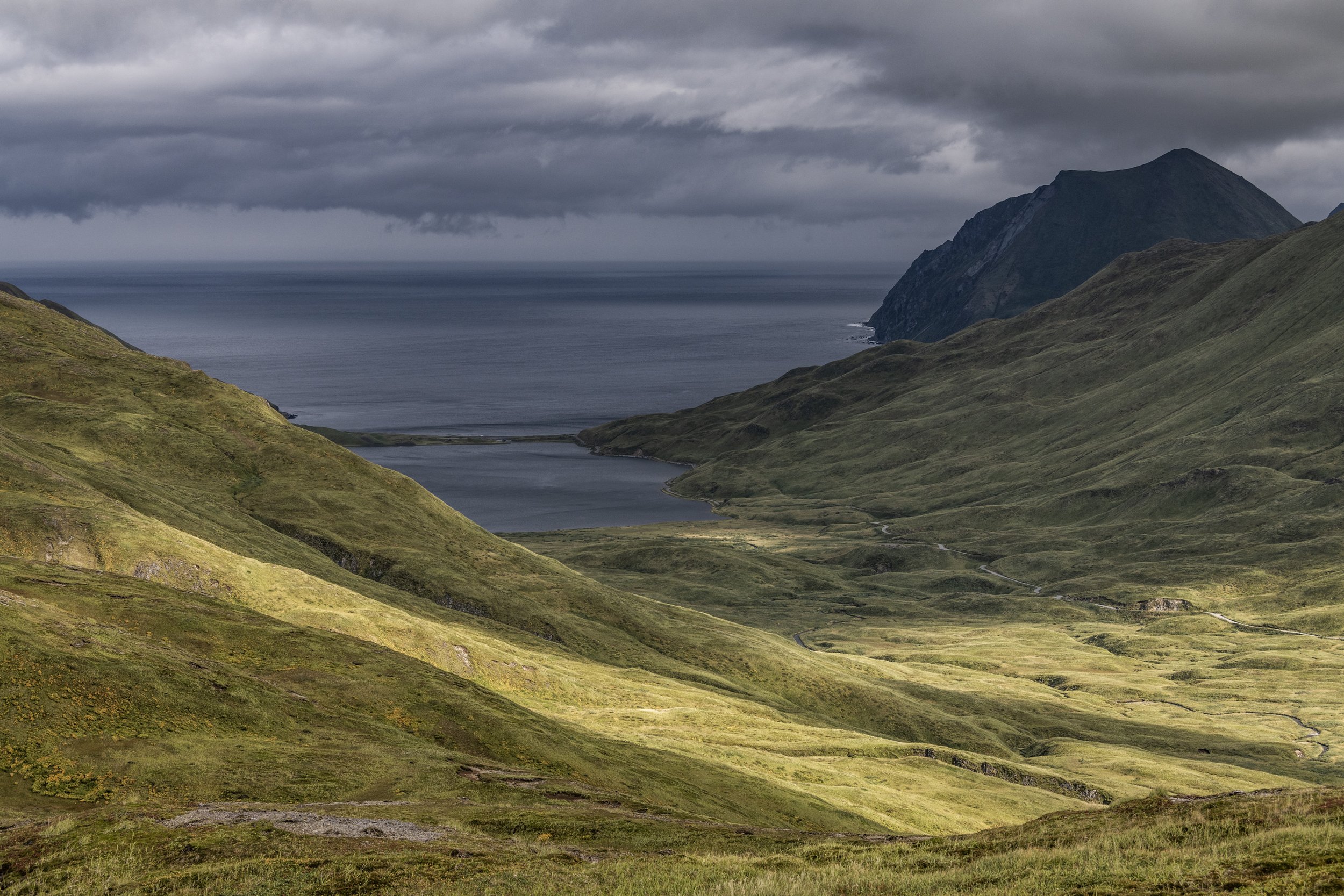
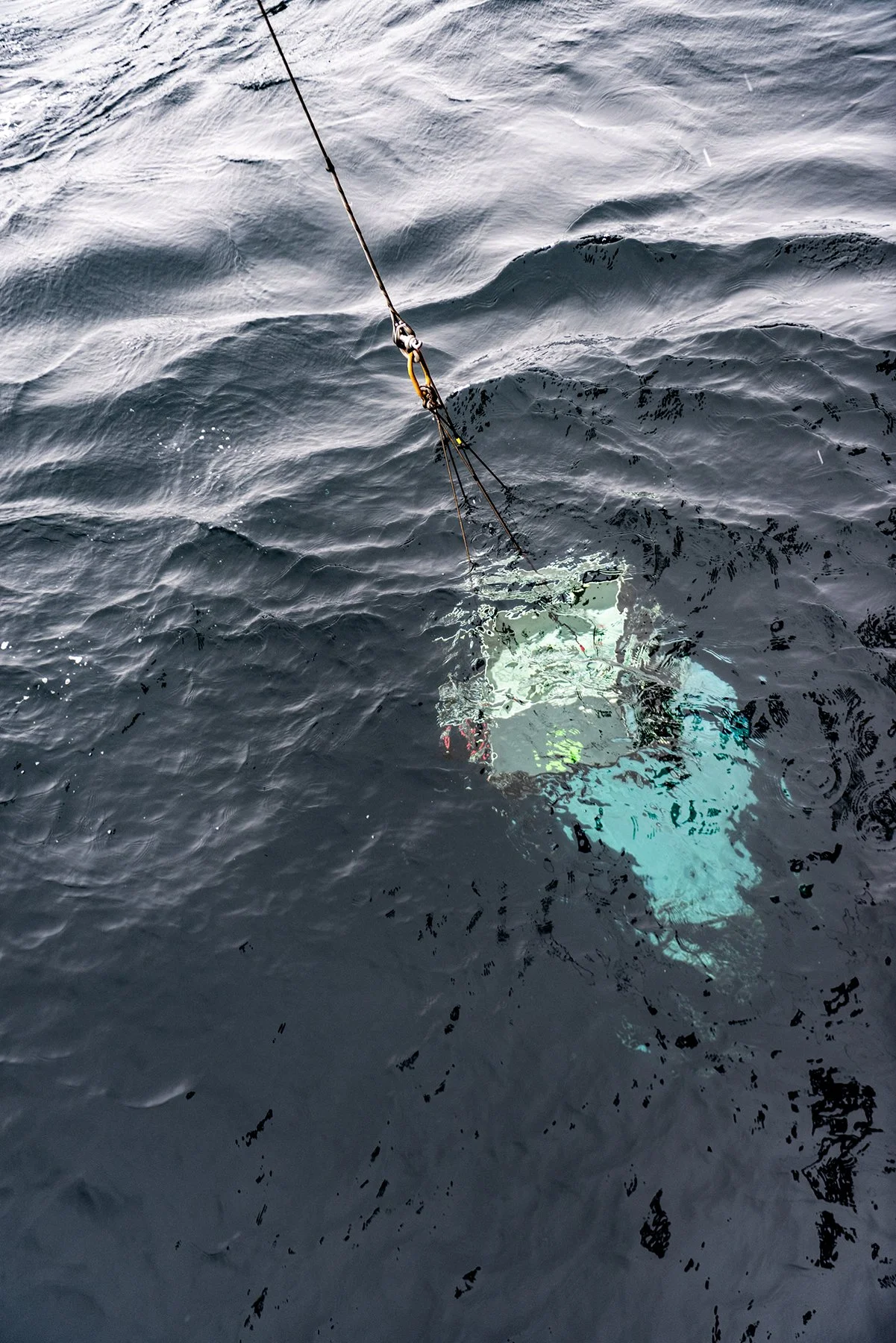
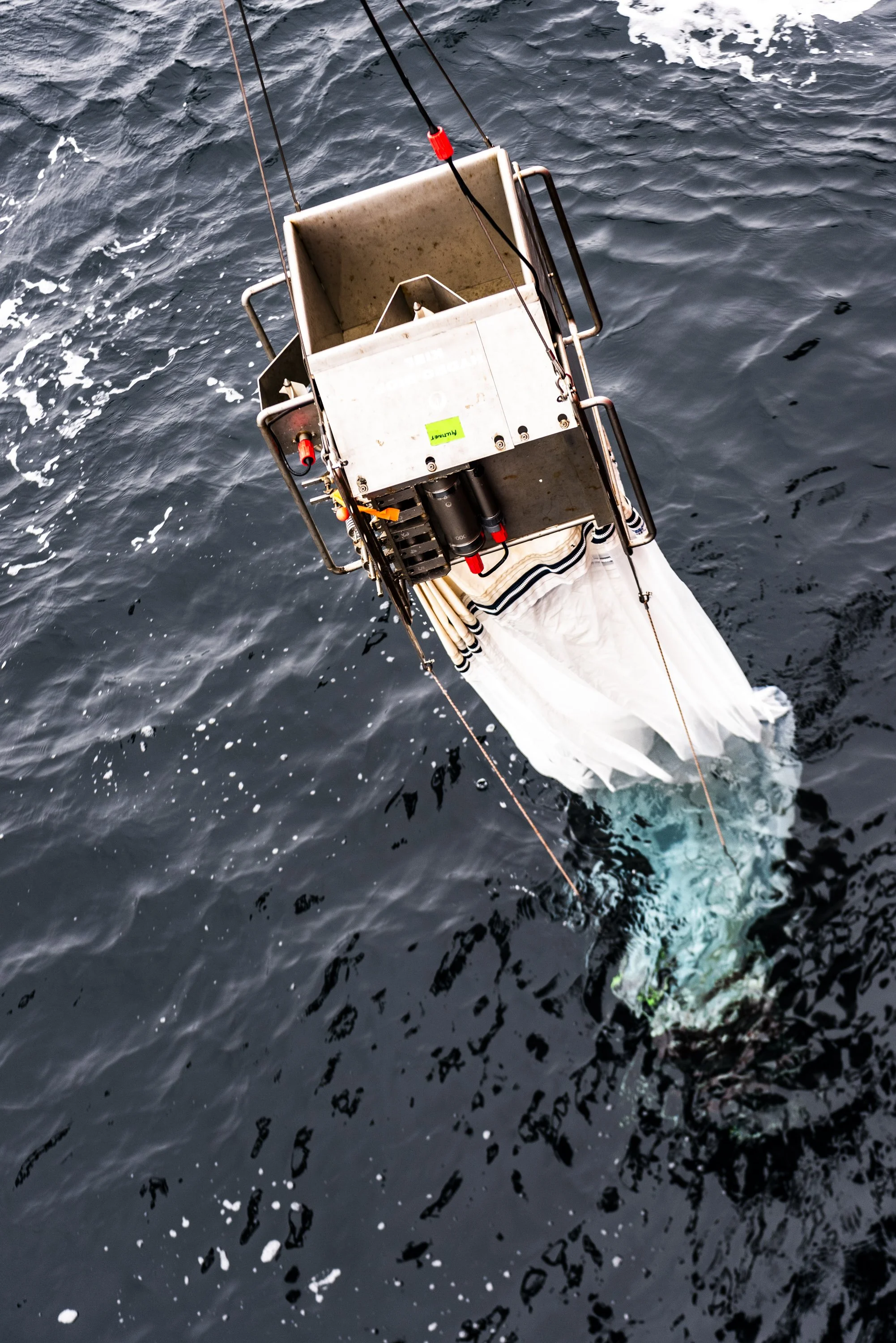
Each tells its own story, and yet they also build on each other. The landscapes show the beauty of this harsh and extreme landscape, and the images of the science work help to explain what is going on in the high Arctic and why it’s so important for the rest of the world.
Seeing differently: You describe how sound, smell, and touch help shape your photographs. How do those non-visual senses work in a place as extreme as the Arctic?
The sounds of the Healy breaking ice, as well as the sounds of the ice itself, are rather unusual. It gives you a sense of the power of the ice. There wasn’t much to touch, nor was there much to smell other than the smells of the food cooking in the kitchen. BTW, the food was very good.
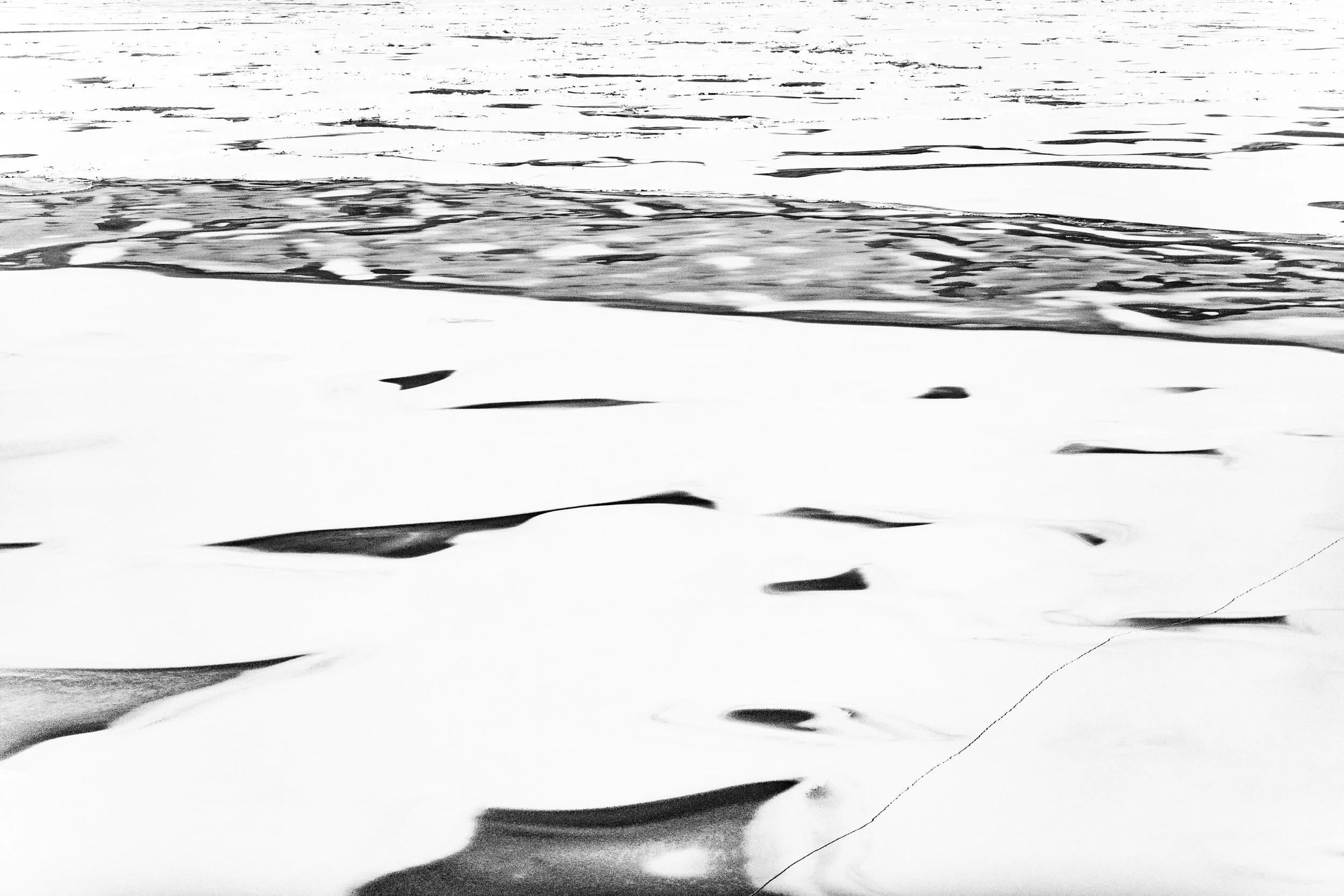
Scale and abstraction: You often photograph so that scale is hard to read, and scenes feel compressed or flattened. Did the North Pole change or challenge the way you think about that?
It amplified my interest in scale and abstraction. The distances and space were so enormous that I had to find a way to give form to my work.
Editing the work: You came back from 52 days with enough material to fill a book of more than 100 photographs. How did you decide which images to keep and how to order them?
I came back with about 4,000 images. The book includes about 120 images. The landscapes were picked because of their individual strength and how much variation they showed. The images in the book are largely in chronological order. The science images were picked because of what they showed about the science done on the ship.
Science and art: The essays in the book are written by a Coast Guard captain and an ocean scientist. How did working alongside scientists for nearly two months affect the way you saw and photographed the landscape?
There are essays by several scientists in the book. It was a wonderful experience working with all of the talented and devoted people on the ship. That included the scientists, the tech support people, and the officers and crew on the Healy. Working alongside scientists gave me a better appreciation of what is going on in the Arctic and gave me an appreciation of the changes going on there.
Climate change: The book is described as giving a sobering view of the effects of climate change on these landscapes. How do you think about the photographer's role when the subject itself may not exist in the same form much longer?
I think that one’s role as a photographer is to capture and document what is there and what is disappearing.
Polar work over time: You have now photographed in Svalbard six times, travelled to the Antarctic Peninsula, and reached the North Pole. What keeps drawing you back to polar places, and what do you still feel you haven’t captured yet?
I don’t have an easy answer to that question other than I love it in these places. I spent 25 days in January on a cruise on a new ice-reinforced small cruise ship. We went to the Ross Sea and McMurdo Sound as well as a series of sub-Antarctic islands of Australia and New Zealand. Standing in Scott’s Hut on Ross Island in the shadow of Mt. Erebus was an amazing experience.
I’m not sure what I haven’t captured yet, but there’s always something new.
To discover more about this intriguing body of work and how you can acquire your own copy, you can find and purchase the book here. (DaylightBooks, Amazon)
More photography books?
We'd love to read your comments below, sharing your thoughts and insights on the artist's work. Looking forward to welcoming you back for our next [book spotlight]. See you then!
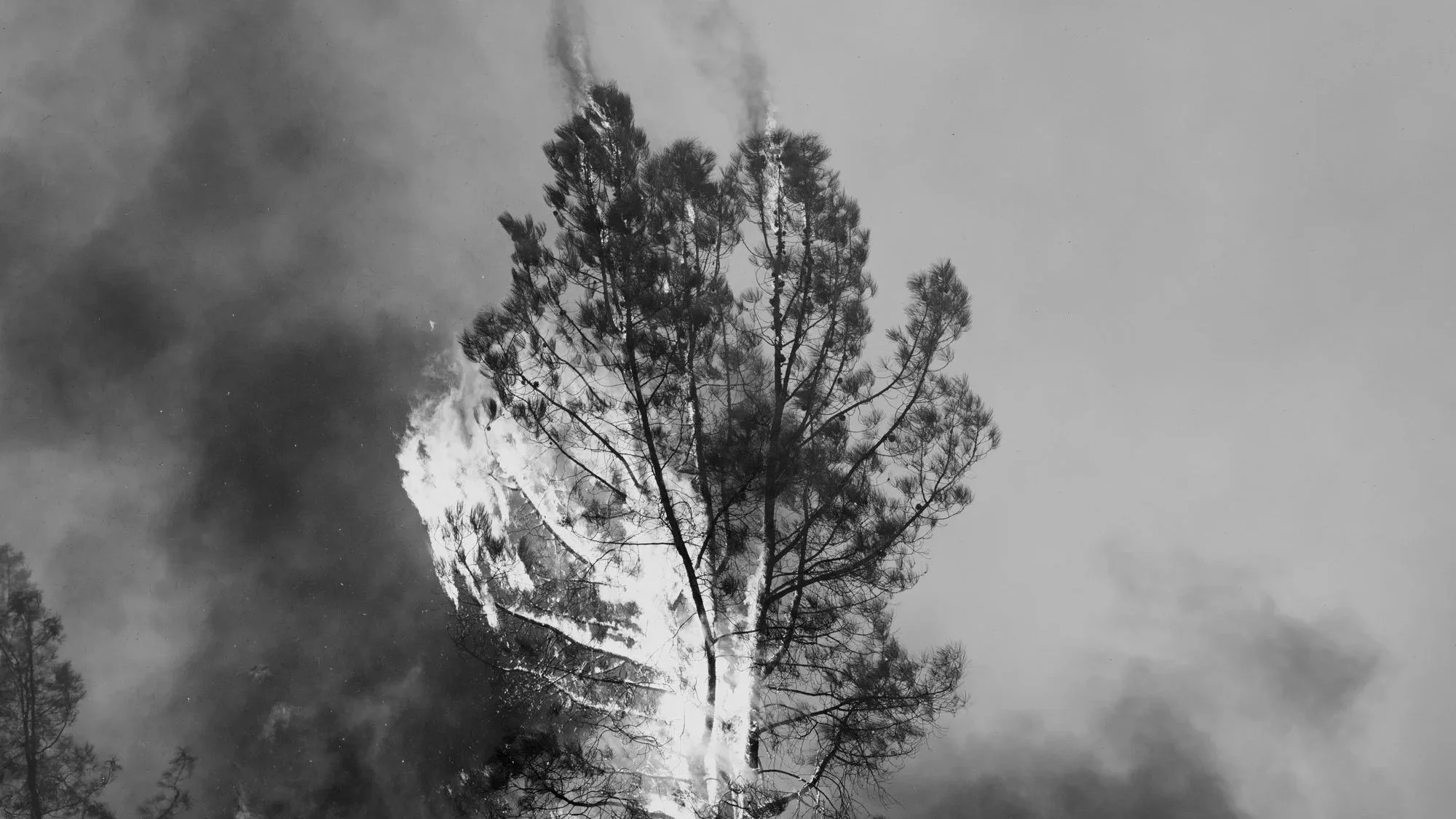
The past became visible once Richards learned where to look. For The Inner Passage, Virginia McGee Richards spent fifteen years photographing a waterway in the South Carolina Lowcountry. Photography Book Spotlight