Pete Doherty Lost His Passion for Photography. Boxing Helped Him Find It Again
Welcome to this edition of [book spotlight]. Today, we uncover the layers of 'World's Greatest,' by Pete Doherty (published by Stephen Bulger Gallery). We'd love to read your comments below about these insights and ideas behind the artist's work.
Boxing saved Pete Doherty before photography returned.
In his early twenties, he lost his passion, gave away his negatives, prints, camera, and darkroom equipment, and stopped seeing beauty around him. Years later, he walked into Toronto Newsboys Boxing Club, not as a photographer, but as a man looking for something to hold onto. The gym became a home, and boxing gave him a second chance before the camera slowly came back into his life.
This is not only a book about boxing.
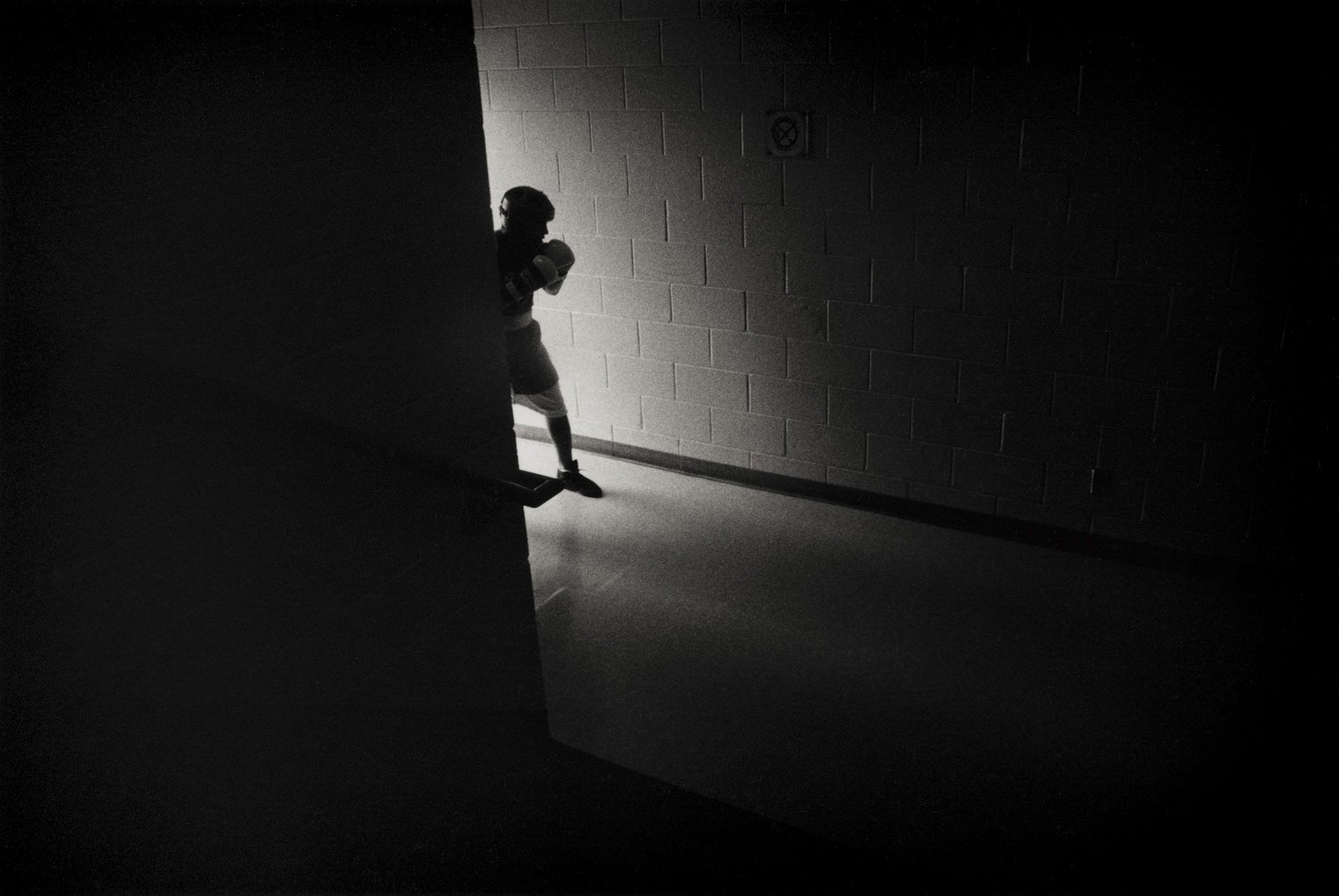
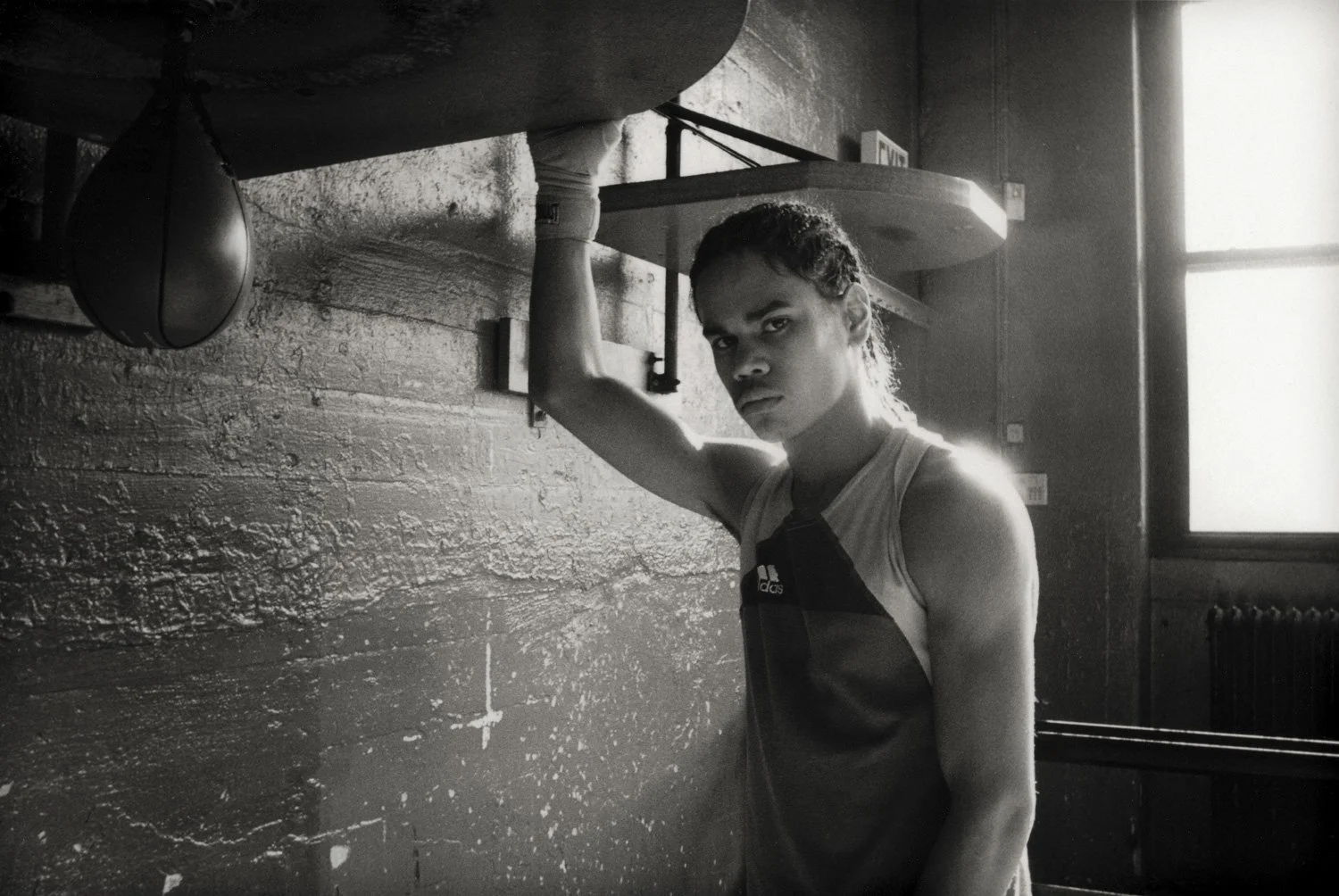
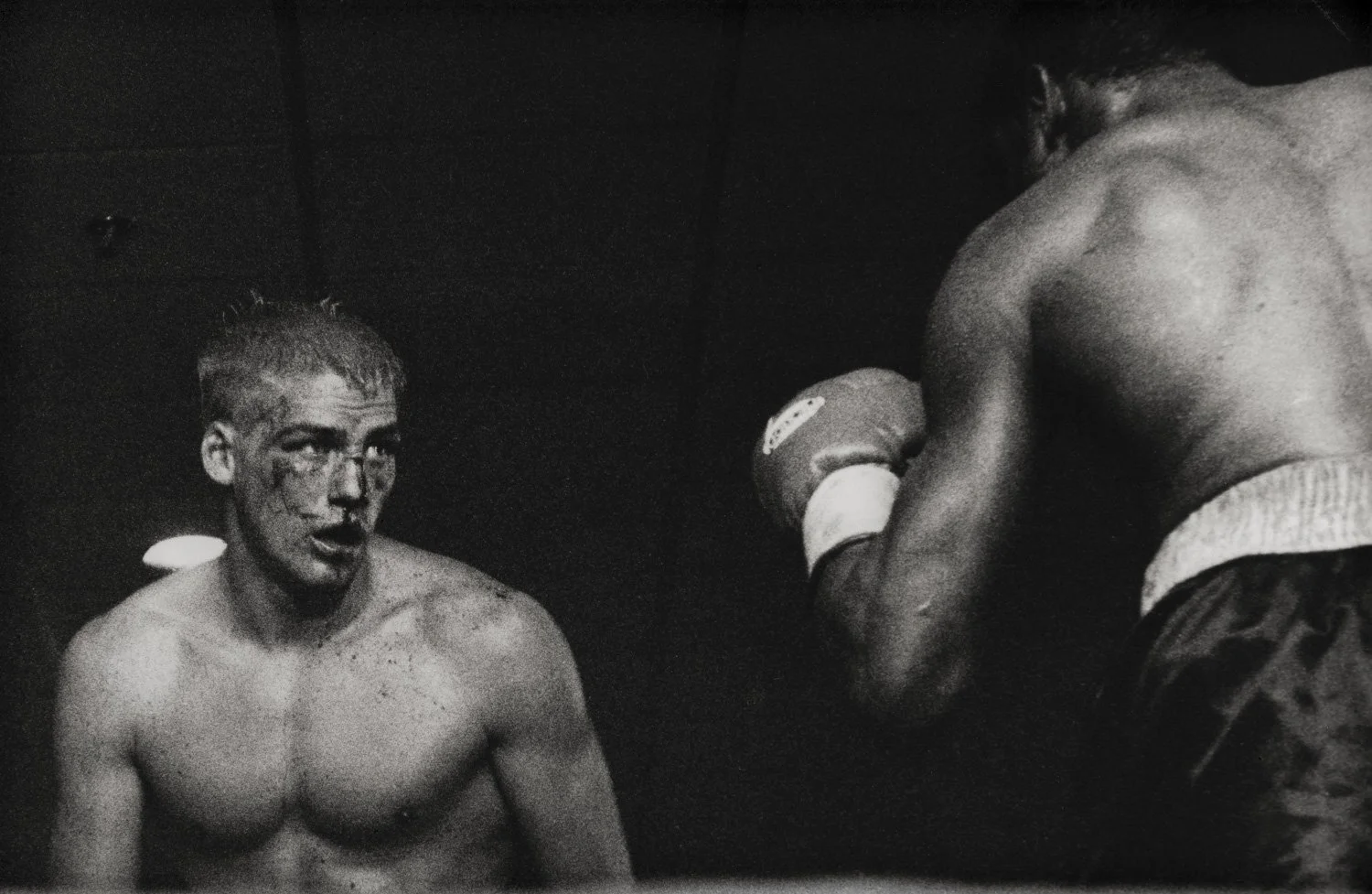
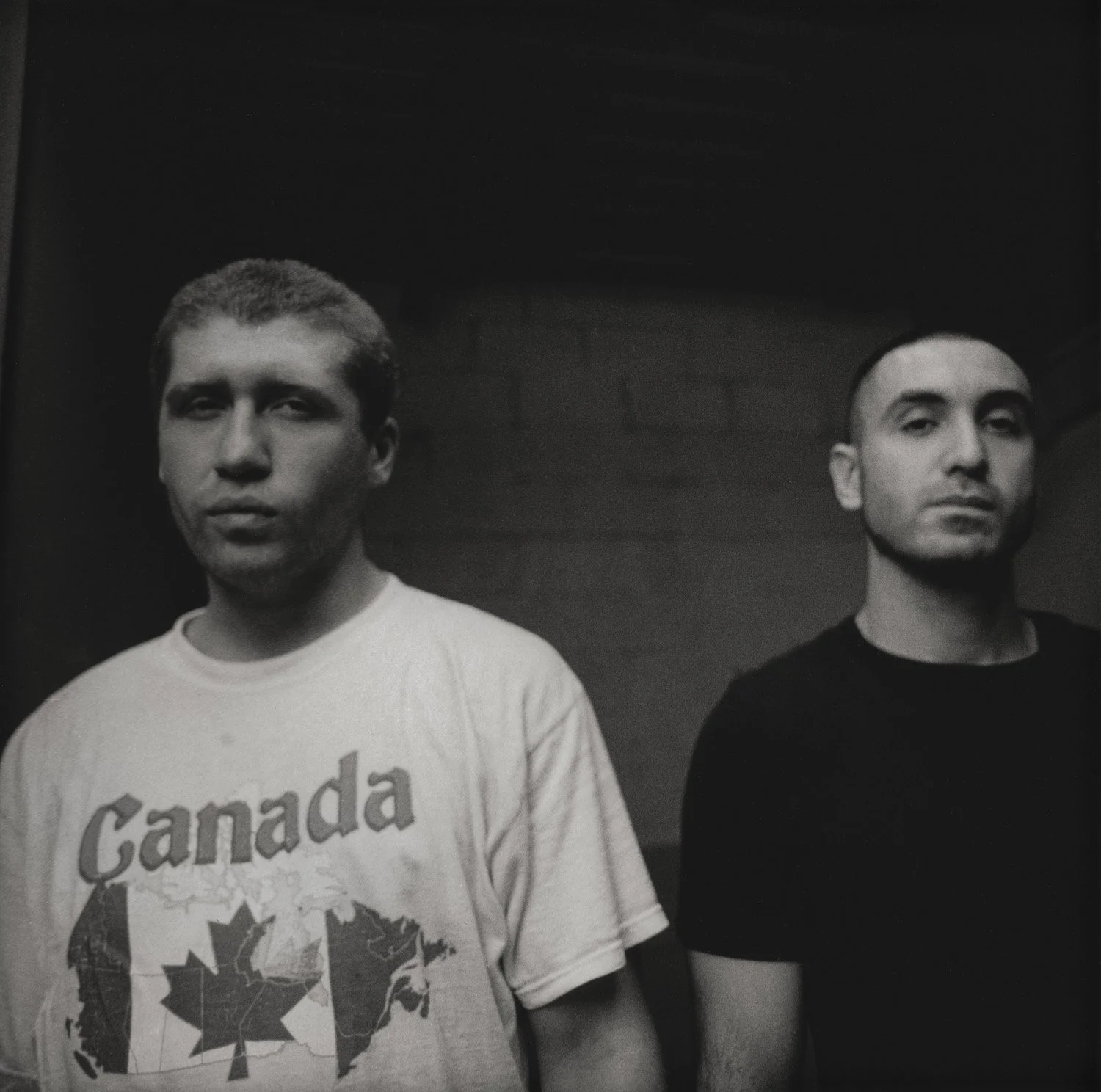
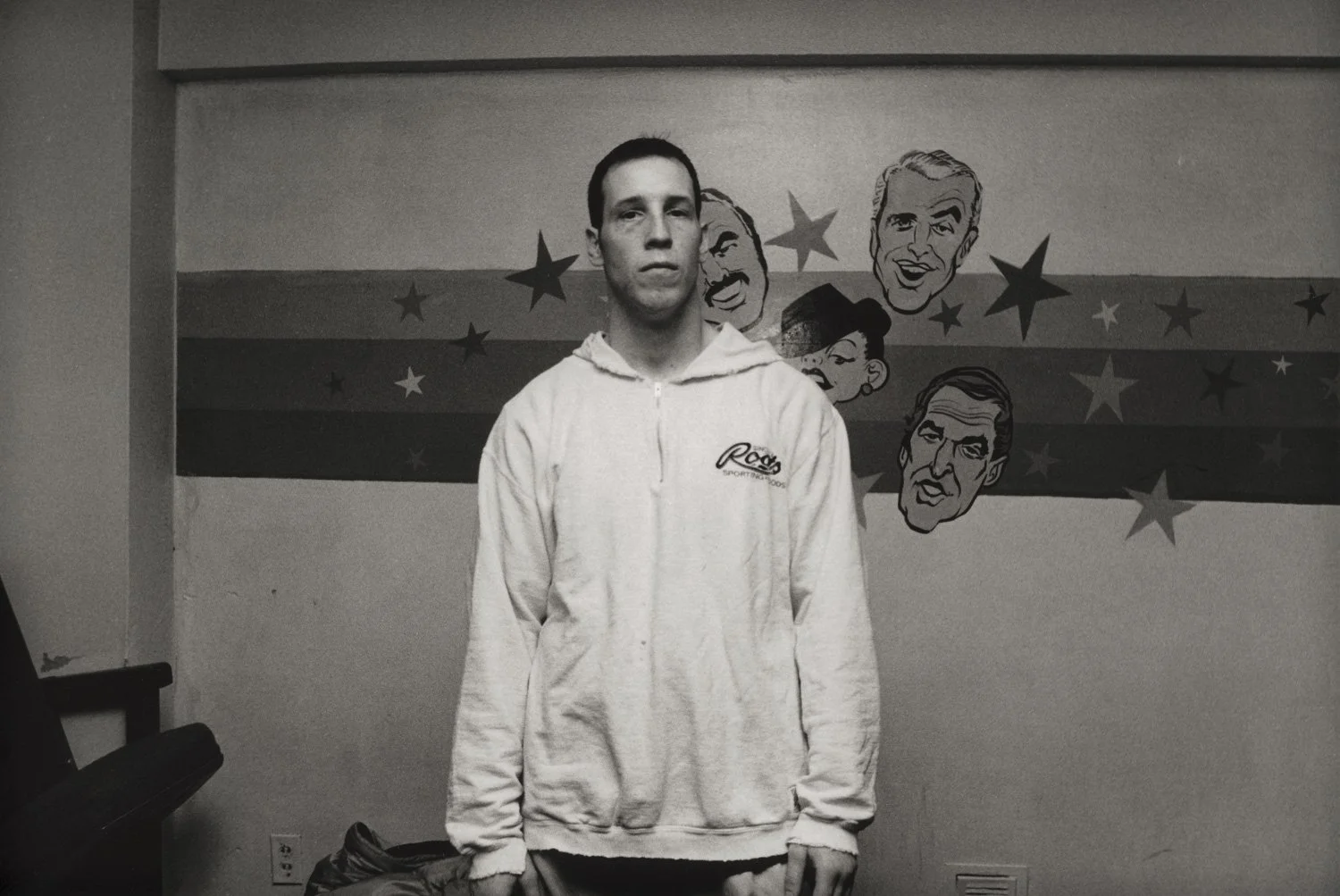
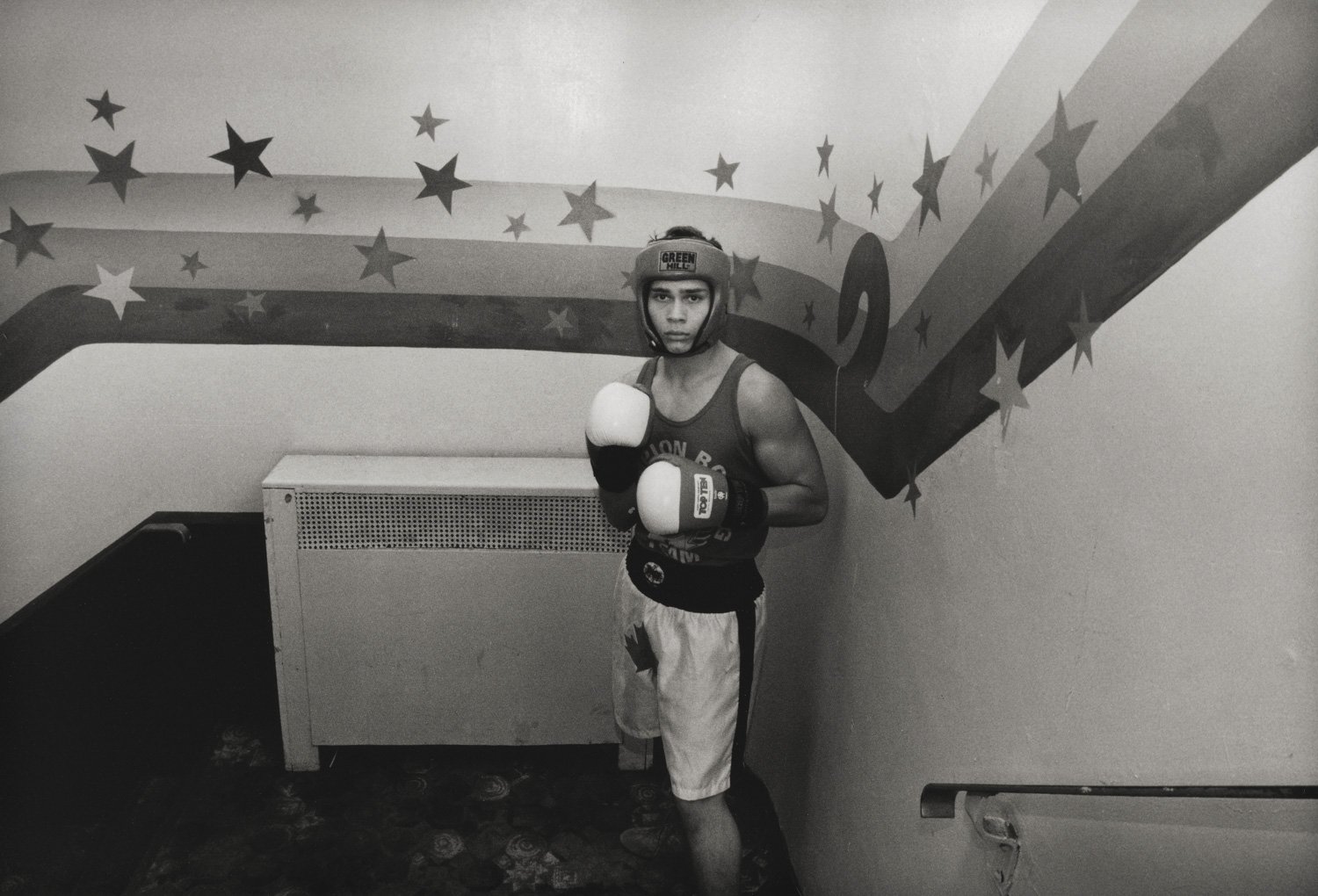
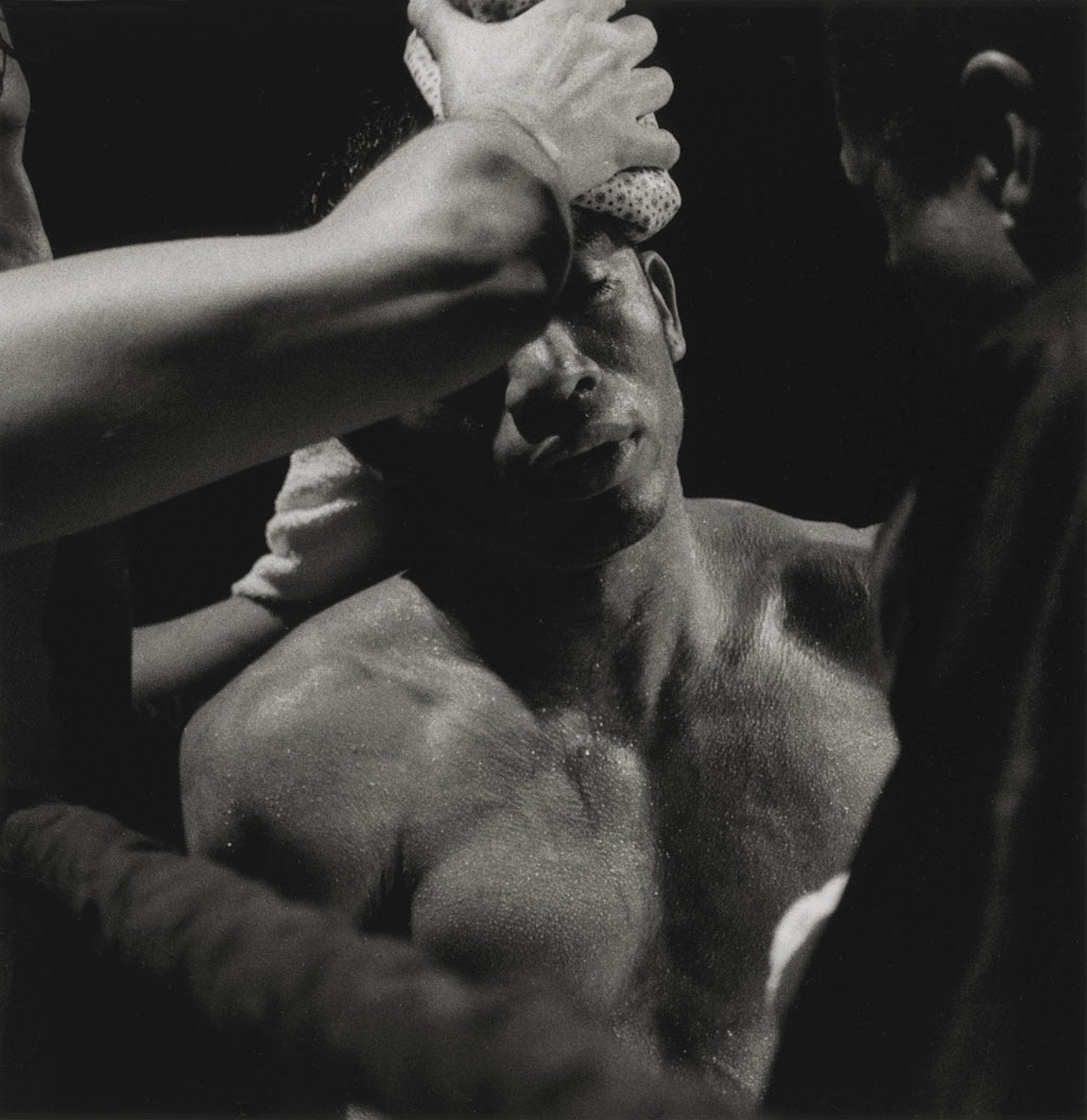
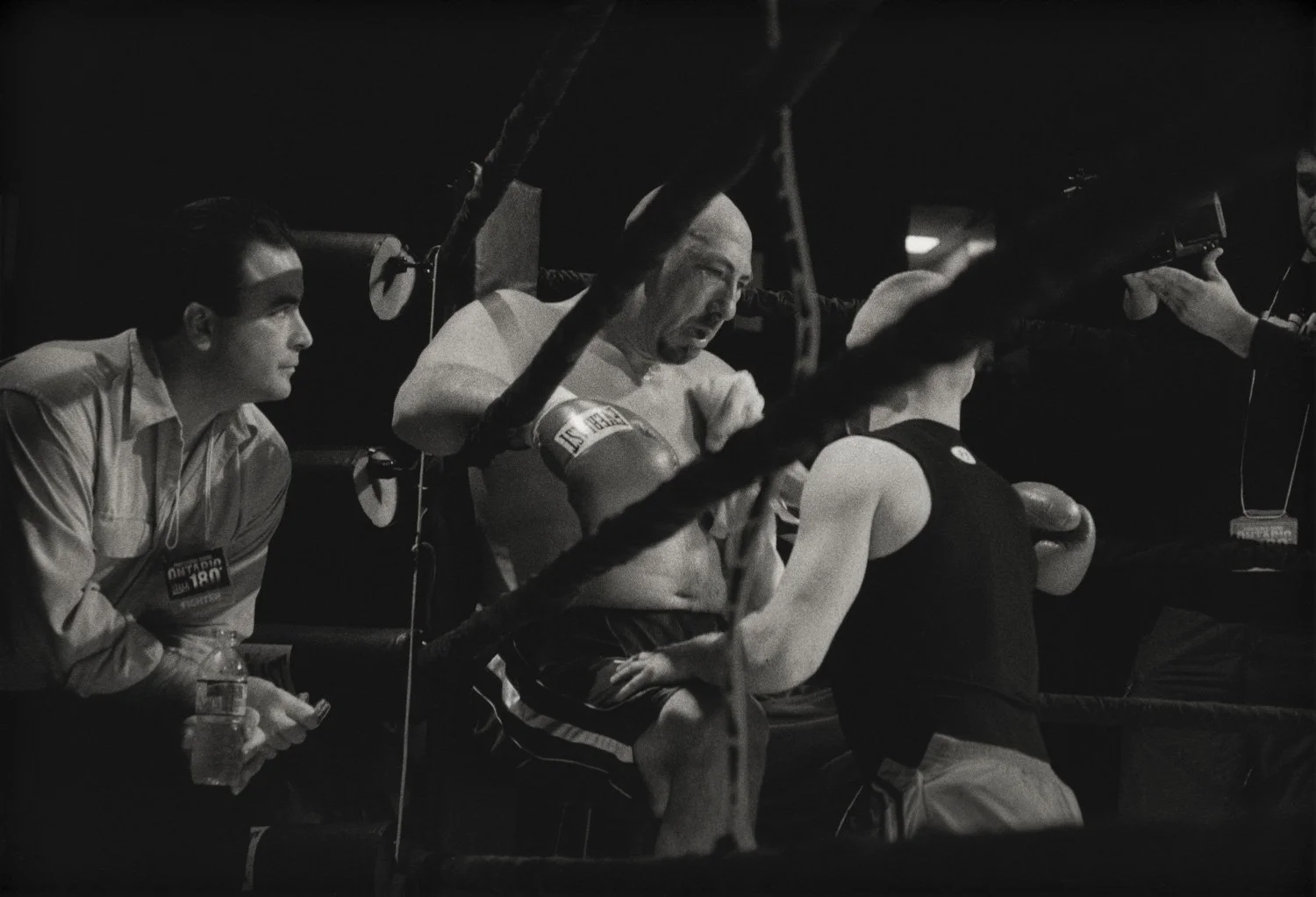
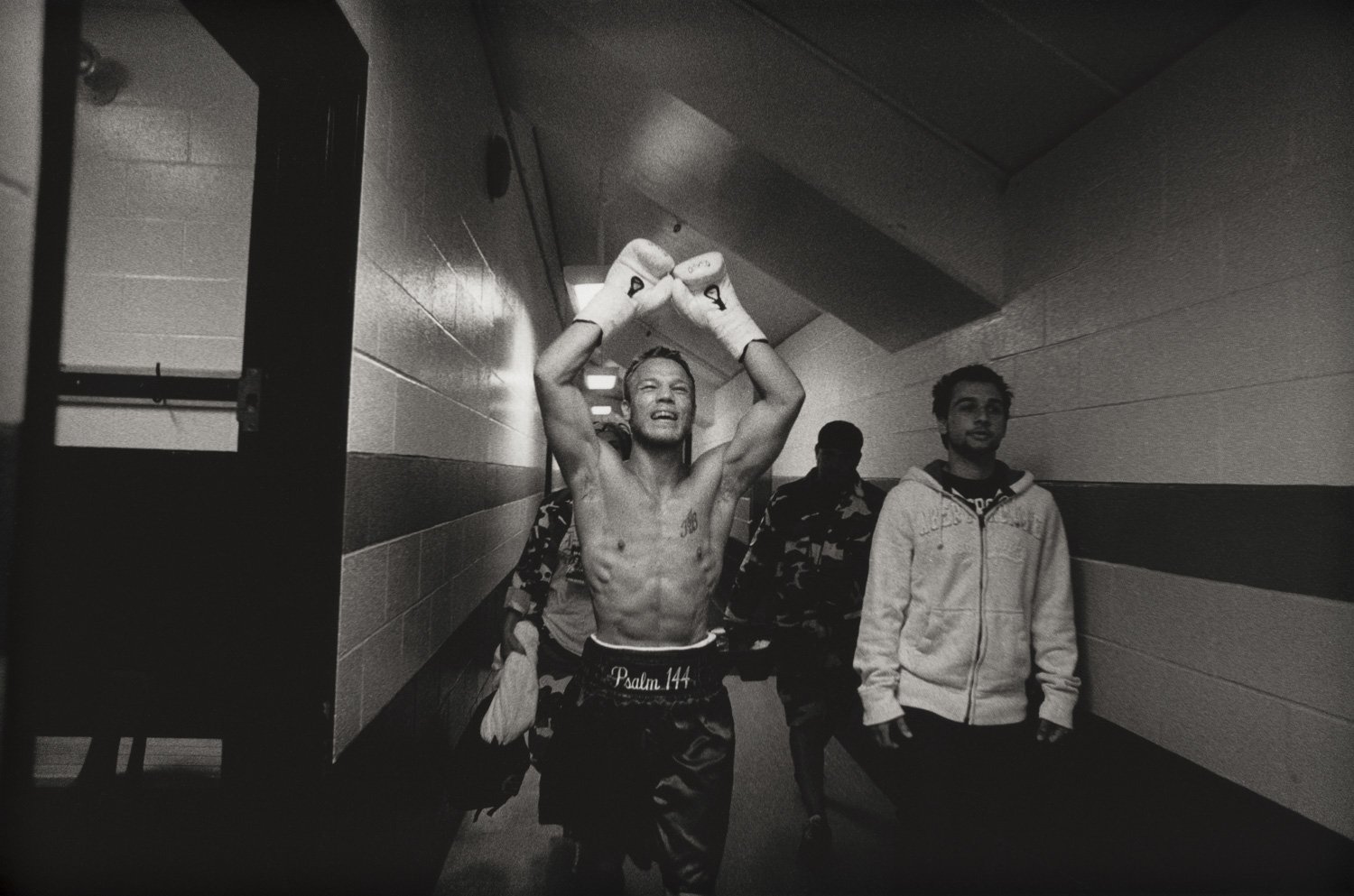
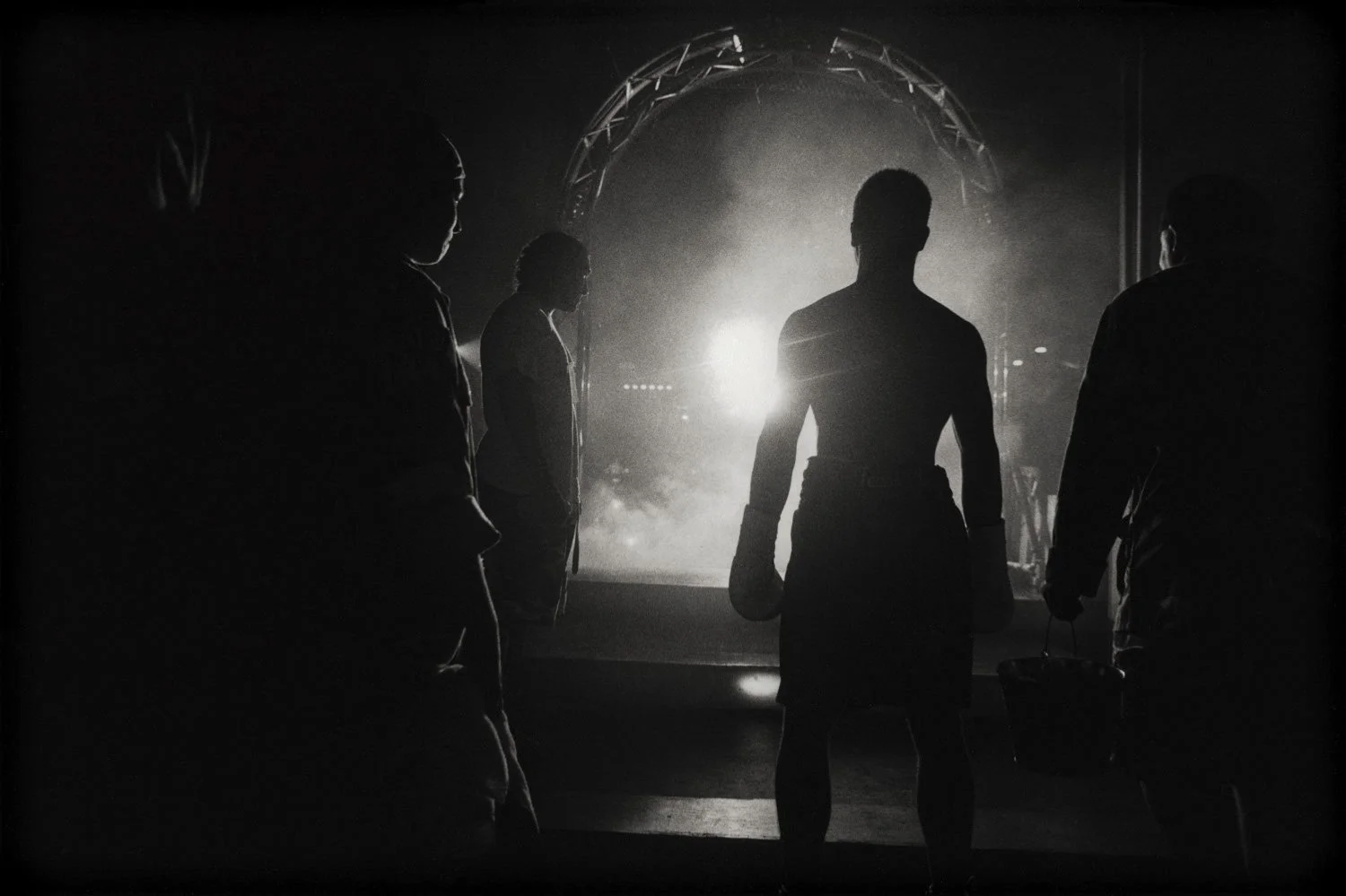
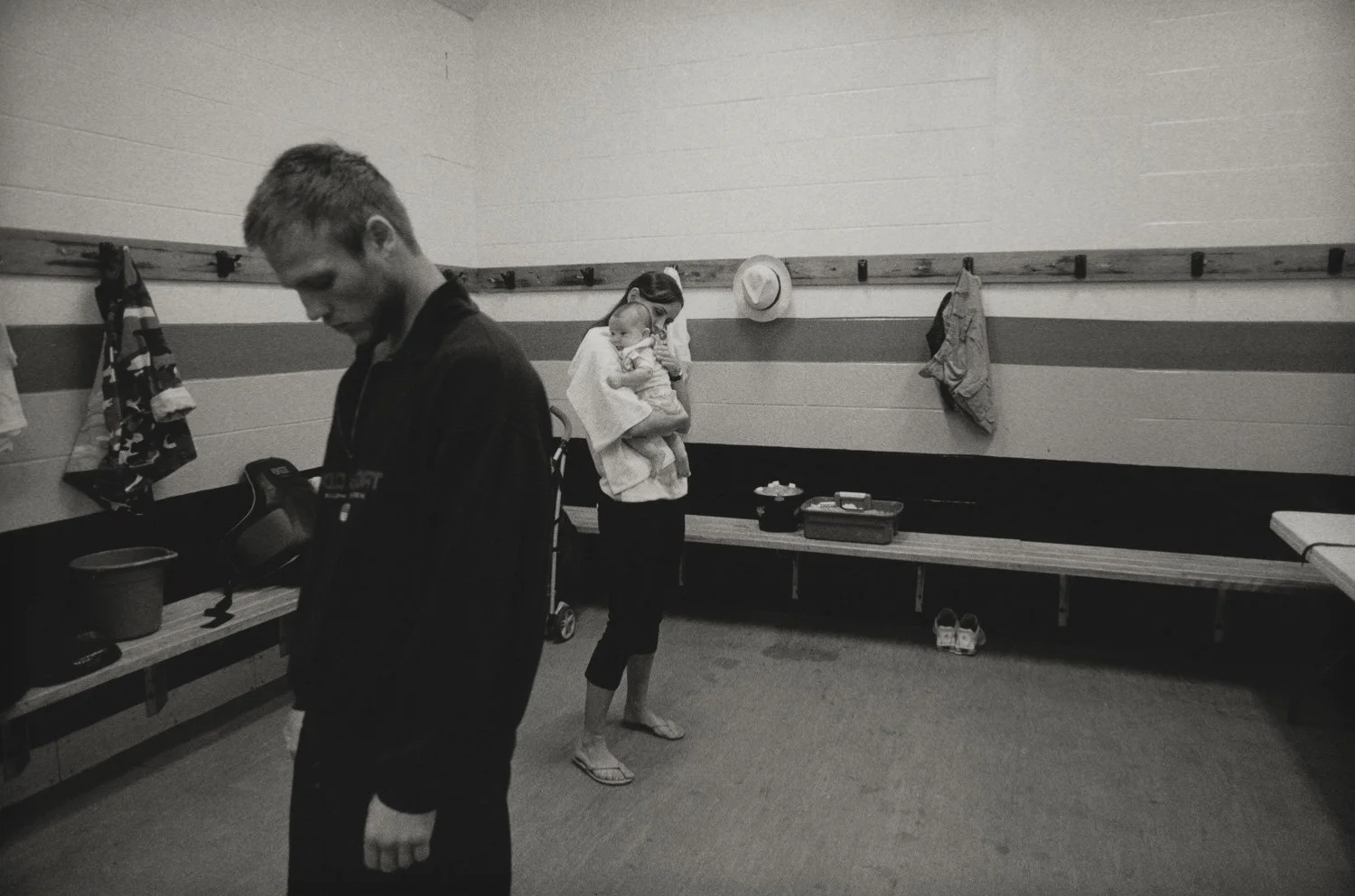
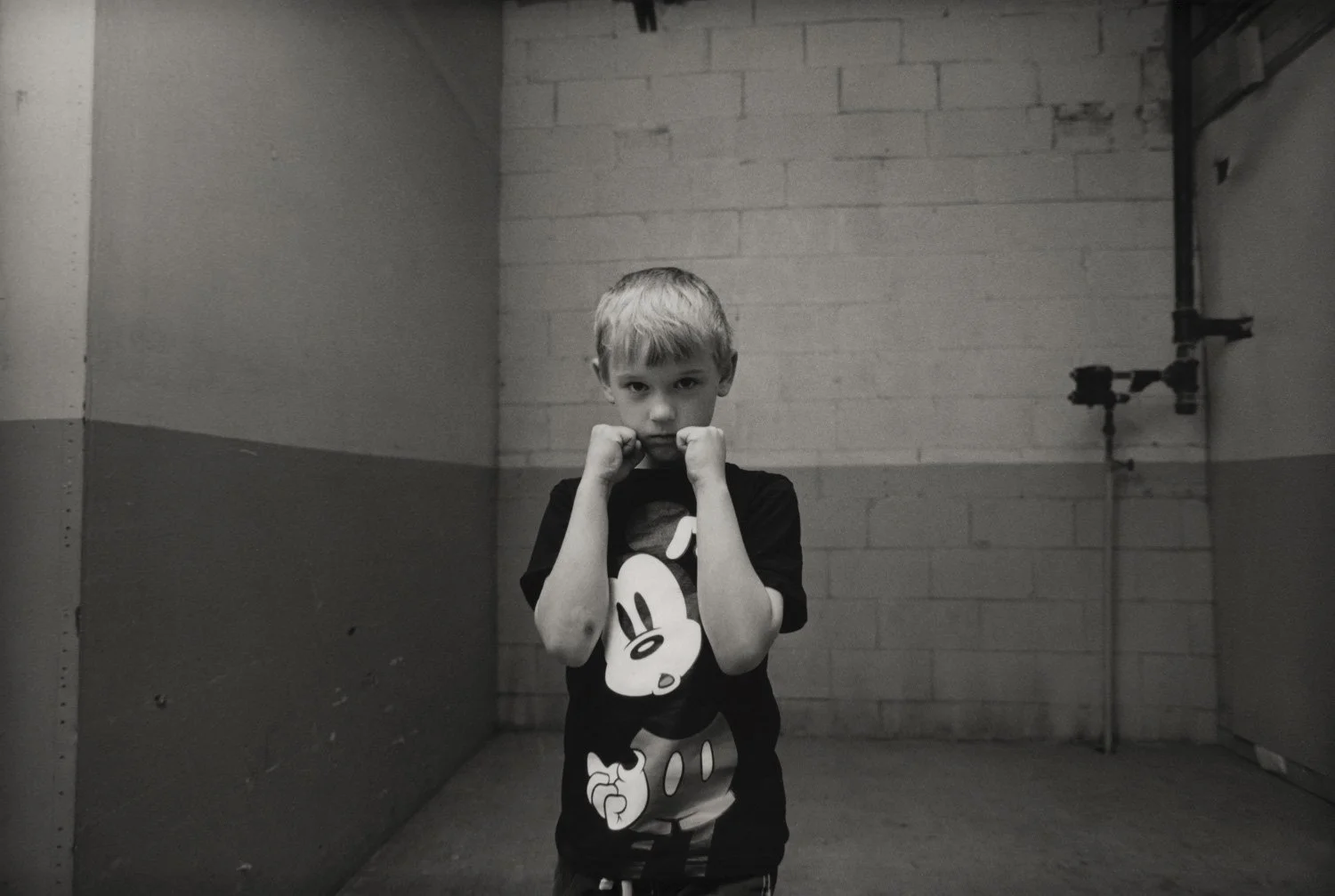
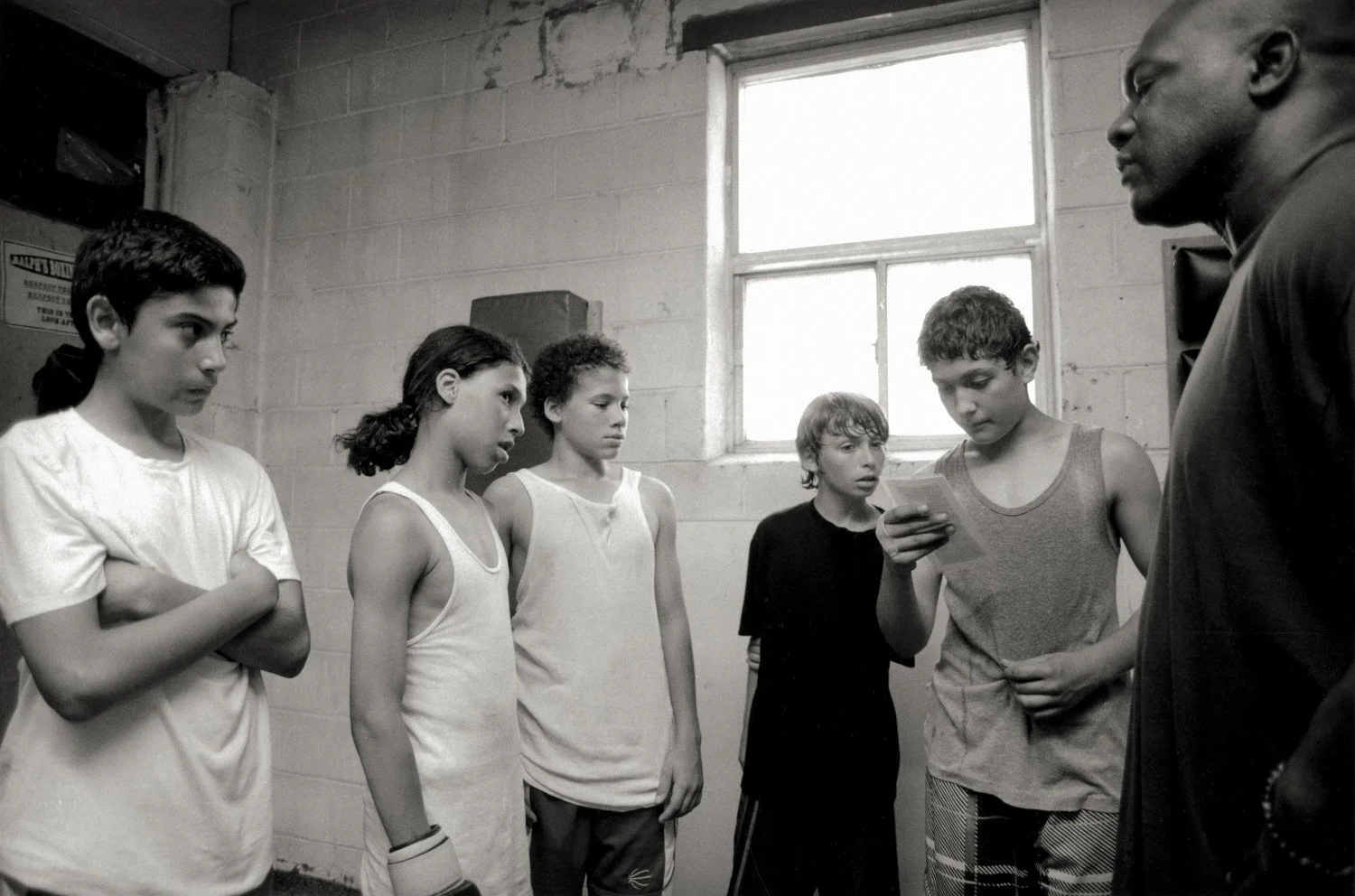
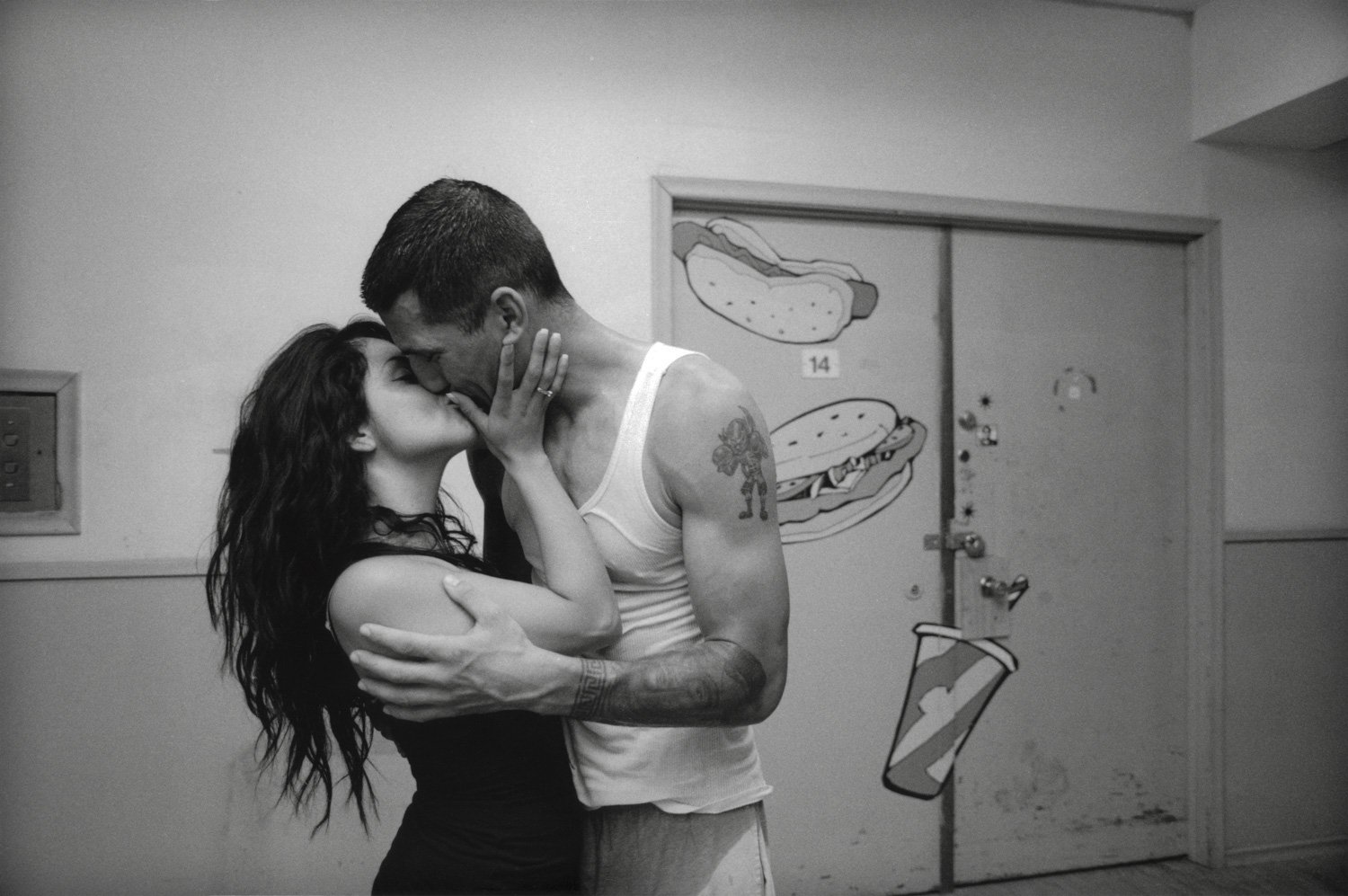
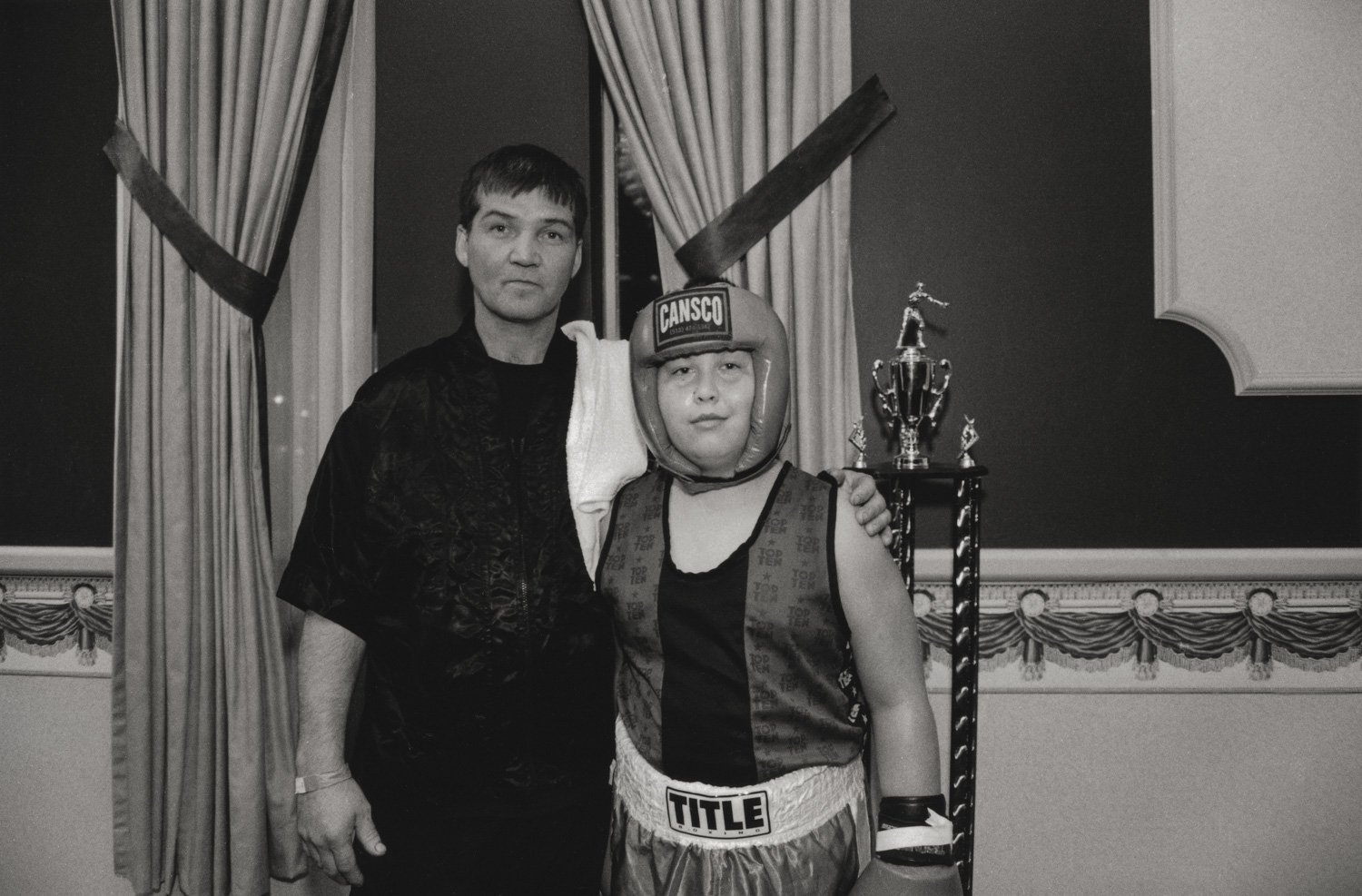
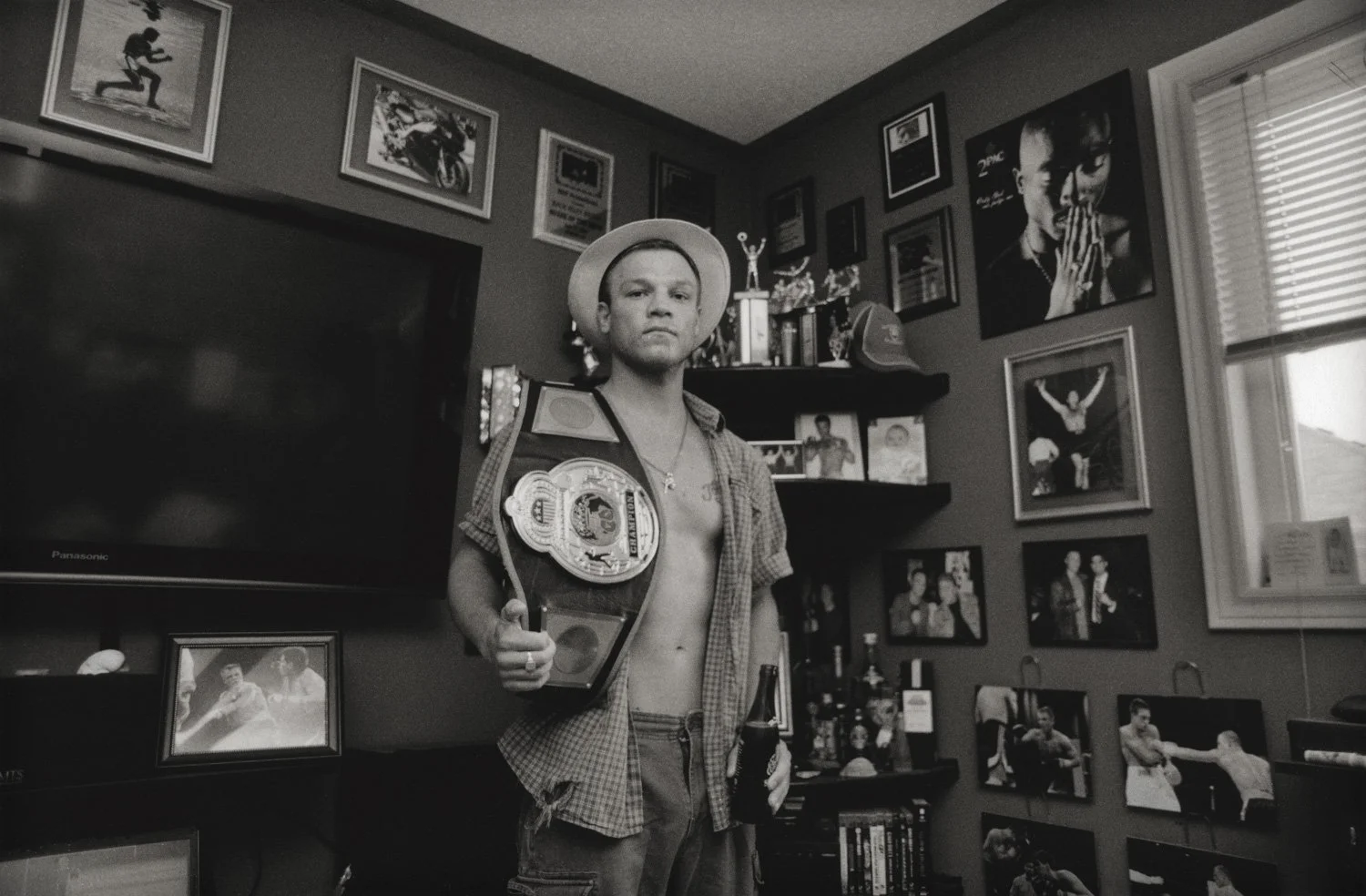
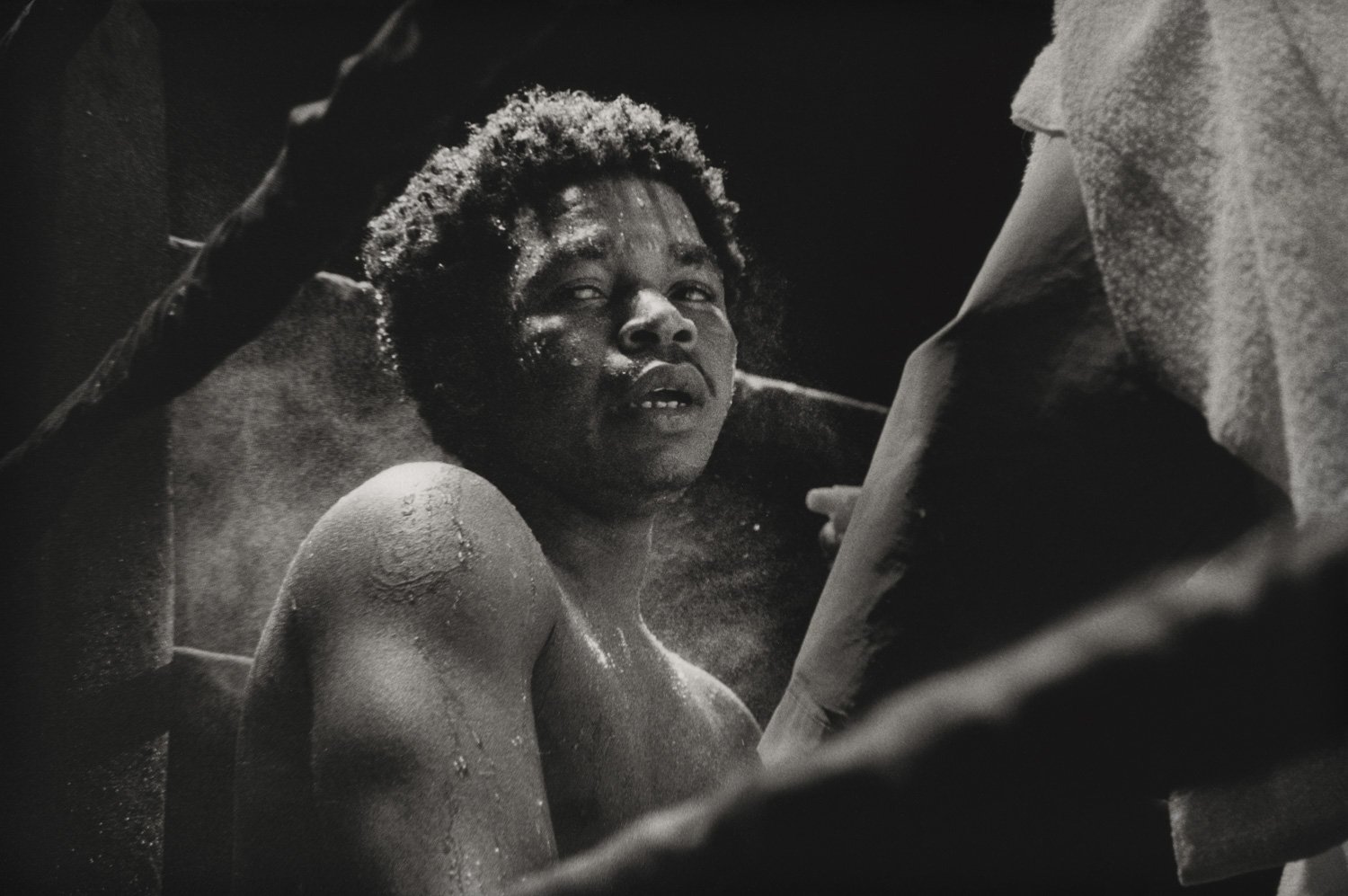
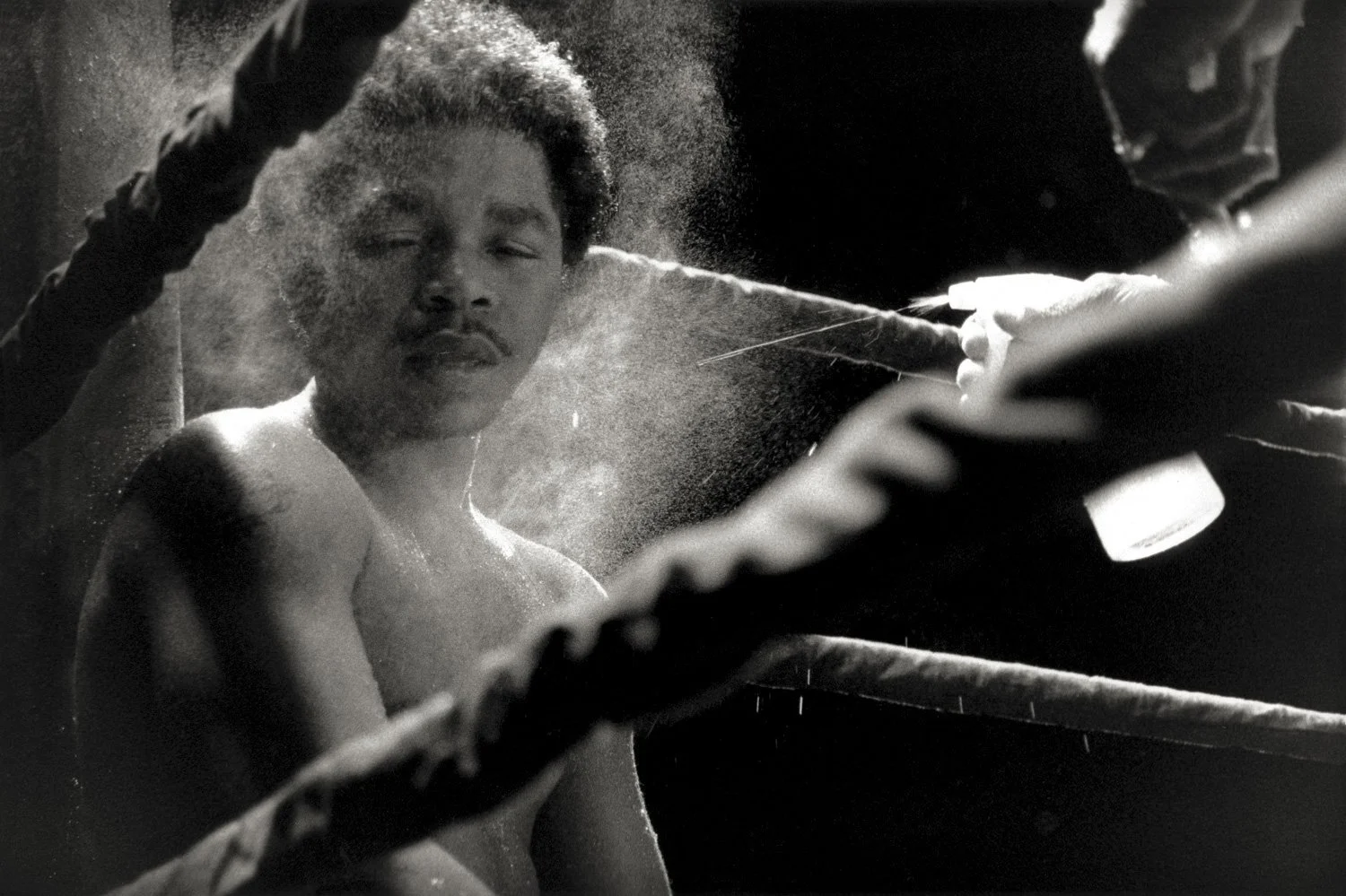
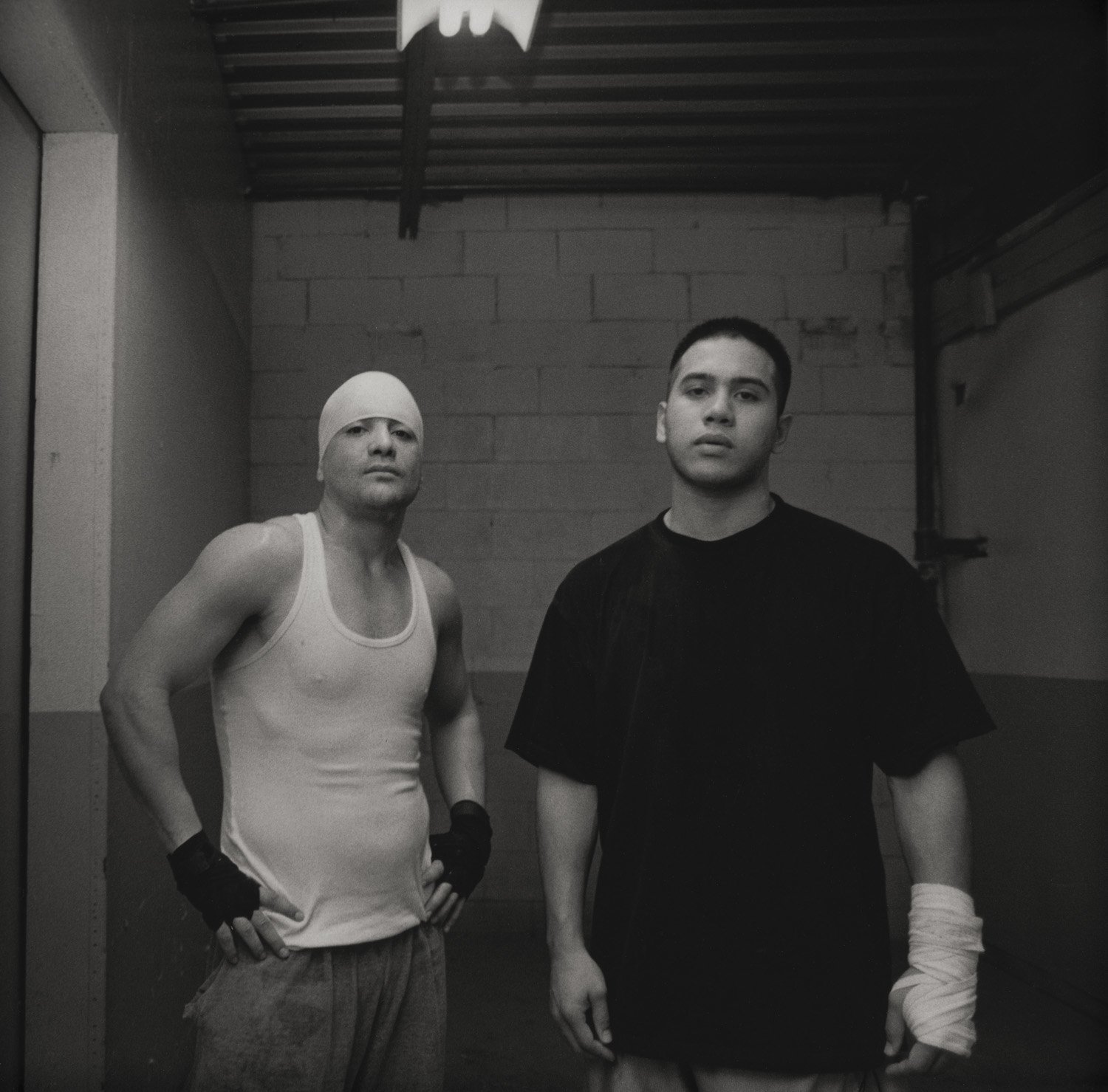
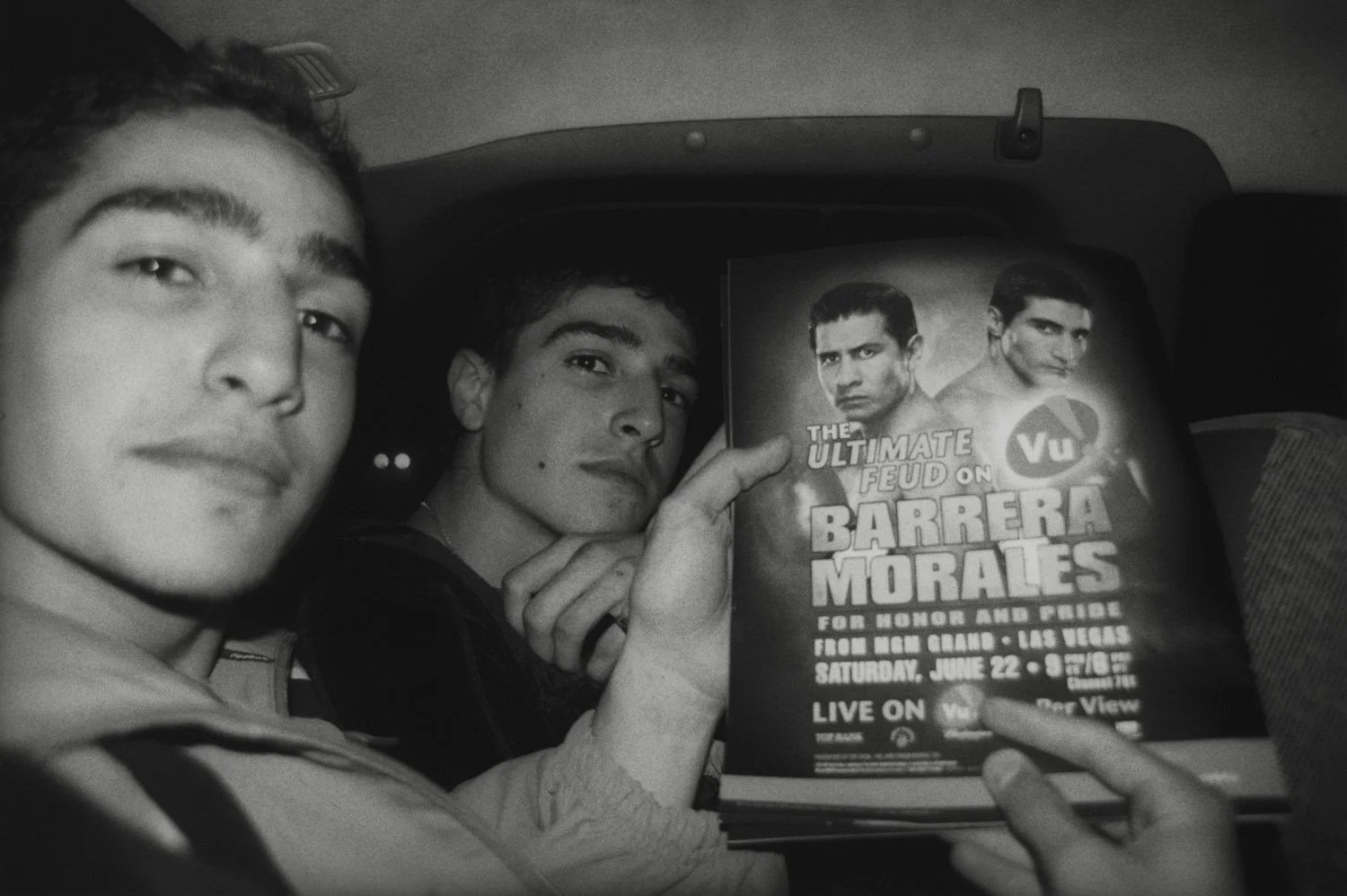
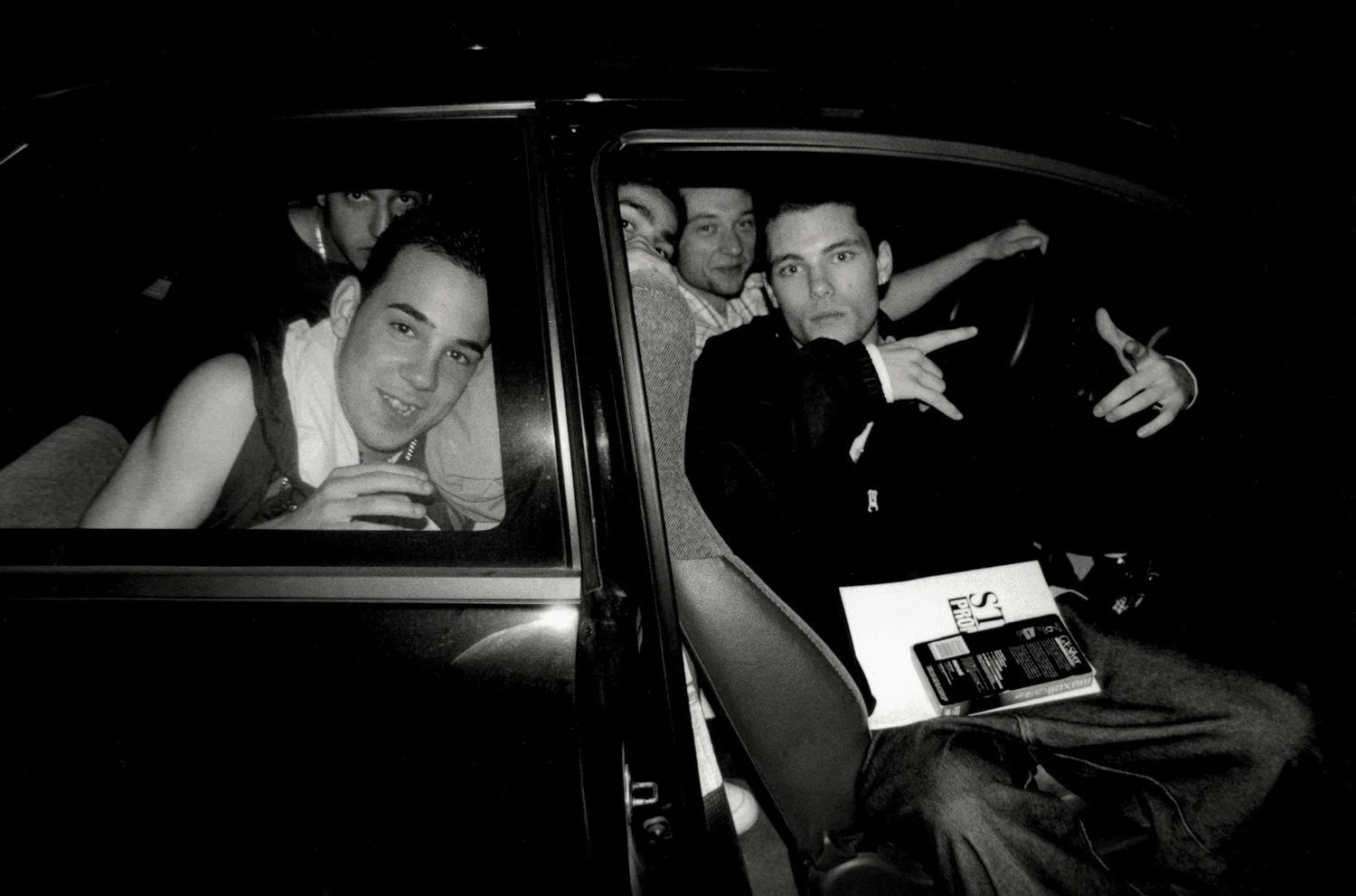
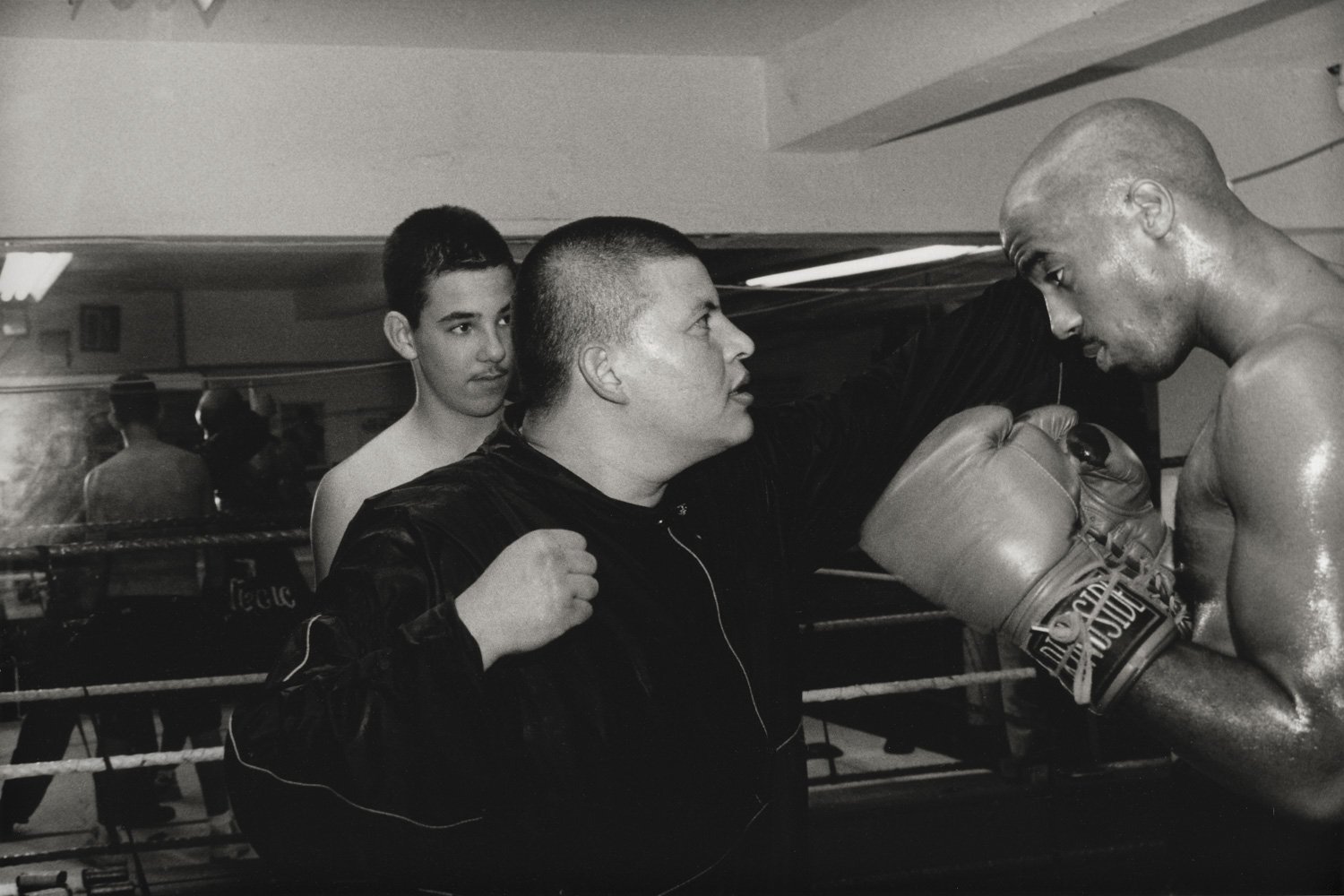
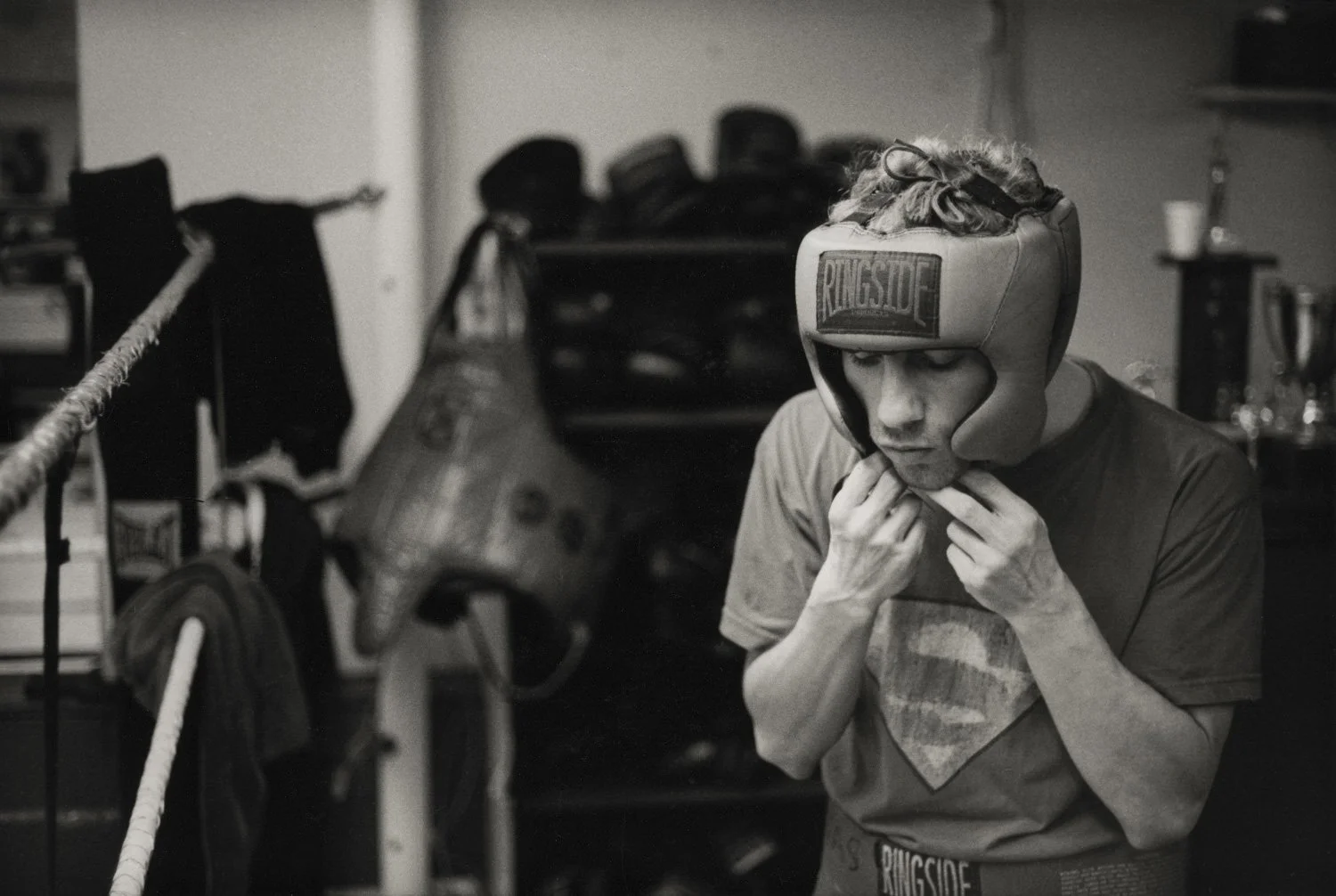
World’s Greatest is about what happens before and after the fight, when fighters are tired, open, afraid, proud, or quietly broken. Because Doherty was a boxer himself, he could photograph a world that most outsiders only see from the edge of the ring. His pictures come from trust, long presence, and love for a community that accepted him before it became a subject.
Doherty’s story shows that access is not only about permission, and intimacy is not only about getting close with a camera. Sometimes the strongest photographs come from belonging to a place first, understanding its people, and only then finding the courage to photograph what matters.
The Book
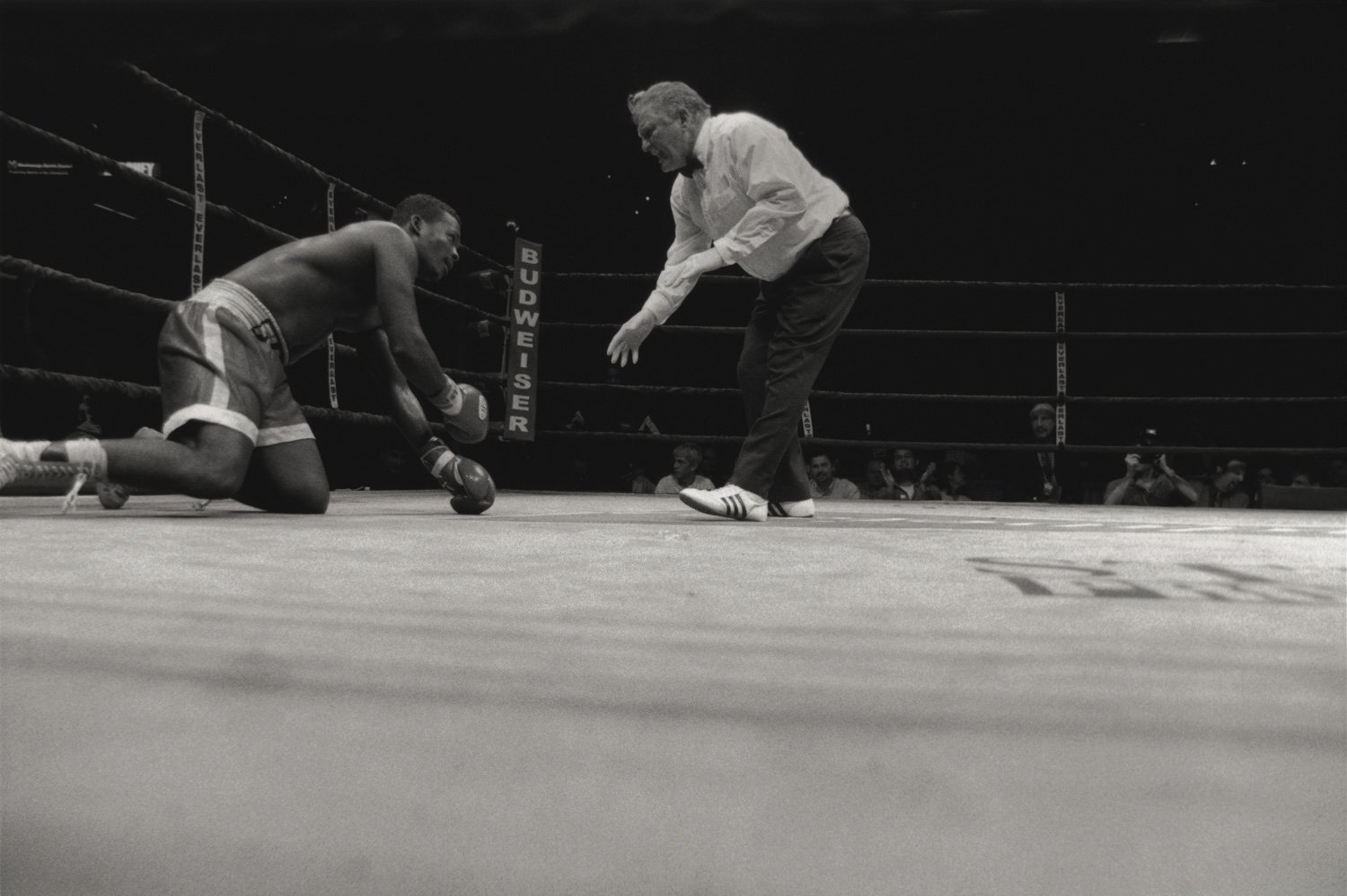
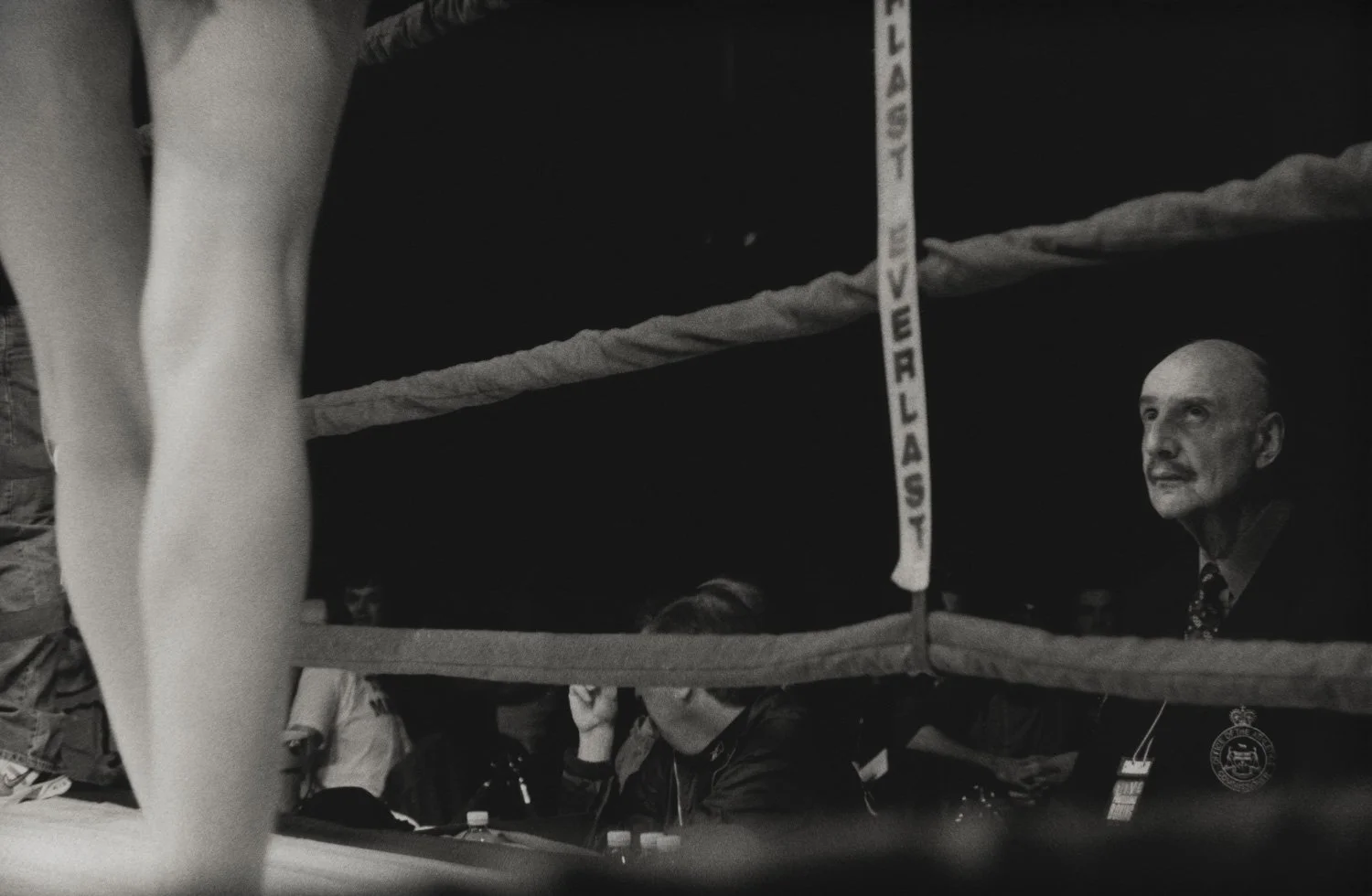
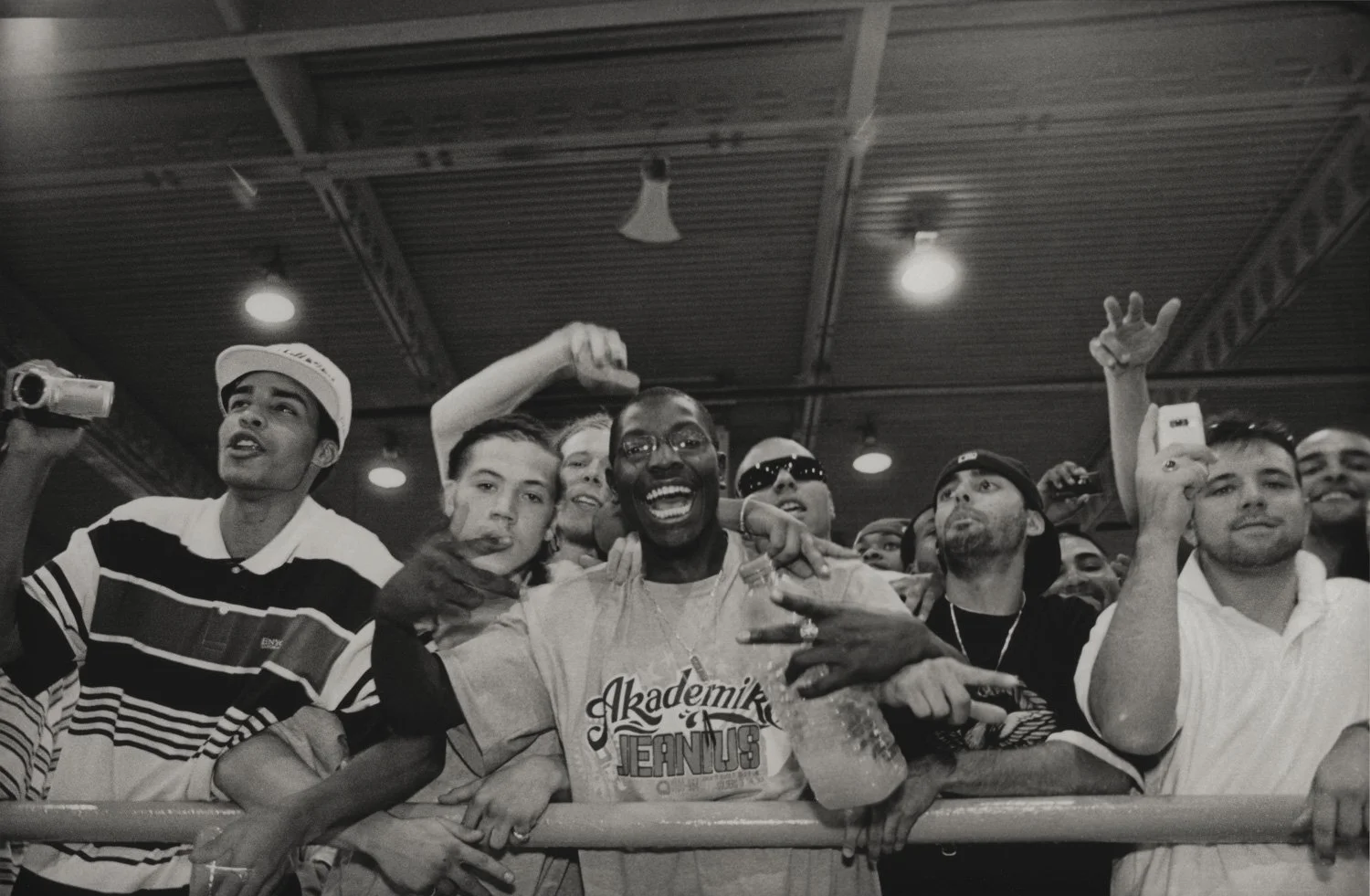
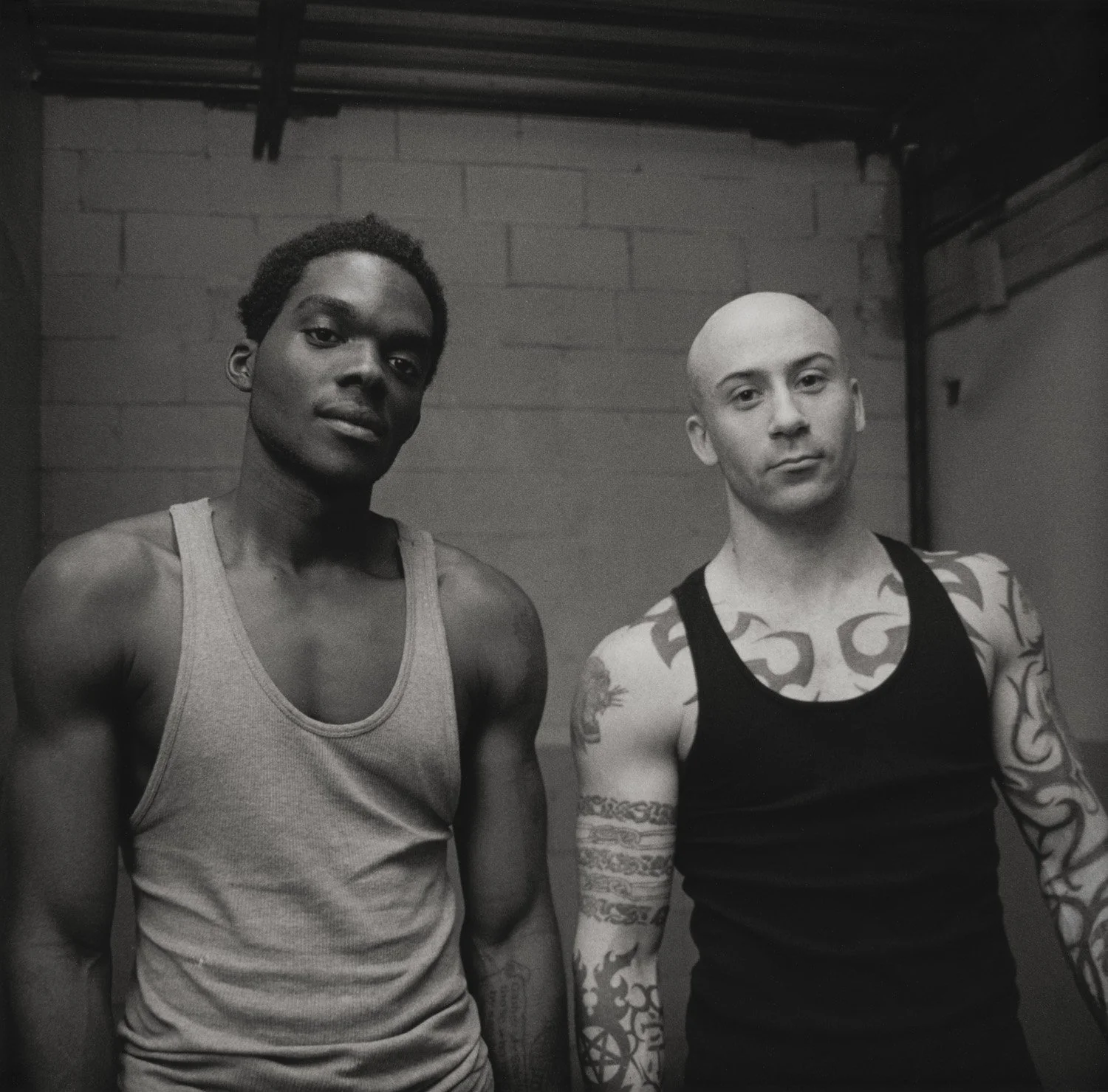
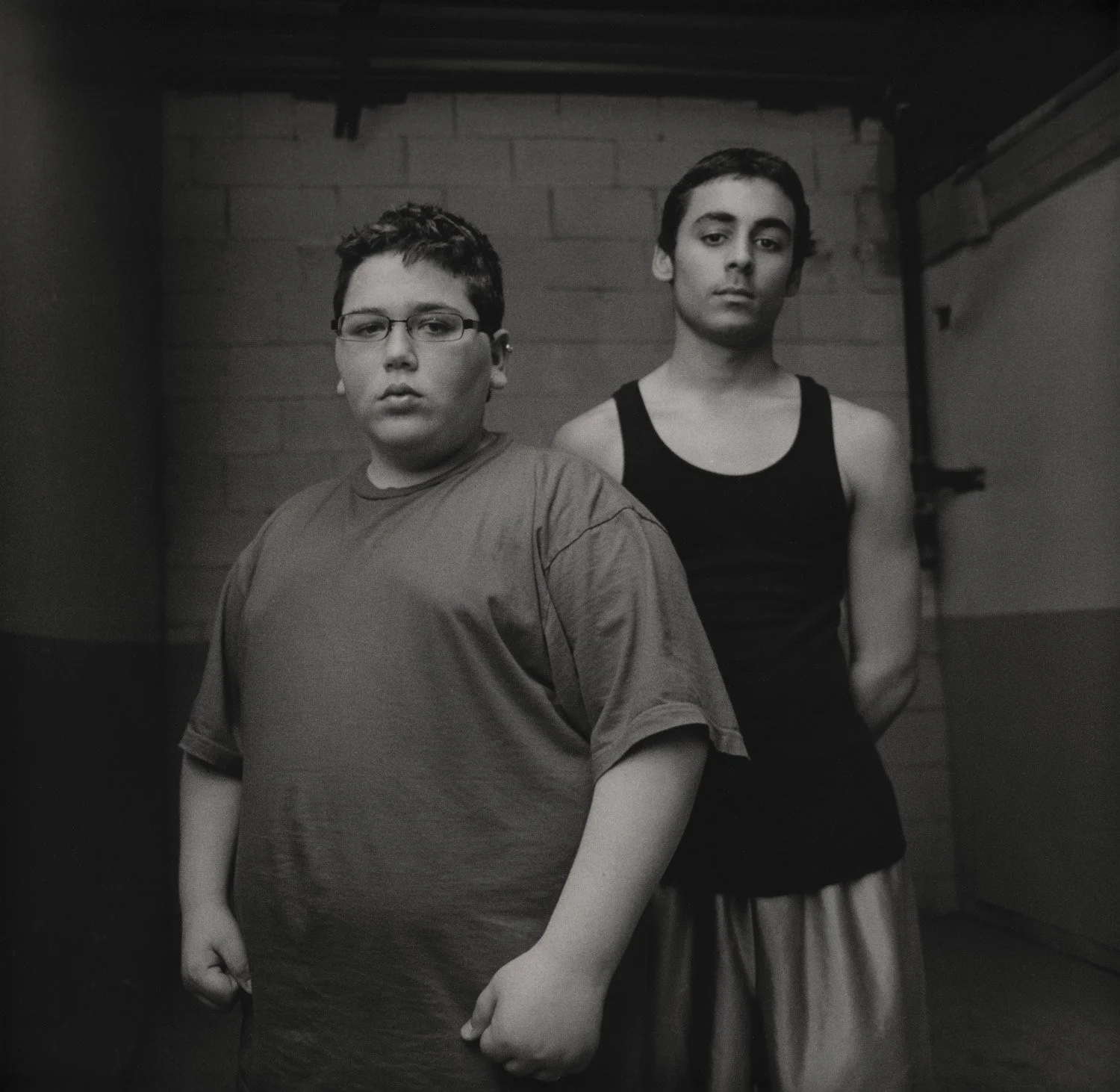
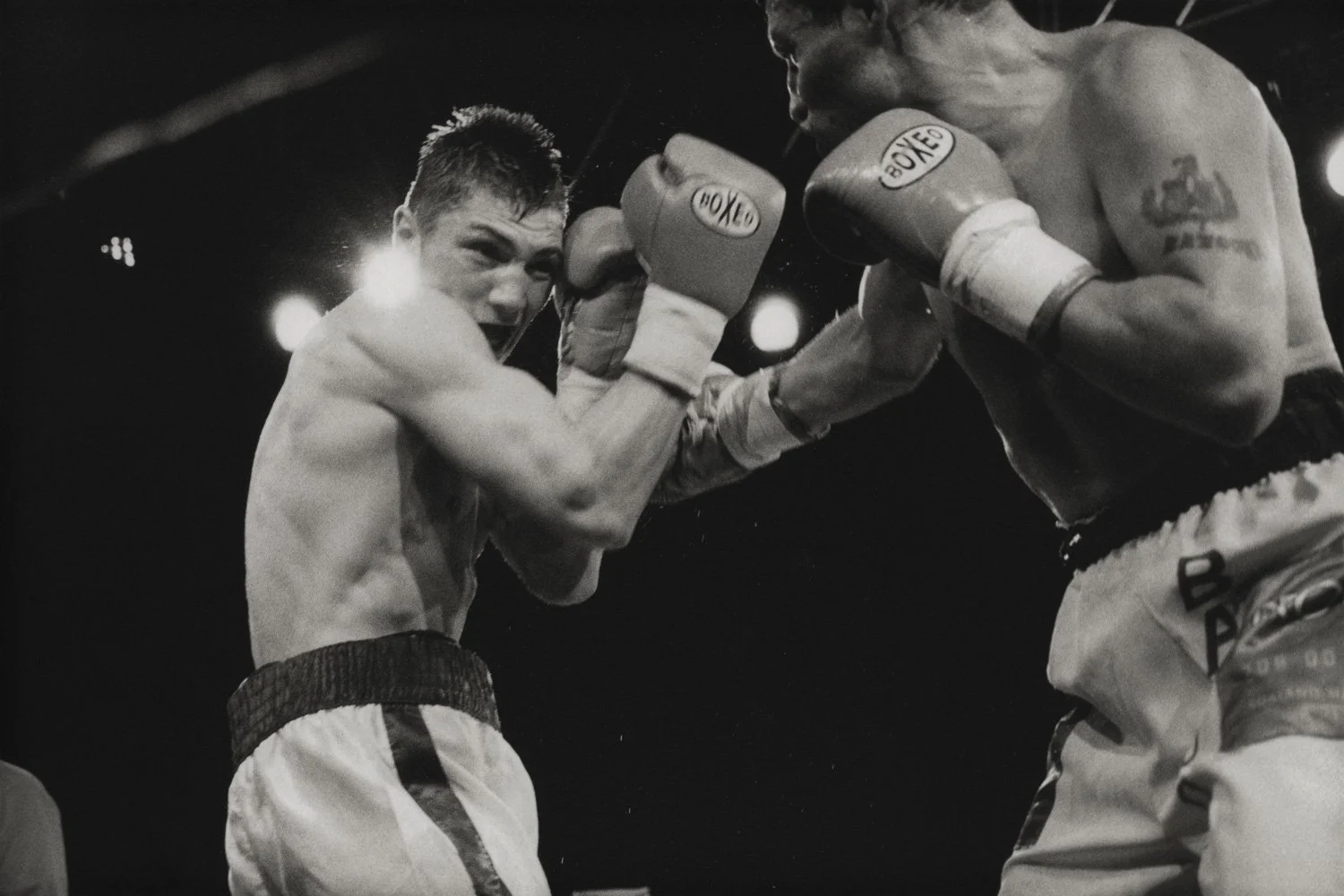
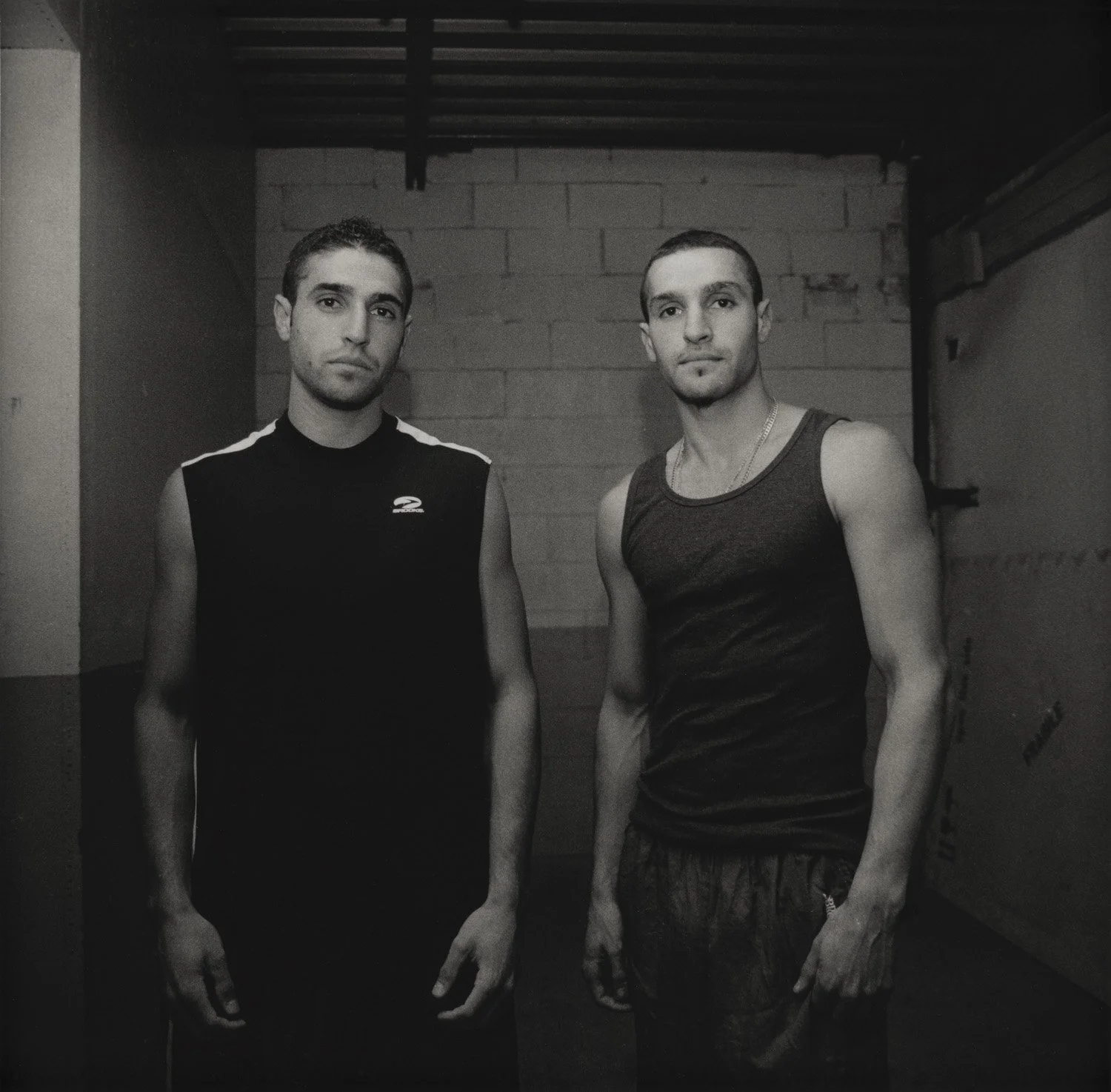
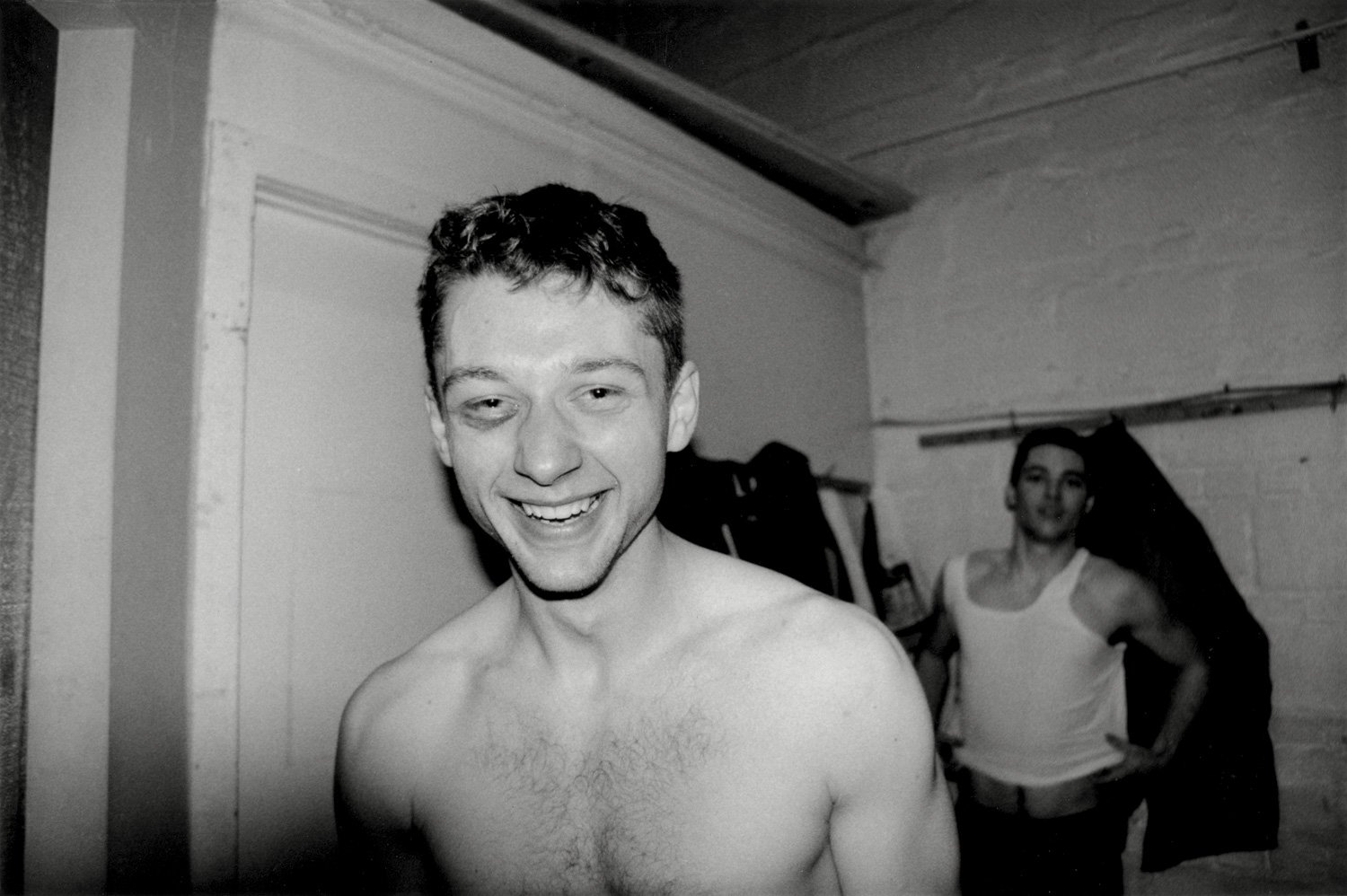
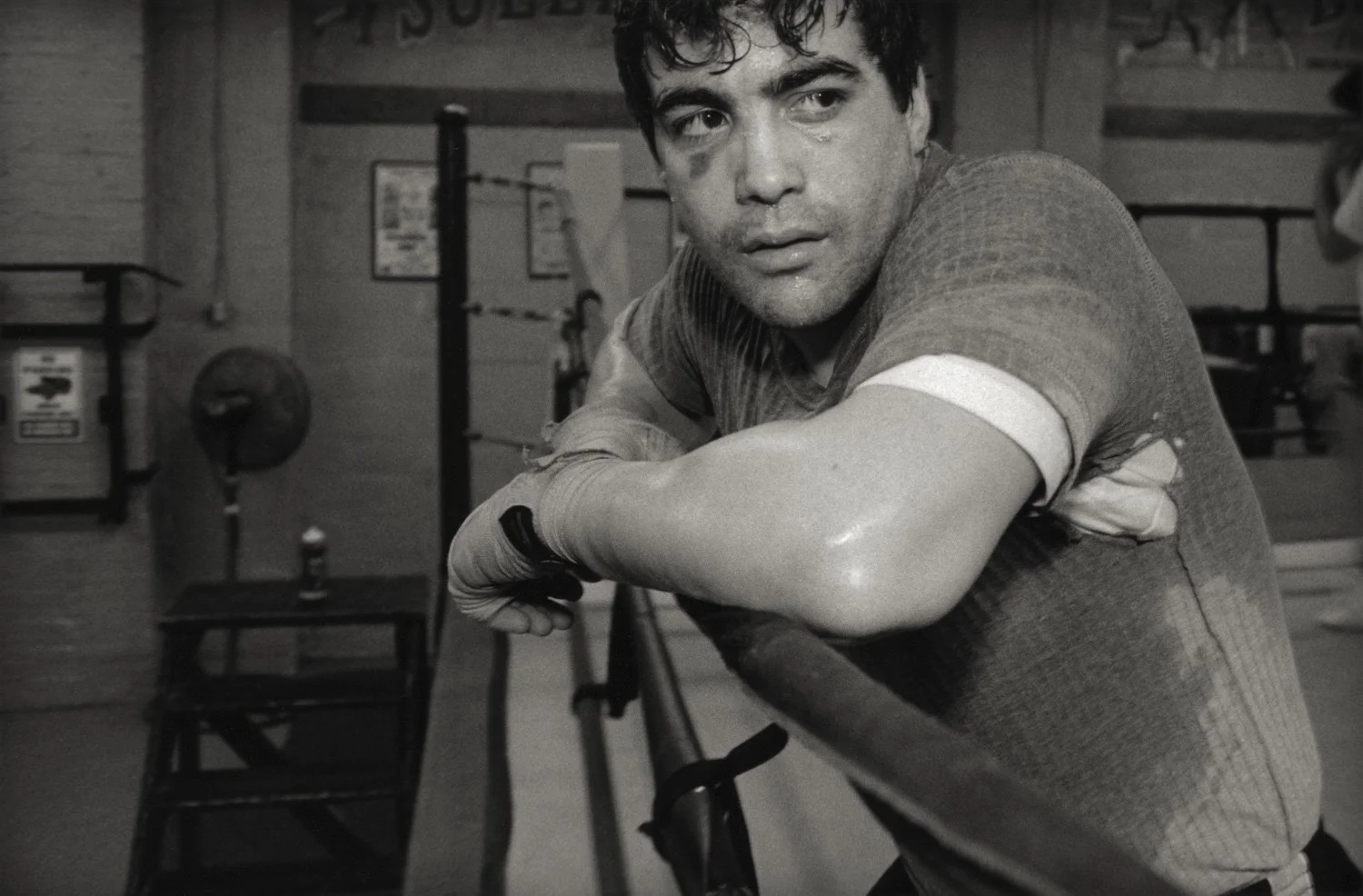
World’s Greatest by Pete Doherty, published by Stephen Bulger Gallery in 2013, is a black-and-white photography book about the boxing world in Ontario and New York State. The book brings together 60 photographs made inside gyms, locker rooms, arenas, and the moments around the fight itself. It follows amateur and professional boxers through training, waiting, fighting, winning, losing, and returning to the private emotions that most spectators never see.
The strength of the book comes from Doherty’s unusual position. He was not only photographing boxing from the outside. He had been a boxer himself, and the gym was a place where he felt at home. Because of that, World’s Greatest is not just about action or violence. It is about trust, vulnerability, physical pain, friendship, and the strange emotional world that exists before and after the bell rings.
The book includes essays by Stephen Brunt, Jim Christy, and Larry Fink, adding more depth to Doherty’s photographs and the atmosphere of the boxing community. Together, the images and writing show boxing as a world of discipline, politics, pride, and tenderness, seen by someone who understood it from the inside.(Stephen Bulger Gallery, Amazon)
Project Genesis: You were a boxer before you were a photographer. When did you first bring a camera into the boxing world, and what made you think your story could become a photography project?
I’ve actually wanted to be a photographer ever since I can remember, and I pursued that goal for the first couple of decades of my life. But in my early twenties, I became clinically depressed and lost all of that passion and ambition.
In the years of my depression, I threw out or gave away almost everything I owned, including all of my negatives and prints, my camera, and all of my darkroom equipment. As is the case with any depression, I was numb, unable to experience joy or pleasure, and completely unable to see beauty in anything around me.
This lasted for eight years, after which, out of a desperation wrought in part by self-hatred, and with the misguided idea that boxing had something to do with anger, I joined a boxing gym.
Everything changed when I walked into that gym. At the time, boxing was a much less popular sport, and the community, though very tight, was much smaller. There were only a handful of gyms in the city, and I joined The Toronto Newsboys Boxing Club down on Eastern Avenue.
At Newsboys, I felt at home and happy for the first time in all those years. I truly feel like boxing saved my life, or at the very least, gave me a second chance at life, and I devoted the next several years to trying to be the best amateur boxer I could be.
But gradually (maybe five years into fighting), the need to take photos started to work its way back into my psyche. I was scared to start taking pictures again, though. By this point, it had probably been ten years since I had taken a photo, and I was scared to bring photography back into a life that seemed happy and full. I think photography had been, in part, a reason for my depression. The act of photographing, of stepping outside of whatever is happening (in order to document it), can be an isolating and lonely undertaking. I love and need photographs; they make life worth living for me, but even now, I don’t like the act of photographing. But I do it because I have to. It’s like breathing for me, and it shocks me that I could have stifled it for a whole decade so early in my career.
The need to take photos again came about around the same time that I’d suffered some injuries and was being encouraged to retire from fighting. “You love boxing, Pete,” I remember my coach telling me. “But boxing doesn’t love anybody.”
So without the stress of competition, I was able to continue to train but also start that slow journey back to being a photographer. Beginning first taking pictures of the guys I worked with loading trucks on the docks, and then with the guys I trained with at the gym.
I never thought of what I was doing as a photographic project. I was just taking pictures of the people and community that I loved. It was just a need I was fulfilling in myself, and the photos went to the guys who were in them. Until, through a weird misunderstanding, Stephen Bulger of the Stephen Bulger Gallery in Toronto came across some of my work and told me that I should start exhibiting it.
Insider access: Because you were a boxer yourself, you had access that most photographers don't. How did being known inside gyms and arenas change what you were allowed to photograph?
The gym was easy because I was just there all the time. It was my home away from home, and everyone knew me. I continued to train aggressively for decades after I retired from competition, and I always had my camera with me. The guys accepted me as someone to train with as well as someone who was constantly documenting them.
The big pro fights were often hard to gain access to, but a buddy of mine who was on my first boxing team was the editor of a Canadian fight magazine, and he often used me as a photographer, which gained me ringside access to most fights. And because I knew many of the fighters, I was able to spend time with them in the locker rooms before and after their fights.
Subject relationship: Boxing is a sport built on trust between fighters. How did you build enough trust with your subjects to photograph the private moments, not just the fights?
Many of the fighters I had known for years before I started photographing them. Boxing is such a close community that it really is like a family. I love them, and I try to show that in my photos.
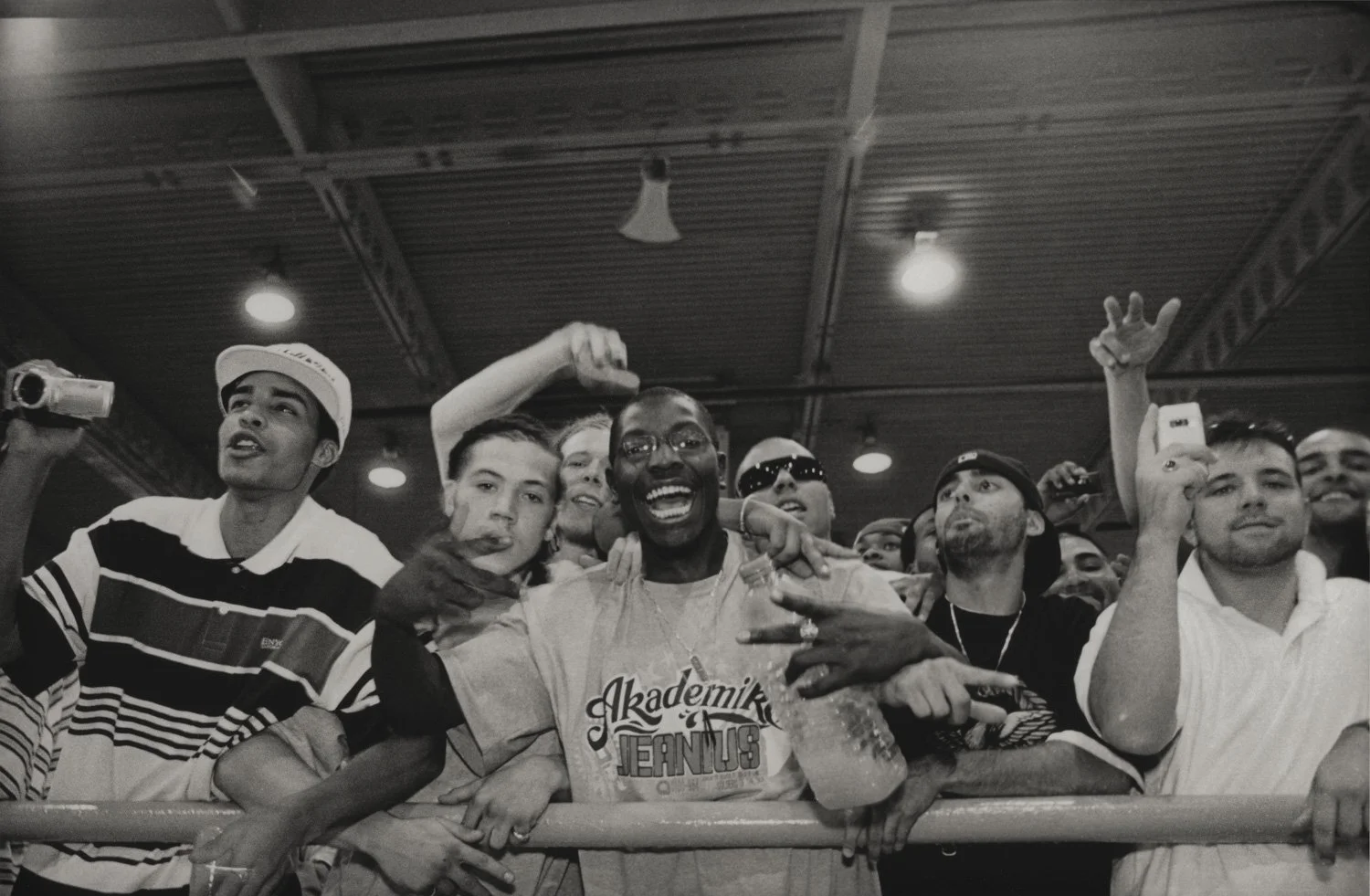
What to include: The book has 60 photographs covering Ontario and New York State over many years. How did you decide which images made the cut and which ones didn't?
Stephen Bulger, who collaborated with me on the book, chose the photos. He is incredible at that kind of thing. I have a hard time being objective because my photos are so personal to me.
Technical approach: Boxing gyms can be dark and fast-moving places. What were your main technical challenges, and how did you solve them?
My depression wiped away all of my knowledge of cameras and darkroom processes, so when I started back, I started with a small Instamatic camera and gradually worked my way back up to a 35 mm camera and slowly relearned how to shoot, as well as all the darkroom processes.
I learned by trial and error, and eventually became proficient taking photos in two locations: the gyms and the arenas or stadiums. In the gym (locker rooms and fighters’ homes), where I could use a flash, I used a slower film, and then when I was ringside, I used a much faster film, but kept my other camera (with the flash) handy for crowd shots.
Back then, I couldn’t have taken a picture outside in the bright sun if my life depended on it, because there was never any need for me to.
Beyond action: The book covers training, emotions, and the politics of the sport, not just fighting. Why was it important to you to show those quieter, less visible parts of boxing?
There are many reasons why I love boxing, but one of the main ones is the raw emotion and vulnerability that you are surrounded by every day in that community. These things are never more evident and raw than just before and just after fights. I’ve been very blessed to be able to share space with and document people in these moments.
There have been many heartbreaking things I’ve witnessed that I just couldn’t photograph. Such as men sobbing openly after especially hard losses. I’ve never been an “anything for the photo” type of photographer, but I am thankful there are photographers who can capture those, at times, astonishingly beautiful moments.
Sequencing: "World's Greatest" moves between amateur and professional boxing. How did you think about the order of the photographs when putting the book together?
The order was mostly curated by Stephen Bulger. It follows a fairly linear line of training, moments before fights, the fights, and then after the fight. I spent an equal amount of time with amateur and pro fighters, so images of each are intertwined throughout the book, though I think all of the actual fight images are from pro events.
Collaboration: The book includes essays by Stephen Brunt, Jim Christy, and Larry Fink. How did the writing change or add to what you were trying to say with the pictures?
I was so lucky to have the writers involved. When I was first starting out in boxing, I came across a book called Flesh and Blood by Jim Christy, in a sale bin at the Dufferin Mall. It was a book of short stories about his days as a young fighter, and one of the stories in particular really resonated with me and inspired me to keep going in the sport. There was a mood and feeling he created in his writing that I felt when I was in the gym, and that I always try to recreate in my photos.
I was also a fan of sports writer Stephen Brunt, who writes so beautifully about boxing.
All the writing came after the photo selection, and I really believe it adds to the mood I was trying to capture in the book.
The title: "World's Greatest" is a phrase closely connected to Muhammad Ali. What does that title mean for this project, and what were you hoping readers would take from it?
I hadn’t really thought of Ali when the title came about. A friend of mine thought of it when we were at some fights together. She sent me the song World’s Greatest - the version by Bonnie Prince Billy, which I think is more about standing on your own. But it’s also an iconic (because of Ali) boxing term. I think every boxer at one time or another believes they could be the World’s Greatest.
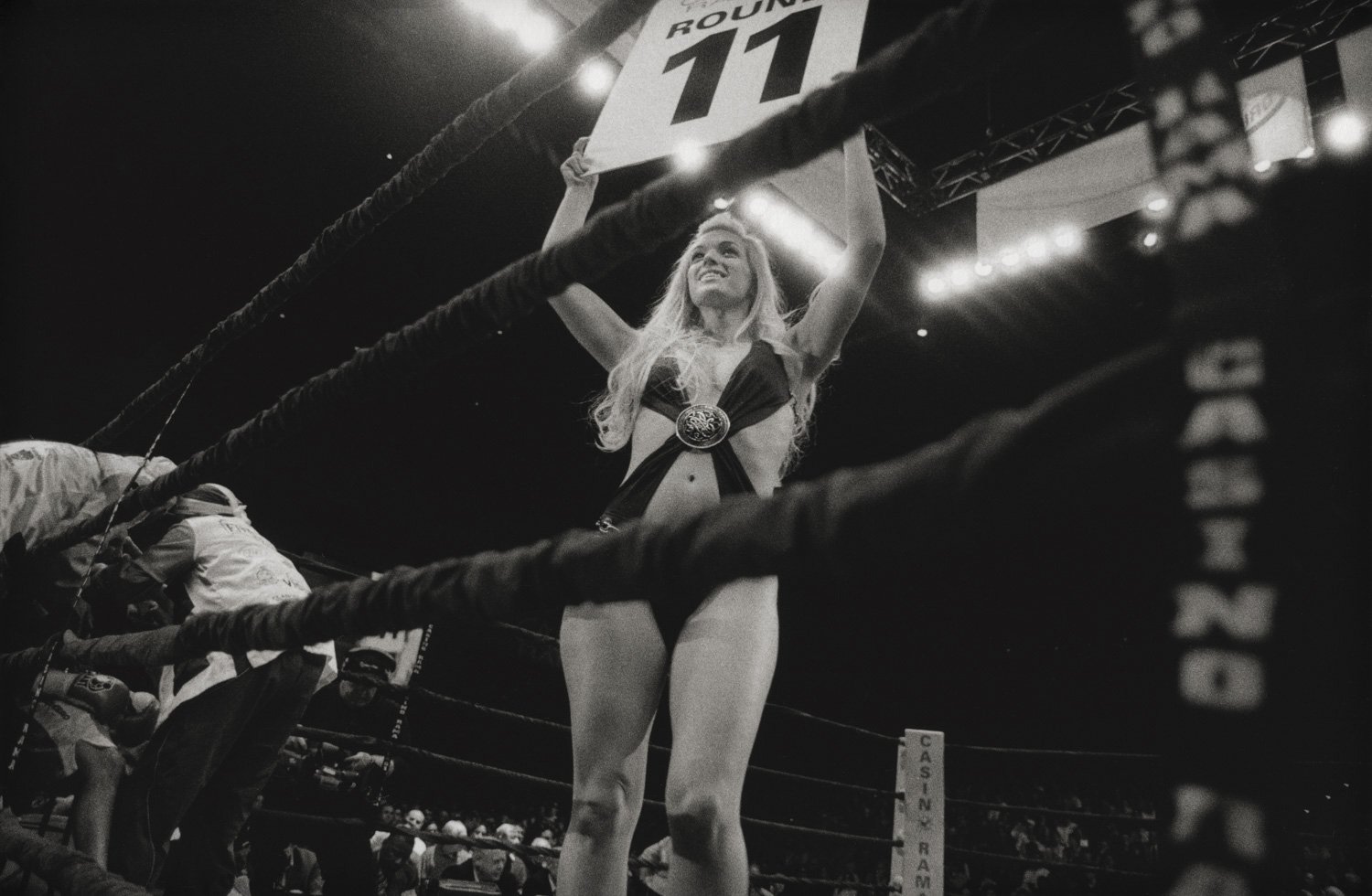
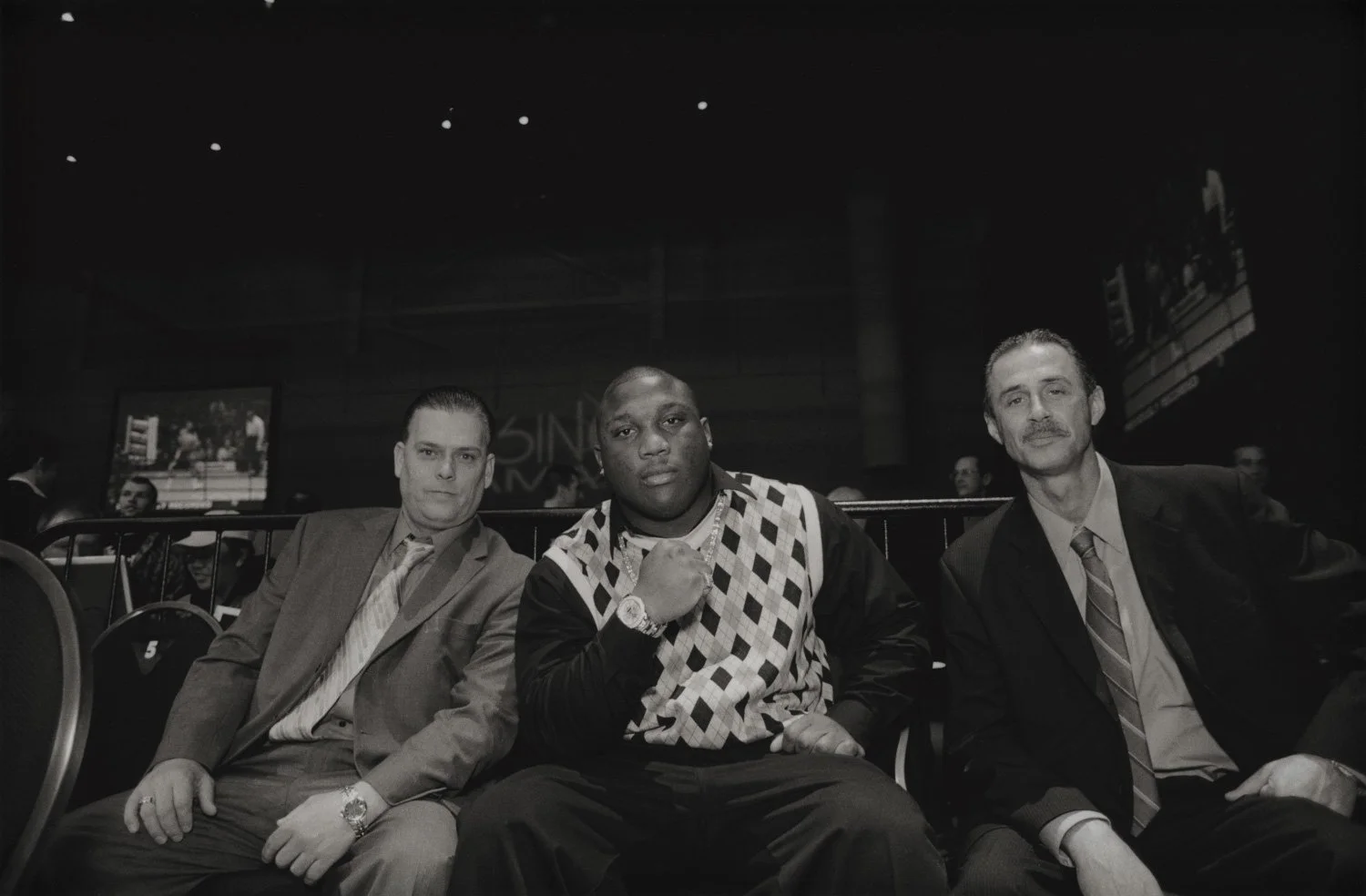
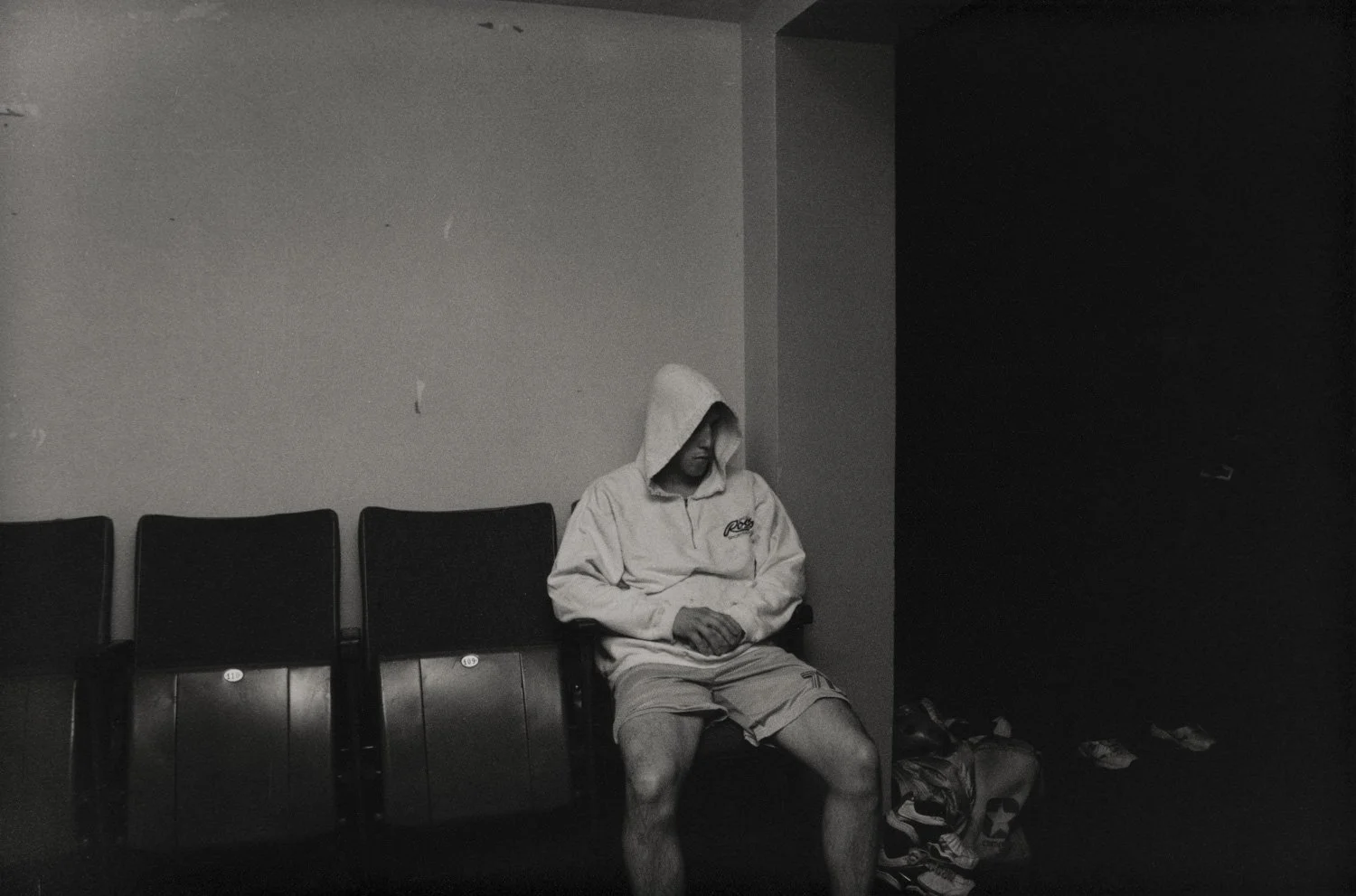
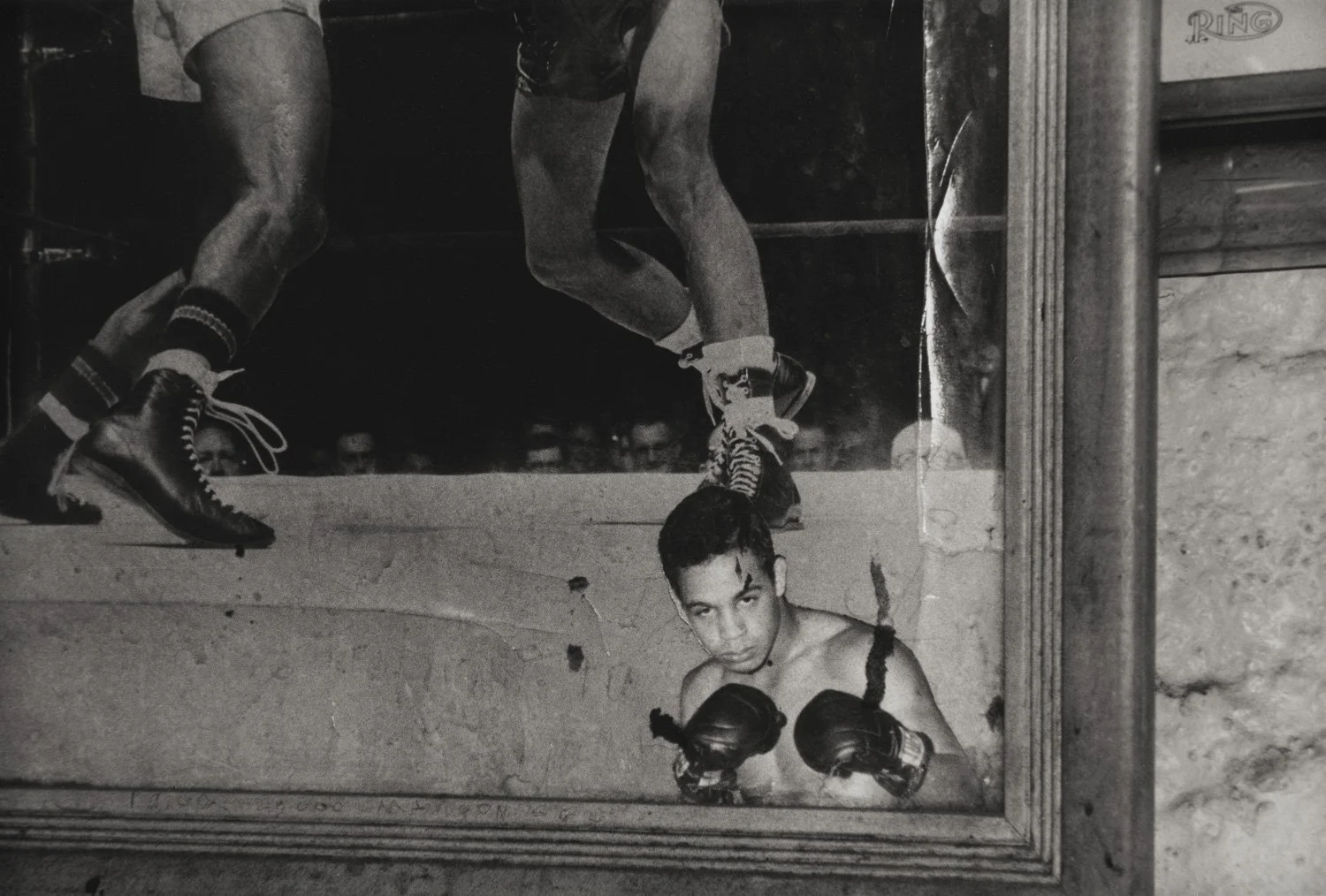
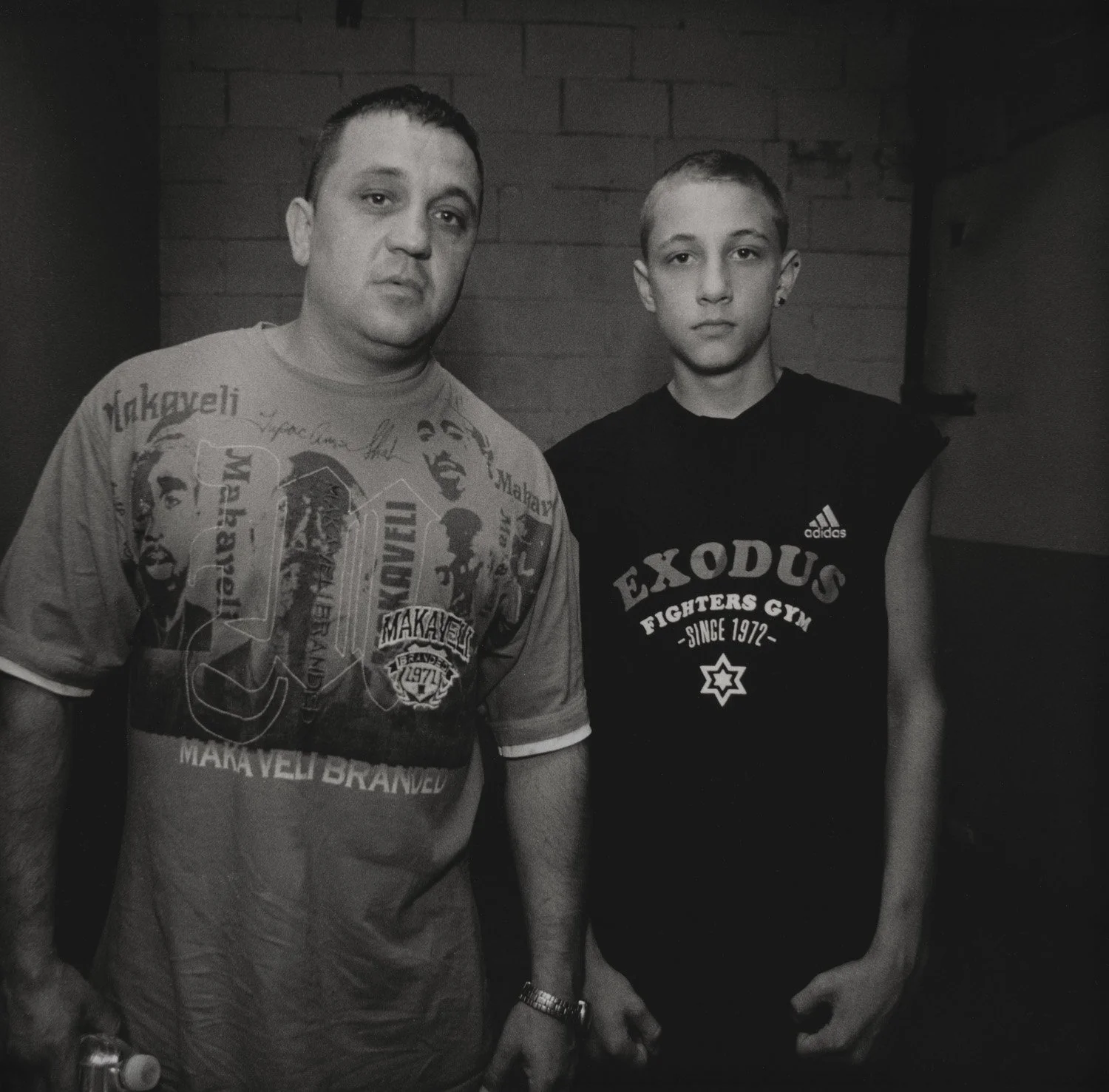
To discover more about this intriguing body of work and how you can acquire your own copy, you can find and purchase the book here. (Stephen Bulger Gallery, Amazon)
More photography books?
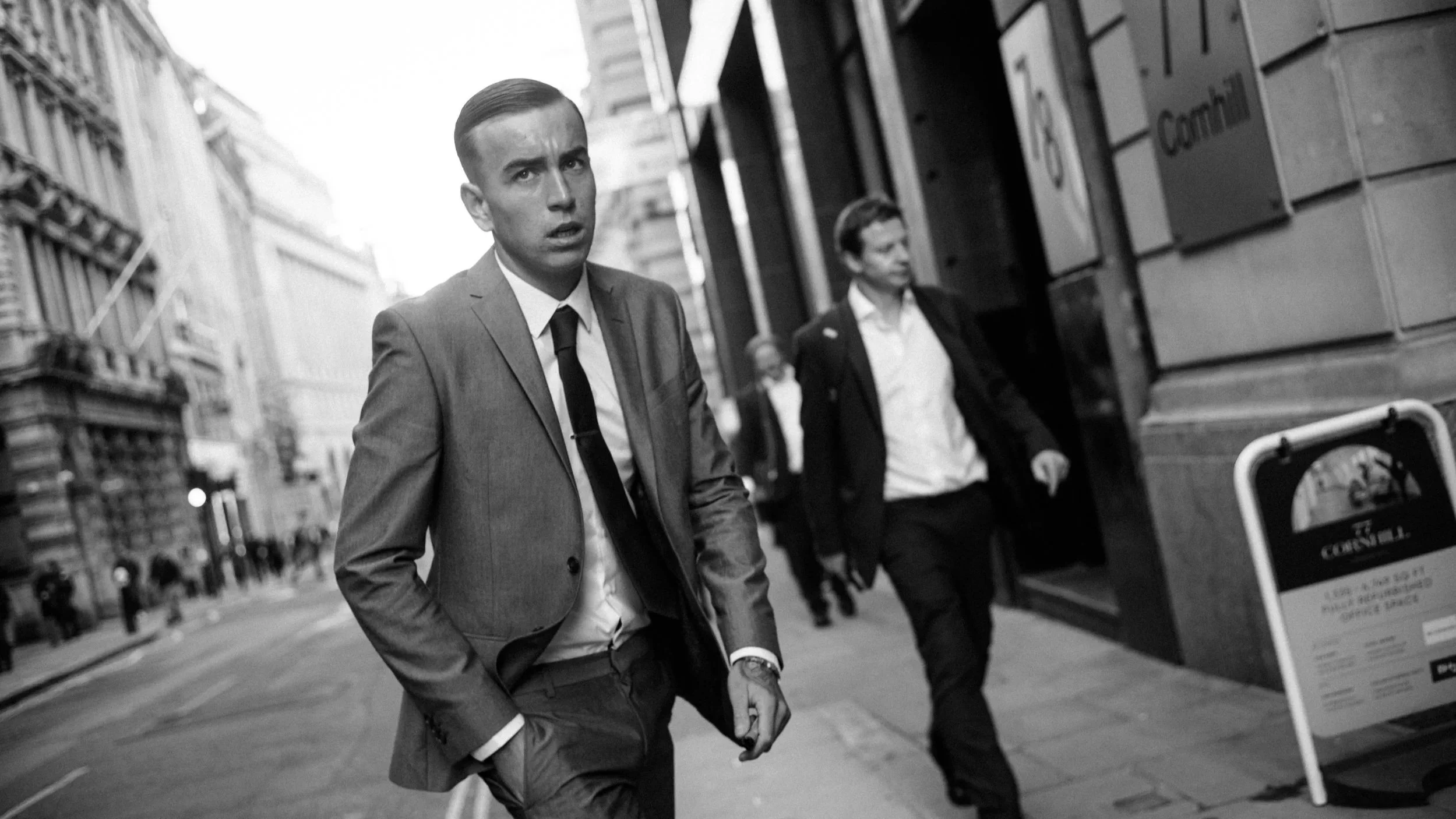
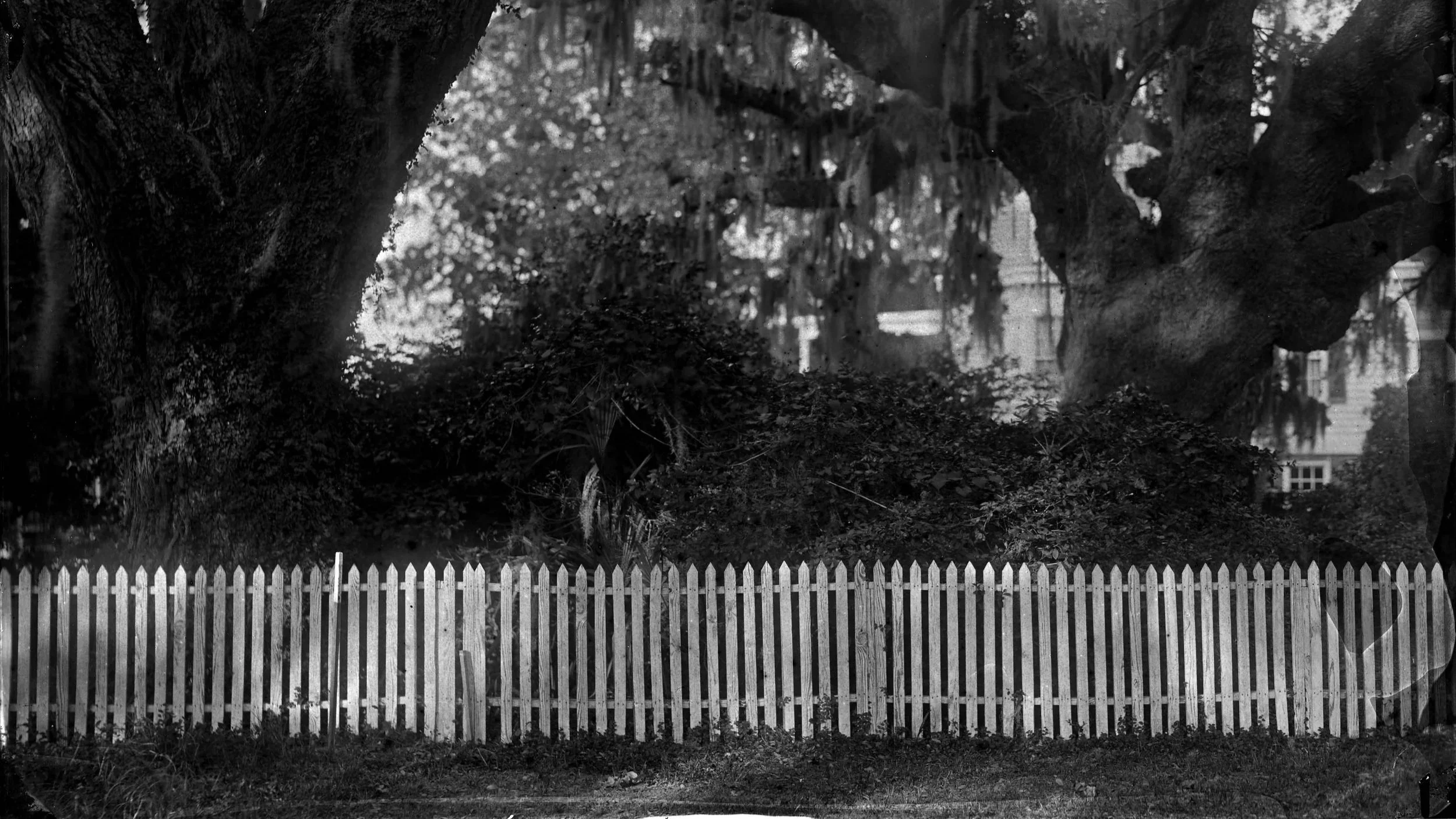
We'd love to read your comments below, sharing your thoughts and insights on the artist's work. Looking forward to welcoming you back for our next [book spotlight]. See you then!
Lee Espinoza reminded Darren Vargas of his late grandfather. The photographer met the boxing coach in 2025, five years after his grandfather Esmael died. Photography Book Spotlight