How Daniel Gordon Turned Ordinary Household Objects Into Photographs That Question What Is Real
Welcome to this edition of [book spotlight]. Today, we uncover the layers of 'Object at Hand,' by Daniel Gordon (published by Radius Books). We'd love to read your comments below about these insights and ideas behind the artist's work.
Daniel Gordon turns household objects into visual doubts.
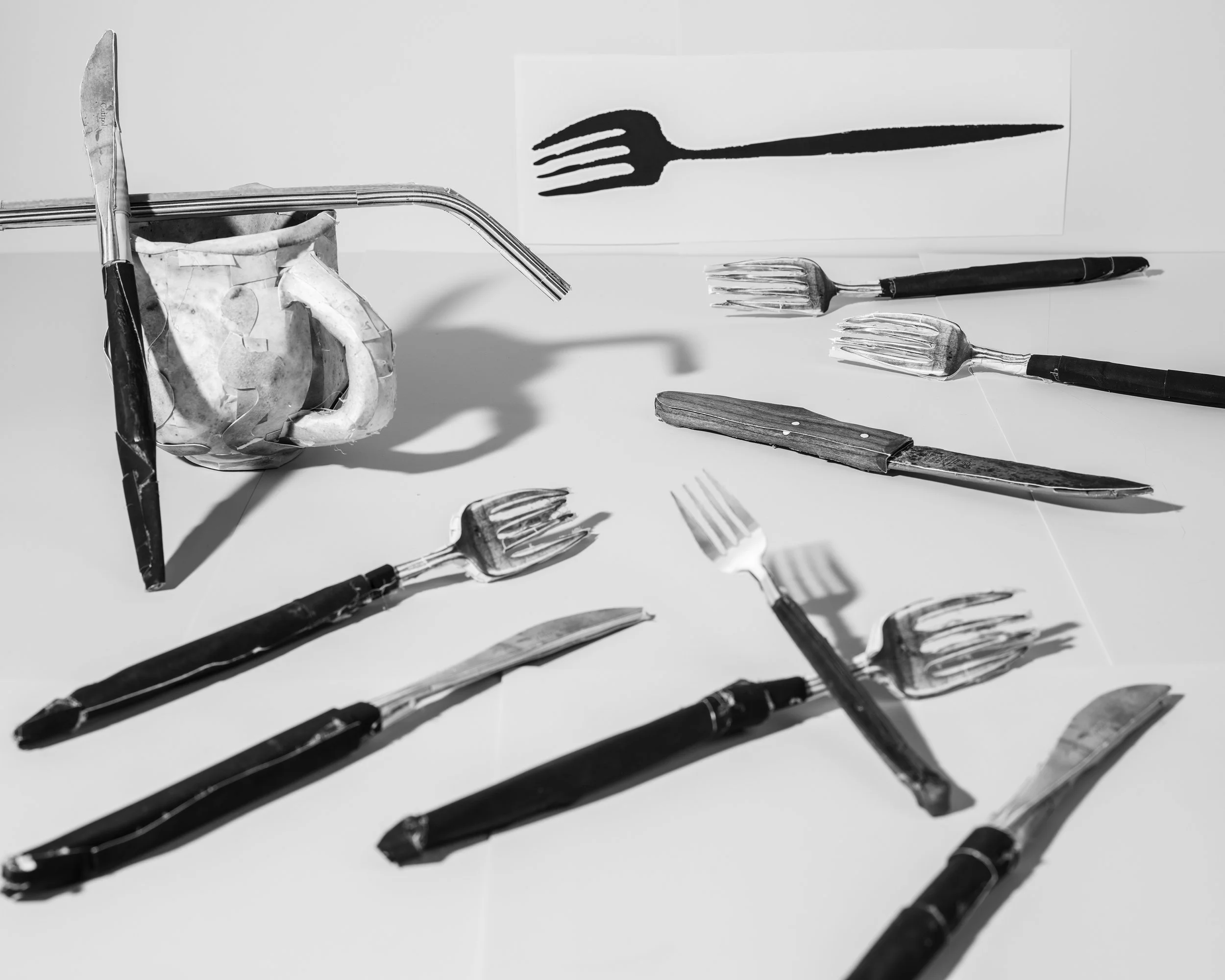
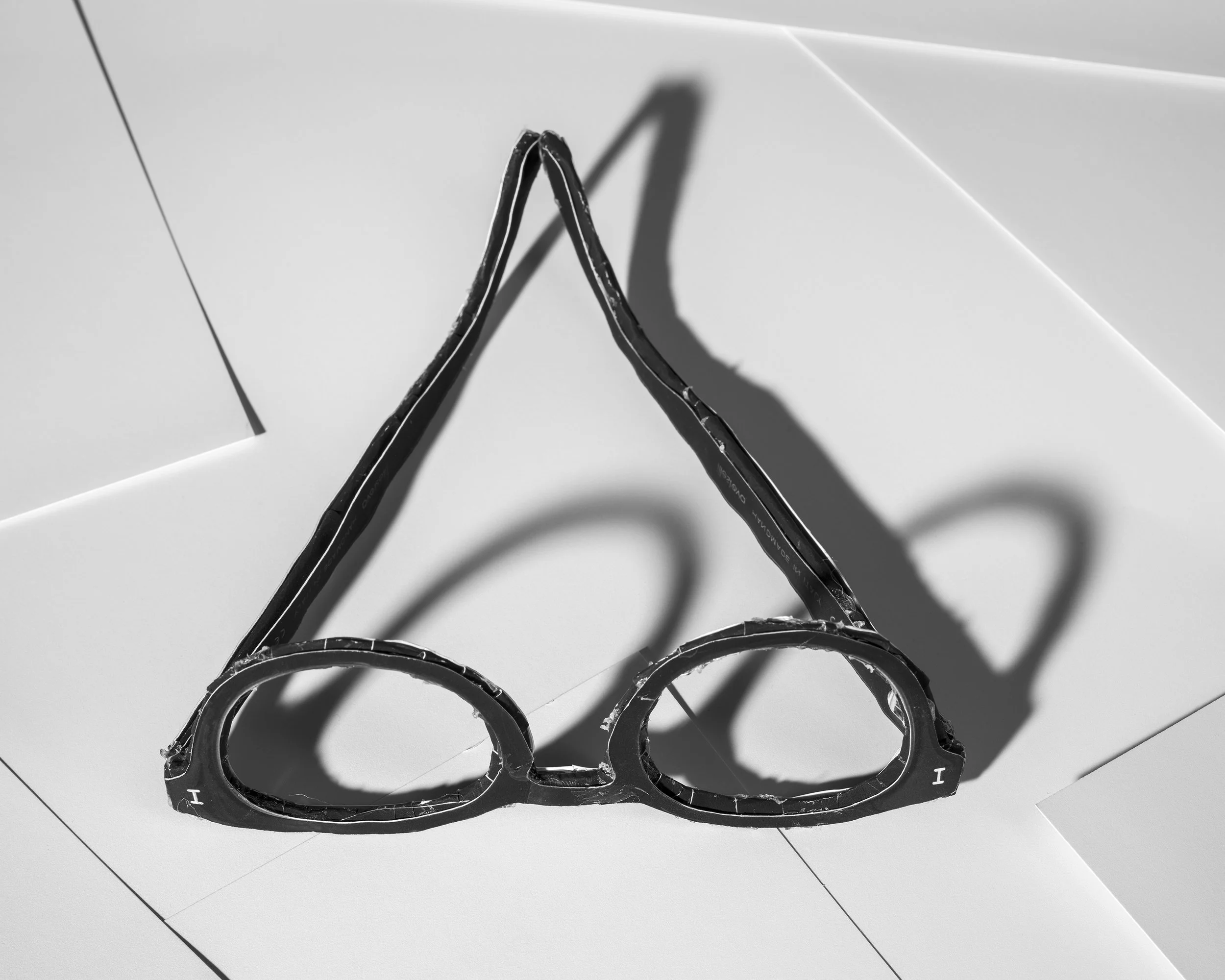
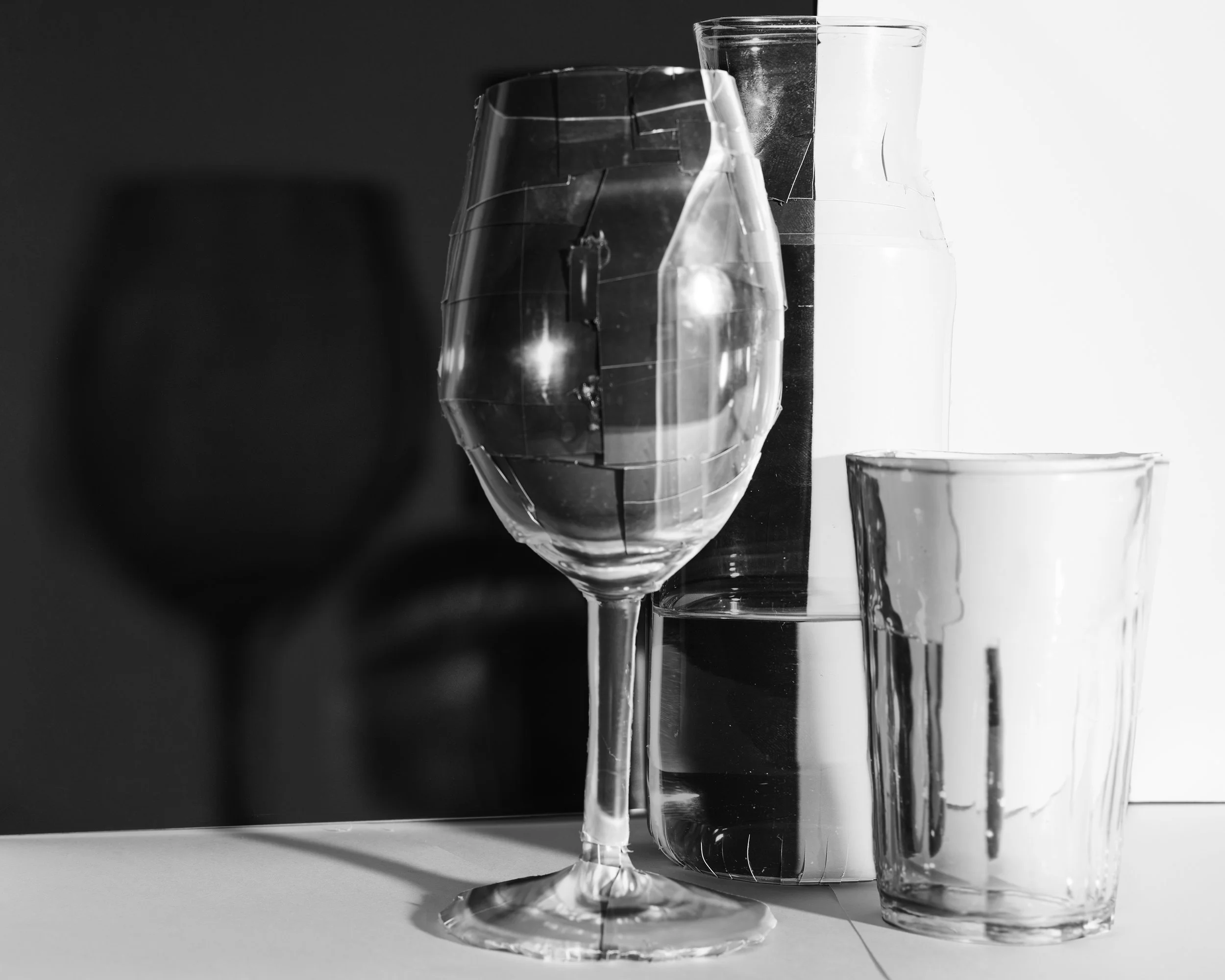
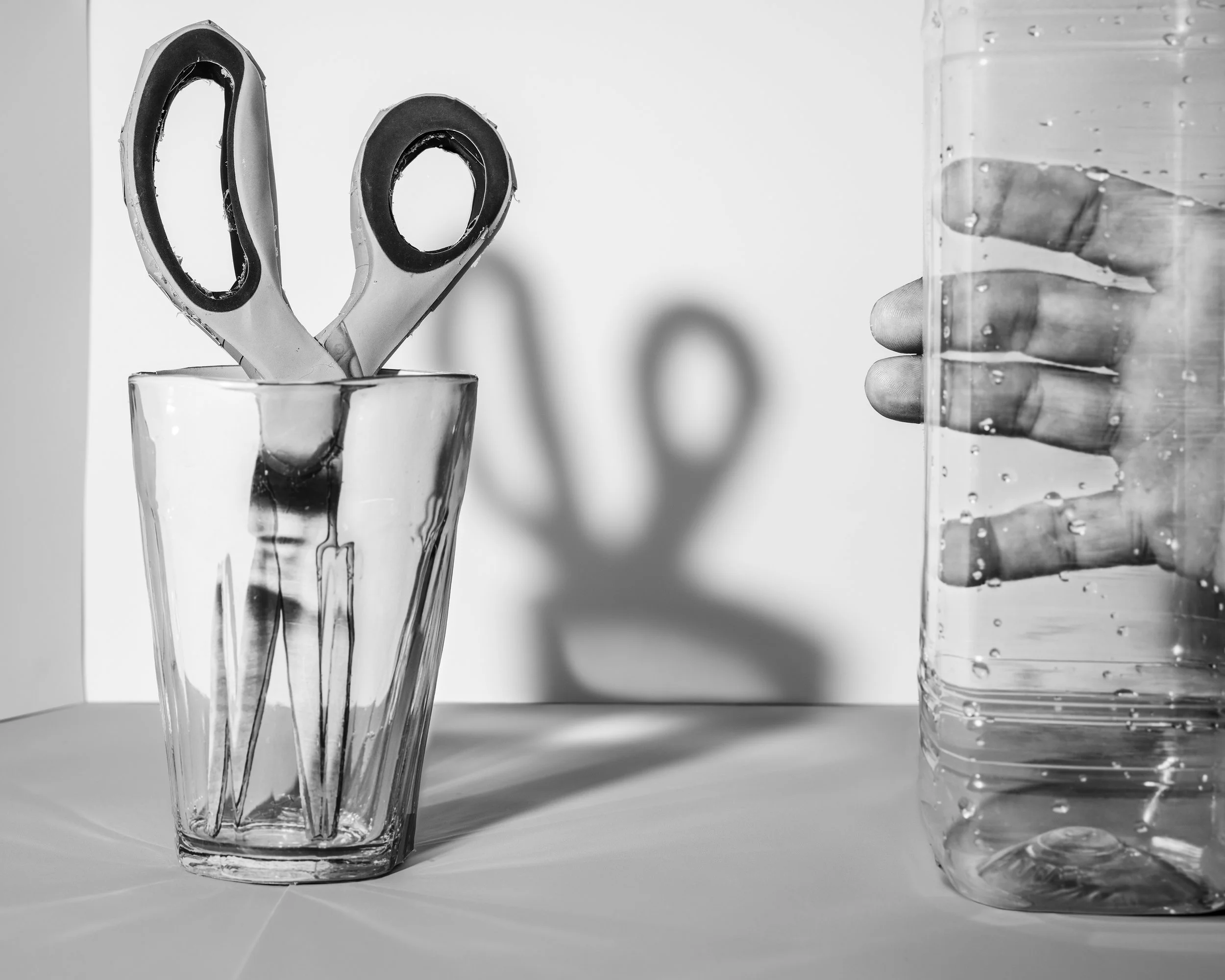
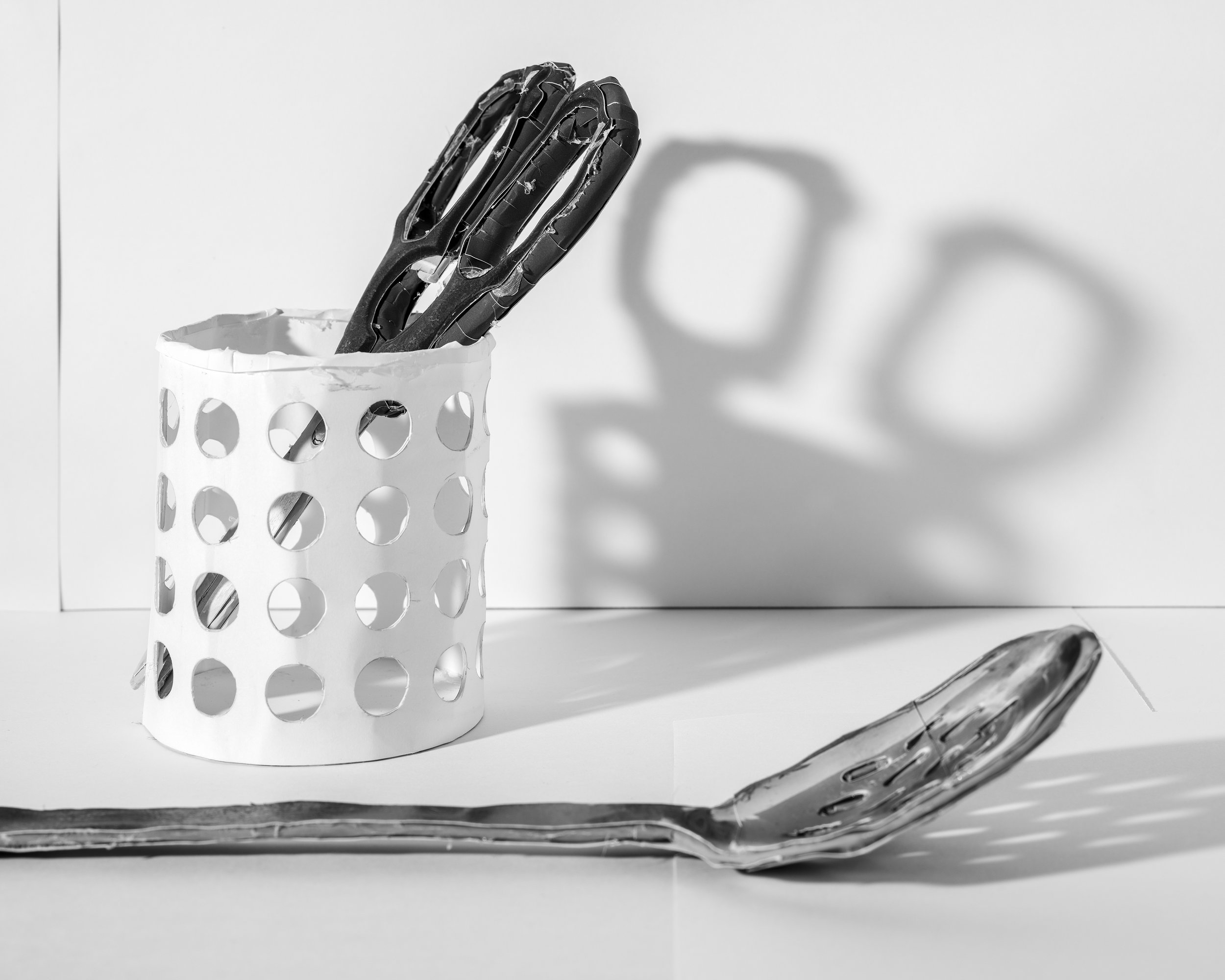
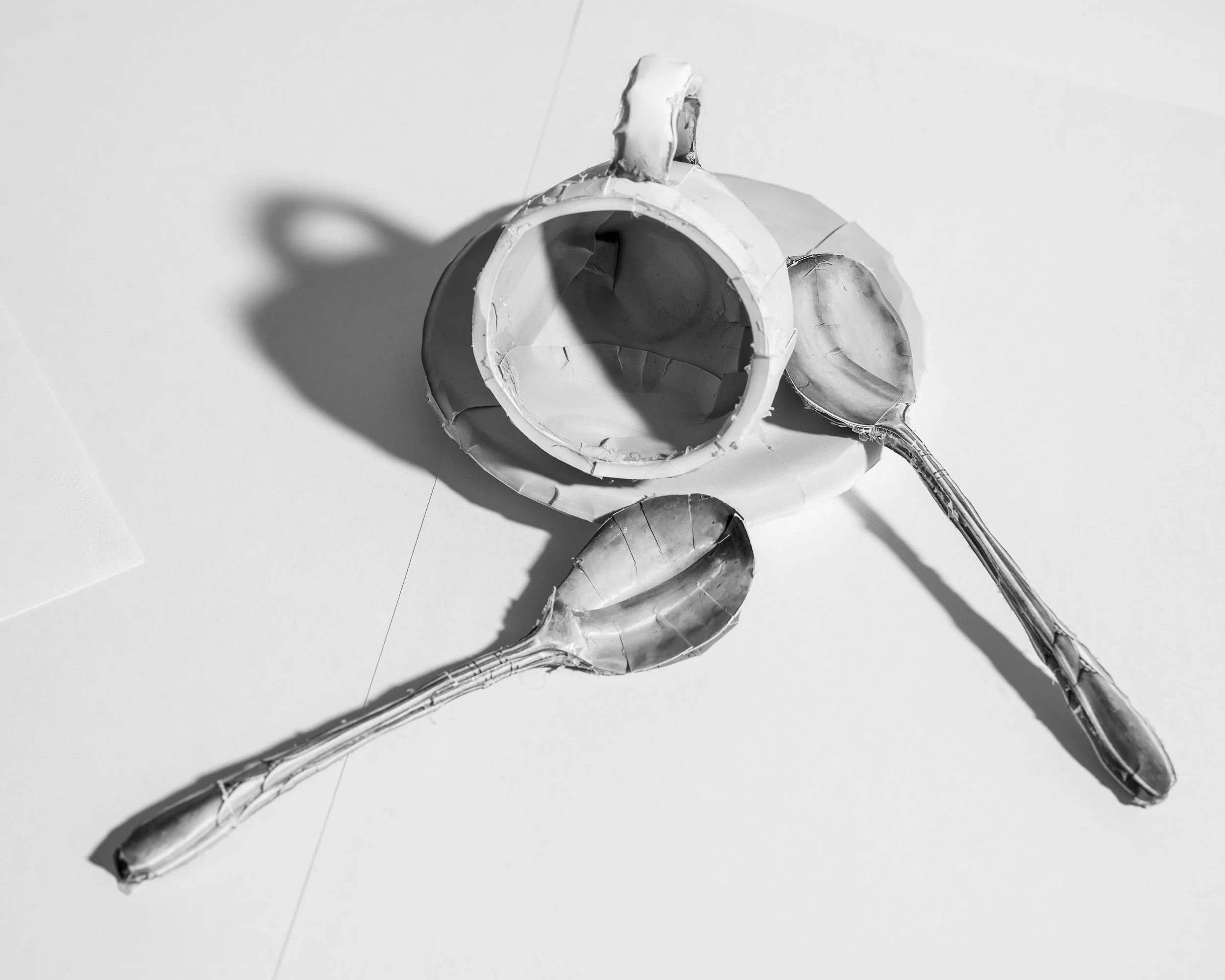
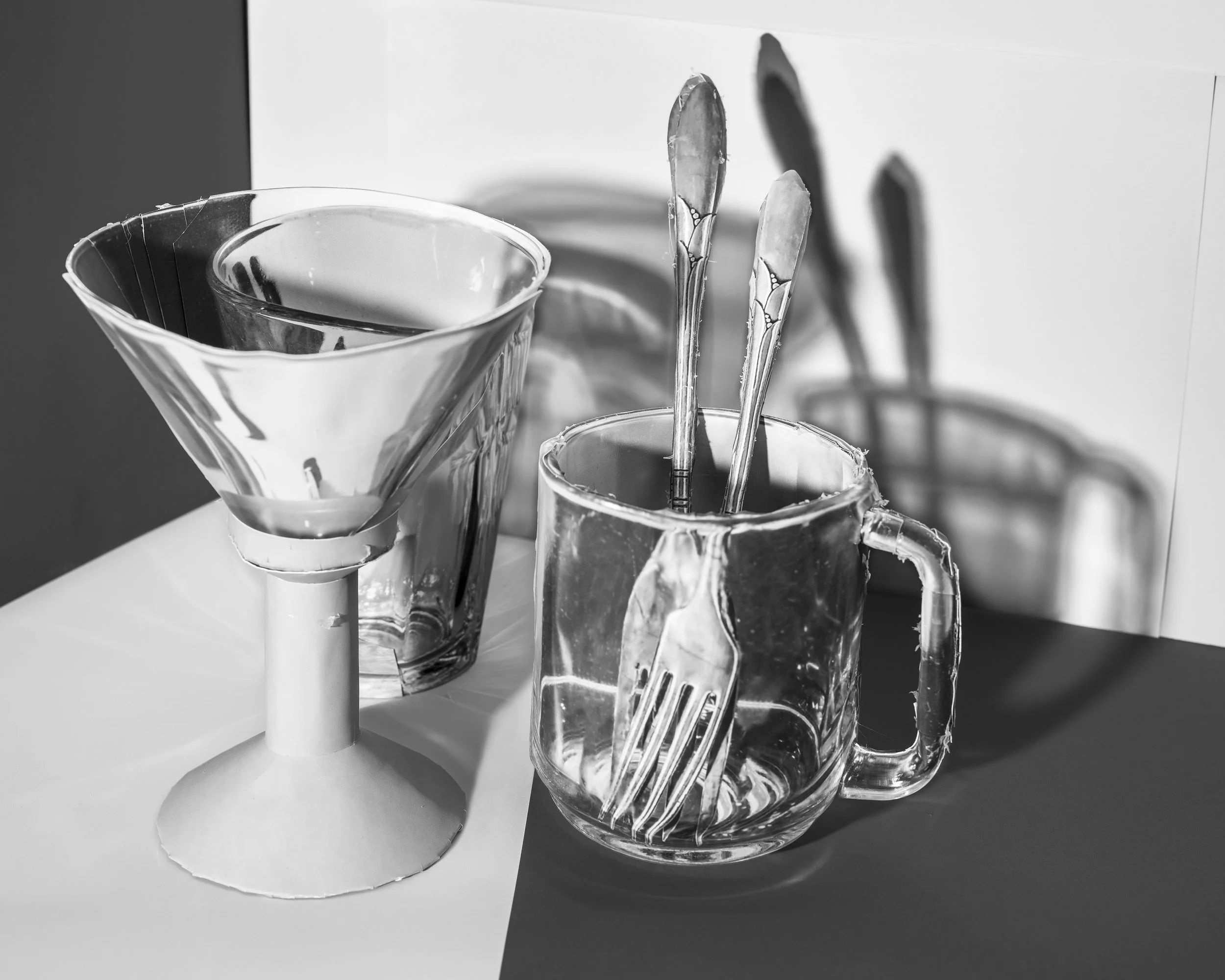
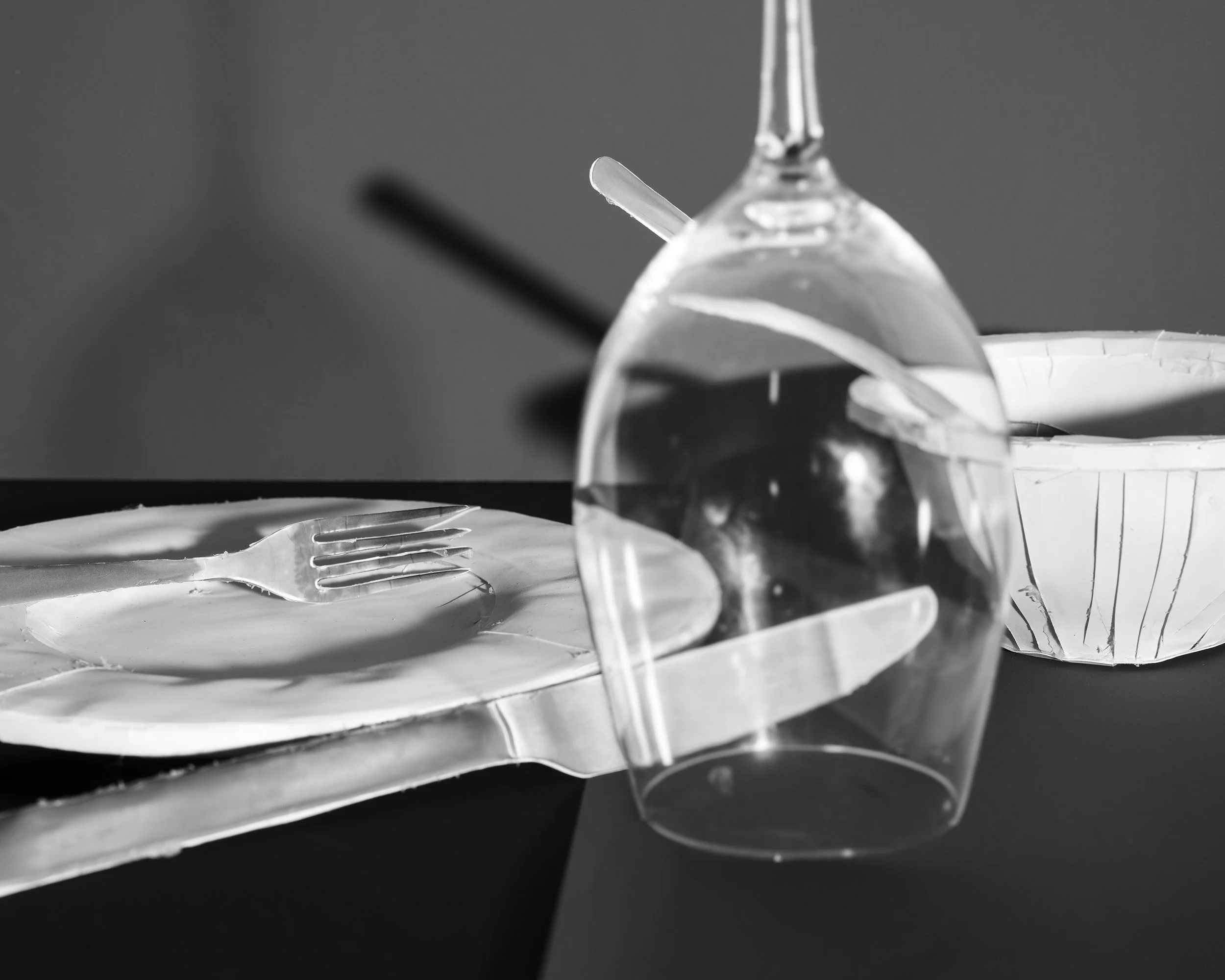
In Objects at Hand, glasses, bowls, cutlery, and other simple things become harder to trust. Gordon begins with real objects, but then distorts, prints, rebuilds, and photographs them again. What looks like glass may be paper, and what feels familiar slowly becomes uncertain.
This uncertainty is the center of the interview.
Gordon speaks about moving away from the saturated color of his earlier work and entering a more reduced world of black and white, light, shadow, form, and transparency. He also explains why ordinary objects interested him, how shadows became part of the composition, and why the space between reality and appearance matters so much in his photographs. At a time when images can be made without a camera, his work returns to real objects and real light while still questioning how easily we believe what we see.
For photographers, the interview offers a quiet but useful lesson.
Sometimes a strong project does not begin with a dramatic subject. It can begin with limits, repetition, and the ability to look again at what is already near you. Gordon shows how ordinary objects can become more interesting when you change the light, remove color, and let uncertainty enter the picture.
The Book
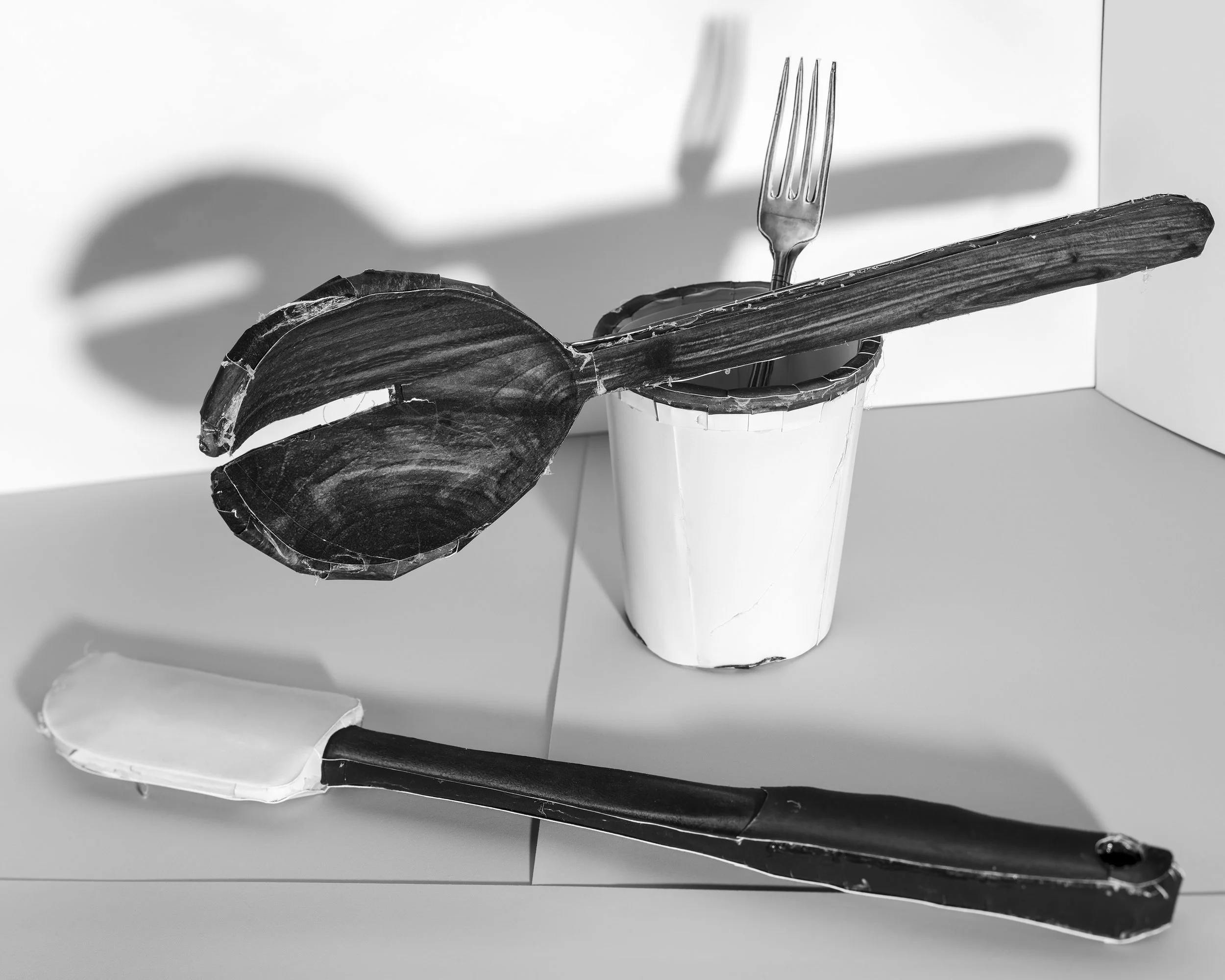
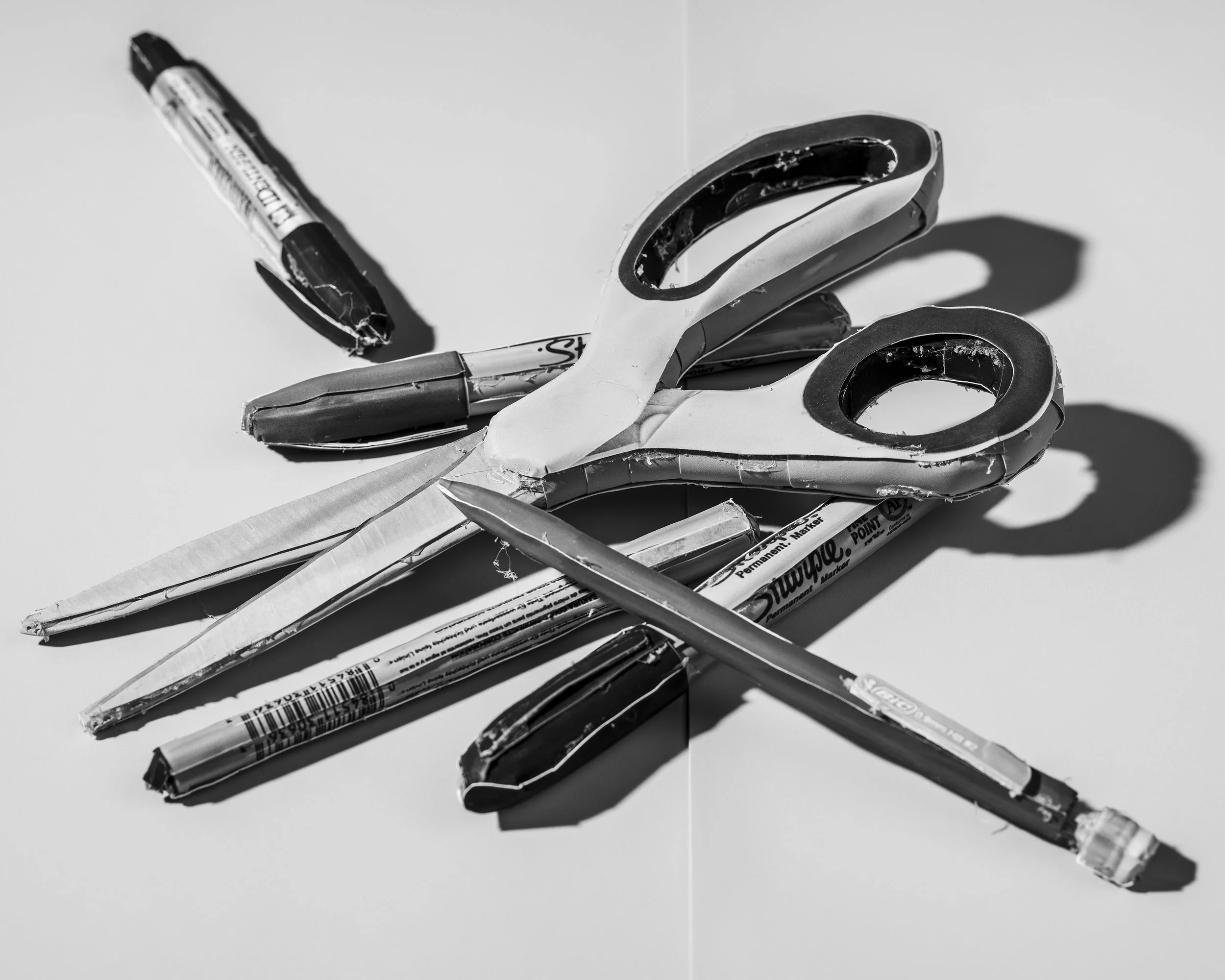
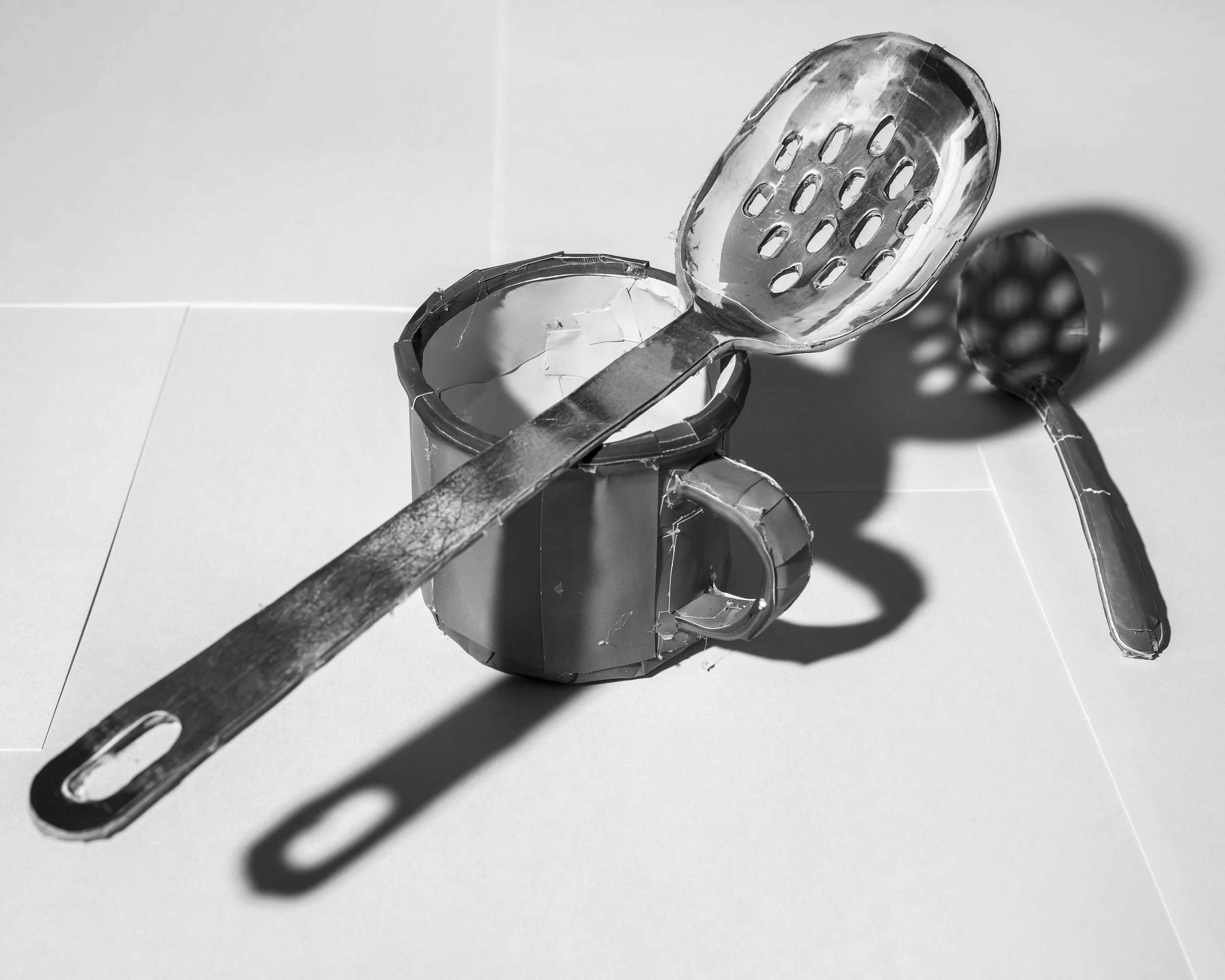
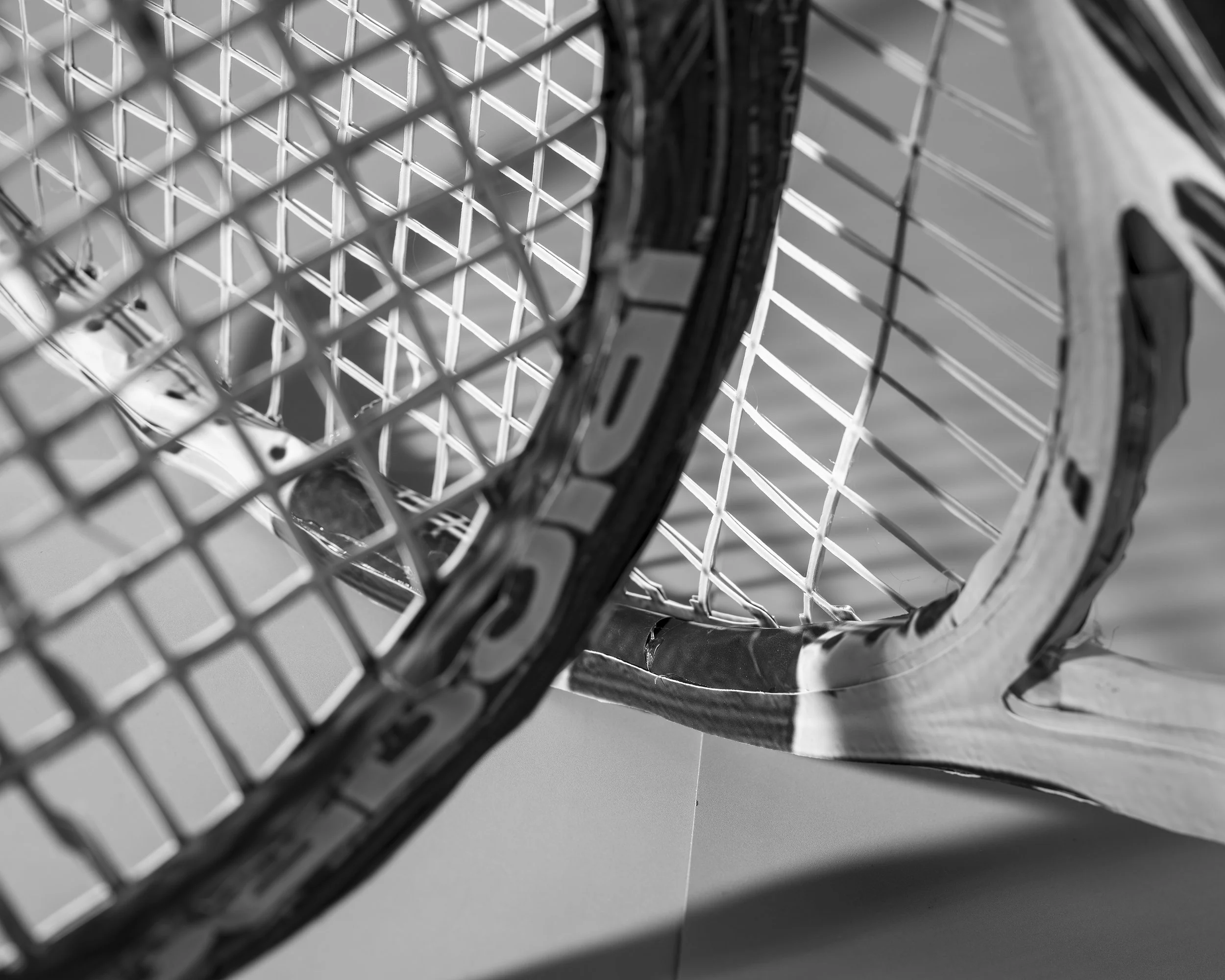
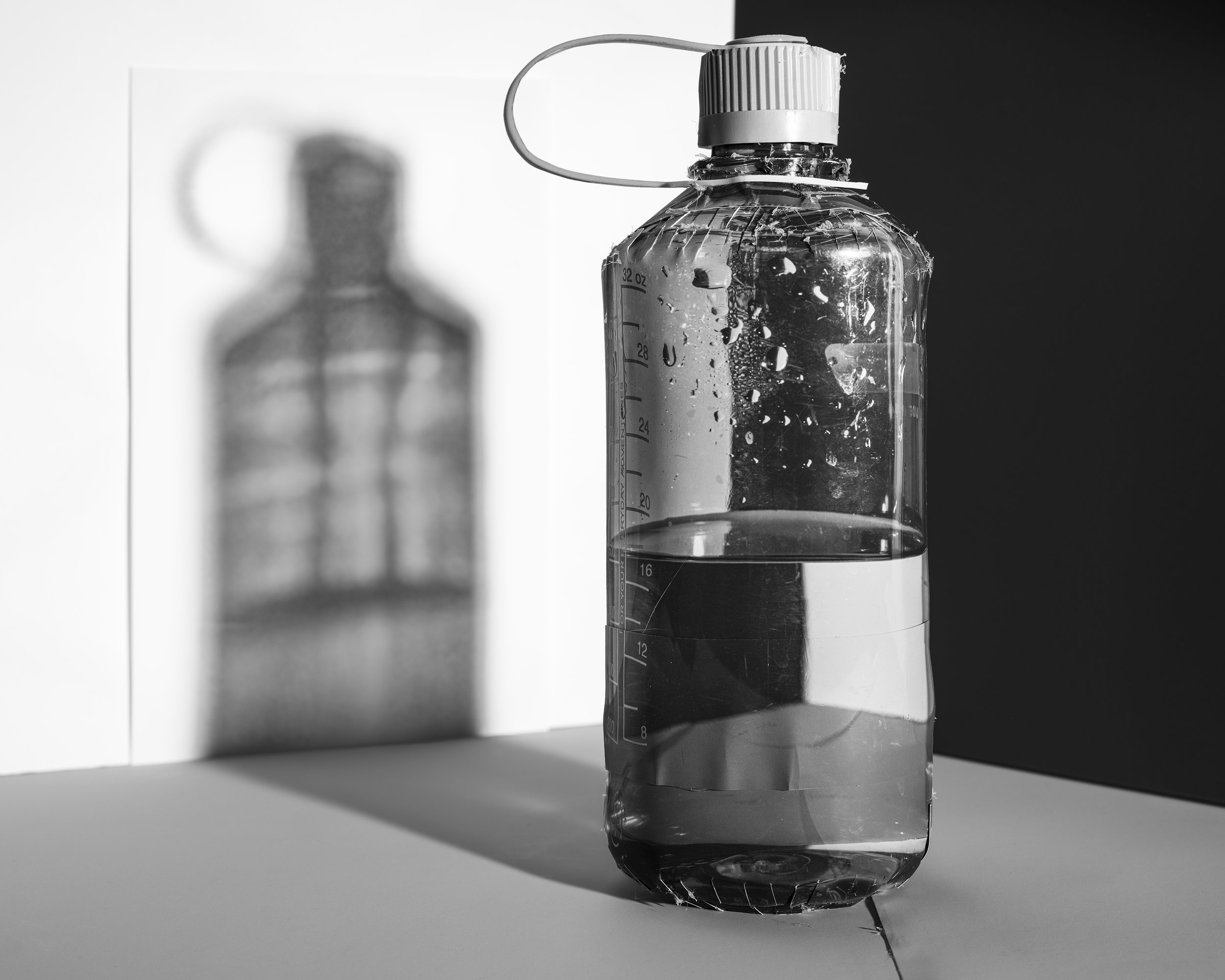
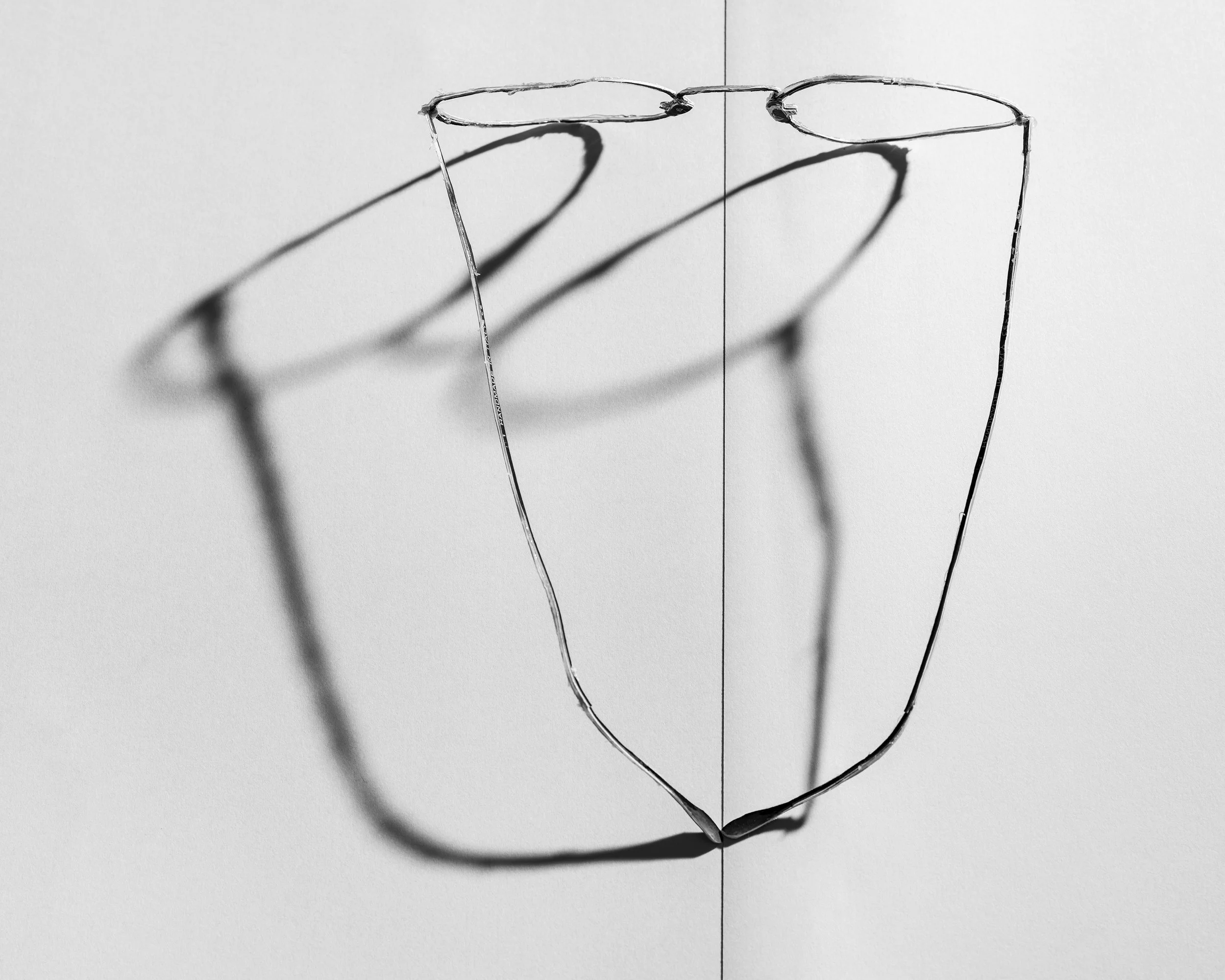
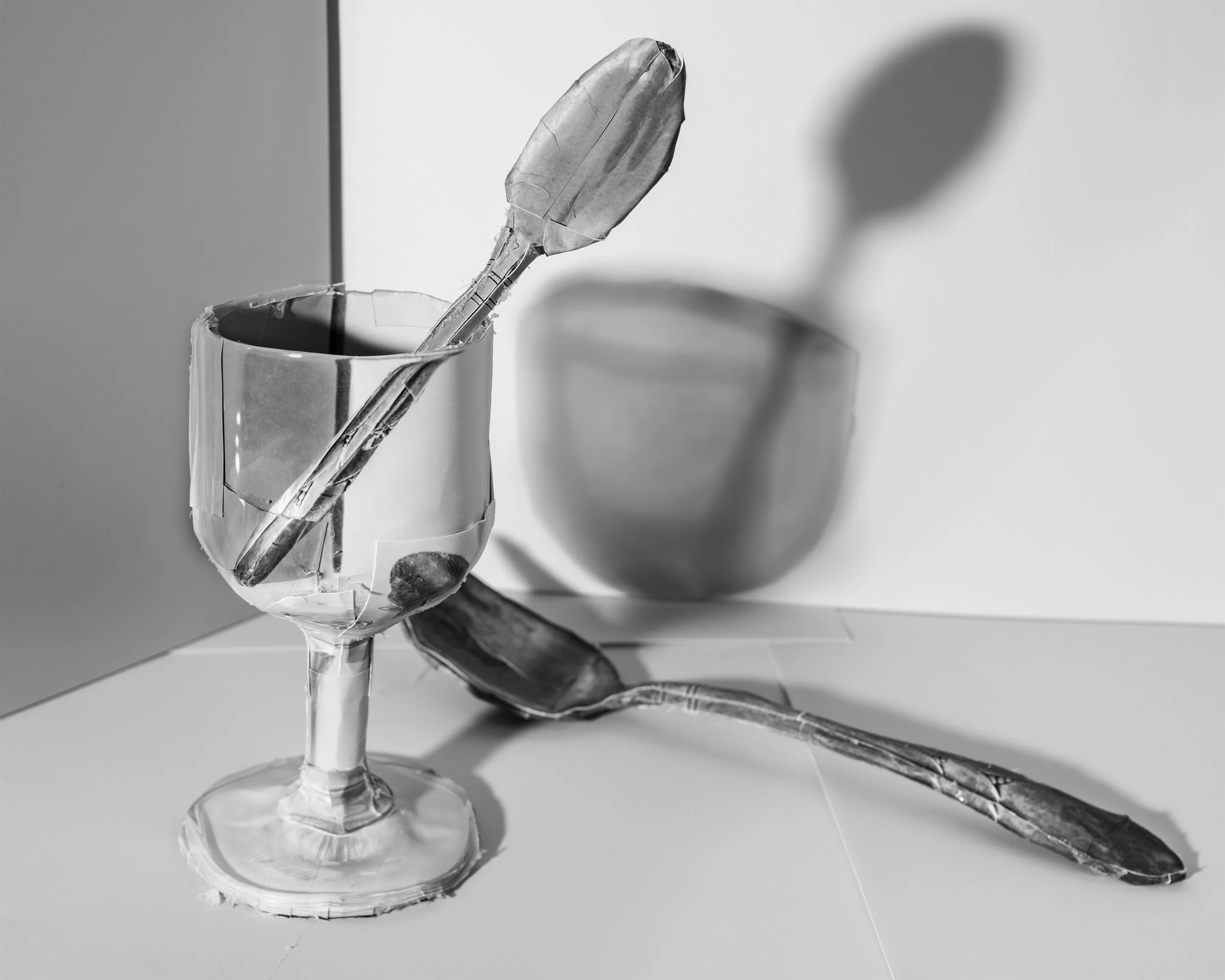
Objects at Hand by Daniel Gordon, published by Radius Books, is a black-and-white photography book about familiar objects, visual illusion, and the unstable relationship between images and reality. The book focuses on ordinary things found in Gordon’s home and studio, including glasses, kitchenware, cutlery, and stationery, which are arranged into carefully lit tableaux. Many of the objects appear transparent, although they are actually opaque paper constructions, creating a quiet tension between what we see and what is really there.
Made entirely in grayscale, the photographs move away from the saturated color Gordon is known for and place more attention on light, shadow, form, and surface. The book includes 72 images across 164 pages, with an essay by Kevin Moore and a conversation between Gordon and artist Lucas Blalock. Objects at Hand shows how simple objects can become strange, sculptural, and uncertain when photography is used not only to record the world, but also to transform it. (Amazon, Radius Books)
Project Genesis: You started "Objects at Hand" in 2024 using everyday items like glasses and kitchenware. What made you want to focus on ordinary household objects?
I wanted to work with things that were literally close at hand. Glasses, bowls, cutlery, and other ordinary objects were available around the house. I've always felt there's poetry in the everyday.
Working in Black and White: Your earlier work is known for bold, intense colour. Why did you decide to shoot this series entirely in grayscale?
I have spent a long time working with saturated colour, and at a certain point I wanted to get back to more basic photographic questions, light, shadow, form, and also transparency. Plus, I had never really worked in black and white; oftentimes I give myself an assignment to see if working under new constraints can become fruitful, and though it took some time, I really enjoyed the discovery that came with working in grayscale. It removed a layer of information and I found my brain working in different, surprising ways.
Creating Illusion: Some objects in the photographs look transparent even though they are actually opaque. How did you use lighting to create that effect?
A lot of that effect comes from a combination of construction and lighting, though I would say it has more to do with construction. I start by photographing a real object, a glass for example, and then I distort and print that image and build it onto a 3-D paper form. The distortion here is key. If I am wrapping a paper armature with a photographic print, in order for the final result to look "correct" the print needs to be distorted both for the cylindrical/curved glass as well as the angle of the camera. It is an interesting innovation within my practice, one that took a lot of trial and error, but was ultimately incredibly rewarding.
Choosing Subjects: How do you decide which objects from your home or studio are worth photographing, and which ones you ignore?
I usually choose objects that are familiar and somewhat forgettable. A fork, a pair of glasses, or a bowl can do a lot if the light hits it the right way. I tend to ignore things that bring too much narrative or are too associated with specific stories. I want the photograph to transform the ordinary into something unexpected.
Shadows as a tool: The book description mentions dramatic shadows as a key part of the images. How do you plan and control where shadows fall in your studio setup?
In the colour work I was making prior to these pictures, I was working very hard to reduce all shadows, lighting from both sides with soft boxes. I wanted overall even lighting to allow colour to be at the centre of the image. With these black and white pictures, almost all of them are lit with a single light source positioned in such a way that the shadows become integral to the overall composition. In fact, sometimes the shadow carries as much weight as the object itself. I found that strong shadows helped to build the space and push the image closer to abstraction.
Reality versus appearance: Your work often makes viewers question what is real. In this project, what does the gap between how something looks and what it actually is mean to you?
That gap is really the subject of the work for me. I’m interested in the moment when an image first feels convincing and then starts to come apart. Photography has always had that double quality of recording something and transforming it at the same time, and this project leans into that tension.
The modernist connection: Critics have compared the feeling of these photographs to classic modernist photography. Were any specific photographers from that tradition in your mind while making this work?
Yes, definitely. I was looking closely at photographers like André Kertész and Josef Sudek, and more broadly at early modernist photography. I was also thinking a lot about Jan Groover, a longtime favourite of mine. What I admire with these photographers is how a very simple object can become charged through light, tone, and structure.
Working with Lucas Blalock: The book includes a conversation between you and fellow artist Lucas Blalock. How does talking with another artist change the way you understand your own work?
Talking with Lucas is always helpful because he knows photography deeply and he also knows my work very well. A conversation like that can make me hear my own decisions more clearly. It gives me a chance to turn bubbling thoughts into language, which is always useful.
Learning from constraints: Limiting yourself to familiar objects, one studio space, and no colour sounds very restrictive. What did those limits teach you that working without them could not?
The limits were useful because they forced me to look harder. Working with small objects, on a tabletop space, and without colour made small shifts in light, scale, and placement feel much more significant. It reminded me that restrictions can open things up in unexpected ways.
Why does this project feel timely to you now, when so many images are made without a camera?
I think we're living through a moment where it's getting harder to know what's real in an image. With AI, CGI, and endless digital pictures, I became more interested in slowing photography down and making the process visible again. Even though these pictures involve construction and illusion, they still begin with real objects, real light, and a camera. For me, the work is about holding onto photography's physical and human qualities while also questioning how easily we believe what we see.


To discover more about this intriguing body of work and how you can acquire your own copy, you can find and purchase the book here. (Amazon, Radius Books)
More photography books?
We'd love to read your comments below, sharing your thoughts and insights on the artist's work. Looking forward to welcoming you back for our next [book spotlight]. See you then!
Lee Espinoza reminded Darren Vargas of his late grandfather. The photographer met the boxing coach in 2025, five years after his grandfather Esmael died. Photography Book Spotlight