How Bill Ward’s IMMERSIVE Turns Surfing, ICM, and Breaking Waves Into a New Way of Seeing the Ocean
Welcome to this edition of [book spotlight]. Today, we uncover the layers of 'IMMERSIVE,' by Bill Ward (published by Kozu Books). We'd love to read your comments below about these insights and ideas behind the artist's work.
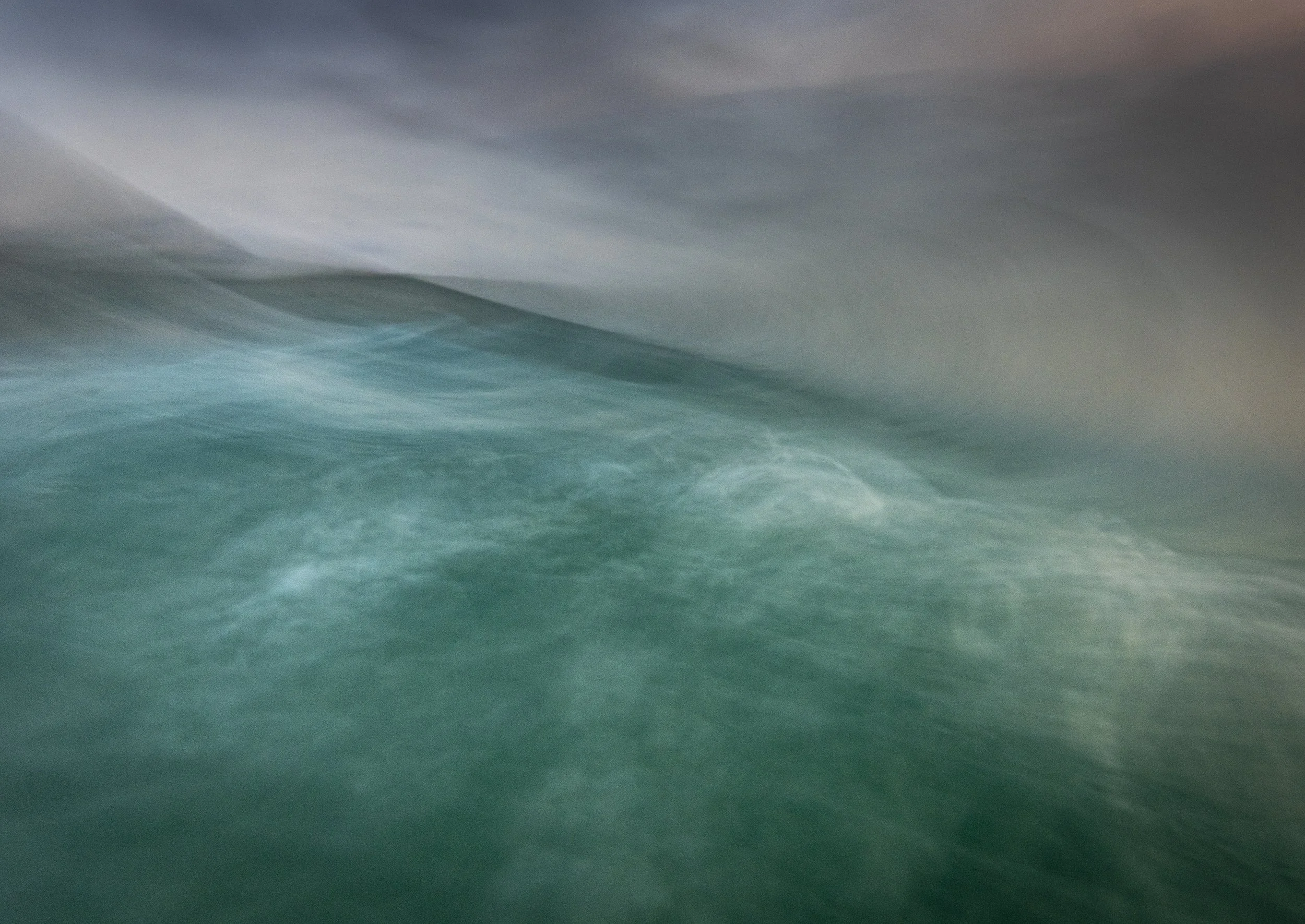
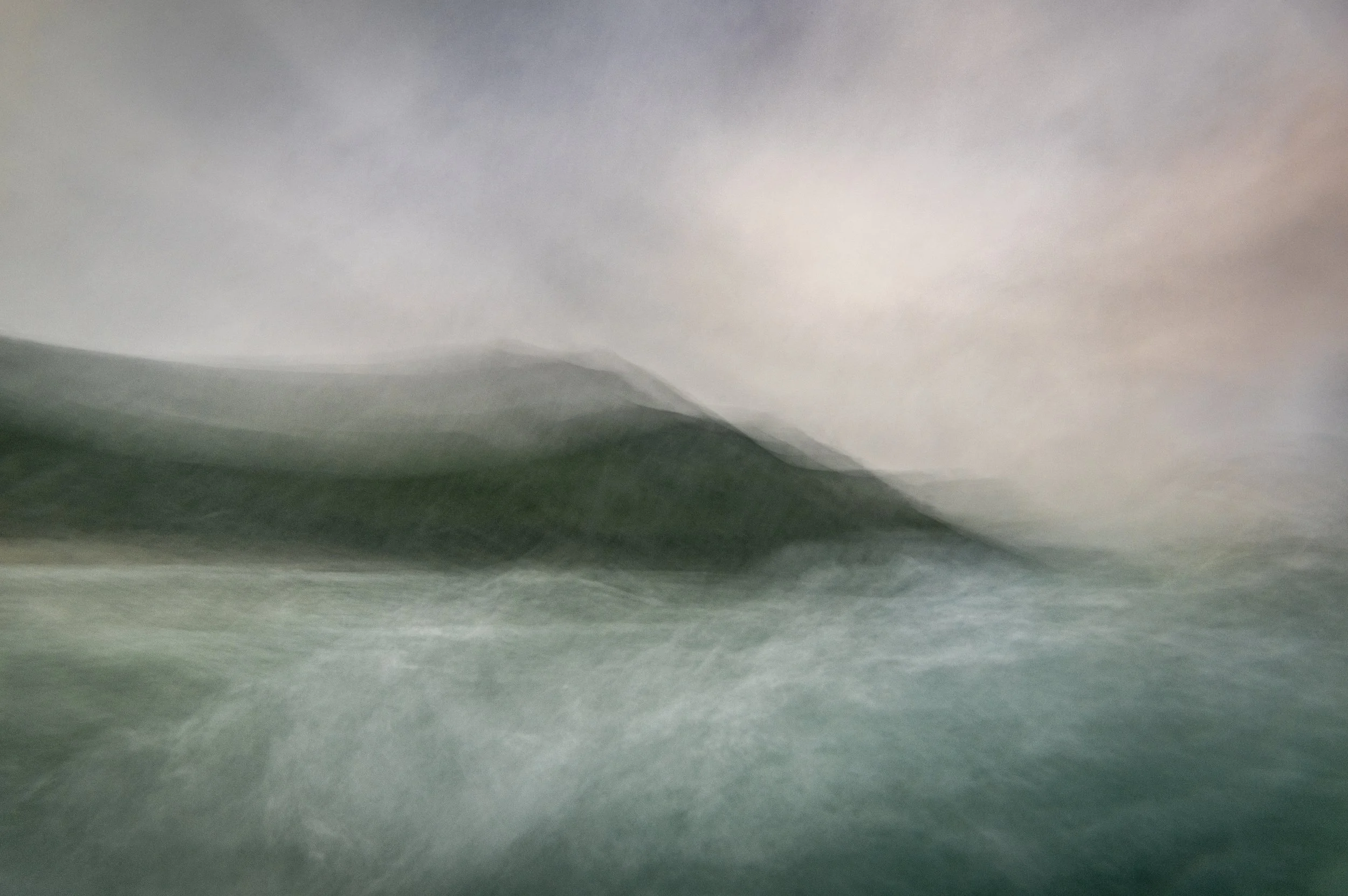
Bill Ward photographs the ocean from inside the wave.
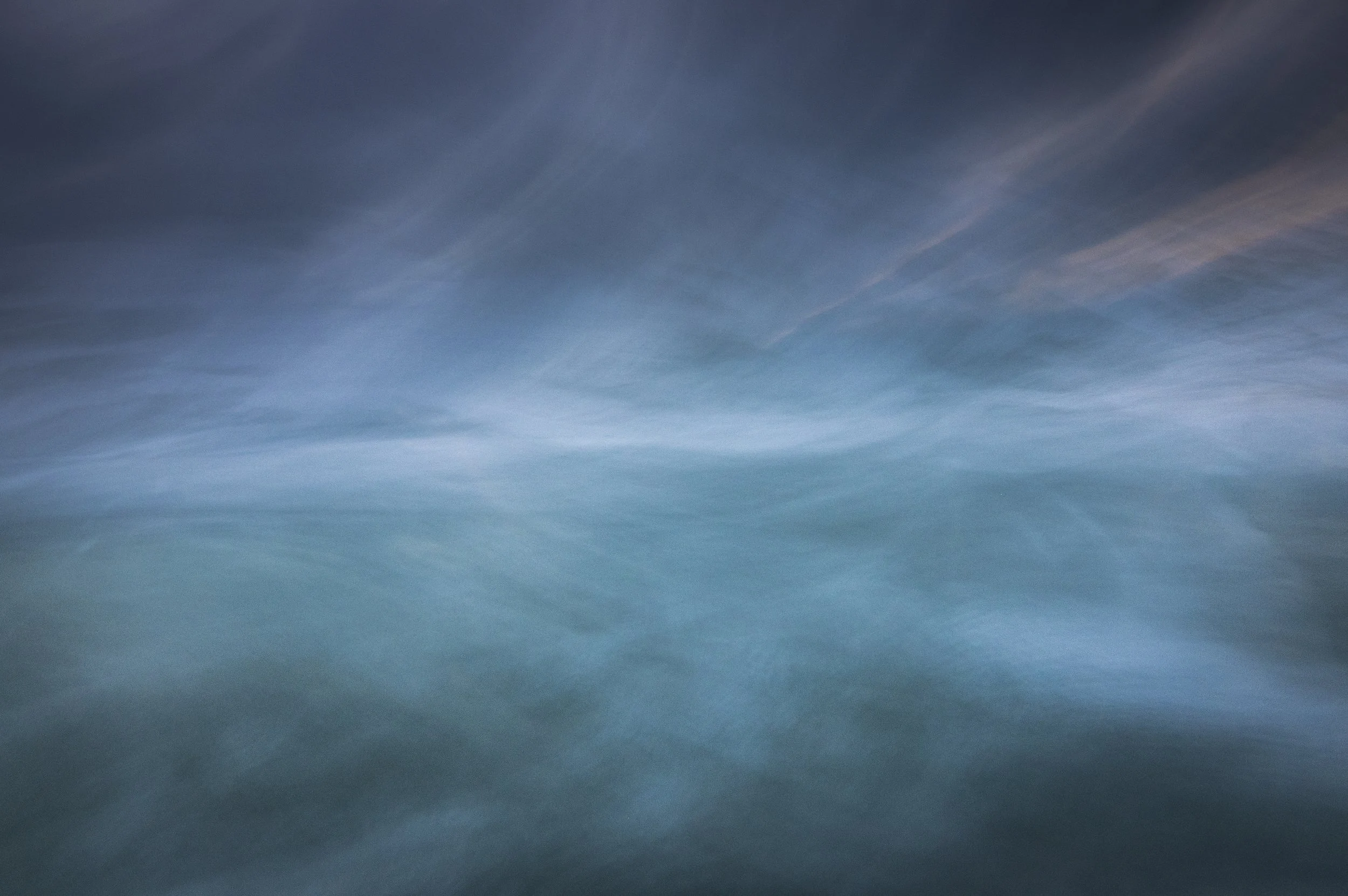
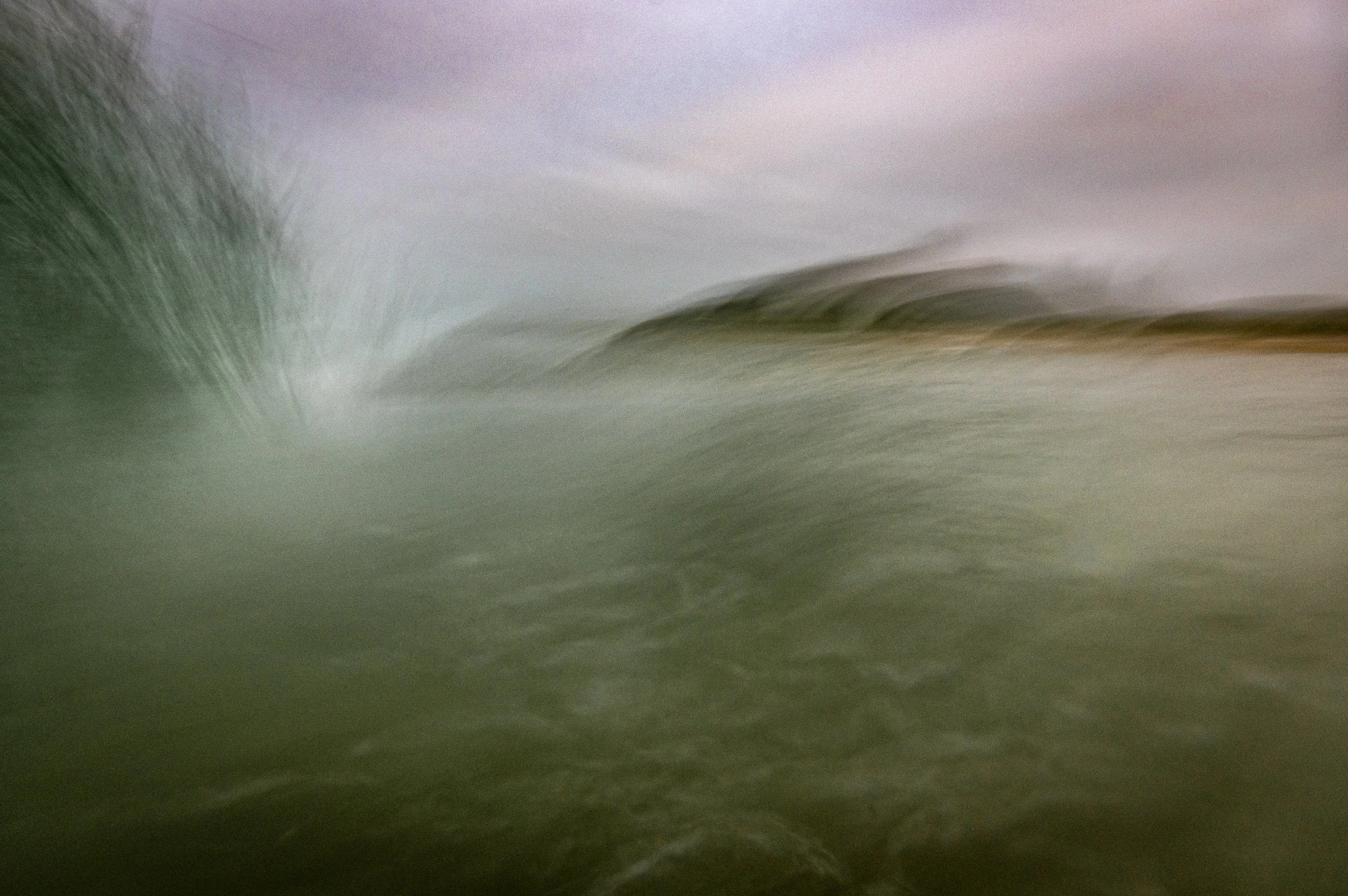
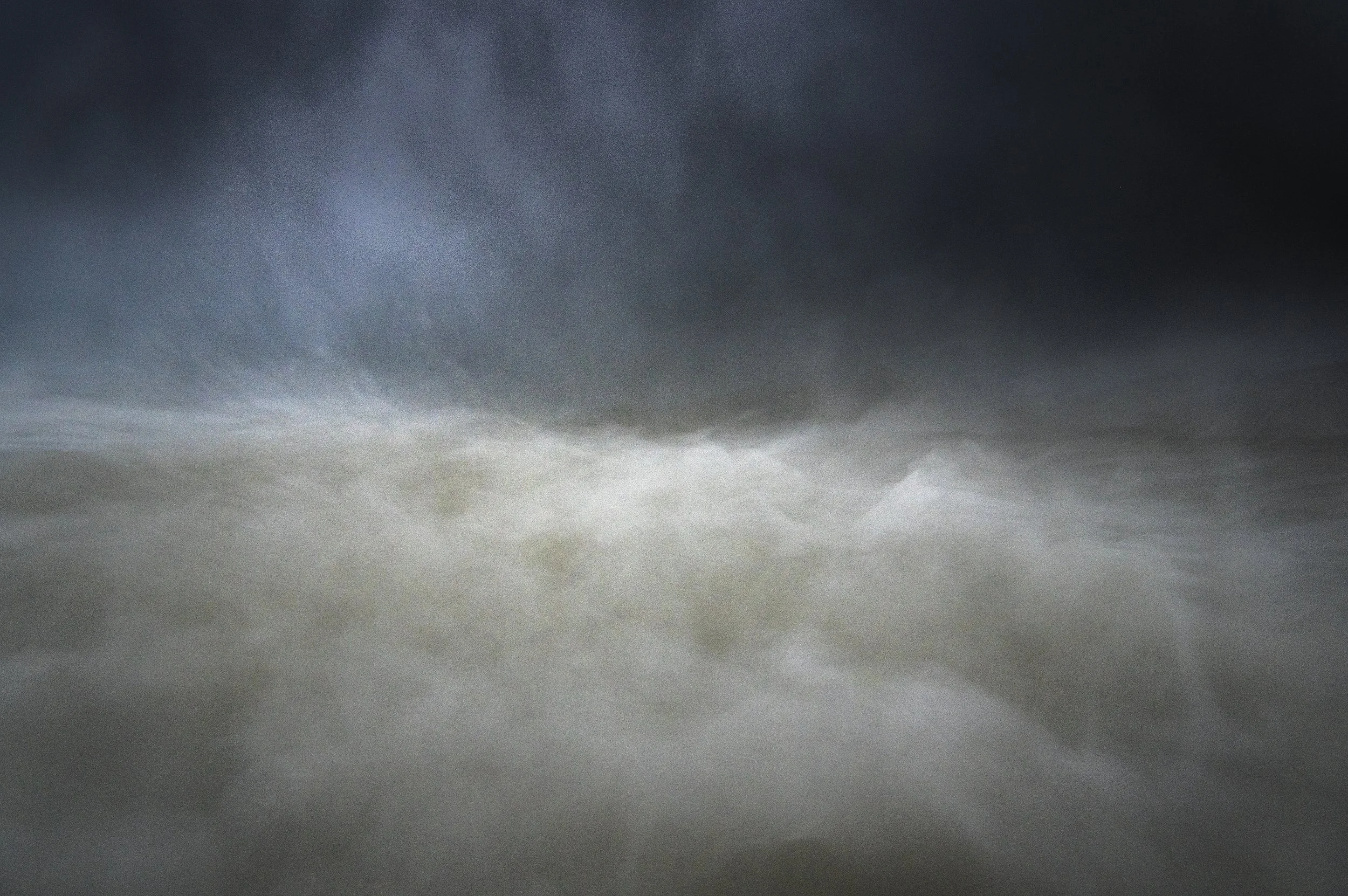
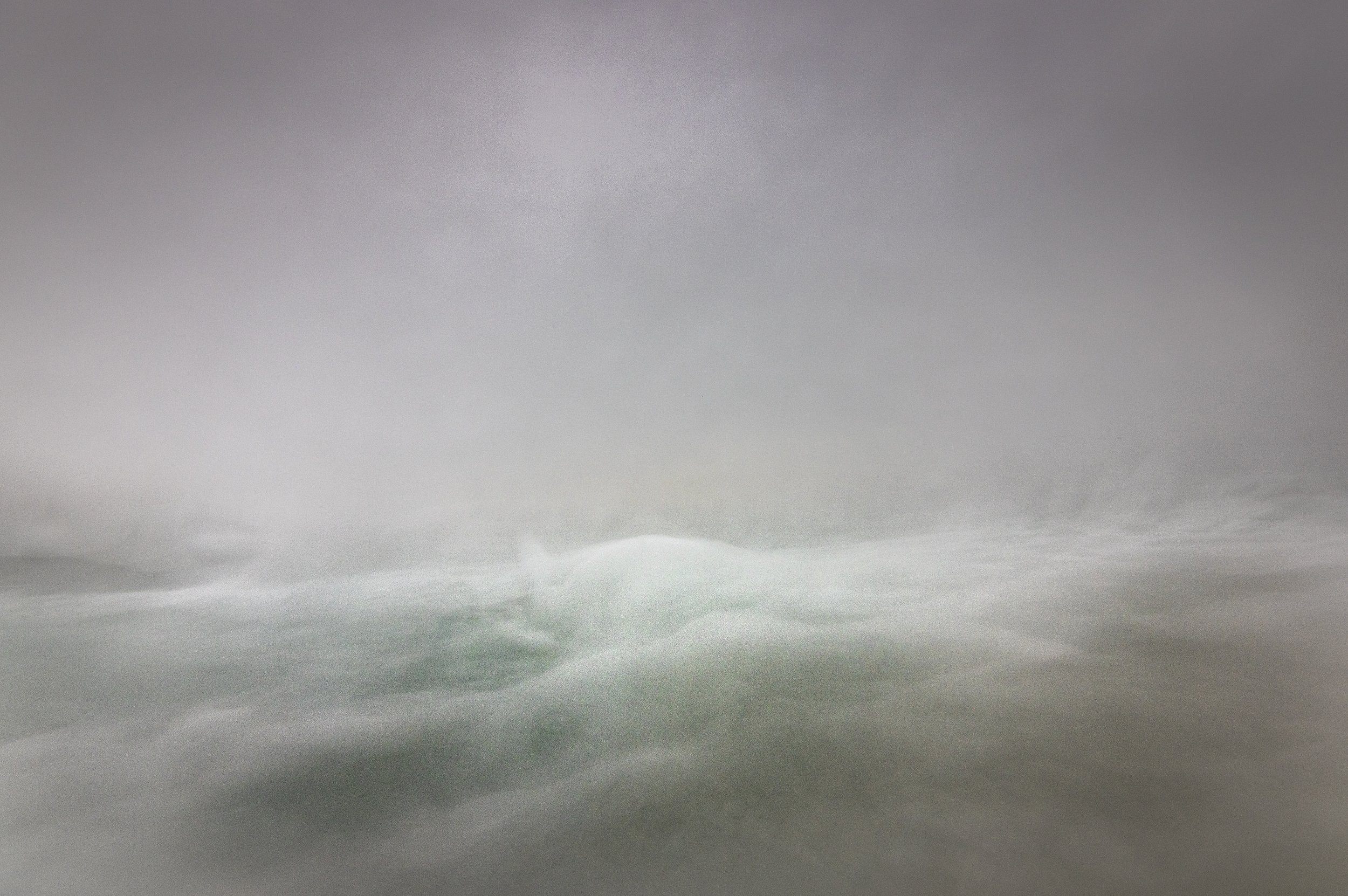
He does not stand on the shore and wait for the sea to become a picture. He enters the water with a wetsuit, a waterproof housing, and a camera that moves with the force of the wave. His book IMMERSIVE brings together surfing, intentional camera movement (ICM), and years of photographing water not as something distant, but as something physical, unstable, and alive.
For Ward, the sea is not just a subject.
It is a place where the photographer has to give up some control. In this interview, he speaks about working inside breaking waves, following the energy of the water, and building a book from images made through movement, chance, and repeated return. The conversation moves from technique to something more personal: what it means to photograph with the whole body, not only with the eye.
Ward explains how he researches beaches, studies tides, watches swell forecasts, changes shutter speeds in the water, and adjusts his movement depending on what the wave is doing. The interview shows how a project can become stronger when technique is not fixed before the shoot, but tested again and again in real conditions.
The Book
IMMERSIVE by Bill Ward, published by Kozu Books, is a pioneering Ocean ICM project that brings together surfing, intentional camera movement, and the physical energy of breaking waves. Made over 4 years, the book explores what happens when the photographer stops standing at the edge of the sea and enters the water with a wetsuit, waterproof housing, and a moving camera.
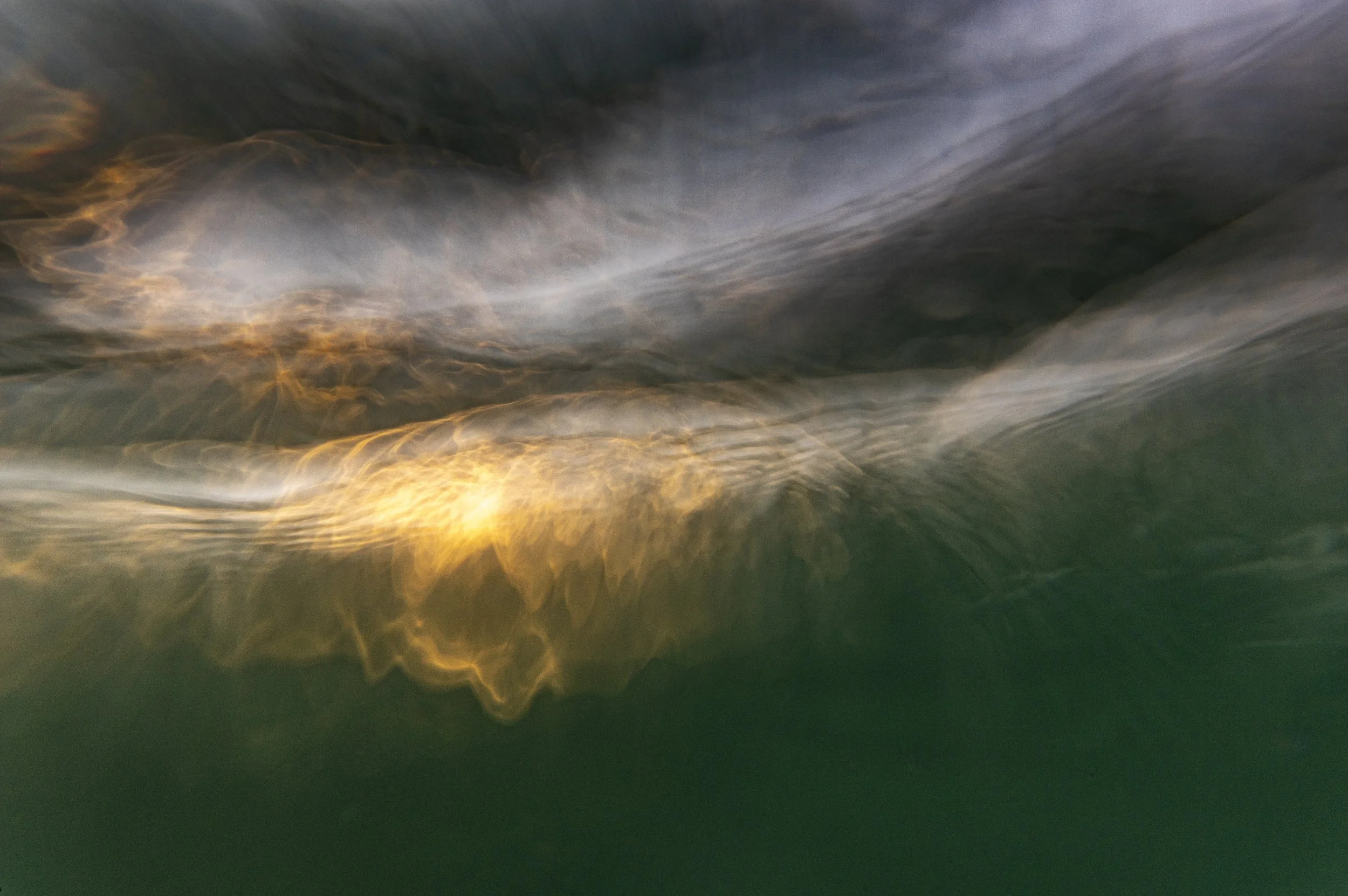
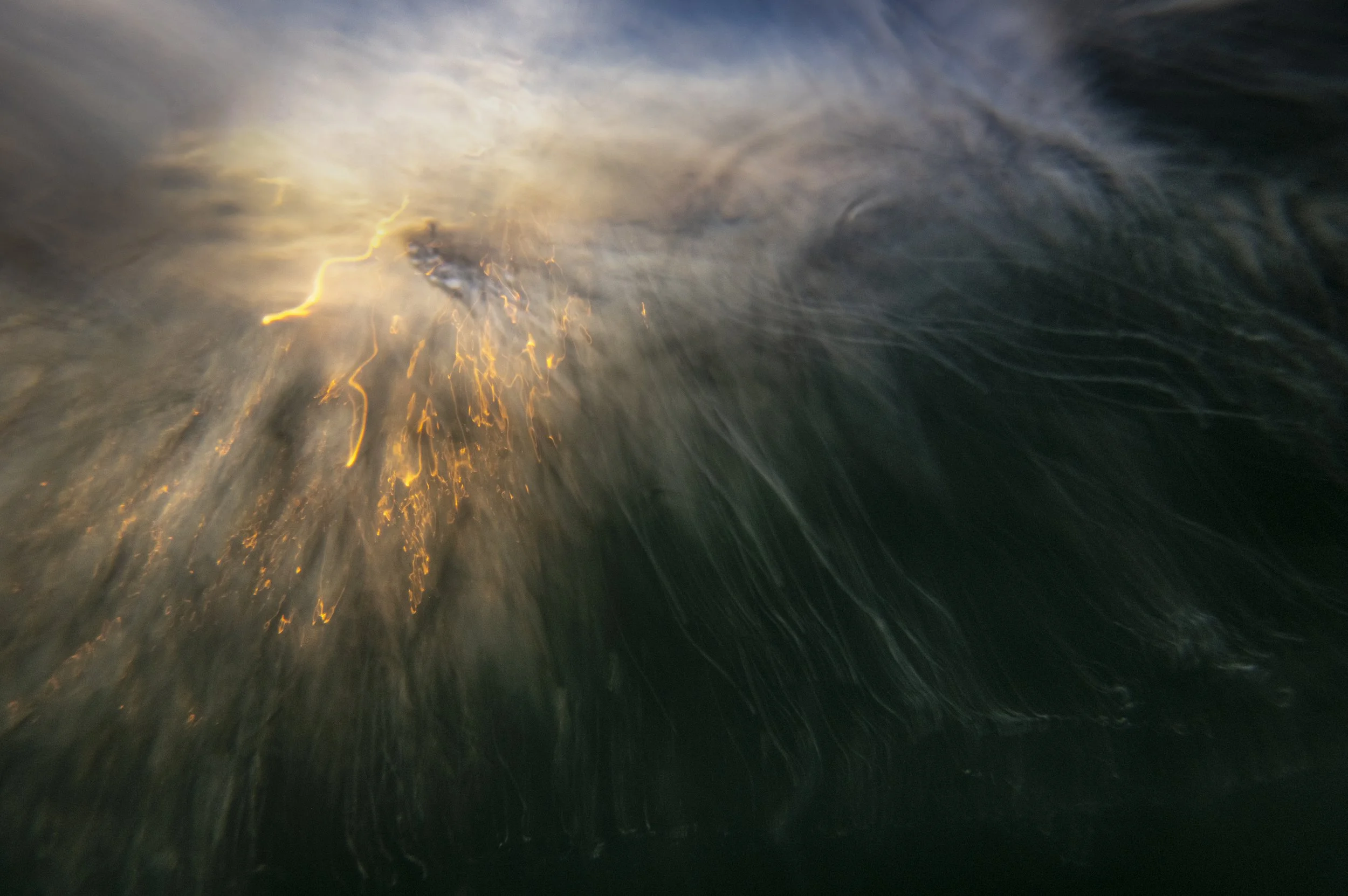
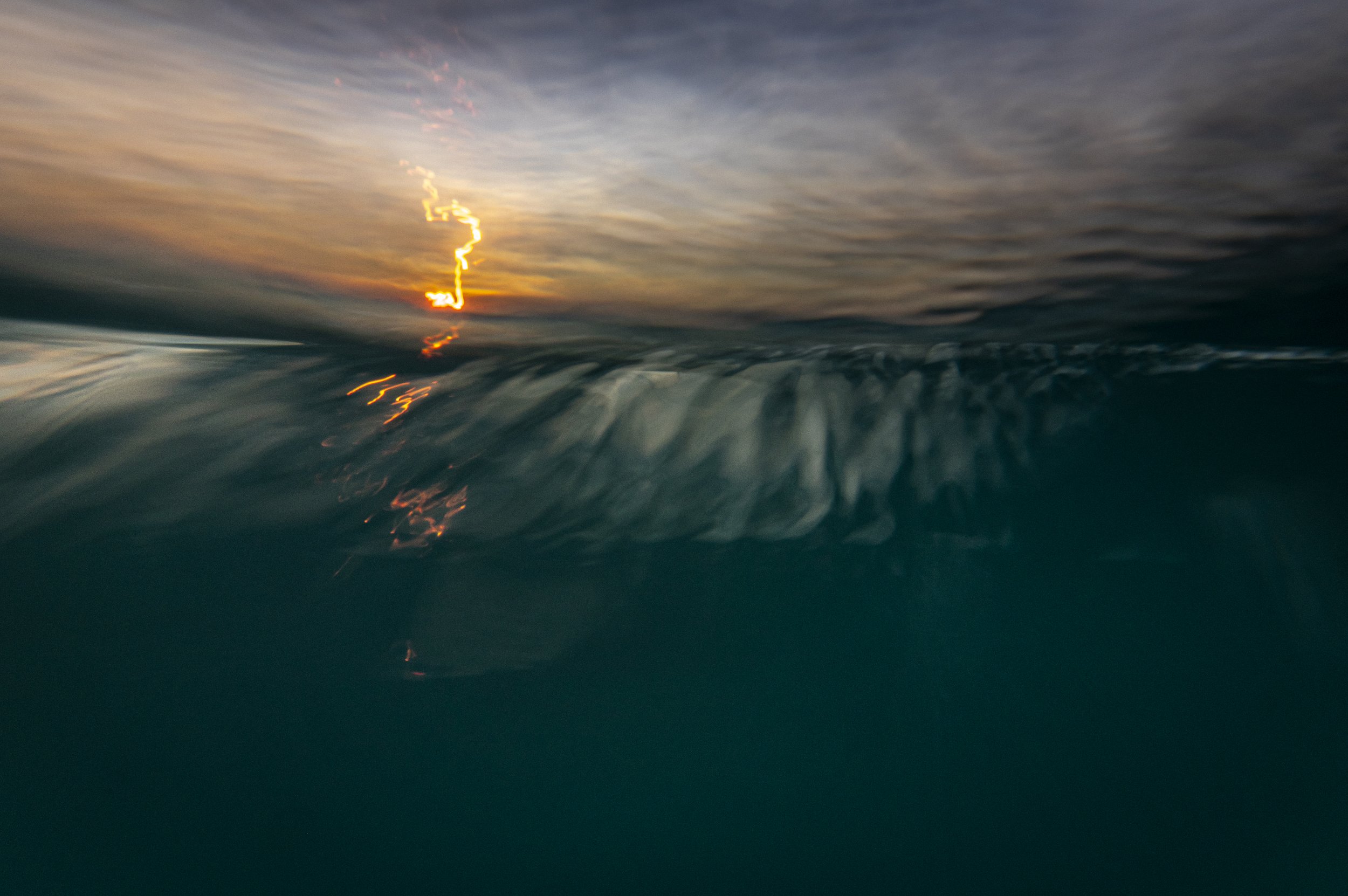
The photographs were made with long exposures in, on, and underneath the ocean, often while Ward was surrounded by the same moving water he was photographing. A surfer for more than 30 years and an ICM photographer since 2012, Ward uses the book to explore water not only as a subject, but as a force that shapes the image.
Published as an 88-page, 5-chapter hardback, IMMERSIVE becomes both a celebration and a meditation on the feeling of being inside the sea. It is a book about movement, energy, chance, and the strange freedom that can come when the photographer becomes part of the thing he is trying to photograph. (Kozu Books, Amazon)
Project Genesis: You have been working with ICM since 2012 and surfing for over 30 years. When did you first think about combining those two things, and what made you decide it was worth a four-year project?
I’d had the idea of combining ICM and surfing for a while, a number of years certainly. I’ve always been a seascape photographer, before I even started investigating ICM back in 2012. Like many humans, I’ve long held a fascination for water, and the energy of moving water in particular. That’s what surfing is, in many respects: the symbiotic harnessing of the energy of moving water.
When I started working with ICM back in 2012, I explored its use with all sorts of subjects, literally everything I bumped into, but I kept coming back to the ocean, and the shore. And the meeting point between the two. There is a spirituality here that I’ve always felt, whether in the water, or on the edge of it.
And I started to wonder what would happen if instead of stopping at the water’s edge, I just kept on going. And started working with the water itself. So bit by bit I worked my way into the surf, first in bare feet and shorts, then trunks, then a wetsuit, and finally waterproof housing, taking a camera right into the places I would usually take a surfboard, harnessing the energy of a breaking wave.
I had no idea at the time that it would become a five-year project - like many projects, I was simply interested in exploring the idea that I’d had, and what might happen if I did. I very quickly started to find I was getting all sorts of images that I’d never seen before, and equally importantly, I loved the freedom I felt making them. The sensation of using absolutely all of yourself. Mind, heart, and body. I’m a very physical human, and I’d never felt the totality of that feeling before in the photographic space. I found it utterly compelling, hugely rewarding, and I was fascinated by the images that it resulted in…
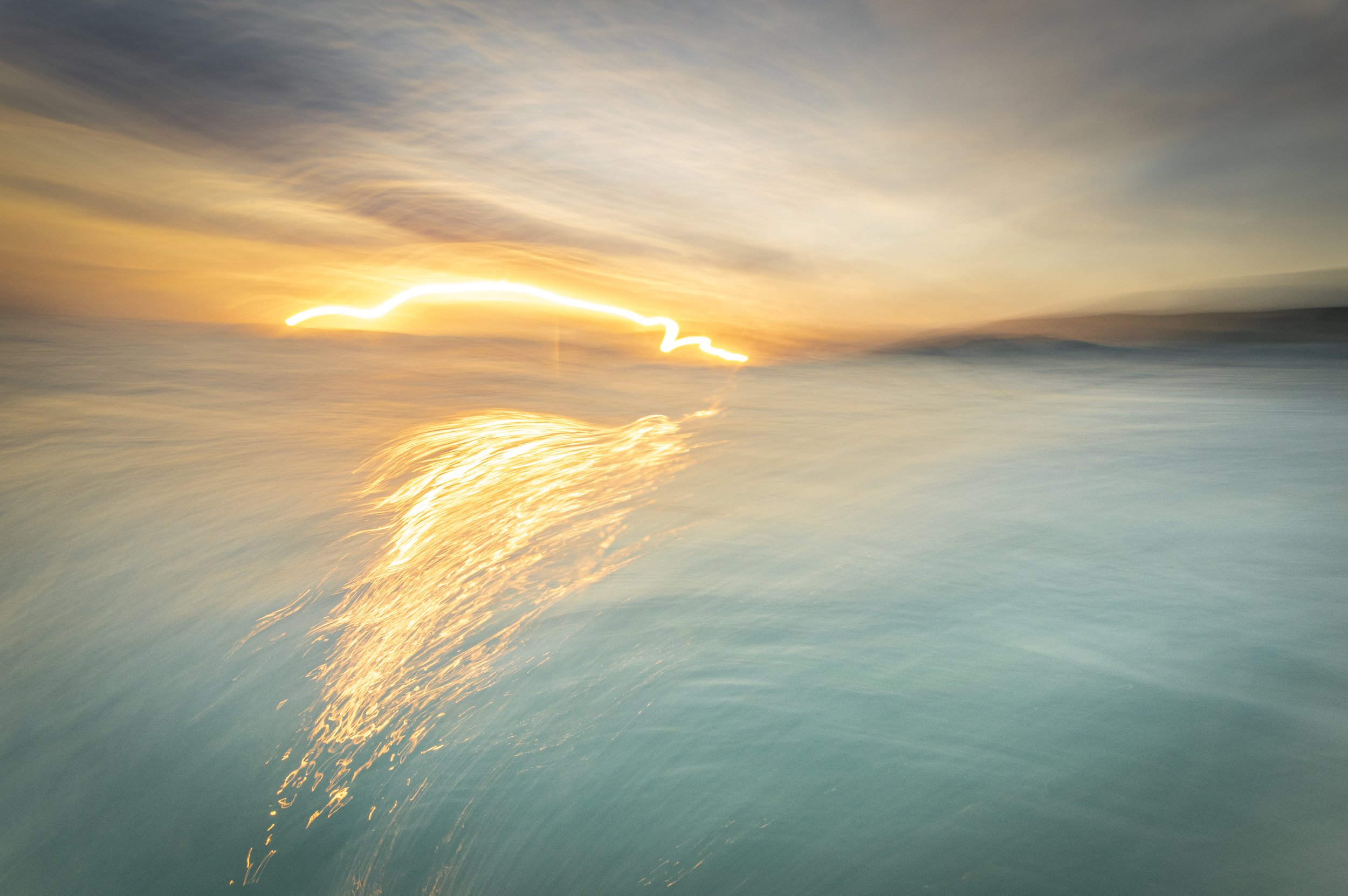
Physical process: You shoot in the sea wearing a wetsuit with a waterproof housing. What is it actually like to make a picture in those conditions? What can go wrong?
It’s hugely liberating. Wet, obviously, but I like wet. There is a freedom that comes with floating, bobbing, swimming. A sense of being supported and surrounded by the very thing you’re photographing. Not on the outside of it, removed from it, pointing a camera at it, but fully immersed within it. Both physically and philosophically, I’ve found that hugely rewarding.
There is a physical challenge here too… the transfer of energy from the ocean in general, and a breaking wave in particular, to the camera sensor and also to you, the human holding the camera. You have to love being bashed about a bit, and I do. I love that part of it, the sense of working with, but also being at the mercy of, Mother Nature.
Having a healthy respect for, as well as simply embracing, the power of Mother Nature is absolutely key to this project. I work very hard to research all the beaches I go to, speak to the locals, investigate sandbanks, possible rips, tide states, and swell forecasts, as well as weather forecasts, before I get in the water. And I keep a very close eye on all of them at all times.
Camera movement: ICM means you are moving the camera on purpose while the wave is also moving. How do you decide which direction to move, and how fast?
By doing it, I’ll try whatever makes sense at the time. A lot of this is intuition, a lot of it is trial and error - starting somewhere and seeing what you get. And then adjusting accordingly. Having an idea, acting on it, then reviewing. ICM is so taste-driven, what works for one person may well not work for another. Sometimes I’ll go with the flow of the waves, working with their energy, sometimes I’ll work against it. Sometimes I’ll be moving and swimming faster than a wave, sometimes slower. Sometimes working from underneath. I tend to change up the shutter speeds a lot when I’m shooting - to see what the various combinations are giving you on any given day at any given time, with any given conditions. I’m often looking at the light, and how it’s reacting with a breaking wave, and then move accordingly.
I’m not a big pre-planner - that’s been absolutely key to this project - I try very hard not to impose my will on my subject. I’m an improviser. I like to go with what I’m being given. In my other line of work, I’m an actor, and we talk often about “Being in the moment” - it’s absolutely fundamental to the process. I use a huge amount of what I’ve learnt in theatre in my photography.
Location: You shot in the Bristol Channel, Cornwall, Northumberland, the Outer Hebrides, and Brittany. Did the same technique produce very different results in different places, and which location surprised you the most?
I always adjust technique to whatever Mother Nature is serving up on any given day at any given time and in any given place. What I do and how I work with the water is very much dictated by the conditions… so I tend to change what I do depending on where I am and what I find.
In terms of which place surprised me the most, it has definitely been the coast of South Wales. The Bristol Channel has the second highest tidal range of any waterway in the world (second only to the Bay of Fundy in Canada), so it tends to have a very large amount of silt in it, which makes the water brown and very murky. This is very different to the Outer Hebrides and Far West Cornwall coastline, which are incredibly clear.
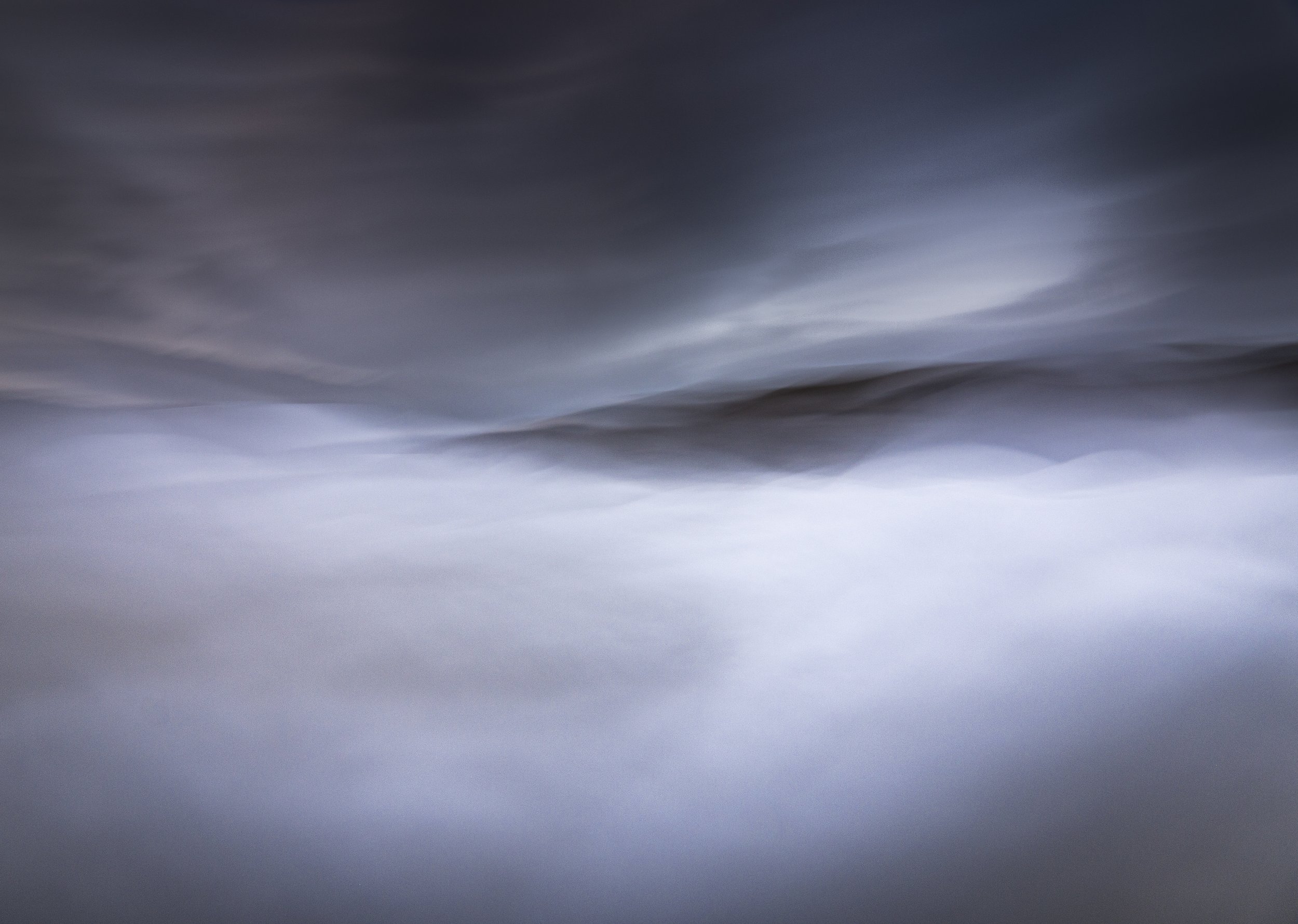
It’s tempting to assume that clear water would be more useful to a project like this, as the light transfer would be so much improved, but some of my very favourite days have been spent in the murky bosom of the Bristol Channel, surrounded by dark foamy water and heavy cloud, trying to work out where the ocean stops and the sky begins… hugely atmospheric.
Surfing and photography: You describe surfing as working with a wave rather than against it. How does that idea change the way you photograph the sea compared to someone standing on the shore?
Yes, it’s part a technical change, part philosophical. There is a spirituality I think that is inherent in surfing, which comes from working WITH Mother Nature, as opposed to imposing your will on her. And particularly in harnessing the energy that she provides.
Photography I think can be quite “Aquistive” in its outlook… it’s surprisingly aggressive in its vocabulary (“Shoot”, “Capture”, “Take”), and I think that can sometimes lead to a sense of going somewhere to get what you want as a photographer, and then leaving, and if you don’t get what you want you get a bit annoyed. And you keep going back until you get what you want.
There is an acceptance that comes from surfing, with being IN the water, I think, as opposed to outside it. Whether you like it or not, you physically HAVE to work with what you’re being given. Which is hugely invigorating I think, and something I enjoy enormously.
Editing and selection: After four years of shooting inside breaking waves, how did you choose which images made it into the book? What did you throw away?
Well, the first thing to say is that I pretty much never throw anything away. Tastes change, your own in particular, and sometimes what you might not be particularly drawn to one year might have changed a couple of years down the line, so I tend to keep everything. Often, I have a very strong memory of a series of waves in a session, that can sometimes blind you to what ELSE you made on the day, so I always keep everything, and revisit once the dust has settled. Makes for a massive hard drive, but useful I think in terms of distance.
In terms of selection, I tend not to be too logical or academic in terms of choices. Resonance is key for me… feeling… working with the wonderful Greg Stewart at Kozu Books, he was interested in having more images to work with, not less, so over a number of months I went back through the whole project, and made a long list of around 400 images that resonated with me (for whatever reason), and we made the book from those.
Sequencing: The book has five chapters. What is the logic behind that structure? Is it telling a story, or organised in some other way?
A bit of both. A bit of storytelling, but ultimately very big on feels. We had a long look at the range of images, then at the size and scope of the book we wanted to make. We settled on hardback (casebound), on or around 80 pages. That size of book needs organising, so I went away for a couple of months to spend some time with the images and see what might emerge in terms of potential chapters.
The chapters we ended up working with were: Roots, Crest, Search, Surge, Beneath. Roots and Crest speak very much to the genesis of the project, where it came from, and the themes where I started my original investigations. Search, Surge, and Beneath are to do with the different ideas that I started to play with as the project evolved over time, and I started to get some idea of its potential scope and possibilities.
I think it’s worth mentioning that at no point did I ever go out to photograph a specific “thing”, make images for a specific chapter, or not go out because the Ocean wasn’t doing at that moment what I wanted it to do. I’ve always made a choice to go out, and then see what I could make of whatever was happening at the time…
Awards and recognition: You won Best Seascape at Scottish Landscape Photographer of the Year. Does recognition from competitions change how you think about your own work or push you in a new direction?
Good question. I have no official “training” as a photographer, although I’ve been taking/making photographs since I was six, so have had a fair amount of practice at it, and tend to be quite good at noticing what resonates with me, and the kinds of photographs that bring me joy.
I think at some point having some kind of recognition from your peers can be useful on your journey, in that it can sometimes help to validate your own work in your own mind, as well as for other people. Photographers, and artists of any kind, all tend to carry with them some degree of Imposter Syndrome (whether that’s to a greater or lesser extent) in my experience, so having at least some kind of validation from your peers can be useful on occasion to keep the monkey on your shoulder at bay.
But I do think it helps to temper it a bit with an understanding that this is art - it’s all subjective. There is no right and wrong, only taste. Working in theatre as I do, I know how surprisingly unhelpful reviews can sometimes be, both positive or negative; ultimately, all they are are the opinions of a very small number of other humans - the weight and validity you choose to give them is entirely up to you.
What is next: The book grew out of an exhibition at the Mall Galleries in London in 2024. Do you see Immersive as a finished investigation, or is there still more to explore with this technique?
I’m very much project-driven as a photographer - I usually have a number of different projects on the go at any one time. I currently have ongoing projects elsewhere on mud, dandelions, concrete, wood patterns, cranes, blossom, starlings; the list goes on…
I very rarely call time on a project and draw a line underneath it. I tend to think very much in terms of investigations (or “enquiries”, as Guy Tal has so helpfully suggested in his own work), and the thing about investigations is I tend to find that they almost always are ongoing.
I tend to be idea-driven, so what I discover during an investigation tends to throw up more ideas, not less, so more avenues of exploration for the future. I’m currently back in the water with different lenses, different focal planes, different shutter speeds, seeing what they throw up and if they might be of interest. May the observations continue…
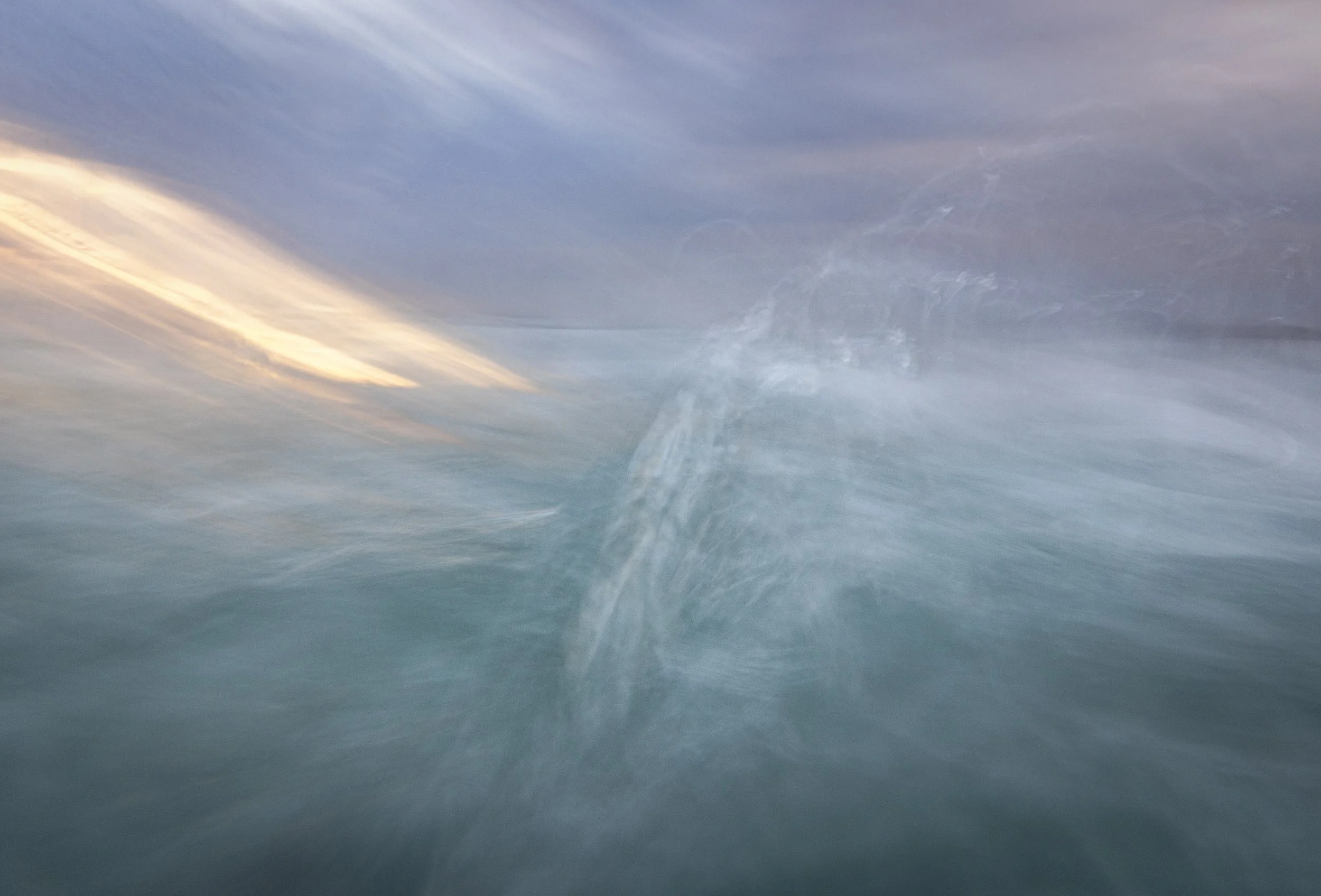
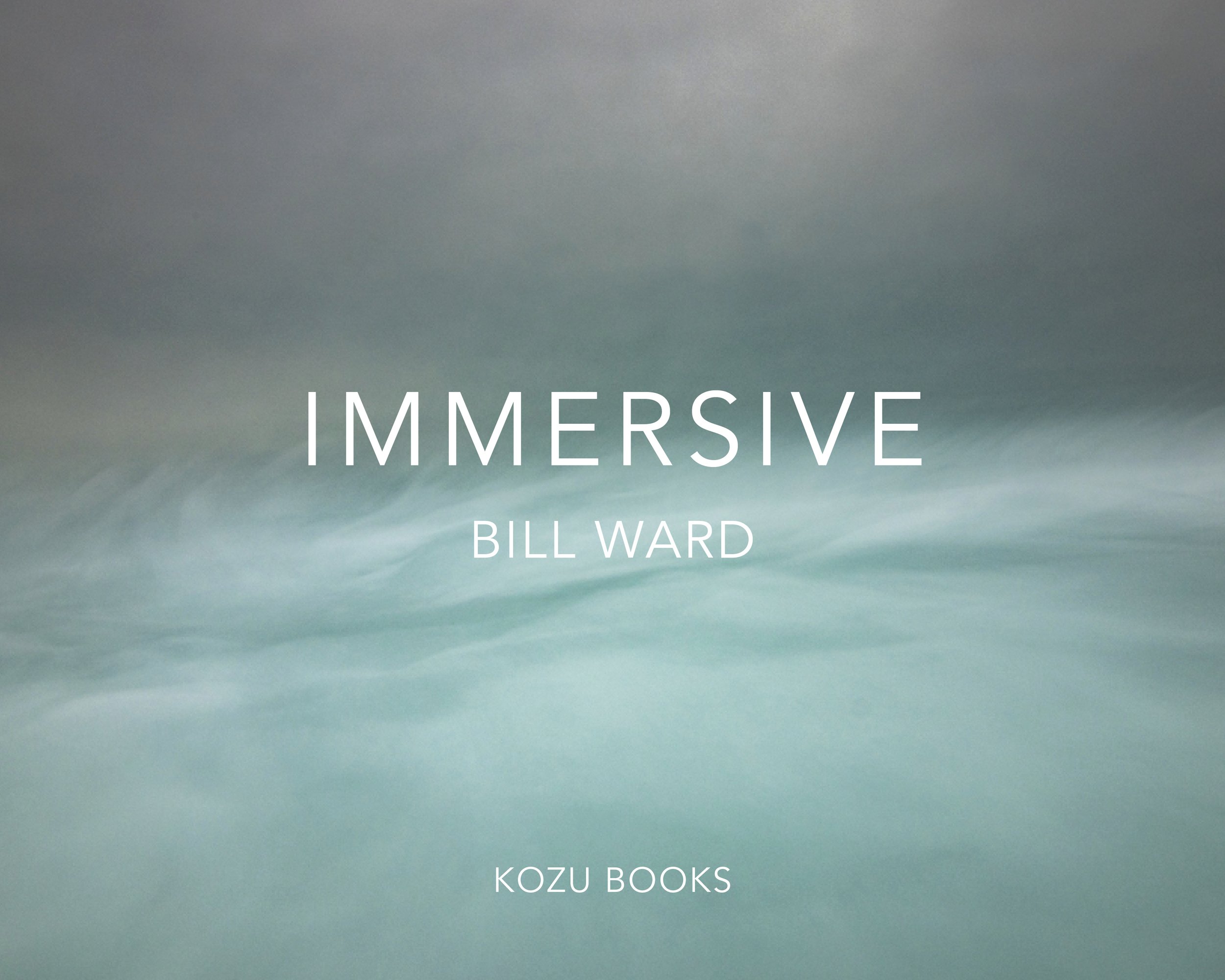
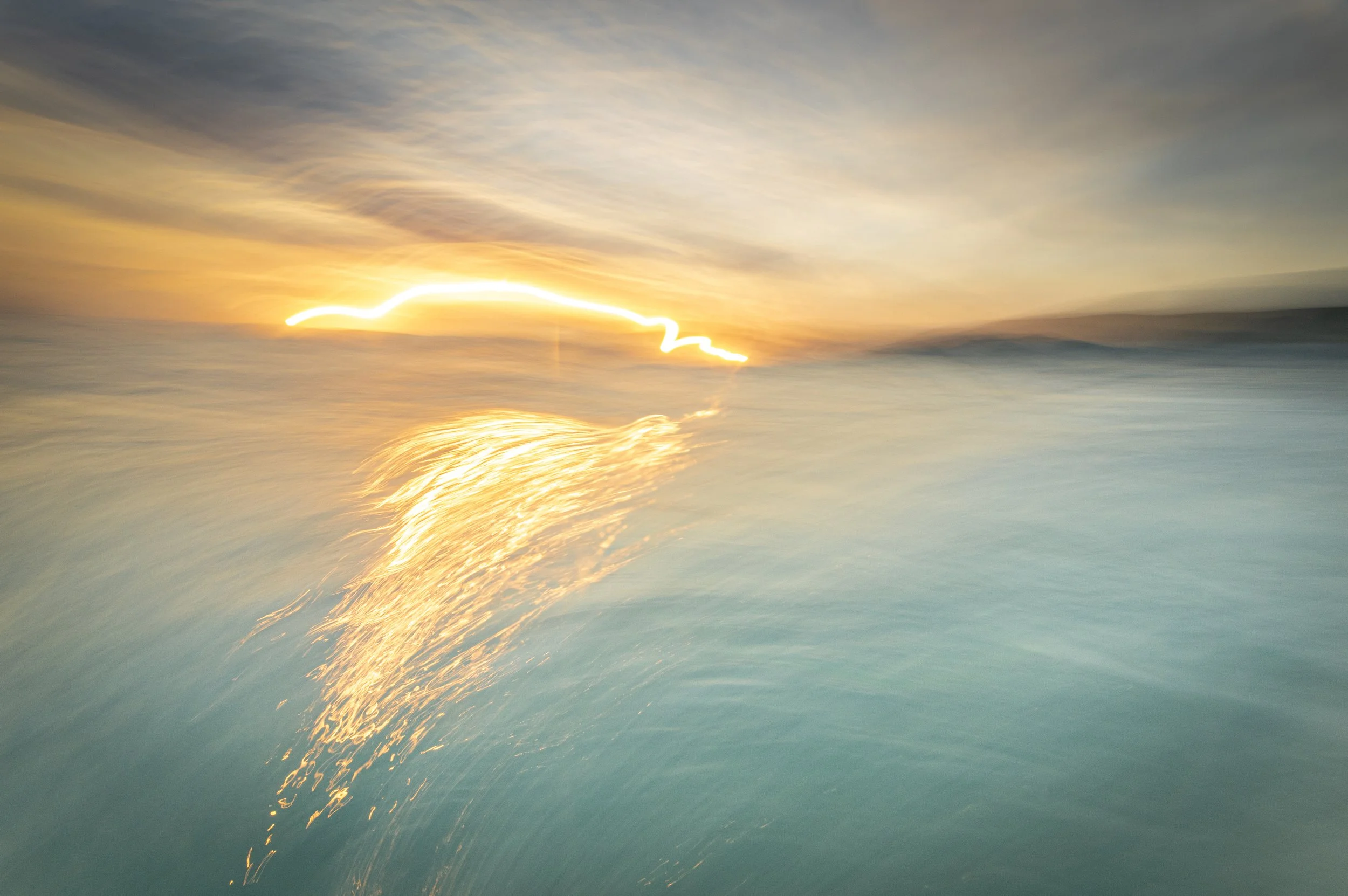
To discover more about this intriguing body of work and how you can acquire your own copy, you can find and purchase the book here. (Kozu Books, Amazon)
More photography books?
We'd love to read your comments below, sharing your thoughts and insights on the artist's work. Looking forward to welcoming you back for our next [book spotlight]. See you then!
Gosbert Gottmann wanted war photographs that resisted easy reading. In Freiheit Freedom Воля, he works with images connected to the war in Ukraine and changes them through abstraction, distortion and deformation. Photography Book Spotlight