How Amani Willett Turned a Childhood of Unprocessed Trauma Into His Most Personal Photography Book Yet
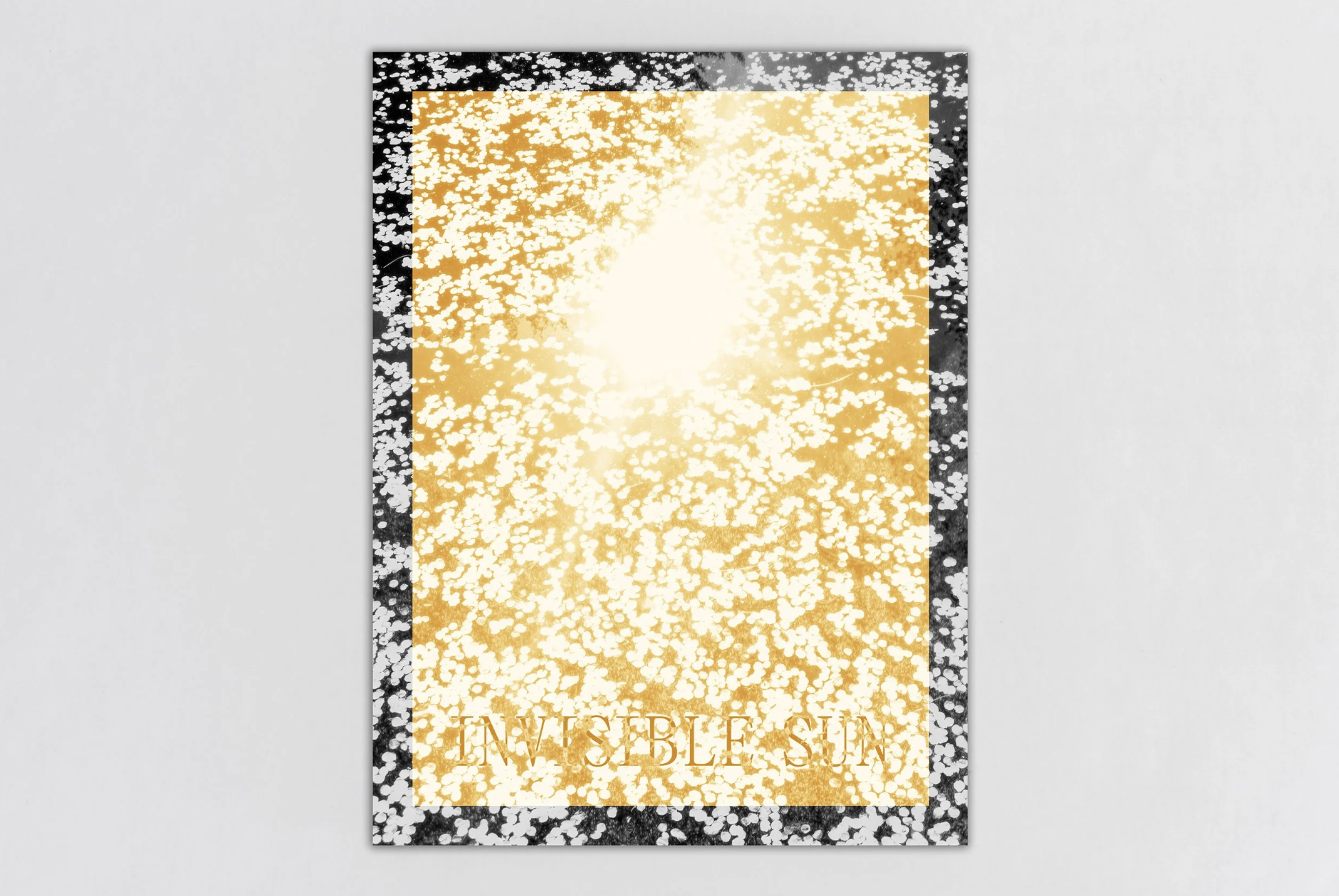
Welcome to this edition of [book spotlight]. Today, we uncover the layers of 'Invisible Sun,' by Amani Willett (published by Dust Collective). We'd love to read your comments below about these insights and ideas behind the artist's work.
Can a photo book capture the weight of unspoken trauma?
Amani Willett believes it can. His latest work, "The Invisible Sun," turns years of ketamine therapy sessions into visual storytelling. The photographer discovered that childhood experiences stayed locked in his body, surfacing only when adult health problems triggered his nervous system. He needed a way to give form to memories that existed before he could speak.
Most photographers avoid mixing personal therapy with their art.
Willett does the opposite. He journals after each ketamine session, then feeds those words into AI to create images of what he experienced. His children appear throughout the book as stand-ins for his younger self, recreating moments his pre-verbal mind couldn't process. This approach turns photography into both documentation and treatment, proving that cameras can access memories buried deeper than words can reach.
This method challenges how we think about both art and healing, showing that the most personal work often becomes the most universal.
The Book
"The Invisible Sun" represents Amani Willett's most personal work to date. The photography book emerged from his real-time experience with ketamine-assisted psychotherapy, where he processed childhood trauma that had remained locked in his body since pre-verbal years.
Willett developed the project while actively undergoing therapy, journaling extensively after each ketamine session. These journals, filled with vivid imagery from his therapeutic experiences, became source material for the book. He fed his written descriptions into AI image generators, creating visual representations of his internal experiences during treatment.
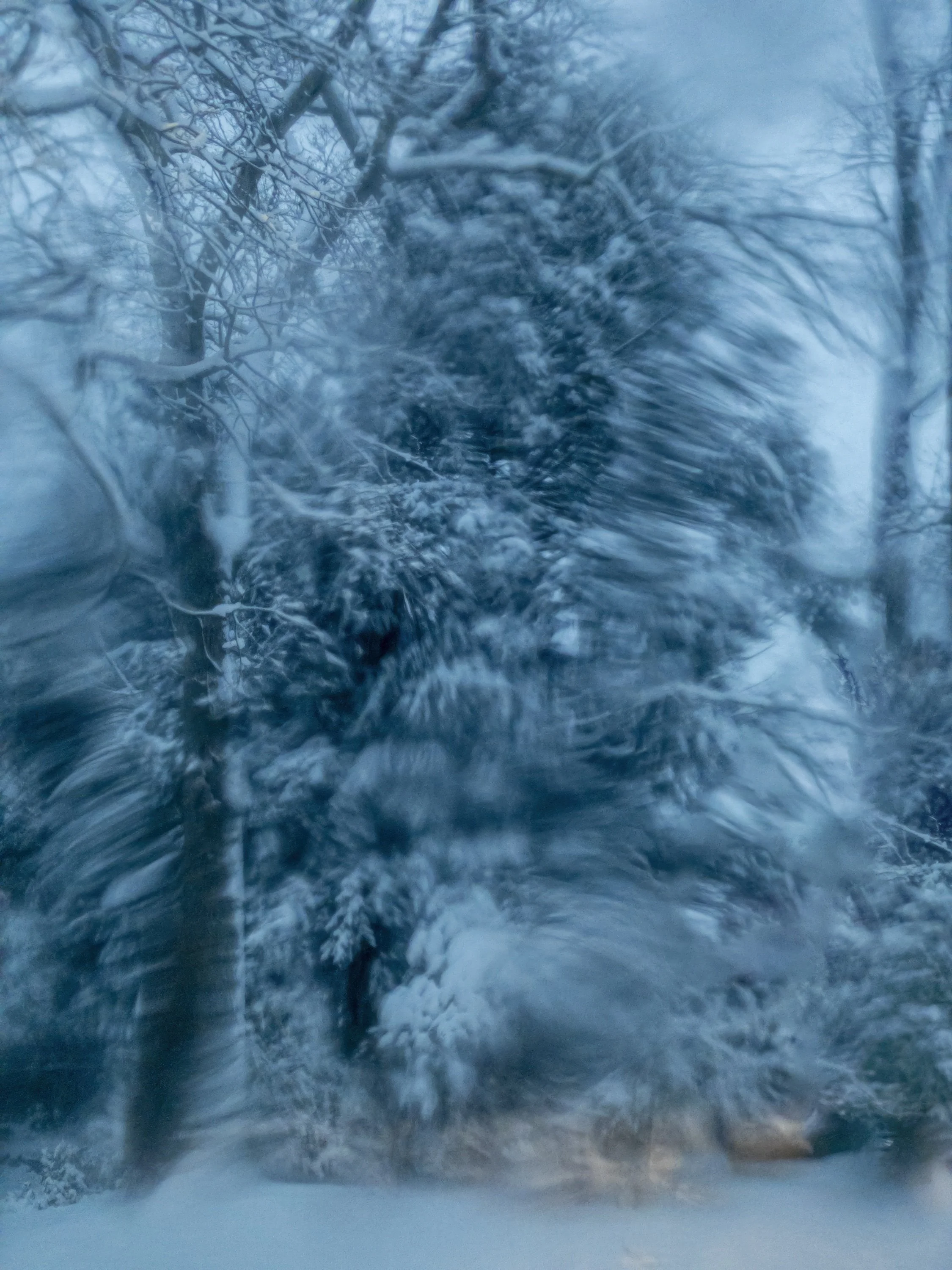
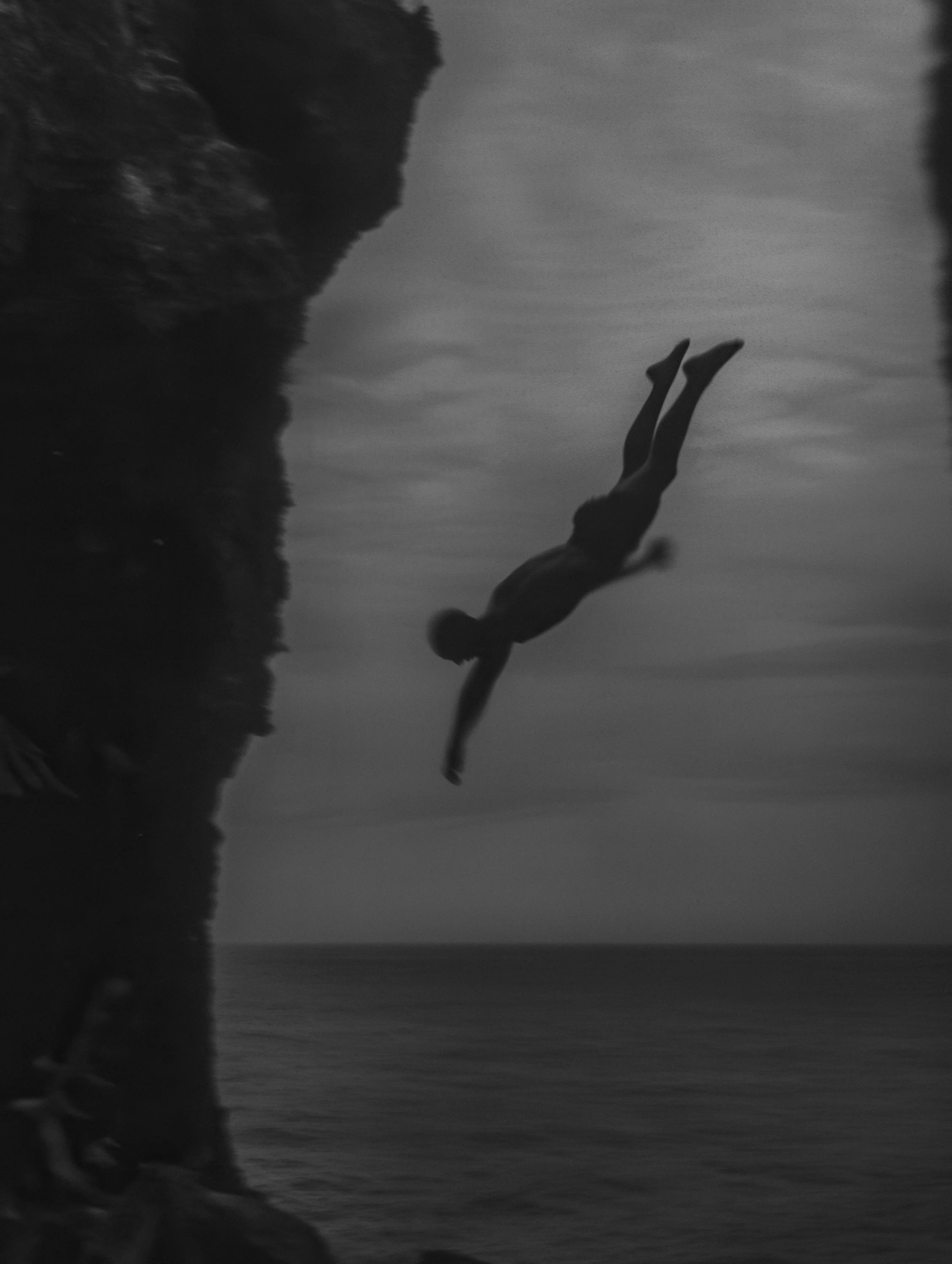
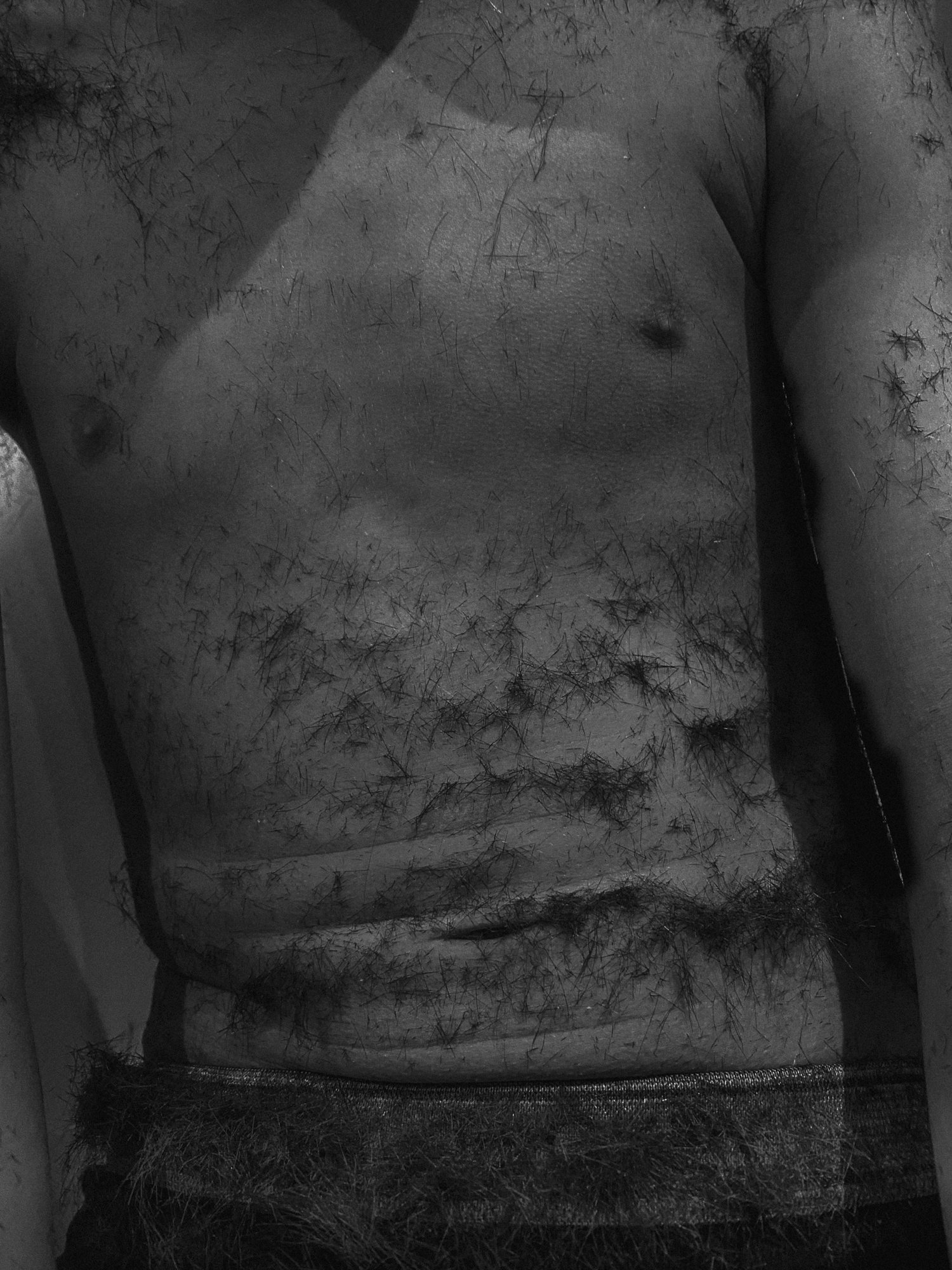
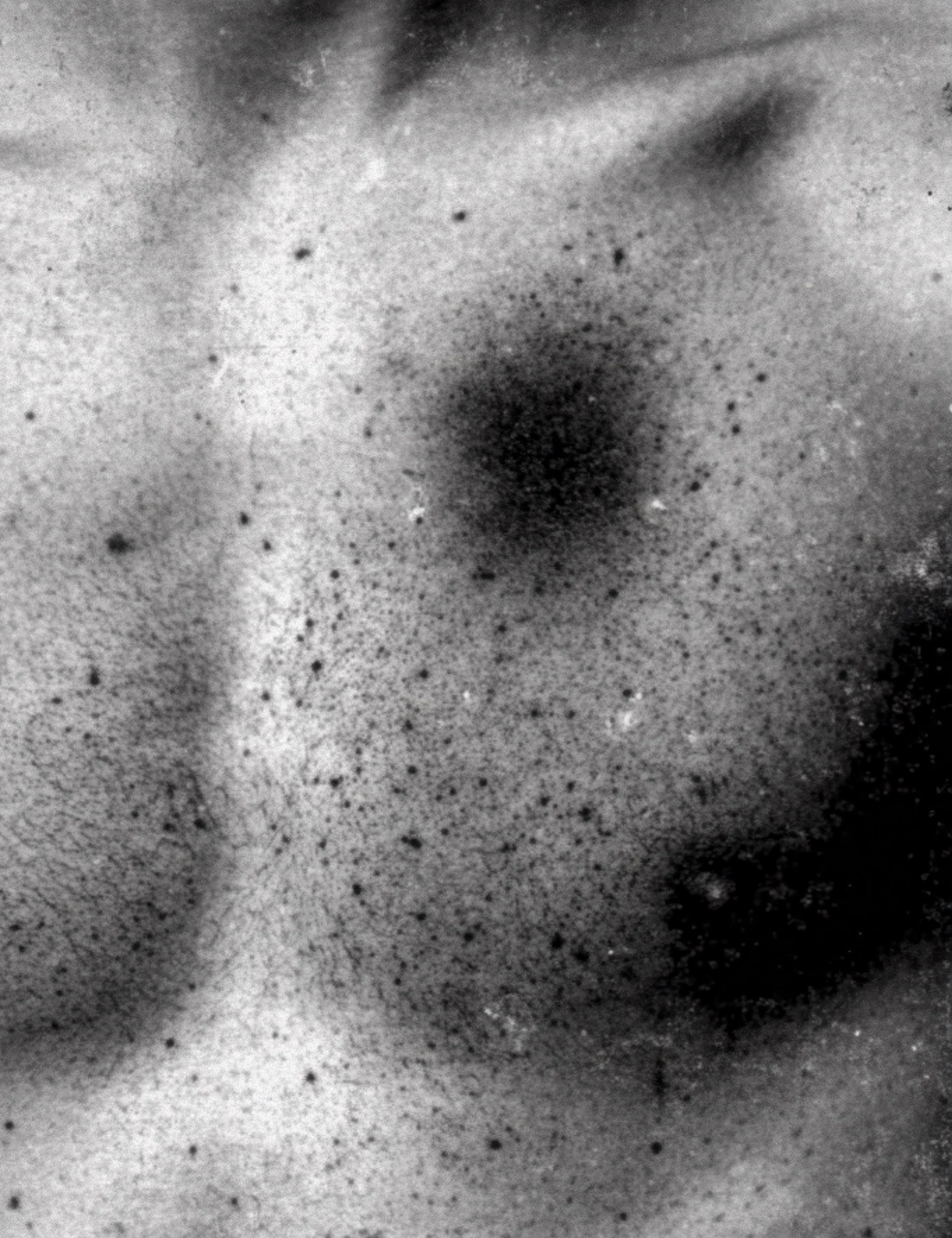
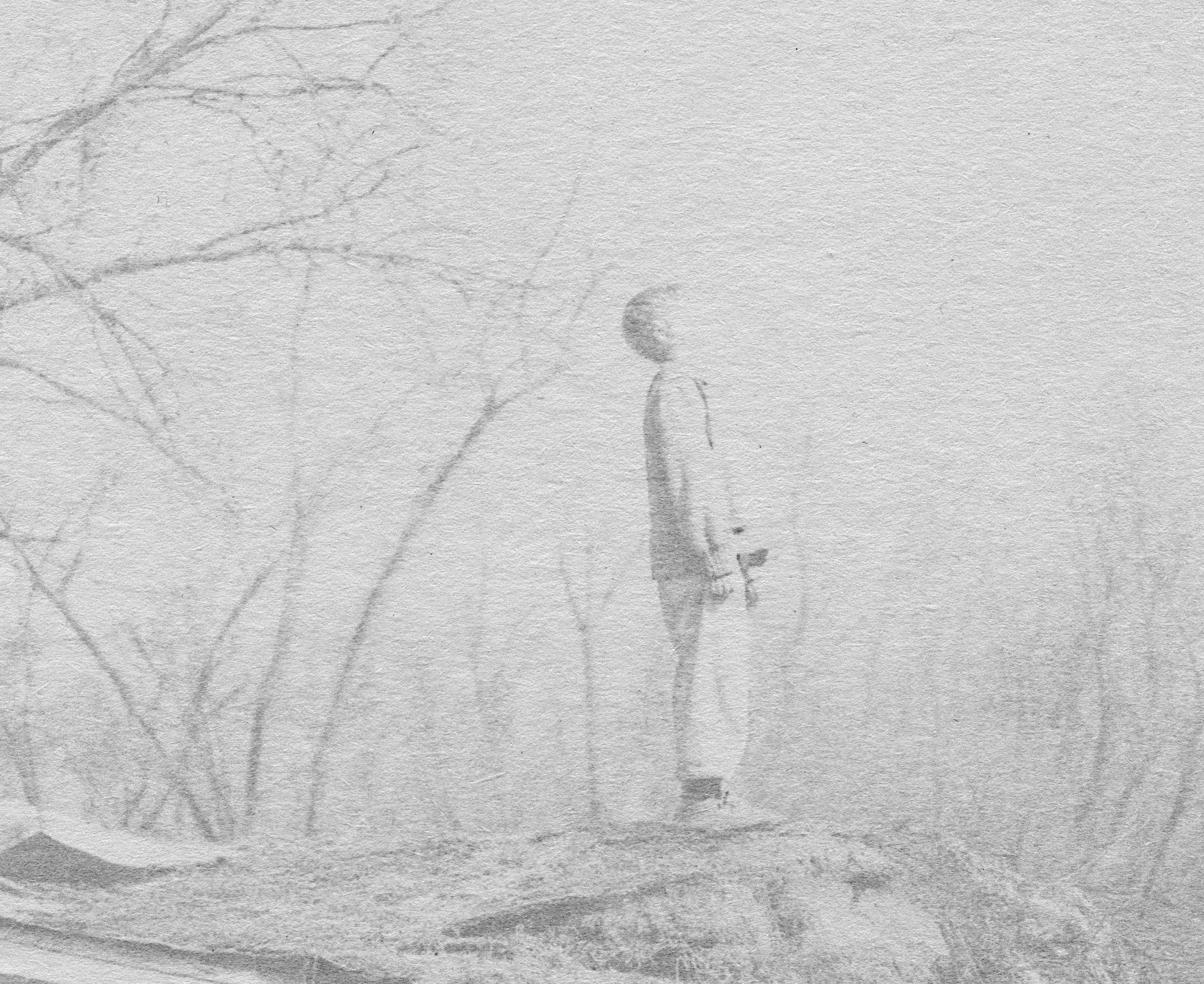
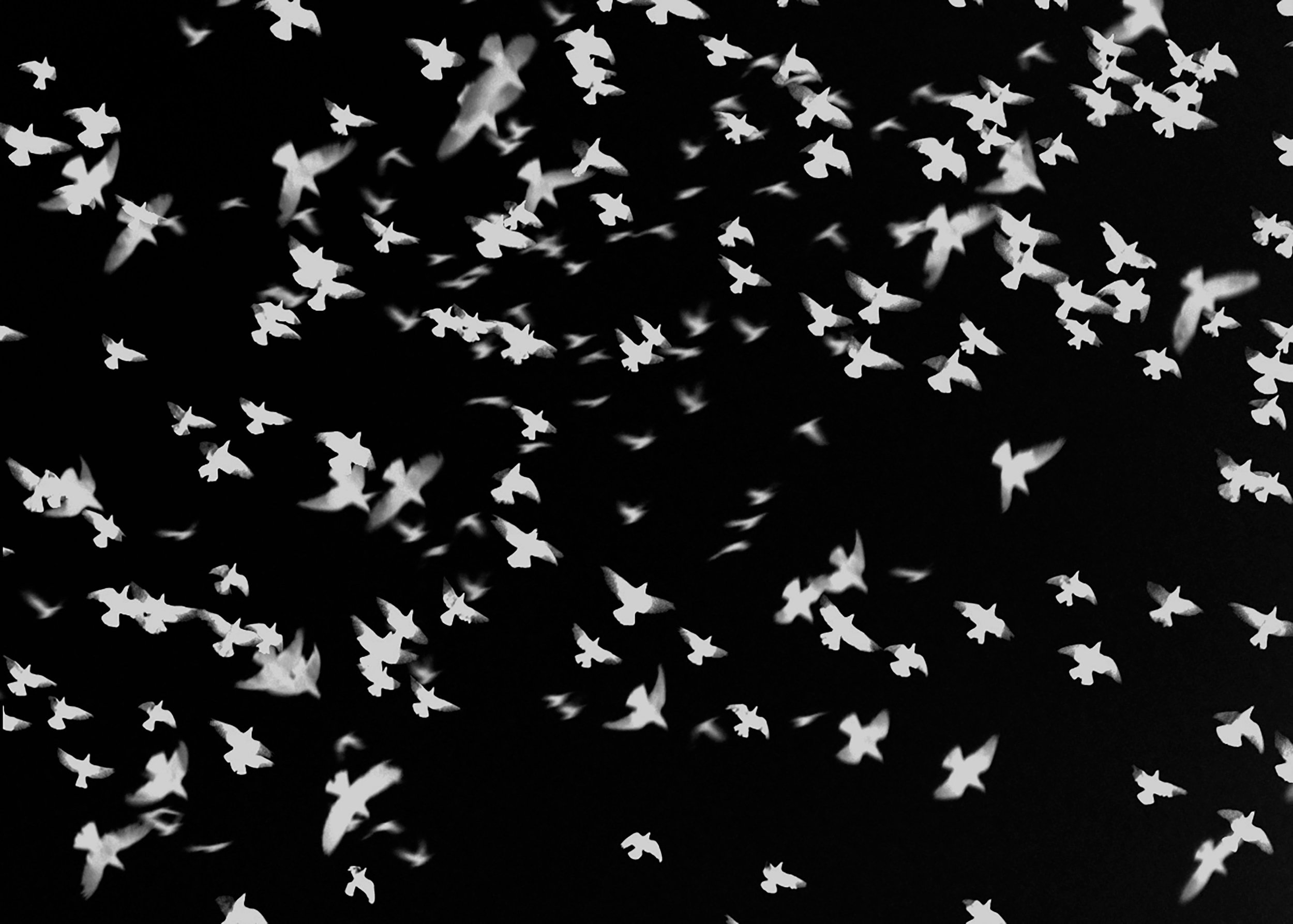
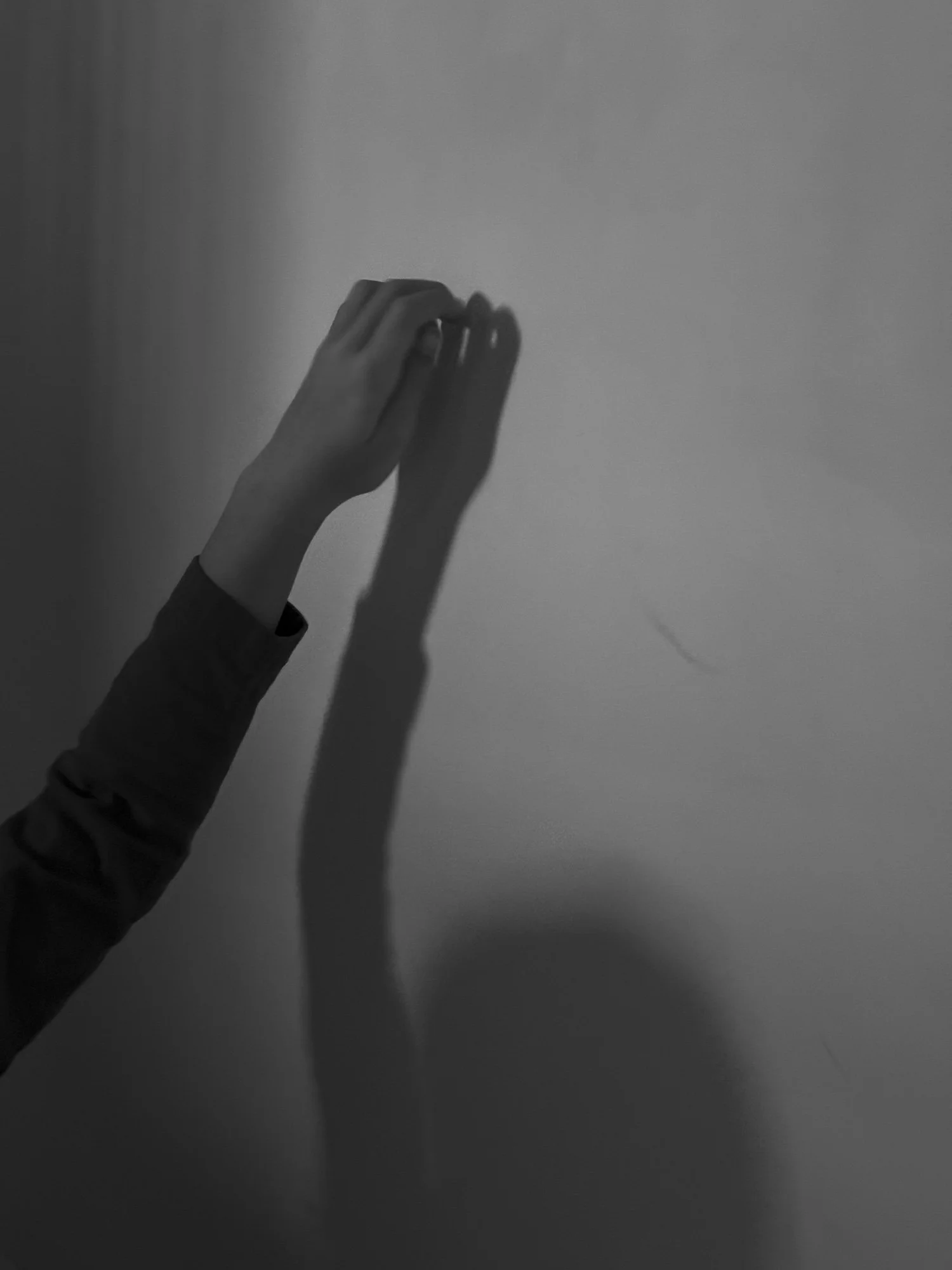
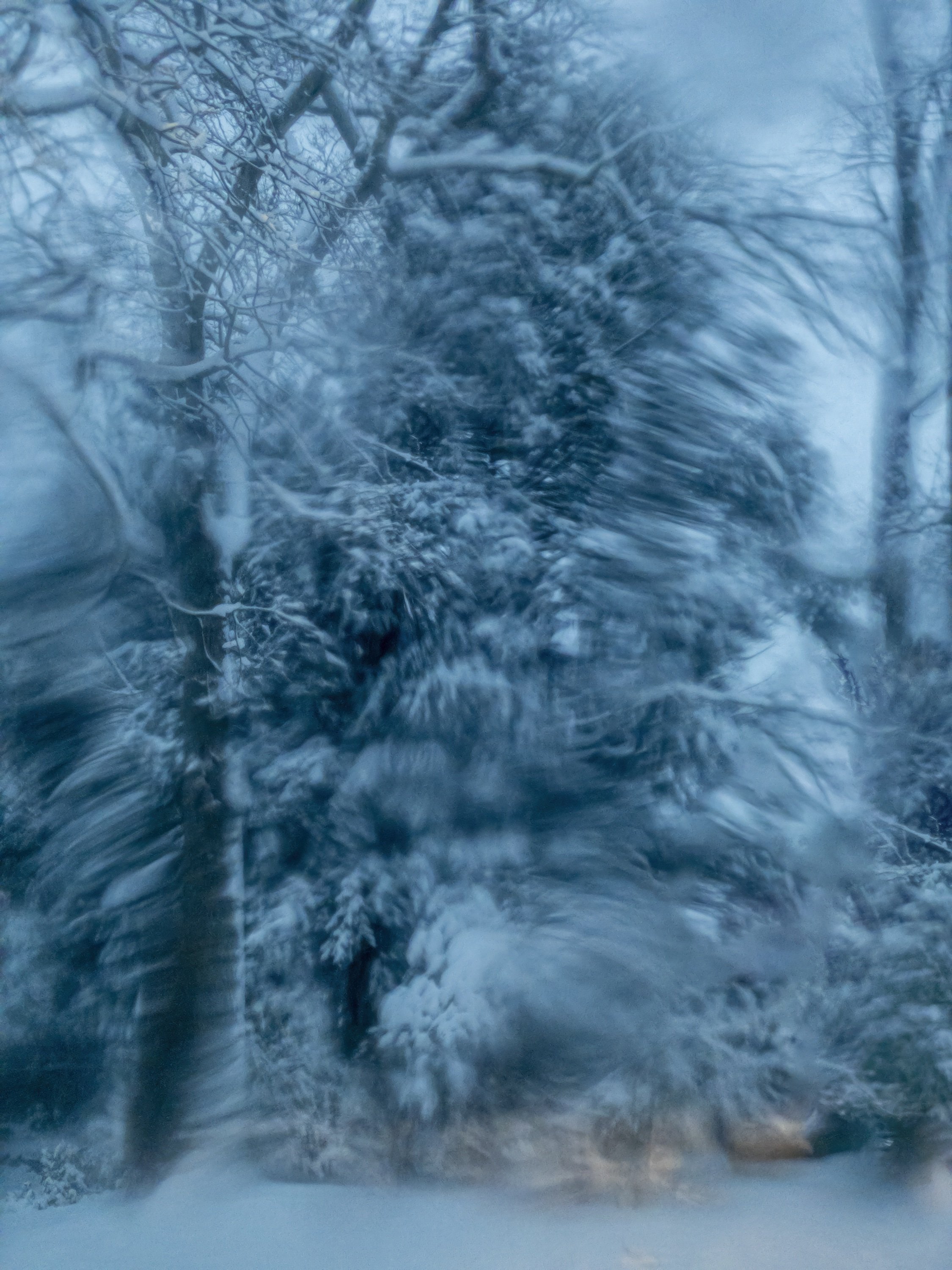
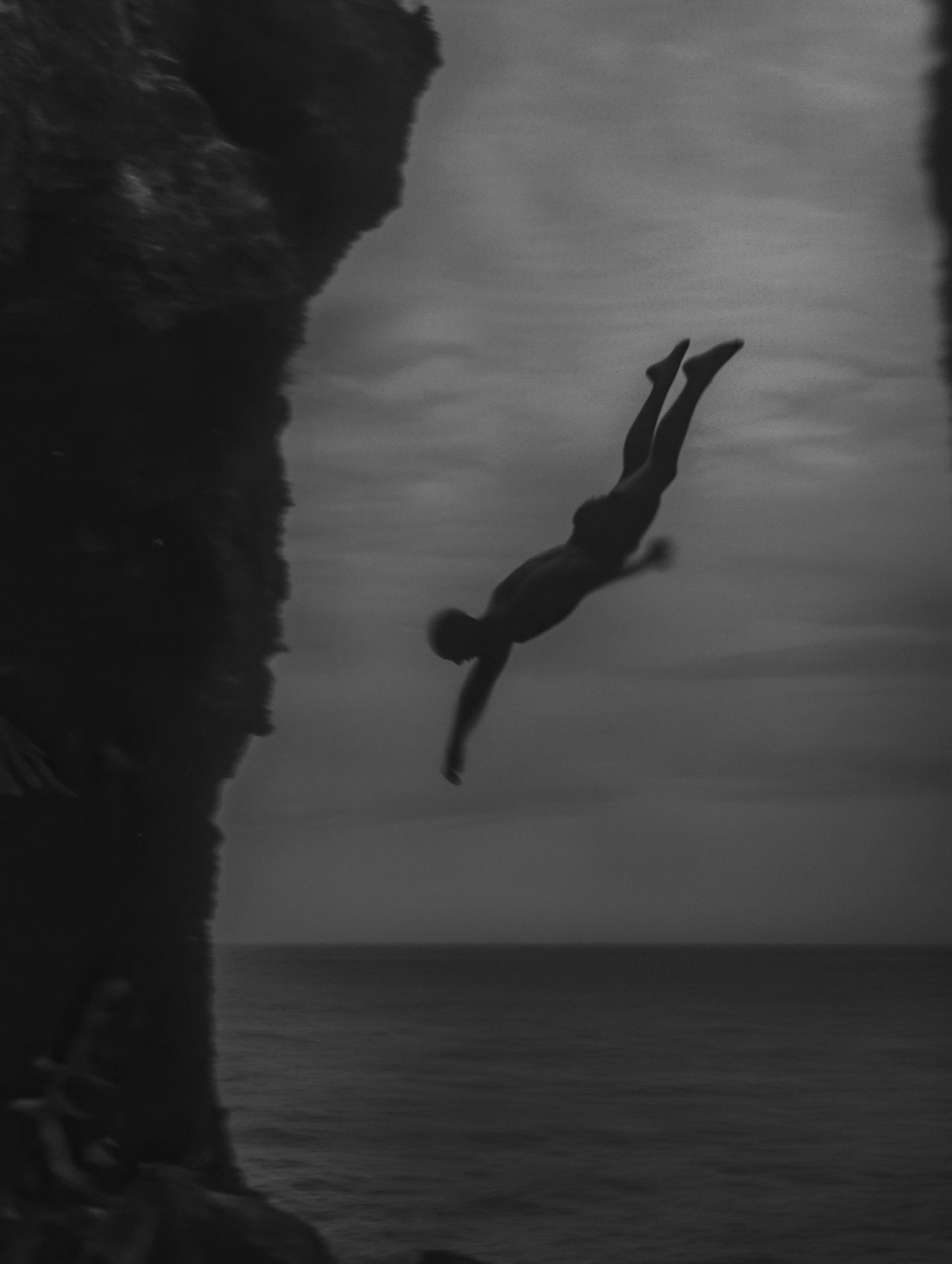
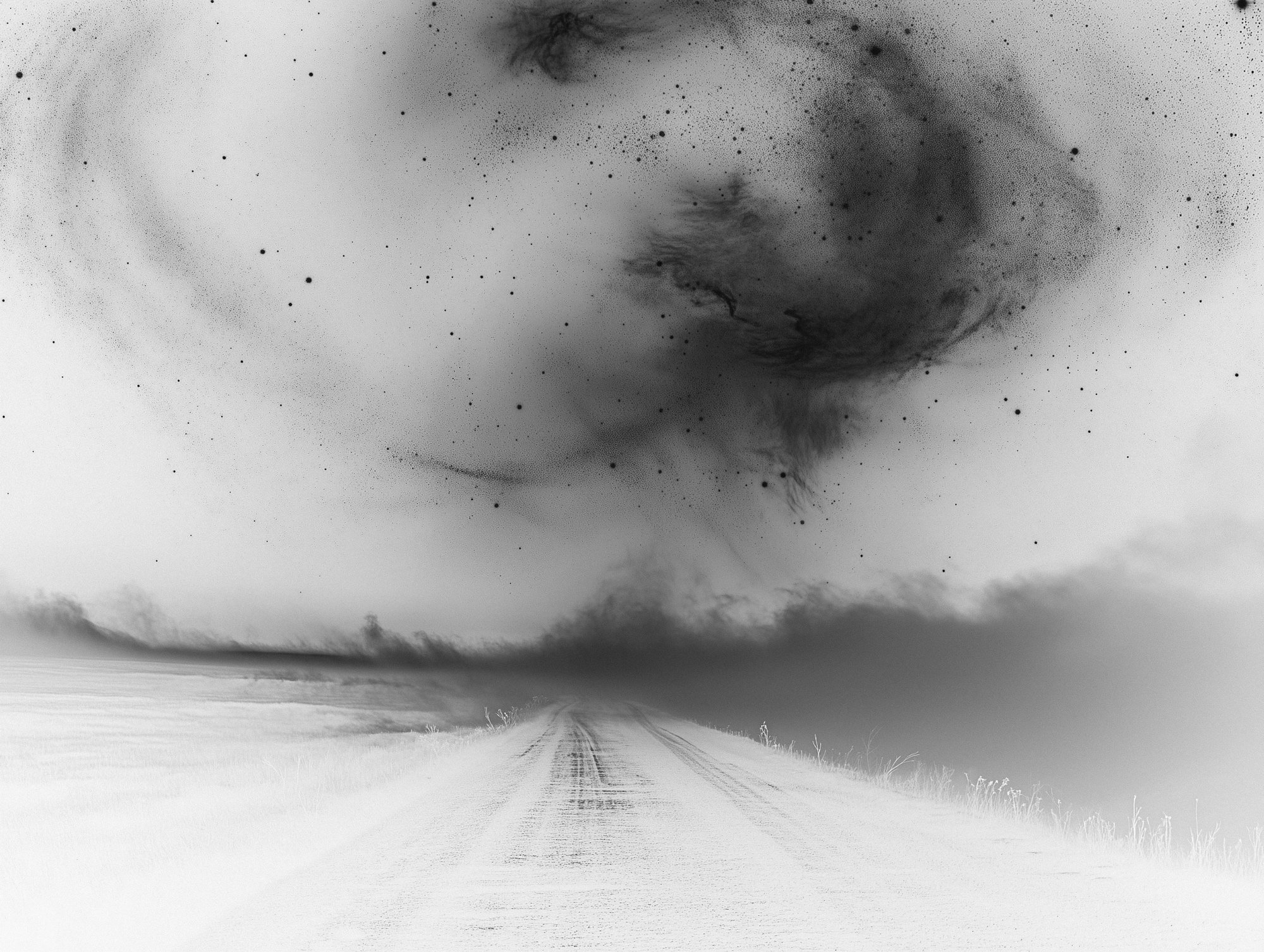
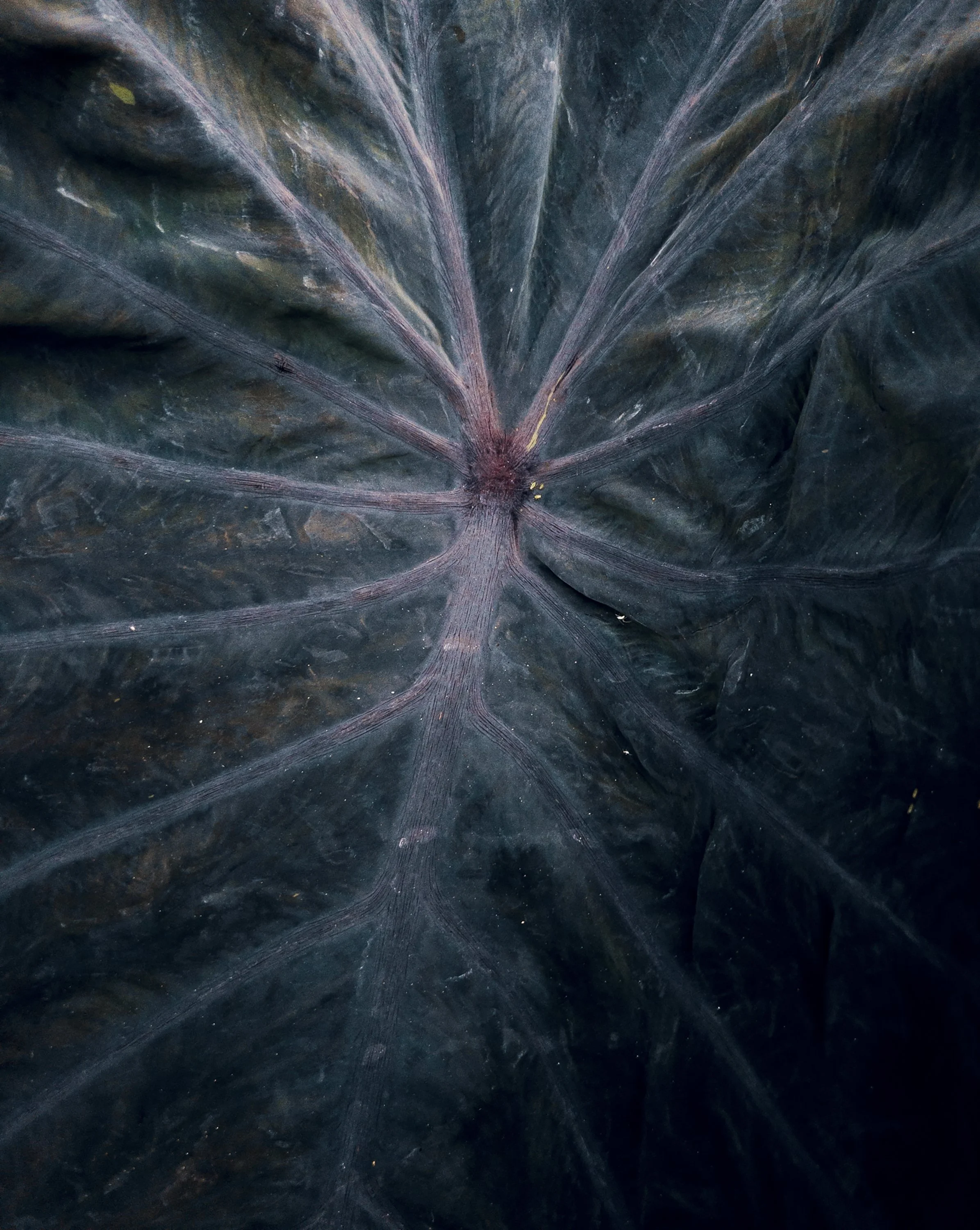
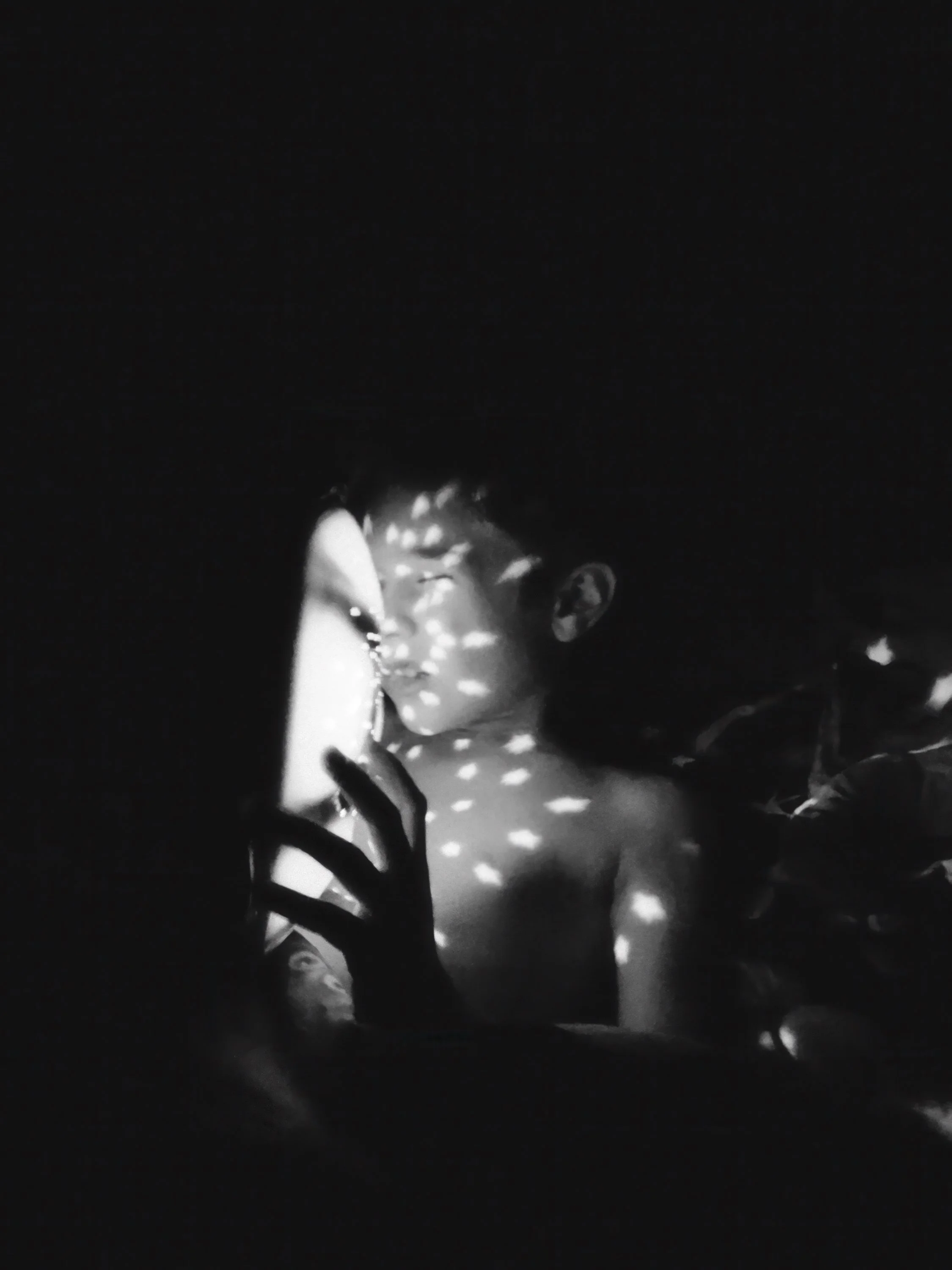
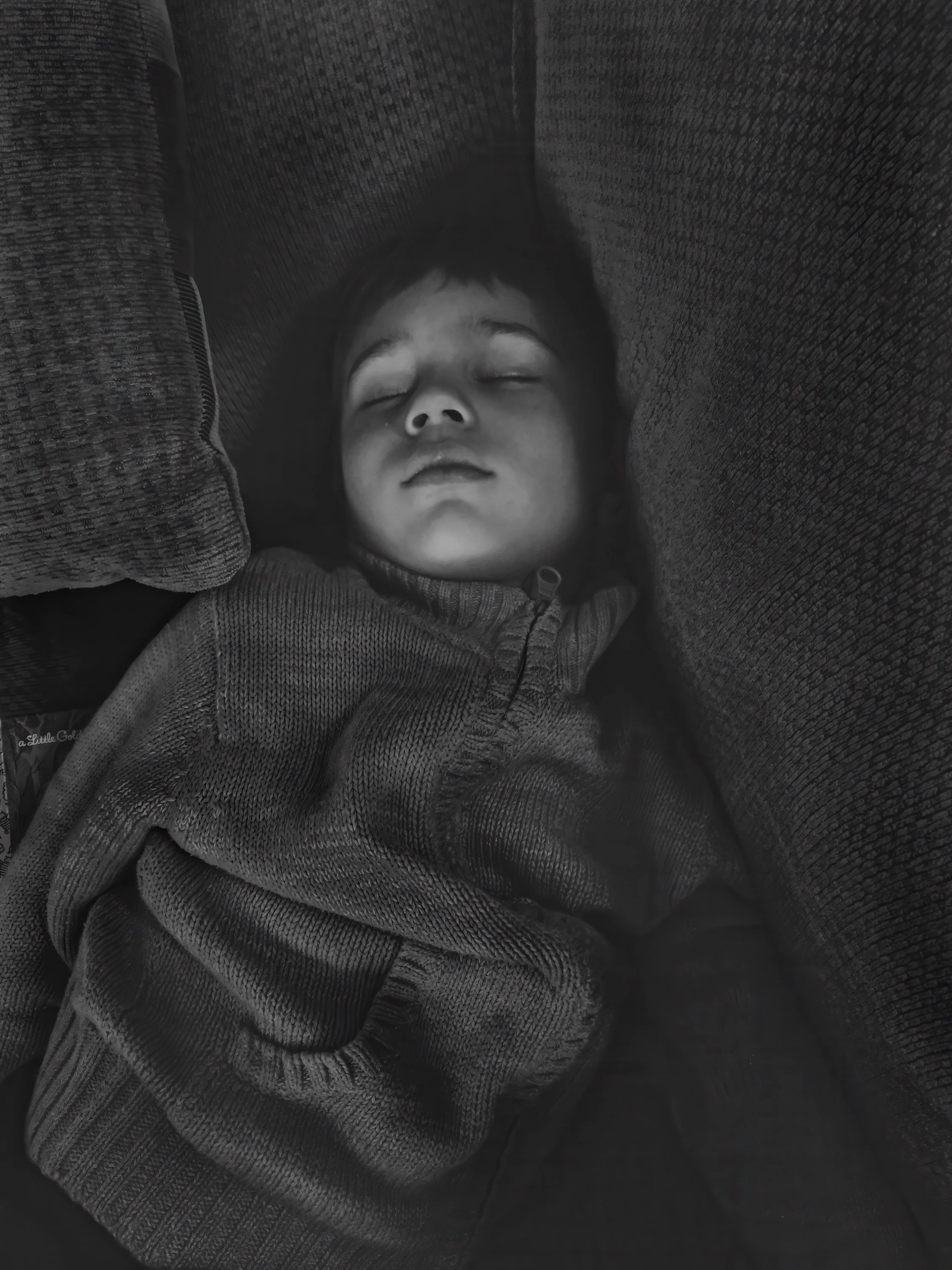
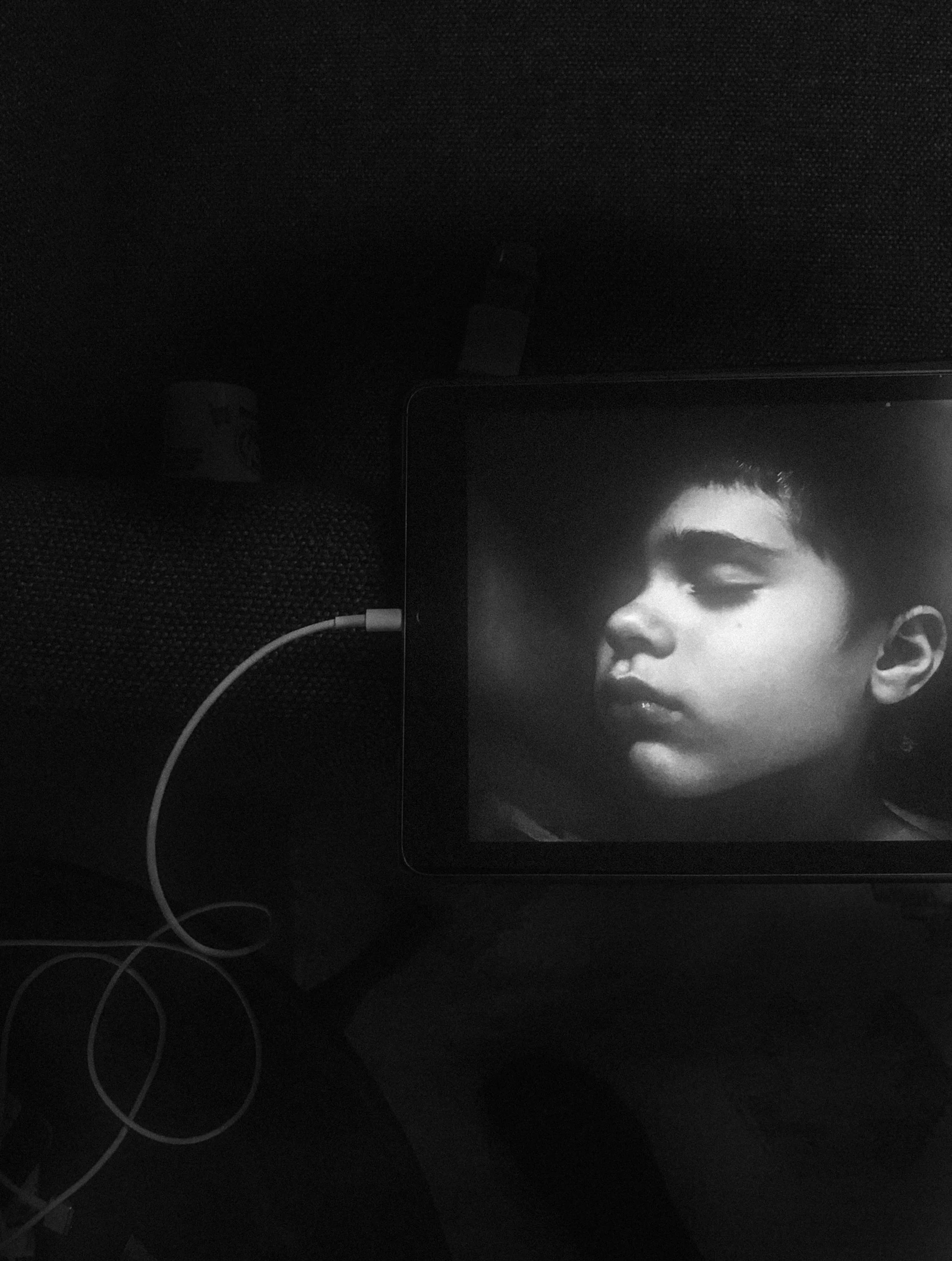
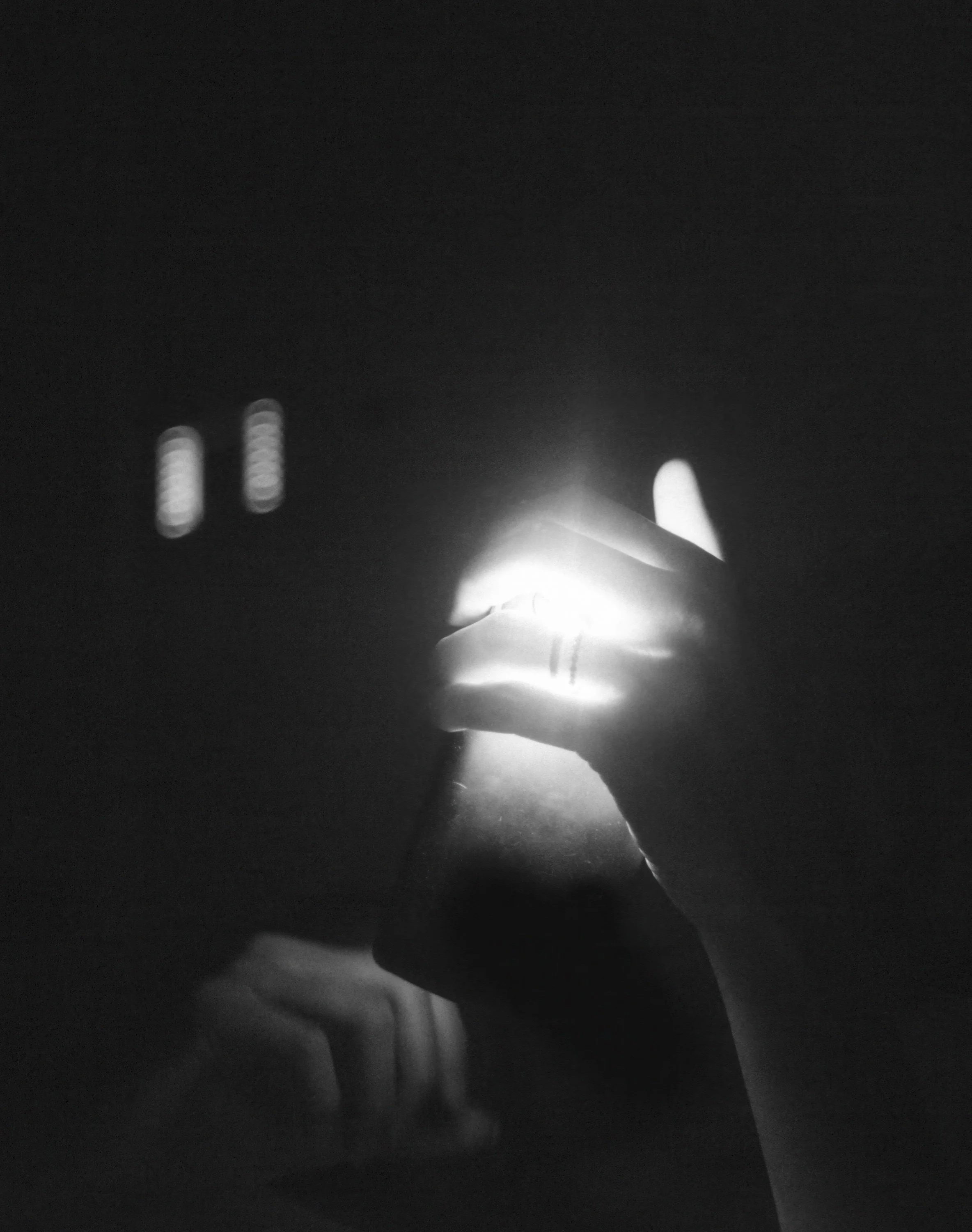
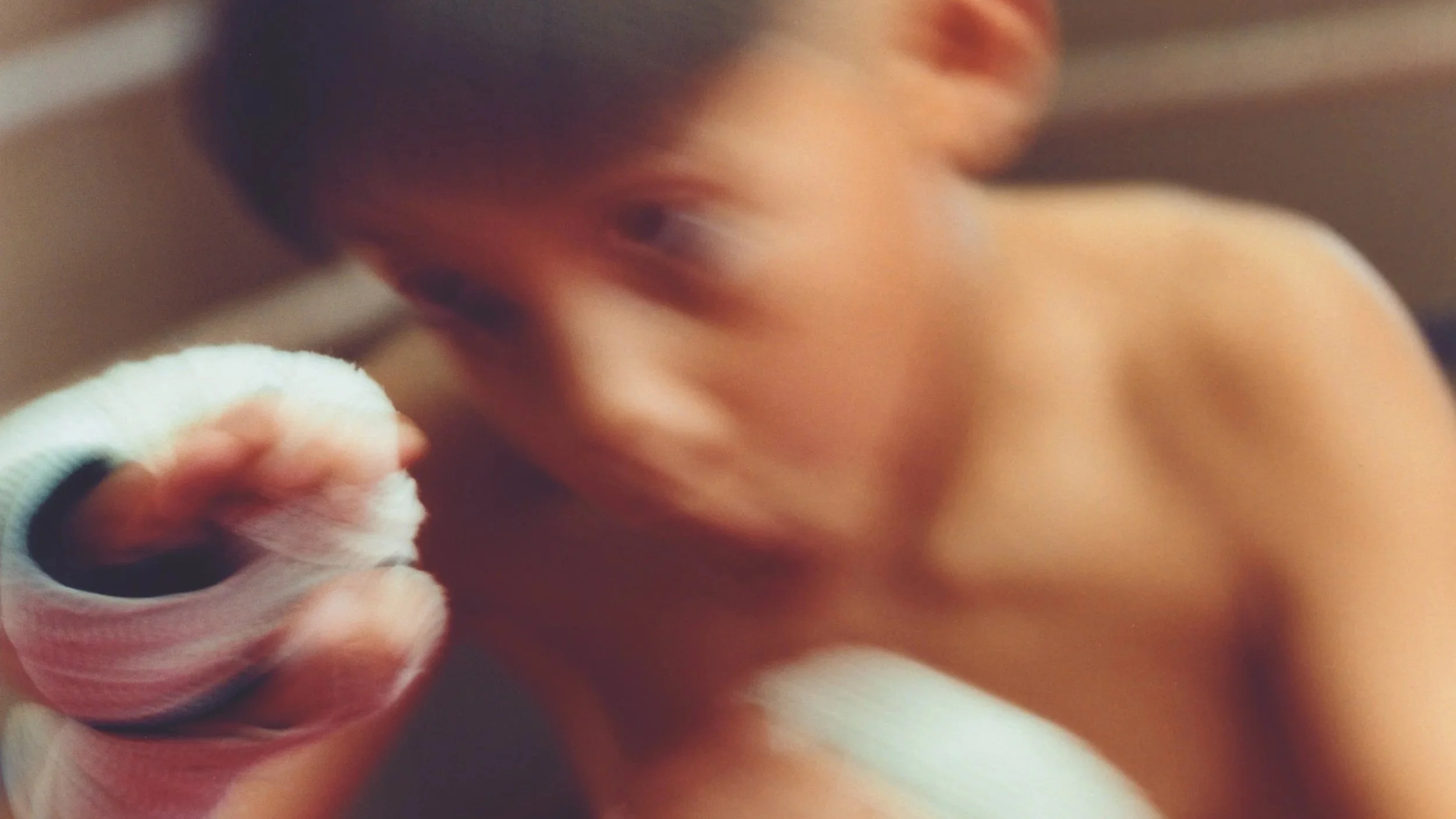
The book combines multiple photographic approaches. Willett uses his own children as stand-ins for his younger self, capturing them in scenarios that represent his childhood experiences. Other images blend traditional photography with AI-generated content, creating collages that visualize the ephemeral nature of memory and healing.
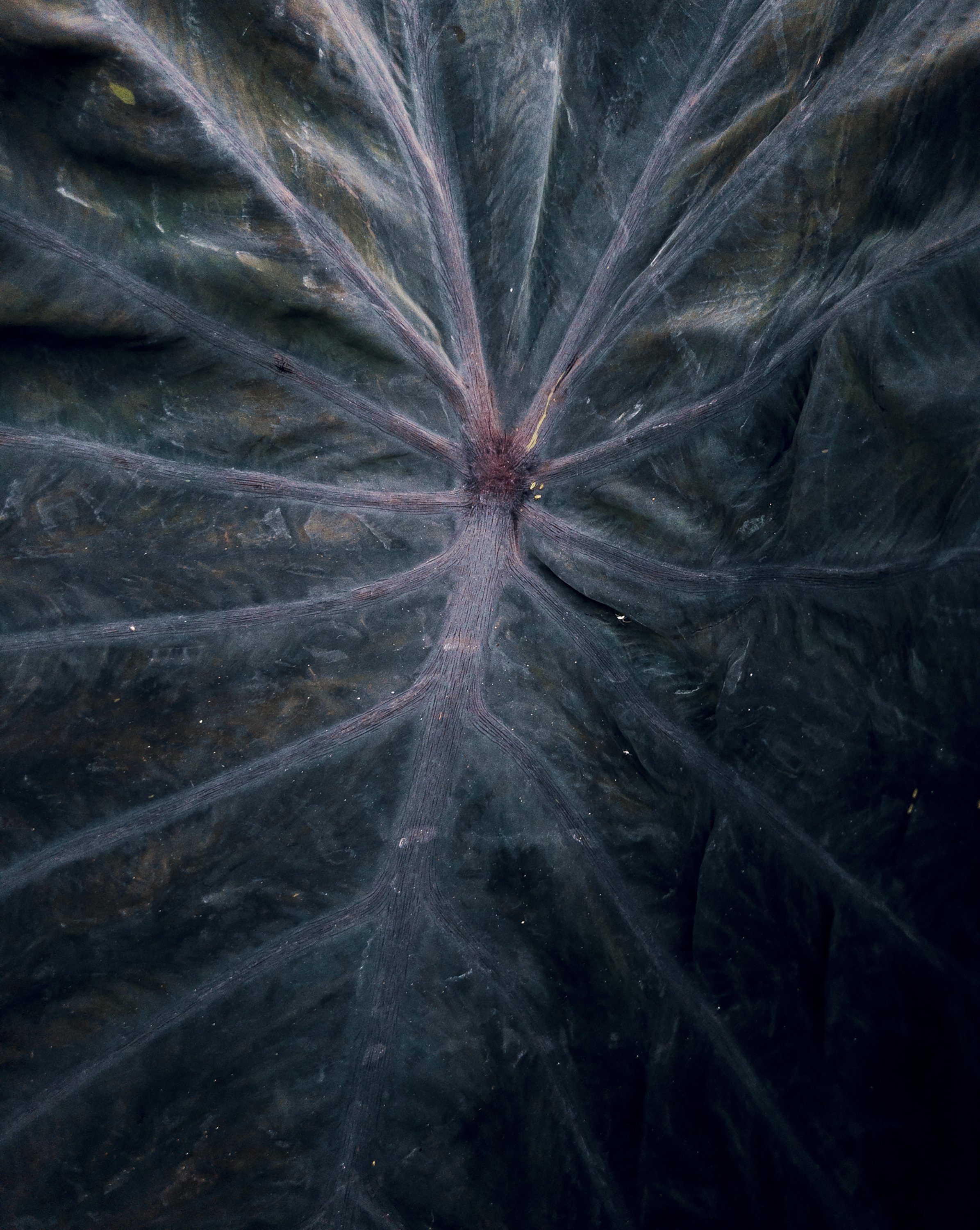
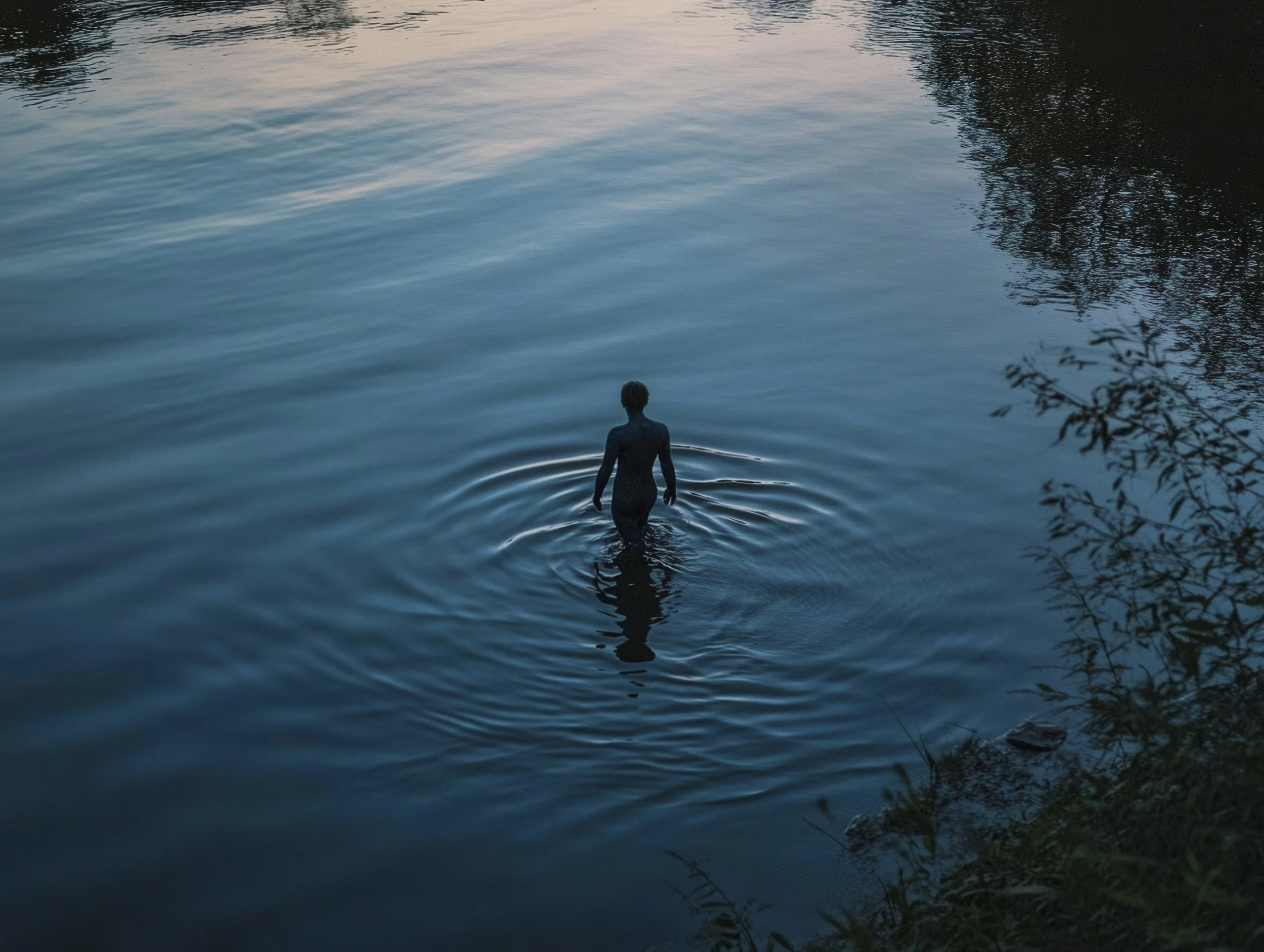
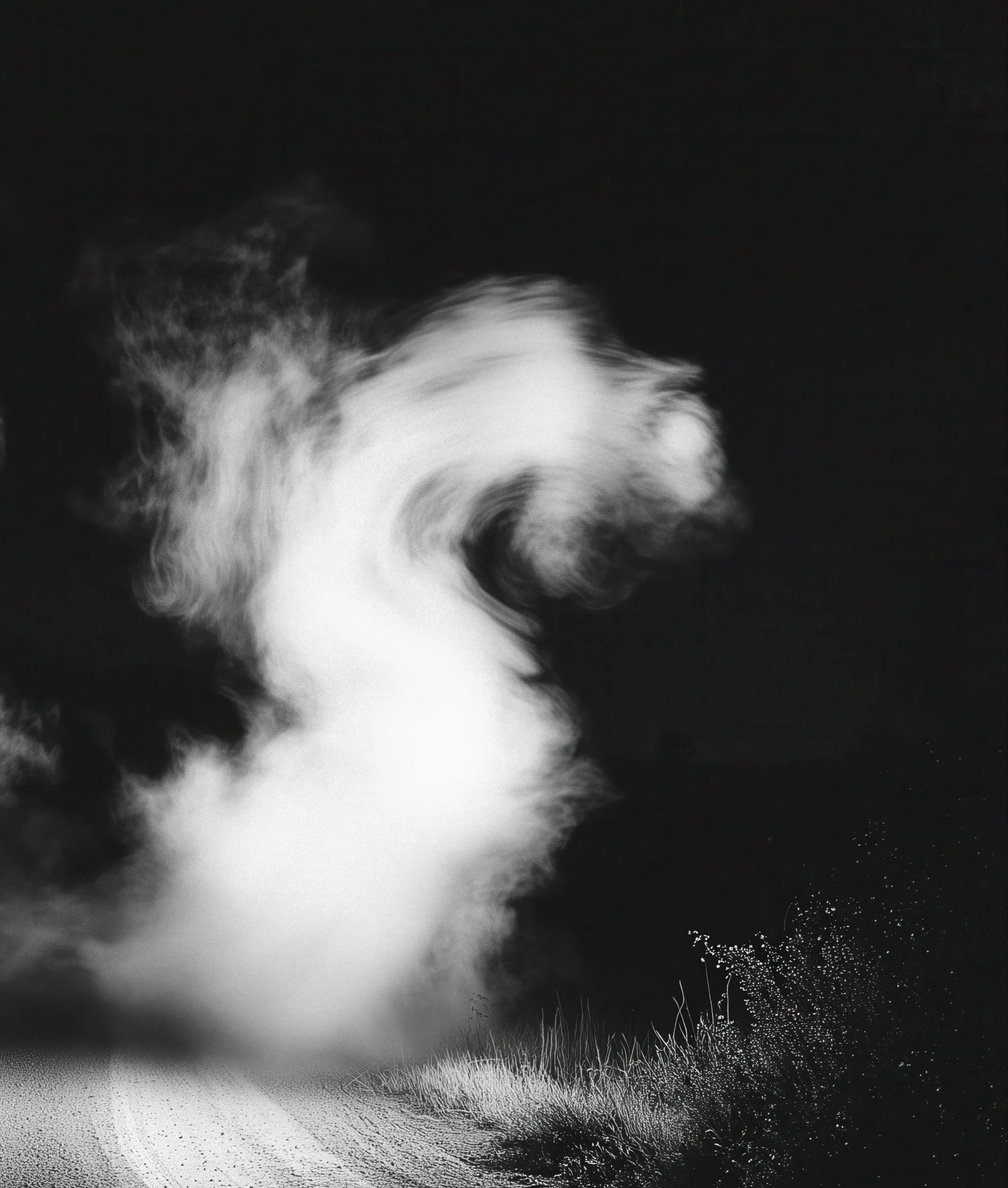
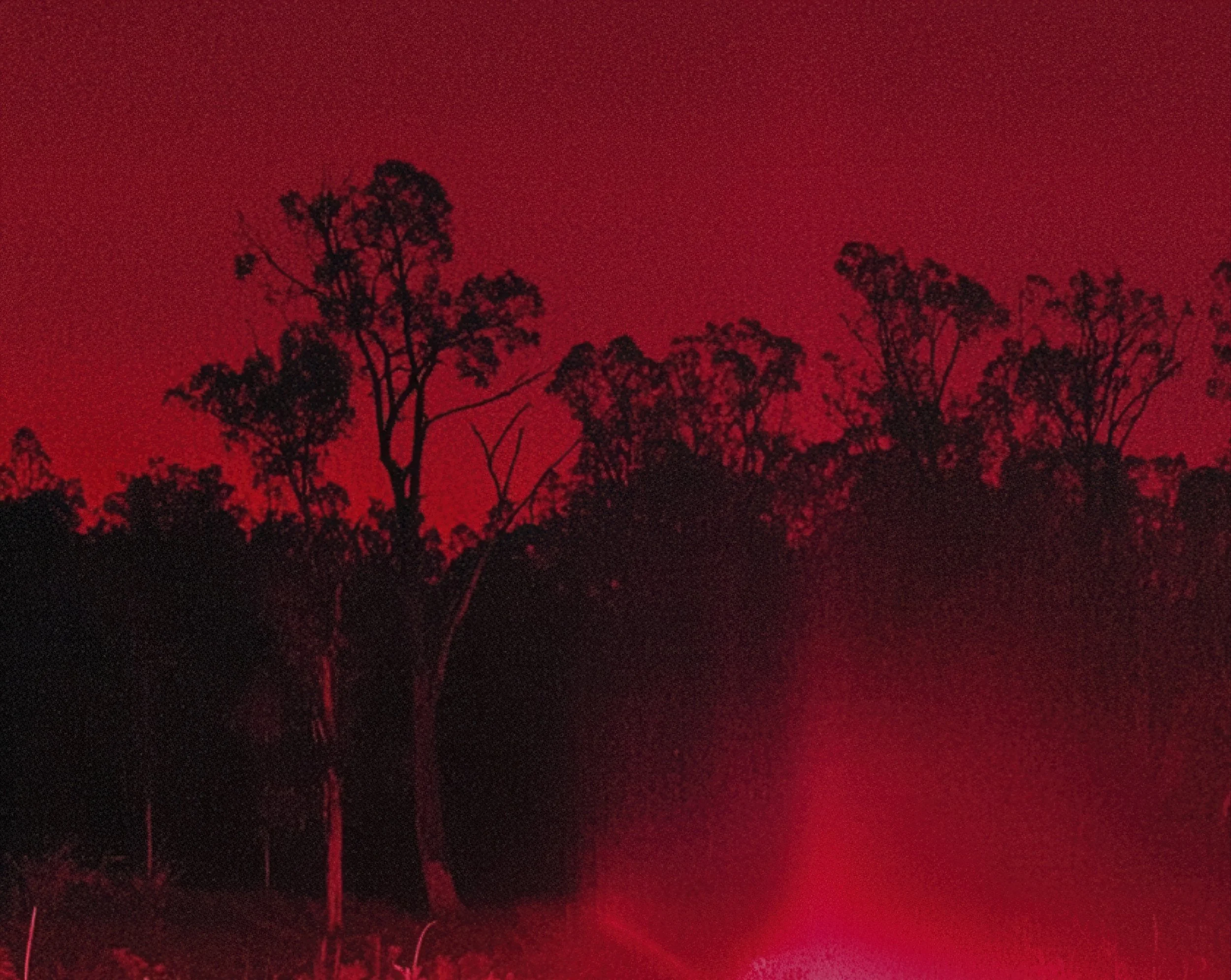
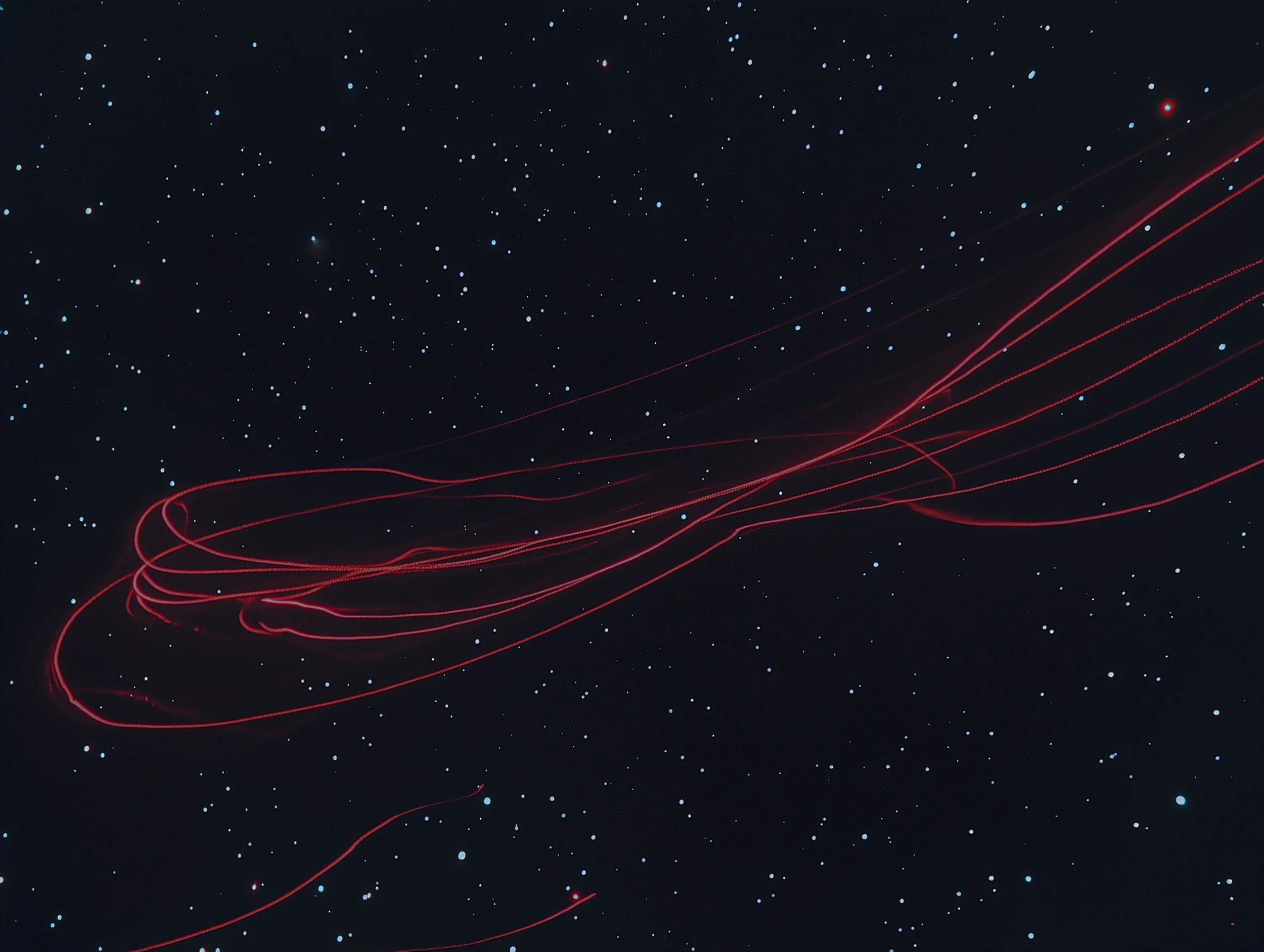
Color plays a significant role throughout the work. Red tones represent the physical body, blood, and material existence, while blue represents the unknown and distant horizons that remain out of reach. This monochromatic approach helps readers navigate between different emotional states within the narrative.
The project aims to reduce stigma around trauma discussion while demonstrating how chronic health conditions can surface buried childhood experiences in unexpected ways. (Dust Collective)
Martin: How did you first get into photography and what drew you into the medium?
Amani: When I was in college, I was studying African-American studies, history, and psychology. My thesis project was on race relations in America, looking at music in America as a microcosm for systemic racism. My thesis was about Black experience in America, the way Black Americans' lives have been limited in mobility. It took me a year of crazy research and lots of time spent in the library. I handed in my thesis and went down to the bookstore and just happened to come across this book called Black in America by Eli Reed, which was essentially talking about a lot of the same issues, but through pictures. I was just so blown away that you could communicate such similar ideas without having to use words at all, but that you could communicate using this visual medium. I was really excited about that. I didn't know what I wanted to do when I left college. So I looked where Eli Reed worked and wanted to know more about him, and he was a member of Magnum Photos. So I contacted Magnum and got an internship there. That's where I started my photographic education really, in the stacks of Magnum Photos after hours looking through all the photographs, all the contact sheets that were there of all the photographers. I moved to New York and started shooting on the streets of New York and that's really how I got started with photography.
What was the most important thing you learned at Magnum Photos?
That's an interesting question. There's so much I learned because I was such a novice at that point. I was really learning how to see. I think that was one of the most important things I learned, learning how to see and that there are so many different ways you could choose to use a camera as a device and that the way that you chose to frame the world was going to be uniquely your own.
I think often we take vision for granted, that we all see the world. We go someplace and we see what's in front of us, and we all have this idea that that's going to be a similar experience. But in reality, what you and I see are going to be very different, and a camera can help really show those differences in our sense of perception.
It taught me how to see differently, to pay attention, and to learn how to frame the world in ways that were unique and uniquely my own vision of the world. I learned not to be afraid of approaching a subject and really shooting towards an idea. You might see something and have an idea of what that could be, something interesting, something worth pursuing, but it's through the process of shooting it multiple times, making multiple exposures and images of the same subject, and moving around it and trying to figure out exactly what it is that is interesting to you about that subject. I saw a lot of that happening in the contact sheets of the Magnum photographers where they would be on a scene and they would take almost a whole roll of film before they got that one that they circled at the end, the frame that they circled at the end as being the frame that was the one that they were most interested in. So to not be afraid to use the camera as a tool for exploration of my lived experience.
If you had to describe your photography or this book to someone who’d never seen it, what would you say?
I'd say it's a visual metaphor for the fragility of life and the ways that materiality and the body can hold that fragility. Experience is that one's experiences carry the weight of your entire existence and that that existence can be manifested in many different ways. It's a visual sort of reckoning of what my experience has been, looking back at my life and looking at some of the ways that medical and trauma have affected my life.
And you chose to manifest it in a form of a photography book, right? Why do you prefer books over, let's say, exhibitions or other formats?
I found that when I went to grad school, the main thing I learned for me was that the book form was the form I was most interested in when I was thinking about my photographs, not photographs in general, but for my photographs specifically. I felt like the book form was the right way for me to think about my images and how I could use them to shape stories that I wanted to tell.
I shoot very intuitively coming from a place like Magnum and that sort of learning environment of shooting like a reportage style or shooting intuitively. But then how do you take that way of working and mould it into something with a lot more intention? For me, I found that it was the book form that was really the place to do that, where you could mould certain ideas into really concrete and intentional shapes and forms. So that's why I chose the book form. I think there's a sense of narrative implied within the form of a book, a sense that when the viewer is viewing the book that there's going to be relationships between images and that there can be a flow that a book can offer. I like that people can pause, they can go back and forth, that it's more permanent than an exhibition.
It's something someone can come back to at different points in their life and have a different experience with depending on where they are in their life. And it's also much more affordable. So I really love the fact that it's accessible in the sense that people might find it in a local bookshop. If it resonates with them, it's something that a lot more people will be able to actually have as their own, if they find it valuable, get something from that experience of being able to have the object themselves. Whereas in a gallery, that's much less the case.
Speaking about books, your three monographs tackle very different subject matter. What connects them for you?
Yeah, they all start from very personal places. They all start with myself and different things that I'm going through. My first book, Disquiet, was a meditation on becoming a father during a time of social and political unrest in America and economic unrest as well. It was a reckoning on what that experience was like. The Disappearance of Joseph Plummer, my second book, was about a hermit in New Hampshire, but my father bought his land 200 years after the original hermit owned that same very land. So it was about landscape. It was about the histories that landscapes hold and about my father's experience and my experience with the land a few hundred years after this other hermit had to live there. Thinking about some of the same motivations, my dad's motivations to own the land were also to sort of escape the world and have a place to be free from society. My third book, the one I did before this, Parallel Road, was about the history of driving in America while Black. I'm Black. My mom's Black. My dad's White. So I could very plainly see the very different experiences that both sides of my family had while living in America and driving as one of the prime examples of the differences that each side of my family had had. Much different experiences in America with my Black side of the family experiencing racial profiling, harassment, and being very completely absent from the White side of my family. So using that as a springboard to talk about an important social issue and one that for me was particularly close to home because of my background.
This book, The Invisible Sun, emerges from a very personal health journey. What made you decide to turn the camera towards this experience?
Well, in my adulthood, there are experiences I had as an early young child, experiences that were pre-verbal, were at a time when I was unable to fully process them, and they remained latent in my body. Then, as an adult, I've had some other chronic health concerns pop up, and those health concerns brought up to the surface the experiences I was having as a young child. So now, all of a sudden, I was kind of experiencing my health crises as an adult as if I were a young kid. My emotional response was as a kid, not as an adult, because I hadn't been able to process what had happened as a kid.
Often, my books just focus on the subject matter that I am most focused on at the time. When I did Parallel Road, it was around the time of George Floyd's killing, his murder. So that subject was really on my mind, and that felt like the right time to talk about that work. With this book, because of the health challenges I've been having, this has been what's been on my mind for the past few years. So this is what feels like it's most important to talk about for me in my work. I really go by having that gut feeling of where my body and my mind are feeling like it's most important to talk about at that moment.
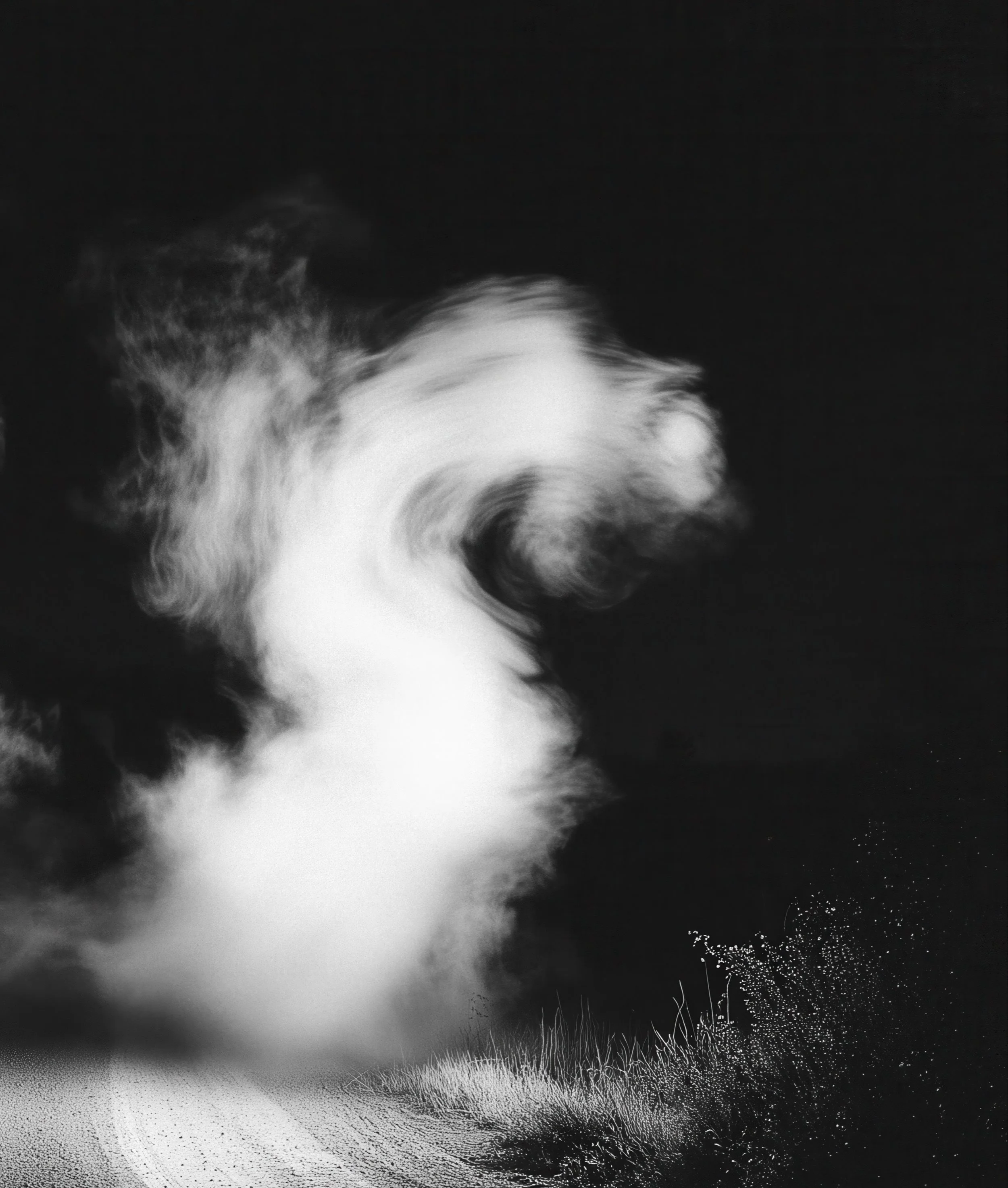
Many photographers explore trauma, but you're doing it while actively undergoing therapy, right? How does that real-time processing affect the work?
It's been really wonderful to be able to express and give form to the visual, express in a visual way the experience I've been having because I often feel like words can't do justice to the experiences that I'm having. So to be able to talk about these things in real time, sort of as I'm experiencing them, is actually pretty useful, I think, because I'm really tapped into the emotional experience. Then I can try to find ways to give voice to that emotional experience. So it's not looking back to a time before the event, but it's actually talking about what I've been going through for a while.
You mentioned in the book using ketamine-assisted psychotherapy, right? Encountering vivid, often unsettling visions. How do you translate something so internal and ephemeral into photographs?
Yeah, it's pretty hard. But that's the challenge and fun of it. I have used a few different strategies in the book. I've used my kids as stand-ins for my younger self in a lot of the pictures. So they occupy a lot of the visions of my younger self.
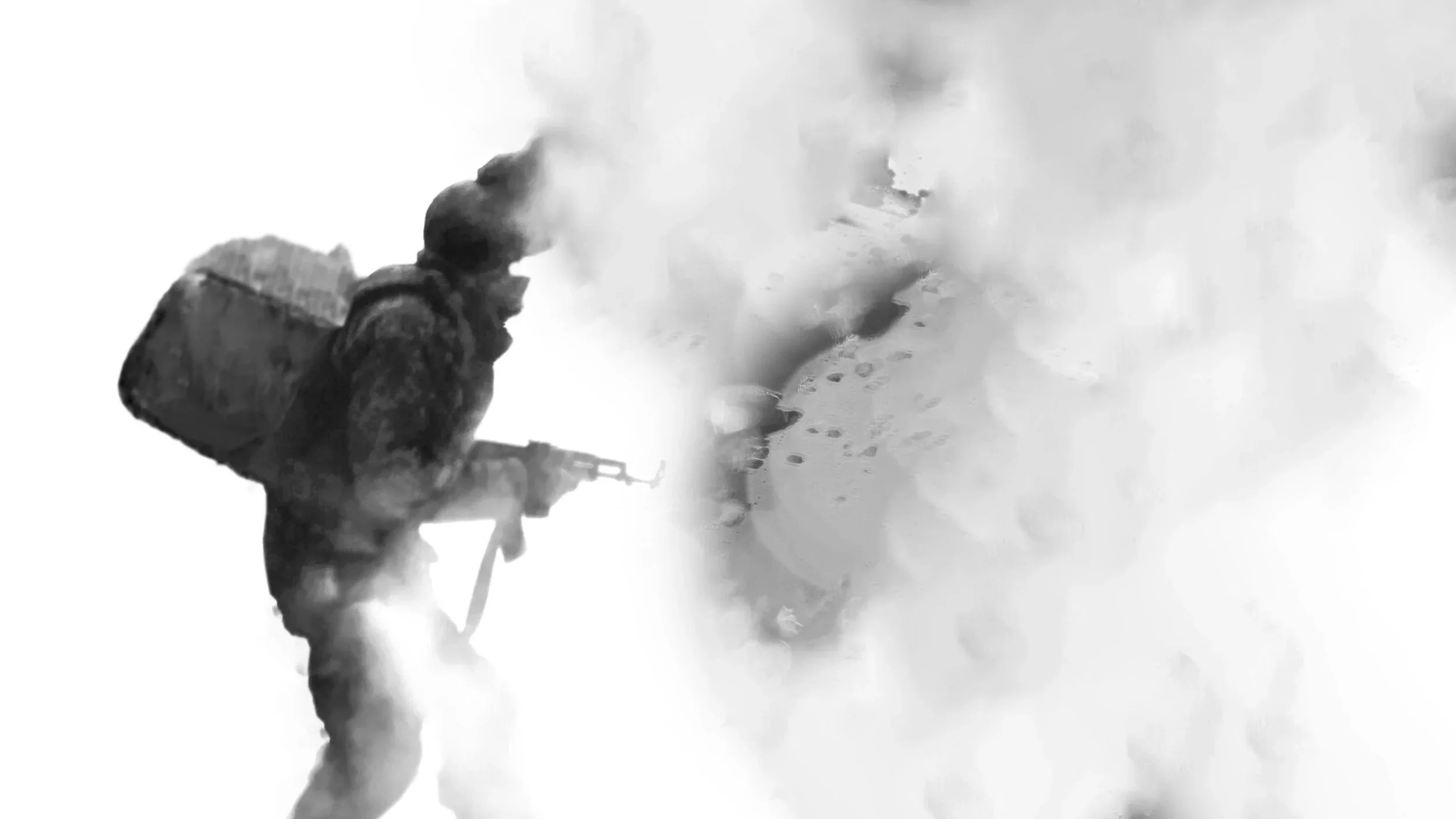
I've also turned to AI image processing. So where I've taken all my journaling that I've done after going through, like, a ketamine therapy cycle. They're filled with so many images. It's incredible. I've been plugging in my journaling into AI to generate images of my experiences under ketamine. So some of the images are combination collages of my images with AI. Some of them are AI. Some of them are visions and recreations with my kids. So it's a mix of different strategies for recreating those experiences.
Some photographers were maybe afraid of AI replacing them. How did you come to this? That you're going to use it to maybe enhance your work? Or what's your view on this whole AI thing at the moment?
Well, yeah, I mean, it's such a new tool, so I don't want to say, I definitely don't have all the answers. I'll definitely start there. But I see it as a tool rather than a threat in the way that I'm using AI and for a person like me who's an artist. I can see how it could be a threat to different forms of photography, like if you're a commercial photographer, that could be a real problem. If you're like a product photographer, some of those jobs may disappear because of AI. But for me, using AI is just another tool in a toolkit. It's like I use, I've used found photographs in my work. It's sort of like using found photographs in a sense, right? But you're actually creating the photograph that many found photographs on the internet.
So yeah, I don't see it as a threat. I see it as an opportunity. I mean, just like we thought that digital imaging was going to change everything. If you look at the Adobe suites of applications right now, they are completely AI-driven now. Photoshop, Lightroom. If you're using those products, you're using a ton of AI.
So whether we like it or not, it's really embedded in our everyday use of the medium already. And we'll continue to stream ahead full speed that way. I'm actually going to teach a course, do like a seminar on AI next semester with my students where we will have like a workshop and just try and use AI, think about all the issues and the complications that it brings up, ethical implications, all the different horrible things that it can bring to the surface, but also some of the promising opportunities that it can offer as well.
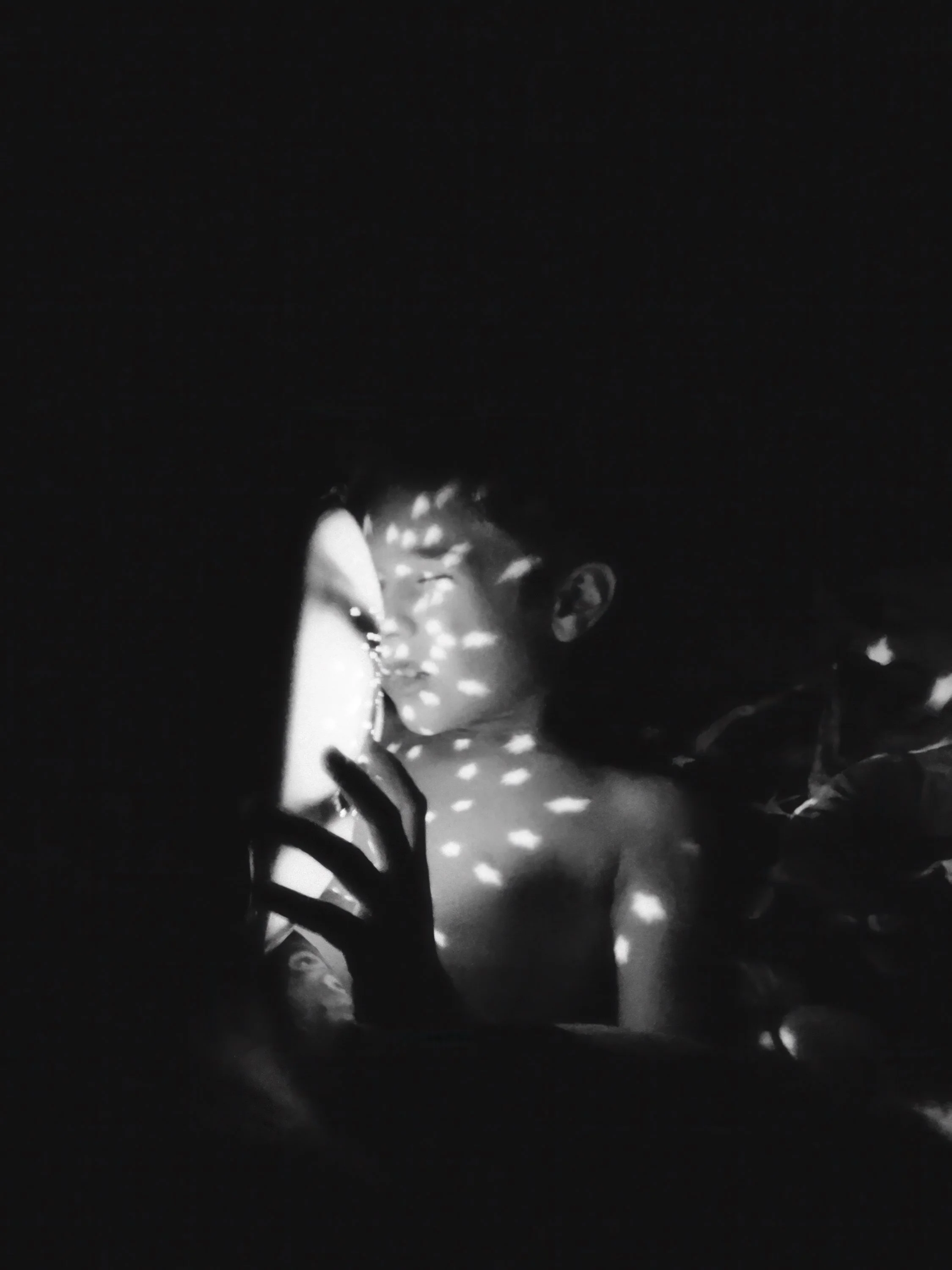
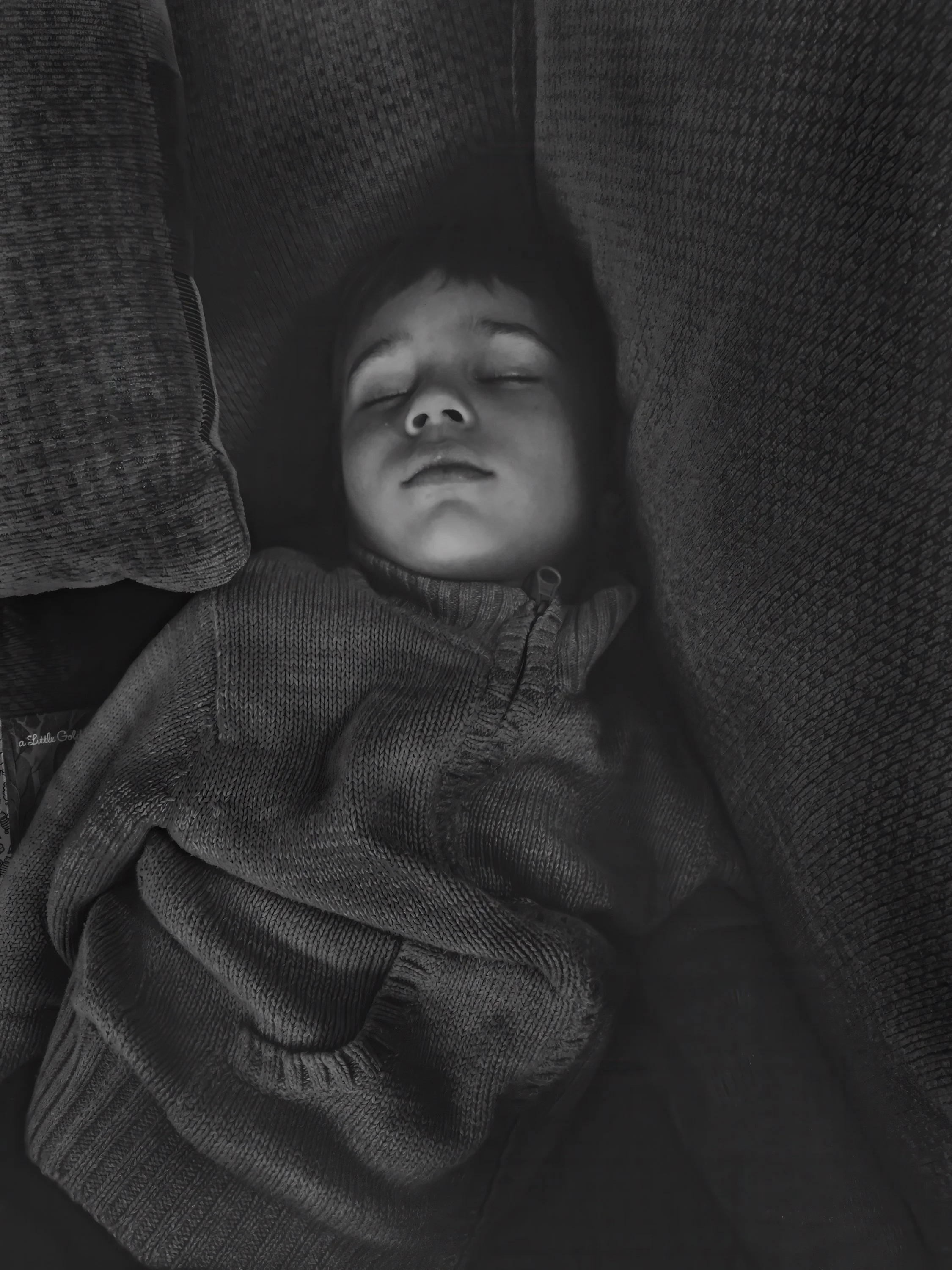
You write in the book about the spaces where the body holds what the mind forgets. How does photography help you access or represent that kind of embodied memory?
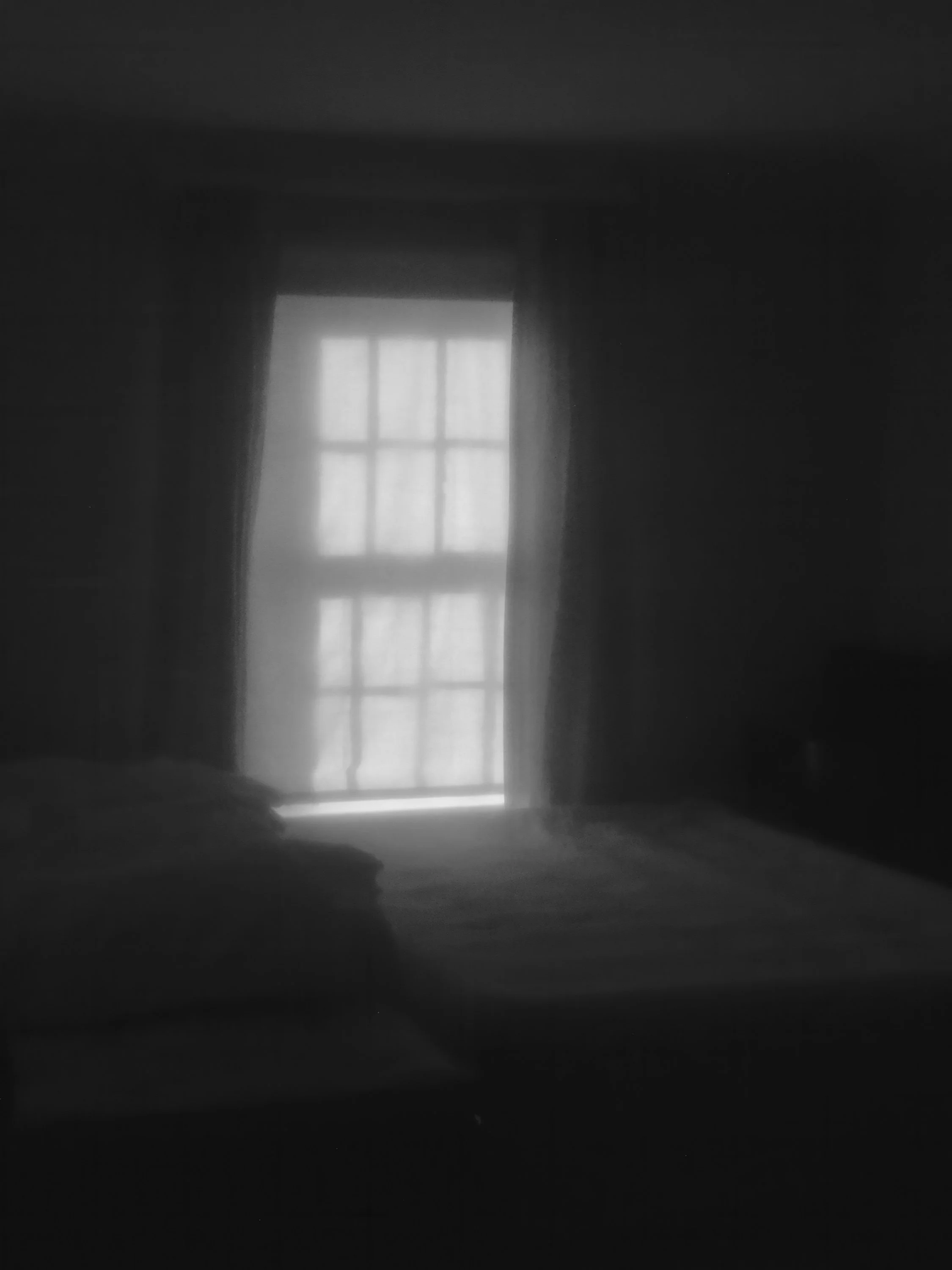
Yeah, well, in the photographs, I'm able to show these sorts of more dreamlike states in a way that I don't feel like I'm a particularly strong writer. My writing's fine, but it's not particularly strong. So I feel like the visual language is the medium as the place for me to do that. So I'm able to talk and show what it's like to be in these states where the body feels a certain way, the body can feel confused and misplaced. I can show that in a photograph in a way that I think talking about it wouldn't do the same kind of effect or do service to my ideas.
You use your children as stand-ins for your younger self rather than trying to recreate actual memories. Can you walk me through that creative decision?
Yeah, it wasn't really so much of a decision because of my training and the way that I learned photography. Everything I do is very intuitive, even though my projects end up being fairly conceptual; they all come through a very intuitive creative process. So it wasn't so much as a decision to use my kids as noticing that I was using my kids in different scenarios and shooting them in certain ways and then realising, oh, what I'm doing here is using my kids as stand-ins for my younger self. It wasn't that I set out specifically at first to do that; it was that I noticed that I was using them that way. So once I noticed that that's what was happening, I was more deliberate about using them as stand-ins, but I still don't collaborate with them in the traditional sense of, like, okay, go stand over in that corner over there and let me light you in this certain way. It's just happening to catch them in certain scenarios and with certain light and paying close attention and making photographs of them when I feel like there's something really generative happening.
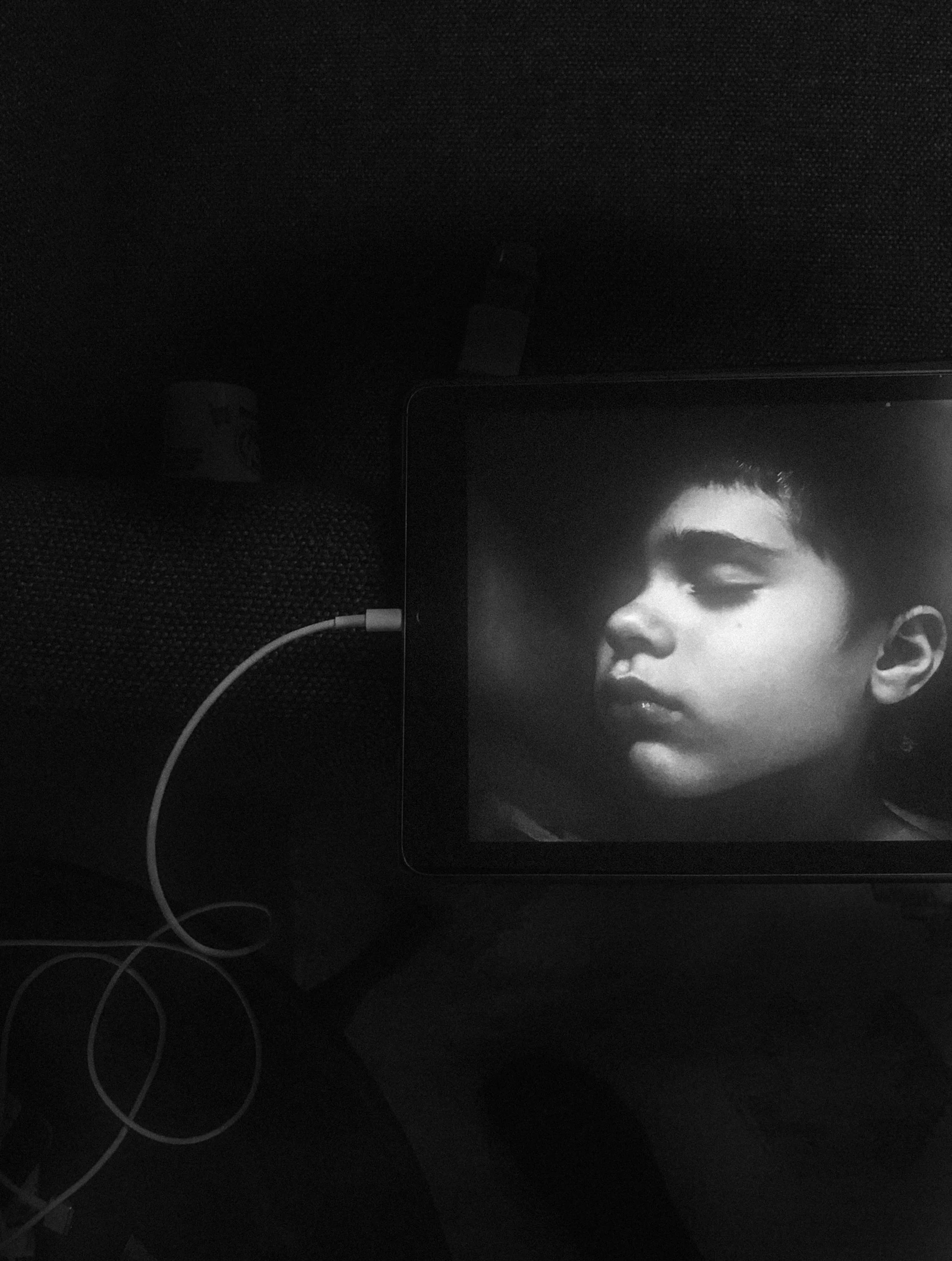
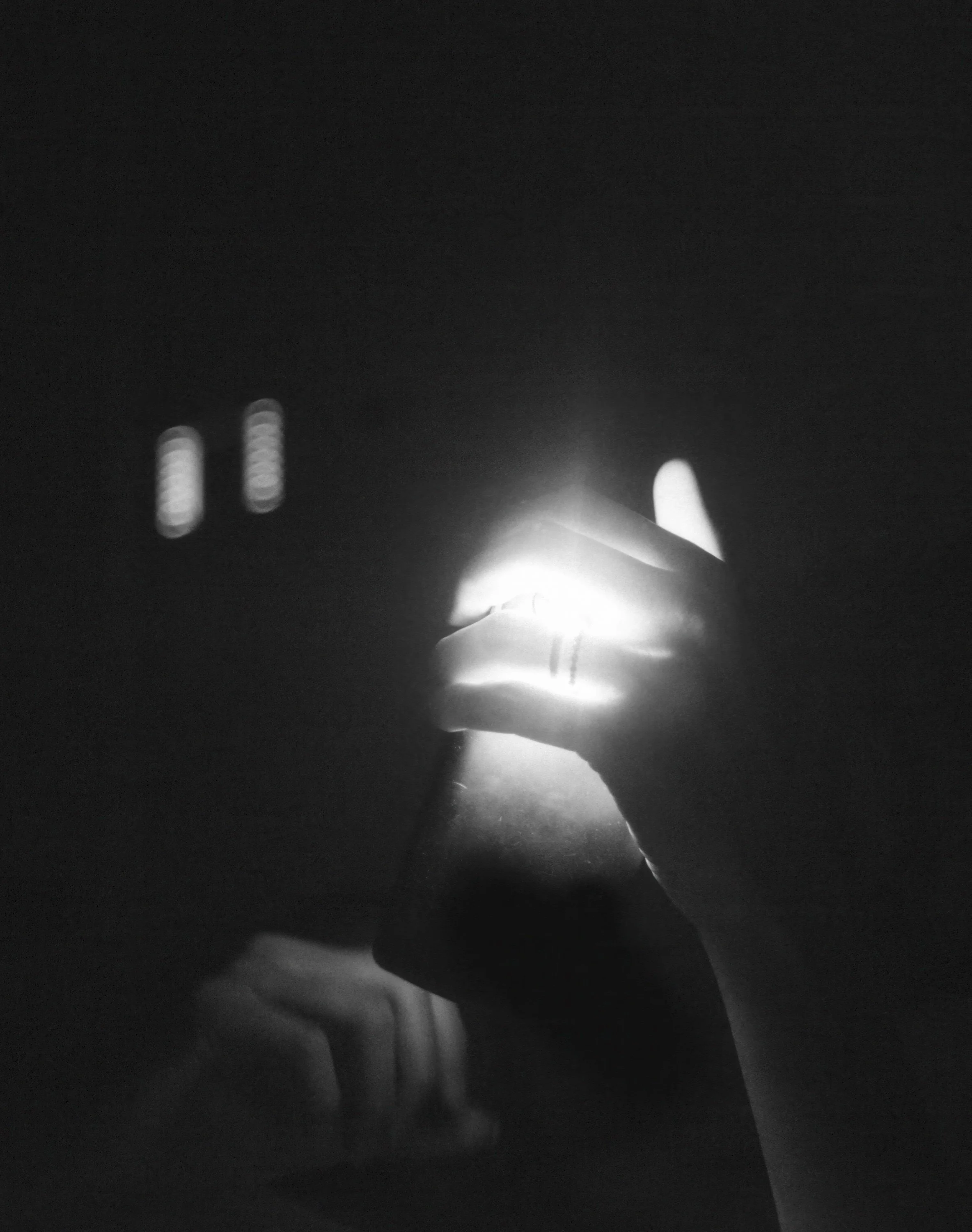
One thing I noticed is that your pictures are often monochromatic, but not necessarily traditionally black and white, but you use a lot of reds or blues. Can you explain why you gravitate towards these monochromatic colour palettes?
Yeah, I don't know that, that's hard. We're drawn to what we're drawn to. But in this particular project, for me, the reds really were indicative of being bodily, pointing towards the body. Our blood is red. There's a lot of fluid in our body that's red. Our flesh is red. So it was talking specifically about the material nature of our body. The blue is, I think, pointing to both the blue of the unknown. The blue can represent, like, a sort of, Rebecca Solnit writes about the blue of distance and the sort of unknown horizon that you can never quite reach.
To me, it's sort of about that longing and that desire to locate this horizon that you see in the distance, but you can never actually obtain. That blue is often seen in the early morning or the late afternoon towards the evening. I think that's most of the reasons that you see a lot of blues and reds in the book.
There is a quote, I believe, from T.S. Eliot about “showing fear in a handful of dust.” How does poetry or literature reference inform your visual thinking?
Yeah, that's a great question. I found that photography is wonderful, but it has its limitations. And writing is wonderful as well, but it also has its limitations. But in combining the two in various ways in my projects, I found that they can inform and help build each other up. So the writing can fill in the spaces that pictures cannot fill and vice versa. Pictures can fill in the spaces where writing falls short. But in terms of informing, I think often I can read a passage, like I said, I think I'm no amazing poet, but when I read an amazing passage of poetry, it can really live in a creative sensibility within me and give me ideas about what I want to pursue. So I would say reading and poetry, reading prose is a part of my research. It not only helps me understand what I want to photograph, it helps me to feel creative and gives me ideas about how to go about photographing what I want to photograph and the mood, textures and all the ideas about what I want to try and portray with the images.
Do you think there is something you're doing technically or conceptually that you haven't seen other photographers attempt?
Well, I think we all have our own stories to tell, and no matter if they have some visual form that's similar to what other people have done, it's still going to be slightly different because it's your own take on a story. It's like, if you try to copy a photograph, you're never going to get it quite like the original. You're always going to bring something from you to that photograph. So am I doing. I don't want to stand here and say that no one's ever done what I've attempted because I don't think that's the case. But I do think I have a particular visual language that works across all of my projects, which is about weaving together different types of photographs to get at certain ideas in ways that are maybe unexpected and not always seen as the expected ways that you'd expect to see an idea presented. I really like that. Showing something that can have also a sequence of photographs that can also have more meanings than one, right? Like this book is about what we've been discussing, about trauma, about chronic health conditions. But for someone who maybe doesn't read the text, it can be about something else entirely for them, and the meaning could be different. I would really like to create works that have that sense of being open-ended enough that people can bring their own lived experience to the work and really experience it for themselves and have the work be for them in some special way.
What do you hope someone takes away from this work beyond your personal story?
If they read the statement and they do get into some of the ideas in the book, the themes of the book are that trauma is real. It's something that we shouldn't be afraid to talk about. That the way it affects many people in their lives is something to be taken seriously, and that hopefully it helps to take away the stigma of people having issues with trauma and the way it affects their lives.
Martin: Alright, that's wonderful. Thank you very much.
Amani: Yeah, thank you very much. I appreciate the time.
Editor’s note:
Amani has kindly clarified two small details about The Invisible Sun. The project was informed by several months of intensive ketamine-assisted therapy, though she is not currently in treatment. Most of the images in the book were made traditionally, with only a small number created using AI and a few combining AI with her own photography.
— Martin Kaninsky, Editor, About Photography
To discover more about this intriguing body of work and how you can acquire your own copy, you can find and purchase the book here. (Dust Collective)
More photography books?
We'd love to read your comments below, sharing your thoughts and insights on the artist's work. Looking forward to welcoming you back for our next [book spotlight]. See you then!
Robin de Puy could no longer make this project alone. She first photographed Randy in Ely, Nevada, during a 2015 road trip and kept returning to him for more than ten years. Interviews