What Happens When You Remove The Face From A Portrait And Force The Viewer To Fill The Gap
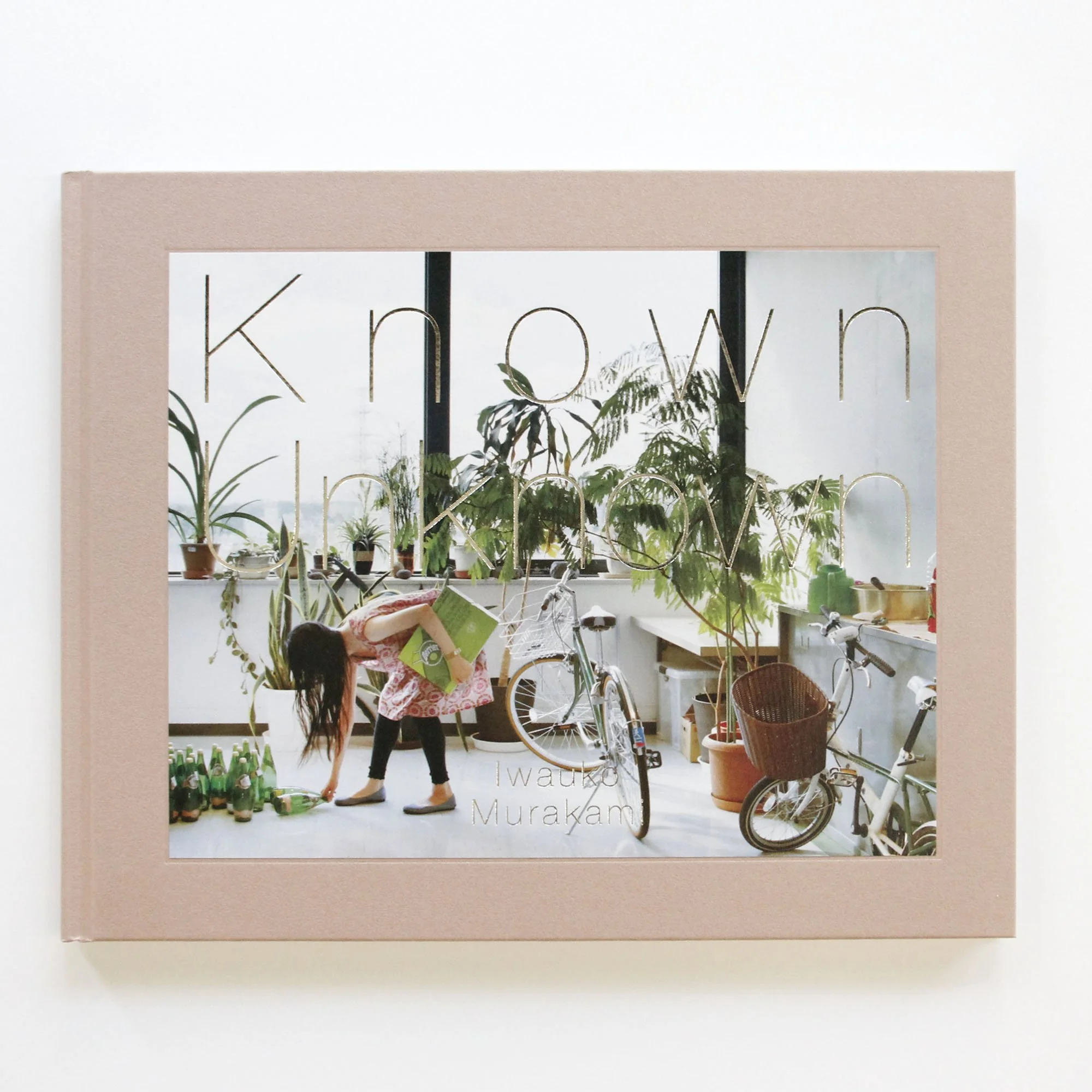
Welcome to this edition of [book spotlight]. Today, we uncover the layers of 'Known Unknown,' by Iwauko Murakami (published by Fugensha, sold by by shashasha). We'd love to read your comments below about these insights and ideas behind the artist's work.
These portraits ask who we become when seen.
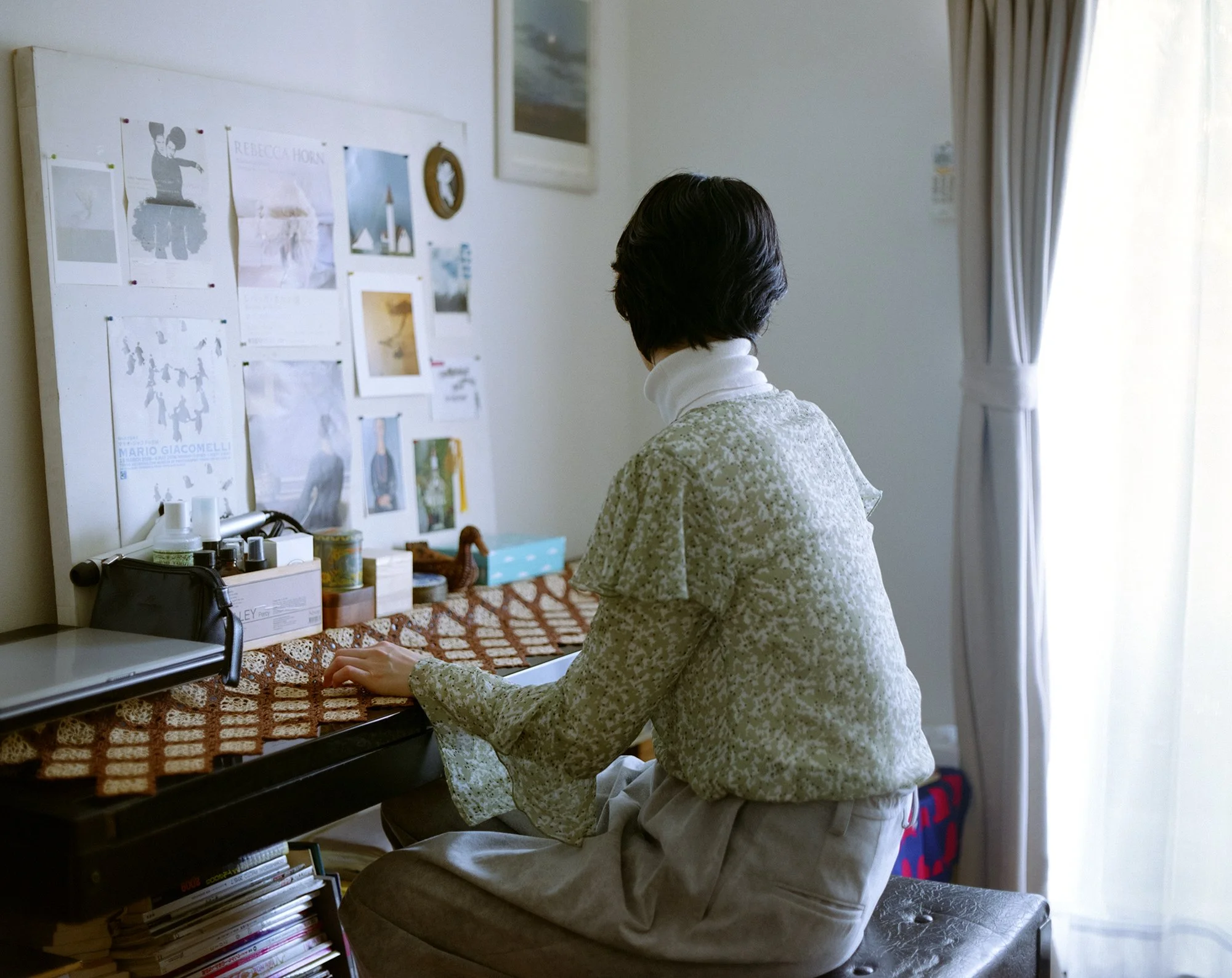
Iwauko Murakami’s Known Unknown begins with a quiet break in recognition. When she looked at her own photographs, the person in them no longer felt fully like herself. That moment led her to photograph other women instead, removing their faces to move beyond identity as something fixed. Over six years, she worked in their homes, creating images that sit between intimacy and distance, where identity feels present but never fully clear.
But the work is not only about identity.
It is also about how photography shapes what we think we see. When someone is asked to “be natural,” it already creates a form of performance. The images reflect that tension, showing how presence, awareness, and the camera are always connected. In this interview, Murakami explains how this idea developed and why she chose to stay with it.
At the same time, the conversation leaves something practical behind.
It shows what happens when you stop relying on the face to carry meaning. Attention shifts to space, posture, and small details that often go unnoticed. It also points to the importance of time, trust, and environment in making images that feel natural but are still carefully shaped.
The Book
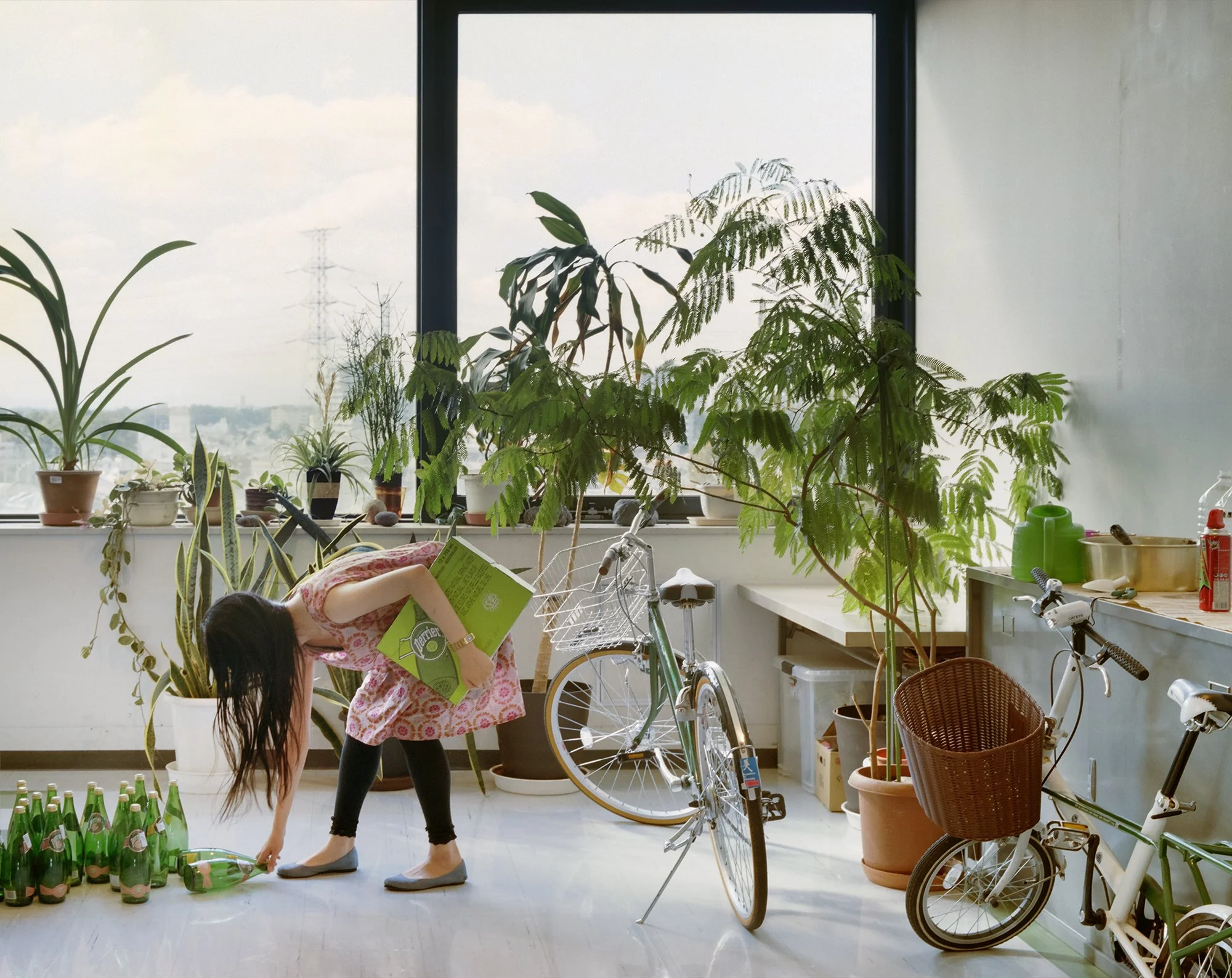
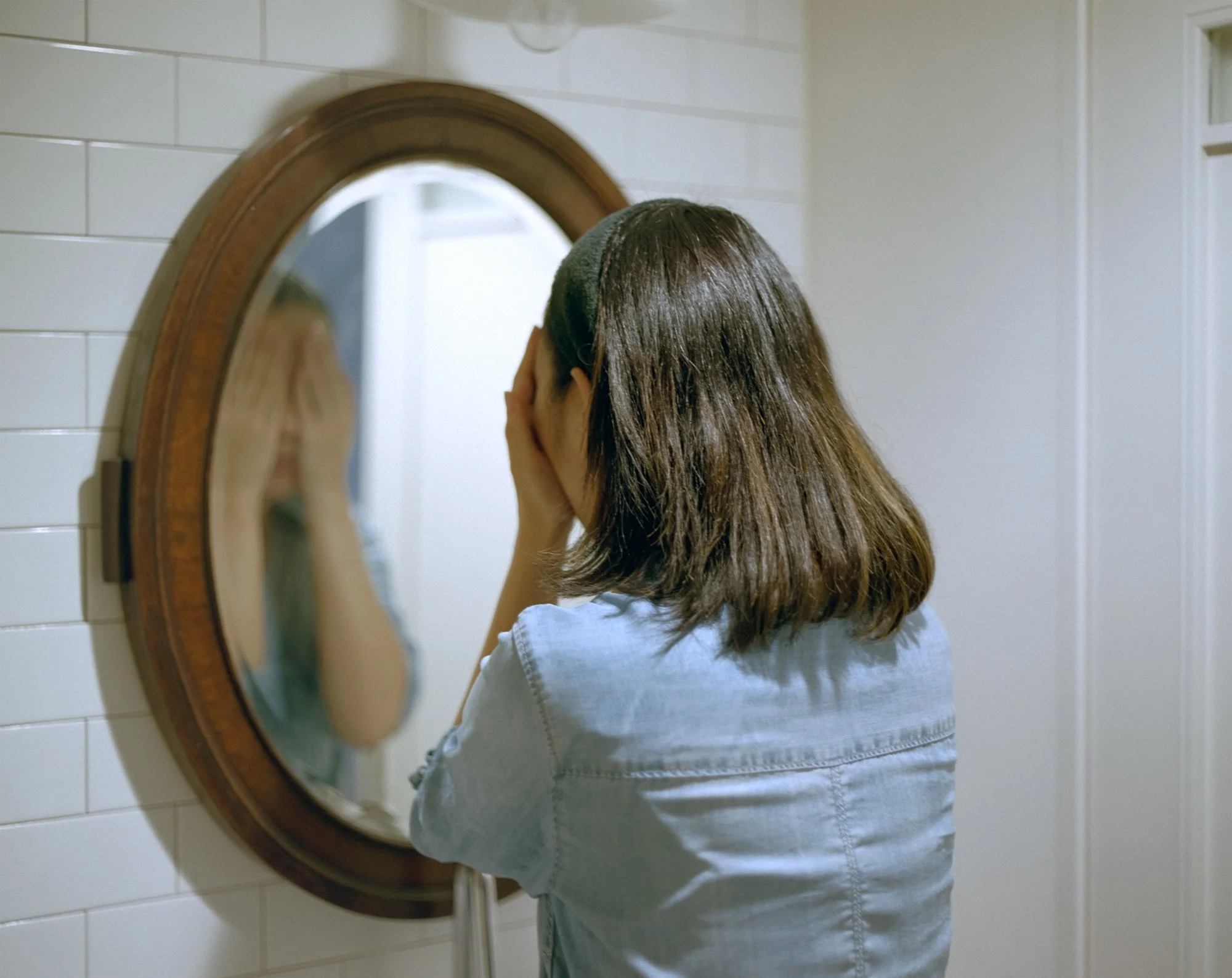
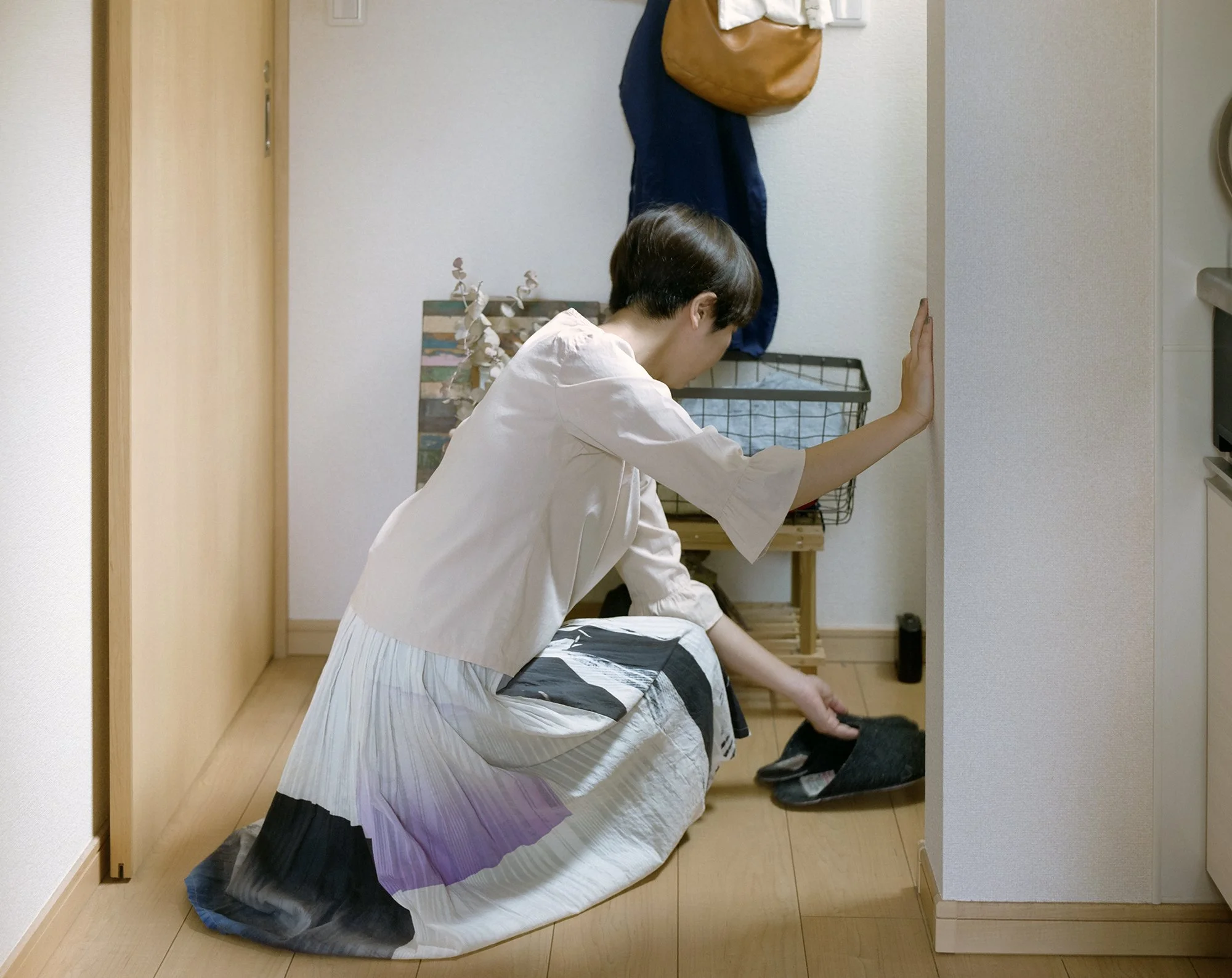
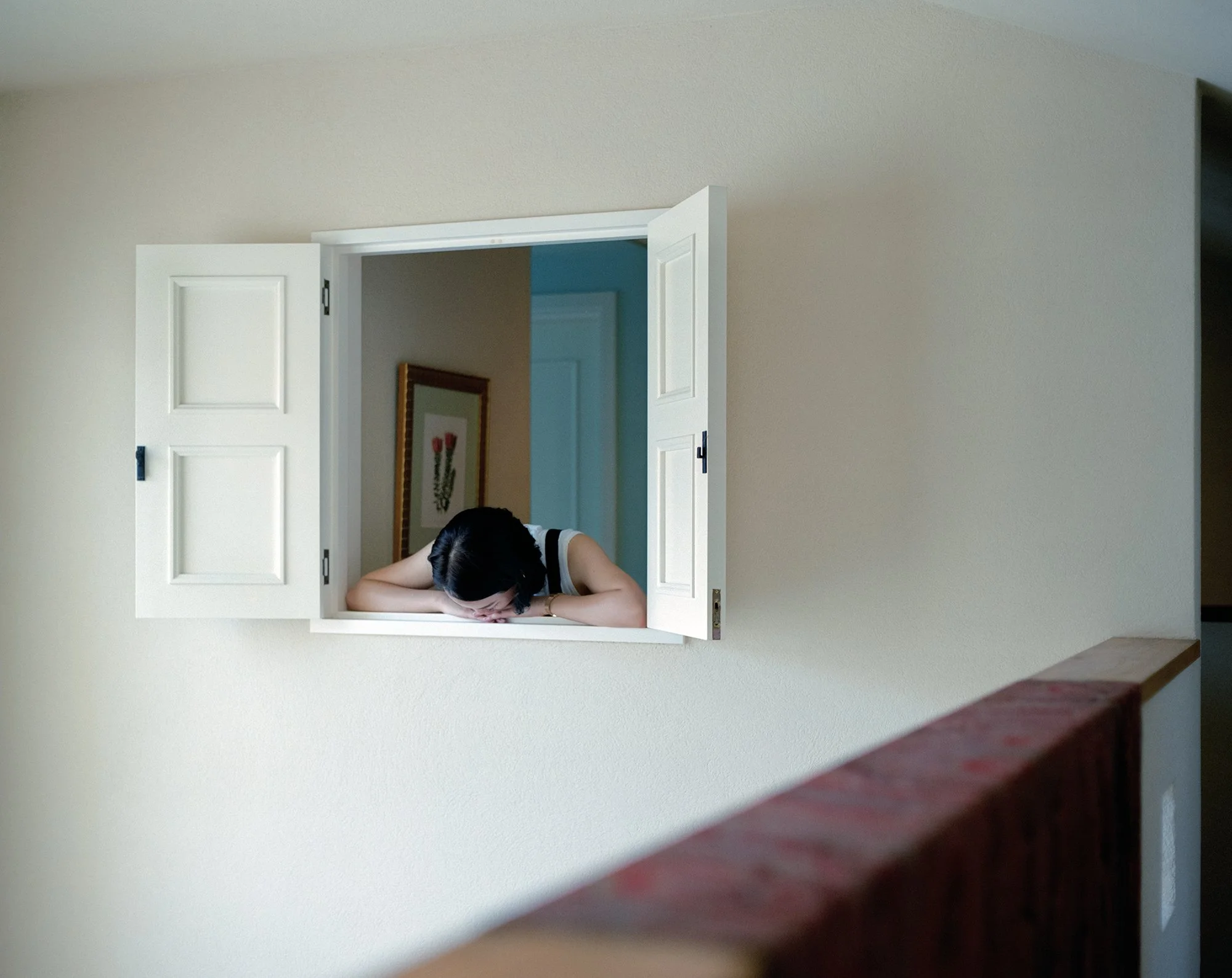
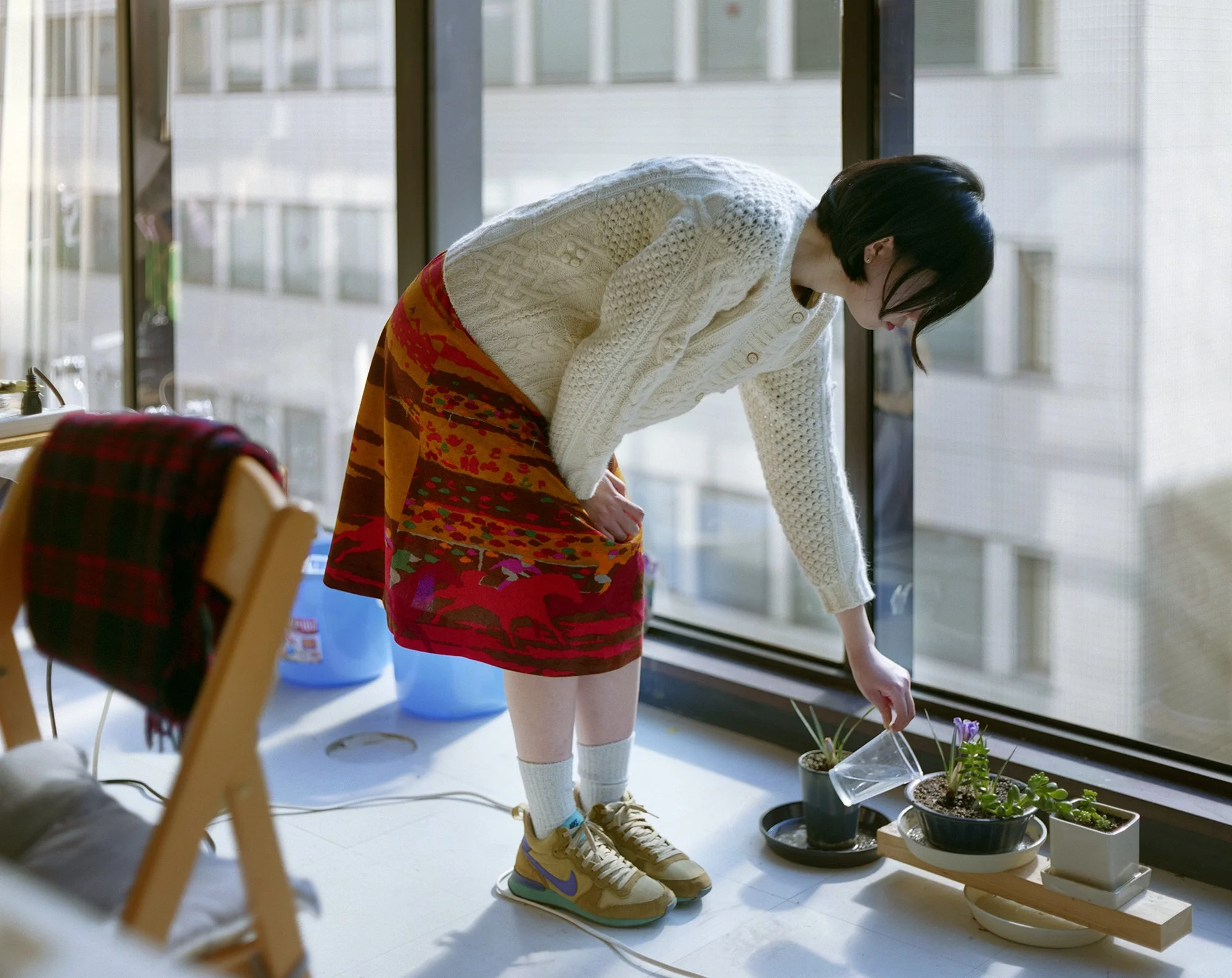
Known Unknown by Iwauko Murakami and published by Fugensha is a photobook that rethinks what a portrait can be. The work brings together images of women photographed in their homes and everyday spaces, where they appear at ease but remain partly unreadable. Their faces are never shown, while the surrounding details, clothing, posture, and environment are rendered with clarity, shifting attention away from identity as something fixed.
Developed over several years, the project grew from Murakami’s own experience of feeling disconnected from her self-portraits after the 2011 earthquake. This led her to question how photography shapes the way we recognize ourselves and others. The book becomes a quiet exploration of presence and absence, where the boundary between self and other starts to blur, and the image acts less as a description of a person and more as a space for projection. (Fugensha, Amazon)
Project Genesis: The project started after the 2011 earthquake when you took self-portraits and later could not recognise yourself in them. How did this strange feeling lead you to photograph 36 other women without showing their faces?
When I realised that the person in my self-portraits felt both like myself and like a stranger, I had an intuition that this was not merely a personal sensation, but something deeply related to the nature of photography itself as a medium of expression.
Looking back at my own experience, I found that photography has always been present in the process by which I constructed my image of myself. It seemed to me that this is something experienced not only by me but by everyone living in contemporary society.
My interest was not in self-exploration as an individual, but rather in broader conceptual questions about how photography is intimately connected to the formation of identity in contemporary life.
For that reason, instead of continuing to photograph myself, I chose to work with other people.
The choice not to show their faces reflects clearly that this work is not about any specific individual, but about something more universal shaped by how photography mediates our sense of self.
Subject Selection: You chose women around your same age, many from art school. Why did you decide on this specific group, and how did knowing them personally affect the photographs?
I feel a sense of responsibility toward the people I photograph, so I do not approach strangers casually. This project was an extension of my own experience, and I felt that I could only photograph someone with whom I shared a certain level of empathy - someone I could genuinely relate to.
Choosing to photograph my friends was also essential for practical reasons. The condition of the shoot required them to behave as if they were alone, which would not have been possible without a close and trusting relationship. Because we knew each other well, that sense of intimacy allowed for a certain vulnerability.
In Japan, it is not common to invite people you do not know well into your home. The domestic setting was important to the project, so working with people I trusted was both conceptually and culturally necessary.
Location Choice: You photographed each woman in her own home or workplace. How does the familiar space change the way a person shows herself to the camera?
Before working on portraits, I had explored domestic interiors in my photography, investigating memory and questions of identity through spaces themselves. This background contributed to my strong interest in the home environment as a site for portraiture.
For me, my state of mind is quite different when I am outside compared to when I am alone at home. When I am in public, I am constantly - often unconsciously - attentive to others, trying to behave appropriately or in a socially acceptable way. At home, however, I am freer in both positive and negative ways. I also tend to become more introspective.
I believe this is true to some extent for many people. Being photographed - especially with a large film camera - is already an unusual and somewhat intense experience. The home environment helped to ease unnecessary tension and allowed the women to be more at ease in front of the camera.
Medium Format Decision: You used a medium-format camera, which is large and hard to ignore. How did you create natural-looking moments when such a big camera was clearly present?
When I photographed them, I did not simply arrive, conduct the shoot, and leave. I would visit them as a friend - we would have tea, talk, and spend time together. Only towards the end of the visit would we move into the act of photographing.
I cannot say with certainty whether this approach worked exactly as I intended, but judging from the results, I believe it was effective to a certain extent. I wanted to prevent the session from being perceived as something overly serious or ceremonial, so this informal and gradual process was important.
Many of my friends had studied in art school or were connected to art or design, which is a rather particular environment. They were comfortable navigating the subtle dynamics between friendship and artistic collaboration.
The Missing Face: Traditional portraits focus on the face to show who someone is. What can you reveal about a person when you deliberately hide their face?
Traditional portraiture often relies on the face to define who someone is. By removing the face, I was interested in shifting that focus. What emerges instead is not a clearly defined individual, but a space of projection.
When the face is hidden, the viewer cannot immediately fix the subject’s identity. In that ambiguity, the viewer inevitably begins to project something of themselves onto the image. In that sense, the work moves towards a kind of universality.
I have long been drawn to the strange attraction of faceless portraits - such as Gerhard Richter’s Betty or Vilhelm Hammershøi’s paintings of his wife, Ida. There is something quietly mysterious about a figure who turns away from us. That mystery invites a deeper engagement, perhaps even a stronger curiosity, than a fully revealed face.
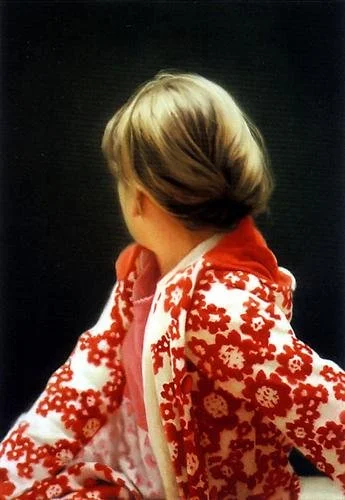
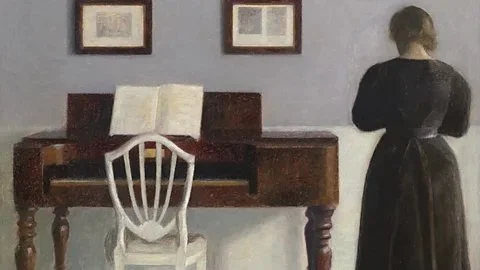
Performance and Reality: You asked your subjects to act naturally as if you were not there. But you also say this creates something artificial. Can you explain this interesting conflict between asking for reality and getting performance?
When I asked the subjects to behave naturally, as if I were not there, it inevitably created a paradox. The moment someone becomes aware that they should “act naturally,” that awareness already introduces a layer of performance. They try not to think about the camera, they try not to perform - and in doing so, they are performing.
This performance, however, is not something false. I think it reveals something fundamental about how we exist. We are always, to some extent, responding to the gaze of others. We are constantly adjusting ourselves according to the situation. This does not mean that we are inauthentic; rather, it is a natural and even positive life process - a way of continuously generating ourselves in relation to the world.
For me, photography is not identical with reality. It is an optical technology, but also a subjective form of expression. What it produces is not pure reality, but a constructed image shaped by perception, context, and intention. The tension between reality and performance in these photographs reflects this condition: photography does not simply record life, it reveals the layered and relational nature of our existence.
Six-Year Journey: This project took about six years to complete, from 2013 to 2019. How did your understanding of the work change from the first photographs to the last?
In terms of my approach, there was no dramatic change. I continued the project steadily over the years.
Because I photographed some of the same women multiple times, changes gradually became visible. Their environments shifted, their life stages evolved, and in some cases they could no longer recognise their earlier selves. That distance between past and present became part of the work.
At the beginning, I had certain intuitions about identity and the instability of the self. Over time, these ideas were confirmed not only through my own experience but also through others, which gave the work greater conviction.
There was also an unexpected resonance with the pandemic, when staying at home became a shared global experience. As many people spent long periods alone in their domestic spaces, the images seemed to connect more directly with viewers’ own lives. The act of looking became more personal, perhaps even more urgent.
Observer and Subject: You write that in your images, the observer and subject are completely disconnected. Why was breaking this traditional portrait connection important for your work?
During my university years, I read John Berger’s Ways of Seeing, and I was struck by his discussion of women in the visual field - women as objects of the male gaze. It resonated strongly with me.
At the same time, as someone engaging with contemporary life, I wanted to present women not as passive subjects who are merely seen, but as figures who, while being observed, still retain a sense of agency and self-determination.
I was also aware that viewers are often bound by certain conventions or literacies - unspoken rules about how one “should” look at a portrait. I wanted to create images that were free from those expectations, in which both subject and observer could exist without a prescribed relationship.
Photography Philosophy: You describe photography as a subjective medium with objective methods. How does "Known Unknown" show this idea, and what do you hope viewers understand about themselves when looking at your photographs?
Photography is a subjective medium that uses objective methods. In Known Unknown, this relationship is visible in several ways. The camera, particularly a medium-format one, captures precise details of the environment and the subject. Yet the way I choose to frame, select, and interact with the subject - from the moment of visiting, to the choice of what to include or omit - reflects my own perspective and intentions.
By concealing the face and situating each subject in familiar spaces, the work invites viewers to engage with what is not fully revealed. In that ambiguity, the observer inevitably projects something of themselves onto the image. In this sense, the photographs act as mirrors: viewers encounter not only the subject, but also their own perceptions, assumptions, and curiosities. The “known unknown” is both the person photographed and the part of ourselves that comes into play when we look.
More photography books?
We'd love to read your comments below, sharing your thoughts and insights on the artist's work. Looking forward to welcoming you back for our next [book spotlight]. See you then!
Robin de Puy could no longer make this project alone. She first photographed Randy in Ely, Nevada, during a 2015 road trip and kept returning to him for more than ten years. Interviews