From New York to Kyrgyzstan: How Living With Shepherds Changed Everything He Thought About Photography
Welcome to this edition of [book spotlight]. Today, we uncover the layers of 'Ottuk,' by Luke Oppenheimer (published by Aliens in Residence). We'd love to read your comments below about these insights and ideas behind the artist's work.
The real story was never about the wolf hunts.
What began as a project about wolves slowly turned into something else entirely. Luke Oppenheimer returned to the same village in Kyrgyzstan over four and a half years, living with shepherds and hunters and becoming part of their daily life. The more time he spent there, the more the simple idea of predator and prey started to fall apart. What remained was a deeper story about survival, community, and the systems shaping both. In the end, the project became less about what he came to photograph and more about what he learned by staying.
But this work is also about letting go of what you think you are looking for.
When the original idea stopped making sense, he chose to follow what was actually true instead of forcing a narrative. That shift changed not only the direction of the project but also his relationship to photography itself. The need for recognition, publication, or clear outcomes slowly disappeared, replaced by a focus on presence and experience. This conversation explores how that process unfolded over time.
There is a quiet lesson in how this project evolved.
It comes down to staying longer than planned, paying attention when the story changes, and being willing to drop your first idea. Not because it sounds better, but because it is more honest. That shift is small, but it changes everything that follows.
The Book
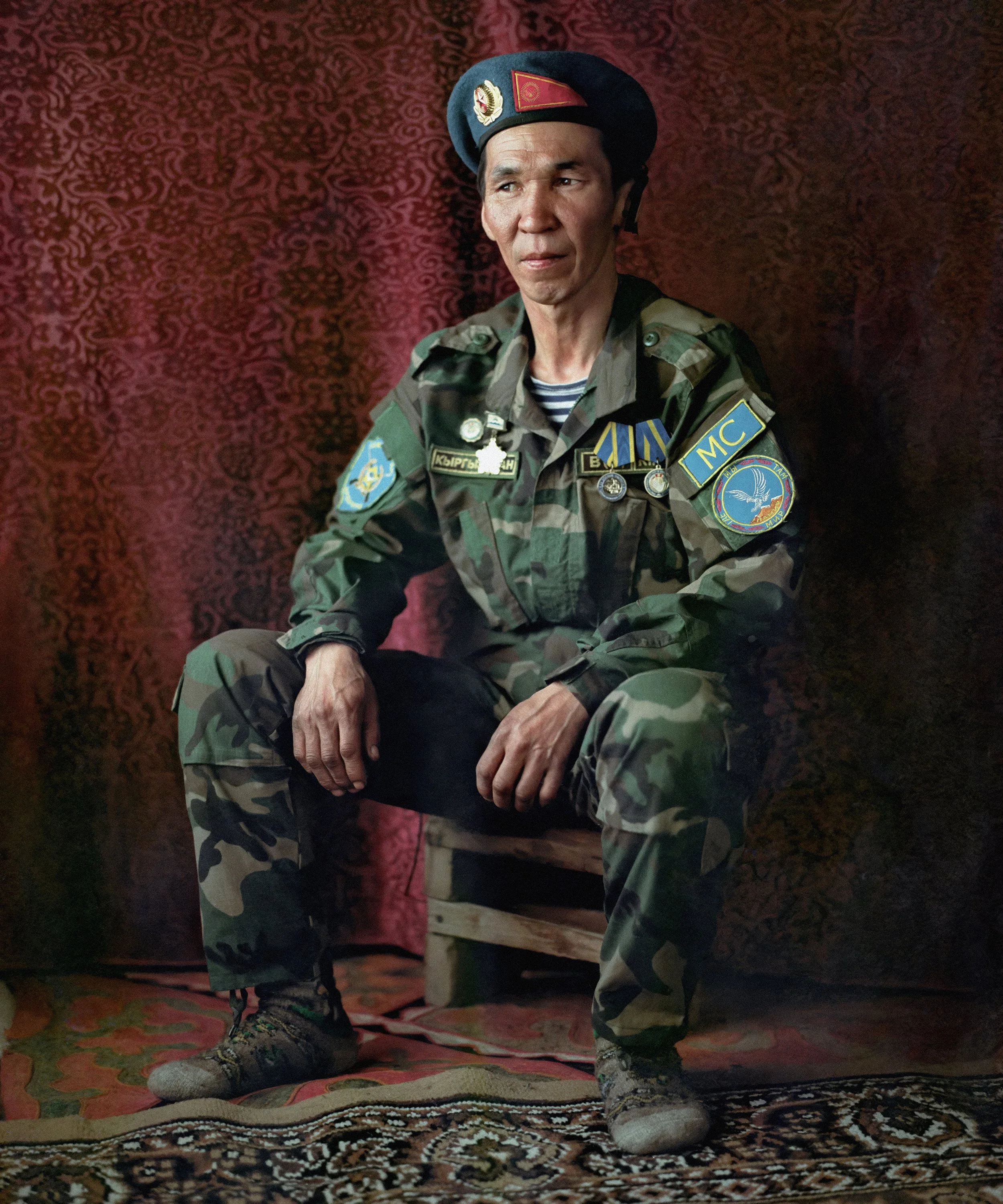
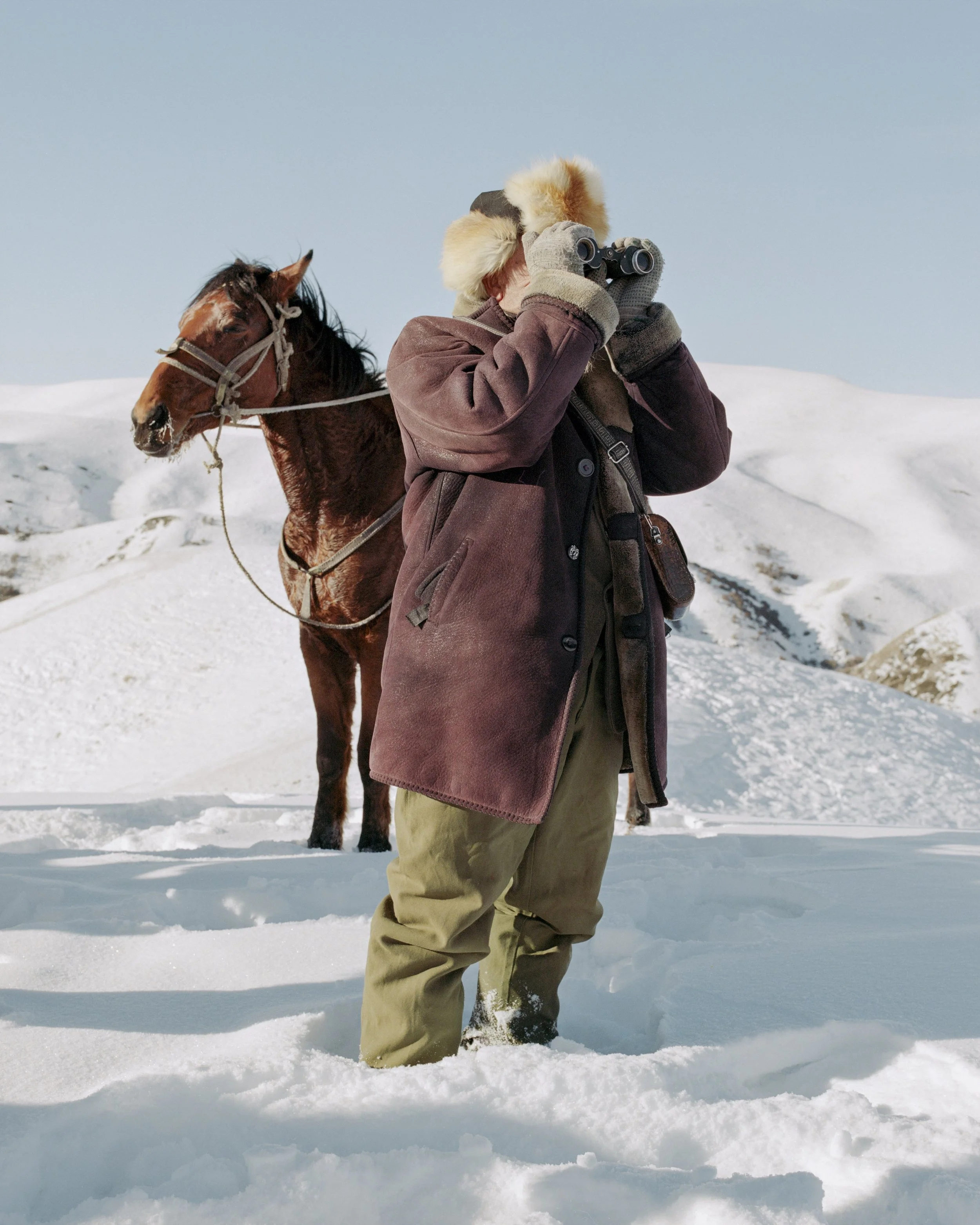
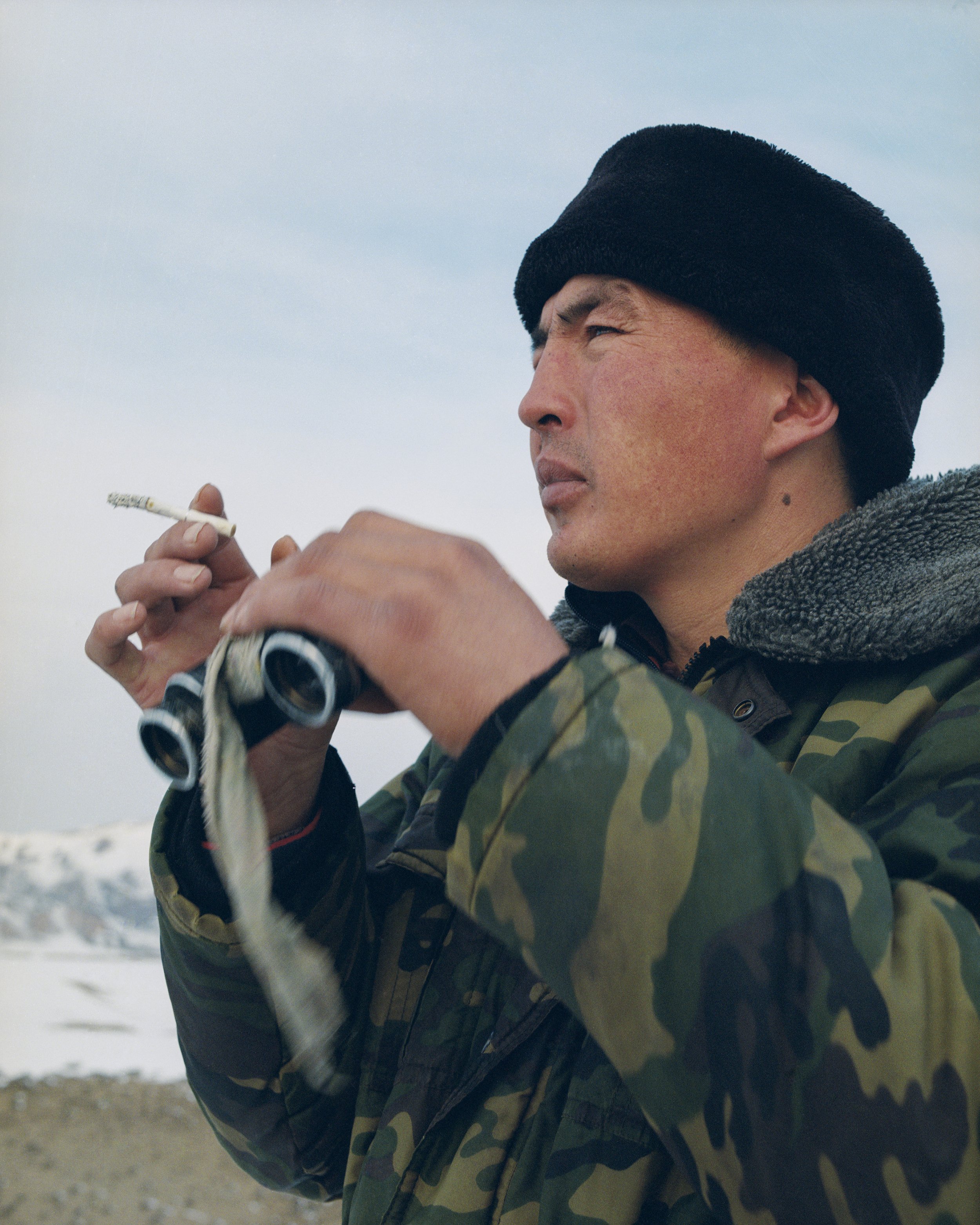
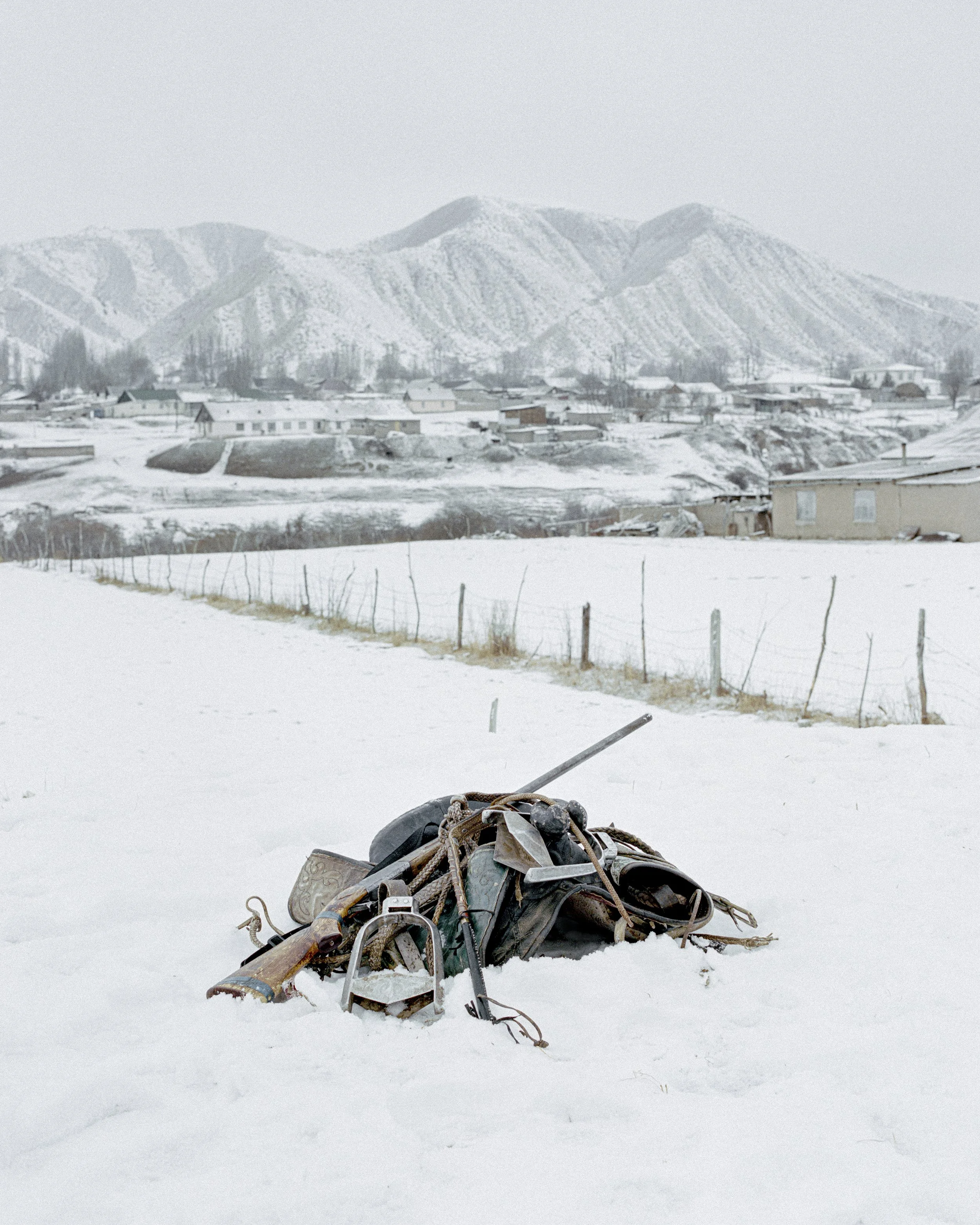
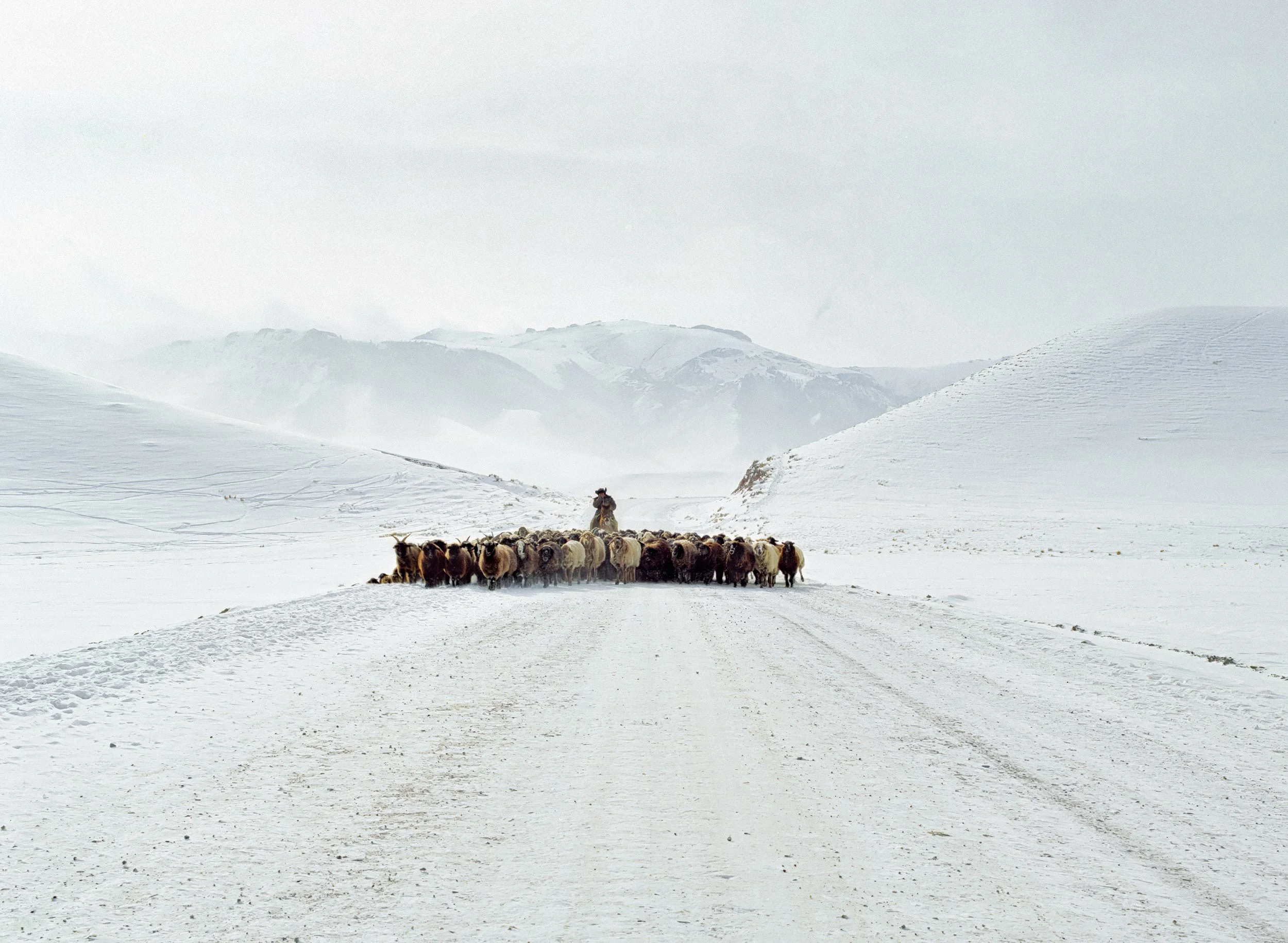
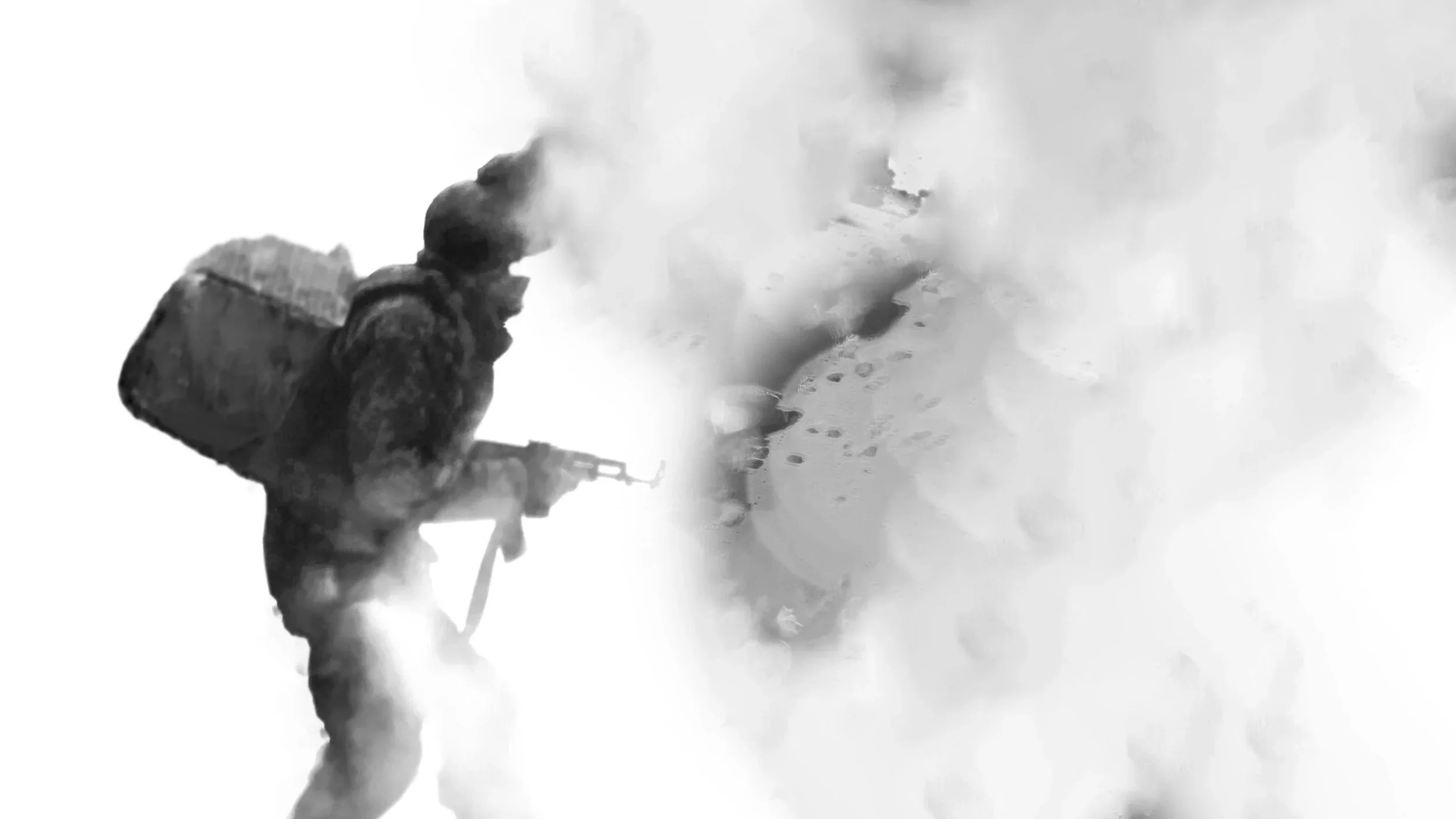
Ottuk by Luke Oppenheimer is a long-term documentary project set in a remote village in the Tien Shan mountains of Kyrgyzstan. What began as a short assignment about wolf attacks on livestock developed into a five-year body of work focused on the lives of shepherds, hunters, and their families. Through a mix of photographs and written narrative, the book moves beyond the surface story of predators and prey to explore survival, tradition, and the changing realities of rural life.
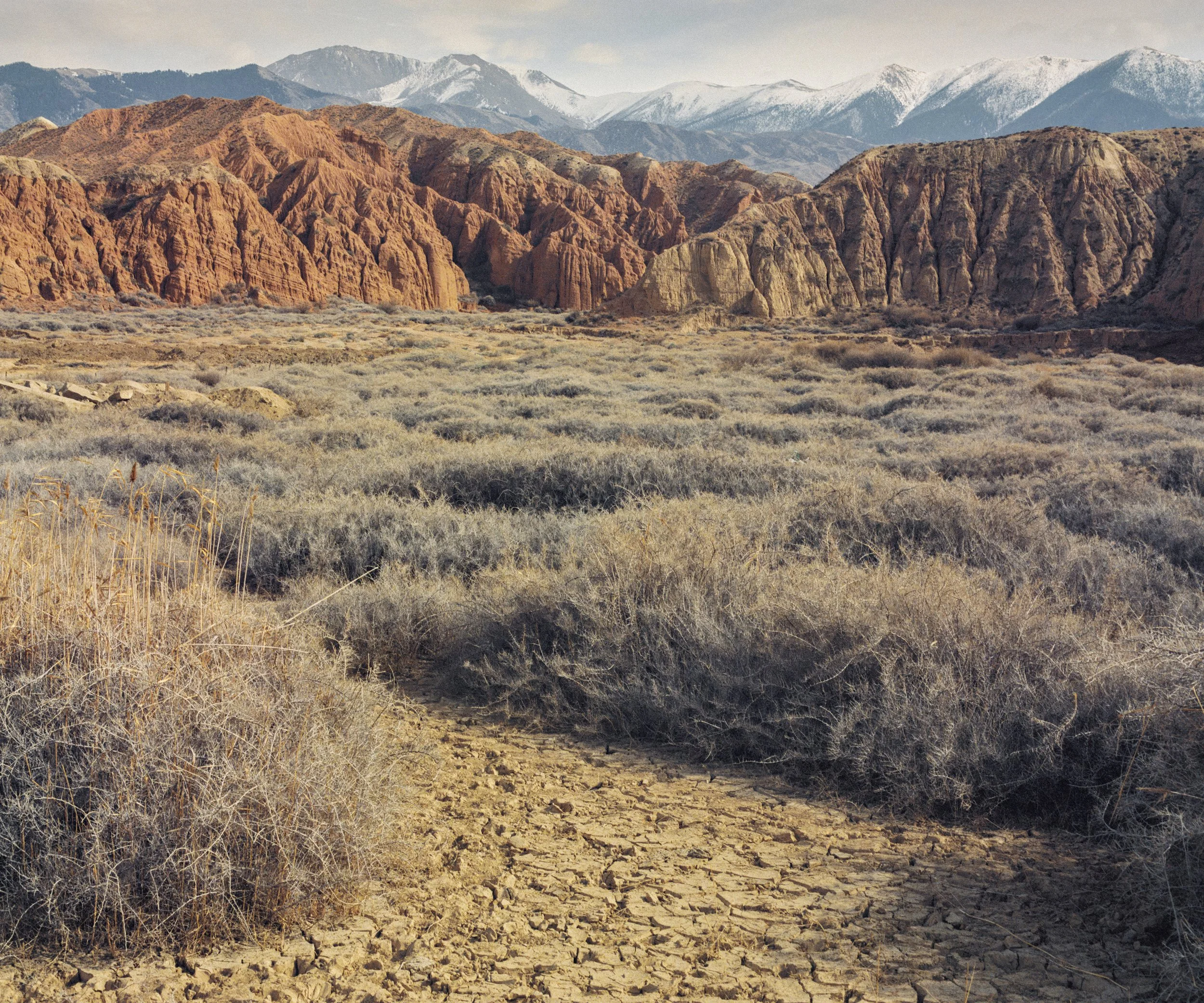
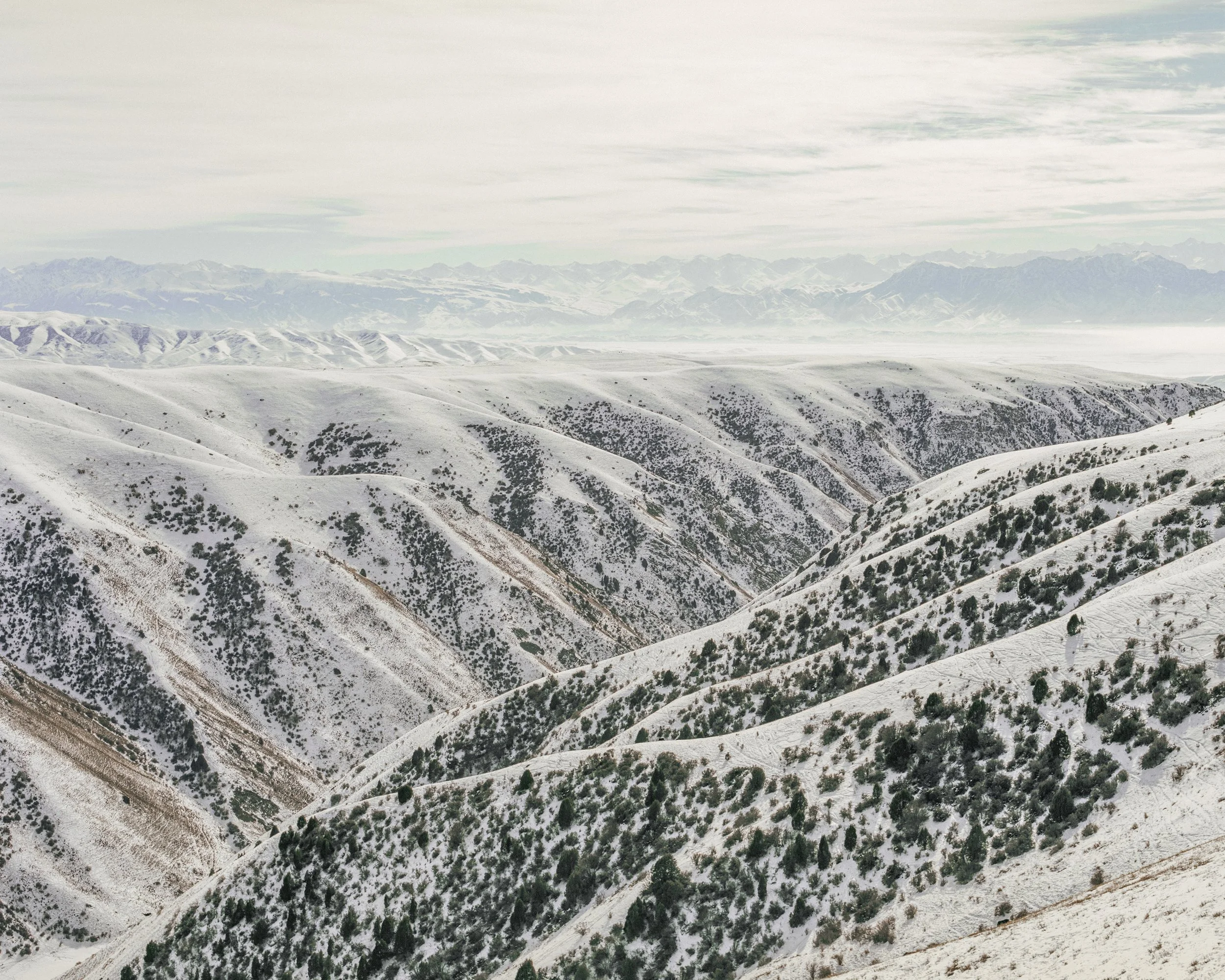
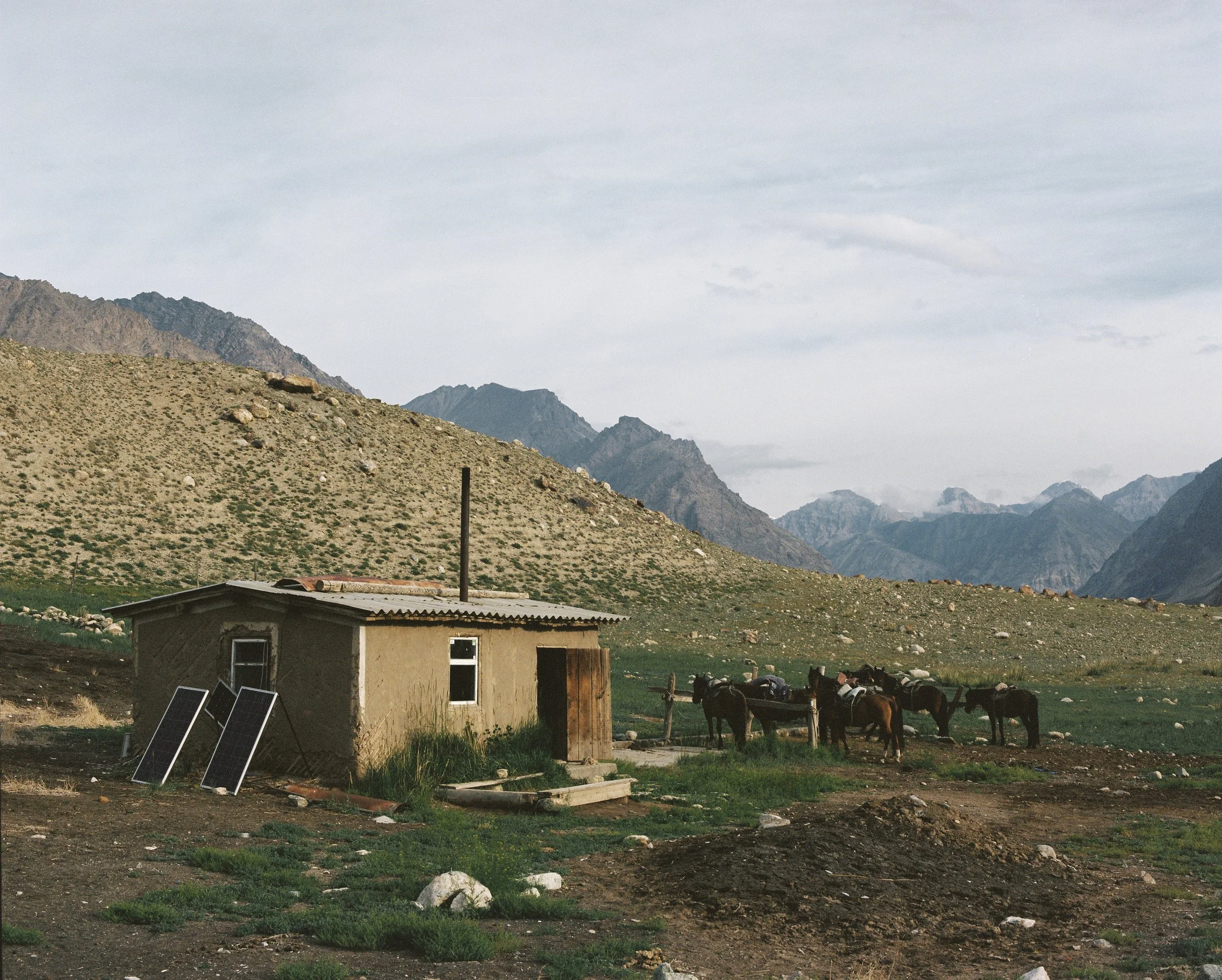
Set against a harsh and expansive landscape, the work captures both the physical demands of life in the mountains and the quiet rhythms that shape daily existence. The project also reflects on the tension between myth and reality, showing how local beliefs, historical shifts, and economic pressures intersect in ways that are not immediately visible.
At its core, Ottuk is not only about a place, but about time, presence, and the process of understanding a story by staying with it long enough for it to change. (Aliens in Residence, Amazon)

When did you first pick up a camera? What made you want to take photos?
I first started taking photos when I was fourteen. My dad got me a cheap camera, and I picked it up and thought: this is enjoyable. But I never pursued it seriously as a teenager. I was more interested in sports, and photography stayed in the background.
It wasn't until after university that it came back into my life. I spent about four years working different jobs across South America, and I kept running into interesting stories. At the time I was working in import and export along the Rio Paraná in Paraguay, and I was around twenty-five. I had started taking photos again, casually, but I was increasingly restless. I had a choice: stay on this trajectory, try to build a career as a businessman, make decent money and be miserable, or do something more fulfilling. My mother suggested photojournalism. I had no idea how to do that.
A friend told me about the International Centre of Photography in New York. But before I could even think about applying, something happened. I had got to know a group of paramilitary rangers who were protecting Mbaracayu National Park on the border with Brazil, in the north of Paraguay. All ex-military. One of them told me I should come on patrols with them in the jungle; they were tracking poachers and drug traffickers. I said yes.
I took my camera and a voice recorder I had bought at a market in Asunción, and I stayed with them for a month, going out on patrols looking for cocaine traffickers and eagle hunters. From that experience, I put together a rough multimedia piece, about ten minutes long, and sent it with some photographs to the International Centre of Photography. To my surprise, I was accepted into their one-year programme. That is where I finally learned how to use a camera properly and how to tell stories. That is how I got into photography.
That sounds like an extraordinary first project. Were there moments where you were genuinely scared?
There were definitely some intense moments. We would go out on patrols in the middle of the night through extremely dense jungle, and we had trackers with us from a local tribe who could read the forest in ways that still impress me. On one occasion, a tracker found footprints and told us the people we were following were only about fifteen minutes ahead. So we went quiet, completely silent, dressed in camouflage, and ambushed them at two in the morning. These were armed guys we were surprising in the dark. I was there taking photographs.
It was genuinely wild. But I was twenty-five, and honestly, it was exactly what I wanted. It felt right up my alley at that age.
From Paraguay to Kyrgyzstan. You went to a small village called Ottuk. It was initially planned as a one-month trip, like Paraguay. What made you choose that place and that story?
I had already spent time in Kyrgyzstan before. In 2018, I lived with a family of nomads for three months and did some work for NGOs. Then I was back in the United States when lockdown hit in late 2020. A Kyrgyz friend called me and mentioned a village that had a serious wolf problem. They were losing horses to attacks at a troubling rate. He asked if it would be interesting to me. It absolutely was.
I didn't have much holding me in New York at that point. The options were: stay in my apartment in full lockdown, or go to Kyrgyzstan and make a project. I left within a month of hearing about it.
When I arrived in Ottuk, the villagers were immediately open with me. They had recently shot some wolves and showed them to me, then sat me down and explained the situation: they were losing up to a hundred horses a year to wolf attacks. For a village of around 800 people, that is a devastating number. I spent one month there, shot the story, wrote an article, and published it with Modern Huntsman, a physical magazine that comes out twice a year, focused on hunting and fishing but also seriously engaged with conservation and human-wildlife conflict.
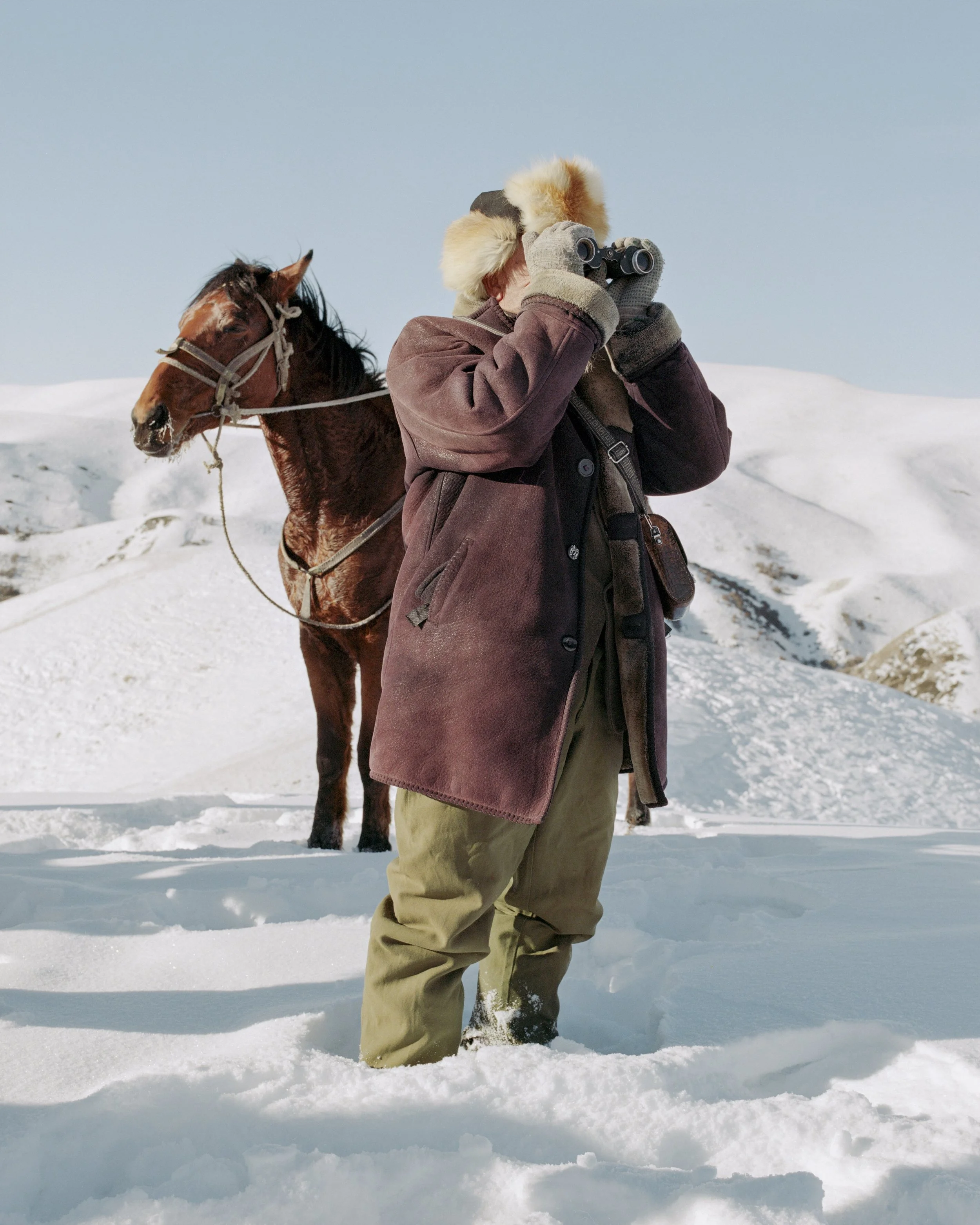
By the time I was leaving, I was already missing the people. The lifestyle was hard, but it had a simplicity that I found deeply appealing. All the noise that fills life in the modern world, the anxiety about success, about money, about recognition, simply did not exist there in the same way. The problems were real and pressing, but there were only two or three of them. When I told people in the village that I was worried about making it as a photographer, they looked at me like I had said something absurd. And honestly, they were right.
Over the four-and-a-half years that followed, that lesson deepened. By my final visits, I had stopped caring much about which publications had taken my work. What remained was the work itself, the people, and what both were teaching me. That shift has stayed with me. I am in Nepal now, working on a project about tiger attacks, interviewing survivors and the families of those who did not survive, and I have almost no concern about where or whether it will be published. I know I will make a book, and probably do an exhibition or two. But the outcome is secondary to the doing. Ottuk is where I learned that.
So it became a four-and-a-half-year project. When did you realise this was no longer a short trip?
As I was driving out of the village at the end of that first month, I already knew I had to go back. There was something happening there on a level deeper than any story or project I could articulate. These were real people, I was with them, and that felt like reason enough to return.
You went there to photograph wolf hunters, but after more research you discovered the wolf problem was actually rooted in the collapse of the Soviet Union, it was not really about the wolves at all. What do you do when the story you find is completely different from the one you came to tell?
You let go of what you thought you were doing and follow what is actually true, or at least what the evidence points towards. That is really the only option. Whatever narrative you arrived with, you have to be willing to release it.
Was that realisation during your first visit, or did it come later?
It came on the second trip. During the first visit, the villagers had shared a local legend: that the Soviet Union had introduced wolves from Russia, creating a hybrid species responsible for the attacks on their livestock. I wrote about this in my first article, but I was careful to frame it as local belief rather than established fact, which, as it turned out, was the right approach, because it was not true. The villagers believe it completely, but the data tells a different story.
On the second trip, I became friends with Kuban, who runs the Snow Leopard Foundation of Kyrgyzstan. He had comprehensive data on animal populations and predator behaviour, the kind of records the government's own Ministry of Forestry did not have when I tried to contact them. What his data showed was that the village did not really have a wolf problem. They had a livestock management problem, compounded by the severe overhunting of the wolves' natural prey. This combination had pushed wolves towards livestock as a food source. And crucially, the systematised corral and shelter infrastructure that had existed during the Soviet era, which once kept horses and sheep protected at night, had collapsed after independence and was never rebuilt.
I shared this with the villagers through a WhatsApp group. Some of the older men were dismissive, “What does some scientist in Bishkek know?” But most of them, on reflection, acknowledged it made sense. The harder question was what to do about it. Building proper corrals takes money that most rural communities in Kyrgyzstan simply do not have. For all its failures, the Soviet Union built good corrals and put them everywhere. None of those exist anymore.
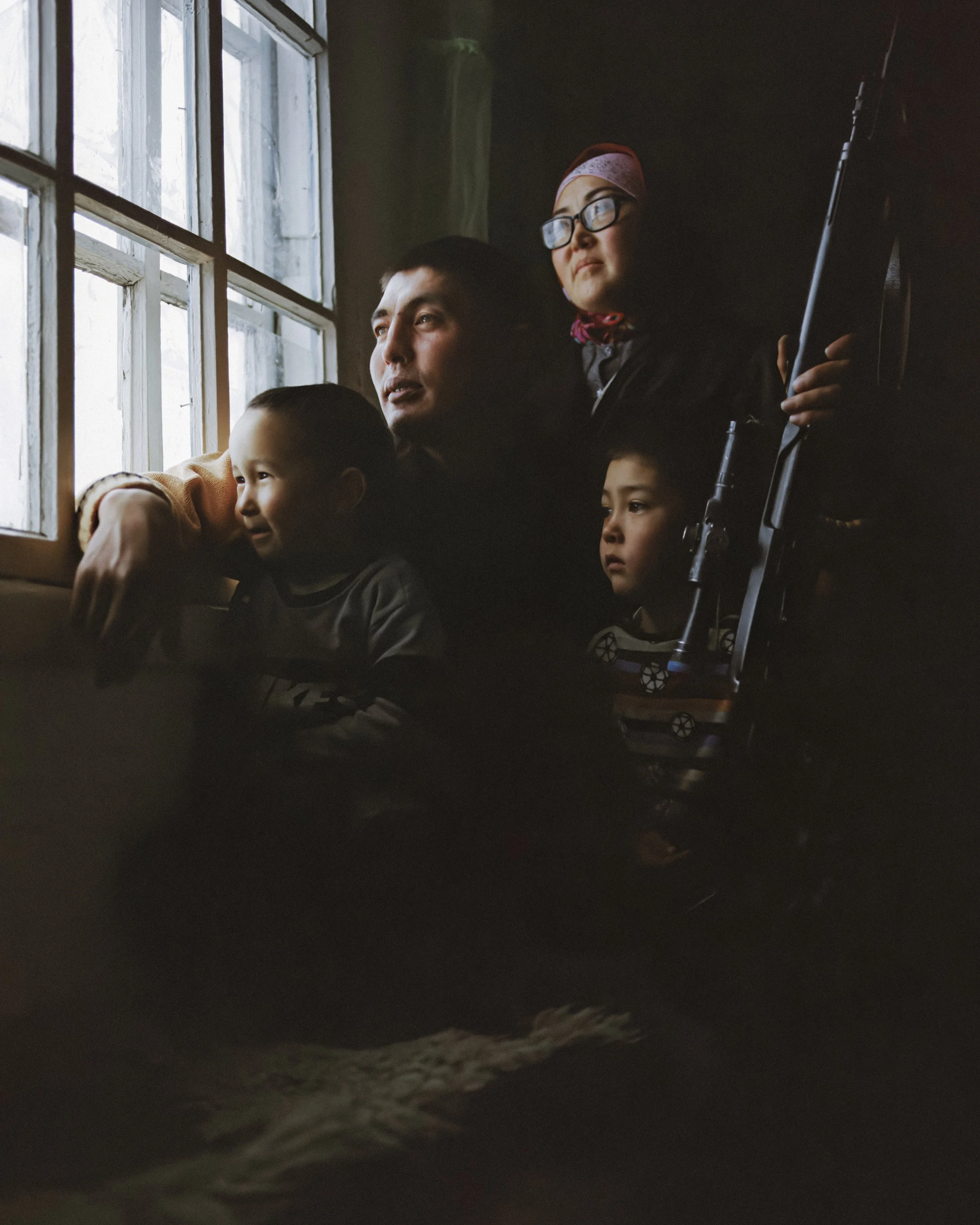
You speak Russian, you understand farming, and you studied history. Did that knowledge help you understand what was really happening in Ottuk? Can a photographer tell a story like this without understanding the world behind it?
No, I don't think you can, not for a project of this kind. You can arrive ignorant, but you cannot stay ignorant about the realities of farming or livestock management. Fortunately, my own background was genuinely relevant. I grew up in Oklahoma, on a horse ranch, so riding for twelve hours a day was not a problem, and the fundamentals of livestock management, soil quality, predation risk, seasonal grazing patterns, were already familiar to me. The specifics vary from place to place, but the essentials are universal. Wolves preying on livestock, overgrazing causing erosion, the challenge of keeping animals secure overnight: these are not obscure agricultural problems. They are things that anyone who grew up working with livestock will recognise immediately.
That shared knowledge also built trust. When the villagers realised I could talk intelligently about farming and could keep up on horseback, I stopped being a photographer from New York who needed looking after and became someone they could take seriously. That made a real difference.
Can you tell me about your relationship with Nadir's family? From what you have written, it seems they essentially adopted you.
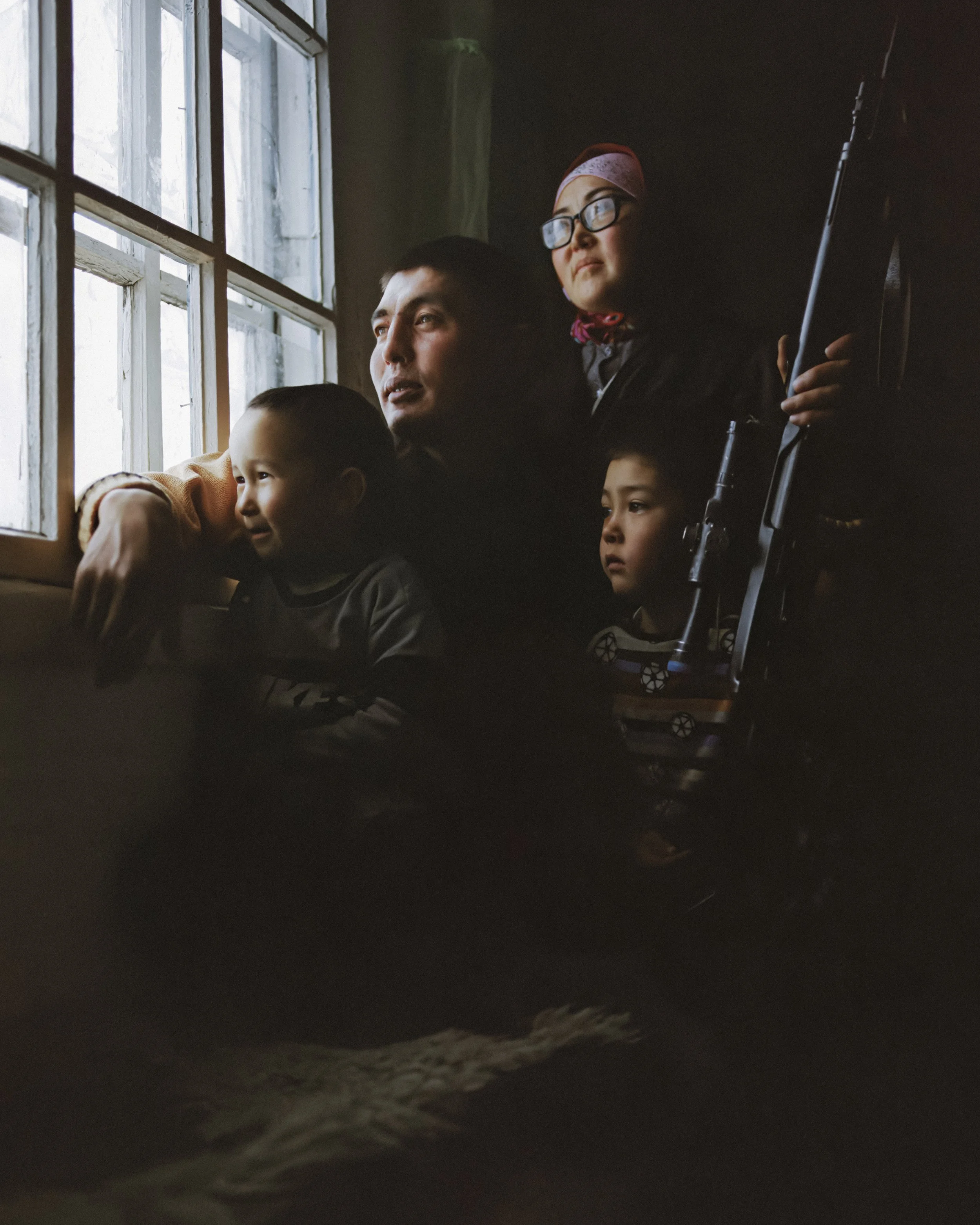
Nadir was the first person I met in the village. He was standing on the road as our Jeep pulled in, waved us down, and told us we were staying with him. That was that.
The closeness built slowly, over time, weeks and then months of drinking tea together, talking about life, riding through the mountains in temperatures that dropped to around minus forty Celsius, sharing twelve-hour days on horseback. I slept in his house in the room where all his sons slept, somewhere in the middle of the family's hierarchy: the twin boys, the middle child, the oldest son, and me. When you share that kind of daily life with people across several years, closeness becomes inevitable.
Nadir is like an older brother to me. He is a wise and large-hearted man. His twin sons, Amir and Emir, were around seven years old when I first arrived, and eleven by the time the project was winding down. Seven to eleven is a significant change in a boy. I watched them grow, get bigger, wrestle harder; they were always trying to wrestle me, and at seven in the morning it would be one of them with me in a chokehold before I was even properly awake. By the end, it was getting harder to hold my own against them, which felt like a marker of something. It was like gaining four new brothers overnight.
And Ishinbek, he was someone else you were close to. He died before the book was published.
Ishinbek was also someone I met on the very first night, and he became one of the people I was closest to. He was well-respected in the village, a natural organiser, someone who could get things done. If there was an irrigation project that needed completing, or some collective effort that required coordination, Ishinbek and Nadir were the ones who made it happen. I spent a great deal of time with him in the mountains.
His death was a shock. At sixty-eight, he was on the older side for rural Kyrgyzstan; life there is physically demanding, and age carries more weight than it might in a city. But he was strong, always in the mountains, and never showed any sign of illness while I was with him. Then, about a month after I left the village, I got a text: Ishinbek had passed away. They believed it was liver failure from some disease. He was not a drinker. He simply got sick, and within two weeks he was gone. It happened very fast, and it was genuinely shocking.
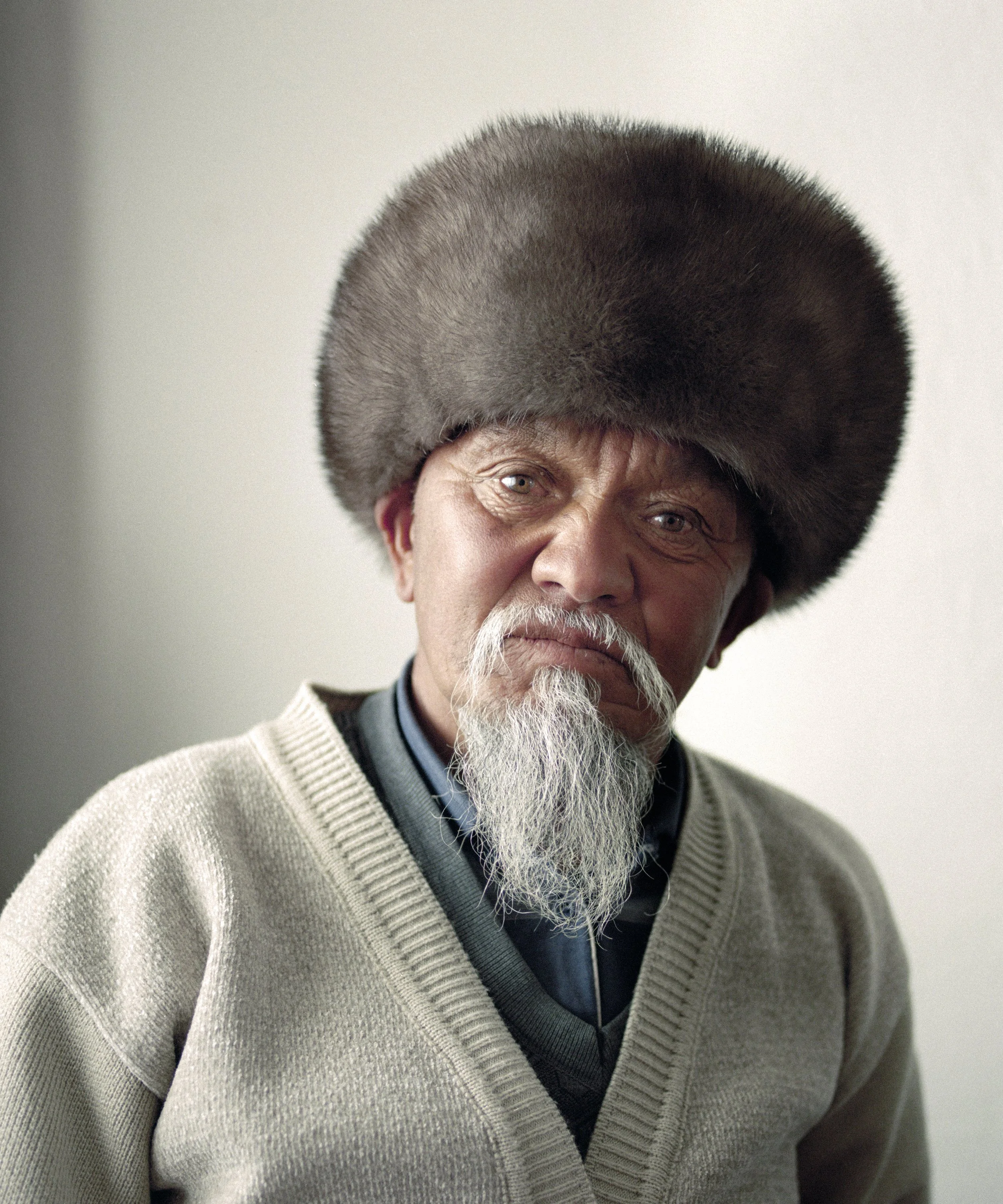
Being so embedded in a community, where is the line between being a photographer and being part of the community you are photographing?
For me, once I committed to going back, being part of the community came first. These were my people; I loved them. The camera was always there, and I kept exploring the story, but the relationship was primary. I was a human being before I was a photographer.
Practically, that meant respecting whatever boundaries existed. If someone did not want their photo taken, I did not take it. If someone wanted to be shown in a particular way, I tried to honour that, as long as it did not mean being dishonest. I was not there to take unflattering photographs of people I cared about. But beyond the ethics of it, that approach also reflects how I engage with the world more broadly. Even if I were not telling a story, I would still be taking photographs. The camera is how I explore life, not just a tool I pick up when there is a project to pursue.
When you came to understand that the wolf legend was not true, what was the moment you knew? Was there a specific realisation?
It was simply being presented with hard data. When the numbers were in front of me, the picture became clear. There was no dramatic moment of revelation; it was more like: right, I see it now. I told the villagers straight away through the WhatsApp group, sharing what Kuban's research showed. The reactions varied, but most of them, once they thought it through, accepted that it made sense. And from there, the conversation turned practical: what would it actually take to build better corrals, to manage grazing more carefully, to reduce the conflict? The answers were not complicated. The obstacle, as usual, was resources.
You spent time with both sides, hunters who kill wolves to protect their horses, and conservationists who want to protect the wolves. Did you form your own opinion about the solution? Is it even a photographer's job to express one?
As a photographer, I don't think there is an obligation to express a personal opinion; often the job is to present what subjects are saying and let the complexity speak. It depends on the kind of story you are telling. But writing the articles gave me a platform, and in that context, I did share my view.
My position is that the Kyrgyz government needs to invest seriously in rural infrastructure. Wolves are ecologically essential; they are an apex predator that regulates prey populations and keeps ecosystems functioning. You cannot remove them without consequences. There also needs to be much stricter enforcement of hunting regulations; illegal hunting is widespread and has severely depleted the wolves' natural prey, which is a direct driver of the conflict with livestock. And fundamentally, the government should be rebuilding the kind of corral and shelter systems that existed during the Soviet era, not as a historical exercise, but as a practical necessity for rural communities today.
Combined with better grazing policy, rotating pastures, and not leaving horses in the mountains overnight, much of the conflict could be reduced significantly. The shepherds who shoot wolves are not villains; they are doing what they have to do given the situation they are in. The wolves are not to blame either. The problem is the absence of infrastructure and policy that forces both into conflict. That is where responsibility lies.
After four-and-a-half years in Ottuk, was there anything about the people there that genuinely surprised you?
I had already spent considerable time in Kyrgyzstan before arriving, so many aspects of the culture were familiar. What surprised me was the depth of closeness that developed, how completely I came to be considered family.
Part of what makes that surprising is that Kyrgyz people, while genuinely hospitable, are not easy to get close to quickly. There is a meaningful distinction between being welcomed, which happens warmly and immediately, and being trusted as family, which is something else entirely. I have many Slavic friends in Kyrgyzstan, from Russian and Ukrainian families, and the contrast is striking. They are demonstrative, openly emotional, and easy to connect with quickly. With Kyrgyz people, that kind of intimacy is earned slowly, if at all.
So I was genuinely moved when, over time, I simply found myself treated as family. I get messages from men in the village every week, men in their sixties and seventies, saying they miss me, that they love me, and asking when I am coming back. I had not expected that. It has been, honestly, a wonderful surprise.
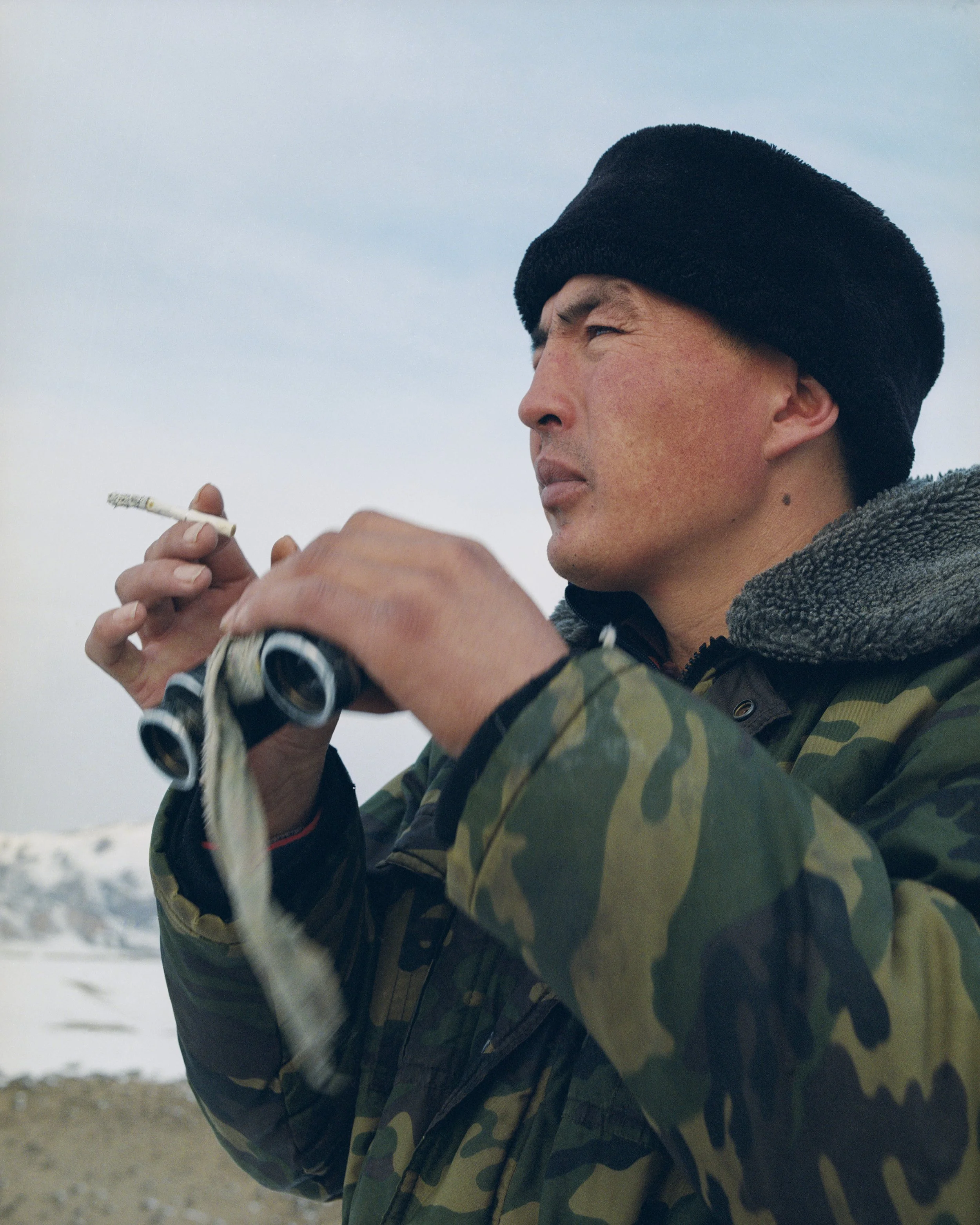
Ottuk is slowly disappearing. Young people are leaving, and the old way of life may be gone within twenty years. Does photography change anything, or does it only record what is being lost?
It only records. There is no way to make money available where it is not, and there is no way to make a young person want to wake up before sunrise in the freezing cold to break ice off horse troughs. I know this from my own experience. I grew up on a ranch in Oklahoma and did exactly that as a boy. My brother and I would head out before sunrise in winter with baseball bats to break the ice, hearing coyotes in the distance, and I remember thinking clearly: whatever I end up doing with my life, I do not want to be a farmer in Oklahoma. I live in New York now. I cannot blame anyone for wanting something different.
At the same time, that lifestyle carries something real that is very hard to find elsewhere. It is physically demanding, but mentally it has a clarity and peace that you would struggle to replicate in an office, regardless of salary. There is an honesty to it that I find genuinely beautiful.
My background is in history, and that shapes how I think about what I am doing. I see myself as creating primary sources, documentation of a way of life from someone who was actually present. I also accept the subjectivity of that. My perspective is shaped by my own personality, my relationships, my particular experience of the place. But that has always been true of historical documentation, from Herodotus onward. You record what you witnessed, and you accept that your witnessing is not neutral.
If a younger photographer came to you and said they wanted to do this kind of long-form documentary work but did not know where to start, what would you tell them?
Get a film camera. Start with 35mm. It is affordable, manageable, and forces you to engage with photography in a way that digital does not. Film makes your mistakes expensive, and that changes how you shoot. You pay attention to light differently. You slow down. You think before pressing the shutter. And beyond all of that, film is simply beautiful. I shoot film constantly, including right now in Nepal, and I have no intention of giving it up.
The second thing I would say is: stop focusing on the outcome. Do not measure the value of your work by where it gets published or who notices it. Go and make honest photographs of things that genuinely resonate with you, explore subjects and themes that mean something to you, and treat the process itself as the point. Photography is a way of learning about the world, about people, and about yourself. If you are spending your energy worrying about where the photos will end up, you are not actually present for the experience of making them. And presence is where everything real happens.
The delayed feedback of film is interesting though, because digital lets you review your images daily and correct your mistakes quickly. With film, you might not know for a week whether something worked. Does that make it harder to learn?
It is a fair point, and my answer to it is practical: do not take film to Kyrgyzstan until you know what you are doing. Go around your own neighbourhood first. Take the roll to a lab, get it back within a week, and study what happened. Keep a notebook of your exposures, which meter reading you took, whether you were reading off a highlight or a shadow, what the results looked like. Use a light meter properly and build that discipline close to home before you commit to expensive film in the field.
Film teaches you to remember your mistakes because they cost you something. That is precisely the point. The constraint is the lesson.
The book is dedicated to Ishinbek, who died before it was published. What do you think he would have said if he had seen it?
I think he would have been genuinely flattered that the book existed, that someone thought Ottuk worth documenting at that level. And then immediately embarrassed to find himself in it. He was a deeply modest man. If I had shown him a photograph of himself, I think he would have said: yes, fine, it is all right, and moved on quickly.
The thing is, he and the other men in the village were supportive of what I was doing in a practical sense. If I needed to get up to a particular mountain to take a landscape, they would help me get there. But the larger project, the idea of a book, exhibitions, documentary photography as a form, was genuinely outside their frame of reference. They were glad I was there. They wanted to hang out, to go hunting, to race horses. When I was with them, we almost never talked about photography, because that was not how we related to each other. We talked about family, nature, history.
In the end, I think Ishinbek would have been proud that Ottuk had been recorded. And quietly, genuinely shy about the fact that his own face was in there too.
Luke, thank you for your time. It was a really interesting conversation. Good luck with the Nepal project.
Thanks Martin, I enjoyed it. Good luck with your project.
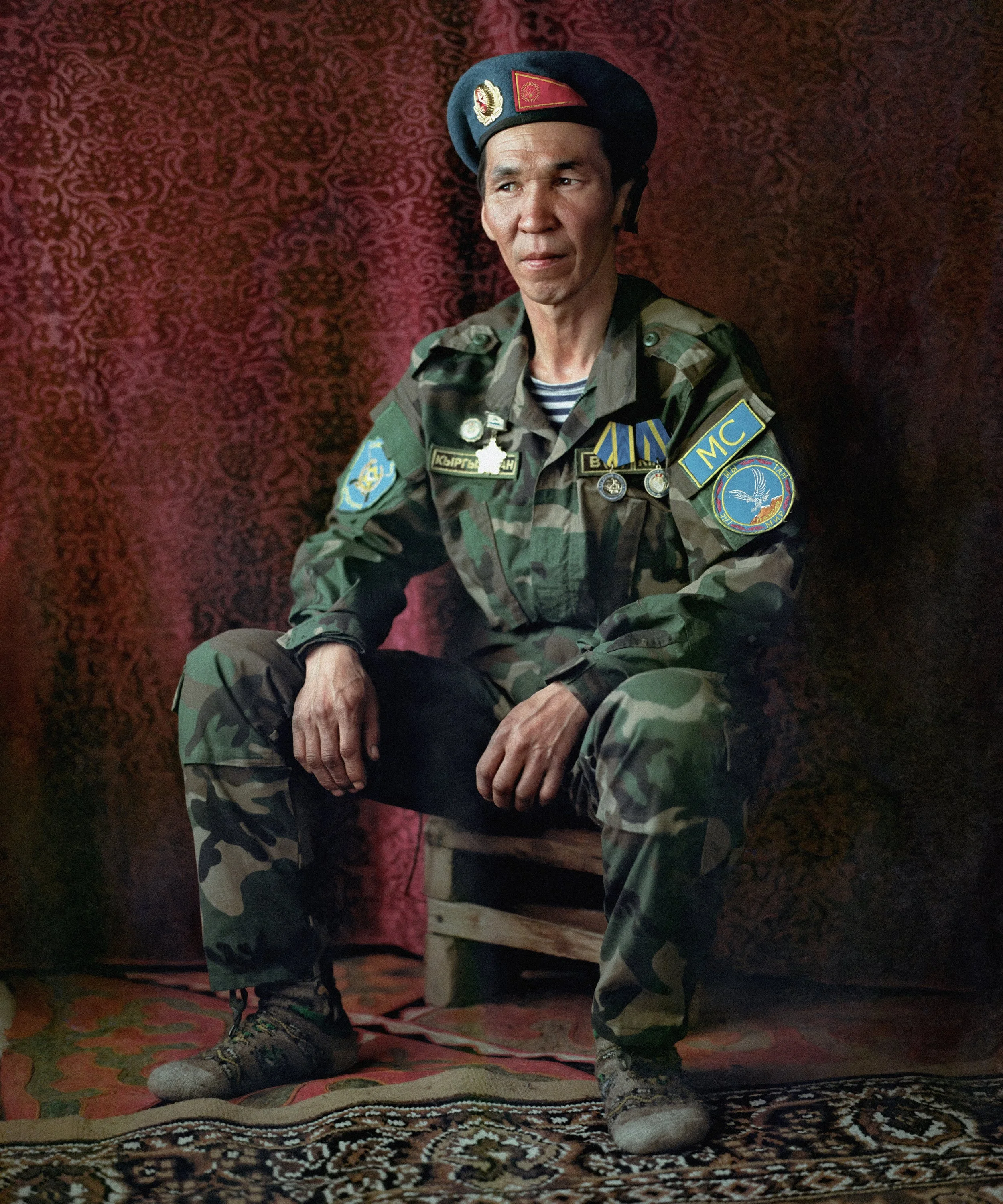
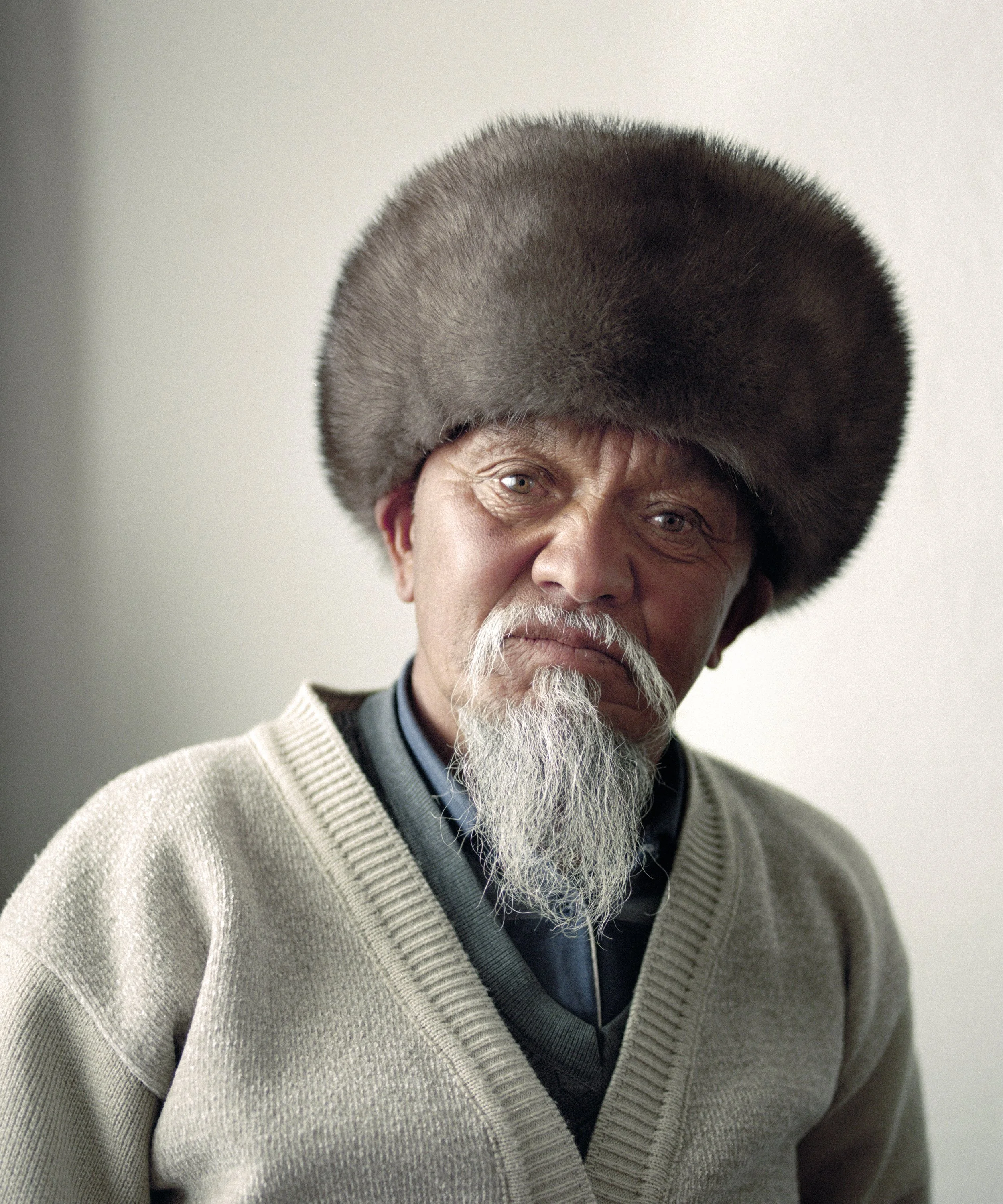
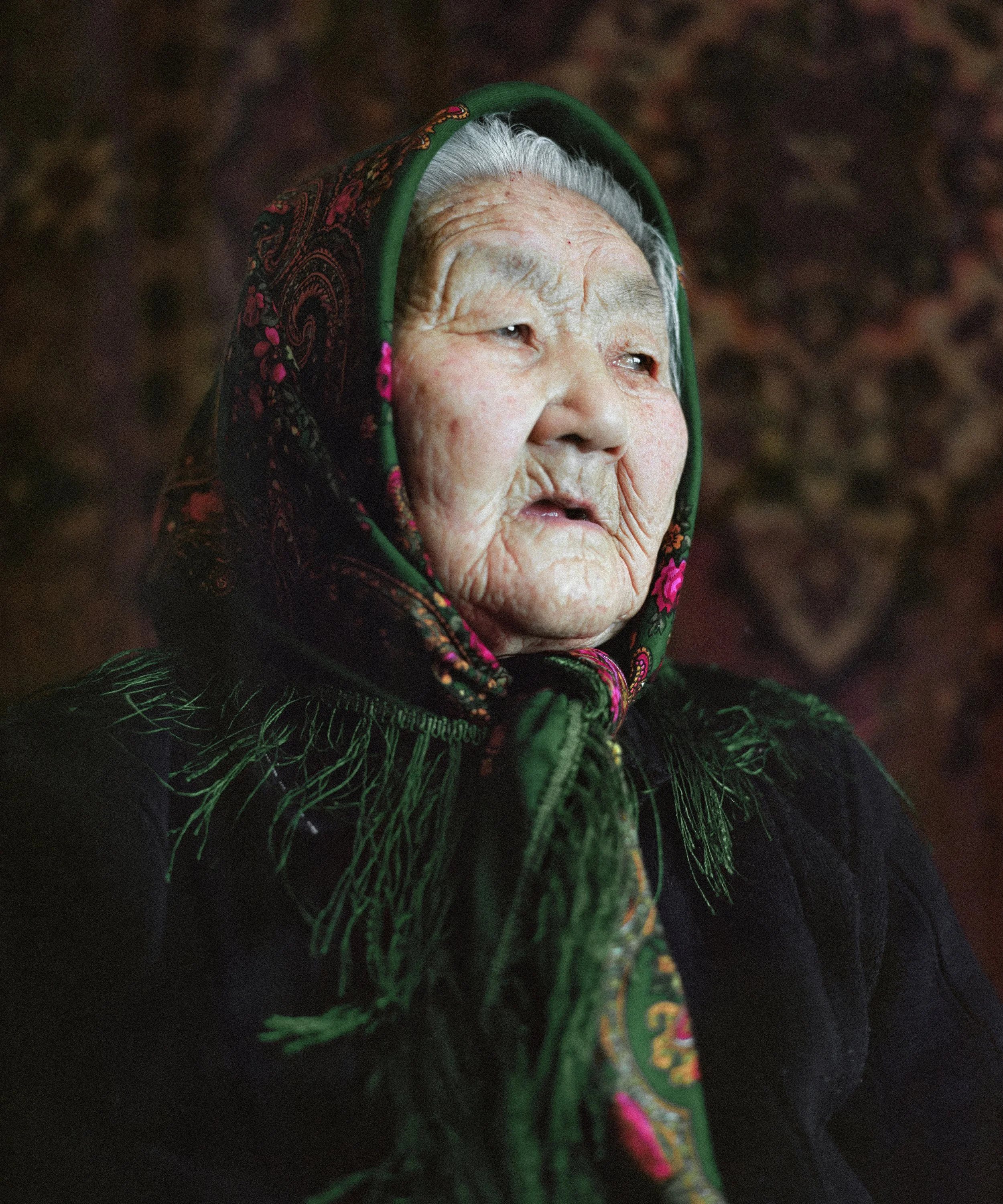
To discover more about this intriguing body of work and how you can acquire your own copy, you can find and purchase the book here. (Aliens in Residence, Amazon)
More photography books?
We'd love to read your comments below, sharing your thoughts and insights on the artist's work. Looking forward to welcoming you back for our next [book spotlight]. See you then!
Robin de Puy could no longer make this project alone. She first photographed Randy in Ely, Nevada, during a 2015 road trip and kept returning to him for more than ten years. Interviews