These 50-Year-Old Photographs Still Feel Strangely Connected: Richard Hay Jr. on Time, Memory, and Seeing the Same World Twice
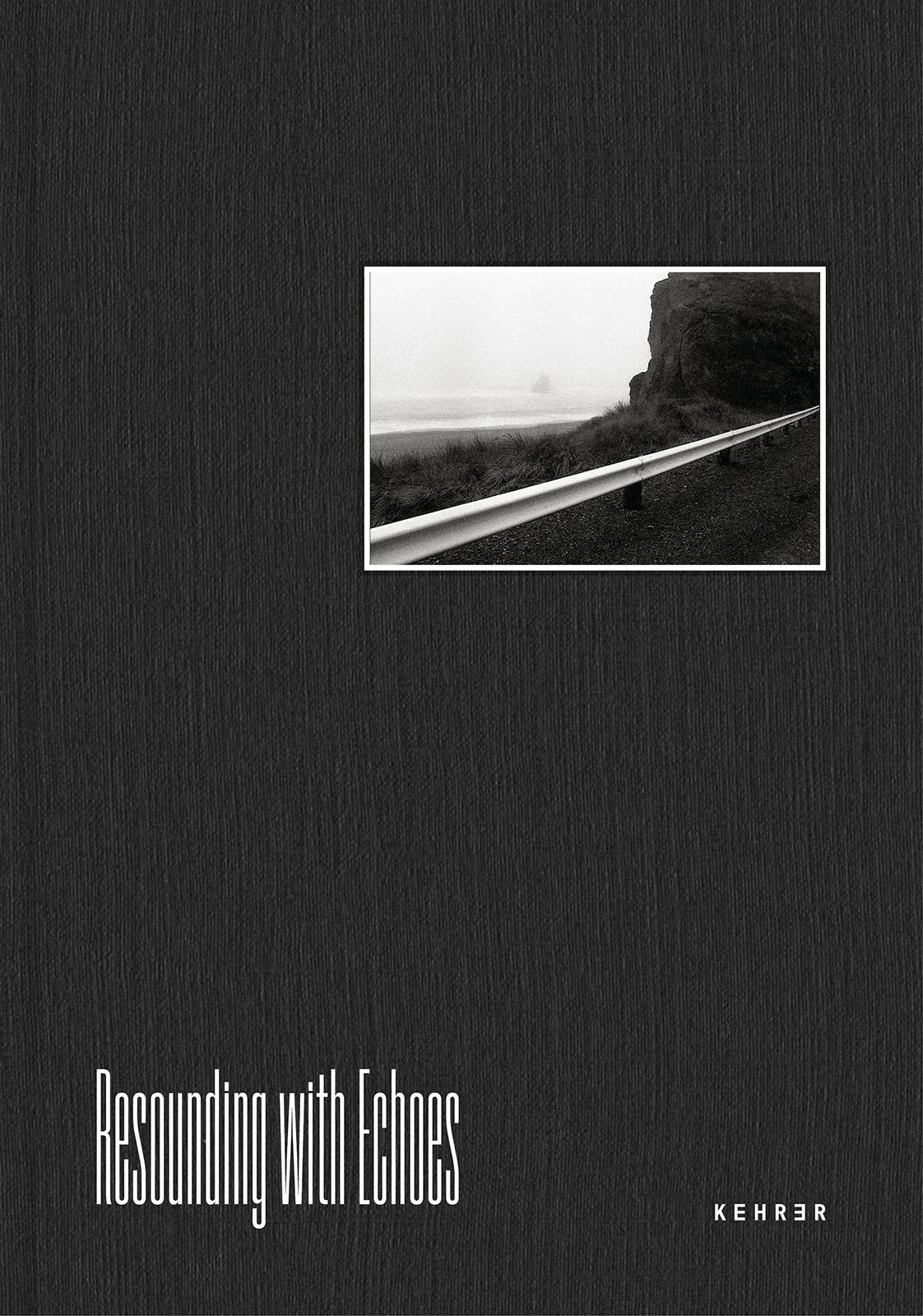
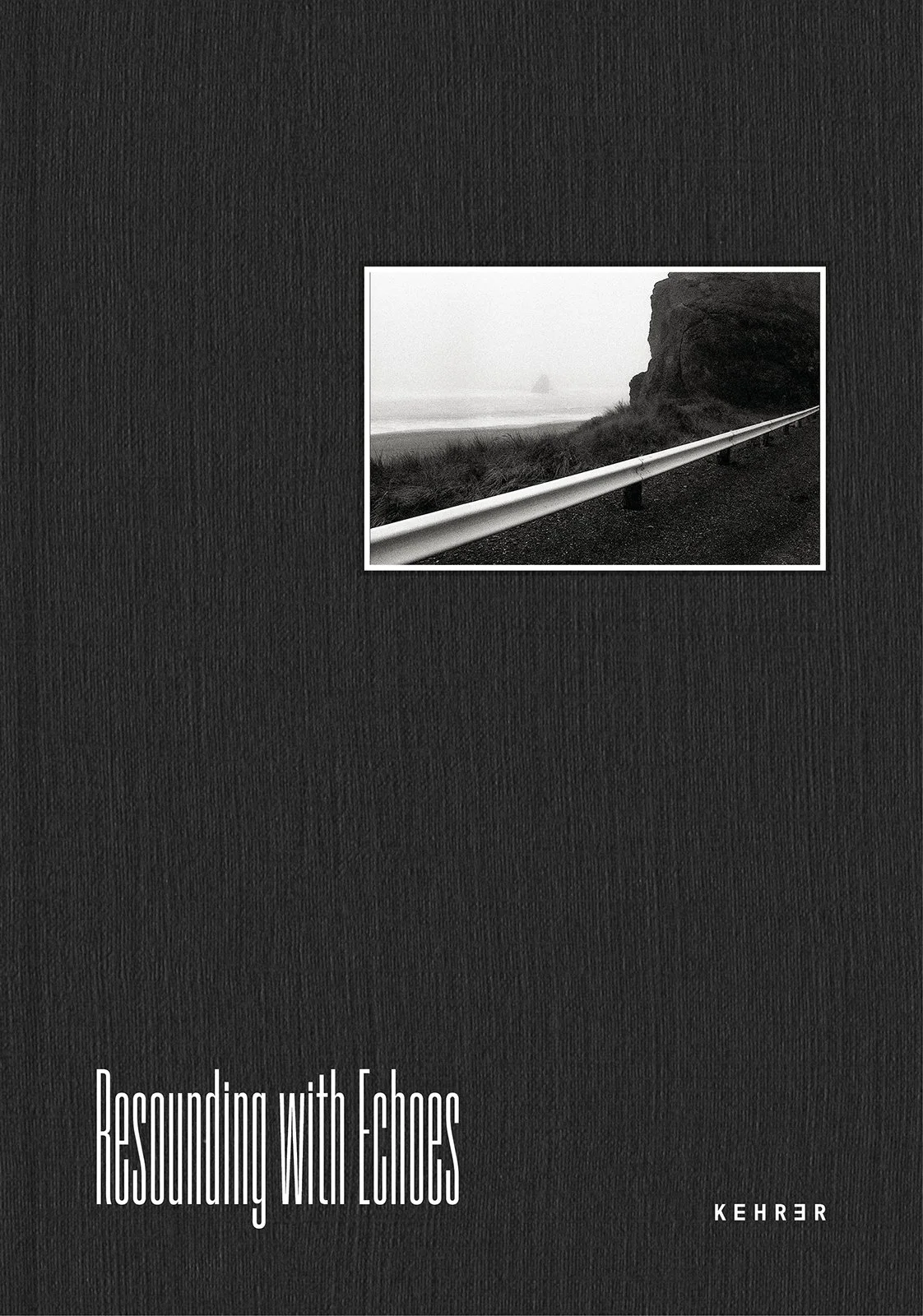
Welcome to this edition of [book spotlight]. Today, we uncover the layers of 'Resounding with Echoes,' by Richard Hay Jr. (published by Kehrer Verlag). We'd love to read your comments below about these insights and ideas behind the artist's work.
Fifty years later, these photographs still speak to each other.
Images made in West Africa and the United States begin to feel strangely similar. Taken in the 1970s, they now sit side by side in a way that blurs distance and time. The connection is not explained directly, but it becomes clear the longer you look. This conversation explores how that connection was built.
Richard Hay Jr. did not look for dramatic or expected scenes.
He photographed ordinary places, small details, and quiet moments people often ignore. Influenced by documentary work and the New Topographics movement, he approached both continents with the same attention. That consistency is what makes the images echo across different places. The result is a body of work that feels both specific and universal.
There is a very quiet shift behind this work that is easy to miss.
Instead of asking what is unique about a place, he paid attention to what feels familiar across different places.
He did not try to explain what he saw or make it obvious, and he even removed captions to leave space for interpretation. That approach changes how you look, because you stop searching for meaning and start noticing patterns, repetitions, and small visual rhymes. It is less about finding a strong image and more about staying with a scene long enough to understand what connects it to another one.
The Book
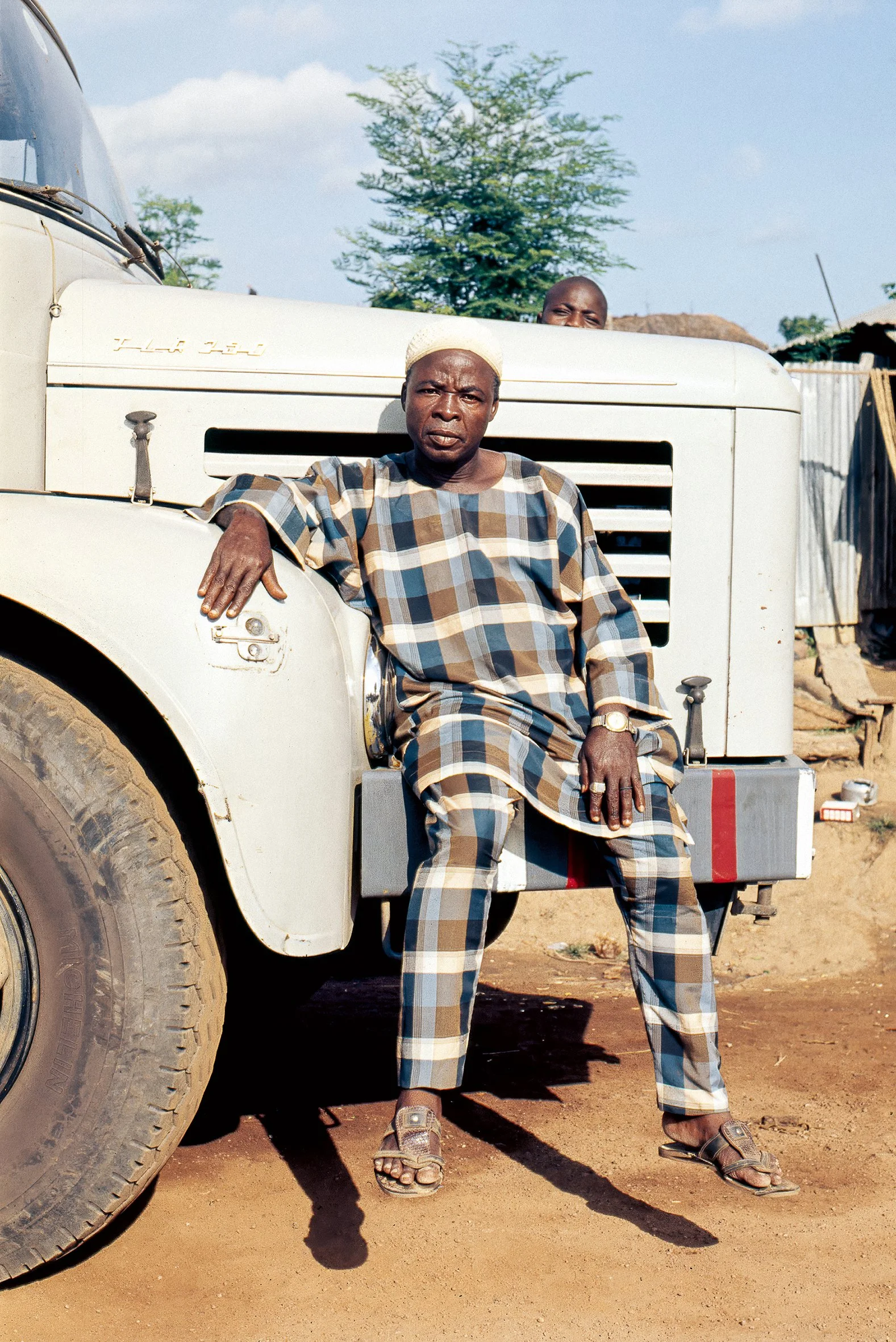
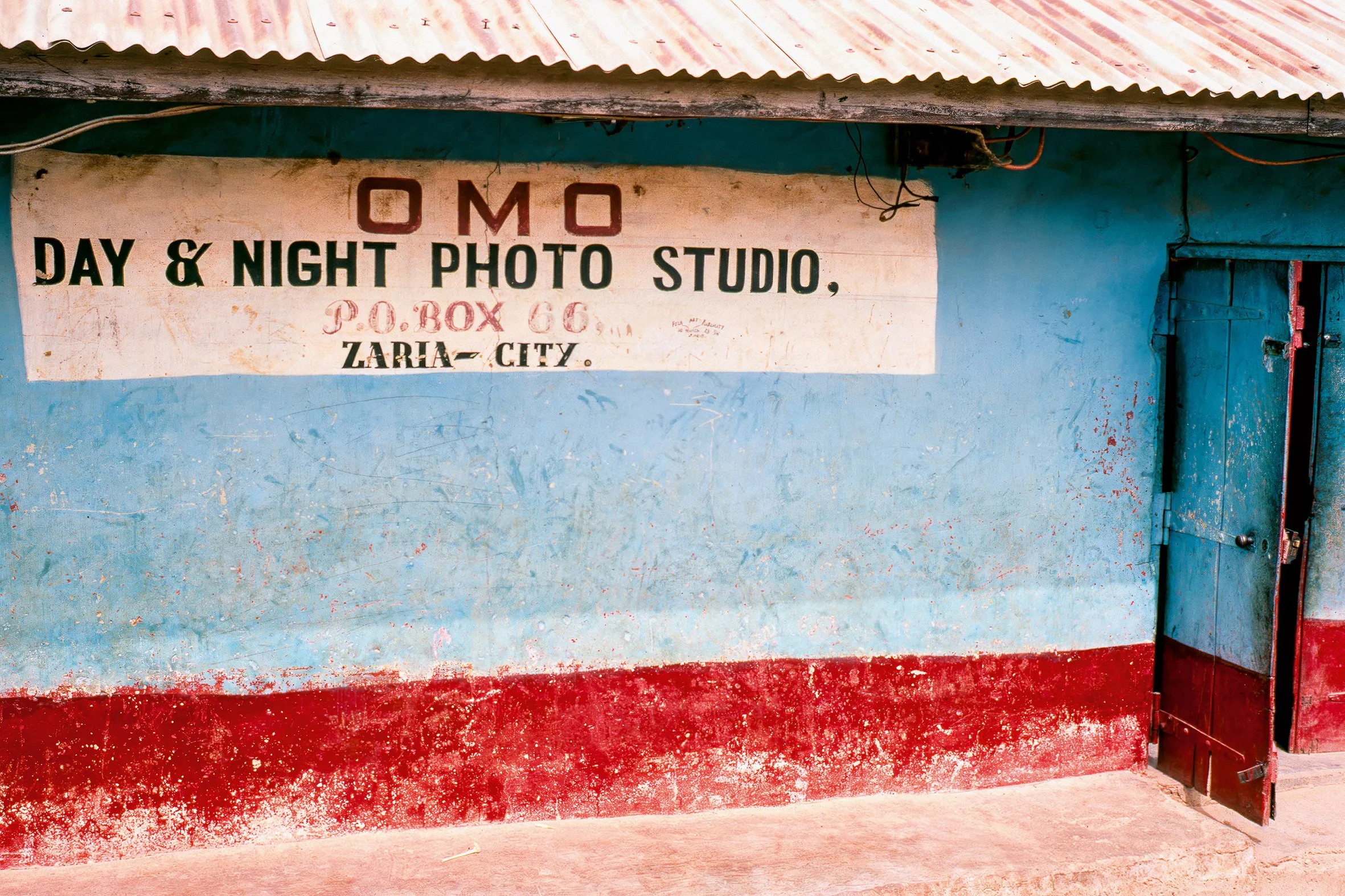
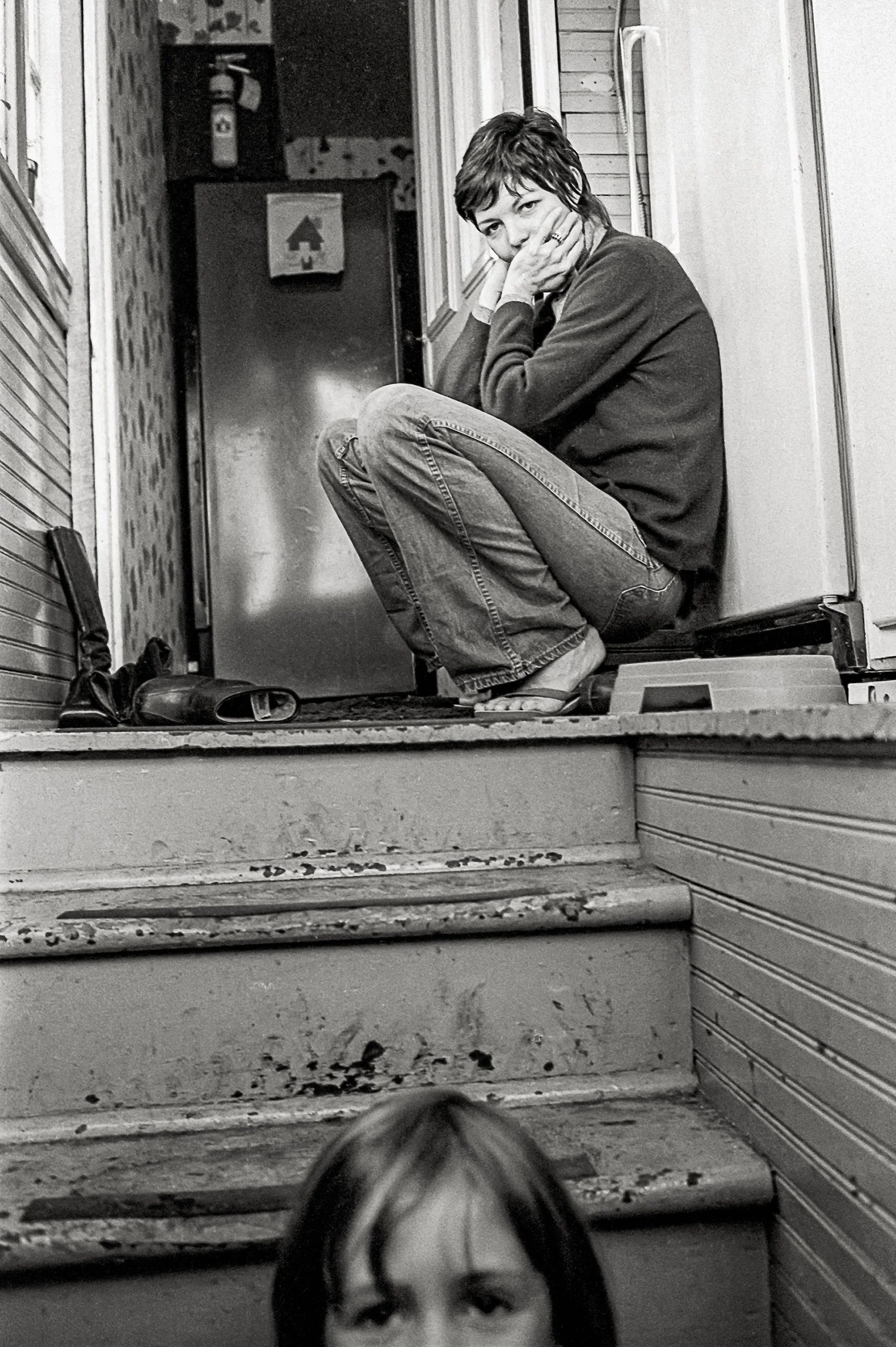
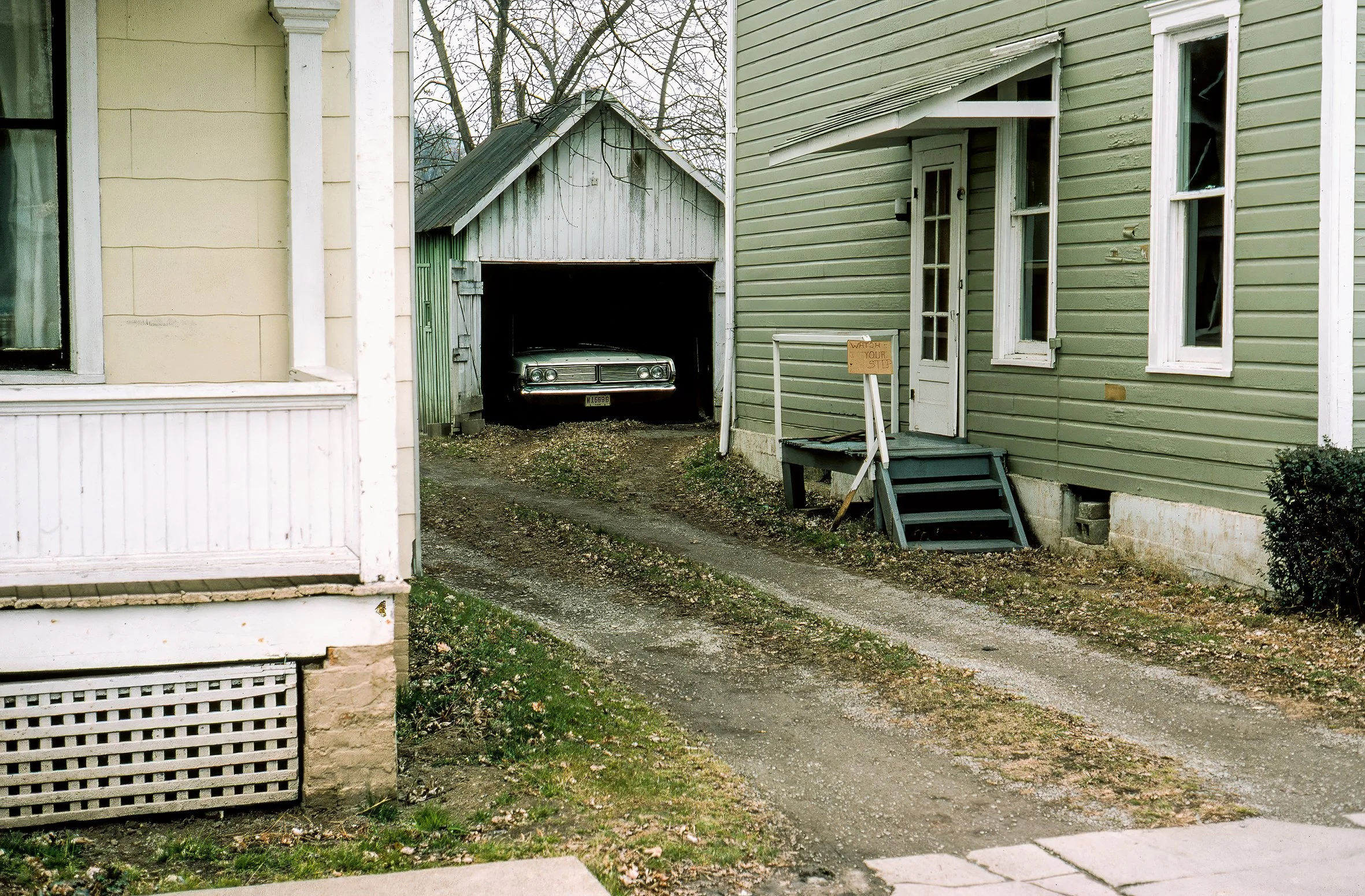
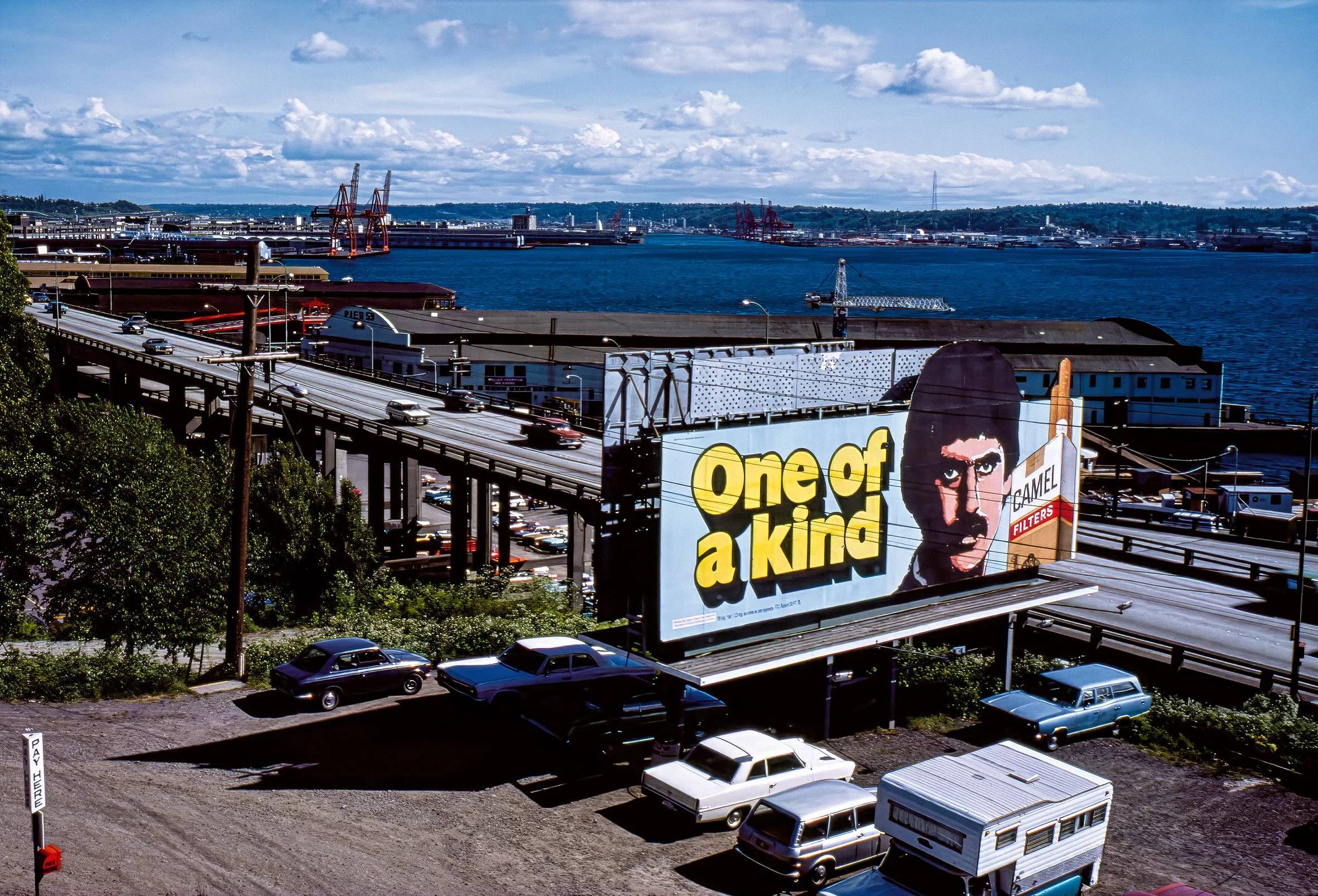
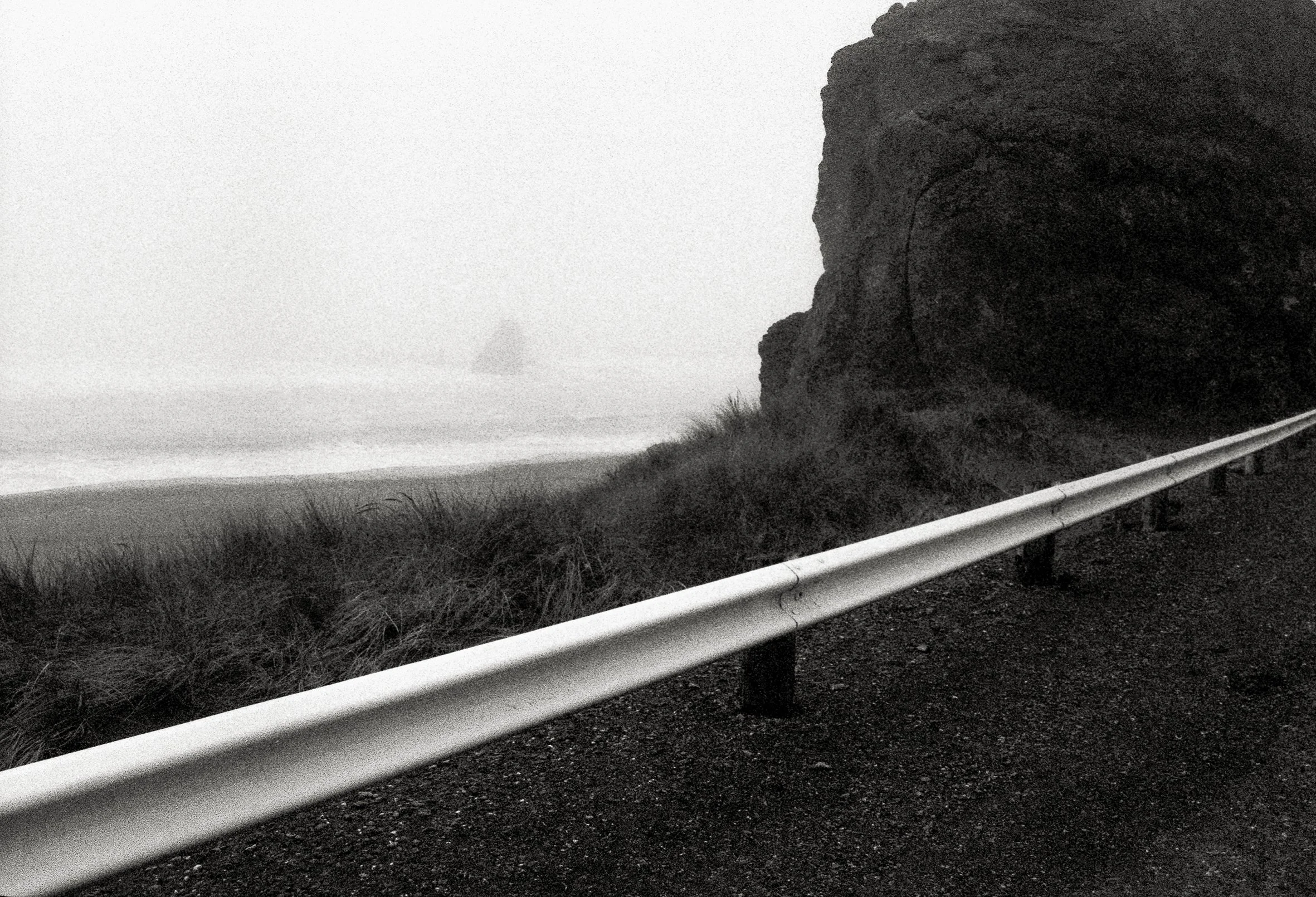
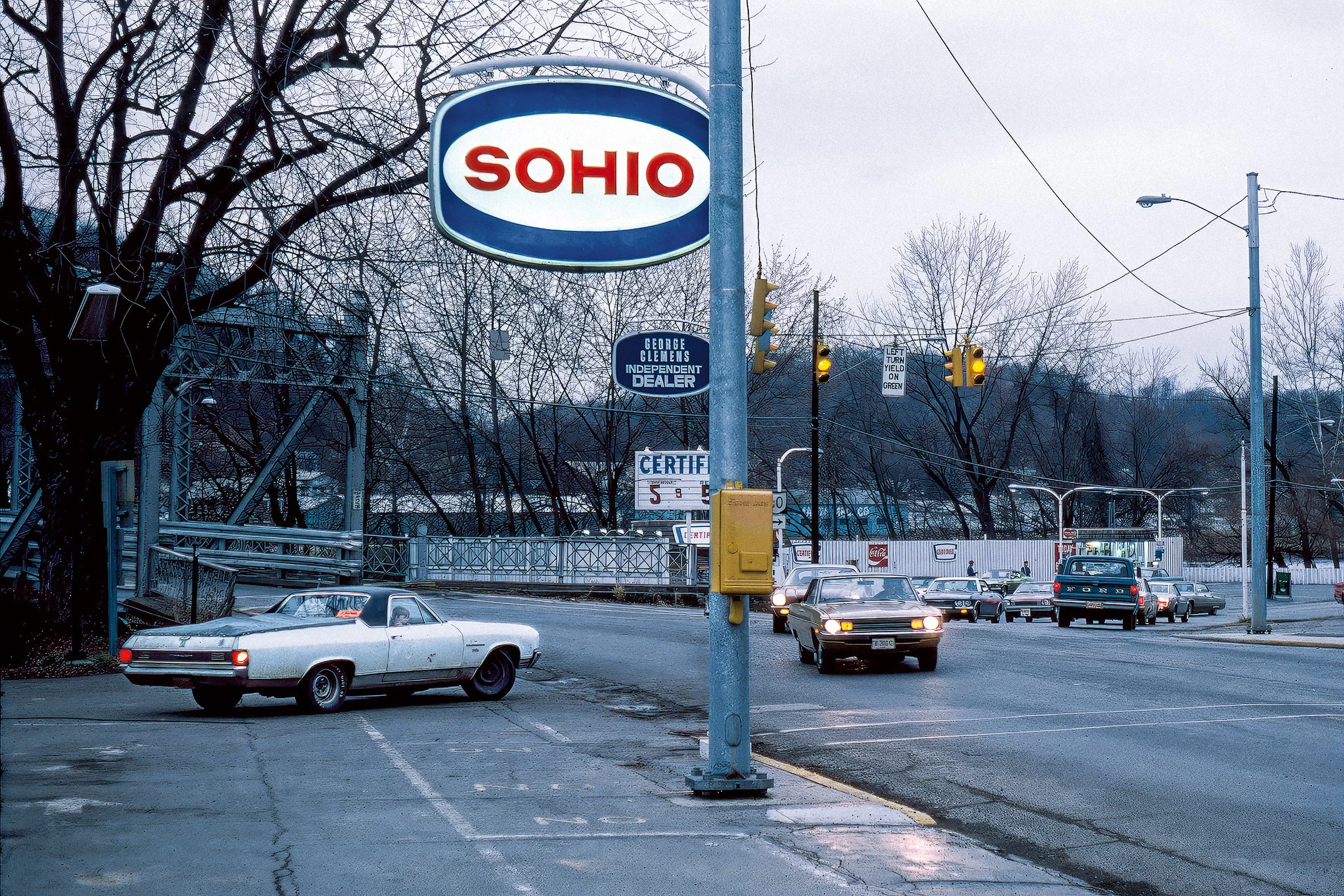
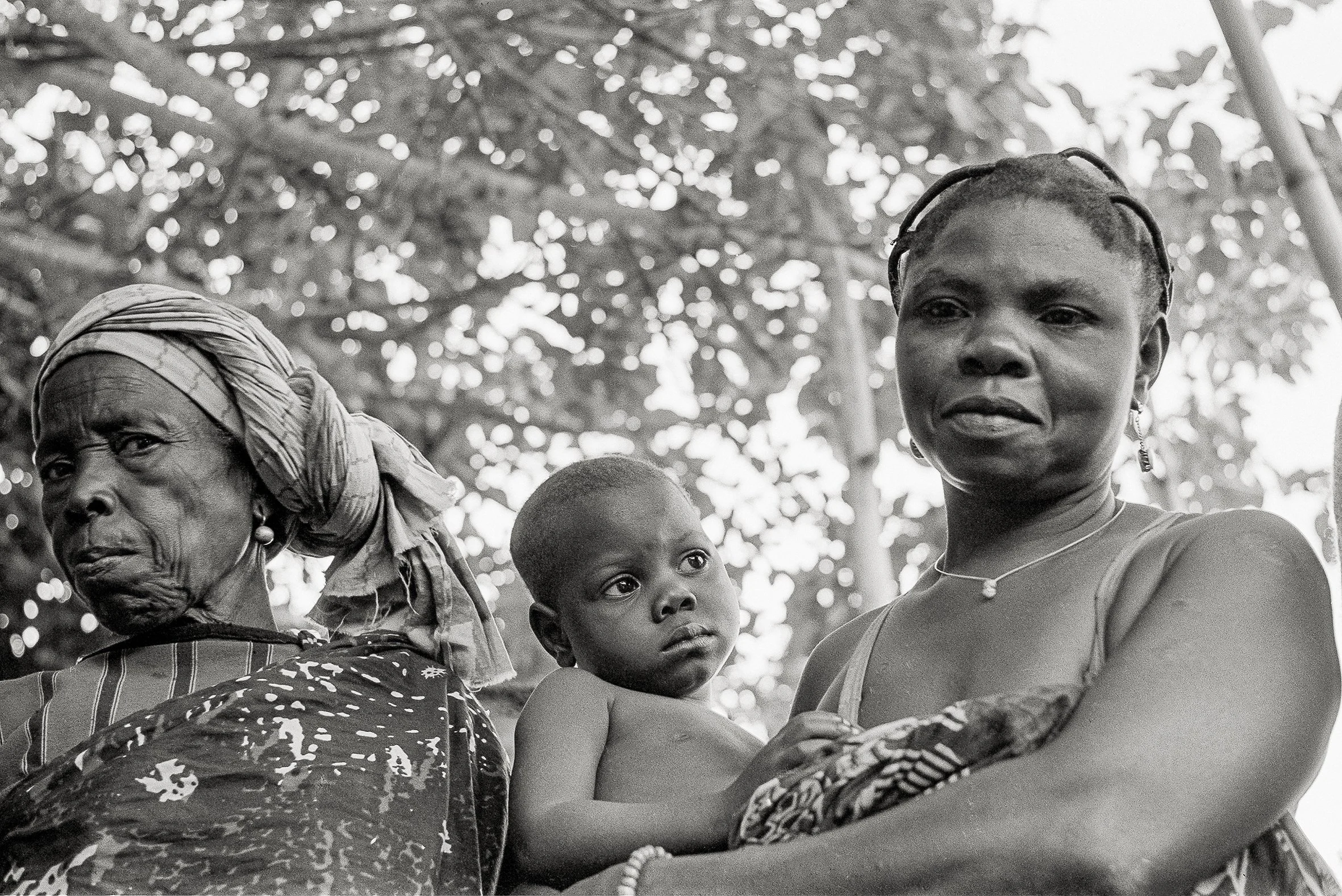
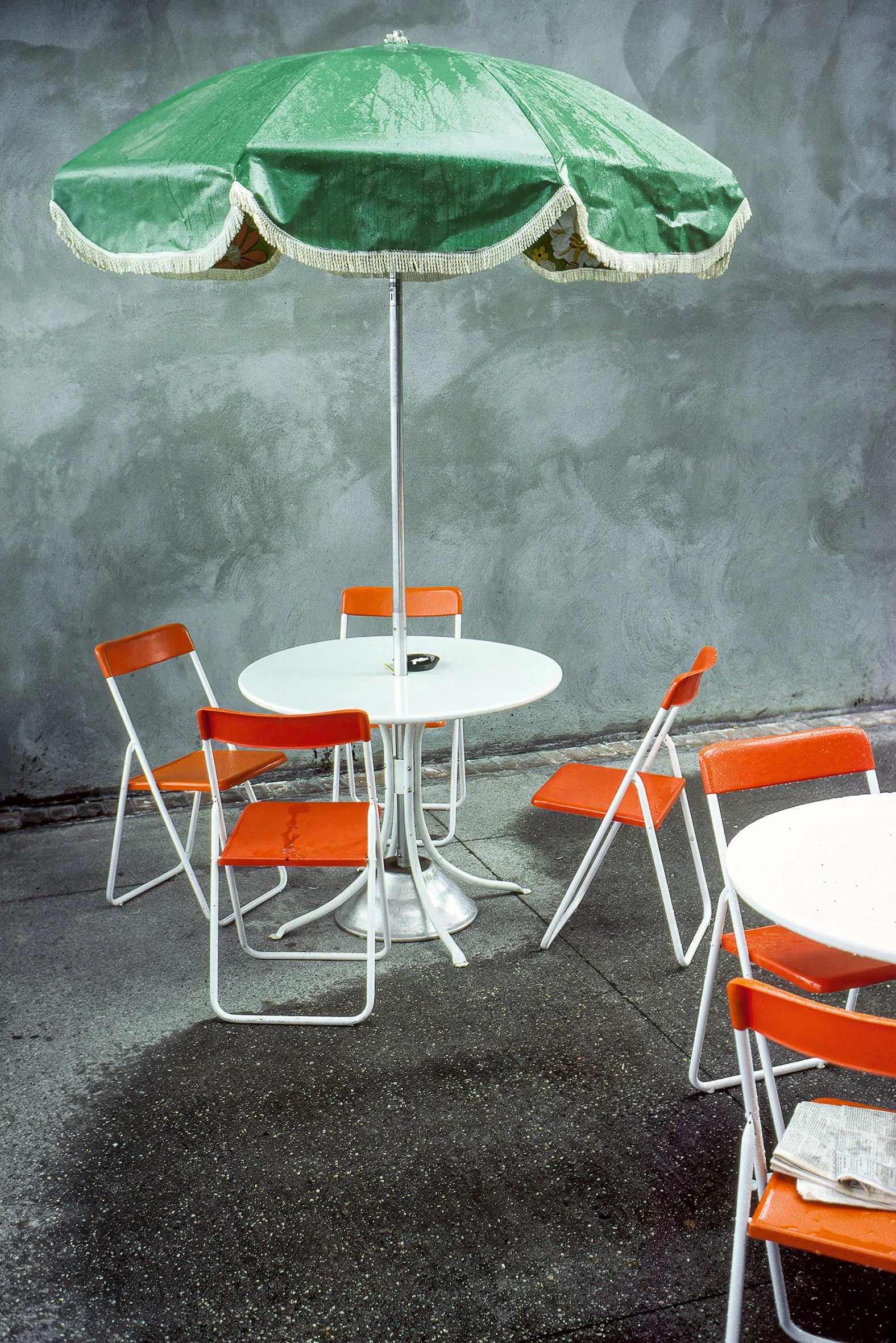
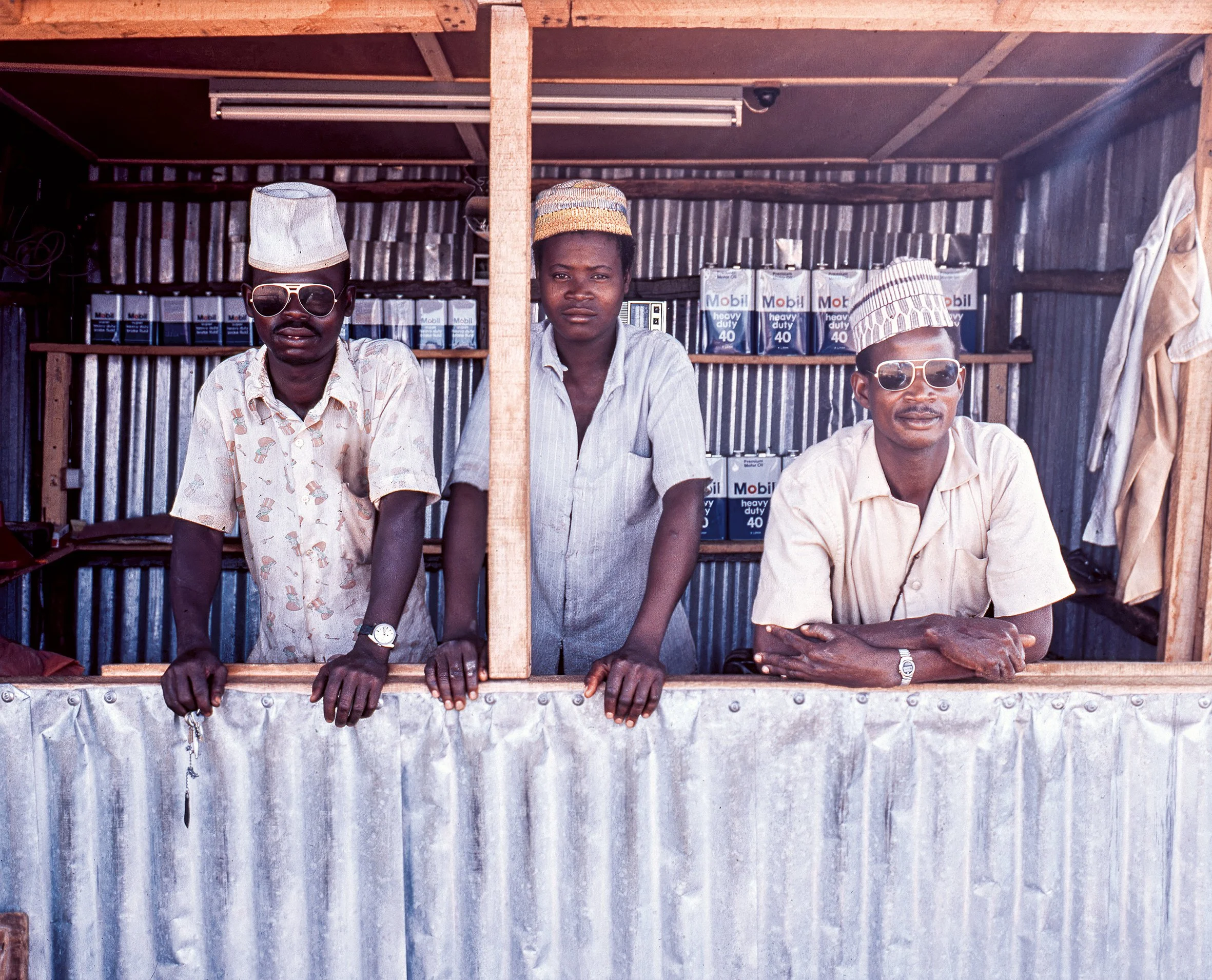
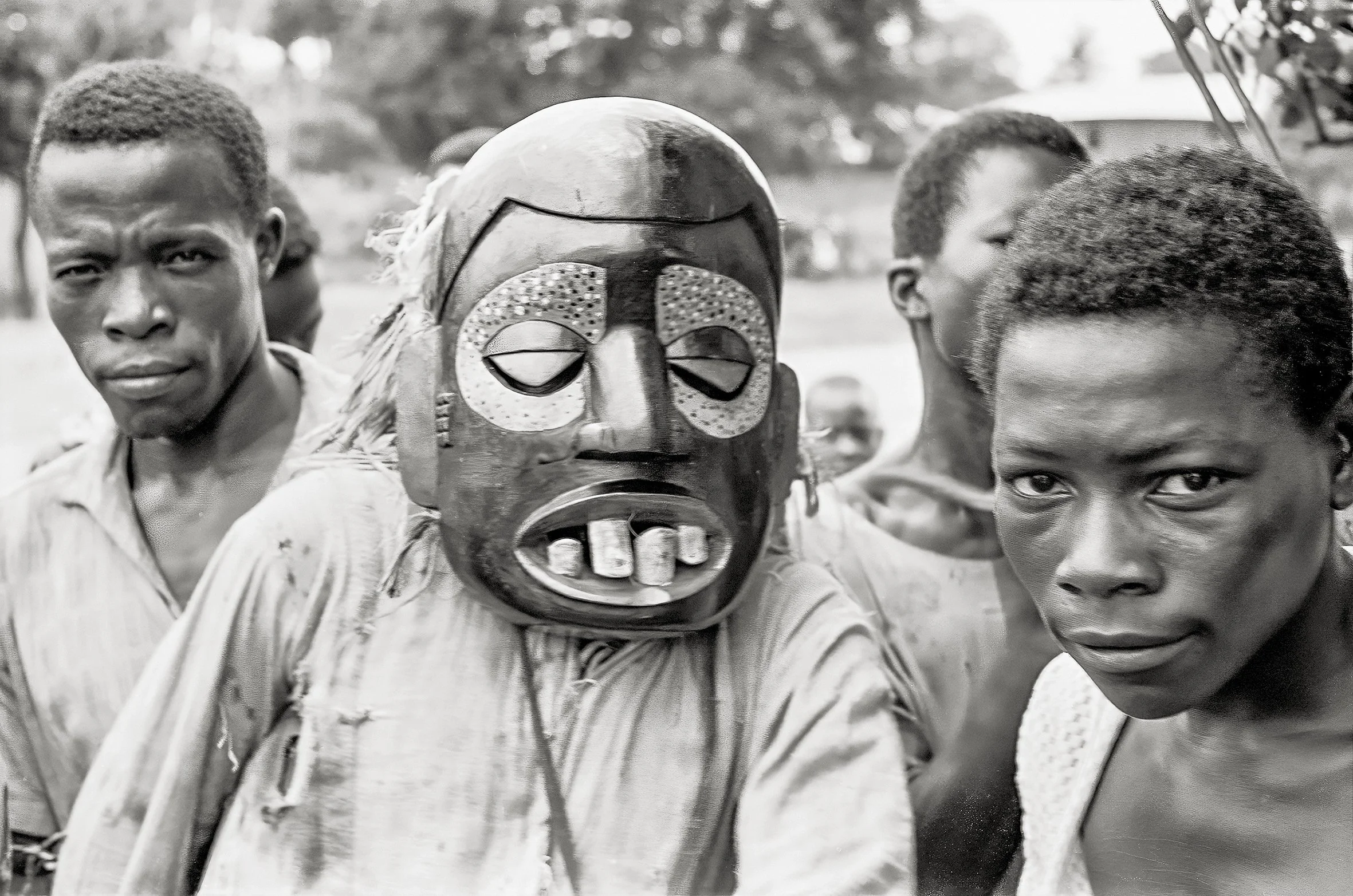
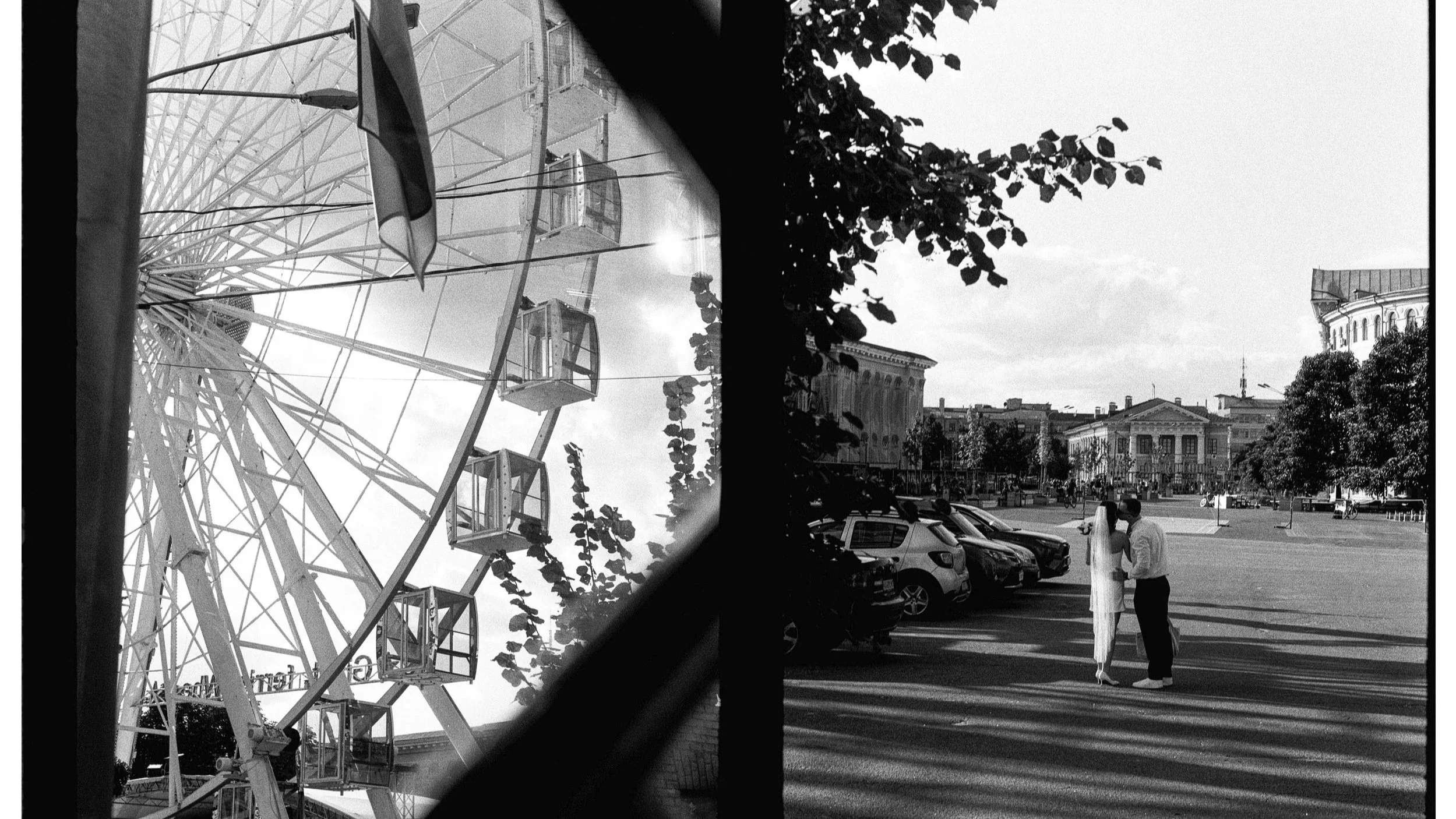
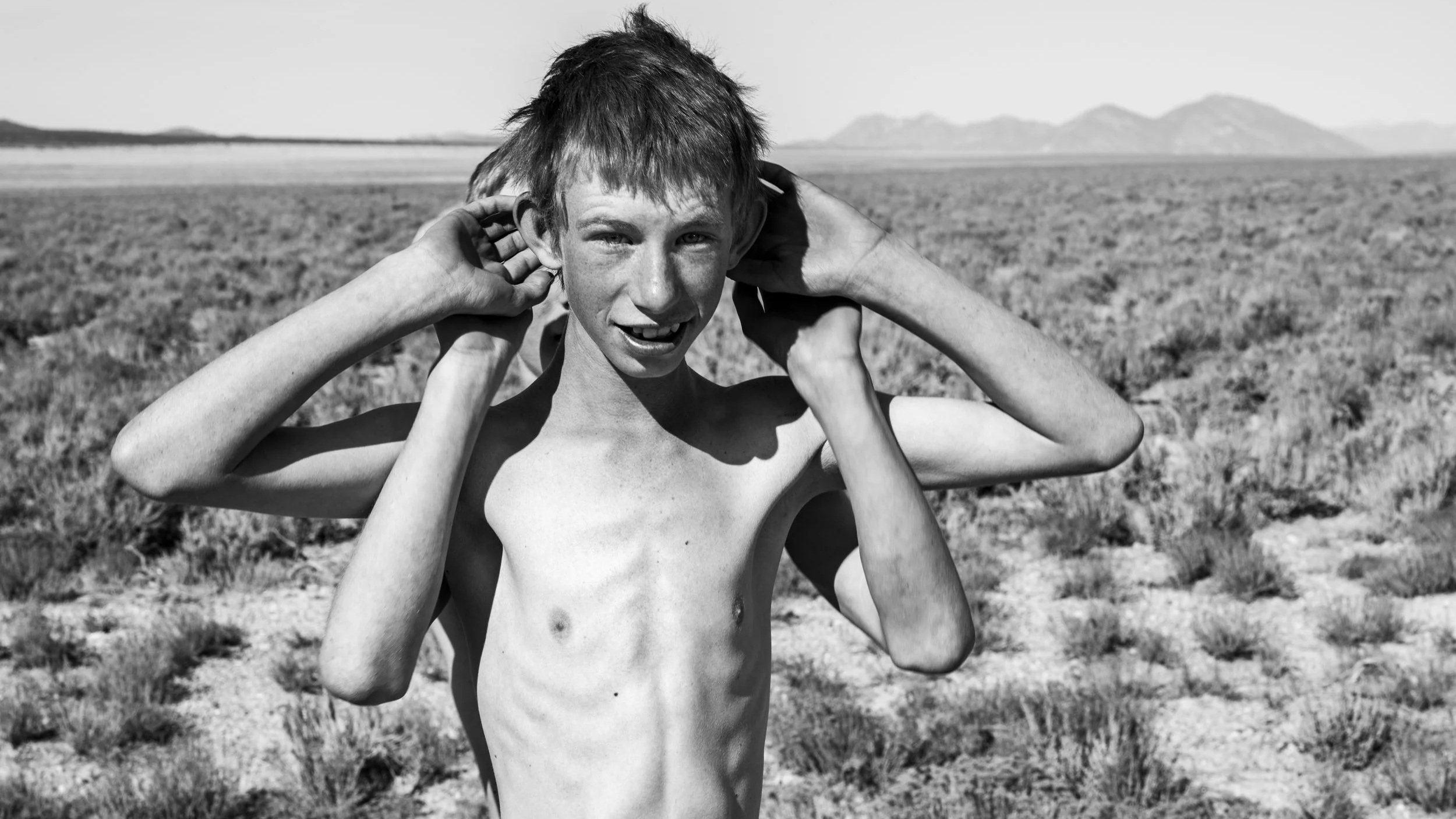
Resounding with Echoes by Richard Hay Jr., published by Kehrer Verlag, brings together photographs made across West Africa and the United States during the 1970s, creating a quiet dialogue between places that are rarely seen in relation to each other. Through a mix of black and white and color images, the book focuses on everyday life, avoiding familiar narratives of poverty or spectacle and instead paying attention to shared rhythms, spaces, and gestures that repeat across continents.
Rather than clearly separating where each photograph was taken, the book leaves many images without context, allowing visual connections to emerge slowly. Streets, interiors, and passing moments begin to echo one another, suggesting that what we often see as different may be closer than expected. The sequencing, along with an essay by Emmanuel Iduma, expands this idea further by reflecting on time, memory, and the way photographs gain new meaning decades later.
At its core, the book is less about documenting specific places and more about how we recognize patterns in the world. It proposes that the ordinary holds enough complexity on its own, and that careful looking can reveal links between distant lives, histories, and environments. (Kehrer Verlag, Amazon)
Project Genesis: You worked in your university's African Studies programme before travelling to West Africa. What was it about that experience that made you pick up your Leica and go?
I grew up in a provincial, middle American suburb outside of Washington, DC. Attending Northwestern University as an undergraduate was eye-opening to me in many ways. Northwestern had a strong African Studies department with relationships with several African universities. I became a research assistant for a researcher who subsequently took a position at a university in Nigeria and invited me to visit. I was part of a photographic community at Northwestern and had photographed on road trips through the US. So, I was excited to go do that in West Africa, which I had previously only encountered in books and lectures. Several years later, I returned to Northern Nigeria to teach at a university there and continued to take trips and photograph. Today, I still interact with some of the photographers that I originally met at Northwestern.
Equipment: You travelled with a used Leica and a limited supply of film. How did having so little gear affect the decisions you made in the field?
My choice of photographic equipment was driven by very pragmatic concerns — a limited budget, small size and lightweight, good image quality, and unobtrusive. I had a pre-owned Leica M3 with a 35mm and 50 mm lens, a small hand-held light meter, and a pre-owned Pentax SLR with a 100 mm short telephoto lens. I carried these and my film in a beat-up, army surplus, canvas shoulder bag.
As for film, I shot two Kodak films that are no longer available — Kodachrome colour and Panatomic X black and white. Both of these were very fine-grained, slow films which worked well in the bright light of West Africa and the western US. I also shot Kodak TriX black and white when I needed a faster film.
I had most of the film developed when I returned home to the US — Kodachrome in a lab, and I did my own black and white processing. At one point in my journey through Nigeria, I visited a friend who had access to the darkroom at the local technical college. We both developed some black and white film there using collected rainwater to substitute for distilled water, which was unavailable.
Artistically, I was interested in both the classic, reportage use of black and white film and in the added dimensions provided by colour film, which some creative photographers were just beginning to shoot at the time. I had a bulk loader with me to load my own TriX—so it was much cheaper and more available. So, I felt freer to experiment with the black and white, but I am very happy with the colour work. We used both in the book, and I think that the designer, Caleb Cain Marcus, creatively and successfully interwove them.
Influence: The New Topographics movement treated the everyday landscape as something worth serious attention. How did that idea shape the way you photographed ordinary streets and interiors in Nigeria and the United States?
I visually explore the dynamics between people and the environments that they create and inhabit. Reflecting my interests and training in sociology, architecture, photography, and design, I view built and natural environments as cultural manifestations of people and their societies. In this context, I focus on lyrical interpretations of ordinary people and their social landscape. Working across several decades and continents, in both analogue and digital processes, encourages my contemplation of change, permanence, and impermanence.
While I had not articulated a formal “artist statement” when I did this work in the 1970s, I now look back at these images and see them as congruent with a set of lifelong interests which have evolved as I have matured.
I started buying and collecting photobooks in college and studied the work of Walker Evans, Dorothea Lange, Edward Weston, Robert Frank, Henri Cartier-Bresson, Robert Capa, Paul Strand, and others. I also became aware of the New Topographics photographers and their emphasis on the social landscape.
Avoiding clichés: You made a clear choice to stay away from images of poverty, conflict, or exoticism. In practice, what did that mean for how you approached unfamiliar places and people?
Much of my academic training as a social scientist emphasised a macro or societal level perspective in looking at social, economic, cultural, and political patterns in and between societies. In contrast, hitchhiking road trips immerse you in the micro, people living their ordinary, day-to-day lives. This is what I sought to visually portray as I encountered and experienced it.
Africa is often portrayed in the Western media as a place of instability, poverty, conflict, and exoticism. While all of this may be present at times, it is not what I experienced, and I wanted to present an alternative perspective. The Nigerian photographer Akinbode Akinbiyi once stated, “I wander, wonder photograph. It’s basically as simple as that.” This is the practice that I employed as I sought to make visually compelling photographs. I didn’t try to “stay away” from clichés, I just didn’t encounter them.
Ambiguity: Some photographs in the book are hard to place geographically at first glance. Was that visual similarity between the two continents something you noticed immediately, or did it only become clear later?
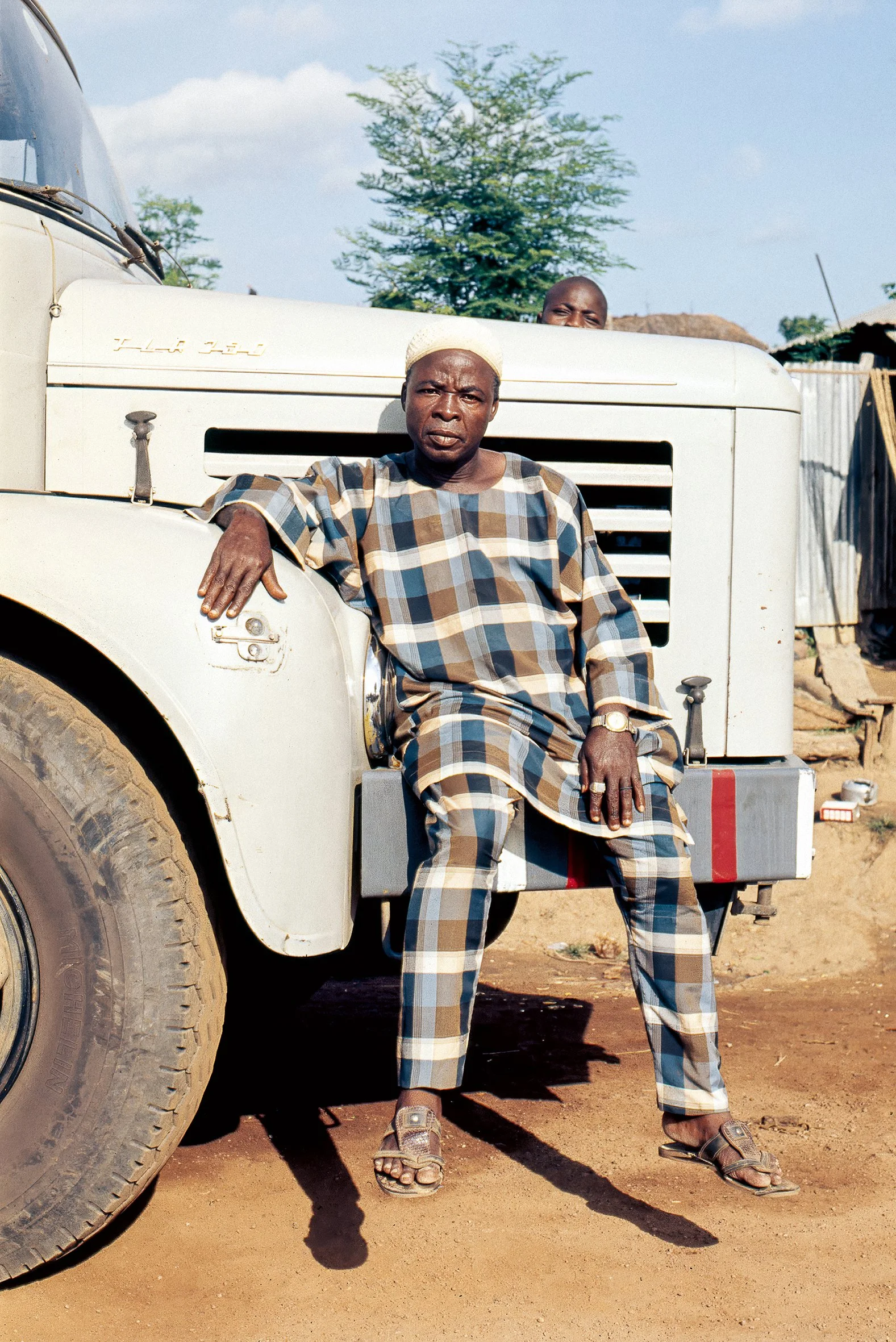
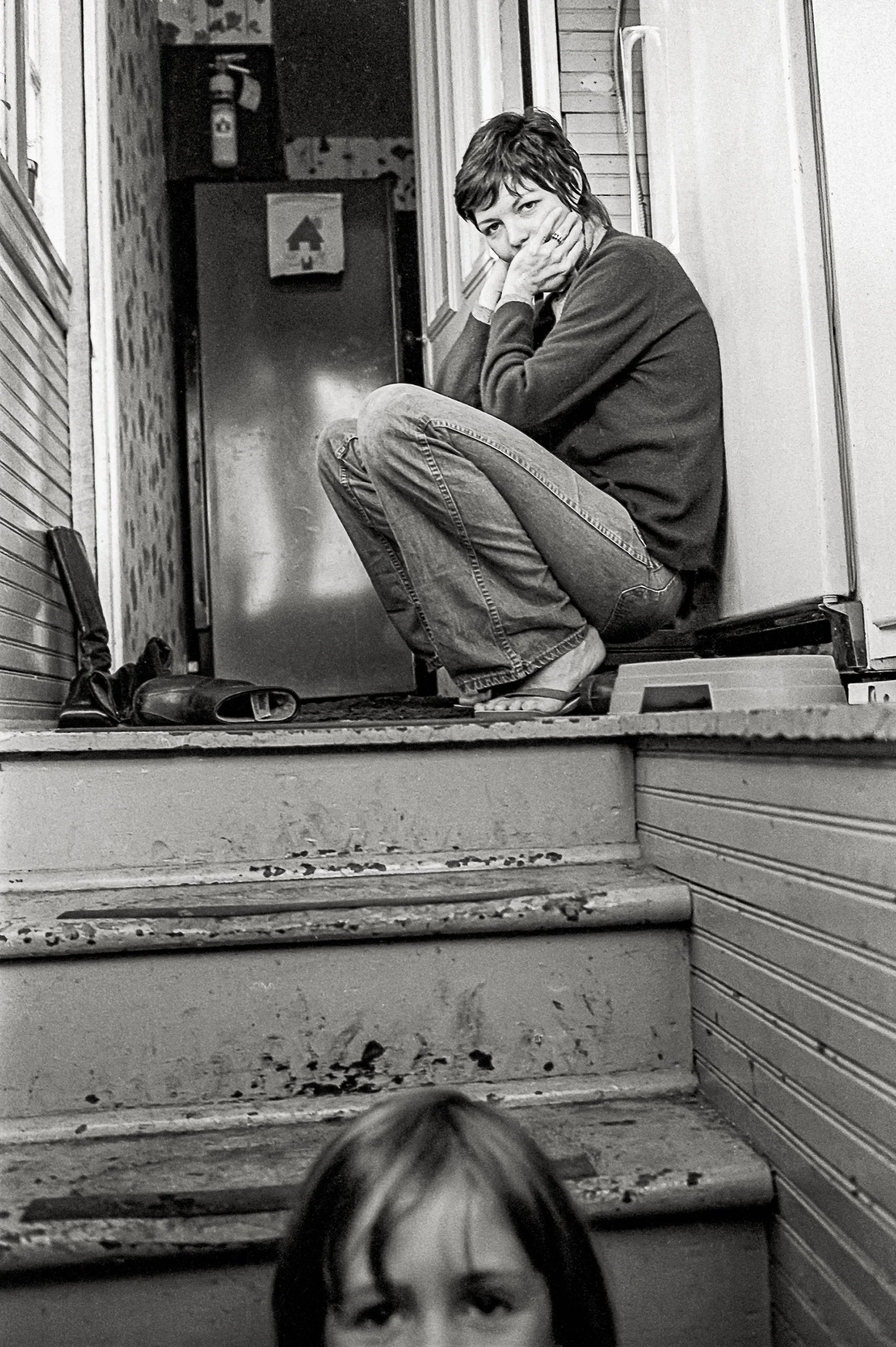
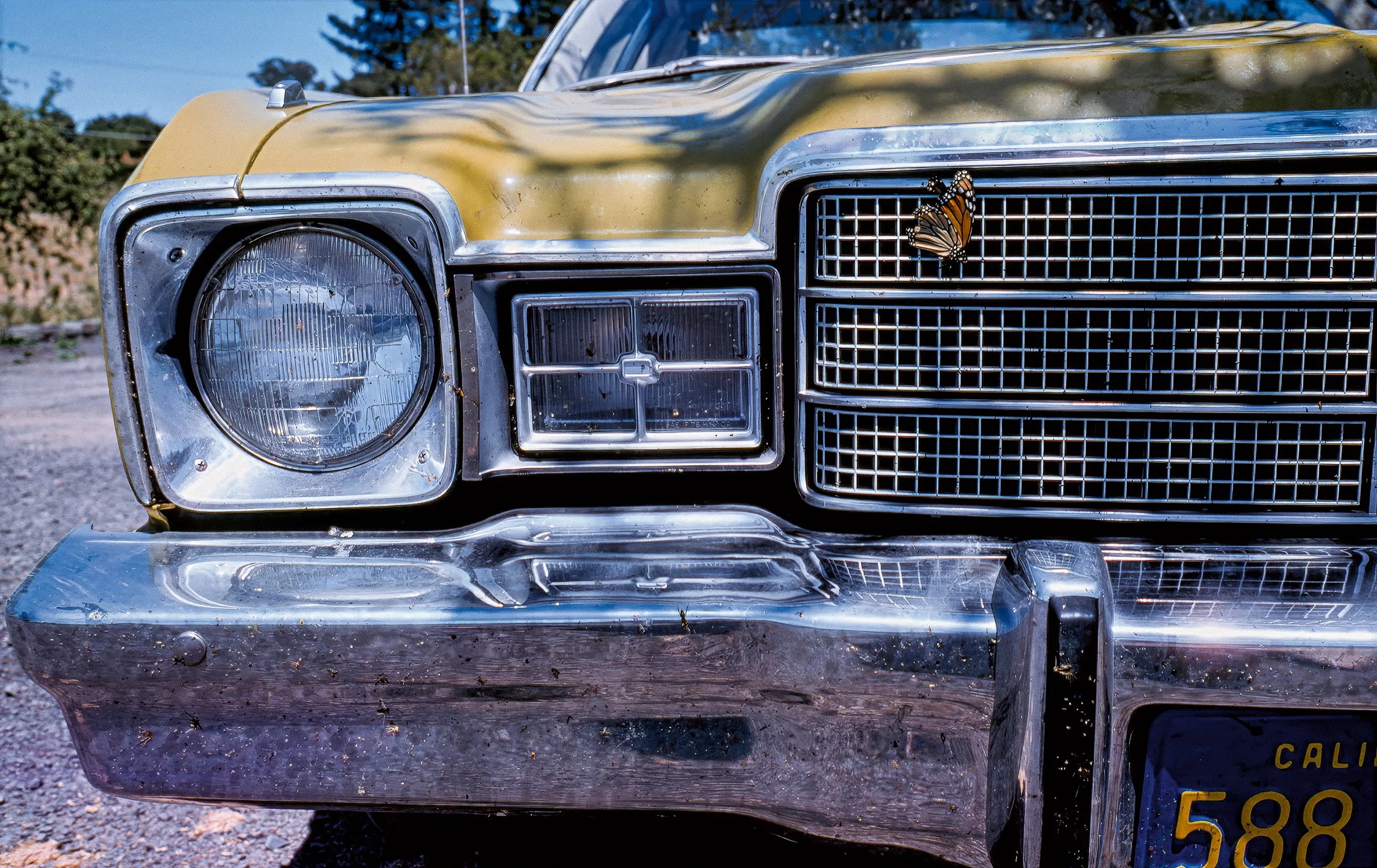
I purposely decided not to caption the photographs, including their place of origin. I want to provoke the reader to consider them and the possible connections that they might reveal. At one early stage in the design of the book, I paired photos from Africa and America opposite each other. But that was way too obvious, and now it’s up to the reader to construct and interpret their own associations.
Time: These images are fifty years old. What was the experience of returning to them now, and did their meaning shift for you?
In one way or another, I’ve been working on these images and this book for almost ten years. I must admit that it’s been a strange, somewhat out-of-body time warp experience — living in an image world of my youth while also living a daily life far away from it in time and place. One of my photographs in the book is of a lorry in Ghana with a hand-painted sign saying “There is Time for Everything.” I use this at the end of the book to frame a discussion of time and its relationship to one’s life and photography.
The photographer and photobook maker Dayanita Singh once said, “The book is a conversation with a stranger in the future.” I found this so inspirational that I printed it out and posted it in my studio.
Collaboration: Nigerian writer Emmanuel Iduma contributed the essay. How did working with him change the way you understood your own photographs?
I really wanted to get an African’s, and ideally, a Nigerian’s perspective on my work. So, I was really happy when I found Emmanuel Iduma’s blog on African photography called Tender Photo and when he agreed to write an essay for the book. We collaborated via Zoom and email.
Then, I got the opportunity to meet him in person and visit with him in England. I learned that he had also done photographic road trips throughout West Africa and written about them.
When I was in Nigeria, the Nigerian civil war had just recently ended. It was thus very valuable for me to read Emmanuel’s recent book, I Am Still With You, where he examines the effects of that war on his generation and the national psyche. It suggested something that we intellectually know, but often lose sight of — that people bring their own personal history and experiences towards interpreting what they see in a photograph.
Emmanuel’s essay for my book gave me the rare gift of seeing my work through another’s eyes — from the multiple vantage points of a different culture, a different generation, and a different artistic medium. His concluding sentences resonate strongly with me as a beautiful, poetic evocation of what I was trying to portray visually.
To discover more about this intriguing body of work and how you can acquire your own copy, you can find and purchase the book here. (Kehrer Verlag, Amazon)
More photography books?
We'd love to read your comments below, sharing your thoughts and insights on the artist's work. Looking forward to welcoming you back for our next [book spotlight]. See you then!
Color entered Janelle Lynch’s photographs through painting. In Another Way of Looking at Love, she photographed plants and trees on her property in the Catskills. Photography Book Spotlight