How Nicole Tung Exposed the Invisible System Behind the Fish on Our Plates
Nicole Tung photographed what the seafood industry hides.
Her project looks at the world behind the fish people buy, eat, and rarely question. Over nine months in Thailand, the Philippines, and Indonesia, she followed a system shaped by overfishing, labor abuse, political pressure, and supply chains most consumers never see. What makes this work strong is not only the scale of the issue, but the way she keeps it grounded in real people, real places, and real consequences.
But this conversation is not only about the fishing industry.
What gives this work its force is the way it turns a hidden system into visible form. Nicole Tung photographs not only workers and fishermen, but also spaces, surfaces, routines, and traces of an industry that usually stays out of sight. The project moves from human stories to larger structures without losing emotional weight. That tension gives the work both its meaning and its shape.
Behind every fish is a system built to stay hidden.
The Project
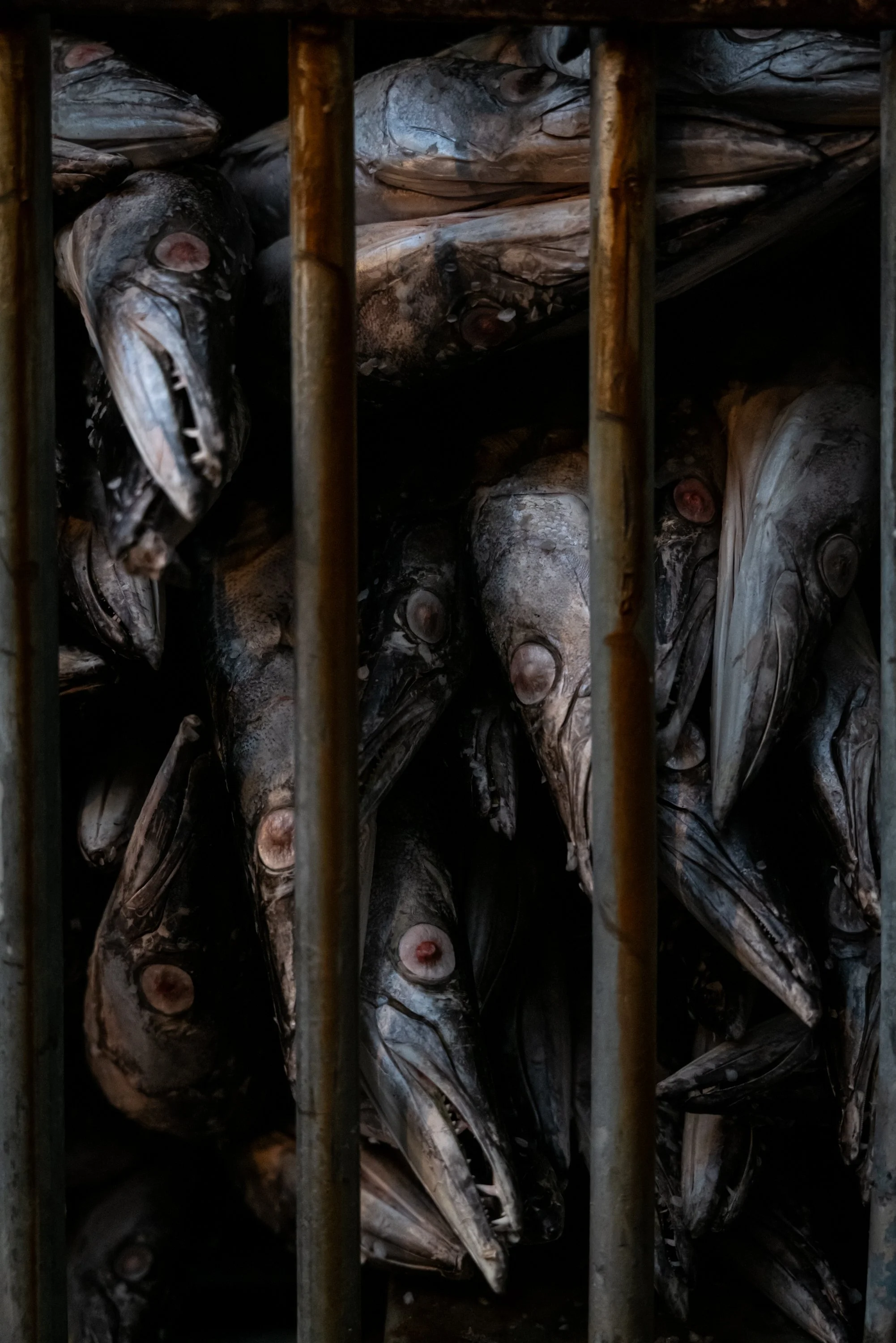
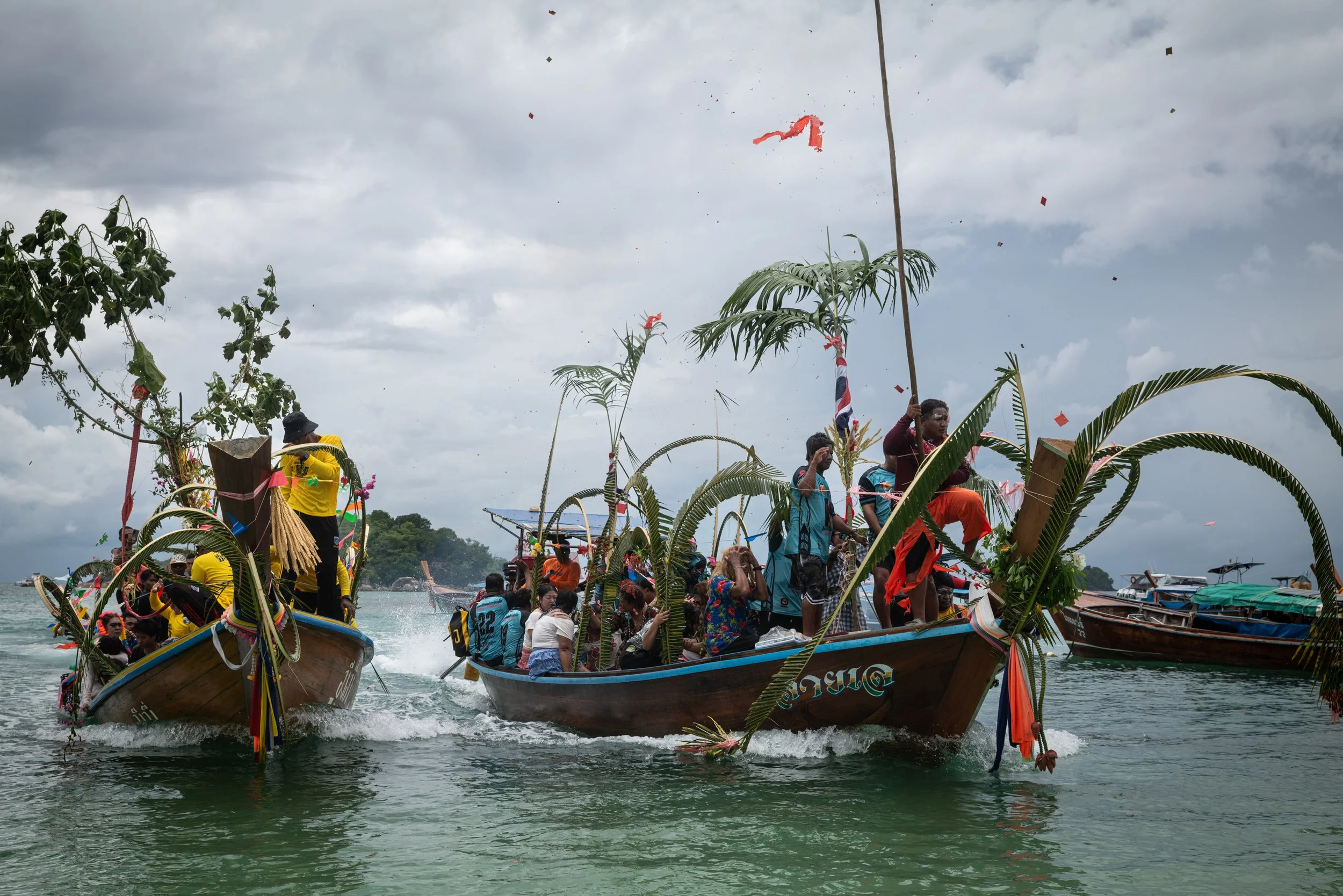
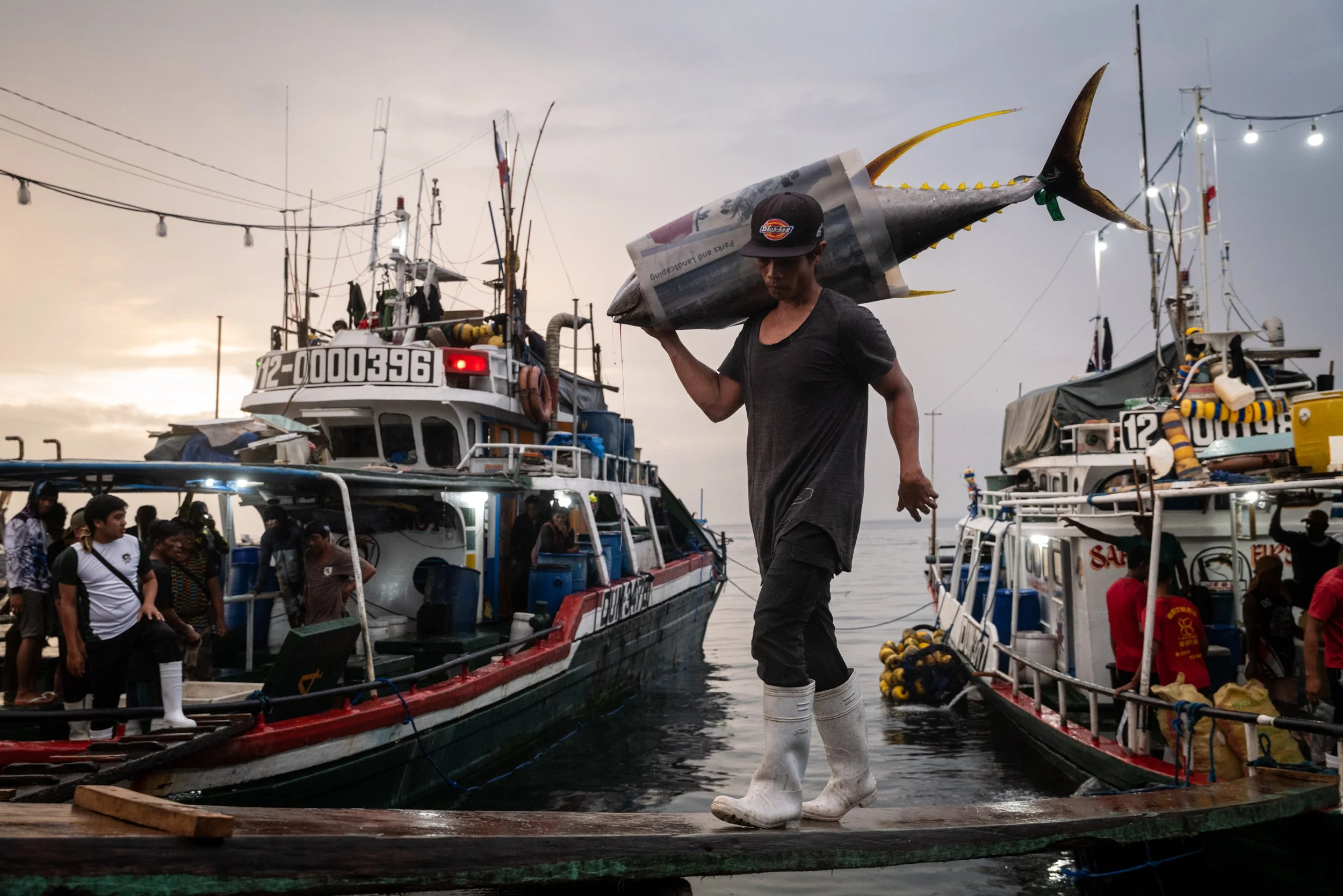
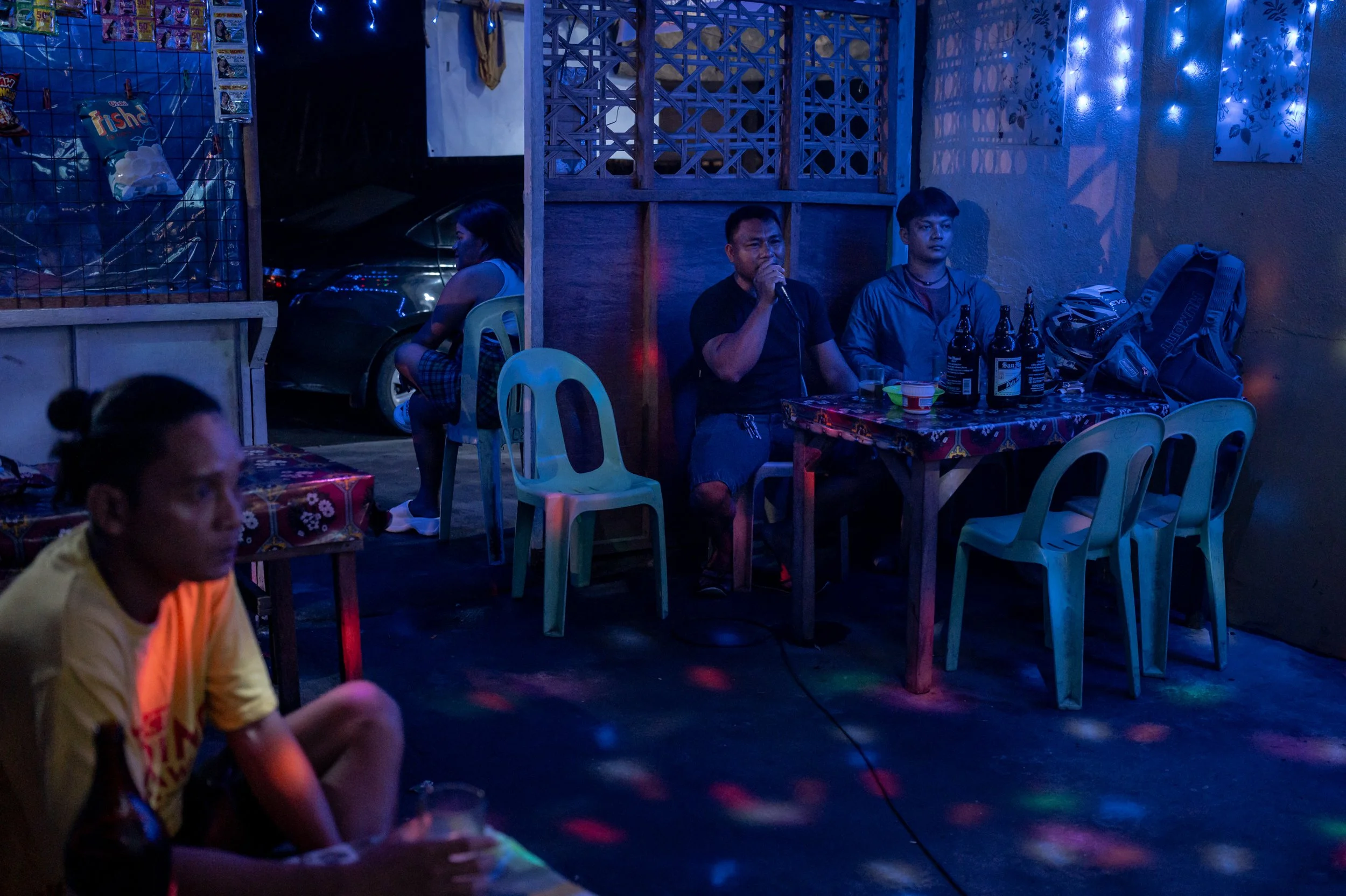
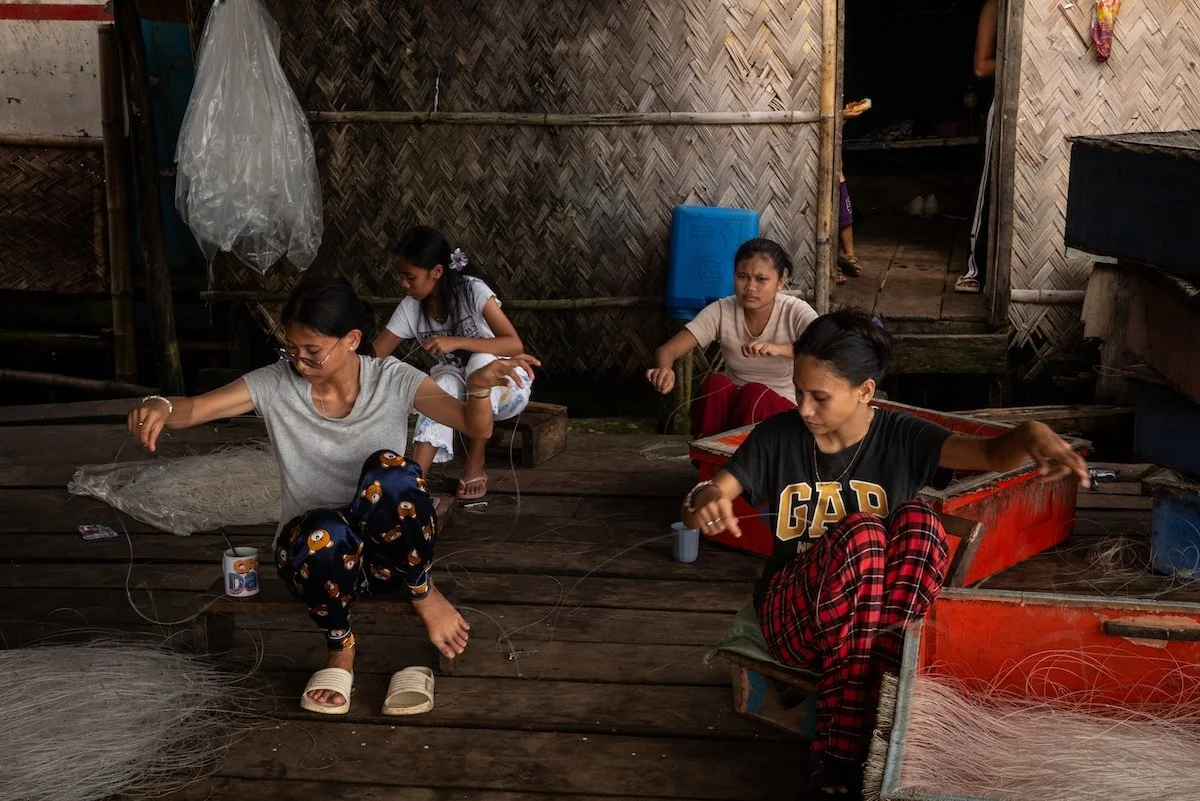
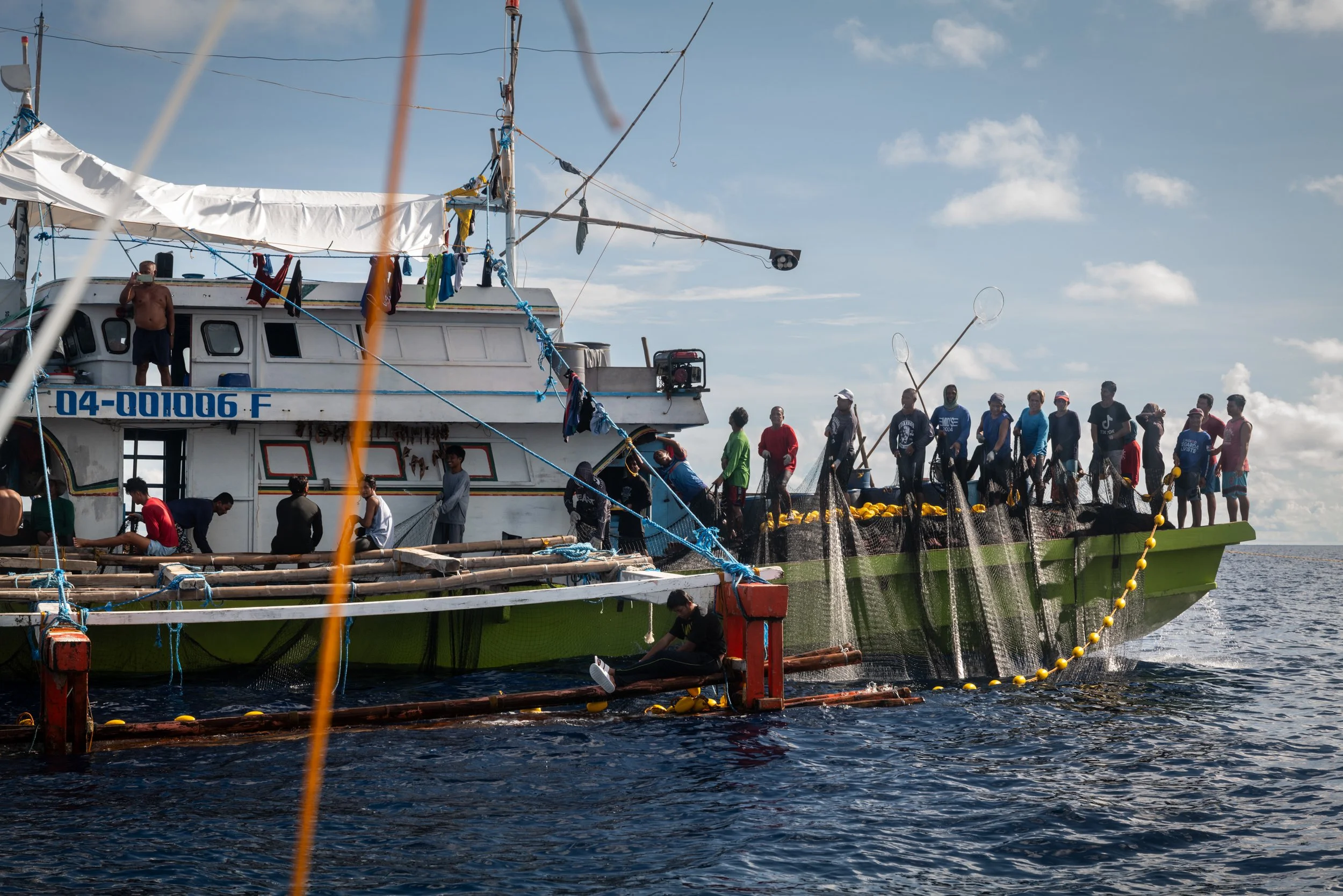
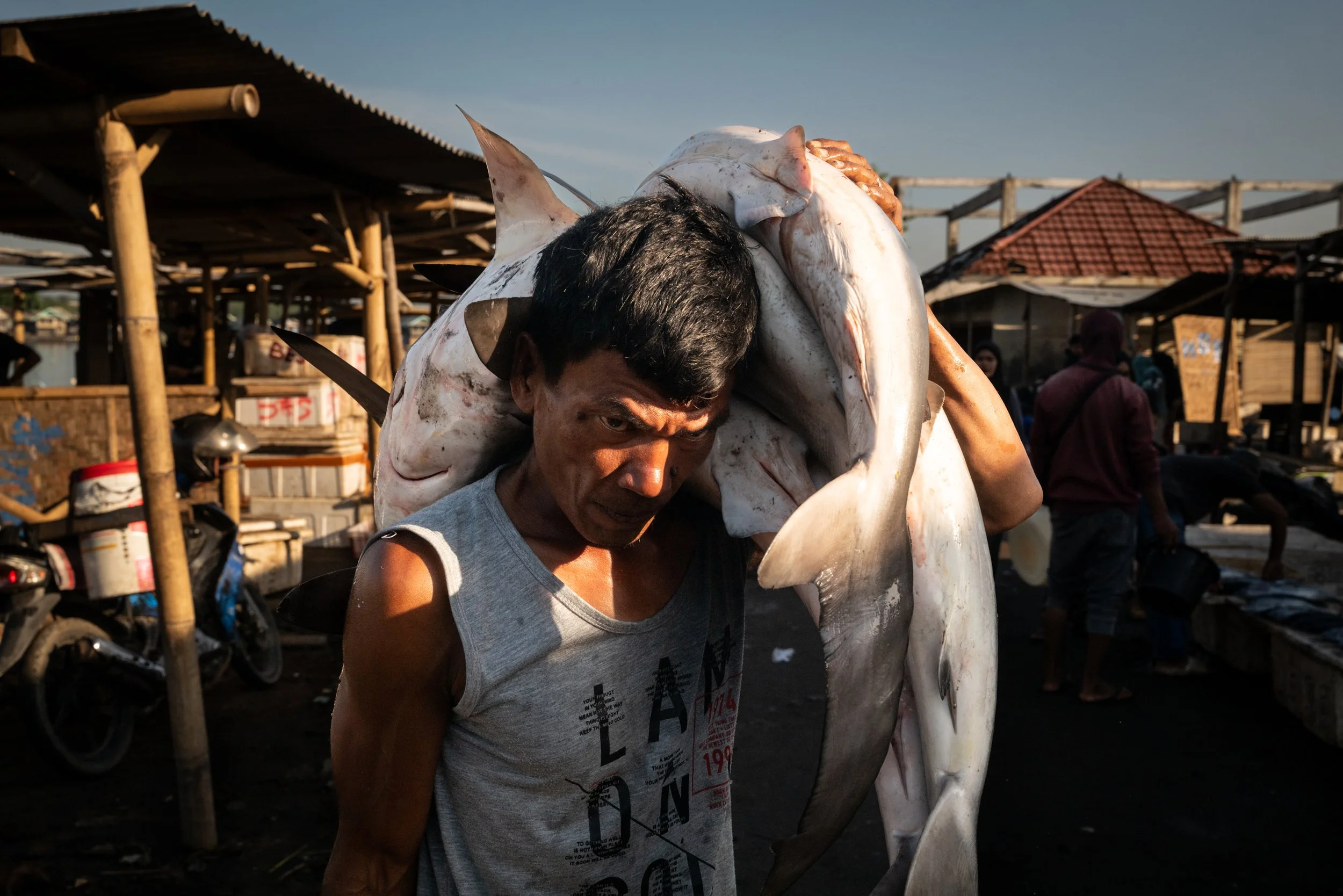
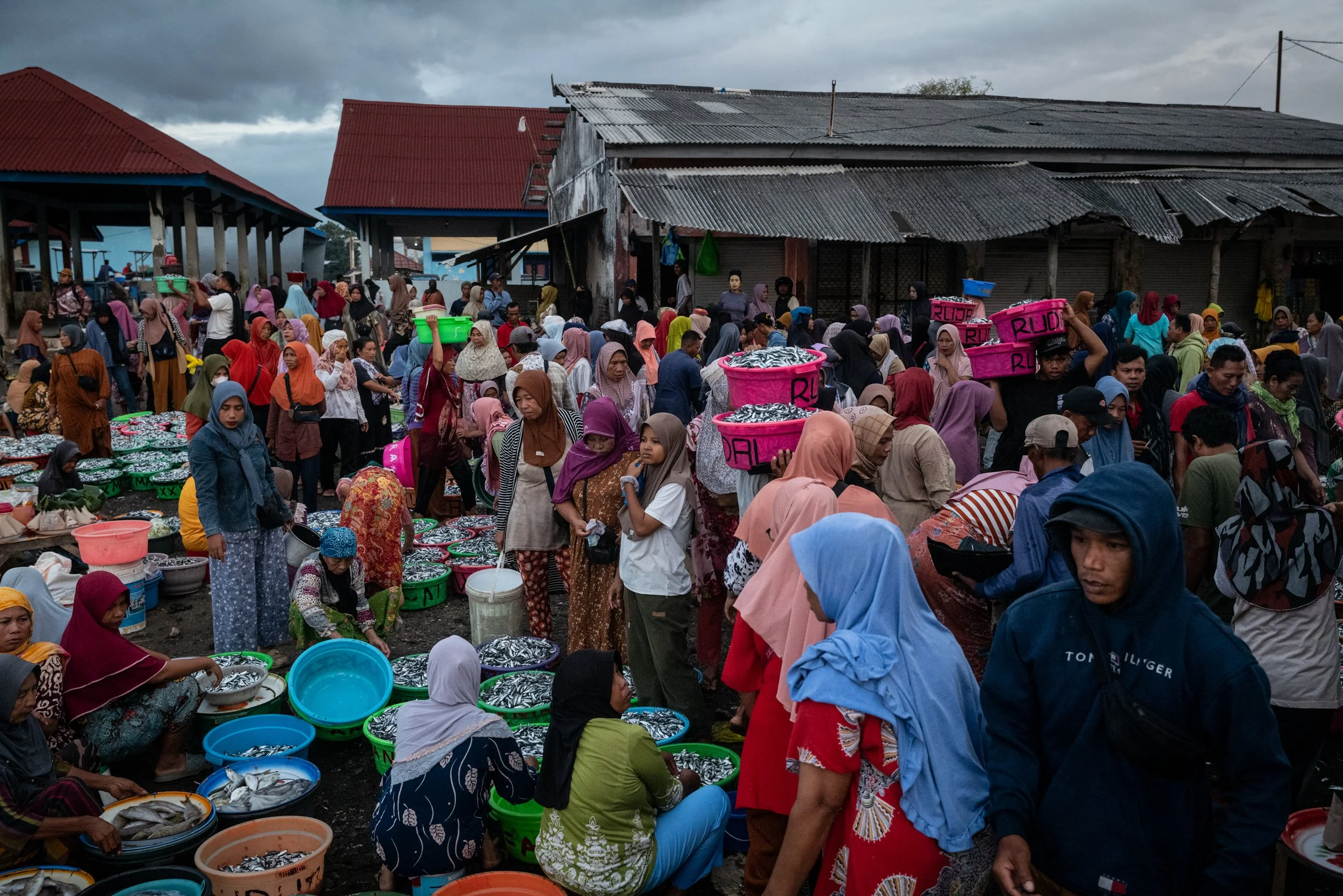
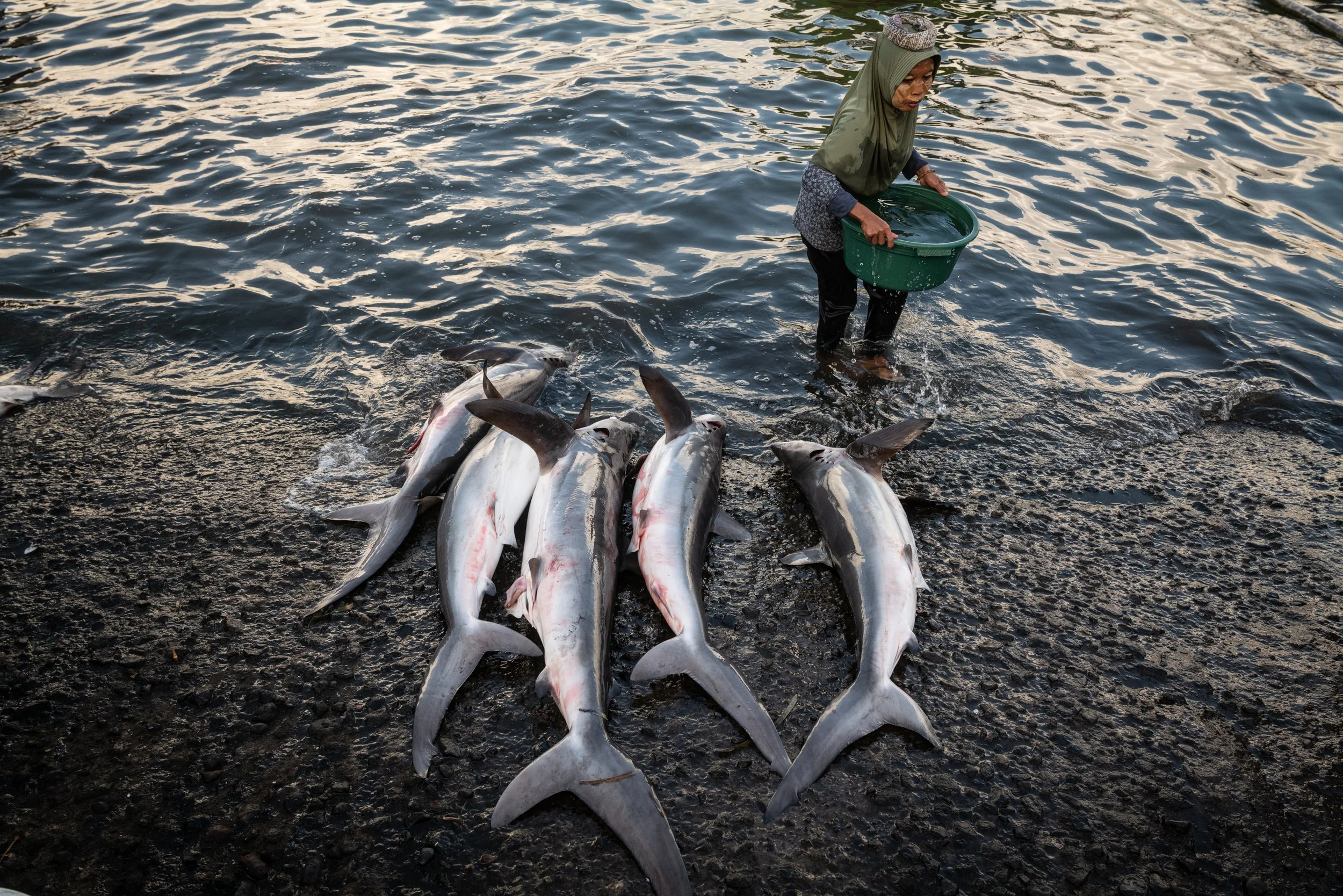
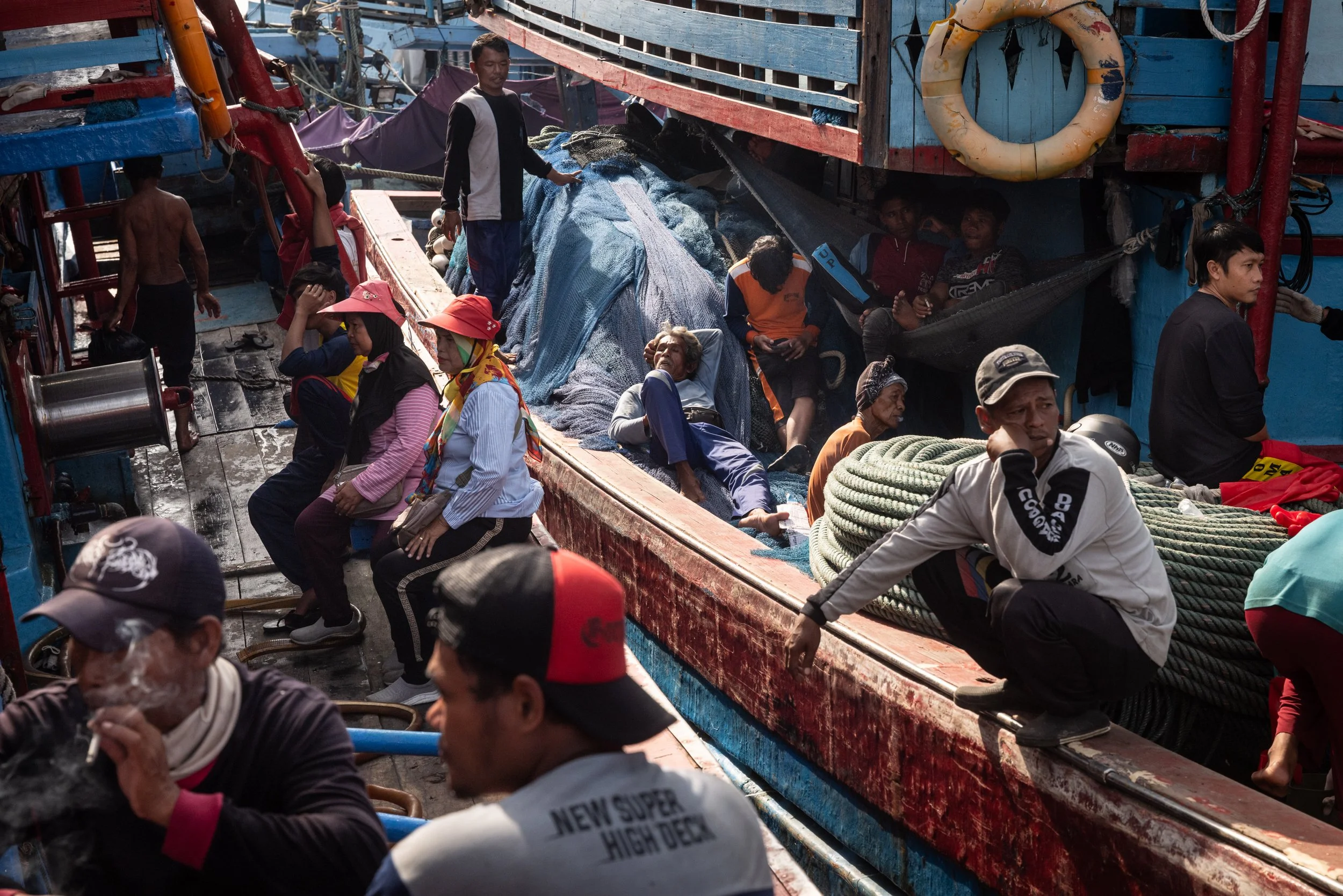
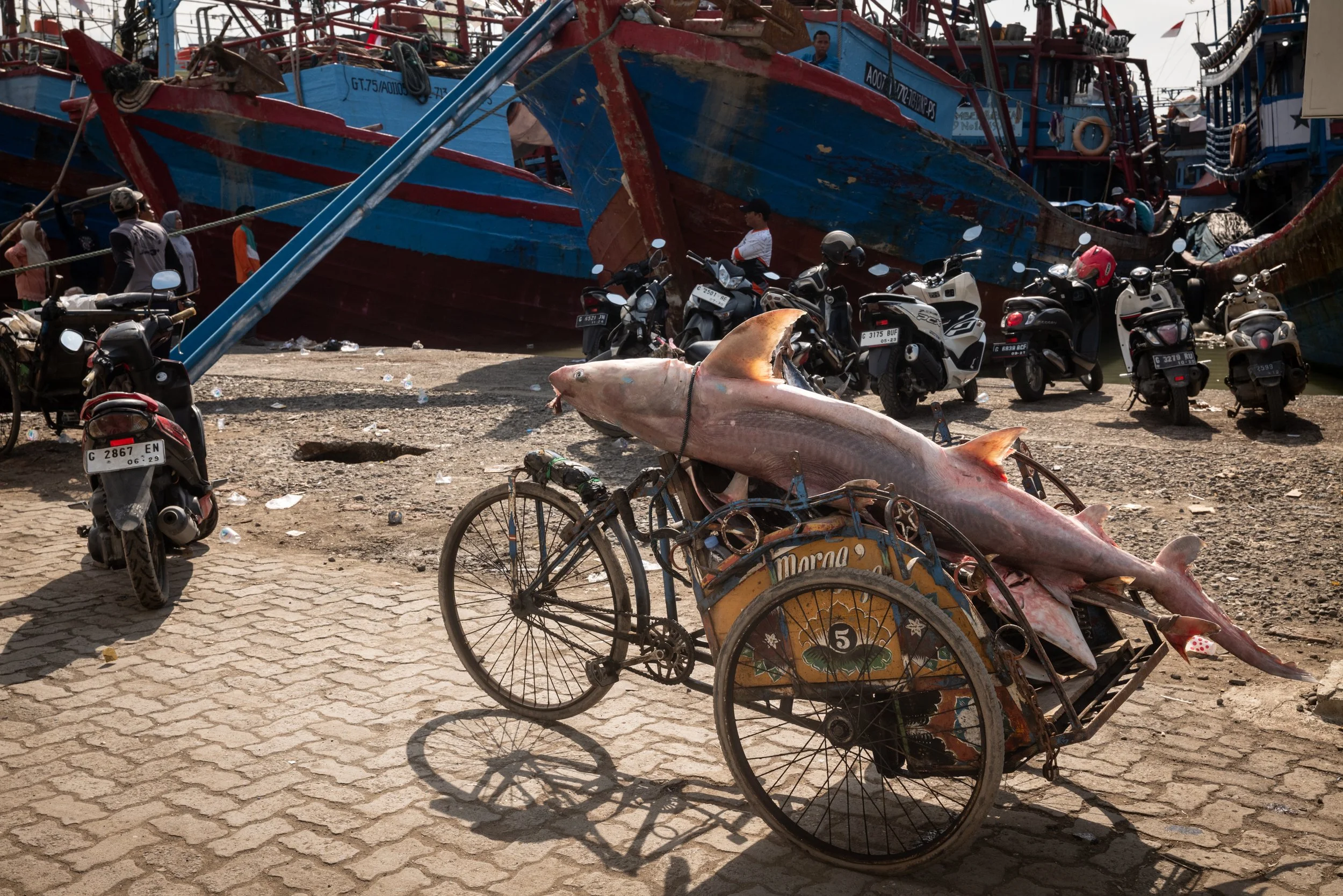
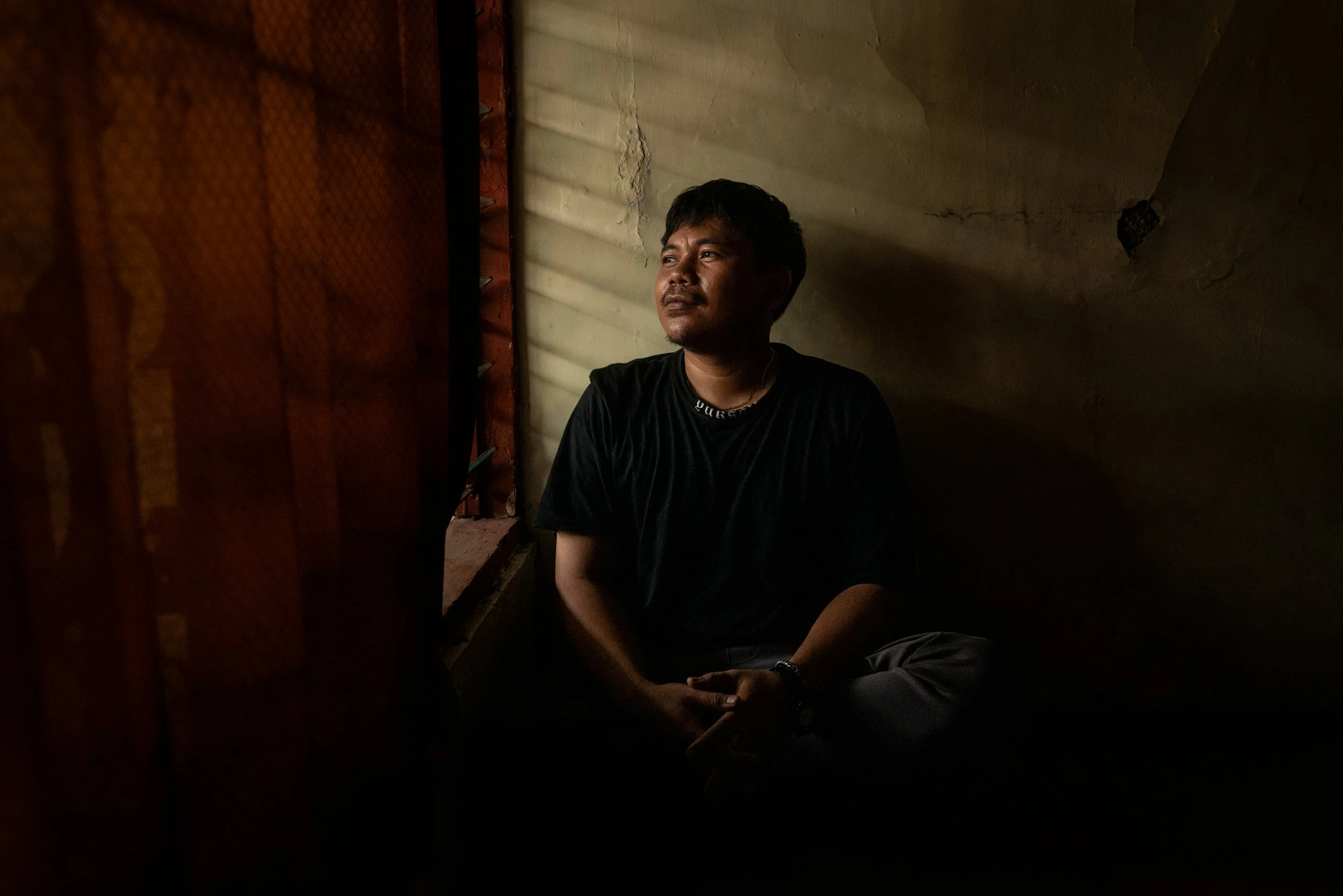
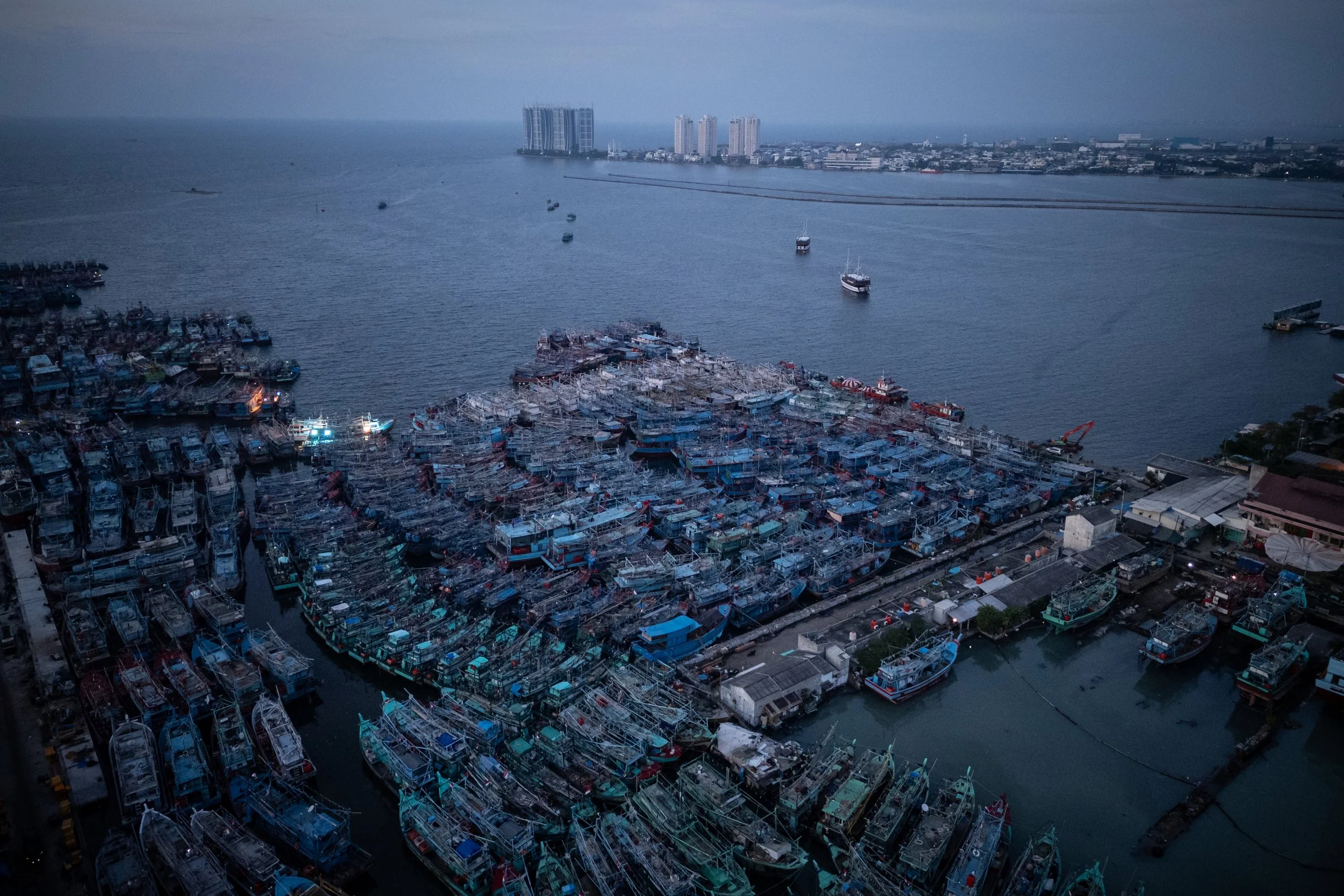
Overfishing in South East Asia, An Ecological and Human Drama is Nicole Tung’s long-term documentary project about the hidden human, political, and environmental cost of the global seafood industry. Produced over nine months with the support of the 15th Carmignac Photojournalism Award, the work follows the fishing industry across Thailand, the Philippines, and Indonesia, examining overfishing, labor exploitation, geopolitical pressure, and the opaque supply chains that connect coastal communities to seafood consumption around the world. Through portraits, ports, shark landings, fishmeal factories, and testimonies from fishermen and workers, Tung builds a body of work that reveals how deeply intertwined this crisis is, and how difficult it remains to see from the consumer side.
Overfishing in South East Asia, an Ecological & Human Crisis is currently presented at the Bronx Documentary Center in New York, where Nicole Tung’s photographs from Thailand, the Philippines, and Indonesia trace the human and environmental cost of industrial fishing across the region. The exhibition brings her nine-month investigation into gallery form, revealing overfishing, labor exploitation, geopolitical pressure, and the hidden seafood supply chains that connect Southeast Asia to consumers worldwide. (Website)
You grew up in Hong Kong, picked up a camera at 15, and went on to study journalism and history at NYU, yet you've always described yourself as self-taught. What did that process look like, and what were you trying to learn?
Self-taught really meant learning by doing. It started through friends while I was growing up, and my dad gave me one of my grandfather's cameras, which is how I got into film photography. Then I switched to digital pretty quickly once I was at university and starting to work on projects, because I was actively trying to get into photography at that time.
In your first year at university, you travelled to Bosnia to photograph women affected by the Srebrenica massacre. For an 18-year-old, that was a significant undertaking. What drew you there, and what did you find?
I wasn't looking for anything specific at that point. I was only 18 or 19, very young, and I had been reading a lot about the conflict in the Balkans in the 1990s. During one of my school breaks, I was trying to understand how that conflict had come about and what the country looked like more than a decade on from the war. So I went backpacking around Bosnia, against the advice of my parents and others who were concerned.
In Sarajevo, I met people who shared facts and told me about the siege and what they had lived through. It was really my first real look at how a conflict fractures a society. I was also in touch with some NGOs there, partly writing something for university, and partly trying to understand what it meant to work as a journalist, even though I was still very much in the early days. I went with an open mind and had done enough reading about the history of the war, but speaking to people was a completely different experience. I met high school students in a tea house who had grown up in the shadow of that war. Their parents had lived through it, and they were young children when it was happening. One day they took me to the cinema with their class to watch a film about a Bosnian woman who was raped by a Serbian soldier and became pregnant. One of the students translated the whole film for me, and that was how I began to understand the country in a more immediate way, even though I was still far from grasping most of it.
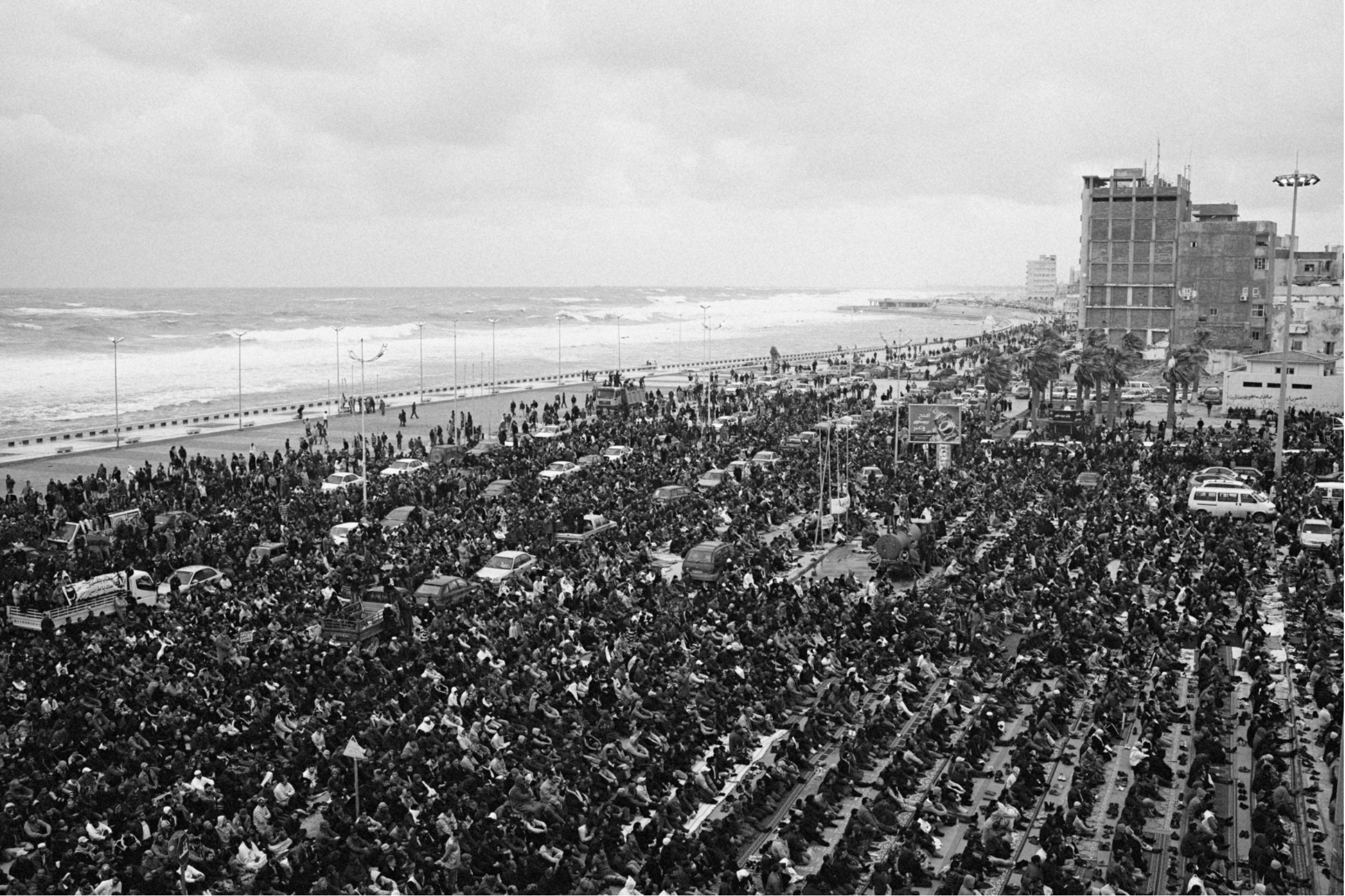
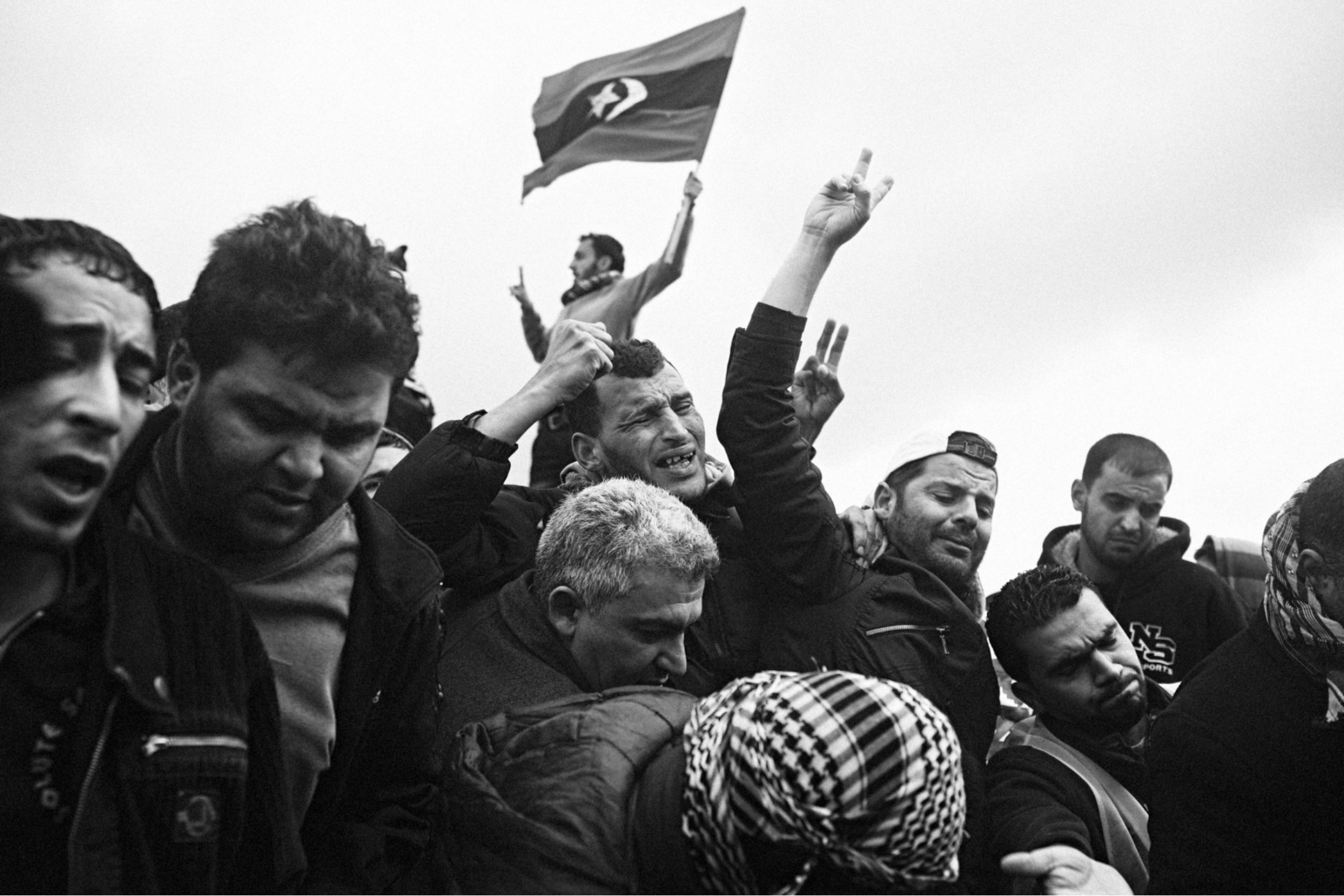
You went to Libya in 2011, in the middle of the Arab Spring. Looking back, what was the most important thing those first months taught you about photography?
A lot of people ask me now how to get into war photography, how to gain access to these places and build that kind of career. I never really set out to be a war photographer, and I'm not comfortable using that term to describe myself, because war is something I don't wish to normalise. When I first went there, it was because I had been in Egypt in the weeks before, photographing the protests. I was curious about conflict and protest movements, especially during the Arab Spring in 2011.
What I learned about photography in those early months was really about knowing yourself well enough to make images that have something to say. In the beginning, I was mostly trying to do everything. In those very early days on the front line, I had never witnessed people being severely injured or mortally wounded, and a large part of what I was doing was simply processing what was happening before I could even begin to translate it into pictures. You have to get past that initial shock before you can start to convey the emotions of a situation, its context, what it means. It takes a long time to become good at working in those environments, because they are chaotic and extremely dangerous. The photography itself came later. What mattered first was learning how to operate in a place like that, how to think about safety and logistics, how to navigate a different culture and build relationships with people.
Your work has taken you across wars, protests, child soldiers, and fishing communities. Is there a single question or idea that connects all of it for you?
There isn't just one. With conflicts, the central question is always about why neighbours who lived side by side turned on each other. What is the history behind that? And it's almost always more complex and more morally ambiguous than the news suggests, even though I work in news myself. We tend to want to understand the world in black and white, and it simply isn't that way. With the fishing industry, the question was more about how extraordinarily tangled a single issue can be. It's not simply a matter of people consuming too much fish. The problems run far deeper and are far more interconnected than that, and I was hoping the project could reveal something of that complexity.
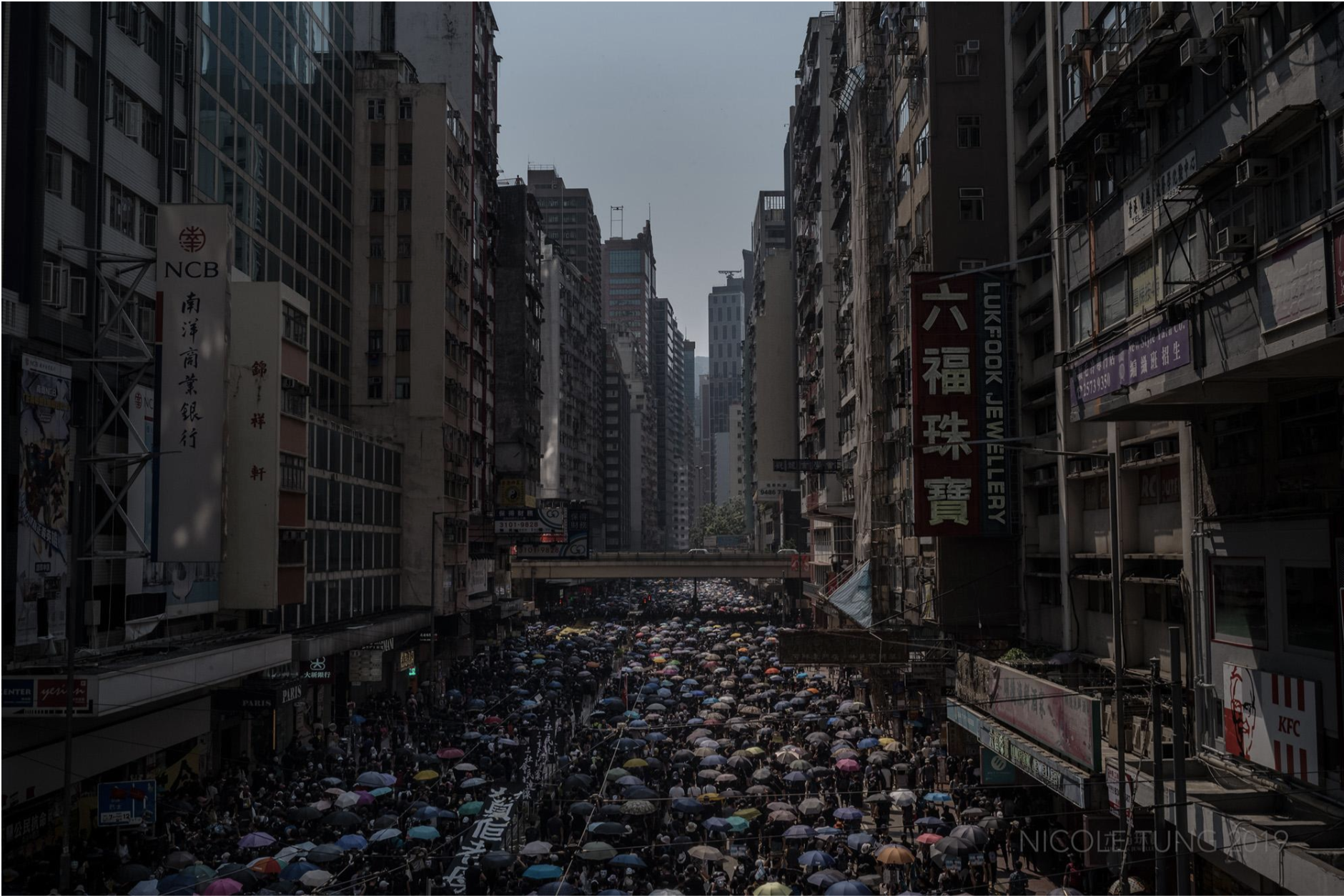
You covered Hong Kong both as a journalist and as someone who grew up there. Did that personal connection change how you worked?
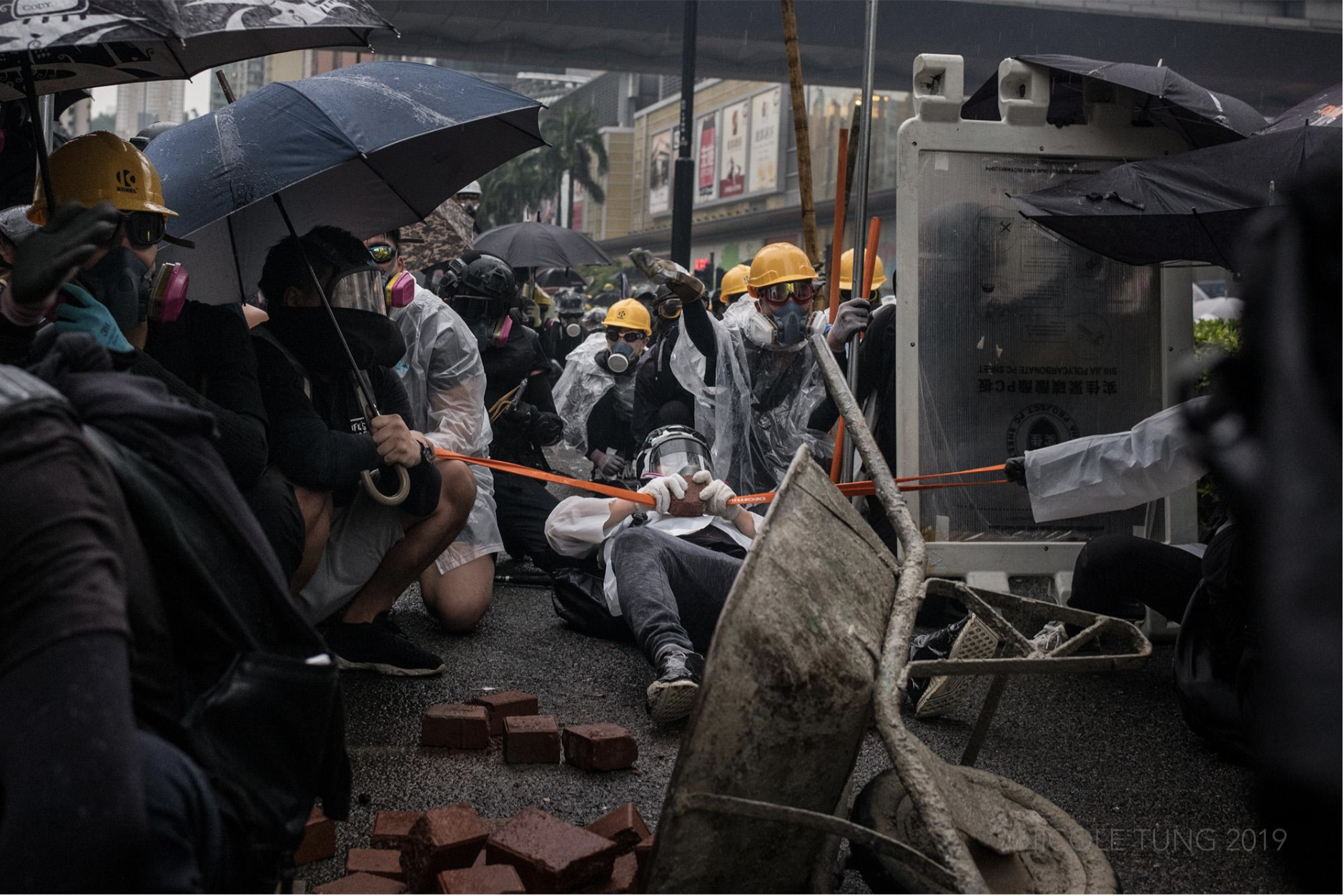
In 2014 and again in 2019, it was the first time I was covering my own home, and I felt a certain pull that I hadn't experienced in other places. It was genuinely difficult not to feel some kind of affinity or empathy with the people who were protesting. Internally, I disagreed with certain tactics or the ways that things were done, though I never showed that outwardly. But I also tried to remain professional throughout, and I found that hard, because I could see where things were heading after those protests.
You had built a reputation covering conflicts, and then you shifted to spending nine months photographing the fishing industry in Southeast Asia. How did that project come about?
I didn't announce it publicly, partly because the Carmignac Award wasn't announced until September of the previous year, after I had already submitted all the images. That was just how the foundation operated. Working on the project was very different from anything I had done before, in the sense that gaining access was much harder. It wasn't a case of showing up somewhere and negotiating your way into a location. This is an industry that actively wants to stay opaque, that wants its practices hidden. Approaching people to discuss sensitive issues around trafficking, labour abuse, and exploitation, whether with fishermen or others in the industry, is something most people involved don't want to acknowledge or talk about. So you had to find other ways in. Looking back, I wish I'd had more time, because building the contacts needed to get on the vessels that would visually represent all of these issues would have taken many more months of negotiation. Instead, I tried a different approach, speaking to fishermen who had been on those boats and had come back and survived those experiences. From there, I tried to identify the different themes at play in each country and how they were being shaped by the harmful practices in the industry.
How difficult was the access, and did the project ultimately deliver what you had hoped for photographically?
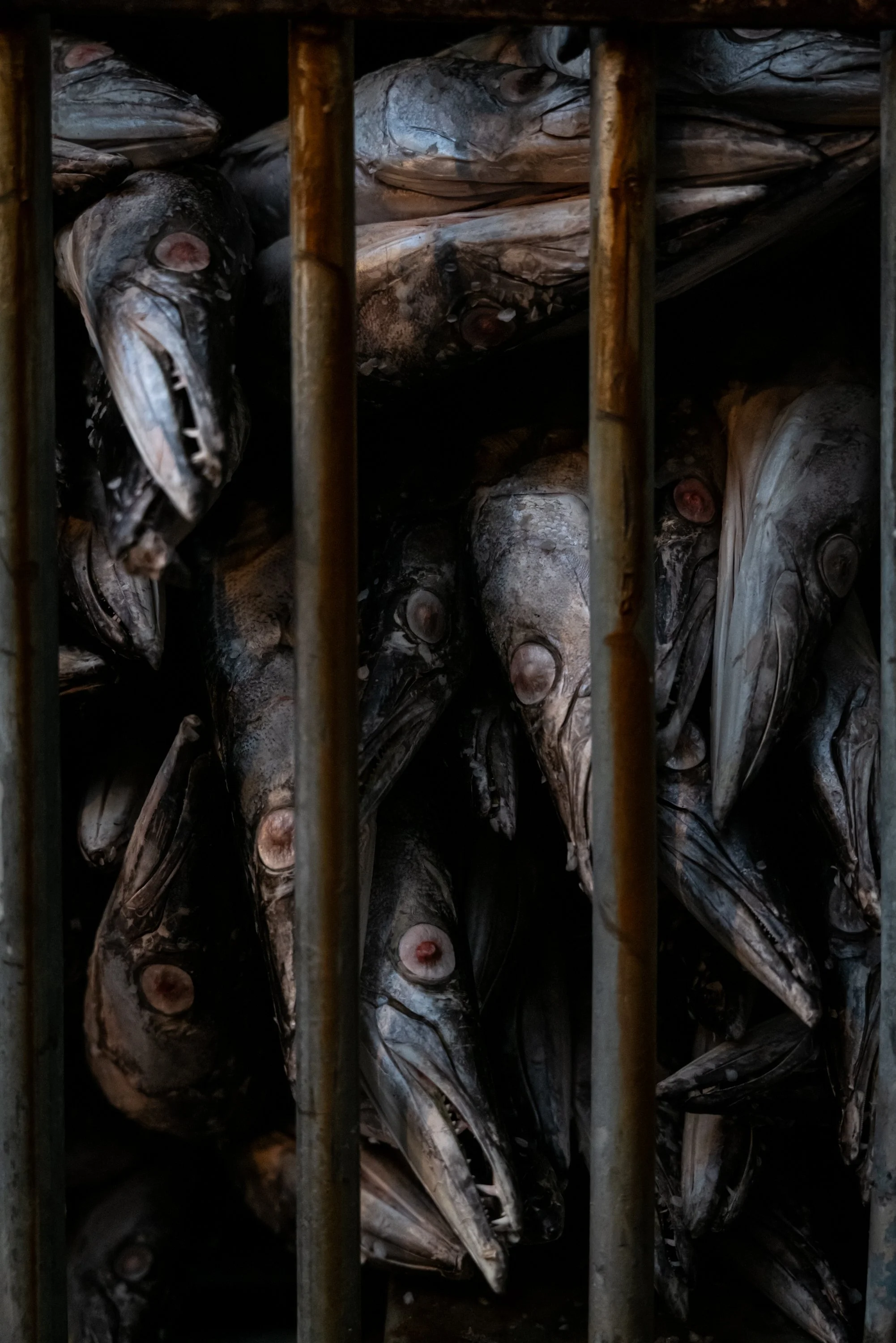
Any photographer will tell you they never feel satisfied, and I was no exception. There was so much more I wanted to do and explore. But I think the final body of work did capture something real. On the geopolitical side in the Philippines, there was one image I really wanted and didn't manage to get, but I got close enough by speaking directly to Filipino fishermen who had witnessed what was happening with the Chinese fishing vessels and had experienced the loss of income and livelihoods that came with it. In Indonesia, I spent time in a port called Tanjung Luar, which is a major shark landing site. Growing up in Hong Kong, that trade was always in the background, because seafood is such a central part of life there. In the 1990s, when I was growing up, there were constant campaigns encouraging people not to eat shark fin. Being in that port and watching the sharks being brought in, seeing the cartilage dried and the parts processed, much of it destined for China for cosmetic goods and consumption, I could finally connect those threads directly.
You worked across Thailand, the Philippines, and Indonesia, and each country presented a different story. Did you arrive knowing what you were looking for, or did the stories reveal themselves once you were there?
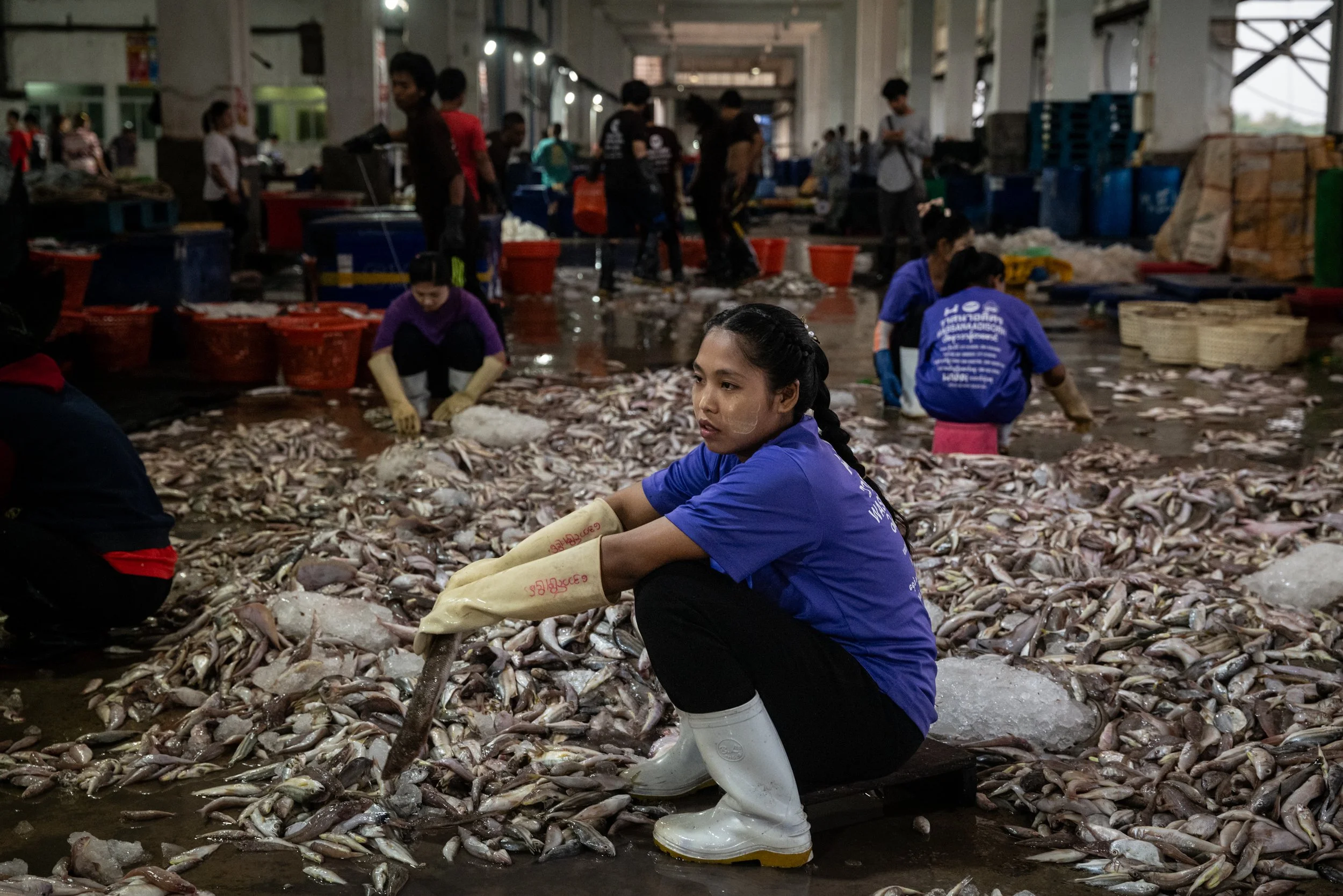
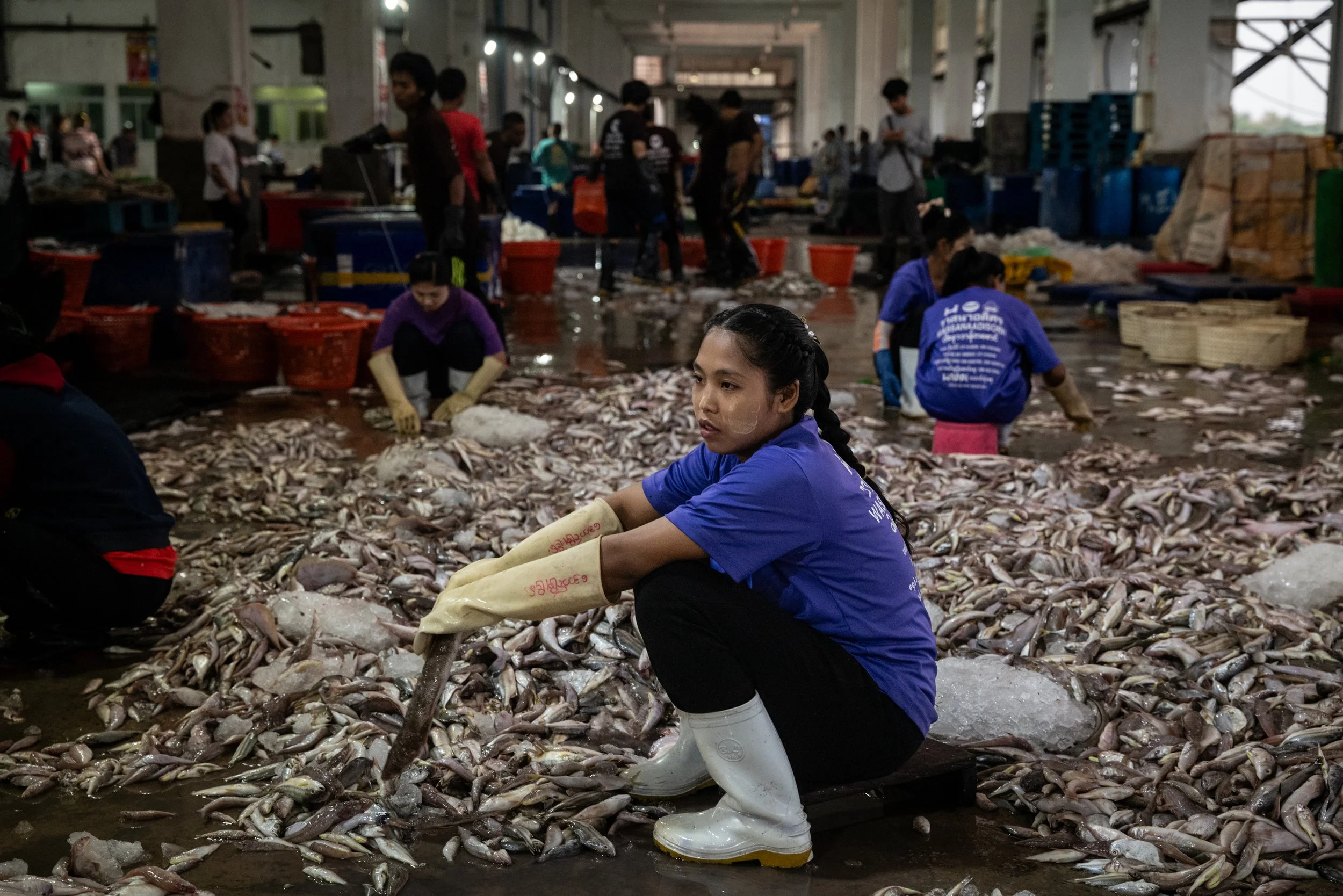
Before travelling to each country, I had some sense of what I wanted to look at. Thailand, for example, had been notorious since around 2014 for its practices, particularly slave labour on fishing vessels. By the time I arrived, the country had introduced significant legislation in 2015 aimed at cleaning up the industry. What I found were protests by small-scale fishermen, because many of the large Thai fishing corporations were actively trying to roll back those laws for their own profit. That became my starting point, and from there I began looking at the ports and landing sites where fish were brought in, building on each return visit. But often I genuinely didn't know what I was looking for until I saw it, and it became clear how I might frame the issues.
In the Philippines, the story was both environmental and geopolitical, with fishermen being driven out of their waters by Chinese ships. How do you keep a project focused when it keeps expanding in so many directions?
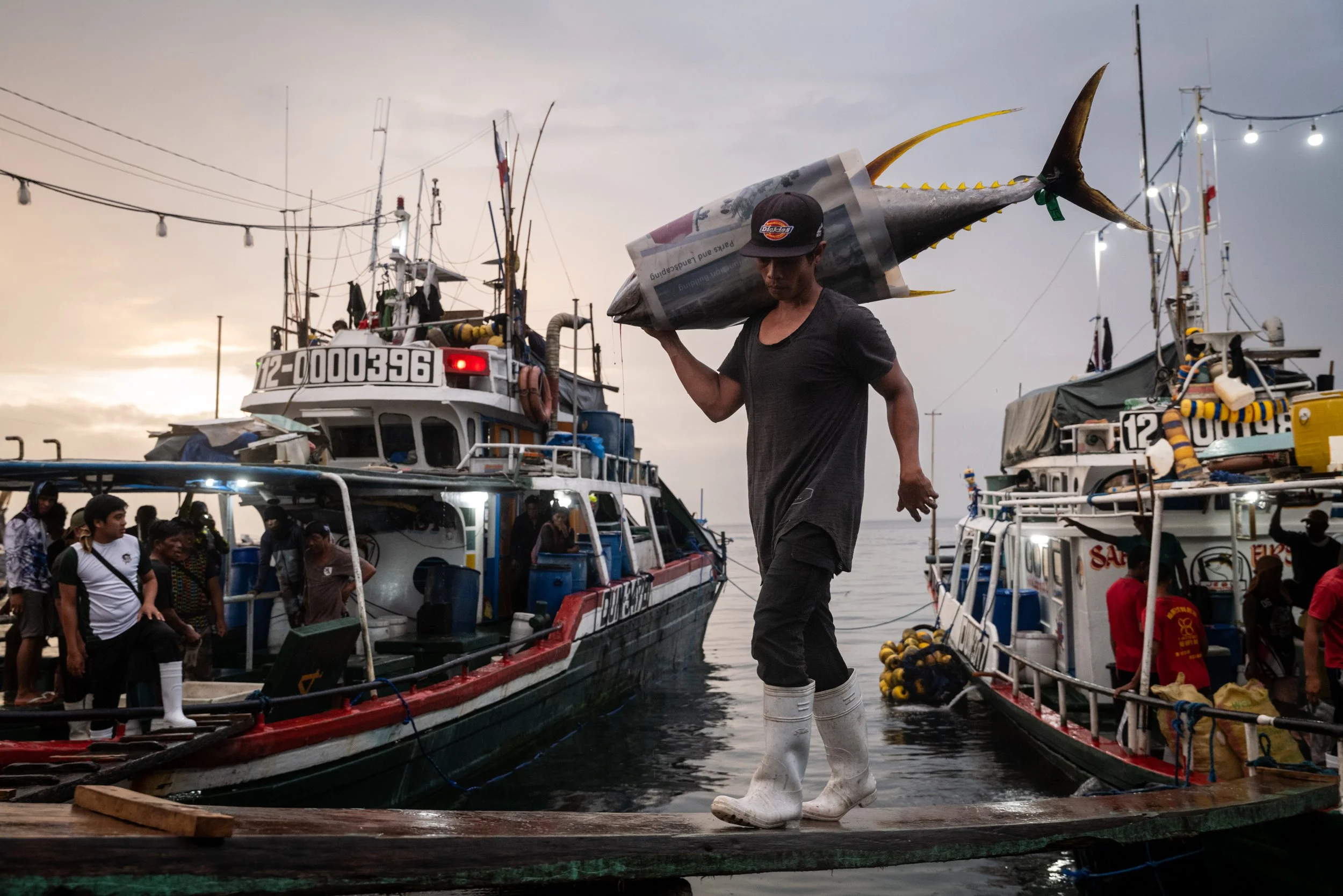
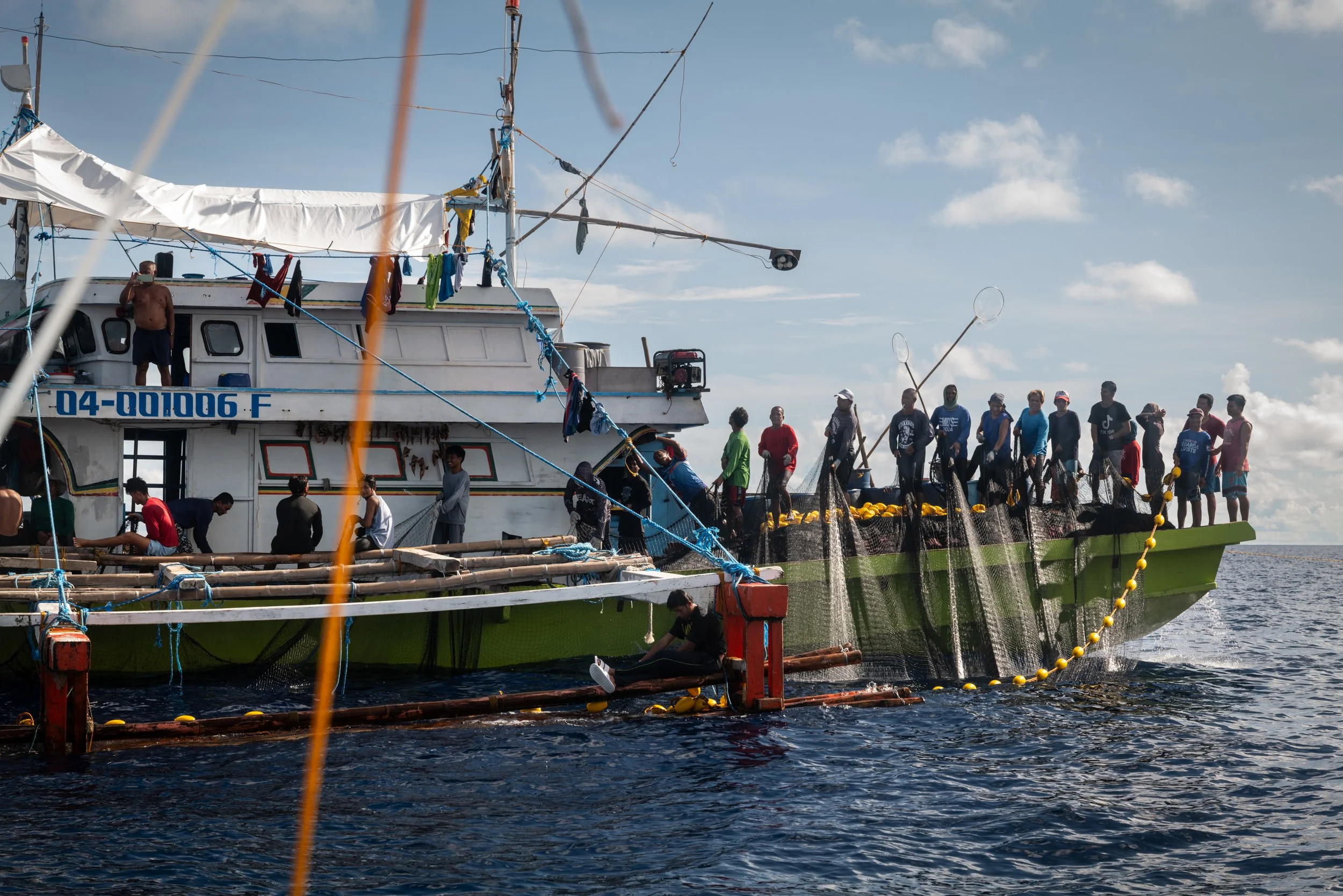
It's very hard to stay focused, because every answer opens up a hundred more questions and every direction seems worth following. In the end, what brought it together was the editing of the pictures, rather than trying to constrain myself to a single angle while I was in the field. I stayed open-minded and tried to accept that it was never going to be about just one thing. For the Filipino fishermen, yes, there were the Chinese militias and the Chinese Coast Guard and Navy dominating their waters, but there was also the longer-term decline in fish stocks closer to their shores, which is why fishermen in most places have been forced to go further and further out to sea for years. Some of those dimensions weren't particularly visual, so I didn't force them. It came down to the editing, where I could group images around the geopolitical issues in one thread and around the lives of artisanal fishermen and the effects of overfishing on their communities in another.
Nine months is a long commitment to a single project. What did the depth of that time give you? What became possible later that simply wasn't available at the beginning?
I spent about six months in total travelling to Asia to work on this project, with three months set aside for research, though I was also taking on other work during that period. In the first month or two I was a completely open book, because I had never done a project like this and I knew very little about the fishing industry. I was focused on speaking to people and trying to understand what mattered most to them, what fish they could no longer catch, what had changed in their communities. Those are very localised details that can carry a broader story. By month six, I was much more focused, because I had a clear sense of what was missing and what I still needed to fill in.
The finished work moves between very intimate portraits of individual workers and wide drone perspectives of entire ports. How do you make that decision, whether to move in close or pull back?
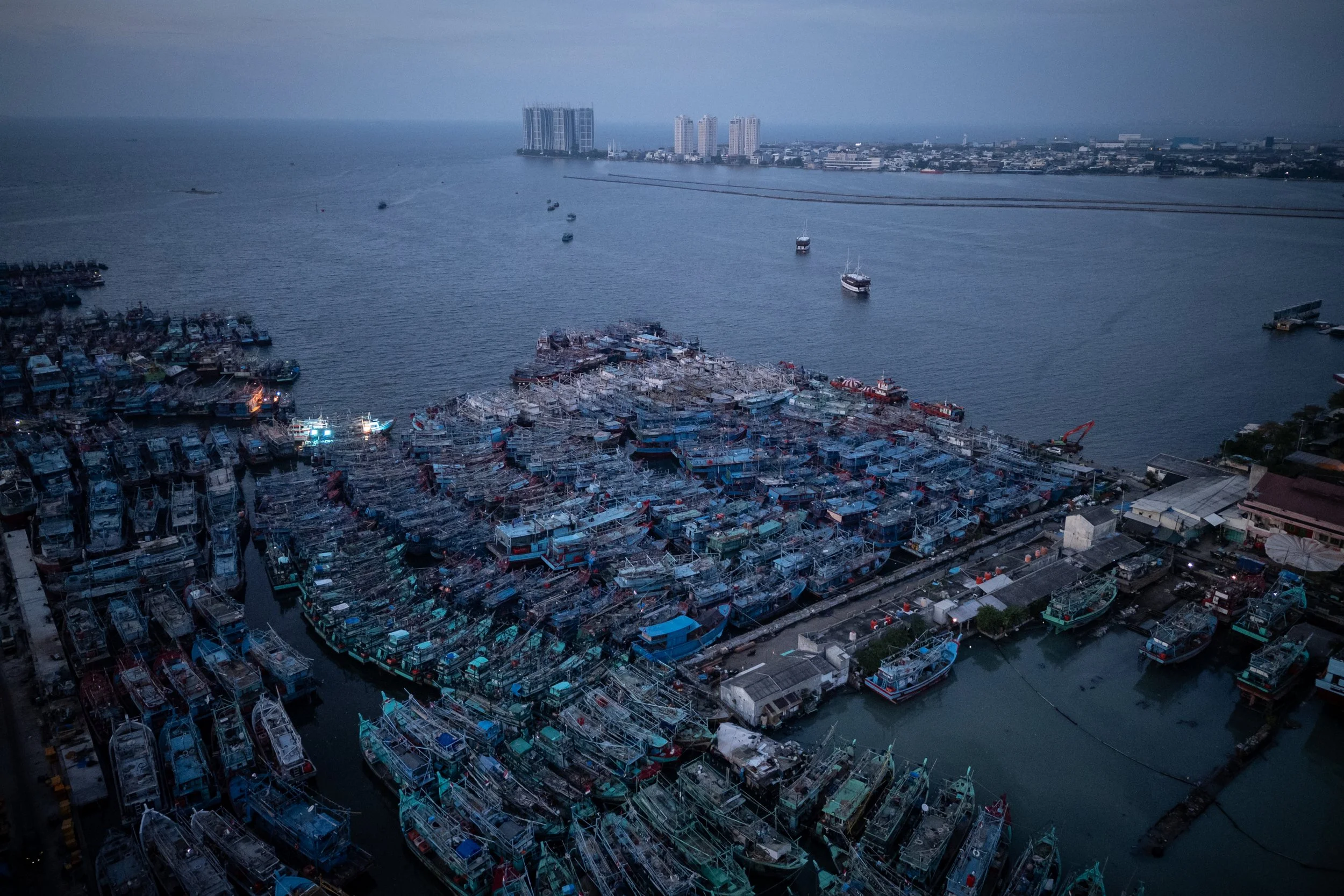
Covering a lot of news and news feature work over the years gives you a kind of instinct for that. Wide when you want to convey a sense of place, close when there is a more intimate story to tell. That was very much the case with the fishermen in Indonesia who had witnessed abuse on these vessels. And sometimes it happened simply because you came across someone with a story, which is what happened with one woman whose husband had died on a fishing boat. In the end, it's also about having enough material to work with later. Shooting the same scene in multiple ways means that when you finally sit down to edit and make sense of everything, you have real choices.
The Carmignac Award made this project financially possible. For photographers who don't have that kind of institutional support, is a project of this scale even feasible?
Starting a project like this without support would be extremely difficult, because everything costs money. Flights, working with local producers or fixers, accommodation, transport. None of that was something I could have paid for out of pocket. Having the foundation's financial backing was essential, not just logistically but also from a safety perspective. One of the ongoing problems in journalism and photojournalism is that we try to cut corners with money, and that's not always the safest way to work. It creates risks and complications that make everything harder. I couldn't have done this without the foundation.
After nine months and an enormous amount of material, how did you determine what the project actually was? How do you find the central thread when you have that much in front of you?
I was very aware of what I was missing. The main gap was images from aboard the vessels out at sea, capturing those labour conditions directly, along with the kind of large-scale images of nets pulling up enormous quantities of fish that I had wanted. Those key images never happened. So I had to reframe, as you do on every project, because you never end up with exactly what you imagined. I redirected the focus towards what I could document and towards the testimonies of people who had lived these experiences firsthand. From there, I drew out the main themes: artisanal fishermen affected by overfishing, the ecological consequences, the geopolitical dimension, and the broader issue of overconsumption. When I was working on the exhibition that opened recently, the question became how to connect all of this back to the countries where the work would be shown. Around 60 to 70 percent of the seafood imported into the United States comes from Asia, and tracing the origins of that seafood, whether the sourcing was ethical, whether the labour conditions were clean, is extremely difficult. Tying that back to where the images are shown felt important.
What surprised you most during this project, something you didn't expect to find, or didn't expect to feel?
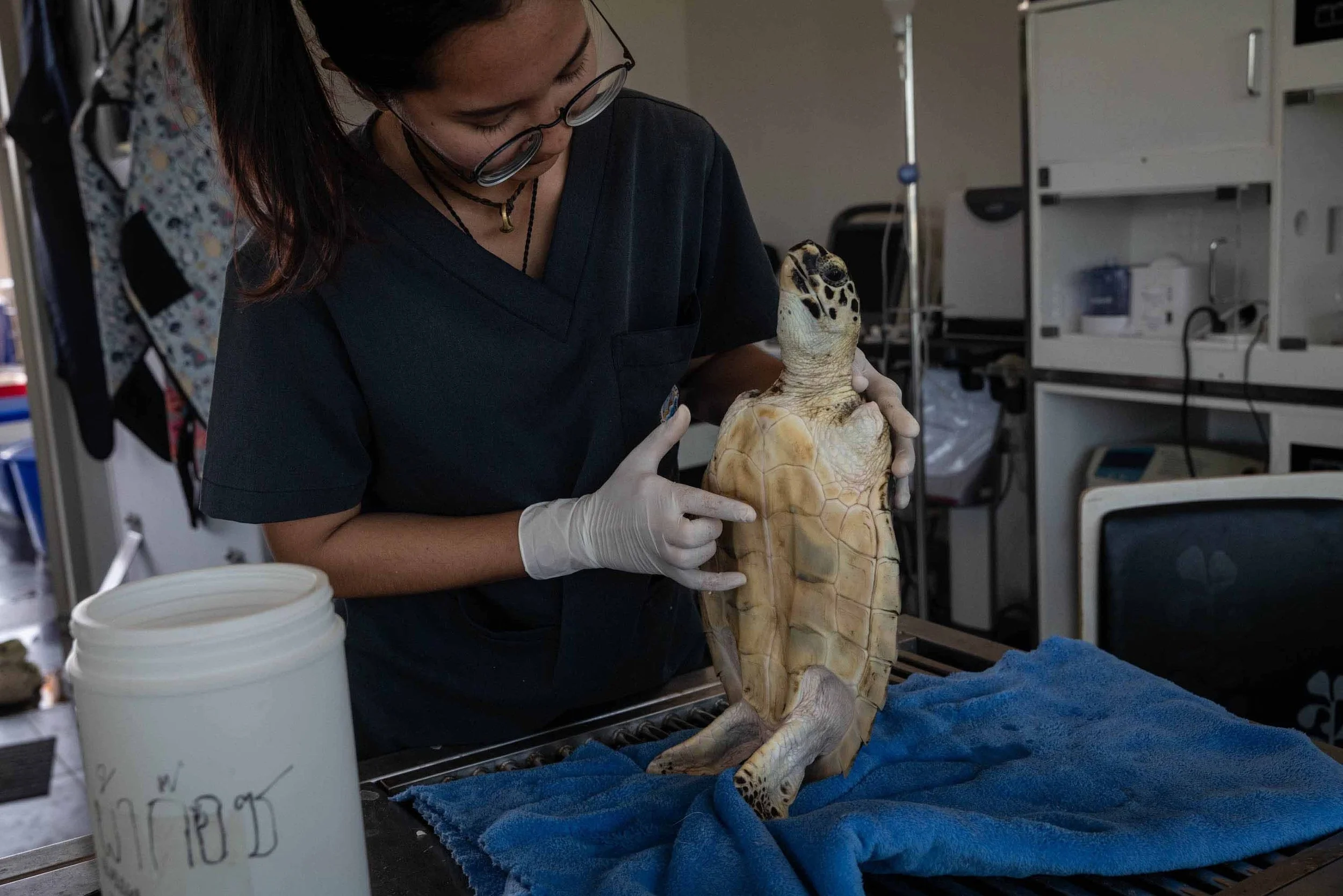
The scale of the problem, and how invisible it is to the rest of us. Even for someone who follows the news closely and had some background understanding of the industry, the sheer reach of it was surprising. The problems are hidden from ordinary consumers. We don't see what happens at sea, and we can't see what happens under the water. The vast quantities of fish and bycatch being pulled out faster than the ocean can regenerate. We genuinely don't have a sense of how unhealthy the ocean is right now, or how our demand for seafood and for products derived from seafood all connects. The bycatch, the low-value trash fish caught alongside everything else, gets processed into fish meal, which goes into pet food and into feed for fish farms, and fish farms themselves generate significant pollution and disease. It's all deeply intertwined, and most of it remains completely out of sight. That was what surprised me most.
What do you hope people take away from the exhibition and from the project as a whole?
I hope people come away thinking more carefully about where their food comes from, not just seafood but all of it. I understand that buying locally or buying ethically can be expensive, and that's a real constraint for many people. But there are small ways to make a difference. Asking where the seafood came from, choosing a local fishmonger or a local fisherman over commercially farmed or industrially caught fish when that's possible, those things matter. The worst practices tend to come from the largest commercial operations, and there is a cost to everything. As consumers, I think people deserve to understand what that cost actually is.
Thank you for your time and answering my questions.
Thanks, Martin. I really enjoyed the conversation.
More photography books and interviews?
We'd love to read your comments below, sharing your thoughts and insights on the artist's work. Looking forward to welcoming you back for our next [book spotlight]. See you then!
Lee Espinoza reminded Darren Vargas of his late grandfather. The photographer met the boxing coach in 2025, five years after his grandfather Esmael died. Photography Book Spotlight