5 Photography Lessons That Helped Nick Prideaux Slow Down, Stay Present, and Shoot With Purpose
Great photography starts with slowing down.
Nick Prideaux doesn’t chase perfect moments. He waits, watches, and responds. His style is quiet and personal, built on everyday scenes and small details most people miss. By focusing on presence instead of performance, his work feels calm, honest, and consistent. This article is for photographers who want less stress and more connection in their process.
These five lessons come from someone who actually lives this mindset.
Prideaux shoots on film, walks without a plan, and uses photography as a way to stay grounded. He doesn’t teach flashy tricks. He shows how slowing down helped him create work that truly matters to him. If you’ve ever felt stuck, distracted, or tired of chasing trends, this can help. Let’s look at five practical ways Nick Prideaux shoots with presence, purpose, and clarity.
Lesson 1: Use your camera to slow down and become present.
Photography can help you break away from distraction and enter a state of focused attention. It’s not just about pressing the shutter it’s about how you see before and after you do. Prideaux sees photography as a counterweight to the rush of everyday life, a deliberate act that mirrors his inner rhythm. By slowing down, you also give yourself space to notice the subtle, beautiful details you might otherwise miss. This mindful approach can shift your entire relationship to your work and your world.
“The act of photography in itself is slowing down time, so it makes sense to me that there is a personal ethos behind it that works in your favour.”
Takeaway: Practice photographing without urgency. Go on walks with your camera and commit to taking fewer, more considered shots. The goal isn’t quantity it’s attention.
But what happens when you’re not in that calm, mindful state?
Lesson 2: Learn to recognize and return to a creative flow state.
Your best work often comes when you’re fully immersed and not trying too hard. This isn’t about waiting for inspiration it’s about becoming aware of when you’re most connected to the moment. Prideaux describes this as a “curious present awareness,” a kind of rhythm that he returns to again and again. The trick isn’t just to notice when it happens, but to cultivate the conditions that let it happen more often.
Flow isn’t a mystery it’s a habit you can nurture.
“For me the best work comes when I find myself in this state of curious present awareness… It’s just a kind of back and forth of returning to this seamless flow you’ll know it when you find it.
Takeaway: Identify the situations, times of day, or locations where you feel most focused while shooting. Then design your practice around those cues to return to flow more reliably.
What if the key to better photos was just being more personal?
Lesson 3: Photograph your own life, it’s where your most honest work begins.
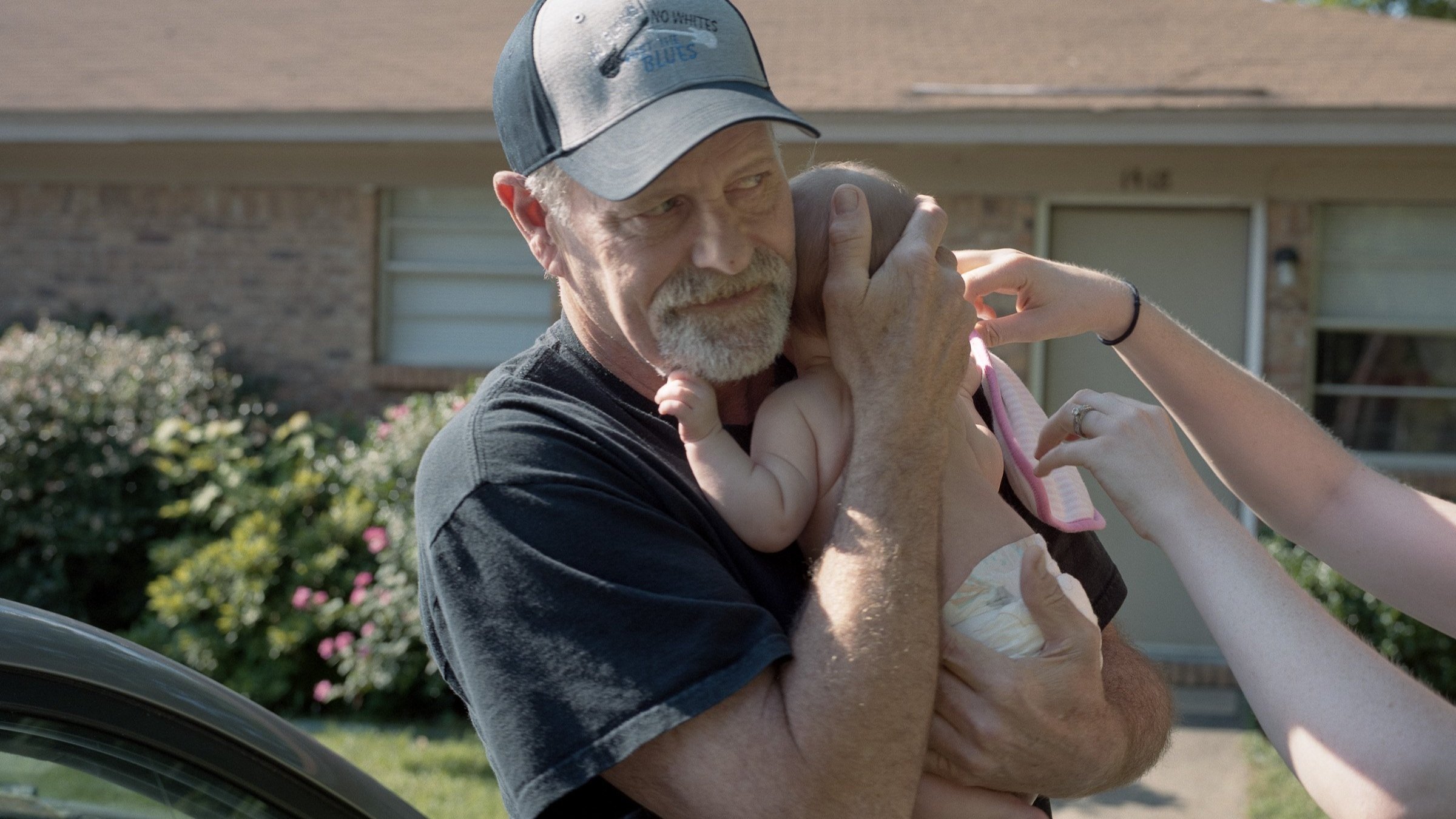
The most resonant images often come from your immediate world, not exotic places. Instead of looking outward for stories, Prideaux turns the lens inward and captures his everyday experiences. This diaristic approach gives his work emotional depth and continuity, built on real connection rather than concept. When you document your life, you’re also giving yourself permission to be specific and sincere. Personal work often ends up being the most universal.
“My photography is mostly diaristic in nature so it intrinsically becomes intertwined with my own personal life.”
Takeaway: Start a photo diary with no expectations just shoot your surroundings, routines, and people close to you. Over time, patterns will emerge that shape your visual voice.
But what if your images still feel too polished or performative?
Lesson 4: Stop chasing perfection - aim for authenticity.
Trying to make perfect photos can strip away what’s truly yours. Prideaux believes that your viewpoint the way only you see is far more valuable than flawless execution. Instead of asking, “Is this a good photo?” ask, “Is this my photo?” This shift from external standards to internal authorship changes how you create and what you value. Authenticity isn’t a technique it’s the result of making honest choices over and over again.
“It’s important to share the things that you and only you are a witness to… authenticity comes from true authorship from the creator.”
Takeaway: Revisit your recent work and pick 5 images that feel the most yours, even if they’re imperfect. Ask what they share and build your next shoot around those qualities.
So how do you keep that spark alive when inspiration runs dry?
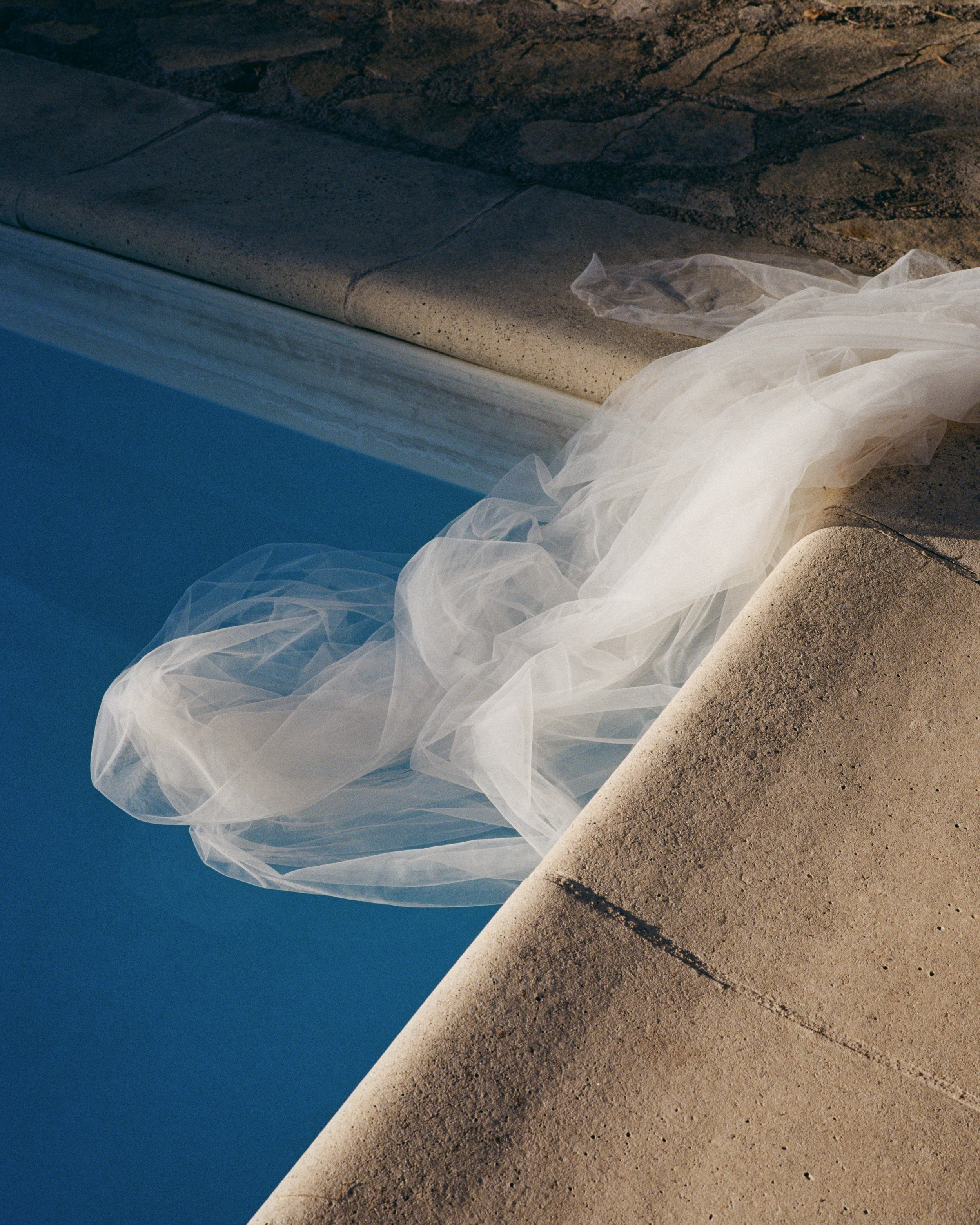
Lesson 5: Let curiosity guide your photography, not rigid plans.
Following impulse can lead to unexpected, meaningful moments. Prideaux doesn’t always go out with an agenda he allows space for things to unfold. This openness gives his images a sense of discovery, like he’s seeing things for the first time along with the viewer. Curiosity keeps the process playful and prevents burnout by replacing pressure with possibility. When you let go of control, you make room for surprise.
“I began to pick up my camera more as it felt so present and momentary.”
Takeaway: Set aside time to shoot without a goal. Follow what catches your eye, even if it doesn’t make sense. Trust that the connections will come later.
And maybe, over time, the act of seeing becomes its own reward.
Photography doesn’t have to be fast, loud, or perfect to be meaningful. Nick Prideaux reminds us that slowing down is not a weakness. It is a strength. If your work feels rushed or disconnected, the solution might not be more gear or new techniques. It might just be learning to pay closer attention.

Great photography starts with slowing down. Nick Prideaux doesn’t chase perfect moments. He waits, watches, and responds. His style is quiet and personal, built on everyday scenes and small details most people miss. Photography Lessons