From Farm Animals to Highland Kings: How Patrick Blin Reimagined Scottish Sheep in Pure laine d’Écosse
Welcome to this edition of [book spotlight]. Today, we uncover the layers of 'Livre "Pure laine d'Écosse",' by Patrick Blin (self-publishing). We'd love to read your comments below about these insights and ideas behind the artist's work.
Patrick Blin made Scottish sheep look almost mythical.
What began as a simple encounter in the Scottish Highlands slowly grew into a long photographic exploration. During several trips across the region, Blin started to notice how light, weather, and the wide landscape could change the way these animals appeared in front of the camera. Instead of treating them as background elements of rural life, he photographed them as proud figures standing in the open land. The result is a series of images where ordinary sheep begin to feel powerful, almost symbolic of the place itself.
But the project is also a portrait of Scotland.
The sheep become guides through the Highlands, leading the viewer across hills, fields, and changing skies. Over nearly a decade, Blin returned again and again, following the rhythm of the landscape and the quiet presence of these animals. In the conversation that follows, he reflects on how the project slowly took shape and why photographing something so simple allowed him to reveal something deeper about the land.
For photographers, the story also shows how a subject can grow from a small observation.
A single encounter can develop into a long project when curiosity keeps pulling you back. Sometimes the most surprising work begins with something people normally overlook.
The Book
Pure laine d’Écosse by Patrick Blin is a photography book that explores the landscapes and atmosphere of the Scottish Highlands through an unexpected subject: sheep. First discovered by the photographer during an early trip to Scotland, these animals gradually became the central thread of a long photographic project developed across several journeys to the Highlands and the Isle of Skye. Standing proudly on rocky hills, fields, and open ridges, the sheep appear almost like guardians of the land, revealing the quiet drama of Scotland’s mountains, moors, and changing skies.
The book presents a sequence of color photographs accompanied by short texts by Patrick Blin, creating a visual journey through the light, weather, and vast spaces of the Highlands. Published by BLIN plus BLIN in a bilingual French and English edition, the book also includes prefaces by photographer Yann Arthus-Bertrand and writer Peter May, adding context to this unusual and poetic portrait of Scotland and its most familiar inhabitants. (Website, Amazon)
Project Discovery: You visited the Highlands without a project plan, just wanting to discover the place. After three days of rain, what did you see on the fourth morning that made you realise sheep could be your subject?
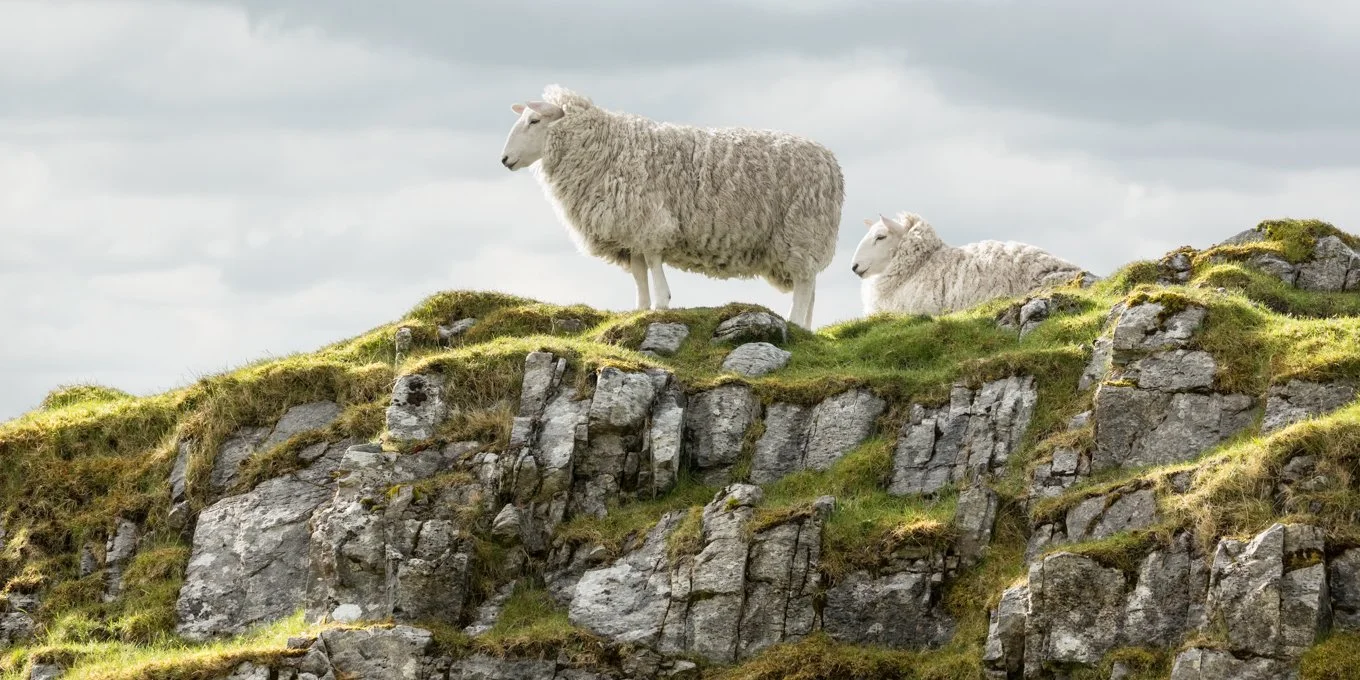
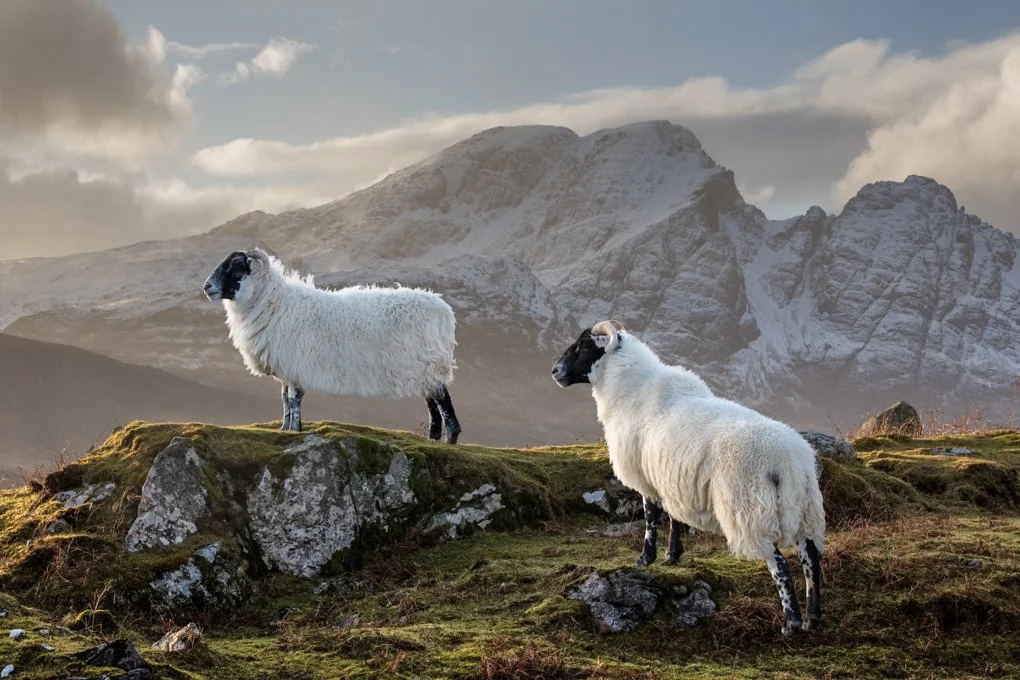
After three days of rain, on the fourth morning, the sky opened slightly and, like enormous spotlights, the sun's rays pierced the clouds, giving the landscape the appearance of a movie set. Right in front of me, in this vast expanse, was a small rocky outcrop on which a few sheep were resting. The scene was very inspiring, so I took some pictures, and in the evening in my cottage when I reviewed my photographs of the day, I realised that there was in this scene of sheep on the rocky ridge a subject to explore. That same evening, I decided that I would dedicate the next days to working on the sheep, trying to capture their beauty within their vast territory.
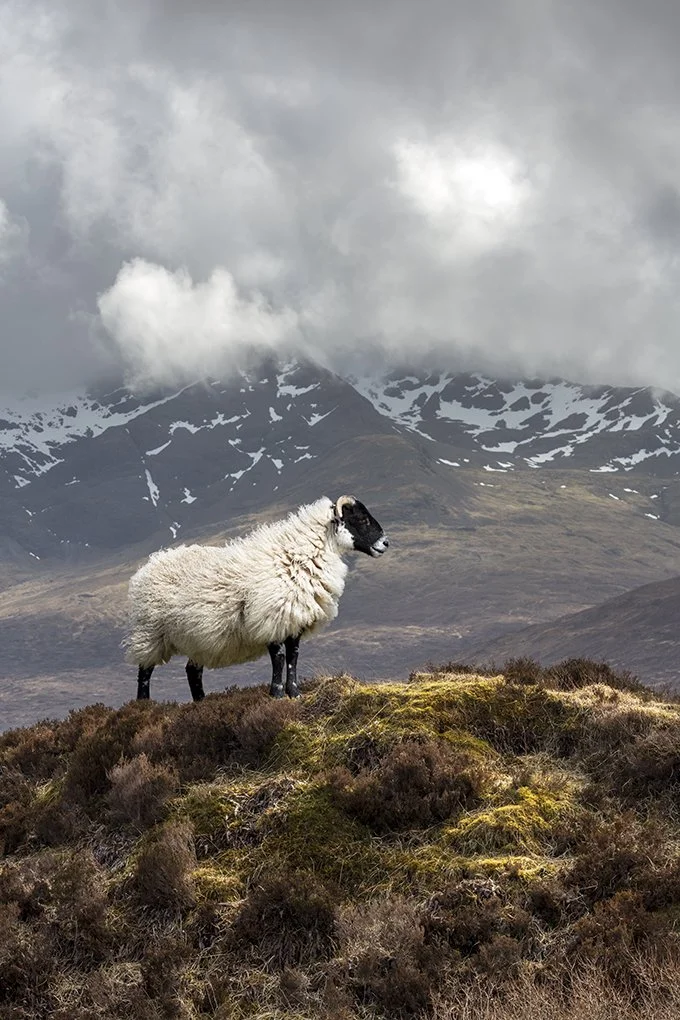
Vision Shift: You describe showing Scottish sheep proud like lions. How do you photograph sheep to make them look like predators instead of farm animals?
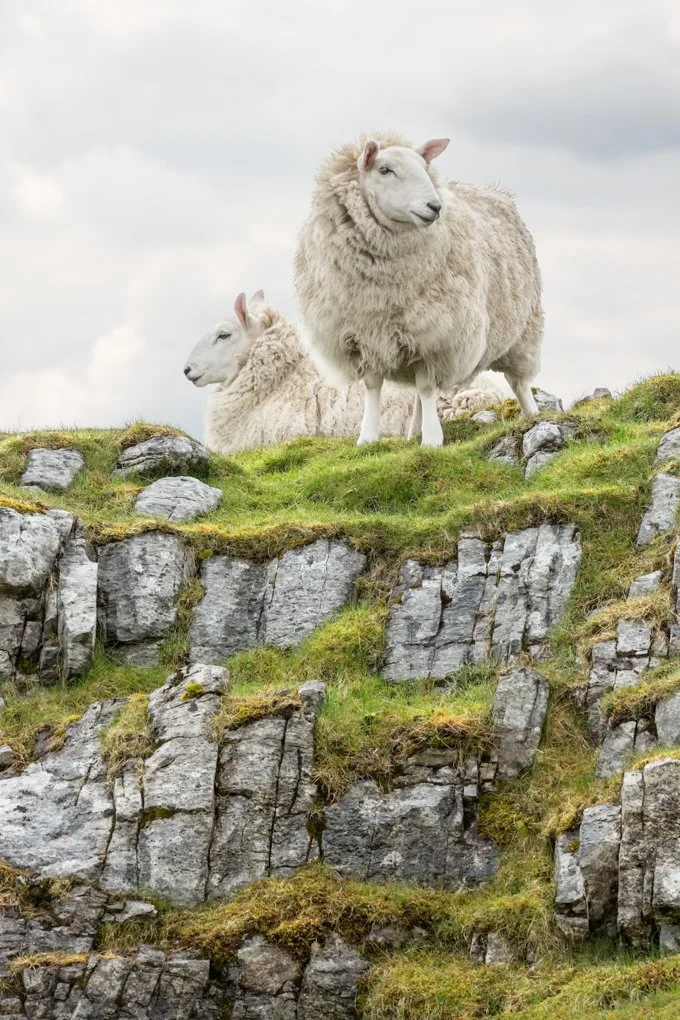
I quickly realised that to make the sheep as proud as lions, I always had to be lower than them. So I strove to always find situations where the sheep had to be in a dominant position relative to where I was standing.
Wildlife Approach: Coming from bird and wolf photography, how did you adapt your wildlife photography methods to work with sheep in the Highlands?
Sheep spend all their time grazing, and when they're not grazing, they're ruminating. In both cases, their behaviour is far from noble. I therefore needed to attract their attention sufficiently without scaring them away. I quickly understood that if I remained passive, they would not move and would continue grazing, and that if I approached too quickly, they would flee. So, over the hours and days, I adapted my approach according to the terrain, the scene I wanted, and sometimes to the character of each animal. I wanted them with their heads raised and ears pricked forward.
Location Finding: Over seven trips in different seasons, how do you find sheep positioned on rocky promontories in the vast Highland landscapes?
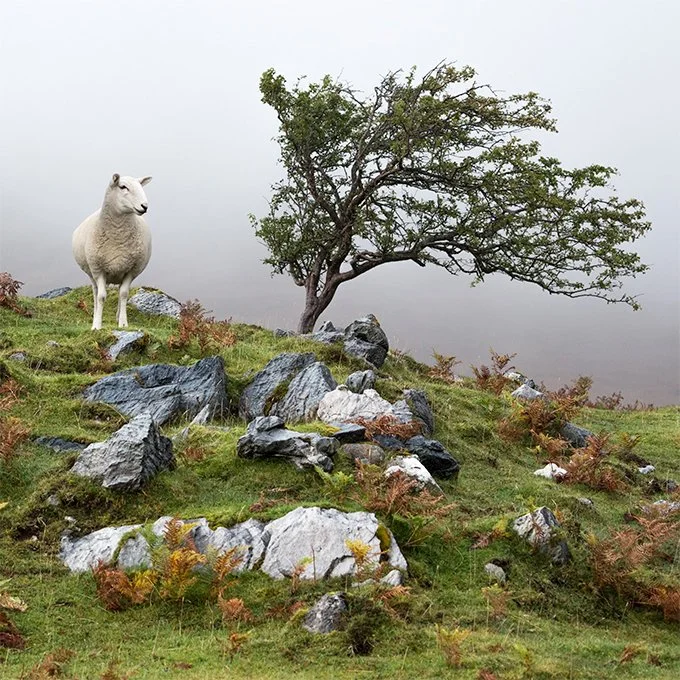
Every day I drove the roads of the Highlands, searching for inspiring locations with sheep nearby. Sometimes the sheep were there, and I just had to wait for the right light and for the animals to position themselves correctly as they moved around. Sometimes I noted places that caught my eye and returned the next day or a few days later, hoping that sheep would be there. On each of my trips, I changed my base to increase my chances of seeing new scenery.
Weather Strategy: Your first three days were only rain. How did changing weather across your seven trips affect your photography and the mood of your images?
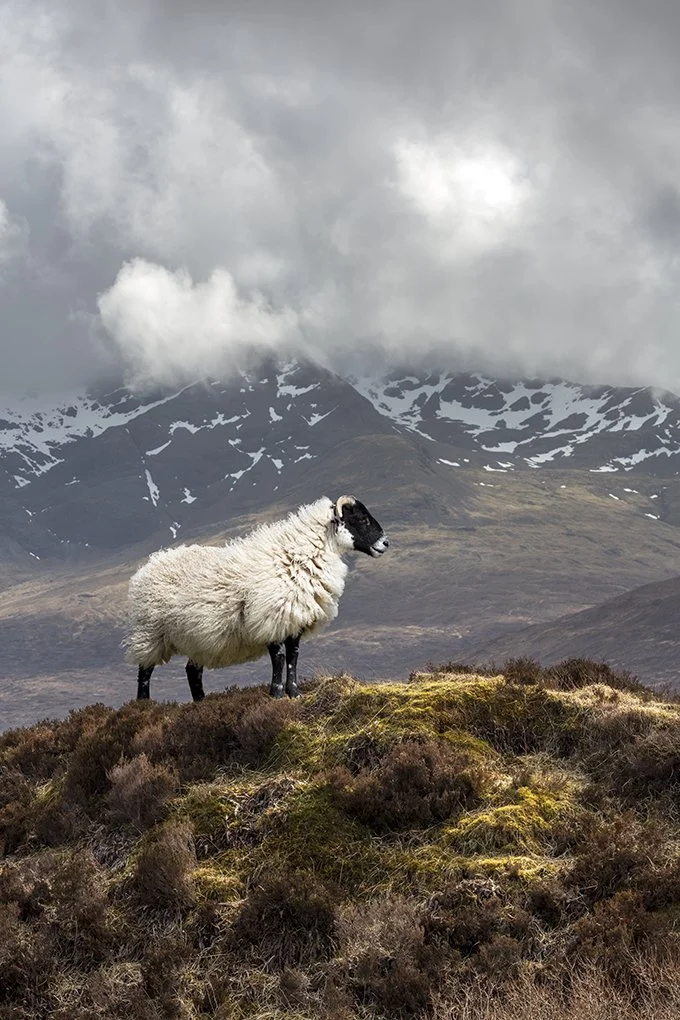
I'm not a big fan of vast blue skies, and for that, Scotland is perfect... ;-)) When the main elements (scene, sheep, and light) came together, I made sure to capture the moment. Since the weather is very changeable in the Highlands, I sometimes had to wait a few hours for a different sky, different lighting, a different atmosphere, but that didn't guarantee the sheep would always be in the right position.
Light Hunting: You call yourself a hunter of lights. What kind of light do you look for to photograph sheep in Highland landscapes?
I was looking for all kinds of light, but my preference was for the patches of light that the sun cast on the landscape as it pierced the clouds.
Seasonal Changes: You photographed sheep across different seasons. How does the appearance of sheep and landscapes change from season to season in Scotland?
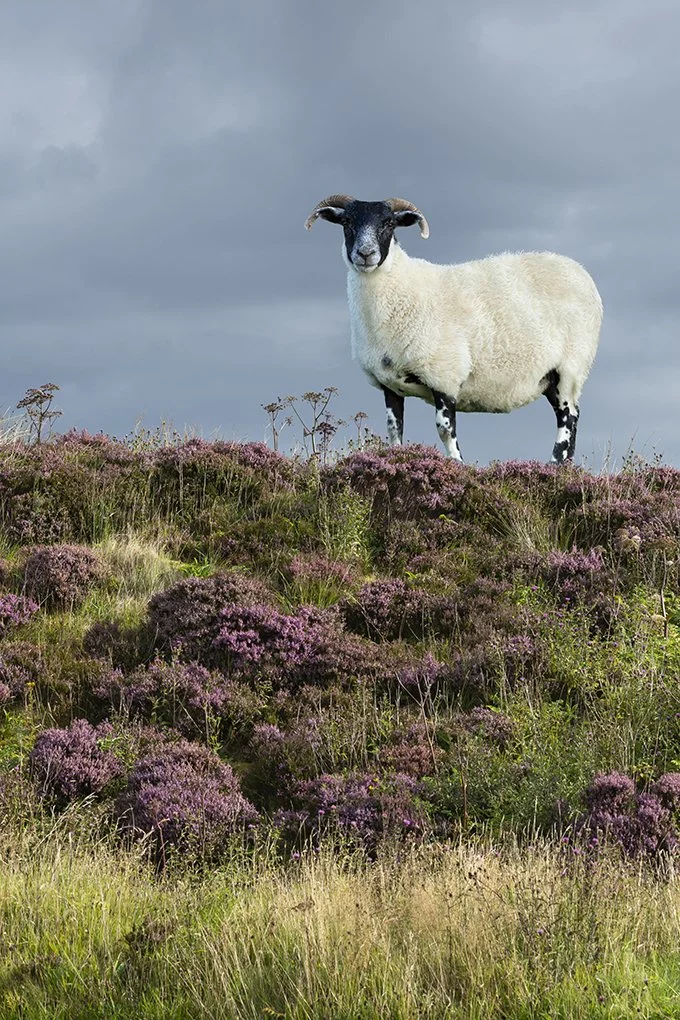
During my various trips to Scotland and my observations, I quickly learned which periods to avoid. Generally, in the Highlands, sheep are sheared in late May or early June, and for this reason, June, July, and August are best avoided. This is just as well, as it's the peak tourist season and the midges' favourite time of year. To complete my project of photographing sheep in the heather, I had to brave the tourists and the midges while searching for expanses of heather and sheep with a bit of wool! I loved autumn with its shimmering palette of colours, and the end of winter with its lightly snowy landscapes but not too much, because the whiteness of the sheep against the snow is an illusion. April and May are also perfect months for light, for bright greens, and for sheep laden with wool.
Creative Collaboration: Your book has prefaces by photographer Yann Arthus-Bertrand and Scottish writer Peter May. How did they each contribute to presenting your vision of Scotland?
I was determined to publish my book in both French and English (a bilingual edition). In this book, I wanted to showcase, through my photographs, sheep but also Scotland. Therefore, I chose, on the one hand, the renowned French photographer and animal rights advocate Yann Arthus-Bertrand for his French, photographic, and artistic credentials, and on the other hand, Peter May, the equally famous Scottish author, for his expertise and knowledge of the Highlands. In his preface, Yann highlights my photographic work, while Peter reminds us why the Highlands have become sheep country. I was very honoured and very proud that they agreed to write the prefaces to my book.
Series Development: After seven trips over nearly ten years, how did you know the project was complete and ready to become a book?
The greatest difficulty in art is knowing when to stop. If you take a painter, they will always tend to consider their painting unfinished and will want to add one last brushstroke to their canvas, and then another. Similarly, a sculptor will always want to perfect their work. A photographer will always tell themselves that the most beautiful photo is the one they haven't yet taken. It's essential to know when to stop, because otherwise, the painter's canvas will never be exhibited, just as the sculptor's sculpture will never be. For me, inspiration and motivation were the driving forces behind this project. My first exhibitions were very well received, and my art prints sold well. When I decided to turn it into a book, I felt I had all the material I needed to complete it. However, I could return to Scotland to continue this work, but only to produce art prints, not a second book.
To discover more about this intriguing body of work and how you can acquire your own copy, you can find and purchase the book here.
More photography books?
We'd love to read your comments below, sharing your thoughts and insights on the artist's work. Looking forward to welcoming you back for our next [book spotlight]. See you then!
Robin de Puy could no longer make this project alone. She first photographed Randy in Ely, Nevada, during a 2015 road trip and kept returning to him for more than ten years. Interviews