After Photographing in More Than 90 Countries, Arthur Meyerson Made The Journey to Show What a Life in Photography Really Looks Like
Welcome to this edition of [book spotlight]. Today, we uncover the layers of photography books and photographic life of Arthur Meyerson. We'd love to read your comments below about these insights and ideas behind the artist's work.
What does 50 years of photography really leave behind?
In Arthur Meyerson’s case, the answer is much bigger than a body of work. His book, The Journey, brings together photographs, memories, influences, and reflections from a life spent looking closely at the world. It is not only about the images themselves, but also about the people, places, and experiences that shaped the man behind the camera.
This is also a conversation about what stays with a photographer over time.
Meyerson speaks about early influences, colour, personal work, commercial assignments, teaching, and the long path that led to this book. The Journey was shaped through years of work and long conversations with Anne Wilkes Tucker about where he had been, where he was, and where he was going. The result is not a simple retrospective, but a fuller portrait of a photographer still thinking about his own evolution.
You begin to understand what makes a photograph last, what makes a visual voice become recognisable, and what a lifetime of serious looking can teach a person.
This interview is for anyone interested in the deeper story behind a long creative life.
The Books
The Journey is a photography autobiography by Arthur Meyerson that follows his life in pictures through an extended interview with curator Anne Wilkes Tucker and a wide selection of images from across his career. Blending commercial work, personal photographs, workshop ideas, and stories from the road, the book offers a thoughtful portrait of Meyerson’s way of seeing and the experiences that shaped it. (Website)
(NOTE: For those who wish to order outside of the United States, please contact Arthur directly at: arthur@arthurmeyerson.com to determine shipping and handling costs)
The Color of Light: Since 1974, professional assignments have taken photographer Arthur Meyerson around the world to all 7 continents. Throughout it all, Meyerson’s fascination with light, color and the moment has never ceased and he has continued to produce a body of personal work that has grown into an impressive archive, The Color of Light. With essays by fellow photographers, Sam Abell, Jay Maisel and a conversation with John Paul Caponigro, The Color of Light not only details Meyerson’s photographic philosophy, but also discusses and illustrates many of the themes and ideas expressed in his renowned photographs. A selection of 113 of Meyerson’s iconic images are included and further reveal his mastery of the medium. At home and away, the subject matter is diverse as seen only through the eye of this photographer.
Trade Edition SOLD OUT
Deluxe Edition still available.
Early beginnings: Can you take us back to when you first picked up a camera- what drew you to photography and when did you realise this would become yourlife's work?
The truth is, I never planned on becoming a photographer. But, looking back, there were a few things that tweaked my interest in photography. As a kid growing up in the ’50s, I spent a lot of time looking at the big picture magazines…Life, Look, National Geographic. I felt some kind of a connection with those images that I really never understood at that time. And then later, as a junior in college, with a major in journalism, I was required to take a course in photography. That course included a lab where we learned black-and-white processing and printing. Like many people, the moment I saw that image appear in the developer, I was addicted! It was like magic, and I’ve always loved magic. My interest in photography was not only solidified then, but it really began to change the way I saw and looked at things. It would still be a few years later that I would “dive in” to the world of photography and attempt to make a living at it, but the seed had been planted and there was no going back.
Discovering colour: You became known as a master of colour photography - was this something you were attracted to from the start, or did your eye for colour develop over time through experience?
As I mentioned before, my interest in photography initially began in black and white… I’ve always loved black and white and had a great appreciation for it as well as for all the masters like Weston, Cartier-Bresson, Frank, etc. Black and white was about subtraction or abstraction, whereas colour was more about addition. And the one thing we know about adding something to a photograph is that it doesn't always work.
At some point, early on, I came across a copy of Ernst Haas’s landmark book, The Creation. That book struck me like a lightning bolt! Somebody could make colour photographs that looked like that?! It was an epiphany for me. And I became more aware of his other work, both personal and commercial, that resonated with me in a way that other colour photos had not.
Ernst’s work led to the discovery of two other colour photography influencers who would have an impact on me… Jay Maisel and Pete Turner. I had the good fortune to meet all three and befriend each of them (Ernst as a mentor) while developing personal and professional relationships as well. As master practitioners of colour, their work got me excited, interested, and inspired to want to push myself forward with the boundaries of colour. Over time, colour would become a more important genre for me as a photographer.
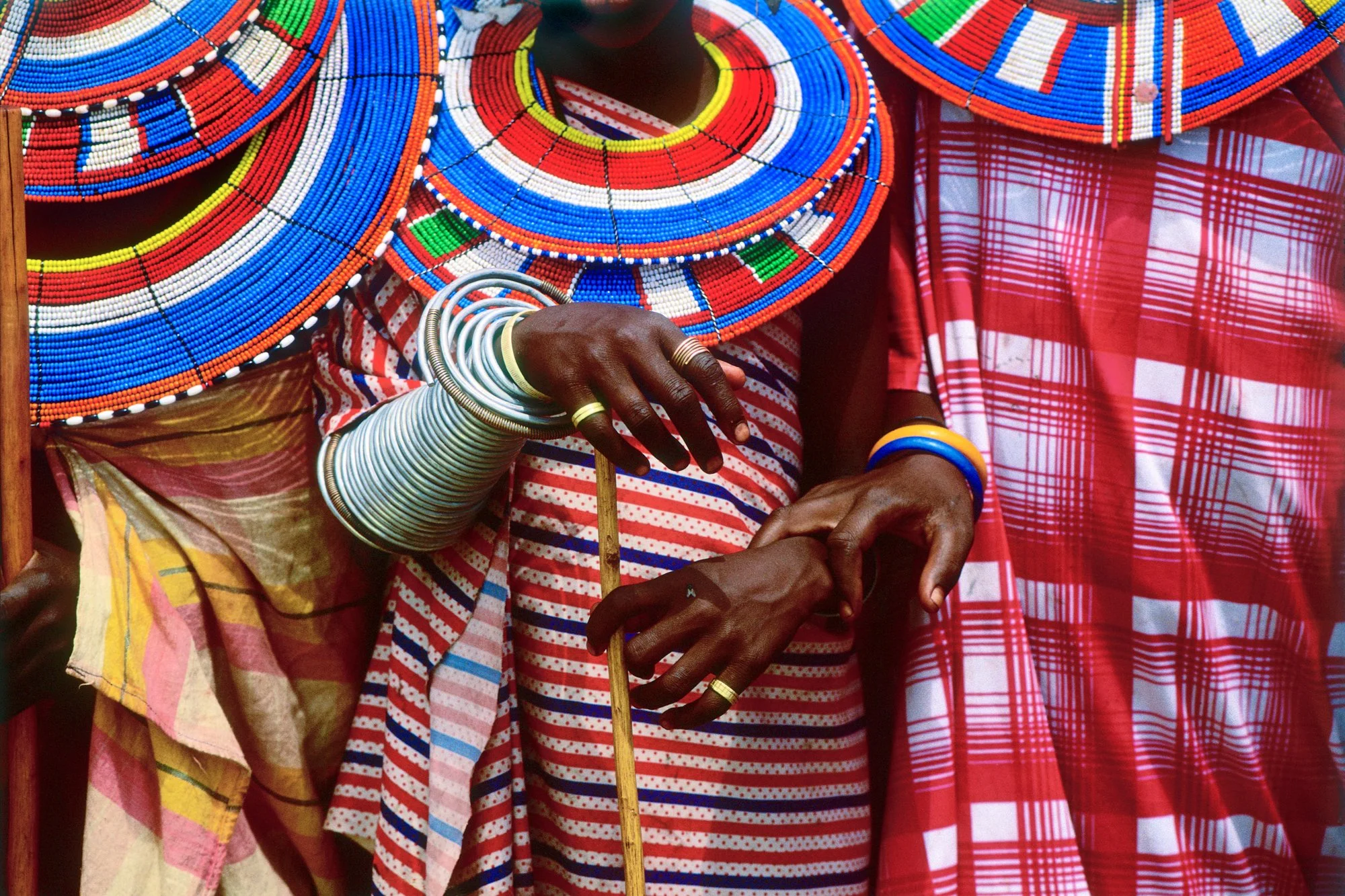
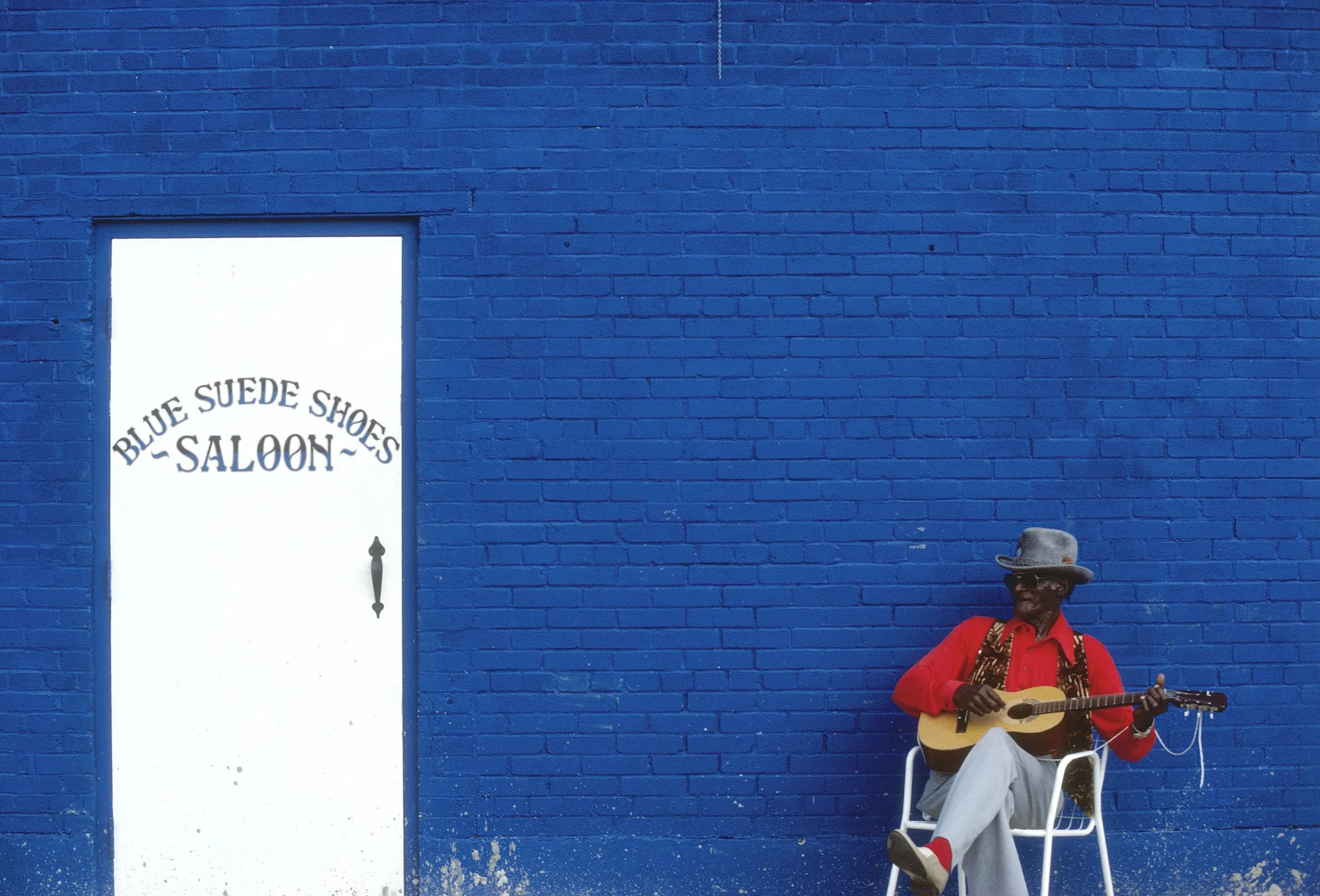
And I was beginning to feel I was at a crossroads. But, as the saying goes, colour and black and white are both wonderful but like two different languages, you just need to determine which one you want to speak. I decided that I wanted to make the effort to learn to use colour and take responsibility for it in my photos as well as what colour could do in terms of mood, in terms of being a descriptor, and most importantly, as part of the composition.
I was fortunate on many levels, but in particular, that we had the ideal film for producing colour… Kodachrome. It became the accepted medium in the commercial and editorial world of photography.
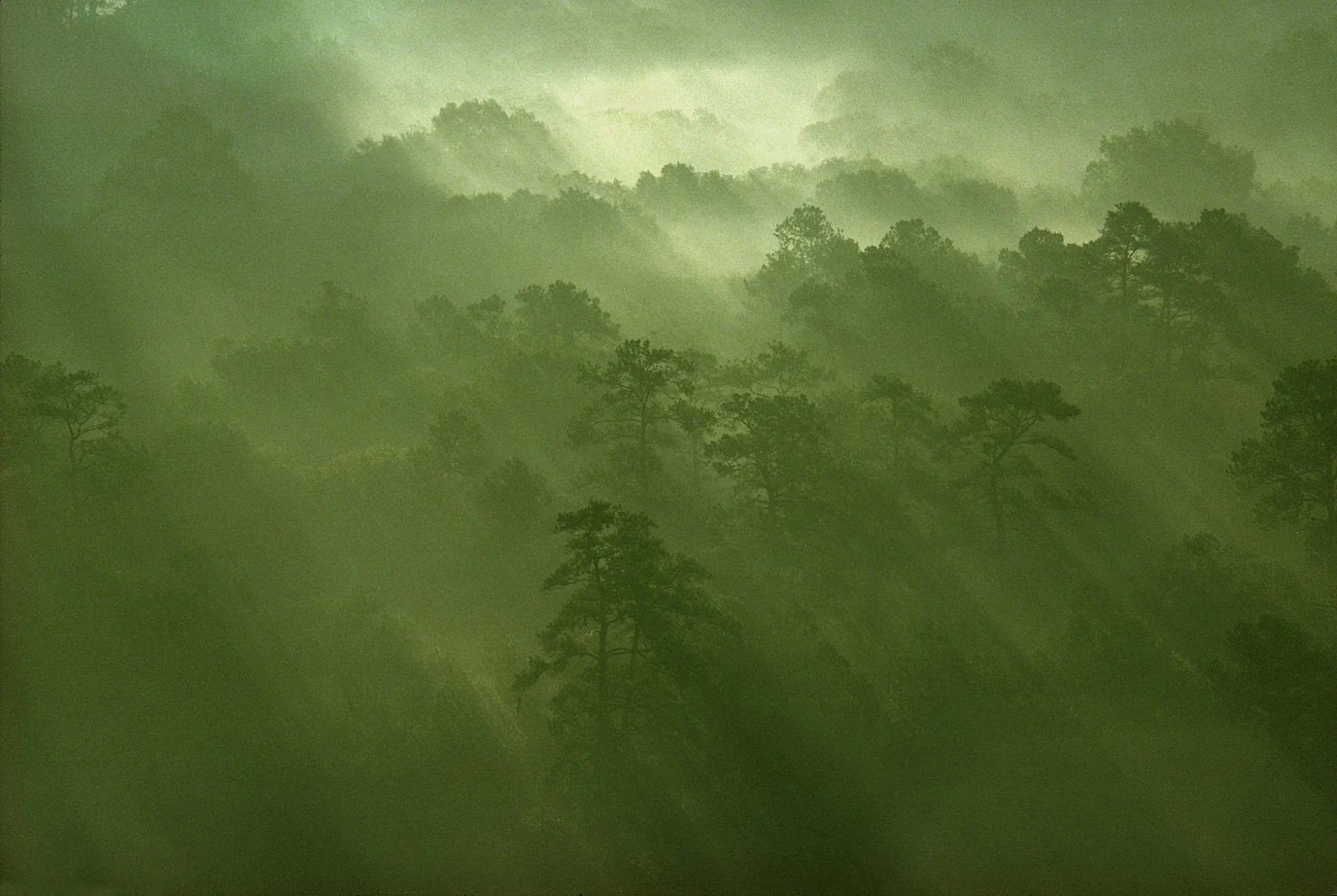
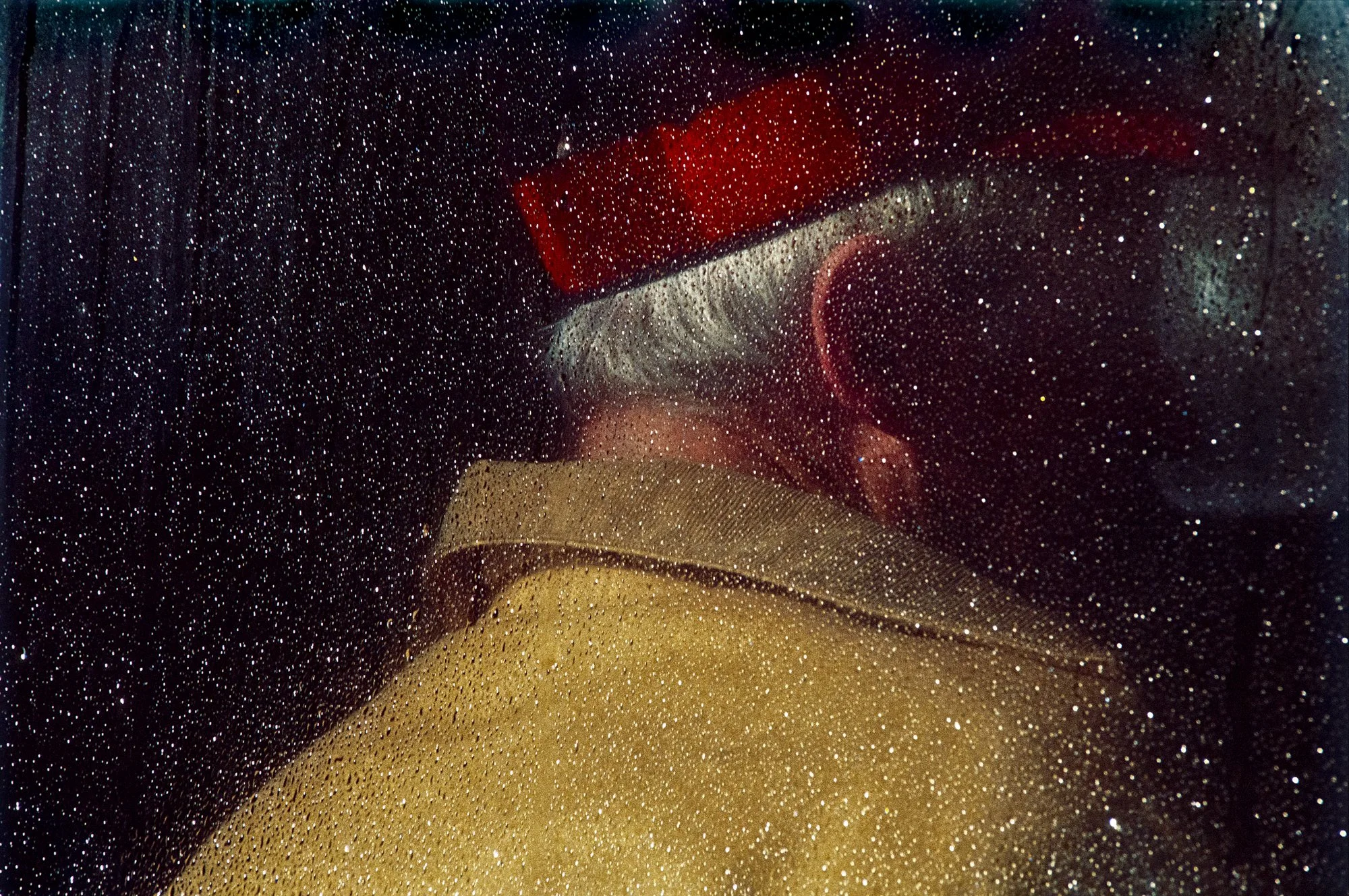
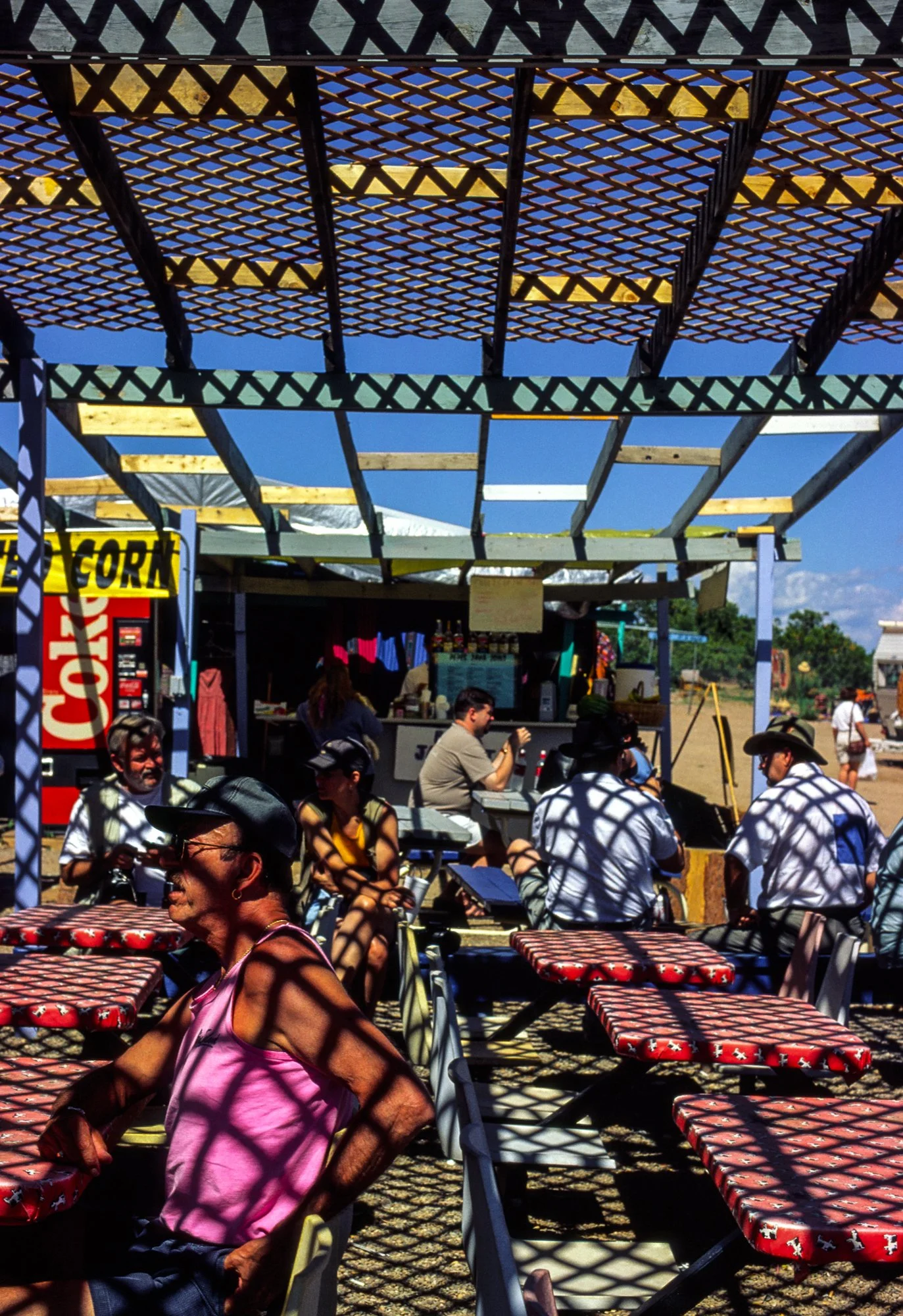
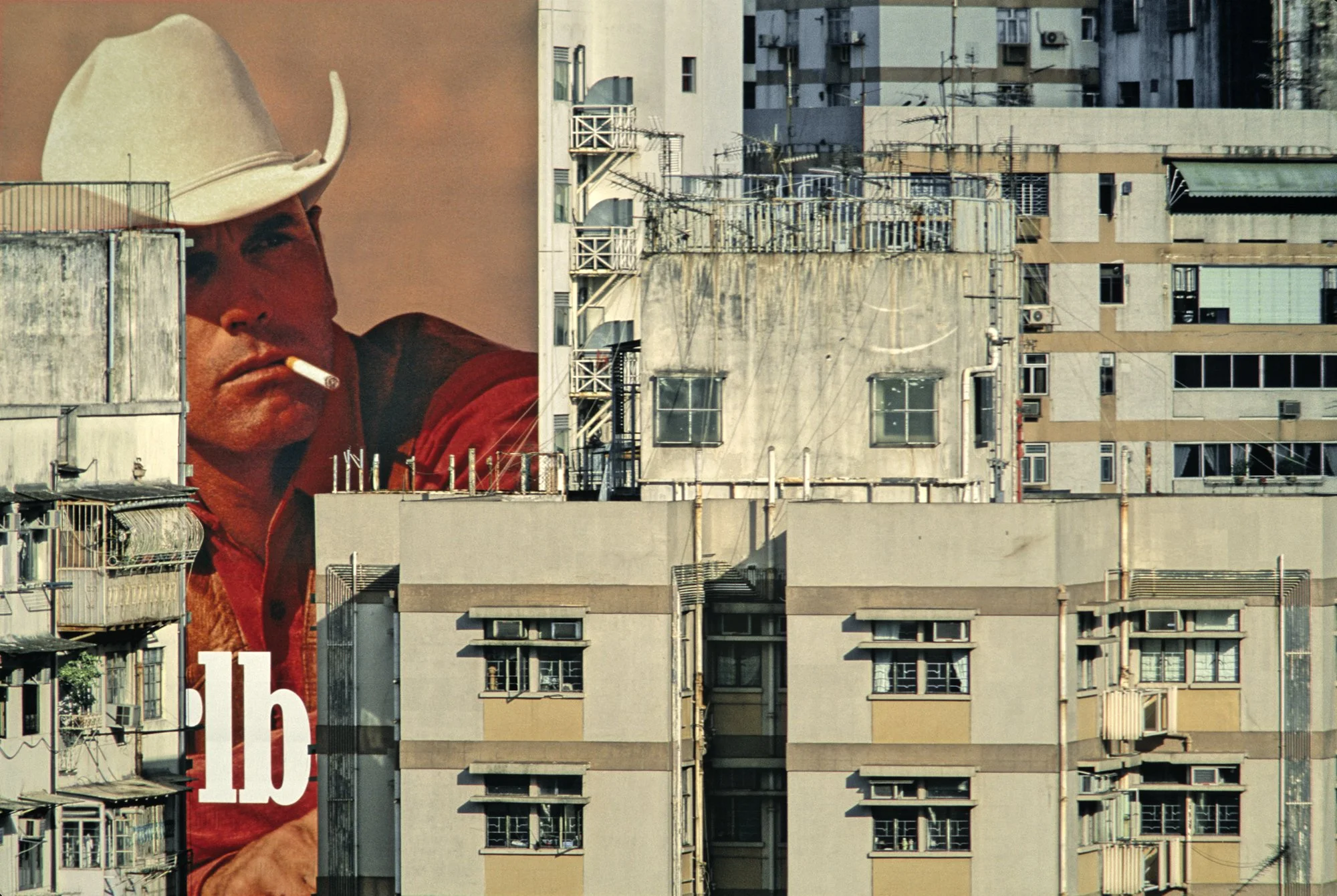
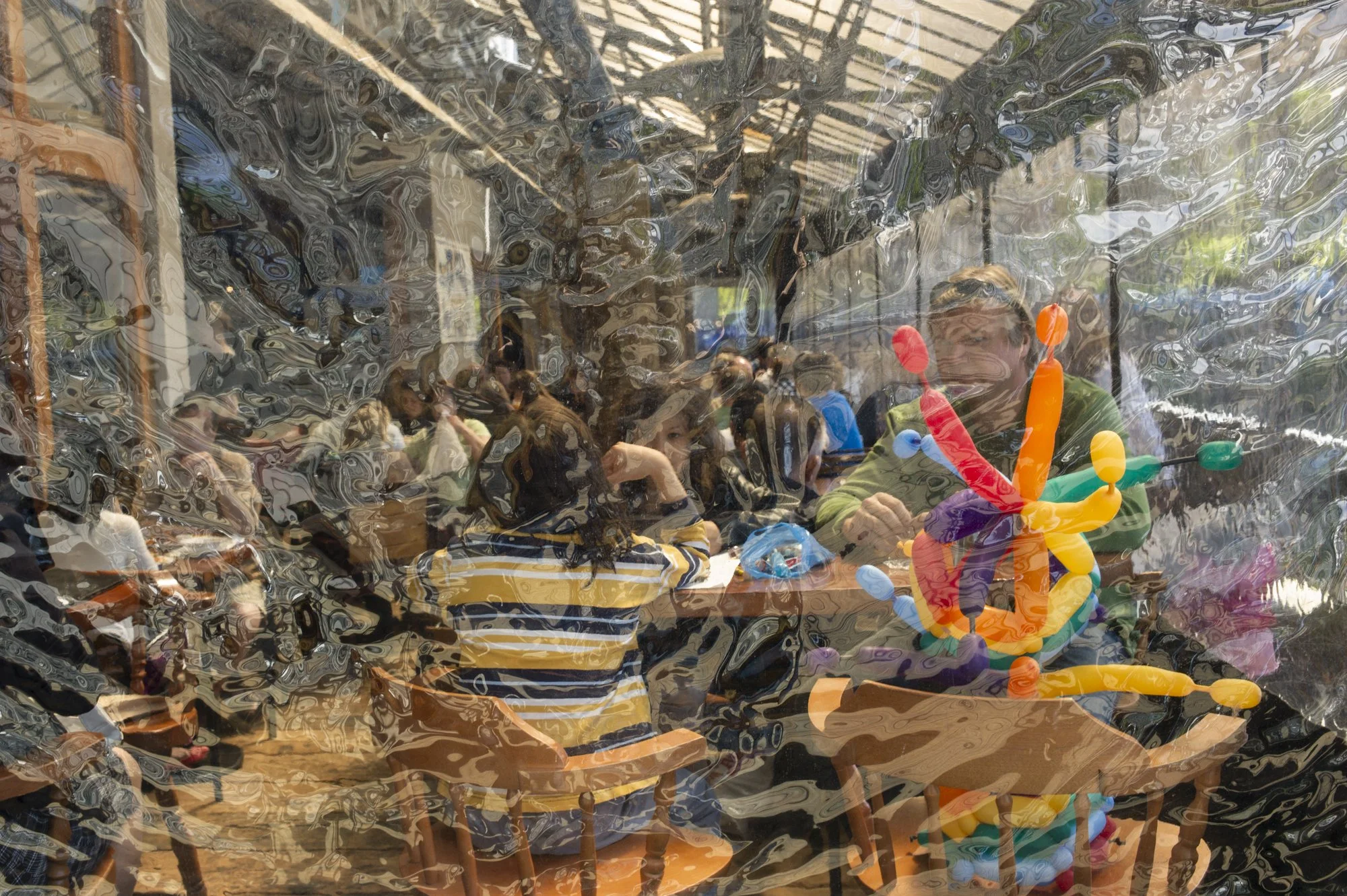
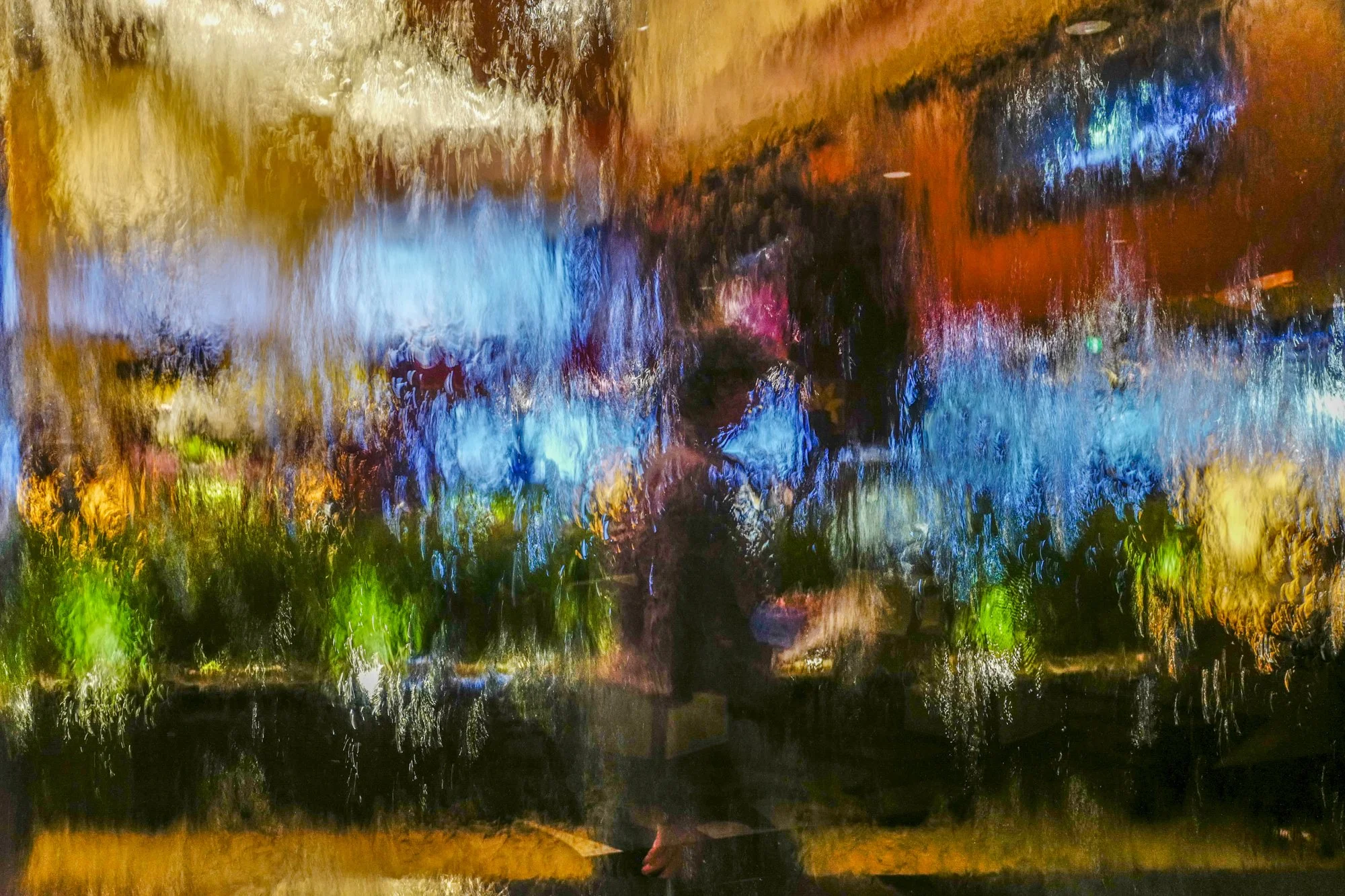
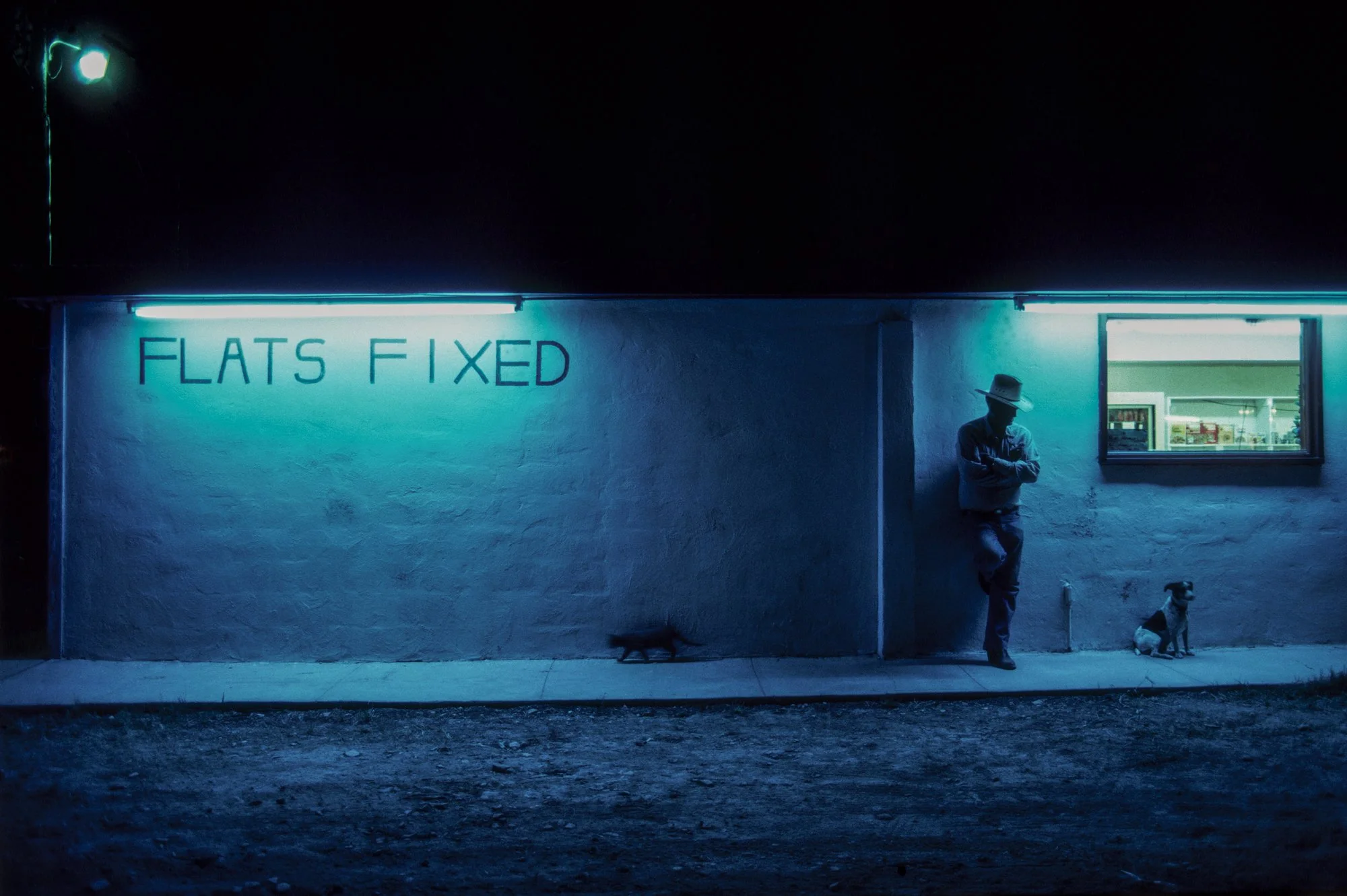
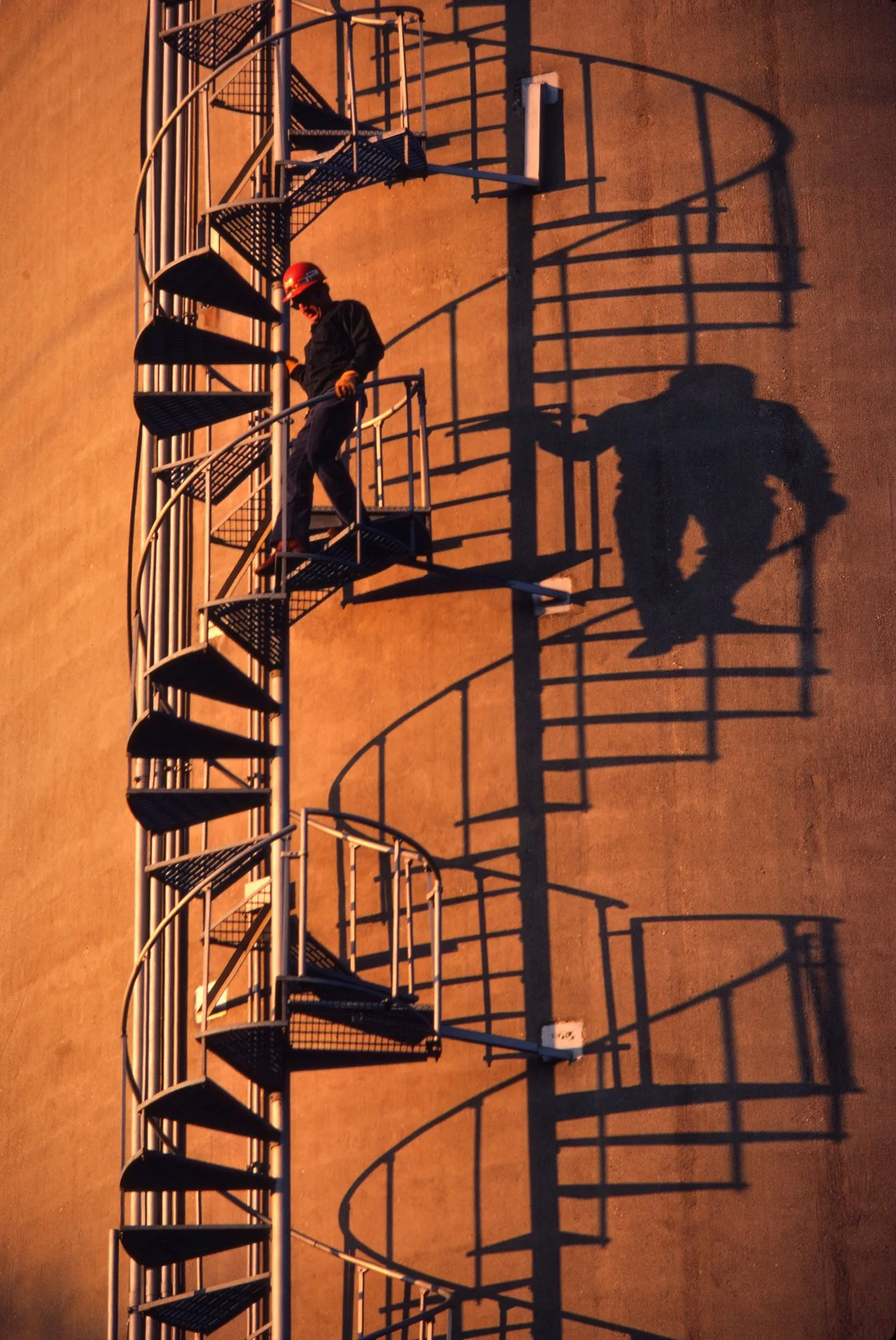
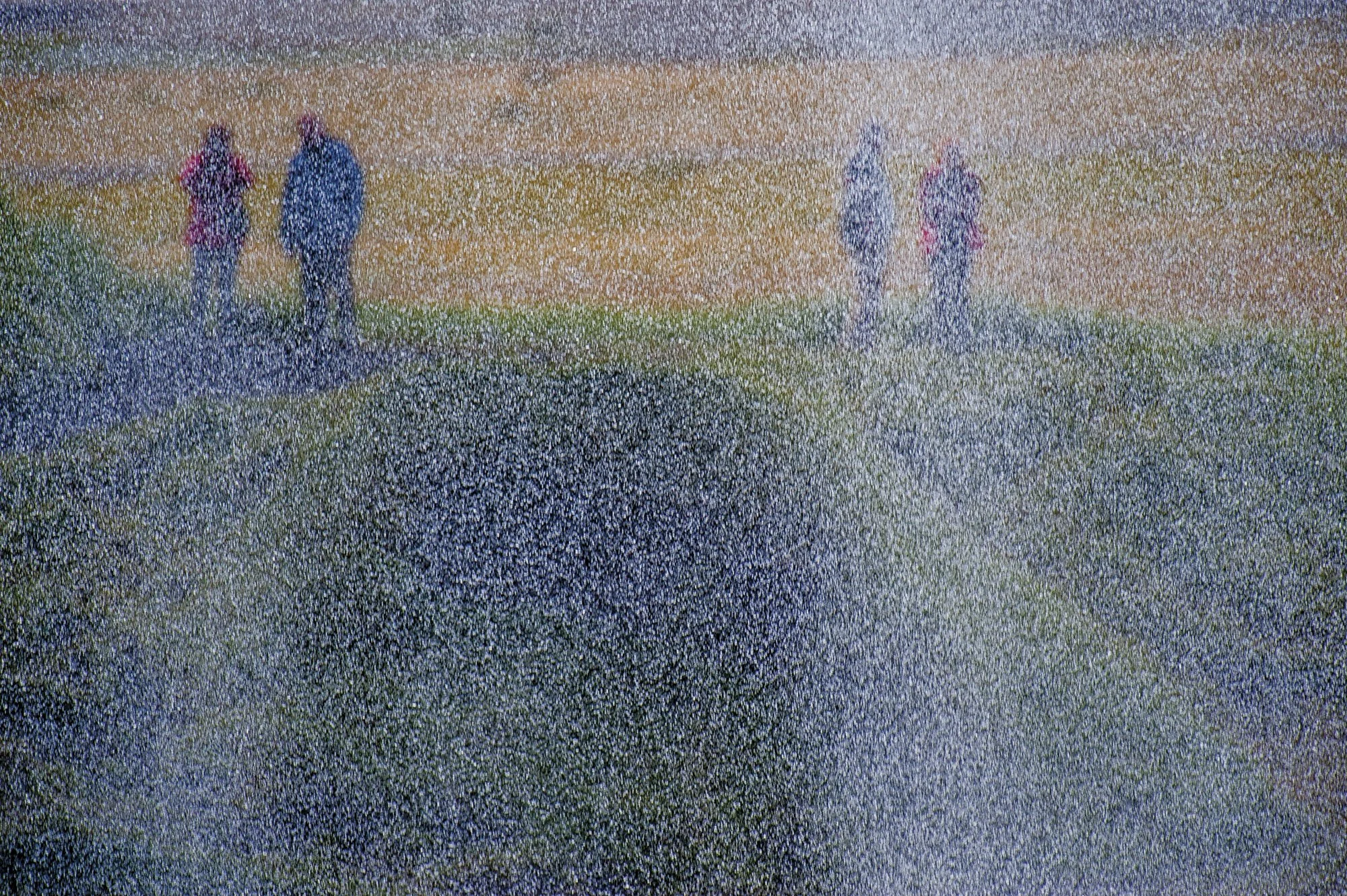
In the beginning, I was photographing colour only in golden hour light in the mornings and in the evenings, but soon thought that if I was a good enough photographer, I was going to have to be able to utilise the light and colour throughout the day as well. This is when I began to look at things that I considered problematic with bright and contrasty light, like shadows, and realised that I could make lemonade out of lemons by using shadows to my benefit… as pattern, or as an element to hide or reveal a subject or learning the importance of the colour black and how it interplays with other colours. Soon I was using other visual “tools” like layers, reflections, “shooting through” objects, counterpoints, etc., all of which helped in giving me a greater appreciation for colour and various colour palettes, something I feel is necessary for working in colour.
Commercial career: You built a successful commercial photography career while also creating personal work - how did you balance these two worlds, and did commercial assignments teach you things that helped your artistic vision?
The big difference was that, with assignment work, you had to come back with something, as opposed to personal shooting, where you didn’t. And with commercial work, more than likely, there were parameters. It was always important to give the clients what they needed, but I always would try alternatives, things they had not considered. I felt that I had an obligation to try different variations. In fact, I generally hated going out with a very specific kind of layout: “The type goes here, the person stands there, the product is in this corner.” I felt that my job was to give them what they wanted, but, at the same time, to also give them alternatives that were better than what they had asked for.
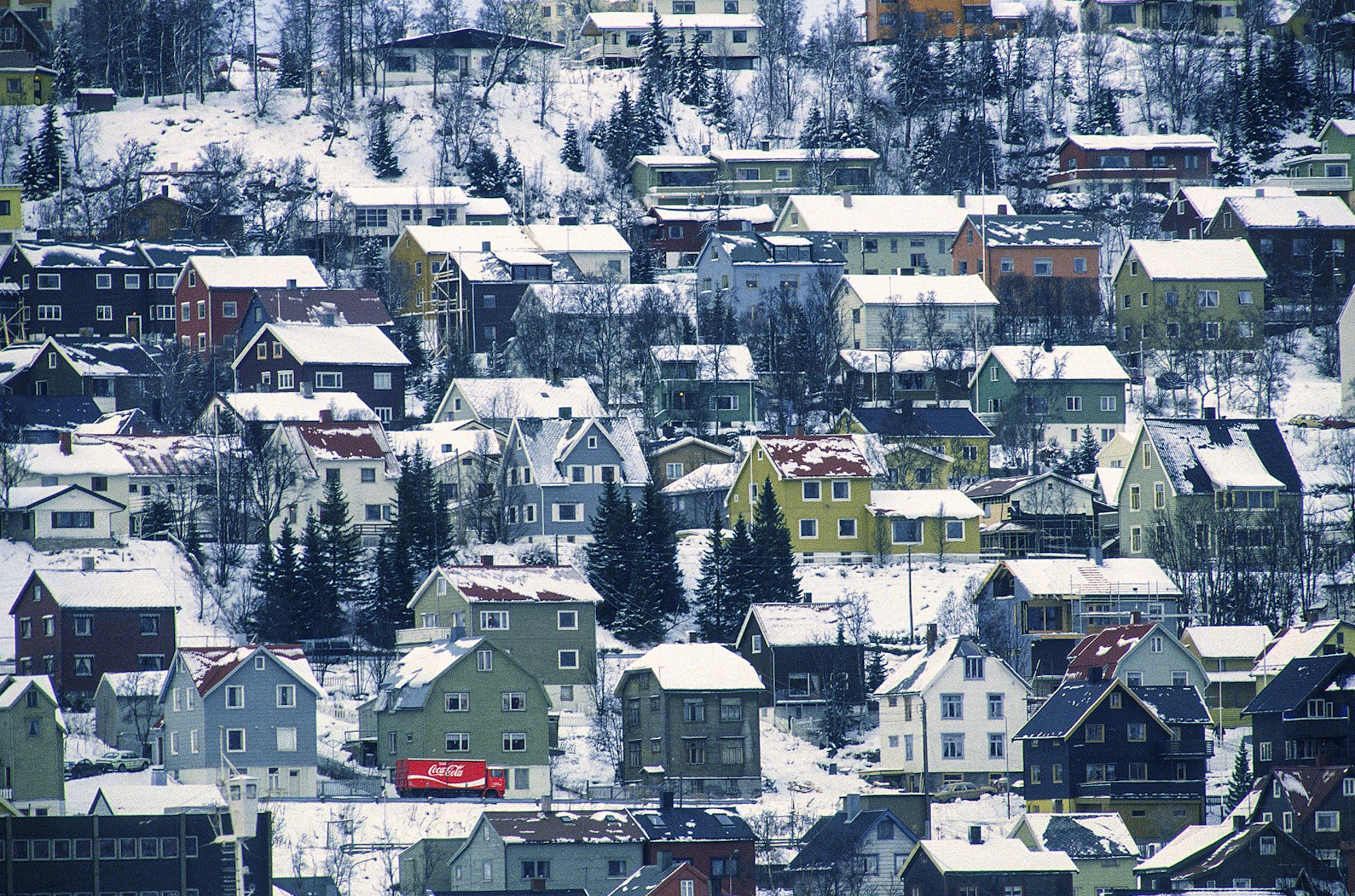
And a lot of that thinking came from the fact that I was always shooting for myself, be it on my off time, on an assignment, or when I was out on my own. I didn’t get into photography because I wanted to just do commercial work. I got into photography because I loved photography, and doing the commercial work was a means to an end. Not only could I make a living doing it, but as it turned out, it was a really great way to make a living with clients like Coca-Cola, Apple, Nike, American Express, etc. And being self-taught, much of what I learned in doing the personal work I applied to the commercial images as well. Shooting for myself was and still is my passion!
Anne Wilkes Tucker interview: The book opens with an all-inclusive interview by renowned curator Anne Wilkes Tucker - how did her questions help you understand your own work in ways you had not thought about before?
Well, to begin with, my first monograph was a book entitled, The Colour of Light. It was an opportunity to put book ends around a body of personal work, images of mine that had never been published, and that were created for my own personal pleasure. It was a chance to show that work because I felt that it was substantial and relevant to me as a photographer and my overall body of work.
A few years later, I was having lunch with my good friend, the former curator of photography at the Museum of Fine Arts in Houston, Anne Wilkes Tucker. She asked me what I had planned next in the way of a book. I told her that I had been thinking about several things, but I wasn't quite set on anything specific or how I was going to organise it.
She suggested we should do an interview and utilise that to help guide the book project. I was surprised, shocked, and elated by her offer… and absolutely thrilled!
She began by asking for everything that I had been featured in or previously interviewed for so that she could come up with her own questions.
And a couple of months later, she called and asked, “Are you ready?”
Her research was impeccable, and over the course of three days with a digital recorder capturing everything, we covered a variety of topics… from my early beginnings, personal life, commercial assignments, mentors, process, teaching, etc.
Those conversations became the basis for the structure of The Journey. This was going to be a book about where I’d been, where I was, and where I was going. It would be more of a “how” book rather than a “how to” book. It would include selected journeys, both from assignments and personal work that I had not shared with readers before, that I felt were relative to me as a photographer and also were important in terms of the type of photography that I did for myself as well as my clients. And, finally, it included many backstories and anecdotes on the photographs featured.
Unpublished images: Many photographs in "The Journey" have never been published before - what made you hold onto these images for so long, and why did this book feel like the right place to share them?
I’ve had a very prolific career. More images produced than I can remember. And as this was the second monograph of my work, I wanted to minimise repeating images that were used in the first book. So, when the concept for The Journey evolved, it was the ideal opportunity to go back into the archive and find unpublished images that helped illustrate the various ideas that were being highlighted. Along with that, were the “selected journeys”, both from assignments and personal projects that helped complete the story of my photographic journey.
Workshop influence: You have taught "The Colour of Light" and "The Colour Moment" workshops since 1990 - how did teaching others change the way you create your own photographs?
I think from the beginning I knew that I wanted to teach. My mentors, both Ernst and Jay, taught workshops and what I learned from them, along with what I had learned myself, I felt would be a great way to give back to a profession that I loved. The Colour of Light is a class I've been teaching for over 30 years and it focuses primarily on the tools and processes of how I make photographs. By doing that, I wanted to allow participants to do the same using their own point of view rather than duplicating what I did. All in an effort to give them the confidence in themselves and in their own vision.
At the same time, it forced me to think more about how I might expand and create new work as well. Eventually, a natural progression was to create a “next step” class… thus, The Colour Moment. It was taking the idea of Cartier-Bresson’s Decisive Moment, and placing it in the genre of colour… a more difficult task, I felt, but one that I wanted to challenge myself and my students to think about and work towards. It actually forced me to look at my own work and understand where I’d been photographically and where I might be going.
The use of visual tools would become a way of looking at a subject and attempting to interpret it in my way. Looking for the moment and trying to capture it was the goal. Also, in critiquing my students’ work, I have always tried to explain, in my opinion, what works and what I think needs work… a lesson learned from Ernst.
All of this, along with the lessons learned, has continued to have a bearing on the photos I make and continue to help me grow as a photographer and instructor.
Stories behind images:The book, The Journey, reveals the stories behind some of your iconic photographs - how does knowing the story change the way someone should look at a picture?
When I did my first monograph, The Colour of Light, the one comment I got from most people was that they loved the book, they loved the photos, but they would've liked to have had more information about the pictures themselves. So when I did The Journey, I made a concerted effort to discuss and illustrate certain photos and the back stories relative to them. As a rule, I’m not sure that knowing the story behind a photograph would change or should change the way someone should look at a picture. My own philosophy is the less said, the better. I'm not a big fan of the idea of using titles other than perhaps the location and year the photograph was taken. I think that a strong photograph really doesn't need an explanation. It should touch the viewer the way he or she sees it and resonate with them as it's presented. That said, I suppose that the stories that go along with the making of some photographs can certainly add to their interest and reason for being.
Career reflection: Looking back at your fifty-plus-year journey through 204 photographs, what surprised you most about your own evolution as a photographer?
I think the truth is that since I never had planned to become a photographer, how lucky I was that my life became what it did. Unplanned like most of my photos. The places I’ve been (over ninety countries and all seven continents), the people I’ve met (the famous and the common), the cultures I’ve encountered… all have added up to an amazing lifetime experience and education I could never have imagined. And also to have experienced and photographed in what many of my contemporaries would agree was “the golden age of professional photography”. And, in the end, I have been given this amazing gift of the ability “to see” now with or without a camera.
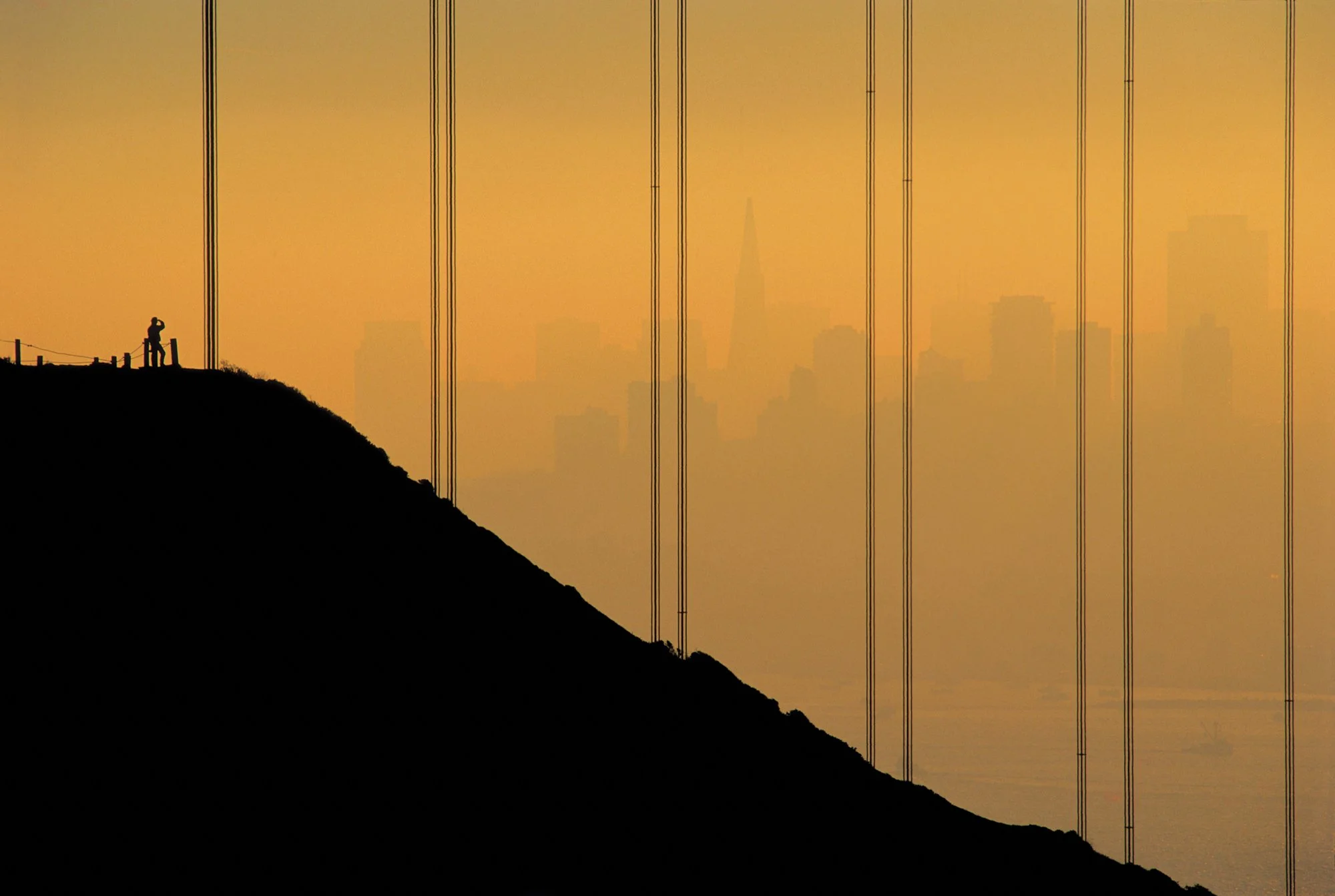
More photography books?
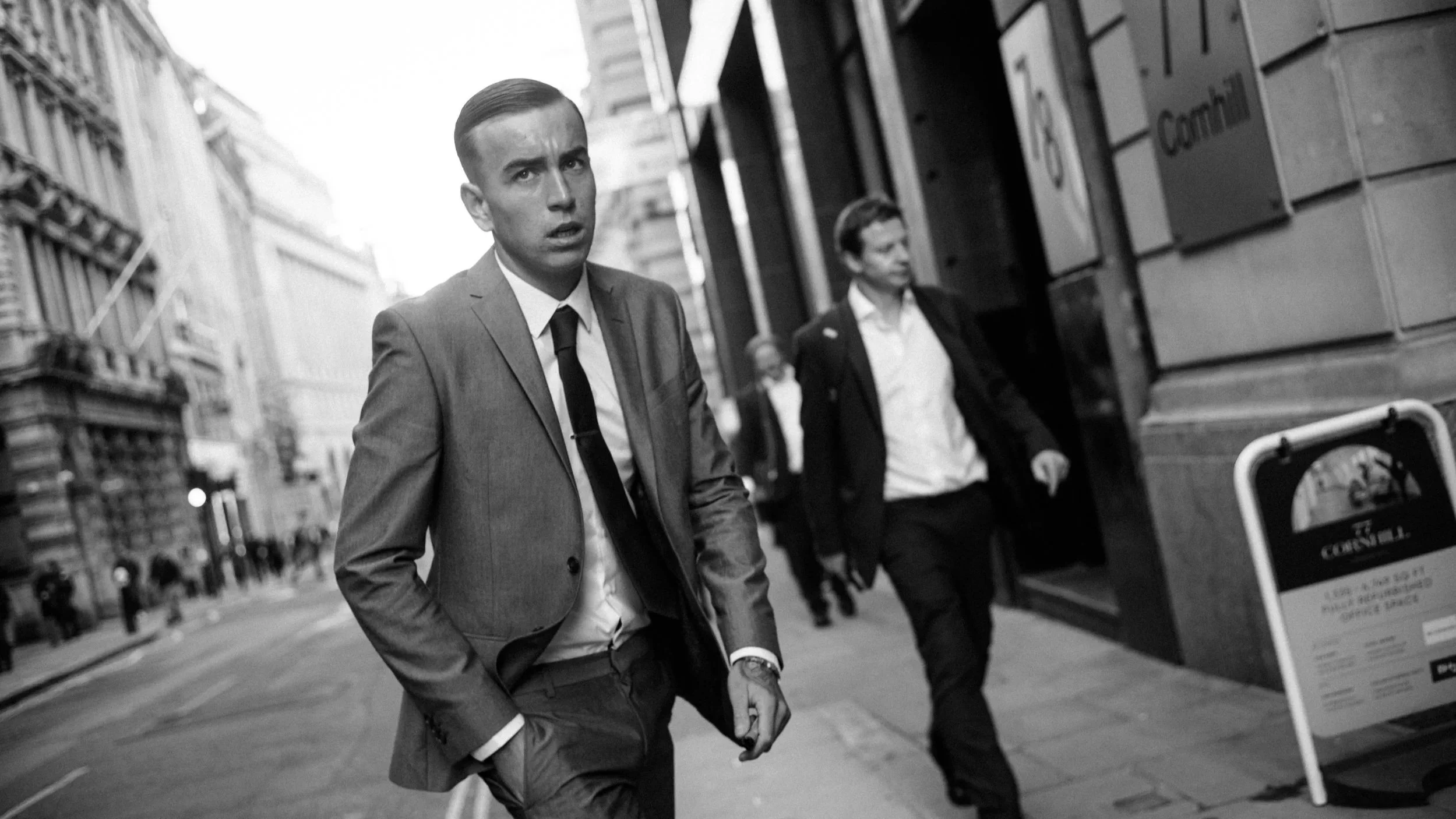
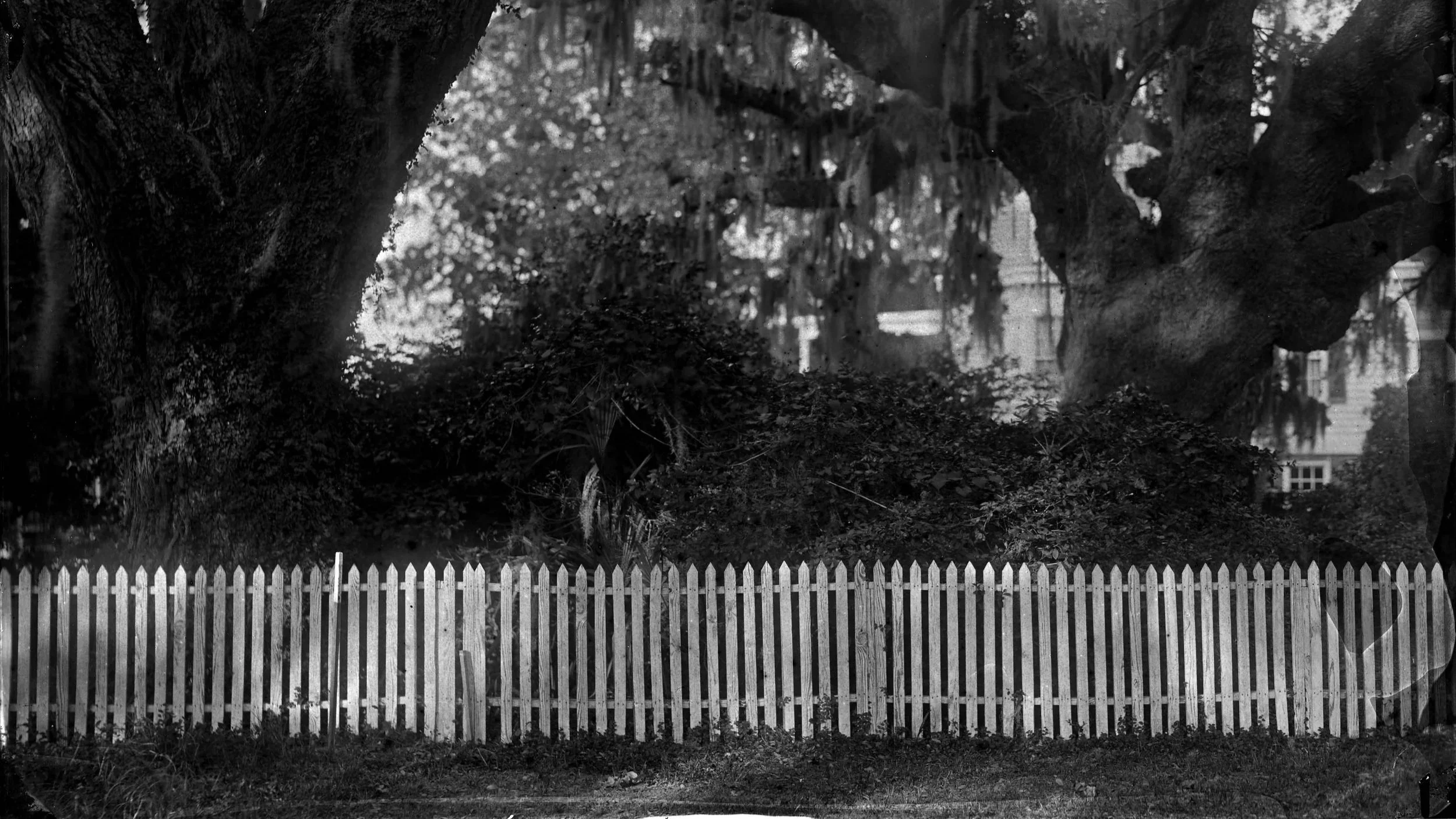
We'd love to read your comments below, sharing your thoughts and insights on the artist's work. Looking forward to welcoming you back for our next [book spotlight]. See you then!
Lee Espinoza reminded Darren Vargas of his late grandfather. The photographer met the boxing coach in 2025, five years after his grandfather Esmael died. Photography Book Spotlight