John McDermott on the Long Road to Photography, From the Navy and Newsrooms to the Streets of Sicily
His photography began long before he called himself a photographer.
John McDermott did not arrive at photography by a straight path. Before the camera became central to his life, he had already worked in very different worlds, from the Navy to journalism, and each of them shaped the way he looks at people. His photographs did not come from one career, but from a much longer life of observation, movement, and attention.
That long path eventually led him to Sicily.
In this conversation, McDermott reflects on the journey that took him from major international events to the streets of Catania, where he now leads a workshop shaped by presence, communication, and real human contact. He speaks about the people he has photographed, the places that stayed with him, and the values that continue to guide his work.
For anyone drawn to photography, there is also something to take from his way of thinking.
Strong work often grows out of experience, patience, and the ability to stay open to people.
John McDermott’s workshop in Catania
John McDermott’s workshop in Catania is a small English-language street photography workshop held in one of Sicily’s most vivid and unpredictable cities. Over 5 days, participants explore the streets with McDermott, take part in feedback sessions and individual critiques, and work closely on observation, presence, and interaction with people. The workshop is limited to 6 participants, which gives it a more personal and focused character. (Check out the workshop here)
Career Path: You started out as a soccer player, naval officer, and journalist before becoming a photographer. How did those earlier careers shape the way you see and photograph people?
Every job I’ve ever had has helped in some way to make me a better photographer. They all gave me the opportunity to become comfortable with all kinds of people and to observe so many kinds of activity and human behaviour. I learned to treat everyone with equal respect and kindness, from the CEO to the people who clean everything up. It started early, as I always had some kind of job from the age of 12, when I got a summer job as an “errand boy” at an appliance store. By the time I started university, I had already worked during summers and on weekends as a warehouseman unloading trains on the night shift for a grocery chain, washing pots and pans and serving meals to patients in the county hospital, and as a clerk/cashier/delivery man in a pharmacy. While at university, I worked as a dishwasher, then as a bartender. All the “blue collar” jobs I did made it much easier for me to relate to working people later in my career when doing a lot of location work for corporate annual reports in industrial locations, laboratories, hospitals, and other such places.
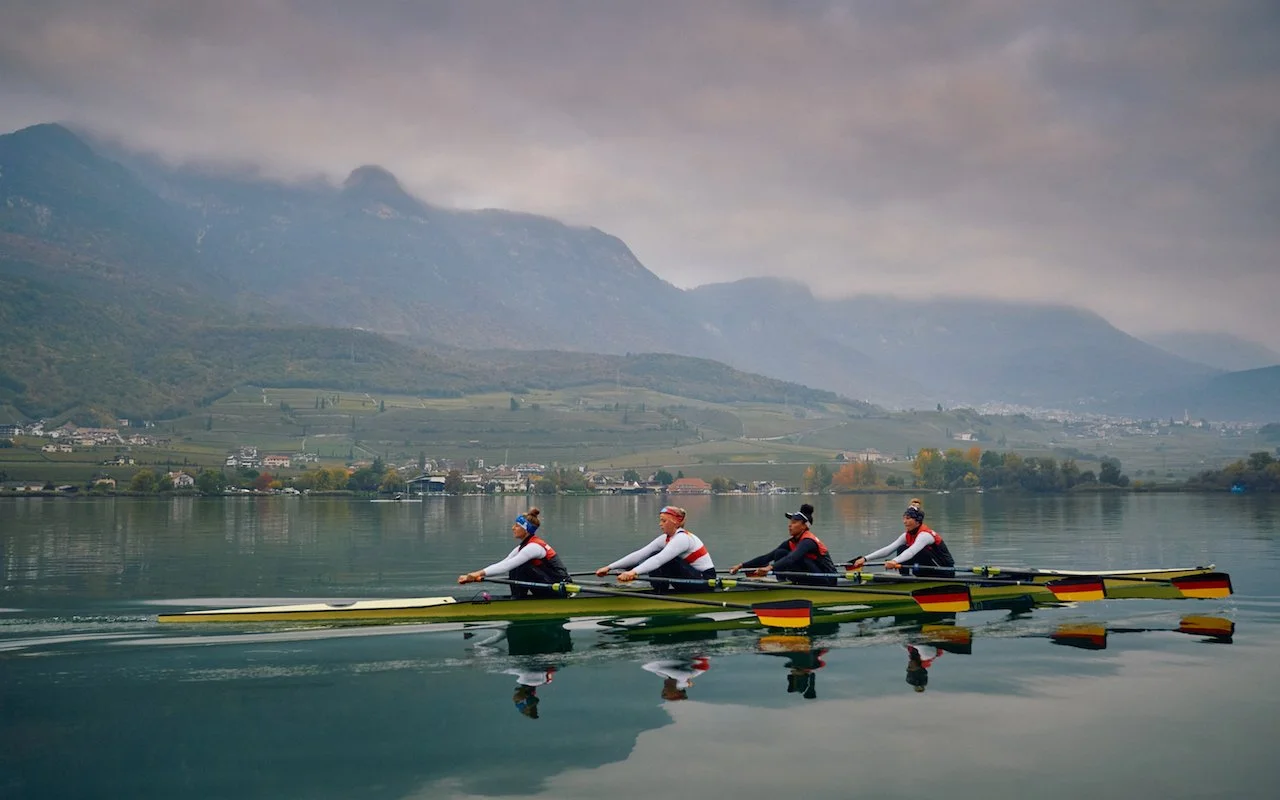
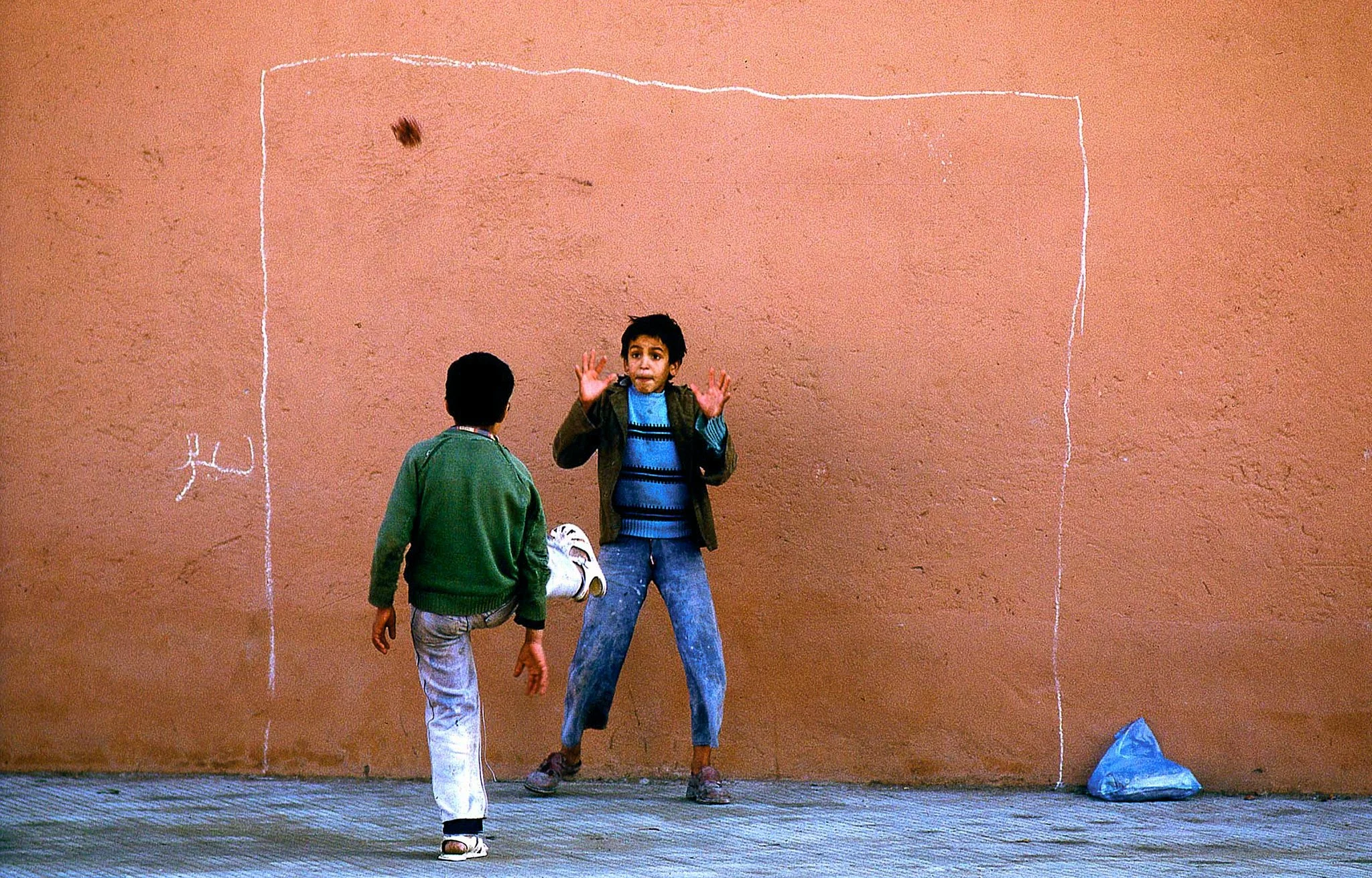
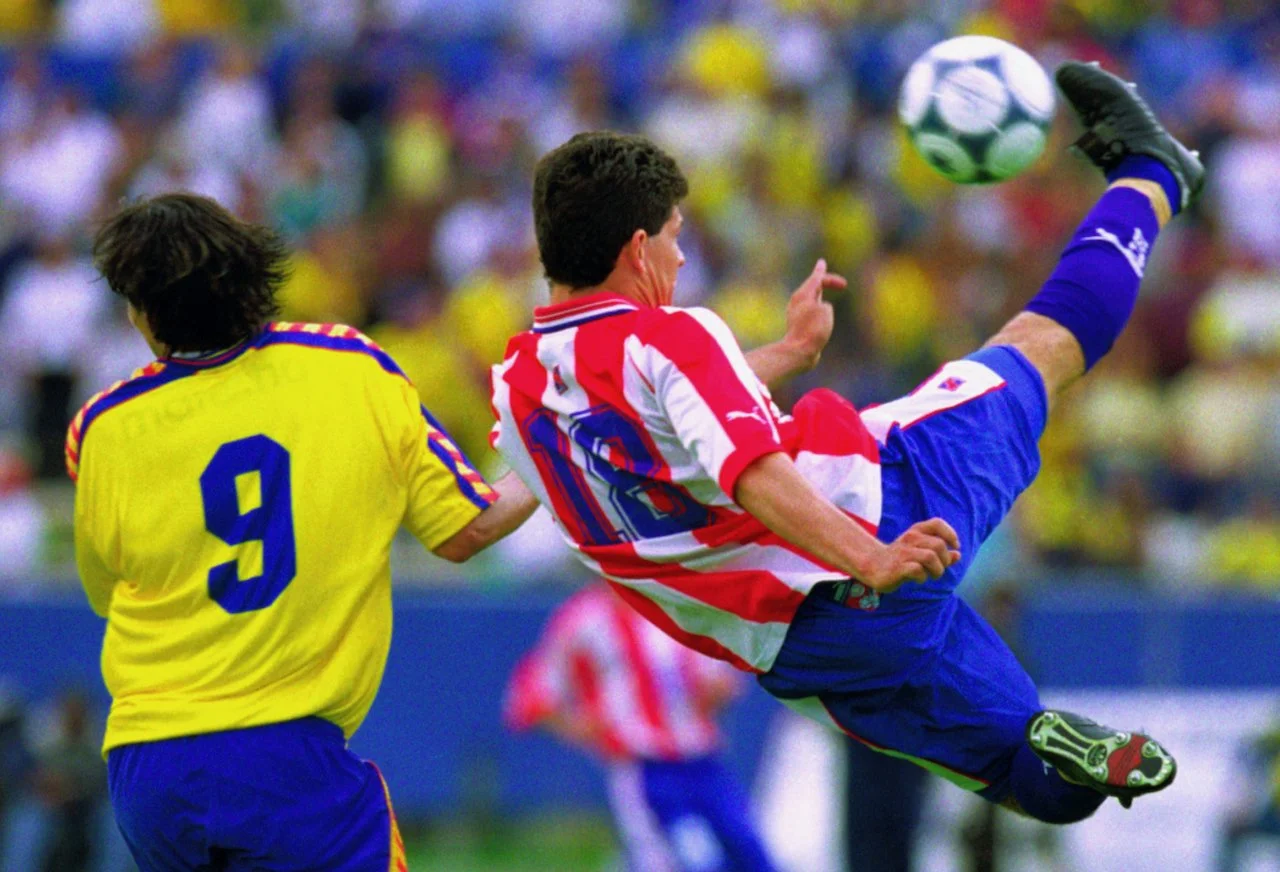
Having been an athlete certainly helped me become a better sports photographer. Soccer taught me to act and think as part of a team and to appreciate the importance of fitness, and of practice and self-confidence. But more than anything else, soccer fostered what I call ‘full-field vision”, the ability to anticipate and read the game through heightened situational awareness, something that has been invaluable in terms of how I work as a photographer.
In the Navy, I learned to manage and care for teams of people from diverse backgrounds under pressure. And of course, from flying, precision, and, again, situational awareness were important lessons.
Working as a journalist, later on questioning, listening, writing, and editing, enabled me to refine my communications skills, both with words and images.
All these things have helped me to make my way in photography. None of them ever involved using a camera. I am self-taught as a photographer. No photography school could have ever taught me the valuable lessons I learned from all the other different work I did before photography.
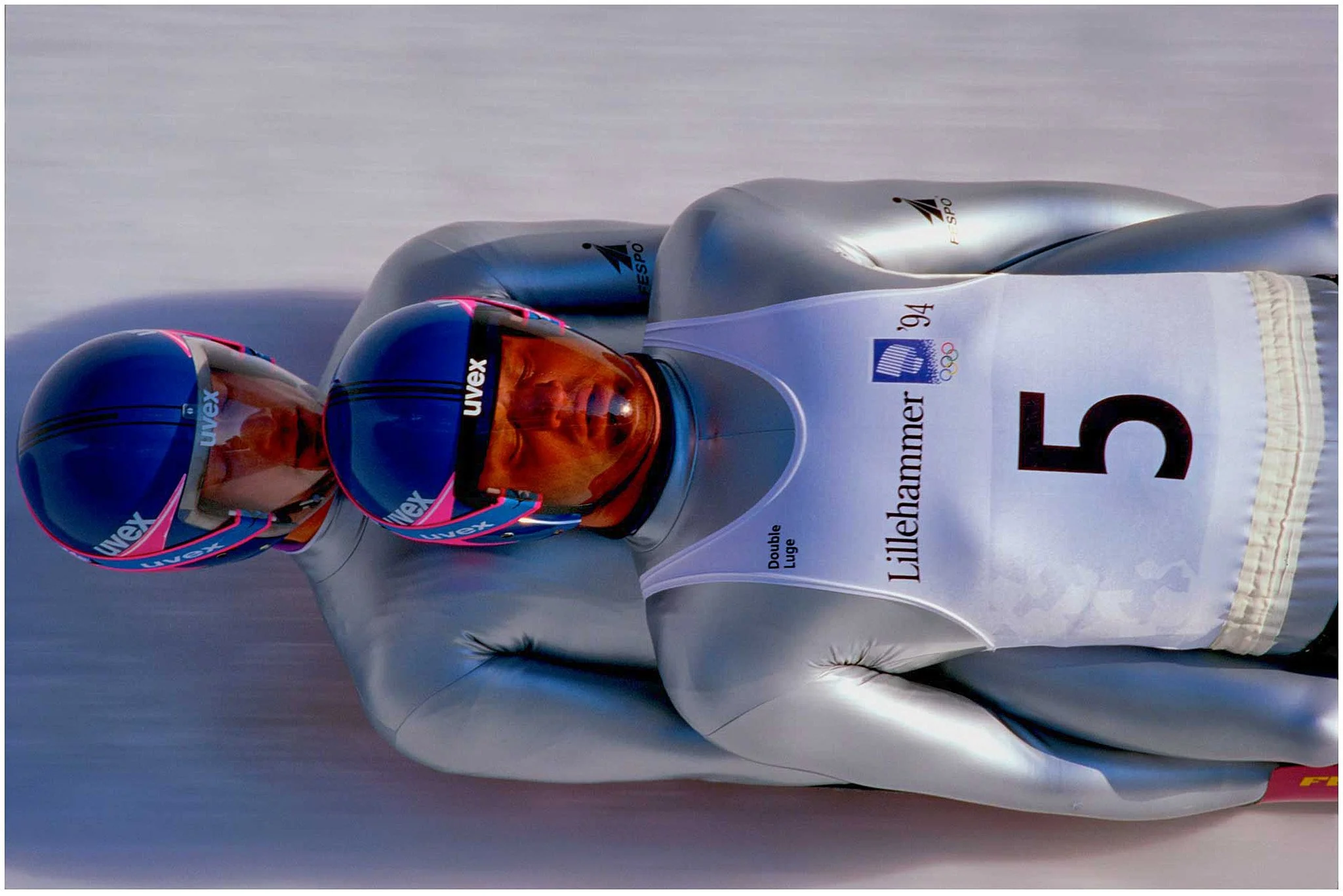
Olympics: You have covered ten Olympic Games, often for Newsweek and Sports Illustrated. What is the single biggest difference between shooting a world-class athlete at the Olympics and photographing a stranger on a street in Sicily?
In a certain sense, there is not much difference at all. They are both human figures, moving and doing what they do. In the end, they are both about gesture, emotion, and carefully framing a moment. But clearly, at an event like the Olympics or the World Cup, you are shooting skilled athletes doing physical things at a level and at a speed most normal people don’t do. Sports photography takes a lot of practice to become proficient. It also has its own unique set of techniques and tools, like longer lenses. And you are typically shooting it at a certain distance, not as close as you are with people on the street. In street or documentary photography, you are likely to be much closer to your subject, using lenses from moderate wide angle to short telephoto, typically 24-85mm. In sports like ski racing, track and field, gymnastics, or weightlifting, the action is often predictable, even repetitive. Less predictable sports like soccer, on the other hand, really test your ability to anticipate and capture key action. So photographically, they are very different disciplines. In sports, our view tends to be narrower and more focused. Out on the street, the gaze tends to be wider, and there can be more going on to consider including or leaving out of the frame. Also, at the Olympics, you are probably not going to have any personal interaction with the athletes during competition. While out on the street, the success of your photography can sometimes very much depend on your ability to interact personally with subjects. What I will say is that if you become capable at shooting sports, it does equip you to work better out on the street, anticipating and reacting to things more quickly. And that can be a real advantage. And, just as in soccer, having good “field vision” allows a player to think two or three moves ahead, so too is it in photography and our ability to anticipate what we can or should do next. I do believe that if you can be a good sports photographer, it makes it easier to be good at shooting many other things.
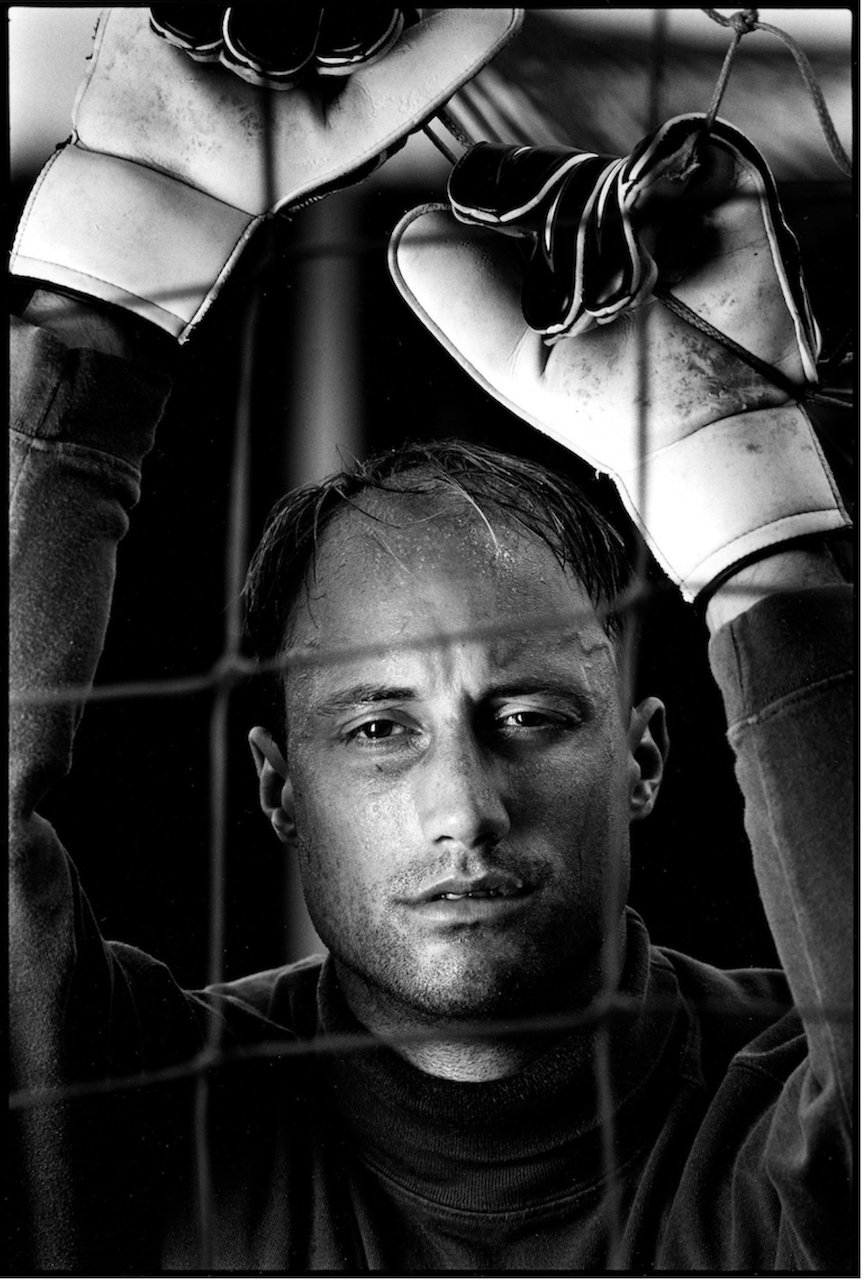
Authenticity: Whether it is a portrait of Pelé, a CEO for Goldman Sachs, or a market vendor in Catania, your work is described as always aiming for honesty. What does an authentic photograph look like to you, and how do you know when you have one?
I suppose authenticity is in the eye of the beholder. You know it when you see it because the picture makes you feel it. For me, an authentic image communicates something truthful and revealing about the subject. Achieving that—and at times it can be pretty difficult—starts with your relationship with the subject. As Albert Watson says, “Your personality is the most powerful tool you have as a photographer.” Communication is key when putting subjects at ease. When they are comfortable, they are more likely to be themselves in front of the camera. Fortunately for me, I like talking with all kinds of people and am comfortable initiating a conversation with someone I don’t know yet.
Authenticity, at least for me, also means eliminating any signs of the photographer’s presence. Technique and lighting should serve the subject and feel natural and never call attention to themselves. “Oh look, the photographer used a ring light!” is not what I ever want the viewer’s reaction to be. I prefer the discussion to be about the subject, not about how I took the picture.
Preparation is also extremely important. Before a shoot, read everything you can about the subject and look for videos of them that give you a sense of how they speak and move. Aside from proper preparation, knowing as much as you can about them beforehand is also a simple sign of respect. It’s harder to engage with someone—let alone accurately represent who they really are—if you haven’t done your homework first. I’ll give you an example. I had to photograph German tennis star Steffi Graf for Adidas. During my research, I discovered that she is a serious amateur photographer who likes to shoot her son’s baseball games. I also learned we had a friend in common, a German photographer who had helped her. So, when we met, we talked a little about that. She was an absolute dream to work with, though she’s so nice that I’m sure she would have been easy anyway. But having a conversation about her photography and her family put her quickly at ease and helped me to establish a rapport where genuine authenticity was more quickly possible. I think it ended up being fun for both of us. And of course, in these situations, it is always important to be a good and careful listener and to, as much as possible, make the subject feel they are an equal and indispensable partner in a joint project.
Workshop Genesis: You speak fluent Italian and know Sicily well. What drew you to Catania specifically as the setting for this workshop?
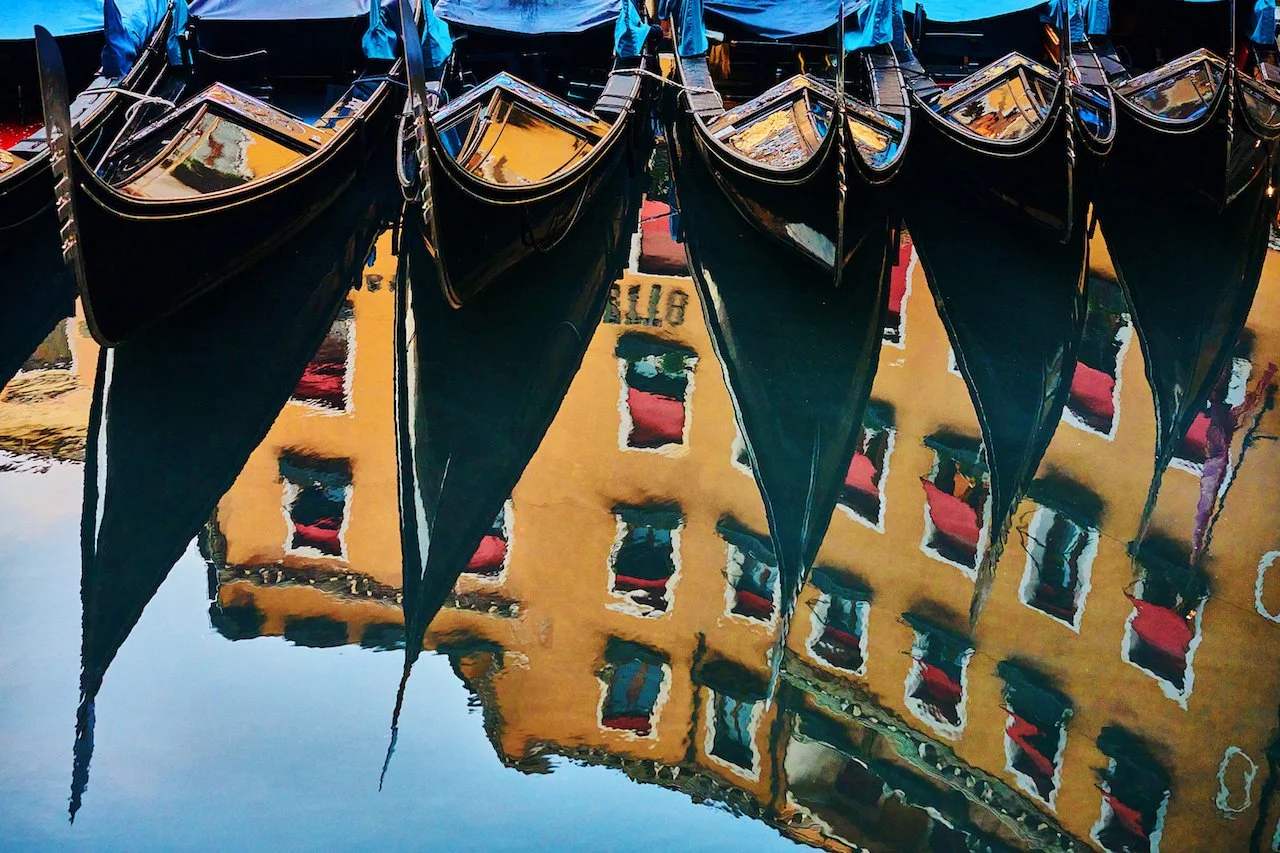
Catania was a natural next step. We’ve done many workshops in Venice and in Napoli, one in Bologna, and two in Sicily so far, both in Palermo. And another two in Lisbon. We felt we needed a new destination, but one which offered a similar opportunity to photograph vibrant street life in a historically and visually interesting city with good weather. I had never been to Catania, but after speaking with a few friends, as well as some potential participants, the choice was easy.
Language and Access: The workshop page mentions that speaking Italian has opened doors that would otherwise stay closed. Can you give an example of a moment where the language made a photograph possible that simply would not have happened otherwise?
Maybe the best example of this occurred during one of our Venice workshops. Early one morning, before sunrise, we were shooting in Piazza San Marco, across from the Doge’s Palace. It was extremely quiet; nothing was open and there weren’t any tourists about yet, only a few street sweepers and some men unloading boats. At one point I heard a big, ornate door opening and there appeared a man from inside the building, which turned out to be an important national library in an historic old palazzo. I said, “Good morning”, he was friendly, and a conversation ensued. He was interested in what we were doing there so early. It turned out he was the first person to come to work in the library every day and he unlocks the outer doors. After a couple of minutes chatting, he asked me if I thought our participants might like to come inside and see the palazzo! We went in and this very kind man—now a good friend—spent almost an hour showing us beautiful rooms and art that no tourist ever sees and explaining the history of the place. And the views from the windows looking outward as the sun rose felt like we were looking at paintings by Canaletto or Turner. It was inspiring and we felt privileged, like we had been given the opportunity to step back in time. But without the ability to have that initial conversation with a stranger in his own language it never would have happened.
Confidence: Many photographers hesitate when they want to photograph a stranger. You say that photography is also about talking to people. How do you teach someone to take that first step?
It’s a common issue among our participants, many of whom come from Germany and tend to be somewhat reserved. Recent privacy law changes in Germany also make street photography there more of a challenge. So, it takes practice and patience. It helps a lot to go to a place like Napoli or Palermo where people tend to react positively, even enthusiastically, to being photographed, making the process less intimidating for any hesitant or shy photographer. I encourage people to always begin their approach with a smile and tell them that not speaking the subject’s language doesn’t have to be a problem; kind gestures, respectful body language, and a few simple words can put people at ease and open many doors. As with other aspects of photography, progress and growth come with effort and repetition. The more we shoot and have positive experiences, the more confident we become. I’ve seen a lot of people overcome their understandable reluctance through perseverance and the willingness to keep trying something which for them might not initially feel comfortable. And the results show in their pictures, getting better over time. It is very rewarding for me to see people grow in confidence.
The City as Studio: Street photography means working with what the city gives you each day. How do you stay ready when you have no control over the light, the moment, or whether a person says yes or no?
That’s all part of the game, and the joy, of street photography. Attitude is everything, as a famous soccer coach friend of mine is fond of saying. Always go out positive and with an open mindset. This lack of control is an opportunity just as much as it might be a problem. Welcome the unexpected. Unpredictability is part of what makes the experience so challenging and exciting. And rewarding. It’s a test of our ability to react, to adapt, and to deal with the unforeseen. So, embrace it and go out prepared to do your best while dealing with whatever obstacles might present themselves, be they the light, the weather, or even uncooperative people or the lack of a visually appealing scene. Just remember that change is constant. Deal with it.
Technique: When you are walking through a crowded Sicilian market and the light changes fast, what camera habits help you stay ready without missing the moment?
We are really blessed now by technology that was unimaginable not that long ago. I worked for years shooting unforgiving Kodachrome and Tri-X while religiously checking my incident light meter whenever I sensed the slightest change in the light. That was, of course, great training, and the discipline required when shooting film remains with me as an asset now that I only work digitally. I have to say that the arrival of mirrorless camera technology—I work now with Sony Alpha cameras and lenses—has been a huge help. We can see what the pictures look like immediately and can quickly make corrections as necessary. I tend to shoot either in manual exposure mode or in aperture priority, setting my ISO to adjust itself automatically, and at a minimum shutter speed sufficient to stop most movement, even as the light changes. I’m always sure of my aperture and shutter speed that way, and given the good performance of these cameras at higher ISO, there isn’t very much of a price to be paid in image quality if the light decreases and the ISO goes up. But even without this technology, I’d still be pretty much ok with film and a light meter and paying close attention to the light and how it varies as I move around.
What to Take Home: At the end of a week in Catania, what is the one habit or way of seeing you most want participants to carry with them long after they leave Sicily?
I want them to always be looking and listening, to always be aware of what is going on around them, not only near but also farther away, and to be ready to shoot. I want them to understand that their camera is only a tool, that it is how they see—and how they frame what they see—that matters more than anything else. I want them to know that their vision is uniquely theirs, and that they take pictures not only with their eyes, but also with their heart and with their gut. I want them to appreciate that their camera is a bridge to the world, but also a mirror that reflects who they are and how they see that world. Above all, I want them to keep shooting and to have a lot of fun doing it. Because if it isn’t fun, why do it?
More photography books and interviews?
We'd love to read your comments below, sharing your thoughts and insights on the artist's work. Looking forward to welcoming you back for our next [book spotlight]. See you then!
Gosbert Gottmann wanted war photographs that resisted easy reading. In Freiheit Freedom Воля, he works with images connected to the war in Ukraine and changes them through abstraction, distortion and deformation. Photography Book Spotlight