How Julien Coquentin Turned the Wolf’s Return to Rural France Into a Poetic Photographic Trilogy
Welcome to this edition of [book spotlight]. Today, we uncover the layers of 'Oreille coupée,' by Julien Coquentin (published by éditions Lamaindonne). We'd love to read your comments below about these insights and ideas behind the artist's work.
What happens when myth walks back into the forest?
In northern Aveyron, the wolf has returned after more than a century. This is the same land where the story of the Beast of Gévaudan once terrified villages, mixing memory and legend. For photographer Julien Coquentin, the news of a wolf settling in Aubrac felt like a tale suddenly alive. His book Oreille coupée follows those traces and brings mystery into the present.
At the same time, it is also a personal story.
Coquentin grew up in these landscapes, left as a young adult, and later returned as a father. His trilogy of books Saisons noires, Oreille coupée, and L’Aval forms a journey through memory, family, and land. In Oreille coupée, the wolf becomes both an animal and a symbol of fragility and disappearance. The project joins mythology, history, and photography into one story.
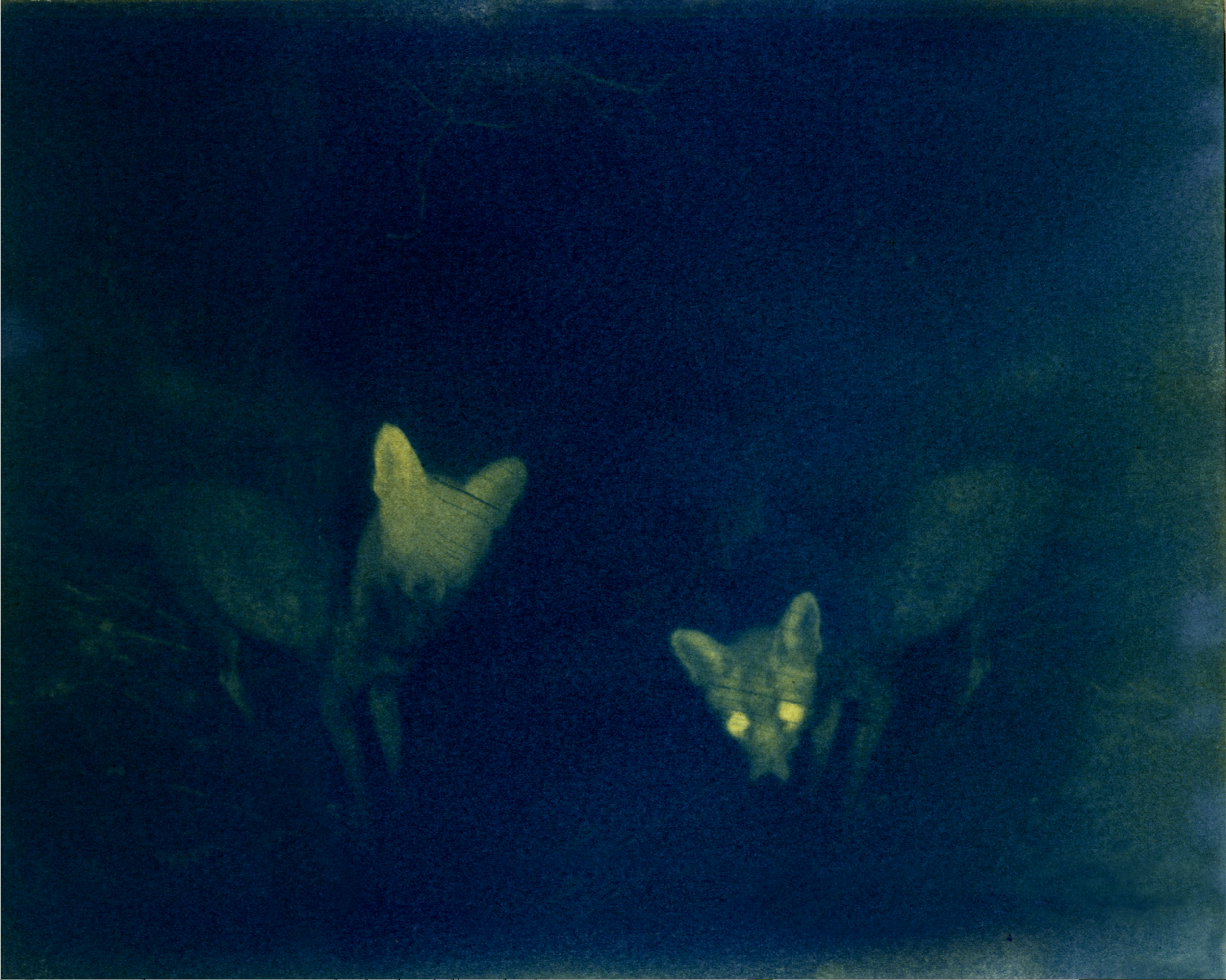
Wolves see only blue and yellow. So does Julien.
The Book
Oreille coupée is a photobook by French photographer Julien Coquentin, published by Éditions Lamaindonne. The project was made over three years in northern Aveyron, where Coquentin grew up. It follows the return of the wolf to this rural landscape, mixing natural history, local legend, and personal memory.
The book combines photographs, cyanotypes, and text to explore themes of myth, disappearance, and human connection to the land. As part of a trilogy with Saisons noires and L’Aval, it marks a turning point in Coquentin’s work, closing an intimate cycle rooted in childhood places and rural life. (éditions Lamaindonne, Amazon)
Overview of the project: What drew you to document the wolf’s return in rural France, and how did that initial spark grow into Oreille coupée over three years?
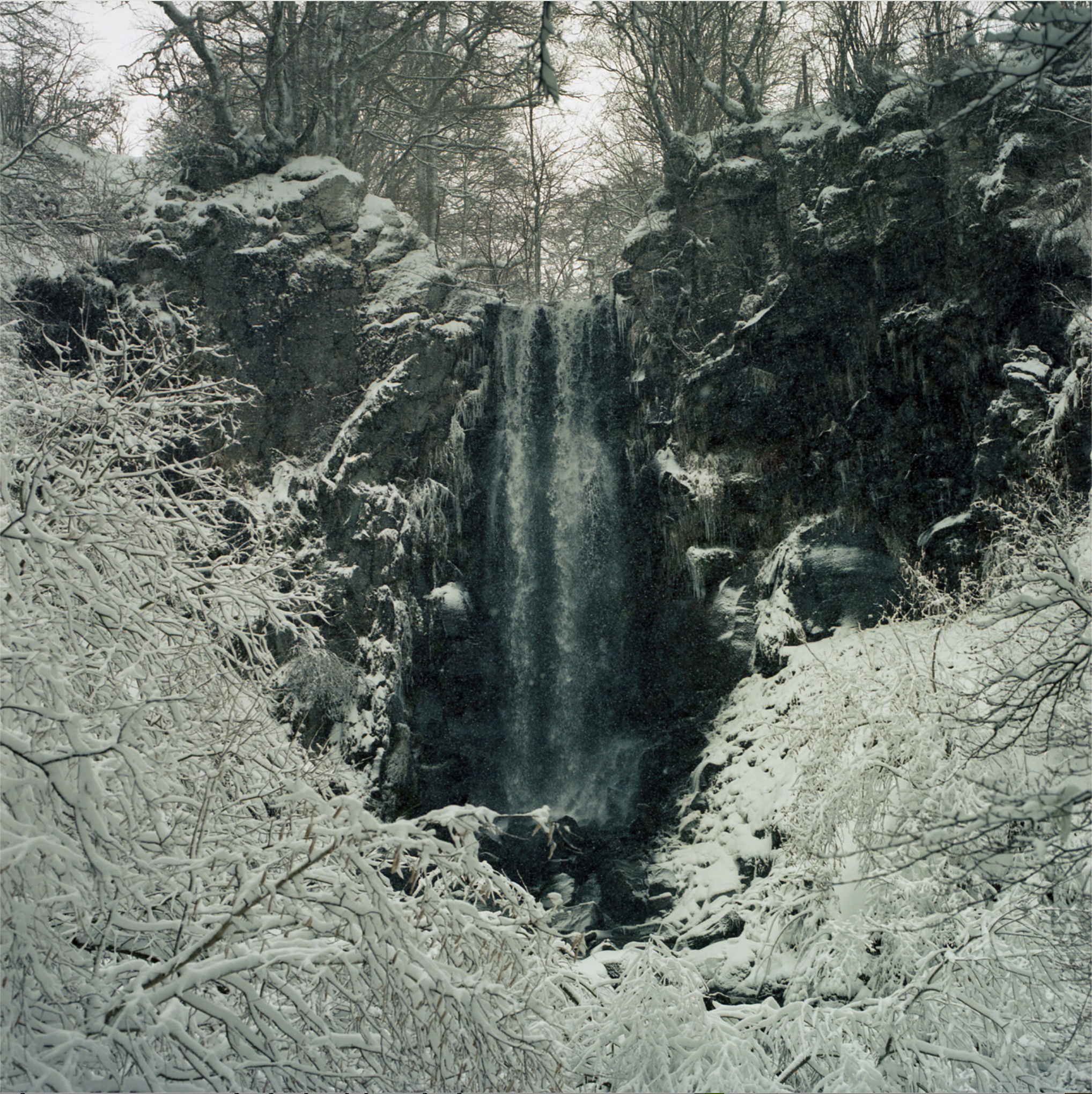
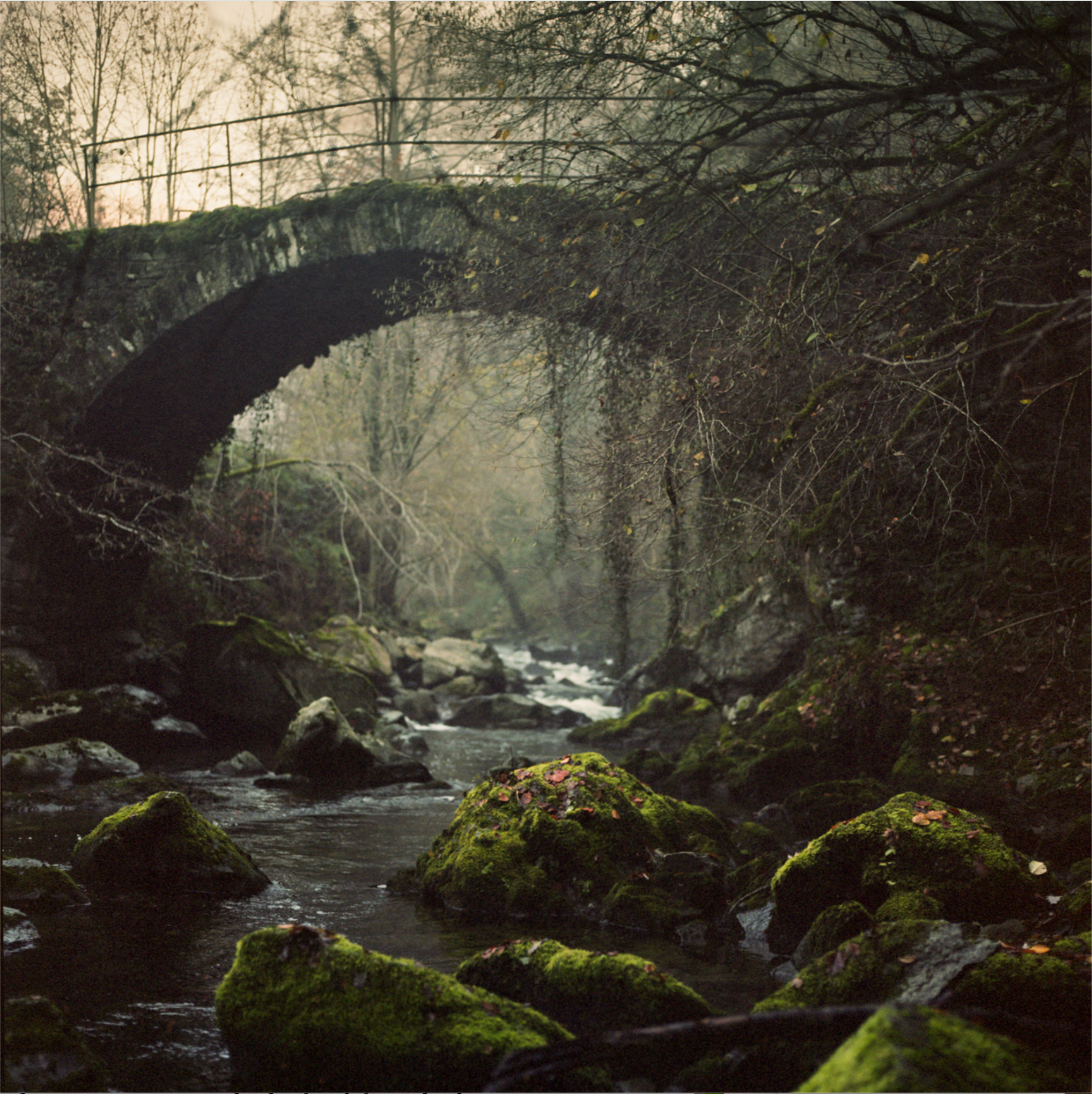
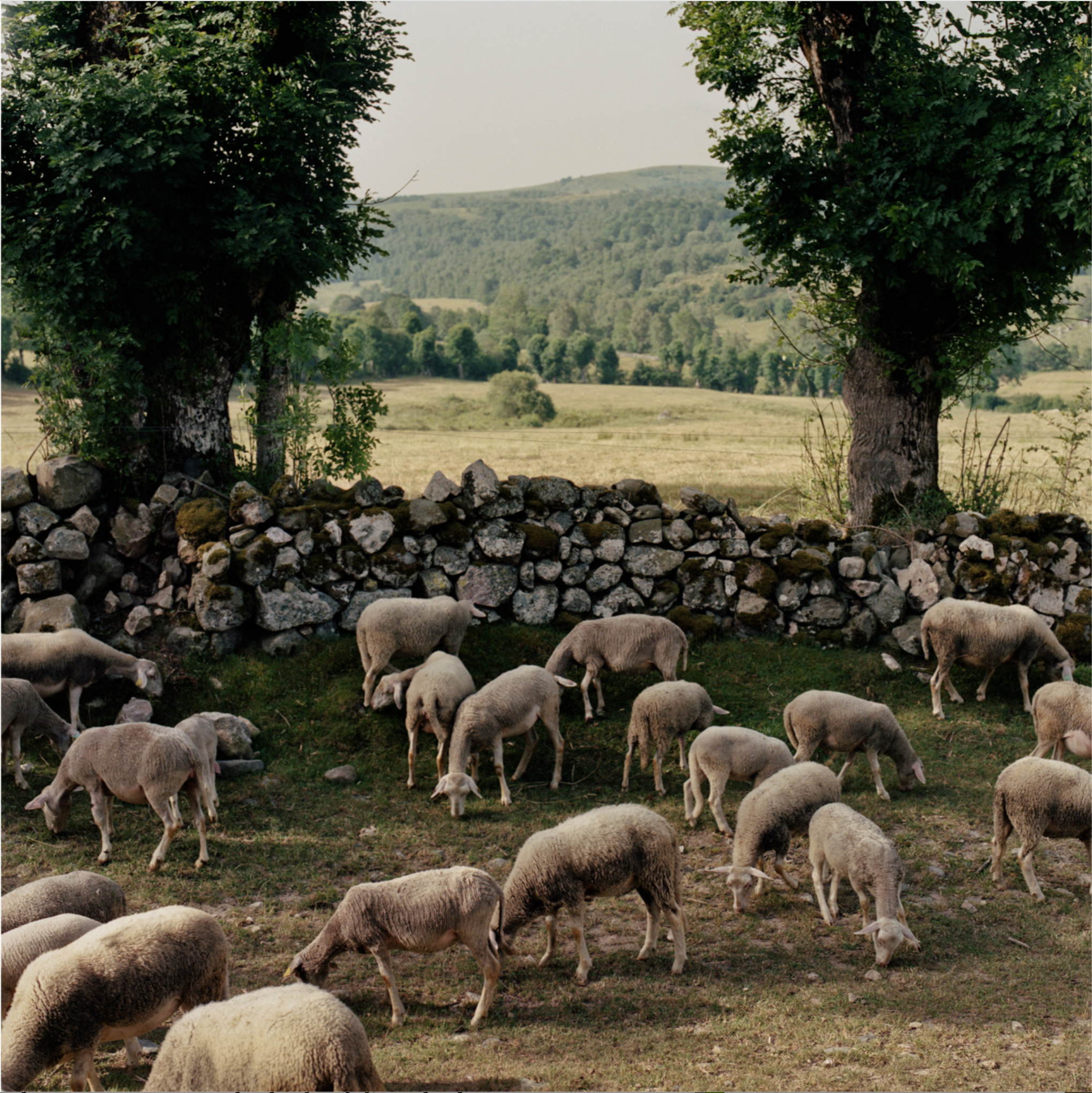
One day, I read in the local press that a male wolf had settled in the Aubrac. It’s a low-altitude plateau, about 1000 m, at the foot of which I grew up. A lush valley, hills, streams, an abandoned forest where traditional farming practices have faded, allowing vegetation to reclaim its space. These are landscapes filled with immense poetry. The return of the animal to this place struck me profoundly. I had never imagined it would be possible.
Was there a particular moment in the field when that sense of wonder or even fear was strongest? How did that emotional intensity shape your visual decisions?
Not necessarily. There was the moment of realization that a wolf had returned. It was a bit like a tale, the marvellous, suddenly bursting into real life. Naturalists were probably not surprised. After all, the animal had been present in the Mercantour since 1992, so its colonization was natural and, for some, I imagine, expected. I then wished to infuse my book with all the mystery that this animal carries, particularly by researching traces of the beast in the departmental archives.
Rooted in memory: You returned to landscapes from your childhood and revisited your grandmother’s footsteps. How did your personal history shape the tone and direction of the work?
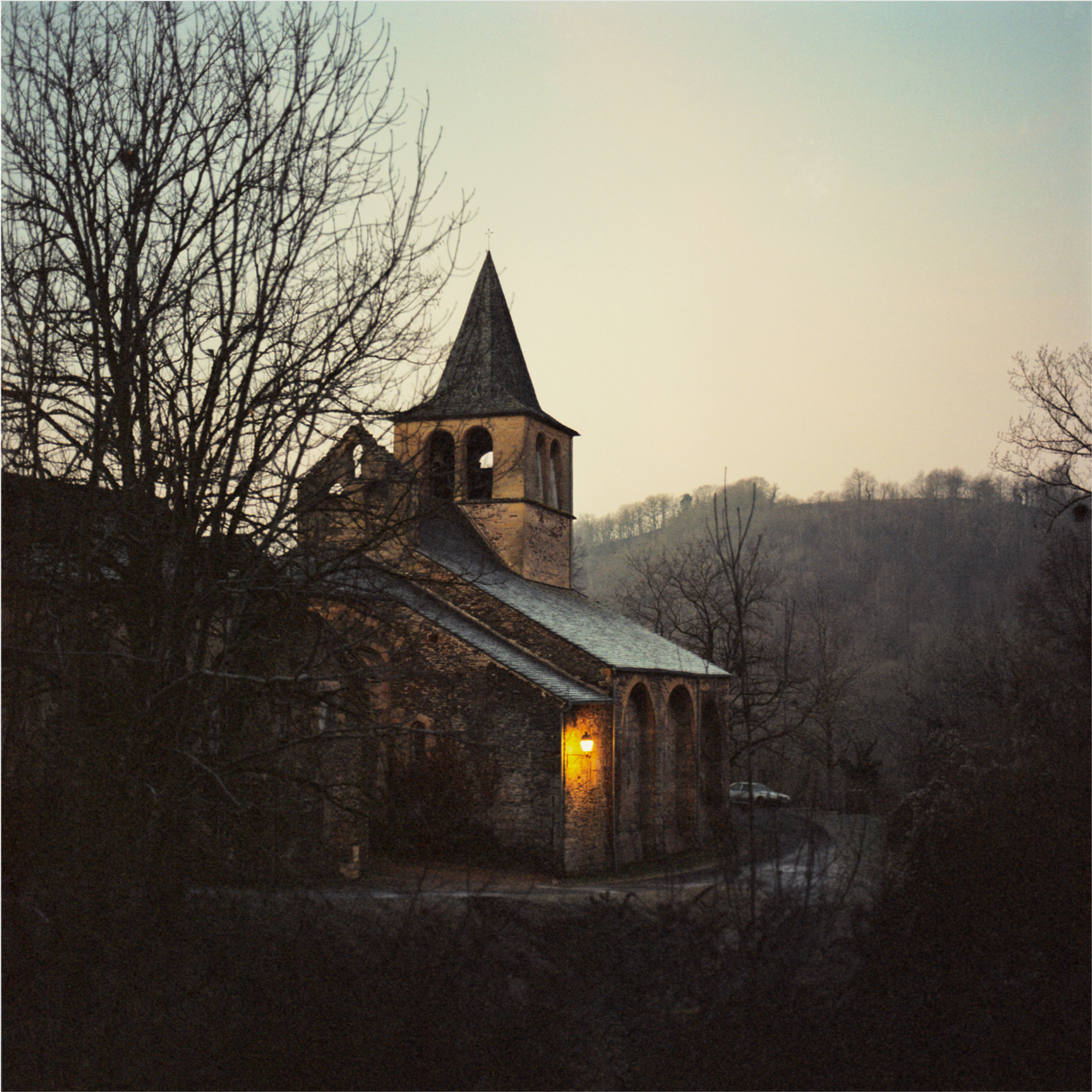
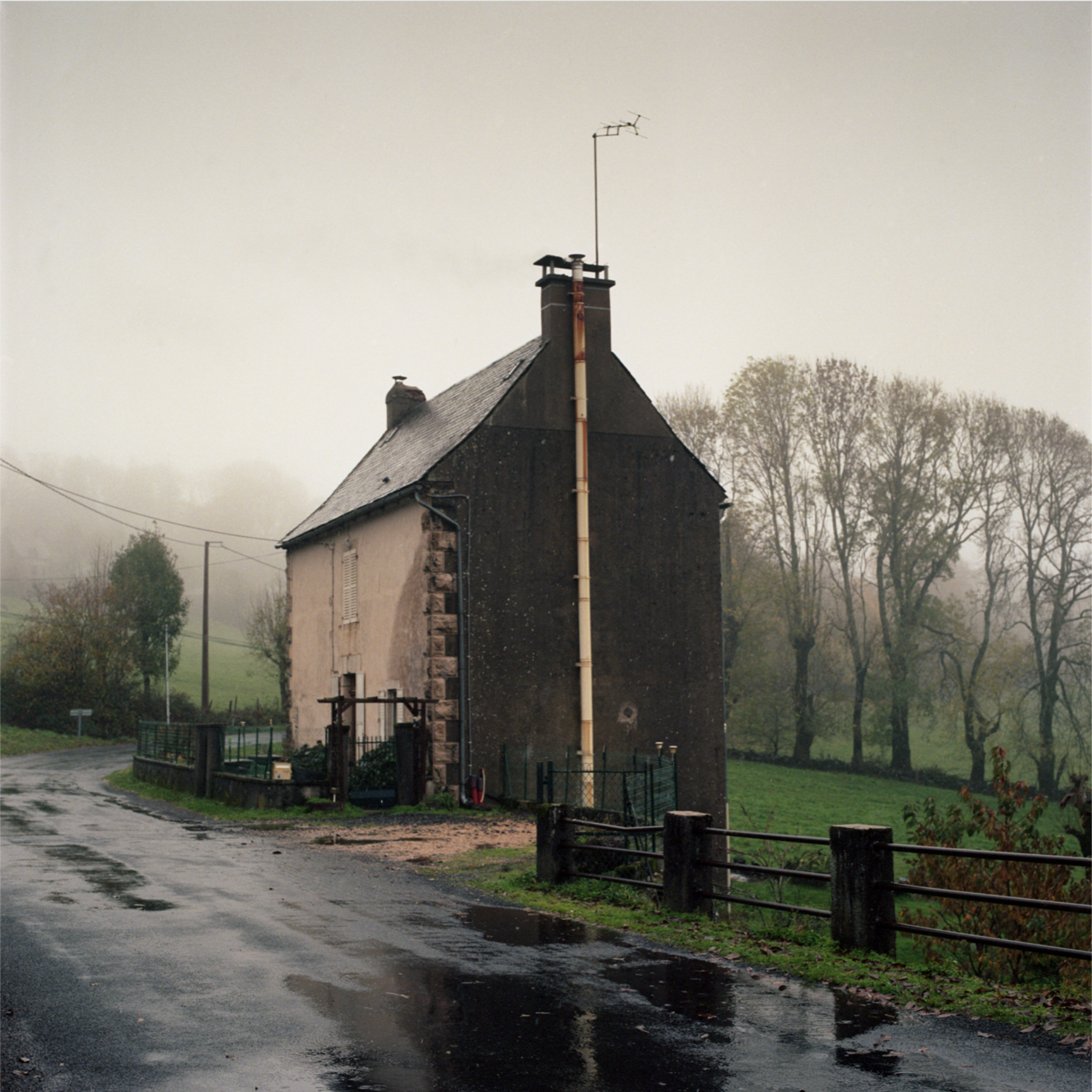
I live in these landscapes once again. I left them when I was a very young adult, for several years, before returning to live there as a father of several children. This return, I explored in another book titled "Saisons noire." "Oreille coupée" is a kind of continuation of that journey, I cross the threshold to truly enter the woods. The place where I live, northern Aveyron, is a rural, farming region bordering Lozère, which in past centuries was known as Gévaudan. In the late 18th century, there was an animal called "the Beast of Gévaudan," an enormous wolf, almost a phantom, which for years devoured women and children who were sent out to the pastures to watch over the livestock. This story traumatized France of the past and has continued to spread even to this day. The legend of the beast is persistent.
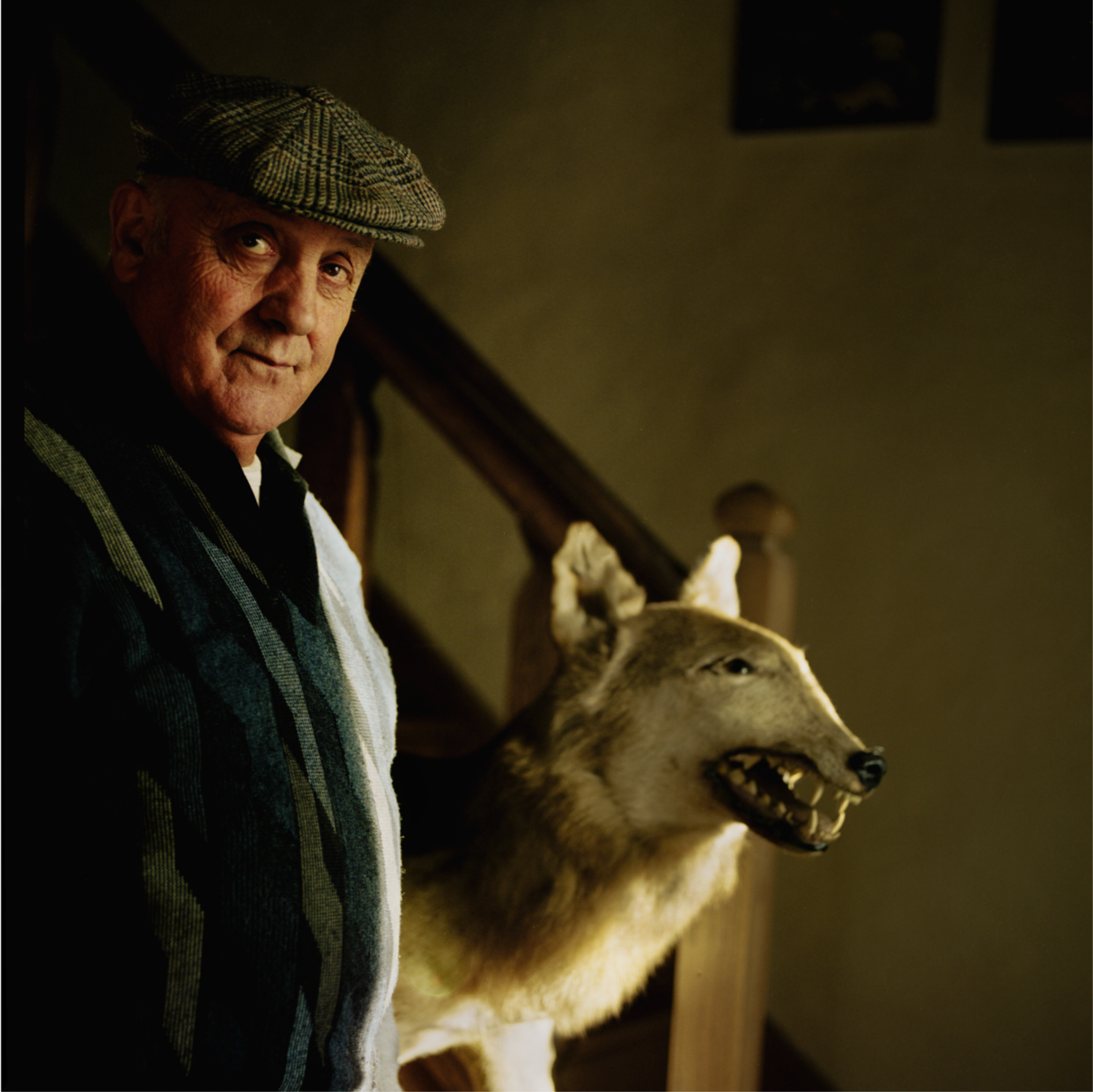
Portrait of labor and land: You describe the figure of the peasant as part of your “mythology.” How did you find and choose the people you photographed, and what did they reveal to you about land, work, and identity? 
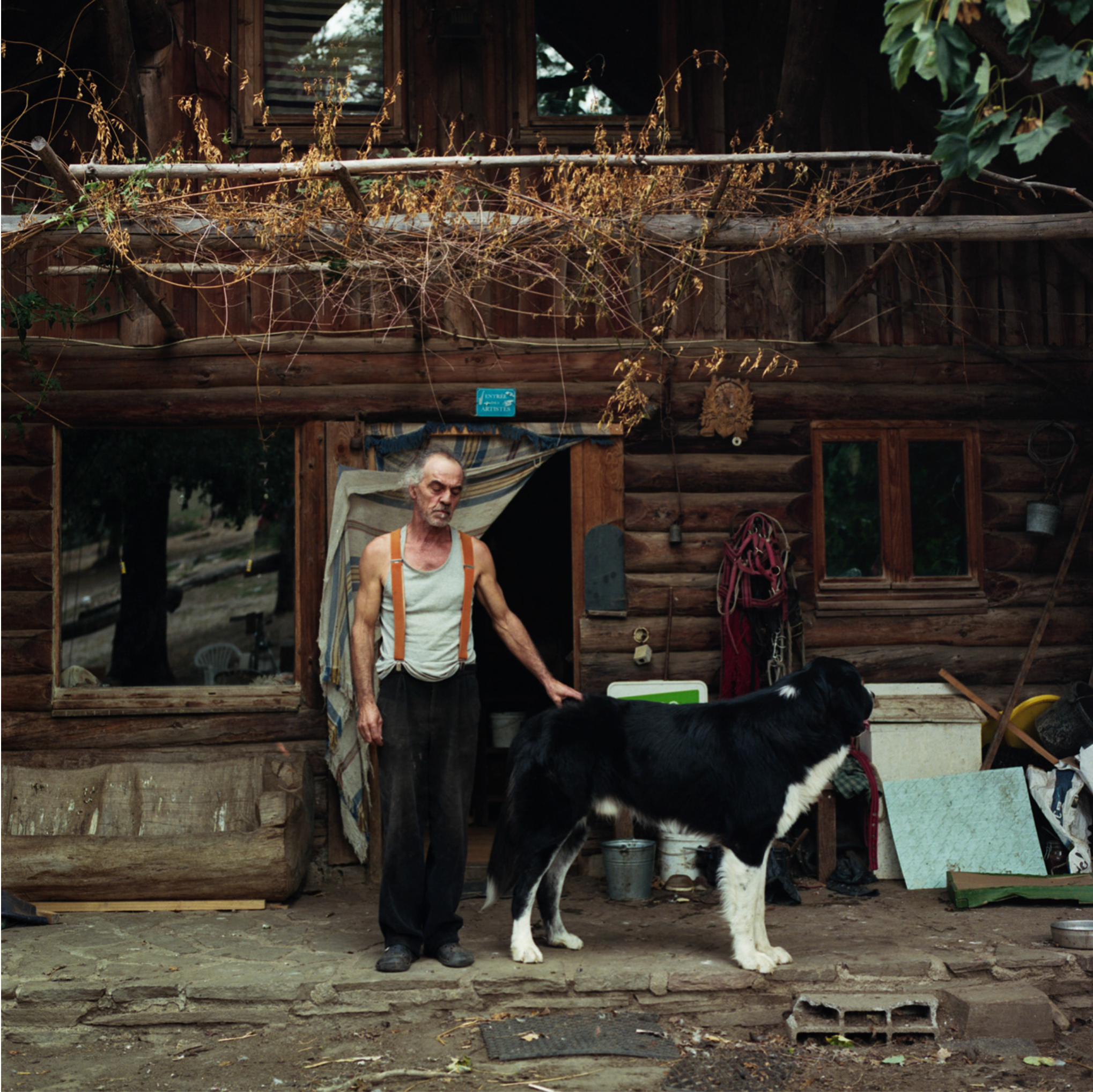
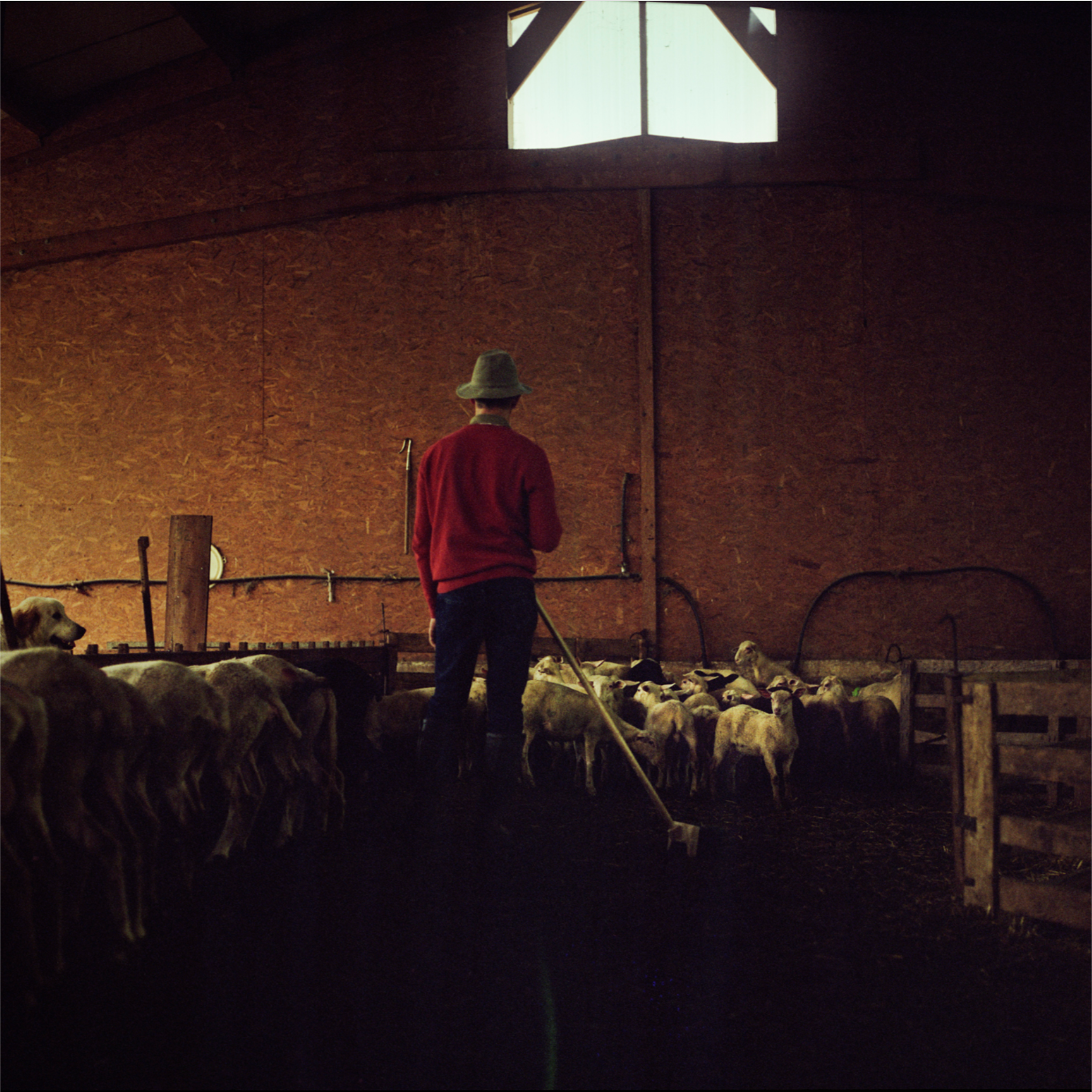
The figure of the peasant inhabits two of my books: "Dark Seasons" and "Severed Ear." Because I grew up in a village where, in the 70s and 80s, there were many stables and barns. Today, the farms have disappeared or have been pushed to the outskirts of the village, but that wasn’t the case back then. We were a group of kids in a rural landscape shaped by many men and women. I wanted to welcome their voices into my work, both the defenders of the wolf and its opponents..
Forest as collaborator: The forest becomes a key character in your images. How do you develop a visual dialogue with nature and its sensual textures?
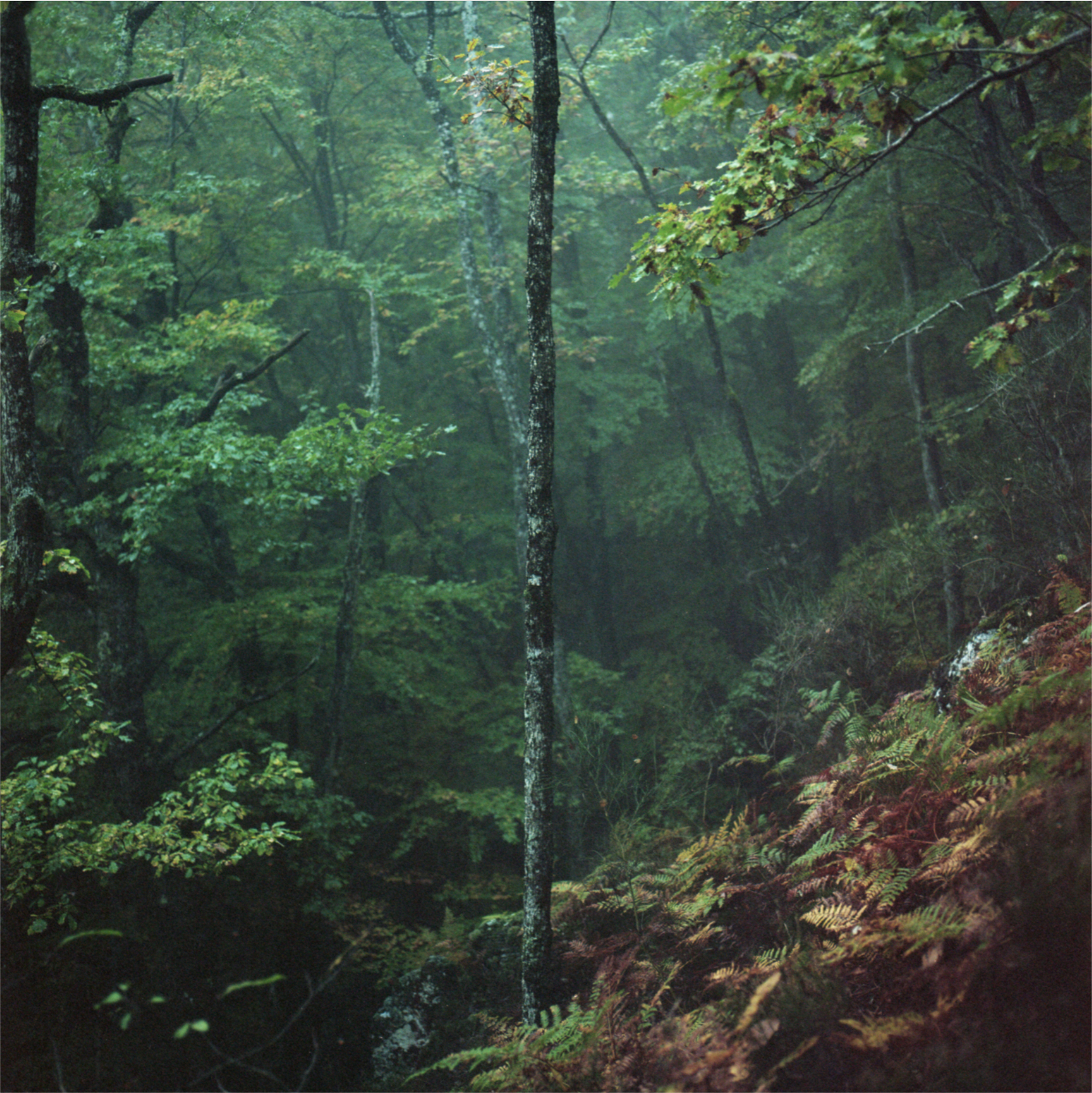
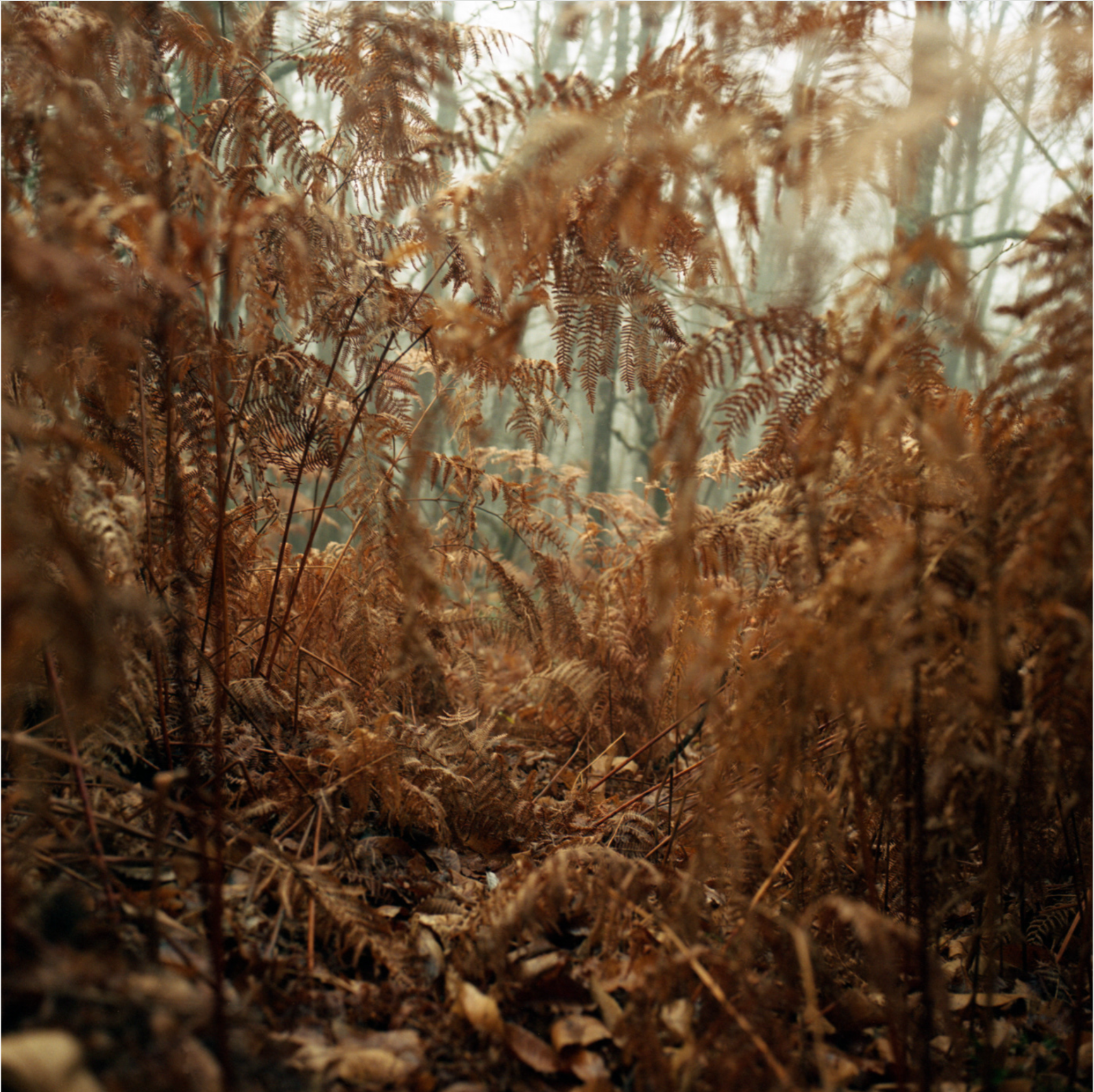
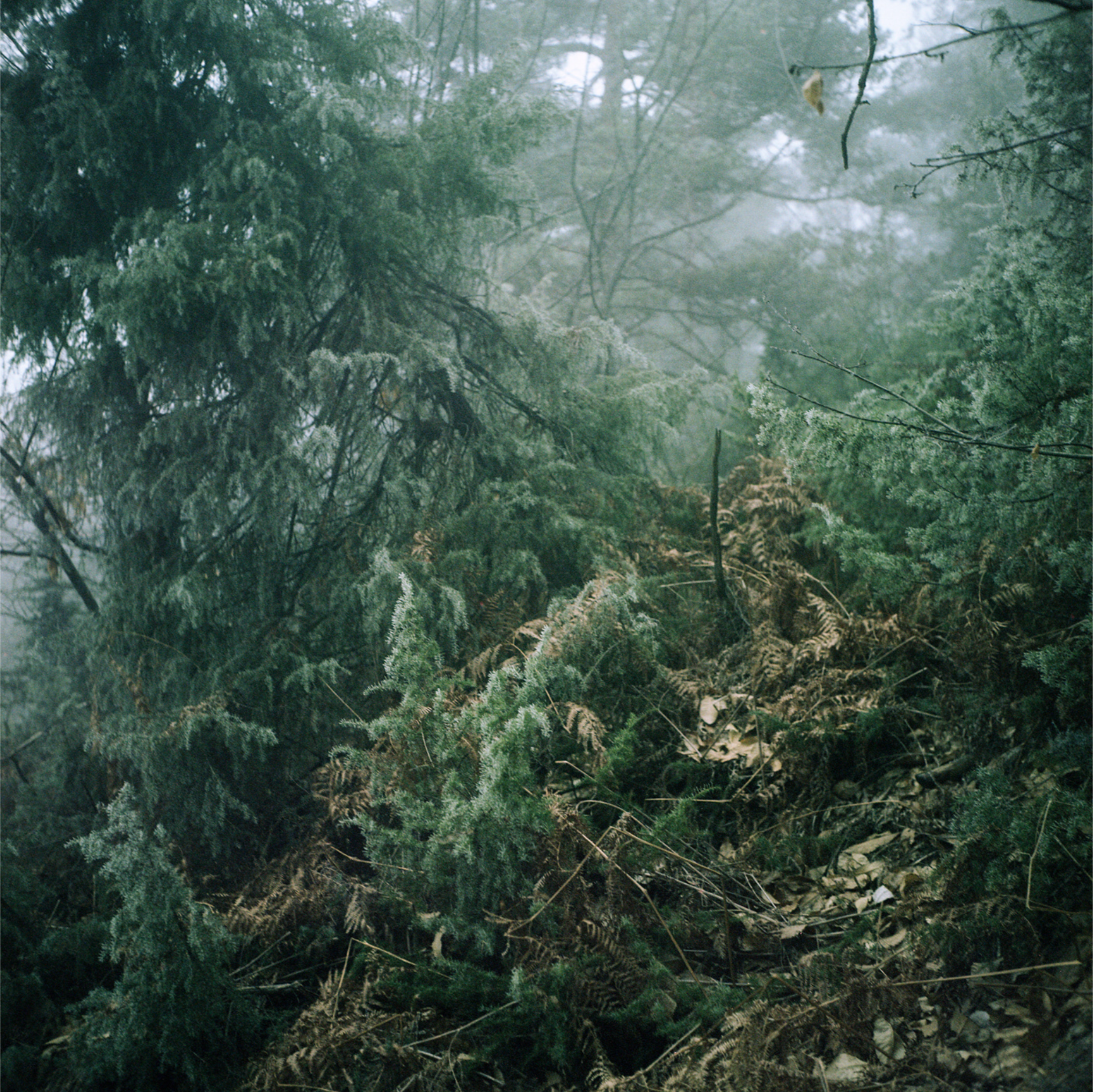
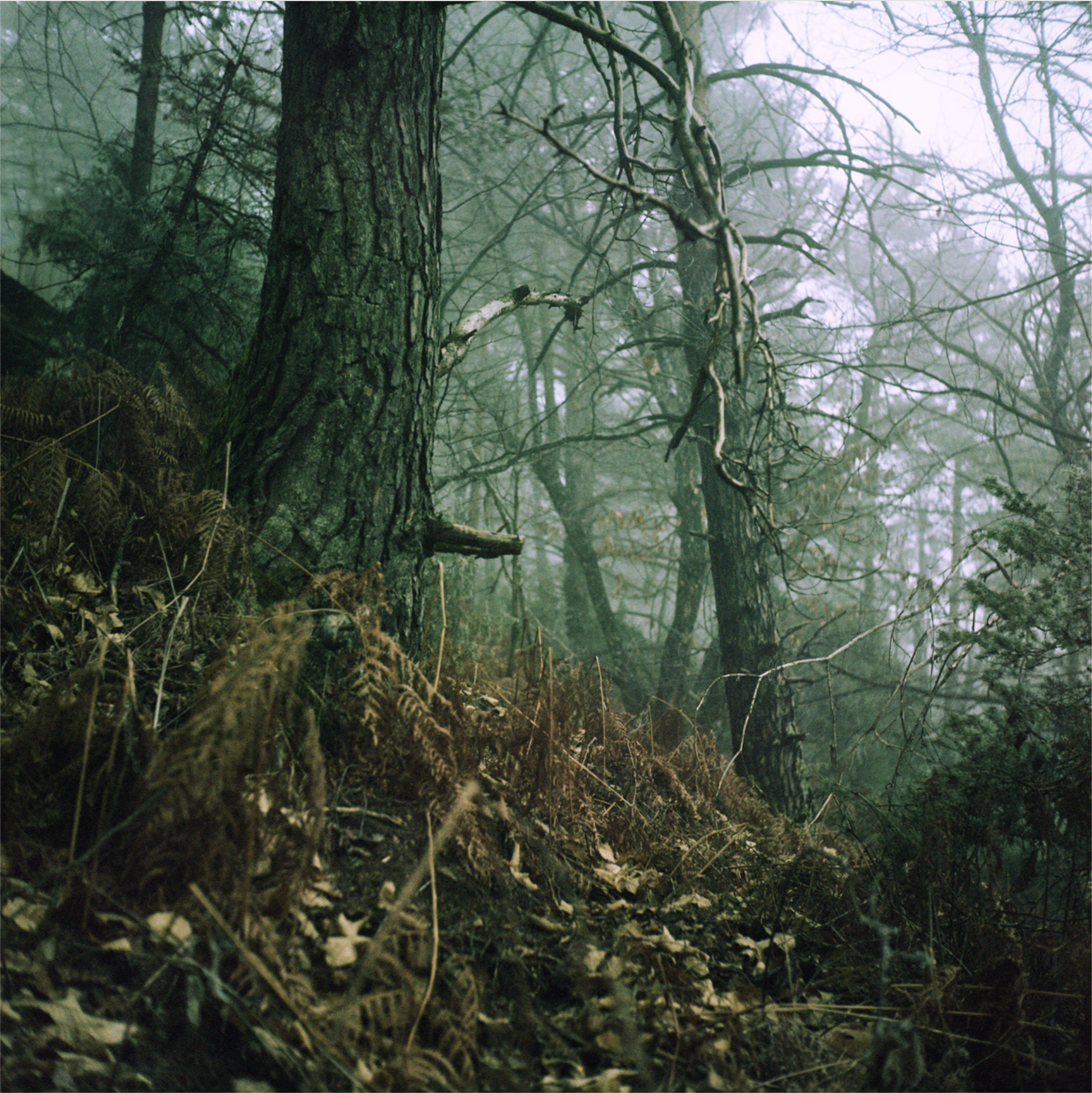
The "how" is a tricky question. I seek sensations, to translate those that I feel, especially in the forest. I have always been sensitive to its sensuality, whether it’s the equatorial canopies of Indonesia or those of Aveyron. They share many common points: mystery, life, darkness, and they evoke the same impulse in me, the desire to get lost.
How do you translate that physical experience into a visual one? Do you rely more on instinct, or are there formal elements you deliberately return to when trying to express that feeling?
It’s about instinct. There’s no formula except the search for atmospheres, shapes, and colours. The combination of the square silver format with cyanotype works well here, at least it’s my feeling that the form contributes to the story.
Text and image interplay: Your project includes rich writing alongside images. How do you balance text and photo, what does one add that the other cannot? 
I write at the same time as I photograph. There is first a period, more or less long, of capturing. I think, I observe, I assemble; it’s disjointed creation. And then, the balance you mention is largely achieved with my editor, David Fourré, from Lamaindonne Editions. He has the intelligence and sense of the book. He knows paper. He envisions the structure; he can almost see it. I trust him immensely with this aspect of my photography, allowing myself to be guided. As for combining words and images, it’s something I’ve practiced from the beginning. My photography cannot fully express what I feel; on its own, it limps and absolutely needs text to truly unfold.
Experimenting with cyanotype: You used cyanotype to evoke the wolf’s nocturnal presence. What advice do you have for photographers willing to experiment with historical or alternative processes?
Not really any advice, except to go for it, to venture forth. Cyanotype has two ideal qualities for the novice: it's inexpensive and very simple to use. Photography is beautiful in this way because it offers endless fields of exploration.
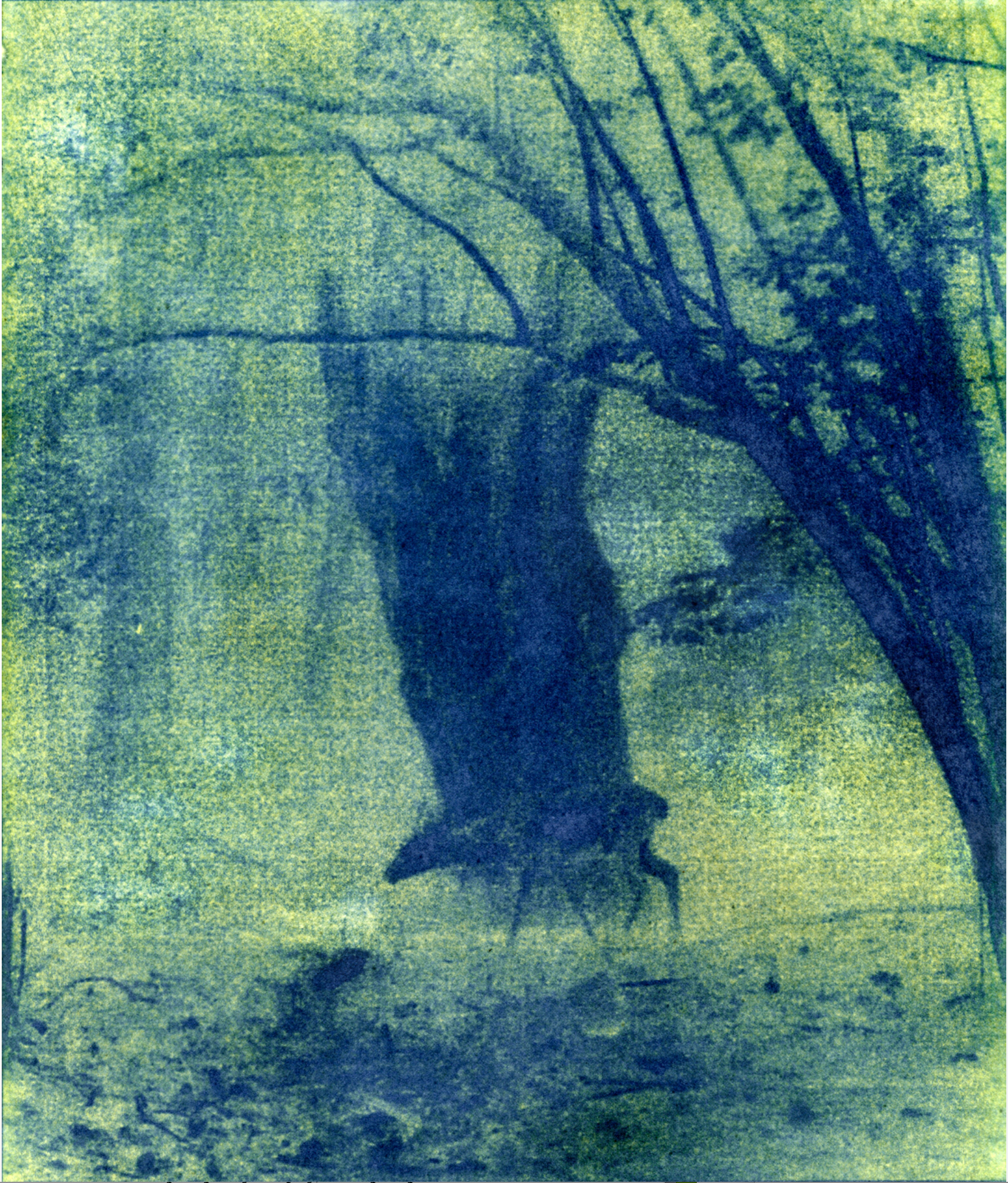
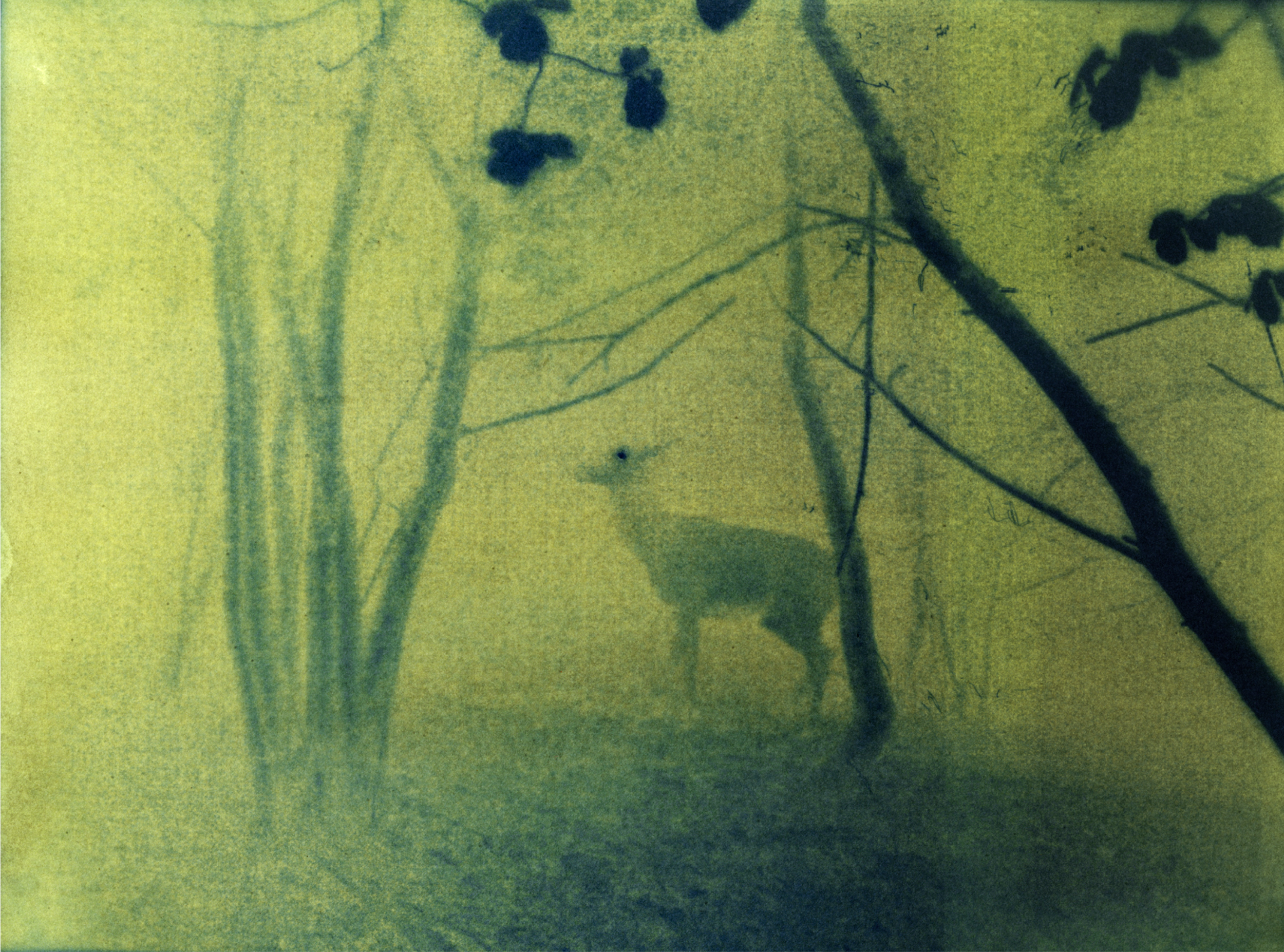
Your cyanotypes were left unrinsed so the image would fade over time. That idea of disappearance seems deeply poetic. Did you see that material fragility as a metaphor for the vanishing traces of the animal world? How did that decision affect your understanding of permanence in photography?
Of course. That’s precisely what I’m trying to convey. I didn’t expect to take this path of an image that, over time, disappears into the darkness of a drawer. When I realized this, I had no doubt; I knew it was the right way to tell the story of Oreille coupée. I was speaking as much about the fragile tracks of animals, to which we belong, as about photography, so closely linked to daylight.
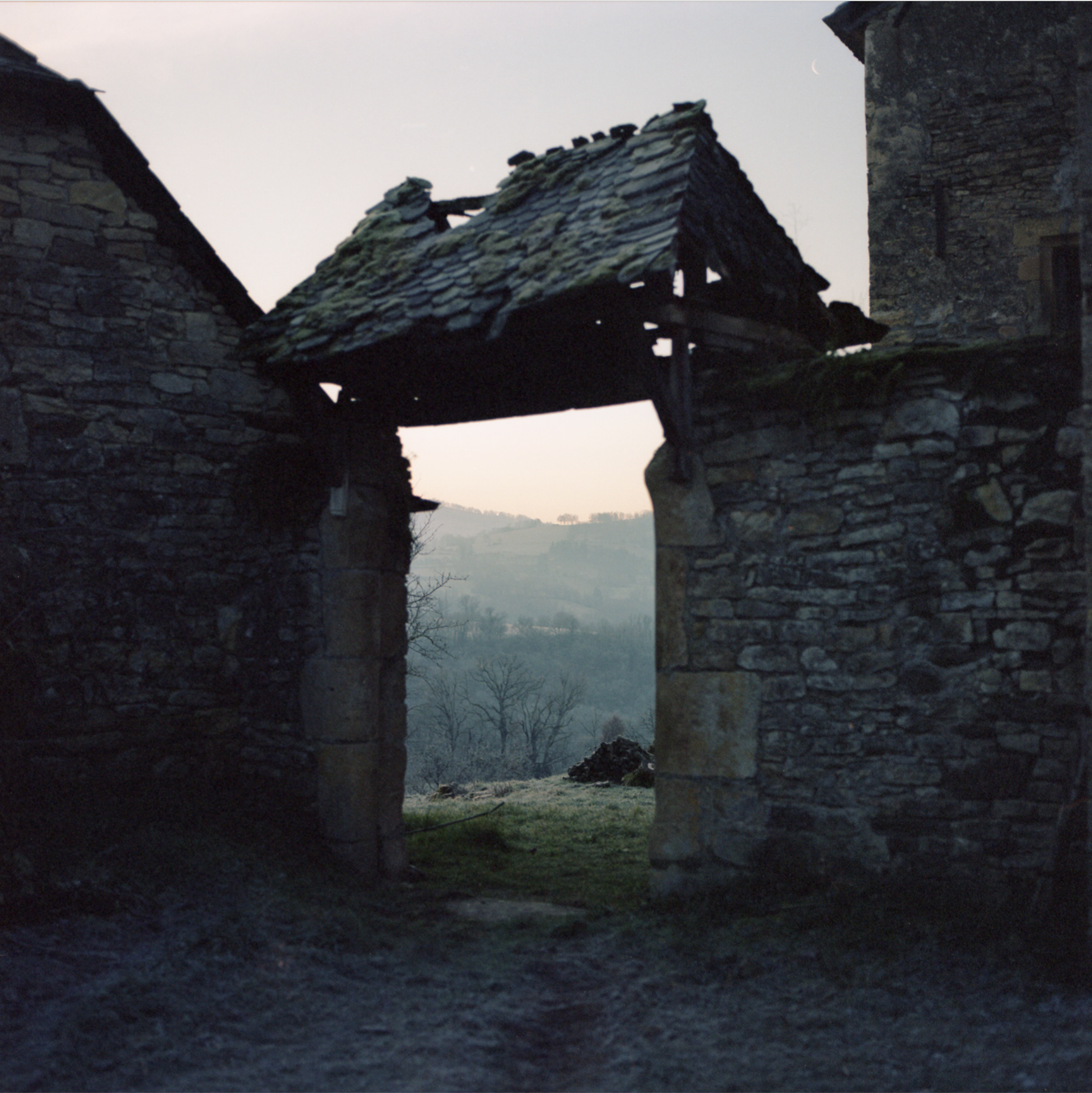
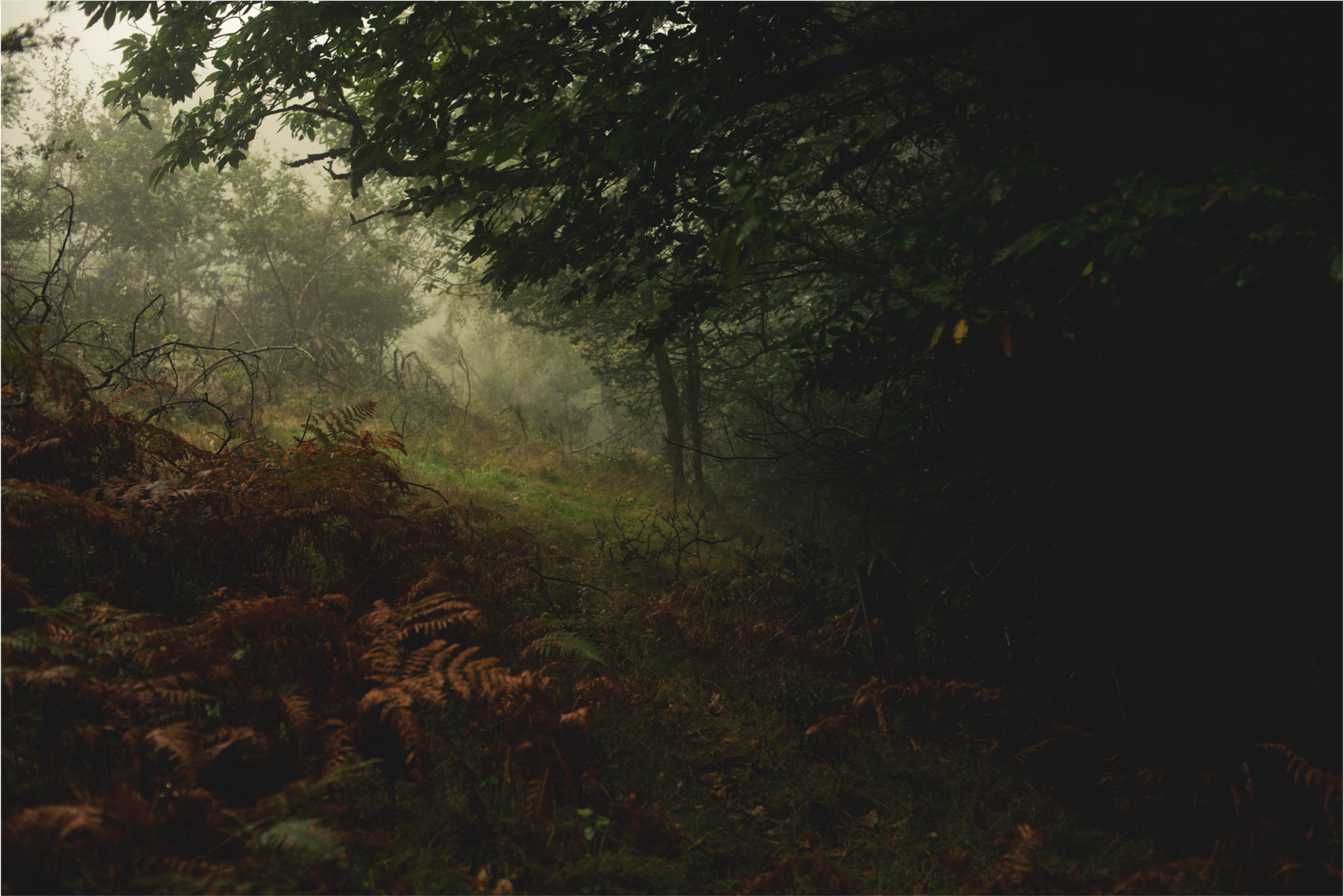
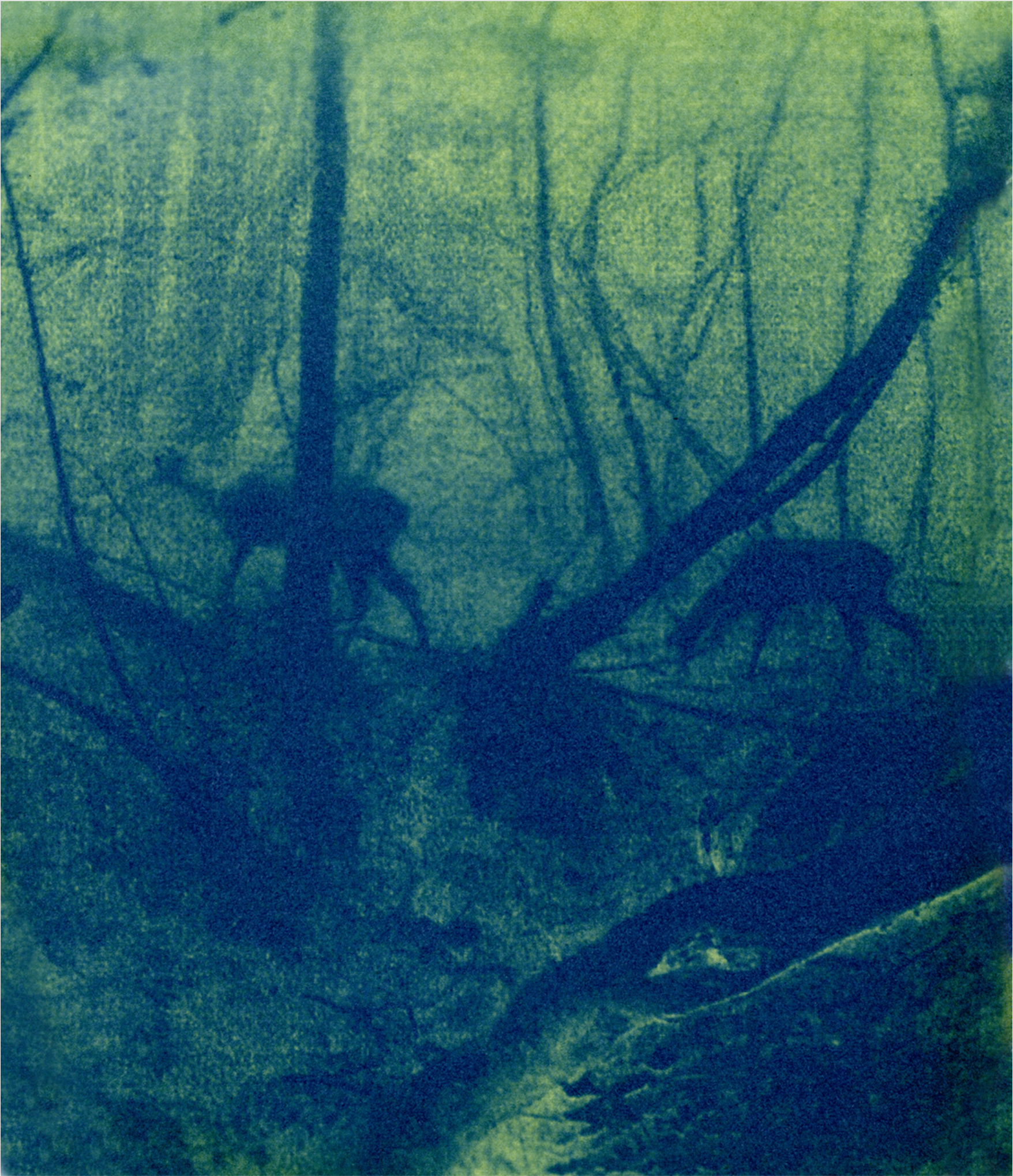
Practical framing: You used motion-triggered traps to capture wildlife and chose limited compositions. How did these constraints shape your creative vision and what can other photographers learn from working with limitations?
I loved using these camera traps because their use required minimal effort on my part. Choosing an animal trail, observing what might enter (and from where) the frame, strapping the camera to a tree, and pressing ON. The rest is tied to childhood. Returning every week, every month, and discovering the wildlife: the wary fox, deer with ears alert, grazing on tall grass, the nocturnal genet, a family of badgers tirelessly grooming each other, the fleeting marten, numerous wild boars, and very, very rarely, the wolf’s tail. From these files, I sought to tell the story of the animal trail, the one that disappears over time, so I transcribed them into cyanotypes, a technique I had barely begun to master since I didn’t rinse my paper. As a result, the obtained image, midnight blue, yellow-green, faded over time, even when protected from light. I later learned that the wolf is dichromatic and sees or perceives only shades of blue and yellow. That was an unexpected cherry on top.
Advice for autobiographical work: Your images revisit places, people, memory, and physical land. What would you say to photographers who want to use the personal, family history, childhood places, land, as a poetic anchor for their projects?
Oh, no, I wouldn’t say anything. Everyone has their own baggage; everyone uses it according to their means. I have no advice to give.
What stays with you: After completing Oreille coupée, what has remained with you, the imagery, the stories, the process, and how do you see its place within your ongoing work and future stories?
Yes, it’s a way of concluding a cycle, a trilogy, composed of "Saisons noire" and my latest book published by Origini, "L’Aval." I believe I’ve told what was most intimate to me. Today, I’m trying to cast my gaze beyond the horizon.
To discover more about this intriguing body of work and how you can acquire your own copy, you can find and purchase the book here.
More photography books?
We'd love to read your comments below, sharing your thoughts and insights on the artist's work. Looking forward to welcoming you back for our next [book spotlight]. See you then!
Color entered Janelle Lynch’s photographs through painting. In Another Way of Looking at Love, she photographed plants and trees on her property in the Catskills. Photography Book Spotlight