How Ingrid Weyland Turns Crumpled Landscapes Into a Warning About Our Fragile Planet
Today, we uncover the layers of Topographies of Fragility by Ingrid Weyland. We'd love to read your comments below about these insights and ideas behind the artist's work.
This art turns fragile prints into fragile truths.
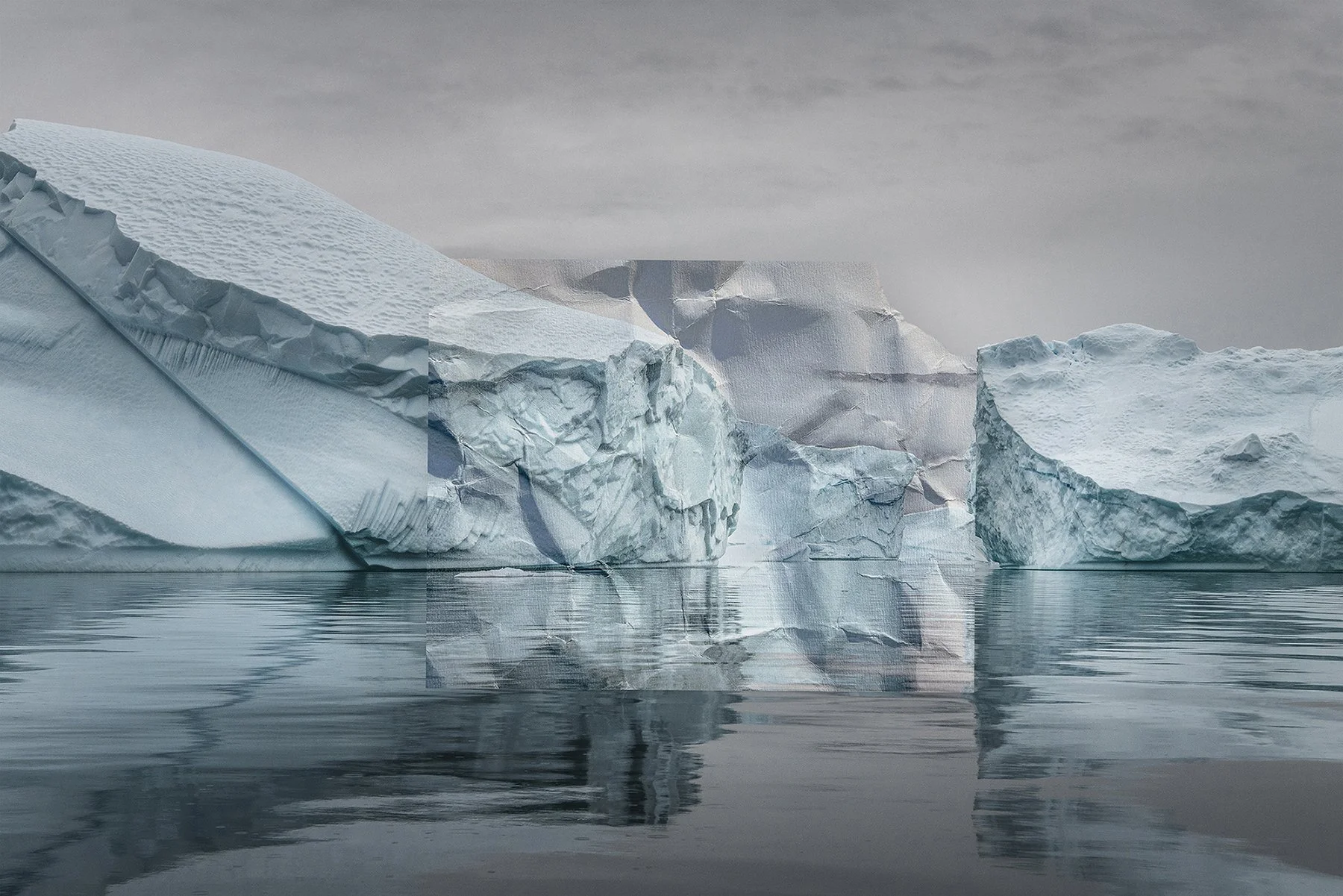
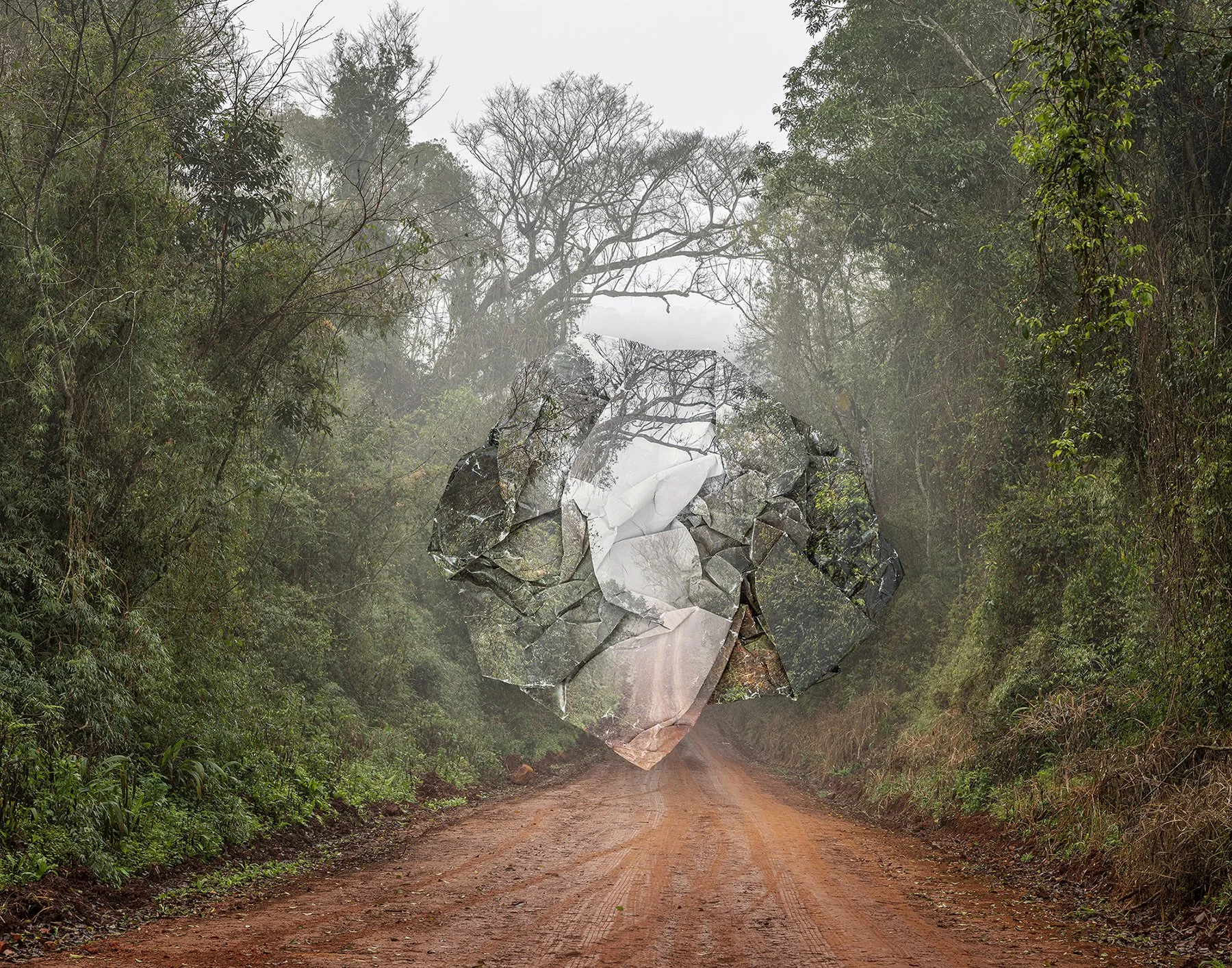
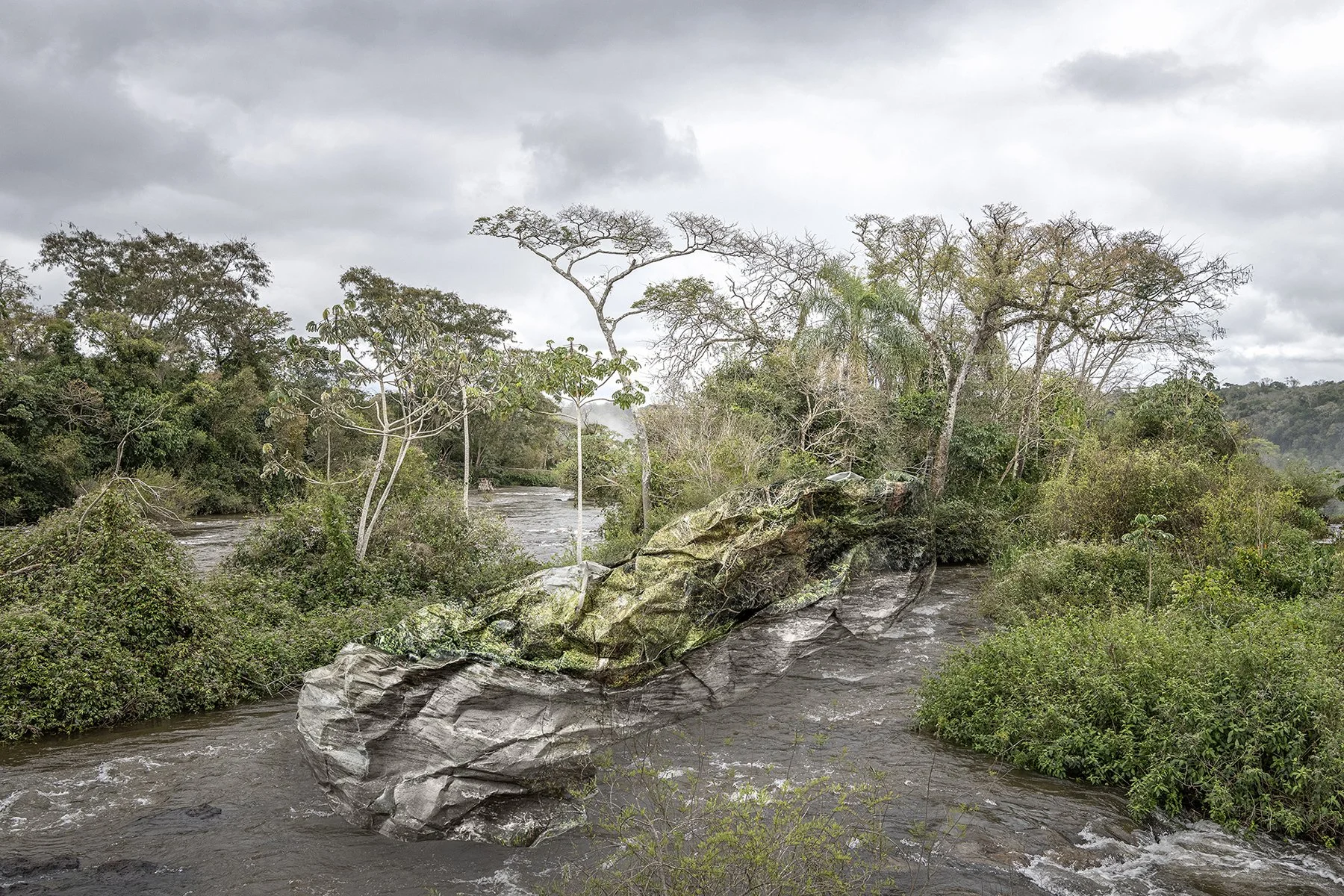
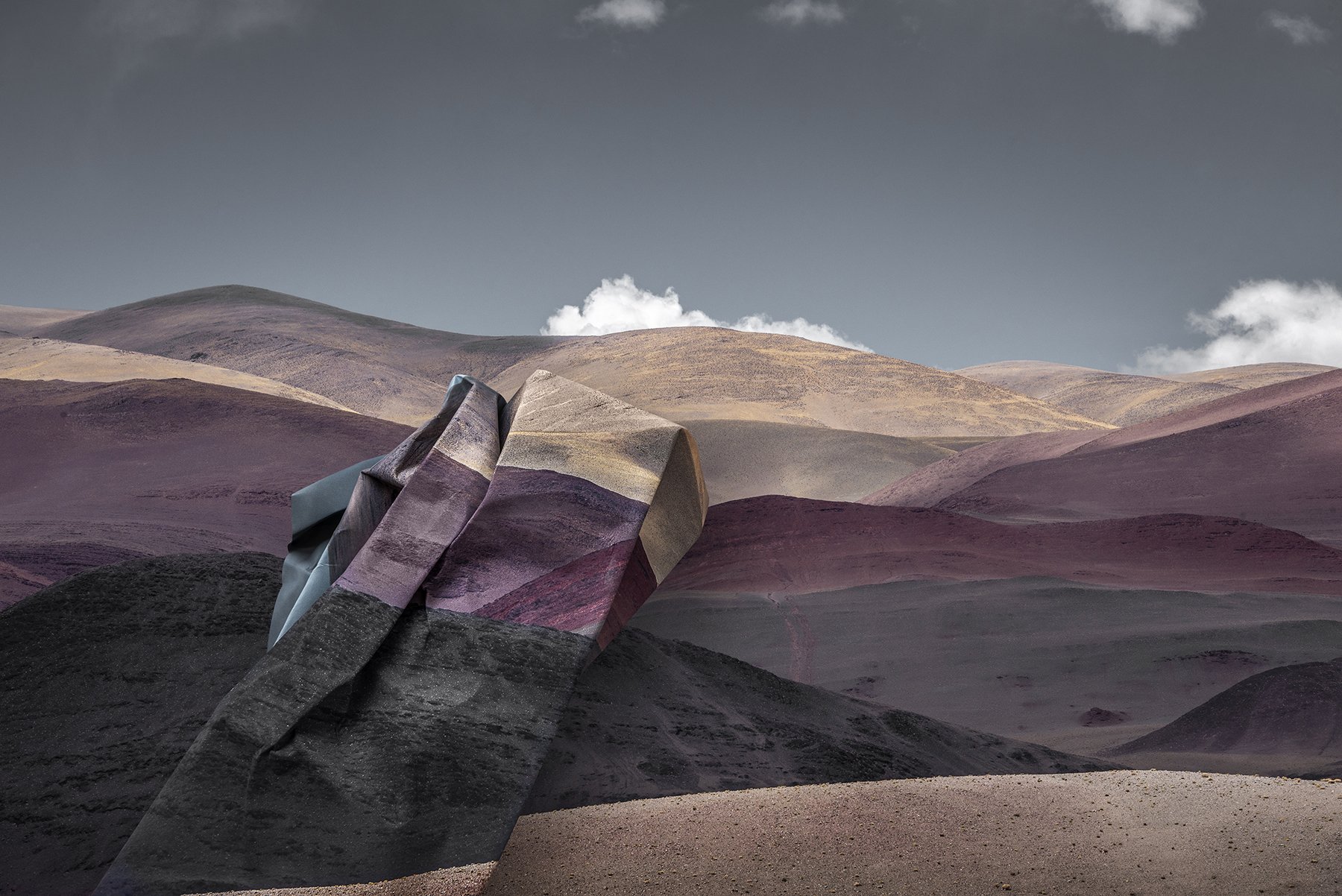
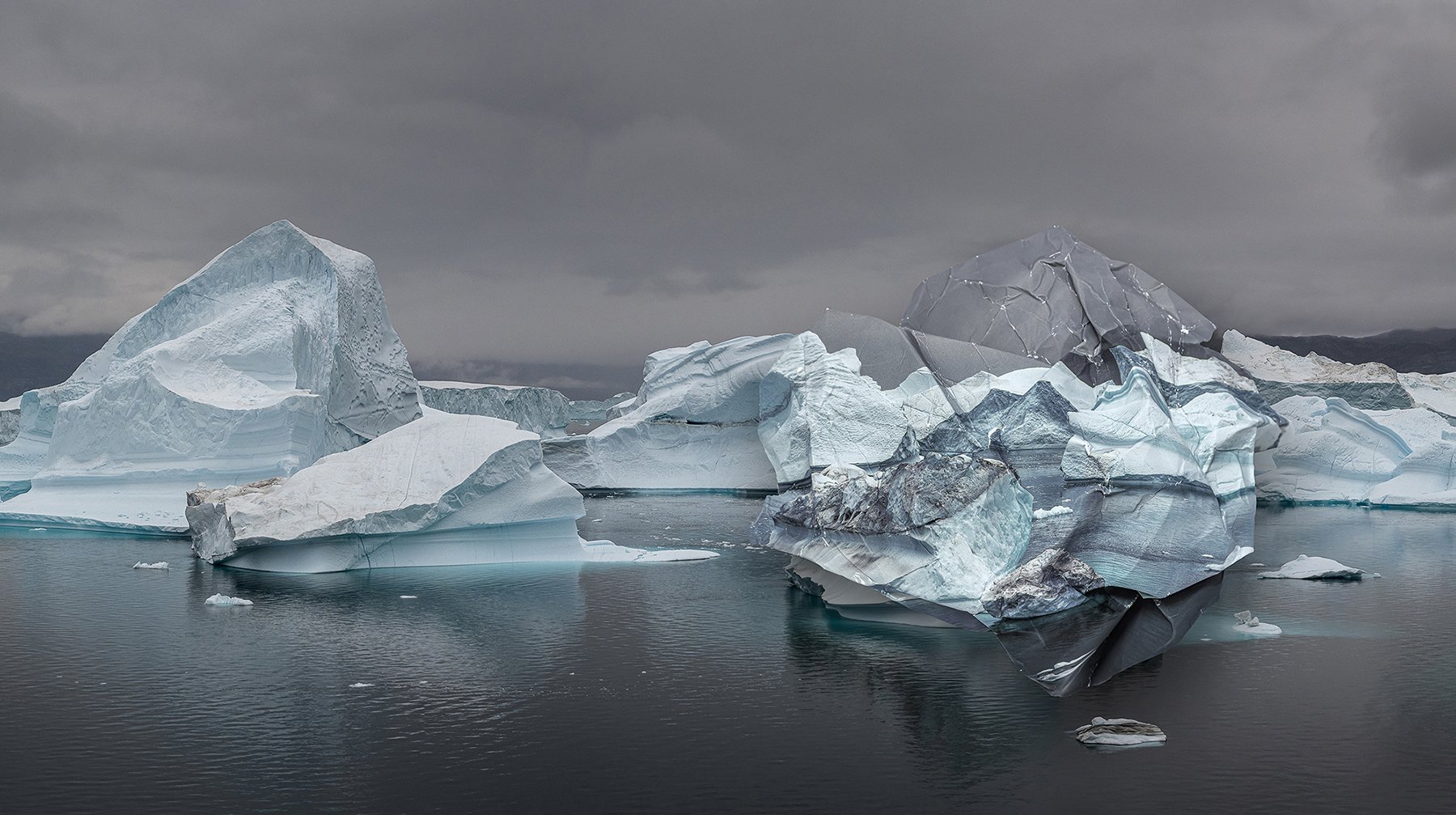
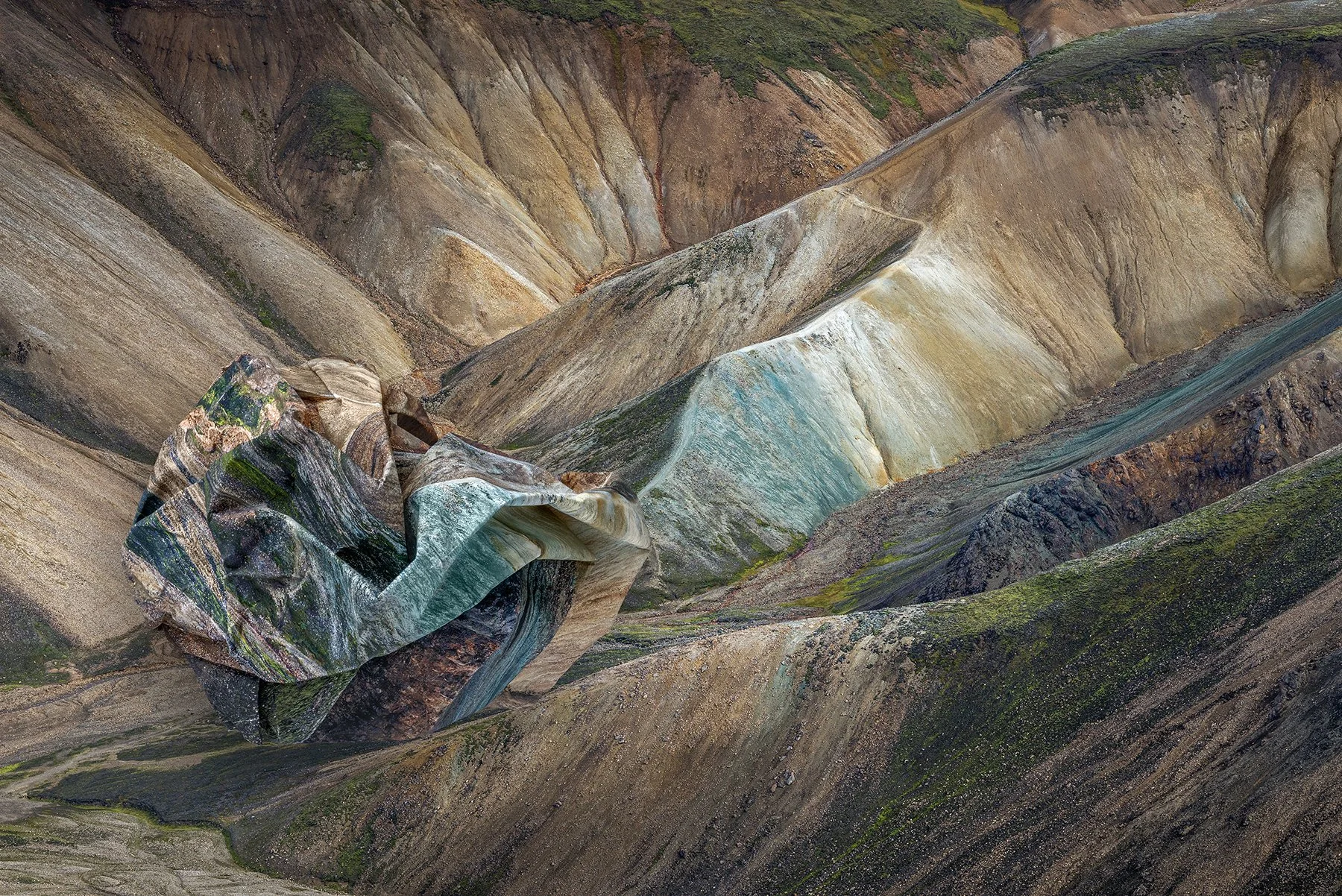
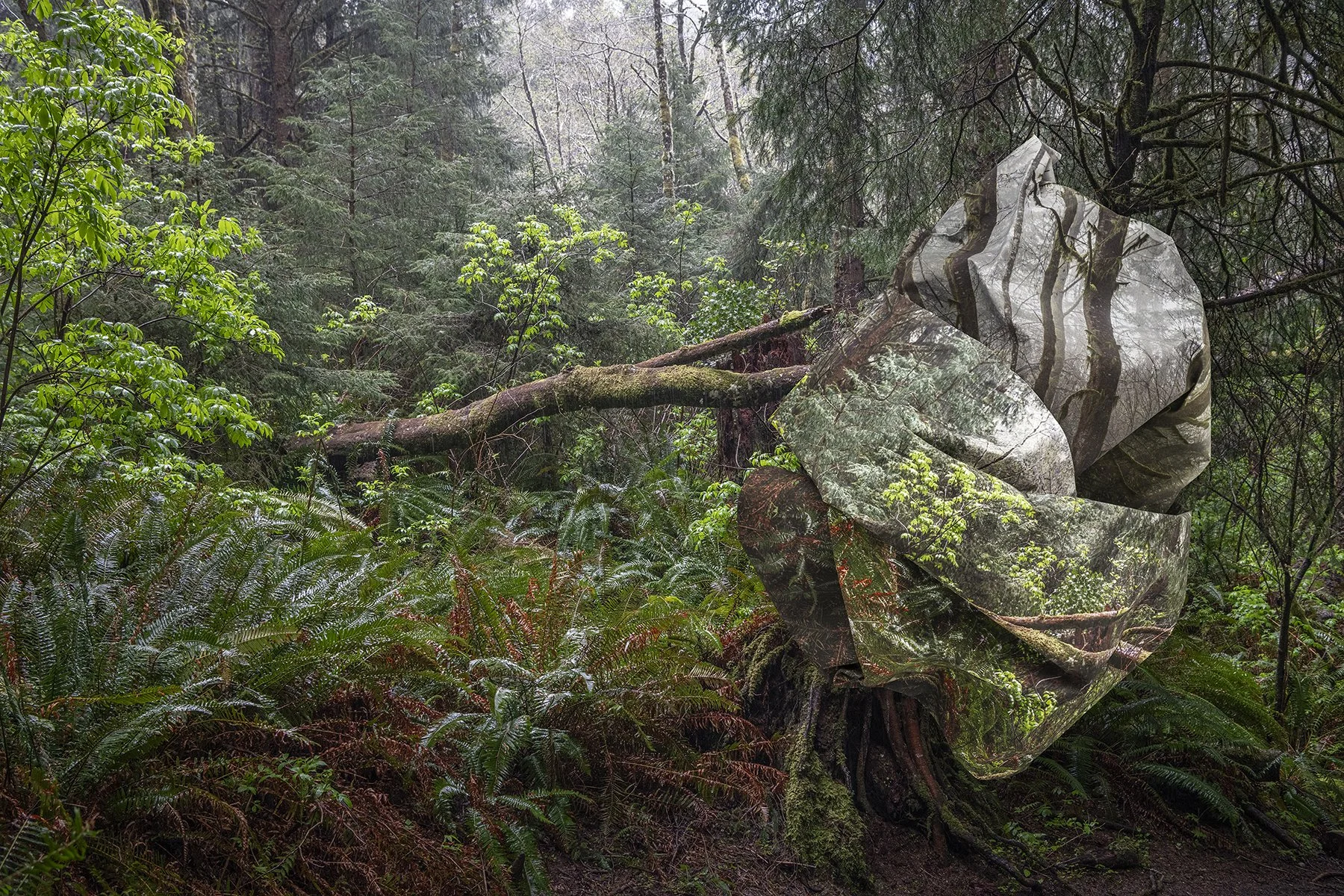
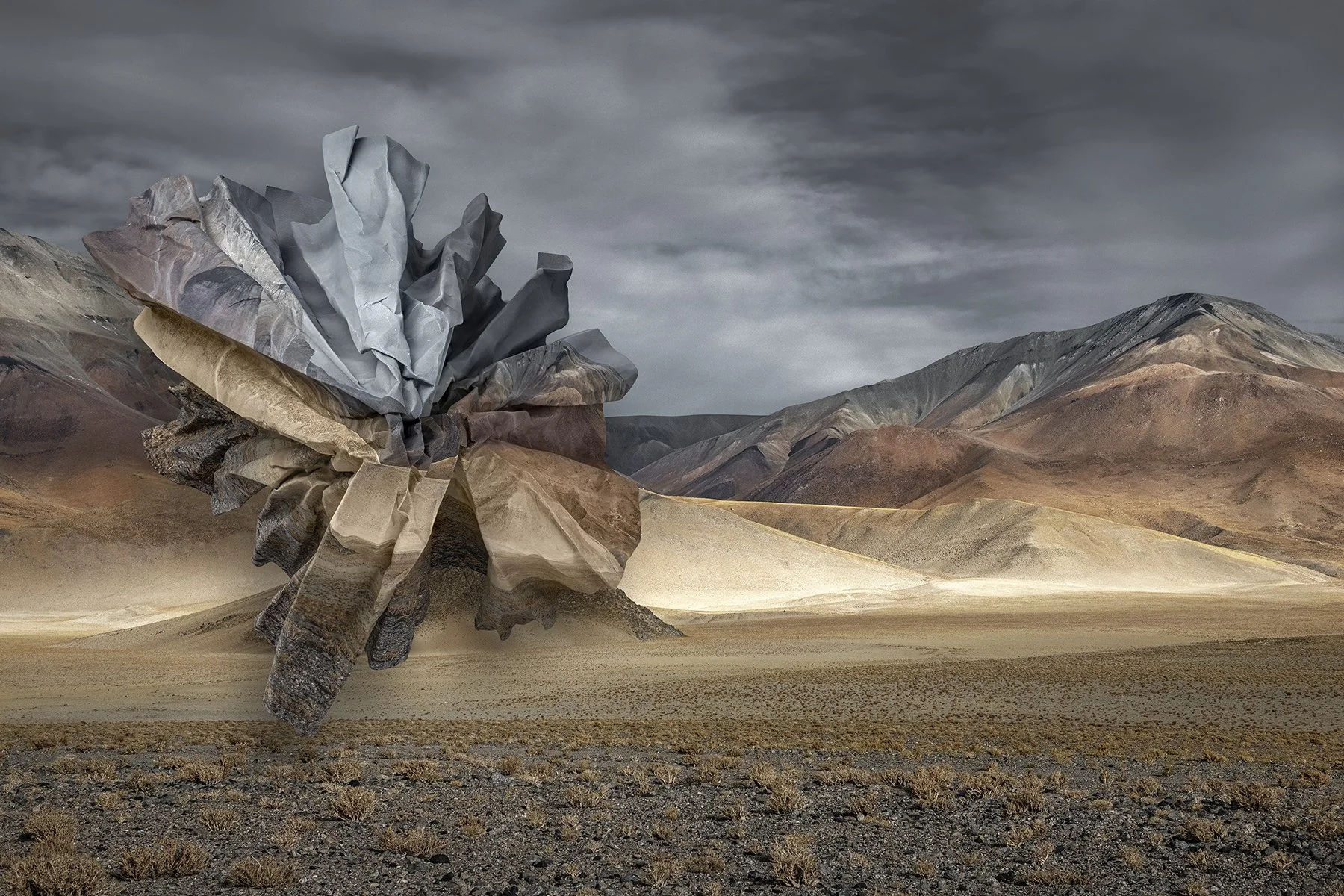
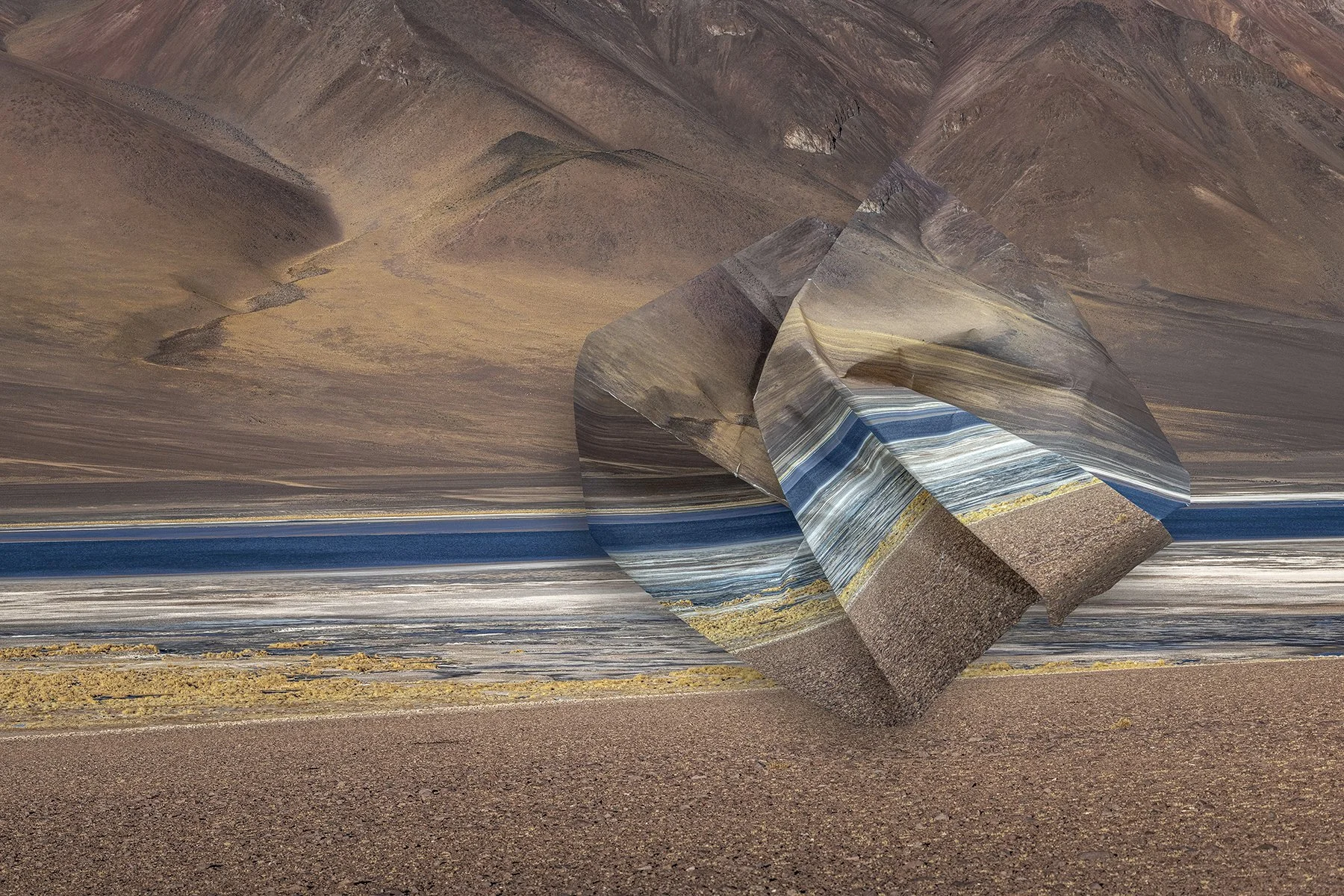
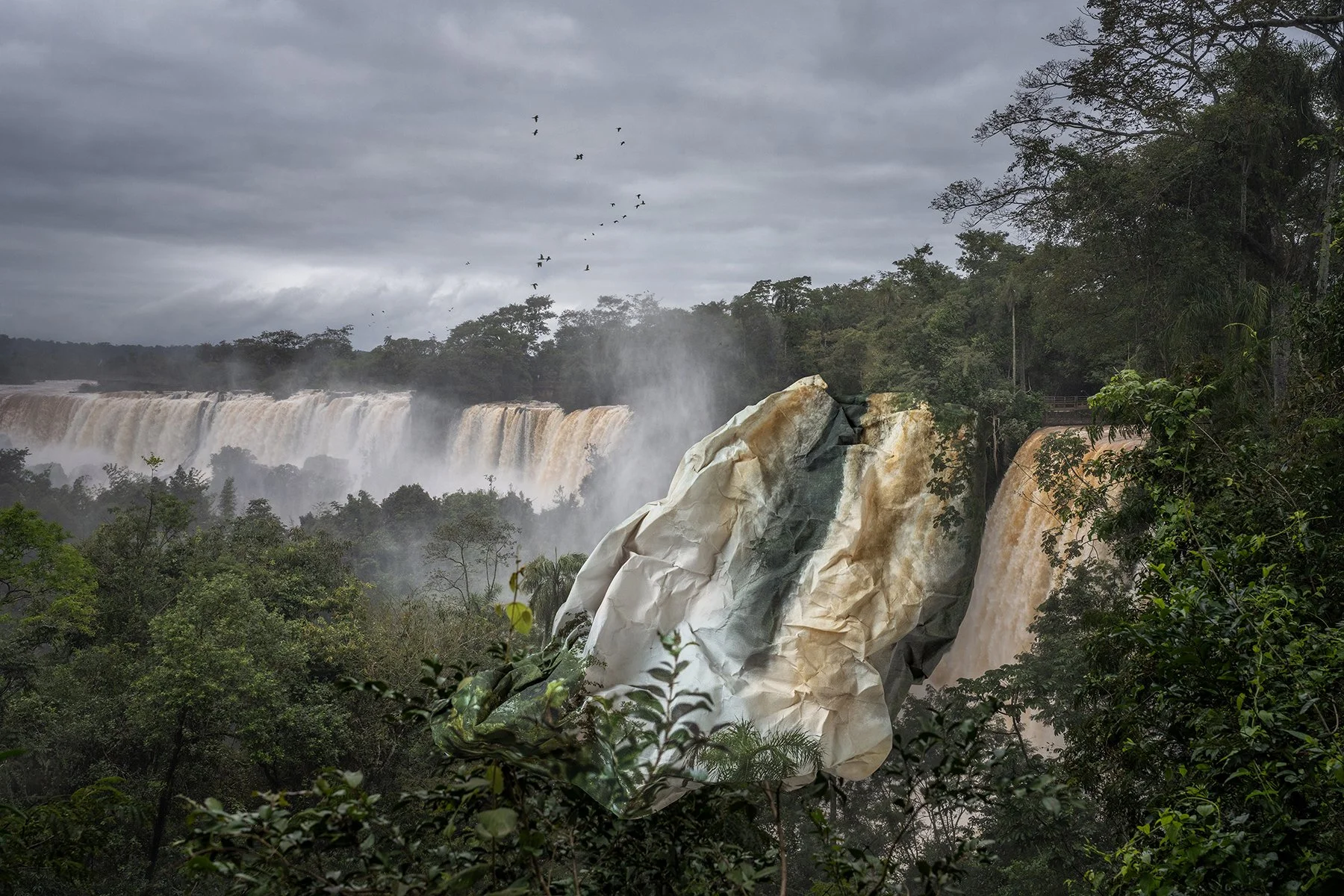
Ingrid Weyland takes photographs of landscapes, prints them, and then crumples the paper. She rephotographs these damaged prints so that every fold looks like a wound. What seems at first like a beautiful image becomes something broken. This makes her work both attractive and uncomfortable at the same time.
Her project Topographies of Fragility shows how small actions can leave lasting marks, just like humans do on nature.
Every crease in the paper becomes part of the message.
Weyland’s way of working is not only about photography but also about touch, gesture, and material. Her background in graphic design gave her the idea to treat prints as objects, not only as images. By folding and reshaping them, she shows how the environment itself can be fragile, scarred, and still resilient. The result is art that balances beauty with a quiet call to care for the natural world.
Sometimes a crushed photograph holds more truth than a perfect one.
Topographies of Fragility
Topographies of Fragility is a long-term project by Argentine photographer Ingrid Weyland. It began when she started crumpling and folding her own printed landscapes, an act that felt both destructive and revealing. By rephotographing these damaged prints, Weyland created images where beauty and violence exist side by side.
The series works as a metaphor for how humans treat nature. Just as paper keeps the marks of every fold, the Earth carries the traces of our actions. The photographs are both delicate and unsettling, reminding us that the natural world is strong but also vulnerable. With this work, Weyland combines aesthetics with a quiet environmental message, showing how art can spark reflection about our fragile connection with the planet.
Evolution of Artistic Focus: What catalyzed your shift from portrait photography to environmental themes, and how has it influenced your perspective on photography as an art form?
Over time, I realised that the landscapes I was photographing in the background of my portraits were quietly starting to demand more space, both visually and conceptually. Nature has always been deeply significant to me, acting as a kind of personal sanctuary. As I began to travel more frequently, I found myself drawn to the solitude, symbolism, and quiet strength of these places. Shifting my focus entirely to the landscape felt like a natural progression, almost inevitable.
This transition also reshaped how I view photography. I no longer see it solely as a tool to represent what’s visible, but as a way to reveal what’s vulnerable, to create visual metaphors that reflect our relationship with the land. It became more sculptural, more performative. And interestingly, the reaction of viewers to my manipulated images made me realise that this approach could go beyond aesthetics, that it could help deliver a message about the importance of caring for what surrounds us. Photography, for me, became both a contemplative space and a form of quiet advocacy.
Conceptualization of ‘Topographies of Fragility’: Can you elaborate on the conceptual development of this project and the message you aim to convey through these altered landscapes?
The seed of the project was planted during a quiet, almost mundane moment while reorganising my studio. I had to dispose of a number of failed prints, images that still held meaning for me. Discarding them wasn’t just practical, it felt like a kind of sacrifice. These were visual memories of places I had travelled to and connected with deeply. Crumpling them, throwing them away, felt violent, and in that gesture, I could sense a reflection of how we treat nature, as something we can use and discard without a second thought.
The idea stayed with me for a while, this notion of my actions, of damage, and of paper. Some time later, while travelling in Greenland, I was in awe as I encountered icebergs of various shapes and textures, each classified by their physical characteristics. One particular surface reminded me of paper. The landscape, once again, brought me back to the material. That resonance became a turning point.
From there, I began experimenting with the deliberate manipulation of printed landscapes, crumpling, folding, and eventually rephotographing them. The process felt almost violent; it mirrored the traces we leave on the environment, often irreversible, always visible.
The conceptual foundation of the project emerged from this act. The resulting images are visual metaphors for tension, transformation, and vulnerability. While the original landscape remains visible, its surface has been altered, much like our imprint on nature itself. Topographies of Fragility invites viewers to reflect on our fragile yet resilient bond with the land. While we shape nature, it, in turn, shapes us. My intention is to spark awareness of this interdependence, encouraging a deeper recognition of our essential alliance with the environment.
Integration of ‘Expanded Photography’: How has your interdisciplinary approach, merging photography with visual arts like collage and manual interventions, enhanced your creative expression? What advice would you give to those exploring beyond traditional boundaries?
Working in an expanded photographic practice has allowed me to move beyond photography as a medium of representation, towards something more active, more tactile. By introducing physical interventions such as crumpling, folding, or layering, I began to understand the image not just as a surface, but as a material I could physically engage with, a space where meaning could be shaped, disrupted, or reimagined.
This interdisciplinary approach has been incredibly liberating. It’s deepened my connection to the landscapes I photograph, because I’m not only documenting them, I’m translating an emotional and conceptual response into the image itself. The manual process, while at times challenging, becomes part of the work’s meaning. The “wound” in the paper carries something of my own gesture, and of our broader relationship with nature.
I think my background in Graphic Design shaped this way of thinking. It taught me to think about the photographic surface not just as something to compose visually, but as something I could physically intervene in, shaping its meaning through touch and form.
To artists interested in exploring beyond traditional boundaries, I would say: give yourself permission to question the medium. Follow your instincts. Innovation often lives in that space of uncertainty, where you let your curiosity guide you without needing to know exactly where you’ll end up.
Technical Challenges and Solutions: Could you share the obstacles you’ve faced in manipulating physical prints for your work and the solutions you’ve devised to maintain the integrity of your images?
Manipulating physical prints has been central to my process, but it comes with a number of challenges, both technical and emotional. Paper is delicate, and every time I physically engage with a print, there’s a risk that the damage will go too far, that the material won’t hold, or that I’ll lose something I can’t recreate. That tension is part of the work’s meaning, but it also makes the process unpredictable.
In the early stages, I became fascinated with how different types of paper responded to my gestures, to my aggression. At first, it felt like the paper resisted me. It didn’t want to be altered. There was a pushback, a tension between its integrity and my insistence. But eventually, it gave in. That moment, when the material surrendered to the fold or the crease, became a turning point in understanding what the work was really about. It was no longer just about printing an image, but about entering into a dialogue with the medium itself.
Sometimes the “solution” is simply accepting the imperfections. I’ve had to let go of the idea of full control, and instead work with the material’s resistance. It’s in that negotiation, between image and surface, between intention and accident, that the final work takes shape.
Emotional Connection with Landscapes: How do you establish an emotional connection with the landscapes you photograph, and how does this connection influence the narratives you create?
For me, the emotional connection comes before the photograph. I’m drawn to landscapes not only because they are visually striking, but because they allow something internal to unfold. Nature has always been a kind of personal sanctuary, a place where I can be still, present, and open. I believe this isn’t just true for me, but for many people. There’s something profoundly restorative in the natural world; it gives, it embraces, it allows.
This sense of sanctuary is at the heart of why I photograph landscapes. I’m not trying to represent them objectively, but to convey how they move me emotionally. I often feel that nature “saves” us in quiet, essential ways, and that’s why I felt it was important to speak of our interdependence. We tend to forget that our lives are intricately tied to the rhythms and wellbeing of the natural world.
That connection continues to evolve after I’ve taken the photograph. When I return to the studio and begin to work with the image physically, it becomes a new kind of dialogue, a deepening of the emotional imprint. I’m not just printing a memory, I’m revisiting an experience and transforming it into something that carries both the emotional immediacy of the place and a deeper, more reflective layer. In that sense, the narrative doesn’t start or end with the camera; it evolves, from presence to emotion, to surface, to story.
Balancing Aesthetics and Advocacy: How do you balance creating visually compelling art with delivering impactful environmental advocacy?
I don’t necessarily see aesthetics and advocacy as opposing forces, but as parts of the same gesture. If an image is visually compelling, it can hold someone’s attention long enough for something deeper to unfold. The contrast between surface beauty and underlying disruption is what I’m most drawn to.
In Topographies of Fragility, that balance happens through metaphor. I’m not illustrating ecological damage directly, but inviting a more subtle, emotional response. The manipulated prints, wounded, distorted, yet still legible, suggest what it means to leave a mark. There’s no need to explain or instruct. I believe that a poetic image, crafted with intention and sensitivity, can sometimes speak more clearly than facts.
People have often told me that they were first drawn to the images for their beauty, and only later noticed something unsettling. That delay in perception can be powerful. It creates space for reflection and for feeling.
At the heart of it, the work comes from a place of deep care for the natural world, and I want that to be felt, even if it’s quiet. The advocacy, for me, is rooted in empathy, not accusation. It’s about remembering what we risk losing and the natural world we are still part of.
Advice for Emerging Photographers: What key advice would you offer to emerging photographers who want to use their art for social or environmental commentary?
My advice would be to begin from a place of honesty. Ask yourself why the subject matters to you, and stay close to that feeling. You don’t need to have all the answers, but you do need to care. That sense of purpose, even more so if it’s personal, is what will give the work its depth.
I also believe it’s important to resist the pressure to be loud in order to be heard. There are many ways to speak, and not all of them are direct. Metaphor, gesture, beauty, and silence can all carry meaning. If your message comes from a place of integrity, it will resonate.
And finally, allow yourself to take risks. Follow your instinct, even if it leads you outside the conventions of photography. Sometimes the most meaningful work happens when you stop worrying about categorisation and let the process unfold.
Role of Post-Processing in Your Work: What role does digital post-processing play in your workflow, and are there specific techniques you use to enhance your images’ narrative or emotional impact?
Post-processing plays a relatively minimal role in my work. I try to keep the digital editing simple, focusing mostly on contrast and tonal balance. I want the viewer to experience the texture, the folds, the physicality of the image exactly as it appears in the rephotographed print, without digital interference.
The real transformation happens earlier, through physical intervention. I work on the images with my own hands, as a metaphor for the human marks we leave on the environment. The act of crumpling is not just visual, it is performative. It carries intention, resistance, and consequence. Without that physical experience, if I had relied on digital tools to simulate the same effect, the outcome would not have held the same meaning. The process itself is what embeds the work with the tension and fragility I want to express.
That said, post-processing becomes more relevant when I’m working with the original landscape image. It allows me to ensure that what I saw, and what I felt, is faithfully conveyed in the final print. At some point in the process, the photograph becomes an object, printed, held, and physically manipulated. After that, I rephotograph the result and make minimal digital adjustments to refine the final piece. In that sense, the process moves between physical and digital stages, but it is the material intervention that gives the work its conceptual and emotional weight.
Future Directions and Experimentations: Are there new themes, techniques, or collaborations you’re excited to explore in future projects, and how do you envision the next phase of your artistic journey?
I’m interested in continuing to explore how photography can stretch beyond its traditional boundaries, not only visually, but also materially and spatially. I’ve been thinking more about how to bring the sculptural aspects of my process into physical space, and how to let the objectness of the work become more present in exhibitions. I have kept a few of the crumpled prints unflattened, and I would like to find the right context to show them as three-dimensional pieces, to let their fragility and form speak more directly.
I’d also love to return to Greenland, which left a lasting impression on me, both visually and emotionally. Its vast, fragile topography continues to resonate with the themes I’ve been exploring. I feel drawn to keep expanding geographically, visiting places where the landscape carries both environmental and symbolic weight.
More recently, I’ve begun revisiting portraiture. While much of my current work focuses on the natural world, the human figure remains central to my thinking, and I’m curious to explore ways these two threads might reconnect.
Another unexpected but meaningful direction has come from hearing educators describe how they’ve used my work in classrooms. The idea that these images could spark reflection or discussion around ecology and perception is very moving to me, and I would be open to developing that further, perhaps through workshops or interdisciplinary collaborations.
I don’t feel the need to rush into a new direction, but rather to stay attentive. The next phase, I believe, will unfold through process, curiosity, and presence.
More photography books and interviews?
We'd love to read your comments below, sharing your thoughts and insights on the artist's work. Looking forward to welcoming you back for our next [book spotlight]. See you then!
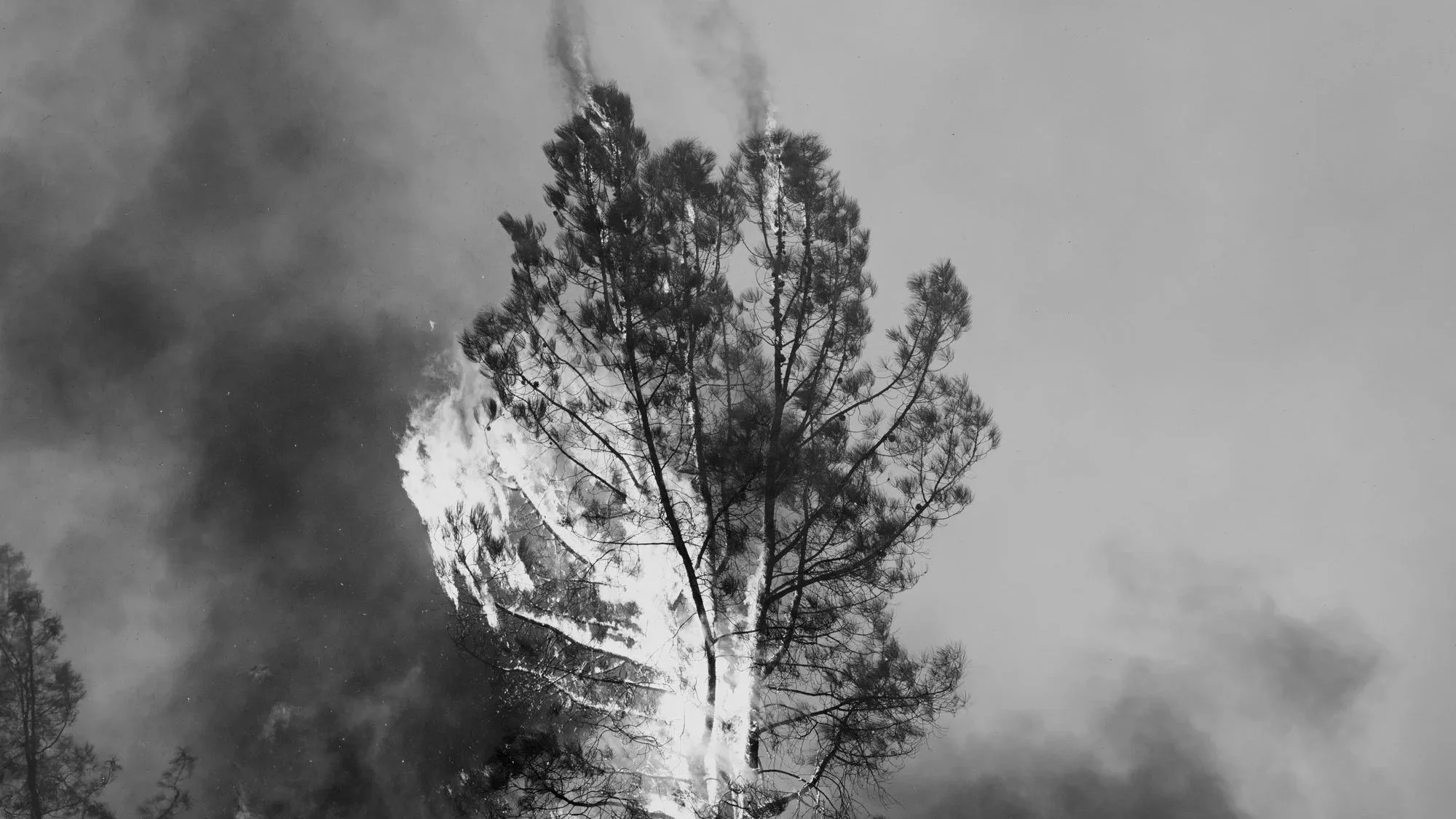
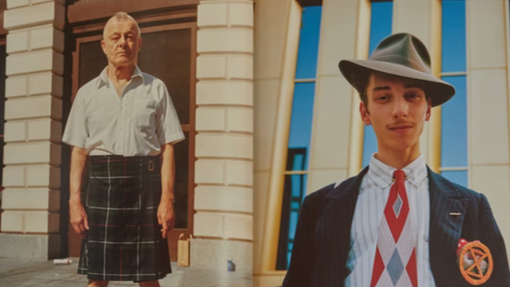
The past became visible once Richards learned where to look. For The Inner Passage, Virginia McGee Richards spent fifteen years photographing a waterway in the South Carolina Lowcountry. Photography Book Spotlight