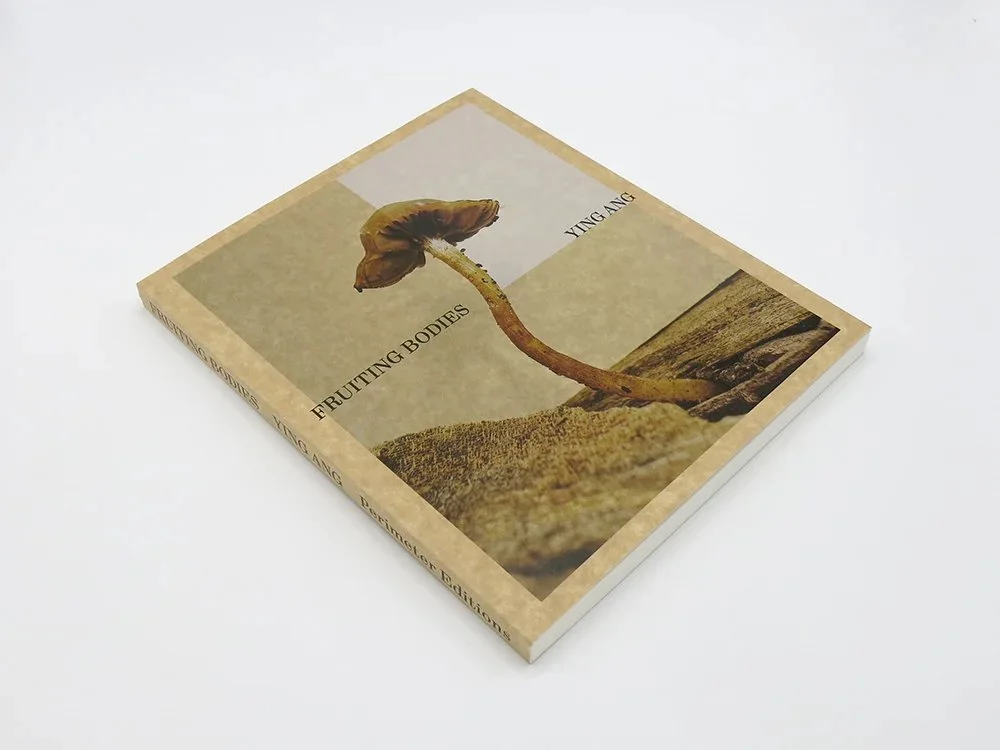
Welcome to this edition of [book spotlight]. Today, we uncover the layers of 'Fruiting Bodies,' by Ying Ang (published by Perimeter Books). We'd love to read your comments below about these insights and ideas behind the artist's work.
What do mushrooms reveal about women’s hidden strength?
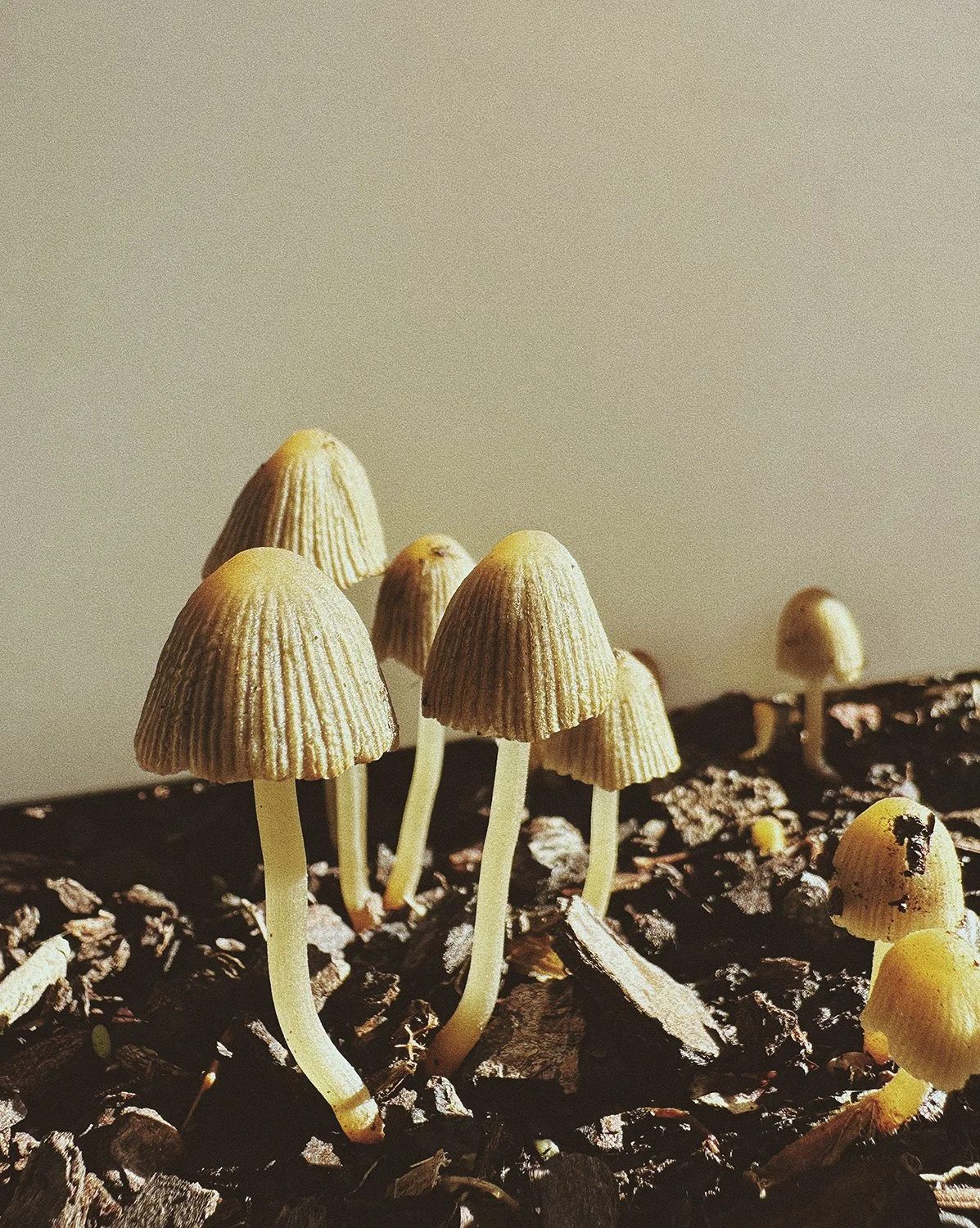
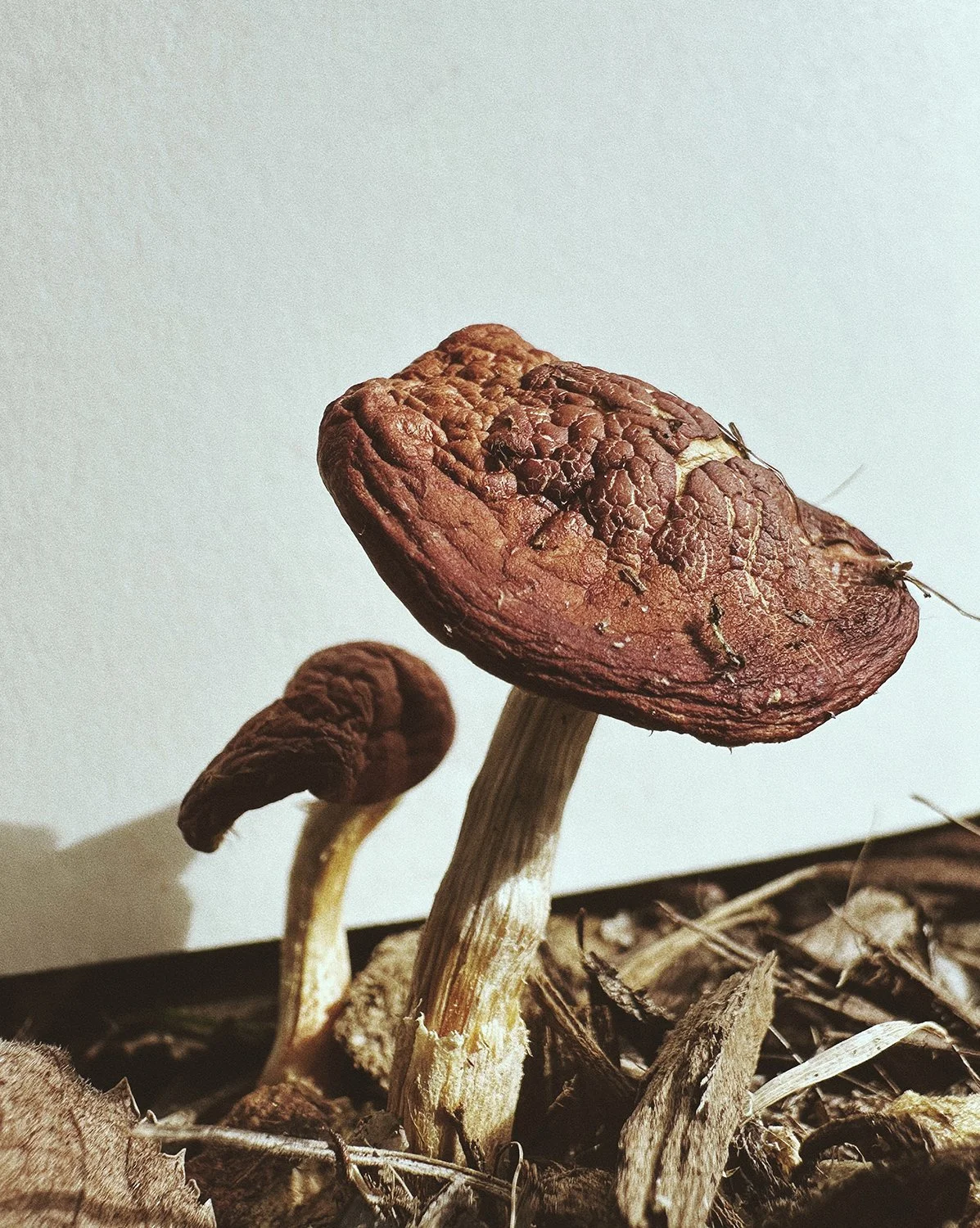
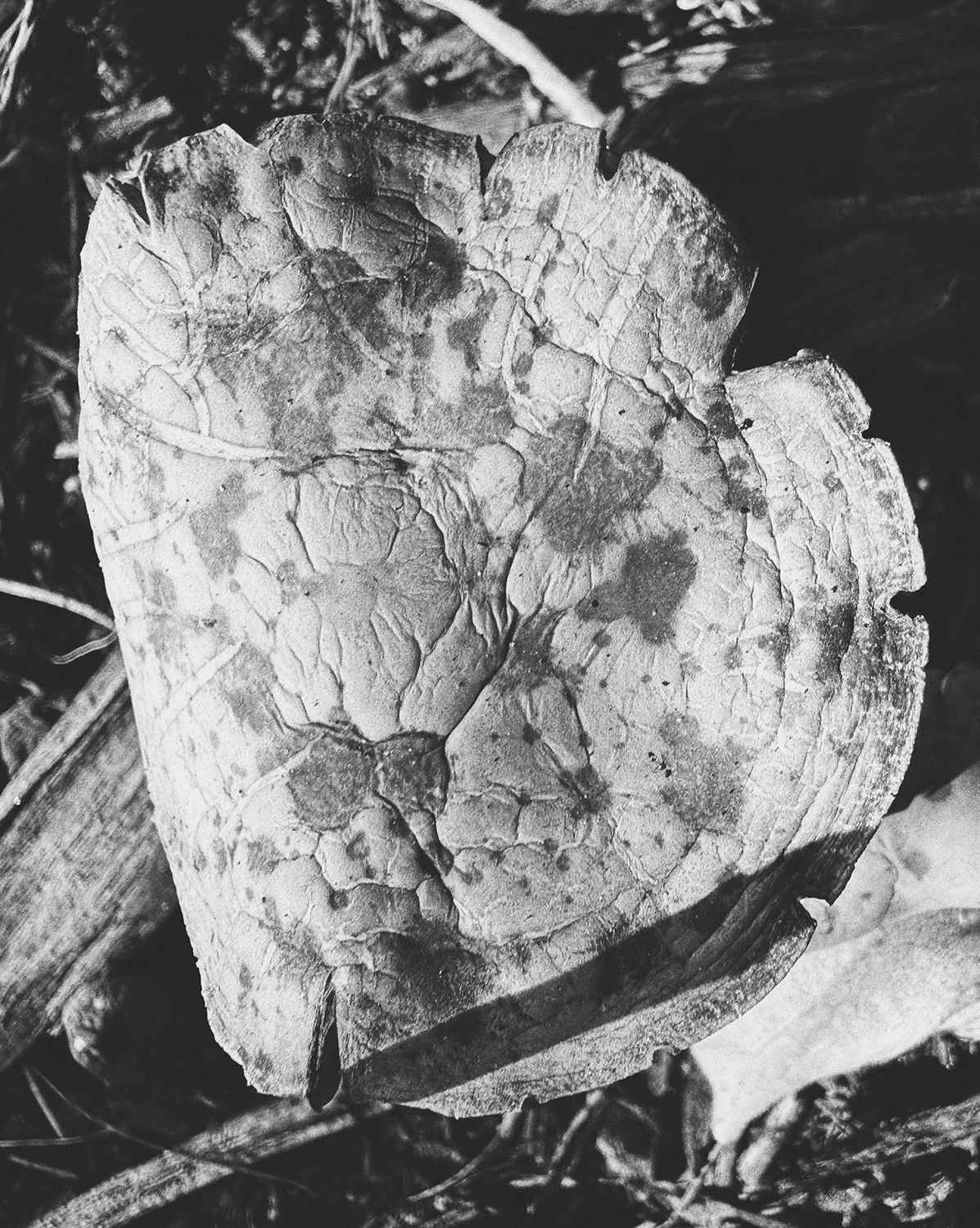
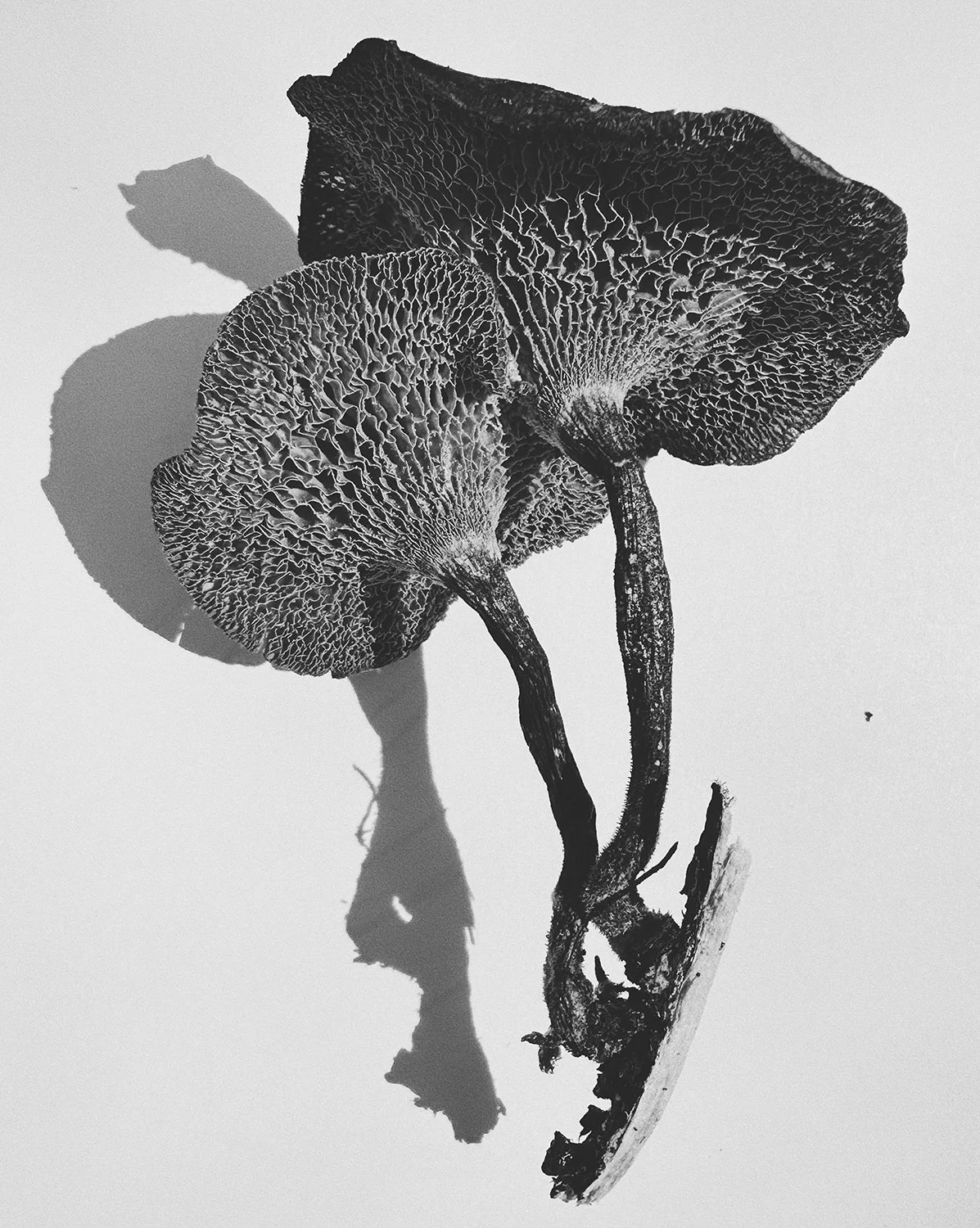
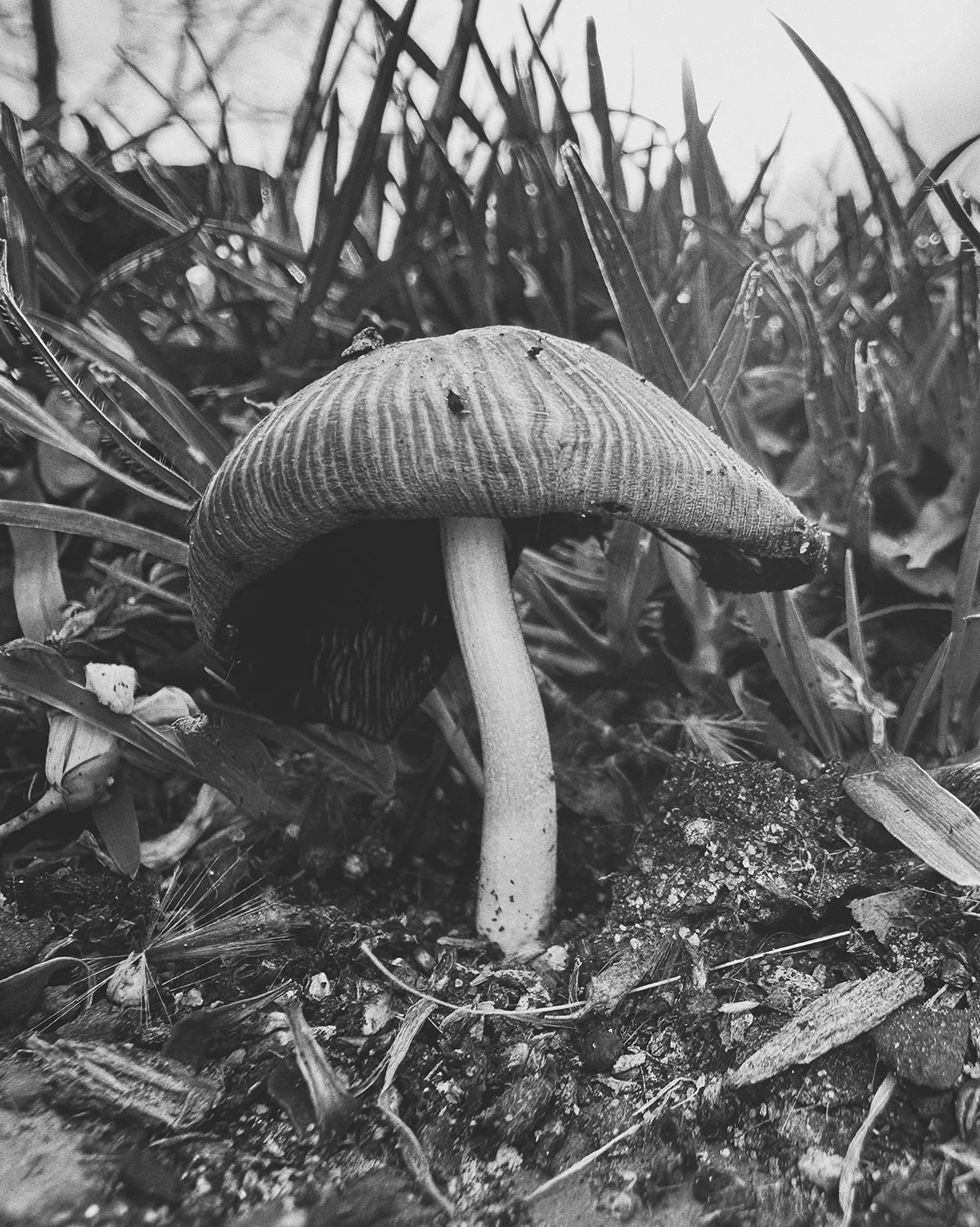
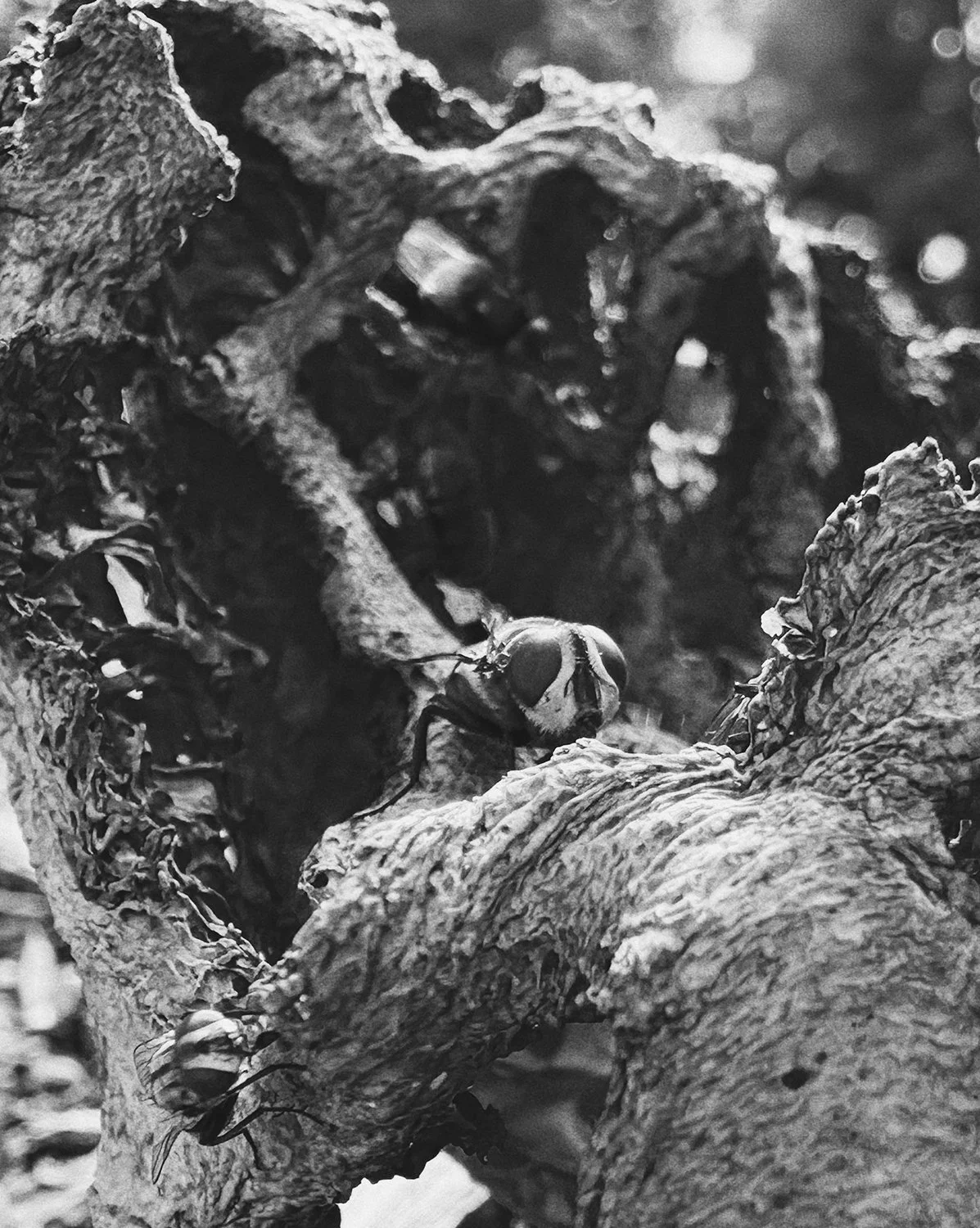
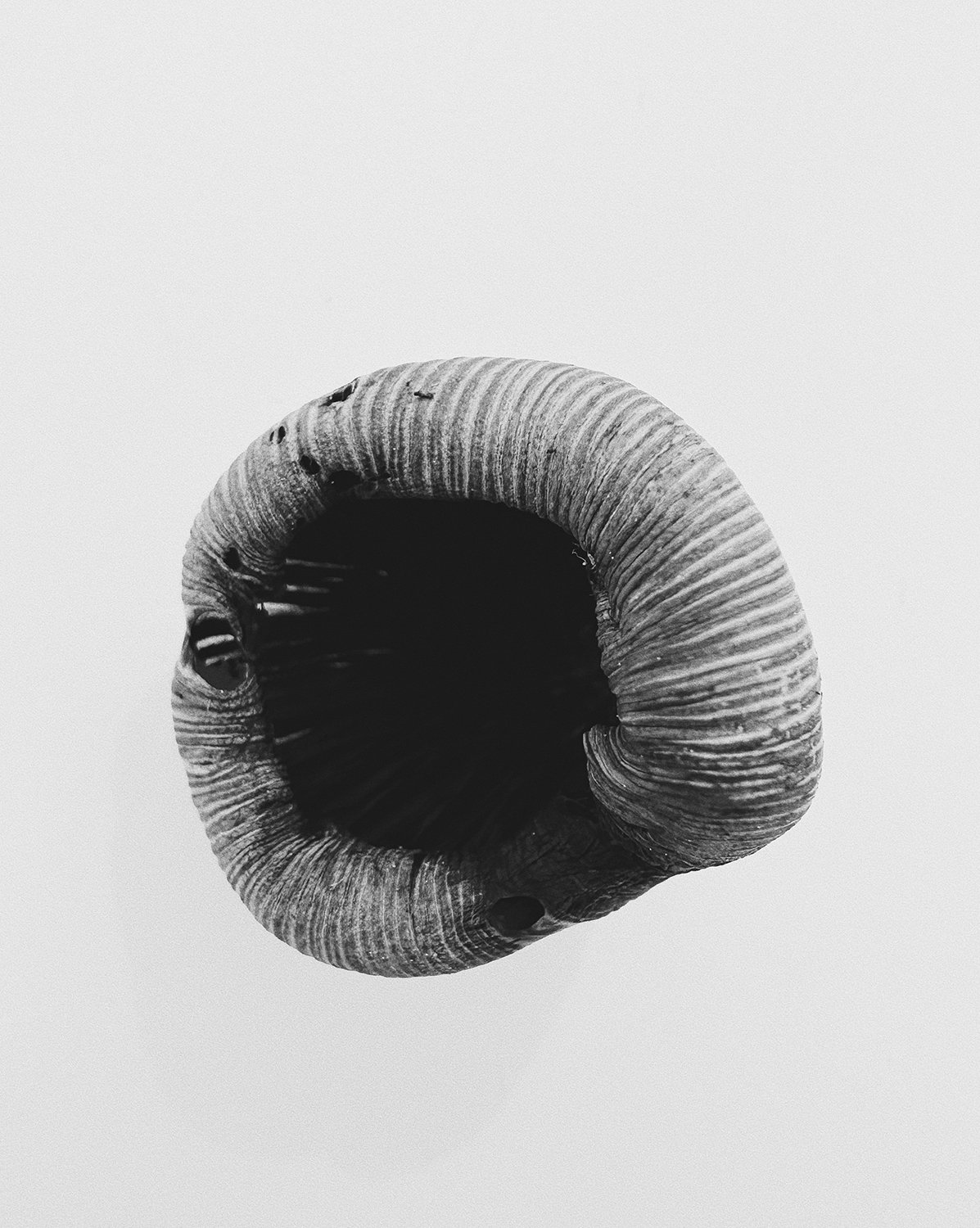
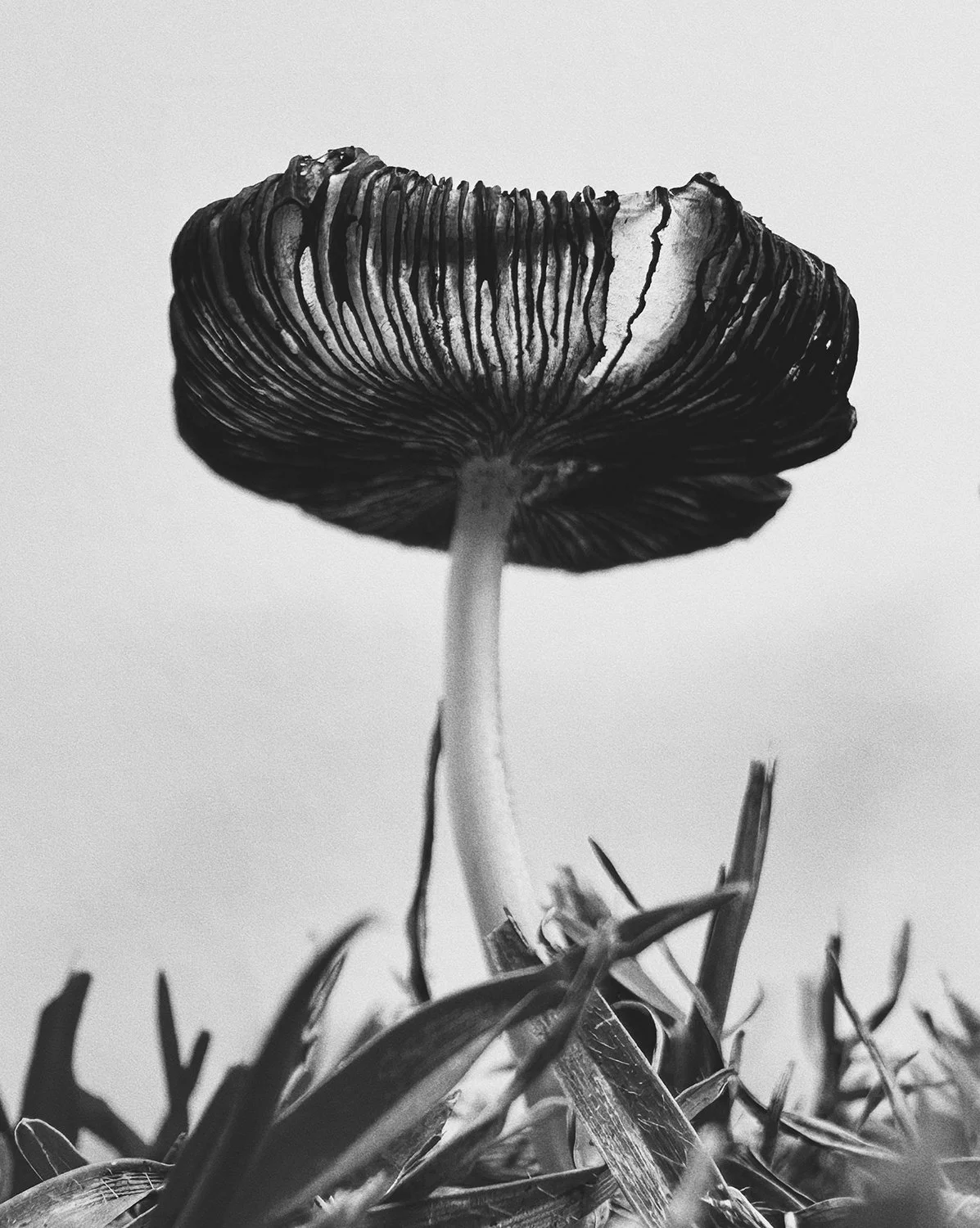
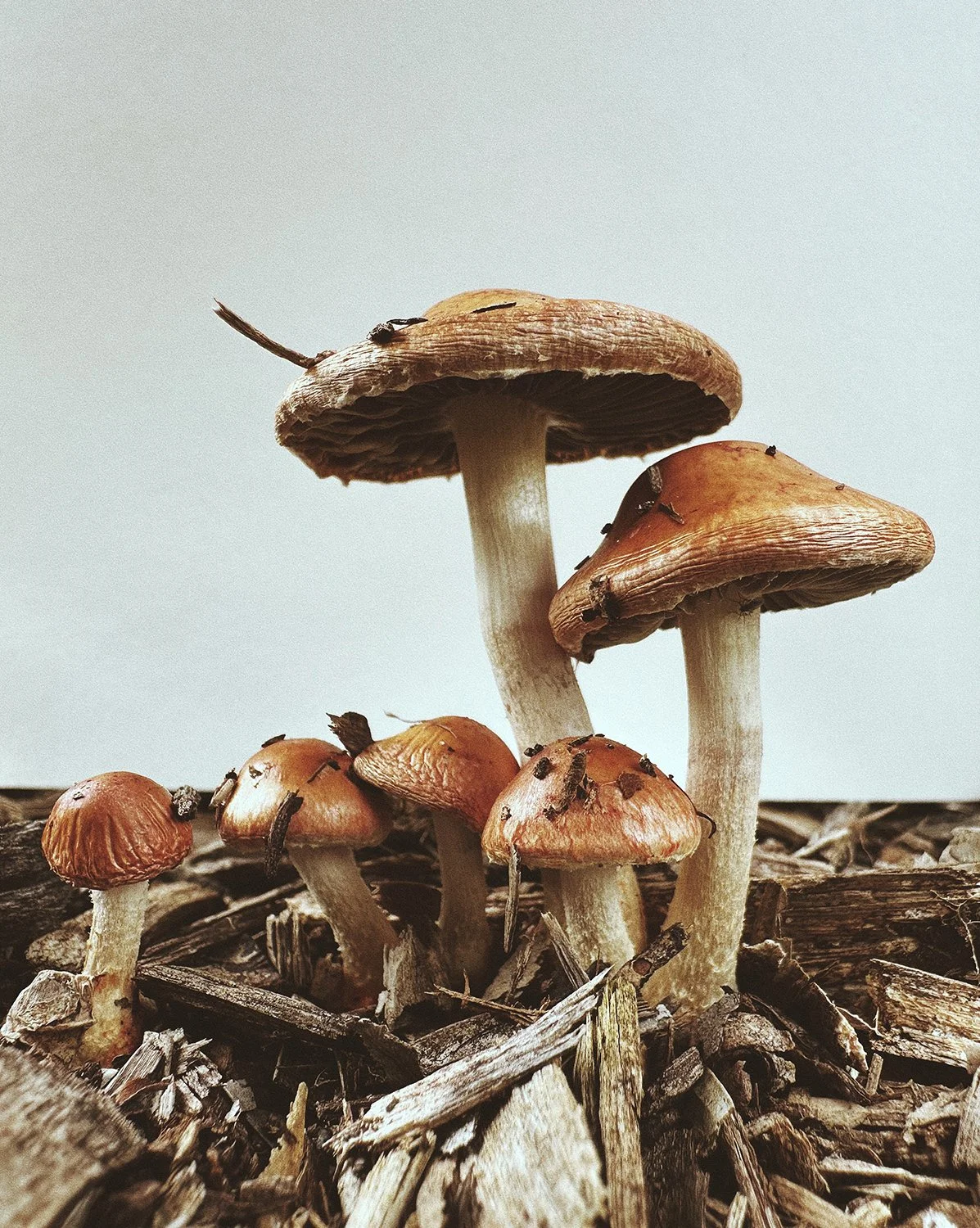
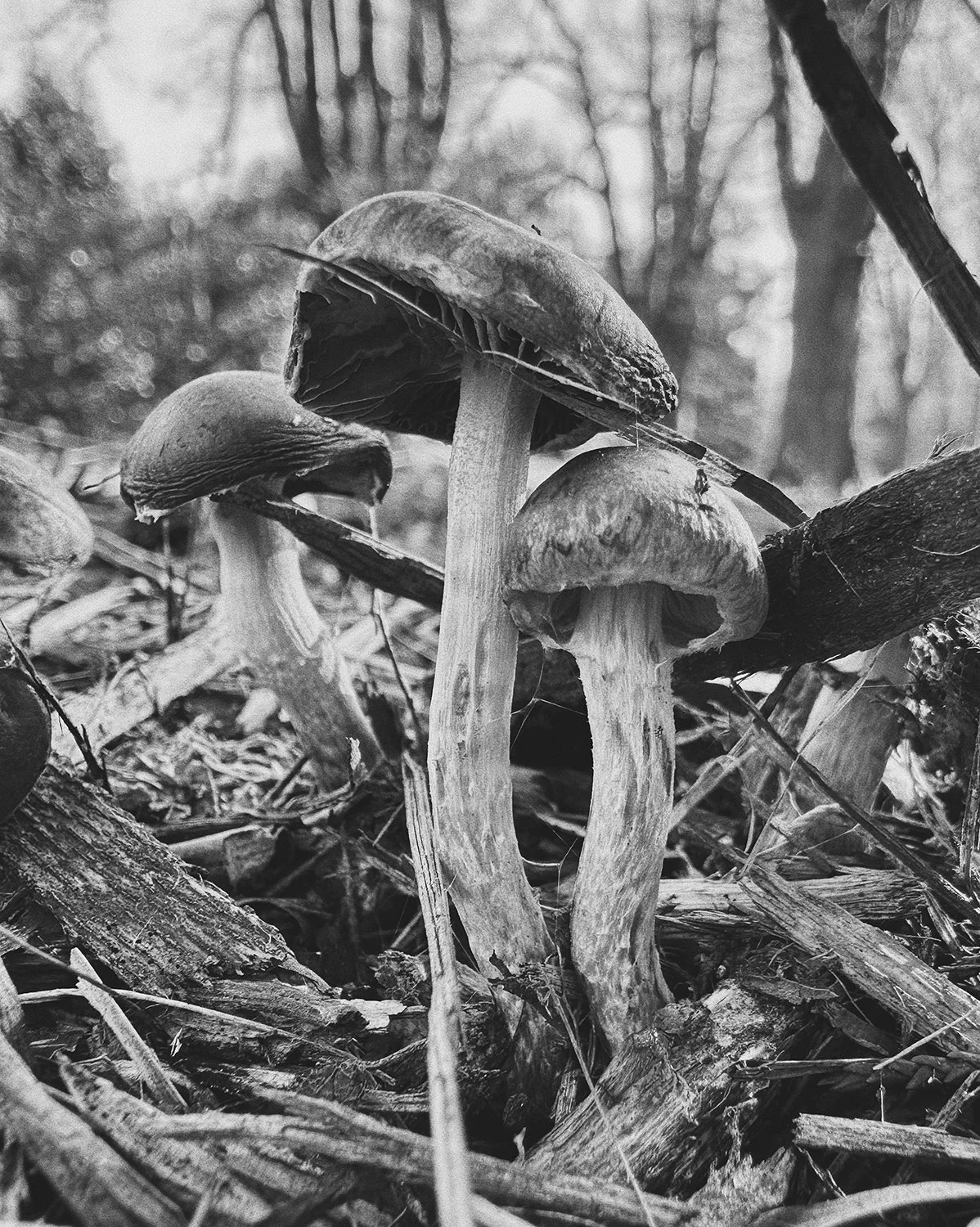
In Fruiting Bodies, Ying Ang uses photography to look at mushrooms as symbols of womanhood. The project connects the hidden networks of fungi with the invisible work of women in society. It also questions how women are valued, especially when they are no longer defined only by fertility. These images come from her walks in Melbourne, where daily life and deep reflection came together.
This is not only a book about mushrooms.
It is also about photography as a way to speak about aging, family, and the cycles of life. Ang shows how natural forms can carry strong cultural meaning, from reproduction to resilience. With Fruiting Bodies, she turns a local and personal subject into a larger conversation about women and power. The book proves that even the smallest details on the forest floor can change how we see human experience.
This is a story about photography, mushrooms, and womanhood
The Book
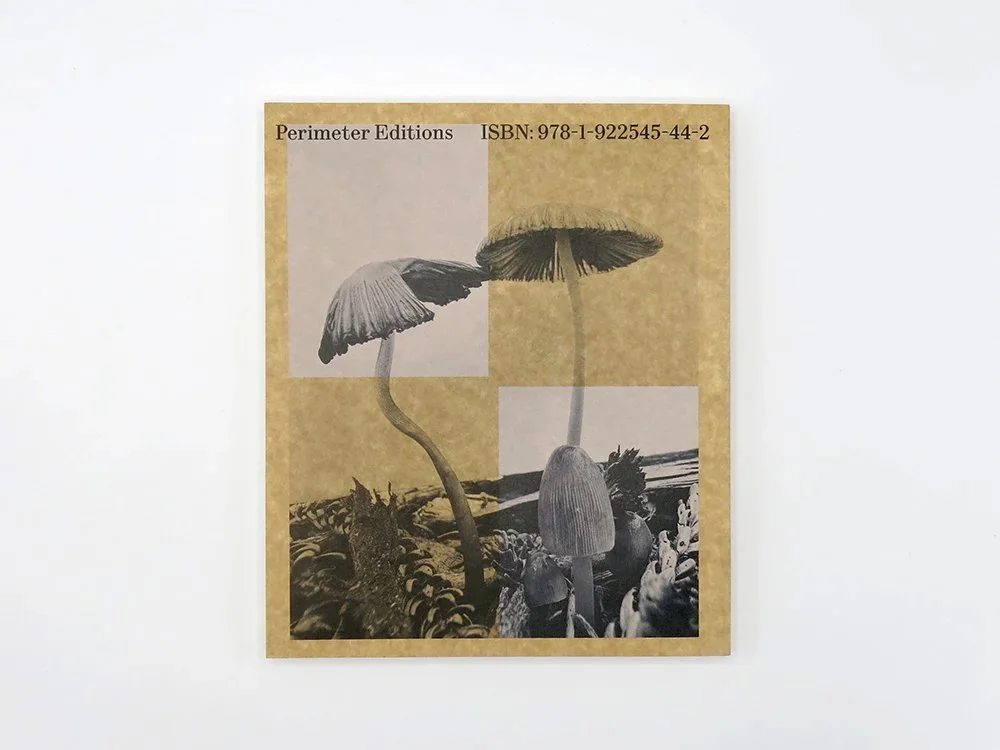
Fruiting Bodies is the third photobook by Melbourne-based photographer Ying Ang, published by Perimeter Editions in 2025. Made during daily walks near her home, the series photographs mushrooms as both natural forms and symbolic portraits of women. Drawing parallels between the hidden networks of fungi and the unseen labor of women, the work explores themes of fertility, aging, resilience, and cultural value.
Ang uses the life cycle of mushrooms, from growth to decay to renewal, as a metaphor for womanhood beyond reproduction. With its mix of intimacy and symbolism, Fruiting Bodies continues Ang’s practice of turning personal experience into a broader reflection on society, following her earlier books The Gold Coast and Yellow River.

Artistic foundation: What first drew you to photography, and how have your experiences living across Singapore, Sydney, New York, and now Melbourne shaped your creative vision?
I began in photography through travelling a lot in my younger years and simply discovering the act of observing through the lens. It wasn’t until several years into shooting that I began to refine my visual language to speak to the themes that truly captured my curiosity. Very much a nomad by nature, I moved around a lot and became accustomed to taking on the role of outsider and storyteller. Unexpectedly, the three books that I’ve published over the last ten years have been acts of autobiography and writing/shooting what I know from the interior.
Overview of the project: What sparked your fascination with mushrooms as both biological subjects and feminist metaphors in Fruiting Bodies?
I began Fruiting Bodies by taking long, meandering walks home after dropping my son off to school in the mornings. It was during this time that I began pondering the transition of life that I’m currently going through, one that is taking me from my childbearing years to being menopausal and also, at the same time, observing the changing of the seasons in Melbourne from Fall to Winter. At a time when life seems to retreat in nature, I began to look closer and notice the beginnings of the mushroom season bloom around me. Reading further into the fungi kingdom, I linked much of the way mycelium and mushrooms behaved and how they added value to their wider ecologies in the same way that women did, also noticing the over-emphasis on the reproductive function and fetishization of their fertile bodies.
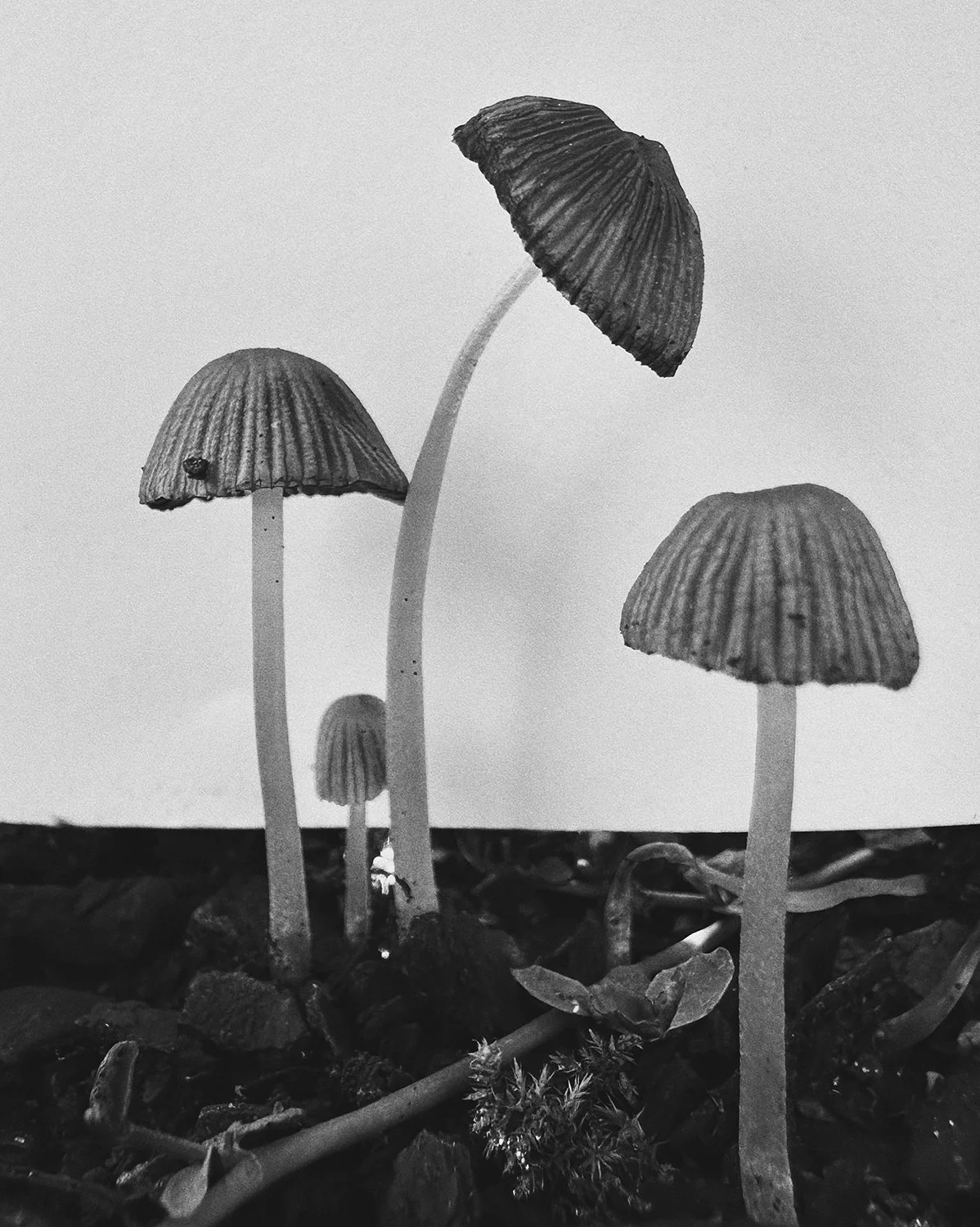
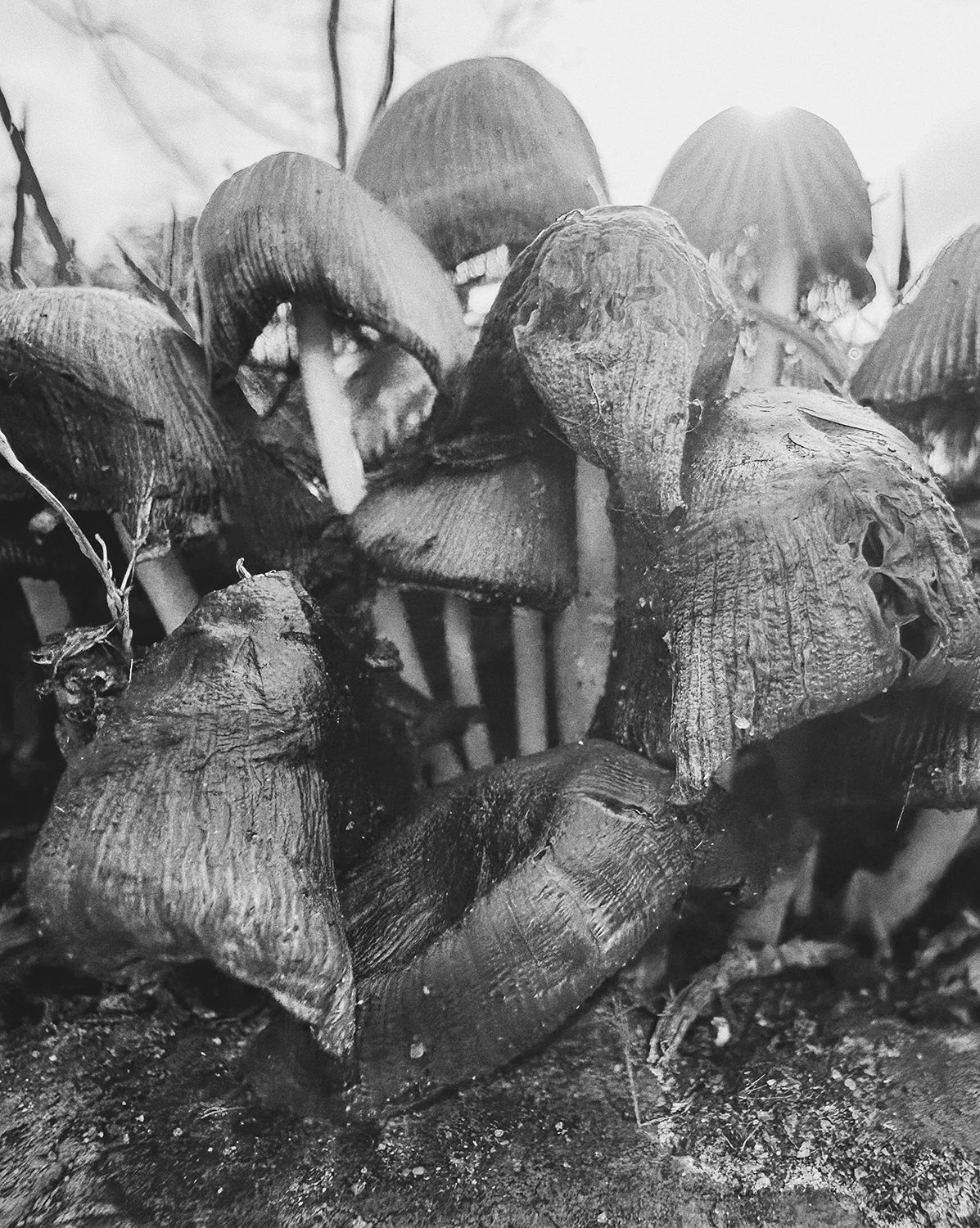
From forest floor to feminist metaphor: How did you begin connecting the physical form of mushrooms to ideas around womanhood, reproduction, and cultural narratives of fertility?
The mushroom is quite obviously reminiscent of a phallic object. Combined with its function as the reproductive body of a much larger organism that spreads far beneath the ground, unseen, passing nutrients, messages, and keeping whole ecosystems alive, I noticed a profound correlation with the function of women in society. Long valued for our bodies, specifically during our reproductive years, female humans are one of the few species in the world that continue to live long past menopause. We have an evolutionary prerogative to function as educators in society that binds community and family. We are kin keepers as well as kin makers.
Reimagining fertility: Fruiting Bodies challenges the conventional portrayal of female fertility as purely reproductive. What inspired you to explore alternative, post-reproductive, or non-linear models of feminine power?
It is always personal. I found myself pushing against cultural narratives of my own value as an aging woman. I questioned where my social value was as a woman that was no longer noticed in the street or desired by men as a sexual object. I began to answer those questions on these long walks home and found a sisterhood in this kingdom in the earth that has long evaded definition and continues to spark fascination. I began photographing these mushrooms that I found as portraits of women, growing, dying, with their families and their loved ones.
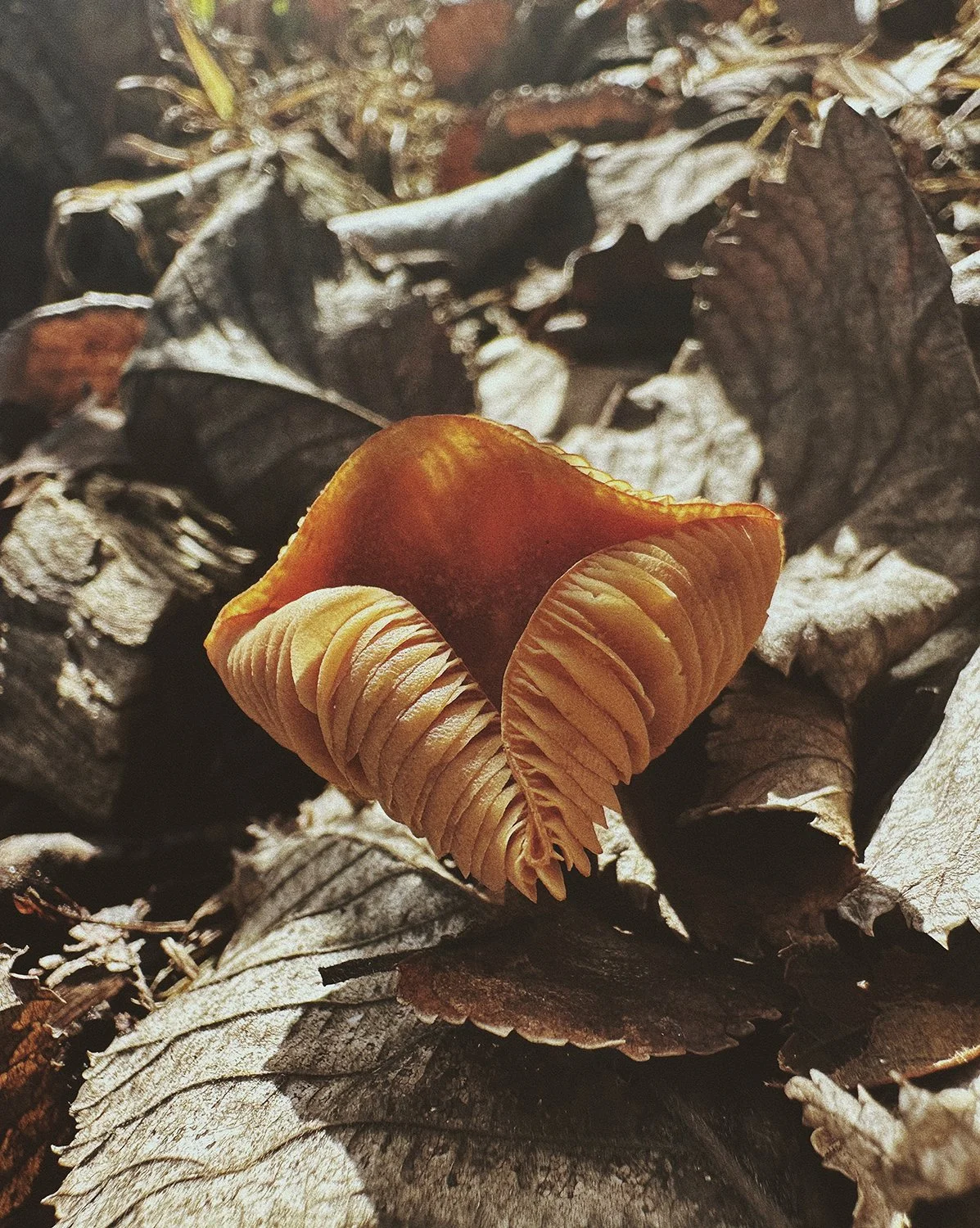
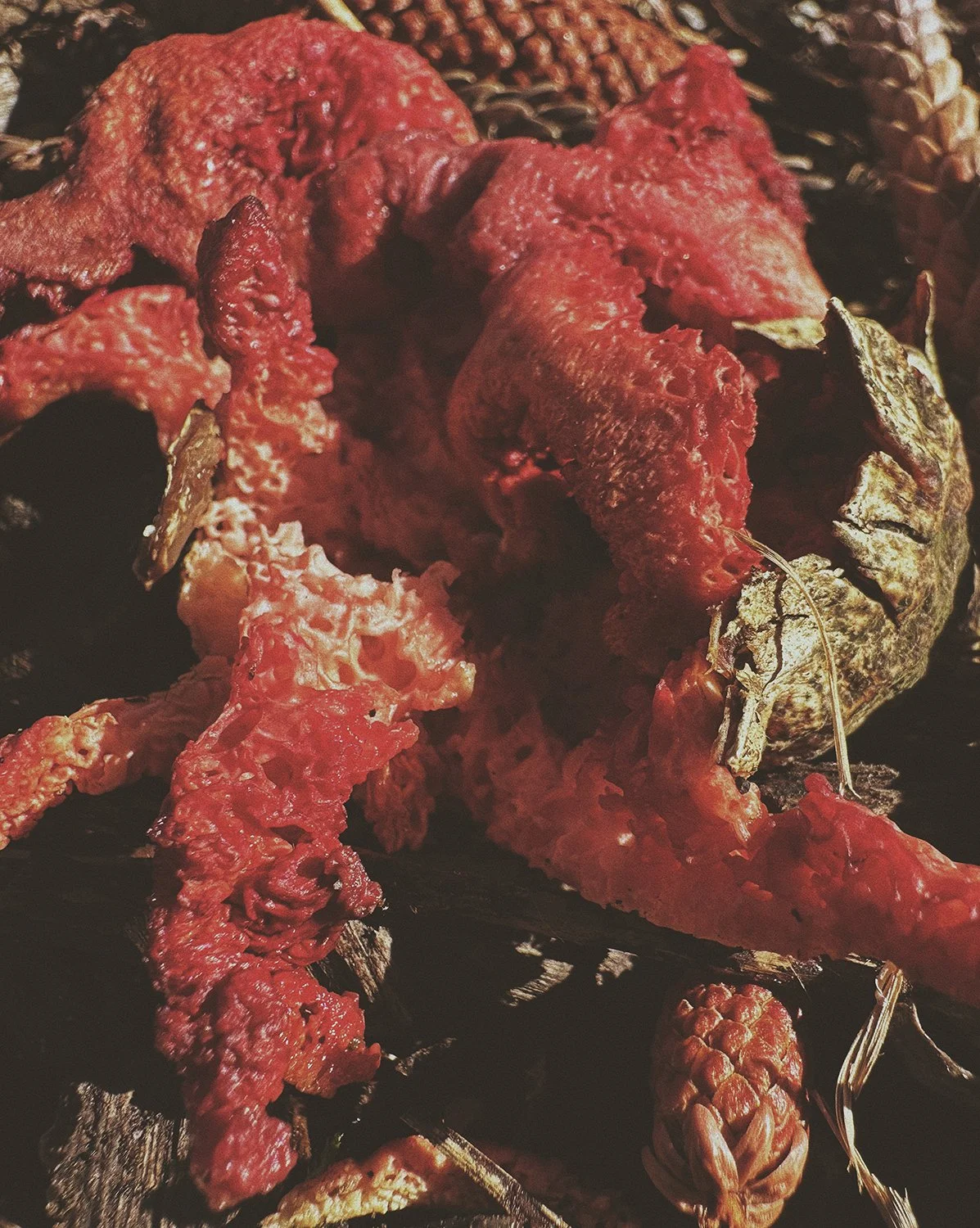
Working close to home: The project was photographed in local parks near your home in Melbourne. How did the act of staying close influence your process and the intimacy of the images?
Proximity was merely a by-product of the labour of caregiving. I walked home after taking my son to school every morning, Monday to Friday. I walked, listening to music, through the cold, damp fall and was alone with my thoughts, surrounded by the seasonal cycles of death and life. The act itself was intimate and interior-facing. The photographs came from that space.
Advice for photographers working with metaphor: What guidance would you offer to photographers who want to build strong conceptual frameworks into their visual work without making the meaning feel overly literal?
I think that if you work long enough on something, you are forced to look closer to the theme and further from the concrete visual representations of that theme. It is something that occurs naturally if you allow yourself to be submerged in your curiosity, especially if you look to other media for inspiration such as literature and music.
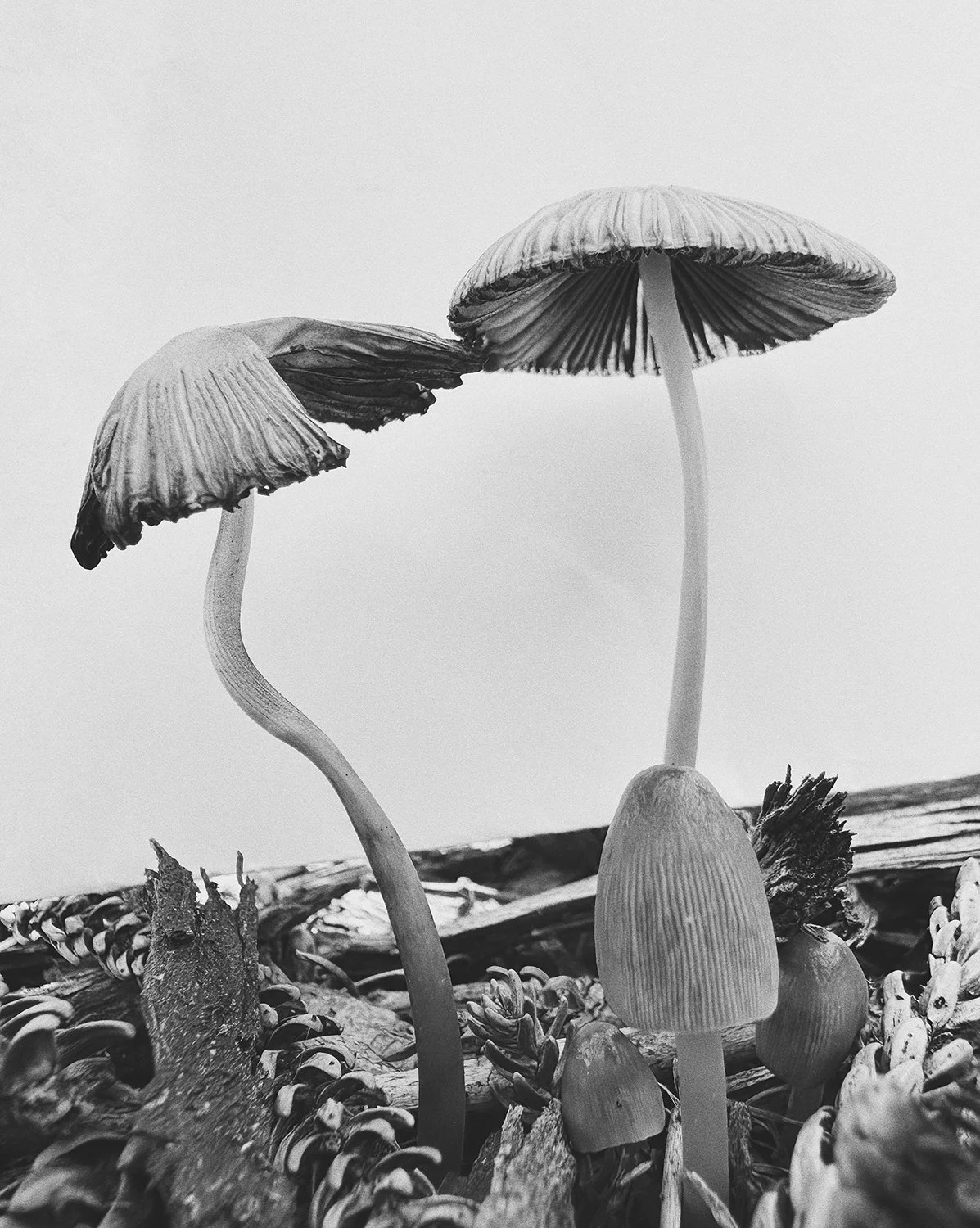
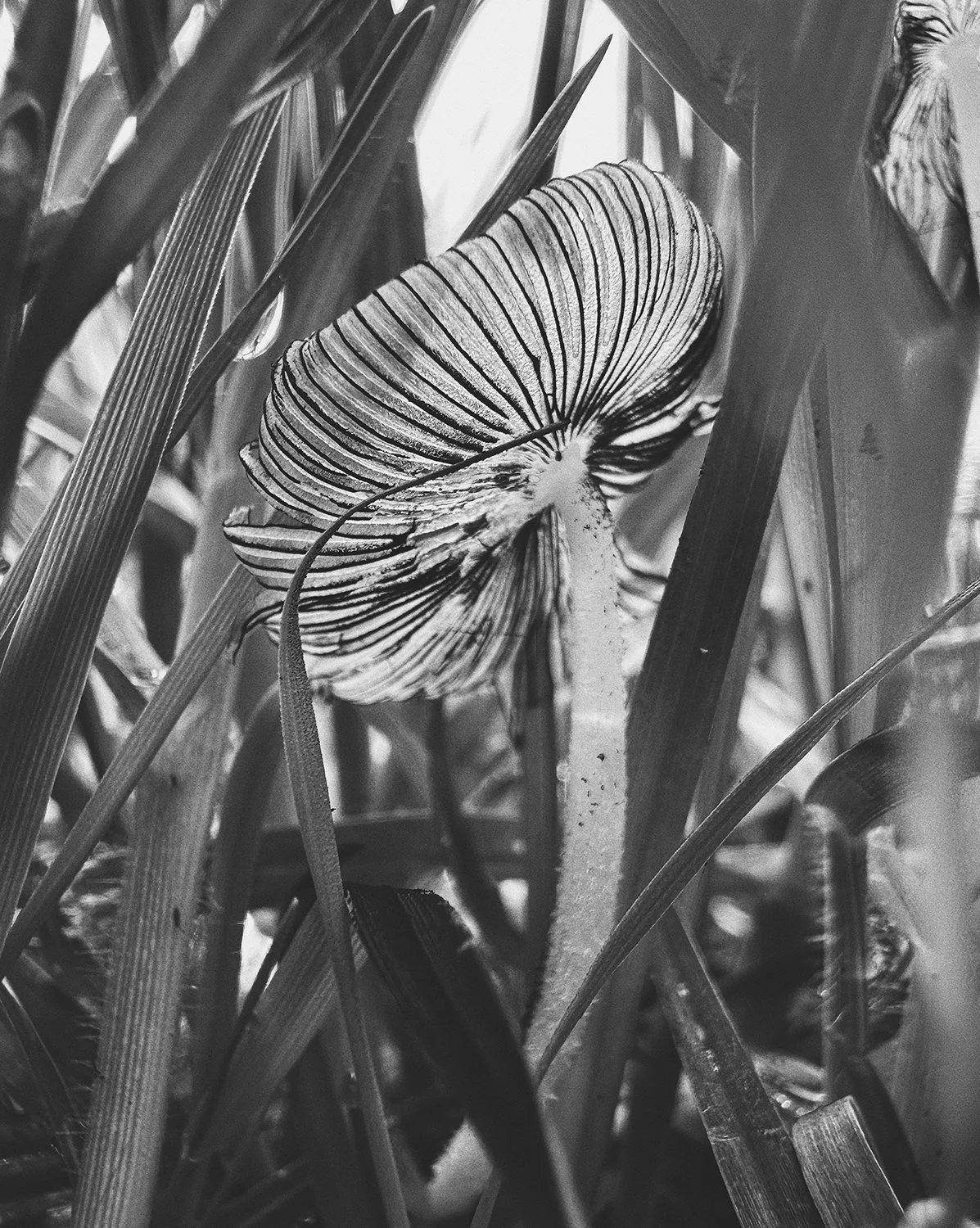
Cycles of decay and renewal: Many of your mushroom images evoke a sense of transformation, growth, rot, resilience. How do these cycles reflect your thinking about the phases of a creative or personal life?
I think that time and progression as linear is an illusion. Possibly, cyclical natures are also an illusion. We all change and we all regress and progress, fail and succeed and everything in-between, often simultaneously . That chaos is the reality of how we live. In order to make some sense of our existence, we look to categorise, simplify and place our values in some kind of hierarchy. I hope that my photographs manage to question those hierarchies and open up different pathways of thought around entrenched beliefs about ourselves and the ways we choose to live.
Photographic intimacy: Your images feel simultaneously sensuous and restrained. How do you approach photographing natural subjects in a way that conveys emotional and symbolic depth?
I think, like with any subject be it human or otherwise, it is important to come to an understanding of what kind of feeling you want the photograph to evoke. Once you come to terms with that, it is a matter of recognising certain visual cues that can lead the viewer towards that feeling. In the same way that songs in A minor evoke a certain melancholy, we can find non-verbal postures in nature that speak to very human experiences.
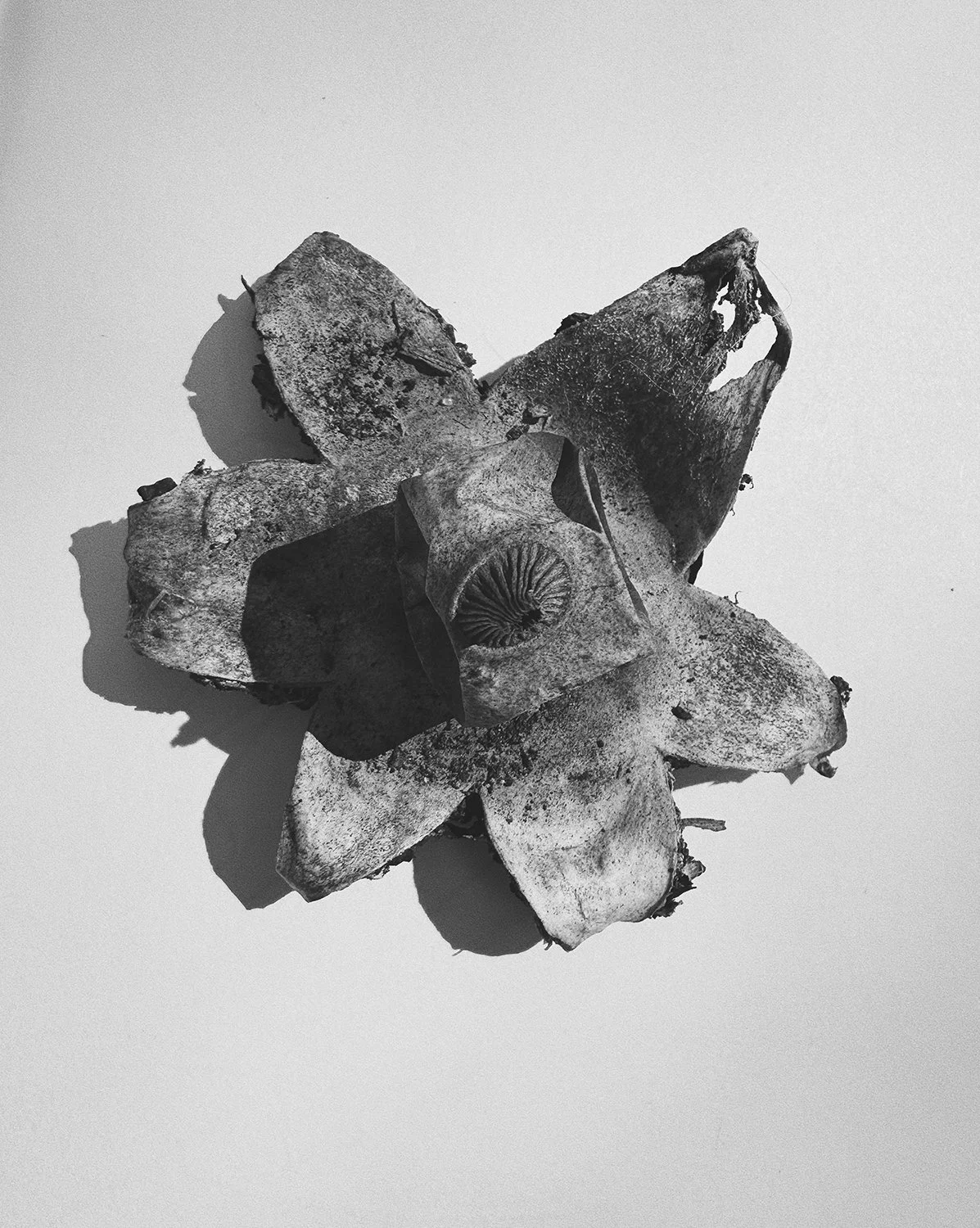
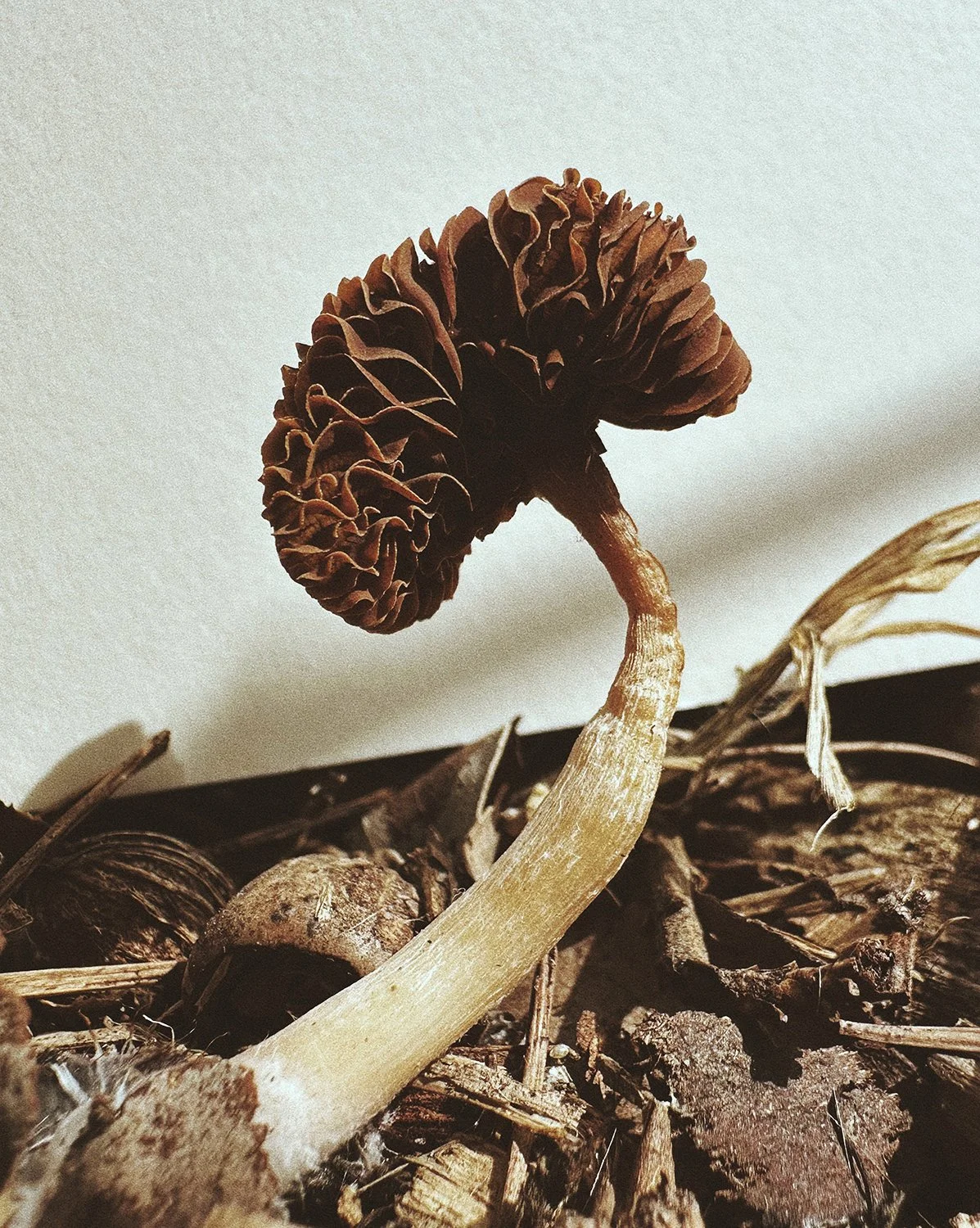
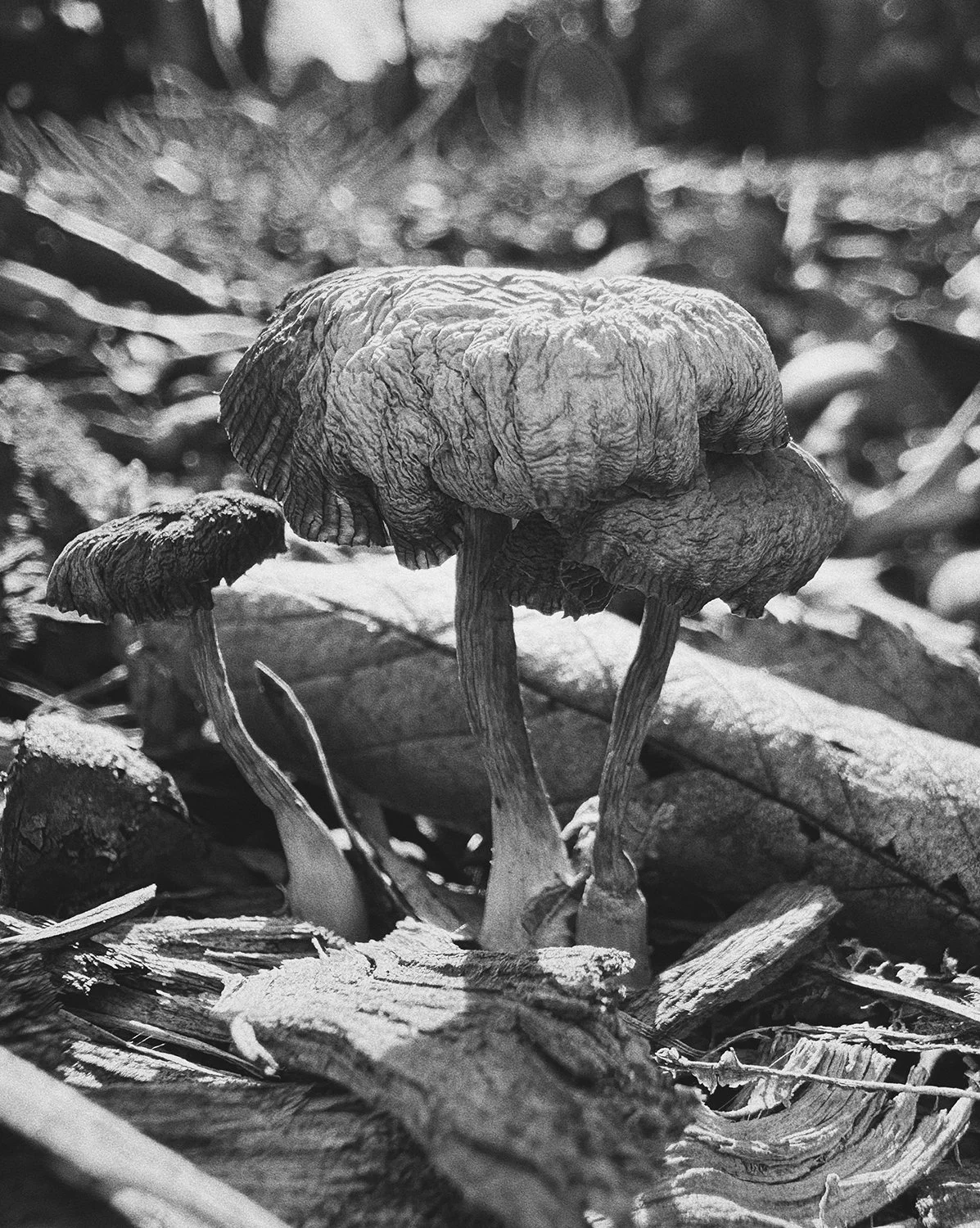
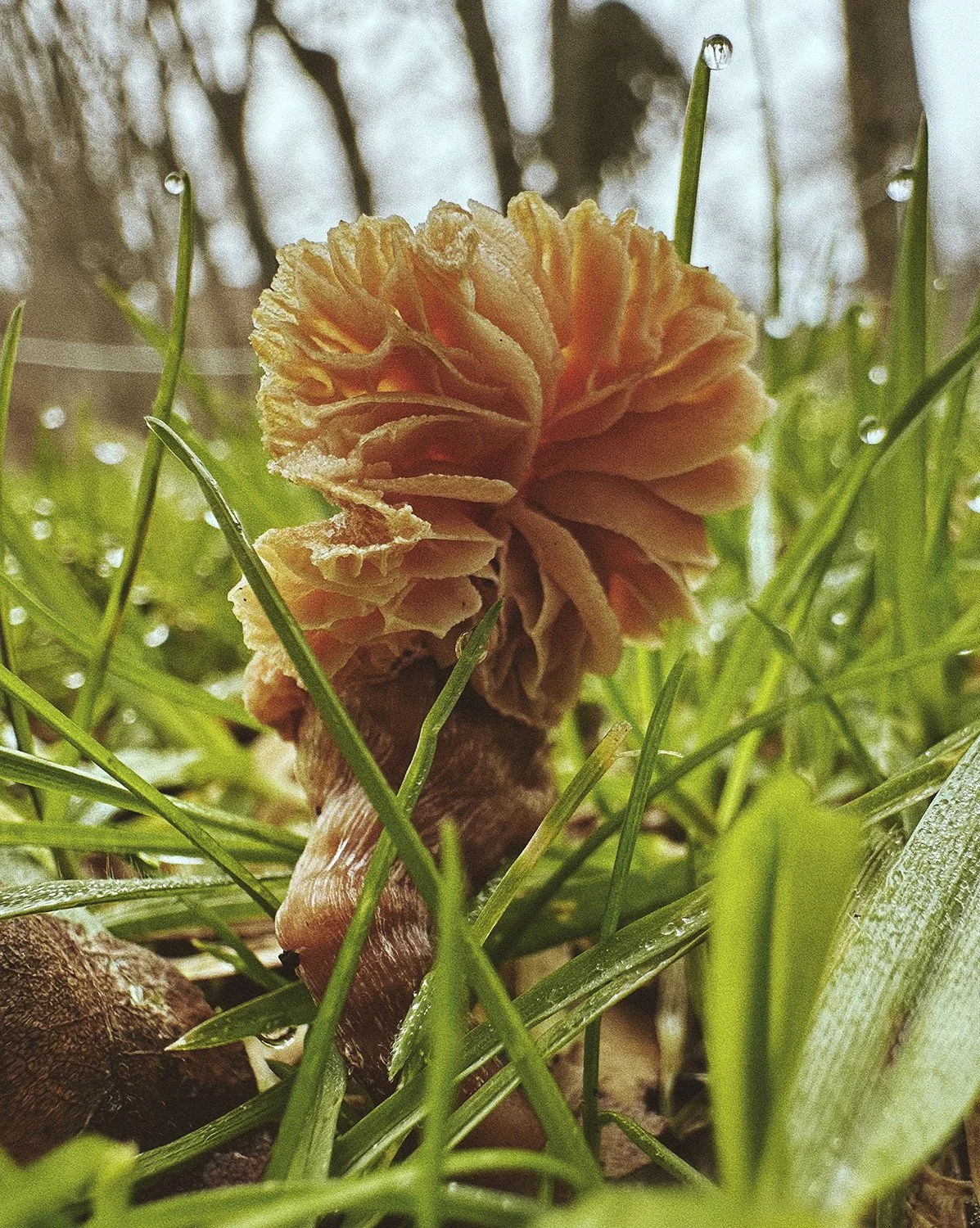
Legacy beyond visibility: Like mycelium, much of the feminine influence in Fruiting Bodies operates invisibly. How do you see this project contributing to a broader conversation about the unseen labour of women, artists, and caregivers?
Fruiting Bodies is a testament to the deeply layered female experience that reaches far beyond what we see and are valued for in contemporary society. It doesn’t fit into the capitalist and patriarchal structures currently in place, and I hope that these portraits of mushrooms, symbolic of the women I’m thinking of when I’m photographing, can somehow point to that. In the context of how we usually see this mysterious and enigmatic kingdom, I hope that Fruiting Bodies casts a different sort of perspective that is less about visible value and fertility and more about connection and how our world is knitted together into survival by those bonds.
To discover more about this intriguing body of work and how you can acquire your own copy, you can find and purchase the book here. (Perimeter Books, Amazon)
More photography books?
We'd love to read your comments below, sharing your thoughts and insights on the artist's work. Looking forward to welcoming you back for our next [book spotlight]. See you then!

Color entered Janelle Lynch’s photographs through painting. In Another Way of Looking at Love, she photographed plants and trees on her property in the Catskills. Photography Book Spotlight