How Benjamin Rasmussen’s The Good Citizen Challenges America’s Myths Through History, Law, and Photography
Welcome to this edition of [book spotlight]. Today, we uncover the layers of 'The Good Citizen,' by Benjamin Rasmussen (published by GOST Books). We'd love to read your comments below about these insights and ideas behind the artist's work.
Sometimes the most powerful photographs hide their true intent.
In The Good Citizen, Benjamin Rasmussen uses this Trojan horse idea to make people look at difficult history in a new way. He captures scenes that feel calm or beautiful at first, but are linked to hard truths about race, law, and belonging in America. This mix of beauty and truth keeps people engaged long enough to think about what they are really seeing. It is a careful balance between showing and holding back, between history and the present.
Benjamin Rasmussen spent eight years building this project.
He combined deep research, legal history, and portraits to connect past Supreme Court decisions with modern life in the United States. The work moves between topics like Dred Scott, Ferguson, immigration, the border, and Native American history. It is not only about the people in the pictures, but also about how photography shapes the way we see them and once you understand how he does it, you will never look at a photograph the same way again.
Some images invite you in, then deliver the real story.
About the book
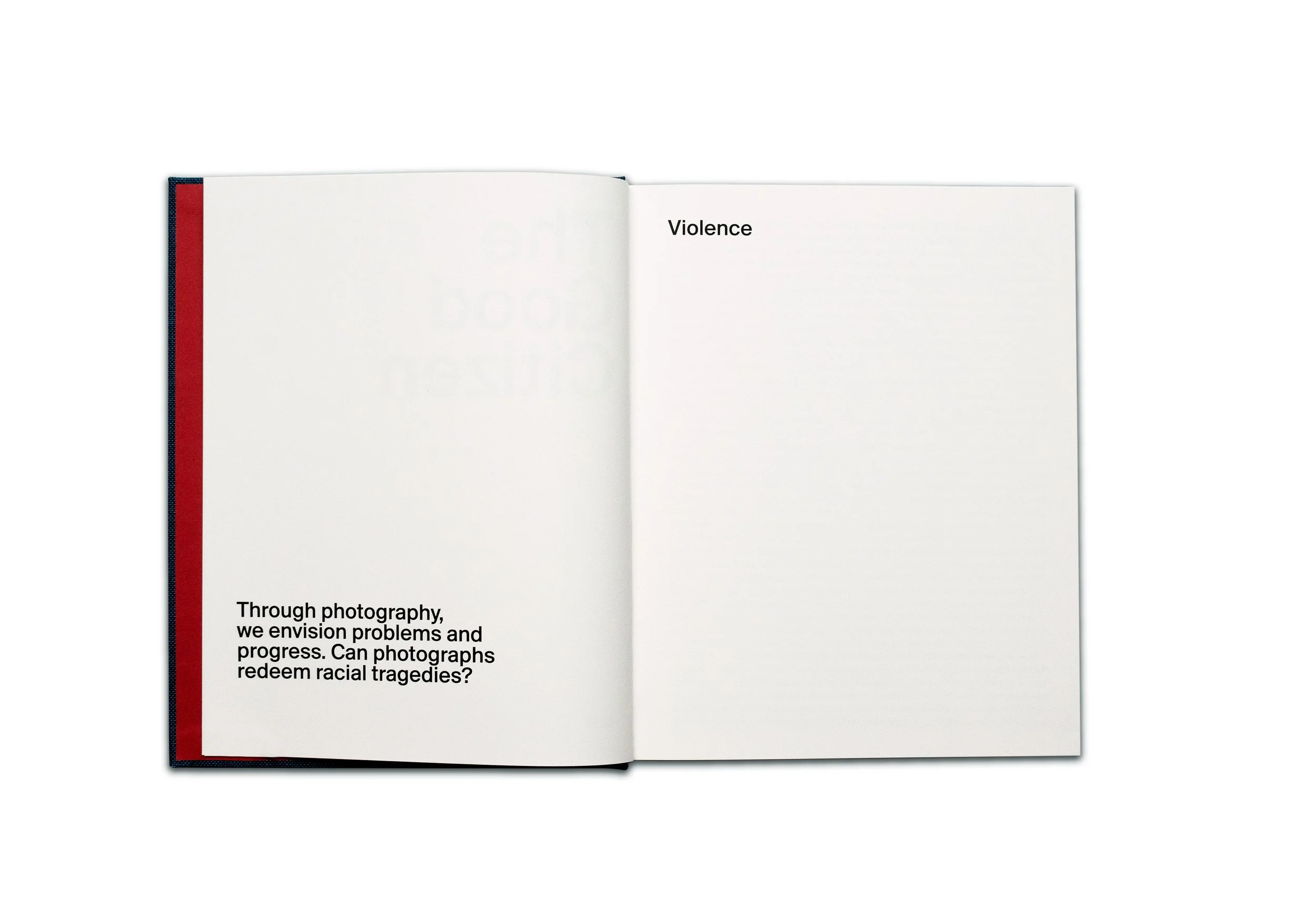
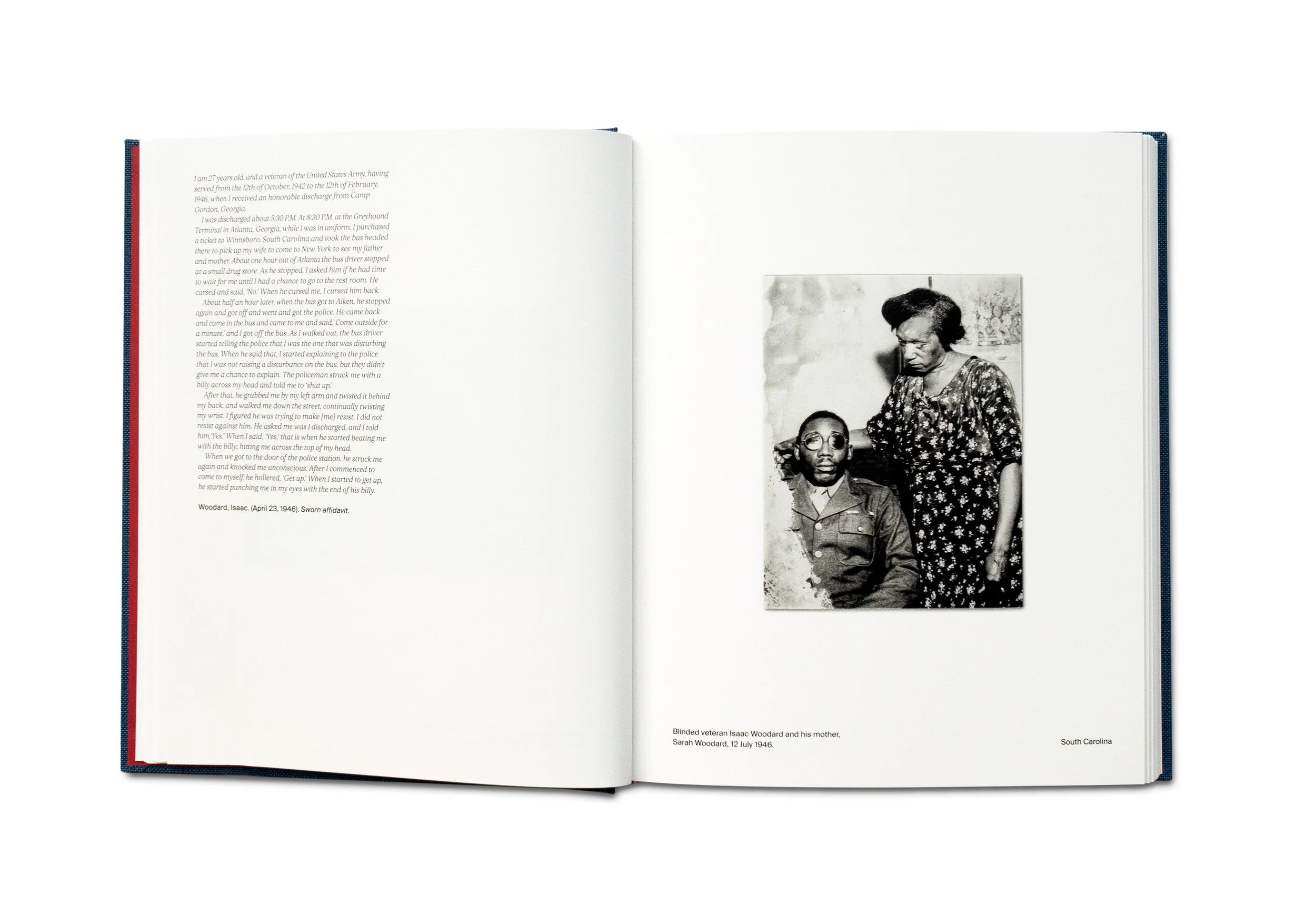
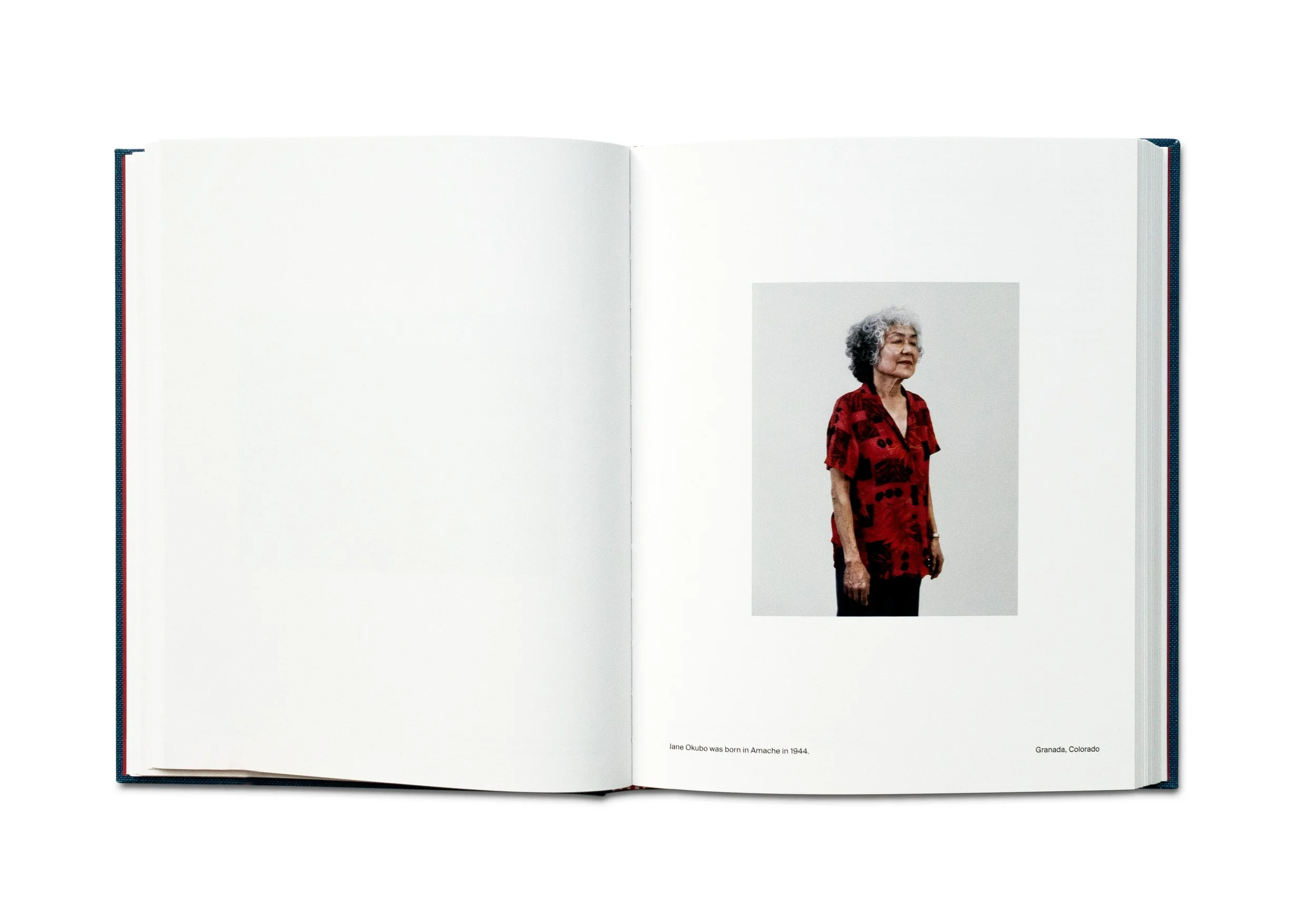
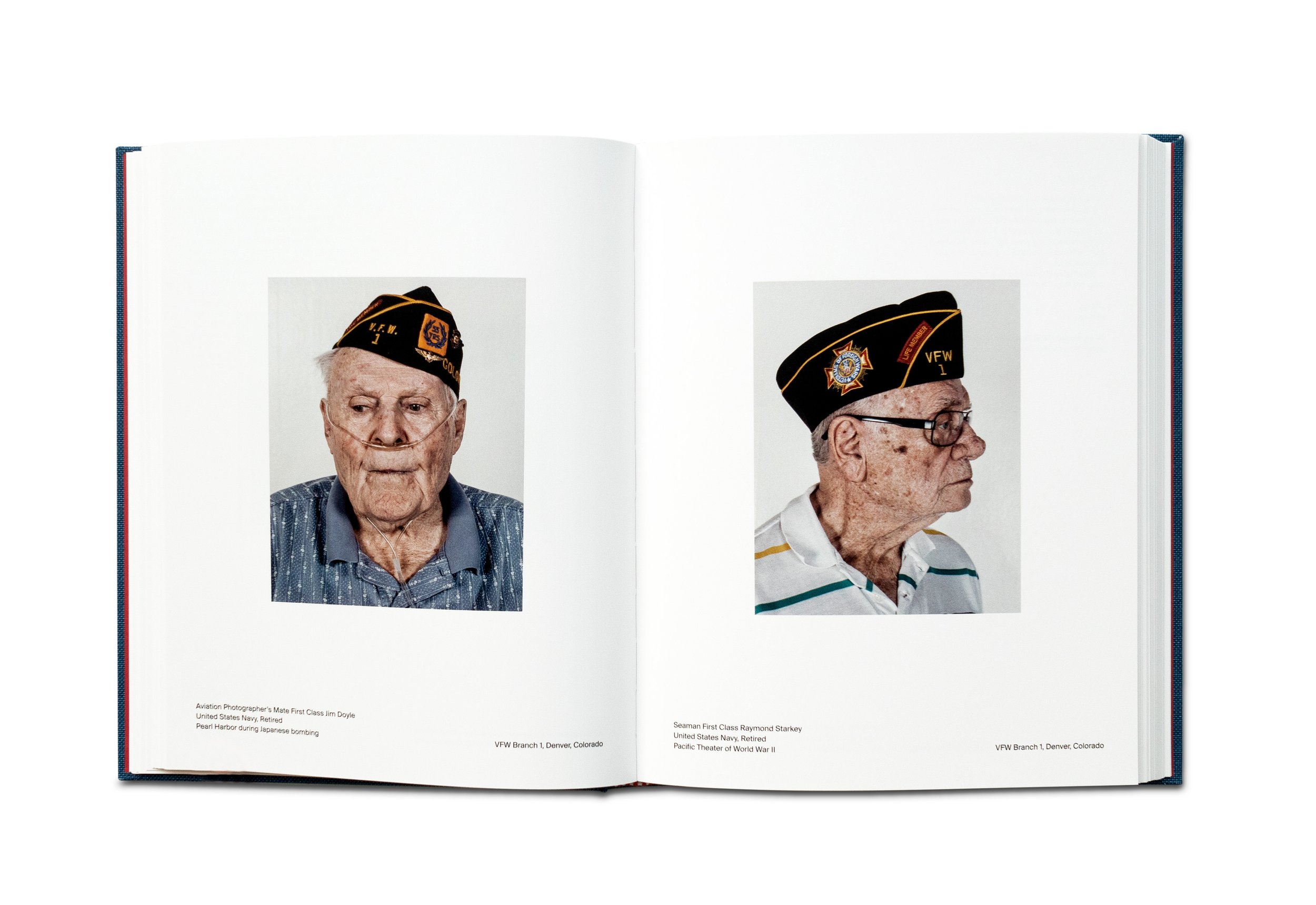
The Good Citizen is an eight-year photographic and research project by Benjamin Rasmussen, published by GOST Books in 2024. Combining portraiture, documentary photography, and historical research, the book examines how American citizenship has been defined and restricted throughout history. Rasmussen connects landmark Supreme Court cases—such as the Dred Scott decision and the “prerequisite cases” that legally defined whiteness—with contemporary events, including the killing of Michael Brown in Ferguson, immigration debates, and border policies. The work is structured in five chapters, each paired with essays by legal scholar Frank H. Wu, creating a layered narrative that moves between past and present. Through a “Trojan horse” approach, Rasmussen uses beauty and calm to draw viewers into subjects that reveal deep truths about race, law, and national identity. (GOST Books)
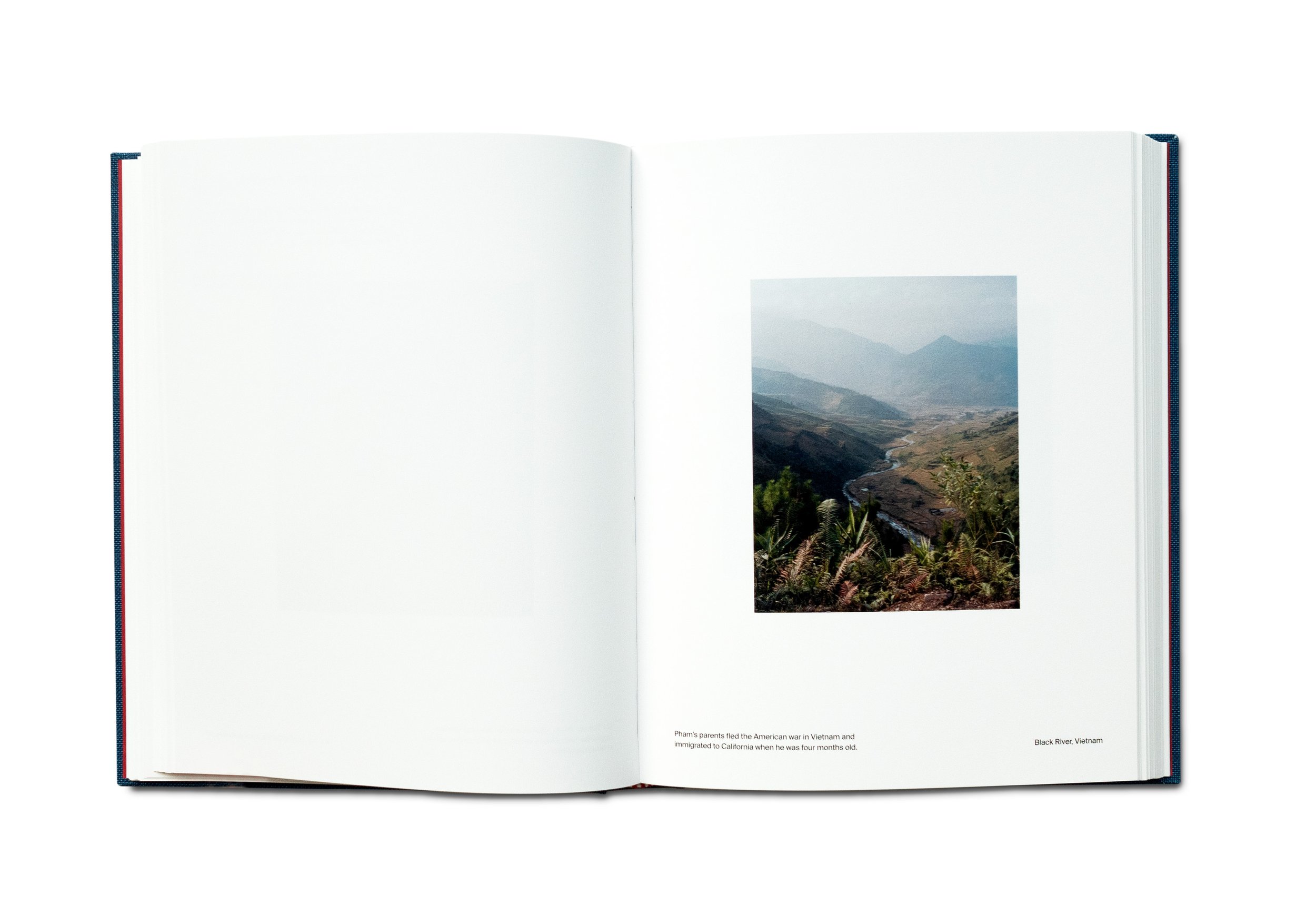
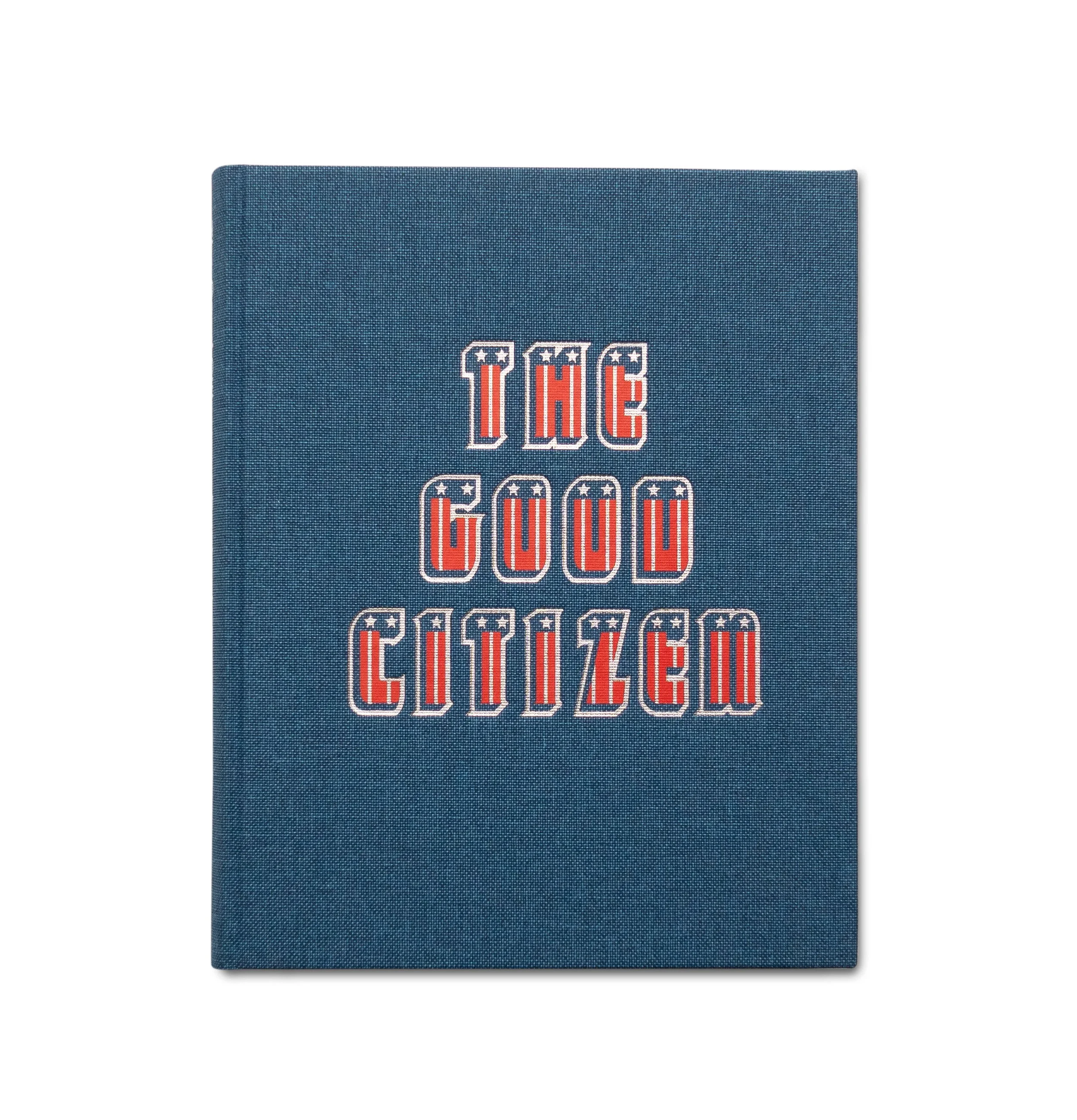
Martin: I’d like to start with the book. What first sparked the idea for The Good Citizen?
Benjamin Rasmussen: About ten years ago, I was living in the States. I’m half American but grew up abroad, in the Philippines and Southeast Asia. I had been working on stories related to displacement, projects with Syrian refugees in Jordan and internally displaced people in the Philippines after a huge typhoon.
While showing this work to an editor at National Geographic, she posed an interesting question: at what point does someone go from being a migrant or refugee to being a citizen? That question really struck me. Having grown up outside the US, without taking civics or American history classes, I realised I didn’t know the answer in the context of the United States.
At the same time, my wife was in law school, and we were having conversations about these topics. I became increasingly interested in how decisions were made in America regarding citizenship, what the actual framework was for determining who could become a citizen and who couldn’t. As I delved into the research, I decided to start at the top: the Supreme Court’s role in defining who was and wasn’t considered American.
One of the most infamous Supreme Court cases from the mid-1800s involves an enslaved man named Dred Scott. He had been taken to different states where slavery was not allowed and used that as a legal argument to sue for his freedom. The case went up to the Supreme Court, and among the case’s complexities, the Chief Justice’s opinion stood out.
Roger Taney wrote that people of African descent were never meant to be citizens, meaning they didn't have standing and couldn't sue in a U.S. court. This implies either accepting that fact or acknowledging the stark hypocrisy of the founding fathers who spoke of liberty and justice for all while embracing slavery. He made this argument from a pro-slavery standpoint. However, looking back at that argument 150 years later, it serves as a profoundly insightful critique, damning, even, of some of America's founding principles.
At the time, Dred Scott was living in St. Louis, Missouri. While I was researching this, a young man named Michael Brown was shot and killed by a police officer in Ferguson, Missouri, just north of St. Louis. I thought, maybe this is the topic I want to explore. So I went to Ferguson. I realized that Michael Brown was killed near West Florissant Avenue, the central area where people gathered to protest. It was the heart of all the activity.
About five miles south on the same road, West Florissant Avenue, is Calvary Cemetery, where Dred Scott is buried. Suddenly, you could physically see 150 years of American history within a five-mile stretch of the same road. That realization made me want to explore this in a broader context, figuring out how to approach it. That marked the beginning of a seven or eight-year process of intensive research and searching for ways to visually explore aspects of that history.
How do you push yourself to stay on track with a side project like this? I imagine you do assignments for a living, and then you still have this in mind. When you're assigned to a specific location, do you think you can add to your existing side project?
One of my favorite writers was a Polish reportage writer named Ryszard Kapuściński. He was one of the only Polish foreign correspondents, probably from the 1960s to the 1980s. He worked across Africa and Latin America, mostly covering coups and revolutions emerging from the wave of decolonialism. He would write press reports and later craft masterful, complex books examining these topics and issues.
He talked about having two notebooks: one for the press reports he was writing and a second for the larger book-length works he was working on. I took that to heart, the idea of always having this lens, asking if whatever I'm doing fits into what I'm trying to explore. I always carried that secondary notebook with me, collecting things.
Often, much of what I wanted to photograph was hard to access and difficult to capture on my own. But because I was deeply engaged in the research, I had an extensive list of 50 or 100 different ways to approach some of these ideas. I looked for things I could access through assignment work, pitched small pieces of the larger puzzle, and when I couldn’t get things done that way, I figured out how to fund and photograph them myself.
I was fascinated by this idea you mentioned somewhere, that sometimes there's a fatigue from seeing the same things repeatedly, like in the news. You took an approach to show them in a different light. How do you make your photos feel different or new while depicting subjects people have seen countless times?
When I think about my practice as a photographer, I tend to focus more on the structure of the narrative, what’s being photographed and what comes through the photograph, rather than the aesthetic elements. For this work, since I was covering an extended time period and a wide range of geography and subjects, I kept the visual approach as narrow as possible.
I aimed to create power and engagement through the connections between subjects and images. I discovered that stepping back and not imposing a photographic aesthetic toolkit on everything I shot made a difference. Much of the book is lit simply, if anything is lit, it's often just with one or two umbrellas, like a basic shopping mall portrait studio. It's not complex or advanced.
The simplicity forced the interest of the picture to come from what the person contributed to the experience, the energy they brought to the scene or the interaction. This shift helped me refocus from the mindset of, "I have this boring person to photograph and need three different setups for a six-page story." Instead, I concentrated on connecting with the person, making them feel safe and trusted, and eliciting a genuine response. This energy gets captured within the frame without relying on stylistic lighting, toning, or other tricks. It’s about stripping those layers away and keeping the process simple and direct.
I believe you mentioned that you sometimes use unexpected framing to avoid taking cliché photos. You talked about using a four-by-five format when people wouldn’t typically expect it for the subject being photographed.
Yes, exactly. An example of this is in the final section of the book, which focuses on the border. It examines how the state views and dehumanizes people who are crossing. If you're a journalist working on the border, there are certain places you can access. One of them is a morgue in Arizona where most of the bodies recovered from the Sonoran Desert are taken. As a journalist, you’re allowed to go there and photograph human remains, bodies being collected, and so on.
To me, that’s a story that has been told repeatedly. One of the issues I have with this approach is that it can be very dehumanizing. When you see a partially mummified person, it stops being an individual who had a family, loved ones, a past, and hopes for the future.
My friend Ryan and I spent several days in the desert and at this morgue, exploring different ways to tell the story. What we ended up photographing were black water jugs left behind by people crossing the desert after they’d run out of water. The plastic from these jugs breaks down in the extreme heat, sand, and wind. We realized these jugs were powerful metaphors for what the landscape does to the human body. This connects to the concept of necroviolence of the state, as described by anthropologists.
I strongly believe in the idea of cultural memory, people remember the stories they’ve already seen. You don’t have to repeat them. So, for most of that section, we photographed collected black water jugs and close-up images of personal artifacts found with the recovered bodies.
Instead of focusing on dramatic, violent, or intense imagery, we aimed to step back and consider how these stories have been represented time and again. Often, stepping away from sensationalism allows for a more powerful narrative.
Creating a sense of visual formality and a quiet space allows the viewer to make connections for themselves. There’s an artist, Alfredo Jarr, who did a project in Rwanda after the genocide. As part of it, he took many images and then realized that photographs of the genocide had been ineffective, they had not pushed people or states to try and stop what was happening.
For a famous exhibition, he printed large images and placed them in black velvet boxes. On the top of each box, he screen-printed poetic descriptions of these horrific images. When you walked into the gallery, you wouldn’t see photographs, just black boxes on the floor with descriptions of the images inside. This forced the viewer to create that horrible reality in their mind, as opposed to being presented with it and easily ignoring it.
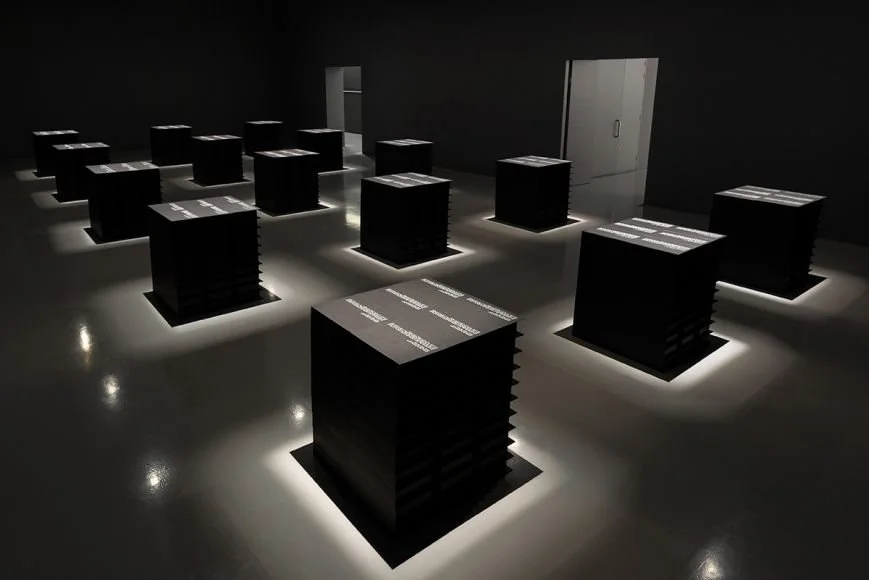
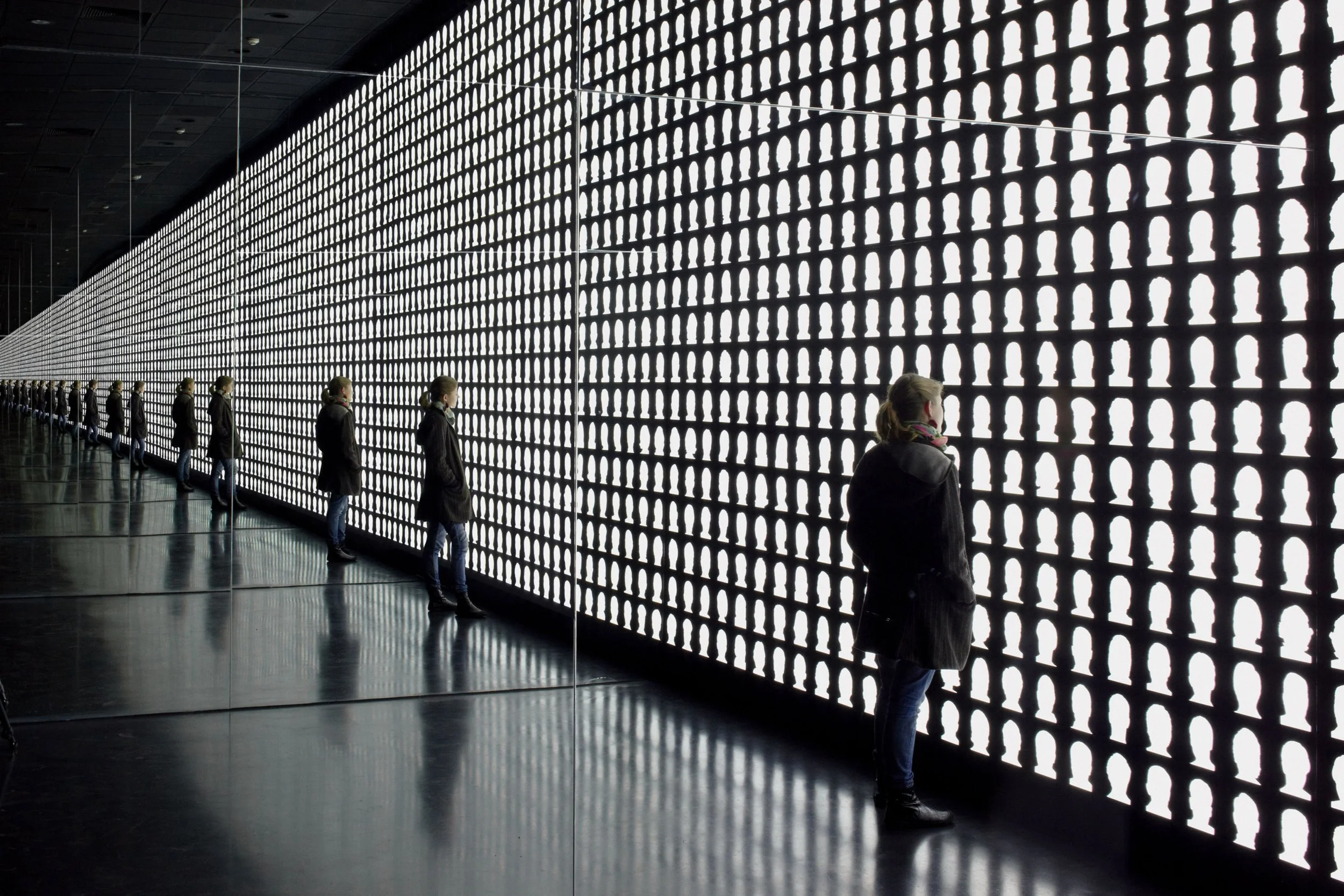
That approach influenced me when addressing similar topics. I realized you could create a more powerful, intimate, and real experience for the viewer by pulling back from what’s being shown. Allowing that reality to come to life within their imagination, rather than presenting them with the most direct depiction of a situation, often leads to a deeper impact.
So, you're considering that people have already been exposed to the main source of what's being shown, and you indirectly prompt them to create that image in their minds without showing exactly what they expect. When you arrive at a scene, say, a fire or any event you're documenting, do you think about how it's been portrayed before? Do you scroll through social media to see how others have shown it, or do you maintain a collection of ideas on how to depict something in an unusual way?
For me, it's more connected to the idea that there are longer arcs within photography. Having worked with magazines for a long time, I've learned that there are specific visual languages we use for certain topics. There's a heroic way to portray individuals who are culturally significant, business tycoons, celebrities, politicians. At its most obvious, it's like an Annie Leibovitz photo in Vanity Fair.
Conversely, there's a completely different approach when depicting people who are poor, victims of war, or those forced to flee their homes. Within those categories, there are numerous subcategories. I also believe there are visual triggers and cues embedded within images, elements that subtly signify wealth or poverty. For me, the guiding principle through all of this is being aware of these visual languages.
Some photographers focus on harsh documentation of wealth or celebrity, which isn't as much my interest. For me, it's more about the sentiment Tom Waits expresses when he says, "I want beautiful melodies telling me horrible things." That's the aspect I'm really drawn to.
For example, I'm going to Uganda soon to work on something related to people fleeing the fighting in the Democratic Republic of Congo. The approach we're taking is to look at how architecture is replicated within refugee camps, referencing the way people used structures back home. This cultural fluidity in lived spaces is a really interesting and important story. It challenges the idea of a refugee simply being someone living in a UNHCR tent among other tents. Displacement is a much more complex thing.
If we architecturally examine how people choose to create their lived environments, it challenges our built-in preconceptions of value, worth, and normality that we tend to project onto situations of displacement. I'm also trying to educate myself and stay aware of the triggers for a Western audience. They might see something entirely normal in another part of the world, like a rolled-up ball of cloth tied with twine, and immediately associate it with poverty, making value judgments.
As a photographer, I aim to be aware of the value judgments that viewers bring to images, judgments that simplify and fit images into existing categories. My goal is to challenge those perceptions by connecting the images to other elements that carry different levels of social value and worth.
When you take a photo, are you always thinking about who it is for? Do you consider how it will impact different audiences? You mentioned that the Western perspective views things differently than those within the place where the photo was taken.
Yes. Part of what influences me in that regard is my background. I grew up in a very rural, poor part of the Philippines, on a tiny island off the very southwestern tip. There was no electricity, no running water, no roads. From a very young age, I was bouncing between living in this remote place, which seemed super exotic to people I knew back in America, and experiencing America itself.
The way America projected itself, particularly through the Hollywood lens, appeared wildly exotic to people in the Faroe Islands, where my father is from. Even today, I have a cousin's son traveling in the US because he watched 'Yellowstone' and wants to recreate that idea of America. Meanwhile, the Faroe Islands often top lists of the wildest places in the world to visit.
For me, from a young age, I was constantly balancing what I experienced with how other cultures projected themselves. These were cultures I was directly connected to. As a result, I’ve always existed at this midpoint between different worlds. This aspect of cultural translation has always been an interesting part of photography for me.
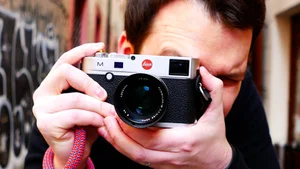
I tend not to work in straightforward reportage. When I’m working, I’m not walking around with a LEICA on my shoulder and a 35mm camera, simply capturing the world as it is. I think that's a problematic idea. Photographers must understand that images are not neutral. Our worldview gets embedded in the images we create, and much is projected onto them by the viewer.
Consider a painter, they would never paint without a deep understanding of how their work fits into art history. The same applies to novelists and filmmakers. But because photography is representational, it’s often excused as just a depiction of the real world.
I believe it was Marcel Duchamp who said that art is the interaction between the object and the viewer. I view photography the same way. I’m less interested in the single image as an art piece. For me, it's about the book, the exhibition, the publication, any form where the piece intersects with the viewer. That’s where things become truly interesting.
Do you think it's an unrealistic idea to walk around with a Leica, capturing the world around you? Considering personal biases, is it even possible to universally capture something? I wouldn't say objectively, it will always feel exotic to someone else, depending on where they are, right? So, is it even possible?
I don’t think the act itself is wrong. Where I tend to have an issue is with the idea that an image is innocuous, that it doesn’t contain or isn’t embedded with layers of complexity and problematic elements, like power, history, and all of that. It’s not that I think people shouldn’t wander with a camera; it’s that photography has been so closely connected to "truth", quote-unquote.
I remember when I was starting as a photographer, reading interviews with prominent photojournalists who’d say things like, "I never research a story before going into the field. I want to discover what Baghdad is like by being in Baghdad." And I’d think, that’s naïve. Baghdad has millennia of complex history, a deeply intricate political system, overlapping layers of colonial rule, misrule, and oppression. The idea that meeting some random people on the street will bring you up to speed with such deeply complex places is, frankly, silly.
It’s not that you should go in with all preconceived ideas either, illustrating what you already believe. I get that. But sometimes, I notice that while writers I work with are often experts in their subjects, photographers can be almost intentionally anti-intellectual. They might say, "I just want to respond to what’s pretty." That can be really problematic.
In my own practice, I’m interested in larger, more complex projects, examining systems and structures that aren’t just inherently photographic. You need both the research side and the ability to figure out how to visually explore these concepts in ways that engage viewers with complex ideas.
How do you communicate that to an audience who hasn't done the preparation you have, in a way that makes them stop and feel something? They don't know this complexity. They might just open your book for the first time and are simply looking at your pictures.
Tim Hetherington had this really wonderful idea that changed my thinking on this subject. He once referenced in an interview the concept of Trojan horse storytelling. The idea is to use a framework that people are comfortable engaging with to tell a story on a topic that they might otherwise be uncomfortable with.
For me, that's where the aspect of almost seduction comes in. One portion of the book deals with what are called the prerequisite cases. From about the 1890s until the 1950s, you had to be white to be naturalized as a US citizen. In the 1950s, the naturalization laws changed, but this period is a fascinating part of American history. It stands in direct contrast to the mythology of America as a melting pot, an open and inclusive space. During that time, people from different ethnic backgrounds who applied for naturalization were denied because they weren't considered white. Their only recourse was to sue to change the legal definition of what white meant.
Over a 60-year period, in more than 30 cases, the courts were deciding what whiteness is as a concept. This overlapped with the emergence of anthropology and sociology, which began recognizing race as a social construct rather than a biological absolute. Understanding this period is key to grasping the exclusionary nature of American citizenship. It reflects the de jure structure of American citizenship. But honestly, it's so boring, just describing this briefly might have bored you. When you dive into actual legal decisions and legal language, it can feel overwhelming.
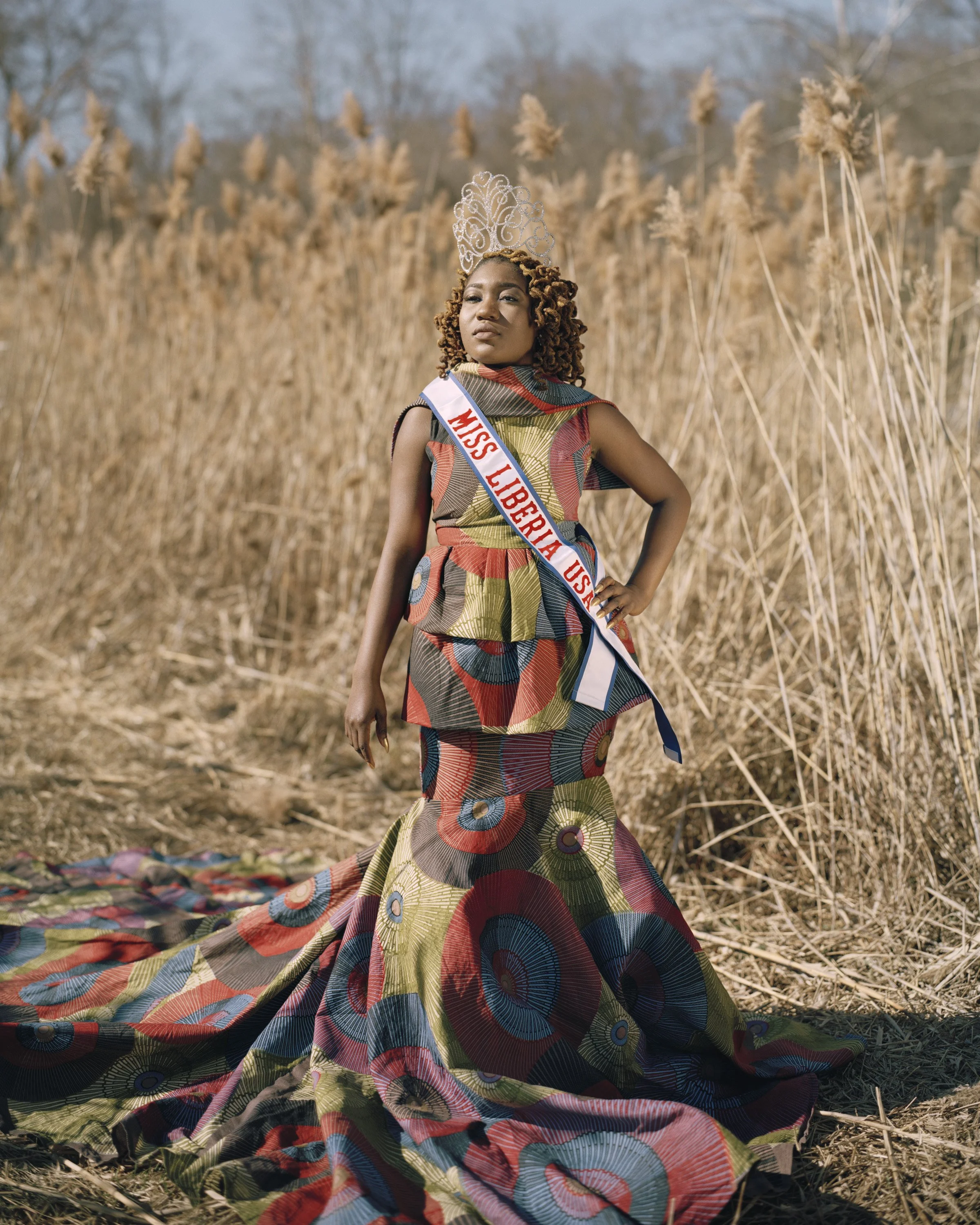
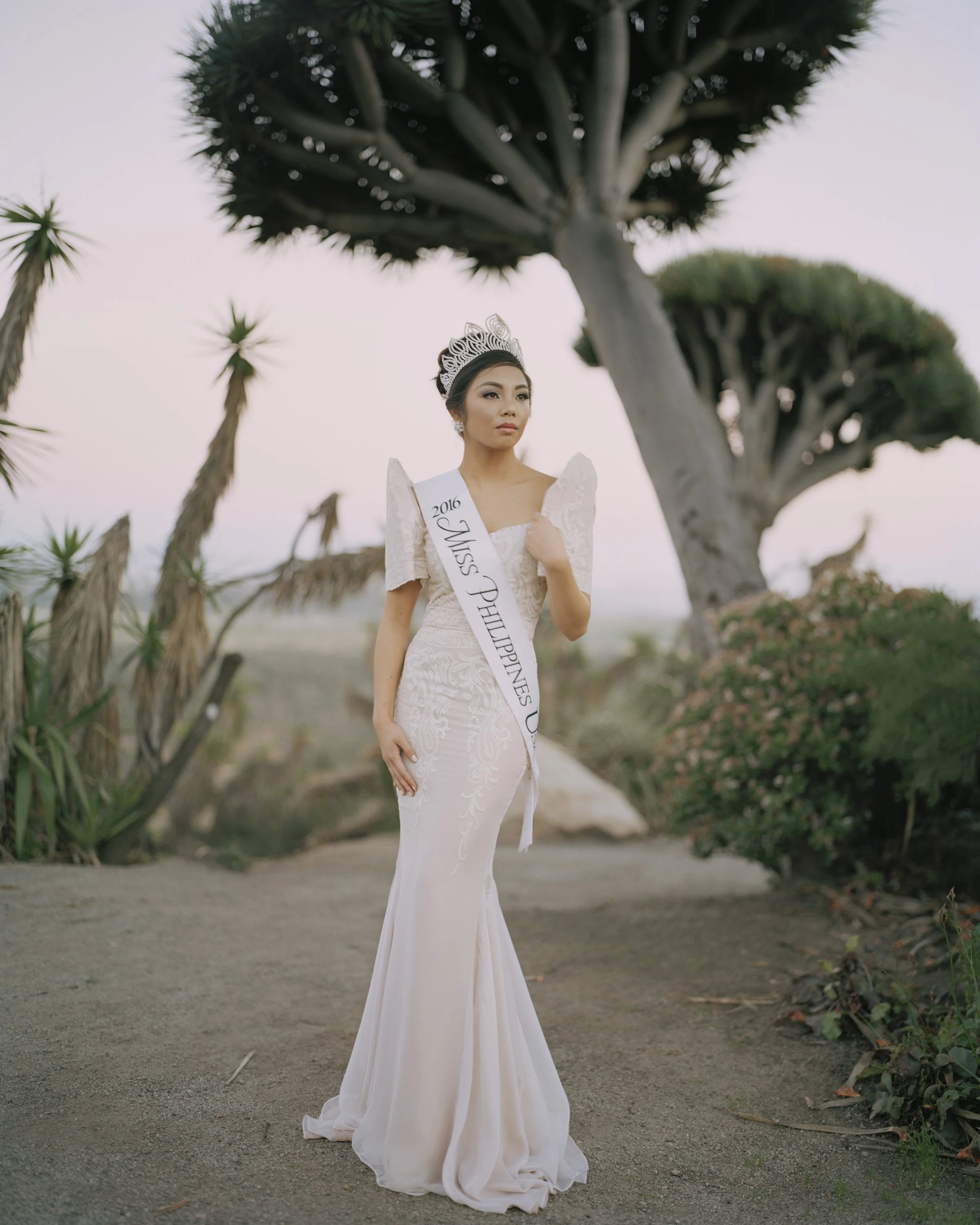
This became almost a case study in the idea of the Trojan horse. I spent a long time thinking and researching, and then I discovered that many of these communities were holding beauty pageants celebrating dual identities. For example, there were events like Miss Arab USA and Miss India Florida, celebrating both cultural heritage and American identity.
These beauty contests took place within the same immigrant communities that had once sued to be considered white. Now, a hundred years later, they are celebrating their identity of origin and their American identity simultaneously in the most American way possible.
Adding another layer to this, I was working on this portion during the first Trump presidency. Trump had been the owner of Miss Universe, which created an inherent critique of his immigration policy within the project. It also became a way to connect cultural movements to these historical cases.
Visually, I aimed to make the images as beautiful and romantic as possible to create a contrast with the heavy textual aspects we were exploring. This section isn’t photographed with traditional umbrellas on white backgrounds, it breaks from the typical visual approach in the book. Instead, every shot uses natural light, captured at sunset across the country with a four-by-five camera and a super-specific 3.5 lens wide open. The result is dreamy and powerful imagery.
The goal was to create a strong contrast: while the text delves into serious topics, the images are designed to be beautiful, romantic, and emotionally impactful, balancing out the narrative.
That's the first time I heard about the Trojan horse. That really fascinates me. Do you have another example, maybe something you used in your artwork, in another section, or in a different work from this book?
I love it. Yeah, totally.
The book is divided into five chapters that align with the themes we wanted to explore. This wasn't just a casual project, I'm not a scholar or an academic, but the topics I delve into touch on those realms. I collaborated with Frank H. Wu, an eminent legal scholar focusing on issues of citizenship and identity. We structured the book with five chapters pairing his essays with visual narratives. Frank would write his essays, and then Stuart Smith, the publisher at GOST, and I would create visual structures that started where the essays ended and took their own direction.
One of the sections specifically examines issues related to Native Americans in the US. It's a challenging section, as you can imagine, very heavy. I wanted to end it on a visually striking note while connecting it back to American folklore and mythology, reflecting on the psyche that fueled expansion and the destruction of these communities, a psyche that still persists today.
For this, I photographed a location in Utah where people conduct Mars research. They dress in fake space suits, live in a simulated Mars space station, and collect rock samples in the desert. They're some of the top scientists in the world, but the setup feels almost like summer camp. There's a transition from scenes of the American West to landscapes that appear alien, with people in space suits. This shift feels refreshing, but at the end, you encounter this line from Trump's second inaugural address, where he advocated for space exploration, referring to it as "America's Manifest Destiny of the Stars."
Manifest Destiny was the cultural framework used to justify westward expansion and the destruction of Native communities. This juxtaposition makes you reflect on how these ideas continue today. When this work is exhibited, the Mars imagery consists of huge prints that underscore this connection.
It was just this idea of moving from material that had been more contained within a specific section. It starts in a place that's much more literal, looking at the massacre that happened 150 years ago in a place called Sand Creek. We focused on one kid who survived that massacre, and then we tracked down as many of his living descendants as we could find.
It became this huge portrait typology of all these people. The idea was, how do you look at a massacre? One way is by focusing not on the hundreds who died, but on the one person who survived. When you project that inversely, you realise this community could have looked two, three, or even four hundred times larger if the massacre hadn’t happened. Then you multiply that by the number of similar events, and the impact becomes overwhelming.
So, it starts in that literal way. As we move through the narrative, it shifts into a projection forward, thinking about space and the future. But despite that shift, we realise we’re still, in many ways, psychically in the same place as a culture. We’re still clinging to the same myths of our own greatness and our own power, the very mindset that caused these tragedies in the past.
You mentioned that when you first sat down with the editor and showed him the book, he told you there was more work to be done, right? When you compare how you imagined it when you created the dummy book to what it ended up being, how different is it? What have you learned when translating a photography project into this final stage we call a photography book?
Yeah, it was wildly different. To paraphrase him, I think he said something like, "Every decision you've made is wrong, but there's something we can work with here."
If I were to sit down with both edits, just looking at the images included in each, they wouldn’t be drastically different. What ended up being very different was the structure and the reasoning behind it. The dummy I had made existed within this very traditional mindset: this is my photo book, and then I'll have a foreword by someone who justifies me having a photo book.
It was very on the nose, very direct. One of Stu’s main critiques was that by positioning myself as an expert, I was unintentionally highlighting gaps within the work. The reason people often include a foreword in a photo book is that it usually serves as a piece of text to excuse what’s not working in the book. We realised that wasn’t particularly interesting.
So, we went back and forth. Everything got thrown into the pile, thousands of images. Frank, who was initially going to write the introduction, ended up writing a series of essays instead. We re-edited the entire book and sent it to Frank, asking if he could write essays that would converse with the work. He sent us something very different from what we expected, and we realised we could actually structure the book around these essays.
I went to London and stayed at Stu’s house for a week. We literally laid piles on the floor: the essay at the top of each pile, and then we selected images from stacks of hundreds, laying them down in relation to each essay. We completely rebuilt the book’s structure based on this, with what Stu described as a looping narrative. It wasn’t about starting with an argument and then concluding it; instead, it created an ongoing, evolving conversation.
You weren’t trying to create a narrative arc or movement. Instead, you were navigating between the past and present, aiming to show without necessarily offering resolution. To me, this added a remarkable level of complexity to what I previously thought a photo book could be. This project, in particular, feels quite ambitious.
It made me realise how much more ambitious one can be within the photo book medium. There’s a vast range of possibilities achievable through structure, the relationship between image and text, and the way images transition and interact. It was eye-opening to consider that, although photo books have existed for quite some time, there’s still so much unexplored territory to delve into and push boundaries.
That can be incredibly powerful. I believe that’s where the medium truly shines. It made me more excited about working within this space and significantly more ambitious. Interestingly, it also made me less precious about individual images.
One of the things Stu always does when he edits with people is to work on the floor using low-quality prints. This approach breaks the often overly delicate relationship photographers tend to have with their photographs. When looking at small, cheaply printed images from the corner shop, the meticulous care you put into highlights, shadows, and perfect balance doesn’t really show. The image transforms into more of a sense memory of what you know it to be.
When the photos are laid out on the floor and you’re moving around them, even stepping on them, your focus shifts to structure and how each image fits within the flow and movement of the book. It’s no longer about curating a collection of precious images arranged perfectly, but about understanding their role within the broader narrative.
Martin: Thank you so much for sharing your insights, Benjamin. Take care. Wishing you all the best with your future work.
Benjamin Rasmussen: You too, Martin. Goodbye.
Martin: Goodbye.
To discover more about this intriguing body of work and how you can acquire your own copy, you can find and purchase the book here. (GOST Books)
More photography books?
We'd love to read your comments below, sharing your thoughts and insights on the artist's work. Looking forward to welcoming you back for our next [book spotlight]. See you then!
Robin de Puy could no longer make this project alone. She first photographed Randy in Ely, Nevada, during a 2015 road trip and kept returning to him for more than ten years. Interviews