How Merlin Daleman’s Mutiny Captures the Social and Economic Divides of Post-Brexit Britain
Welcome to this edition of [book spotlight]. Today, we uncover the layers of 'Mutiny,' by Merlin Daleman (published by GOST Books). We'd love to read your comments below about these insights and ideas behind the artist's work.
Photography can reveal the fractures a nation tries to hide.
Merlin Daleman’s new book Mutiny shows the social and economic divides that shape post-Brexit Britain. He visited more than 60 towns and cities, from Skegness to Belfast, to understand how political decisions and years of neglect affect daily life. His photographs focus on quiet streets, closed shops, and small human moments that speak to both hardship and resilience. This is not a story about headlines, but about what you see when you stand in these places.
Mutiny began with Daleman’s return to the UK after years abroad.
He came back to a country that felt different, or perhaps one that had been changing for much longer than he realised. As both a native and an outsider, he noticed the signs of inequality and the slower pace of change outside major cities. The project uses observation, patience, and respect to capture a complex reality. It is a photographic record of a Britain still finding its way forward, even as its divisions remain.
In January 2017, Merlin Daleman began walking Britain’s forgotten streets.
The Book
Mutiny by Merlin Daleman is a photographic journey through the towns and cities of post-Brexit Britain, published by GOST Books in August 2025. Shot between 2017 and 2024 in more than 60 locations, from Aberdeen to Skegness, the work documents the social and economic divides that have deepened over decades. Daleman’s quiet, observational images balance scenes of hardship with moments of humour, dignity, and resilience, offering a nuanced portrait of communities often overlooked in national narratives. Accompanied by an essay by journalist Niels Posthumus, Mutiny situates these photographs within the wider political and economic context, revealing how history, geography, and policy have shaped daily life across the United Kingdom. (GOST Books, Amazon)
Introduction to the project: What drew you to create Mutiny, and how would you describe the story it tells about contemporary Britain?
I started Mutiny out of a need to understand. After living abroad for years, I returned to the UK following the Brexit referendum and felt I was seeing a different country, or perhaps one that had been changing for much longer than I’d realised.
The photographs tell a story about division, yes, but also about people’s ability to endure. I was trying to look at the conditions, social, economic, emotional, that shape life in post-industrial towns and cities across Britain. It's a story told through small encounters, quiet streets, and the details of everyday life.
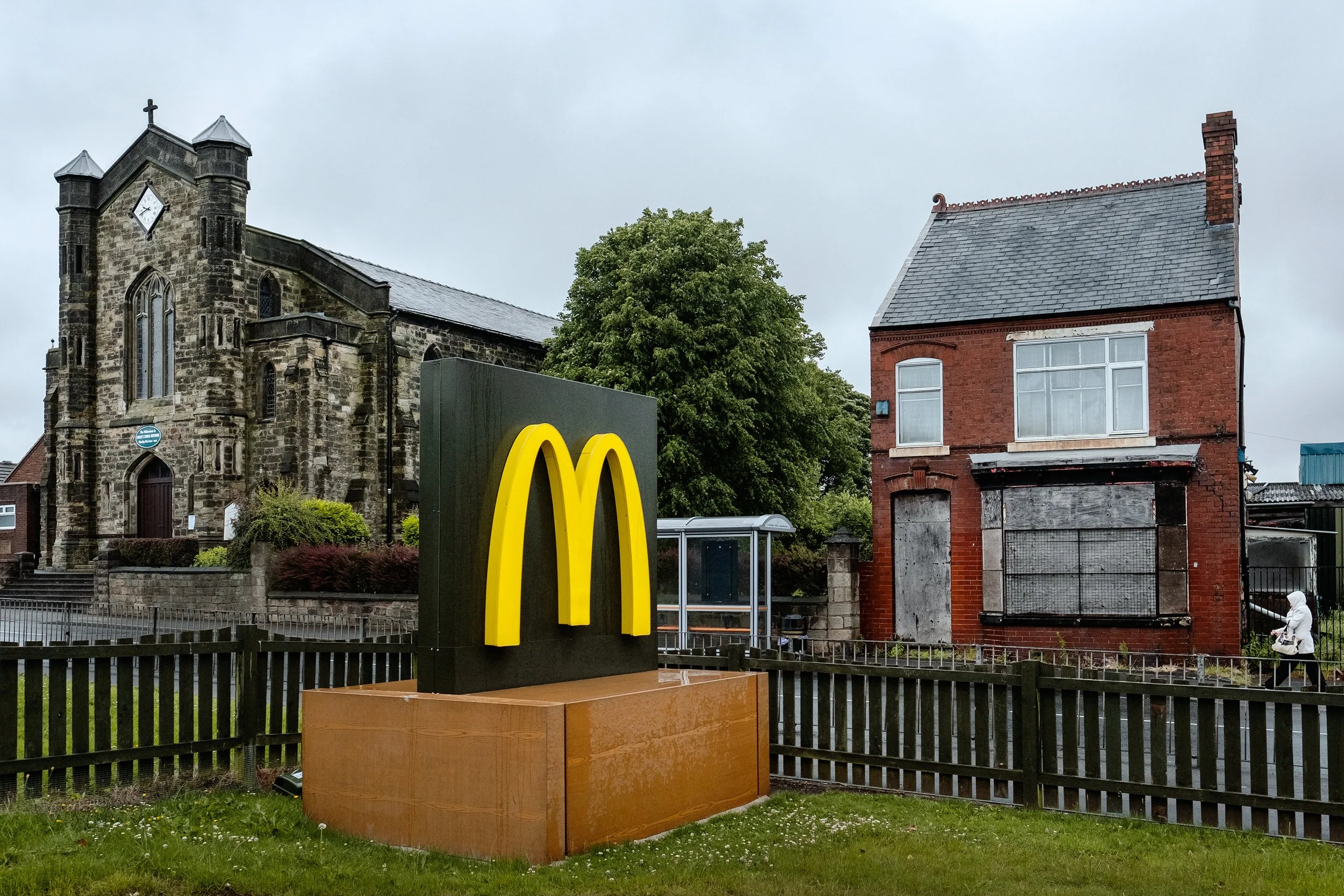

Fractured landscapes: In your statement, you describe Mutiny as a story of a divided nation. How did you visually approach capturing both the fractures and the resilience you witnessed?
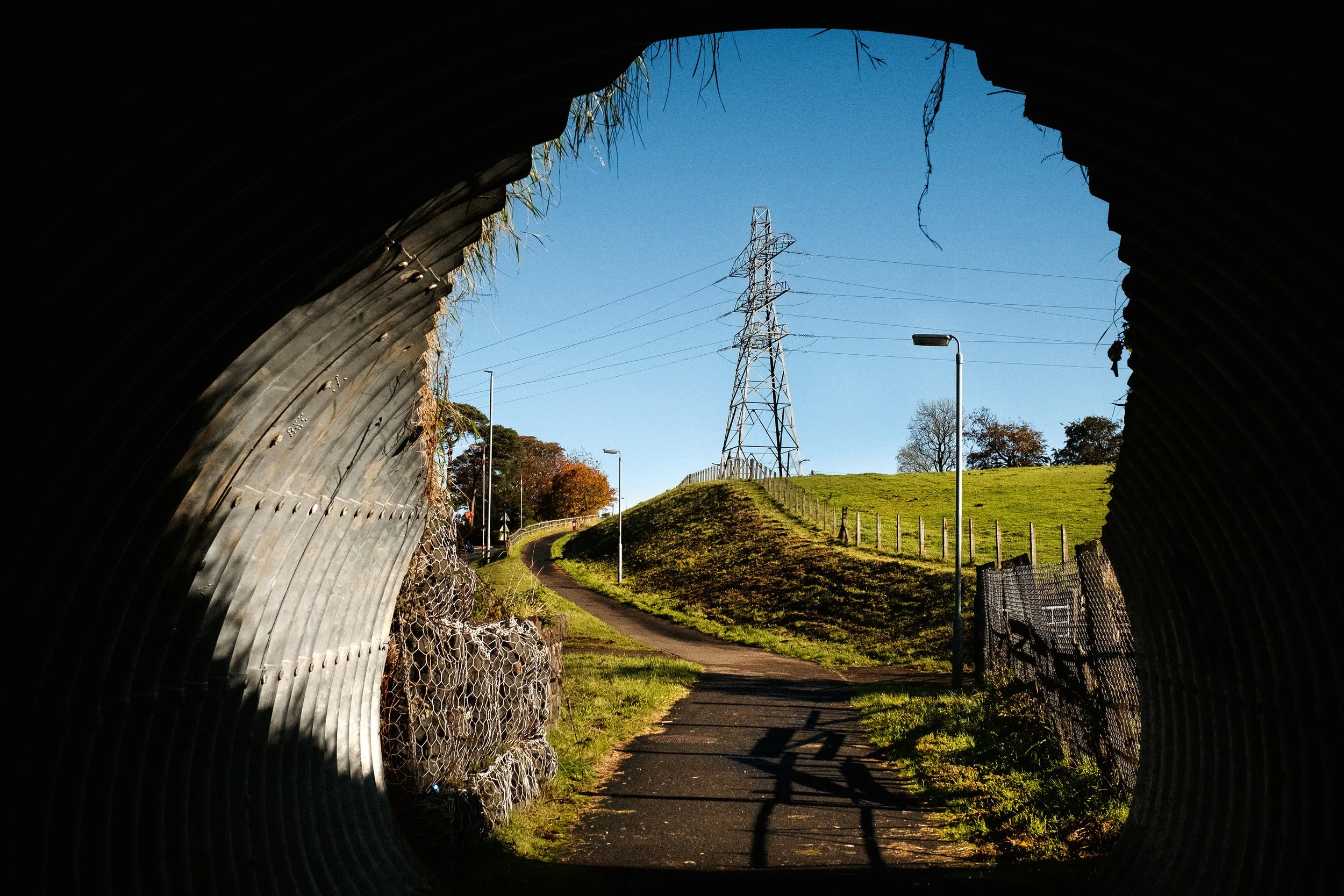
I was looking for the quieter kind of evidence and everyday life, the things people walk past every day: empty shops, shuttered windows, forgotten estates. But just as important were signs of life and the people living in these places. I hope to show with dignity that these people still go on and don’t give up, where resilience lives alongside hardship. I wanted to make images that allow people to sit with those contradictions, not simplify them (if that makes sense).

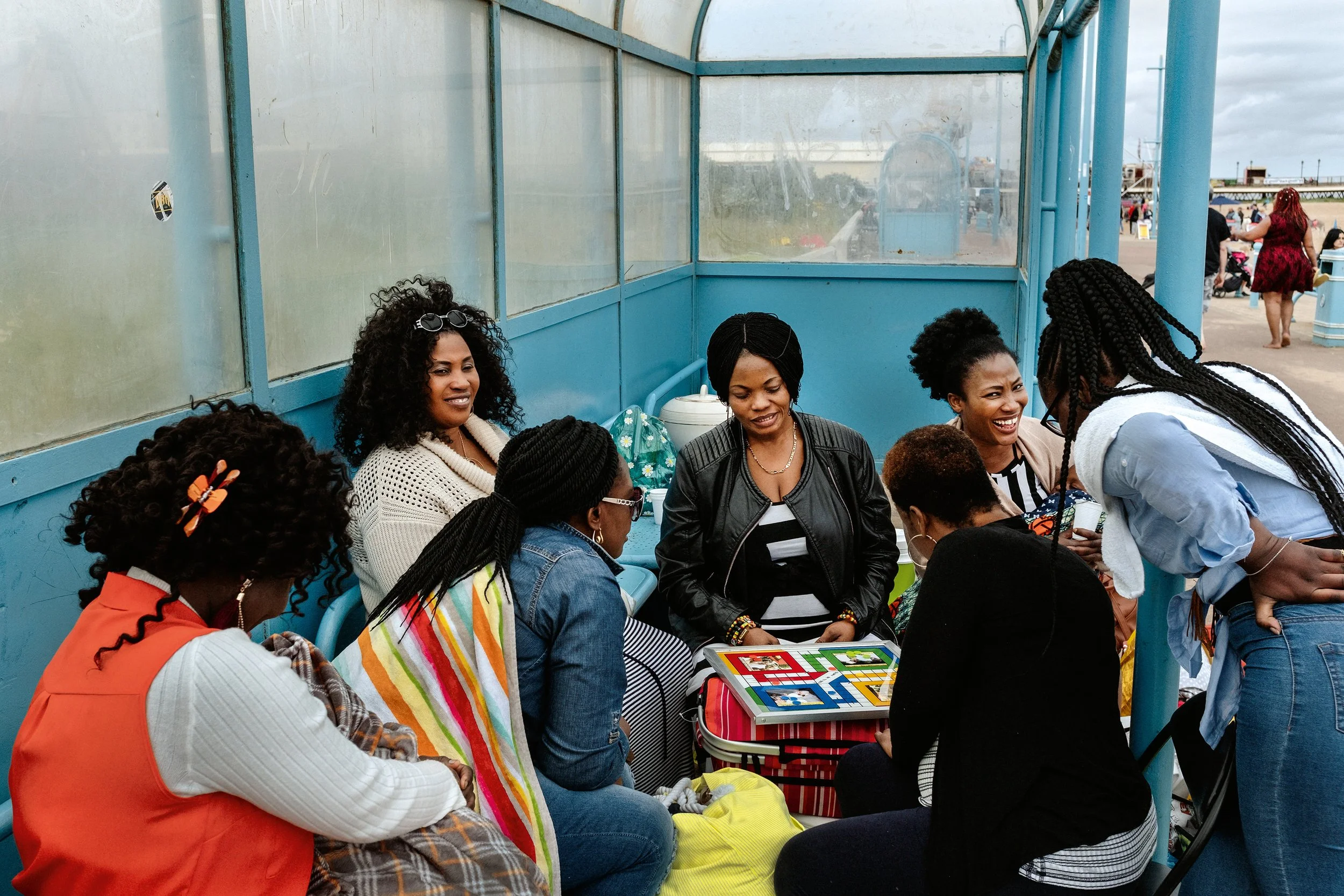
Seeing as an outsider: After years in the Netherlands, how did your perspective shift when revisiting familiar towns and cities in the UK as both a native and an outsider?
It gave me a sort of double vision. I knew these places, I grew up in one of them, but I was seeing them with an outsider’s eye. Living in the Netherlands for so many years I realised that it seemed that time stood still in the UK or at least moved forward at a much slower pace. I first thought that the UK might have changed but I realised after a while that the change, or stagnation, started already in the late eighties.
Geography and inequality: The book’s essay highlights the stark economic divide between London and the rest of the country. How did you use photography to reflect this disparity?
Well, first of all, when I started this project back in January 2017, I compiled a list of the councils with the highest Brexit votes, and later on, I also travelled to the places that would suffer the most due to Brexit. It became clear quite soon that these places were also the places that score high on the poverty list. It soon became clear that the places I visited had been cut off from investment or decision-making power; you see it in infrastructure, in the kinds of shops still open, in the repurposing of old industrial buildings, or sometimes in the fact that they’ve been left to decay.
Advice for documentary photographers: What advice would you give to photographers who want to explore political or economic tensions through personal long-term projects?
Oh, that’s a difficult one. First of all, I’d say start with research but work from curiosity, rather than conclusions. Spend time in the places you photograph and make sure your images respect the complexity of what you’re seeing.
Subtle encounters: Many of your images are quiet, observational street scenes. What do you think is the power of subtle visual storytelling in a time of polarising headlines?
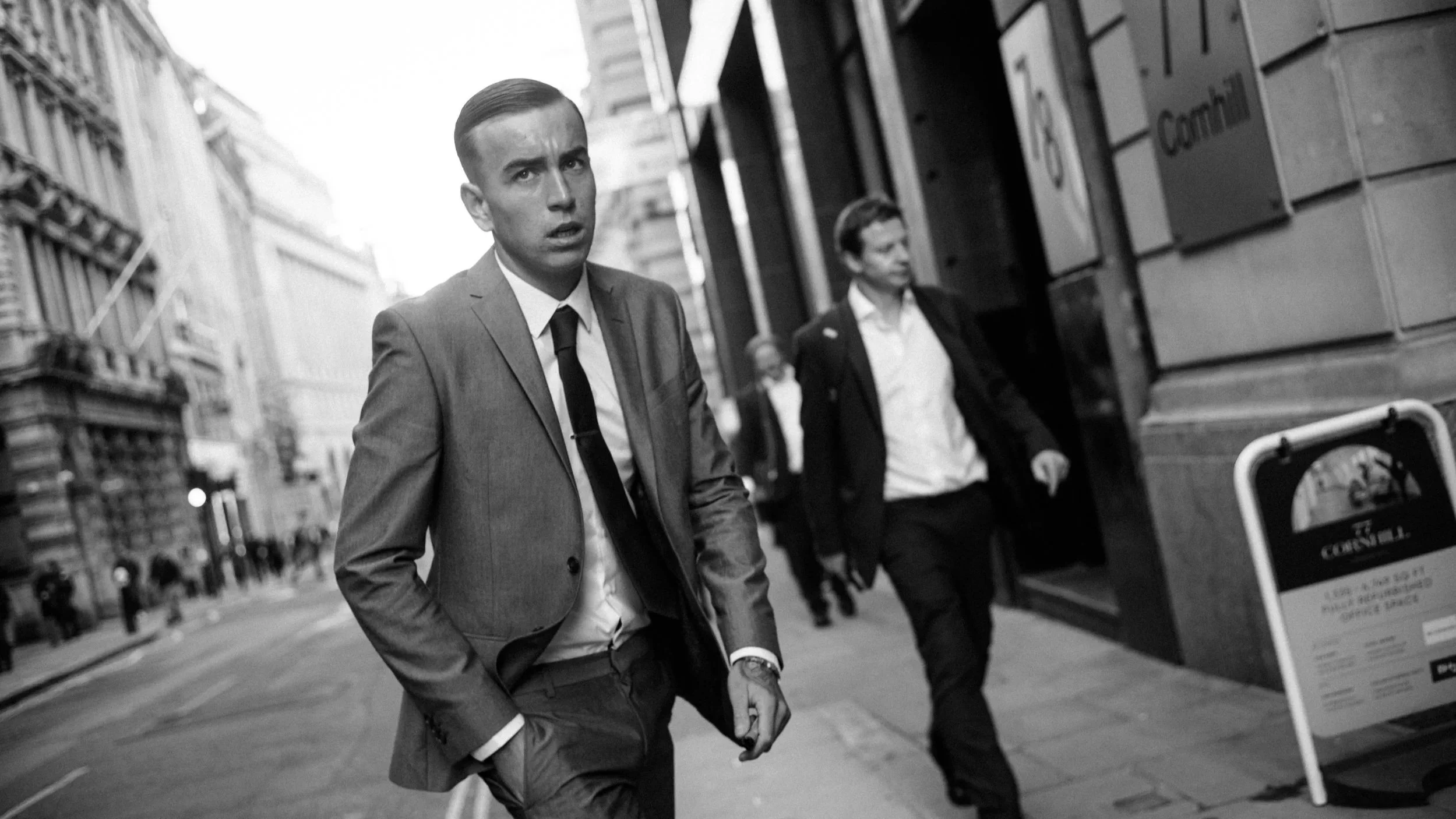
Subtlety invites people to stay with the image, to look again (perfect for a photo book, by the way). In a time when photography is often fast, loud, or literal, quiet pictures can feel more lasting. For me, documentary photography isn’t just about information; it’s about atmosphere, tension, empathy. A small moment, someone pausing at a bus stop, a curtain fluttering in a council flat window, can carry a lot, if we let it.
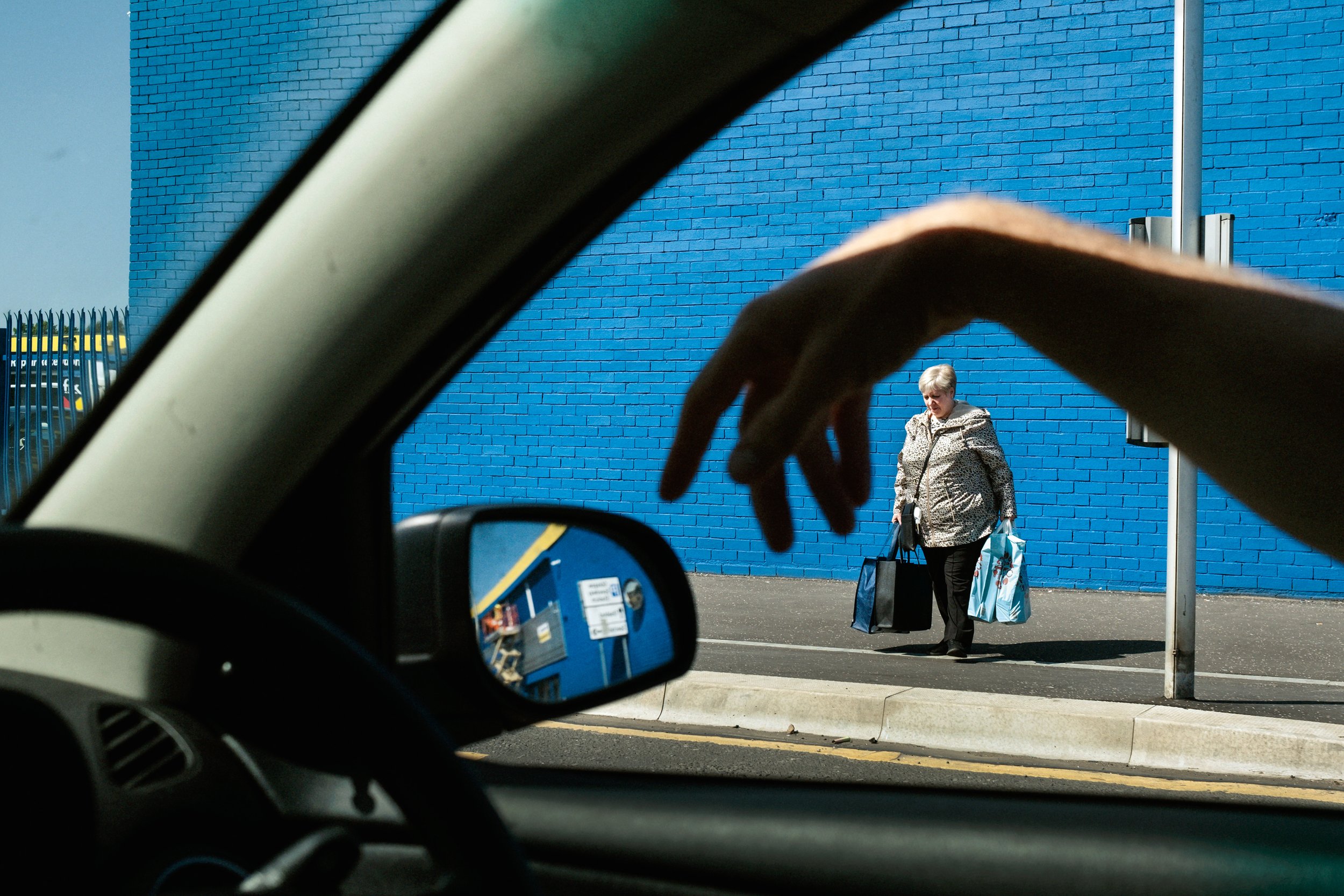
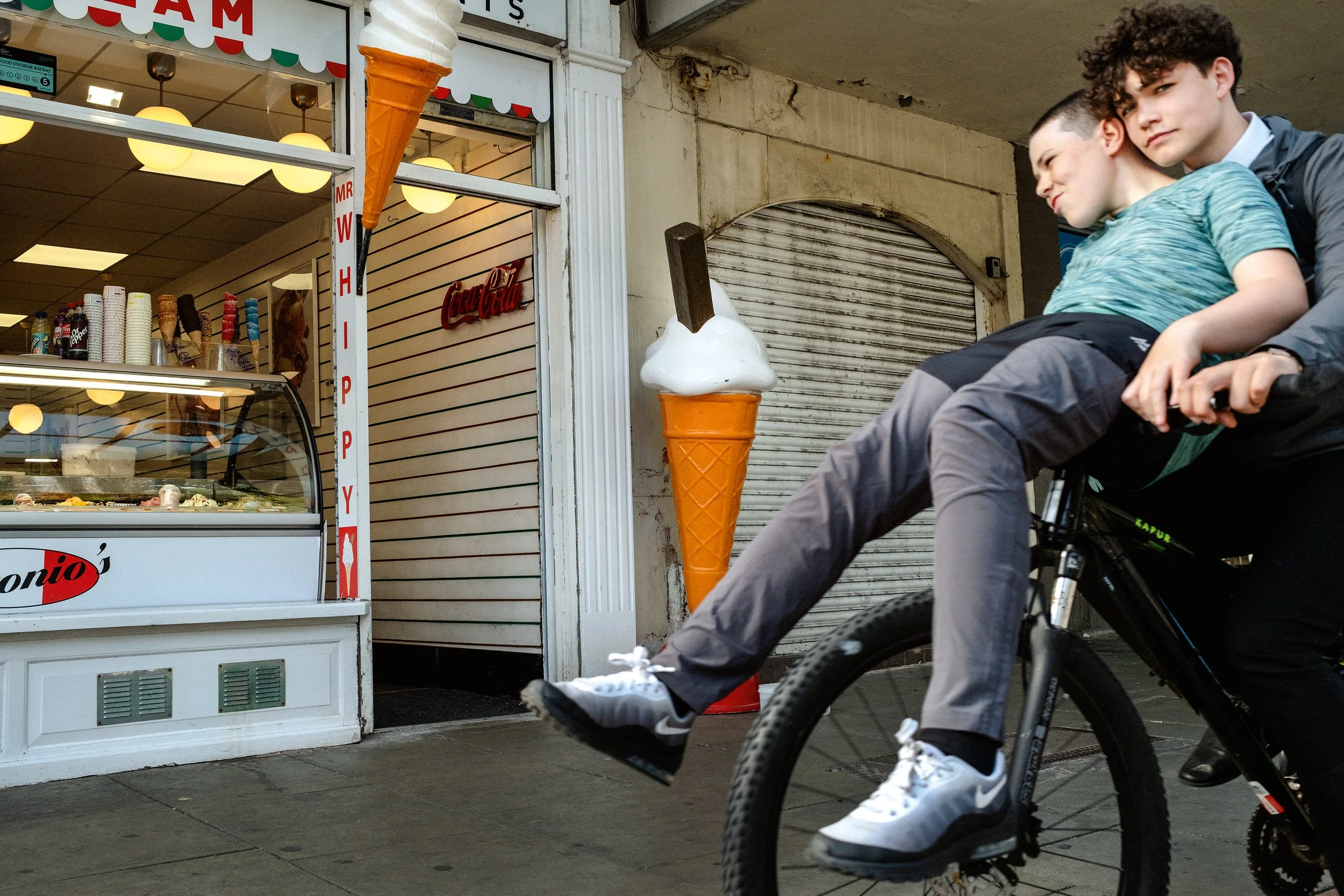
Documenting the Brexit aftermath: Mutiny was shaped by the 2016 referendum. How did the legacy of Brexit shape what you were looking for or what you ended up finding in these communities?
Brexit was my starting point, not the subject. It told me where to look, in the areas where Leave won by large margins, but once I got there, it was clear the roots ran much deeper. People weren’t voting against Europe, necessarily; they were voting against feeling forgotten. I wasn’t looking to photograph “Brexit Britain.” I wanted to show the wider social landscape that had led to that moment.
Humour and dignity: Despite difficult subject matter, there is humour and warmth in many of your photographs. How important was it for you to balance critique with empathy?
Very much so. What are the British without humour? It’s in our DNA.
I don’t believe in making work that’s only bleak or critical. People don’t live their lives as symbols; they laugh, they get on with it, they find joy in small things. If you’re photographing people with dignity, that has to include their spirit, even when times are hard. Otherwise, you risk reducing them to just their struggles.

What remains unresolved: After visiting more than 60 towns and cities, what still lingers in your mind? Did this project change how you view the concept of a “united” kingdom?
I’ve been left with a feeling, or a wish might be a better word, for the UK to become more united, for the central power to re-unite the country because people deserve it. We all deserve better opportunities, and the systems are meant to support that. I guess the contradiction that sticks is: a country divided in so many ways, yet still full of people trying to hold things together.
To discover more about this intriguing body of work and how you can acquire your own copy, you can find and purchase the book here. (GOST Books, Amazon)
More photography books?

We'd love to read your comments below, sharing your thoughts and insights on the artist's work. Looking forward to welcoming you back for our next [book spotlight]. See you then!
Gosbert Gottmann wanted war photographs that resisted easy reading. In Freiheit Freedom Воля, he works with images connected to the war in Ukraine and changes them through abstraction, distortion and deformation. Photography Book Spotlight